

Unlocking Photorealism: A Technical Deep Dive into Unreal Engine’s Lumen for Automotive Visualization with 88cars3d.com Models
The pursuit of photorealism in real-time applications has long been the holy grail for 3D artists and developers. From game engines to architectural visualization, achieving truly convincing lighting, especially global illumination, has historically been a demanding task, often involving pre-computation or significant compromises. This all changed with the advent of Unreal Engine 5 and its revolutionary real-time global illumination and reflections system: Lumen. For professionals in automotive visualization, game development, and high-fidelity rendering, Lumen represents a monumental leap forward, offering unparalleled dynamic lighting that reacts instantly to scene changes, light sources, and material properties.
In the world of automotive visualization, where the subtle nuances of car paint, the interplay of reflections on chrome, and the realistic illumination of an interior are paramount, Lumen provides the tools to achieve stunning, lifelike results without the constraints of baked lighting. This comprehensive guide will take you on a deep dive into Unreal Engine’s Lumen, exploring its technical underpinnings, setup, optimization strategies, and how to integrate it with high-quality 3D car models – such as those meticulously crafted and available on 88cars3d.com – to create truly breathtaking automotive experiences. Get ready to master the art of dynamic, photorealistic lighting in Unreal Engine.
The Revolution of Real-Time Global Illumination with Lumen
Global Illumination (GI) is the complex simulation of light bouncing off surfaces and illuminating other surfaces, contributing to the overall brightness and realism of a scene. Before Lumen, achieving realistic GI in real-time was a significant technical hurdle. Traditional methods like Lightmass would “bake” light into textures or lightmaps, providing stunning results but limiting dynamism – any change to lighting or geometry required a costly re-bake. Screen Space Global Illumination (SSGI) offered some real-time bounce light but was limited to what was visible on screen, leading to visible artifacts and incomplete lighting.
Lumen fundamentally transforms this landscape. It’s a fully dynamic GI and reflection solution that calculates indirect lighting and reflections at runtime, adapting instantly to changes. This means moving lights, shifting time of day, destructible environments, and even changes to a vehicle’s paint material will realistically alter the scene’s illumination and reflections in real-time. For automotive visualization, where dynamic environments, interactive configurators, and virtual production setups are increasingly common, Lumen is not just an improvement; it’s a game-changer, enabling unprecedented levels of visual fidelity and artistic freedom without sacrificing performance or iterative speed.
Understanding Lumen’s Core Technologies
Lumen achieves its dynamic prowess through a clever combination of technologies. At its heart lies **Software Ray Tracing (SFRT)**, which traces rays against scene representations, often using signed distance fields (SDFs) or Mesh Distance Fields (MDFs) for large-scale GI. SDFs provide a volumetric representation of scene geometry, allowing Lumen to estimate intersections and bounce lighting without needing full geometric data. For more precise detail and reflection, Lumen also leverages **Screen-Space Traces** to capture local reflections and details visible within the camera’s view. These techniques work in concert, balancing performance with visual accuracy. The result is a robust system that can simulate an infinite number of light bounces, contributing to incredibly realistic ambient lighting, color bleeding, and soft shadows, making even intricate automotive designs look truly grounded within their environment.
Lumen vs. Traditional Lighting Methods
The contrast between Lumen and traditional baked lighting methods like Lightmass is stark, particularly for automotive projects. Lightmass excels at static scenes, delivering pixel-perfect GI and complex shadow detail, but at the cost of long bake times and significant memory usage for lightmaps. Its static nature means any movement of objects or lights breaks the baked solution, making it unsuitable for interactive experiences or virtual production. Previous real-time solutions like SSGI offered some dynamism but suffered from screen-space limitations, leading to visible flickering, incomplete GI, and a lack of off-screen bounces. Lumen, on the other hand, provides dynamic, infinite-bounce GI that responds immediately to scene changes. While it may not always match the absolute precision of a heavily optimized, offline ray-traced render, its real-time performance and visual quality make it the superior choice for modern, interactive automotive experiences and game development. The speed of iteration alone, allowing artists to make lighting adjustments and see immediate results, drastically improves workflow efficiency.
Setting Up Your Unreal Engine Project for Lumen
Embarking on a Lumen-powered automotive project requires careful initial setup within Unreal Engine. First and foremost, you’ll need Unreal Engine 5 or later. While Lumen is largely software ray-traced, a modern GPU is highly recommended for optimal performance and to fully experience the visual fidelity. NVIDIA’s RTX series and AMD’s RX 6000 series (or newer) are excellent choices, with hardware ray tracing features enhancing certain aspects of Lumen, especially reflections.
Once your engine version is ready, the core Lumen features need to be enabled and configured within your project settings. These settings will dictate how Lumen calculates global illumination and reflections, allowing you to balance visual quality with performance requirements for your target platform. A thoughtfully configured project lays the groundwork for leveraging Lumen’s full potential, ensuring that your high-fidelity 3D car models receive the lighting they deserve.
Essential Project Settings for Lumen
To enable Lumen, navigate to **Edit > Project Settings** in Unreal Engine. Under the **Engine** category, select **Rendering**. Scroll down to the **Global Illumination** section and change the **Global Illumination Method** dropdown to **Lumen**. Immediately below this, in the **Reflections** section, set the **Reflection Method** to **Lumen**. This crucial step activates Lumen for both indirect lighting and reflective surfaces throughout your scene.
Beyond simply enabling it, several key Lumen settings can be found in the Post Process Volume (PPV) that will fine-tune its behavior. Create or select a PPV in your scene and search for “Lumen.” Important parameters include:
- Lumen GI Quality: Controls the overall quality of global illumination, impacting trace distance, probe count, and sample count. Higher values (e.g., 3-4) yield better visual fidelity but incur a performance cost.
- Max Lumen Bounces: Determines how many times light can bounce indirectly. For most scenes, 2-3 bounces provide a significant visual boost without excessive performance impact. Automotive scenes, especially interiors, benefit from higher bounces for more realistic light scattering.
- Lumen Reflection Quality: Similar to GI quality, this setting controls the fidelity of Lumen’s real-time reflections.
- Hardware Ray Tracing (Optional): While Lumen primarily uses software ray tracing, enabling Hardware Ray Tracing in Project Settings (under Rendering > Ray Tracing) can significantly improve the quality and performance of Lumen Reflections, especially for highly reflective surfaces like car paint and chrome, if your hardware supports it. You can control this specifically for Lumen via console variables like `r.Lumen.Reflections.HardwareRayTracing`.
For detailed instructions on enabling Lumen and other rendering features, consult the official Unreal Engine documentation at dev.epicgames.com/community/unreal-engine/learning.
Preparing Your Environment for Photorealism
With Lumen enabled, prepare your scene to fully showcase its capabilities. Start by ensuring your environment’s scale is accurate. Unreal Engine uses a default scale where 1 unit equals 1 centimeter, so a typical car model should be around 400-500 units long. Accurate scale is vital for Lumen’s distance field calculations. Next, populate your scene with basic geometry that acts as the environment for your vehicle. Simple walls, floors, and ceilings are sufficient initially, as Lumen will immediately begin calculating light bounces and color bleeding.
Introduce your primary light sources. A **Directional Light** will simulate the sun, providing direct light and shadows. A **Sky Light**, usually paired with a high-dynamic-range image (HDRI), is crucial for capturing environmental lighting and reflections, providing soft ambient light that Lumen will propagate throughout the scene. Lumen works seamlessly with both these light types, dynamically calculating how their light interacts with your scene geometry and materials. For localized lighting, add **Point Lights** or **Spot Lights** to create specific highlights or illuminate interior spaces, and observe how Lumen realistically distributes their indirect light. The interplay of these lights, combined with your scene’s materials, will quickly demonstrate the power of Lumen.
Integrating High-Quality 3D Car Models and PBR Materials with Lumen
The true potential of Lumen comes to life when paired with high-quality 3D assets and meticulously crafted Physically Based Rendering (PBR) materials. A stunning lighting solution can only go so far if the underlying models and textures lack fidelity. This is where sourcing professional-grade assets, such as those available on marketplaces like 88cars3d.com, becomes critical. These platforms offer meticulously modeled cars with clean topology, optimized UV mapping, and high-resolution PBR textures, ensuring that every light bounce and reflection calculated by Lumen contributes to an overwhelmingly realistic visual experience.
Importing these assets correctly and setting up their materials to respond accurately to Lumen’s light calculations is paramount. PBR materials are designed to simulate how light interacts with real-world surfaces, making them the perfect companion for Lumen’s physically accurate lighting model. When these elements align, the result is a level of automotive visualization that blurs the line between real and rendered.
Leveraging 88cars3d.com Assets for Lumen
When sourcing automotive assets from marketplaces such as 88cars3d.com, you are typically acquiring models optimized for game engines and real-time rendering. These models often feature:
- Clean Topology: Well-structured mesh facilitates accurate light interaction and efficient performance.
- Proper UV Mapping: Essential for applying textures without stretching or distortion, ensuring PBR maps are sampled correctly.
- PBR Textures: Pre-packaged sets of Base Color, Metallic, Roughness, Normal, and sometimes Ambient Occlusion maps, ready for direct use in Unreal Engine.
- Optimized File Formats: FBX and USD are common, ensuring smooth import into Unreal Engine.
Importing these assets into Unreal Engine is straightforward. Use the “Import” button in the Content Browser, selecting your FBX or USD file. During import, ensure settings like “Combine Meshes” (if applicable) and “Import Textures” are configured correctly. Pay close attention to scale; a car from 88cars3d.com will likely be modeled to real-world scale, but it’s good practice to verify its dimensions in Unreal Engine to ensure Lumen’s distance fields and lighting calculations are accurate. These high-fidelity models provide the perfect canvas for Lumen to showcase dynamic indirect lighting, realistic reflections on car paint, and subtle subsurface scattering on headlights and glass.
Crafting Realistic PBR Materials for Lumen
The Material Editor in Unreal Engine is where you translate your PBR textures into physically accurate surfaces that Lumen will interpret. For automotive visualization, achieving hyper-realistic car paint, chrome, glass, and interior fabrics is crucial. Lumen fundamentally relies on these material properties to calculate how light is absorbed, reflected, and scattered:
- Base Color: This texture defines the diffuse color of a dielectric (non-metal) surface or the color of a metal’s reflection. It directly influences the color bleeding and diffuse GI in your scene. Ensure it’s in sRGB color space.
- Metallic: A grayscale texture (0 for non-metals, 1 for metals) that dictates if a material behaves as a metal or a dielectric. This is critical for Lumen to accurately calculate metallic reflections and energy conservation.
- Roughness: Controls the micro-surface detail and dictates how blurry or sharp reflections appear. A low roughness (close to 0) will result in mirror-like reflections, while high roughness (close to 1) will produce diffused reflections. This directly impacts how Lumen scatters reflected light.
- Specular: For non-metallic surfaces, this channel controls the intensity of specular highlights. While often set to a default (0.5), accurate IOR values can be calculated for specific materials.
- Normal Map: Provides high-frequency surface detail, faking bumps and grooves without altering geometry. It affects how light interacts locally with the surface, influencing reflections and shadows.
- Emissive Color: For elements like headlights, taillights, or dashboard displays, connecting an Emissive Color map will make these materials act as light sources, and Lumen will accurately propagate their light into the scene, creating realistic glow and bounce lighting.
Ensure all texture maps are correctly assigned and that you use appropriate texture resolutions (e.g., 4K or 8K for primary car body parts) for close-up shots. Materials like car paint can be complex, often requiring layered materials (base color, clear coat, flake layers) to achieve authentic appearance, all of which Lumen will faithfully render with its dynamic GI.
Advanced Lumen Lighting and Optimization for Automotive Visualization
While Lumen provides a robust foundation for real-time global illumination, mastering its advanced lighting techniques and understanding performance optimization is key to pushing the boundaries of automotive visualization. Combining Lumen with Unreal Engine’s other powerful lighting features, particularly Sky Lights and high-dynamic-range imagery, is essential for creating immersive and realistic environments around your 3D car models. Furthermore, knowing how to fine-tune Lumen’s settings and leverage engine-wide optimization strategies will ensure your project runs smoothly without compromising visual fidelity.
For high-end automotive renders, performance optimization is a continuous process. It’s about finding the sweet spot where stunning visuals meet a fluid frame rate, especially when targeting interactive experiences, virtual reality (VR), or cinematic sequences. Lumen offers a range of scalability settings and console commands that allow developers to precisely control its quality and computational cost.
Enhancing Automotive Scenes with Lumen and Sky Lights
The **Sky Light** is arguably the most critical light source to pair with Lumen for realistic environmental lighting in automotive scenes. By capturing information from an **HDRI (High-Dynamic Range Image)**, the Sky Light provides ambient light and reflections that accurately represent the surrounding environment. Lumen then takes this environmental light and propagates it, calculating indirect bounces that fill shadowed areas and contribute to color bleeding. For instance, a vehicle parked under a bright blue sky with a lush green landscape HDRI will show subtle blue and green tints in its shadowed areas due to Lumen’s GI.
For even higher quality reflections, especially for the crucial car paint and glass, consider enabling hardware ray tracing for your Lumen reflections if your target hardware supports it. This can be controlled via console commands like `r.Lumen.Reflections.HardwareRayTracing 1`. Additionally, strategic placement of localized light sources like **Point Lights** and **Spot Lights** within your scene will benefit immensely from Lumen. Imagine a car interior illuminated by a subtle dome light; Lumen will ensure that light bounces realistically off the dashboard, seats, and other surfaces, creating a cohesive and believable interior environment that reacts dynamically to any light changes.
Optimizing Lumen for Performance and Quality
Achieving optimal performance with Lumen while maintaining visual quality is a balancing act. Unreal Engine provides several tools and settings to help you fine-tune Lumen:
- Lumen Visualization Modes: In the viewport, navigate to `Show -> Visualize -> Lumen Overview`. This overlay provides valuable insights into how Lumen is tracing rays and generating distance fields, helping you identify areas of inefficiency or artifacts. Key modes like “Lumen Scene” and “Card Placement” show the underlying data Lumen uses.
- Post Process Volume Settings: As mentioned, settings like `Lumen GI Quality` and `Max Lumen Bounces` are primary levers. Experiment with these to find the lowest setting that still achieves your desired visual quality.
- Console Variables: For granular control, numerous console commands can be used. Some important ones include:
- `r.Lumen.MaxTraceDistance`: Controls how far Lumen traces rays. Reducing this can save performance in enclosed spaces.
- `r.Lumen.ScreenSpaceTraces`: Toggles screen-space traces, which are good for small details but can be expensive.
- `r.Lumen.DiffuseTracing.MaxBounces`: Similar to the PPV setting, but can be used for runtime control.
- `r.Lumen.HardwareRayTracing`: Enables/disables hardware ray tracing for Lumen, which can be faster and higher quality on supported GPUs.
- Nanite and Lumen: For highly detailed 3D car models from 88cars3d.com, converting them to Nanite meshes can significantly benefit Lumen performance. Nanite simplifies the geometry presented to Lumen’s software ray tracer, reducing the complexity of calculations without sacrificing visual detail. This is a powerful synergy for high-poly assets.
- Scene Complexity: Reduce unnecessary geometry or complex materials in areas that don’t directly interact with the vehicle. Optimized assets and efficient scene construction are always beneficial.
Regularly profiling your scene using the Unreal Engine’s built-in profilers (e.g., `stat gpu`, `stat unit`) is crucial to identify performance bottlenecks. By strategically adjusting these settings, you can ensure your automotive visualization project runs efficiently while delivering stunning, dynamic lighting.
Integrating Lumen with Unreal Engine’s Advanced Features
Lumen’s power is amplified when integrated with Unreal Engine’s broader ecosystem of advanced features. The engine is a comprehensive suite, and Lumen is designed to work seamlessly with tools like Nanite for virtualized geometry, Sequencer for cinematic storytelling, and even in cutting-edge virtual production environments. Understanding these synergies is essential for creating truly next-generation automotive experiences, whether for high-fidelity interactive configurators or pre-rendered marketing materials.
From handling incredibly detailed 3D car models to powering immersive AR/VR applications, Lumen plays a pivotal role in maintaining visual consistency and realism across various workflows. Its dynamic nature removes many traditional constraints, opening up new possibilities for creative expression and technical execution in automotive visualization.
Lumen, Nanite, and High-Fidelity Automotive Assets
Nanite, Unreal Engine’s virtualized geometry system, is a game-changer for handling extremely high-polygon assets – precisely the kind of detail found in premium 3D car models from sources like 88cars3d.com. Nanite automatically manages LODs and streams geometry, allowing scenes with billions of polygons to run smoothly. The synergy with Lumen is profound: while Lumen performs its software ray tracing, Nanite meshes are efficiently represented, significantly reducing the geometric complexity that Lumen’s tracing system needs to evaluate.
This means you can import incredibly detailed CAD-level data or highly tessellated models of vehicles without traditional polycount concerns, and Lumen will still calculate accurate global illumination and reflections efficiently. The automatic simplification Nanite provides for Lumen’s ray tracing queries ensures that even with complex vehicle interiors or highly detailed undercarriages, GI remains performant. For any automotive asset that benefits from high fidelity, converting it to a Nanite mesh is highly recommended to maximize both visual quality and Lumen’s performance. Be aware that Nanite currently doesn’t support deformation, so characters or animated parts like suspension might require traditional meshes or specific workarounds.
Lumen in Virtual Production and Cinematic Workflows
Lumen’s dynamic capabilities are perfectly suited for **virtual production**, especially in setups involving LED walls. In these environments, real-time lighting is paramount. As the digital environment displayed on the LED wall changes, Lumen ensures that the foreground physical assets (including real cars or props) and digital foreground assets dynamically receive correct indirect lighting, reflections, and color bleeding from the virtual background. This creates seamless integration and enhances immersion for in-camera visual effects.
For **cinematic content creation** using **Sequencer**, Unreal Engine’s non-linear editor, Lumen is invaluable. Imagine choreographing a car chase with dynamic time-of-day changes, where the sunlight and ambient GI shift realistically as the scene progresses. Or animating an interactive car configurator where the vehicle’s paint changes, and Lumen instantly updates the global illumination and reflections across the entire scene. Sequencer allows for intricate camera paths, vehicle animations, and material parameter changes, all of which benefit from Lumen’s real-time adaptability, eliminating the need for lengthy render farms and pre-bakes, and allowing for rapid iteration on cinematic look development.
AR/VR Optimization for Automotive Applications
While Lumen is robust, its computational cost can be significant, especially for demanding platforms like AR/VR. Optimizing Lumen for automotive AR/VR experiences involves a delicate balance between visual fidelity and performance targets (e.g., 90 FPS for VR).
- Quality Settings: Start by aggressively lowering Lumen GI and Reflection Quality settings in the Post Process Volume.
- Console Variables: Utilize console commands to further reduce ray trace distances, sample counts, and disable less critical features. For instance, `r.Lumen.ScreenSpaceTraces 0` can be a significant performance saver.
- Mesh Distance Fields: Optimize your Mesh Distance Field generation by ensuring no tiny, unnecessary geometry exists. You can adjust `r.Lumen.DistanceField.ResolutionScale` for less critical parts of the scene.
- Static Lighting Backup: For static parts of the scene or distant objects, consider utilizing static lighting for an extra performance boost, though this sacrifices dynamism.
- Material Complexity: Simplify complex materials and reduce the number of texture lookups where possible.
- Mobile Lumen: Unreal Engine also offers “Mobile Lumen,” a lighter-weight version specifically designed for mobile and less powerful hardware, which might be a viable option for certain AR/VR use cases, though it offers a different visual quality profile.
The goal is to provide a compelling, immersive experience without motion sickness or frame drops. Every millisecond counts, so thorough profiling and iterative optimization are crucial for Lumen-powered AR/VR automotive applications.
Overcoming Challenges and Best Practices with Lumen
While Lumen is incredibly powerful, like any advanced rendering technology, it comes with its own set of challenges. Understanding common issues such as light leaks, flickering artifacts, or unexpected performance drops, and knowing how to debug and mitigate them, is crucial for any artist or developer leveraging Lumen for automotive visualization. Adopting robust best practices in level design, asset preparation, and material creation will significantly streamline your workflow and ensure you consistently achieve high-quality, stable results.
Troubleshooting Lumen often involves a combination of visual inspection, utilizing Unreal Engine’s built-in debugging tools, and a systematic approach to adjusting settings. By being proactive and informed, you can harness Lumen’s full potential while effectively navigating its complexities.
Troubleshooting Common Lumen Artifacts
When working with Lumen, you might encounter a few common visual artifacts:
- Light Leaks: Light “leaking” through thin walls or geometry is a frequent issue. This often occurs because Lumen’s Mesh Distance Fields (MDFs) might not accurately represent extremely thin geometry.
- Solution: Ensure your scene geometry has sufficient thickness. For walls, consider 10-20cm. For complex car body panels, ensure they have volume. Adjusting `r.Lumen.DistanceField.ResolutionScale` in a Post Process Volume can also help by increasing the detail of the MDFs. For assets from 88cars3d.com, ensuring they are “closed” meshes with no gaps is a good starting point.
- Flickering/Temporal Artifacts: Subtle flickering, especially in shadowed areas or on reflective surfaces, can occur due to insufficient samples or fast camera movement.
- Solution: Increase `Lumen GI Quality` and `Lumen Reflection Quality` in your Post Process Volume. Experiment with `r.Lumen.GI.TemporalFilter.Strength` to stabilize temporal noise, or `r.Lumen.GI.ScreenProbeSamples` for higher sample counts. Ensure your Post Process Volume’s exposure settings are not too aggressive, causing highlights to blow out.
- Performance Drops: Sudden drops in frame rate are usually related to excessive scene complexity, too many active lights, or overly high Lumen quality settings.
- Solution: Use `stat gpu` and `stat Lumen` to profile your scene and identify bottlenecks. Convert high-poly models to Nanite. Reduce `Lumen GI Quality` and `Max Lumen Bounces`. Optimize materials, reducing complex shader calculations. Ensure your scene is well-optimized in general, as Lumen relies on underlying scene data.
Advanced Tips for Stunning Automotive Renders with Lumen
To truly make your automotive visualizations shine with Lumen, consider these professional tips:
- Physically Accurate Materials are Key: Reiterate the importance of accurate PBR values. For car paint, this means carefully crafting metallic flakes, clear coat layers, and using physically plausible IORs (Index of Refraction) for glass (e.g., ~1.52 for typical glass) and chrome. Lumen will faithfully translate these properties into realistic light interactions.
- High-Quality HDRIs for Sky Lights: Always use high-resolution, high-dynamic-range panoramic images (HDRIs) for your Sky Light. These provide rich, subtle environmental lighting and reflections that significantly enhance realism. Consider using multiple HDRIs or a light mixer system (via Blueprint) for dynamic environment changes.
- Volumetric Lighting for Depth: Integrate **Volumetric Fog** or **Exponential Height Fog** to give light rays visible depth and enhance the atmospheric quality of your scene. Lumen will interact with these volumetric effects, creating stunning god rays and localized fog effects that add realism to automotive environments.
- Strategic Post-Processing: After Lumen handles the core lighting, fine-tune the final look with a Post Process Volume. Adjust settings like Exposure, Color Grading (for cinematic looks), Bloom (for bright lights and emissives), Vignette, and Lens Flares to achieve a polished, professional aesthetic. Ensure `r.PostProcessAAQuality` is set appropriately for crisp edges.
- Blueprint for Interactivity: Leverage Blueprint visual scripting to create interactive automotive experiences. Imagine toggling car headlights, opening doors, or changing car paint colors in real-time. Lumen will dynamically update the lighting and reflections for all these changes, making the interactive experience incredibly immersive. For example, a Blueprint script could switch between different Emissive Color maps for headlights, and Lumen would automatically illuminate the ground and surrounding objects with the correct light.
- Optimize LODs (if not using Nanite): If not all car parts are Nanite meshes, ensure proper Level of Detail (LOD) settings for distant objects. Lower LODs reduce geometry, which can save performance even for Lumen’s ray tracing.
By implementing these strategies, you can minimize common issues and elevate your Lumen-powered automotive renders to an unparalleled level of photorealism and performance.
Conclusion
Unreal Engine’s Lumen global illumination system has unequivocally transformed the landscape of real-time rendering, pushing the boundaries of what’s possible in automotive visualization, game development, and interactive experiences. Its ability to deliver dynamic, high-fidelity indirect lighting and reflections instantly, without the painstaking process of pre-baking, grants artists and developers unprecedented creative freedom and iteration speed. From the subtle glint on a metallic car body to the realistic illumination of an intricately detailed interior, Lumen empowers creators to achieve truly photorealistic results that were once the exclusive domain of offline renderers.
We’ve explored Lumen’s core technologies, detailed the essential project setup, and highlighted the critical role of high-quality 3D car models – such as those found on 88cars3d.com – and meticulously crafted PBR materials. We’ve delved into advanced lighting techniques, crucial optimization strategies for various applications including AR/VR, and integrated Lumen with powerful Unreal Engine features like Nanite, Sequencer, and virtual production workflows. Finally, we’ve equipped you with practical tips for troubleshooting common challenges and best practices to consistently produce stunning automotive renders.
The journey to mastering Lumen is an ongoing exploration, but with the knowledge and techniques outlined in this guide, you are well-equipped to embark on it. Embrace experimentation, leverage the power of Unreal Engine 5, and explore the vast library of optimized, high-fidelity automotive assets available on platforms like 88cars3d.com. The future of real-time automotive visualization is here, and with Lumen, it’s brighter and more dynamic than ever before. Start building your next-generation automotive experience today!
Featured 3D Car Models
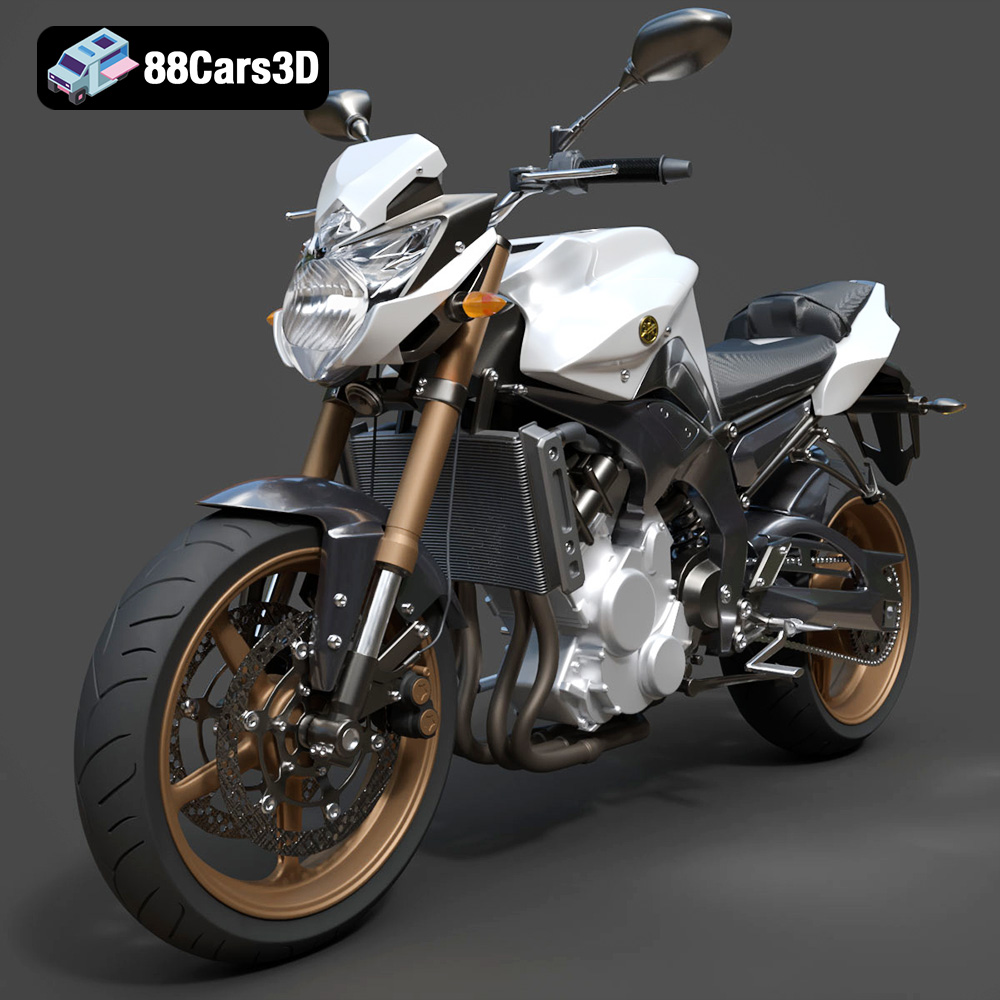
Yamaha FZ8 2011 3D Model
Texture: Yes
Material: Yes
Download the Yamaha FZ8 2011 3D Model featuring clean geometry, realistic detailing, and a fully modeled interior. Includes .blend, .fbx, .obj, .glb, .stl, .ply, .unreal, and .max formats for rendering, simulation, and game development.
Price: $19.99
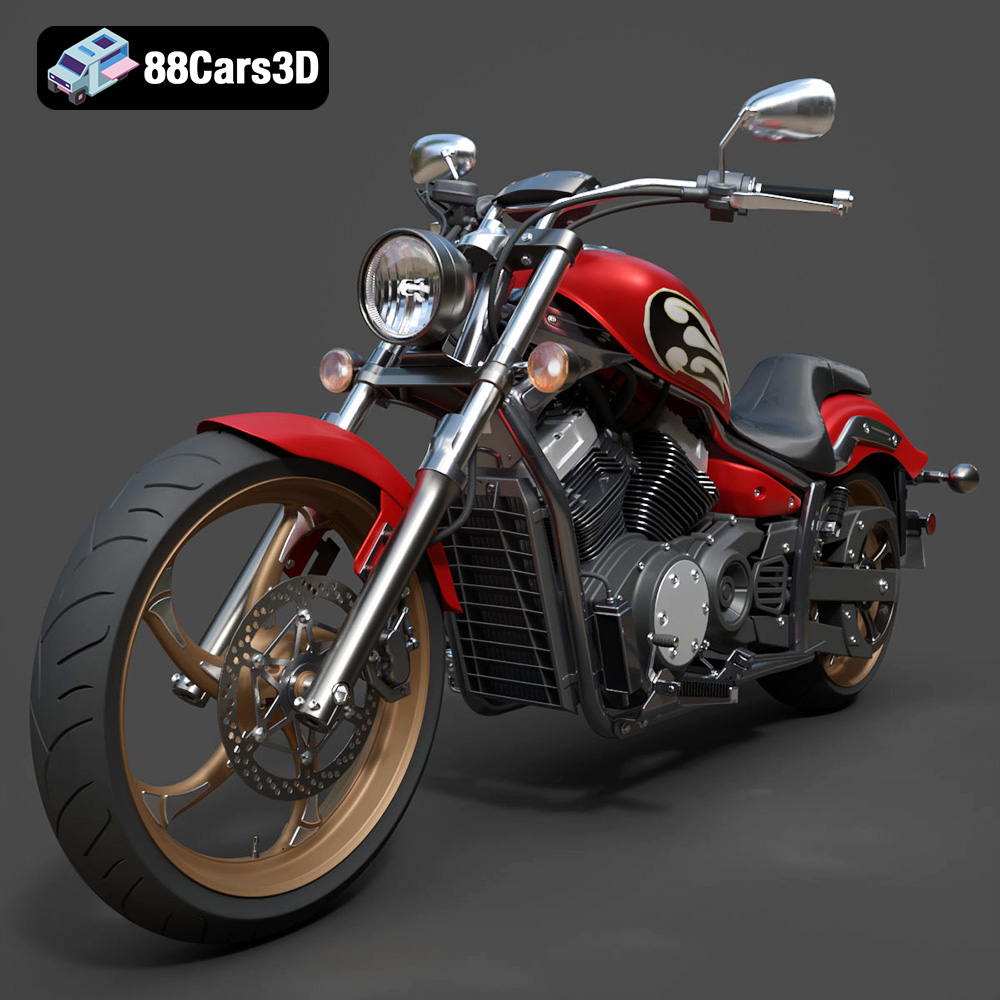
Yamaha Stryker 2012 3D Model
Texture: Yes
Material: Yes
Download the Yamaha Stryker 2012 3D Model featuring clean geometry, realistic detailing, and a fully modeled interior. Includes .blend, .fbx, .obj, .glb, .stl, .ply, .unreal, and .max formats for rendering, simulation, and game development.
Price: $19.99
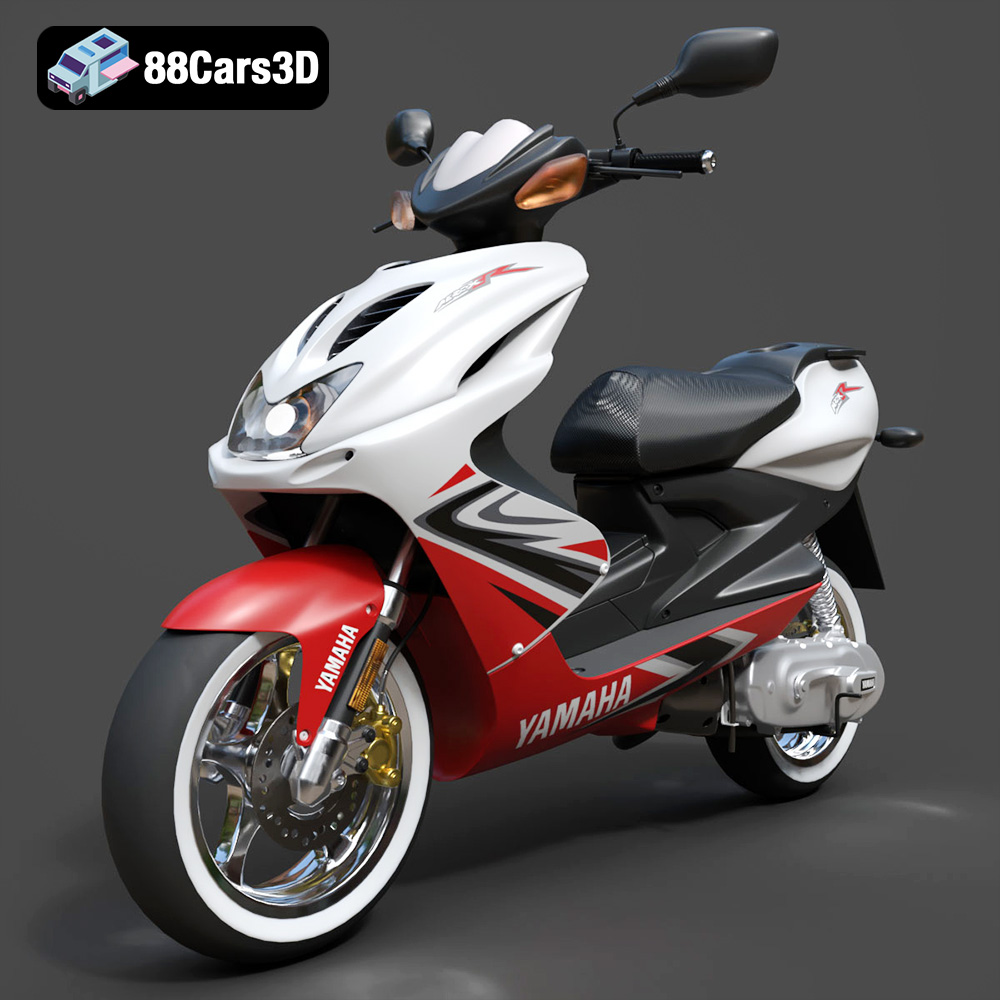
Yamaha Aerox R-002 2024 3D Model
Texture: Yes
Material: Yes
Download the Yamaha Aerox R-002 2024 3D Model featuring clean geometry, realistic detailing, and a fully modeled interior. Includes .blend, .fbx, .obj, .glb, .stl, .ply, .unreal, and .max formats for rendering, simulation, and game development.
Price: $19.99
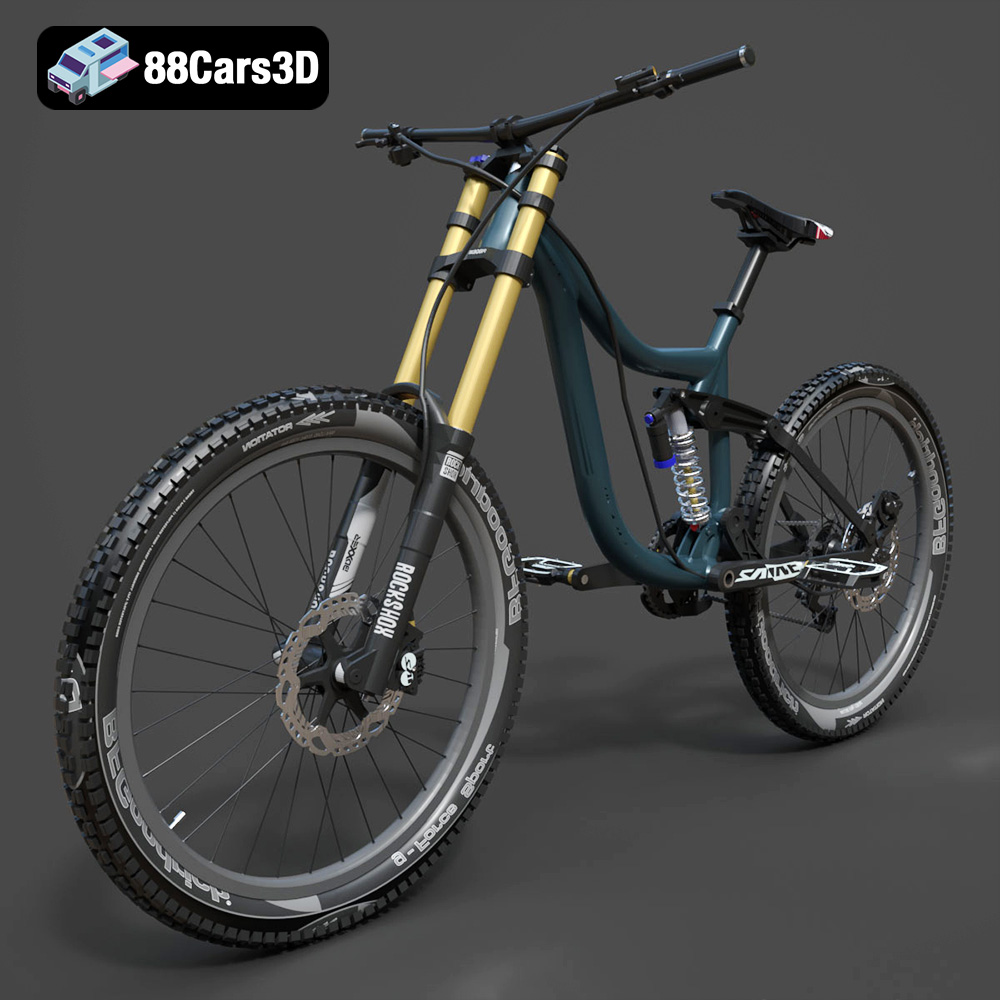
Mototsikly Downhill Bike-002 3D Model
Texture: Yes
Material: Yes
Download the Mototsikly Downhill Bike-002 3D Model featuring clean geometry, realistic detailing, and precise mechanical components. Includes .blend, .fbx, .obj, .glb, .stl, .ply, .unreal, and .max formats for rendering, simulation, and game development.
Price: $19.99
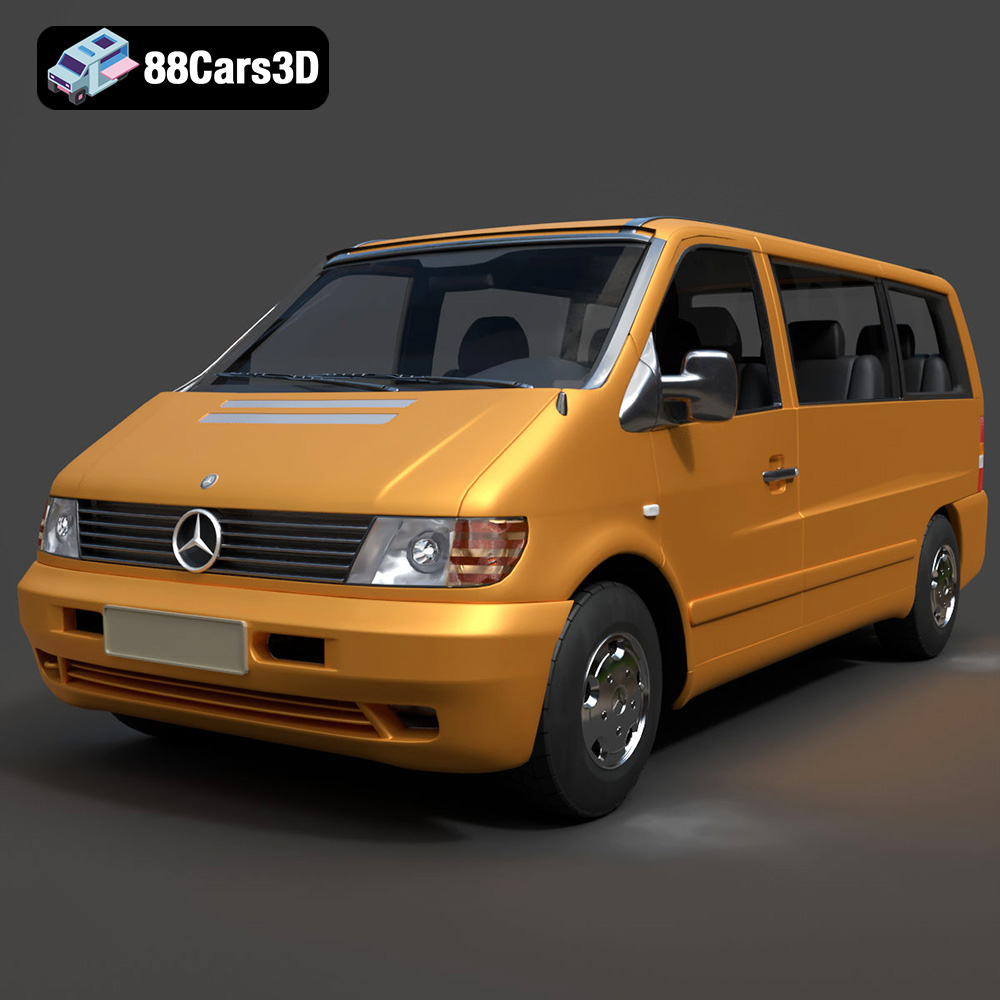
Mercedes-Benz Vito Passenger Van 3D Model
Texture: Yes
Material: Yes
Download the Mercedes-Benz Vito Passenger Van 3D Model featuring clean geometry, realistic detailing, and a fully modeled interior. Includes .blend, .fbx, .obj, .glb, .stl, .ply, .unreal, and .max formats for rendering, simulation, and game development.
Price: $19.99
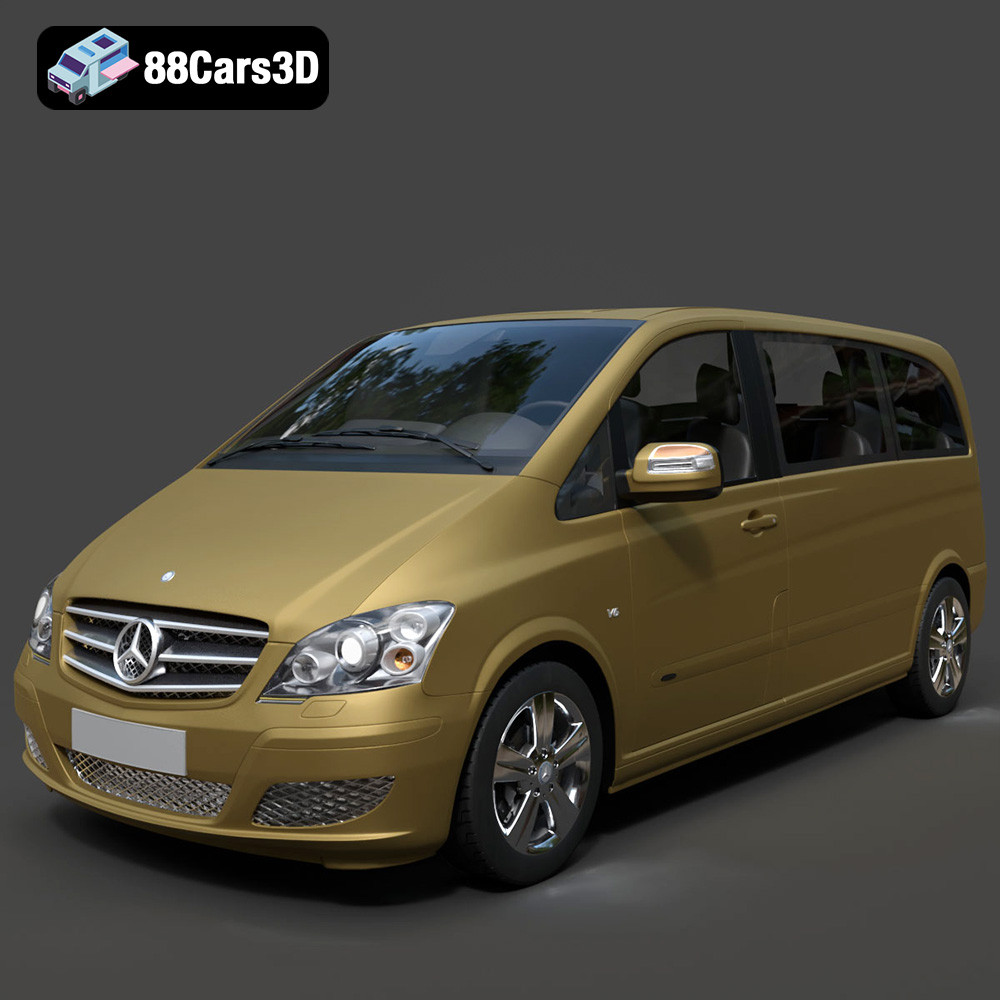
Mercedes-Benz Viano 2010 3D Model
Texture: Yes
Material: Yes
Download the Mercedes-Benz Viano 2010 3D Model featuring clean geometry, realistic detailing, and a fully modeled interior. Includes .blend, .fbx, .obj, .glb, .stl, .ply, .unreal, and .max formats for rendering, simulation, and game development.
Price: $19.99

Emt Avtobus 007 3D Model
Texture: Yes
Material: Yes
Download the Emt Avtobus 007 3D Model featuring clean geometry, realistic detailing, and a fully modeled interior. Includes .blend, .fbx, .obj, .glb, .stl, .ply, .unreal, and .max formats for rendering, simulation, and game development.
Price: $19.99
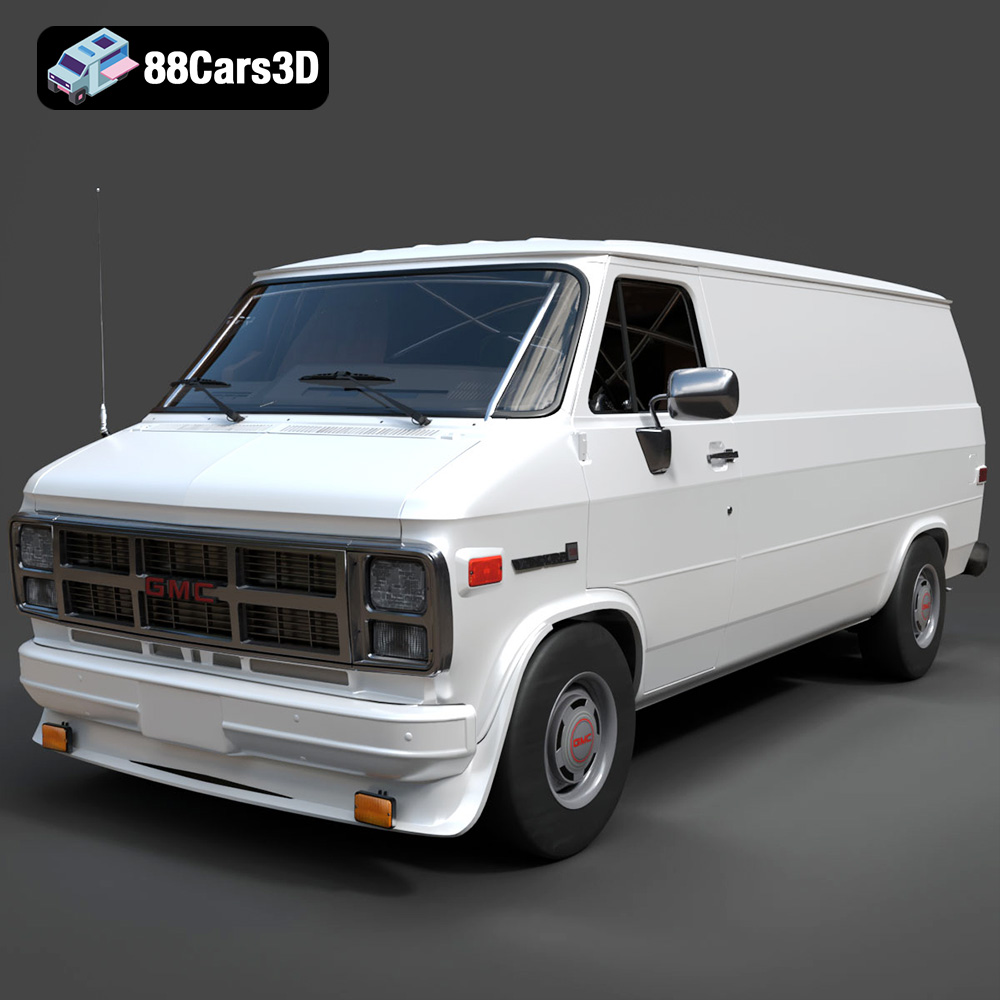
GMC Vandura G-1500 1983 3D Model
Texture: Yes
Material: Yes
Download the GMC Vandura G-1500 1983 3D Model featuring clean geometry, realistic detailing, and a fully modeled interior. Includes .blend, .fbx, .obj, .glb, .stl, .ply, .unreal, and .max formats for rendering, simulation, and game development.
Price: $19.99
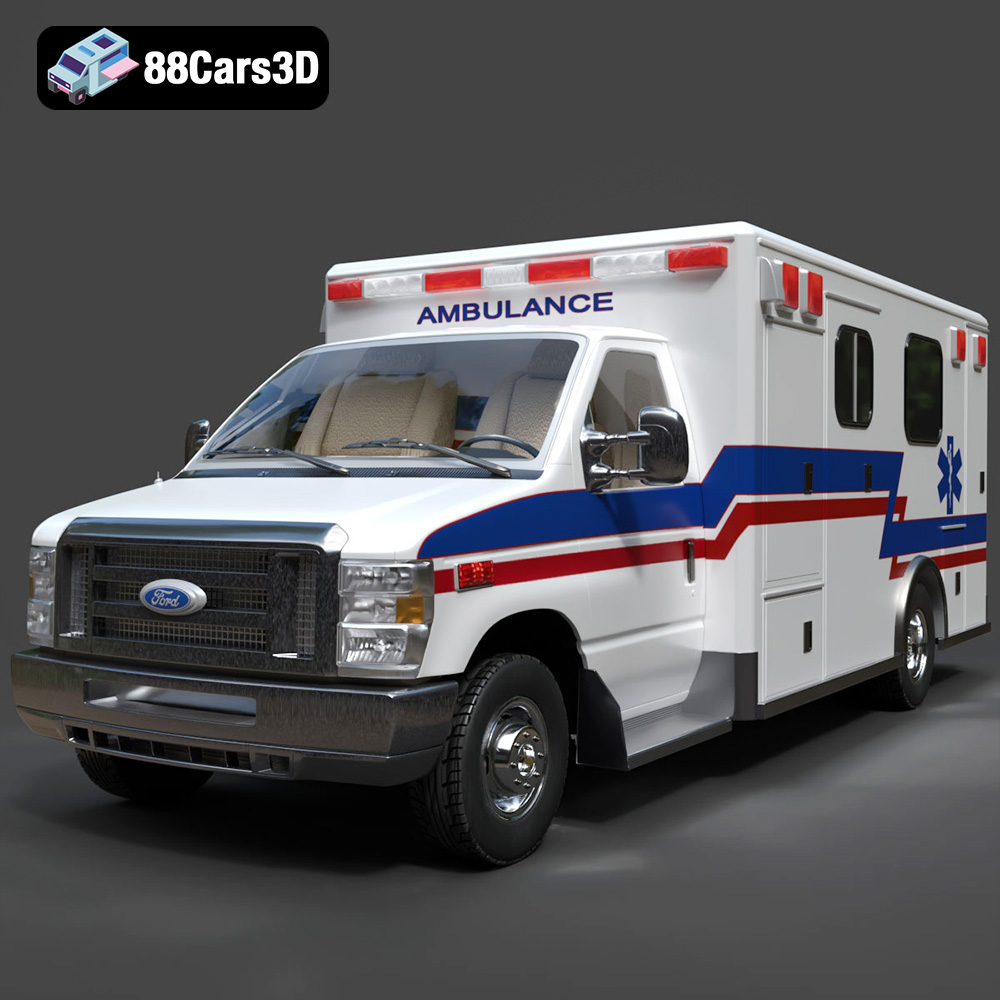
Ford E-450 Ambulance 3D Model
Texture: Yes
Material: Yes
Download the Ford E-450 Ambulance 3D Model featuring clean geometry, realistic detailing, and a fully modeled interior. Includes .blend, .fbx, .obj, .glb, .stl, .ply, .unreal, and .max formats for rendering, simulation, and game development.
Price: $19.99

Fiat Ducato SWB-001 3D Model
Texture: Yes
Material: Yes
Download the Fiat Ducato SWB-001 3D Model featuring clean geometry, realistic detailing, and a fully modeled interior. Includes .blend, .fbx, .obj, .glb, .stl, .ply, .unreal, and .max formats for rendering, simulation, and game development.
Price: $19.99
