

In the relentless pursuit of photorealism and immersive experiences, real-time rendering has undergone a transformative evolution. At the forefront of this revolution stands Unreal Engine, and its groundbreaking feature, Lumen Global Illumination. For professionals in automotive visualization, game development, and architectural rendering, Lumen is not just a tool; it’s a paradigm shift, enabling dynamic, believable lighting environments that were once the exclusive domain of offline renderers.
Imagine showcasing a meticulously crafted 3D car model, such as those found on 88cars3d.com, with light realistically bouncing off its polished surfaces, subtle color bleeds from the environment, and accurate indirect illumination shaping its form. This level of realism, delivered in real-time, is precisely what Lumen brings to the table. This comprehensive technical deep dive will unravel the intricacies of Lumen Global Illumination in Unreal Engine, exploring its core technology, practical implementation, optimization strategies, and advanced workflows. Whether you’re an experienced Unreal Engine developer or a 3D artist new to real-time GI, prepare to elevate your automotive visualization projects to unprecedented levels of fidelity.
The Dawn of Dynamic Global Illumination: Understanding Lumen
For years, achieving truly realistic lighting in real-time applications was a monumental challenge. Traditional methods often relied on baking lightmaps, which provided excellent quality but were static and couldn’t react to dynamic changes in the scene, like a car’s headlights turning on or a garage door opening. Screen Space Global Illumination (SSGI) offered some dynamic capabilities but was limited by what was visible on screen, leading to noticeable artifacts at screen edges. Enter Lumen: Unreal Engine’s fully dynamic global illumination and reflections system designed for next-generation consoles and high-end PCs. Lumen provides an unprecedented level of realism by calculating diffuse interreflection with infinite bounces and detailed specular reflections, all in real-time.
Lumen operates by generating a low-resolution representation of your scene, known as the “Lumen Scene,” which it then uses for its ray tracing calculations. This scene representation captures the shape and material properties of objects, allowing Lumen to simulate how light interacts with them. Unlike traditional ray tracing methods that trace rays from the camera, Lumen traces rays from light sources and surfaces to determine how light bounces around the environment. This approach allows for truly dynamic global illumination, meaning that lights can be moved, materials changed, and geometry updated, and Lumen will instantly adapt, providing physically accurate lighting feedback.
The Core Technology: Software Ray Tracing and Signed Distance Fields
Lumen primarily utilizes a novel software ray tracing approach, tracing rays against various scene representations. This includes signed distance field (SDF) approximations of meshes for coarse-grain global illumination and screen traces for fine-grain details. For more complex and detailed geometry, Lumen can leverage hardware ray tracing if supported by the GPU and enabled in Project Settings, offering higher fidelity and better performance for specific scenarios. This hybrid approach ensures scalability and robust performance across a range of hardware configurations. The magic lies in how Lumen efficiently samples the environment, propagating light bounces and gathering indirect lighting information to create a coherent and believable lighting scheme across your entire scene.
Why Dynamic GI Matters for Automotive Visualization
For automotive visualization, Lumen is a game-changer. Car models, especially those meticulously detailed like the assets available on 88cars3d.com, rely heavily on accurate lighting to showcase their design, materials, and form. Static lightmaps simply cannot capture the nuances of changing environments, interactive configurators, or dynamic lighting scenarios. With Lumen, you can:
- Showcase material fidelity: See how chrome, paint, and glass react authentically to indirect light.
- Create interactive experiences: Design virtual showrooms where car colors, interior options, and ambient lighting can be changed on the fly, with realistic GI updates.
- Produce stunning cinematics: Leverage Sequencer with Lumen to create breathtaking renders that feel grounded in reality.
- Simulate real-world conditions: Accurately depict how a car looks under different weather conditions or times of day, without re-baking any lighting.
This dynamic capability not only enhances visual quality but also significantly streamlines the iteration process for automotive designers and marketers, allowing for rapid prototyping and visualization.
Setting the Stage: Integrating Lumen into Your Unreal Engine Automotive Project
Before you can harness the power of Lumen, you need to properly configure your Unreal Engine project. While Lumen is becoming the default for new projects, understanding its setup and key parameters is crucial for optimal results, especially when dealing with complex automotive scenes and high-fidelity 3D car models. The process involves enabling the feature, understanding its requirements, and configuring the Post Process Volume to control its behavior.
Enabling Lumen in Project Settings
To begin, navigate to your Unreal Engine Project Settings (Edit > Project Settings). Under the ‘Engine’ category, select ‘Rendering’. Here, you’ll find the core settings for Lumen:
- Default Post-Process Settings: Scroll down to the ‘Default Post-Process Settings’ section.
- Global Illumination: Set the ‘Global Illumination Method’ to Lumen.
- Reflections: Set the ‘Reflection Method’ to Lumen.
Once these are set, you’ll likely be prompted to restart the editor. After restarting, Lumen will be active throughout your project. It’s important to note that Lumen requires specific hardware capabilities. While it runs well on modern GPUs (NVIDIA RTX 20-series or higher, AMD RX 6000-series or higher), older or less powerful hardware might struggle. Always ensure your drivers are up to date for the best performance.
Post Process Volume Configuration for Lumen
The Post Process Volume is your primary control hub for Lumen’s quality and behavior within specific areas of your scene. Drag a Post Process Volume into your level and ensure its ‘Infinite Extent (Unbound)’ property is checked for global effect, or size it to encompass your automotive showcase area. Within the Post Process Volume details panel, navigate to the ‘Rendering Features’ section:
- Global Illumination:
- Method: Ensure this is set to Lumen.
- Lumen Scene Quality: This parameter (typically 1.0) controls the resolution of the Lumen Scene. Lower values can improve performance but may introduce artifacts. Higher values enhance detail but increase VRAM and GPU cost.
- Lumen Final Gather Quality: This determines the number of rays traced for the final gather pass. Higher values (e.g., 2.0-4.0) yield smoother, more accurate indirect lighting but are very expensive. For automotive visualization, aiming for 2.0-3.0 can provide excellent results if performance allows.
- Max Bounces: Controls how many times light can bounce. For most scenes, 3-4 bounces provide realistic results without excessive cost.
- Reflections:
- Method: Set to Lumen.
- Lumen Reflection Quality: Similar to GI quality, this controls the fidelity of Lumen’s reflections. Higher values (e.g., 1.0-2.0) are recommended for showcasing reflective automotive surfaces.
Experimenting with these settings is key to finding the right balance between visual quality and performance for your specific automotive project. Always test on your target hardware to ensure a smooth experience. For more in-depth configuration details, consult the official Unreal Engine documentation on Lumen at dev.epicgames.com/community/unreal-engine/learning.
Crafting Realistic Materials: PBR and Lumen’s Influence
Lumen’s ability to simulate realistic light interactions is heavily dependent on the quality and accuracy of your Physically Based Rendering (PBR) materials. For a high-fidelity 3D car model, such as those optimized for Unreal Engine and found on marketplaces like 88cars3d.com, proper material setup is paramount. PBR materials define how light interacts with surfaces, and Lumen leverages these properties to calculate accurate global illumination and reflections. If your materials aren’t set up correctly, even with Lumen enabled, your scene will lack realism and visual punch.
Essential PBR Properties for Lumen
When working with PBR materials in Unreal Engine’s Material Editor, pay close attention to the following parameters:
- Base Color: This defines the fundamental color of the surface without any lighting. It’s crucial for Lumen as it dictates the color that will be reflected and absorbed by the surface, influencing color bleeding into indirect light. Ensure your Base Color maps are not overly dark or bright; they should represent the actual albedo values.
- Metallic: A binary property (0 or 1, or values in between for hybrid materials). Pure metals (e.g., chrome, polished aluminum on car rims) should have a Metallic value of 1.0. Non-metals (e.g., car paint, plastic, glass) should have a Metallic value of 0.0. This property fundamentally changes how Lumen calculates reflections and diffuse light bounces, as metals absorb diffuse light and reflect specular light.
- Roughness: This parameter controls the smoothness or roughness of a surface, directly impacting the sharpness of reflections. A low Roughness value (near 0.0) results in mirror-like reflections (e.g., highly polished car paint, pristine chrome). A high Roughness value (near 1.0) results in diffuse, scattered reflections (e.g., matte plastic, rough tires). Lumen uses this to determine how light scatters upon hitting a surface, contributing significantly to visual fidelity.
- Normal Map: Provides fine surface detail without adding geometry, crucial for micro-surface variation that catches highlights and influences how light rays scatter. A high-quality normal map will make a significant difference in how Lumen perceives the intricate details of a car body or interior.
- Ambient Occlusion (AO): While Lumen intrinsically handles indirect occlusion, a subtle, pre-baked AO map can still enhance small-scale contact shadows and add depth, especially in crevices and areas where geometry might be too fine for Lumen’s coarser scene representation to capture perfectly.
Emissive Materials as Light Sources
One of Lumen’s most powerful features is its ability to treat emissive materials as actual light sources, contributing to global illumination. This is incredibly useful for automotive visualization:
- Headlights and Taillights: Instead of relying solely on traditional point or spot lights, you can make the material for your car’s light covers emissive. This will cause the lights to glow and cast indirect light onto the surrounding geometry, creating realistic light spill and reflections on the car body and the ground.
- Dashboard Displays: Internal screens and illuminated dashboards can realistically light up the car’s interior, adding to the immersive experience.
To make a material emissive, simply connect a value or texture to the ‘Emissive Color’ input in the Material Editor. For best results, use a high HDR value for emissive strength, often multiplied by a scalar parameter (e.g., Multiply(Color, EmissiveStrength)) to control the intensity. Lumen will then sample these emissive surfaces and integrate them into its GI calculations, creating incredibly natural and dynamic self-illumination.
Lighting Environments with Lumen: Direct, Indirect, and Emissive Sources
Lumen truly shines when combined with a well-thought-out lighting strategy. While traditional direct lights (Directional, Point, Spot, Rect) still form the foundation of your scene’s illumination, Lumen elevates them by simulating their indirect light bounces. This is where the magic of physically accurate automotive visualization comes alive, allowing light to naturally fill spaces, reflect colors, and shape forms with unparalleled realism.
Direct & Indirect Lighting Strategies
Start with your primary light sources, often a Directional Light for simulating the sun or a dominant environmental light. Ensure it’s set to ‘Movable’ mobility for Lumen to interact with it dynamically. Position it to highlight the key design features of your 3D car model, casting strong shadows and primary light. Then, use Rect Lights to simulate studio-style softboxes or large windows, providing broad, even illumination. Rect Lights are excellent for automotive visualization due to their ability to produce smooth, professional highlights on car bodies.
For accent lighting or simulating specific light fixtures within a virtual showroom, deploy Point Lights or Spot Lights. The key is to remember that with Lumen, these direct lights will also contribute to indirect illumination, bouncing off surfaces and illuminating areas that are not directly hit by the light source. This means less need for fill lights just to brighten dark corners; Lumen will handle much of that naturally. When placing lights, consider the Inverse Square Falloff property for realistic intensity attenuation and avoid excessively high intensities that might blow out your scene, as Lumen will amplify these intensities through bounces.
Sky Light and HDRI Integration
The Sky Light is indispensable for capturing ambient environmental light and reflections, especially when showcasing a car model outdoors or in a virtual studio with an HDR image (HDRI). Set your Sky Light’s mobility to ‘Movable’ for Lumen to process it dynamically. Crucially, ensure ‘Source Type’ is set to ‘SLS Captured Scene’ or ‘SLS Specified Cubemap’. If using a cubemap (HDRI), assign a high-resolution HDR texture to the ‘Cubemap’ slot. Lumen leverages the Sky Light and its associated cubemap to generate realistic ambient global illumination and reflections, providing a comprehensive, diffuse light that colors and shades your entire scene based on the environment.
When using an HDRI, the bright areas of the image will act as virtual light sources, bouncing light into your scene and coloring the indirect illumination. This is critical for automotive rendering, as the environmental reflections on the car’s paint and windows are a major component of its visual appeal. High-quality HDRIs, often 8K or 16K resolution, provide the necessary detail for crisp, believable reflections and subtle color variations across the car body.
Reflecting Realism: Lumen’s Reflections
Beyond global illumination, Lumen also provides a dynamic reflection solution. When the ‘Reflection Method’ in your Post Process Volume is set to Lumen, it will calculate reflections that integrate seamlessly with the global illumination. This means highly reflective surfaces like car paint, chrome trim, and glass will accurately mirror the surrounding environment, including indirect light. Unlike Screen Space Reflections (SSR), Lumen’s reflections are not limited to what’s visible on screen, capturing off-screen details and providing more coherent and complete reflections. For highly metallic or glossy surfaces, you might still combine Lumen with Planar Reflections or dedicated Reflection Captures for specific, critical reflective elements (like large floor reflections in a showroom), but Lumen handles the vast majority of scene reflections beautifully and dynamically.
Optimizing for Performance: Balancing Fidelity and Framerate with Lumen
While Lumen delivers unparalleled visual fidelity, it is a computationally intensive feature. Achieving a desirable framerate, especially for interactive automotive configurators or AR/VR applications, requires careful optimization. The goal is to strike a balance between visual quality and performance, ensuring your 3D car models run smoothly without sacrificing the realism Lumen provides.
Scalability and Lumen Quality Settings
Unreal Engine’s Scalability Settings are your first line of defense for performance management. These settings allow you to adjust the quality of various rendering features, including Lumen, to match the target hardware’s capabilities. You can access them via the ‘Settings’ menu in the editor viewport or programmatically via Blueprints or C++. For Lumen specifically, the ‘Global Illumination’ and ‘Reflections’ quality levels within the scalability settings will heavily influence performance. Lowering these will reduce the quality of Lumen’s calculations, improving framerate at the cost of some visual detail.
Beyond global scalability, the Post Process Volume offers granular control:
- Lumen Scene Quality: This is a major performance knob. Defaulting to 1.0, reducing it (e.g., 0.8 or 0.7) lowers the resolution of Lumen’s internal scene representation, saving VRAM and GPU time. For automotive projects, evaluate how much detail you truly need in the indirect lighting for distant elements vs. the immediate car area.
- Lumen Final Gather Quality: This setting directly impacts the smoothness and accuracy of indirect lighting. While higher values (e.g., 2.0-4.0) look pristine, they are expensive. Start with 1.0 and only increase if artifacts are visible and performance budget allows.
- Max Bounces: Reducing the maximum number of light bounces (e.g., from 3 to 2) can save performance. Often, the visual difference beyond 2-3 bounces is subtle but the cost adds up.
- Hardware Ray Tracing: If your target hardware supports it, enabling ‘Hardware Ray Tracing’ in Project Settings (Engine > Rendering > Ray Tracing) and then setting ‘Lumen Global Illumination’ > ‘Hardware Ray Tracing’ to ‘True’ in the Post Process Volume can sometimes offer better performance and quality by offloading some calculations to dedicated RT cores. However, this is not always a guaranteed performance win and requires careful profiling.
Nanite Synergy for High-Poly Car Models
Nanite, Unreal Engine’s virtualized geometry system, is a perfect companion for Lumen when dealing with incredibly detailed 3D car models, like those high-polygon assets from 88cars3d.com. Nanite allows you to import and render models with millions or even billions of polygons without significant performance loss, as it intelligently streams and renders only the necessary detail for each pixel. For Lumen, this means that even though Lumen’s internal scene representation might be lower resolution, Nanite ensures that the direct lighting and primary reflections on the car itself remain incredibly sharp and detailed.
While Nanite doesn’t directly reduce Lumen’s computational cost for indirect lighting, it enables you to use ultra-high-fidelity geometry for your car models without the performance bottlenecks traditionally associated with high poly counts. This allows Lumen to work with a visually rich scene, producing more accurate indirect light and reflections, particularly for complex shapes and fine details on the vehicle. Ensure your car models are imported with Nanite enabled where appropriate (static meshes), and profile its impact on your Lumen scene.
Managing Lumen’s Performance Budget
Effective performance management with Lumen requires continuous profiling. Use Unreal Engine’s built-in profiling tools (e.g., stat GPU, stat Lumen, profilegpu commands) to identify bottlenecks. Pay attention to the ‘Lumen Scene’ and ‘Final Gather’ passes, as these are typically the most expensive. Other optimization tips include:
- Simplify distant geometry: Objects far from the camera contribute less to final gather quality but still cost performance. Consider simpler models or LODs for background elements.
- Occlusion: Maximize occlusion in your scene. Lumen performs better in enclosed or partially enclosed environments where light has fewer places to go, reducing calculation complexity.
- Materials: Complex materials with many layers or expensive node networks can add to Lumen’s cost, especially if they are emissive or highly reflective. Simplify where possible without sacrificing visual quality.
- Resolution Scaling: For performance-critical applications like AR/VR or high-end games, consider using Unreal Engine’s Temporal Super Resolution (TSR) or other resolution scaling techniques. These render the scene at a lower internal resolution and then intelligently upscale it, saving significant GPU cycles while maintaining visual quality, especially beneficial for Lumen’s demanding calculations.
Advanced Lumen Workflows for Automotive Visualization
Lumen’s dynamic nature unlocks powerful possibilities beyond basic scene lighting, enabling sophisticated interactive experiences and cinematic productions for the automotive industry. Integrating Lumen with other Unreal Engine features elevates visualization projects, from interactive configurators to virtual production setups.
Cinematic Renders with Sequencer
For high-quality automotive cinematics, Sequencer, Unreal Engine’s powerful non-linear cinematic editor, combined with Lumen, is an unbeatable duo. Lumen ensures that every camera angle, every light transition, and every material reflection in your cinematic sequence is rendered with dynamic and physically accurate global illumination. This means you can animate your 3D car model, change its paint color, open its doors, and even animate the time of day, and Lumen will instantly update the lighting and reflections, maintaining realism throughout the entire production.
When working with Sequencer, ensure your Lumen settings in the Post Process Volume are optimized for quality rather than real-time performance, as cinematics are often rendered offline (or at a lower framerate for real-time preview) where higher quality settings are acceptable. You can even set specific Lumen quality overrides for your cinematic render queue. Utilize Sequencer to animate not only the car but also camera movements, light intensity changes, and even material parameters, letting Lumen seamlessly integrate these dynamic elements into the global illumination. This workflow allows automotive marketers to create compelling, high-fidelity promotional videos and virtual launch events.
Interactive Automotive Configurators
Interactive automotive configurators are a prime application for Lumen. Imagine a virtual showroom where customers can explore a car model, change its exterior paint, interior upholstery, wheel designs, and even view it under different lighting conditions (day, night, studio). Lumen makes this possible in real-time. By leveraging Blueprint Visual Scripting, you can create interactive UI elements that dynamically swap out materials (e.g., changing car paint color or roughness), toggle light sources, or even animate physical elements like opening doors or activating headlights. Lumen will instantly update the global illumination and reflections to reflect these changes, providing immediate, realistic visual feedback to the user.
For example, a Blueprint script could:
- On button click, swap the car body’s material instance to a different color.
- On another button click, increase the emissive strength of the headlight material.
- On a slider input, adjust the intensity and color of a directional light to simulate time of day.
In each case, Lumen processes these changes, ensuring that the new paint color correctly reflects the environment and contributes to color bleeding, or that the increased headlight intensity realistically illuminates the immediate surroundings of the vehicle. This level of dynamic realism is crucial for engaging and persuasive product visualization.
AR/VR Considerations with Lumen
Bringing automotive experiences into Augmented Reality (AR) and Virtual Reality (VR) is an exciting frontier. Lumen can be used in AR/VR, but with significant performance considerations. While a high-end PC VR experience might leverage Lumen fully, mobile AR/VR platforms are typically too performance-constrained for full Lumen GI. For high-fidelity PC VR automotive showrooms, Lumen can create an incredibly immersive experience, providing realistic depth and presence to the 3D car models. However, meticulous optimization is required: keep Lumen Scene Quality and Final Gather Quality at their lowest acceptable levels, aggressively manage polygon counts (even with Nanite, as Lumen’s internal scene still needs processing), and be prepared to use resolution scaling (like TSR) heavily.
For lighter VR or mobile AR applications, a hybrid approach might be necessary, potentially using Lumen for pre-calculated baked lighting for static elements and relying on simpler real-time GI methods or screen space techniques for dynamic elements that require interaction. Always profile your AR/VR application extensively on the target hardware to ensure a smooth and comfortable user experience, as performance drops can quickly lead to motion sickness in VR.
Troubleshooting and Best Practices for Flawless Lumen Renders
While Lumen is incredibly powerful, like any advanced rendering technology, it comes with its own set of nuances and potential pitfalls. Understanding common issues and adopting best practices will ensure you achieve the highest quality and most stable results for your automotive visualization projects.
Common Lumen Artifacts and Solutions
- Light Leaks: Light leaks can occur when geometry is thin or Lumen’s scene representation doesn’t accurately capture enclosed spaces.
- Solution: Ensure your geometry is ‘watertight’ and has sufficient thickness. Increase ‘Lumen Scene Quality’ in your Post Process Volume. In Project Settings > Rendering > Lumen, try increasing ‘Lumen Software Ray Tracing Detail’ or ‘Lumen Software Ray Tracing Quality’ if using software tracing. For Nanite meshes, ensure their ‘Lumen Support’ is set to ‘Always’ in the mesh settings.
- Flickering/Temporal Instability: Lumen relies on temporal accumulation, and fast camera movements or quickly changing lights can sometimes cause flickering, especially in highly detailed areas or with low ‘Final Gather Quality’.
- Solution: Increase ‘Lumen Final Gather Quality’ and ‘Lumen Scene Quality’ in the Post Process Volume. Ensure your project’s ‘Temporal Super Resolution (TSR)’ is enabled and optimized. For cinematics, consider rendering with a higher sample count.
- Missing Reflections/GI on Transparent Objects: Lumen often struggles with transparent or translucent materials by default.
- Solution: For reflections, ensure your material’s ‘Translucency Lighting Mode’ is set to ‘Surface TranslucencyVolume’ or ‘Surface ForwardShading’. For GI, Lumen generally doesn’t calculate diffuse GI through transparent objects. Consider simplifying the material or using a masked material instead of translucent where possible. For glass, ensure it’s a solid, single-sided mesh rather than a thin plane.
- Overly Dark or Bright Areas: Incorrect exposure can make Lumen’s GI appear off.
- Solution: Ensure your project’s exposure settings are balanced. Use Auto Exposure or manual exposure controls in the Post Process Volume to achieve a natural look. Also, check the intensity of your light sources and the Base Color values of your materials.
Professional Tips for Consistency and Quality
- Consistent Material PBR Values: Adhere strictly to PBR guidelines for all your materials. Incorrect Metallic, Roughness, or Base Color values will yield unrealistic light interactions with Lumen.
- High-Quality Assets: Start with high-quality 3D car models, like those from 88cars3d.com, that feature clean topology, proper UV mapping, and PBR-ready textures. This foundational quality directly impacts Lumen’s ability to render accurate GI and reflections.
- Utilize Volume Shaders for Fog/Atmosphere: While Lumen handles light bouncing, adding subtle atmospheric fog using an Exponential Height Fog or Volumetric Fog can significantly enhance the sense of depth and realism, making light rays and indirect light more visible.
- Profile Regularly: As mentioned, profiling is crucial. Use Unreal Engine’s built-in commands (e.g.,
stat GPU,stat Lumen,r.Lumen.Debug 1) to understand where your performance budget is being spent and identify areas for optimization. - Consider Hardware Ray Tracing Fallback: If targeting high-end hardware with RT cores, test with Hardware Ray Tracing enabled for Lumen. It can sometimes offer superior quality and performance for reflections and some GI components, especially for complex architectural elements around your vehicle.
- Keep Lumen Updated: Epic Games continuously refines Lumen. Ensure you are using a recent version of Unreal Engine to benefit from the latest bug fixes, performance improvements, and new features.
Conclusion
Lumen Global Illumination represents a monumental leap forward in real-time rendering, particularly for demanding applications like automotive visualization. Its ability to deliver fully dynamic, physically accurate indirect lighting and reflections has redefined what’s possible within Unreal Engine. From showcasing the intricate details of a high-quality 3D car model from 88cars3d.com to building immersive interactive configurators and producing stunning cinematic sequences, Lumen empowers artists and developers to achieve unparalleled levels of realism and engagement.
By understanding Lumen’s core technology, mastering its configuration within your Unreal Engine project, optimizing your PBR materials, and strategically lighting your scenes, you can unlock its full potential. While performance optimization remains a continuous effort, the visual rewards are immense. Embrace Lumen, experiment with its settings, and integrate it with powerful features like Nanite and Sequencer to transform your automotive projects. The future of real-time rendering is here, and with Lumen, your visualizations will not just be seen, but truly experienced. Dive in, experiment, and push the boundaries of realism in your next Unreal Engine endeavor.
Featured 3D Car Models
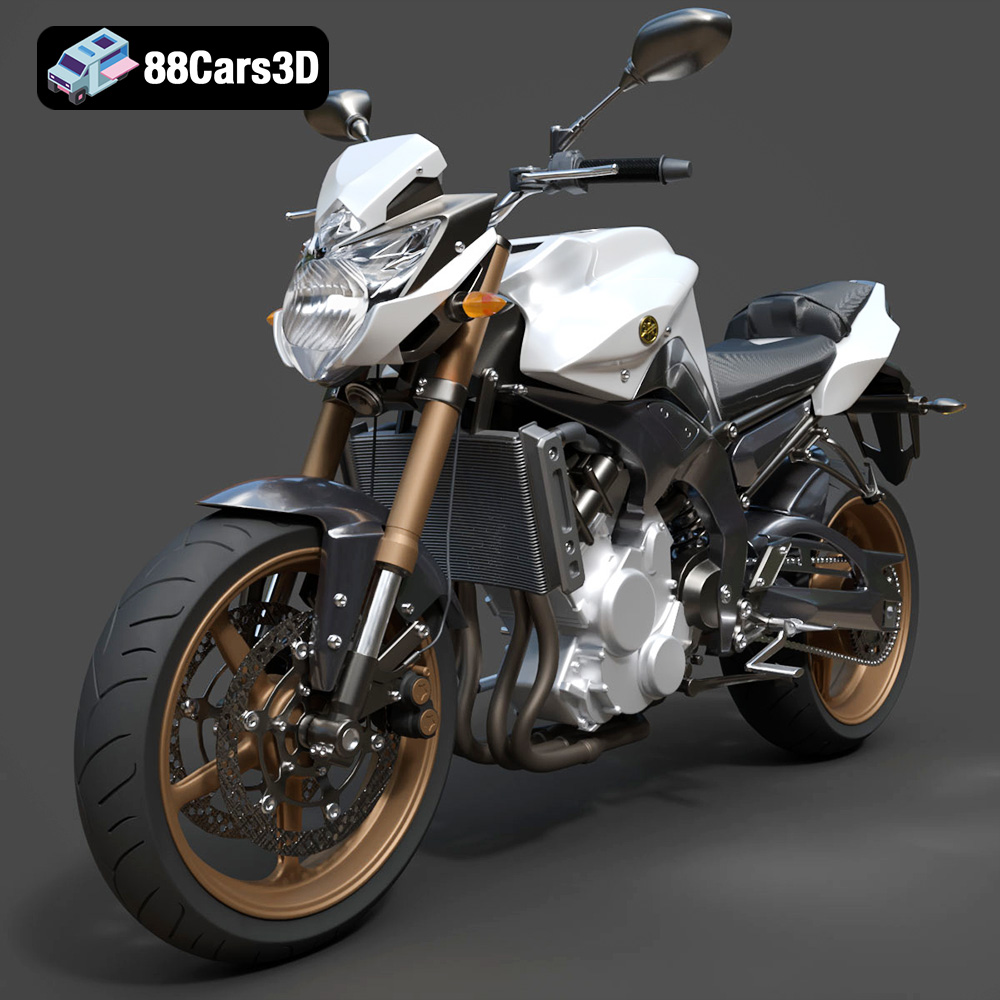
Yamaha FZ8 2011 3D Model
Texture: Yes
Material: Yes
Download the Yamaha FZ8 2011 3D Model featuring clean geometry, realistic detailing, and a fully modeled interior. Includes .blend, .fbx, .obj, .glb, .stl, .ply, .unreal, and .max formats for rendering, simulation, and game development.
Price: $19.99
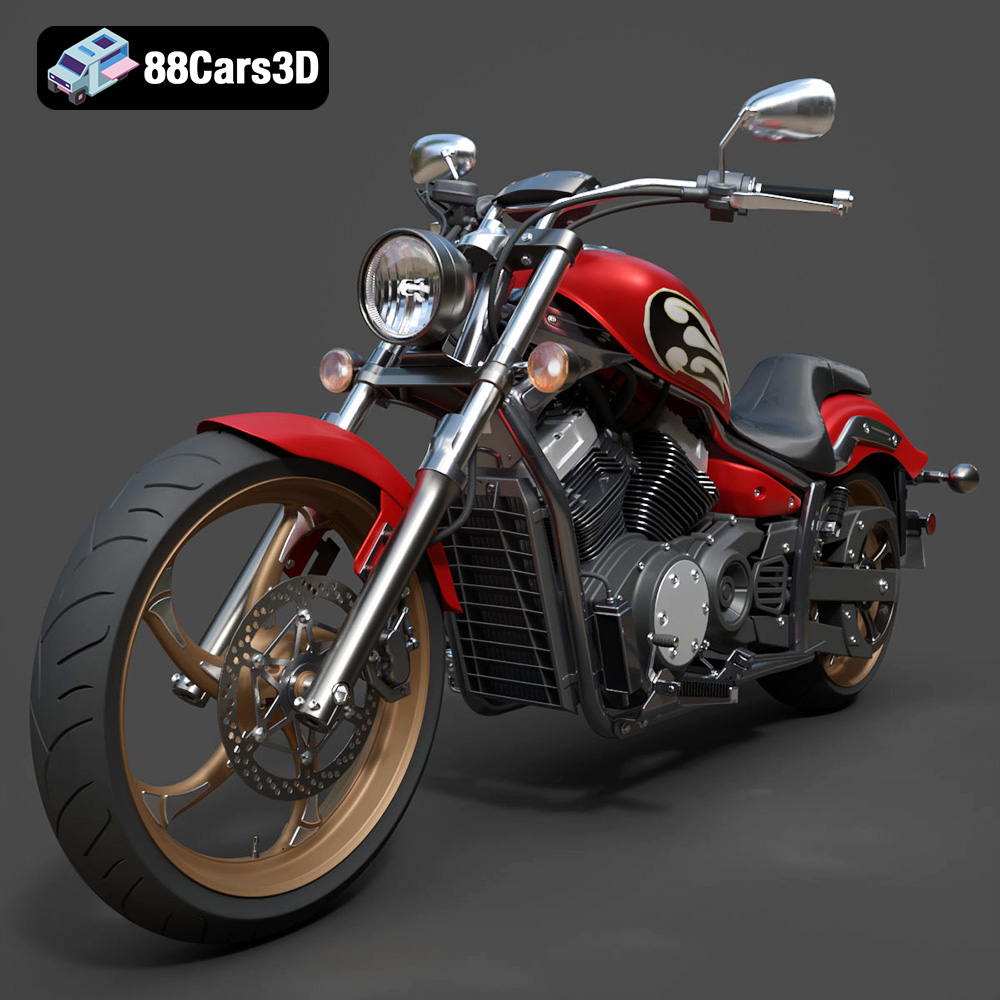
Yamaha Stryker 2012 3D Model
Texture: Yes
Material: Yes
Download the Yamaha Stryker 2012 3D Model featuring clean geometry, realistic detailing, and a fully modeled interior. Includes .blend, .fbx, .obj, .glb, .stl, .ply, .unreal, and .max formats for rendering, simulation, and game development.
Price: $19.99
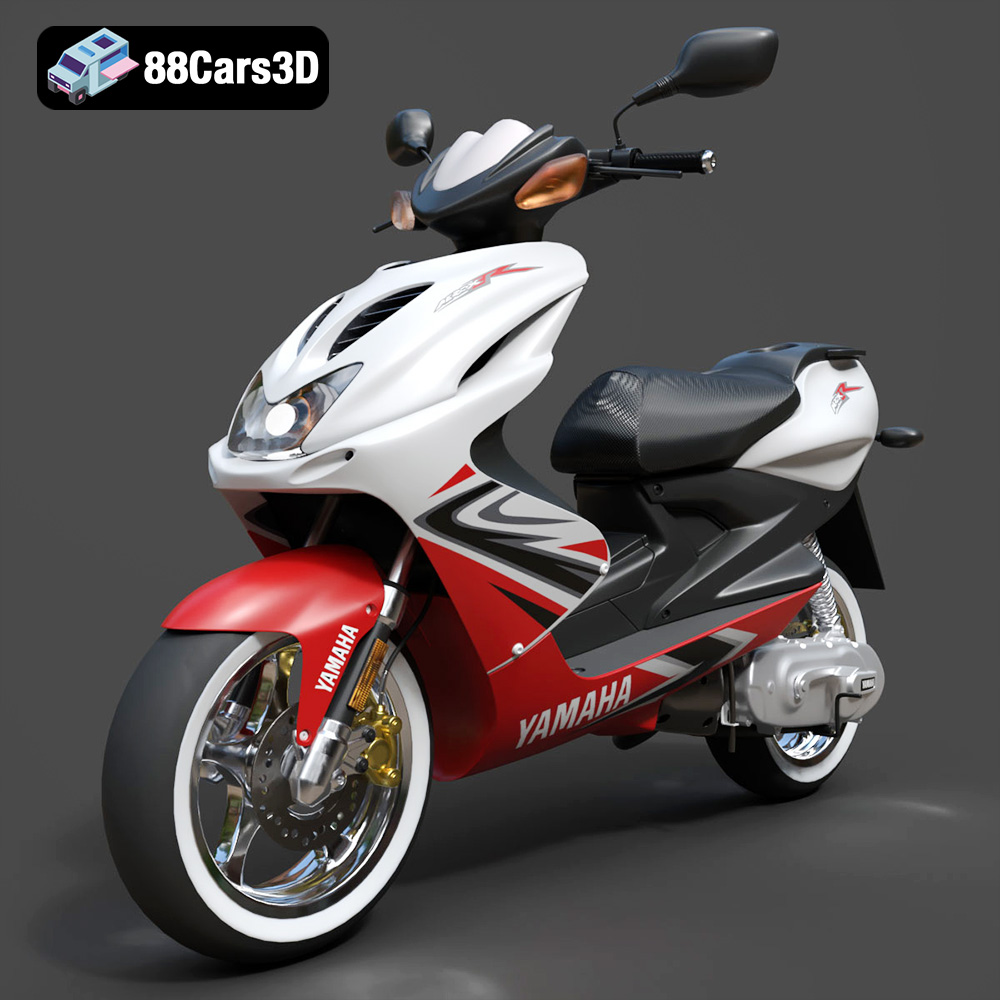
Yamaha Aerox R-002 2024 3D Model
Texture: Yes
Material: Yes
Download the Yamaha Aerox R-002 2024 3D Model featuring clean geometry, realistic detailing, and a fully modeled interior. Includes .blend, .fbx, .obj, .glb, .stl, .ply, .unreal, and .max formats for rendering, simulation, and game development.
Price: $19.99
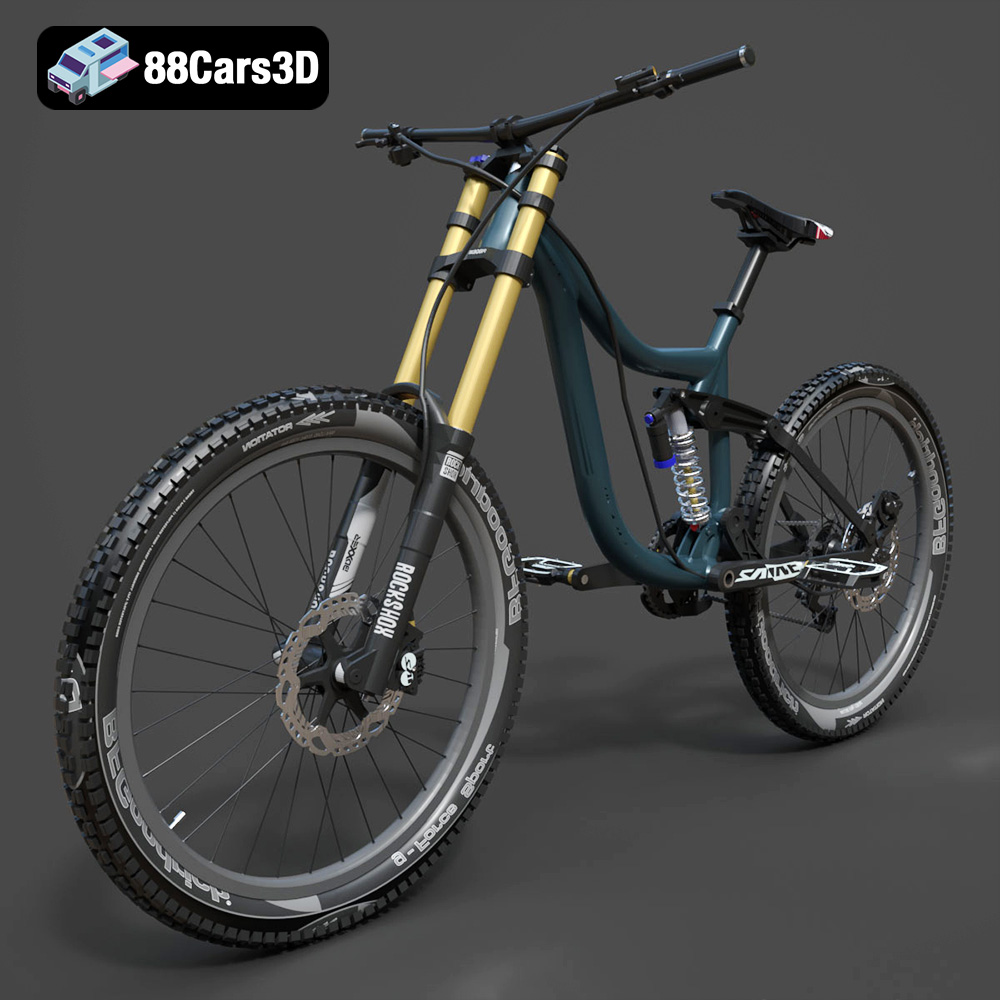
Mototsikly Downhill Bike-002 3D Model
Texture: Yes
Material: Yes
Download the Mototsikly Downhill Bike-002 3D Model featuring clean geometry, realistic detailing, and precise mechanical components. Includes .blend, .fbx, .obj, .glb, .stl, .ply, .unreal, and .max formats for rendering, simulation, and game development.
Price: $19.99
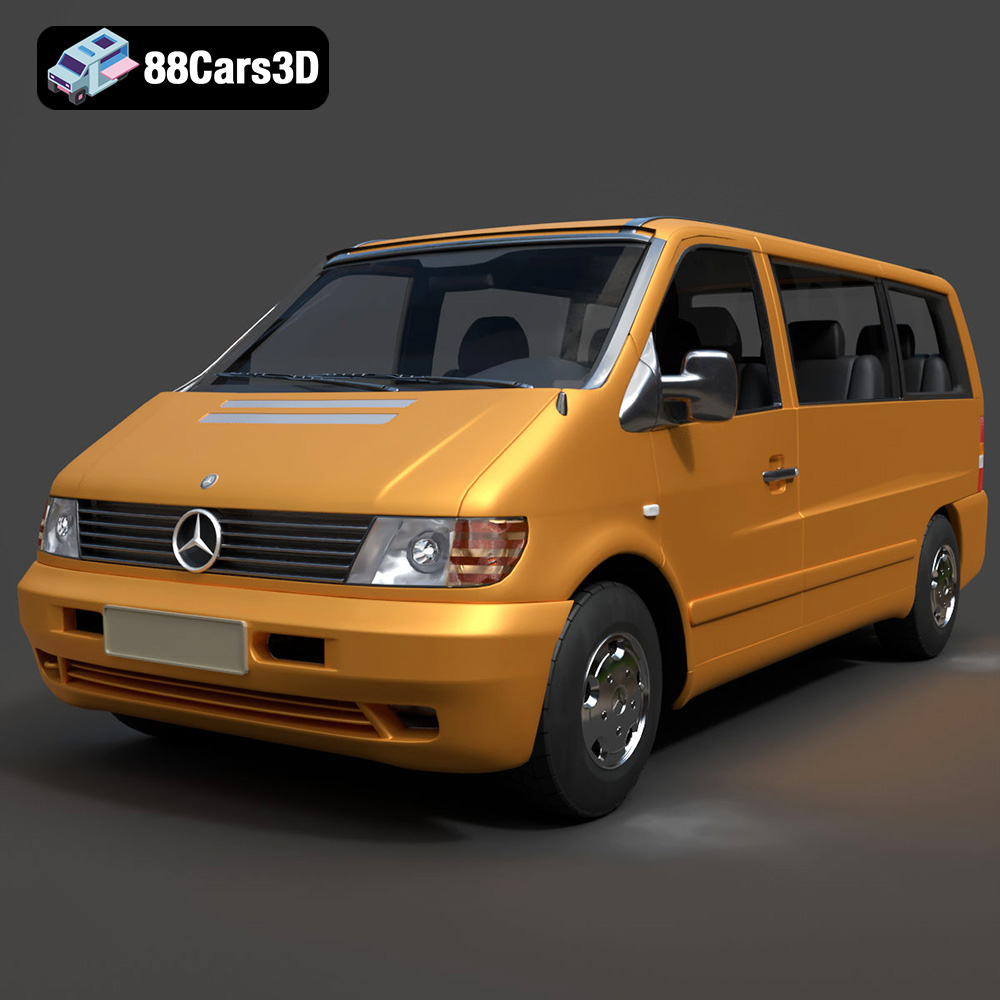
Mercedes-Benz Vito Passenger Van 3D Model
Texture: Yes
Material: Yes
Download the Mercedes-Benz Vito Passenger Van 3D Model featuring clean geometry, realistic detailing, and a fully modeled interior. Includes .blend, .fbx, .obj, .glb, .stl, .ply, .unreal, and .max formats for rendering, simulation, and game development.
Price: $19.99
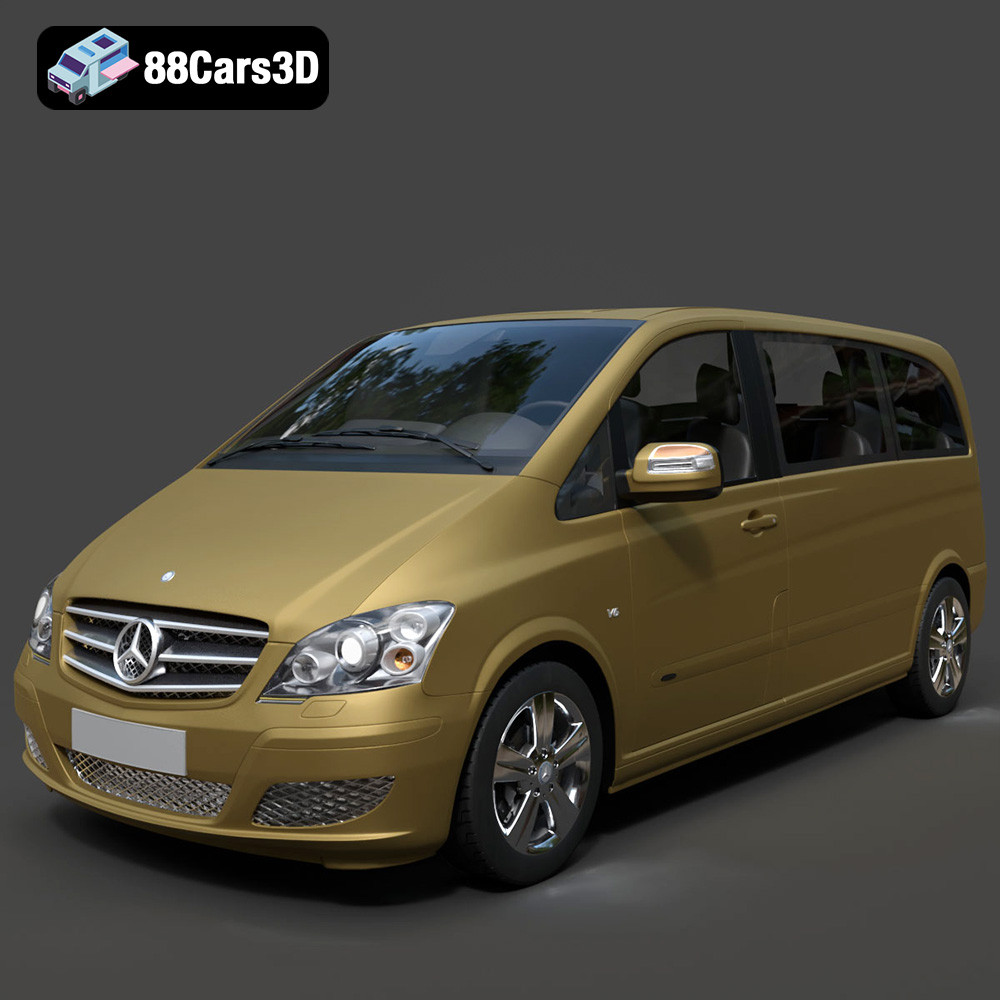
Mercedes-Benz Viano 2010 3D Model
Texture: Yes
Material: Yes
Download the Mercedes-Benz Viano 2010 3D Model featuring clean geometry, realistic detailing, and a fully modeled interior. Includes .blend, .fbx, .obj, .glb, .stl, .ply, .unreal, and .max formats for rendering, simulation, and game development.
Price: $19.99

Emt Avtobus 007 3D Model
Texture: Yes
Material: Yes
Download the Emt Avtobus 007 3D Model featuring clean geometry, realistic detailing, and a fully modeled interior. Includes .blend, .fbx, .obj, .glb, .stl, .ply, .unreal, and .max formats for rendering, simulation, and game development.
Price: $19.99
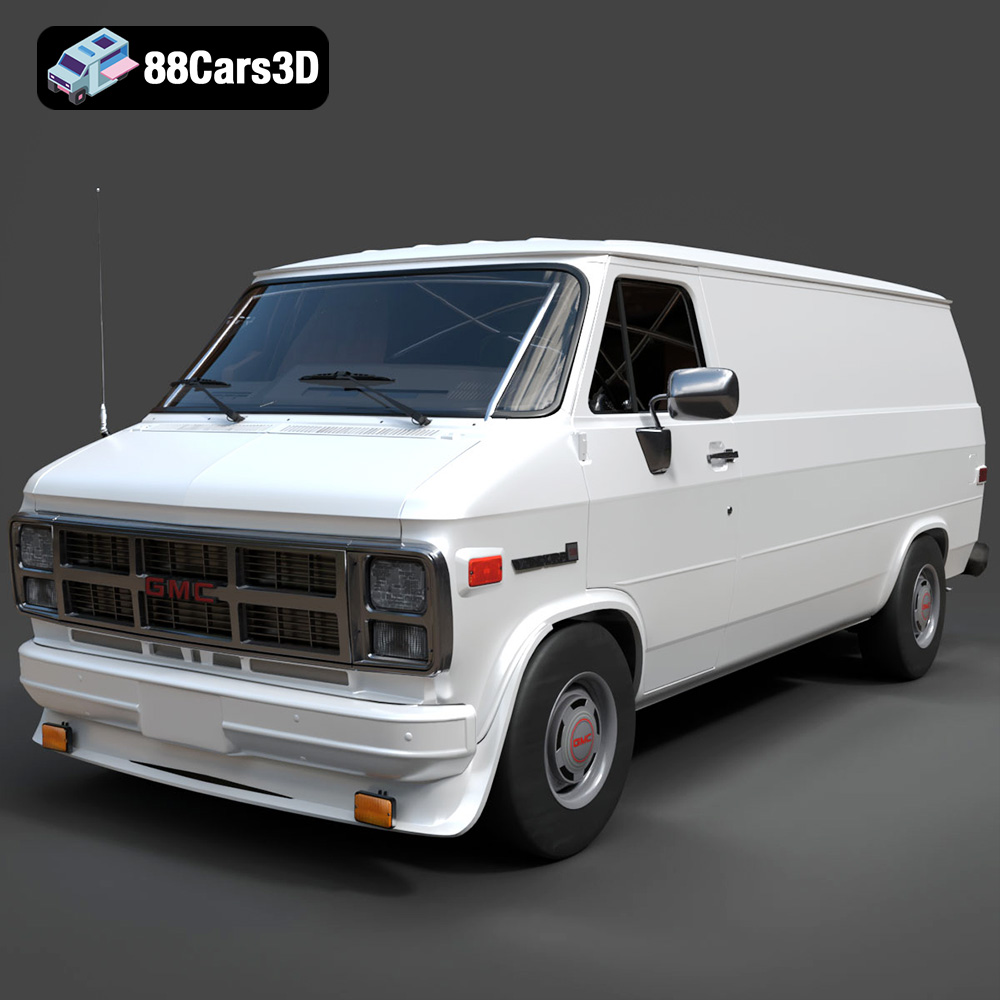
GMC Vandura G-1500 1983 3D Model
Texture: Yes
Material: Yes
Download the GMC Vandura G-1500 1983 3D Model featuring clean geometry, realistic detailing, and a fully modeled interior. Includes .blend, .fbx, .obj, .glb, .stl, .ply, .unreal, and .max formats for rendering, simulation, and game development.
Price: $19.99
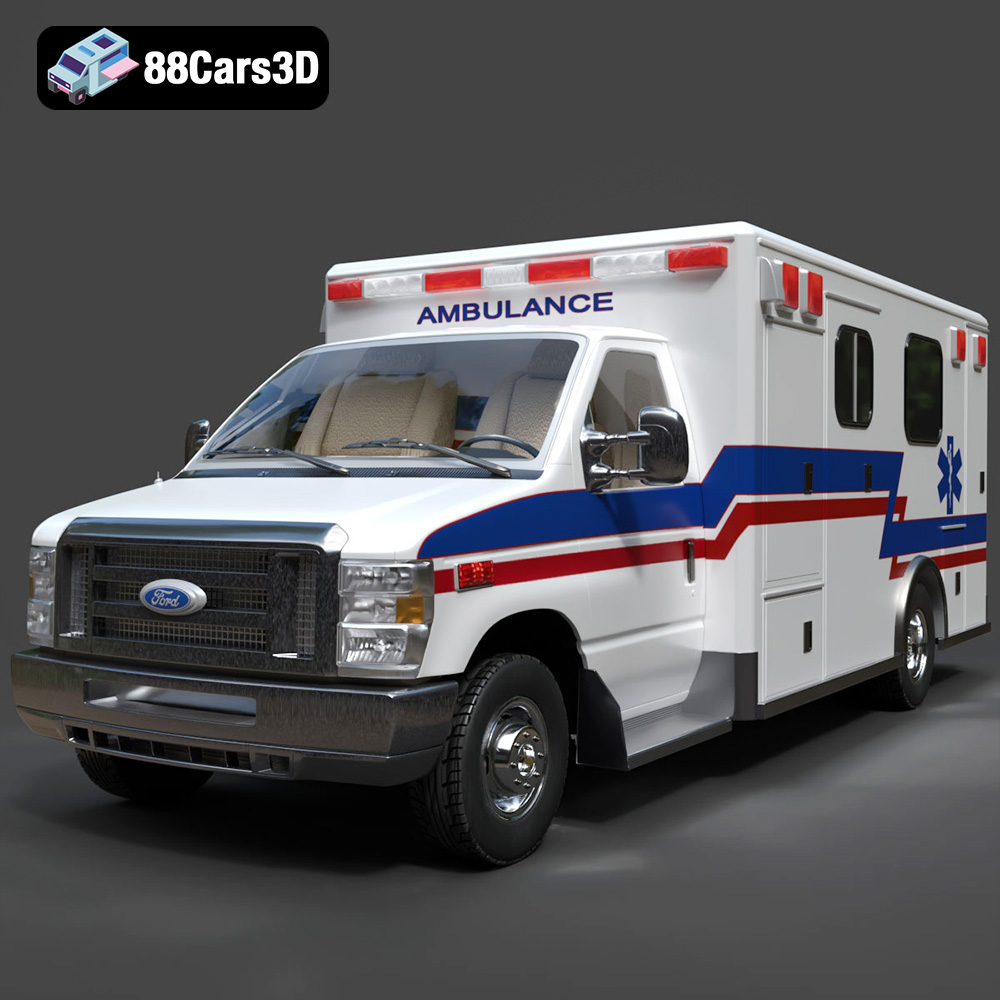
Ford E-450 Ambulance 3D Model
Texture: Yes
Material: Yes
Download the Ford E-450 Ambulance 3D Model featuring clean geometry, realistic detailing, and a fully modeled interior. Includes .blend, .fbx, .obj, .glb, .stl, .ply, .unreal, and .max formats for rendering, simulation, and game development.
Price: $19.99

Fiat Ducato SWB-001 3D Model
Texture: Yes
Material: Yes
Download the Fiat Ducato SWB-001 3D Model featuring clean geometry, realistic detailing, and a fully modeled interior. Includes .blend, .fbx, .obj, .glb, .stl, .ply, .unreal, and .max formats for rendering, simulation, and game development.
Price: $19.99
