Mastering the Art of 3D Car Models: From Concept to Photorealistic Renders and Game-Ready Assets
In the dynamic world of digital content creation, high-quality 3D car models are indispensable. Whether you’re an automotive designer crafting the next iconic vehicle, a game developer building an immersive racing experience, or a visual effects artist producing a blockbuster scene, the fidelity and technical integrity of your 3D car models are paramount. These digital assets form the backbone of breathtaking visualizations, interactive simulations, and captivating game environments, pushing the boundaries of what’s possible in virtual reality, augmented reality, and traditional media.
The journey from a raw concept to a polished, industry-ready 3D car model involves a meticulous blend of artistic skill and technical precision. It demands an understanding of sophisticated modeling techniques, advanced rendering pipelines, and rigorous optimization strategies. This comprehensive guide delves into the intricate details of working with 3D car models, exploring their applications, the technical specifications that define their quality, and how they seamlessly integrate into various professional workflows. We will also highlight how resources like 88cars3d.com provide access to premium, expertly crafted models, empowering creators to achieve their artistic and technical visions with efficiency and excellence.
The Foundation of Excellence: Why High-Quality 3D Car Models Matter
The pursuit of realism and performance begins with the quality of the 3D car model itself. A well-constructed model is not just visually appealing; it is technically sound, optimized for various applications, and a joy to work with. Conversely, a poorly constructed model can lead to endless headaches, from rendering artifacts and performance bottlenecks to compatibility issues across different software packages.
Precision in Design and Modeling Workflows
Creating a high-quality 3D car model typically starts with detailed blueprints, reference images, or even CAD data provided by manufacturers. Professional modelers employ a range of techniques, often beginning with polygonal modeling in software like Autodesk 3ds Max or Blender. The goal is to build a clean, efficient mesh that accurately captures the vehicle’s form and curvature.
- Clean Topology: This refers to the arrangement of polygons (typically quads) that define the surface of the model. Good topology ensures smooth subdivisions, proper deformation during animation, and prevents shading artifacts. Edges should flow naturally along the car’s contours, supporting crisp creases and smooth surfaces.
- Accurate Scale and Proportions: Models must adhere to real-world scale for believable integration into scenes and consistent lighting. Accurate proportions are fundamental to capturing the vehicle’s true aesthetic.
- UV Mapping: Crucial for applying textures, UV mapping unwraps the 3D surface into a 2D plane. Clean, non-overlapping UVs are essential for high-fidelity texture application, preventing distortion and maximizing texture resolution. For automotive models, multiple UV sets might be used – one for general body paint, another for interior details, and perhaps a third for decals or specific material effects.
The Impact of Detail on Realism and Performance
The level of detail (LOD) in a 3D car model is a critical consideration. For high-fidelity automotive rendering, a high-polygon model is often desired, allowing for intricate details, subtle surface variations, and smooth reflections. However, for real-time applications like game development or AR/VR, excessive polygon counts can cripple performance.
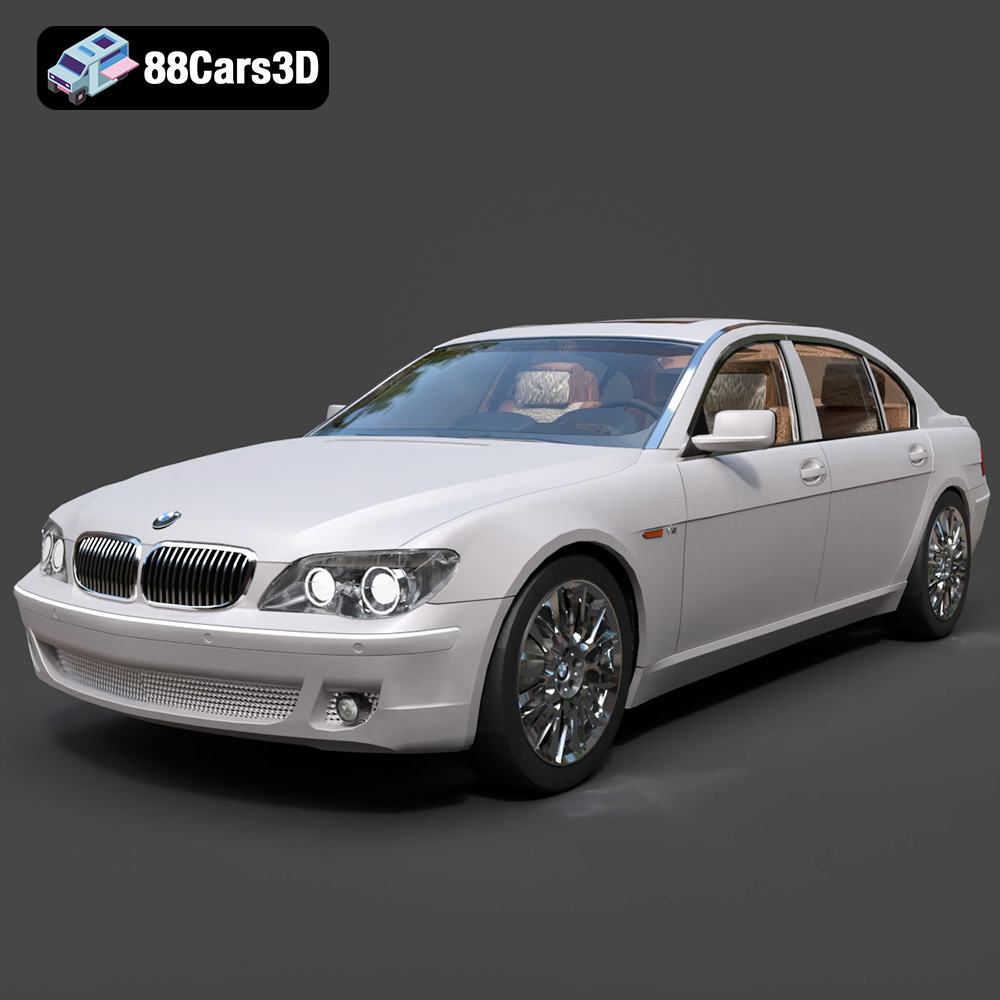
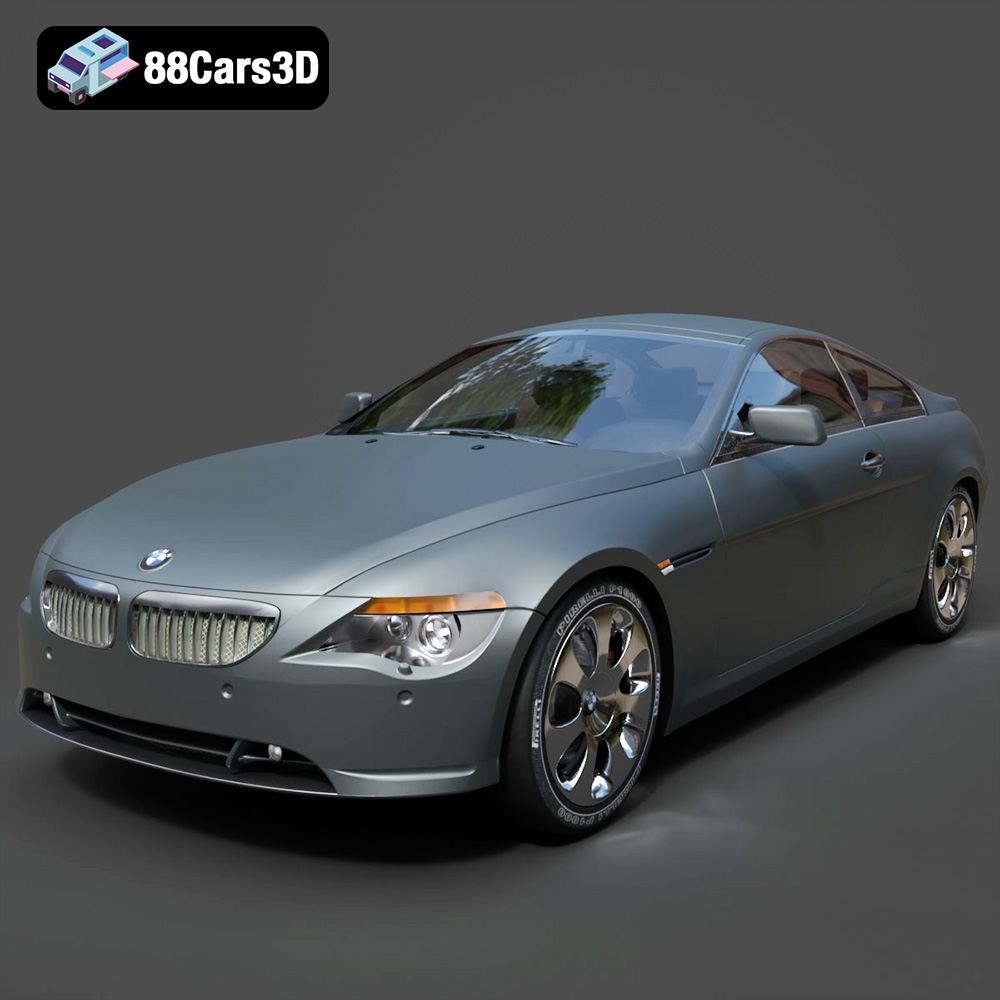
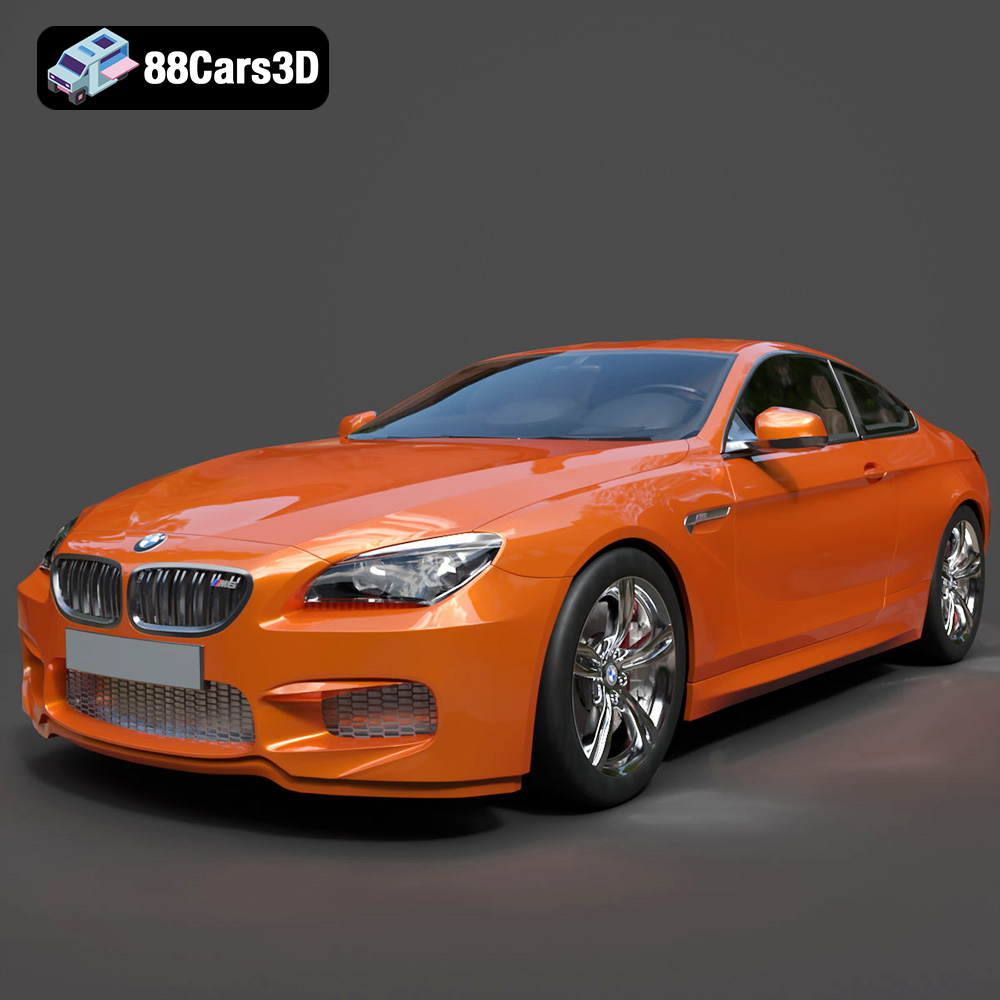
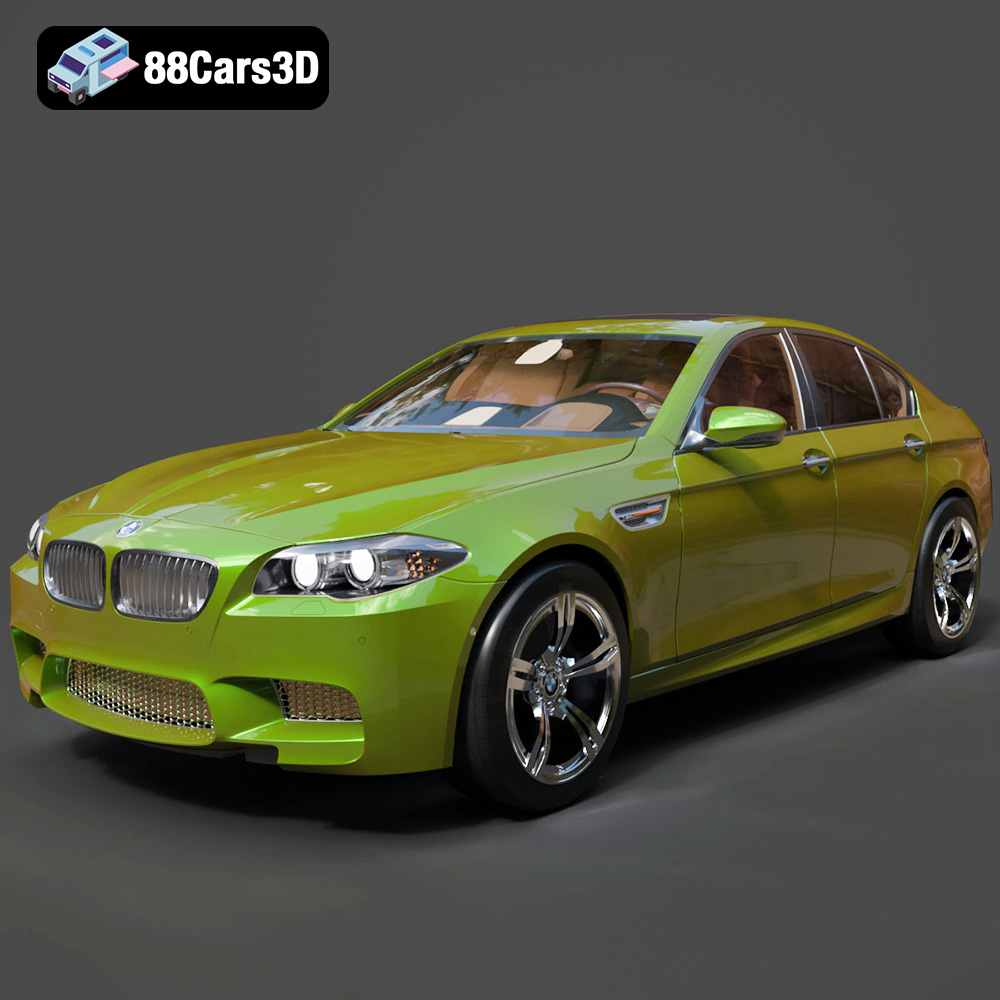
- High-Polygon Models for Rendering: These models feature a high density of polygons, enabling incredibly smooth surfaces and the capture of minute details like panel gaps, intricate grille patterns, and interior components. This level of detail is ideal for photorealistic renders and close-up shots where every curve and reflection matters.
- Optimized Models for Real-Time: For interactive experiences, models must be optimized to render efficiently without sacrificing visual quality. This involves techniques such as poly-count reduction, using normal maps to simulate high-poly details on lower-poly meshes, and creating multiple LODs that dynamically swap based on distance from the camera. A carefully optimized model can deliver stunning visuals even in demanding real-time environments.
Understanding 3D Model File Formats
The choice of file format is a fundamental technical decision when working with 3D car models. Each format is designed with specific use cases and compatibilities in mind, impacting everything from data preservation to integration into various pipelines. Understanding their nuances is crucial for any professional working in 3D visualization, game development, or design.
Versatile Formats for Diverse Applications
Several formats serve as industry workhorses, offering broad compatibility and robust features for different stages of a project:
- .blend (Blender): This is Blender’s native file format, fully preserving the entire Blender scene. This includes not just the mesh data, but also materials, textures, lighting, cameras, animations, physics simulations, and modifiers. It’s ideal when a model is primarily developed and used within Blender, allowing for complete editability and flexibility. For example, if you acquire a .blend file from 88cars3d.com, you get access to all the original setup, ready for custom modifications or immediate rendering within Blender.
- .max (3ds Max): Similar to .blend, .max is the native file format for Autodesk 3ds Max. It stores comprehensive scene data, including geometry, materials (with all their specific parameters like V-Ray, Corona, Arnold shaders), lighting, cameras, animation keyframes, and plugins-specific data. This format is essential for studios relying heavily on 3ds Max for complex architectural visualizations, animated sequences, or high-end automotive configurators. It ensures that all intricate details and render settings are preserved exactly as intended by the modeler.
- .fbx (Filmbox): Developed by Autodesk, FBX is arguably the most prevalent interchange format, especially for real-time pipelines. It’s designed to transfer a wide range of data, including geometry (meshes), animations (skeletal and blend shapes), cameras, lights, and PBR (Physically Based Rendering) materials. FBX files are ideal for exporting 3D car models from a DCC (Digital Content Creation) application like Blender or 3ds Max into game engines such as Unreal Engine and Unity, or other rendering software. Its robust animation support makes it a go-to for animated vehicle sequences. While it can carry complex material data, ensuring perfect fidelity often requires re-linking textures and tweaking shaders in the destination application.
- .obj (Wavefront OBJ): This is a universal geometry definition file format, widely supported across almost all 3D software. An OBJ file primarily stores geometry data – vertices, faces (polygons), texture coordinates (UVs), and normals. It can reference an accompanying .mtl (Material Template Library) file for basic material properties like color and diffuse texture, but it doesn’t support complex shaders or animations. Its strength lies in its simplicity and universal compatibility, making it excellent for sharing static meshes between different software packages without losing fundamental geometric data.
Specialized Formats for Niche Uses
Beyond the general-purpose formats, several others cater to very specific needs:
- .glb (GLB/glTF Binary): GLB is the binary version of glTF (Graphics Language Transmission Format), an open standard designed for efficient transmission and loading of 3D scenes and models by engines and applications. GLB bundles the JSON scene description, binary data (geometry, animation), and textures into a single file, making it incredibly optimized for web-based 3D, AR (Augmented Reality), and VR (Virtual Reality) applications. Its compact size and ease of integration into browser-based viewers make it perfect for interactive online car configurators or virtual showrooms.
- .stl (Stereolithography): STL is the de facto standard file format for 3D printing. It represents a 3D model as a series of connected triangles (a tessellated surface) without any color, texture, or material information. The precision of the triangular facets defines the quality of the printed output. When preparing a 3D car model for physical prototyping or display, converting it to STL is typically the final step before sending it to a 3D printer.
- .ply (Polygon File Format): PLY is a polygon file format primarily used to store 3D data from 3D scanners or other data acquisition devices. It can store a wide range of information, including vertices, faces, normals, color, and even transparency, often with higher precision than OBJ. While less common for general 3D car model distribution, it’s a critical format in reverse engineering, CAD, or situations where highly accurate scan data of a physical car needs to be represented digitally.
- .unreal (Unreal Engine Asset): This isn’t strictly a standalone file format like the others, but rather refers to a 3D model that has been imported, processed, and saved as a native asset within the Unreal Engine project. When you import an FBX (or other supported format) into Unreal, the engine converts it into its internal .uasset format. This process optimizes the mesh, generates LODs, sets up collision meshes, and configures materials using Unreal’s PBR shader system. A “.unreal” car model signifies an asset that is fully integrated, optimized, and ready for immediate use in real-time environments, benefiting from all engine-specific functionalities like advanced lighting and physics.
Choosing the correct file format streamlines workflows, ensures data integrity, and ultimately impacts the success of a 3D project. Many professional 3D car model marketplaces, including 88cars3d.com, offer models in several of these key formats to cater to diverse professional needs.
Automotive Rendering: Crafting Photorealism
Creating a truly photorealistic image or animation of a 3D car model is an art form that combines technical mastery with an acute eye for detail. It goes beyond simply having a good model; it’s about how that model interacts with light, materials, and its environment.
The Power of Physically Based Rendering (PBR)
Modern rendering engines (like V-Ray, Corona Renderer, Arnold, Redshift, Octane, or even real-time engines like Unreal Engine and Unity) predominantly use Physically Based Rendering (PBR) workflows. PBR aims to simulate how light behaves in the real world, leading to more believable and consistent results across various lighting conditions.
- Materials and Textures: This is where the car’s surface comes alive. Automotive paint, for example, is incredibly complex, often requiring layered shaders to simulate flakes, clear coats, and subtle variations in reflectivity. PBR materials typically use a set of textures to define properties like:
- Albedo/Base Color: The inherent color of the surface.
- Roughness/Glossiness: How smooth or rough the surface is, affecting light scattering.
- Metallic: Defines whether the material is a metal or a dielectric (non-metal).
- Normal Map: Adds fine surface detail (like subtle bumps or scratches) without increasing polygon count.
- Ambient Occlusion (AO): Simulates soft shadows where surfaces are close together.
- Displacement/Bump Maps: For more pronounced surface relief.
- Paint Shaders: Replicating realistic car paint, often incorporating metallic flakes, clear coat reflections, and fresnel effects, is a cornerstone of convincing automotive rendering. Glass, tire rubber, chrome, and interior fabrics each demand their own carefully calibrated PBR material setups.
Lighting, Environment, and Camera Setup
Lighting is the soul of a render. It defines the mood, highlights the car’s form, and reveals material properties. Combined with thoughtful camera work, it can elevate a simple model into a masterpiece.
- HDRI (High Dynamic Range Image) Lighting: HDRIs are images that capture a full range of light information from a real-world environment. They are crucial for realistic automotive rendering, providing both primary light sources (like the sun) and subtle ambient reflections, making the car look like it genuinely belongs in the scene.
- Studio Lighting Setups: For product shots or configurators, virtual studio lighting setups (often using area lights, softboxes, and reflectors) are common. These allow precise control over highlights, shadows, and reflections to emphasize specific design features.
- Camera Settings: Just like a physical camera, virtual cameras in 3D software offer controls for focal length, aperture (depth of field), shutter speed (motion blur), and white balance. Mastering these settings is vital for cinematic renders, adding realism and artistic flair.
Post-Production Techniques for Stunning Visuals
Even after a render is complete, post-production in software like Adobe Photoshop or After Effects can significantly enhance the final image or animation.
- Color Grading: Adjusting colors, contrast, and tone to achieve a desired mood or match specific brand aesthetics.
- Effects and Enhancements: Adding subtle glares, lens flares, dust, or atmospheric effects can breathe more life into the scene.
- Compositing: Combining render passes (e.g., separate passes for reflections, shadows, and objects) allows for greater control and flexibility in post-production, enabling precise adjustments without re-rendering the entire scene.
Integrating 3D Car Models into Game Engines
The transition from a high-fidelity render model to a game-ready asset requires a rigorous optimization process. Game engines like Unreal Engine and Unity demand efficiency to maintain high frame rates while still delivering impressive visual quality. This is where the technical prowess of a game assets artist truly shines.
Optimization for Real-Time Performance
Every polygon, texture, and instruction in a game engine contributes to rendering cost. Optimizing 3D car models for real-time means carefully balancing visual fidelity with performance budgets.
- Poly Count Reduction and LODs: High-poly models must be intelligently reduced to a poly count suitable for real-time. This often involves retopology or automated decimation tools. To further optimize, Levels of Detail (LODs) are created – progressively lower-polygon versions of the model that the engine swaps in as the car moves further from the camera. A car might have LOD0 (full detail) for close-ups, LOD1 for medium distances, and LOD2/3 for far distances, each significantly reducing the polygon count.
- Efficient UV Mapping and Texture Atlases: Clean UVs are even more critical in games to maximize texture resolution and prevent texture seams. Using texture atlases, where multiple smaller textures (e.g., for different car parts) are combined into a single, larger texture, reduces draw calls and improves rendering performance.
- Collision Meshes: For realistic physics and interaction, simplified collision meshes (often convex hulls or simplified proxies) are created around the car, separate from the visual mesh. These are used by the physics engine for collision detection, saving computational power.
PBR Material Setup in Unreal Engine/Unity
Game engines utilize PBR workflows that are highly optimized for real-time. Translating rendered materials into engine-native PBR materials is a key step.
- Connecting Texture Maps: The albedo, normal, roughness, metallic, and ambient occlusion maps generated for the 3D car model are plugged into the corresponding inputs of the engine’s standard PBR shader.
- Material Instances: To create variations of a car (e.g., different paint colors, wheel options) efficiently, material instances are heavily used. A master material is created, and instances derived from it allow artists to change parameters (like color, texture tiling) without compiling new shaders, saving time and resources.
- Shader Complexity: Monitoring shader complexity within the engine is vital. Complex shaders with many instructions can be performance bottlenecks. Optimizing material graphs and leveraging texture lookups over complex calculations are common strategies.
Rigging and Animation for Dynamic Gameplay
To bring a 3D car model to life in a game, it needs to be rigged and animated.
- Wheel and Suspension Rigging: Setting up a proper skeletal rig for wheels to rotate realistically, and for suspensions to compress and extend, is fundamental for believable driving physics.
- Damage States and Destructible Meshes: For many modern games, cars need to show damage. This can range from simple texture swaps for scratches to complex destructible meshes that break apart based on impact points.
- Interior Functionality: If the player can enter the car, doors, steering wheel, and dashboard elements might need to be rigged and animated for interaction.
Real-World Applications and Case Studies
The versatility of high-quality 3D car models extends across numerous industries, demonstrating their profound impact on design, marketing, and entertainment.
Visualization in Automotive Design and Marketing
Before a single physical prototype is built, 3D car models are the primary tools for automotive designers and engineers.
- Concept Review and Iteration: Designers use 3D models to visualize new concepts, iterate on shapes, and refine details in a virtual environment. This dramatically reduces design cycles and costs compared to building physical models. Real-time rendering of these concepts allows for immediate feedback on design choices.
- Virtual Configurator Tools: Many car manufacturers offer online configurators where customers can customize their vehicle in 3D – changing colors, wheels, interiors, and seeing the changes instantly. These rely on highly optimized 3D car models and PBR materials to deliver a seamless, interactive experience.
- Marketing Campaigns and Advertising: From stunning imagery for brochures and websites to dynamic animations for TV commercials, 3D renders are often indistinguishable from real photography. They offer complete creative control, allowing for impossible camera angles, perfect lighting, and showcasing features not yet physically realized.
Enhancing Immersive Experiences in AR/VR
Augmented Reality (AR) and Virtual Reality (VR) are transforming how we interact with products, and 3D car models are at the forefront of this revolution.
- Virtual Showrooms and Test Drives: VR allows potential buyers to “step inside” a car, explore its interior, and even take a virtual test drive from the comfort of their home. AR apps enable users to project a full-scale 3D car model into their driveway, seeing how it looks in their real-world environment. These experiences demand extremely optimized models to maintain smooth performance in real-time.
- Training and Simulation: 3D car models are used in highly realistic training simulations for drivers, mechanics, and emergency responders. This provides a safe and cost-effective way to practice complex procedures and react to various scenarios.
Driving Innovation in Game Development
For game developers, 3D car models are central to creating captivating and realistic vehicular experiences.
- Racing Simulations: From hyper-realistic simulators like Gran Turismo or Forza Motorsport to arcade racers, the quality of the 3D car models directly impacts the immersion. Accurate dimensions, detailed interiors, and realistic damage models are crucial.
- Open-World Environments: In games like Grand Theft Auto or Cyberpunk 2077, hundreds of different car models populate vast open worlds. These models must be diverse, visually appealing, and highly optimized to ensure the game runs smoothly even with many vehicles on screen simultaneously.
- Vehicle Customization: Many games offer extensive vehicle customization, allowing players to modify paint, body kits, wheels, and more. This requires modular 3D car models where components can be easily swapped and combined.
Sourcing High-Quality Assets: The 88cars3d.com Advantage
Given the rigorous demands of professional 3D production, creating every 3D car model from scratch can be incredibly time-consuming and expensive. This is where a reliable source for pre-made, high-quality assets becomes invaluable.
The Importance of Professional Grade Models
A professional-grade 3D car model is more than just aesthetically pleasing. It adheres to technical standards that ensure it integrates seamlessly into various pipelines.
- Clean Topology and UVs: As discussed, these are fundamental for proper shading, texturing, and animation. Professional models from sources like 88cars3d.com ensure this underlying quality.
- Accurate Scale and Proportions: Models are built to real-world measurements, ensuring they fit correctly into scenes without needing tedious adjustments.
- Pre-Configured Materials: Many professional 3D car models come with pre-configured PBR materials and textures, often optimized for specific renderers or game engines, significantly speeding up setup time.
- Variety of Formats: Offering models in formats like .blend, .max, .fbx, and .obj ensures compatibility across a wide range of industry-standard software, making them suitable for diverse projects from high-end rendering to real-time game development.
Streamlining Your Workflow with Ready-to-Use Assets
Accessing ready-to-use 3D car models streamlines the production process, allowing artists and developers to focus on creativity rather than foundational modeling tasks.
- Saving Time and Resources: Instead of spending weeks modeling a car from scratch, you can acquire a professionally made model in minutes, dramatically cutting down production timelines. This is especially beneficial for projects with tight deadlines or limited budgets.
- Consistent Quality: Sourcing from a reputable marketplace guarantees a certain level of quality and consistency across your assets, which is crucial for professional productions. Sites like 88cars3d.com specialize in providing high-quality, technically sound 3D car models, ensuring you get assets that meet industry standards.
- Focusing on Creativity: With the core asset handled, artists can dedicate more time to lighting, scene composition, animation, and fine-tuning materials – the elements that truly bring a project to life and differentiate it.
Conclusion
The world of 3D car models is a complex yet incredibly rewarding domain, serving as a cornerstone for innovation across automotive design, entertainment, and interactive experiences. From the meticulous crafting of clean topology and accurate UVs to the sophisticated art of automotive rendering and the rigorous optimization for game assets, every step contributes to the final impact of the digital vehicle. Understanding the nuances of different file formats, mastering PBR workflows, and implementing smart optimization strategies are vital skills for anyone aiming to produce cutting-edge visuals or immersive digital worlds.
As the demand for high-quality 3D content continues to grow, so too does the need for accessible, professionally made assets. Leveraging resources like 88cars3d.com empowers creators to bypass the initial modeling phase, providing them with a wealth of technically sound, artistically rich 3D car models ready to be integrated into any project. By embracing these tools and techniques, artists and developers can push creative boundaries, delivering stunning photorealism and engaging interactive experiences that captivate audiences worldwide.
Featured 3D Car Models