

Mastering Your 3D Models: Essential Software for Editing STL Files
Welcome to the exciting world of 3D printing and digital modeling! At 88cars3d.com, we’re passionate about providing you with high-quality, printable 3D car models in STL format. But what happens after you download a fantastic model, or if you have your own design that needs a little tweaking? The journey from a digital file to a perfectly printed object often involves editing the STL file itself. Whether you’re a seasoned 3D artist, a curious hobbyist, or an engineer looking to refine a prototype, understanding the best software for editing STL files is crucial. This guide will walk you through a curated selection of both free and paid tools, detailing their strengths, weaknesses, and ideal use cases. We’ll cover everything from basic repairs and modifications to advanced sculpting and mesh optimization, ensuring you have the knowledge to tackle any STL editing challenge and achieve flawless prints of your favorite automotive designs.
Understanding the STL File Format: The Foundation of 3D Printing
Before diving into software, it’s essential to grasp what an STL (STereoLithography) file truly is. At its core, an STL file represents a 3D object’s surface geometry using a collection of connected triangles. This “mesh” forms a watertight, manifold surface, crucial for 3D printers to interpret and build the object layer by layer. Unlike more complex formats like OBJ or FBX, STL files are deliberately simple, containing only the coordinates of the vertices for each triangle and its normal vector (indicating which way the triangle is facing). This simplicity makes them universally compatible with slicing software but also means they lack color, texture, or material information. The quality of the mesh – its resolution, the presence of holes, non-manifold edges, or inverted normals – directly impacts the success of your 3D prints. Therefore, editing an STL file often involves manipulating these triangles to repair errors, simplify the mesh, add details, or prepare it specifically for a particular printing technology.
The Importance of Watertight and Manifold Meshes
A “watertight” or “manifold” mesh is a continuous, closed surface with no holes, internal faces, or edges shared by more than two triangles. Think of it like a balloon: it has no leaks. In 3D printing, a non-watertight mesh can lead to slicer errors, missing sections in the print, or incomplete layers. Software like Netfabb, Meshmixer, or even built-in tools in some CAD programs can automatically detect and often repair these issues. For instance, a simple hole can be patched by creating new triangles to bridge the gap, while inverted normals can be flipped to ensure the exterior of the model is correctly defined. Understanding these concepts helps you choose the right software for specific repair tasks.
Mesh Resolution and File Size Considerations
The number of triangles used to represent a 3D model directly affects its detail and file size. A high-resolution mesh will capture intricate details but can result in very large STL files, which may be slow to load, process, and slice. Conversely, a low-resolution mesh will have a smaller file size and be faster to work with but might lose fine features, leading to blocky or pixelated prints. Editing software allows you to decimate (reduce) or subdivide (increase) the mesh density. For example, if you’re downloading a highly detailed car model from a marketplace like 88cars3d.com and find it’s too complex for your printer or slicing software, you might use a decimation tool to simplify it without losing the overall shape. Finding the right balance is key for optimal print quality and performance.
Free Powerhouses: Accessible STL Editing Software
Fortunately, the world of 3D modeling and printing offers a robust selection of free software that can handle a wide range of STL editing tasks. These tools are invaluable for hobbyists, students, and professionals on a budget, providing powerful capabilities without the hefty price tag. From fundamental mesh repair to more artistic modifications, these options ensure you can prepare your models for success.
Meshmixer: The All-Rounder for Repair and Sculpting
Autodesk Meshmixer has long been a favorite in the 3D printing community, offering a comprehensive suite of tools for mesh manipulation. It excels at repairing STL files, automatically detecting and fixing errors like holes, non-manifold edges, and self-intersections. Its sculpting brushes allow for organic modifications, enabling you to add or remove material, smooth surfaces, or even combine multiple models. For print preparation, Meshmixer offers features like plane cuts for sectioning models, robust support generation, and hollow-out tools for resin printing. While it has a learning curve, its extensive capabilities make it an indispensable free tool. For instance, if a downloaded STL file from 88cars3d.com has a small hole or a slightly detached part, Meshmixer’s “Inspector” tool can often fix it with a single click, followed by its “Sculpt” tools for minor adjustments.
Key Features and Workflows in Meshmixer
Meshmixer’s interface is organized around different workflows: Edit, Sculpt, Model, and Analysis. The ‘Edit’ menu houses essential tools like ‘Hollow,’ ‘Make Solid,’ ‘Plane Cut,’ and ‘Combine.’ The ‘Sculpt’ menu provides brushes for inflating, deflating, smoothing, and pulling surfaces. For printability, the ‘Analysis’ tools are critical. The ‘Inspector’ feature automatically identifies mesh errors. The ‘Meshmixer’s ‘Generate Overhangs’ and ‘Add Supports’ tools are also incredibly useful for preparing models, especially for FDM printing, allowing fine control over support density and placement.
Blender: The Professional 3D Suite with a Steep Learning Curve
Blender is a free, open-source, and incredibly powerful 3D creation suite used for everything from animation and visual effects to game development and 3D printing. While it’s a full-fledged modeling package, it includes robust tools for editing STL files. You can use its modeling tools to directly manipulate vertices, edges, and faces for precise edits, or its sculpting tools for more artistic freedom. Blender’s Boolean modifiers are excellent for cutting, joining, or subtracting shapes, which is incredibly useful for adding components or creating complex designs. Repairing meshes can be done manually using editing tools or with add-ons. While it might be overkill for simple repairs, if you plan to heavily modify or design your own printable models, Blender is an unparalleled free resource. Learning to use its ‘Edit Mode’ for vertex manipulation or its ‘Boolean’ modifier to cut openings in a car body is a worthwhile investment.
Leveraging Modifiers and Add-ons in Blender
Blender’s modifier stack is a non-destructive way to alter geometry. Tools like ‘Decimate’ can reduce polygon count, ‘Solidify’ can add thickness to surfaces, and ‘Boolean’ can perform complex operations. For STL repair, add-ons like ‘3D-Print Toolbox’ offer invaluable features for checking manifold errors, wall thickness, and even automatically generating supports. Mastering these allows you to refine complex models downloaded from sites like 88cars3d.com or prepare your own creations with professional-grade precision.
FreeCAD: Parametric Modeling for Precision Edits
FreeCAD is a powerful, open-source parametric 3D CAD modeler. Unlike mesh-based modelers like Meshmixer or Blender, FreeCAD works with solid bodies and precise dimensions. This makes it ideal for technical modifications where accuracy is paramount. You can import an STL, convert it to a solid body (though this can sometimes be challenging with complex meshes), and then use its extensive CAD tools to perform precise cuts, extrusions, or add specific features. It’s particularly useful if you need to add mounting points, drill holes for electronics, or precisely integrate parts. While its STL import and conversion capabilities can sometimes be finicky with very complex or messy files, for cleaner STLs or for adding engineered features, FreeCAD is an excellent free choice.
Converting and Modifying STLs in FreeCAD
The process typically involves importing the STL into FreeCAD’s ‘Part Design’ or ‘Part’ workbench. If the STL imports as a “mesh,” you might need to use the ‘Mesh Design’ workbench to convert it into a solid (if possible). Once you have a solid body, you can use tools like ‘Pocket’ (for cutting holes), ‘Pad’ (for extruding features), or ‘Boolean operations’ to modify the geometry with precise measurements. This is perfect for adding custom bases or modifying existing models to fit specific requirements.
Paid Solutions: Professional Power and Advanced Features
While free software offers incredible value, paid solutions often provide a more streamlined workflow, advanced features, dedicated support, and industry-standard capabilities. These are typically favored by professionals, businesses, and serious hobbyists who require the utmost in precision, efficiency, and complex manipulation.
Netfabb: The Industry Standard for STL Repair and Preparation
Autodesk Netfabb is arguably the most powerful software specifically designed for preparing 3D printing files. It offers unparalleled capabilities in mesh repair, analysis, and optimization. Netfabb can automatically detect and repair virtually any mesh defect, perform complex Boolean operations, section models, create internal structures, optimize build orientation, and even generate highly advanced support structures tailored for specific printing technologies (like metal printing or large-scale SLA). Its advanced simulation features can predict print outcomes, reducing costly failures. For professionals working with complex geometries or requiring high-reliability prints, Netfabb is an essential investment. When downloading intricate car models from 88cars3d.com, Netfabb is your go-to for ensuring they are absolutely print-ready, especially for demanding FDM or resin printing applications.
Advanced Repair and Preparation Workflows in Netfabb
Netfabb’s strength lies in its automated repair algorithms. Simply import your STL, and its ‘Repair’ module can identify and fix issues like holes, non-manifold geometry, and intersecting triangles with remarkable accuracy. Beyond repair, its ‘Part > Create Cutting Plane’ feature is invaluable for splitting large models to fit print beds or to print in multiple parts. The ‘Support Generation’ module offers granular control, allowing users to create custom supports that are easier to remove and minimize surface scarring, a critical factor for high-quality automotive models.
SolidWorks: Engineering Precision for Modified Designs
SolidWorks is a leading professional CAD software used extensively in engineering and product design. While primarily a solid modeling tool, it has robust capabilities for importing, editing, and exporting STL files. If you need to add precise engineering features, such as tolerances, screw threads, or integrate electronic components into a 3D printable car model, SolidWorks is an excellent choice. You can import an STL, use it as a reference, and build new solid geometry around it, or sometimes convert it into a surface or solid body for direct modification. Its simulation tools can also help verify structural integrity before printing. While expensive, for engineers and product designers, its integration within a professional workflow is invaluable.
Integrating STL Files into SolidWorks Workflows
The workflow usually involves importing the STL file. SolidWorks might treat it as a mesh body or attempt to convert it into a solid. If imported as a mesh, you can often use it in conjunction with solid features; for instance, placing a sketch on a flat face of the mesh and then extruding a new solid feature from it. Alternatively, you can use the STL as a reference to design a completely new solid part that complements or attaches to the imported geometry. The ability to perform precise measurements and apply engineering constraints makes it superior for functional modifications.
ZBrush: Digital Sculpting Mastery for Organic Details
For highly detailed, organic, or artistic modifications, ZBrush is the industry-standard digital sculpting tool. While not a traditional CAD program, it allows artists to sculpt incredibly intricate details onto a mesh, much like working with digital clay. You can import an STL file from 88cars3d.com and add custom body kits, fine-tune curves, or sculpt entirely new elements. ZBrush’s ‘Dynamesh’ and ‘Sculptris Pro’ features allow for dynamic mesh manipulation, enabling you to add geometry where needed without worrying about topology constraints. Although it has a steep learning curve and is primarily focused on artistic creation, its power for adding intricate surface details or completely reimagining a model is unmatched. Exporting back to STL is straightforward, though often requires careful attention to mesh density and potential repair steps.
Sculpting Techniques for Print-Ready Models in ZBrush
In ZBrush, you’d typically import your STL and then use tools like ‘ZRemesher’ to create a cleaner base topology for sculpting. Brushes like ‘Clay Build Up,’ ‘Dam Standard,’ and ‘Inflate’ are used to add or subtract material. For preparing a model for printing, features like ‘Group Loops’ and ‘Masking’ are crucial for isolating areas. After sculpting, exporting requires options like ‘Decimation Master’ to reduce polygon count efficiently while preserving detail, and ensuring the final mesh is manifold before exporting to STL.
Choosing the Right Tool for Your Needs
The best software for editing STL files depends entirely on your specific goals and the complexity of the task. For beginners and general-purpose repairs, Meshmixer offers an excellent balance of power and accessibility. If you’re venturing into more complex design or need precise engineering modifications, FreeCAD or professional CAD software like SolidWorks might be more appropriate. For artistic freedom and incredibly detailed sculpting, ZBrush is the ultimate choice. And for professional-grade repair, optimization, and print preparation, Netfabb stands in a league of its own.
Workflow: From Download to Print-Ready STL
A typical workflow for preparing a downloaded model might look like this:
- Download: Obtain your STL file from a source like 88cars3d.com.
- Inspect & Repair: Open the STL in Meshmixer or Netfabb. Use the automatic repair tools to fix any obvious errors. Manually patch any remaining holes if necessary.
- Modify (Optional): If you need to make changes (e.g., add a custom spoiler, cut the model in half), use the appropriate software. Blender’s Boolean tools, FreeCAD’s parametric features, or ZBrush’s sculpting capabilities can be employed here.
- Optimize for Printing: Use tools to hollow the model (for resin printing), reduce polygon count if the file is too large, or ensure wall thickness is adequate.
- Add Supports (Optional but Recommended): Some software (like Meshmixer or Netfabb) can generate supports directly. Alternatively, you can do this in your slicer software.
- Export Final STL: Save the corrected and prepared model as a new STL file.
- Slice and Print: Import the final STL into your slicer (Cura, PrusaSlicer, etc.) for slicing and printing.
Considering Printer Type: FDM vs. Resin
The software you choose and the edits you make can also depend on whether you’re using an FDM (Fused Deposition Modeling) or resin (SLA/DLP) printer. Resin printers thrive on watertight meshes and often require models to be hollowed with drainage holes to save material and reduce print time. FDM printers are more forgiving but require good bed adhesion and often benefit from optimized support structures, which can be generated or refined in specialized software. Features like wall thickness analysis are crucial for both, but especially for resin printing to prevent print failures.
Conclusion: Empowering Your 3D Printing Projects
Mastering STL file editing is a transformative skill for any 3D printing enthusiast. Whether you’re fixing a downloaded file, adapting a model for a specific purpose, or bringing your own creations to life, the right software empowers you to overcome challenges and achieve stunning results. From the accessible power of free tools like Meshmixer and Blender to the professional-grade capabilities of Netfabb and SolidWorks, there’s a solution for every need and budget. By understanding the STL format, learning the strengths of different software packages, and following best practices for repair and preparation, you can ensure that every print, especially the intricate automotive models you find on platforms like 88cars3d.com, turns out exactly as you envisioned. Experiment with these tools, practice their features, and unlock a new level of control and creativity in your 3D printing journey.
Featured 3D Car Models
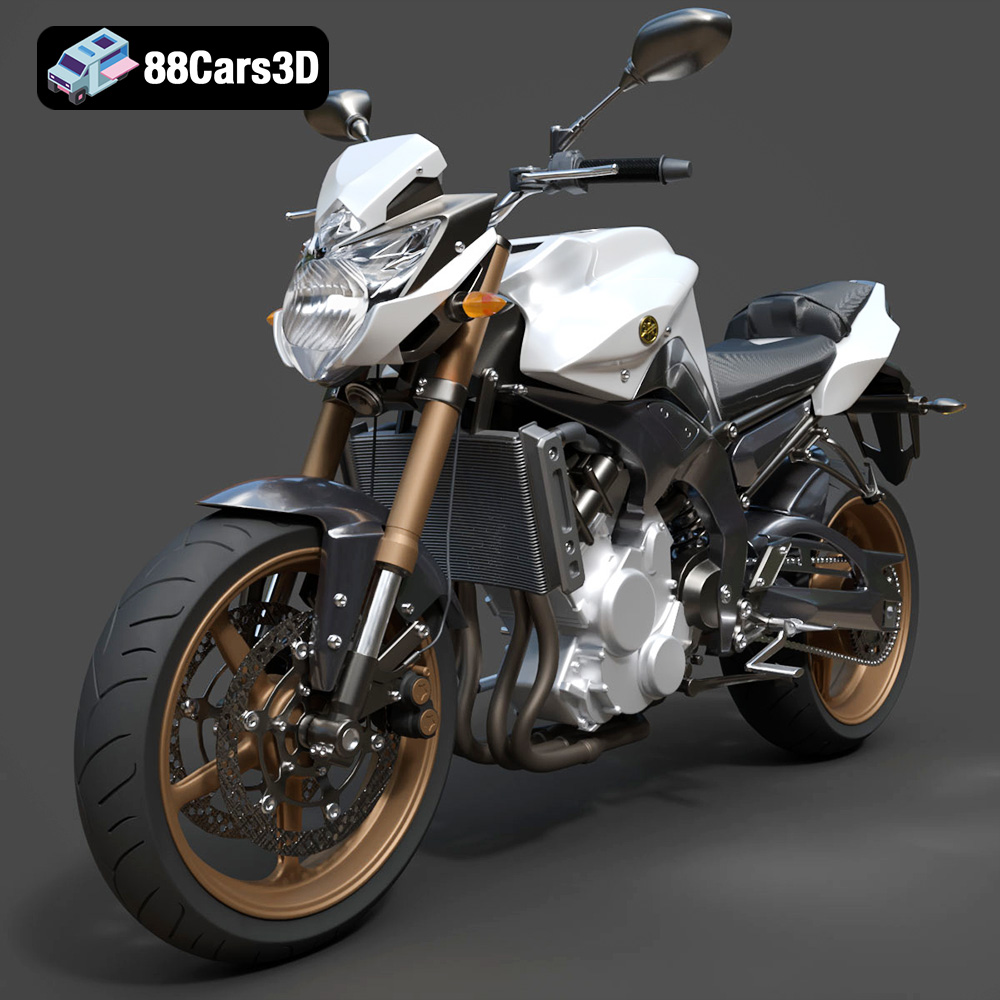
Yamaha FZ8 2011 3D Model
Texture: Yes
Material: Yes
Download the Yamaha FZ8 2011 3D Model featuring clean geometry, realistic detailing, and a fully modeled interior. Includes .blend, .fbx, .obj, .glb, .stl, .ply, .unreal, and .max formats for rendering, simulation, and game development.
Price: $19.99
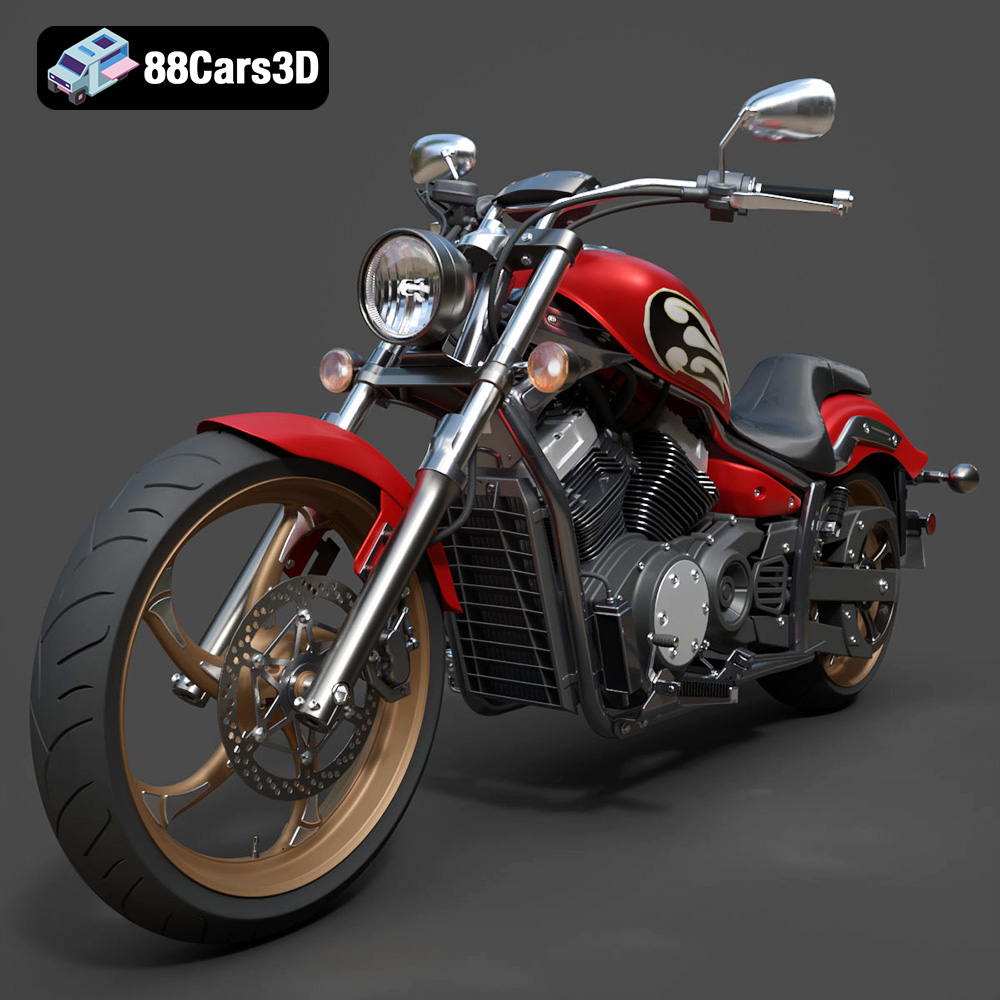
Yamaha Stryker 2012 3D Model
Texture: Yes
Material: Yes
Download the Yamaha Stryker 2012 3D Model featuring clean geometry, realistic detailing, and a fully modeled interior. Includes .blend, .fbx, .obj, .glb, .stl, .ply, .unreal, and .max formats for rendering, simulation, and game development.
Price: $19.99
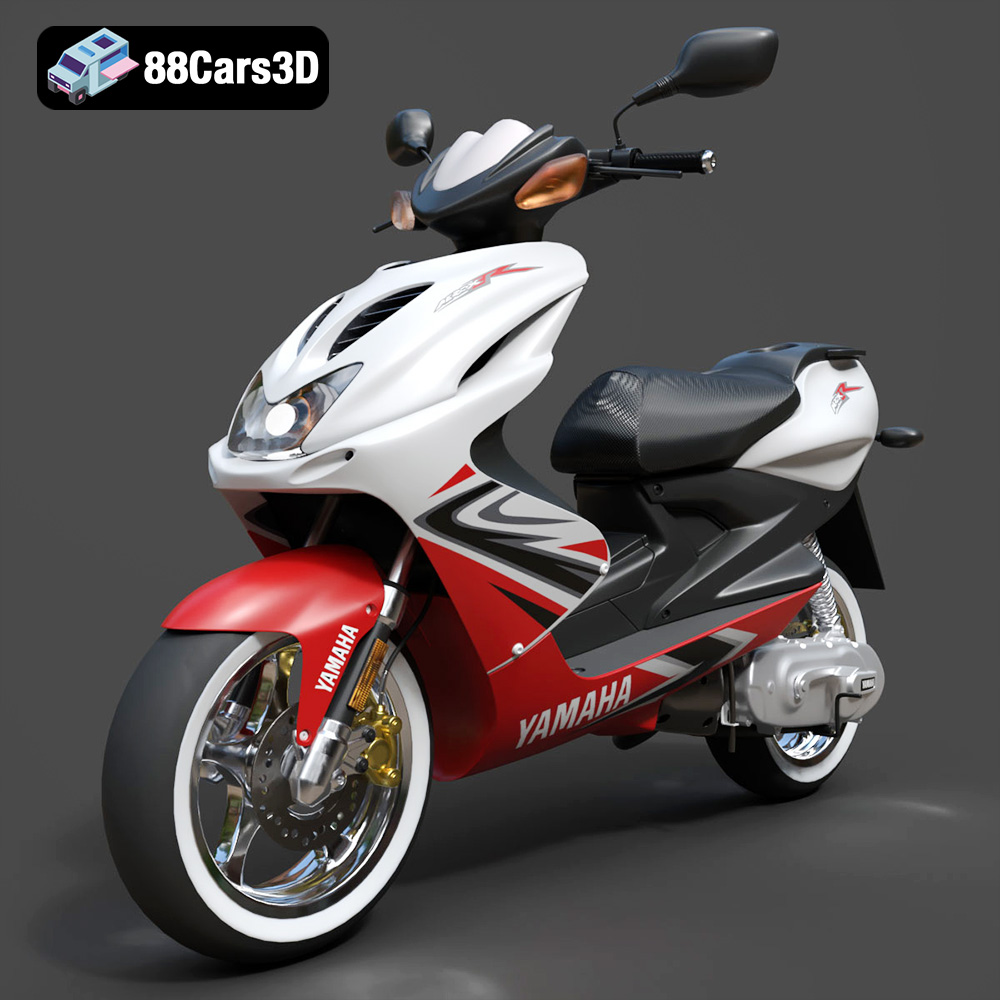
Yamaha Aerox R-002 2024 3D Model
Texture: Yes
Material: Yes
Download the Yamaha Aerox R-002 2024 3D Model featuring clean geometry, realistic detailing, and a fully modeled interior. Includes .blend, .fbx, .obj, .glb, .stl, .ply, .unreal, and .max formats for rendering, simulation, and game development.
Price: $19.99
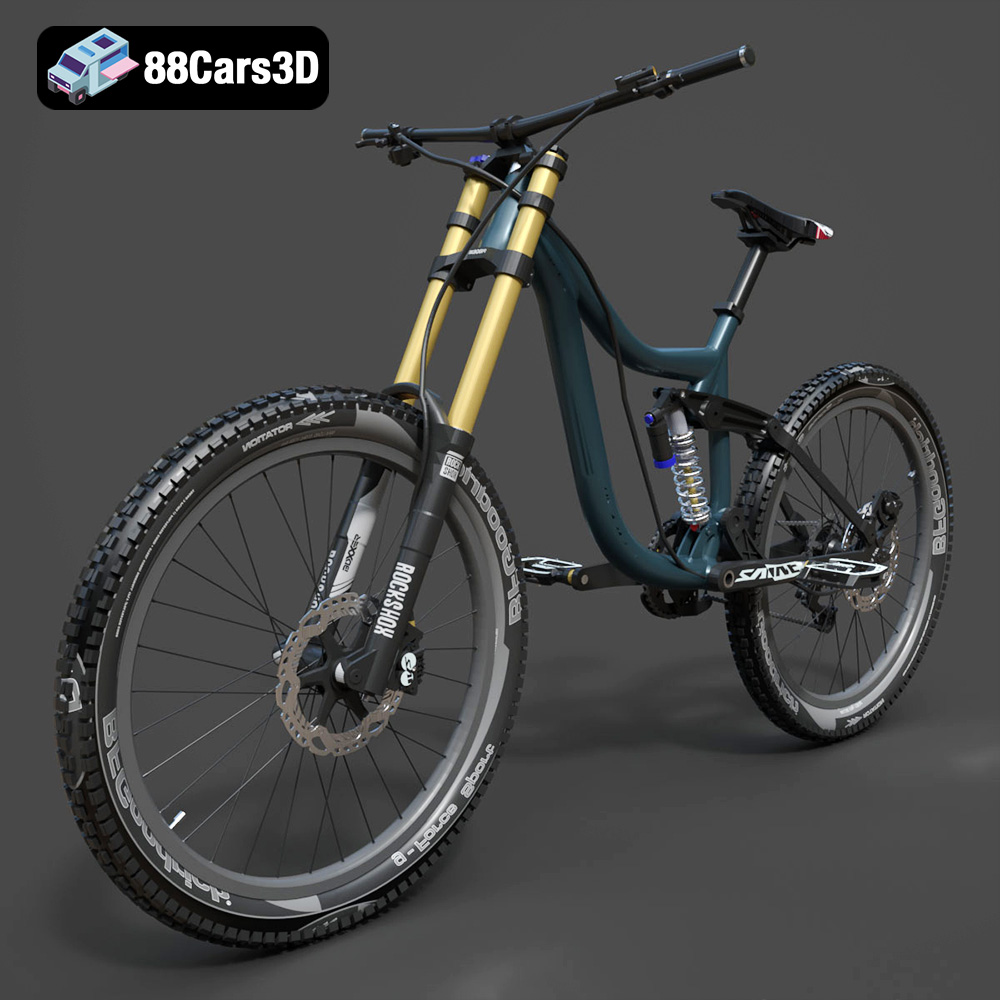
Mototsikly Downhill Bike-002 3D Model
Texture: Yes
Material: Yes
Download the Mototsikly Downhill Bike-002 3D Model featuring clean geometry, realistic detailing, and precise mechanical components. Includes .blend, .fbx, .obj, .glb, .stl, .ply, .unreal, and .max formats for rendering, simulation, and game development.
Price: $19.99
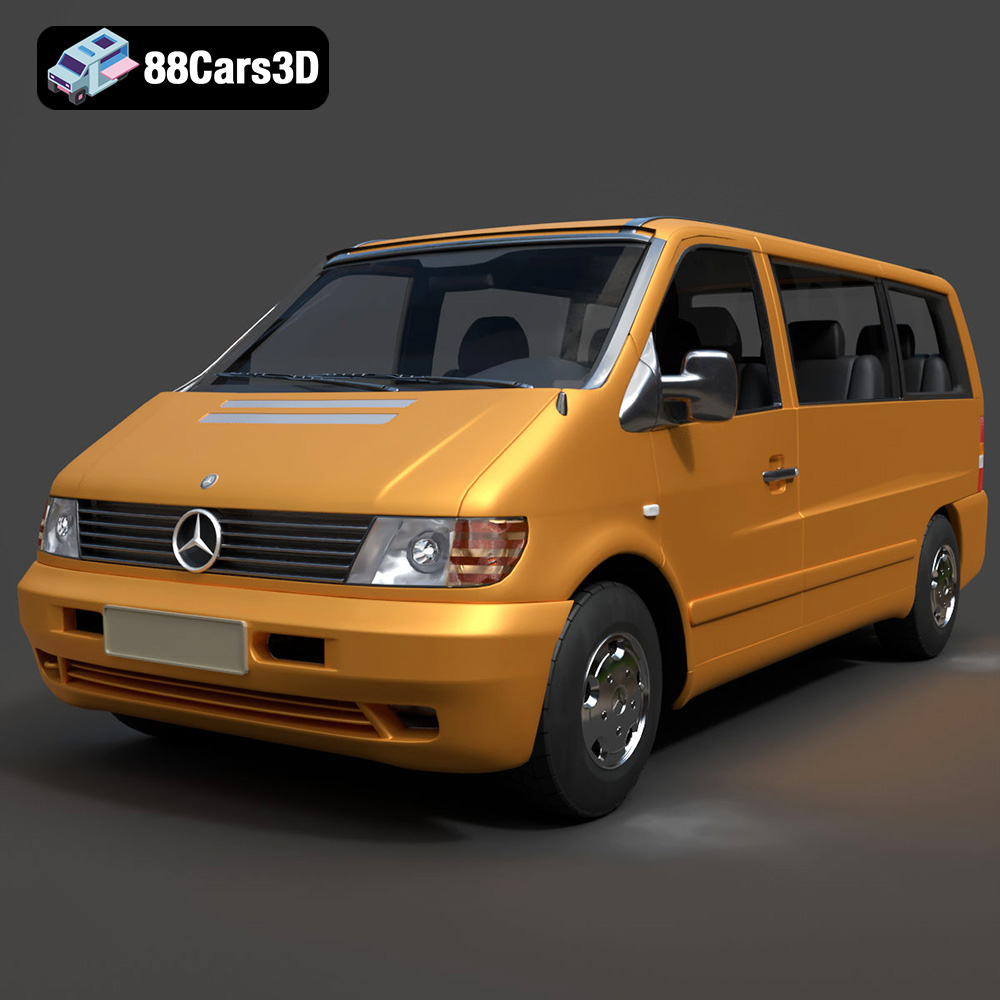
Mercedes-Benz Vito Passenger Van 3D Model
Texture: Yes
Material: Yes
Download the Mercedes-Benz Vito Passenger Van 3D Model featuring clean geometry, realistic detailing, and a fully modeled interior. Includes .blend, .fbx, .obj, .glb, .stl, .ply, .unreal, and .max formats for rendering, simulation, and game development.
Price: $19.99
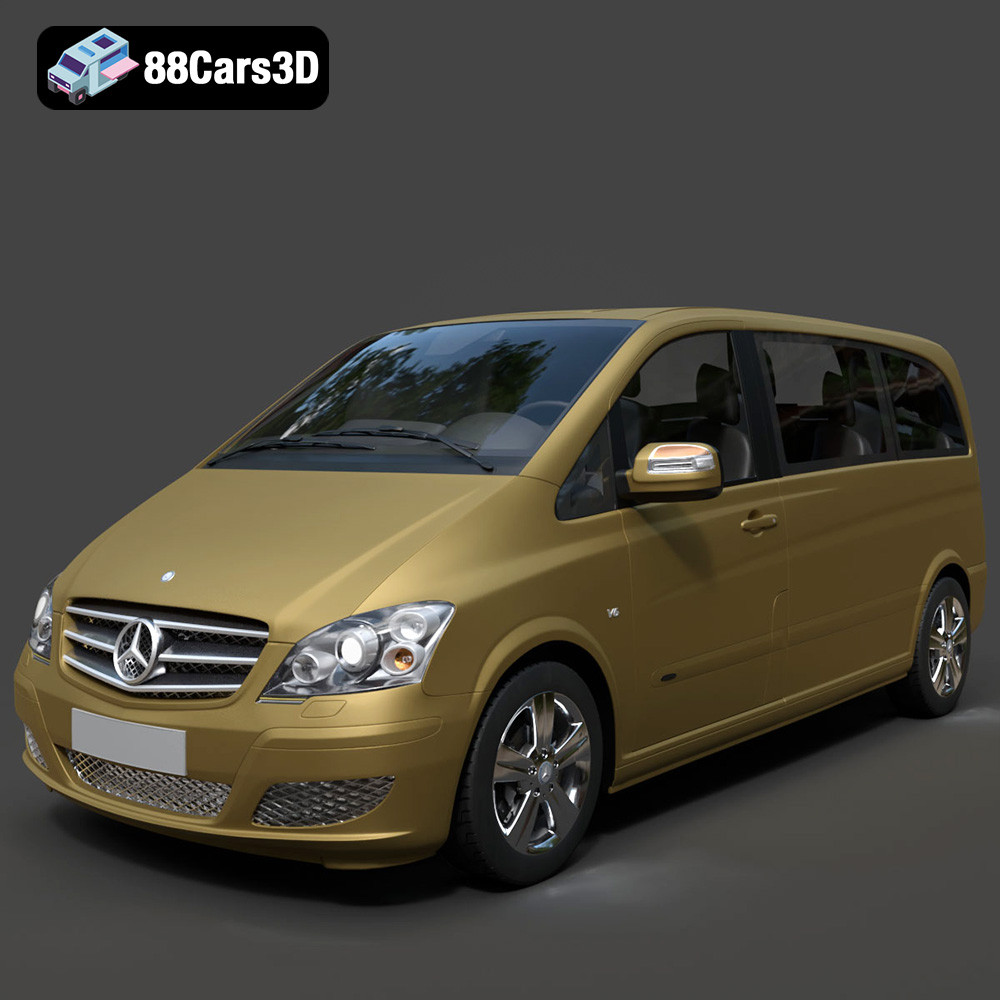
Mercedes-Benz Viano 2010 3D Model
Texture: Yes
Material: Yes
Download the Mercedes-Benz Viano 2010 3D Model featuring clean geometry, realistic detailing, and a fully modeled interior. Includes .blend, .fbx, .obj, .glb, .stl, .ply, .unreal, and .max formats for rendering, simulation, and game development.
Price: $19.99

Emt Avtobus 007 3D Model
Texture: Yes
Material: Yes
Download the Emt Avtobus 007 3D Model featuring clean geometry, realistic detailing, and a fully modeled interior. Includes .blend, .fbx, .obj, .glb, .stl, .ply, .unreal, and .max formats for rendering, simulation, and game development.
Price: $19.99
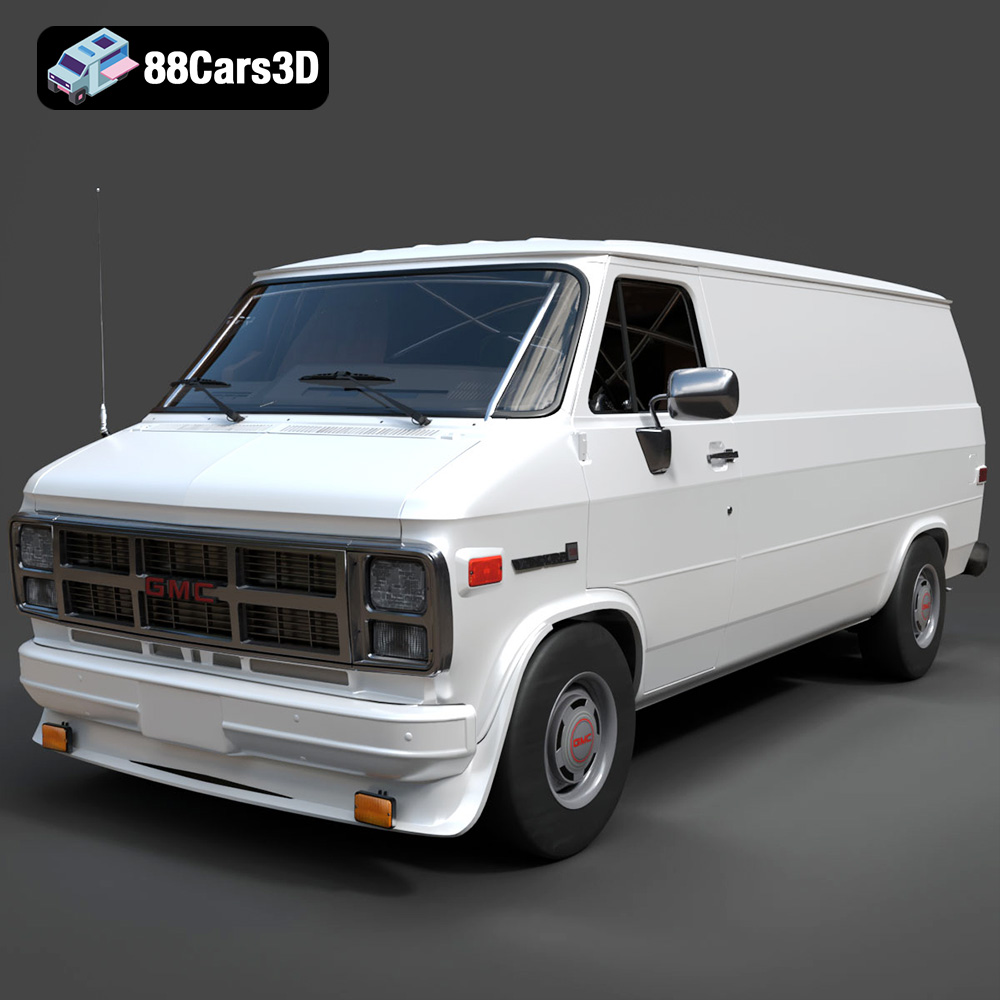
GMC Vandura G-1500 1983 3D Model
Texture: Yes
Material: Yes
Download the GMC Vandura G-1500 1983 3D Model featuring clean geometry, realistic detailing, and a fully modeled interior. Includes .blend, .fbx, .obj, .glb, .stl, .ply, .unreal, and .max formats for rendering, simulation, and game development.
Price: $19.99
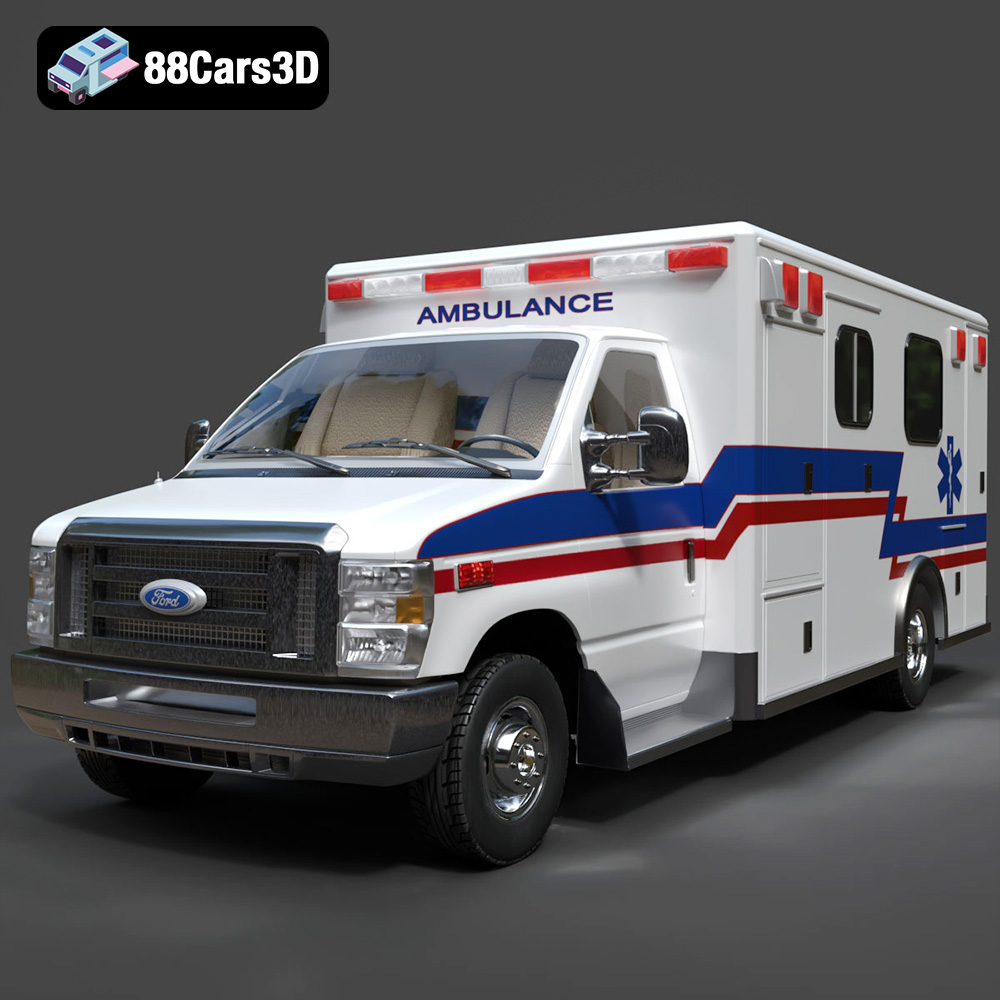
Ford E-450 Ambulance 3D Model
Texture: Yes
Material: Yes
Download the Ford E-450 Ambulance 3D Model featuring clean geometry, realistic detailing, and a fully modeled interior. Includes .blend, .fbx, .obj, .glb, .stl, .ply, .unreal, and .max formats for rendering, simulation, and game development.
Price: $19.99

Fiat Ducato SWB-001 3D Model
Texture: Yes
Material: Yes
Download the Fiat Ducato SWB-001 3D Model featuring clean geometry, realistic detailing, and a fully modeled interior. Includes .blend, .fbx, .obj, .glb, .stl, .ply, .unreal, and .max formats for rendering, simulation, and game development.
Price: $19.99
