

In the realm of real-time rendering and interactive experiences, the visual fidelity of a 3D model is only half the story. The other, equally crucial half, is how users interact with that model and its surrounding environment. For professionals in automotive visualization, game development, and architectural walkthroughs using Unreal Engine, a well-designed User Interface (UI) and User Experience (UX) are paramount to transforming static renders into dynamic, engaging applications. This is where Unreal Motion Graphics (UMG) UI Designer comes into play, offering a powerful, flexible, and visually-driven system for crafting interfaces that captivate and inform.
Imagine showcasing a meticulously detailed 3D car model, perhaps sourced from a platform like 88cars3d.com, in an interactive configurator. Without an intuitive UI, users would struggle to change colors, swap rims, or explore interior options. UMG empowers developers to build these very interfaces, from simple menus and HUDs to complex data displays and interactive control panels. This comprehensive guide will delve deep into leveraging UMG for world-class UI/UX design within Unreal Engine, providing you with the knowledge to create stunning, performant, and user-friendly interfaces for your next automotive visualization project or game.
You’ll learn how to structure your UI, design visually appealing layouts, implement complex interactivity using Blueprint, optimize for performance, and integrate your UMG creations with other powerful Unreal Engine features. By the end of this post, you’ll have a robust understanding of how to transform your Unreal Engine projects with compelling, interactive UMG interfaces.
The Foundation of UI/UX in Unreal Engine: Understanding UMG
Unreal Motion Graphics (UMG) UI Designer is Unreal Engine’s declarative UI framework, enabling artists and designers to create sophisticated user interfaces directly within the editor. At its core, UMG revolves around the concept of ‘Widgets’ – visual components like buttons, text blocks, images, sliders, and progress bars that can be arranged, styled, and programmed to respond to user input. Unlike traditional code-based UI systems, UMG offers a visual drag-and-drop interface, making UI creation accessible and efficient, particularly for those with a strong artistic background.
For automotive visualization, UMG is an indispensable tool. It allows you to build interactive car configurators where users can dynamically select paint colors, change interior materials, switch wheel designs, and even toggle between different car models with a few clicks. These interfaces elevate a passive viewing experience into an engaging, decision-making process, crucial for marketing, sales, and design reviews. By providing immediate visual feedback, UMG helps bridge the gap between abstract design choices and their real-time representation, making your 3D car models from 88cars3d.com truly come alive.
Setting up your first Widget Blueprint is straightforward. From the Content Browser, simply right-click, navigate to “User Interface,” and select “Widget Blueprint.” This will create a new asset that, when opened, reveals the UMG Designer, comprising two main tabs: the “Designer” tab for visual layout and the “Graph” tab for Blueprint logic. This clear separation of concerns allows for efficient teamwork and a logical development flow.
Anatomy of a Widget Blueprint: Designer vs. Graph
The UMG Designer tab is where the visual magic happens. It features a Palette of pre-built widgets, a Hierarchy panel to manage your widget structure, a Canvas to lay out your UI elements, and a Details panel to customize their properties. You drag widgets from the Palette onto the Canvas, arrange them, set their sizes, positions, and anchoring, and then adjust their appearance (fonts, colors, images) in the Details panel. The Canvas Panel is typically the root widget, allowing you to freely position other widgets within it, while layout panels like Horizontal Box, Vertical Box, and Grid Panel are essential for creating responsive and organized UI structures.
The Graph tab, on the other hand, is powered by Unreal Engine’s visual scripting system, Blueprint. This is where you define the behavior and interactivity of your UI. When a user clicks a button, a corresponding event is triggered in the Graph, allowing you to execute specific actions, such as changing a car’s material, loading a new level, or displaying different information. You connect event nodes to action nodes, creating a flow of logic that dictates how your UI responds to user input and communicates with the rest of your Unreal Engine application. Understanding this duality – visual design in the Designer and interactive logic in the Graph – is fundamental to mastering UMG.
Key Widget Types for Automotive UX
UMG offers a rich array of widgets, each serving a specific purpose in UI design. For automotive UX, several types are particularly useful:
- Button: The most basic interactive element, perfect for triggering actions like “Apply Color,” “Change View,” or “Reset Configuration.”
- Text Block: Displays static or dynamic text, essential for labels, descriptions, and real-time data feedback (e.g., displaying the selected car model’s name or price).
- Image: Used for displaying icons, background textures, or preview thumbnails (e.g., showing a small swatch of a paint color or a mini-render of a rim option).
- Slider: Allows users to select a value within a range, ideal for adjusting parameters like camera FOV, material roughness, or even time of day in a scene.
- Check Box & Radio Button: Useful for toggling features on/off (e.g., “Headlights On”) or selecting one option from a group (e.g., “RWD” vs. “AWD”).
- Scroll Box: Indispensable for displaying long lists of options (e.g., dozens of paint colors or hundreds of rim designs) without cluttering the screen.
- Widget Switcher: Enables showing and hiding different “pages” or panels of UI, perfect for navigating between car body, interior, and performance configuration sections.
By combining these widgets creatively and understanding their properties, you can construct highly functional and aesthetically pleasing interfaces that enhance any automotive visualization experience.
Designing Intuitive Interfaces: Layout and Visuals
Beyond simply placing widgets on a screen, effective UI/UX design with UMG demands adherence to fundamental principles that ensure clarity, usability, and visual appeal. An intuitive interface guides the user effortlessly, provides clear feedback, and feels natural to interact with. For automotive visualization, where precision and aesthetics are paramount, the UI must complement the high-quality visuals of the 3D car models without distracting from them.
Key design principles include hierarchy (prioritizing important information), consistency (using similar visual styles and interaction patterns), and feedback (notifying the user of their actions, e.g., a button highlight on hover). When leveraging the UMG Designer, think about the user’s flow. What information do they need first? What actions should be most prominent? Use layout panels like Horizontal Box, Vertical Box, and Grid Panel to organize related widgets, ensuring they scale correctly and maintain their relative positions regardless of screen resolution. Avoid placing too many interactive elements on a single screen, which can lead to cognitive overload. Instead, break down complex configurations into logical steps or tabs, utilizing widgets like the Widget Switcher.
Styling widgets is crucial for visual appeal and brand consistency. UMG allows extensive customization through the Details panel. You can change font families, sizes, and colors for Text Blocks, assign custom textures (called ‘brushes’) to Buttons and Images, and define hover/pressed states for interactive elements. Consider using a consistent color palette that aligns with your project’s aesthetic or the car brand’s identity. Typography choices should prioritize readability; a clean, modern font often works best for technical UIs. For high-fidelity renders, ensuring your UI elements are crisp and legible is as important as the realism of the car model itself.
Dynamic UI Scaling and Responsiveness Across Devices
One of the biggest challenges in UI design is ensuring your interface looks good and functions correctly across various screen sizes and aspect ratios, from desktop monitors to VR headsets. UMG addresses this with a robust anchoring system and layout panels. Every widget has an ‘Anchors’ property, allowing you to “anchor” it to specific points or edges of its parent container. For example, anchoring a button to the top-left corner means it will always maintain its relative distance from that corner, even if the screen resizes.
For more complex layouts, using layout panels like Size Box, Scale Box, and Uniform Grid Panel, along with ‘Fill’ and ‘Auto’ sizing options for children widgets, allows your UI to dynamically adapt. A Scale Box can automatically scale its content to fit available space, which is useful for maintaining aspect ratios. However, be cautious with over-scaling, as text can become unreadable. A combination of anchoring, layout panels, and thoughtful padding/margins will yield the most flexible and responsive UIs. Always test your UI on different resolutions and aspect ratios during development to catch layout issues early.
Integrating High-Quality UI Assets and Best Practices
The visual quality of your UI is heavily dependent on the assets you use. For backgrounds, icons, and custom button states, ensure you’re using high-resolution textures. PNGs with alpha channels are excellent for transparent elements. For text, ensure you’re using appropriate font assets. Unreal Engine automatically imports TrueType (.ttf) and OpenType (.otf) fonts, which can then be assigned to Text Blocks. For very specific styles or language support, consider creating a Font Asset from your font file, allowing for more detailed customization like character sets and fallback fonts.
Best Practices for UI Assets:
- Resolution: Use resolutions appropriate for your target platform. For high-end desktop visualization, 1920×1080 or 4K textures for backgrounds are common. For smaller icons, 64×64 or 128×128 might suffice. Always consider the final display size of the UI element.
- Optimized File Size: While resolution is important, excessive file sizes can impact load times and performance. Optimize your image assets before importing (e.g., using compression tools or appropriate bit depth).
- Consistent Style: All icons, buttons, and visual elements should share a cohesive design language. Inconsistencies can make the UI feel unprofessional and disjointed.
- Accessibility: Consider color contrast for readability, especially for text. Provide clear visual cues for interactive elements.
- Naming Conventions: Use clear and consistent naming conventions for your UI textures, fonts, and Widget Blueprints to maintain project organization. For instance,
WBP_CarConfiguratorfor a Widget Blueprint,T_UI_Button_Normalfor a texture.
By carefully selecting and integrating high-quality UI assets, you ensure your interface is not just functional but also visually stunning, matching the fidelity of the 3D car models you present.
Bringing Interfaces to Life: Interactivity with Blueprint
Once you’ve designed the visual layout of your UMG widgets, the next critical step is to imbue them with interactivity. This is where Unreal Engine’s Blueprint visual scripting system becomes indispensable. UMG widgets are inherently event-driven; they respond to user input such as clicks, hovers, and value changes, triggering events that you can then process in the Widget Blueprint’s Graph tab. This allows you to create dynamic and responsive interfaces without writing a single line of C++ code, making complex interactions accessible to artists and designers alike.
The core concept is to bind events from your widgets to custom logic. For example, when a user clicks a “Change Color” button, you would select that button in the Designer, go to its Details panel, and click the green ‘+’ icon next to ‘On Clicked’ to create an event node in the Graph. From this event node, you can drag wires to perform any action: call a function on your 3D car model to change its material, update a Text Block to display new information, or even play an animation. Blueprint’s intuitive node-based system makes it easy to visualize and debug the flow of logic.
Beyond simple button clicks, you can bind data directly to UI elements. A Text Block’s content can be bound to a variable, meaning that whenever the variable’s value changes, the Text Block automatically updates. This is incredibly powerful for displaying real-time data, such as a car’s current speed, its selected features, or a progress bar for loading assets. Similarly, a Slider widget can expose its current value, which can then be used to drive parameters like camera zoom or headlight intensity. The process of binding is done in the Details panel of the widget, under the ‘Content’ or ‘Value’ section, where you can select ‘Create Binding’ to generate a function that returns the desired data.
Communicating Between Widgets and the Game World
A UI is rarely an isolated entity; it needs to interact with the game world and its components. For automotive configurators, the UI must communicate with the actual 3D car model, telling it to change materials, swap meshes, or animate parts. This communication typically happens through several established patterns in Unreal Engine:
- Player Controller: This is a common intermediary. Your UI Widget Blueprint can often get a reference to the Player Controller (e.g.,
Get Owning Playernode). The Player Controller can then hold references to other important actors (like your car model) or implement functions that the UI can call to affect the world. - Event Dispatchers: For cleaner, decoupled communication, Event Dispatchers are excellent. A widget can “dispatch” an event (e.g., “OnColorChanged”) with relevant data, and any other Blueprint (your car model, a Game Mode, etc.) that binds to that dispatcher will receive the event and react accordingly. This prevents direct, hard-coded dependencies.
- Direct References (Carefully): In some cases, if a widget has a clear, direct relationship with a specific actor (e.g., a widget specifically controlling *one* car model), you can pass a reference to that actor to the widget when it’s created. However, be mindful of tightly coupled systems; Event Dispatchers generally lead to more scalable and maintainable code.
- Game Mode / Game State: For global, game-wide data and logic that multiple UI elements or actors might need to access or modify, the Game Mode (for server-side, single player) or Game State (for replicated, multiplayer) can serve as central communication hubs.
For more detailed information on Blueprint communication patterns, refer to the official Unreal Engine documentation at https://dev.epicgames.com/community/unreal-engine/learning.
Practical Example: A Simple Car Color Selector
Let’s walk through a simple, yet powerful example: creating a UI to change the paint color of a car model. Assume you have a high-quality 3D car model from 88cars3d.com imported into your project, with a material instance set up that exposes a ‘Paint Color’ parameter.
- Create Widget Blueprint: Right-click in Content Browser -> User Interface -> Widget Blueprint. Name it
WBP_CarColorPicker. - Add Buttons: In the Designer, drag a Horizontal Box onto the Canvas. Inside the Horizontal Box, add several Buttons, one for each color option (e.g., Red, Blue, Green). You might also add an Image widget inside each button to show a color swatch.
- Reference the Car: In your car’s Blueprint (e.g.,
BP_MyCar), create a custom event namedSetCarPaintColorthat takes a ‘Linear Color’ input. Inside this event, use a ‘Set Vector Parameter Value’ node on your car’s mesh material instance to change the ‘Paint Color’ parameter. - Implement Button Logic: Back in
WBP_CarColorPicker, for each button, select it and create an ‘On Clicked’ event in the Details panel. - Communicate to Car: In the Graph of
WBP_CarColorPicker, from the ‘On Clicked’ event, drag out and search forGet Player Controller. From the Player Controller, you might cast to your car’s Blueprint (if it’s accessible via the Player Controller) or get a reference to the car actor usingGet All Actors Of Class(though this is less performant for frequent calls). Once you have a reference to yourBP_MyCar, call theSetCarPaintColorfunction, passing the desired color as a ‘Linear Color’ value. - Display Widget: In your Level Blueprint or another controlling Blueprint (e.g., Game Mode), create the
WBP_CarColorPickerwidget using ‘Create Widget’ and then ‘Add to Viewport’.
This fundamental pattern of UI interaction can be extended to countless other features, from swapping entire car parts (e.g., headlights, bumpers by changing static mesh components) to adjusting car parameters like suspension height via sliders. This direct connection between UI and the 3D world is what makes UMG so powerful for interactive automotive visualization.
Advanced UMG Techniques for Automotive Configurators
Moving beyond basic button interactions, UMG allows for the creation of highly sophisticated automotive configurators – interactive applications where users can customize every aspect of a vehicle. These configurators demand robust UI design, efficient data management, and seamless integration with complex 3D assets. The techniques discussed here will elevate your interactive experiences, enabling users to truly personalize their virtual vehicles.
Building a sophisticated configurator involves more than just changing colors. It typically encompasses part swapping (e.g., different wheel types, spoiler options, body kits), material variations (leather upholstery, carbon fiber accents), and even performance package selections. To manage this complexity, a modular approach to UI design is key. Instead of one monolithic widget, create separate Widget Blueprints for distinct sections (e.g., WBP_WheelsSelection, WBP_PaintOptions, WBP_InteriorCustomization). These smaller widgets can then be nested within a master configurator widget, often controlled by a Widget Switcher, allowing users to navigate between sections.
Managing complex UI states and navigation is critical. For instance, if a user selects a certain trim level, some options might become unavailable or new ones might appear. You can achieve this conditional visibility and interaction using Blueprint logic (e.g., ‘Branch’ nodes, ‘Set Visibility’ nodes) tied to variables that represent the current configuration state. Navigation often involves a main menu (e.g., a Horizontal Box of buttons) that, when clicked, updates the Widget Switcher to display the relevant sub-widget. This hierarchical structure keeps the UI organized and prevents overwhelming the user.
Data-Driven UI with Data Tables and Structs
Hardcoding every single option for a car configurator (e.g., hundreds of paint colors, dozens of wheel models) is impractical and unmanageable. This is where data-driven UI becomes invaluable. Unreal Engine’s Data Tables and Structs provide a powerful way to define and manage large sets of related data, which can then be dynamically loaded and displayed by your UMG widgets.
- Create a Struct: Define a Blueprint Structure (e.g.,
S_CarOption) that contains all relevant information for a single customization option. For a paint color, this might include a ‘Color Name’ (String), ‘Linear Color Value’, and a ‘Thumbnail Image’ (Texture 2D). For a wheel, it might include ‘Wheel Name’, ‘Static Mesh Reference’, ‘Material Instance Reference’, and ‘Price’. - Create a Data Table: Based on your Struct, create a Data Table (e.g.,
DT_CarPaintColors). You can then populate this table with all your paint options, one row per color, directly in the Unreal Editor or by importing a CSV file. - Populate UI Dynamically: In your Widget Blueprint (e.g.,
WBP_PaintOptions), on ‘Event Construct’, use a ‘Get Data Table Row Names’ node to retrieve all rows from yourDT_CarPaintColors. Loop through these row names using a ‘For Each Loop’. Inside the loop, for each row, use a ‘Get Data Table Row’ node to get the full Struct data. - Generate Option Widgets: For each data entry, dynamically create a small, reusable widget (e.g.,
WBP_ColorSwatchButton) that displays the option’s thumbnail and name. Add this dynamically created widget to a Wrap Box or Scroll Box in yourWBP_PaintOptions. When the user clicks one of these generated buttons, its logic can retrieve the corresponding data (e.g., the Linear Color value) and pass it to your car model.
This approach makes your configurator highly scalable. Adding a new paint color or wheel option is as simple as adding a new row to your Data Table, without needing to modify your Widget Blueprint logic.
Integrating with 3D Models and Real-Time Feedback
The essence of an automotive configurator is the real-time visual feedback on the 3D model. When a user selects a different wheel, the 3D wheels on the car must instantly change. This involves manipulating the components of your 3D car model directly from your UMG Blueprint.
- Material Changes: For paint colors or interior trims, you’ll typically have an instance of a master material on your car mesh. The UI will call a function on the car Blueprint that uses ‘Set Vector Parameter Value’ (for colors), ‘Set Scalar Parameter Value’ (for metallic, roughness), or ‘Set Texture Parameter Value’ (for patterns) on that material instance.
- Mesh Swapping: For interchangeable parts like wheels, bumpers, or spoilers, your car Blueprint should have Static Mesh Components that represent these parts. When the UI button for a new wheel is clicked, the UI calls a function on the car Blueprint that uses ‘Set Static Mesh’ on the relevant wheel component. It’s often good practice to preload these meshes or stream them efficiently to avoid hitches. When sourcing automotive assets from marketplaces such as 88cars3d.com, always check that the models are provided with clean, separable meshes for easy part swapping.
- Animation Control: If your configurator allows opening doors or trunks, the UI can trigger ‘Play Animation’ nodes on Skeletal Mesh Components or control ‘Sequencer’ tracks that animate these actions.
Providing instant, accurate visual feedback reinforces the user’s choices and enhances the feeling of direct control over the virtual vehicle. This deep integration between UMG and your 3D assets is what truly brings an automotive configurator to life.
Performance Considerations for Complex UMG Interfaces
While UMG is highly optimized, complex configurators with many dynamically generated widgets, intricate animations, or frequent updates can impact performance. It’s vital to keep an eye on UI performance, especially for target platforms like AR/VR or lower-end PCs.
- Widget Complexity: Avoid excessively nested widgets or panels that aren’t strictly necessary. Each widget adds overhead.
- Dynamic Widget Generation: While powerful, generating hundreds of widgets simultaneously can cause hitches. Consider lazy loading or virtualized lists (though UMG doesn’t have a built-in virtualized list, you can implement one with clever logic) for very long scrollable lists.
- Bindings: Be mindful of ‘Bind’ functions. These functions run every frame by default. If your bound variable rarely changes, consider updating the widget’s text/image directly via Blueprint events instead of relying on a continuous binding.
- Animations: Complex widget animations can be costly. Use them sparingly or optimize them. Consider using ‘Retainer Box’ for complex animations or effects to render them once to a texture, reducing per-frame cost, though this incurs a memory cost.
- Visibility: Use ‘Set Visibility’ to hide sections of the UI that aren’t currently active, rather than simply moving them off-screen. Invisible widgets still incur some processing cost if they are still part of the active hierarchy.
Profiling your UI with Unreal Engine’s built-in tools (like the ‘Widget Reflector’ and ‘Stat Unit Graph’) can help identify bottlenecks. The Widget Reflector (Window -> Developer Tools -> Widget Reflector) is particularly useful for inspecting the widget tree, understanding draw order, and identifying overdraw issues, ensuring your UI doesn’t become a performance drain.
Optimizing UMG for Performance and Cross-Platform Deployment
In real-time applications, performance is king. A beautifully designed UMG interface that causes framerate drops or hitches is detrimental to the user experience. This is especially true for demanding applications like automotive visualization, where high visual fidelity for the 3D car models is expected, and for deployment on performance-sensitive platforms like AR/VR or mobile devices. Optimizing your UMG UI is an ongoing process that involves careful design choices and technical vigilance.
Common UI performance bottlenecks include excessive overdraw (many overlapping translucent widgets), too many active widgets (especially those with bindings that update every frame), complex shader effects on UI elements, and inefficient image asset management. Each widget in UMG, particularly those with complex materials or animations, contributes to rendering cost. Understanding these culprits allows you to make informed decisions during development.
Best practices for efficient widget creation and updates start with simplicity. Only use as many widgets as necessary. If a background can be a simple color, don’t use a textured image. If text rarely changes, update it once via Blueprint instead of relying on a continuous binding. If you have many similar widgets (e.g., a grid of color swatches), consider using a Uniform Grid Panel or Wrap Box and dynamically generating only the necessary children, reusing existing widgets where possible rather than creating and destroying them constantly.
Profiling UMG Performance: Tools and Techniques
Unreal Engine offers several powerful tools to help identify and resolve UI performance issues:
- Widget Reflector: Accessed via Window -> Developer Tools -> Widget Reflector. This tool allows you to inspect the entire widget hierarchy of your active UI, view properties, identify parent-child relationships, and crucially, visualize the draw order and overdraw. High overdraw can be a significant performance killer, especially with translucent elements. Aim to minimize overlapping translucent widgets.
- Stat Slate/Stat UMG: These console commands (accessible by pressing `~` in the editor or a running game) provide real-time performance statistics specifically for UMG.
Stat Slateshows rendering information for the underlying Slate UI framework, whileStat UMGfocuses on UMG-specific updates, bindings, and widget counts. Look for high ‘Tick’ times for widgets or excessive ‘Binding’ calls. - GPU Visualizer: (Console command:
profilegpu). This tool helps you understand what the GPU is spending its time on. UI rendering passes will appear here, and you can identify if your UI textures or shaders are becoming a bottleneck. - Unreal Insights: For deep-dive profiling, Unreal Insights offers a comprehensive suite of tools to analyze CPU and GPU performance across your entire application, including detailed UMG events and timings. This is invaluable for pinpointing specific frames where hitches occur and tracing them back to their UMG origins.
Regular profiling throughout your development cycle is far more effective than trying to optimize at the very end. Early detection of performance hogs saves significant time and effort.
UI for AR/VR Automotive Experiences: Immersion vs. Information Density
Designing UMG interfaces for Augmented Reality (AR) and Virtual Reality (VR) automotive applications presents unique challenges and considerations. Immersion is key in AR/VR, and traditional 2D flat UIs can break this immersion if not implemented thoughtfully. Performance is even more critical in AR/VR due to the high frame rate (typically 90 FPS or higher) required to prevent motion sickness.
- Spatial UI: Instead of traditional 2D UMG widgets overlaid on the screen, consider creating “spatial UI” elements that exist as 3D objects within the world. This can be achieved by placing UMG widgets onto Widget Components attached to 3D actors. The user can then interact with these UI elements as if they are physical objects, enhancing immersion.
- Performance Optimization: For Widget Components in 3D space, be extremely cautious with transparency and overdraw. Each Widget Component is essentially rendering a texture onto a 3D mesh, and many translucent layers will be costly. Use opaque backgrounds where possible, and simplify your UI design to minimize complexity.
- Interaction Methods: Standard mouse clicks translate to raycasting from the VR controller. Design interactive elements large enough to be easily targeted and provide clear visual feedback (e.g., hover states, button presses) for user input.
- Information Density: Avoid overly dense UIs in AR/VR. Users have a more limited field of view and often struggle to read small text. Prioritize essential information and use large, legible fonts. Break down complex information into smaller, digestible chunks.
- Contextual UI: Implement contextual UIs that only appear when relevant (e.g., a configuration menu that pops up when the user looks at the car, or a data display that activates when inspecting a specific component).
UMG is fully compatible with AR/VR development in Unreal Engine, but success hinges on adapting your design philosophy to the unique demands of these immersive platforms. By following these guidelines, you can create engaging and performant UI/UX for next-generation automotive experiences.
Beyond the Basics: Integrating UMG with Advanced Unreal Engine Features
UMG, while powerful on its own, truly shines when integrated with other advanced features of Unreal Engine. This synergy allows for the creation of incredibly rich, dynamic, and visually stunning interactive experiences, pushing the boundaries of what’s possible in automotive visualization, virtual production, and interactive applications. By combining UMG with systems like Sequencer, Niagara, and even custom in-editor tools, you can unlock new levels of control and creativity.
Imagine creating a cinematic showcase for a new car model. UMG isn’t just for gameplay menus; it can be used to create sophisticated UI overlays for cinematics controlled via Sequencer. You can have dynamic telemetry data appear on screen, interactive buttons that pause or skip sections of the cinematic, or even an on-screen debug panel for directors in virtual production environments. Similarly, dynamic visual effects driven by Niagara can be triggered or controlled via UMG, adding an extra layer of polish and engagement to your UI. For example, a button might emit a particle burst when clicked, or a car’s engine data displayed in the UI could drive a complex particle system in the 3D world.
Creating Debug UIs and In-Editor Widgets
UMG is not just for end-user interfaces; it’s also a fantastic tool for developers and designers to build powerful internal debugging tools and custom in-editor widgets. Debug UIs can display real-time performance metrics, variable values, or log messages, helping you diagnose issues quickly. For automotive projects, this might involve displaying current vehicle speed, engine RPM, suspension compression, or material parameters directly on screen. These are typically hidden from the final user but invaluable during development.
To create a simple debug UI, you would build a standard Widget Blueprint with Text Blocks bound to relevant variables in your Player Controller, Game Mode, or directly on the car actor. You can then toggle its visibility with a keyboard shortcut. For more advanced in-editor tools, you can use the ‘Editor Utility Widget’ type. These special UMG widgets run directly in the Unreal Editor and can interact with assets, actors, and the editor itself. Imagine an Editor Utility Widget that allows a designer to quickly batch-apply materials to different parts of a car, automatically generate LODs for all wheel meshes, or change scene lighting settings with custom sliders – all without diving into complex Blueprints or C++.
This capability vastly streamlines workflows for teams, allowing artists and technical artists to create bespoke tools that accelerate production and ensure consistency, particularly when dealing with large libraries of 3D car models like those found on 88cars3d.com.
Enhancing Visuals with Custom Shaders and Post-Processing for UI
While UMG widgets are rendered as 2D elements, you can apply sophisticated visual effects to them using custom materials and even post-processing. This allows your UI to go beyond flat textures and embrace more dynamic, stylized looks that align with your project’s overall aesthetic.
- Custom Materials for Widgets: Instead of just assigning a simple texture to an Image widget, you can create a custom Unreal Engine Material (e.g., a ‘UI’ domain material or a ‘User Interface’ material function) and assign it as a ‘Brush’ or directly to the widget. This material can incorporate complex shader logic – gradients, noise patterns, animated textures, parallax effects, or even responsive visual feedback based on user interaction. For instance, a button might have a material that glows or distorts slightly when hovered over.
- Retainer Box for Effects: The Retainer Box widget is a powerful tool for applying post-processing effects or complex shaders to an entire section of your UI. It takes all its child widgets, renders them to an off-screen render target, and then draws that render target to the screen. Crucially, you can assign a custom Material (Post Process Material domain) to the Retainer Box, allowing you to apply effects like blur, color grading, glow, or distortion to your UI elements. This is particularly useful for achieving stylish menu transitions or highlighting active UI sections. However, be mindful of the performance cost, as rendering to a texture incurs overhead.
- UI Post-Processing in Sequencer: For cinematic UI elements, you can even control post-processing effects on your UI directly through Sequencer, animating parameters within your UI materials or a Retainer Box’s post-process material to create dramatic visual reveals or stylized transitions.
By leveraging these advanced material and rendering techniques, your UMG interfaces can become an integral part of your project’s visual storytelling, adding depth and dynamism that captivates your audience. This level of visual sophistication helps your interactive experiences stand out, making a memorable impact on anyone interacting with your meticulously crafted 3D car models and environments.
Conclusion
The journey through Unreal Engine’s UMG UI Designer reveals a robust and flexible system for crafting everything from simple menus to highly interactive automotive configurators. We’ve explored the fundamental principles of UMG, from understanding its core components and designing intuitive layouts to implementing complex interactivity using Blueprint. We’ve delved into advanced techniques for data-driven UIs, seamlessly integrating with high-quality 3D car models, and optimizing for peak performance across various platforms, including the demanding environments of AR/VR.
For professionals in automotive visualization, game development, and real-time rendering, mastering UMG is no longer optional; it’s essential. A meticulously crafted 3D car model, whether it’s an exquisite sports car or a utilitarian vehicle sourced from 88cars3d.com, achieves its full potential when coupled with an equally polished and intuitive user experience. UMG empowers you to build those experiences, allowing users to deeply engage with and customize the virtual vehicles you create, transforming passive viewing into active participation.
The future of interactive real-time applications hinges on compelling UI/UX. By applying the techniques and best practices outlined in this guide, you are well-equipped to design, develop, and optimize UMG interfaces that not only look stunning but also perform flawlessly. Start experimenting with UMG today, build your first interactive configurator, and unlock the true potential of your Unreal Engine projects. The possibilities for engaging your audience are limitless when you combine the visual power of Unreal Engine with the interactive prowess of UMG.
Featured 3D Car Models
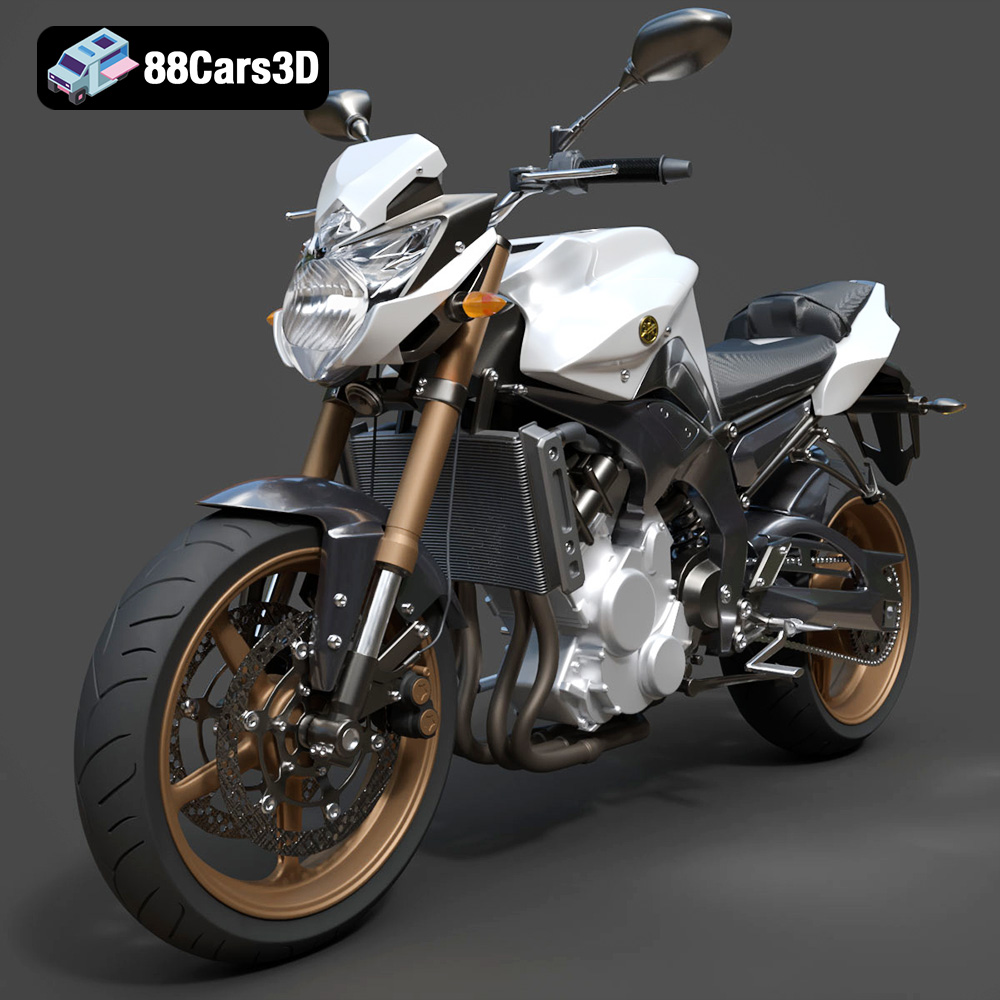
Yamaha FZ8 2011 3D Model
Texture: Yes
Material: Yes
Download the Yamaha FZ8 2011 3D Model featuring clean geometry, realistic detailing, and a fully modeled interior. Includes .blend, .fbx, .obj, .glb, .stl, .ply, .unreal, and .max formats for rendering, simulation, and game development.
Price: $19.99
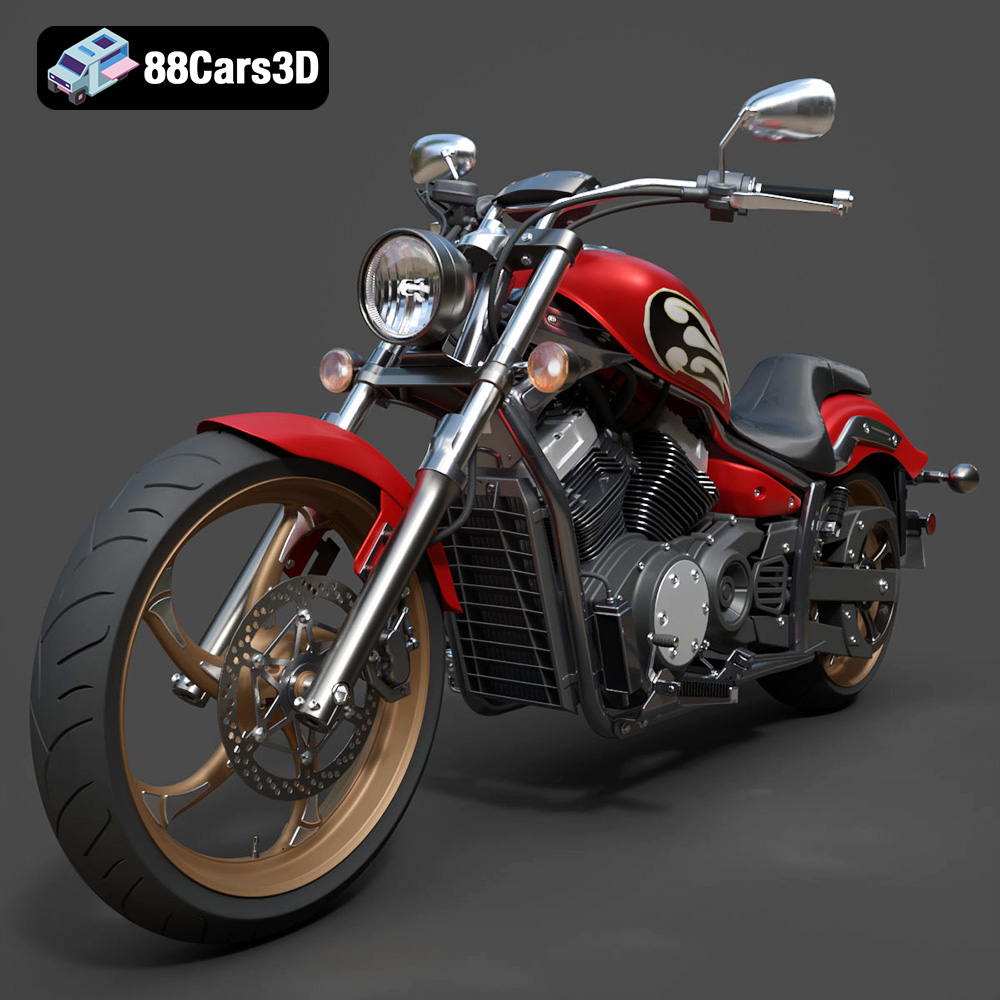
Yamaha Stryker 2012 3D Model
Texture: Yes
Material: Yes
Download the Yamaha Stryker 2012 3D Model featuring clean geometry, realistic detailing, and a fully modeled interior. Includes .blend, .fbx, .obj, .glb, .stl, .ply, .unreal, and .max formats for rendering, simulation, and game development.
Price: $19.99
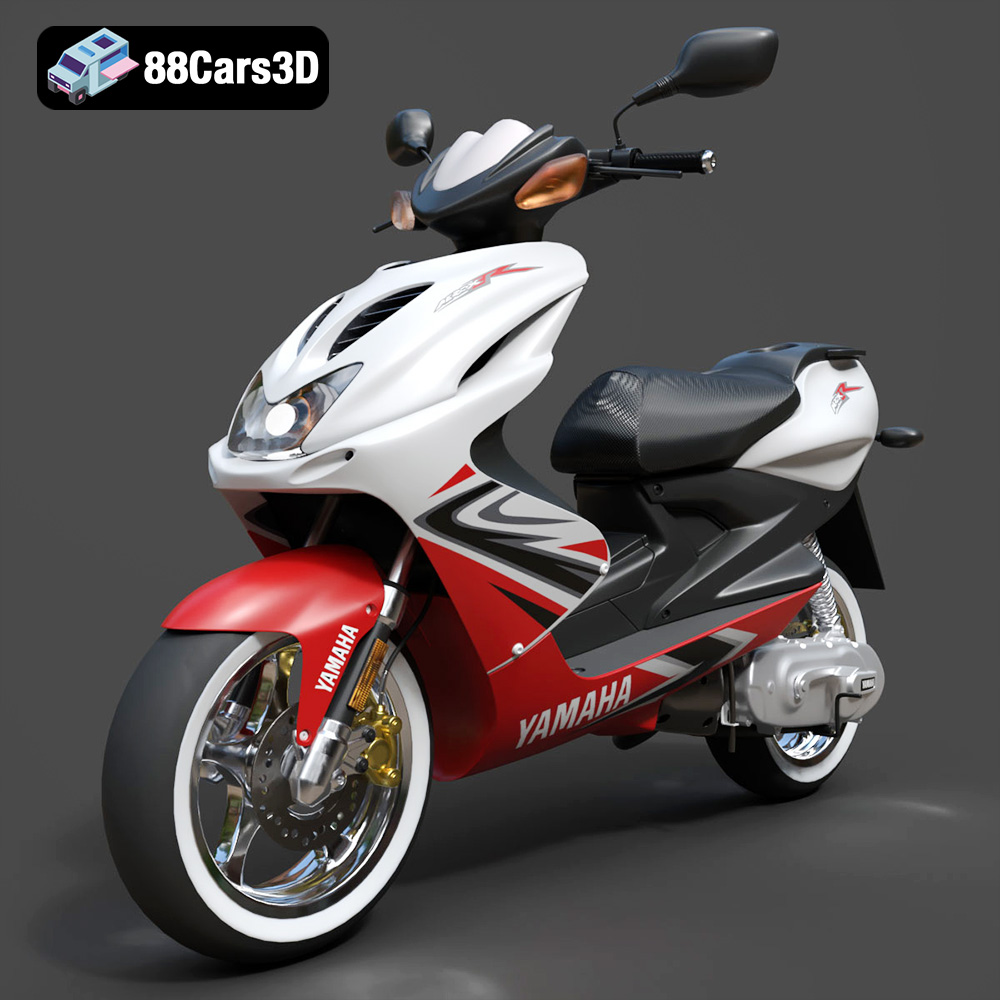
Yamaha Aerox R-002 2024 3D Model
Texture: Yes
Material: Yes
Download the Yamaha Aerox R-002 2024 3D Model featuring clean geometry, realistic detailing, and a fully modeled interior. Includes .blend, .fbx, .obj, .glb, .stl, .ply, .unreal, and .max formats for rendering, simulation, and game development.
Price: $19.99
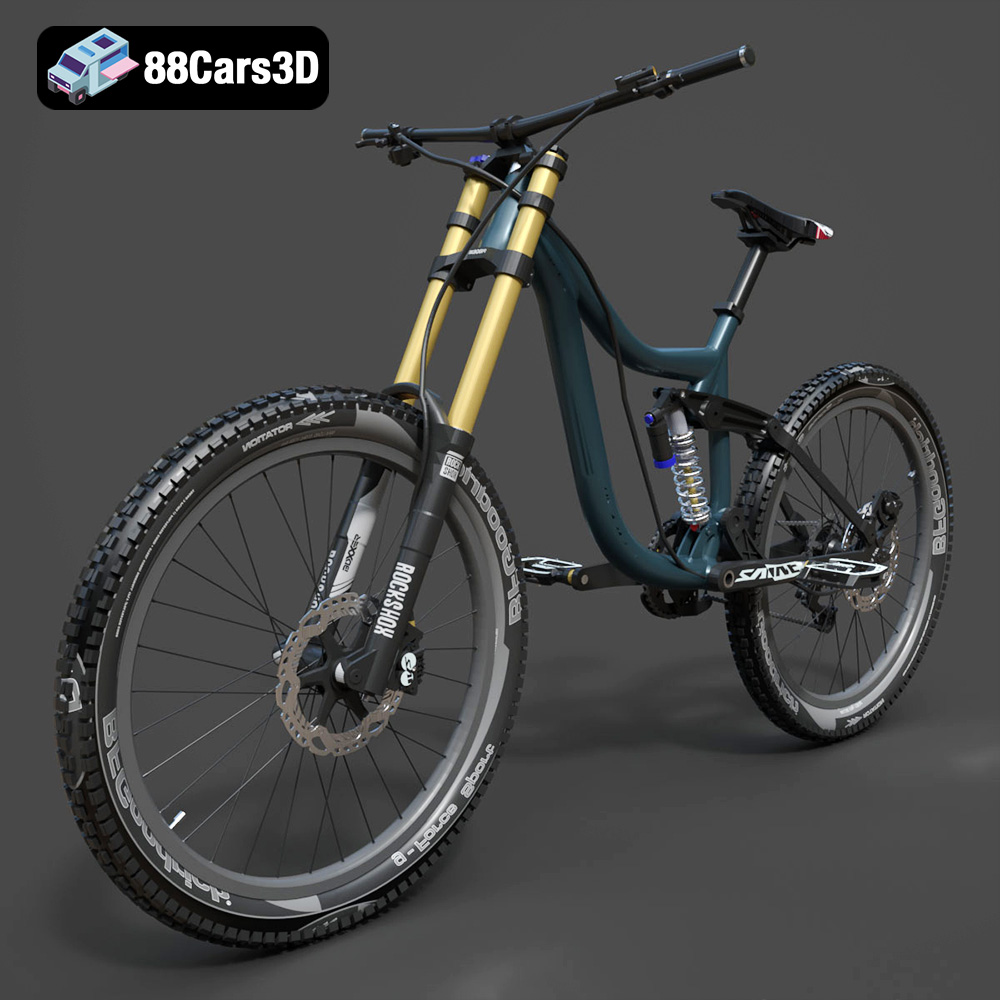
Mototsikly Downhill Bike-002 3D Model
Texture: Yes
Material: Yes
Download the Mototsikly Downhill Bike-002 3D Model featuring clean geometry, realistic detailing, and precise mechanical components. Includes .blend, .fbx, .obj, .glb, .stl, .ply, .unreal, and .max formats for rendering, simulation, and game development.
Price: $19.99
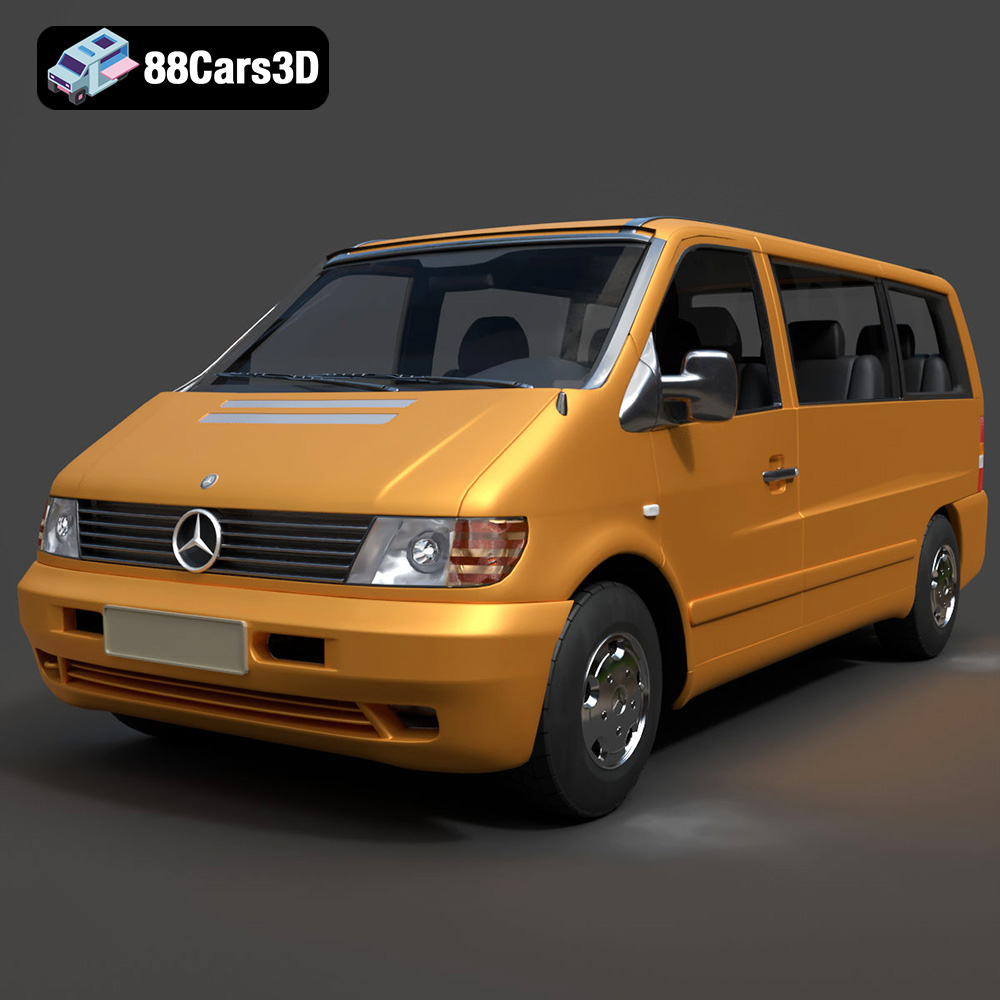
Mercedes-Benz Vito Passenger Van 3D Model
Texture: Yes
Material: Yes
Download the Mercedes-Benz Vito Passenger Van 3D Model featuring clean geometry, realistic detailing, and a fully modeled interior. Includes .blend, .fbx, .obj, .glb, .stl, .ply, .unreal, and .max formats for rendering, simulation, and game development.
Price: $19.99
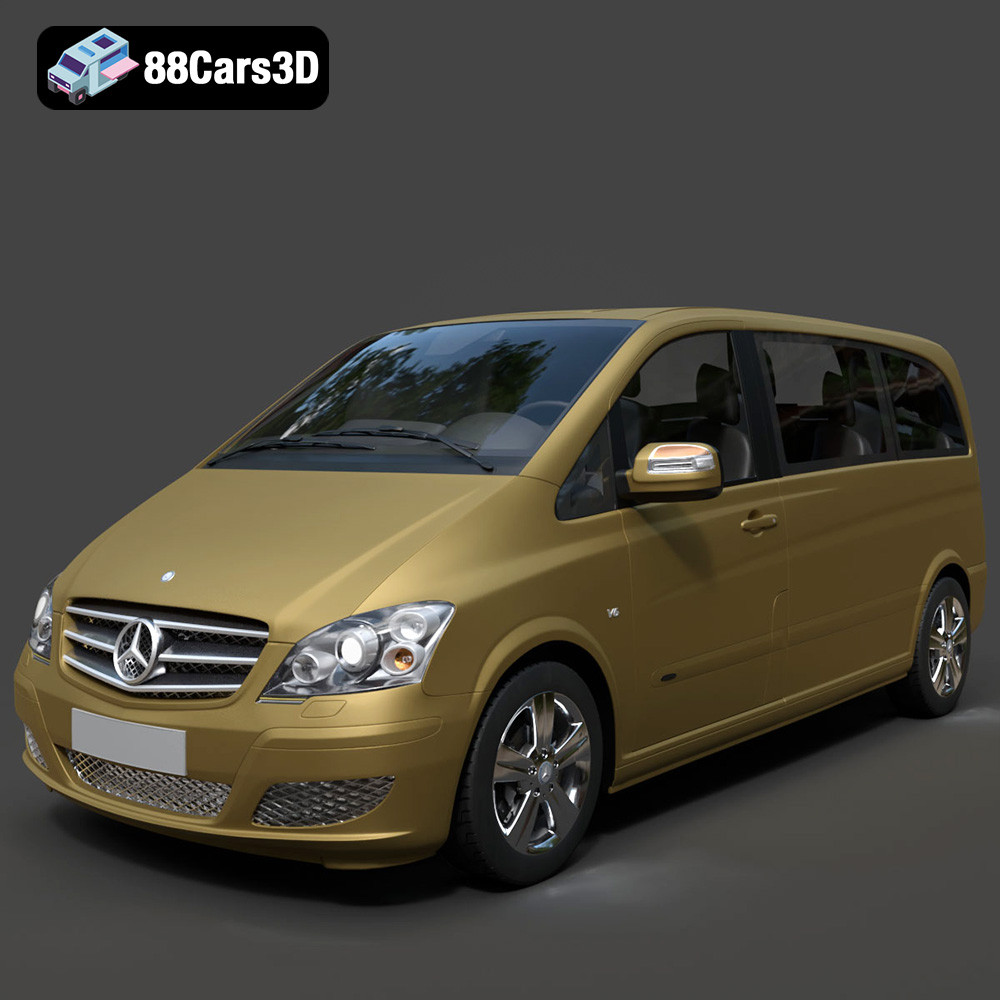
Mercedes-Benz Viano 2010 3D Model
Texture: Yes
Material: Yes
Download the Mercedes-Benz Viano 2010 3D Model featuring clean geometry, realistic detailing, and a fully modeled interior. Includes .blend, .fbx, .obj, .glb, .stl, .ply, .unreal, and .max formats for rendering, simulation, and game development.
Price: $19.99

Emt Avtobus 007 3D Model
Texture: Yes
Material: Yes
Download the Emt Avtobus 007 3D Model featuring clean geometry, realistic detailing, and a fully modeled interior. Includes .blend, .fbx, .obj, .glb, .stl, .ply, .unreal, and .max formats for rendering, simulation, and game development.
Price: $19.99
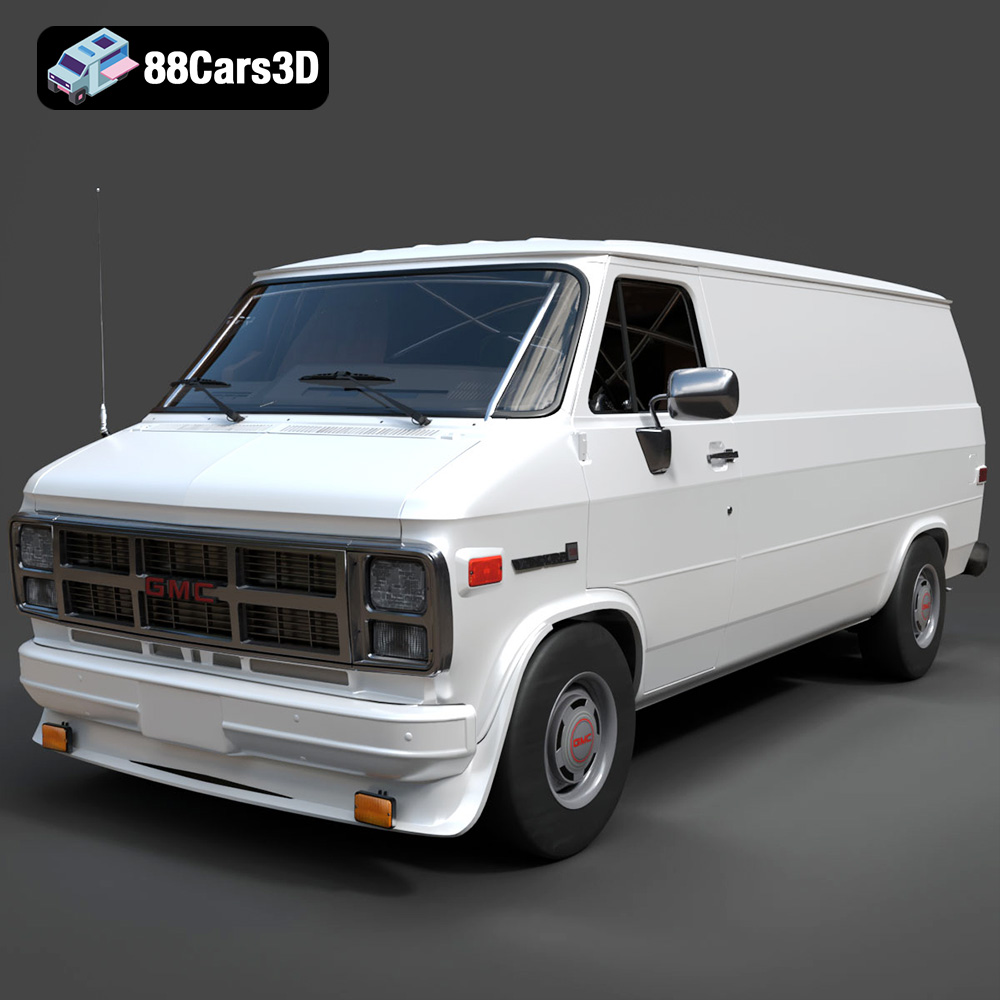
GMC Vandura G-1500 1983 3D Model
Texture: Yes
Material: Yes
Download the GMC Vandura G-1500 1983 3D Model featuring clean geometry, realistic detailing, and a fully modeled interior. Includes .blend, .fbx, .obj, .glb, .stl, .ply, .unreal, and .max formats for rendering, simulation, and game development.
Price: $19.99
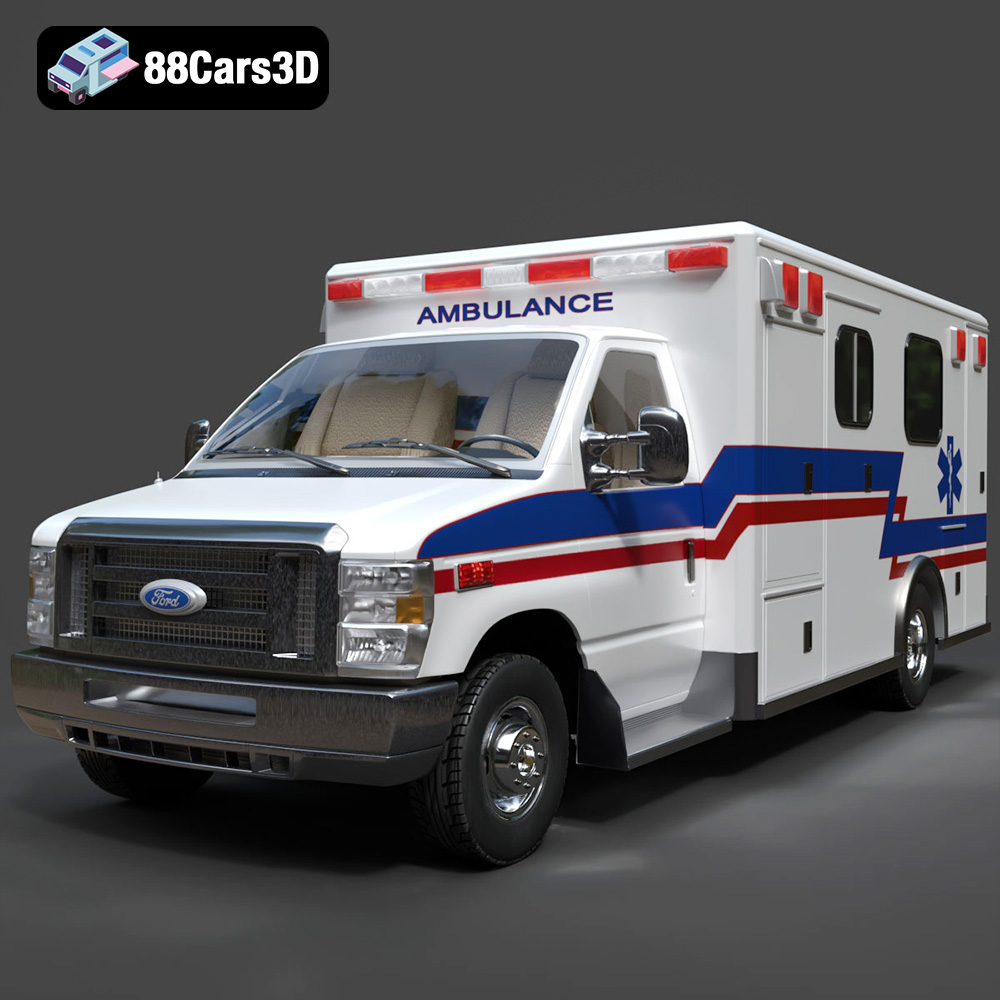
Ford E-450 Ambulance 3D Model
Texture: Yes
Material: Yes
Download the Ford E-450 Ambulance 3D Model featuring clean geometry, realistic detailing, and a fully modeled interior. Includes .blend, .fbx, .obj, .glb, .stl, .ply, .unreal, and .max formats for rendering, simulation, and game development.
Price: $19.99

Fiat Ducato SWB-001 3D Model
Texture: Yes
Material: Yes
Download the Fiat Ducato SWB-001 3D Model featuring clean geometry, realistic detailing, and a fully modeled interior. Includes .blend, .fbx, .obj, .glb, .stl, .ply, .unreal, and .max formats for rendering, simulation, and game development.
Price: $19.99
