

Elevating Digital Realism: The Indispensable Role of High-Quality 3D Car Models
In the vast and ever-evolving landscape of digital content creation, the demand for realistic and versatile assets has never been higher. From architectural visualizations that transport clients to future spaces, to immersive video games that blur the lines of reality, and cutting-edge augmented and virtual reality experiences, high-quality 3D car models are fundamental. They are not merely static objects; they are dynamic components that bring life, scale, and context to digital environments. Understanding the technical nuances behind these assets is key to unlocking their full potential in professional workflows.
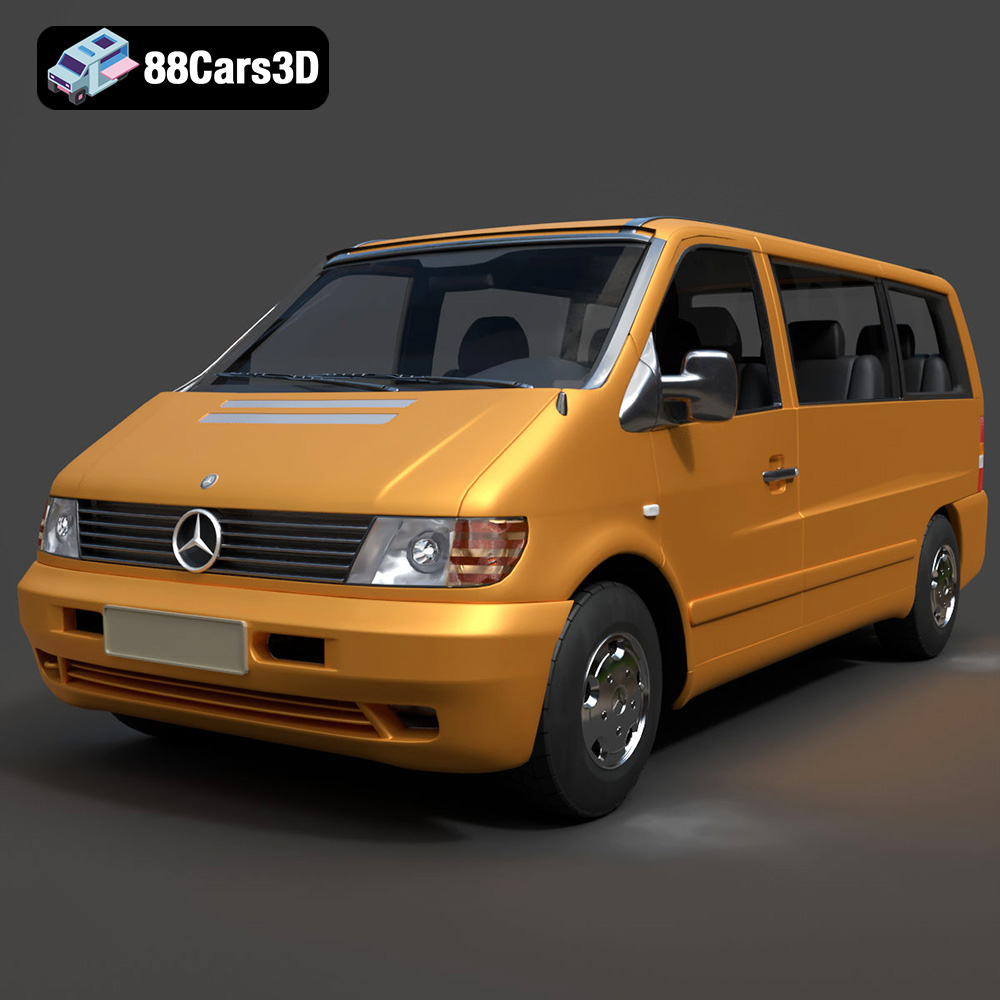
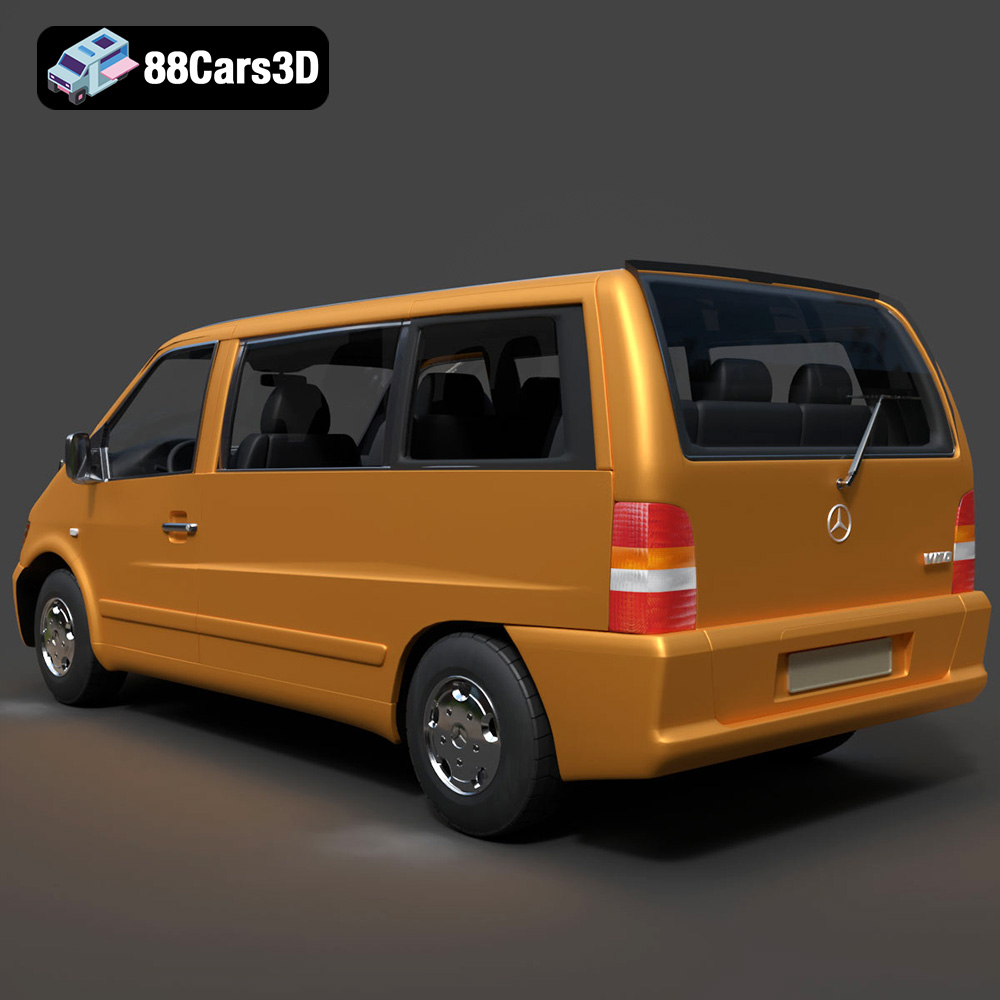
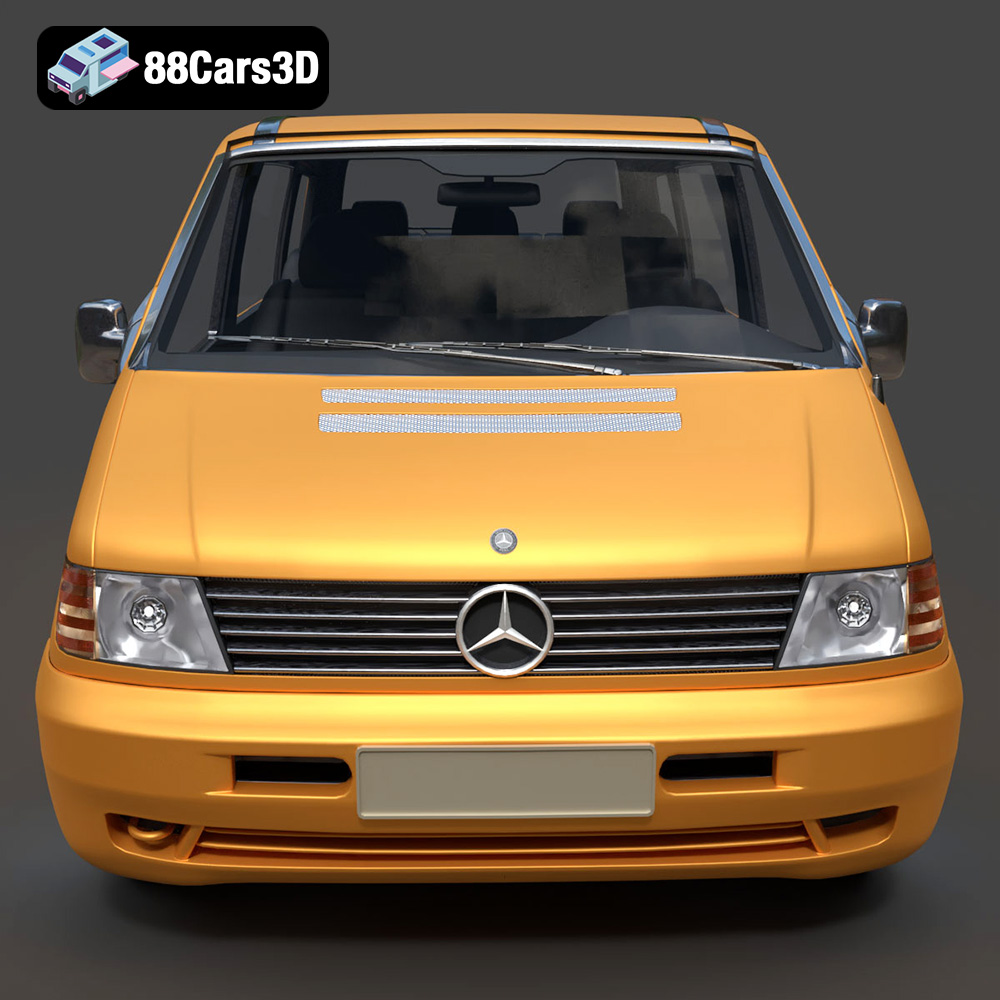
Today, we delve deep into the world of professional 3D car models, exploring their technical intricacies, diverse applications, and the workflows that breathe life into them. We’ll examine how precision-engineered assets, such as the Mercedes-Benz Vito Passenger Van 3D Model, serve as crucial elements in various industries. This model, available on 88cars3d.com, exemplifies the meticulous detail and versatile functionality that modern projects demand, making it an invaluable asset for anyone looking to enhance their digital scenes with authentic automotive rendering.
Understanding 3D Model File Formats: The Backbone of Digital Asset Exchange
The journey of a 3D model from creation to integration across diverse software and platforms is largely dictated by its file format. Each format serves a specific purpose, offering unique advantages in terms of compatibility, data retention, and optimization for particular use cases. Selecting the correct format for your project can significantly streamline your workflow and ensure the integrity of your 3D assets. The Mercedes-Benz Vito Passenger Van 3D Model, for instance, offers a comprehensive suite of formats, catering to virtually any professional pipeline.
.blend – The Native Blender Ecosystem
The .blend format is native to Blender, the powerful open-source 3D creation suite. When you receive a .blend file, you’re not just getting a mesh; you’re getting a fully editable Blender scene. This includes all materials, textures, lighting setups, cameras, and even animation data configured within Blender. It’s ideal for artists who primarily work in Blender and require maximum flexibility for customization. For the Mercedes-Benz Vito 3D model, the .blend file provides a complete, ready-to-render scene, allowing immediate modifications or direct rendering within Blender’s Cycles or Eevee engines.
.fbx – The Universal Interoperability Standard
.fbx (Filmbox) is arguably the most widely adopted proprietary 3D exchange format, developed by Autodesk. Its strength lies in its ability to encapsulate a broad range of 3D data, including mesh geometry, materials, textures, animations, skinning, and camera information, while maintaining compatibility across major 3D software packages like 3ds Max, Maya, Blender, and crucially, game engines like Unreal Engine and Unity. For the Mercedes-Benz Vito model, the .fbx version is optimized for game development, ensuring efficient import and performance in real-time pipelines, making it an excellent choice for interactive simulations and game assets where balance between detail and performance is key.
.obj – The Enduring Standard for Geometry
.obj (Wavefront OBJ) is a simple, widely supported, and robust format primarily used for transferring 3D geometry and UV data. While it can reference external material files (.mtl), it doesn’t typically embed complex shader networks, animations, or rigging. Its universal compatibility makes it a safe bet for cross-software transfers when you need just the mesh and basic texture assignments. The .obj version of the Mercedes-Benz Vito 3D model guarantees that the core geometry and UVs are accessible in virtually any 3D software, providing a foundational asset for any project.
.glb – Optimized for AR, VR, and Web
.glb (GL Transmission Format Binary) is a modern, compact, and efficient format designed for the efficient transmission and loading of 3D scenes and models in web and AR/VR applications. It’s a binary container format that includes geometry, materials, textures, animations, and other scene information in a single file. This self-contained nature and optimization for real-time rendering make it perfect for showcasing the Mercedes-Benz Vito in web-based configurators, augmented reality experiences on mobile devices, or lightweight VR environments where rapid loading and display are paramount.
.stl – The Prototyping and Printing Standard
.stl (Stereolithography) is the de facto standard file format for 3D printing and rapid prototyping. It describes only the surface geometry of a 3D object using a collection of interconnected triangles, without any color, texture, or material information. While not suitable for rendering, the .stl version of the Mercedes-Benz Vito allows for physical fabrication of the model, enabling scale models, component prototyping, or educational aids. Its simplicity is its strength in additive manufacturing.
.ply – Precision Mesh for CAD and Analysis
.ply (Polygon File Format) is another format for storing 3D data, particularly known for its ability to store properties such as color, transparency, surface normals, and texture coordinates for each vertex and face of a polygon mesh. It is often used in scientific and CAD applications where precise mesh data and supplementary vertex/face information are critical. The .ply format for the Mercedes-Benz Vito could be useful for detailed mesh analysis, reverse engineering workflows, or integration into specialized simulation software requiring granular control over polygon data.
.unreal – Engine-Ready for Real-Time Environments
The .unreal designation typically refers to assets specifically configured and sometimes packaged for direct import into Unreal Engine projects, often as a .uasset or within a pre-structured project. This means materials are set up using Unreal’s physically-based rendering (PBR) system, textures are correctly assigned, and the asset is optimized for real-time performance within the engine. For the Mercedes-Benz Vito, this format ensures a seamless drag-and-drop experience into an Unreal scene, saving significant setup time for game developers and real-time visualization artists.
.max – The Autodesk 3ds Max Project
Similar to .blend for Blender, the .max format is native to Autodesk 3ds Max, a leading software for 3D modeling, animation, and rendering. A .max file contains the complete scene, including geometry, materials (often V-Ray or Corona specific), textures, lighting, cameras, animation, and modifiers. It provides the highest level of editability and fidelity within the 3ds Max ecosystem. The .max version of the Mercedes-Benz Vito Passenger Van 3D Model offers 3ds Max users the full flexibility to manipulate the model, adjust complex materials, or integrate it into advanced rendering and animation pipelines with minimal fuss.
Crafting Realism: Design and Technical Fidelity of the Vito Model
Achieving photorealism in 3D content hinges on more than just high polygon counts; it requires a deep understanding of real-world materials, lighting, and geometric accuracy. The Mercedes-Benz Vito Passenger Van 3D Model stands as a testament to this principle, engineered to meet the stringent demands of professional digital production.
Optimized Topology for Diverse Applications
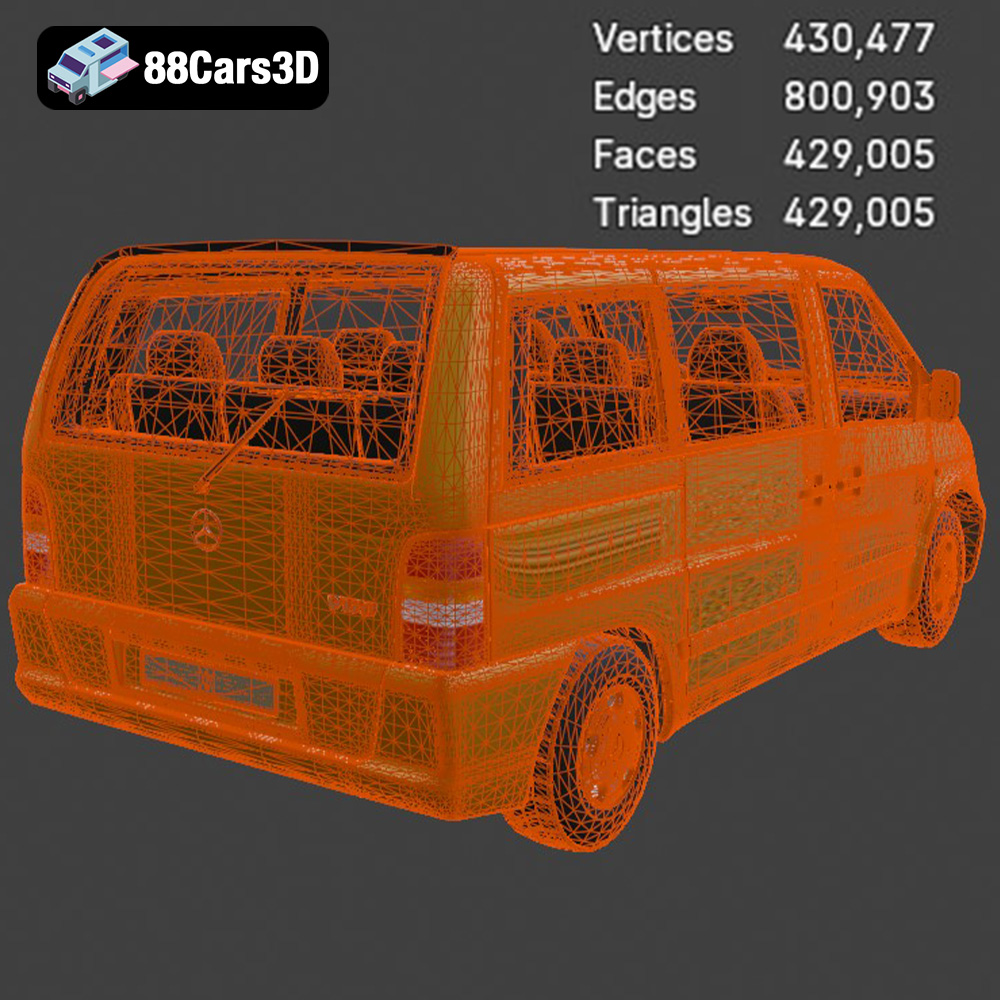
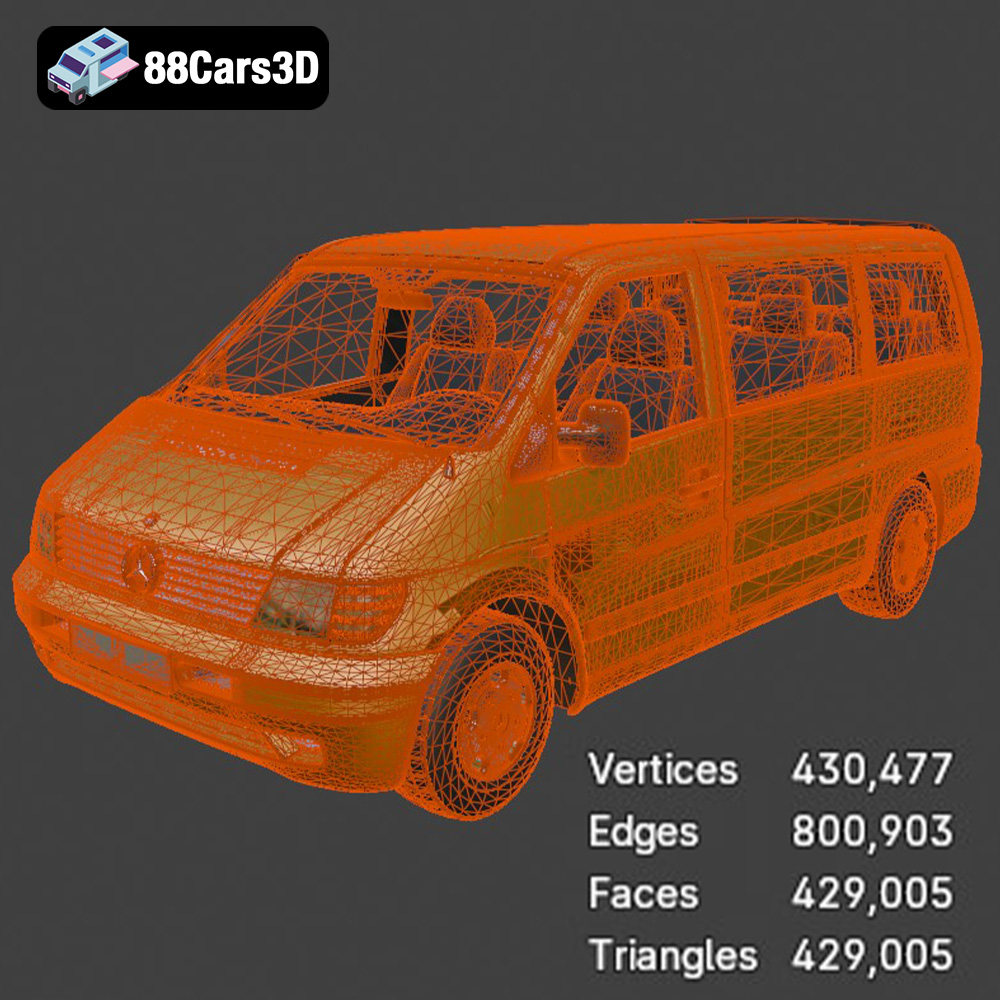
A hallmark of a truly professional 3D asset is its optimized, clean topology and geometry. This means the mesh is constructed efficiently with quad-based polygons (where possible), minimizing unnecessary edges and vertices. For the Mercedes-Benz Vito, this thoughtful construction ensures two critical benefits. Firstly, it allows for efficient resource use, which is paramount in real-time applications like game development or VR where frame rates are critical. A clean mesh is easier for game engines to process. Secondly, it guarantees smooth subdivision. When rendered in high-fidelity cinematic scenes or architectural visualizations, the model can be subdivided (e.g., using a Turbosmooth modifier in 3ds Max or Subdivision Surface modifier in Blender) to achieve ultra-smooth surfaces without pinching or artifacts, delivering impeccable visual quality.
Realistic Materials and Seamless Texturing
Beyond the mesh, materials are what truly give a 3D model its lifelike appearance. The Mercedes-Benz Vito 3D model comes equipped with realistic materials that are correctly applied and mapped. This typically involves Physically Based Rendering (PBR) textures – diffuse (Albedo), roughness, metallic, normal, and sometimes ambient occlusion maps – which accurately simulate how light interacts with different surfaces. Whether it’s the subtle sheen of the paint, the texture of the tires, or the reflections on the windows, these details are meticulously crafted. The “render-ready” nature in native file formats means artists can drop the model into their scene and achieve impressive results instantly, significantly reducing setup time and allowing them to focus on overall scene composition and lighting.
Logical Grouping and Easy Customization
The efficiency of a 3D asset extends to its internal organization. The Mercedes-Benz Vito Passenger Van 3D Model features all its components logically named and grouped. This seemingly minor detail is a major time-saver for professionals. Imagine needing to change the color of the body, adjust the tint of the windows, or hide specific parts for a custom render. With logically grouped elements (e.g., “Body_Panel_Front,” “Wheel_FR,” “Interior_Seats”), artists can quickly navigate the scene hierarchy, select specific parts, and make modifications without sifting through disorganized mesh data. This ease of customization is crucial for adapting the model to specific project requirements, from custom branding to material variations.
Integrating the Vito: Professional Workflows in Action
The versatility of a well-crafted 3D car model is best demonstrated by its seamless integration into various professional workflows. The Mercedes-Benz Vito Passenger Van 3D Model excels in diverse industries, proving its value across different digital ecosystems.
Architectural Visualization (ArchViz)
In architectural visualization, vehicles are more than just background elements; they provide scale, context, and a sense of lived-in reality to proposed structures and urban environments. A high-quality model like the Mercedes-Benz Vito Passenger Van is perfect for populating street scenes, parking lots, or driveways, making renders feel more dynamic and believable. Its accurate proportions and realistic materials instantly elevate the quality of an ArchViz project, helping clients envision their future spaces with greater clarity and immersion. The inclusion of .max and .blend formats ensures compatibility with industry-standard ArchViz pipelines using renderers like V-Ray, Corona, or Cycles.
Game Development and Real-time Engines
For game developers, the demand for optimized and visually stunning assets is constant. The Mercedes-Benz Vito 3D model, with its clean topology and optimized geometry, is tailor-made for integration into game engines such as Unreal Engine and Unity. Its .fbx and .unreal formats are specifically designed for this purpose, ensuring efficient import, correct material setup (often PBR-ready), and optimal performance at runtime. Whether it’s for open-world games, racing simulations, or urban environment assets, a well-optimized commercial vehicle model adds significant value. It can be used for AI traffic, player-driven vehicles, or static props that enhance environmental storytelling without incurring heavy performance costs.
Vehicle Simulation and Training
Beyond entertainment, accurate 3D vehicle models are critical for professional simulation and training applications. Driving simulators, for instance, require vehicles that not only look realistic but also maintain accurate proportions and, in some cases, have an internal structure that can be animated for interactive components. The Mercedes-Benz Vito Passenger Van 3D Model provides a robust foundation for such applications. Its detailed exterior ensures visual fidelity, while its clean geometry can be easily adapted for physics engines, allowing for realistic driving dynamics. This makes it an invaluable tool for driver training, logistics simulations, or virtual prototyping for vehicle-related systems.
Beyond Visualization: AR/VR, 3D Printing, and Future Applications
The utility of a robust 3D model extends far beyond traditional rendering. The comprehensive file format support of the Mercedes-Benz Vito Passenger Van 3D Model opens doors to emerging technologies and specialized applications.
Augmented Reality (AR) and Virtual Reality (VR)
AR and VR experiences thrive on optimized, high-quality assets that can be rendered in real-time on various devices. The .glb format, specifically designed for web and AR/VR, makes the Mercedes-Benz Vito an excellent candidate for interactive experiences. Imagine a virtual showroom where customers can explore the van in AR on their phone, placing it in their driveway, or a VR training module where technicians can virtually interact with its components. The model’s clean topology and material setup ensure it looks great and performs smoothly in these immersive environments, offering unparalleled engagement and interactivity.
3D Printing and Prototyping
While often associated with digital display, 3D models also serve as blueprints for physical objects. The inclusion of the .stl format for the Mercedes-Benz Vito Passenger Van 3D Model caters directly to 3D printing workflows. Designers can create scale models for presentations, physical prototypes for product design validation, or even custom parts. This cross-medium utility underscores the comprehensive value of professional-grade 3D assets – they are not confined to a single digital realm but can bridge the gap to the physical world.
Digital Twins and Infrastructure Planning
In the burgeoning field of digital twins and smart city planning, accurate 3D models of real-world objects are paramount. A model like the Mercedes-Benz Vito can represent actual fleet vehicles in a digital twin of a logistics hub or urban area. This allows for advanced simulations of traffic flow, parking management, or even tracking asset locations and maintenance schedules within a comprehensive digital environment. The precision of the .ply format could be particularly useful here for integrating into CAD or analytical systems that manage complex infrastructure data.
Optimizing Performance and Workflow Efficiency with 88cars3d.com
In any professional 3D production pipeline, time is money, and efficiency is paramount. Utilizing pre-made, high-quality 3D models like the Mercedes-Benz Vito Passenger Van from 88cars3d.com offers significant advantages in both performance optimization and workflow streamlining.
Reducing Production Time and Cost
Creating a highly detailed and technically sound 3D car model from scratch is an incredibly time-consuming and resource-intensive endeavor. It requires specialized skills in modeling, UV unwrapping, texturing, and material creation. By investing in a ready-made asset like the Mercedes-Benz Vito, artists and studios can drastically cut down on production time and associated costs. The model is delivered render-ready, game-engine-optimized, and available in multiple formats, meaning less time spent on asset creation and more time dedicated to scene assembly, lighting, and rendering, or core game development.
Ensuring Consistency and Quality Across Projects
When working on large projects or across multiple teams, maintaining a consistent level of quality for all assets can be challenging. Sourcing professional 3D car models from reputable marketplaces like 88cars3d.com ensures that you are starting with a foundation of consistent, high-quality assets. The Mercedes-Benz Vito Passenger Van 3D Model embodies this, with its clean topology, accurate geometry, and PBR-ready materials, providing a reliable and professional base that integrates seamlessly into any scene, ensuring a high standard of visual fidelity throughout your project portfolio.
Future-Proofing Your Digital Library
Investing in versatile 3D assets is also a strategy for future-proofing your digital content library. As technologies evolve, and project requirements shift, having models available in multiple robust formats (.fbx, .obj, .glb, .blend, .max, .unreal) means your assets can adapt. The Mercedes-Benz Vito Passenger Van 3D Model isn’t just for today’s project; it’s a valuable resource that can be reused, repurposed, and updated for years to come, serving various visualization, simulation, and interactive needs. This long-term utility makes it a smart addition to any professional asset library.
Conclusion: The Power of Precision in 3D Automotive Assets
The journey through the intricacies of 3D car models reveals a landscape where technical precision meets creative possibility. From the foundational importance of optimized topology and realistic materials to the strategic choice of file formats, every aspect contributes to the final impact of a digital scene. The Mercedes-Benz Vito Passenger Van 3D Model exemplifies how a single, high-quality asset can serve a multitude of professional applications, from breathing life into architectural visualizations and enriching game worlds to enabling advanced AR/VR experiences and physical prototyping.
For professionals seeking to elevate their automotive rendering, simulation, and game asset development, understanding and leveraging such meticulously crafted 3D car models is no longer an option but a necessity. By providing versatile formats and inherent quality, assets like the Mercedes-Benz Vito Passenger Van 3D Model from 88cars3d.com empower creators to achieve unparalleled realism and efficiency, driving forward the frontiers of digital design.
Featured 3D Model
Mercedes-Benz Vito Passenger Van 3D Model
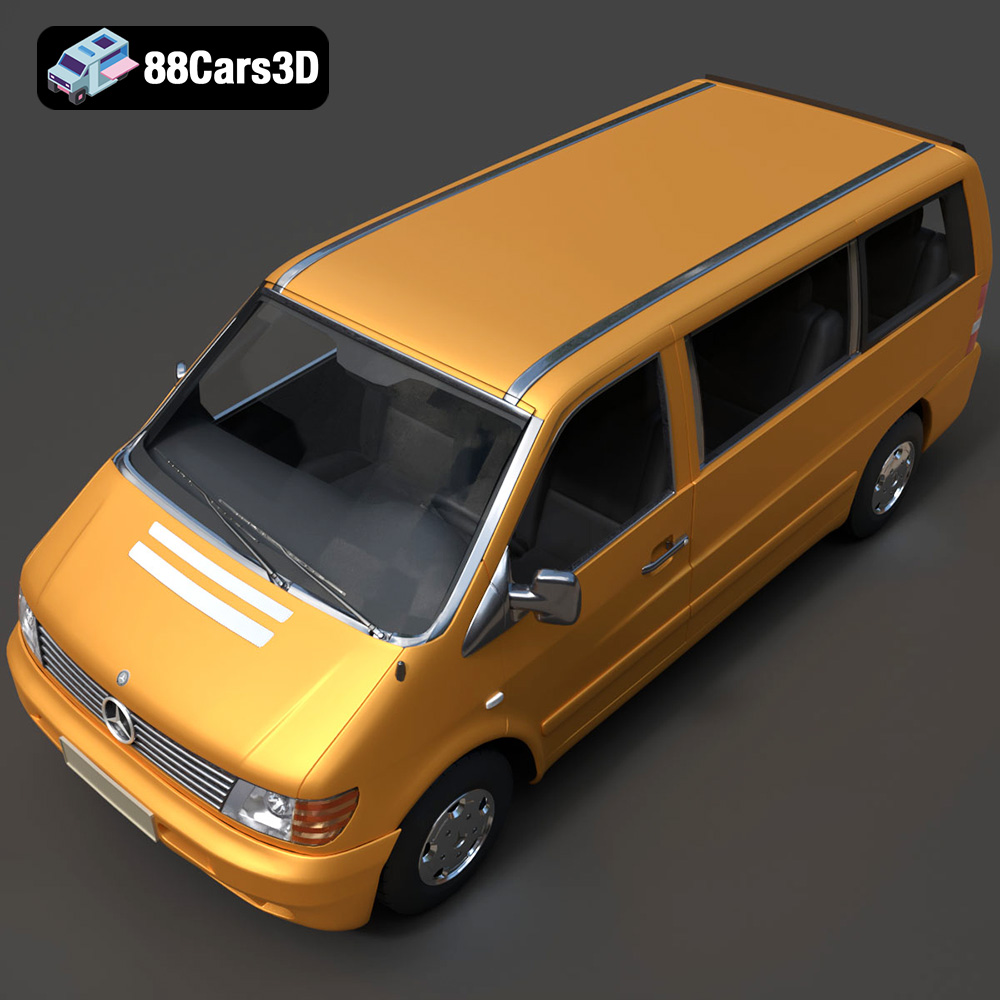
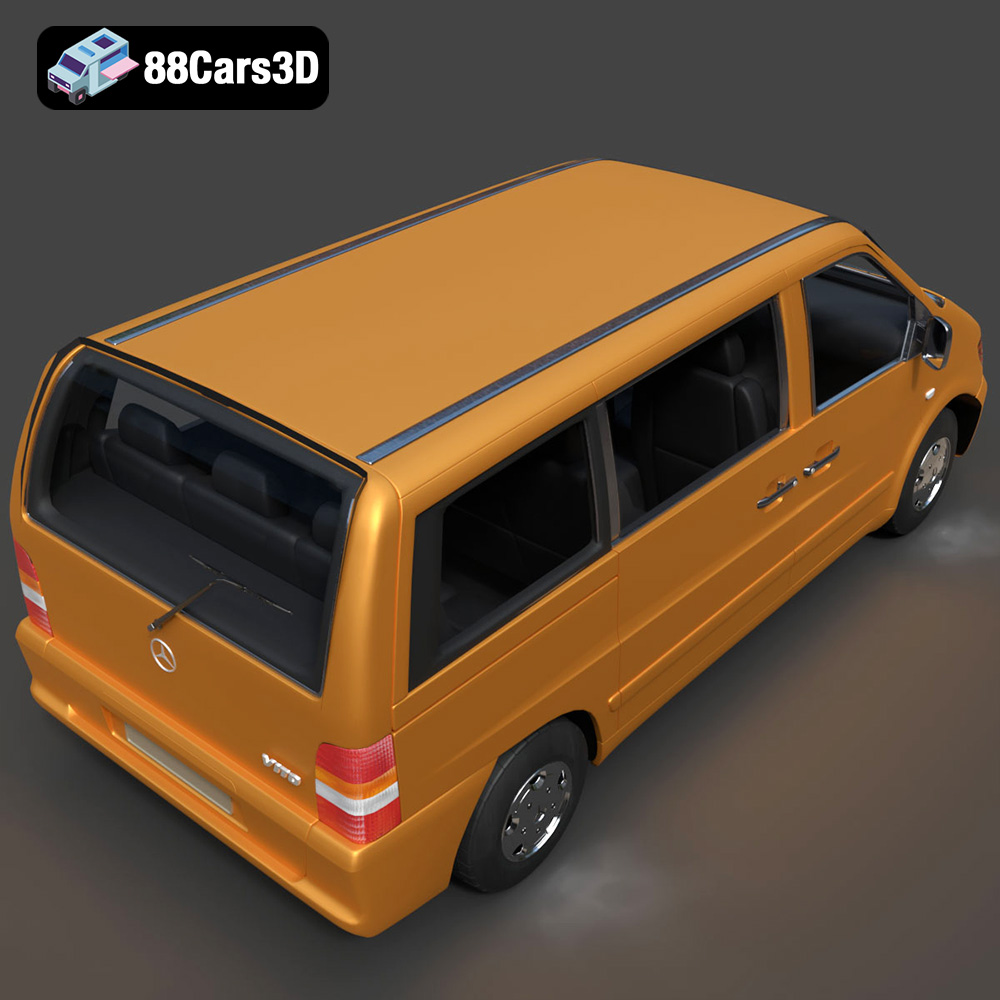
This is a detailed 3D model of the Mercedes-Benz Vito Passenger Van, engineered for versatility and accuracy across professional digital environments. The model captures the functional design and characteristic features of this popular commercial vehicle, making it an essential asset for projects requiring realistic urban or transport scene elements.
The asset features optimized, clean topology and geometry, ensuring efficient resource use in real-time applications and smooth subdivision for cinematic rendering. All components are logically named and grouped, facilitating easy customization, material adjustments, and scene integration. Realistic materials are applied and mapped correctly, providing instant render-ready results in native file formats.
The Mercedes-Benz Vito 3D model is perfect for architectural visualization (ArchViz) projects, adding realism to street scenes, vehicle simulation training, virtual reality (VR) tours, augmented reality (AR) applications, and integration into video game development (optimized for both Unreal Engine and Unity).
Included File Formats
- .blend – Editable Blender file with materials and lighting setup
- .fbx – Game-engine ready format for Unreal Engine and Unity
- .obj – Standard 3D model format compatible with all major software
- .glb – Optimized for AR/VR and web-based visualization
- .stl – Suitable for 3D printing and prototyping
- .ply – Detailed polygon mesh for analysis and visualization
- .unreal – Pre-configured for Unreal Engine use
- .max – Editable 3ds Max file for rendering and animation
Tags: .mercedesbenz, .mercedes, .vito, .van, .passenger, .commercialvehicle, .minivan, .car3dmodel, .rendering, .simulation, .gameasset, .arvr, .blend, .fbx, .obj, .glb, .stl, .ply, .unreal, .max
Tags:
.mercedesbenz, .mercedes, .vito, .van, .passenger, .commercialvehicle, .minivan, .car3dmodel, .rendering, .simulation, .gameasset, .arvr, .blend, .fbx, .obj, .glb, .stl, .ply, .unreal, .maxMercedes Benz CLS 500 3D Model
$19.99
Product Image Gallery

Related Tags
.arvr
.blend
.car3dmodel
.commercialvehicle
.fbx
.gameasset
.glb
.max
.mercedes
.mercedesbenz
.minivan
.obj
.passenger
.ply
.rendering
.simulation
.stl
.unreal
.van
.vito
