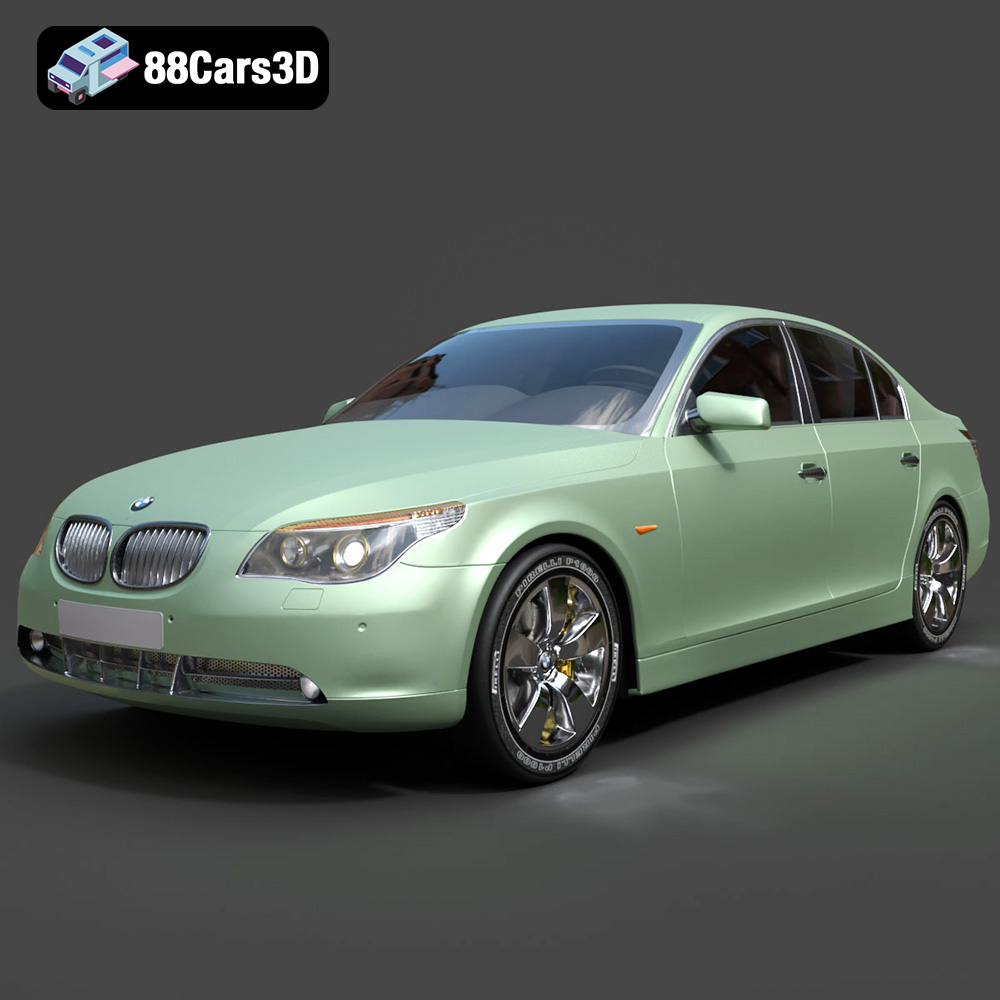
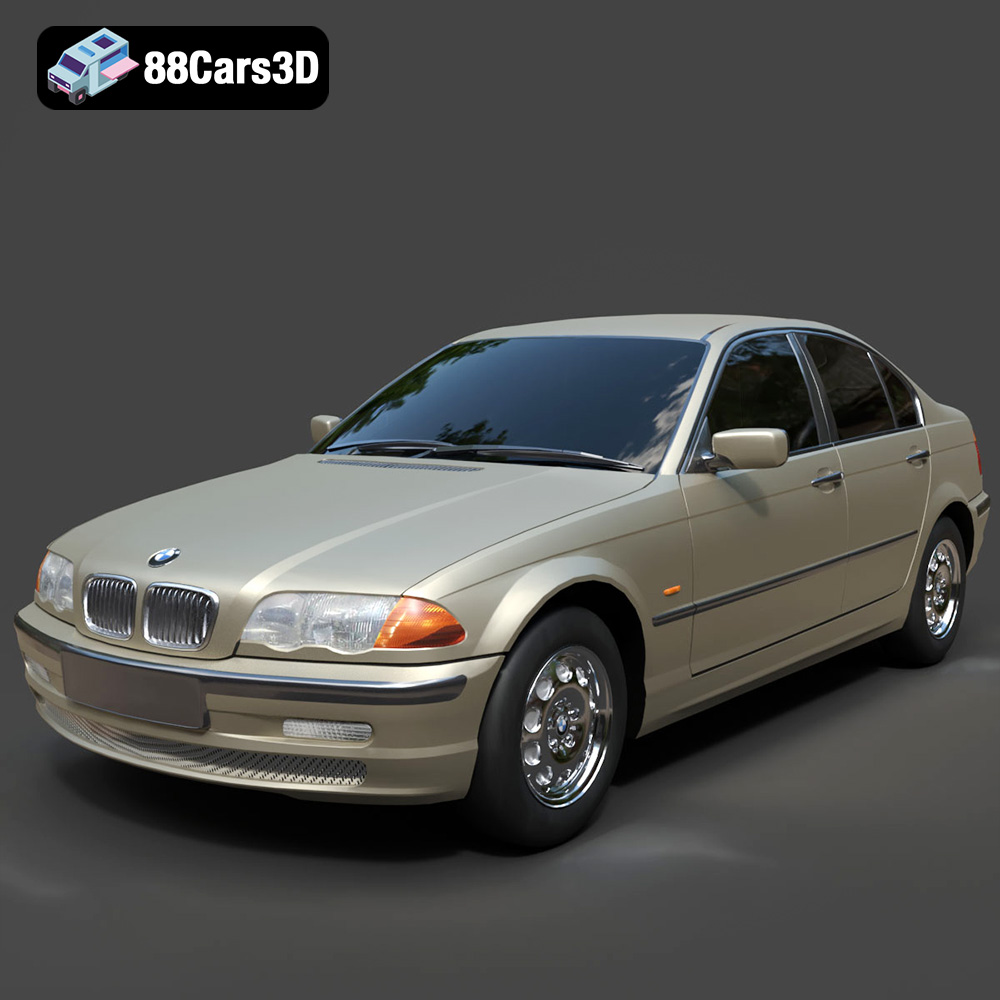
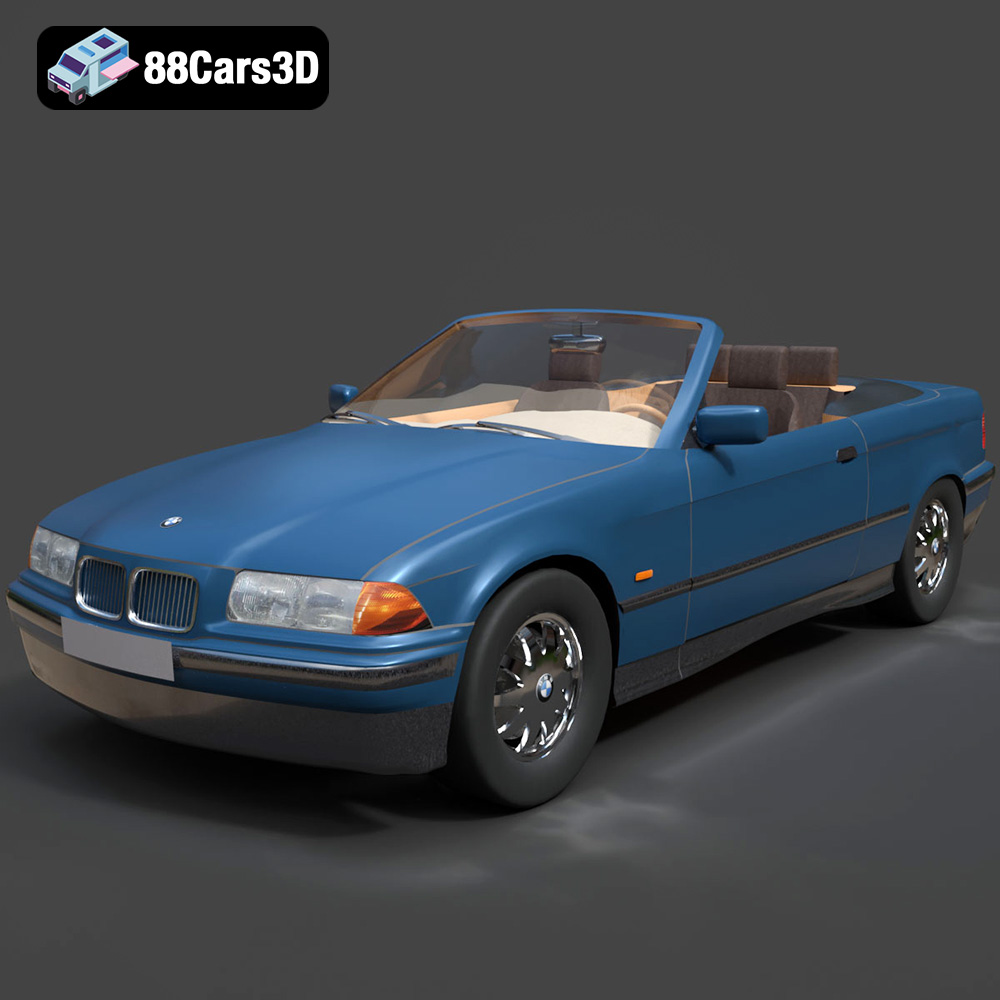
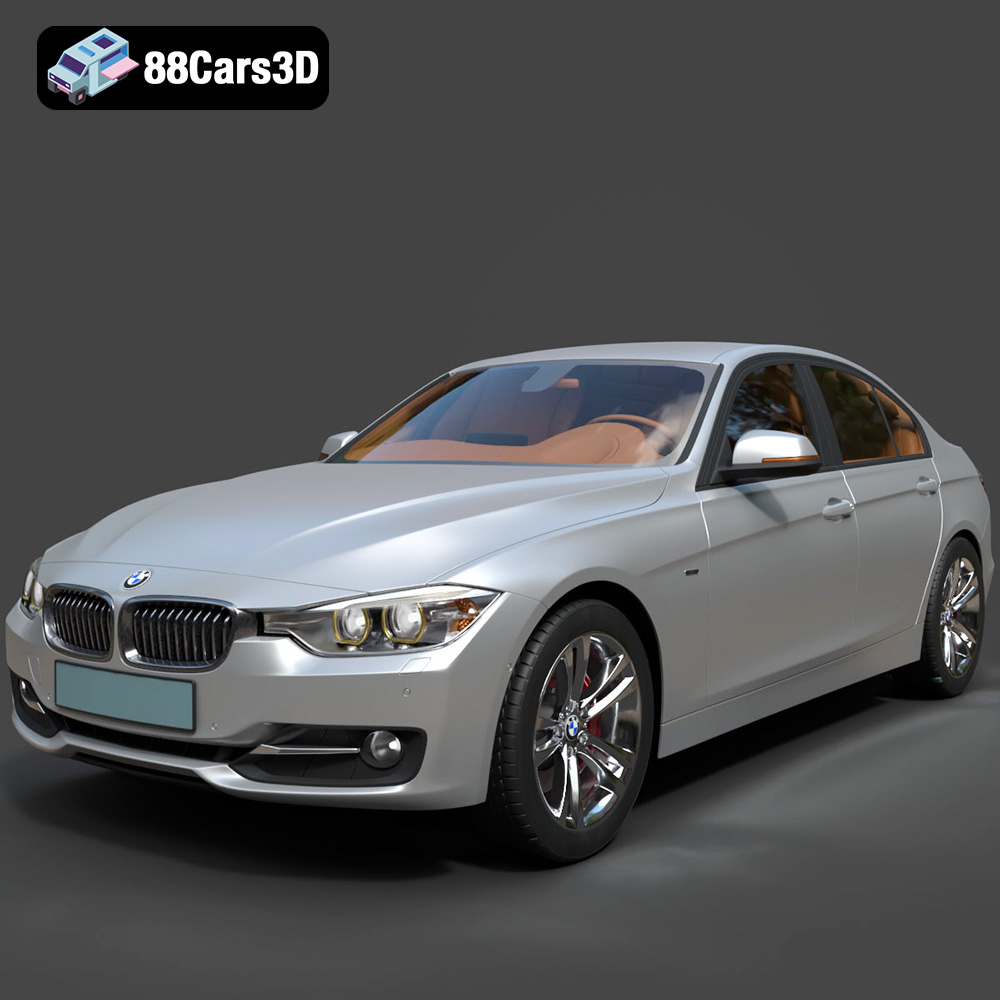
Realistic Vehicle Rendering Workflow: From OBJ Model to Photorealistic Output
Creating a truly photorealistic vehicle render is an art form that blends technical mastery with an acute eye for detail. It’s about more than just applying a shiny material; it’s a comprehensive workflow encompassing meticulous model preparation, sophisticated material development, nuanced lighting, and the final polish of post-processing. Whether you’re aiming for stunning automotive visualizations, immersive game assets, or high-fidelity product renders, understanding this intricate pipeline is crucial for achieving output that blurs the line between digital and reality.
This comprehensive guide will walk you through the entire realistic vehicle rendering workflow, starting with an untextured OBJ model and culminating in a breathtaking photorealistic image. We’ll delve into the critical steps, technical considerations, and industry best practices that empower you to elevate your 3D vehicle models to a professional standard. Get ready to transform your ordinary OBJ into an extraordinary visual masterpiece.
The Foundation: Preparing Your OBJ Vehicle Model
Before you even think about textures or lights, the quality of your base 3D vehicle model (often in OBJ format) is paramount. A clean, optimized, and properly unwrapped mesh provides a solid foundation for all subsequent steps in the realistic rendering workflow.
Model Acquisition & Initial Inspection
Your journey often begins with an existing OBJ model. This could be a converted CAD file, a purchased asset from a marketplace, or a model you’ve sculpted yourself. Regardless of its origin, the first step is a thorough inspection:
- Scale and Origin: Ensure the model is at its real-world scale (e.g., meters or centimeters) and positioned at the scene’s origin (0,0,0). Incorrect scale can lead to issues with lighting, physics simulations (if applicable), and material properties.
- Geometry Integrity: Look for obvious errors like flipped normals, disconnected vertices, non-manifold geometry, or overly dense/sparse areas. These will cause problems during texturing and rendering.
Geometry Optimization & Cleanup
Even high-quality models often require refinement. This stage is crucial for both rendering performance and visual fidelity:
- Poly Count: For static renders, higher poly counts (especially with subdivision surfaces) are generally acceptable, enhancing smooth curves. For real-time applications (like game engines), aggressive optimization is necessary. Use tools to decimate polygons while preserving critical silhouette details.
- Mesh Topology: While OBJs often contain triangulated meshes, converting critical areas to quad topology can be beneficial if you plan to use subdivision surfaces (e.g., OpenSubdiv) for smoother curves during rendering. Remove N-gons and ensure clean edge flow, especially around creases and panel lines.
- Normal Unification: Verify that all normals are pointing outwards. Flipped normals will result in black areas or incorrect shading.
UV Unwrapping: The Critical Foundation for Texturing
UV unwrapping is arguably the most important preparatory step. It maps the 3D surface of your vehicle onto a 2D texture space, allowing you to apply detailed textures without distortion. Poor UVs cripple any texturing effort.
- Strategic Seaming: Plan your UV seams carefully. For vehicles, this often means separating panels (hood, doors, trunk), wheels, interior components, and smaller details. Minimize visible seams in prominent areas.
- Minimizing Stretching & Overlapping: Ensure your UV islands are laid out efficiently, with minimal stretching (checkered patterns help visualize this) and no overlapping. Overlapping UVs prevent unique texture application and cause issues with lightmapping.
- Texel Density: Strive for consistent texel density across your model. Larger, more important areas (like the car body) should have higher texel density for sharper details, while less visible areas can have lower density.
- Multiple UV Sets: Consider using multiple UV sets for complex vehicles. One set might be for primary color/detail textures, another for baked ambient occlusion or lightmaps, and a third for decals or specialized wear effects.
Crafting Realism: Material & Texture Development
The magic of photorealism truly begins with materials and textures. This is where your vehicle gains its perceived physical properties – how light interacts with its paint, glass, rubber, and metal.
Understanding PBR (Physically Based Rendering)
Modern rendering relies heavily on PBR principles, which simulate how light behaves in the real world. This ensures your materials react correctly under any lighting condition.
- Core Principles: PBR prioritizes energy conservation (light reflected + light absorbed = light incident) and physically plausible reflections. Materials are defined by properties like base color, metallicness, and roughness, rather than arbitrary diffuse/specular values.
- Key PBR Channels:
- Albedo/Base Color: The inherent color of the surface, excluding highlights and shadows. For non-metallic surfaces, this is the color reflected; for metallic, it’s the color of the metal’s reflection.
- Metallic: A binary (0 or 1) or grayscale value determining if a surface is a dielectric (non-metal) or a conductor (metal).
- Roughness (or Glossiness): Controls the sharpness or blurriness of reflections. Low roughness = sharp reflections (polished chrome); high roughness = diffuse reflections (matte paint, rubber).
- Normal Map: Adds surface detail (bumps, scratches, panel lines) without increasing polygon count, faking intricate geometry through normal perturbations.
- Ambient Occlusion (AO): Fakes soft global illumination by darkening crevices and contact points, adding depth.
- Opacity/Transparency: Controls the visibility of a surface, crucial for glass or mesh elements.
Texture Creation Techniques
Industry-standard tools like Substance Painter and Designer are indispensable for creating high-quality PBR textures, leveraging procedural generation, smart materials, and layered workflows.
- Layering for Detail: Build up textures using layers for base color, wear, dirt, scratches, decals, and rust. This non-destructive workflow allows for extensive iteration.
- Procedural vs. Hand-Painted: Combine procedural generators (noise, grunge) with hand-painted masks and details to achieve complex, unique surfaces.
- Specific Vehicle Materials:
- Car Paint Shader: This is often the most complex. It requires a base color, a metallic map (if metallic paint), a roughness map (for wear, orange peel effect), and often a clear coat layer with its own roughness and normal map for subtle imperfections. Some advanced shaders include flake effects for true automotive paint realism.
- Glass Shader: Requires transparency, refraction (with appropriate IOR – Index of Refraction, around 1.5-1.7 for glass), subtle tint, and reflections. Dirt and smudges on the glass are crucial for realism.
- Tire Rubber: Characterized by high roughness, a dark albedo, and detailed normal maps for tread patterns and sidewall text. Subtle variations in roughness and color can mimic tire wear.
- Chrome/Metallic Accents: High metallic value (close to 1), low roughness (close to 0), and a clean albedo are key. Realism comes from micro-scratches and smudges impacting the roughness.
Illuminating the Scene: Lighting for Photorealism
Lighting is arguably the most impactful element in achieving photorealism. It shapes the model, reveals textures, and sets the mood. Accurate lighting replicates how light interacts with surfaces in the real world.
Principles of Realistic Lighting
- Key, Fill, Rim: While these are traditional photographic terms, they still apply. Key light is the main light source, fill light softens shadows, and rim light separates the subject from the background.
- Color Temperature: Real-world light sources have distinct color temperatures (e.g., warm incandescent, cool daylight). Using appropriate color temperatures makes your scene more believable.
- Intensity and Falloff: Light intensity follows inverse-square law falloff in reality. Ensure your digital lights behave similarly.
- Global Illumination (GI): This is paramount. GI simulates light bouncing off surfaces, illuminating indirect areas and producing soft, realistic ambient light and contact shadows. Most modern renderers calculate GI automatically.
Environment Lighting (HDRI)
High Dynamic Range Image (HDRI) lighting is the gold standard for realistic vehicle renders, especially for exterior shots or studio setups.
- Backbone of Realism: HDRIs capture real-world lighting information (intensity, color, direction) from a specific location. When wrapped around your 3D scene, they provide incredibly accurate ambient light, reflections, and subtle shadow details.
- Choosing HDRIs: Select HDRIs that match your desired environment and mood. An overcast sky HDRI will produce soft, diffused lighting, while a sunny desert HDRI will create harsh shadows and strong highlights.
- High Dynamic Range: The “high dynamic range” is crucial. It means the image contains a vast range of light intensities, allowing your renderer to accurately pick up bright light sources (like the sun) and subtle ambient light.
Supplementary Lighting & Detail Lights
While an HDRI provides excellent base lighting, additional lights can refine the scene:
- Area Lights: Use large, soft area lights to emphasize specific curves, create appealing reflections on the car body, or mimic studio softboxes.
- Spotlights/Point Lights: For focused illumination, highlighting small details, or emulating artificial light sources within the scene (e.g., streetlights).
- Emissive Materials: Apply emissive shaders to headlights, taillights, and dashboard displays to make them glow and cast light into the scene.
- Gobo/IES Profiles: Use IES (Illuminating Engineering Society) profiles with spotlights to replicate the specific light distribution patterns of real-world light fixtures.
The Render Engine: Bridging Art and Physics
The render engine is the software that takes all your 3D data – geometry, materials, lighting – and calculates the final 2D image. The choice of engine heavily influences render quality, speed, and workflow.
Real-time vs. Offline Renderers
This distinction is crucial depending on your project’s requirements:
- Offline Renderers (Path Tracing/Ray Tracing):
- Examples: V-Ray, Corona Renderer, Arnold, Cycles (Blender), Redshift.
- Pros: Unparalleled photorealism, physically accurate light calculations, capable of complex global illumination, reflections, and refractions. Ideal for high-fidelity marketing visuals, film, and product design.
- Cons: Slower render times, requiring powerful hardware for complex scenes.
- Real-time Renderers (Rasterization/Hybrid):
- Examples: Unreal Engine, Unity (HDRP), Marmoset Toolbag.
- Pros: Interactive, extremely fast render times, excellent for games, interactive applications, virtual production, and quick look development. Recent advancements in real-time ray tracing (e.g., Unreal Engine’s Lumen, RTX) are blurring the lines with offline quality.
- Cons: Can require more optimization and specialized setup to achieve true photorealism compared to offline renderers.
Key Renderer Settings for Vehicles
Regardless of your engine, common settings need careful tuning:
- Sampling Rates: Higher samples reduce noise (graininess) but increase render time. Use adaptive sampling or denoising features for efficiency.
- Ray Tracing Depth: Controls how many times light rays bounce for reflections and refractions. Essential for realistic glass and chrome.
- Motion Blur: Adds realism to moving objects (wheels) and camera movement.
- Depth of Field (DOF): Mimics camera lens blur, focusing on the subject and blurring foreground/background elements, adding cinematic quality.
- Output Resolution: Determine the final image size based on your deliverable (e.g., 4K for print, 1080p for web).
Comparison: Popular Render Engines for Vehicle Visualization
Here’s a brief comparison of some widely used renderers:
| Renderer | Type | Strengths | Best For |
|---|---|---|---|
| V-Ray / Corona | Offline (CPU/GPU) | Highly realistic GI, versatile, architectural visualization, intuitive controls (Corona). | High-end product viz, arch-viz, marketing stills. |
| Arnold | Offline (CPU/GPU) | Physically accurate, excellent for complex shading, film & VFX standard. | Feature film, animation, complex VFX, demanding realism. |
| Cycles (Blender) | Offline (CPU/GPU) | Open-source, integrated in Blender, growing feature set, good realism. | Independent artists, small studios, learning rendering. |
| Unreal Engine | Real-time (GPU) | Incredible real-time fidelity, interactive experiences, virtual production, ray tracing. | Games, virtual reality, real-time cinematics, interactive configurators. |
| Marmoset Toolbag | Real-time (GPU) | Fast, intuitive, excellent for look development, PBR material creation, baking. | Game asset presentation, quick renders, PBR material testing. |
Post-Processing: The Final Polish
Even after a perfect render, post-processing is indispensable for achieving that final level of “realism” and aesthetic appeal. It’s where you fine-tune the image to match references, enhance mood, and correct minor imperfections.
Essential Post-Production Techniques
- Color Correction & Grading: Adjust white balance, exposure, contrast, highlights, and shadows. Apply color grading to establish a specific mood or style, making the vehicle pop. This step is critical for matching the render to a real-world background plate.
- Vignetting: A subtle darkening of the image corners can draw the eye towards the center, enhancing focus on the vehicle.
- Chromatic Aberration: Mimics lens imperfections, adding a touch of optical realism, especially in high-contrast areas. Use sparingly.
- Film Grain/Noise: Can help integrate your render into a photographic background or simply add a desirable analog feel.
- Lens Flares & Glare: Add realistic lens artifacts, especially around bright light sources, to enhance photographic realism. Bloom and streak effects can also soften bright areas.
- Adding Atmospheric Effects: Subtle fog, haze, or dust particles can add depth and realism, especially for exterior shots.
- Compositing: If you’re placing your vehicle into a photographic background (backplate), compositing involves meticulously matching perspective, lighting, shadows, and integrating the vehicle seamlessly. Render passes (shadow pass, reflection pass, alpha) are invaluable here.
Software for Post-Processing
- Adobe Photoshop/Affinity Photo: Industry standards for image manipulation, color correction, and compositing. They offer a vast array of tools and non-destructive workflows.
- DaVinci Resolve / Adobe Premiere Pro / After Effects: For rendering out animations, these tools are essential for color grading, adding motion graphics, and applying video-specific effects.
- Nuke / Fusion: High-end compositing software used in film and VFX for complex multi-pass compositing.
Conclusion
Achieving a truly photorealistic vehicle render is a rewarding, multi-faceted journey. It starts with a meticulously prepared 3D model, progresses through the intricate development of physically accurate materials and textures, is brought to life by thoughtful and realistic lighting, and finally polished to perfection with post-processing. Each stage builds upon the last, and excellence in one area cannot compensate for shortcomings in another.
Remember that realism is often in the subtle details: the imperfection of a paint clear coat, the slight scuff on a tire, the nuanced interplay of light and shadow in a complex environment. By mastering the techniques outlined in this comprehensive guide, you’ll be well-equipped to transform your OBJ vehicle models into stunning, lifelike visualizations that captivate your audience and stand out in the competitive world of 3D rendering.
Elevate Your Renders Today!
Ready to apply these techniques and bring your 3D vehicle models to life? Dive into your preferred 3D software, experiment with PBR materials, explore HDRI lighting, and refine your renders with post-processing. Share your photorealistic vehicle creations with the community, and keep pushing the boundaries of realism!
Want to learn more about specific software or advanced techniques? Explore our other guides on 3D modeling and rendering!
Recommended undefined Models