Driving Innovation: The Unseen Art and Science Behind High-Quality 3D Car Models
In the dynamic worlds of automotive design, cinematic rendering, and interactive game development, the quality of a 3D car model can make or break a project. More than just pretty pictures, these digital representations are complex assemblages of geometry, textures, and data, meticulously crafted to achieve realism, performance, and versatility. From breathtaking photorealistic visualizations that define future vehicle concepts to responsive, high-performance assets driving the latest racing simulators, the underlying technical expertise is paramount.
The journey of a 3D car model, from concept to final render or in-game asset, involves a deep understanding of modeling techniques, material science, optimization strategies, and compatibility across diverse software ecosystems. Whether you’re an automotive designer showcasing a new prototype, a game developer building an expansive open world, or an architect integrating vehicles into a visualization, the demand for precision and efficiency is constant. This comprehensive guide delves into the technical intricacies, workflows, and considerations involved in leveraging high-quality 3D car models, highlighting their indispensable role across various industries and how resources like 88cars3d.com serve as a crucial hub for premium assets.
The Foundation: Why High-Quality 3D Car Models Matter
The pursuit of realism and performance in 3D graphics hinges on the foundational quality of the models themselves. A poorly constructed model, regardless of rendering engine or optimization efforts, will always fall short. Conversely, a meticulously built 3D car model provides an unparalleled canvas for creative expression and technical excellence.
Precision in Automotive Visualization
For automotive manufacturers and designers, automotive rendering is far more than marketing; it’s a critical stage in the design and development pipeline. Before a single physical prototype is built, detailed 3D models allow for exhaustive evaluation of aesthetics, ergonomics, and even preliminary aerodynamic simulations. High-quality models feature accurate proportions, crisp panel gaps, finely tuned curves, and intricate interior details that mimic real-world materials and construction. This level of precision ensures that design iterations are accurate, client presentations are impactful, and marketing materials reflect the true essence of the vehicle. Rendered images and animations, driven by these sophisticated models, become indispensable tools for communicating design intent and generating excitement around upcoming vehicles.
Performance in Real-Time Environments
In game development and interactive AR/VR experiences, the challenge shifts from pure photorealism to a delicate balance of visual fidelity and real-time performance. Game engines demand efficient geometry, optimized textures, and smart asset management to maintain smooth frame rates and responsive gameplay. High-quality game assets for cars aren’t just about looking good; they’re about being lightweight, having appropriate Levels of Detail (LODs), and being prepared for various physics simulations and animation rigs. A well-optimized 3D car model allows developers to populate vast virtual worlds with believable vehicles without bogging down the engine, ensuring an immersive and fluid user experience.
Understanding 3D Model File Formats
Navigating the world of 3D assets requires a solid grasp of various file formats, each with its own strengths, limitations, and intended use cases. Choosing the correct format for your project is critical for maintaining data integrity, ensuring compatibility, and optimizing your workflow. Here’s a detailed look at the most common and essential formats encountered when working with 3D car models:
- .blend (Blender Scene File): This proprietary format is the native file type for Blender, a powerful open-source 3D creation suite. A .blend file typically contains the complete scene, including mesh data, materials, textures (often packed within the file), lights, cameras, animations, rigging, and even modifiers. It’s fully editable within Blender, making it ideal for users who wish to dive deep into the model’s construction, make extensive modifications, or leverage Blender’s comprehensive toolset for rendering and animation. Its primary use is for projects developed and maintained within the Blender ecosystem, offering maximum flexibility and data retention.
- .fbx (Filmbox): Developed by Autodesk, FBX is arguably the most widely adopted interchange format for 3D data. It’s known for its robust support for mesh geometry, materials, textures, animations (skeletal and vertex), cameras, and lights. Due to its broad compatibility, .fbx is the go-to format for transferring assets between different 3D software packages (e.g., 3ds Max to Maya, Blender to Unreal Engine) and is particularly ideal for real-time pipelines like Unreal Engine and Unity. When exporting to FBX, it’s crucial to manage embed media options and ensure axis conversions are handled correctly for seamless integration into target applications.
- .obj (Wavefront OBJ): One of the oldest and most universal 3D file formats, .obj is a simple, human-readable text-based format primarily used to define geometric objects. It stores vertex positions, UV coordinates, normals, and polygonal faces. While it reliably transfers mesh data, .obj has limited support for advanced features like animations, rigging, or complex material definitions (though it can link to an external .mtl file for basic material properties). Its strength lies in its widespread compatibility across virtually all 3D software, making it an excellent choice for basic mesh transfer and cross-software collaboration where animation or complex materials are not the primary concern.
- .glb (GL Transmission Format Binary): GLB is the binary version of glTF (GL Transmission Format), designed for efficient transmission and loading of 3D scenes and models by applications. It packages all asset data—mesh, materials, textures, animations—into a single, self-contained file. This makes .glb highly optimized for AR (Augmented Reality), VR (Virtual Reality), and browser-based display, where file size and quick loading times are critical. Its PBR (Physically Based Rendering) material support ensures consistent visual fidelity across different platforms, making it a future-proof format for web and interactive experiences.
- .stl (Stereolithography): STL is the standard file format for 3D printing. It represents a 3D object as a series of connected triangles, describing only the surface geometry without color, texture, or other attributes. The critical requirement for .stl files is that the mesh must be “watertight” or “manifold,” meaning it has no holes, self-intersections, or disconnected edges, forming a completely enclosed volume suitable for manufacturing. It’s a purely geometric format, focusing on precision for physical fabrication rather than visual rendering.
- .ply (Polygon File Format): Also known as the Stanford Triangle Format, .ply is a versatile format used to store 3D data, particularly from 3D scanners and point cloud data. It can store not only geometry (vertices, faces) but also additional attributes like color, transparency, normals, texture coordinates, and confidence values per vertex or face. While not as universally supported as .obj, .ply offers greater precision and metadata storage, making it suitable for scientific visualization, CAD, and detailed geometric analysis where richer data sets are required.
- .unreal (Unreal Engine Asset): This isn’t a directly transferable external file format in the traditional sense, but rather a representation of an asset optimized and packaged specifically for the Unreal Engine. When you import an FBX or OBJ file into Unreal Engine, the engine processes and converts it into its native .uasset format. This process involves optimizing meshes, compiling shaders, and setting up internal dependencies. An “.unreal” asset, therefore, refers to a pre-configured, engine-ready asset that is typically provided with its full material setups, collision meshes, LODs, and potentially blueprint integrations, ready for immediate use within an Unreal Engine project. It represents the pinnacle of engine-specific optimization.
- .max (3ds Max Scene File): Similar to .blend, .max is the native file format for Autodesk 3ds Max. It stores a complete 3ds Max scene, including all models, materials, textures, lights, cameras, animations, and render settings. This format provides maximum editability and fidelity within the 3ds Max environment, making it indispensable for professionals who use 3ds Max for architectural visualization, complex animation, or high-end rendering. It allows for full access to scene hierarchies, modifiers, and plugin-specific data.
Understanding these formats is crucial for efficient project management and ensuring that the 3D car models you acquire or create are compatible with your specific workflow and target platform. Marketplaces like 88cars3d.com often provide models in several of these formats, offering flexibility for a wide range of users.
Crafting Immersive Automotive Renders
Achieving photorealistic automotive rendering is an art form that blends technical mastery with a keen eye for detail. It goes beyond just a great model; it involves meticulous material setup, sophisticated lighting, and careful post-processing to evoke a sense of tangibility and presence.
The Art of Material and Texture Creation
The skin of a 3D car model – its materials and textures – is what truly sells its realism. Modern rendering relies heavily on Physically Based Rendering (PBR) workflows, which simulate how light interacts with surfaces in the real world. This involves creating texture maps such as Albedo/Base Color, Metallic, Roughness, Normal, and sometimes Ambient Occlusion, Height, or Opacity maps. For instance, a car paint material isn’t just a single color; it comprises layers of clear coat, metallic flakes, and a base coat, each contributing to reflection, specularity, and color shift. Accurate UV mapping is critical here, ensuring that these intricate textures wrap seamlessly around the model without distortion, enabling paint imperfections, subtle dirt, or intricate carbon fiber patterns to appear convincing. A high-quality model will come with well-organized UVs and often include multiple texture sets for different components like tires, interiors, and glass.
Lighting and Environment Setup
Lighting is the soul of any render. For automotive scenes, High Dynamic Range Images (HDRIs) are often used to provide realistic environmental lighting and reflections, simulating complex real-world light scenarios such as overcast skies, sunny exteriors, or studio setups. Complementing HDRIs, physical lights (e.g., area lights, spot lights) are strategically placed to highlight design features, create dramatic shadows, or simulate head/tail lights. The choice of camera angle, depth of field, and focal length also plays a significant role, mirroring professional automotive photography to emphasize form and design. Ultimately, the interplay between light, materials, and camera perspective elevates a static model into a compelling visual narrative.
Workflow Integration: 3ds Max, Blender, and Beyond
Industry-standard software like Autodesk 3ds Max, often paired with renderers like V-Ray or Corona Renderer, provides robust tools for high-end automotive visualization. Workflows typically involve importing a high-detail 3D car model, setting up complex multi-layered materials, building intricate lighting scenarios, and then rendering with physically accurate engines. Blender, with its powerful Cycles and Eevee renderers, offers a similarly capable, open-source alternative for achieving stunning results. Users can leverage Blender’s extensive modeling, sculpting, and animation tools alongside its PBR material system to create breathtaking renders. Regardless of the software, the core principles remain: a high-fidelity model combined with expert material and lighting setup is the bedrock of captivating automotive rendering.
Optimizing 3D Car Models for Game Development
While cinematic renders prioritize absolute visual fidelity, game development demands a delicate balance between graphical quality and real-time performance. High-quality game assets for vehicles must be meticulously optimized to ensure smooth frame rates across diverse hardware configurations.
LODs (Levels of Detail) and Poly Count Management
One of the most crucial optimization techniques for game assets is the implementation of Levels of Detail (LODs). A high-polygon model suitable for close-up views is too heavy for distant objects. LODs are multiple versions of the same model, each with a progressively lower polygon count. For example, a car might have a LOD0 with 150,000 polygons for close-ups, a LOD1 with 50,000 for mid-range, and a LOD2 with 15,000 for distant views. Game engines automatically switch between these LODs based on the object’s distance from the camera, significantly reducing the computational load without a noticeable drop in visual quality. Effective poly count management also extends to judicious use of geometry – only modeling what is visible and necessary, and using normal maps to simulate fine details.
Efficient UV Mapping and Texture Atlasing
Texture memory and draw calls are critical performance bottlenecks in game engines. Efficient UV mapping ensures that texture space is utilized optimally, preventing wasted pixels and improving cache performance. Texture atlasing, where multiple smaller textures (e.g., for car interior buttons, dashboard elements, wheel details) are combined into a single, larger texture map, further reduces draw calls and improves rendering efficiency. This means the engine only needs to load one texture file to render multiple parts of the model, rather than many individual ones. PBR textures, like those found on high-quality 3D car models from 88cars3d.com, are often provided in optimized resolutions and formats suitable for game engine integration.
Integration into Game Engines: Unreal Engine and Unity Workflows
Integrating 3D car models into game engines like Unreal Engine or Unity involves specific steps. After importing the optimized FBX file (which includes meshes, LODs, and PBR textures), developers typically create complex material instances based on master materials. This allows for easy customization of color, roughness, and other parameters without recompiling shaders. Collision meshes, often simpler proxy geometries, are added to accurately represent the car’s physical boundaries for physics simulations. Furthermore, car models intended for games often require rigging for wheels, doors, and suspension, and may be integrated with vehicle blueprints or C# scripts to enable realistic driving mechanics, damage systems, and interactive elements. The ultimate goal is a game-ready asset that is visually compelling and performs flawlessly.
Beyond Visualization: AR/VR and 3D Printing Applications
The utility of high-quality 3D car models extends beyond traditional rendering and game development, finding critical applications in emerging technologies like Augmented Reality (AR), Virtual Reality (VR), and even physical fabrication through 3D printing.
Interactive Experiences in AR/VR
AR and VR environments demand even stricter optimization than traditional games, as they require rendering two stereoscopic views at very high frame rates to prevent motion sickness. High-quality 3D car models are transformed into highly optimized versions, often with aggressive LODs and reduced texture resolutions, to maintain performance. In AR, users can place virtual cars in their real-world environment, interacting with them, changing colors, and opening doors – a powerful tool for car configurators or showcasing new models. VR applications can place users directly inside a virtual car, offering immersive experiences for training, design review, or virtual showrooms. The .glb format, discussed earlier, is particularly favored for these applications due to its efficiency and PBR support, ensuring consistent visual quality across platforms.
Preparing Models for 3D Printing
For physical prototyping, scale models, or personalized collectibles, 3D printing offers an exciting avenue. However, models require specific preparation for this process. The key is to ensure the model is “watertight” or “manifold” – meaning it forms a completely closed volume without any gaps, internal geometry, or intersecting faces. Any holes or non-manifold edges will lead to errors during slicing for the 3D printer. High-detail 3D car models typically require cleanup and simplification to achieve print-readiness. Software tools are used to check for and repair common issues, ensuring that the model, often exported as an .stl or .obj, can be successfully translated into a physical object. This bridge between the digital and physical realms highlights the versatility and foundational importance of accurate 3D data.
Choosing the Right 3D Car Model for Your Project
With a vast array of 3D car models available, selecting the right one for your specific project is crucial. It’s not simply about aesthetics; it’s about technical specifications, compatibility, and the level of detail required to meet your project’s demands.
Assessing Model Fidelity and Technical Specifications
When evaluating a 3D car model, look beyond the render. Examine the wireframe to assess polygon distribution and topology. A clean, well-optimized mesh indicates a professional model that will deform better if animated and be easier to optimize further if needed. Check the UV mapping for efficiency and lack of distortion. Inquire about included texture maps (Albedo, Normal, Roughness, Metallic, etc.) and their resolutions, ensuring they meet PBR standards. Consider the poly count in relation to your target platform – a model for a cinematic render will have a much higher poly count than one optimized for mobile VR. High-quality models typically provide multiple file formats, well-organized scene hierarchies, and often include features like separate interior/exterior components, openable doors, or even basic rigging.
The Value of a Curated Marketplace
This is where specialized platforms like 88cars3d.com provide immense value. A curated marketplace focuses on quality control, ensuring that the models meet professional standards for accuracy, topology, textures, and optimization. Instead of sifting through countless low-quality assets, users can trust that the models acquired are ready for professional use, often coming with clear technical specifications and multiple file formats to suit diverse workflows. This saves invaluable time and resources, allowing designers, artists, and developers to focus on their creative work rather than repairing or optimizing substandard models. The availability of diverse models, from classic cars to modern supercars, ensures that specific project needs can be met with confidence, backed by reliable technical quality.
Conclusion
The world of 3D car models is a complex and fascinating intersection of art and engineering. From the precision required for stunning automotive rendering that shapes future vehicle designs, to the meticulous optimization needed for immersive game assets that power virtual worlds, the underlying technical expertise is indispensable. Understanding file formats, mastering PBR materials, implementing LODs, and preparing models for diverse applications like AR/VR and 3D printing are all critical components of successful 3D production.
The journey from a digital concept to a photorealistic render or a high-performance interactive asset demands both artistic vision and technical prowess. As industries continue to evolve, the demand for high-quality, technically sound 3D car models will only grow. For professionals seeking top-tier assets that integrate seamlessly into their workflows and elevate their projects, specialized platforms like 88cars3d.com stand as a testament to the commitment to quality and versatility, empowering creators to push the boundaries of what’s possible in the digital realm.
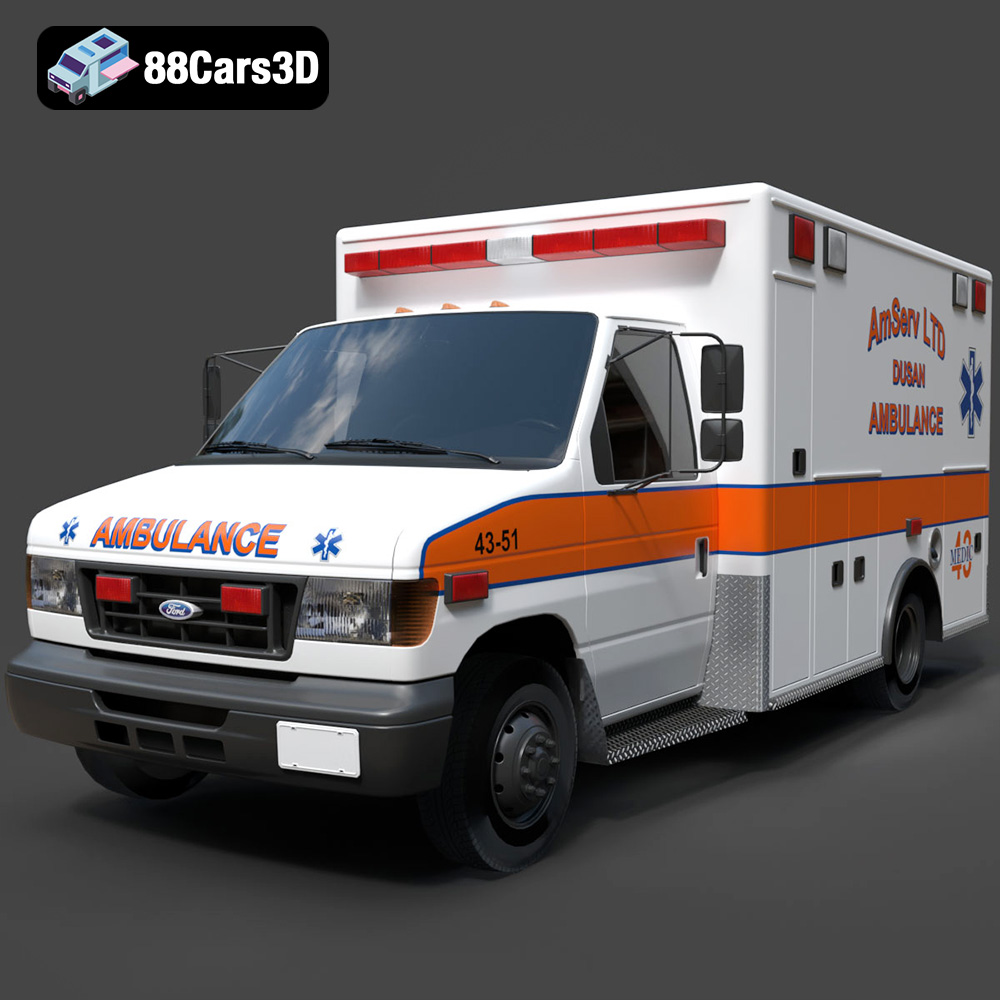
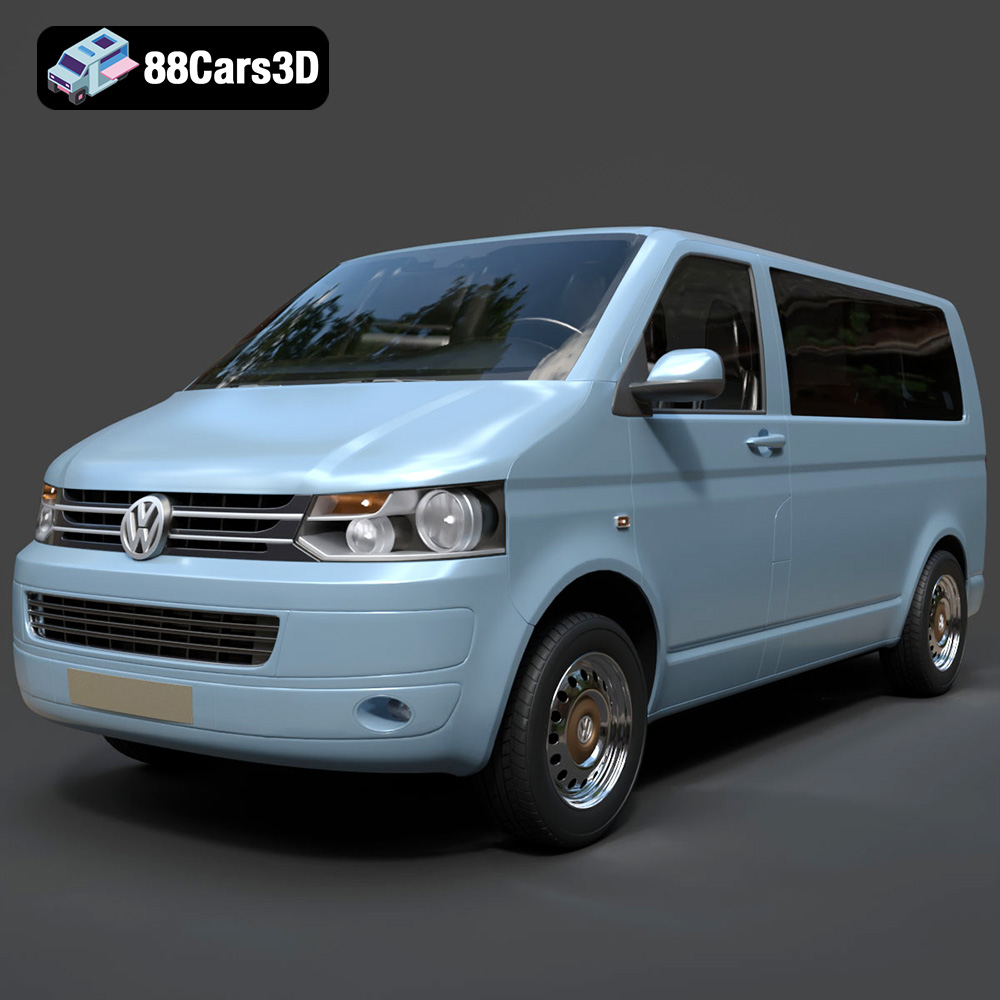
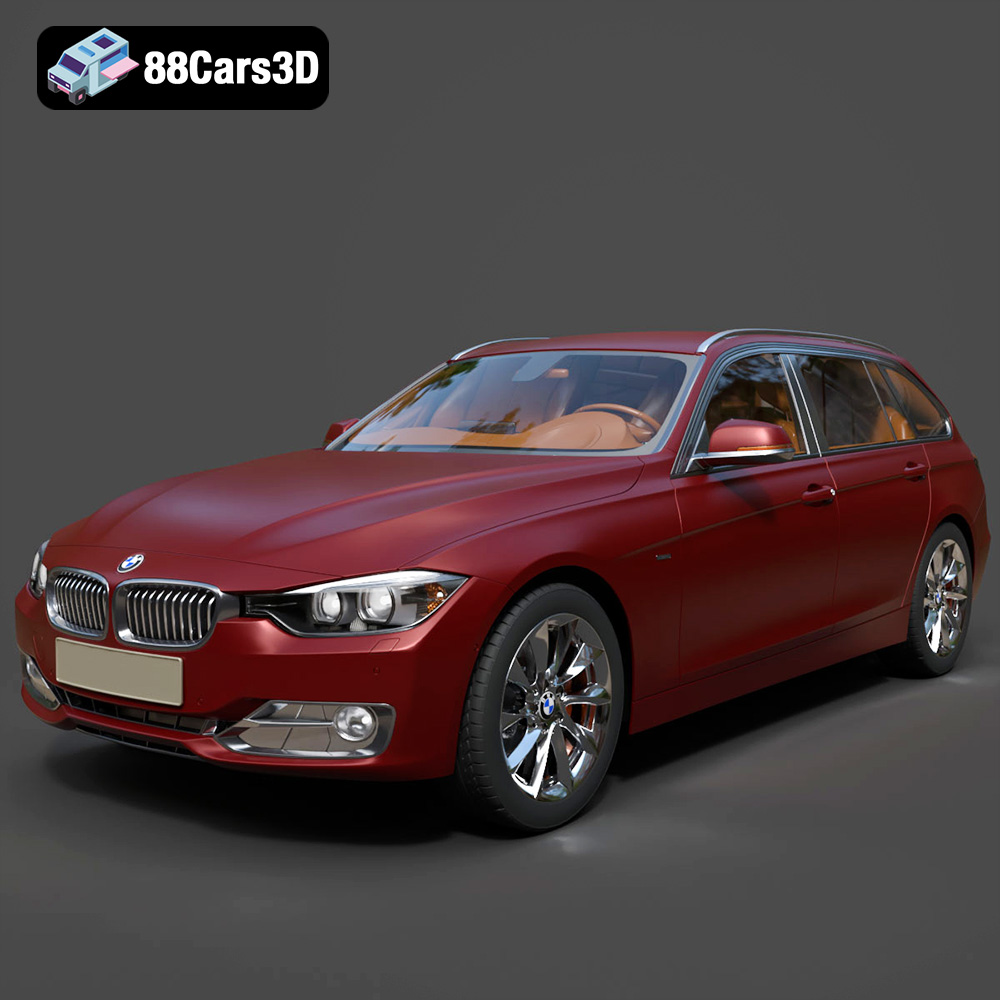
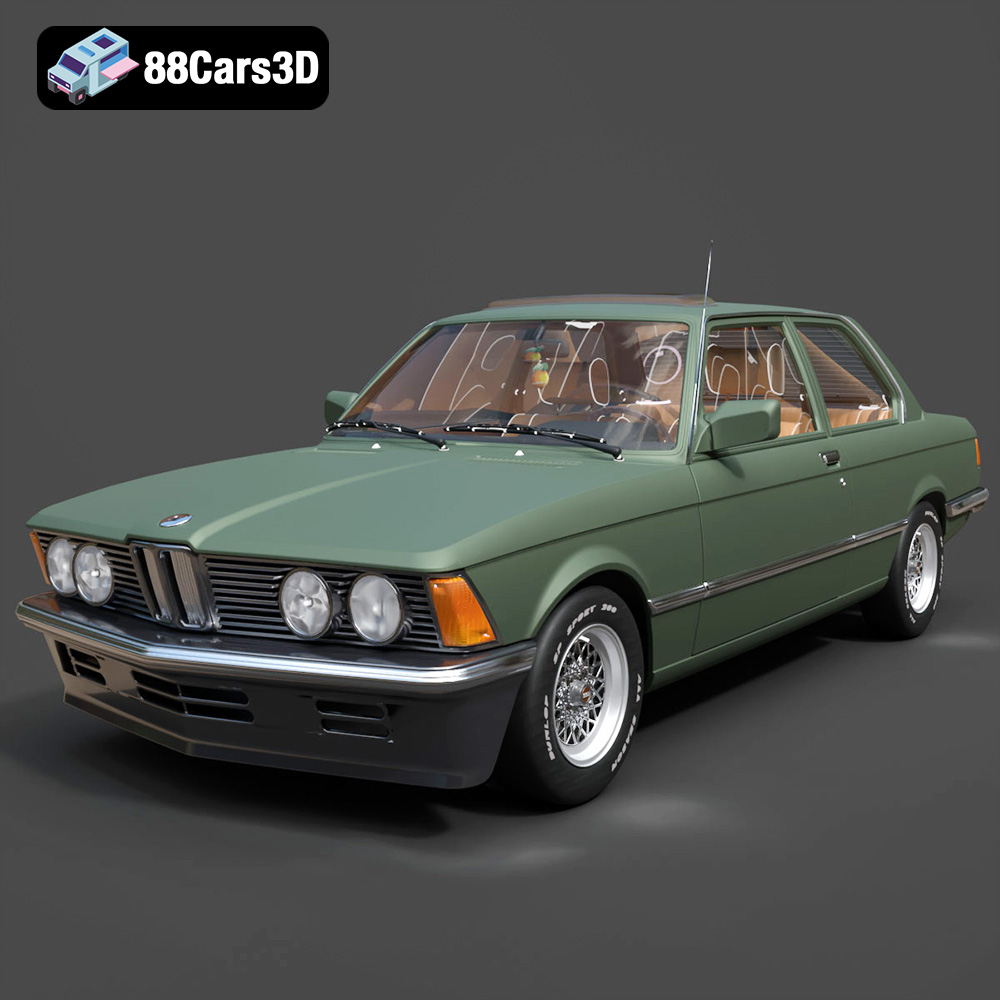
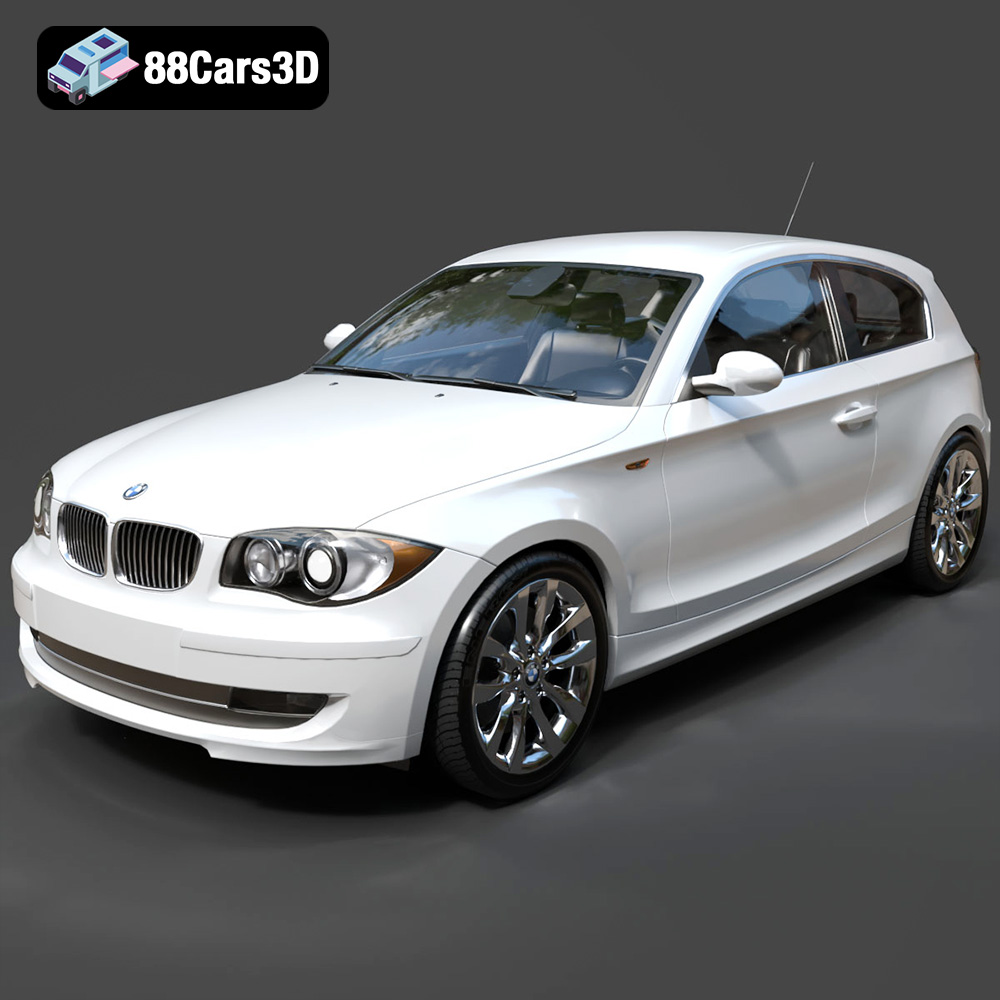
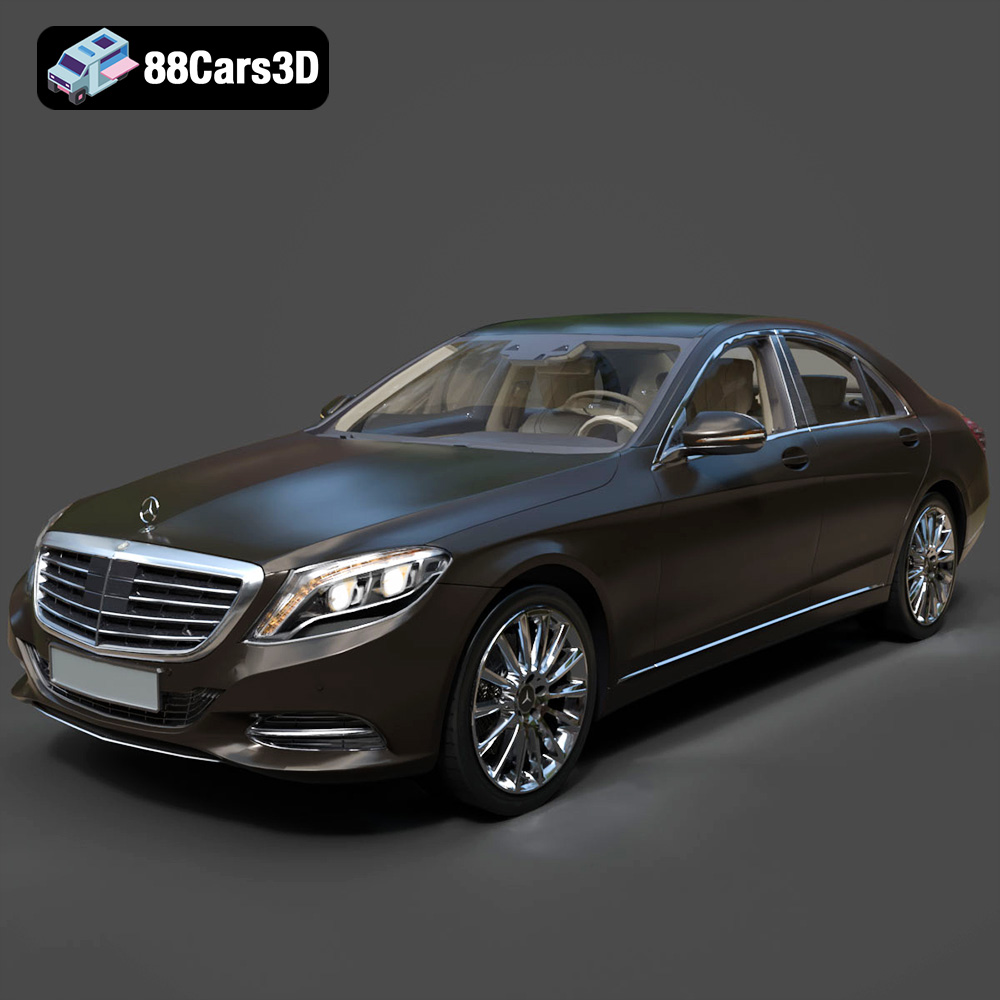
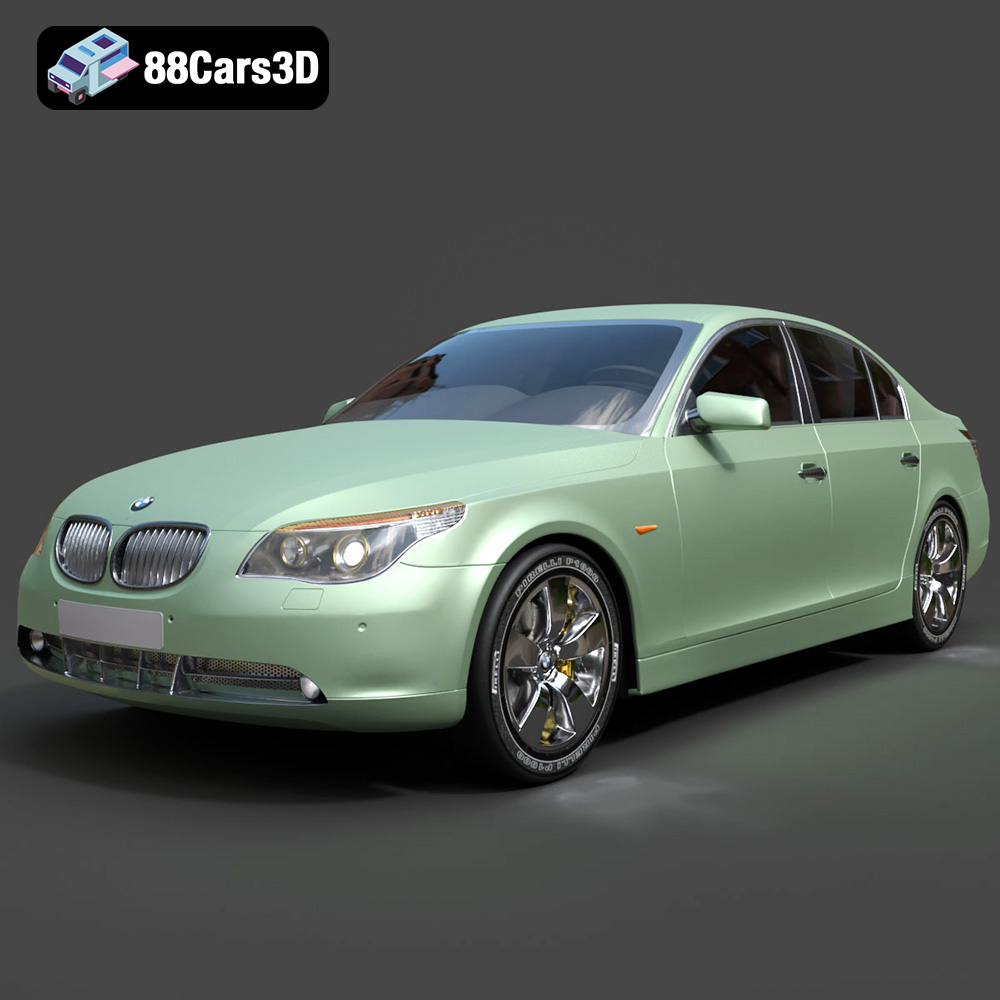
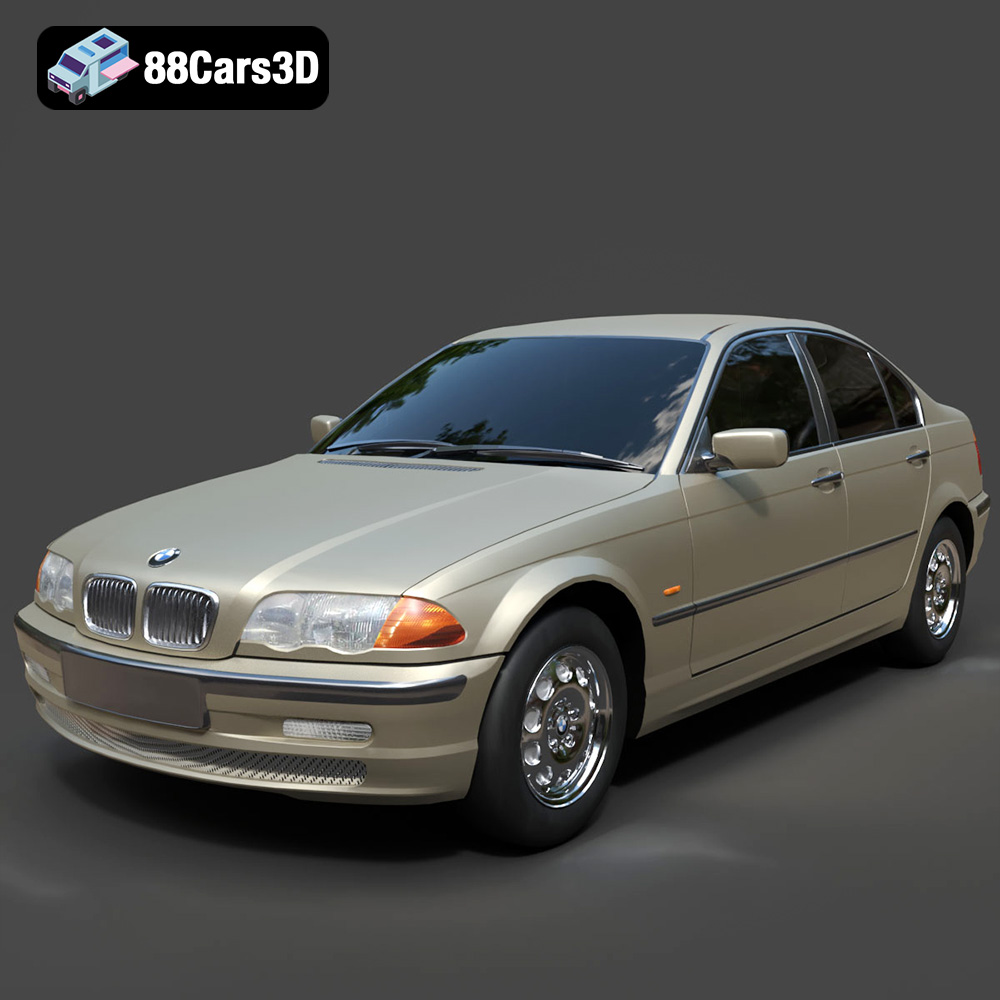
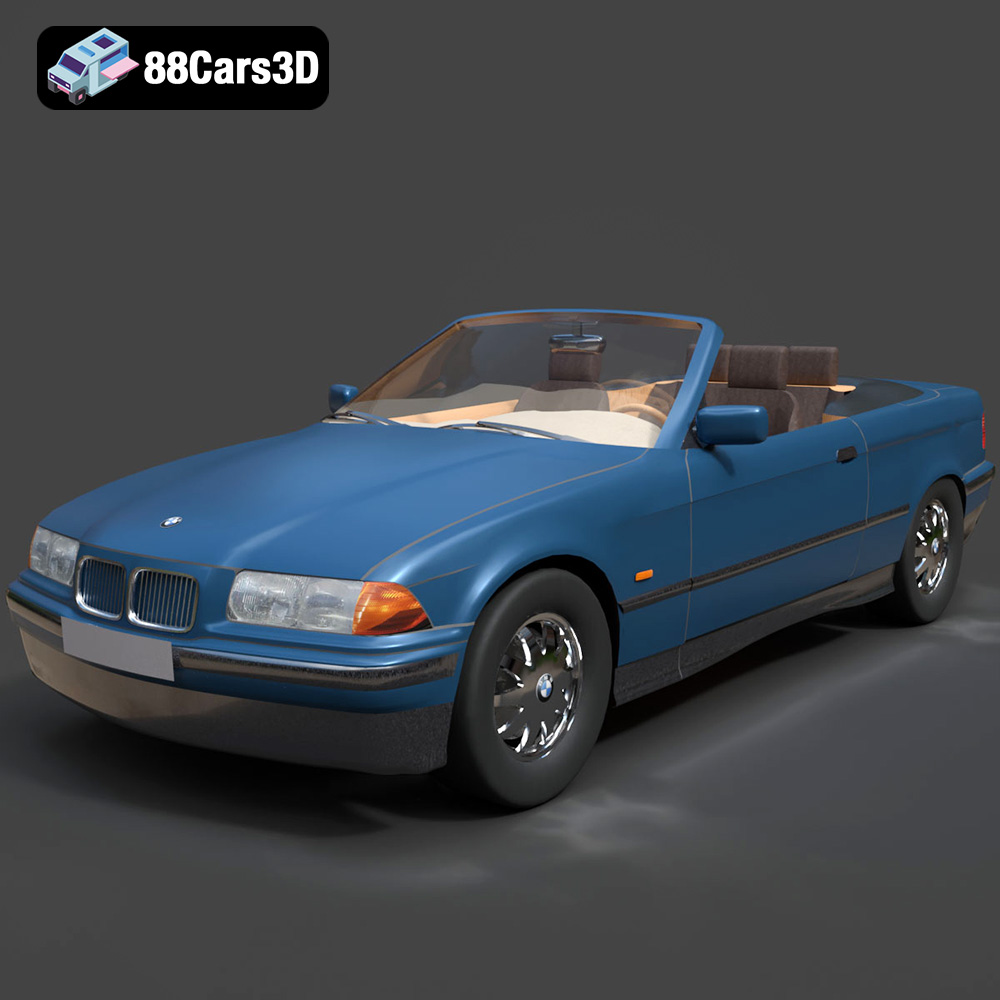
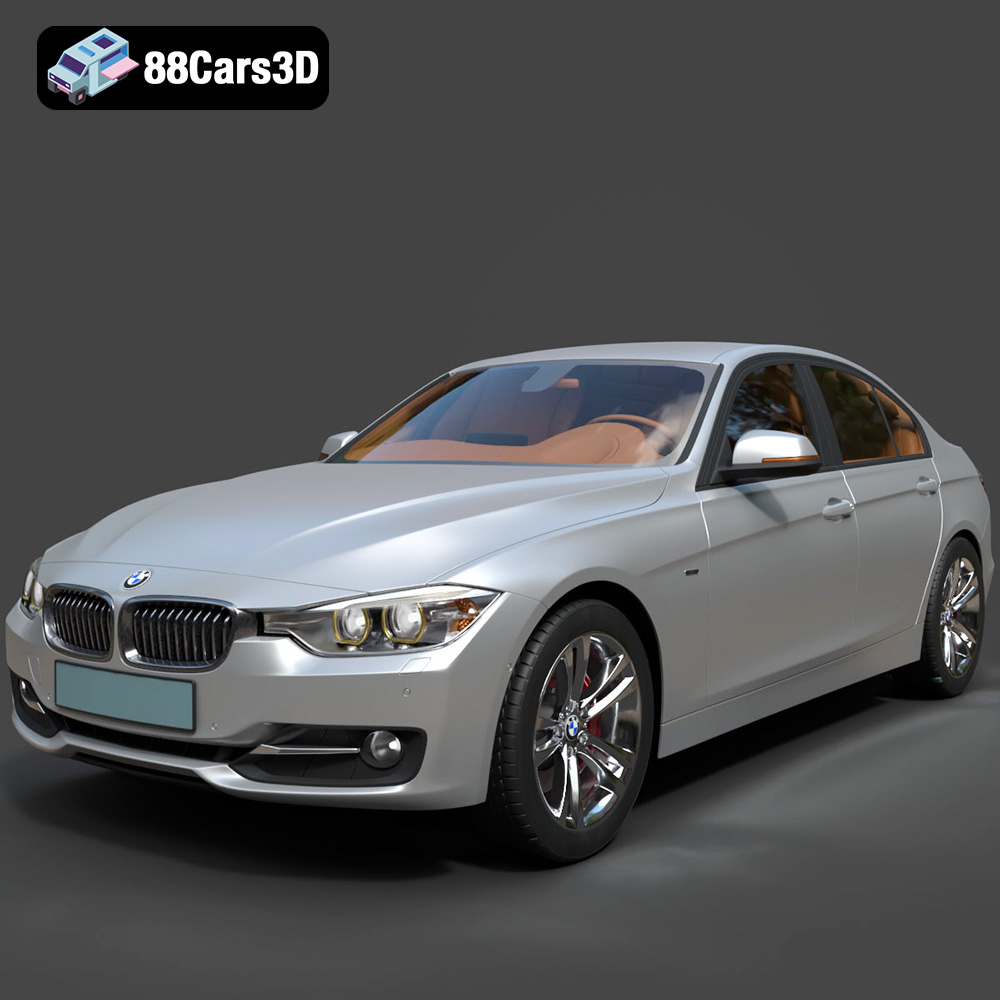
Featured 3D Car Models