

“`html
Mastering 3D Print Supports: A Deep Dive into Manual Support Generation for Intricate Models
The thrill of bringing a meticulously designed 3D car model to life on your printer is immense. Whether you’re downloading a high-detail classic from a marketplace like 88cars3d.com or working with your own designs, achieving a flawless print often hinges on one critical, yet sometimes overlooked, aspect: 3D print supports. While slicer software often does a commendable job of auto-generating supports, relying solely on automation can lead to frustration. Over-supported models become a nightmare to clean, while under-supported areas can result in print failures, warped sections, and lost detail. This comprehensive guide delves into the art and science of manual support generation. We’ll explore why manual intervention is often superior, how to identify areas needing support, effective strategies for placing them precisely where they’re needed, and advanced techniques to ensure your complex STL files translate into stunning, stable prints. Prepare to elevate your 3D printing game by taking control of your supports!
Why Manual Supports Trump Automatic Generation
Automatic support generation in slicers like Cura, PrusaSlicer, or Simplify3D is a fantastic starting point, automating a tedious process. However, these algorithms operate on generalized rules and may not understand the nuanced geometry of specific models, especially intricate automotive designs with delicate overhangs and fine details. Manual support generation empowers you to make informed decisions based on the model’s specific features, your printer’s capabilities, and your desired print quality. It allows for targeted support placement, minimizing contact points with the model surface, thereby reducing cleanup time and preserving fine details. For high-quality collectible car models from 88cars3d.com, where aesthetic perfection is paramount, manual control is often the difference between a good print and a great one. It’s about strategic placement, not just covering every potential overhang.
Understanding Overhangs and Critical Angles
The fundamental reason for supports is to counteract gravity. During the 3D printing process, each layer is extruded onto the layer below it. When a new layer needs to be printed over empty space – an overhang – it requires something to build upon. The critical angle, often referred to as the overhang threshold, dictates how steep an angle a printer can bridge without external support. For most FDM printers using materials like PLA, this angle typically ranges from 45 to 60 degrees from the vertical. Anything beyond this threshold will likely sag or fail without support.
- Common Overhangs in Car Models: Think about side mirrors, spoilers, wheel arches, undercarriage details, and even areas like the chassis or roofline if the model is printed upright. These features often present challenging overhangs.
- Bridging Capabilities: While slicers have bridging settings, bridging large distances is inherently unstable. Manual supports are crucial for areas that exceed your printer’s effective bridging range.
- Material Influence: Different materials have varying thermal properties. ABS, for instance, can warp more easily than PLA, potentially requiring more robust or strategically placed supports for similar overhangs.
The Trade-offs of Auto-Supports
While convenient, auto-supports can introduce several problems:
- Excessive Material Usage: Algorithms often err on the side of caution, generating supports in areas that might be self-supporting or require only a minimal touchpoint. This wastes filament and increases print time.
- Difficult Removal: Dense auto-generated supports, especially those touching the model at many points, can be incredibly difficult to remove cleanly. This often leads to scarring, tearing, or damage to delicate features.
- Lost Detail: The interface between auto-supports and the model can sometimes be too aggressive, obscuring or damaging fine details like panel lines, emblems, or intricate grille work.
- Suboptimal Orientation: Auto-support algorithms don’t always consider the best print orientation for minimizing supports or maximizing structural integrity. Manual adjustment allows you to orient the model to reduce the need for supports altogether.
Identifying Support Needs: A Visual and Analytical Approach
Before even touching your slicer’s manual support tools, a thorough visual inspection of your STL file is crucial. Rotate the model in your slicer or a dedicated mesh editing tool (like Meshmixer or Blender) and scrutinize it from every angle. Pay close attention to areas that jut out or slope downwards significantly.
Leveraging Slicer Tools for Identification
Most modern slicers offer helpful features to visualize potential overhang issues:
- Overhang Visibility: Slicers like Cura and PrusaSlicer have a dedicated “Overhang” or “Show Overhangs” view mode. This feature color-codes areas of the model based on the angle of the overhang, making it easy to spot problematic zones. You can usually set a custom overhang threshold angle here to match your printer’s capabilities.
- Layer-by-Layer Preview: After slicing, use the layer preview function religiously. Scroll through the layers, particularly focusing on the initial layers of any protruding features. If a layer is printing over a significant gap with no underlying support, it’s a clear indicator that support is needed.
Model-Specific Considerations for Automotive Prints
Car models present unique challenges due to their often complex, aerodynamic shapes:
- Undercarriage: The underside of a car model can be a maze of suspension components, exhaust pipes, and chassis details, all of which may require careful support.
- Aerodynamic Elements: Spoilers, wings, diffusers, and large fender flares are prime candidates for overhang issues.
- Engine Bays and Intakes: If your model includes an open hood with engine details, the internal structure of these components will likely need support.
- Wheels and Tires: While the outer surface of a tire might be straightforward, the spokes of a wheel or the brake calipers behind them can present intricate overhangs.
Strategic Manual Support Placement Techniques
Once you’ve identified the problem areas, the real work of manual support generation begins. This involves placing individual support structures precisely where they will be most effective while minimizing their impact on the final print.
Point-Based vs. Area-Based Support Placement
Slicers offer different methods for manual support:
- Support Blockers/Enforcers: These tools allow you to define areas where supports should NOT be generated (blockers) or areas where they MUST be generated (enforcers). While not direct placement, they guide the auto-support algorithm.
- Manual Support Points: This is the most granular approach. You click directly on the model surface to add a support structure point. The slicer then builds a support from this point down to the build plate or another support structure. This is ideal for targeting very specific overhangs or reinforcing weak points.
- Tree/Branching Supports: Some slicers offer “tree” or “branching” support options, which can be generated automatically but often allow for manual adjustment of the base points or trunk structure. These can be more efficient and easier to remove than traditional supports.
Optimizing Support Contact and Interface
The point of contact between a support and your model is critical for both stability and ease of removal. Poor contact leads to difficult cleanup and surface scarring.
- Support Interface Layers: Most slicers allow you to define “Support Interface Layers.” These are specialized layers at the top and bottom of the support structure that are printed differently (e.g., denser, solid) to create a cleaner break from the model. Fine-tuning the distance between the support and the model (Z-distance) and the horizontal expansion of the interface is key. A smaller Z-distance provides better support but makes removal harder; a larger distance aids removal but may compromise surface quality. Start with a Z-distance of 1-2 layers and a small horizontal expansion.
- Support Roof and Floor: Experiment with settings like “Support Roof” and “Support Floor.” Enabling these can create a more solid interface, providing better stability for complex overhangs, but may also increase adhesion and difficulty in removal. Often, for delicate models, disabling these and relying on a carefully tuned Z-distance is preferable.
- Contact Point Shape: Supports typically end in a small interface area. Consider the shape of the model at the contact point. You want the support to rest on a stable surface, not a sharp edge or a highly detailed area if possible.
Support Placement Examples for Car Models
Let’s consider a typical car model:
- Side Mirror: Instead of supporting the entire underside, place a single support point directly beneath the mirror’s housing where it attaches to the door. Ensure the interface is small and clean.
- Spoiler: Place supports at the outer tips of the spoiler, extending downwards. Alternatively, consider printing the car body upside down, which might eliminate the need for spoiler supports entirely depending on the design.
- Wheel Arches: For severe overhangs within the wheel arch, place vertical supports from the chassis upwards, directly beneath the problematic lip of the arch.
- Undercarriage Details: Use manual points to support individual components like exhaust tips or suspension arms, ensuring each support starts from a solid base on the chassis or build plate.
Advanced Support Strategies and Customization
Beyond basic placement, advanced techniques can further optimize your prints, saving time, material, and frustration. This is where truly mastering supports comes into play, especially for professional-looking results from models downloaded from 88cars3d.com.
Tree/Organic Supports: The Hybrid Approach
Many slicers now offer “Tree” or “Organic” supports. These differ from traditional supports by branching out from a single base point, much like a tree. They tend to use less material, require fewer contact points on the model surface, and are often significantly easier to remove.
- Customization: While often auto-generated, explore the settings for tree supports. You can often adjust the angle of the branches, the density, and crucially, the “Support Placement” setting (e.g., “Touching Buildplate” vs. “Everywhere”). For complex models, “Touching Buildplate” combined with manual placement of anchor points for the tree supports can be incredibly effective.
- Benefits: Their conical shape and tendency to reach only the necessary points mean less surface scarring and faster cleanup. They excel at supporting complex, organic shapes found in many car designs.
Support Enablers and Dissolvable Supports
Sometimes, a small “enabler” support is needed to kickstart a larger overhang or bridge. This is a small, strategically placed support that allows the main support structure or the model itself to start printing successfully.
For printers equipped with dual extruders, dissolvable supports (using materials like PVA or HIPS) are a game-changer. These supports can be printed alongside your primary model material (like PLA or ABS) and then dissolved away in a solvent bath after printing. This allows for incredibly complex geometries with intricate internal supports that would be impossible to remove manually, providing a perfectly clean finish on even the most challenging parts of a car model.
Print Orientation as a Support Minimization Strategy
Often, the best way to deal with supports is to avoid them altogether. This is achieved through strategic print orientation. By rotating your model on the build plate, you can drastically reduce or even eliminate the need for supports.
- Balancing Act: Consider printing a car model on its roof, side, or even at a specific angle. This might introduce overhangs on different parts of the model, but by carefully choosing the orientation, you might be able to support these new overhangs with minimal, easily removable structures, or even allow them to be bridged effectively.
- Structural Integrity: Be mindful of layer adhesion. Printing a tall, thin object on its side can make it weaker along the layer lines. Always consider the forces the printed object will experience in its intended use.
- Experimentation: Use your slicer’s orientation tools and the overhang preview to test different angles. Sometimes, a 30-degree tilt can eliminate the need for supports on multiple features simultaneously.
Post-Processing and Cleanup: The Final Touches
Even with the best manual support strategy, some cleanup will be necessary. The goal is to make this process as efficient and damage-free as possible.
Tools for Support Removal
Having the right tools makes a significant difference:
- Flush Cutters/Pliers: Essential for snipping away the bulk of the support material, especially near the model surface. Needle-nose pliers are particularly useful for reaching tight spots.
- Hobby Knife/Deburring Tool: For precisely trimming away small remnants of support material or cleaning up contact points. Always cut away from yourself!
- Sandpaper/Files: Start with coarser grits (e.g., 120-220) to remove significant imperfections and gradually move to finer grits (400+) for a smooth finish. Small files, needle files, or even foam sanding pads are excellent for curved surfaces.
- Heat Gun (Optional): A quick pass with a heat gun on a low setting can sometimes help smooth minor imperfections or blend small marks left by supports, but use with extreme caution to avoid melting or warping the print.
Techniques for a Clean Finish
- Remove Supports Early: Whenever possible, remove supports while the print is still slightly warm (but not hot enough to deform). This can sometimes make them break away more cleanly.
- Work Incrementally: Don’t try to pull off large chunks of support at once. Snip, twist, and gently pry away small sections.
- Targeted Sanding: Focus on the interface areas. Use sanding sticks or wrap sandpaper around small tools to match the curves of the car model.
- Filling and Smoothing: For particularly stubborn marks or layer lines, consider using modeling putty, wood filler, or specialized 3D print smoothing compounds. After application and drying, sand again to a smooth finish.
- Primer and Paint: A good primer coat is essential for revealing any remaining imperfections before painting. It also provides an excellent base for your paint job, bringing your 3D printed car model to its full glory.
Conclusion: Take Control of Your Prints
While automatic support generation is a convenient feature, mastering manual support placement is a skill that separates proficient 3D printing hobbyists from the average user. By understanding overhang principles, utilizing slicer tools for visualization, and strategically placing supports with an eye on minimizing contact and facilitating cleanup, you can dramatically improve the quality and success rate of your prints. Whether you’re printing a complex engine bay, delicate side mirrors, or aerodynamic spoilers on a car model downloaded from 88cars3d.com, taking manual control allows for unparalleled precision. Remember to experiment with different techniques, such as tree supports and careful model orientation, and always invest time in the post-processing stage. The effort you put into perfecting your supports will be rewarded with cleaner, more detailed, and more stable 3D prints that truly showcase the potential of additive manufacturing and the quality of the digital models you use.
“`
Featured 3D Car Models
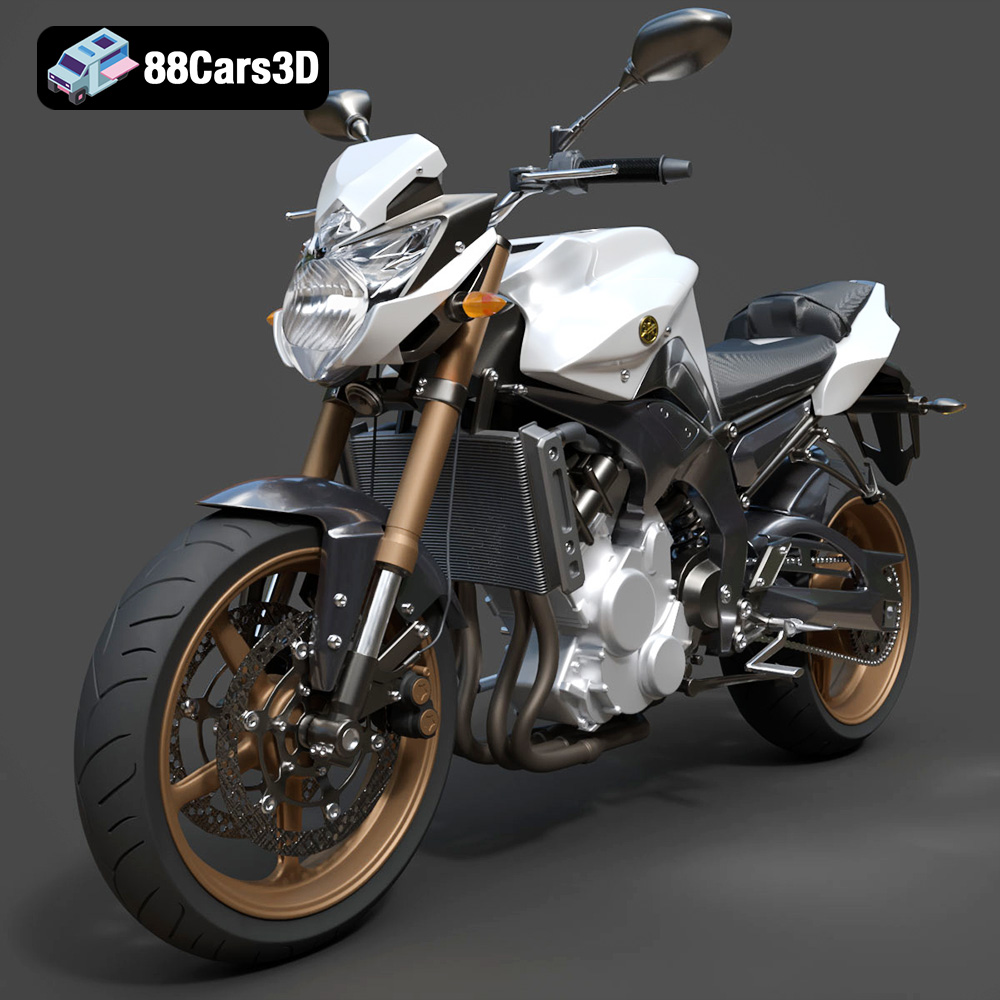
Yamaha FZ8 2011 3D Model
Texture: Yes
Material: Yes
Download the Yamaha FZ8 2011 3D Model featuring clean geometry, realistic detailing, and a fully modeled interior. Includes .blend, .fbx, .obj, .glb, .stl, .ply, .unreal, and .max formats for rendering, simulation, and game development.
Price: $19.99
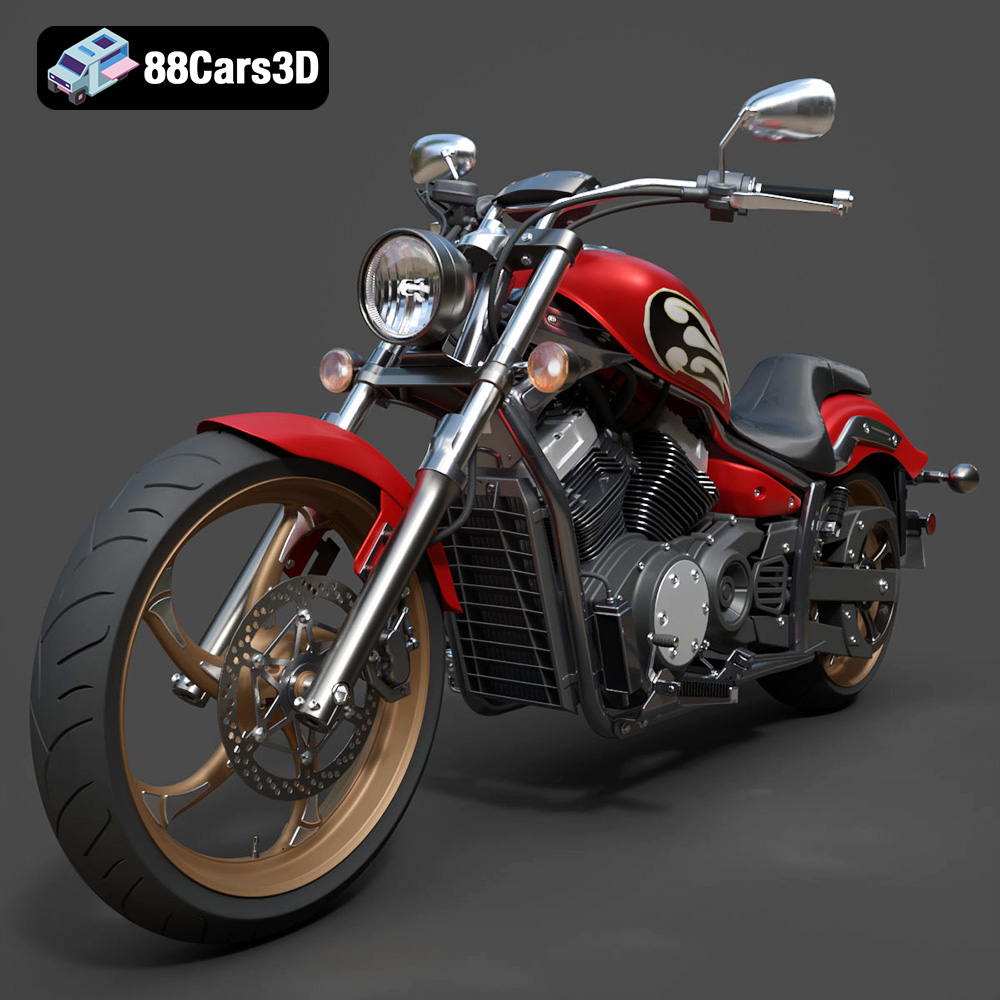
Yamaha Stryker 2012 3D Model
Texture: Yes
Material: Yes
Download the Yamaha Stryker 2012 3D Model featuring clean geometry, realistic detailing, and a fully modeled interior. Includes .blend, .fbx, .obj, .glb, .stl, .ply, .unreal, and .max formats for rendering, simulation, and game development.
Price: $19.99
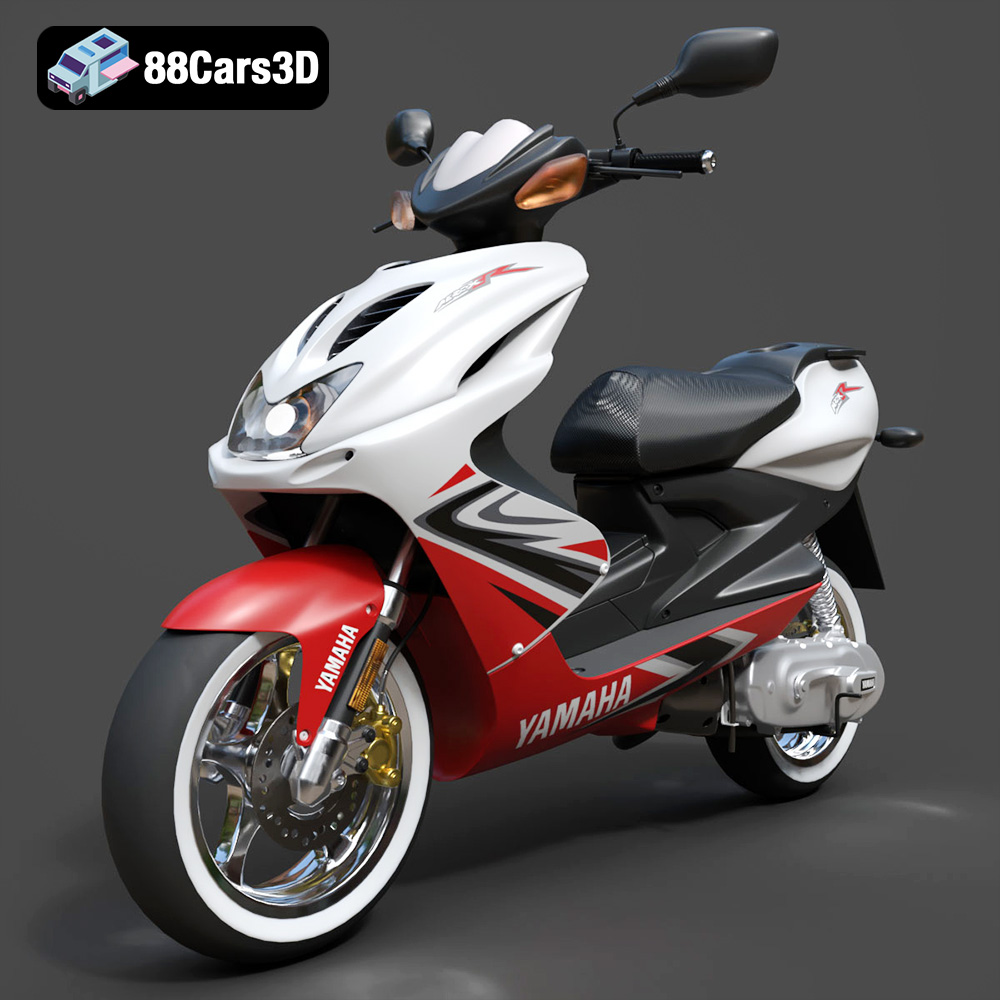
Yamaha Aerox R-002 2024 3D Model
Texture: Yes
Material: Yes
Download the Yamaha Aerox R-002 2024 3D Model featuring clean geometry, realistic detailing, and a fully modeled interior. Includes .blend, .fbx, .obj, .glb, .stl, .ply, .unreal, and .max formats for rendering, simulation, and game development.
Price: $19.99
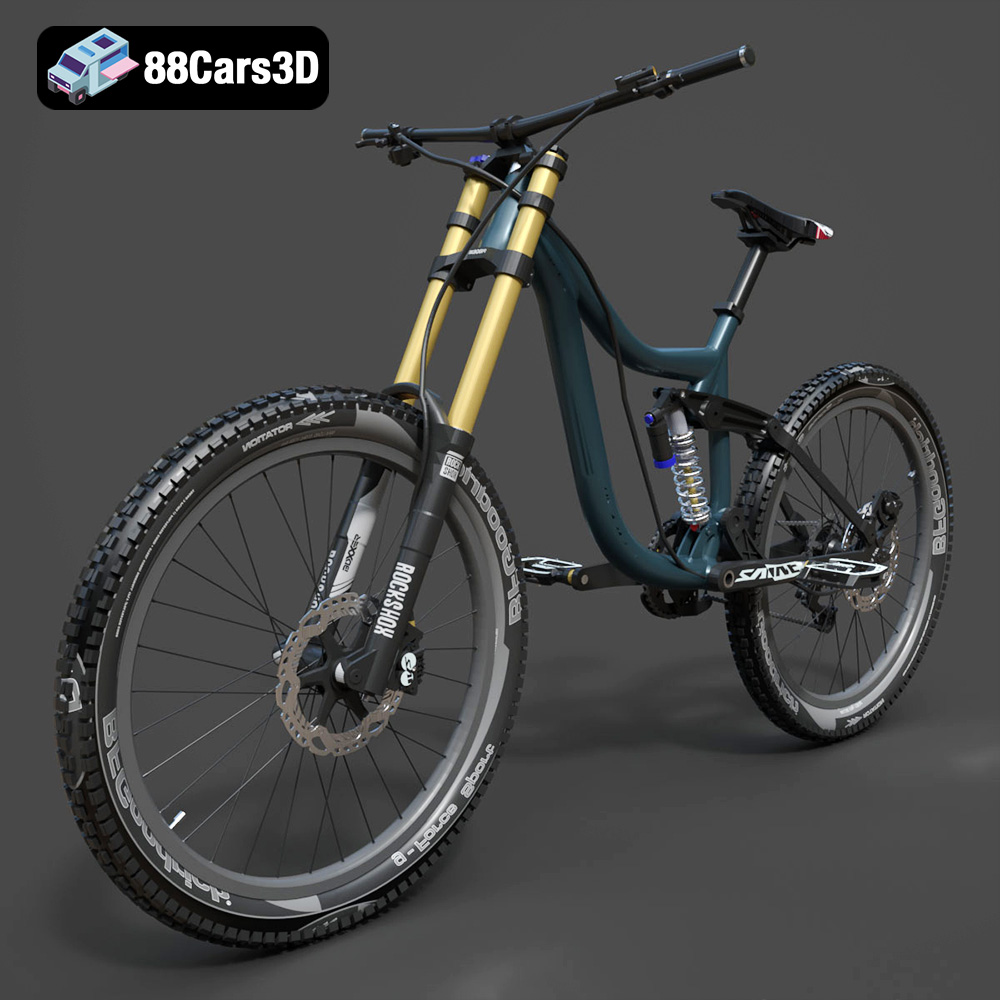
Mototsikly Downhill Bike-002 3D Model
Texture: Yes
Material: Yes
Download the Mototsikly Downhill Bike-002 3D Model featuring clean geometry, realistic detailing, and precise mechanical components. Includes .blend, .fbx, .obj, .glb, .stl, .ply, .unreal, and .max formats for rendering, simulation, and game development.
Price: $19.99
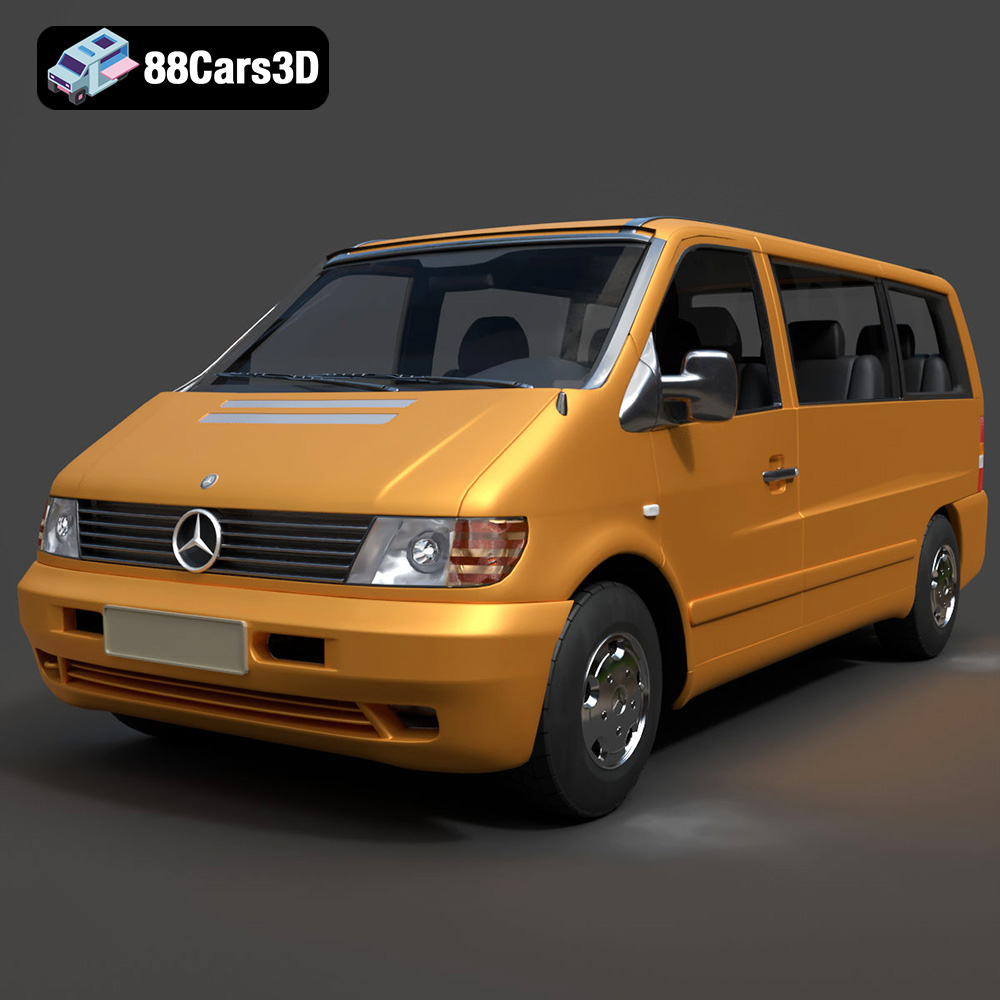
Mercedes-Benz Vito Passenger Van 3D Model
Texture: Yes
Material: Yes
Download the Mercedes-Benz Vito Passenger Van 3D Model featuring clean geometry, realistic detailing, and a fully modeled interior. Includes .blend, .fbx, .obj, .glb, .stl, .ply, .unreal, and .max formats for rendering, simulation, and game development.
Price: $19.99
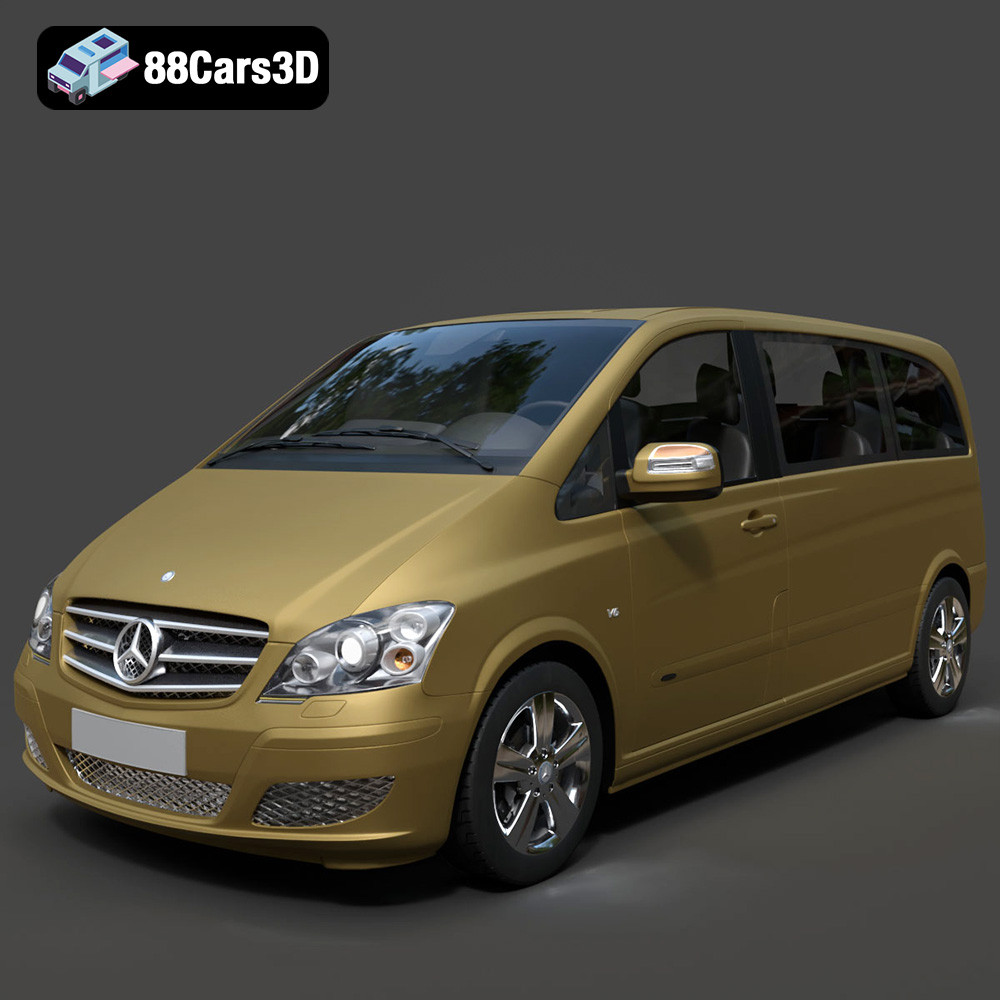
Mercedes-Benz Viano 2010 3D Model
Texture: Yes
Material: Yes
Download the Mercedes-Benz Viano 2010 3D Model featuring clean geometry, realistic detailing, and a fully modeled interior. Includes .blend, .fbx, .obj, .glb, .stl, .ply, .unreal, and .max formats for rendering, simulation, and game development.
Price: $19.99

Emt Avtobus 007 3D Model
Texture: Yes
Material: Yes
Download the Emt Avtobus 007 3D Model featuring clean geometry, realistic detailing, and a fully modeled interior. Includes .blend, .fbx, .obj, .glb, .stl, .ply, .unreal, and .max formats for rendering, simulation, and game development.
Price: $19.99
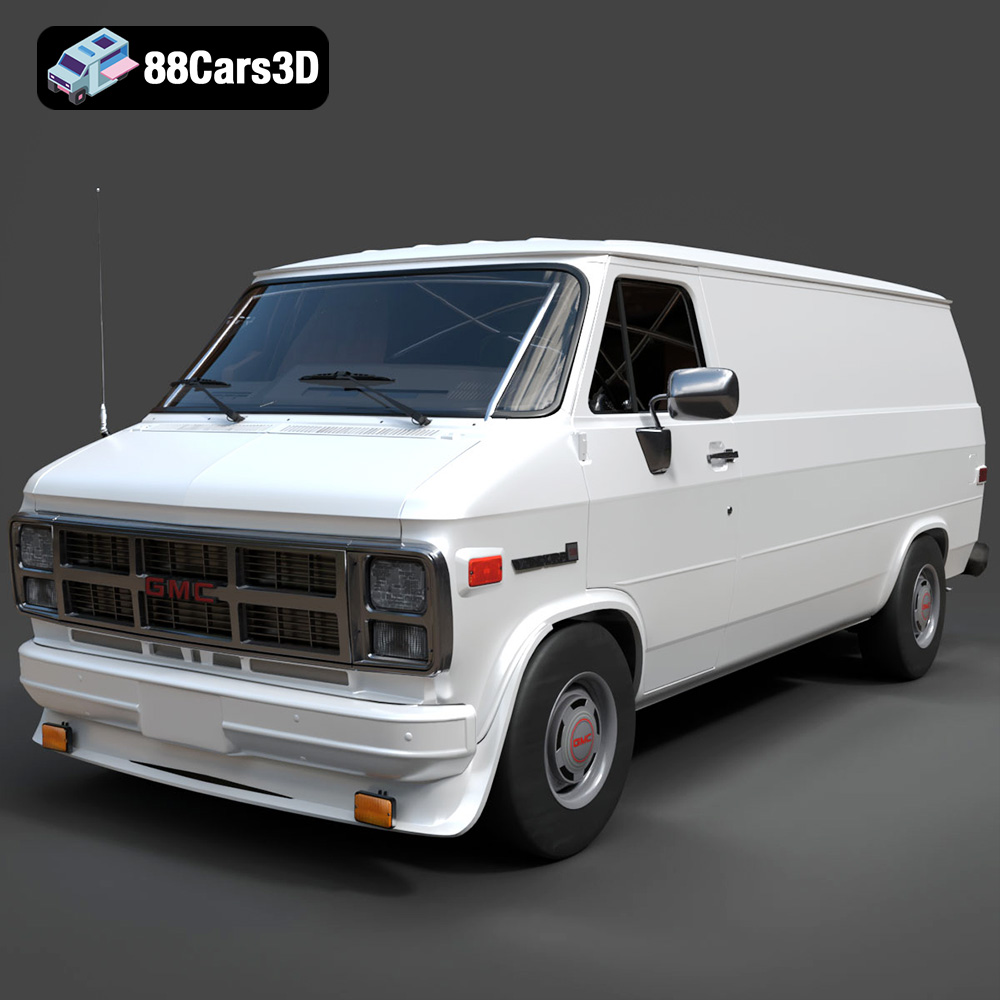
GMC Vandura G-1500 1983 3D Model
Texture: Yes
Material: Yes
Download the GMC Vandura G-1500 1983 3D Model featuring clean geometry, realistic detailing, and a fully modeled interior. Includes .blend, .fbx, .obj, .glb, .stl, .ply, .unreal, and .max formats for rendering, simulation, and game development.
Price: $19.99
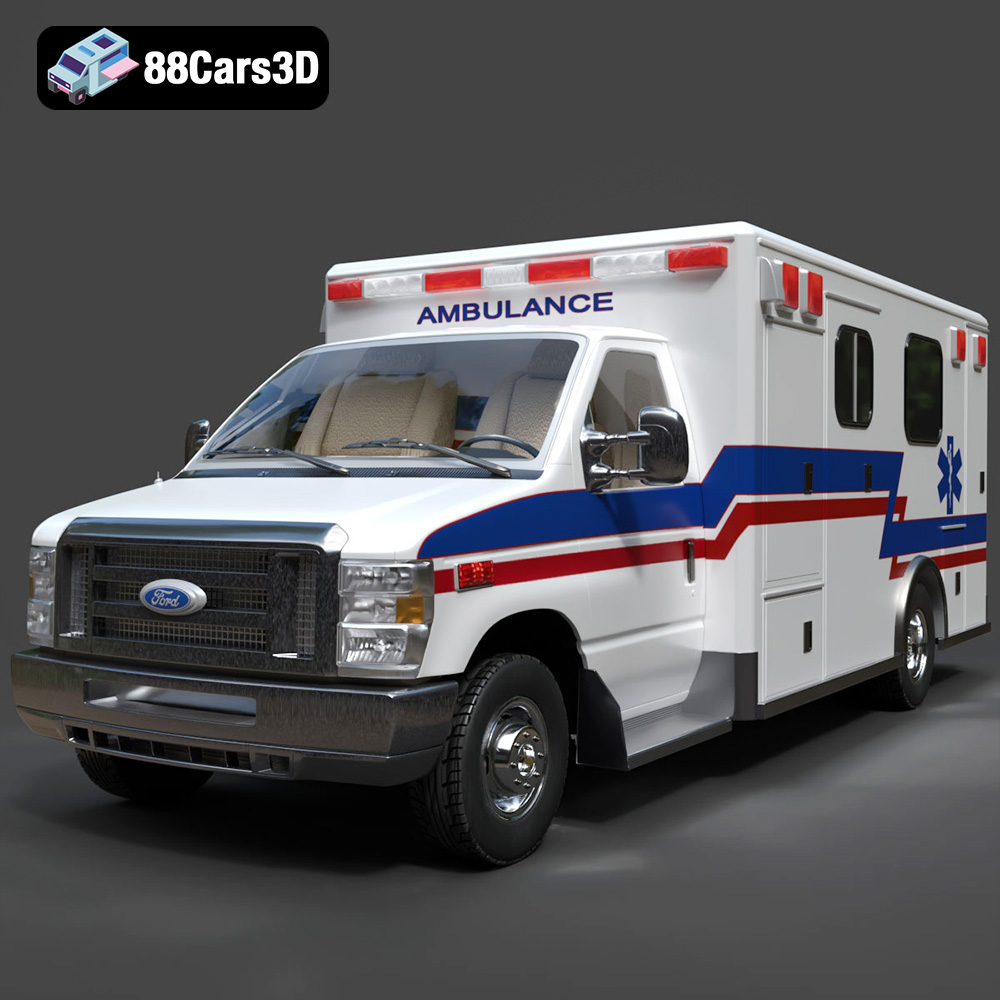
Ford E-450 Ambulance 3D Model
Texture: Yes
Material: Yes
Download the Ford E-450 Ambulance 3D Model featuring clean geometry, realistic detailing, and a fully modeled interior. Includes .blend, .fbx, .obj, .glb, .stl, .ply, .unreal, and .max formats for rendering, simulation, and game development.
Price: $19.99

Fiat Ducato SWB-001 3D Model
Texture: Yes
Material: Yes
Download the Fiat Ducato SWB-001 3D Model featuring clean geometry, realistic detailing, and a fully modeled interior. Includes .blend, .fbx, .obj, .glb, .stl, .ply, .unreal, and .max formats for rendering, simulation, and game development.
Price: $19.99
