

Creating photorealistic 3D car models is an art form that demands meticulous attention to detail, from the precise curvature of the body panels to the subtle imperfections in the paintwork. Among the most challenging yet critical elements to master are the glass and chrome materials. These reflective and refractive surfaces are central to a vehicle’s visual appeal, defining its sleekness, luxury, and interaction with its environment. Without accurate rendering of headlights, windows, mirrors, and metallic trim, even the most exquisitely modeled car can fall flat, losing its immersive quality.
For 3D artists, game developers, and automotive designers, the ability to replicate the complex interplay of light on transparent and metallic surfaces is a cornerstone of professional-grade visualization. This comprehensive guide will delve deep into the technical intricacies of crafting realistic glass and chrome materials for 3D car models across various software and rendering engines. We’ll explore the underlying principles of Physically Based Rendering (PBR), dissect specific shader settings in popular tools like Blender, 3ds Max, and game engines, and provide actionable workflows to elevate your automotive renders to cinematic quality. Whether you’re aiming for stunning marketing visuals, immersive AR/VR experiences, or optimized game assets, mastering these materials is essential for truly breathing life into your virtual automobiles. Platforms like 88cars3d.com provide a fantastic starting point with high-quality base meshes, but the final polish often comes down to your material artistry.
Understanding Physically Based Rendering (PBR) for Automotive Materials
Physically Based Rendering (PBR) is the cornerstone of modern 3D visualization, offering a more accurate and predictable way to represent how light interacts with surfaces. Unlike older rendering techniques that relied on artistic approximation, PBR simulates real-world physics to achieve consistent and realistic results under diverse lighting conditions. For automotive materials, especially glass and chrome, PBR is indispensable because these materials are inherently defined by their interaction with light—how they reflect, refract, and absorb it.
The core principles of PBR revolve around two fundamental concepts: energy conservation and Fresnel reflectance. Energy conservation dictates that a surface cannot reflect more light than it receives; what isn’t reflected is absorbed or transmitted. Fresnel reflectance describes how the amount of light reflected from a surface changes based on the viewing angle. For instance, glass appears almost perfectly transparent when viewed head-on but becomes highly reflective at grazing angles. PBR shaders incorporate these principles, making it easier for artists to create materials that look correct without constant tweaking of arbitrary values.
Key PBR Maps for Glass and Chrome
To fully leverage PBR, understanding and utilizing the correct texture maps is crucial. These maps control various properties of a material, dictating how it behaves under light:
- Albedo/Base Color Map: For non-metallic surfaces, this map defines the diffuse color. For metals, it represents the color of the reflection. For glass, it typically defines the subtle tint or color absorption.
- Metallic Map: A grayscale map indicating whether a surface is metallic (white, value of 1) or dielectric/non-metallic (black, value of 0). Chrome requires a metallic value of 1. Glass has a metallic value of 0.
- Roughness Map: This grayscale map dictates the microsurface detail, controlling how scattered or sharp reflections appear. A value of 0 (black) means perfect mirror-like reflections, while a value of 1 (white) signifies a completely diffuse, rough surface. Chrome demands very low roughness, while glass might have slight roughness for dirt or smudges.
- Normal Map: Provides fine surface detail without adding actual geometry. It fakes bumps, dents, and scratches by altering the direction of surface normals, influencing how light reflects across the surface. Essential for tiny imperfections on both glass and chrome.
- Opacity/Transmission Map: For transparent materials like glass, this map controls how much light passes through. In PBR shaders, this is often handled by a Transmission or Alpha value.
- IOR (Index of Refraction): A crucial property for transparent and translucent materials, defining how much light bends when passing through them. Glass has a typical IOR of 1.45-1.55, with specific types like automotive glass being around 1.52.
By understanding and correctly applying these PBR principles and maps, you set the foundation for highly realistic automotive materials, whether for high-fidelity rendering or optimized game assets.
Crafting Realistic Glass Materials
Achieving realistic glass in 3D is more than just setting a high transparency value. It involves accurately simulating light refraction, reflection, and absorption, all while considering the physical properties of real-world glass. Automotive glass, such as windshields, side windows, and headlights, presents unique challenges due to its curvature, thickness, and various coatings. The goal is to make the glass feel substantial and interactive with its environment, rather than just a cutout transparency.
Basic Glass Shader Setup
Most modern 3D software and render engines offer a PBR-compliant shader that can serve as the foundation for realistic glass. In Blender 4.4, the Principled BSDF shader is the go-to. Here’s a general setup:
- Base Color: For clear glass, set this to a very light gray or pure white. For tinted glass, choose a subtle, desaturated color.
- Metallic: Set to 0 (non-metallic).
- Roughness: For perfectly clean glass, set this to a very low value, close to 0 (e.g., 0.01-0.05). This gives sharp reflections. For dirtier or frosted glass, increase this value.
- Specular: Keep this at its default value (0.5 in Principled BSDF) or slightly adjust as needed.
- Transmission: This is key. Set it to 1 to allow light to pass through completely.
- IOR (Index of Refraction): The standard IOR for automotive glass is approximately 1.52. This value dictates how much light bends as it enters and exits the glass. Correct IOR is crucial for realistic distortion and lensing effects.
- Transmission Roughness: If available (like in Blender’s Principled BSDF), this parameter controls the blurriness of transmitted light, simulating frosted or etched glass. For clear car windows, keep it at 0.
In 3ds Max with Corona Renderer, you’d typically use a CoronaMtl. Set Diffuse color to black, Reflection color to white, Refraction color to white, and IOR to 1.52. Increase Refraction Glossiness for frosted effects. For V-Ray, the V-Ray Mtl would involve setting the Diffuse color to black, Reflect color to white, Refract color to white, and IOR to 1.52. Ensure “Affect Shadows” and “Affect Alpha” are enabled for proper rendering.
Advanced Glass Effects
To push realism further, consider these advanced techniques:
- Tinting and Absorption: Instead of just setting a Base Color, use the Volume Absorption shader in Blender (or equivalent in other software) connected to the material output’s volume slot. This simulates light being absorbed as it travels through the glass, giving a more natural tint that deepens with thickness. For instance, a subtle blue-green absorption color can replicate modern UV-protective coatings. In Corona, you can use the ‘Absorption’ color and distance in the CoronaMtl to achieve this.
- Imperfections: No real-world glass is perfectly clean. Incorporate roughness maps with subtle smudges, dust, or water droplets. A normal map can add micro-scratches. These maps should be subtle and often mixed with a clean roughness value using a Mix RGB node (Blender) or equivalent layered material. For realistic scratches, consider using a high-resolution 4K or 8K texture, especially for close-up renders.
- Double-Sided Geometry: For realistic refraction, car windows should have actual thickness, not just single-plane geometry. This allows light to refract as it enters and exits the surface, producing correct distortions. If using single planes, some renderers have a ‘Thin Walled’ or ‘Affect Thin Film’ option to simulate thickness.
- Headlight and Taillight Lensing/Caustics: These are highly complex. Headlights often feature intricate internal lenses and reflectors. For accurate light distribution and caustics (light patterns cast by refraction), a dedicated shader network involving transparency, emission, and even volumetric scattering for internal dust or fog might be necessary. Cycles in Blender is particularly adept at rendering realistic caustics, though they can be render-intensive. Utilizing a light path node in Blender can allow for different transparency settings for camera rays vs. shadow rays, optimizing rendering without compromising visual quality.
Optimizing Glass for Real-time and Game Engines
While offline renderers can handle complex glass, game engines require significant optimization. For game assets, polygon counts for glass elements should be kept as low as possible, typically using a few hundred triangles per window, depending on the LOD level. High-resolution texture maps (e.g., 2048×2048 or 1024×1024) can still be used for normal and roughness, but resolution might need to be scaled down for mobile or lower-end platforms.
- Simplified Shaders: Game engines like Unity and Unreal Engine often use a single transparent PBR shader. The key is to balance visual fidelity with performance. Use the Metallic, Roughness, and Normal maps as discussed.
- Transparency Sorting: One of the biggest challenges with transparent objects in real-time is correct rendering order. Objects further away should render before closer ones. Game engines handle this automatically to some extent, but complex transparent objects can still cause issues. Breaking complex glass geometries into smaller, sorted parts can help.
- Screen Space Reflections (SSR): Most game engines use SSR for real-time reflections, which are view-dependent and can have limitations. Supplementing with reflection probes or baked reflection cubemaps for global reflections can improve fidelity, especially for chrome.
- LODs (Levels of Detail): Create multiple versions of your car’s glass with decreasing complexity for different viewing distances. This can involve simpler geometry, lower texture resolutions, and even simpler shaders (e.g., removing normal maps at a distance).
Developing Authentic Chrome Materials
Chrome is the epitome of reflective surfaces on an automobile, instantly conveying a sense of luxury, precision, and polish. Its highly reflective nature means that its appearance is almost entirely dictated by its environment. Therefore, creating a convincing chrome material goes hand-in-hand with effective lighting and environment setup. The challenge lies in balancing perfect reflectivity with subtle imperfections that prevent it from looking artificially pristine.
Core Chrome Shader Principles
Using a PBR workflow, setting up a basic chrome material is straightforward, but nuanced control is where realism emerges:
- Base Color: For chrome, this should be a neutral gray, typically a value of 0.8 to 0.9 (almost white). Pure white can sometimes lead to overly bright reflections or clipping.
- Metallic: This is the defining parameter for chrome. Set it to a maximum value of 1.0 (pure white). This tells the shader to treat the material as a metal, using the Base Color for reflections and disabling diffuse light interaction.
- Roughness: Real chrome is exceptionally smooth, resulting in very sharp, clear reflections. Set the roughness value to be extremely low, often between 0.01 and 0.05. A value of 0.0 will produce a perfect mirror, which is rarely seen in the real world due to microscopic dust and wear. Even a tiny amount of roughness adds to realism.
- Specular: For metallic materials, the Specular parameter typically has no effect or is overridden by the Metallic value, depending on the specific PBR shader implementation (e.g., Blender’s Principled BSDF).
- Anisotropy: Some chrome finishes, like brushed metal, exhibit anisotropic reflections, where reflections stretch in a particular direction. For polished chrome, this is usually set to 0. For brushed metal trim, you would increase this and use an anisotropic direction map (often derived from a normal map).
In 3ds Max with Corona Renderer, you’d configure a CoronaMtl with Diffuse set to black, Reflection color to white, and Reflection Glossiness very high (e.g., 0.98-0.99). In V-Ray, a V-Ray Mtl would have Diffuse set to black, Reflect set to white, and Reflection Glossiness around 0.98-0.99. Crucially, in both renderers, the Fresnel IOR for metals is often handled automatically or linked to a complex Fresnel curve, but if given the option, setting it very high (e.g., 999 or disabling it) simulates the strong reflectivity of metals.
Adding Imperfections for Realism
Perfectly clean chrome looks artificial. Introducing subtle imperfections is vital:
- Roughness Maps for Smudges and Dust: Use grayscale textures to subtly vary the roughness. Darker areas on the map mean shinier chrome, while lighter areas introduce subtle smudges, dust, or oxidation. These maps can be layered using Mix RGB nodes in Blender’s Shader Editor or blend layers in tools like Substance Painter. For example, a fine noise texture with a very low strength can simulate subtle dust.
- Normal Maps for Micro-Scratches and Dents: Even pristine chrome has micro-scratches from wiping or handling. A subtle normal map (baked from high-poly detail or procedural) can add these details without increasing geometry. These should be very fine and barely noticeable unless viewed up close. For realistic effect, consider combining a global fine noise normal map with a more defined scratch map, blending them with a Mix RGB node set to ‘Overlay’ or ‘Add’ mode.
- Edge Wear and Dirt: For older or off-road vehicles, consider adding edge wear where chrome meets other materials, or dirt accumulation. This can be achieved by blending a dirt texture with the clean chrome using an Ambient Occlusion map or a Curvature map as a mask. This breaks up the perfect surface and adds narrative to the model.
When creating or sourcing these imperfection maps, ensure they are high-resolution (at least 2K for general trim, 4K for hero assets) and tiled seamlessly if they cover large areas. Also, be mindful of scale; car scratches are often very fine. The Normal Map node in Blender’s shader editor is essential for correctly interpreting these maps.
Environment Reflections and HDRI
Chrome’s appearance is almost entirely derived from what it reflects. Therefore, a rich and detailed environment is paramount:
- HDRI (High Dynamic Range Image): An HDRI is a 360-degree panoramic image that contains a vast range of light information, from direct sunlight to subtle shadows. Using an HDRI as your primary light source and reflection environment is the most effective way to render realistic chrome. It provides complex, natural reflections and accurate lighting that would be extremely difficult to set up with individual lights.
- Reflection Probes/Cubemaps: In game engines, real-time raytracing is performance-intensive. Instead, reflection probes (cubemaps) are strategically placed in the scene to capture the environment’s reflections. Chrome materials will sample these probes to render reflections. Place probes carefully to capture important environmental details and ensure smooth transitions between them. For optimal results, consider baking high-resolution cubemaps for static environments.
- Studio Lighting for Product Shots: For clean, professional product shots, a studio HDRI combined with targeted area lights or mesh lights (with emission shaders) can highlight the car’s contours and the chrome’s reflectivity. Rim lights are particularly effective at defining the edges of metallic trim.
Software-Specific Workflows
While the underlying PBR principles remain consistent, the implementation varies across different 3D software and rendering engines. Understanding these nuances is crucial for efficient and effective material creation.
Blender Workflow (Principled BSDF, Node Editor, Cycles/EEVEE)
Blender, particularly with its Cycles and EEVEE renderers, offers a robust and flexible node-based system for material creation. The Principled BSDF shader is the heart of PBR in Blender 4.4, combining multiple parameters into a single, user-friendly node.
Glass Material in Blender:
- Select your glass object in the 3D Viewport.
- Go to the Shader Editor (or Properties > Material tab).
- Create a new material and assign a Principled BSDF node.
- Set Base Color to a very light gray (e.g., RGB 0.9, 0.9, 0.9) for clear glass, or a subtle tint if desired.
- Set Metallic to 0.
- Set Roughness to a very low value, typically 0.01-0.05.
- Crucially, set Transmission to 1.0.
- Adjust IOR to 1.52 for automotive glass.
- For absorption, add a Volume Absorption node. Connect its Volume output to the Volume input of the Material Output node. Set the Color of the Volume Absorption to your desired tint (e.g., a dark blue-green) and adjust the Density. A density of 0.5 to 1.0 is a good starting point.
- For imperfections, add Image Texture nodes for your roughness and normal maps. Connect the roughness map to the Roughness input. For the normal map, connect it to a Normal Map node, and then connect the Normal Map node’s output to the Normal input of the Principled BSDF. Remember to set the Color Space of your roughness map to ‘Non-Color’ and the normal map to ‘Non-Color’ as well, and ensure the Normal Map node’s strength is appropriately low (e.g., 0.1-0.3) for subtle effects.
- Ensure your glass geometry has thickness for accurate refraction in Cycles. For EEVEE, enabling ‘Screen Space Refraction’ and ‘Refraction Depth’ in the Render Properties will improve visual fidelity.
Chrome Material in Blender:
- Select your chrome object.
- Create a new material and assign a Principled BSDF node.
- Set Base Color to a neutral gray (e.g., RGB 0.85, 0.85, 0.85).
- Set Metallic to 1.0.
- Set Roughness to a very low value, typically 0.01-0.03.
- For imperfections, use Image Texture nodes for roughness and normal maps. Connect them as described for glass, adjusting their strength for subtle effects. A Map Range node can be useful to fine-tune the influence of your roughness texture on the final roughness value.
- For brushed chrome, increase Anisotropic and use an Anisotropic Rotation map, often derived from a radial or linear gradient texture, connected to the Tangent input of the Principled BSDF.
3ds Max & Corona/V-Ray Workflow
3ds Max, combined with powerful renderers like Corona or V-Ray, is a staple in architectural and automotive visualization. Both renderers offer intuitive PBR material systems.
Glass Material in Corona Renderer:
- Open the Material Editor and create a CoronaMtl.
- Set Diffuse Level to 0 (black).
- Set Reflection Color to pure white (RGB 255, 255, 255).
- Set Refraction Color to pure white (RGB 255, 255, 255).
- Set IOR to 1.52.
- Keep Reflect Glossiness very high (e.g., 0.98-0.99) and Refract Glossiness at 1.0 for clear glass.
- For tint, use the Absorption Color parameter with a subtle desaturated color and adjust Absorption Distance (e.g., 10cm-50cm) to control how quickly light is absorbed.
- Apply your normal and roughness maps in the respective map slots, adjusting their strength.
Chrome Material in Corona Renderer:
- Create a CoronaMtl.
- Set Diffuse Level to 0 (black).
- Set Reflection Color to a bright gray (e.g., RGB 220, 220, 220).
- Set IOR to a very high value like 999 (this effectively makes it a purely reflective surface, similar to a metallic PBR setup).
- Set Reflect Glossiness to a very high value (e.g., 0.98-0.99) for polished chrome.
- Apply roughness and normal maps to the appropriate slots, adjusting their blend strength.
V-Ray materials follow a similar logic, often with a dedicated V-Ray Physical Material or V-Ray Mtl. The key is to manage the Diffuse, Reflect, Refract, Glossiness, and IOR parameters according to PBR guidelines.
Game Engine Integration (Unity/Unreal PBR Setups)
When preparing models for game engines, performance is paramount. The goal is to achieve visual fidelity without compromising frame rates. Models sourced from marketplaces like 88cars3d.com are usually optimized, but material setup still requires careful attention.
Unity (Standard Shader):
- Import your 3D car model with its UV mapping and texture sets.
- Create a new material and assign Unity’s built-in Standard Shader (or HDRP/URP Lit Shader for modern pipelines).
- For Glass:
- Set Rendering Mode to Fade or Transparent.
- Adjust Albedo color for tint.
- Set Metallic to 0.
- Adjust Smoothness (inverse of roughness) to a high value (e.g., 0.95-0.99) for clear glass.
- Use a custom shader or a shader graph for true refraction, as the Standard Shader only simulates basic transparency. For a simpler approach, use a slightly transparent material with a cubemap for reflections and a subtle normal map for surface imperfections.
- Ensure proper Render Queue settings for transparency sorting.
- For Chrome:
- Set Rendering Mode to Opaque.
- Set Albedo color to a bright gray.
- Set Metallic to 1.
- Adjust Smoothness to a very high value (e.g., 0.98-0.99).
- Apply your normal and metallic/roughness maps (often combined into a single “Standard” map).
- Utilize Reflection Probes throughout your scene to capture accurate reflections for chrome.
Unreal Engine (PBR Material System):
- Import your car model and textures.
- Create a new Material. Unreal’s default material is PBR compliant.
- For Glass:
- Set the Blend Mode to Translucent.
- Set Shading Model to Default Lit or Thin Translucent.
- Connect a light gray or tinted color to Base Color.
- Set Metallic to 0.
- Set Roughness to a low value (e.g., 0.01-0.05).
- Connect a value of 1.52 to the IOR (Index of Refraction) input.
- Adjust Opacity to control transparency.
- Consider using Screen Space Reflections and Refraction settings in your Post Process Volume for global effects.
- For performance, use LODs and potentially simpler glass shaders for distant objects.
- For Chrome:
- Keep Blend Mode as Opaque.
- Connect a bright gray to Base Color.
- Connect a value of 1 to Metallic.
- Connect a low value (e.g., 0.01-0.03) to Roughness.
- Apply your normal maps.
- Leverage Reflection Captures and Screen Space Reflections for compelling reflections.
In both game engines, careful calibration of texture resolutions, judicious use of LODs, and an understanding of material instances (to easily create variations) are key to robust automotive game asset development.
Lighting, Environment, and Post-Processing for Automotive Renders
The realism of your glass and chrome materials is profoundly influenced by the lighting and environment in which your 3D car model is placed. These materials are inherently reflective and refractive, meaning they respond dynamically to light sources and their surroundings. Without a thoughtfully constructed lighting setup and a rich environment, even perfectly configured shaders will appear flat and unconvincing. Post-processing then adds the final layer of polish, enhancing the visual impact to match professional photography.
The Role of HDRI and Studio Lighting
For automotive rendering, the environment is not merely a backdrop; it’s an active participant in defining the look of your vehicle. Every reflection, every gleam on the chrome, every subtle distortion through the glass, comes from the light and shapes present in the scene.
- HDRI (High Dynamic Range Image): The Ultimate Environment Source
HDRI maps are arguably the most critical element for realistic automotive rendering. They are 360-degree panoramic images that capture a wide range of light intensities, from the brightest sun to the darkest shadows. When used as an environment map:
- Natural Reflections: HDRI provides complex, real-world reflections that mimic how a car would look in a specific location (e.g., a sunny car park, a studio, a cloudy street). This is especially vital for chrome, which acts like a mirror, reflecting its surroundings.
- Accurate Lighting: The light information from the HDRI illuminates your scene realistically, casting soft shadows and natural color bounces. This ensures your glass appears correctly translucent and your chrome gleams with plausible highlights.
- Ease of Setup: Instead of manually placing dozens of individual lights, a single HDRI can provide a complete and convincing lighting solution.
- Variety: A vast library of commercial and free HDRI maps is available, allowing you to quickly change the mood and setting of your render. For product showcases, studio HDRI with softboxes and diffusers are excellent. For dynamic outdoor shots, choose HDRIs with clear sky and ground information.
In Blender, you connect an Environment Texture node (set to ‘Panorama’ or ‘Equirectangular’) to the Background node, which then connects to the World Output. For detailed instructions, refer to the Blender 4.4 manual on World Environment.
- Studio Lighting for Precision:
While HDRI provides the overall ambiance, targeted studio lighting allows for precise control over highlights and shadows, accentuating the car’s form. This is often used in combination with an HDRI set to a lower intensity or used only for reflections. Key techniques include:
- Area Lights: Large, soft area lights mimic studio softboxes, creating elegant reflections on chrome and smooth transitions on glass. Placing them strategically to highlight body lines is key.
- Rim Lights: Positioned behind and to the side of the car, rim lights create striking highlights on the edges of chrome trim and the contours of the body, separating the car from the background.
- Fill Lights: Used to soften harsh shadows or bring out detail in darker areas, ensuring no part of the car is lost in darkness.
- Mesh Lights: Creating emission shaders on simple mesh planes can offer more organic and customizable light sources, perfect for complex studio setups.
The interplay of these lights with your reflective and refractive materials will dramatically impact the perceived realism.
Enhancing with Post-Processing and Compositing
Post-processing is the final crucial step, where you fine-tune the raw render to achieve a polished, professional look. This often involves compositing various render passes and applying stylistic effects.
- Bloom/Glare: This effect simulates the scattering of light around bright areas, adding a subtle glow to strong reflections on chrome and highlights on glass. It can make headlights appear more luminous. Be careful not to overdo it, as excessive bloom can wash out details.
- Chromatic Aberration: A subtle amount of chromatic aberration (color fringing at high-contrast edges) can mimic real-world camera lens imperfections, adding a touch of realism to glass elements. Again, use sparingly.
- Vignette: A slight darkening around the edges of the image can help direct the viewer’s eye towards the central subject—your car.
- Color Grading: Adjusting the overall color balance, contrast, and saturation of your image. This is where you establish the mood and artistic tone of your render, making it pop.
- Sharpening: A subtle sharpen filter can enhance fine details on both materials, especially useful if your render has slight blur from anti-aliasing or depth of field.
- Noise/Grain: Adding a very fine layer of photographic grain can help integrate the 3D render into a photographic aesthetic and mask any subtle rendering artifacts.
- Render Passes/AOV (Arbitrary Output Variables): For advanced compositing, render out separate passes like reflections, refractions, direct lighting, indirect lighting, ambient occlusion, and material IDs. This allows for non-destructive adjustments in compositing software (like Blender’s Compositor or Adobe Photoshop/After Effects), giving you unparalleled control over the final look of your glass and chrome without re-rendering the entire scene. For example, you can adjust the intensity of reflections on chrome independently from the main render.
By carefully orchestrating your lighting, environment, and post-processing, you transform a technically correct render into a visually captivating automotive masterpiece. The realism of glass and chrome is ultimately a product of how effectively they interact with their simulated world.
Common Challenges and Troubleshooting
Even with a solid understanding of PBR and software specifics, creating truly realistic glass and chrome can present a unique set of challenges. Troubleshooting these issues is a valuable skill that differentiates a good artist from a great one.
Noise in Renders
Transparent and highly reflective materials like glass and chrome are notorious for generating noise, especially in path-tracing renderers like Cycles or V-Ray. This “grainy” appearance is due to insufficient light samples, as rays bounce many times off and through these complex surfaces.
- Increasing Samples: The most direct solution is to increase your render samples. Higher samples mean more rays are traced, leading to cleaner images. However, this dramatically increases render time. For Cycles in Blender, you can find sampling settings under the Render Properties tab. Start with a moderate number like 256-512 for previews and go higher (1000-4000+) for final renders.
- Denoisers: Modern renderers come with powerful denoisers (e.g., Cycles’ built-in denoiser, NVIDIA OptiX, Intel Open Image Denoise). These tools use machine learning to intelligently remove noise from a rendered image with minimal detail loss. It’s often more efficient to render with fewer samples and use a denoiser than to render with extremely high sample counts. However, be aware that denoisers can sometimes smooth out fine details or introduce artifacts, especially on very sharp reflections.
- Light Path Settings: In Cycles and V-Ray, control over light path bounces is critical. For glass, ensure sufficient Transmission and Glossy bounces are allowed. If these values are too low, light might not pass through or reflect enough times, resulting in dark, noisy, or unrealistic surfaces. Experiment with values around 8-12 for both.
- Clamping: Some bright spots (fireflies) can be caused by extremely bright samples. Direct Light and Indirect Light clamping in render settings can help mitigate these, though it can also slightly reduce dynamic range.
Artifacts and Glitches
Unwanted visual discrepancies, or artifacts, can plague complex materials. These often stem from geometry, UV mapping, or texture issues.
- UV Overlaps: If your UV mapping has overlapping islands, texture maps (especially normal, roughness, or dirt maps) can appear distorted or incorrect. Ensure your UVs are properly unwrapped and packed, particularly for unique details on car bodies and chrome trim. A well-organized UV layout is critical for clean textures.
- Normal Map Issues:
- Incorrect Tangent Space: Ensure your normal maps are generated and interpreted in the correct tangent space (e.g., OpenGL vs. DirectX). Mismatches can invert normal map details or cause shading errors.
- Color Space: Normal maps should always be set to ‘Non-Color’ data in your material setup (e.g., in Blender, uncheck ‘sRGB’ for the image texture node). If interpreted as color data, they will distort the lighting.
- Strength: An overly strong normal map can make surfaces look plastic or lumpy. Reduce the strength to a subtle level, especially for micro-scratches on chrome or smudges on glass.
- Z-Fighting/Transparency Sorting (Game Engines): When two transparent surfaces occupy the same or very similar space, the engine struggles to determine which one should be rendered first, leading to flickering or incorrect transparency. This is common with double-sided glass.
- Offset Geometry: Slightly offset the inner and outer surfaces of your glass.
- Alpha Clipping/Dithering: For some effects, consider using alpha clipping or dithering for transparency, which avoids complex sorting but might not be suitable for clear glass.
- Render Order: Manually adjust the render queue or transparency sort priority for overlapping objects if possible within the engine.
Performance Bottlenecks
High-quality glass and chrome are computationally expensive, especially in real-time applications or for large scenes with many reflective surfaces.
- High Polygon Counts: While automotive models are often high-poly, excessively dense meshes for minor details or for objects far from the camera are wasteful. Implement a robust LOD (Level of Detail) system, reducing polygon counts by 50-75% for each successive LOD level.
- Heavy Textures: Large texture resolutions (e.g., 8K or 16K) consume significant memory. Use appropriate resolutions for each asset, and consider texture atlasing to combine multiple smaller textures into one larger sheet, reducing draw calls in game engines. Optimize texture formats (e.g., PNG for alpha, JPG for color, TGA for game engines) and compression.
- Complex Shaders: Intricate node networks can slow down rendering. Simplify shaders where possible, especially for distant objects. For game engines, ensure your material graphs are optimized, avoiding redundant calculations. Baking complex procedural details into texture maps can also save computation during render time.
- Too Many Light Sources: Each light source adds to calculation time. Use HDRIs for global illumination and reflections, and only add specific direct or area lights sparingly to enhance features. In game engines, manage dynamic lights vs. baked lights effectively.
- Ray Tracing Performance: For highly accurate reflections and refractions, ray tracing is often used. While providing superior quality, it’s very demanding. Modern GPUs with RT cores accelerate this, but optimize settings by reducing ray bounces for less important elements or lower-quality reflections/refractions at a distance.
By systematically addressing these common challenges, you can refine your 3D car models, ensuring that your realistic glass and chrome materials not only look stunning but also perform efficiently across different applications and platforms.
File Format Conversions and Compatibility
The journey of a 3D car model, complete with its meticulously crafted glass and chrome materials, often involves transitions between different software packages and platforms. Ensuring seamless file format conversions and maintaining material compatibility is a critical step in any professional workflow, especially when sharing or selling models on marketplaces like 88cars3d.com. Discrepancies in how materials are interpreted can lead to significant rework if not handled correctly.
Exporting from DCC Tools (Blender, 3ds Max, Maya)
Digital Content Creation (DCC) tools are where your models and initial material setups are created. The goal is to export your work in a format that preserves as much material information as possible.
- FBX (Filmbox): FBX is the industry-standard interchange format due to its robust support for geometry, animations, and basic material properties.
- Material Export: When exporting to FBX from Blender, 3ds Max, or Maya, ensure that your materials are set to a standard PBR workflow (e.g., Principled BSDF in Blender). FBX will typically export the Base Color, Metallic, Roughness (or Glossiness), Normal, and sometimes Opacity maps. More complex node setups or renderer-specific shaders (like CoronaMtl or V-Ray Mtl) will often be baked down or converted to a generic PBR material during export, which might not be entirely accurate.
- Embedding Media: Always choose to embed media (textures) if the option is available. This bundles all necessary texture files within the FBX, preventing missing texture links upon import. However, be mindful that this can significantly increase file size.
- Smoothing Groups/Normals: Verify that smoothing groups (or custom split normals in Blender) are correctly exported. Incorrect normals can lead to faceted-looking surfaces, particularly noticeable on the smooth curves of car bodies and chrome.
- OBJ (Wavefront Object): While widely supported, OBJ is a simpler format compared to FBX. It primarily handles geometry and UVs, and its material definition (MTL file) is very basic, lacking PBR parameters.
- Limited Material Data: OBJ only supports diffuse color, basic specular, and opacity. You will almost certainly lose your PBR metallic, roughness, and normal map information.
- Best Use Case: OBJ is best for exporting geometry that will be re-textured or if you only need the mesh for 3D printing. For full PBR materials, you’ll need to manually re-link or recreate them in the target software.
- GLB/glTF (GL Transmission Format): This open-standard format is becoming increasingly popular, especially for web-based 3D, AR/VR, and game development due to its efficiency and PBR support.
- Excellent PBR Support: glTF 2.0 natively supports PBR Metallic-Roughness workflows. It’s an excellent choice for preserving your realistic glass and chrome materials.
- Embedded Textures: GLB is a single file format that embeds all textures, making it very convenient for distribution.
- Optimization: glTF is designed for efficient transmission, making it suitable for online 3D car model viewers or lightweight AR/VR experiences.
Blender 4.4 has excellent built-in glTF export capabilities. See the Blender manual for glTF 2.0 import/export for detailed settings.
- USDZ (Universal Scene Description Zip): Apple’s format for AR applications.
- AR/iOS Specific: USDZ is optimized for augmented reality on Apple devices.
- PBR Compatibility: It supports PBR materials, similar to glTF. When exporting for USDZ, ensure your materials conform to PBR Metallic-Roughness standards for best results. Many DCC tools offer direct or add-on-based USDZ export.
Importing into Game Engines and Other Software
When importing your 3D car models, always verify the material assignment and parameters:
- Texture Linking: After import, always check that all your textures (Albedo, Metallic, Roughness, Normal, etc.) are correctly linked to the new material. Some formats might require manual re-linking.
- Shader Conversion: Understand that a material in one renderer (e.g., Corona) will almost never translate perfectly to another (e.g., Cycles or Unity). The underlying shading model might be the same (PBR), but the specific parameters, blend modes, and node setups will differ. Expect to do some manual adjustment.
- Color Space: Re-check the color space settings for your textures upon import. Normal maps and roughness maps should typically be ‘Non-Color’ or ‘Linear’, while diffuse/albedo maps are ‘sRGB’. Incorrect color space can lead to flat normal maps or washed-out colors.
- Flip Normal Y/Green Channel: Sometimes, normal maps appear inverted due to differing conventions (OpenGL vs. DirectX). If bumps look like dents, you may need to invert the Green (Y) channel of your normal map, either in an image editor or through a setting in your 3D software/game engine.
- Material Instances: In game engines, create material instances from your master PBR materials. This allows you to easily create variations (e.g., different paint colors, chrome variations) without duplicating the entire shader, improving performance and workflow.
When sourcing 3D models from marketplaces like 88cars3d.com, always check the included file formats and their material setups. Often, these models come with optimized PBR textures ready for various platforms, simplifying your workflow significantly.
AR/VR Optimization Techniques
Bringing highly realistic 3D car models with their stunning glass and chrome materials into Augmented Reality (AR) and Virtual Reality (VR) environments presents a unique set of optimization challenges. The demand for real-time performance at high frame rates (typically 60-90 FPS per eye for VR) often conflicts with the visual complexity required for automotive realism. Therefore, strategic optimization is not just good practice, it’s essential for a smooth and immersive experience.
Reducing Polygon Count (LODs)
High polygon counts are the primary performance killer in AR/VR. Automotive models, especially those from 88cars3d.com, often have high detail, which needs careful management.
- Aggressive LOD Strategy: Implement a multi-level Level of Detail (LOD) system. This means creating several simplified versions of your car model, each with progressively lower polygon counts.
- LOD0 (Highest Detail): Used when the car is very close to the camera. This can have up to 100,000-300,000 triangles or more, with full resolution textures.
- LOD1 (Medium Detail): Used at a moderate distance. Aim for 50% fewer polygons than LOD0 (e.g., 50,000-150,000 triangles). Textures might be slightly lower resolution.
- LOD2 (Low Detail): For further distances. Reduce polygons by another 50% (e.g., 25,000-75,000 triangles). Texture resolutions are significantly reduced.
- LOD3+ (Very Low Detail/Imposters): For cars very far away, or in very large scenes, you might use incredibly simplified geometry (e.g., 5,000-20,000 triangles) or even 2D imposters (billboards with baked textures) to represent the vehicle.
Transitioning smoothly between these LODs is crucial to avoid popping artifacts. Modern game engines provide tools for automatic LOD generation and smooth transitions, but manual optimization often yields better results for hero assets like cars.
- Optimized Topology: Even at LOD0, ensure your base mesh has clean topology and efficient edge flow. Remove unnecessary edge loops or faces that don’t contribute to the silhouette or shading.
Texture Optimization for Performance
Textures are another significant contributor to memory usage and performance bottlenecks.
- Texture Resolution Management: Use the lowest possible texture resolution that still maintains visual fidelity at a given distance. While 4K textures are standard for hero assets in high-end renders, AR/VR might require 2K or even 1K for many parts, especially for mobile AR.
- Texture Atlasing: Combine multiple smaller textures (e.g., for various chrome pieces, badges, small glass elements) into a single, larger texture atlas. This reduces the number of draw calls, which is a major performance boost in real-time rendering.
- Texture Compression: Utilize appropriate texture compression formats (e.g., BC7, ASTC, ETC2) for your target platform. These formats reduce memory footprint without sacrificing too much visual quality.
- PBR Texture Packing: Many game engines allow packing multiple grayscale PBR maps (Metallic, Roughness, Ambient Occlusion) into different color channels of a single texture. For example, Metallic in Red, Roughness in Green, AO in Blue. This saves texture samples and memory.
Optimizing Reflective and Refractive Materials
Glass and chrome are visually demanding. Smart approximations are often necessary for AR/VR.
- Screen Space Reflections (SSR): Most AR/VR engines rely heavily on SSR for real-time reflections. While efficient, SSR has limitations (e.g., only reflects what’s visible on screen, artifacts at screen edges). Supplement with:
- Reflection Probes/Cubemaps: Strategically place static reflection probes around the car model to provide accurate reflections of the environment, especially for chrome and glass. Bake these cubemaps for static environments. For dynamic elements, use real-time reflection probes sparingly due to performance cost.
- Planar Reflections: For specific large, flat reflective surfaces (like the ground under the car), planar reflections can provide high-quality reflections at a higher cost. Use judiciously.
- Refraction Approximation: True physically accurate refraction for glass can be very expensive.
- Screen Space Refraction: Similar to SSR, this uses screen space information to distort objects seen through transparent surfaces. It’s an efficient approximation.
- Faked Refraction: For less critical glass elements or lower-end devices, simply tinting the transparent material and applying a subtle normal map for surface distortion can be enough to suggest refraction without the computational cost.
- Fresnel Effect: Ensure a strong Fresnel effect for glass. This makes the glass more reflective at glancing angles, which is a key visual cue for realism and helps it stand out.
- Material Complexity: Keep shader graphs as simple as possible. Avoid excessive mathematical operations or complex procedural textures that need to be evaluated in real-time. Bake complex effects into textures where feasible.
Lighting and Shadow Optimization
Efficient lighting and shadowing are crucial for performance in AR/VR.
- Baked Lighting: For static environments, pre-baking global illumination and shadows can drastically improve performance compared to real-time solutions.
- Shadow Maps: Use cascaded shadow maps for directional lights. Optimize shadow map resolution and distance. For chrome and glass, clear, realistic shadows are essential for grounding the object in the scene.
- Light Probes: Use light probes to capture and apply indirect lighting to dynamic objects, ensuring they blend seamlessly with baked lighting.
By implementing these AR/VR optimization techniques, your realistic 3D car models, with their complex glass and chrome, can deliver an immersive and performant experience across a wider range of devices. Balancing visual fidelity with performance is an ongoing artistic and technical challenge, but a well-optimized asset will always stand out, whether you acquire it from 88cars3d.com or create it from scratch.
Conclusion
Mastering realistic glass and chrome materials is a pinnacle achievement in automotive 3D visualization. As we’ve explored, it’s a discipline that goes far beyond simply applying a shiny texture. It demands a deep understanding of Physically Based Rendering principles, meticulous attention to shader parameters, and a keen eye for how light interacts with surfaces in the real world. From the subtle refractions and absorption of automotive glass to the mirror-like reflections and delicate imperfections of polished chrome, every detail contributes to the immersive quality of your 3D car models.
We’ve delved into the fundamental PBR maps, such as metallic, roughness, and normal maps, highlighting their critical roles in defining surface properties. We then walked through practical workflows in industry-standard software like Blender 4.4, 3ds Max with Corona/V-Ray, and real-time environments like Unity and Unreal Engine, offering specific settings and techniques to achieve stunning results. Remember that the environment, particularly through the use of HDRIs and strategic lighting, plays an equally vital role in bringing these materials to life. Finally, we touched upon post-processing and crucial AR/VR optimization strategies, emphasizing the importance of balancing visual fidelity with performance for interactive experiences.
The journey to photorealism is iterative, involving continuous experimentation and refinement. Don’t be afraid to study real-world references, dissect professional renders, and push the boundaries of your chosen tools. Whether you’re a seasoned professional or an aspiring artist, applying these advanced material creation techniques will significantly elevate the quality of your automotive renders and game assets. For those looking to jumpstart their projects with expertly crafted base models, platforms like 88cars3d.com offer a treasure trove of high-quality 3D car models, providing an excellent foundation upon which to apply these detailed material workflows. Invest the time, embrace the technical challenges, and watch your 3D cars gleam with unparalleled realism.
Featured 3D Car Models
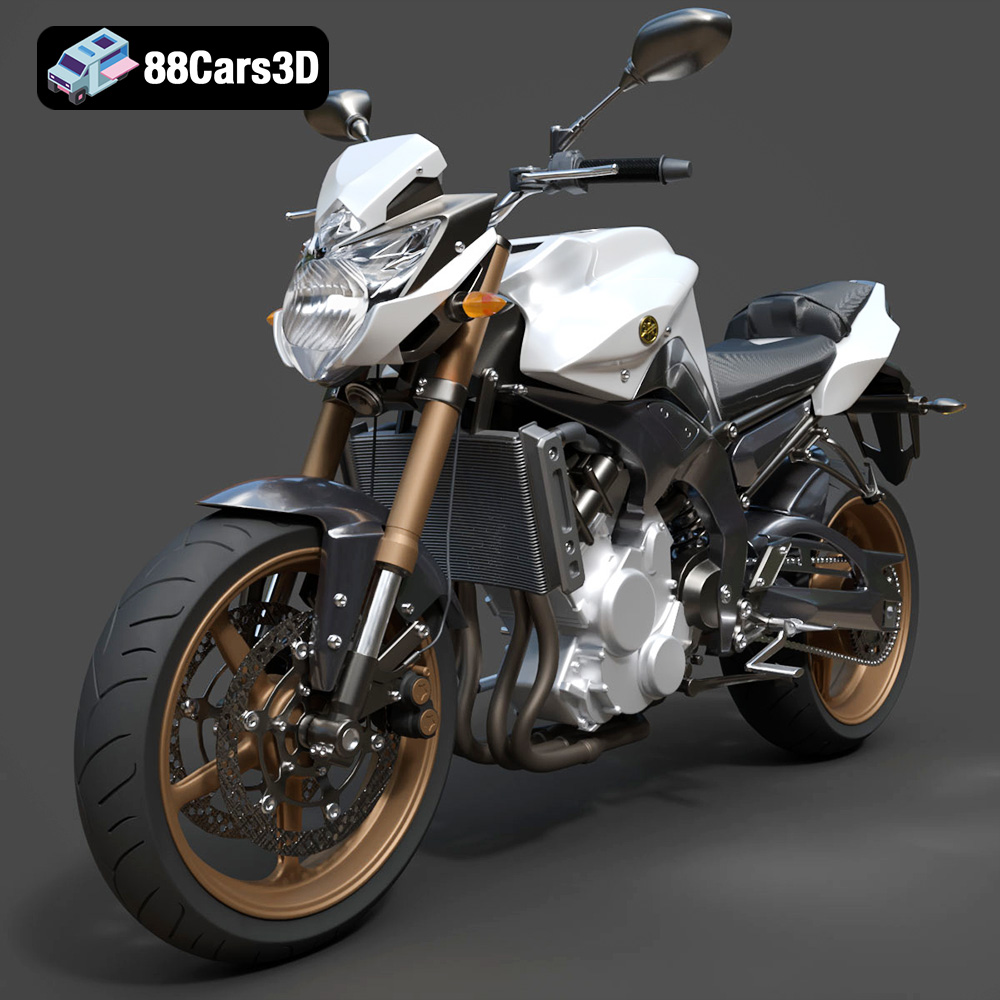
Yamaha FZ8 2011 3D Model
Texture: Yes
Material: Yes
Download the Yamaha FZ8 2011 3D Model featuring clean geometry, realistic detailing, and a fully modeled interior. Includes .blend, .fbx, .obj, .glb, .stl, .ply, .unreal, and .max formats for rendering, simulation, and game development.
Price: $19.99
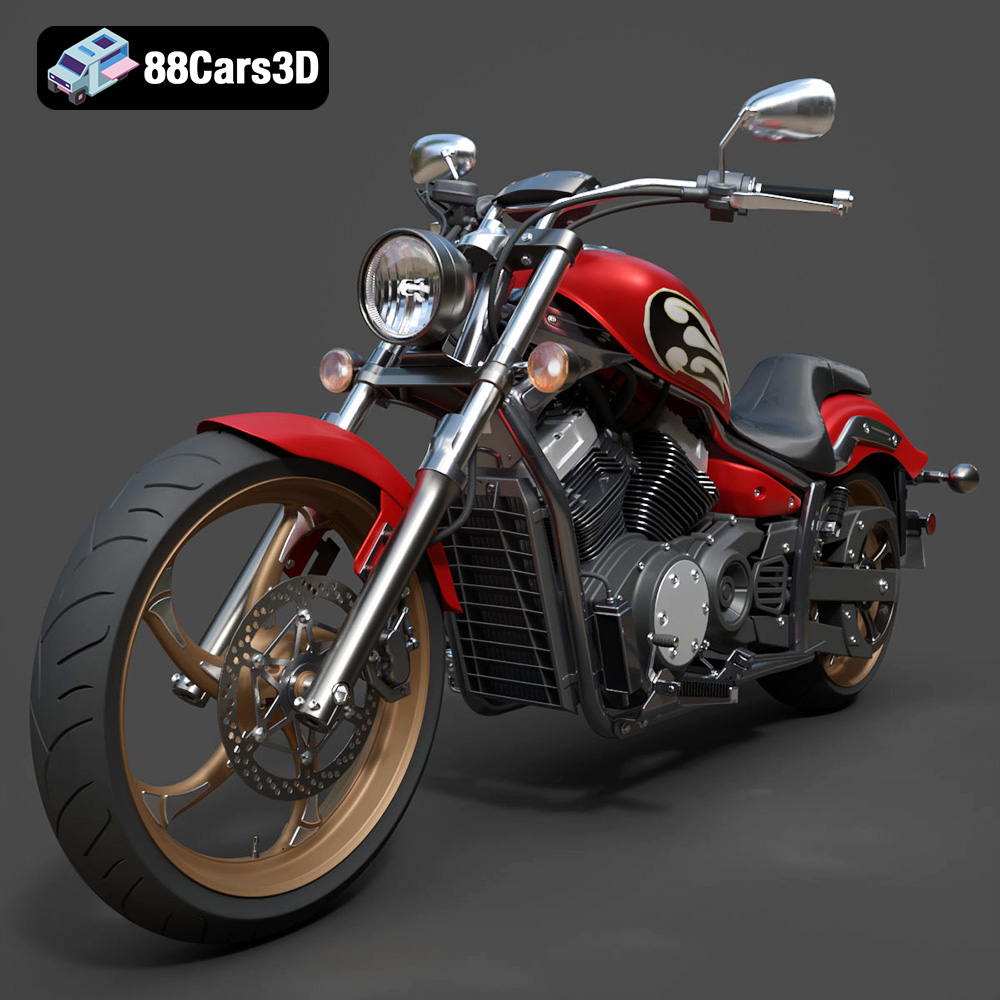
Yamaha Stryker 2012 3D Model
Texture: Yes
Material: Yes
Download the Yamaha Stryker 2012 3D Model featuring clean geometry, realistic detailing, and a fully modeled interior. Includes .blend, .fbx, .obj, .glb, .stl, .ply, .unreal, and .max formats for rendering, simulation, and game development.
Price: $19.99
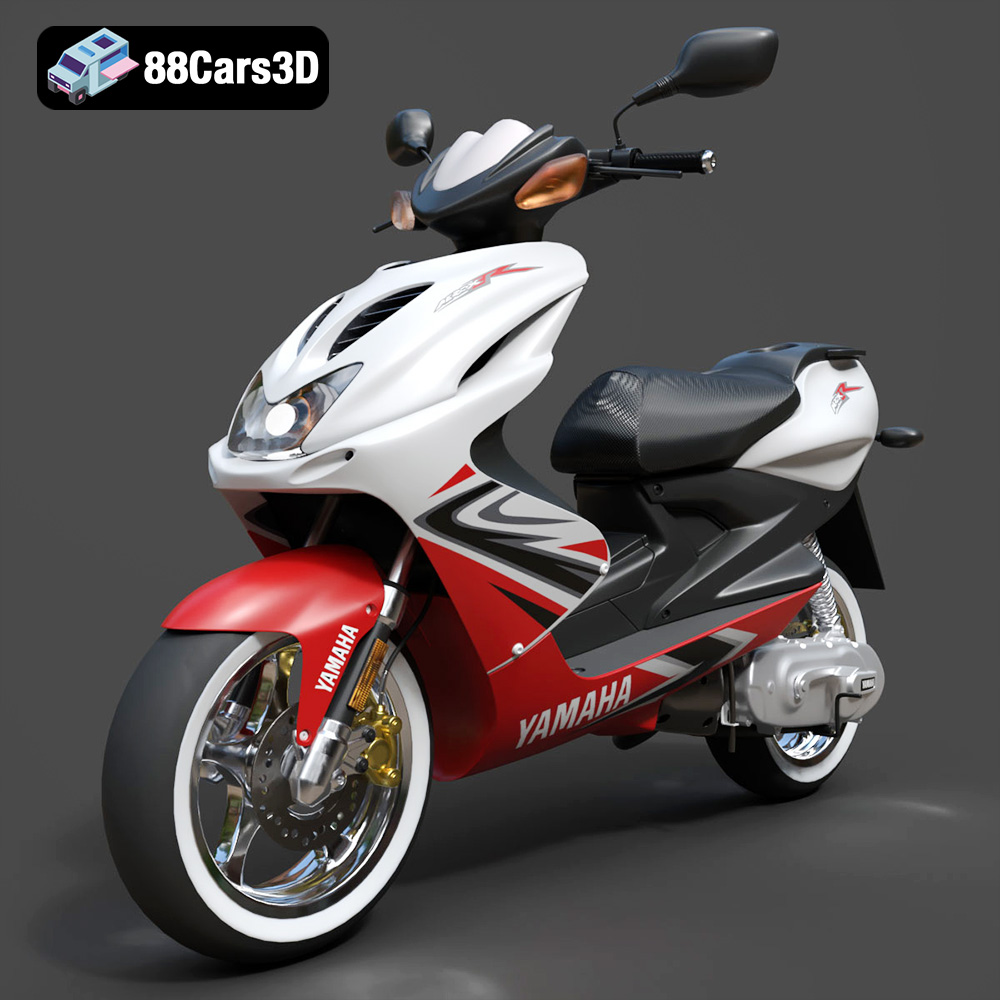
Yamaha Aerox R-002 2024 3D Model
Texture: Yes
Material: Yes
Download the Yamaha Aerox R-002 2024 3D Model featuring clean geometry, realistic detailing, and a fully modeled interior. Includes .blend, .fbx, .obj, .glb, .stl, .ply, .unreal, and .max formats for rendering, simulation, and game development.
Price: $19.99
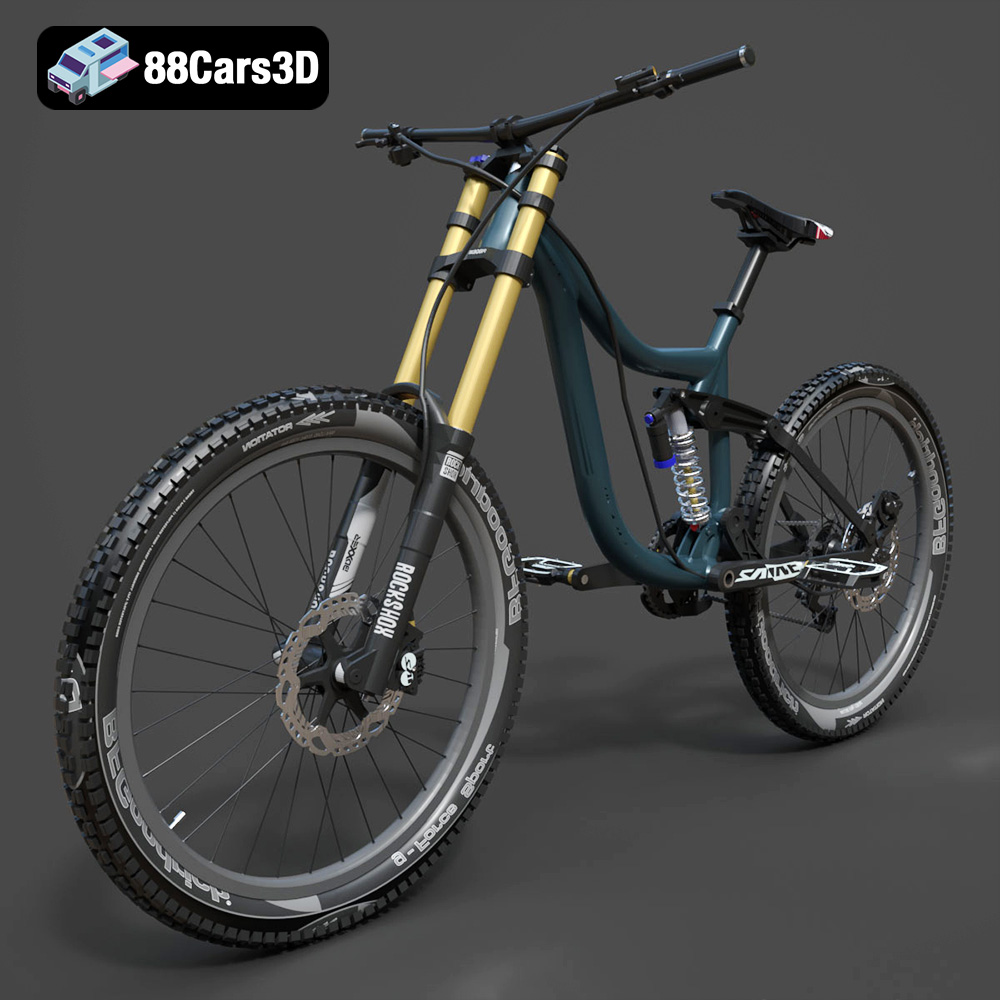
Mototsikly Downhill Bike-002 3D Model
Texture: Yes
Material: Yes
Download the Mototsikly Downhill Bike-002 3D Model featuring clean geometry, realistic detailing, and precise mechanical components. Includes .blend, .fbx, .obj, .glb, .stl, .ply, .unreal, and .max formats for rendering, simulation, and game development.
Price: $19.99
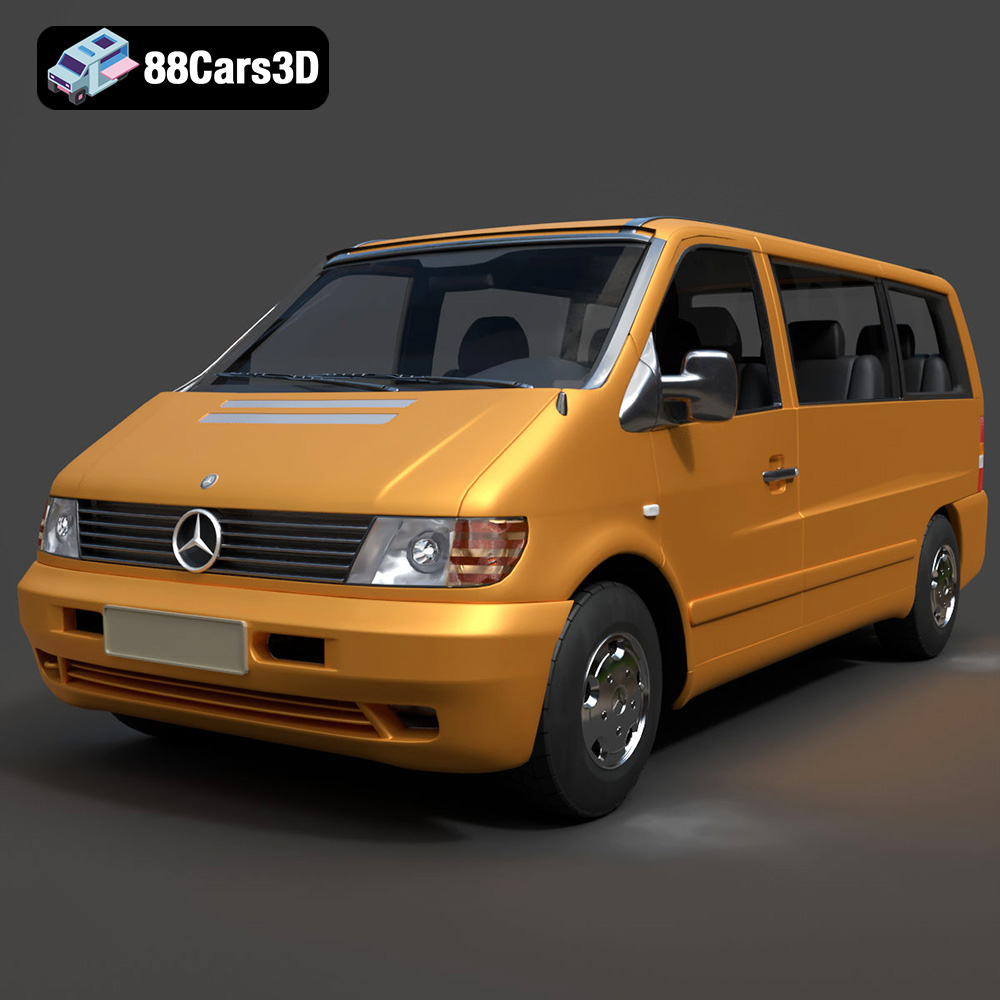
Mercedes-Benz Vito Passenger Van 3D Model
Texture: Yes
Material: Yes
Download the Mercedes-Benz Vito Passenger Van 3D Model featuring clean geometry, realistic detailing, and a fully modeled interior. Includes .blend, .fbx, .obj, .glb, .stl, .ply, .unreal, and .max formats for rendering, simulation, and game development.
Price: $19.99
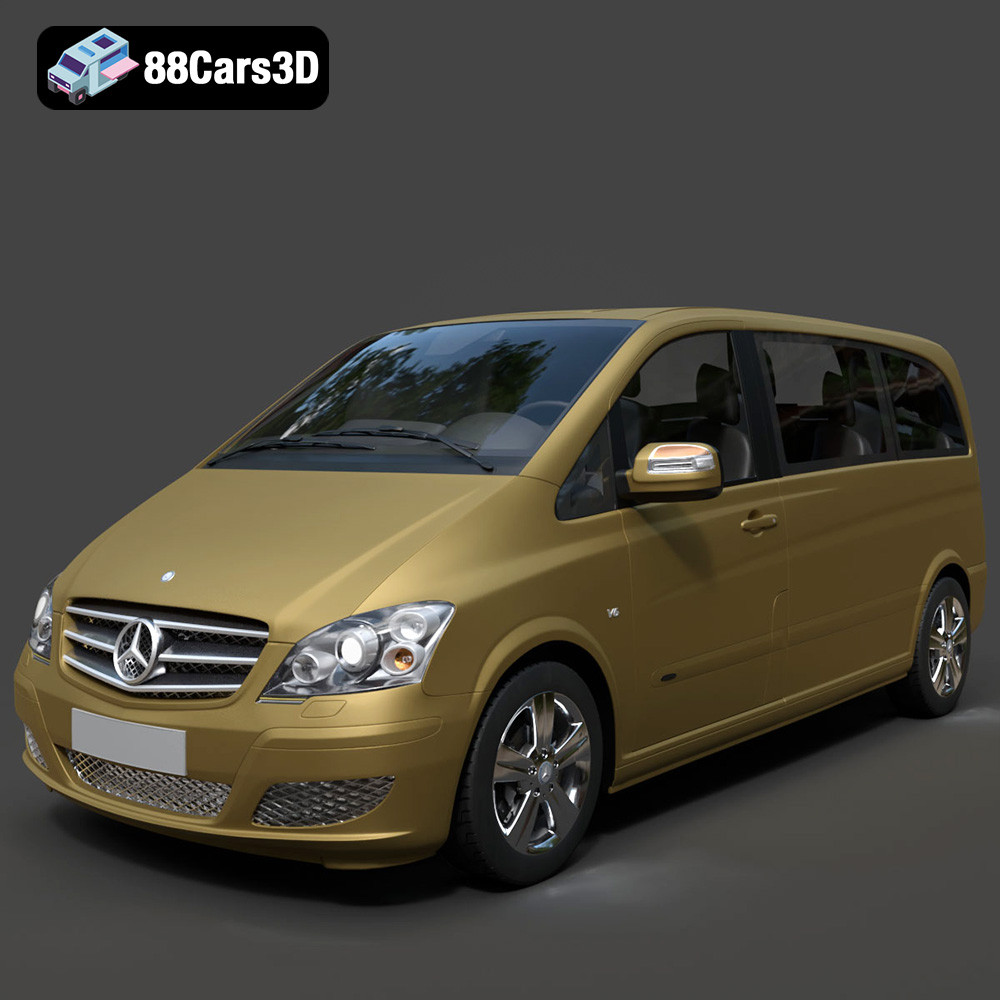
Mercedes-Benz Viano 2010 3D Model
Texture: Yes
Material: Yes
Download the Mercedes-Benz Viano 2010 3D Model featuring clean geometry, realistic detailing, and a fully modeled interior. Includes .blend, .fbx, .obj, .glb, .stl, .ply, .unreal, and .max formats for rendering, simulation, and game development.
Price: $19.99

Emt Avtobus 007 3D Model
Texture: Yes
Material: Yes
Download the Emt Avtobus 007 3D Model featuring clean geometry, realistic detailing, and a fully modeled interior. Includes .blend, .fbx, .obj, .glb, .stl, .ply, .unreal, and .max formats for rendering, simulation, and game development.
Price: $19.99
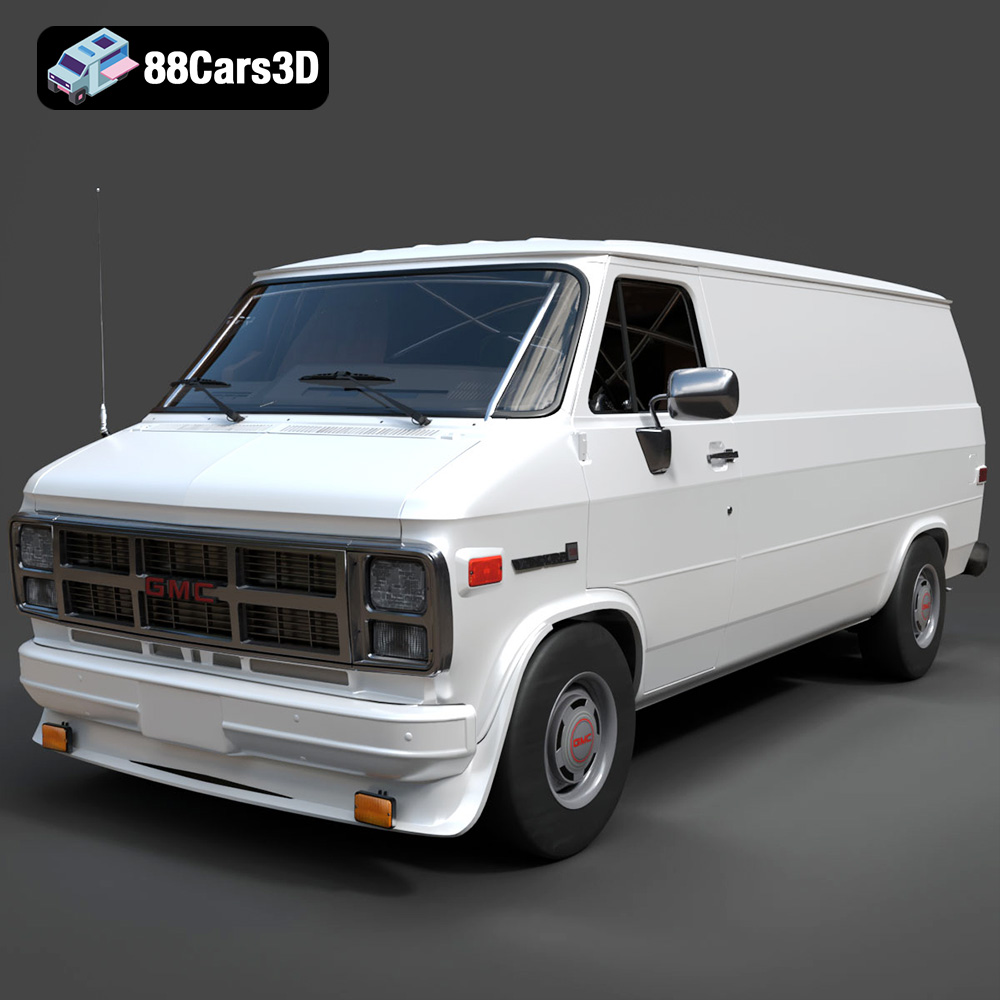
GMC Vandura G-1500 1983 3D Model
Texture: Yes
Material: Yes
Download the GMC Vandura G-1500 1983 3D Model featuring clean geometry, realistic detailing, and a fully modeled interior. Includes .blend, .fbx, .obj, .glb, .stl, .ply, .unreal, and .max formats for rendering, simulation, and game development.
Price: $19.99
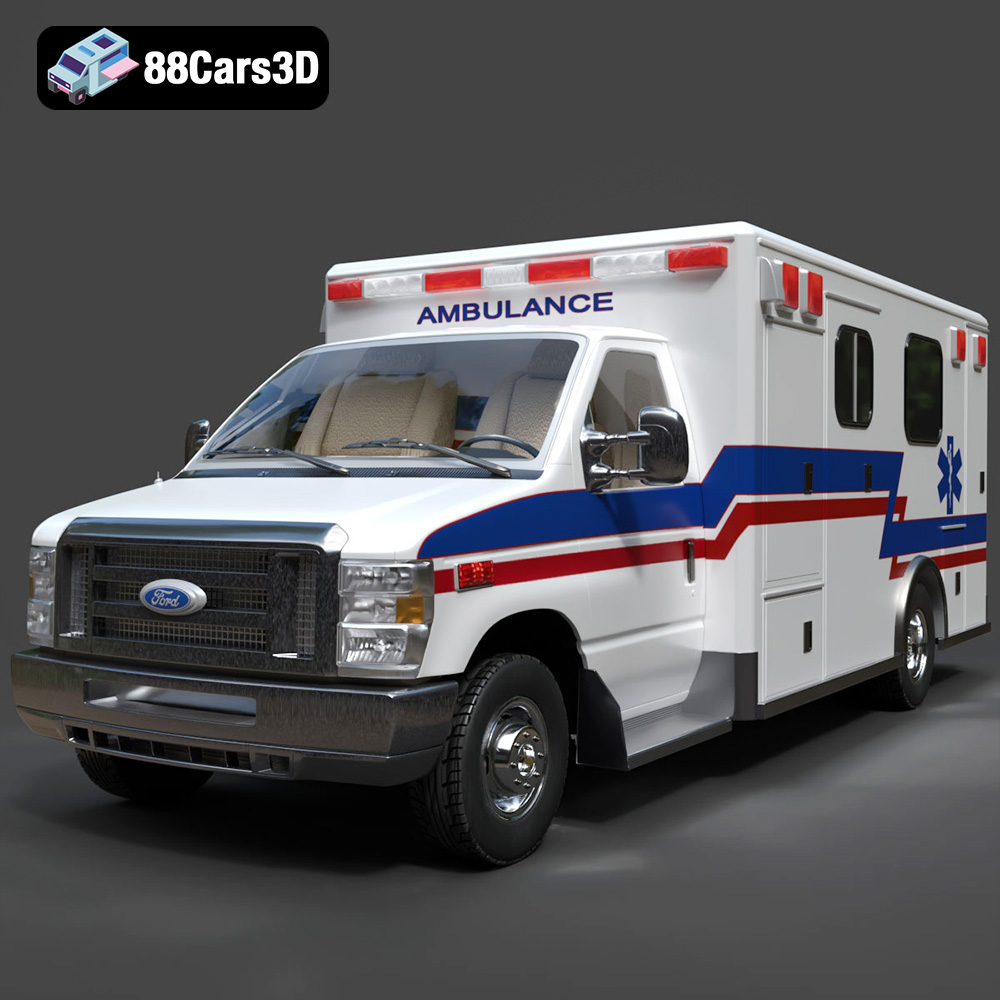
Ford E-450 Ambulance 3D Model
Texture: Yes
Material: Yes
Download the Ford E-450 Ambulance 3D Model featuring clean geometry, realistic detailing, and a fully modeled interior. Includes .blend, .fbx, .obj, .glb, .stl, .ply, .unreal, and .max formats for rendering, simulation, and game development.
Price: $19.99

Fiat Ducato SWB-001 3D Model
Texture: Yes
Material: Yes
Download the Fiat Ducato SWB-001 3D Model featuring clean geometry, realistic detailing, and a fully modeled interior. Includes .blend, .fbx, .obj, .glb, .stl, .ply, .unreal, and .max formats for rendering, simulation, and game development.
Price: $19.99
