

In the competitive arenas of automotive visualization, real-time rendering, and game development, the pursuit of photorealism is an unending journey. Every detail, from the gleam on a vehicle’s paintwork to the subtle reflections in its environment, contributes to an immersive and convincing experience. Among these critical environmental elements, water stands out as one of the most challenging yet rewarding to master. Its dynamic nature, complex light interactions, and ability to reflect and refract the world around it make it a powerful tool for enhancing any scene.
Unreal Engine, with its robust and ever-evolving toolset, has dramatically simplified the creation of breathtaking aquatic environments. Its integrated Water System offers a comprehensive solution for generating realistic lakes, rivers, and oceans, complete with advanced rendering features, physics interactions, and optimization capabilities. For professionals leveraging high-quality 3D car models from platforms like 88cars3d.com, integrating stunning water effects can elevate automotive showcases, drive new levels of realism in virtual production, and create captivating game worlds.
This comprehensive guide will deep dive into Unreal Engine’s Water System, exploring its core features, workflow best practices, and advanced techniques. We’ll cover everything from initial project setup and material customization to lighting, optimization, and interactive applications. Whether you’re crafting a serene lakeside backdrop for a luxury car configurator, a dynamic river crossing for an off-road game, or a stormy ocean for a cinematic sequence, mastering the Unreal Engine Water System will empower you to create truly unforgettable visual experiences, perfectly complementing the detailed 3D car models that form the centerpiece of your projects.
The Foundation: Setting Up Your Unreal Engine Project for Aquatic Environments
Before you can plunge into creating stunning water bodies, a solid project foundation is essential. Unreal Engine’s modular design relies on specific plugins and configurations to unlock the full potential of its Water System. Proper setup ensures seamless integration with other scene elements, particularly your detailed automotive assets, and lays the groundwork for optimal performance and visual fidelity.
Initial Project Configuration and Essential Plugins
To begin, launch Unreal Engine and create a new project. While a Blank template is often preferred for maximum control, you can also start with a Game or Film/Television template if their default settings align with your overall project goals. The critical step is enabling the necessary plugins. Navigate to Edit > Plugins and search for the following:
- Water: This is the core plugin, enabling all Water Body actors (Lake, River, Ocean) and the associated toolset.
- Landmass: While not strictly mandatory for water, the Landmass plugin provides powerful sculpting tools for creating realistic coastlines, riverbeds, and underwater terrains, making it an invaluable companion to the Water System.
- Sky Atmosphere: For realistic reflections and dynamic lighting on your water, the Sky Atmosphere component is crucial. Ensure it’s enabled to render atmospheric effects that dynamically interact with your water surface.
- HDRI Backdrop: For quick, professional-grade lighting, the HDRI Backdrop plugin can provide an excellent base for environmental reflections on your water.
After enabling these plugins, restart the editor when prompted. This ensures all components are properly loaded and accessible. Consider also enabling the Mesh Modeling Tools plugin (for editing meshes) and Niagara (for advanced particle effects like splashes or foam), as these will prove useful later.
Importing and Integrating High-Quality Automotive Assets
For projects centered around vehicles, integrating high-quality 3D car models is paramount. When sourcing automotive assets from marketplaces such as 88cars3d.com, you typically receive models optimized for Unreal Engine, featuring clean topology, PBR materials, and proper UV mapping. Import your desired car model using the standard FBX or USD import workflow (File > Import Into Level or drag-and-drop into the Content Browser).
During import, ensure settings like “Combine Meshes” are appropriate for your asset’s structure, “Generate Missing Collision” is enabled for physics interactions, and “Import Materials” is checked to bring in pre-configured PBR textures. Once imported, place your car model in the scene. The interaction between your car model and the water will be a key aspect of realism, whether it’s reflections, splashes, or dynamic wakes. Ensure your car’s scale is accurate within Unreal Engine to maintain realistic proportions against environmental elements like water.
Performance Considerations for Combined Assets (Cars + Water)
While visual fidelity is important, real-time performance is equally critical, especially when combining complex 3D car models with the demanding Water System. The Water System, particularly with its complex reflections and refraction calculations, can be performance-intensive. Always monitor your framerate using the ‘stat fps’ command in the console. When integrating vehicles, consider:
- Polygon Count: High-detail car models are excellent for close-ups, but ensure they are optimized with appropriate Level of Detail (LODs) for distant views.
- Texture Resolutions: Use PBR textures wisely. While 4K or 8K textures are standard for vehicles, optimize surrounding environment textures and potentially water foam/normal maps to prevent excessive VRAM usage.
- Water Tessellation: The Water System utilizes tessellation for detailed waves. Adjust the ‘Tessellation Factor’ on your water bodies based on camera distance and performance targets. A factor of 2-4 is often a good balance for distant water, increasing to 8-16 for close-up interactions.
Balancing these factors from the outset will prevent performance bottlenecks as your project grows. For more detailed guidance on optimization, refer to the official Unreal Engine documentation on performance considerations: https://dev.epicgames.com/community/unreal-engine/learning/5049/Unreal-Engine-Performance-and-Profiling.
Diving Deep with Unreal Engine’s Water System: Lakes, Rivers, and Oceans
Unreal Engine’s Water System provides a versatile toolkit for creating various water bodies, each with specific characteristics and control mechanisms. Understanding these core components and how to manipulate their properties is fundamental to achieving compelling aquatic scenes for your automotive visualizations and interactive experiences.
Adding and Sculpting Water Bodies (Lake, River, Ocean Actors)
After enabling the Water plugin, you’ll find the Water Body actors in the “Place Actors” panel under the “Water” category. There are three primary types:
- Water Body Ocean: Ideal for vast, open seas. It extends infinitely and is controlled by a spline, but primarily influences material parameters like wave height and direction.
- Water Body Lake: Perfect for enclosed water bodies. It uses a closed spline to define its perimeter, and its water level is uniform.
- Water Body River: Designed for flowing water. It uses an open spline, allowing you to define its path, width, and flow direction.
To add one, simply drag and drop the desired Water Body actor into your scene. Select the actor, and in the Details panel, you’ll find its properties. The primary way to shape a Water Body is by editing its spline. Select the Water Body and click “Edit Spline” in the Details panel. You can add new spline points (Alt+drag an existing point), move them, and adjust their tangents to sculpt the water’s edge. For rivers, each spline point can also control the river’s width, allowing for natural variations in its flow.
For lakes and oceans, the Z-level of the spline points determines the water’s overall height. For rivers, the spline points’ Z-level defines the riverbed, and the water flows above it, dynamically calculating its depth. This immediate visual feedback makes sculpting intuitive and efficient.
Customizing Water Materials and Physical Properties
The realism of your water heavily relies on its material properties. Each Water Body actor comes with a default PBR material instance that can be customized. In the Details panel of your Water Body actor, under the “Water” category, you’ll find “Water Material.” You can either replace this with a custom material or, more commonly, adjust the parameters of the default material instance. Double-clicking the material instance will open it.
Key parameters to experiment with include:
- Wave Settings: Adjust parameters like
WaveHeight,WaveSpeed,WaveDirection, andWaveLengthto create different wave patterns, from gentle ripples to stormy swells. - Surface Roughness & Color: Control the reflectivity and base color of the water. For clear water, the color might be subtle, with roughness impacting how sharp reflections appear.
- Foam Settings: Define where and how foam appears (e.g., at shoreline, around obstacles). Parameters like
FoamDepthandFoamOpacityare crucial. - Opacity & Refraction: Adjust the water’s transparency (
WaterOpacity) and how light bends as it passes through (RefractionDepthBias). Deeper water will naturally appear darker and less transparent. - Underwater Scattering: Simulate how light dissipates in the water, affecting the color and visibility of underwater objects.
Always prioritize physically based rendering (PBR) principles. For instance, increasing the metallic value on water is generally incorrect; instead, adjust roughness and specular for realistic reflections. The interaction with the 3D car models will heavily depend on these material settings, dictating how the car is reflected and refracted.
Integrating Water with Terrain: Landmass Plugin Synergy
Creating believable shorelines and riverbeds is crucial for realism. This is where the Landmass plugin truly shines in conjunction with the Water System. When you add a Water Body, it automatically generates a “Water Mesh” and a “Water Zone.” The Water Zone interacts with the Landscape actor in your scene.
By default, the Water Body will attempt to flatten the landscape around its spline. However, for more artistic control, you can enable “Auto Landscape Carve” on your Water Body in the Details panel. This will make the Water Body automatically carve out the landscape, creating a depression for the water to sit in. The Affects Landscape property and Exclusion Volume settings allow precise control over which parts of the landscape are influenced.
For advanced sculpting, select your Landscape actor, then navigate to Modes > Landscape > Sculpt. You’ll find a “Water” brush that lets you manually sculpt the landscape around the water’s edge, creating intricate details like eroding banks, shallow pools, or rocky shorelines. This manual sculpting is vital for making the water feel like an integral part of the environment rather than a separate entity. Utilize the “Flatten” and “Smooth” brushes around the water to create natural transitions, allowing for seamless integration of your automotive scenes within the landscape.
Enhancing Realism: Lighting, Reflections, and Visual Effects
Realistic water is not just about its surface properties; it’s profoundly influenced by its interaction with light. Achieving breathtaking visuals for your 3D car models requires mastering how Unreal Engine’s advanced lighting and visual effects systems interplay with the Water System, creating dynamic reflections, refractions, and atmospheric depth.
Lumen and Screen Space Reflections (SSR) for Dynamic Water Lighting
Unreal Engine 5’s Lumen global illumination and reflections system is a game-changer for water realism. Lumen dynamically calculates indirect lighting and reflections, meaning your water surface will accurately reflect the entire scene, including your 3D car models, dynamic lights, and environmental elements, in real-time. To enable Lumen, ensure your project’s renderer is set to “Hardware Ray Tracing” or “Software Ray Tracing” (Project Settings > Engine > Rendering > Global Illumination > Lumen, and Reflections > Lumen). Also, ensure your scene has a Post Process Volume with Lumen enabled for both GI and reflections.
While Lumen provides superior global reflections, Screen Space Reflections (SSR) still play a role, especially for immediate, accurate reflections of objects directly visible on screen. SSR is typically enabled by default and complements Lumen by providing high-frequency details where the camera has direct line of sight. For water, the interplay between Lumen’s broad scene reflections and SSR’s sharp, local reflections creates a highly convincing effect. Adjust the SSR Intensity and Roughness Threshold in your Post Process Volume to fine-tune their contribution to the water’s appearance. Consider adding a Planar Reflection actor for very specific, high-quality reflections in critical areas, such as directly under a parked car, though these are more performance-intensive.
Caustics and Underwater Effects with Niagara
The shimmering light patterns often seen on the bottom of a pool or lake, known as caustics, are crucial for underwater realism. The Unreal Engine Water System can generate caustics that project onto the landscape beneath the water, but for truly dynamic and customizable effects, Niagara particle systems are invaluable. You can create a Niagara system that simulates falling light patterns, projecting a caustic texture onto the riverbed or ocean floor, reacting to the water’s movement. This requires a dedicated material for the caustics that can be driven by a time-based panner and animated texture sequence.
For underwater views, several effects contribute to realism:
- Underwater Fog: Use a Volumetric Fog component in your scene, adjusted with a lower density and specific scattering color to mimic light dissipation in water.
- Particle Effects (Niagara): Create subtle particle systems for underwater debris, small air bubbles, or swirling sediments. Niagara offers unparalleled control over particle behavior, allowing you to simulate realistic underwater currents and interaction with potential vehicle entry/exit points.
- Post-Process Effects: An underwater Post Process Material can adjust color grading, add distortion (simulating refraction through water), or introduce depth-based blurring to enhance the feeling of being submerged. Blueprint can be used to dynamically activate this Post Process effect when the camera goes below the water surface.
These effects, combined with the Water System’s built-in underwater scattering, create a truly immersive experience, making the environment around your 3D car models feel alive and authentic.
Atmospheric Effects (Sky Atmosphere, Volumetric Fog) on Water
The appearance of water is heavily influenced by the atmosphere above it. The Sky Atmosphere component, especially when paired with a Directional Light (representing the sun) and a Sky Light, dynamically affects how light interacts with your water surface. The color of the sky, the position of the sun, and the presence of clouds (using a Volumetric Cloud actor) will all contribute to the water’s reflections and perceived color. A vibrant sunset will cast warm hues onto the water, while an overcast sky will result in softer, diffused reflections.
Volumetric Fog further enhances realism by simulating atmospheric haze and depth. When properly configured, volumetric fog can make distant water appear hazier and integrate it more naturally into the overall scene. Ensure your Volumetric Fog is set to a reasonable density and extinction scale to avoid obscuring your detailed 3D car models or making the scene too murky. Its interaction with light sources, especially the sun and moon, will create dramatic crepuscular rays that reflect off the water, adding another layer of visual richness. This dynamic interplay of lighting and atmosphere is crucial for making the water feel like an integral part of a living, breathing world, rather than just a flat plane.
Interactive Water and Advanced Applications
Beyond static beauty, the true power of Unreal Engine’s Water System shines when it becomes interactive. For automotive visualization and game development, enabling dynamic responses to vehicles, creating cinematic moments, or integrating water into virtual production workflows elevates the user experience and visual storytelling significantly.
Blueprint Scripting for Water Interaction
Blueprint visual scripting provides an accessible yet powerful way to introduce dynamic interactions with water. Imagine a 3D car model driving through a shallow river, generating realistic splashes and wakes. This can be achieved through Blueprint:
- Wake Generation: Attach a Scene Component to the car’s wheels or chassis, positioned slightly below the water surface. On overlap with the Water Body, trigger a custom event.
- Material Parameter Collection: Create a Material Parameter Collection (MPC) that stores the car’s position. In your Water Material, use this MPC to create a localized ripple effect. When the car moves, update the MPC parameter via Blueprint’s Event Tick.
- Splash Particles (Niagara): When the car enters or exits the water, or when a wheel makes contact, spawn a Niagara particle system at the point of impact. These systems can simulate water spray and foam, adding significant visual feedback. Define particle emission rates based on vehicle speed or impact force for added realism.
- Dynamic Water Level: For configurators or architectural visualization, you might want to dynamically change the water level. Blueprint can modify the Z-location of Water Body spline points or the overall Z-axis of the Water Body actor, allowing for interactive flood simulations or tide changes.
The Water System also exposes parameters like Gerstner Wave Parameters or Wave Amplitude that can be directly modified via Blueprint, enabling artists to create unique, scripted water behaviors that react to player input or in-game events. For advanced Blueprint tutorials, refer to the Epic Games learning portal: https://dev.epicgames.com/community/unreal-engine/learning.
Cinematic Sequences with Water and Sequencer
Unreal Engine’s Sequencer is a powerful non-linear editor for creating cinematic content, and incorporating realistic water elevates any automotive short film or product showcase. Imagine a sleek 3D car model cruising alongside a pristine lake, its reflections shimmering on the water, or driving through a rain-slicked urban environment with puddles reflecting city lights. Here’s how to integrate:
- Camera Animation: Animate your camera paths to capture the beauty of both the car and the water. Use cinematic camera settings (e.g., focal length, aperture) to control depth of field, drawing attention to the car and its reflections.
- Dynamic Lighting: Animate the sun’s position (Directional Light) and Sky Light intensity to create dynamic lighting changes over the water, enhancing reflections and shadows as the sequence progresses.
- Water Parameter Animation: Animate water parameters like
WaveHeight,WaveSpeed, orFoamOpacitydirectly within Sequencer. For instance, a calm lake could gradually become choppier for a dramatic effect, or rain ripples could appear. - Post-Process Volume Animation: Animate post-process effects like color grading, vignette, or bloom to further enhance the mood and aesthetic of the water and surrounding scene.
By orchestrating these elements in Sequencer, you can create compelling narratives that highlight the beauty of your automotive designs within stunning, dynamic environments.
Virtual Production Workflows with LED Walls
Virtual Production (VP) is revolutionizing filmmaking, and LED walls combined with Unreal Engine are at its forefront. For automotive commercials or virtual photoshoots, integrating the Water System into a VP workflow can be incredibly impactful. Imagine a physical car on a stage, surrounded by an LED wall displaying a virtual scene of a serene coastline or a bustling city with reflective puddles.
- Real-Time Environment: The Water System renders in real-time on the LED wall, providing realistic reflections and interactions with the physical car on set. As the camera moves, the parallax effect ensures the virtual environment, including the water, maintains correct perspective.
- Lighting Interaction: The virtual environment’s lighting (including reflections from the water) influences the physical car and actors on set, creating seamless integration.
- Material Synchronization: Ensure the water materials are optimized for the LED wall’s color space and brightness. Often, specific color correction and gamma adjustments are needed for optimal display on high-brightness LED panels.
- Interactive Elements: Use DMX or other protocols to link physical effects (e.g., fans for wind, mist machines for fog) with virtual water effects rendered on the LED wall, enhancing the immersion for on-set talent.
This allows filmmakers to capture final pixel shots directly on set, reducing costly post-production and enabling creative freedom, all while showcasing a 3D car model in a photorealistic aquatic setting.
Performance Optimization for Automotive Scenes with Water
Achieving visual fidelity with realistic water and high-detail automotive assets in real-time requires a vigilant approach to performance optimization. Without it, even the most powerful hardware can struggle, leading to choppy frame rates and a diminished user experience. Balancing stunning visuals with smooth performance is an art form in itself.
LODs, Culling, and Water Mesh Optimization
The Water System, especially with its tessellation and complex material calculations, can be a performance bottleneck. Optimizing it is crucial:
- Level of Detail (LODs): The Water Body actors automatically handle some LODs for their mesh. However, you can control the
Tessellation Factorbased on distance. For distant water, reduce the factor significantly (e.g., 2-4) to reduce polygon count. For close-up water, a factor of 8-16 might be acceptable. Also, ensure your 3D car models have robust LODs, as these are often the heaviest assets in a scene. - Culling: Utilize frustum culling (objects outside the camera’s view are not rendered) and occlusion culling (objects hidden behind others are not rendered). Ensure your Water Body has appropriate bounds for efficient culling. The Water System internally handles some visibility culling for its components.
- Water Mesh Simplification: For static water bodies (lakes, oceans) that don’t need highly detailed interaction with many objects, consider simplifying the generated water mesh in areas far from the camera. Adjusting the spline points and simplifying curves can reduce the complexity of the underlying mesh.
- Reflection Captures vs. Lumen/SSR: While Lumen and SSR offer dynamic, high-quality reflections, they are performance-intensive. For specific areas, especially in AR/VR or mobile projects, strategically placed Static or Sky Reflection Captures can provide baked reflections for distant water, significantly improving performance at the cost of dynamism.
Regularly use Unreal Engine’s profiling tools (stat unit, stat gpu, stat rhi) to identify where performance bottlenecks occur and make targeted optimizations.
Nanite and Virtual Textures for Surrounding Environments
While the Water System itself doesn’t directly leverage Nanite (as it’s a dynamic, tessellated surface), Nanite plays a vital role in optimizing the surrounding environment, thereby freeing up resources for complex water rendering. For your terrain, cliffs, rocks, and highly detailed static meshes around the water, enabling Nanite Virtualized Geometry:
- Allows for incredibly high polygon counts (millions to billions) without significant performance impact.
- Reduces draw calls and memory footprint, especially for complex environments around your water bodies.
- Means your highly detailed ground textures, which seamlessly meet the water’s edge, can use Virtual Textures, reducing texture streaming overhead and enabling massive, unique textures.
By offloading the geometric complexity of the environment to Nanite, the engine can dedicate more resources to rendering the dynamic water surface, its reflections, refractions, and interactions with your 3D car models. This combined approach is crucial for achieving next-generation visual quality in real-time applications.
AR/VR Optimization for Automotive Applications
Augmented Reality (AR) and Virtual Reality (VR) experiences are particularly sensitive to performance due to the need for high, stable frame rates (typically 72-90fps per eye) and low latency. Integrating realistic water and detailed automotive assets requires careful optimization:
- Reduce Water Tessellation: Aggressively lower the
Tessellation Factorfor water in AR/VR projects. Even subtle tessellation can be costly. - Simplify Water Materials: Reduce the complexity of your water material. Opt for simpler wave functions, fewer texture layers, and minimize expensive calculations like refraction and detailed foam.
- Mobile Renderers: For mobile AR (e.g., iOS, Android), ensure your project is configured for the Mobile Renderer, which has different performance characteristics. The Water System will use a simplified mobile-friendly shader.
- Limit Dynamic Lights & Shadows: Use baked lighting where possible. For your 3D car models, ensure shadows are optimized (e.g., using Capsule Shadows for dynamic objects instead of full ray-traced shadows).
- Disable Expensive Features: Turn off or simplify features like Lumen, Volumetric Fog, and extensive particle systems if they are not critical to the core AR/VR experience. Screen Space Reflections (SSR) can also be costly and might need to be reduced or disabled.
- Fixed Foveated Rendering: Leverage VR-specific optimization techniques like Fixed Foveated Rendering, if supported by the target platform, to reduce rendering resolution at the periphery of the user’s vision.
Prioritize clarity and responsiveness over absolute photorealism for AR/VR, focusing on core visual cues that convey realism rather than expensive graphical features. Always test extensively on target hardware.
Conclusion
The journey to creating truly realistic and interactive aquatic environments in Unreal Engine is a deep dive into its powerful features, from the foundational Water System to advanced lighting with Lumen, dynamic scripting with Blueprint, and meticulous optimization techniques. We’ve explored how to seamlessly integrate high-quality 3D car models from resources like 88cars3d.com into these environments, making them the stars of cinematic showcases, interactive configurators, and immersive game worlds.
Mastering the Unreal Engine Water System not only elevates the visual fidelity of your projects but also expands your creative possibilities. By understanding how to sculpt natural landscapes around water, customize physically based materials, harness the power of real-time global illumination, and orchestrate interactive elements, you gain the ability to tell more compelling stories and deliver more engaging experiences. Whether your goal is a serene automotive visualization, a dynamic game level, or a cutting-edge virtual production, the combination of detailed assets and stunning water effects is a recipe for success.
The continuous evolution of Unreal Engine means there’s always more to learn and experiment with. We encourage you to apply the workflows and best practices discussed here, pushing the boundaries of what’s possible in real-time rendering. Start experimenting today, build your confidence with each ripple and reflection, and watch as your automotive projects come to life with unparalleled realism and immersion. The power to create breathtaking aquatic worlds is now at your fingertips.
Featured 3D Car Models
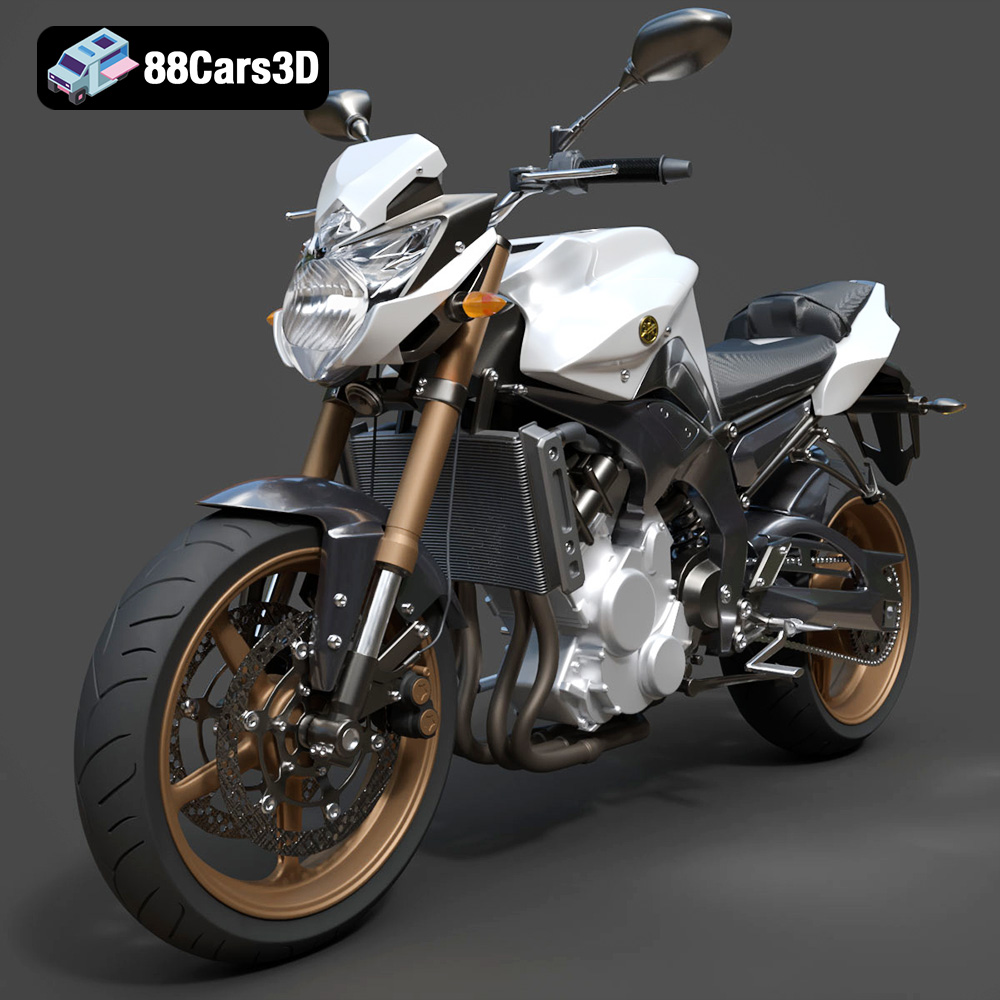
Yamaha FZ8 2011 3D Model
Texture: Yes
Material: Yes
Download the Yamaha FZ8 2011 3D Model featuring clean geometry, realistic detailing, and a fully modeled interior. Includes .blend, .fbx, .obj, .glb, .stl, .ply, .unreal, and .max formats for rendering, simulation, and game development.
Price: $19.99
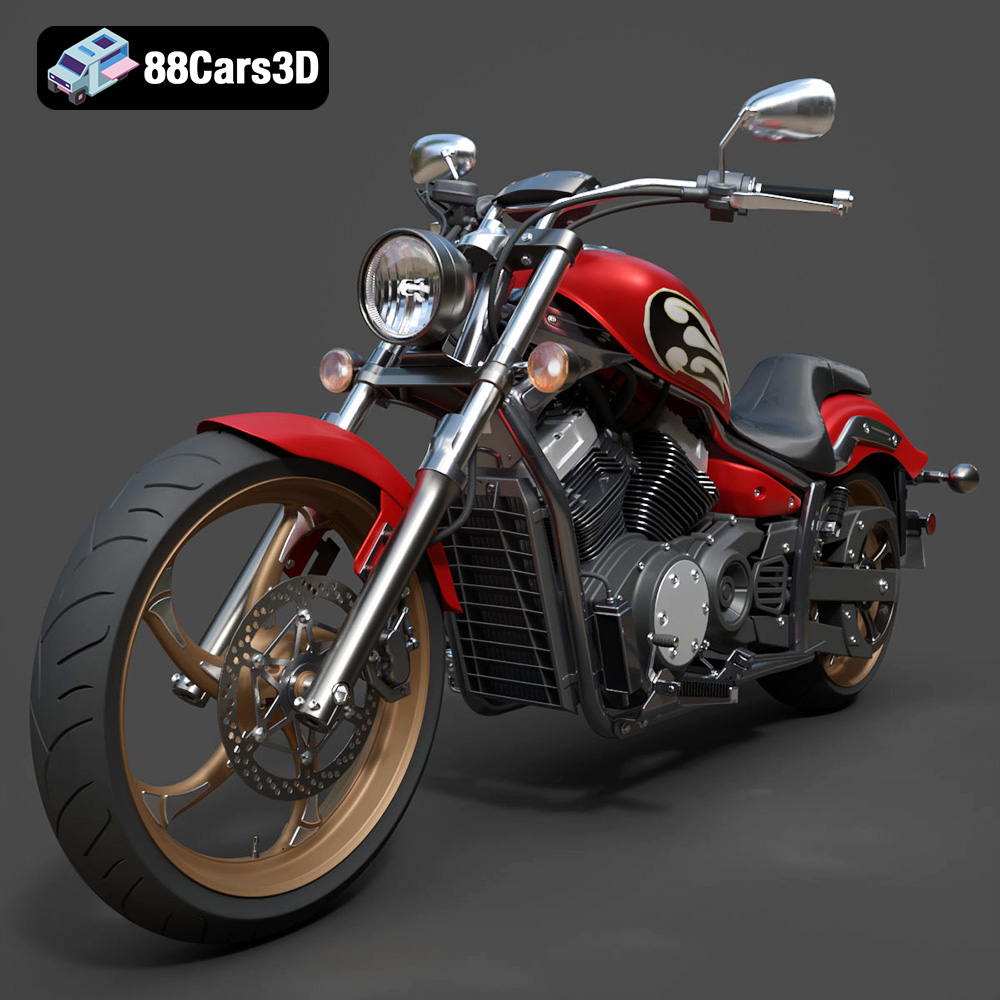
Yamaha Stryker 2012 3D Model
Texture: Yes
Material: Yes
Download the Yamaha Stryker 2012 3D Model featuring clean geometry, realistic detailing, and a fully modeled interior. Includes .blend, .fbx, .obj, .glb, .stl, .ply, .unreal, and .max formats for rendering, simulation, and game development.
Price: $19.99
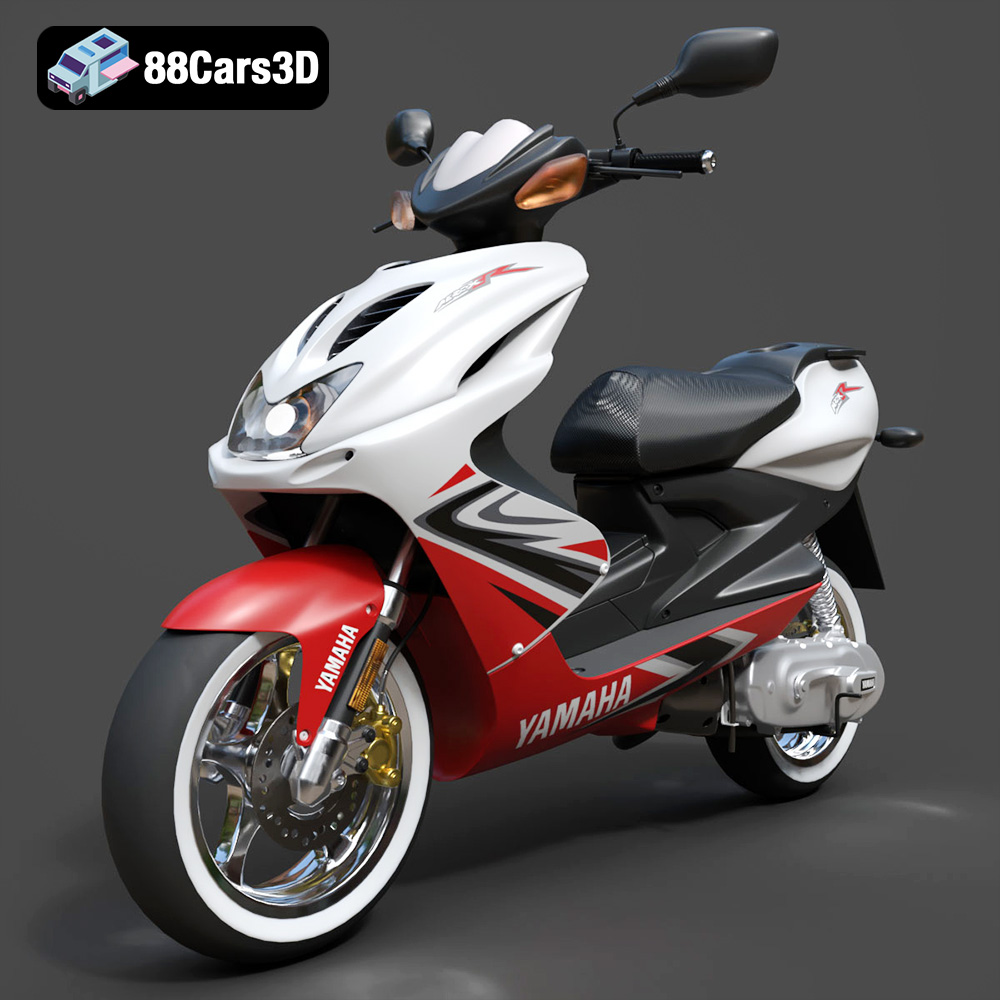
Yamaha Aerox R-002 2024 3D Model
Texture: Yes
Material: Yes
Download the Yamaha Aerox R-002 2024 3D Model featuring clean geometry, realistic detailing, and a fully modeled interior. Includes .blend, .fbx, .obj, .glb, .stl, .ply, .unreal, and .max formats for rendering, simulation, and game development.
Price: $19.99
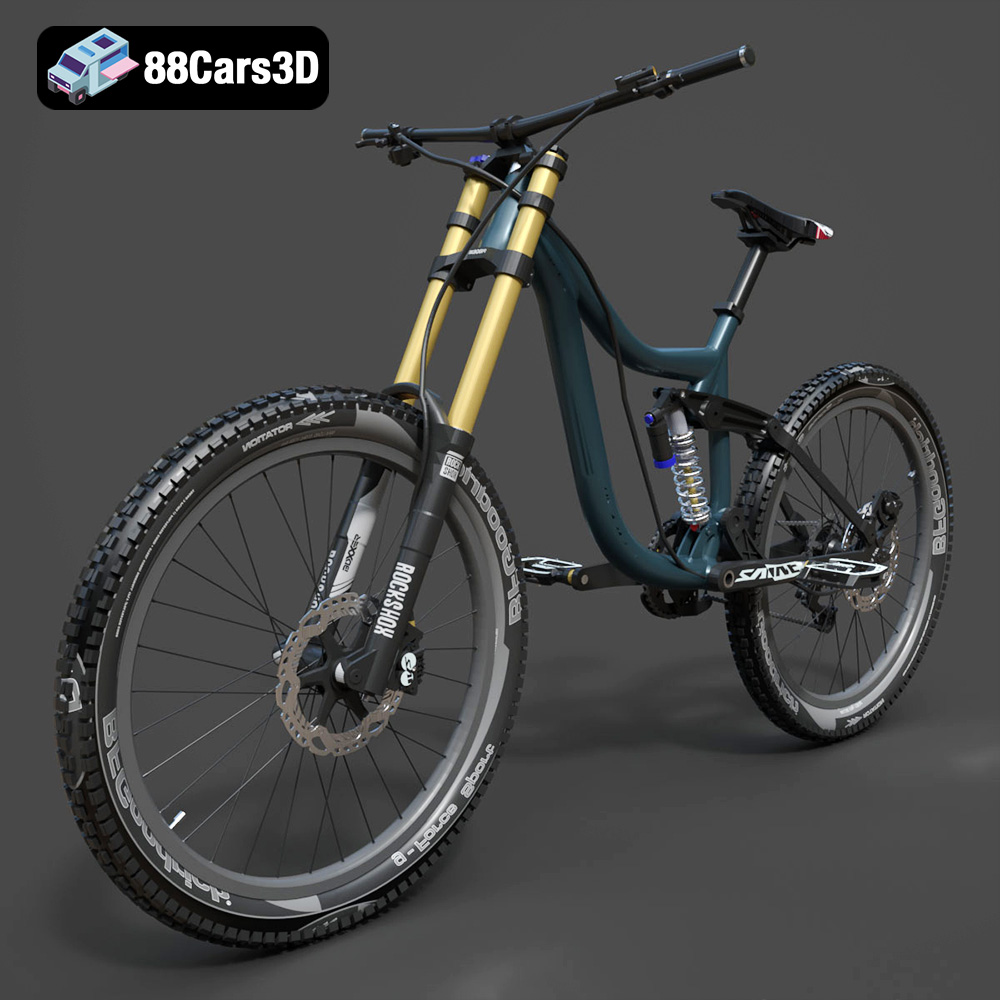
Mototsikly Downhill Bike-002 3D Model
Texture: Yes
Material: Yes
Download the Mototsikly Downhill Bike-002 3D Model featuring clean geometry, realistic detailing, and precise mechanical components. Includes .blend, .fbx, .obj, .glb, .stl, .ply, .unreal, and .max formats for rendering, simulation, and game development.
Price: $19.99
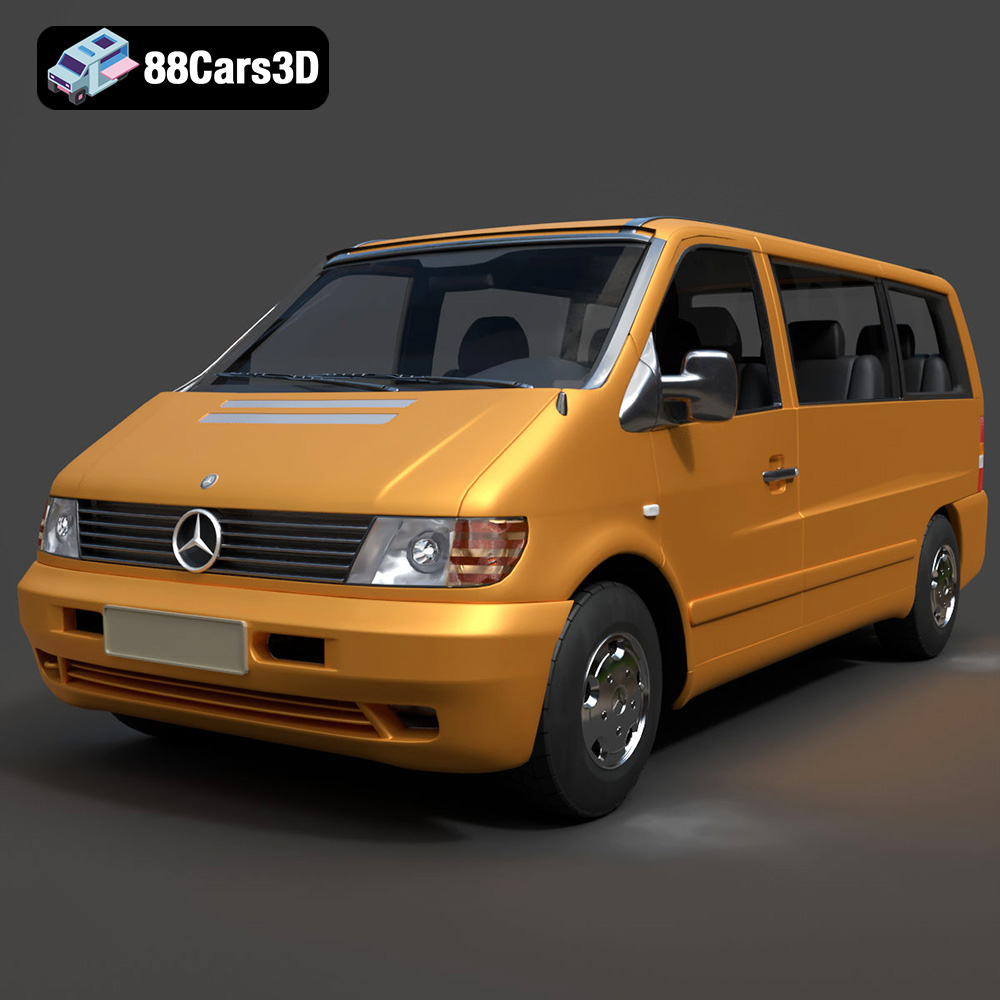
Mercedes-Benz Vito Passenger Van 3D Model
Texture: Yes
Material: Yes
Download the Mercedes-Benz Vito Passenger Van 3D Model featuring clean geometry, realistic detailing, and a fully modeled interior. Includes .blend, .fbx, .obj, .glb, .stl, .ply, .unreal, and .max formats for rendering, simulation, and game development.
Price: $19.99
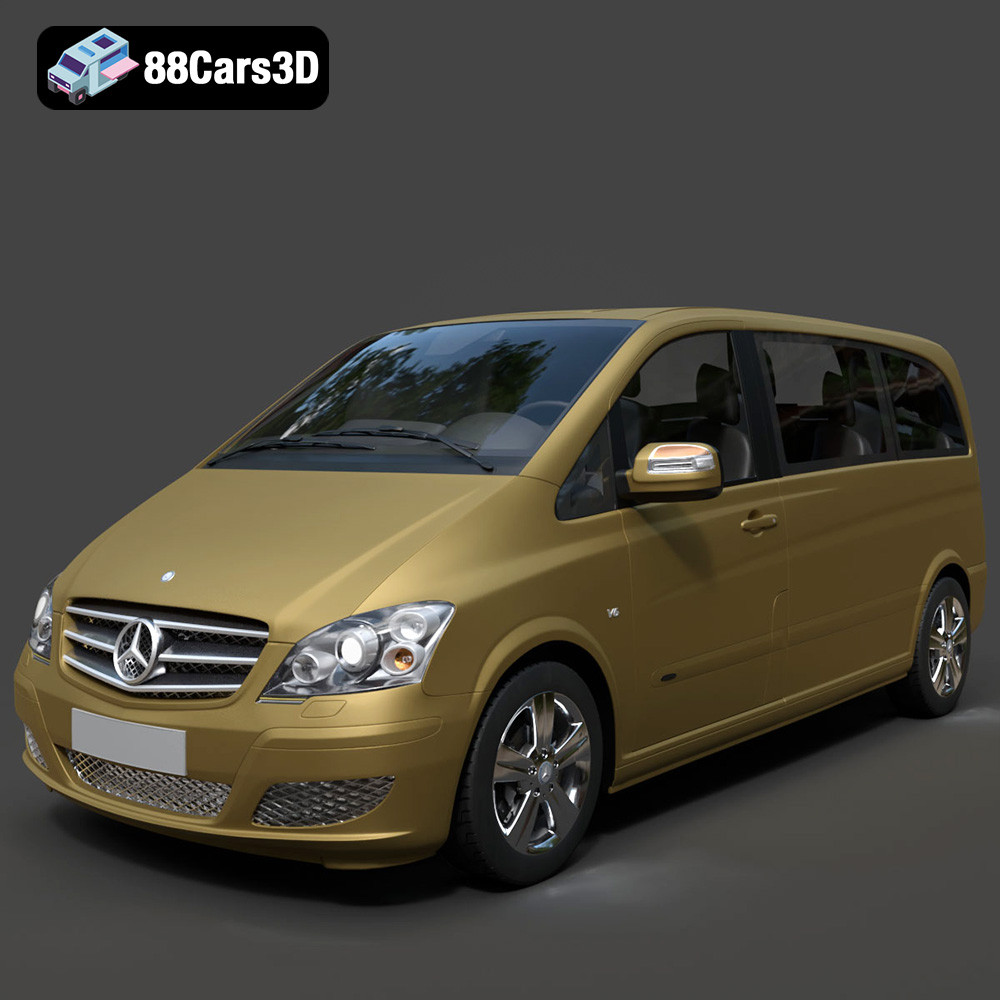
Mercedes-Benz Viano 2010 3D Model
Texture: Yes
Material: Yes
Download the Mercedes-Benz Viano 2010 3D Model featuring clean geometry, realistic detailing, and a fully modeled interior. Includes .blend, .fbx, .obj, .glb, .stl, .ply, .unreal, and .max formats for rendering, simulation, and game development.
Price: $19.99

Emt Avtobus 007 3D Model
Texture: Yes
Material: Yes
Download the Emt Avtobus 007 3D Model featuring clean geometry, realistic detailing, and a fully modeled interior. Includes .blend, .fbx, .obj, .glb, .stl, .ply, .unreal, and .max formats for rendering, simulation, and game development.
Price: $19.99
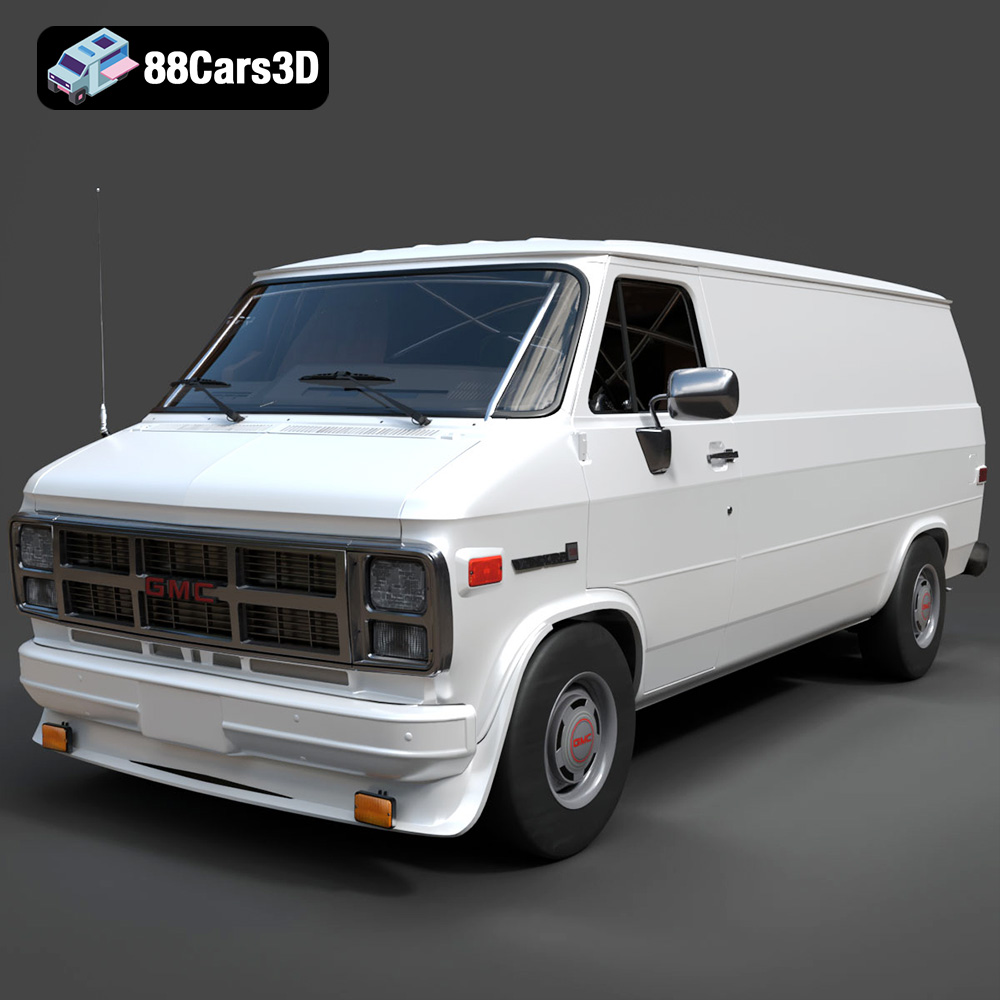
GMC Vandura G-1500 1983 3D Model
Texture: Yes
Material: Yes
Download the GMC Vandura G-1500 1983 3D Model featuring clean geometry, realistic detailing, and a fully modeled interior. Includes .blend, .fbx, .obj, .glb, .stl, .ply, .unreal, and .max formats for rendering, simulation, and game development.
Price: $19.99
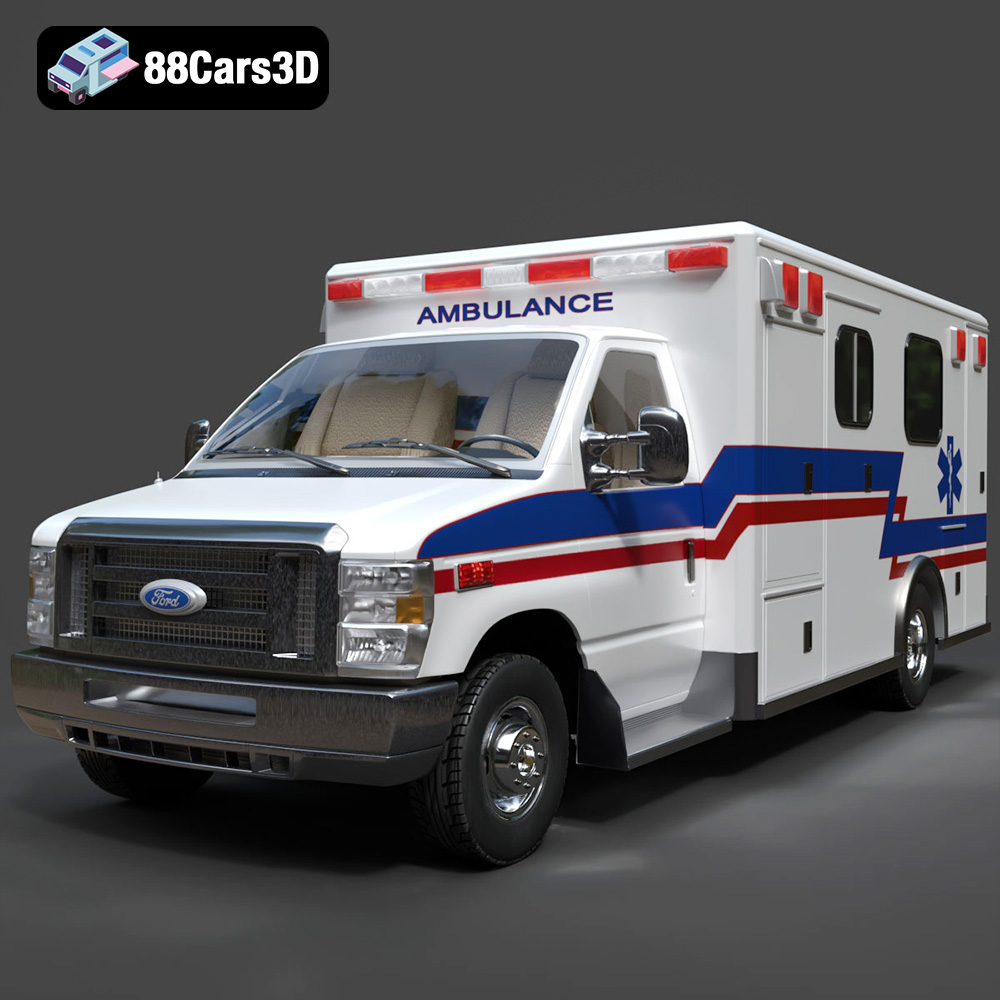
Ford E-450 Ambulance 3D Model
Texture: Yes
Material: Yes
Download the Ford E-450 Ambulance 3D Model featuring clean geometry, realistic detailing, and a fully modeled interior. Includes .blend, .fbx, .obj, .glb, .stl, .ply, .unreal, and .max formats for rendering, simulation, and game development.
Price: $19.99

Fiat Ducato SWB-001 3D Model
Texture: Yes
Material: Yes
Download the Fiat Ducato SWB-001 3D Model featuring clean geometry, realistic detailing, and a fully modeled interior. Includes .blend, .fbx, .obj, .glb, .stl, .ply, .unreal, and .max formats for rendering, simulation, and game development.
Price: $19.99
