

In the demanding world of 3D visualization, automotive design, and game development, rendering complex car scenes can often feel like a race against the clock. Intricate details, highly reflective surfaces, and realistic environments contribute to stunning visuals, but they also push render times to their limits. For professionals who rely on efficient workflows and timely deliveries, understanding how to optimize render speed without compromising quality is paramount. This comprehensive guide from 88cars3d.com will delve into the technical strategies and best practices for significantly reducing render times in your automotive projects, ensuring you achieve breathtaking results with maximum efficiency. We’ll explore everything from fundamental model topology to advanced rendering engine settings, equipping you with the knowledge to streamline your workflow and master the art of rapid, high-fidelity automotive rendering.
Whether you’re creating photorealistic stills for marketing, interactive experiences for AR/VR, or high-performance game assets, the principles of optimization remain critical. We’ll break down complex concepts into actionable steps, covering aspects often overlooked and providing specific techniques applicable across various industry-standard software. By the end of this article, you’ll have a robust toolkit to tackle even the most challenging automotive rendering scenarios, transforming frustratingly long waits into productive and predictable rendering cycles.
Mastering 3D Car Model Geometry and Topology for Efficiency
The foundation of any efficient render begins with meticulously crafted 3D car models. Poor geometry, excessive polygon counts, and inconsistent topology can exponentially increase render times, regardless of your material or lighting setup. Automotive models are inherently complex due to their smooth, reflective surfaces and intricate mechanical components. Therefore, a deep understanding of mesh optimization is crucial for achieving both visual fidelity and rendering speed. When sourcing high-quality 3D car models from platforms like 88cars3d.com, you often start with optimized meshes, but understanding these principles allows for further customization and fine-tuning.
Every vertex, edge, and face adds to the computational load during rendering. Striking the right balance between detail and efficiency is an art. A common mistake is to over-model details that will be imperceptible at the final render resolution or viewing distance. Effective geometry optimization is about making smart decisions regarding where detail is truly needed and how it is represented.
Clean Topology and Edge Flow for Automotive Models
Clean topology with proper edge flow is not just about aesthetic appeal in wireframe; it directly impacts shading, UV mapping, and ultimately, render performance. For automotive models, maintaining smooth, continuous surface curvature is critical. N-gons (faces with more than four sides) and triangles should be minimized, especially on large, visible surfaces, as they can cause shading artifacts and complicate subdivision surfacing. Quads (four-sided faces) are generally preferred for their predictability during deformation and subdivision.
Focus on creating efficient edge loops that define the contours and hard edges of the car body. These loops should follow the natural lines of the vehicle, such as door seams, fender flares, and window frames. This approach allows for selective detailing through subdivision surfaces (e.g., OpenSubdiv in Maya/3ds Max, Subdivision Surface modifier in Blender) – you can increase resolution only where needed, rather than uniformly subdividing the entire mesh. For example, a crisp crease line can be achieved by adding two tight edge loops parallel to the main edge, controlling the falloff of the subdivision. Avoiding unnecessarily dense areas of polygons in flat, uniform surfaces is also key; distribution should be even and only increase where curvature changes significantly.
Optimizing Polygon Count and Level of Detail (LODs)
Polygon count is a primary driver of render time. While modern renderers can handle millions of polygons, unnecessary density still adds overhead. For static renders, a high-resolution model might be acceptable, but for animations, interactive experiences, or real-time applications like game development or AR/VR, meticulous polygon optimization is essential. A professional 3D car model often ranges from 150,000 to 500,000 polygons for a high-detail base mesh, with individual components adding more. However, context is key.
The most effective strategy for managing polygon count is implementing Level of Detail (LOD) models. LODs are simplified versions of your mesh that are swapped in at greater distances from the camera. A typical setup might include:
- LOD0 (High Detail): 100% of original polygons, used when the car is close-up.
- LOD1 (Medium Detail): 50-70% reduction, used for mid-range shots.
- LOD2 (Low Detail): 70-90% reduction, for distant shots or reflections.
- LOD3 (Billboard/Proxy): Extreme reduction or simple plane, for very far distances or background elements.
Decimation tools in software like 3ds Max, Blender, or Maya can automate LOD creation, but manual clean-up is often necessary to maintain critical features. Baking normal maps from high-poly models onto lower-poly LODs is a standard practice to retain visual detail without the geometric cost. This technique is particularly vital for game assets, where draw calls and GPU performance are paramount.
Crafting Efficient Materials and Textures
Beyond geometry, materials and textures significantly influence render performance. Physically Based Rendering (PBR) has become the standard, offering realistic results but requiring careful setup to avoid render bottlenecks. Complex shader networks, high-resolution textures, and numerous material layers can quickly increase render times. Optimizing these elements is about smart asset management and understanding how renderers process material information.
The goal is to achieve visual richness and realism without unnecessary computational expense. This involves thoughtful PBR material creation, efficient UV mapping, and strategic texture resolution choices.
PBR Material Creation and Shader Network Optimization
PBR materials rely on a set of maps (Albedo/Base Color, Metallic, Roughness, Normal, Ambient Occlusion, etc.) to define surface properties. While powerful, overly complex shader networks with numerous blend layers, procedural nodes, or intricate mathematical operations can slow down renders. Simplify where possible:
- Consolidate Materials: If multiple objects share identical material properties, use a single material instance.
- Bake Complex Procedurals: If a procedural texture or effect is static, bake it into a bitmap image. This replaces real-time calculation with a simple texture lookup, which is much faster.
- Optimize Shader Graphs: In nodal editors (like Blender’s Shader Editor or 3ds Max’s Material Editor), review your connections. Remove unused nodes, simplify complex calculations, and leverage groups for organization and potential reusability.
- Layering vs. Blending: Understand when to use multiple material layers versus blending complex textures. Sometimes, a simpler blend mode on fewer layers is more efficient.
- Avoid Unnecessary Subdivision in Shaders: Some shader nodes can subdivide geometry or add micro-displacement. Use these judiciously and only when visual impact justifies the cost.
For car paint, which is notoriously complex due to its clear coat and metallic flakes, consider optimized car paint shaders provided by render engines (e.g., Corona Physical Material’s clearcoat, V-Ray Car Paint material). These are often engineered for performance.
Smart UV Mapping Strategies and Texture Atlasing
UV mapping is the bridge between your 3D model and its 2D textures. Inefficient UVs can lead to wasted texture space, resolution issues, and increased draw calls in real-time engines. For automotive models:
- Maximize UV Space: Arrange UV islands efficiently to fill the 0-1 UV space, minimizing wasted pixels. This ensures your texture resolution is effectively utilized.
- Uniform Texel Density: Strive for consistent texel density across the model. This means that areas of the model appear equally sharp, preventing some parts from looking blurry while others are pixelated.
- Minimize Seams: While seams are necessary, place them in less visible areas to avoid noticeable texture breaks.
- Texture Atlasing: Combine multiple smaller textures for different parts of the car (e.g., interior, exterior trim, wheels) into a single, larger texture atlas. This reduces the number of material calls the renderer has to make, which is a significant optimization, especially for game engines and real-time visualization. For instance, instead of having separate 2K textures for each wheel component, consolidate them into a single 4K atlas.
- Mirrored UVs: For symmetrical parts (e.g., wheels, door panels), mirroring UVs allows you to use half the texture space while applying the same texture to both sides, effectively doubling your texture resolution for that area.
Proper UV mapping not only makes your textures look better but also drastically improves performance by reducing the number of texture lookups and memory bandwidth required during rendering.
Texture Resolution and Format Considerations
The resolution and format of your textures directly impact memory usage and loading times, which in turn affect render performance.
- Appropriate Resolution: Use texture resolutions appropriate for the detail required and the object’s visibility. A component that will only ever be seen from a distance doesn’t need an 8K texture. Common resolutions for detailed automotive components might be 2K (2048×2048) or 4K (4096×4096). For background elements, 1K or even 512×512 might suffice.
- Power of Two: Always use resolutions that are powers of two (e.g., 512, 1024, 2048, 4096). This is crucial for efficient memory management and mipmap generation, especially in real-time applications.
- Texture Formats:
- EXR/HDR: Ideal for HDR environment maps and high dynamic range render passes due to their 32-bit float precision.
- PNG/TGA: Good for PBR maps (Albedo, Normal, Roughness) with alpha channels if needed, offering lossless compression.
- JPG/WebP: Suitable for less critical textures or background elements where some lossy compression is acceptable.
- Compressed Formats (DDS, KTX, GLB): For game engines and real-time. These formats are pre-compressed and optimized for GPU memory access, reducing VRAM usage and improving loading times.
- Mipmapping: Ensure your textures are set up for mipmapping. Mipmaps are progressively smaller versions of a texture, used by the renderer for objects far from the camera. This reduces aliasing and memory bandwidth. Most renderers generate them automatically, but ensure the settings are enabled.
By carefully managing texture assets, you can significantly reduce the memory footprint of your scene and accelerate render times.
Strategic Lighting and Environment Setup
Lighting is paramount for automotive rendering, defining the car’s form, reflections, and overall mood. However, complex lighting setups, high-resolution environment maps, and realistic global illumination can be major contributors to long render times. Optimizing your lighting and environment means achieving maximum visual impact with minimal computational cost. This involves choosing the right light sources, managing shadow quality, and efficiently modeling your surroundings.
The way light interacts with the car’s reflective surfaces is crucial for realism. Every light source and its interaction with every surface needs to be calculated, often multiple times, by the renderer. Intelligent light placement and environment design can make a profound difference.
HDRI vs. Physical Lights for Automotive Scenes
The choice between High Dynamic Range Image (HDRI) maps and physical light sources, or a combination of both, profoundly impacts render speed and quality:
- HDRI (High Dynamic Range Image): HDRIs are excellent for realistic, natural illumination and reflections. A single HDRI can simulate an entire environment, providing complex lighting and reflection data from all directions. This is often more efficient than setting up dozens of individual physical lights to achieve similar realism.
- Optimization: Use an HDRI with appropriate resolution. While a 16K or 32K HDRI provides incredibly sharp reflections, an 8K or 4K map might be perfectly sufficient for distant reflections and general illumination, offering a significant speed boost. Load the HDRI as a sphere map or dome light in your scene.
- Physical Lights (Area Lights, Spot Lights, Point Lights): These offer precise control over light direction, intensity, and falloff. They are essential for accentuating specific features, adding rim lights, or simulating artificial studio lighting.
- Optimization: Use only the necessary number of physical lights. Each light source adds to render time. Use large area lights for soft shadows, but be mindful that larger lights can sometimes increase sampling noise, requiring more samples. Avoid tiny, intense lights that can create fireflies or noise unless specifically desired for effect. Prioritize lights that directly contribute to the subject’s illumination and reduce the intensity or disable lights that have minimal visual impact.
A common and effective approach is to use an HDRI for primary, natural illumination and reflections, then supplement it with a few carefully placed physical area lights to highlight specific design elements or create dramatic reflections. This hybrid approach often yields the best balance of realism and render efficiency.
Optimizing Shadow Quality and Render Settings
Shadows are one of the most computationally expensive aspects of rendering. Realistic soft shadows require extensive sampling, increasing render times.
- Shadow Map vs. Raytraced Shadows: Raytraced shadows are generally more accurate but slower. Shadow maps are faster but can show artifacts at low resolutions. Modern renderers often use hybrid approaches. For render speed, focus on adjusting shadow samples.
- Shadow Samples/Subdivisions: In renderers like Corona, V-Ray, Cycles, or Arnold, you’ll find settings for shadow samples or subdivisions. Increasing these values makes shadows smoother but increases render time. Find the sweet spot where shadows look good without being excessively oversampled. Often, objects far from the camera don’t need extremely high-quality shadows.
- Global Illumination (GI) Settings: GI is crucial for realistic lighting but is a major render hog.
- Primary/Secondary GI Solvers: Understand your renderer’s GI methods (e.g., Irradiance Map + Light Cache in V-Ray, Path Tracing + Caustics in Cycles, Brute Force + Path Tracing in Corona). Lowering GI quality (e.g., fewer bounces, lower samples per pass) can speed things up, but at the risk of less accurate light distribution or splotches.
- Ray Bounces: Reduce the number of GI bounces if full realism isn’t required for every scene. Often, 2-4 bounces are sufficient for convincing indirect lighting in many automotive scenes.
- Caustics: Refractive caustics (light passing through glass and focusing) are extremely expensive to render. Unless they are a critical element of your scene, consider disabling them or faking them with texture maps.
Experiment with render settings. Start with lower quality settings to quickly preview your lighting, then gradually increase them until you achieve the desired visual fidelity without unnecessary overhead.
Environment Modeling and Instancing for Performance
The environment around your car can be as detailed as the car itself, but it needs careful optimization.
- Simplification of Distant Objects: Background elements (buildings, trees, landscapes) don’t need the same geometric detail as the car. Use low-polygon models, simple textures, or even 2D photo cutouts (cards) for distant elements.
- Instancing: For repeating elements like trees, streetlights, or crowds, use instancing. Instancing allows multiple copies of an object to exist in a scene using a single set of geometry data in memory. This is a massive memory and render time saver. Most 3D software (3ds Max, Blender, Maya) supports instancing natively.
- Proxy Objects: For very complex background assets (e.g., entire buildings from an architectural scene), use proxy objects. Proxies are lightweight representations of heavy geometry, loaded only at render time. This keeps your viewport responsive and reduces the memory footprint during scene setup.
- Reflection Environment: Even if your environment isn’t fully visible, it significantly impacts reflections on the car body. Consider creating a simplified, reflection-optimized environment (e.g., a few large planes with simple textures to catch reflections) if a full 3D environment is too heavy. This is often paired with an HDRI for overall lighting.
A lean and intelligently designed environment can shave off significant render time while still providing beautiful context and realistic reflections.
Advanced Rendering Engine Settings and Workflows
The rendering engine itself offers a wealth of optimization options. Understanding and manipulating these settings is crucial for maximizing performance. Different renderers have unique strengths and workflow considerations, but common principles of sampling, noise reduction, and efficient processing apply across the board. The goal is to instruct the renderer to spend its computational cycles where it matters most, avoiding wasted effort on imperceptible details.
Whether you’re using a CPU-based renderer or a GPU accelerator, fine-tuning these parameters is key to achieving both speed and quality in your automotive renders.
Specifics for Corona Renderer and V-Ray (3ds Max)
Corona Renderer: Known for its ease of use and realistic results, Corona employs unbiased rendering.
- Noise Limit and Pass Limit: Instead of fixed sample counts, Corona uses a noise limit (e.g., 3-5% for final renders) or a pass limit. Setting a realistic noise limit allows the renderer to stop when the image is clean enough, preventing over-rendering. A pass limit is useful for animations where consistent render times per frame are needed.
- Adaptive Image Sampling: Corona adaptively samples areas that are noisy. Leverage this by focusing on material and light samples only when specific areas (like reflections or bright highlights) remain noisy.
- GI Solvers: Corona’s default is Path Tracing + UHD Cache, which is robust. For animations, consider Path Tracing + Path Tracing (Brute Force) for flicker-free results, though it’s slower. For static images, UHD Cache is usually faster. Adjust GI vs. AA balance for optimal noise distribution.
- Light Mix: Render with Light Mix enabled to adjust light intensities and colors in post-production without re-rendering. This saves immense time during iterative look development.
- Denoiser: Utilize the built-in denoiser (NVIDIA OptiX or Intel Open Image Denoise). This can drastically reduce render times by allowing you to render with fewer passes and clean up the remaining noise in post, significantly cutting down on calculation.
V-Ray: A powerful and versatile renderer with extensive features.
- Image Sampler (Antialiasing): V-Ray offers various image samplers. The Adaptive sampler (Bucket or Progressive) is generally recommended. Adjust the Min/Max Subdivisions (Bucket) or Render Time (Progressive) to control quality.
- Global Illumination: For interiors or complex indirect lighting, Irradiance Map + Light Cache is a common choice. For exterior shots with strong direct light, Brute Force + Light Cache can be efficient. Adjust subdivs for each method carefully. Increase secondary bounces only if visible.
- Material Overrides: During test renders, override all materials with a simple grey material to quickly evaluate lighting and composition without the overhead of complex shaders.
- Render Elements (Passes): Leverage V-Ray’s extensive render elements (e.g., Reflection, Refraction, Z-Depth, Cryptomatte) for greater control in compositing, avoiding re-renders for minor adjustments.
- Denoiser: Like Corona, V-Ray integrates a denoiser (NVIDIA OptiX, Intel Open Image Denoise, or V-Ray Denoiser) that can significantly speed up your workflow by cleaning up noisy renders.
Cycles and Arnold Optimizations (Blender, Maya)
Blender Cycles: Blender’s powerful, physically-based path tracer. For detailed documentation on specific settings, refer to the official Blender 4.4 manual.
- Sampling: Cycles’ primary performance knob.
- Render Samples: Set a reasonable number. For final images, 512-1024 samples might be a good starting point, combined with denoising.
- Noise Threshold: In Blender 4.4 Cycles settings, using a Noise Threshold allows Cycles to stop sampling individual pixels once they reach a certain noise level, potentially saving significant time compared to fixed sample counts.
- Light Path Settings: Reduce ‘Max Bounces’ for Diffuse, Glossy, Transmission, and Volume if full physical accuracy isn’t needed. For instance, lowering Glossy bounces can significantly speed up renders with metallic car paint.
- Performance Settings:
- Tiles: For CPU rendering, smaller tiles (e.g., 32×32 to 64×64) can be more efficient. For GPU rendering, larger tiles (e.g., 256×256 or 512×512) are generally faster. Experiment to find the optimal size for your hardware.
- Persistent Data: Enabling this keeps scene data in memory between frames, speeding up animation renders (at the cost of more memory).
- Denoiser: Cycles offers integrated denoising (OptiX, OIDN, NLM). Using the denoiser allows for lower sample counts, dramatically reducing render times while maintaining quality.
- GPU Rendering: If you have a powerful NVIDIA or AMD GPU, switch to GPU compute for Cycles. It often offers significantly faster rendering than CPU.
Arnold (Maya, 3ds Max): A production-proven, unbiased Monte Carlo ray tracer.
- Sampling: Arnold uses adaptive sampling. The Camera (AA) samples are the master control. Increase this only when global noise is present. Then, adjust specific samples (Diffuse, Specular, Transmission, SSS, Volume) for targeted noise reduction.
- Ray Depth: Control the number of ray bounces for different types of rays. Reducing these (e.g., ‘Total’ or ‘Diffuse’ rays) can speed up renders but may reduce realism in complex scenes.
- Light Samples: Lights have their own sample settings. Increase these if you see noise specifically originating from light sources.
- Denoiser: Arnold has a built-in denoiser (OptiX) that is highly effective. Integrate it into your workflow to reduce sample counts and render faster.
- AOV (Arbitrary Output Variables / Render Passes): Arnold’s AOV system is robust. Utilize it for compositing and debugging noise sources.
Distributed Rendering and Render Farm Utilization
For complex scenes and animations, even the most optimized local machine can struggle. This is where distributed rendering and render farms become invaluable.
- Distributed Rendering: Many renderers (e.g., V-Ray, Corona, Cycles) support distributed rendering, allowing you to use multiple machines on your local network to render a single image or animation sequence. This can dramatically reduce render times by pooling computational resources. Set up a render server and connect your client machines.
- Render Farms: For larger projects, utilizing a commercial render farm (cloud-based or local) is a game-changer. You upload your scene, and the farm distributes the rendering across hundreds or thousands of CPUs/GPUs, delivering results in a fraction of the time. This is particularly cost-effective for large animation projects or tight deadlines. Always pre-test your scene on a small number of farm nodes to catch errors before committing to a full render.
These advanced strategies allow you to scale your rendering capabilities far beyond a single workstation, transforming project turnaround times.
Post-Processing, Compositing, and Final Touches
Optimizing render times isn’t solely about making the renderer faster; it’s also about leveraging post-production to minimize what needs to be rendered in 3D. Many effects and adjustments are far quicker and more flexible to achieve in a compositing application than within the 3D renderer itself. By planning your render passes and understanding compositing techniques, you can drastically reduce iteration times and overall project deadlines.
The goal is to render the core information in 3D and then enhance, correct, and finalize the image in 2D, where changes are instantaneous and non-destructive.
Leveraging Render Passes for Flexibility
Render passes (or AOV – Arbitrary Output Variables) are individual image layers that break down the final rendered image into its constituent components, such as diffuse color, reflections, refractions, shadows, ambient occlusion, Z-depth, and more.
- Selective Re-rendering: Instead of re-rendering an entire scene for a minor change (e.g., adjusting reflection intensity), you can re-render only the reflection pass and recompose it. This saves immense time.
- Non-Destructive Adjustments: In a compositing application (like Adobe Photoshop, After Effects, Nuke, or DaVinci Resolve), each pass can be adjusted independently. You can tweak color, exposure, saturation, and contrast for specific elements without affecting others.
- Common Passes for Automotive Rendering:
- Beauty Pass: The full rendered image.
- Diffuse Pass: Pure base color without lighting or reflections.
- Reflection Pass: All reflective surfaces. Critical for car paint.
- Refraction Pass: Light passing through transparent objects like glass.
- Specularity Pass: Direct highlights.
- Shadow Pass: Separates shadows for independent control.
- Ambient Occlusion (AO) Pass: Adds subtle contact shadows and depth. Can be rendered once and baked.
- Z-Depth Pass: Provides depth information for depth of field effects in post.
- Cryptomatte / Material ID / Object ID Pass: Crucial for generating masks of specific objects or materials for precise selection and manipulation in compositing.
By rendering these passes, you gain unparalleled control and flexibility in post-production, making iterative changes incredibly efficient and reducing the need for costly re-renders.
Essential Compositing Techniques for Speed and Quality
Once you have your render passes, a compositing application becomes your virtual darkroom.
- Layering and Blending: Combine your passes using appropriate blend modes (e.g., ‘Add’ for reflections, ‘Multiply’ for shadows) to reconstruct the final image.
- Depth of Field (DoF): Instead of rendering computationally expensive DoF in 3D, use the Z-depth pass in compositing to create a realistic DoF effect. This is faster and allows for real-time adjustment of focus and blur intensity.
- Motion Blur: Similar to DoF, motion blur can be rendered as a pass (vector pass) and applied in post, offering more control and often faster processing than full 3D motion blur.
- Color Grading and Look Development: Perform all final color adjustments, contrast enhancements, and creative look development in compositing. This is much faster and more responsive than making tweaks in your 3D application.
- Lens Effects: Add lens flares, glares, chromatic aberration, and vignetting in post. These are typically 2D effects that enhance realism and atmosphere quickly.
- Atmospheric Effects: Fog, haze, and volumetric lighting can be simulated with masks and gradients in compositing, or by rendering basic volumetric passes at low quality and enhancing them in post.
Embracing a robust compositing workflow is a hallmark of efficient professional production pipelines.
Eliminating Noise and Artifacts Efficiently
Noise and artifacts are the bane of any renderer. While increasing samples can reduce them, it comes at a significant render time cost.
- Denoising: As discussed, integrated denoisers (NVIDIA OptiX, Intel Open Image Denoise) in modern renderers are a game-changer. They use AI or advanced algorithms to remove noise from under-sampled renders with impressive results, allowing you to reduce your primary sample counts significantly. Always use a denoiser for final renders.
- Firefly Removal: Extremely bright pixels (‘fireflies’) are often caused by problematic light sources, small hot spots, or complex refractive materials.
- Clamp Fireflies: Many renderers offer a ‘clamp’ setting (either direct or indirect light clamping) that limits the maximum brightness of a pixel, effectively removing fireflies. Use this carefully, as it can subtly flatten high-dynamic range areas if overused.
- Targeted Sampling: Increase light samples for specific problematic lights, or material samples for highly reflective/refractive materials causing the issue.
- Image Editing for Minor Artifacts: For subtle noise or minor artifacts that persist, a final pass in an image editor (like Photoshop) using tools like ‘Dust & Scratches’ filters or manual cloning can clean up an image quickly without re-rendering.
By combining intelligent render settings with powerful post-processing techniques, you can deliver stunning, clean automotive renders in a fraction of the time, dramatically improving your workflow efficiency.
Conclusion
Optimizing render times for complex 3D car scenes is a multifaceted challenge that requires a holistic approach, spanning from initial model creation to final post-production. It’s an ongoing process of informed decision-making, where every choice, from polygon density to shader complexity and lighting setup, contributes to the overall efficiency of your workflow. By meticulously managing your geometry, crafting efficient PBR materials and smart UV mapping strategies, and strategically setting up your lighting and environment, you lay the groundwork for faster renders.
Furthermore, leveraging the advanced settings within your chosen rendering engine, embracing distributed rendering, and mastering compositing workflows with render passes are crucial steps in transforming lengthy render waits into productive and predictable cycles. The integration of denoising technologies has revolutionized the speed at which high-quality results can be achieved, making it easier than ever to balance speed with visual fidelity.
Remember, the most effective optimization often comes from an iterative process: test renders, analyze bottlenecks, make adjustments, and repeat. By applying the detailed technical insights and best practices outlined in this guide, you are well-equipped to tackle even the most demanding automotive visualization projects. Platforms like 88cars3d.com provide a solid foundation with high-quality, optimized 3D car models, but it’s your expertise in these optimization techniques that will truly elevate your projects and streamline your production pipeline. Master these strategies, and you’ll not only save invaluable time but also consistently produce breathtaking automotive renders that meet the highest industry standards.
Featured 3D Car Models
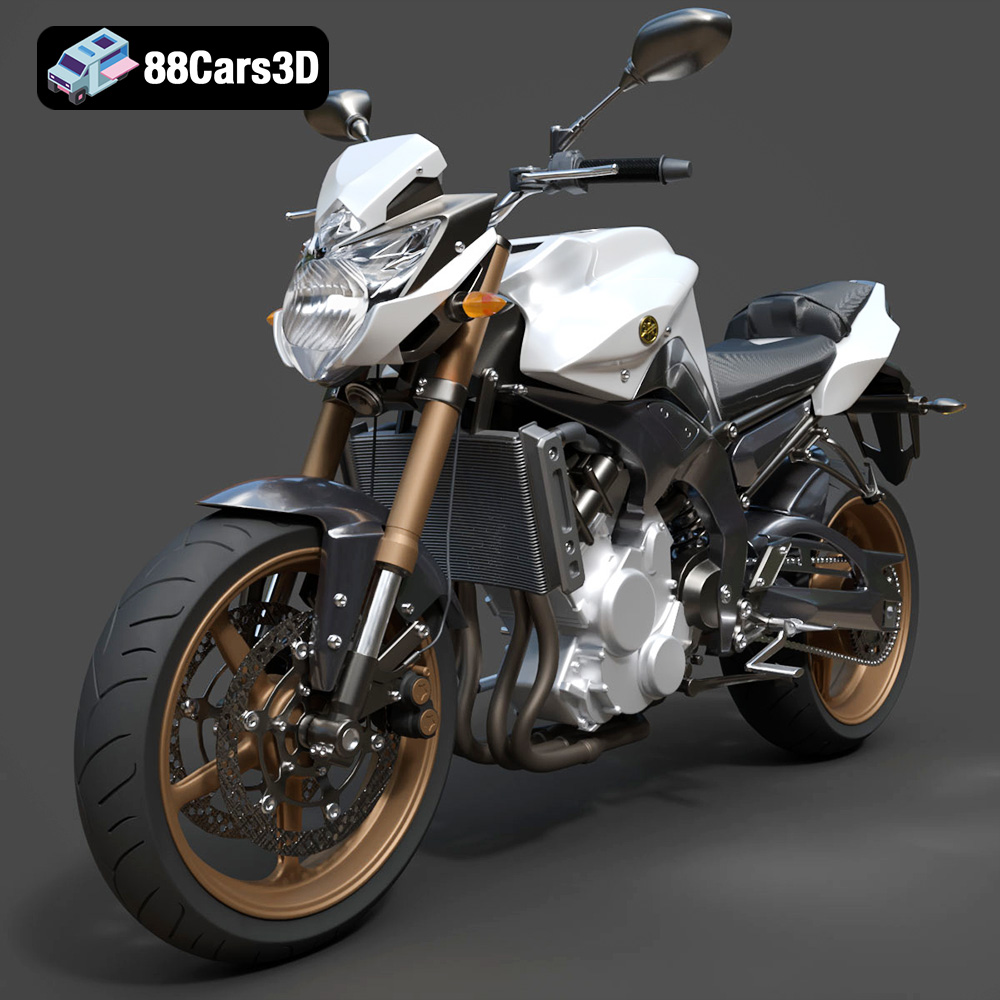
Yamaha FZ8 2011 3D Model
Texture: Yes
Material: Yes
Download the Yamaha FZ8 2011 3D Model featuring clean geometry, realistic detailing, and a fully modeled interior. Includes .blend, .fbx, .obj, .glb, .stl, .ply, .unreal, and .max formats for rendering, simulation, and game development.
Price: $19.99
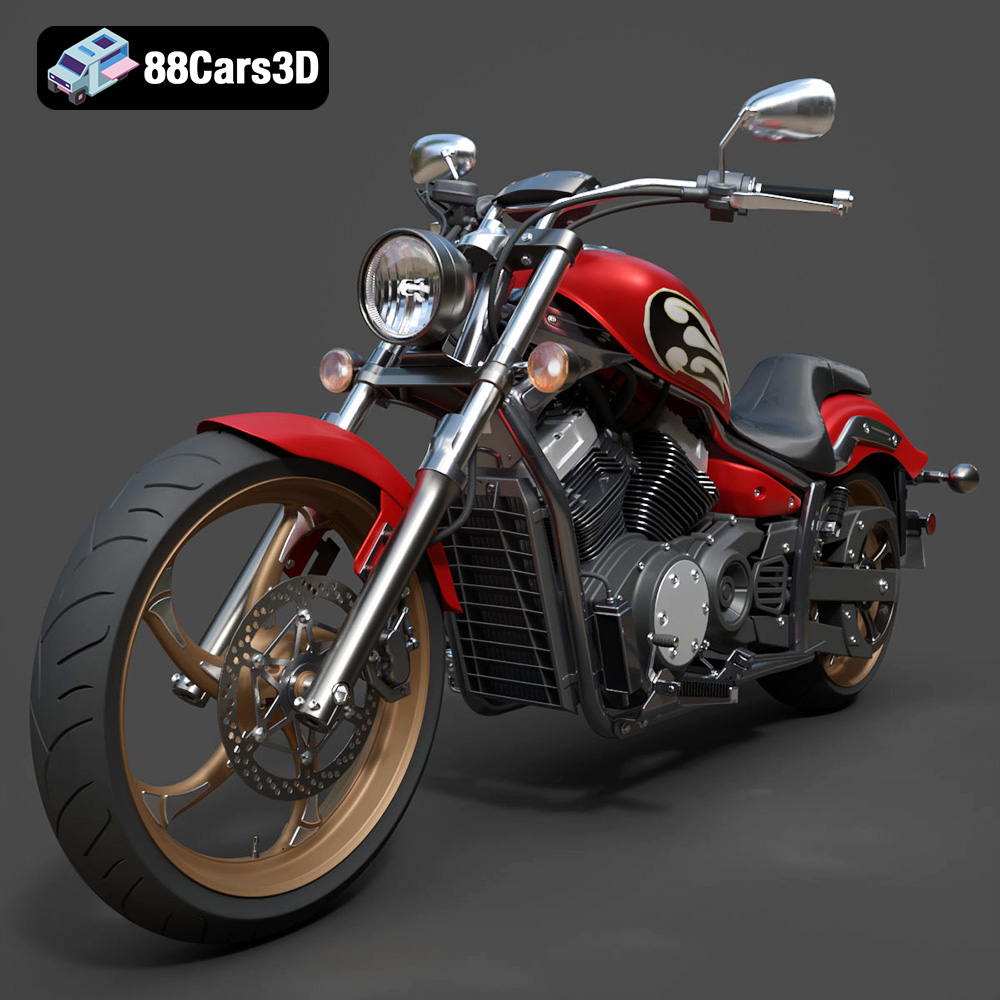
Yamaha Stryker 2012 3D Model
Texture: Yes
Material: Yes
Download the Yamaha Stryker 2012 3D Model featuring clean geometry, realistic detailing, and a fully modeled interior. Includes .blend, .fbx, .obj, .glb, .stl, .ply, .unreal, and .max formats for rendering, simulation, and game development.
Price: $19.99
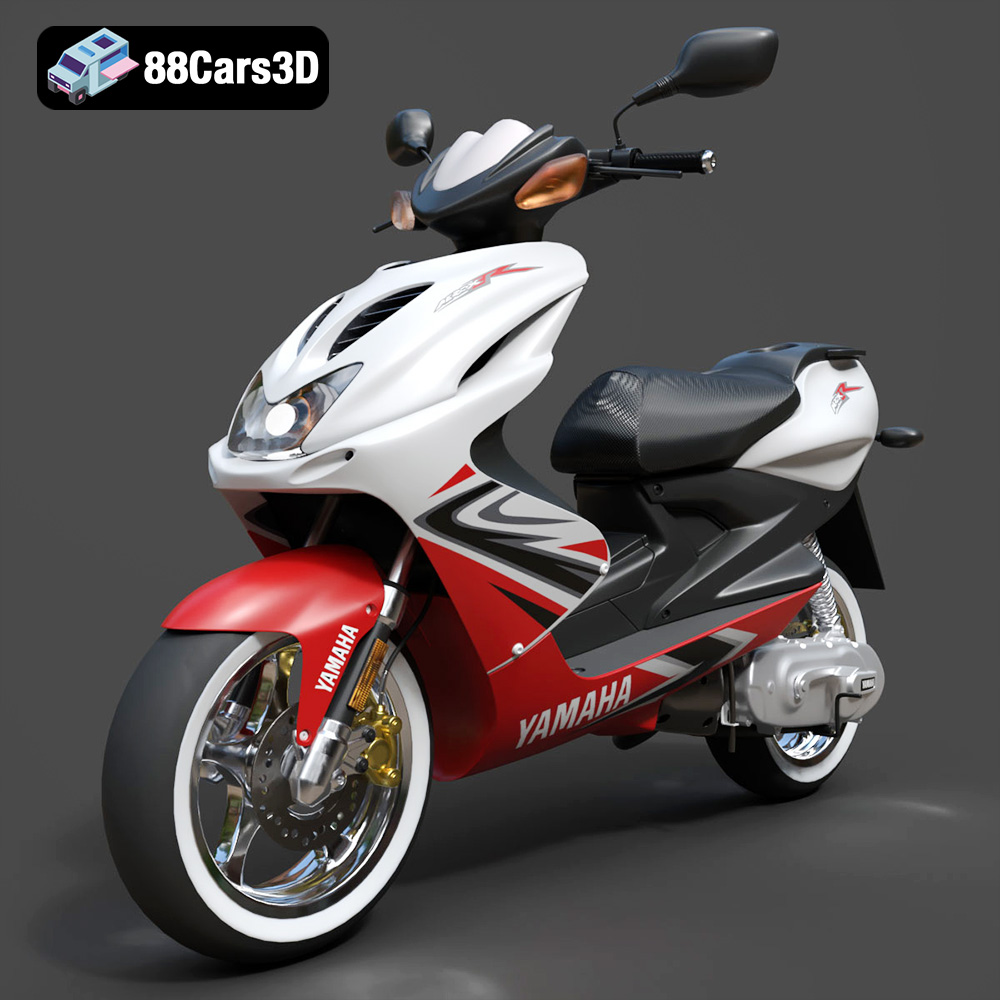
Yamaha Aerox R-002 2024 3D Model
Texture: Yes
Material: Yes
Download the Yamaha Aerox R-002 2024 3D Model featuring clean geometry, realistic detailing, and a fully modeled interior. Includes .blend, .fbx, .obj, .glb, .stl, .ply, .unreal, and .max formats for rendering, simulation, and game development.
Price: $19.99
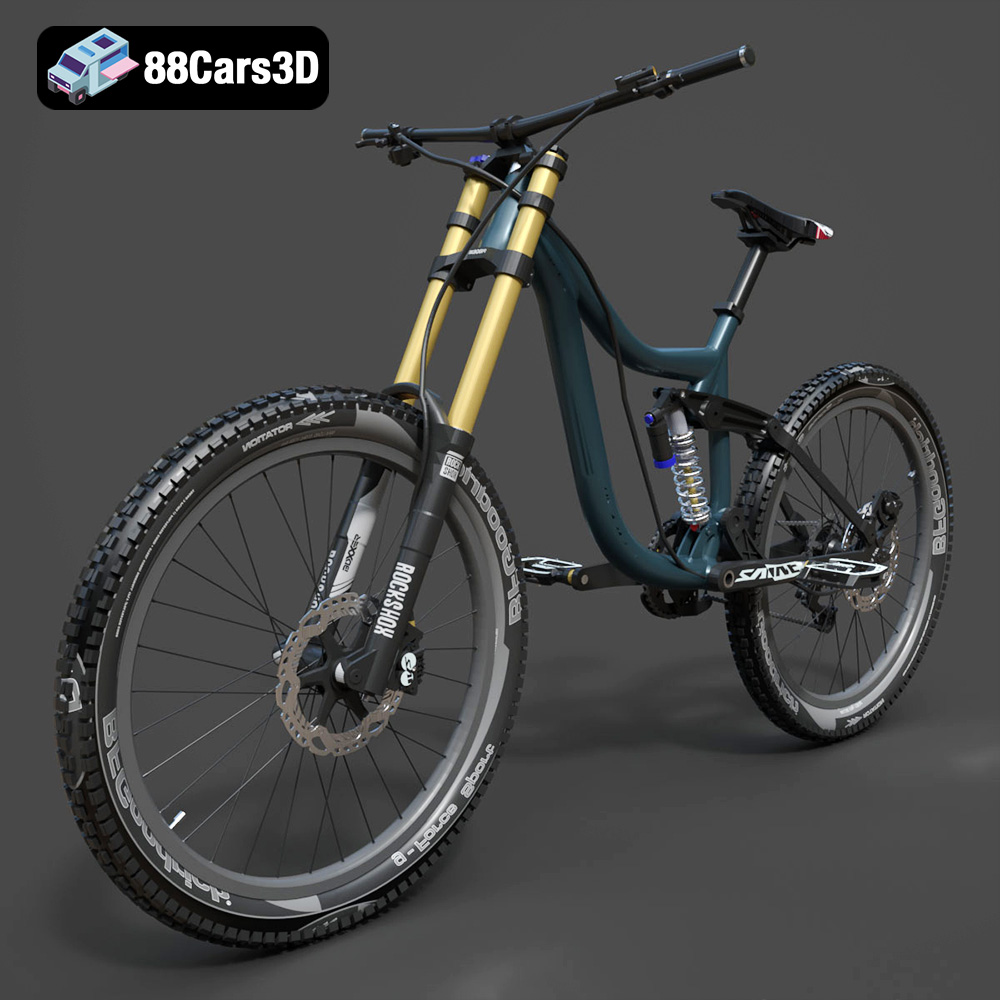
Mototsikly Downhill Bike-002 3D Model
Texture: Yes
Material: Yes
Download the Mototsikly Downhill Bike-002 3D Model featuring clean geometry, realistic detailing, and precise mechanical components. Includes .blend, .fbx, .obj, .glb, .stl, .ply, .unreal, and .max formats for rendering, simulation, and game development.
Price: $19.99
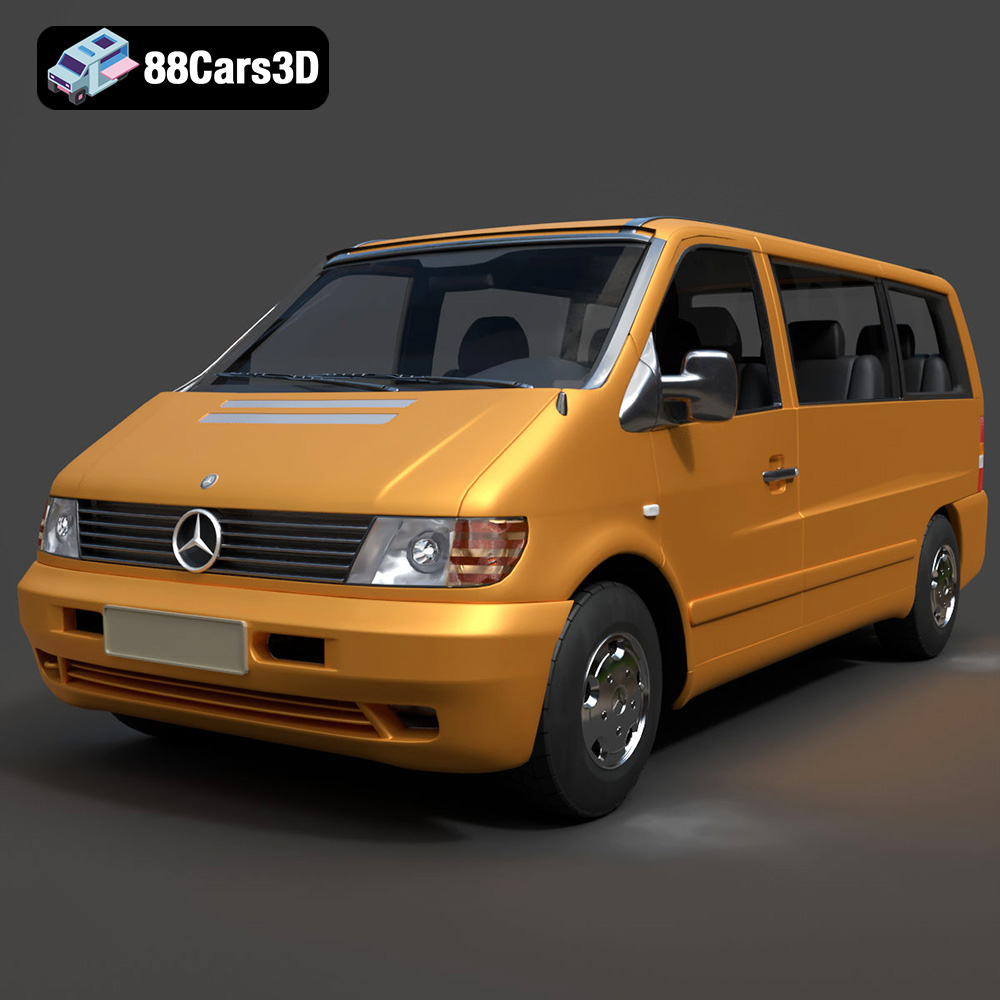
Mercedes-Benz Vito Passenger Van 3D Model
Texture: Yes
Material: Yes
Download the Mercedes-Benz Vito Passenger Van 3D Model featuring clean geometry, realistic detailing, and a fully modeled interior. Includes .blend, .fbx, .obj, .glb, .stl, .ply, .unreal, and .max formats for rendering, simulation, and game development.
Price: $19.99
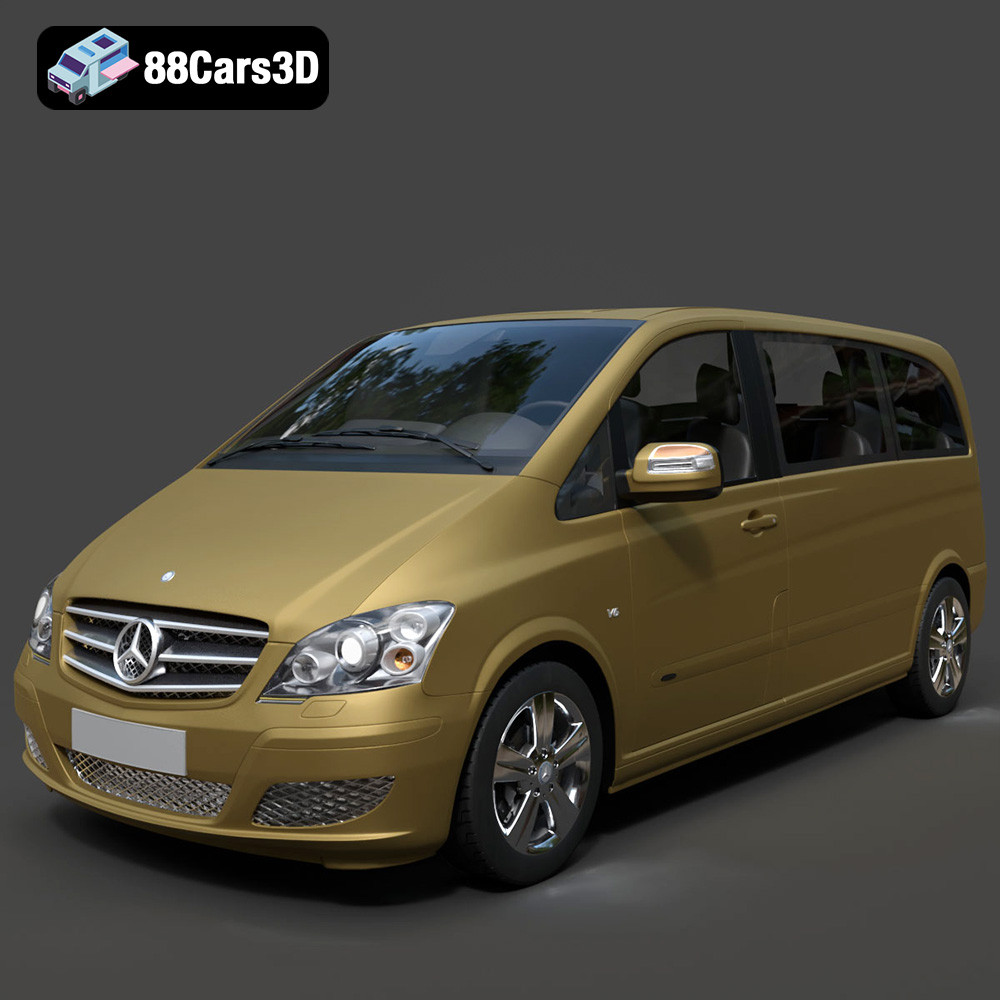
Mercedes-Benz Viano 2010 3D Model
Texture: Yes
Material: Yes
Download the Mercedes-Benz Viano 2010 3D Model featuring clean geometry, realistic detailing, and a fully modeled interior. Includes .blend, .fbx, .obj, .glb, .stl, .ply, .unreal, and .max formats for rendering, simulation, and game development.
Price: $19.99

Emt Avtobus 007 3D Model
Texture: Yes
Material: Yes
Download the Emt Avtobus 007 3D Model featuring clean geometry, realistic detailing, and a fully modeled interior. Includes .blend, .fbx, .obj, .glb, .stl, .ply, .unreal, and .max formats for rendering, simulation, and game development.
Price: $19.99
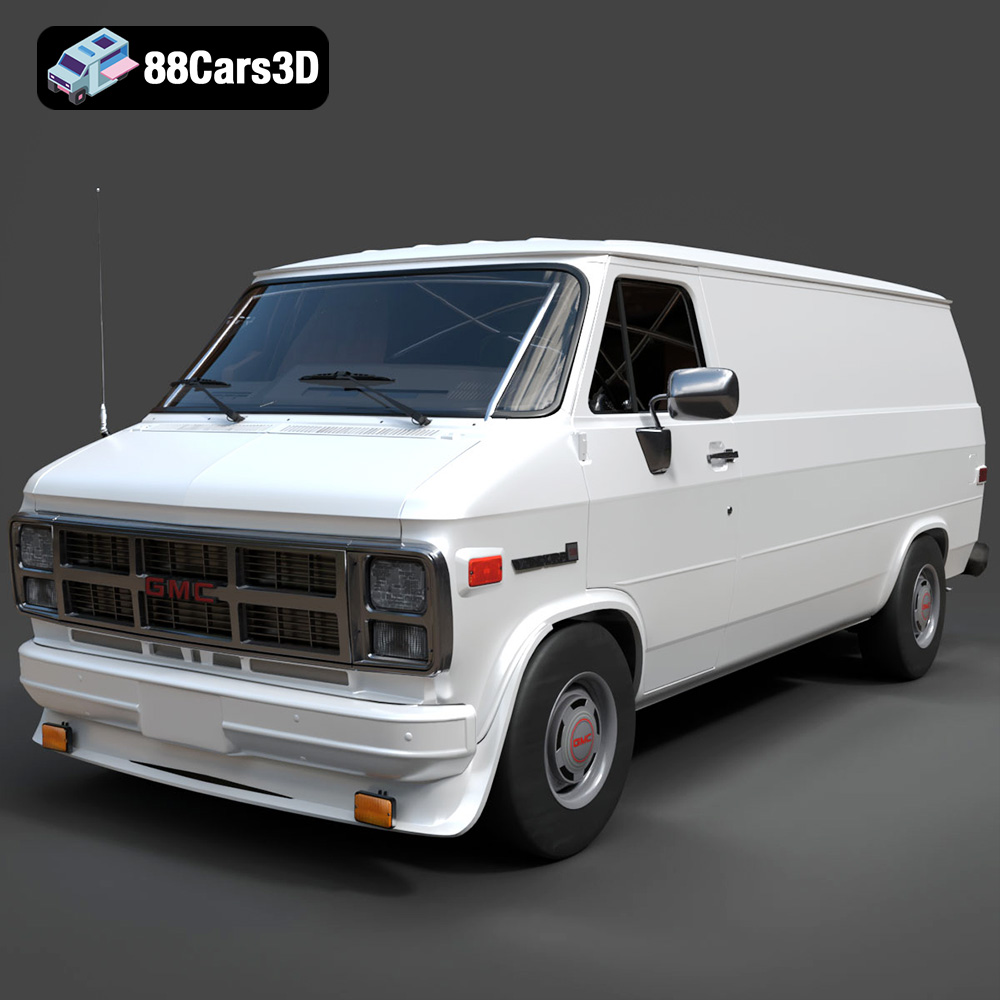
GMC Vandura G-1500 1983 3D Model
Texture: Yes
Material: Yes
Download the GMC Vandura G-1500 1983 3D Model featuring clean geometry, realistic detailing, and a fully modeled interior. Includes .blend, .fbx, .obj, .glb, .stl, .ply, .unreal, and .max formats for rendering, simulation, and game development.
Price: $19.99
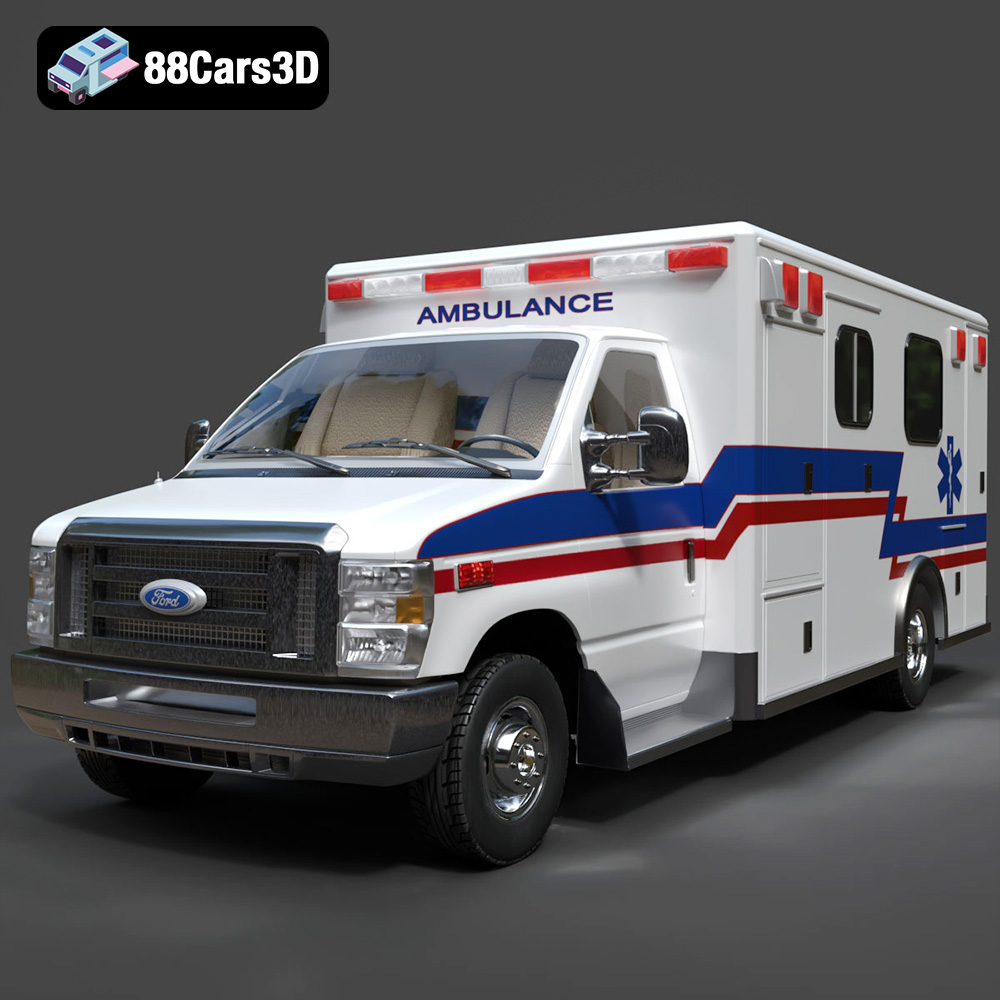
Ford E-450 Ambulance 3D Model
Texture: Yes
Material: Yes
Download the Ford E-450 Ambulance 3D Model featuring clean geometry, realistic detailing, and a fully modeled interior. Includes .blend, .fbx, .obj, .glb, .stl, .ply, .unreal, and .max formats for rendering, simulation, and game development.
Price: $19.99

Fiat Ducato SWB-001 3D Model
Texture: Yes
Material: Yes
Download the Fiat Ducato SWB-001 3D Model featuring clean geometry, realistic detailing, and a fully modeled interior. Includes .blend, .fbx, .obj, .glb, .stl, .ply, .unreal, and .max formats for rendering, simulation, and game development.
Price: $19.99
