

In the realm of real-time rendering and immersive experiences, static environments are a relic of the past. Modern automotive visualization, game development, and virtual production demand dynamic, living worlds that react and evolve. One of the most powerful tools for achieving this level of immersion is a robust, dynamic weather system. Imagine showcasing a meticulously detailed 3D car model – perhaps one sourced from 88cars3d.com – under the harsh glare of a desert sun, then transitioning seamlessly to the slick, reflective surfaces of a rainy cityscape, or the soft, diffuse light of a snowy landscape. This article will dive deep into creating such dynamic weather systems in Unreal Engine, exploring the core technologies, advanced techniques, and crucial optimization strategies needed to bring your virtual worlds to life. We’ll cover everything from particle systems and material manipulation to Blueprint scripting and lighting solutions, empowering you to craft compelling, weather-aware automotive experiences.
Foundations of Dynamic Weather in Unreal Engine
Building a dynamic weather system begins with establishing a solid foundation within your Unreal Engine project. This involves setting up the core atmospheric elements and understanding how your environment will respond to changing conditions. A well-structured project ensures scalability and manageability as you introduce complex weather states. The Unreal Engine provides a suite of powerful tools like the Sky Atmosphere, Directional Light, and Volumetric Clouds that form the backbone of any convincing outdoor scene, and these are the first elements we modify to reflect weather changes.
Project Setup and Core Systems (Time of Day, Sky Atmosphere)
Every dynamic weather system is intrinsically linked to a dynamic time-of-day (TOD) system. A simple yet effective setup involves a Directional Light representing the sun, an Sky Light for ambient illumination, and a Sky Atmosphere component. The Sky Atmosphere is crucial as it simulates the Rayleigh and Mie scattering of light, giving the sky its color and contributing to realistic fog and haze. To animate these, you can use a Blueprint actor that controls the rotation of the Directional Light based on a time variable (e.g., a float from 0 to 24 for hours). This same Blueprint can then drive parameters in the Sky Atmosphere, such as Multiplier or Absorption Scale, to simulate different atmospheric densities for clear, cloudy, or stormy conditions. For instance, increasing Mie Scattering Scale can simulate haze or dust, while modifying Rayleigh Scattering Scale affects the sky’s color at different times of day and under varying weather. Ensuring these core systems are parameterized allows for easy manipulation via your weather logic.
Integrating Automotive Assets from 88cars3d.com
When you’re building an automotive visualization project, the quality of your car models is paramount. Platforms like 88cars3d.com offer highly detailed 3D car models that are often pre-optimized for Unreal Engine. Importing these assets correctly is the first step. Typically, you’ll receive FBX or USD files. Ensure your import settings for Skeletal Meshes (if animated parts) or Static Meshes are appropriate, especially regarding normal import method and collision generation. For weather interaction, the key is not just importing the mesh, but understanding its material setup. High-quality PBR materials, essential for realistic rendering, become even more critical when simulating wetness, snow accumulation, or dust. You’ll need access to the base color, normal, roughness, and metallic maps to create convincing weather effects. Having clean UV mapping from the start, a hallmark of professional assets, simplifies the process of applying procedural weather layers to the car’s surface.
Performance Considerations for Base Scene
A dynamic weather system inherently adds computational overhead. Therefore, optimizing your base scene, even before adding weather effects, is crucial. High-polygon automotive models benefit immensely from Nanite virtualized geometry, allowing for cinematic detail without crippling performance. For environments, utilize LODs (Levels of Detail) for distant objects and foliage. Cull Distance Volumes can help hide irrelevant geometry. When using Lumen for global illumination, understand its performance characteristics. For instance, a very complex scene with many translucent objects might struggle more with Lumen than a simpler, opaque scene. Use Unreal Engine’s built-in profilers (e.g., stat unit, stat gpu) to identify bottlenecks early. Proper material instance usage, drawing from master materials, also significantly reduces material overhead. These foundational optimizations will provide the headroom needed for dynamic weather elements.
Crafting Realistic Rain Systems with Niagara and Materials
Rain is perhaps the most common and visually impactful weather effect. A truly convincing rain system requires more than just falling particles; it needs to interact with the environment, accumulate on surfaces, and affect lighting. Unreal Engine’s Niagara particle system and the flexible Material Editor are your primary tools here.
Niagara Particle System for Raindrops and Splashes
Niagara is Epic Games’ next-generation particle system, offering incredible flexibility and performance. To create falling rain, you’ll design a Niagara system with an Emitter spawning simple mesh particles (e.g., elongated rectangles or stretched spheres) with a translucent material. Key modules include:
- Spawn Rate: Controls the density of rain.
- Shape Location: A Box or Cylinder dictates where rain spawns, typically above the playable area.
- Velocity: Give particles a downward velocity and add some random variation.
- Collision: Enable CPU or GPU collisions for particles. GPU collision is more performant for dense systems. Set collision channels to interact with your environment.
- Lifetime: Set a short lifetime that matches the fall distance to avoid unnecessary particle rendering below the ground.
When a raindrop collides, you can trigger a sub-emitter for splashes. These splash emitters would spawn smaller, fast-fading particles or use flipbook textures for a more detailed splash effect. Optimizing Niagara involves using LODs for emitters (e.g., fewer particles or simpler materials at distance) and ensuring appropriate Culling Distance settings. For more details on Niagara workflows, consult the official Unreal Engine documentation.
Wet Surface Shaders and Puddle Accumulation with PBR Materials
The visual impact of rain is amplified by how surfaces react. This is where PBR materials shine. A “wetness” material function can be created to blend between a dry material and a wet version. The wet material typically involves:
- Lower Roughness: To make surfaces shinier and reflective.
- Tinted Base Color: Often slightly darker and desaturated, as wet materials absorb more light.
- Normal Map Blending: Blend in a small-scale normal map (e.g., water ripples) to simulate surface tension and small puddles.
This wetness effect can be driven by a global parameter controlled by your weather Blueprint. For more advanced puddle accumulation, you can use a Heightmap-based Puddle System. This involves rendering a grayscale texture (the puddle mask) that accumulates over time based on rain intensity. In your material, use this mask to drive a localized blend to a very reflective, lower-roughness material for the puddles. You can also offset the vertices in the puddle areas slightly to create actual depressions, enhancing the realism. For 3D car models from 88cars3d.com, you would typically create material instances of the car’s materials and add these wetness parameters, allowing for dynamic changes without modifying the original assets.
Real-time Ripples and Collision Effects
Beyond static wetness, dynamic elements like ripples and collision splashes significantly enhance realism. For puddles, a simple panner node applied to a normal map in your material can create the illusion of subtle surface movement. For more interactive ripples, especially for large bodies of water or where raindrops hit a puddle, you can use a Render Target. A Blueprint can “paint” ripples onto this Render Target using a material that propagates waves. This Render Target is then sampled in your water material to deform the normals and potentially the vertex positions, creating dynamic wave patterns. When rain particles collide with the car, specific Decal materials can be spawned that temporarily darken the surface or show small splash textures, fading out after a brief duration. This subtle feedback confirms the interaction between rain and your automotive asset, immersing the viewer further.
Simulating Snow and Ice: Materials, Particles, and Physics
Snow and ice present unique challenges compared to rain due to their accumulation, opaque nature, and distinct physical properties. A convincing snow system needs to account for soft, powdery flakes, crunchy accumulation, and icy surfaces that affect friction and reflection.
Material-Based Snow Accumulation on 3D Car Models and Environment
One of the most effective ways to simulate snow accumulation is directly within your PBR materials. This typically involves a World-Aligned Blend node. This node allows you to apply a snow material layer on surfaces facing upwards (e.g., perpendicular to the Z-axis). Your snow material should feature:
- High Roughness: For powdery, diffuse snow.
- Near-White Base Color: But with subtle variations and blueish tints in shadowed areas.
- Displacement/Tessellation: To give the snow volume and softness, especially on the top surfaces of your 3D car models. This can be driven by a noise texture.
- Subsurface Scattering: For a soft, translucent look, especially on thinner layers.
A global parameter, controlled by your weather Blueprint, can drive the blend factor of this world-aligned snow layer, allowing snow to accumulate and melt dynamically. For car models from 88cars3d.com, ensure they have sufficient geometric detail or utilize Nanite to handle the tessellation without performance issues. You can also use a Texture Bombing technique to break up repetitive patterns in the snow, ensuring it doesn’t look too uniform across large surfaces.
Niagara for Snowfall and Blizzards
Similar to rain, Niagara is your tool for creating falling snow. However, snow particles require different characteristics:
- Appearance: Use softer, rounder textures. Small, subtle variations in hue and opacity make it look more natural.
- Movement: Slower fall speed than rain, often with more lateral wind influence. A Vector Field can be used to direct snow particles, simulating swirling wind patterns for blizzards.
- Lifetime & Spawn: A longer lifetime is often needed to fill the view, but judicious culling is still important.
- Collision: While not always necessary for individual flakes, a global collision for environmental interaction can be useful for ground accumulation logic if not using a material-based solution alone.
For blizzards, increase the spawn rate dramatically, add more turbulent velocity, and introduce volumetric fog (discussed later) to reduce visibility. Use multiple emitters with slightly different settings (e.g., large distant flakes, smaller nearby flakes) to enhance depth perception. Particle light emission can also be added for glow effects, especially at night or when interacting with headlights on your automotive assets.
Basic Physics Interaction for Snow
While full-scale snow deformation and physics interaction can be extremely complex and performance-heavy, basic interactions can be faked effectively. For instance, when a car drives through accumulated snow, you can spawn Decal actors that have a “tire track” texture and slightly displace the terrain normal. These decals can fade out over time or be managed by a pooling system. For more advanced effects, you could use a Render Target to create dynamic snow displacement. The car’s tires “paint” onto a texture, and this texture is used in a material to displace vertices on the snow layer, creating visible tracks. For vehicle dynamics, the friction values of your car’s tires (within its Physics Asset or Chaos Vehicle component) can be adjusted via Blueprint based on the current weather state (e.g., lower friction for icy roads), providing a direct gameplay or simulation impact. This requires careful calibration but offers a much more immersive experience.
Dynamic Lighting and Atmospheric Effects for Weather
No weather system is complete without its impact on the scene’s lighting and atmosphere. The interplay of light, clouds, and volumetric effects defines the mood and visibility of a weather state.
Lumen and Sky Atmosphere for Weather-Driven Illumination Changes
Lumen, Unreal Engine’s real-time global illumination and reflections system, is a game-changer for dynamic lighting. When rain clouds roll in, reducing the intensity of your Directional Light (sun) and increasing the Cloud Opacity in your Sky Atmosphere component will automatically result in softer, more diffused lighting and reflections across your scene. Lumen will intelligently recalculate bounced light, making indoor areas darker and outdoor reflections more subdued. For nighttime rain, activating your car’s headlights (another excellent use case for Blueprint control) and allowing Lumen to illuminate the wet ground and nearby objects realistically adds significant visual fidelity. The Sky Light‘s intensity and cubemap (if using a captured one) should also be adjusted dynamically to match the overall sky brightness and color. For stormy conditions, a flickering Point Light or Spot Light can simulate lightning, briefly illuminating the scene through Lumen, creating dramatic flashes.
Volumetric Clouds and Fog for Atmospheric Depth
Volumetric Clouds in Unreal Engine provide incredible realism. By adjusting parameters such as Coverage, Density, and Anisotropy through Blueprint, you can transition from clear skies to thick overcast conditions, or even stormy cumulonimbus formations. Increasing Cloud Opacity and Max Ray Samples will make them appear denser, while modifying their World Location can simulate cloud movement. Volumetric Fog, a separate component, is essential for atmospheric haze, mist, and reduced visibility during rain or snow. Parameters like Fog Density, Albedo, and Emissive can be animated. For a heavy downpour or blizzard, a localized Exponential Height Fog actor or even a Post Process Volume with Fog settings can be used to further reduce visibility and enhance the atmospheric effect. Combining volumetric clouds and fog realistically simulates weather fronts and creates a believable sense of depth.
Optimizing Lighting for Performance Across Weather States
Dynamic lighting, especially with Lumen and volumetric effects, can be performance-intensive. When transitioning to stormy weather, consider reducing the complexity of some lighting calculations if possible. For instance, for distant areas, you might switch to a lower-resolution Lumen cache or even disable some reflection captures.
Shadows: Cascaded Shadow Maps (CSM) are great for dynamic shadows, but tune the number of cascades and distance carefully. During overcast weather, shadows are softer and less pronounced, so you might reduce their intensity or even use simpler shadow maps to save performance.
Volumetric Fog: High Volumetric Fog sample counts can be costly. Use CVARs to control settings like r.VolumetricFog.GridPixelSize or r.VolumetricFog.GridSizeZ to reduce quality in non-critical areas or during weather states where visual fidelity might be less critical due to heavy particle effects.
Niagara Lights: While individual particles can emit light, use this sparingly for performance. Instead, consider using a few well-placed Spot Lights or Point Lights attached to your weather Blueprint to simulate environmental illumination during extreme weather (e.g., flashes of lightning).
Blueprint Scripting for Weather Control and Interactivity
Blueprint visual scripting is the orchestrator of your dynamic weather system, providing the logic to manage transitions, respond to events, and offer interactive control.
State Machines and Event-Driven Weather Transitions
A state machine within a central Weather Blueprint actor is an ideal way to manage different weather conditions (e.g., Clear, Cloudy, Light Rain, Heavy Rain, Snow). Each state defines a unique set of parameters for your lighting, atmosphere, and particle systems.
- States: Represent distinct weather types (e.g., E_WeatherState::Clear, E_WeatherState::Rainy).
- Transitions: Define how one state changes to another, often based on timers, random chance, or user input. These transitions should involve Timelines or Lerp nodes to smoothly interpolate between parameter values (e.g., slowly increasing rain particle spawn rate, gradually darkening sky).
- Event Dispatchers: Can notify other Blueprints (like your car Blueprint) when the weather state changes, triggering specific reactions.
For example, a “Heavy Rain” state would set high rain particle spawn rates, low Sky Light intensity, high Volumetric Fog density, and maximum wetness material blend. A “Clear” state would reverse these. Randomness can be introduced with Random Float in Range nodes to make transitions less predictable and more organic. This modular approach makes it easy to add new weather types or modify existing ones.
Integrating Weather with Automotive Blueprints (Wiper Activation, Headlights)
The beauty of a dynamic weather system is its ability to interact with the interactive elements of your scene, especially your automotive assets. For the 3D car models you might find on 88cars3d.com, you can extend their functionality via Blueprint:
- Windshield Wipers: In your car’s Blueprint, create a function to activate windshield wipers. When your main Weather Blueprint transitions to a “Rainy” state (via an Event Dispatcher), it can call this function on all relevant car actors. You can use a Timeline to animate the wiper blades’ rotation, perhaps with different speeds for light vs. heavy rain.
- Headlights/Taillights: During low visibility conditions (rain, snow, night), your car’s Blueprint can automatically turn on its headlights and taillights. This involves setting the visibility and intensity of Spot Lights and Point Lights attached to the car mesh.
- Material Responses: You can also feed the “wetness amount” or “snow accumulation” parameters directly from the Weather Blueprint into the car’s material instances, ensuring its surfaces respond realistically in real-time. This provides immediate visual feedback.
- Audio: Trigger specific audio cues (rain on windshield, thunder, wind howling) through the car’s audio components based on weather conditions, further enhancing immersion.
This level of integration makes the car feel like a natural part of the dynamic environment.
User Interface for Interactive Weather Selection
For automotive configurators, interactive demos, or virtual production showcases, giving users control over the weather is a powerful feature. A simple UMG (Unreal Motion Graphics) Widget Blueprint can be created to serve as a user interface.
- Buttons/Sliders: Add buttons for “Clear,” “Rainy,” “Snowy,” etc., or a slider for “Rain Intensity.”
- Event Calls: When a button is clicked, it can call a custom event on your Weather Blueprint, passing the desired weather state. The Weather Blueprint then initiates the smooth transition using its state machine.
- Feedback: The UI can also display the current weather state or relevant data (e.g., temperature).
This allows for immediate comparison of how the 3D car models from 88cars3d.com look and behave under various conditions, which is invaluable for design review, marketing, and client presentations.
Advanced Weather Scenarios and Optimization Strategies
Pushing the boundaries of weather simulation requires tackling more complex interactions and ensuring everything runs smoothly, especially for demanding applications like AR/VR or virtual production.
Wind Systems and Environmental Reactivity (Foliage, Particles)
Wind is a crucial element often overlooked in weather systems. It adds movement and realism.
- Global Wind Direction & Strength: These parameters can be exposed in your Weather Blueprint.
- Foliage Interaction: Unreal Engine’s Foliage Tool allows you to apply wind effects to static meshes like trees and bushes. You can feed your global wind parameters directly into the foliage material, using material functions to create vertex animation that simulates leaves swaying.
- Niagara Particle Influence: Your rain and snow Niagara systems should be able to receive wind vector input. The Add Velocity or Vector Field Force modules in Niagara can be used to simulate wind pushing particles.
- Dust & Debris: For heavy wind or sandstorms, Niagara can be used to simulate swirling dust or falling leaves, adding to the atmosphere. These systems often benefit from GPU particles for higher density.
Ensuring wind affects multiple aspects of the environment uniformly creates a cohesive and believable world.
Performance Optimization for Complex Weather (LODs, Cull Distance, Instancing)
Managing the performance overhead of complex weather is paramount.
- Niagara LODs and Culling: Configure LODs for your Niagara emitters. For example, distant rain might use fewer, simpler particles or even a screen-space effect, while close-up rain uses high-detail splashes. Adjust Culling Distance and Max Particles based on the camera’s distance.
- Material Instancing: Always use Material Instances for your wetness and snow shaders. This allows you to modify parameters without recompiling the base material, saving both performance and iteration time.
- Decal Pooling: If spawning many decals (e.g., rain splashes on the car, tire tracks in snow), use a Object Pool system in Blueprint to recycle decals instead of constantly spawning and destroying them.
- Conditional Rendering: In some cases, you might entirely disable certain expensive effects (e.g., highly detailed volumetric clouds) when they are not in the camera’s view or when performance targets dictate. For example, during heavy fog, you might simplify distant lighting calculations.
- Scalability Settings: Expose weather quality settings to the user or tie them to Unreal Engine’s built-in Scalability Settings (e.g., low-end machines get simpler rain, high-end get full volumetric clouds).
Regular profiling using Unreal Engine’s statistics tools (stat gpu, stat unitgraph) is crucial to identify and address bottlenecks. Refer to the official Unreal Engine documentation on optimization at dev.epicgames.com/community/unreal-engine/learning for comprehensive guidance.
AR/VR and Virtual Production Considerations for Weather
AR/VR and Virtual Production environments introduce specific challenges for dynamic weather systems.
- AR/VR Performance: Maintaining high frame rates (e.g., 90 FPS per eye for VR) is critical. This often means aggressive optimization of particle counts, shader complexity, and volumetric effects. Consider using simplified particle materials, baked lighting for static elements, and very conservative Lumen settings. Forward Shading can also offer performance benefits for VR.
- Virtual Production (LED Walls): For LED walls, the weather system needs to be seamlessly integrated with the real-world foreground. This means accurate lighting and reflection synchronization between the digital background and physical props (like actual vehicles). Rain effects seen on an LED wall need to match real-world elements like water on a physical car. Sometimes, Chroma Keying can be used to composite digital rain over a live-action foreground, or even synchronized physical effects are used. Reflections on the LED wall’s digital wet surfaces need to be accurate, reflecting any foreground objects or actors precisely.
- Consistency: For both AR/VR and Virtual Production, ensuring the weather effects maintain visual consistency and presence across different viewpoints and platforms is key to immersion and believability.
These specialized applications often require creative compromises and deep technical understanding to balance visual fidelity with stringent performance and integration requirements.
Conclusion
Dynamic weather systems are a cornerstone of creating truly immersive and believable real-time environments, elevating everything from game experiences to high-end automotive visualization. By leveraging Unreal Engine’s powerful toolset – from Niagara’s sophisticated particle simulation and the Material Editor’s flexible PBR capabilities to Blueprint’s intuitive scripting and Lumen’s stunning global illumination – you can craft compelling weather that reacts realistically with your scene and, importantly, with the meticulously detailed 3D car models available on platforms like 88cars3d.com. The journey involves careful planning, technical precision, and a keen eye for optimization, especially when targeting demanding platforms like AR/VR or virtual production. Mastering these techniques will empower you to breathe unprecedented life into your projects, offering users dynamic and unforgettable visual experiences that adapt and evolve in real time.
Featured 3D Car Models
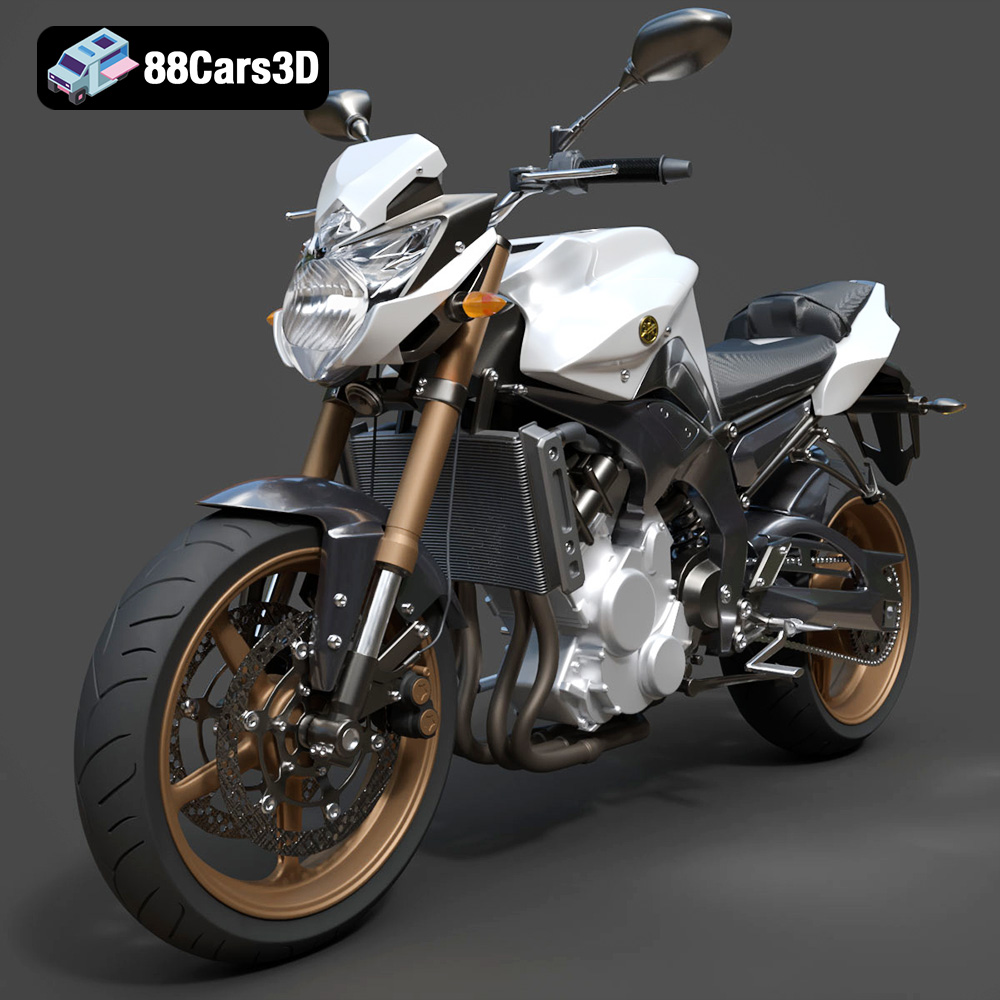
Yamaha FZ8 2011 3D Model
Texture: Yes
Material: Yes
Download the Yamaha FZ8 2011 3D Model featuring clean geometry, realistic detailing, and a fully modeled interior. Includes .blend, .fbx, .obj, .glb, .stl, .ply, .unreal, and .max formats for rendering, simulation, and game development.
Price: $19.99
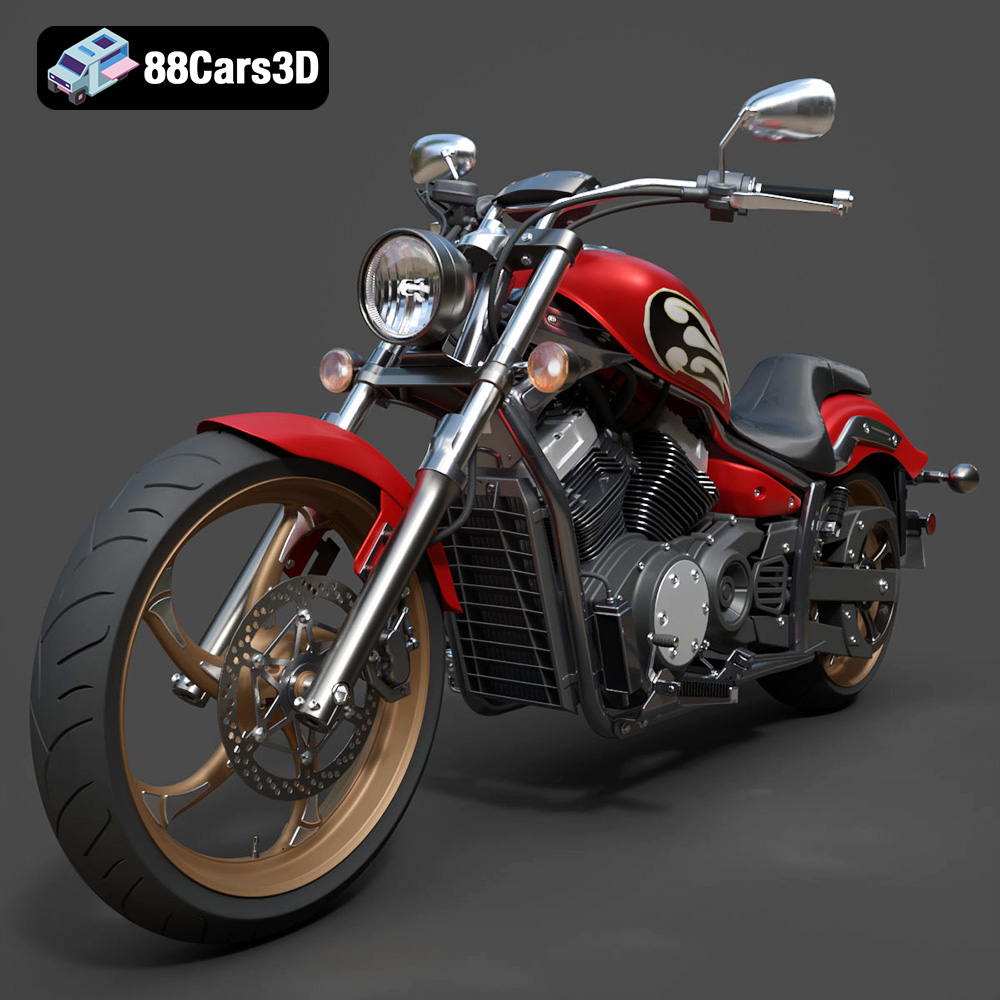
Yamaha Stryker 2012 3D Model
Texture: Yes
Material: Yes
Download the Yamaha Stryker 2012 3D Model featuring clean geometry, realistic detailing, and a fully modeled interior. Includes .blend, .fbx, .obj, .glb, .stl, .ply, .unreal, and .max formats for rendering, simulation, and game development.
Price: $19.99
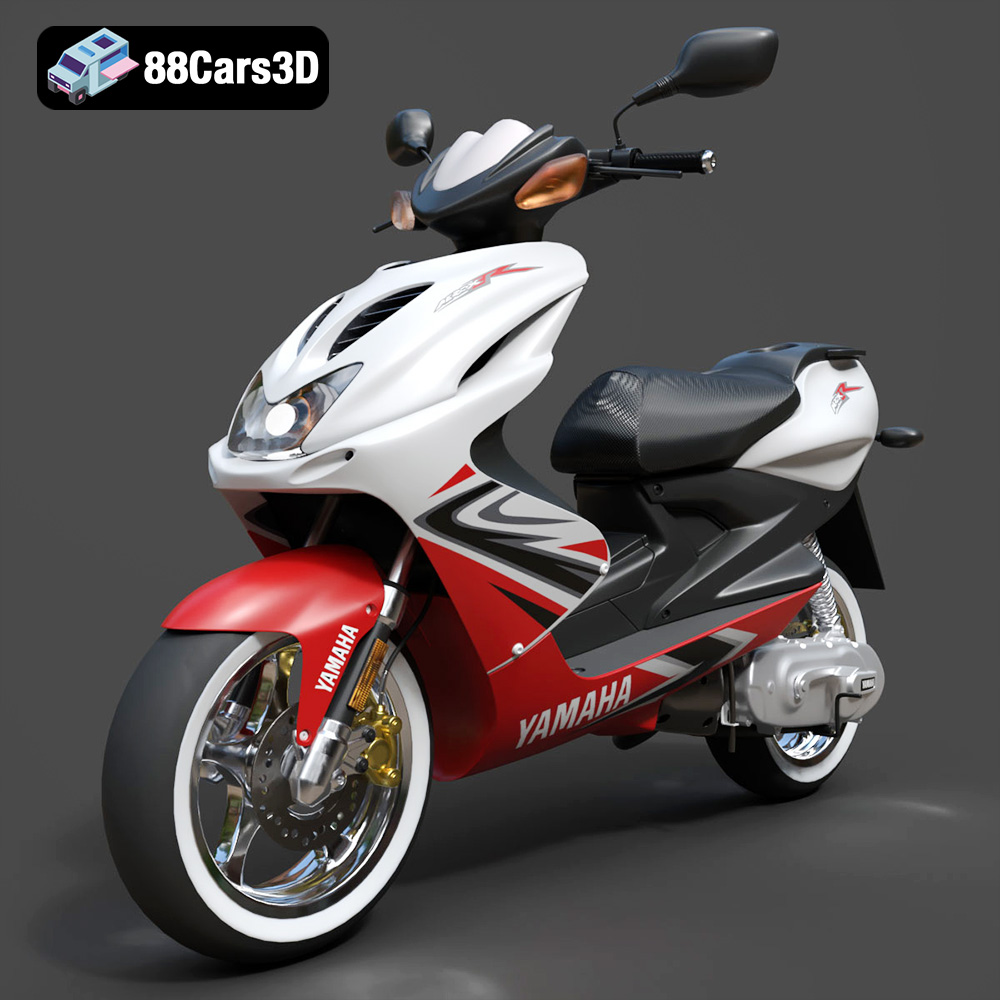
Yamaha Aerox R-002 2024 3D Model
Texture: Yes
Material: Yes
Download the Yamaha Aerox R-002 2024 3D Model featuring clean geometry, realistic detailing, and a fully modeled interior. Includes .blend, .fbx, .obj, .glb, .stl, .ply, .unreal, and .max formats for rendering, simulation, and game development.
Price: $19.99
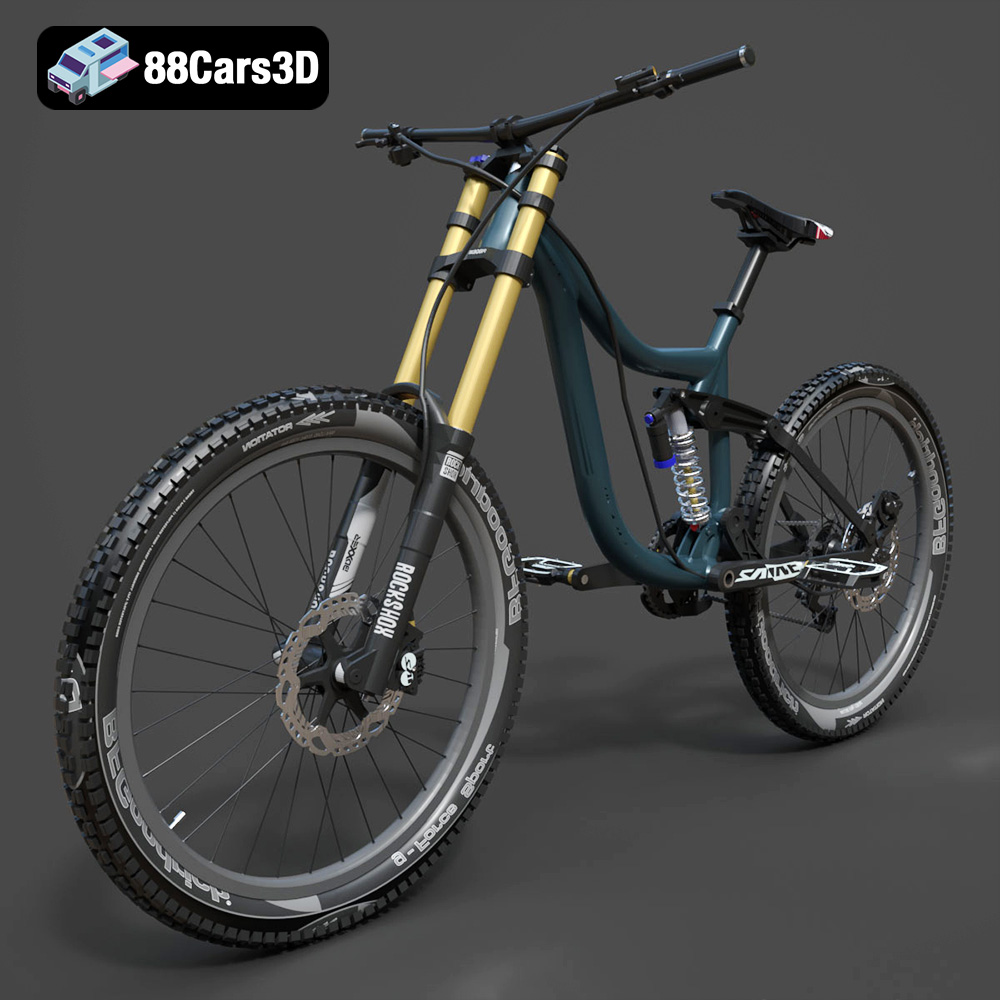
Mototsikly Downhill Bike-002 3D Model
Texture: Yes
Material: Yes
Download the Mototsikly Downhill Bike-002 3D Model featuring clean geometry, realistic detailing, and precise mechanical components. Includes .blend, .fbx, .obj, .glb, .stl, .ply, .unreal, and .max formats for rendering, simulation, and game development.
Price: $19.99
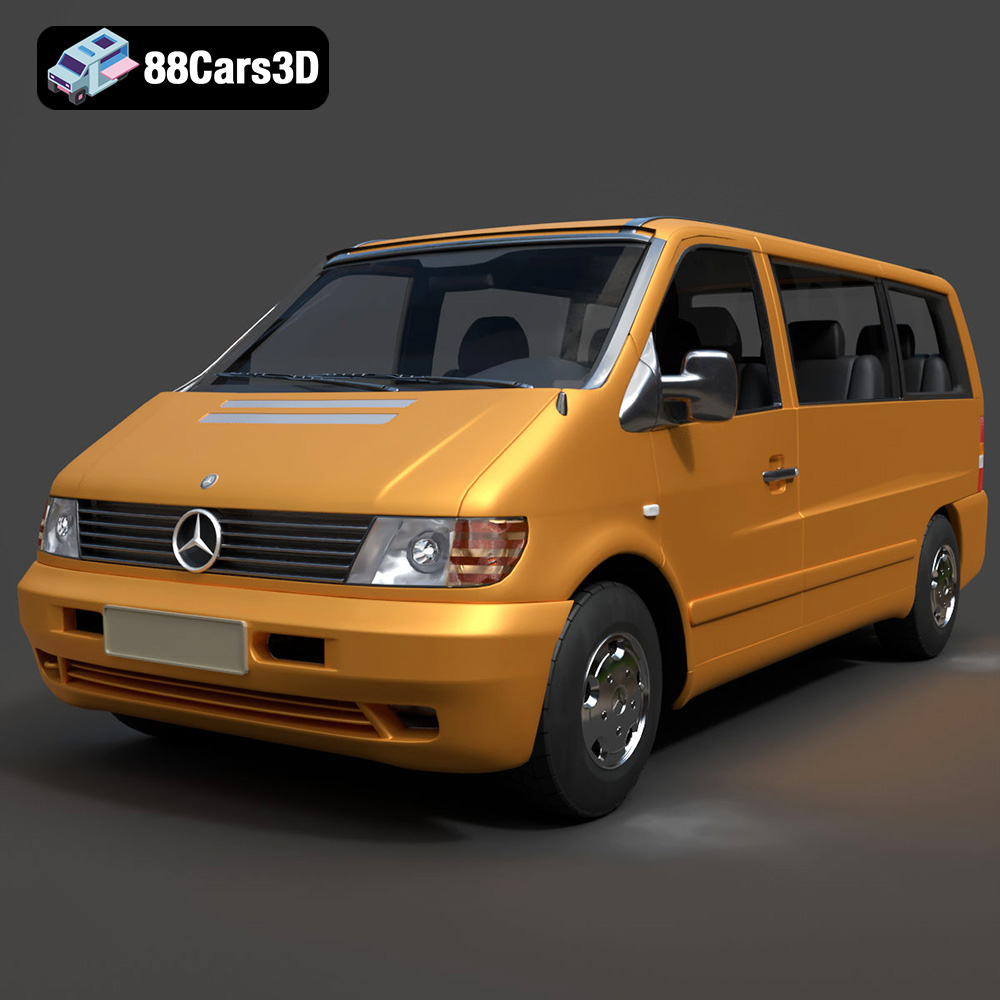
Mercedes-Benz Vito Passenger Van 3D Model
Texture: Yes
Material: Yes
Download the Mercedes-Benz Vito Passenger Van 3D Model featuring clean geometry, realistic detailing, and a fully modeled interior. Includes .blend, .fbx, .obj, .glb, .stl, .ply, .unreal, and .max formats for rendering, simulation, and game development.
Price: $19.99
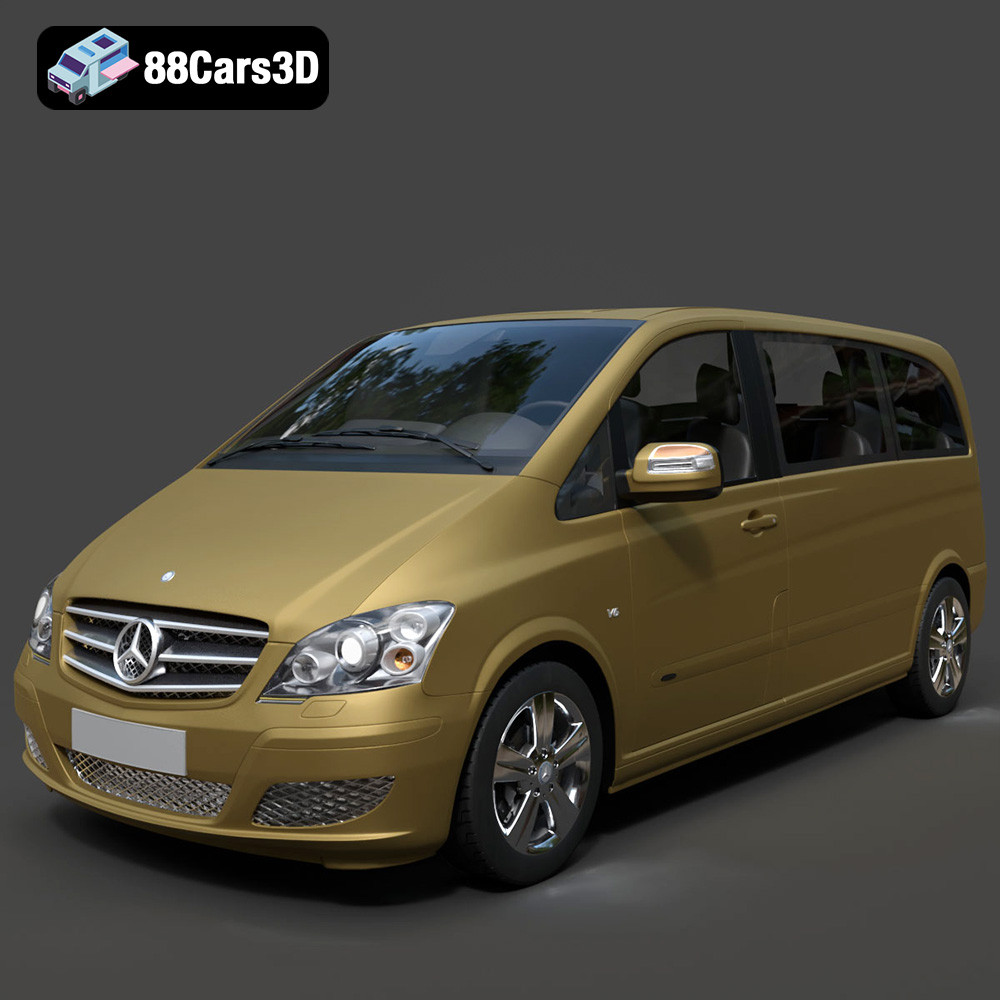
Mercedes-Benz Viano 2010 3D Model
Texture: Yes
Material: Yes
Download the Mercedes-Benz Viano 2010 3D Model featuring clean geometry, realistic detailing, and a fully modeled interior. Includes .blend, .fbx, .obj, .glb, .stl, .ply, .unreal, and .max formats for rendering, simulation, and game development.
Price: $19.99

Emt Avtobus 007 3D Model
Texture: Yes
Material: Yes
Download the Emt Avtobus 007 3D Model featuring clean geometry, realistic detailing, and a fully modeled interior. Includes .blend, .fbx, .obj, .glb, .stl, .ply, .unreal, and .max formats for rendering, simulation, and game development.
Price: $19.99
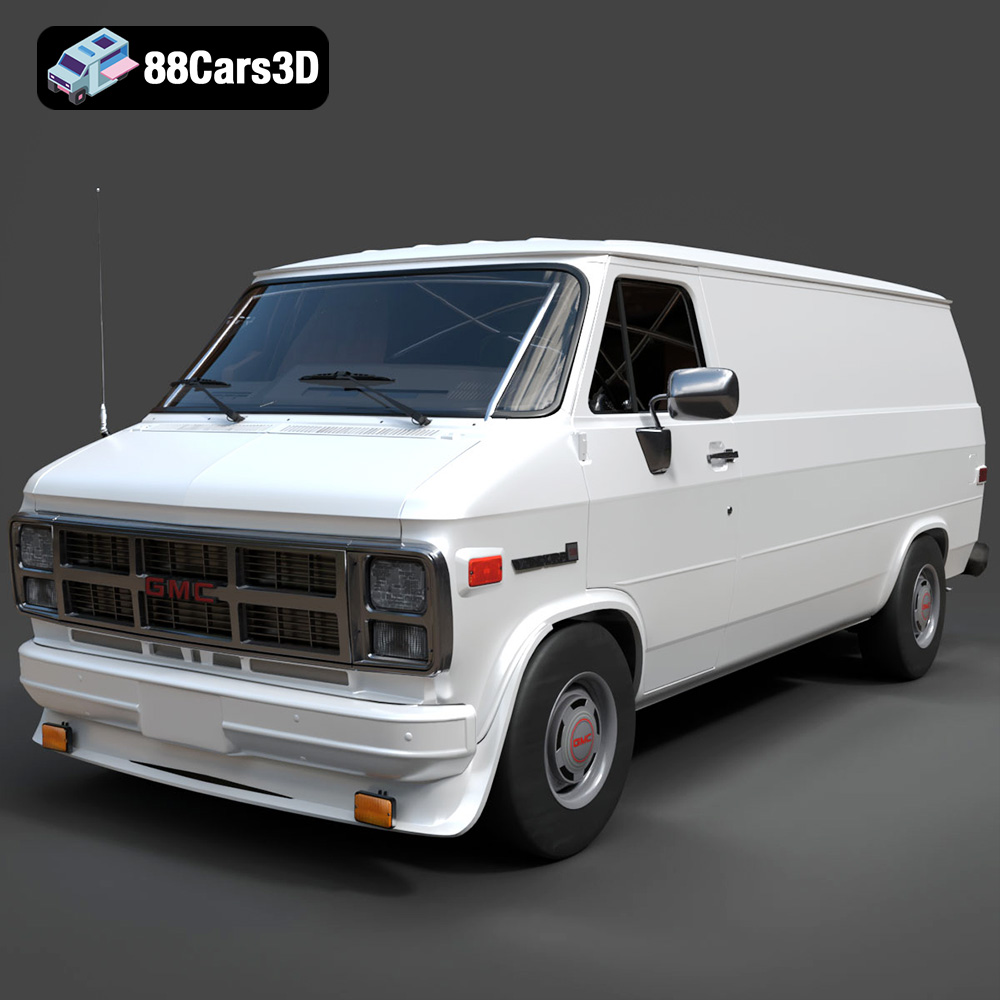
GMC Vandura G-1500 1983 3D Model
Texture: Yes
Material: Yes
Download the GMC Vandura G-1500 1983 3D Model featuring clean geometry, realistic detailing, and a fully modeled interior. Includes .blend, .fbx, .obj, .glb, .stl, .ply, .unreal, and .max formats for rendering, simulation, and game development.
Price: $19.99
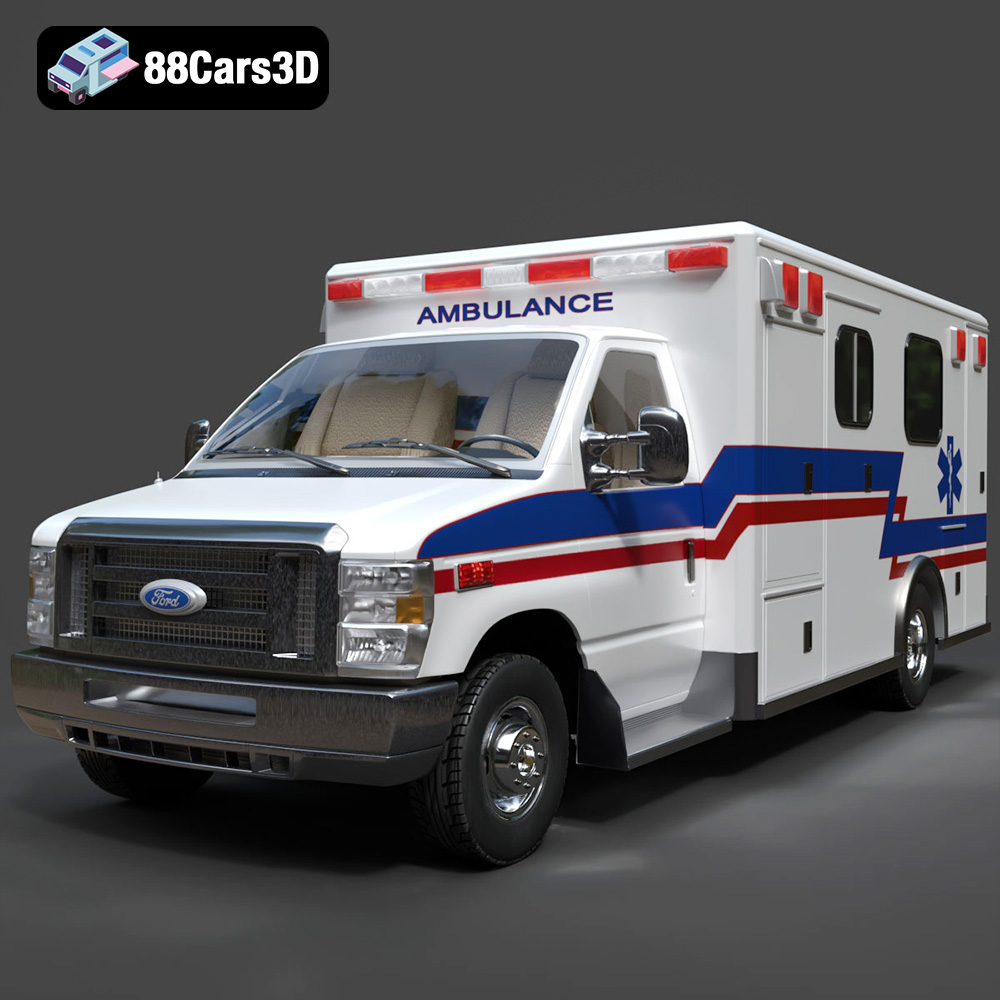
Ford E-450 Ambulance 3D Model
Texture: Yes
Material: Yes
Download the Ford E-450 Ambulance 3D Model featuring clean geometry, realistic detailing, and a fully modeled interior. Includes .blend, .fbx, .obj, .glb, .stl, .ply, .unreal, and .max formats for rendering, simulation, and game development.
Price: $19.99

Fiat Ducato SWB-001 3D Model
Texture: Yes
Material: Yes
Download the Fiat Ducato SWB-001 3D Model featuring clean geometry, realistic detailing, and a fully modeled interior. Includes .blend, .fbx, .obj, .glb, .stl, .ply, .unreal, and .max formats for rendering, simulation, and game development.
Price: $19.99
