

The quest for photorealistic automotive visualization in real-time has long been a driving force in the 3D industry. Artists and developers have constantly pushed the boundaries of technology, striving to bridge the gap between static renders and dynamic, interactive experiences. With the advent of Unreal Engine 5, this pursuit reached a groundbreaking milestone through the introduction of Lumen Global Illumination. Lumen isn’t just an incremental update; it’s a paradigm shift, fundamentally changing how light behaves and interacts within a scene, offering unprecedented realism and dynamic flexibility for everything from vehicle configurators to virtual production stages.
For professionals working with high-fidelity 3D car models, game development, or architectural visualization, Lumen represents a powerful tool to elevate visual quality without sacrificing real-time performance. This technical deep dive will unravel the intricacies of Lumen, exploring its core mechanisms, project setup, optimization strategies, and how it seamlessly integrates with advanced Unreal Engine features to bring automotive scenes to life. Whether you’re an Unreal Engine developer, a 3D artist aiming for stunning realism, or a designer building the next generation of interactive car experiences, understanding Lumen is paramount to unlocking the full potential of your creations.
Understanding Lumen: The Core of Next-Gen Global Illumination
Global Illumination (GI) is the holy grail of realistic rendering. It simulates how light bounces off surfaces and indirectly illuminates other parts of a scene, creating soft shadows, color bleeding, and realistic ambient light that screen-space techniques or direct lighting alone cannot achieve. Historically, achieving high-quality GI in real-time was incredibly challenging, often relying on pre-baked lightmaps (Lightmass in Unreal Engine) which, while visually impressive, were static and required lengthy bake times, hindering iteration and dynamic scene changes.
Lumen revolutionizes this by providing a fully dynamic, real-time global illumination and reflection solution within Unreal Engine 5. It calculates diffuse inter-reflection with infinite bounces and specular reflections, allowing light to propagate throughout the environment as it would in the real world. This means objects can be moved, lights can be adjusted, and environments can be altered in real-time, with Lumen instantly updating the global illumination. This dynamic capability is a game-changer for automotive visualization, where interactive elements like opening car doors, changing paint colors, or moving a vehicle through different lighting conditions are common requirements.
Lumen’s Technical Foundations
Lumen operates primarily through a software ray tracing approach, though it can leverage hardware ray tracing for reflections if a compatible GPU is present. It utilizes a combination of techniques to efficiently gather and propagate light information: Scene Captures, Mesh Distance Fields (MDFs), and Surface Caching. For general global illumination, Lumen primarily relies on MDFs, which are voxelized representations of your scene’s geometry, allowing for fast ray tracing against static and dynamic objects. When Nanite virtualized geometry is enabled for your high-poly 3D car models, Lumen utilizes these generated Mesh Distance Fields to approximate the complex geometry, contributing to indirect lighting without tracing against every single triangle.
The system also uses a technique called Final Gather, which takes many rays from a camera’s perspective to gather light from the scene’s surface caches. These surface caches store detailed lighting information for areas that Lumen has already evaluated. For reflections, Lumen can use either screen-space reflections, software ray tracing against MDFs, or high-quality hardware ray tracing, providing a scalable solution based on performance needs and hardware capabilities. This multi-pronged approach ensures a robust and efficient solution for complex scenes, making it ideal for rendering intricate automotive designs.
Lumen vs. Traditional GI Solutions
The most significant advantage of Lumen over traditional GI solutions like Lightmass is its dynamic nature. Lightmass, while producing high-quality baked lightmaps, requires rebuilding lighting every time a static light or static geometry is moved. This process can take minutes or even hours for large, complex scenes, severely impeding iteration speed. Lumen eliminates this bottleneck entirely. Imagine iterating on a car showroom layout: with Lightmass, every repositioning of a wall or a display stand demands a full re-bake. With Lumen, these changes are instantaneous, providing immediate visual feedback.
Furthermore, Lumen surpasses screen-space GI techniques by calculating light bounces beyond what’s visible on screen. Screen-space solutions are limited to the information currently displayed, leading to issues like light popping or missing GI for off-screen elements. Lumen, through its reliance on Mesh Distance Fields and global scene information, provides more consistent and accurate global illumination, even for objects partially or entirely out of view. This fundamental difference is crucial for achieving consistent visual fidelity across varying camera angles, particularly important when showcasing the intricate details of high-quality 3D car models.
Setting Up Your Unreal Engine Project for Lumen-Powered Automotive Scenes
Integrating Lumen into your Unreal Engine project for automotive visualization is a straightforward process, though it requires specific configuration to unlock its full potential. To begin, ensure you are running Unreal Engine 5 or later, as Lumen is a core feature of this generation. Once your project is open, navigate to Project Settings > Engine > Rendering.
Within the Rendering section, locate the Global Illumination and Reflections categories. Here, you’ll need to set the “Dynamic Global Illumination Method” and “Reflection Method” to “Lumen.” This single change enables Lumen across your entire project. For initial tuning and debugging, you might also find yourself using console variables. For instance, `r.Lumen.DiffuseTracing.MaxBounces 2` will limit GI bounces to two, which can be a good performance trade-off for some scenarios, while `r.Lumen.Reflections.0` can toggle Lumen reflections. Always remember to restart the editor after changing these core settings in Project Settings to ensure they take full effect.
Preparing Your 3D Car Models for Lumen
The quality of your 3D car models is paramount when working with Lumen. High-quality assets, like those readily available on marketplaces such as 88cars3d.com, come optimized with clean topology, proper UV mapping, and PBR-ready materials. These characteristics are critical for Lumen to accurately calculate light bounces and reflections.
For incredibly detailed car models, especially those with millions of polygons, Nanite virtualized geometry is a must-have. Nanite allows you to import and render film-quality assets with virtually unlimited polygon counts without a significant performance hit. Lumen interacts seamlessly with Nanite meshes by primarily using the generated Mesh Distance Fields (MDFs) for its global illumination calculations. To ensure your Nanite-enabled meshes contribute correctly to Lumen, make sure “Generate Mesh Distance Fields” is enabled in Project Settings > Engine > Rendering. This generates the necessary voxelized data that Lumen uses for ray tracing, ensuring your high-detail car models cast and receive accurate indirect light. Without proper MDF generation, Lumen might treat highly detailed objects as simple proxies, leading to incorrect lighting.
Essential Lighting & Post-Processing Setup
For a Lumen-powered scene to truly shine, you need a balanced lighting setup. Start with a Directional Light to simulate sunlight. Crucially, enable “Cast Ray Traced Shadows” on your Directional Light for accurate, high-quality shadow casting that complements Lumen’s GI. A Sky Light is also essential for capturing the overall ambient light of your environment. Set its “Source Type” to “SLS Captured Scene” and ensure “Real Time Capture” is enabled. This allows the Sky Light to dynamically update its contribution based on your scene, interacting beautifully with Lumen’s dynamic GI.
Beyond these primary lights, consider adding Emissive Materials to your 3D car models for elements like headlights, taillights, and dashboard displays. Lumen will naturally pick up on these emissive properties and propagate their light throughout the scene, adding an incredible layer of realism. Finally, a Post Process Volume is indispensable. Ensure it’s unbound (or encompasses your entire scene) and tweak settings like “Exposure” (especially “Auto Exposure” to “Min/Max Brightness”), “Color Grading” for artistic control, and “Bloom” to enhance the glow from emissive surfaces. Lumen’s quality can be further refined here under the “Global Illumination” and “Reflections” sections, allowing you to fine-tune intensity and quality settings.
Optimizing Lumen Performance for Real-Time Automotive Visualization
While Lumen offers unparalleled visual fidelity, it is a GPU-intensive feature. Achieving a desirable frame rate for real-time automotive visualization, especially for interactive configurators or AR/VR applications, requires careful optimization. The goal is to strike a balance between visual quality and performance, making informed decisions about Lumen’s settings and overall scene complexity.
Lumen’s performance is heavily influenced by factors such as screen resolution, the number of light bounces, the complexity of your scene’s geometry (even with Nanite, MDF generation has a cost), and the number of dynamic lights. You can significantly impact performance by adjusting specific Lumen quality settings via console variables or within the Post Process Volume. For instance, reducing `r.Lumen.DiffuseTracing.MaxBounces` from the default of 3 to 2 can provide a noticeable performance boost with a minimal visual impact for many scenes. Similarly, `r.Lumen.MaxTraceDistance` can limit how far Lumen rays travel, which can be useful for contained interior scenes, reducing unnecessary calculations. However, be mindful that lowering these settings too much can lead to less convincing global illumination.
Leveraging Nanite with Lumen for High-Fidelity Cars
Nanite and Lumen are designed to work in tandem, offering a powerful combination for rendering incredibly detailed 3D car models. Nanite allows you to import models with tens of millions of polygons without worrying about traditional LODs or draw calls. For Lumen’s global illumination, Nanite meshes generate Mesh Distance Fields (MDFs), which are simplified, volumetric representations of the mesh. Lumen then traces against these MDFs rather than the full-resolution Nanite mesh, significantly optimizing GI calculations.
To ensure optimal interaction, verify that “Generate Mesh Distance Fields” is enabled in your Project Settings. For particularly intricate car models, you might need to adjust the “Distance Field Resolution Scale” on individual static mesh assets in their details panel to ensure sufficient detail for Lumen’s GI. While Nanite effectively handles the rendering of high-poly cars, the accuracy of their contribution to Lumen’s GI depends on the quality and resolution of their Mesh Distance Fields. Problems like light leaks or inaccurate indirect shadows can often be traced back to insufficient MDF resolution or issues with the source mesh geometry that prevent proper MDF generation. Always inspect your Mesh Distance Fields using the “Visualize Distance Fields” view mode (Alt+Shift+D) to ensure they accurately represent your car models.
Scene Optimization & Best Practices
Beyond Lumen’s specific settings, overall scene optimization plays a critical role. Here are some actionable tips:
- Limit Light Bounces: Experiment with `r.Lumen.DiffuseTracing.MaxBounces` to find the sweet spot for your scene. Often, 2-3 bounces are sufficient for convincing realism without excessive cost.
- Optimize Texture Resolutions: While Nanite handles geometry, texture memory is still crucial. Use appropriate texture resolutions (e.g., 2048×2048 for main body, 1024×1024 for less prominent parts) and utilize texture streaming.
- Strategic LODs: For background elements or objects not utilizing Nanite, traditional Level of Detail (LOD) setups remain important to reduce rendered complexity at a distance.
- Culling Unnecessary Geometry: Ensure your scene only contains what’s needed. Remove invisible geometry or merge static meshes where possible to reduce draw calls.
- Lumen Settings per Object: In the details panel of individual Static Mesh Actors, you can control whether an object “Affects Lumen Global Illumination” or “Affects Lumen Reflections.” This allows you to selectively disable Lumen’s influence on minor background props that contribute little to the overall lighting but still incur a performance cost.
- Profiling: Regularly use the GPU Visualizer (Ctrl+Shift+,) and Stat GPU to identify performance bottlenecks. Look for high timings under “Lumen GI,” “Lumen Reflections,” or “Distance Field Generation” to pinpoint areas needing optimization.
Achieving Photorealism with Lumen and PBR Materials on 3D Cars
The true magic of Lumen unfolds when combined with physically based rendering (PBR) materials. PBR materials are designed to react to light in a way that mimics real-world physics, defining properties like metallicness, roughness, and albedo. Lumen’s accurate propagation of light means that these PBR characteristics are respected throughout the entire scene, leading to incredibly convincing diffuse and specular light interactions on your 3D car models.
A perfectly crafted PBR material for car paint, for instance, will not only look stunning under direct light but will also correctly reflect the ambient light from its surroundings, cast accurate color bounces onto nearby surfaces, and reveal subtle nuances like metallic flakes or clear coat reflections. Lumen’s dynamic nature ensures that as the lighting conditions change – whether it’s moving the car into a tunnel or adjusting the time of day – the materials on the car will respond appropriately and realistically, without needing any pre-baked data.
Advanced Material Workflows for Automotive Finishes
Achieving photorealistic automotive finishes requires a deep understanding of Unreal Engine’s Material Editor and the principles of PBR. For complex car paints, a layered material approach is often employed. This typically involves:
- Base Coat: Defines the primary color (Albedo), metallic properties, and initial roughness.
- Metallic Flakes: A separate layer, often achieved with a detailed normal map and varying metallic/roughness values, to simulate the sparkling effect of metallic flakes within the paint. This layer needs precise control over its blend with the base coat.
- Clear Coat: The outermost protective layer, characterized by its own roughness and specular properties. This is typically a very smooth (low roughness) dielectric layer that adds a distinct sheen and reflections. Unreal Engine’s clear coat shading model is specifically designed for this.
For glass materials, focus on accurate transmission and reflection. Parameters like Index of Refraction (IOR), absorption color, and tint are crucial. Proper alpha blending or ray-traced translucency (if enabled) ensures realistic light passing through the windows. For interiors, utilize Subsurface Scattering (SSS) for materials like leather, fabric, and soft plastics to simulate light scattering just beneath the surface, giving them a softer, more organic look that Lumen will then correctly illuminate.
Emissive Materials and Self-Illumination
One of Lumen’s most impressive capabilities is its handling of emissive materials. By simply increasing the “Emissive Color” value in your material, you can turn any surface into a light source that Lumen will naturally use to illuminate its surroundings. This is incredibly powerful for:
- Headlights and Taillights: Create realistic glow and light spill from car lights. When combined with a point light or spot light positioned within the emissive geometry, you get both direct and indirect illumination from the light source.
- Dashboard Displays: Make interactive screens and gauges glow realistically, casting subtle light onto the car’s interior.
- Interior Ambient Lighting: Integrate LED strips or ambient cabin lights that dynamically illuminate the interior, enhancing the luxurious feel of the vehicle.
For a more polished look, combine emissive materials with Bloom in your Post Process Volume. Bloom simulates the optical effect of light bleeding around bright areas, enhancing the perceived intensity of your emissive surfaces. You can also use “Dirt Masks” with your Bloom settings to make the glow appear more localized or less uniform, adding to the realism. Lumen ensures that the indirect light generated by these emissive surfaces contributes accurately to the scene’s overall lighting, creating truly immersive and dynamic automotive environments.
Interactive Experiences and Virtual Production with Lumen-Enabled Automotive Assets
Lumen’s dynamic capabilities extend far beyond static renders, making it an indispensable tool for interactive automotive experiences and virtual production workflows. The ability to instantly update global illumination allows for real-time adjustments and responsive feedback, which is crucial for applications like car configurators, immersive showrooms, and cinematic sequences on LED walls.
Imagine a customer interacting with a virtual car configurator. With Lumen, every change – from selecting a new paint color to swapping out wheel designs or even opening a car door – is immediately reflected with physically accurate lighting updates. There’s no need for pre-rendered variants or tedious light map baking. This level of responsiveness enhances user engagement and truly allows the virtual product to shine. Similarly, in virtual production, where high-fidelity 3D car models are often composited onto LED stages, Lumen enables dynamic changes to the virtual environment’s lighting, ensuring seamless integration with practical foreground elements and real-time adjustments to mood and atmosphere.
Building Interactive Car Configurators with Lumen
Unreal Engine’s Blueprint Visual Scripting system provides an intuitive way to build complex interactive configurators, and Lumen ensures the visual fidelity of these interactions. Here’s a basic workflow:
- Import Optimized Assets: Start with high-quality, modular 3D car models (e.g., body, wheels, interior components) from platforms like 88cars3d.com. Ensure they have clean UVs and PBR materials.
- Material Instance Dynamic (MID) Setup: For paint changes, create a master material with exposed parameters (e.g., Base Color, Metallic, Roughness). In Blueprint, create a Material Instance Dynamic from this master and connect UI buttons to update these parameters. Lumen will instantly recalculate and display the new color’s GI contribution.
- Component Swaps: For changing wheels or interior trims, create Blueprint functions that swap out static mesh components. Lumen will automatically update the lighting for the new geometry.
- Door/Hood Animation: Implement simple skeletal mesh animations or transform changes for opening doors/hoods. Lumen will dynamically update the indirect light entering the car’s interior as it opens, showcasing the interior details beautifully.
By leveraging Blueprint to drive these interactions, and with Lumen handling the complex lighting calculations in real-time, you can create a truly immersive and visually stunning car configurator that responds instantly to user input, providing an unparalleled experience.
Lumen in Virtual Production & Cinematic Content
For virtual production utilizing LED walls, Lumen is transformative. When a physical car is on set, its 3D counterpart, often sourced from libraries like 88cars3d.com, needs to seamlessly match the lighting of the real world and the virtual environment projected onto the LED wall. Lumen’s dynamic GI means that if the virtual sun position changes on the LED wall, the virtual car’s indirect lighting also updates instantly, maintaining continuity between the foreground and background elements. This eliminates the need for arduous re-lighting or complex compositing passes that would be required with baked lighting.
For cinematic content, Unreal Engine’s Sequencer works in perfect harmony with Lumen. Artists can animate camera movements, lighting changes, material properties, and even vehicle physics, all while seeing real-time, physically accurate global illumination. This dramatically speeds up the iteration process for creating stunning automotive commercials or brand films. Imagine animating a car driving through a dynamic environment with volumetric fog and day-night cycles; Lumen ensures that the indirect lighting, reflections, and shadows accurately adapt to every frame, producing breathtaking results without extensive render farm hours. Furthermore, with the support for Ray Tracing, cinematics can achieve even higher fidelity reflections and shadows for that extra layer of photorealism.
Troubleshooting Common Lumen Issues and Advanced Techniques
While Lumen is a powerful tool, mastering it involves understanding its nuances and knowing how to troubleshoot common visual artifacts or performance bottlenecks. Even with its advanced algorithms, issues like light leaks, flickering, or unexpected reflection behavior can arise. The key is to systematically debug your scene and understand Lumen’s internal visualizations to pinpoint the root cause.
One frequent issue is light leaks, where light passes through seemingly solid geometry. This often stems from insufficient resolution in the Mesh Distance Fields (MDFs) that Lumen uses for GI. If the MDF isn’t detailed enough to accurately represent thin walls or complex intersecting geometry, light can “leak” through. Flickering can occur due to temporal instability in Lumen’s tracing, especially with highly dynamic scenes or fast-moving objects. Reflections might appear blocky or noisy, indicating issues with reflection captures or lower-quality Lumen reflection settings.
Addressing Visual Artifacts and Performance Bottlenecks
Here’s how to tackle common Lumen problems:
- Light Leaks:
- Increase “Distance Field Resolution Scale” on the problematic Static Mesh Actors.
- In Project Settings -> Rendering, increase “Mesh Distance Field Global Scale” (use sparingly as it impacts all MDFs).
- Ensure geometry is manifold and thick enough for MDF generation. Avoid razor-thin surfaces.
- Use the “Visualize Distance Fields” view mode (Alt+Shift+D) to inspect MDFs for accuracy.
- Flickering / Temporal Instability:
- Reduce camera speed for cinematics if possible.
- Adjust `r.Lumen.ScreenProbeGather.StochasticSampling 0` (disables temporal accumulation for GI, can reduce flickering but impacts performance).
- Ensure your directional light has “Cast Ray Traced Shadows” enabled for stable direct shadows.
- Reflection Issues (Noise/Blockiness):
- If using Hardware Ray Tracing, ensure it’s enabled and configured correctly.
- Increase `r.Lumen.Reflections.MaxBounces` if applicable.
- Adjust “Reflection Quality” in the Post Process Volume for Lumen.
- Check “Capture every frame” on Sky Light for dynamic scenes.
- Performance Bottlenecks:
- Utilize the GPU Visualizer (Ctrl+Shift+,) to profile Lumen’s cost. Look at timings for “LumenGI,” “LumenReflections,” and “DistanceFieldGen.”
- Reduce `r.Lumen.DiffuseTracing.MaxBounces`.
- Decrease “Global Illumination Quality” and “Reflection Quality” in your Post Process Volume.
- Optimize scene complexity, reduce dynamic lights, and ensure efficient PBR materials as discussed previously.
- For advanced insights, refer to the official Unreal Engine documentation on Lumen for detailed console variables and their impact: https://dev.epicgames.com/community/unreal-engine/learning
Advanced Scenarios: Translucency, Volumetrics, and Multi-bounce GI
Lumen’s interaction with translucent materials can be complex. By default, Lumen’s GI doesn’t fully trace through translucent objects in the same way it does opaque ones. For many automotive scenarios (e.g., windows), this is often handled by separate ray-traced translucency settings or approximations. Ensure your translucent materials are set up correctly with proper blend modes and shading models. For truly volumetric effects like fog or smoke, Lumen integrates well with Unreal Engine’s Volumetric Fog, ensuring that light scattering within the fog is also influenced by Lumen’s global illumination, creating atmospheric and visually rich environments for your car models.
When it comes to multi-bounce GI, Lumen is designed for infinite bounces, but in practice, you’ll often limit this for performance. However, for extremely high-fidelity renders, understanding how to push Lumen’s bounce counts (via console variables like `r.Lumen.DiffuseTracing.MaxBounces`) can make a significant difference in scenes with complex light interactions, adding a layer of subtle realism that is often overlooked. Experimentation and careful profiling are key to pushing these boundaries while maintaining acceptable performance for real-time applications.
Conclusion
Lumen Global Illumination in Unreal Engine 5 is nothing short of a revolution for real-time automotive visualization. It has fundamentally transformed the way artists and developers approach lighting, enabling dynamic, photorealistic environments that were once the exclusive domain of offline renderers. From enhancing the intricate details of 3D car models to powering immersive configurators and cutting-edge virtual production stages, Lumen offers unprecedented visual fidelity and iterative speed.
By understanding Lumen’s technical foundations, carefully setting up your projects, optimizing performance, and leveraging it alongside advanced PBR materials and other Unreal Engine features like Nanite, you can unlock a new realm of creative possibilities. The ability to achieve physically accurate indirect lighting and reflections in real-time empowers you to create more engaging, believable, and visually stunning automotive experiences. For robust automotive projects, leveraging assets from platforms like 88cars3d.com, which often come with clean topology, proper UVs, and PBR-ready materials, can significantly streamline the integration process and allow you to focus more on creative lighting and less on asset preparation.
Embrace Lumen, experiment with its settings, and continue to explore the vast capabilities of Unreal Engine. The future of automotive visualization is dynamic, interactive, and undeniably luminous.
Featured 3D Car Models
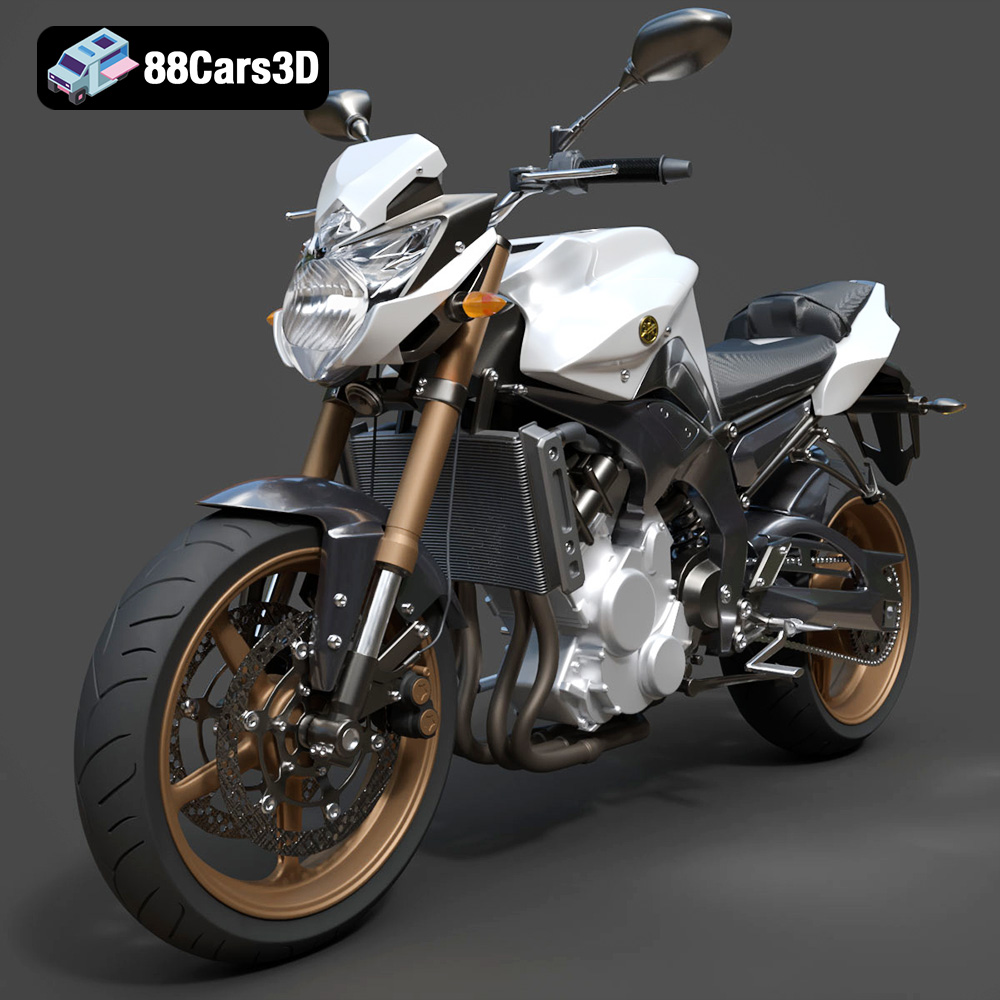
Yamaha FZ8 2011 3D Model
Texture: Yes
Material: Yes
Download the Yamaha FZ8 2011 3D Model featuring clean geometry, realistic detailing, and a fully modeled interior. Includes .blend, .fbx, .obj, .glb, .stl, .ply, .unreal, and .max formats for rendering, simulation, and game development.
Price: $19.99
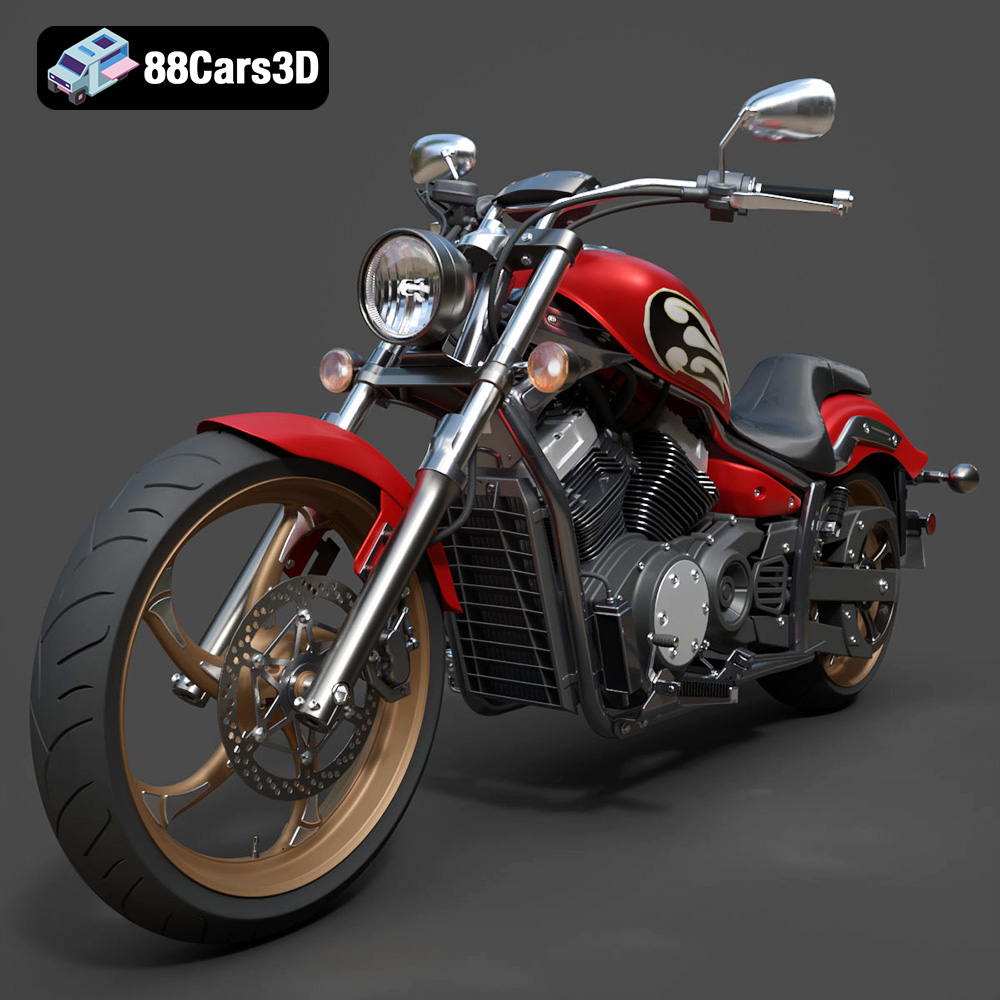
Yamaha Stryker 2012 3D Model
Texture: Yes
Material: Yes
Download the Yamaha Stryker 2012 3D Model featuring clean geometry, realistic detailing, and a fully modeled interior. Includes .blend, .fbx, .obj, .glb, .stl, .ply, .unreal, and .max formats for rendering, simulation, and game development.
Price: $19.99
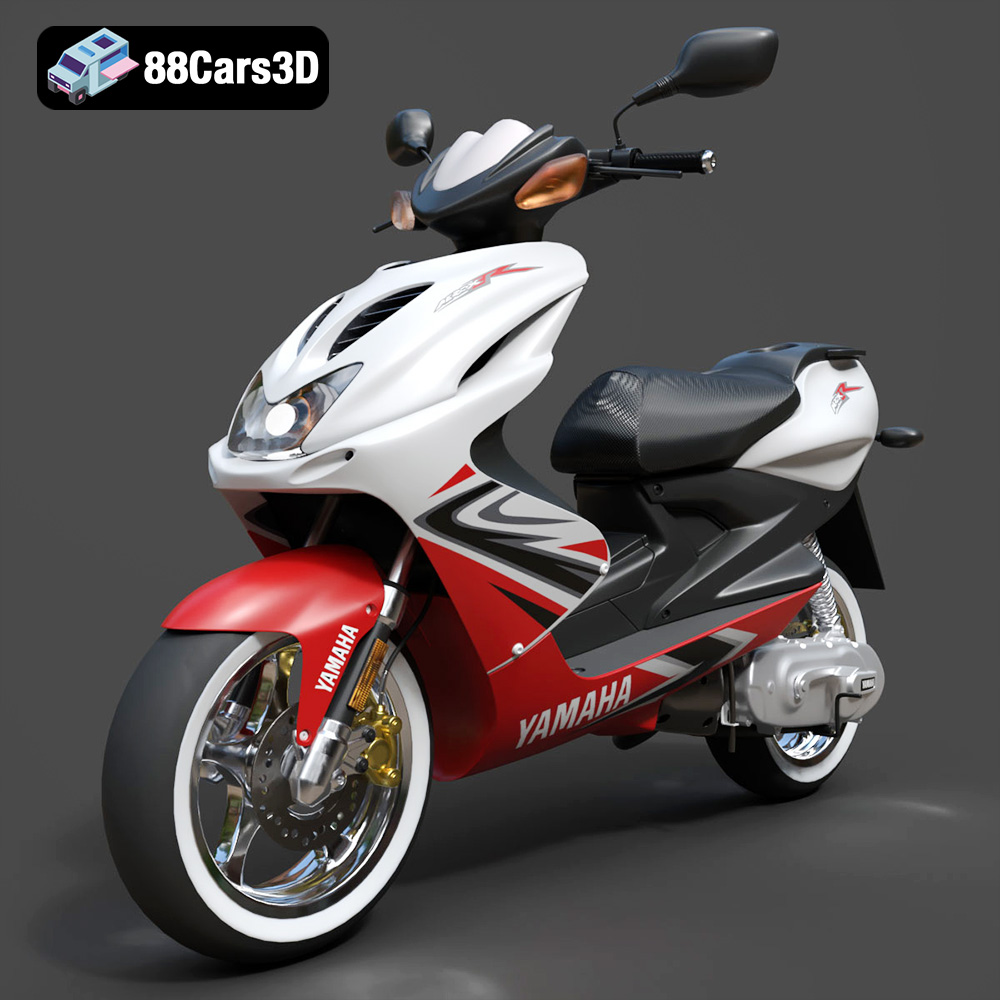
Yamaha Aerox R-002 2024 3D Model
Texture: Yes
Material: Yes
Download the Yamaha Aerox R-002 2024 3D Model featuring clean geometry, realistic detailing, and a fully modeled interior. Includes .blend, .fbx, .obj, .glb, .stl, .ply, .unreal, and .max formats for rendering, simulation, and game development.
Price: $19.99
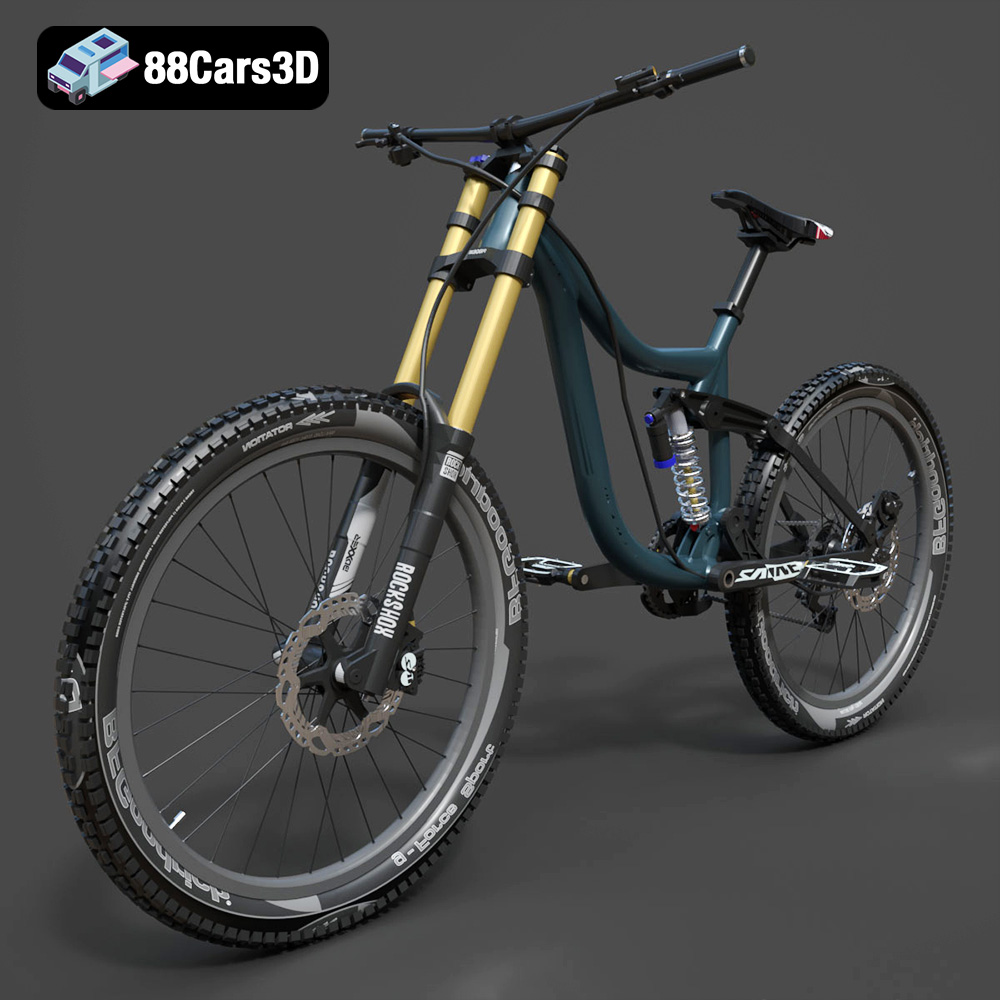
Mototsikly Downhill Bike-002 3D Model
Texture: Yes
Material: Yes
Download the Mototsikly Downhill Bike-002 3D Model featuring clean geometry, realistic detailing, and precise mechanical components. Includes .blend, .fbx, .obj, .glb, .stl, .ply, .unreal, and .max formats for rendering, simulation, and game development.
Price: $19.99
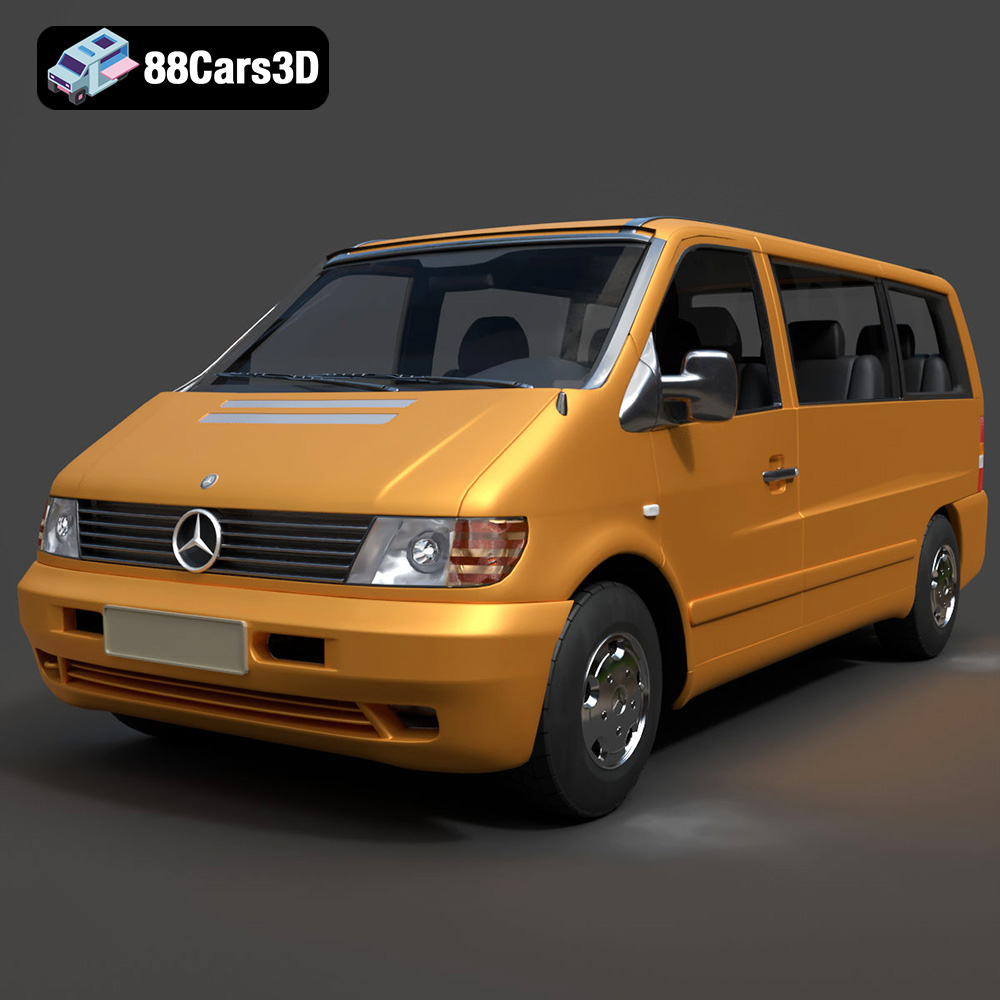
Mercedes-Benz Vito Passenger Van 3D Model
Texture: Yes
Material: Yes
Download the Mercedes-Benz Vito Passenger Van 3D Model featuring clean geometry, realistic detailing, and a fully modeled interior. Includes .blend, .fbx, .obj, .glb, .stl, .ply, .unreal, and .max formats for rendering, simulation, and game development.
Price: $19.99
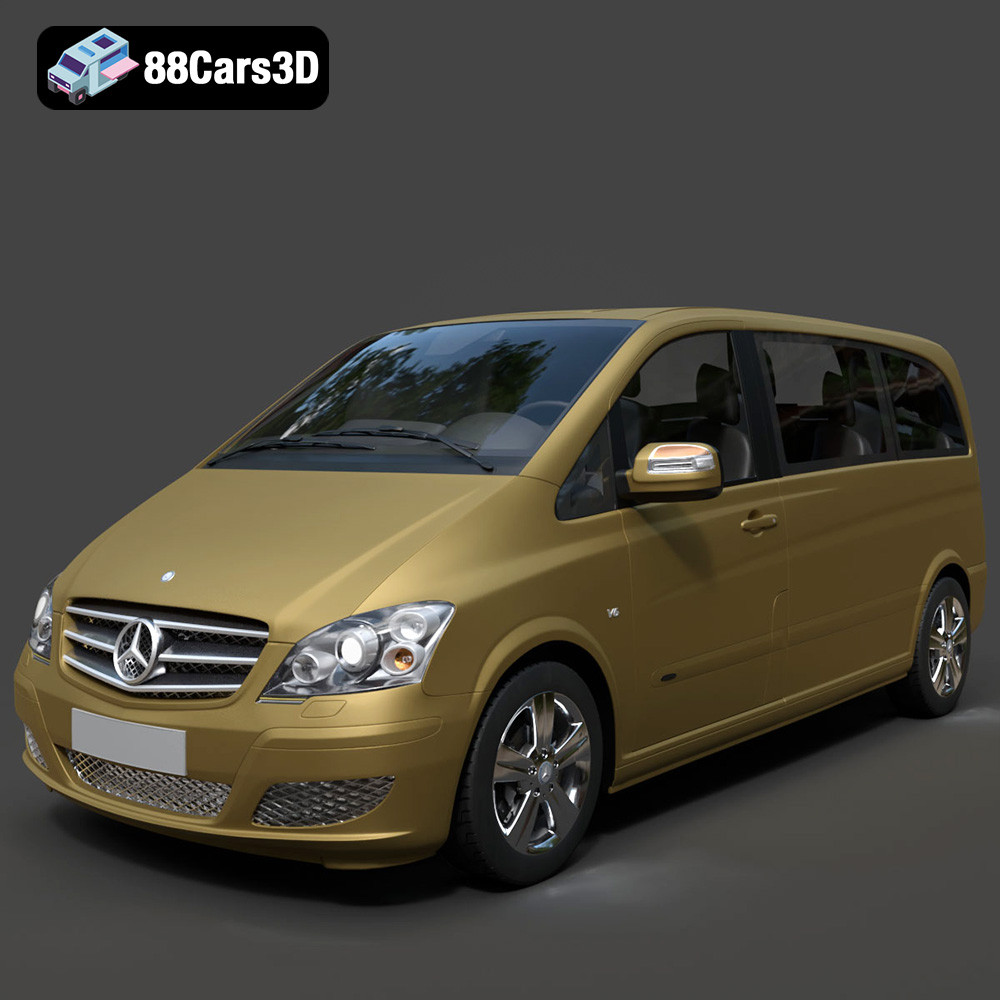
Mercedes-Benz Viano 2010 3D Model
Texture: Yes
Material: Yes
Download the Mercedes-Benz Viano 2010 3D Model featuring clean geometry, realistic detailing, and a fully modeled interior. Includes .blend, .fbx, .obj, .glb, .stl, .ply, .unreal, and .max formats for rendering, simulation, and game development.
Price: $19.99

Emt Avtobus 007 3D Model
Texture: Yes
Material: Yes
Download the Emt Avtobus 007 3D Model featuring clean geometry, realistic detailing, and a fully modeled interior. Includes .blend, .fbx, .obj, .glb, .stl, .ply, .unreal, and .max formats for rendering, simulation, and game development.
Price: $19.99
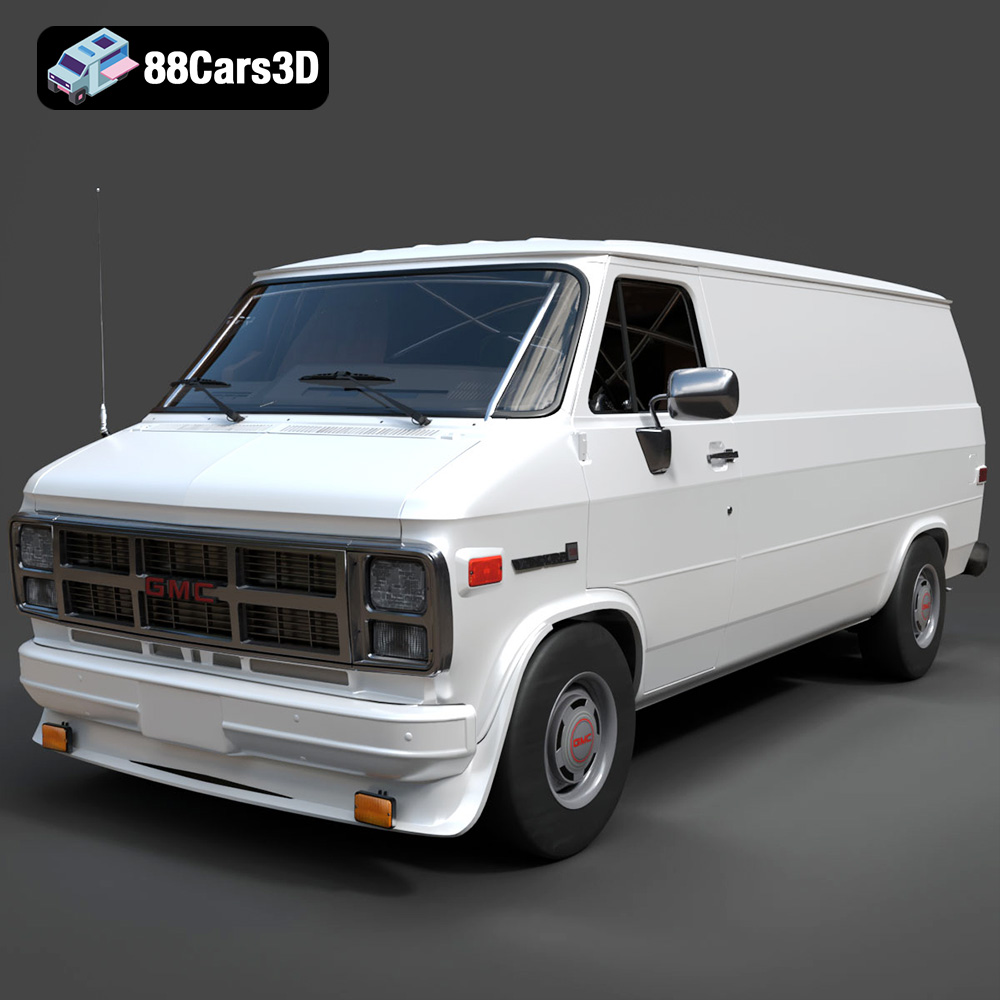
GMC Vandura G-1500 1983 3D Model
Texture: Yes
Material: Yes
Download the GMC Vandura G-1500 1983 3D Model featuring clean geometry, realistic detailing, and a fully modeled interior. Includes .blend, .fbx, .obj, .glb, .stl, .ply, .unreal, and .max formats for rendering, simulation, and game development.
Price: $19.99

Ford E-450 Ambulance 3D Model
Texture: Yes
Material: Yes
Download the Ford E-450 Ambulance 3D Model featuring clean geometry, realistic detailing, and a fully modeled interior. Includes .blend, .fbx, .obj, .glb, .stl, .ply, .unreal, and .max formats for rendering, simulation, and game development.
Price: $19.99

Fiat Ducato SWB-001 3D Model
Texture: Yes
Material: Yes
Download the Fiat Ducato SWB-001 3D Model featuring clean geometry, realistic detailing, and a fully modeled interior. Includes .blend, .fbx, .obj, .glb, .stl, .ply, .unreal, and .max formats for rendering, simulation, and game development.
Price: $19.99
