

Creating immersive, believable environments is paramount for showcasing high-quality 3D car models, whether for breathtaking automotive visualizations, engaging game development, or realistic AR/VR experiences. The vehicle itself is only part of the story; the world it inhabits sets the scene, defines its context, and amplifies its presence. Imagine a meticulously detailed luxury car, perfectly rendered, sitting on a flat, featureless plane – it loses much of its impact.
Enter Unreal Engine’s robust Landscape tools. These powerful features empower artists and developers to sculpt vast, intricate terrains with incredible detail, transforming barren expanses into dynamic landscapes ranging from sprawling desert highways to winding mountain roads or lush forest trails. For professionals utilizing premium assets from marketplaces like 88cars3d.com, mastering these tools is essential to elevate your projects, provide compelling backdrops, and create truly unforgettable scenes.
This comprehensive guide will take you on a deep dive into Unreal Engine’s Landscape system. We’ll explore everything from initial setup and advanced sculpting techniques to realistic material creation, seamless integration with your 3D car models, and critical performance optimization strategies. By the end, you’ll have the knowledge to sculpt stunning environments that not only look fantastic but also run efficiently, ensuring your automotive visualizations achieve maximum impact.
Understanding Unreal Engine’s Landscape System
At its core, Unreal Engine’s Landscape system is a sophisticated heightmap-based terrain generation and sculpting tool. Unlike traditional static meshes, Landscapes are optimized for vast outdoor environments, offering efficient rendering and powerful editing capabilities. They are composed of a grid of vertices, where each vertex has a Z-value (height) that can be manipulated, forming hills, valleys, and other topographical features. Understanding how Landscapes are structured is the first step towards effectively utilizing them.
A Landscape is broken down into several hierarchical components. The largest unit is the “Landscape Actor,” which encompasses the entire terrain. This actor is divided into “Components,” which are square or rectangular chunks of the terrain. Each component, in turn, is made up of “Sections,” and within each section are “Quads” (squares of four vertices). This hierarchical structure allows Unreal Engine to manage performance by only rendering and processing relevant parts of the terrain. For example, distant components can be rendered with a lower level of detail (LOD) than those close to the camera, an optimization critical for large open worlds.
When creating a new Landscape, you’ll specify parameters like the overall resolution, component size, and number of components. These choices directly impact the terrain’s visual fidelity, memory footprint, and real-time performance. A higher resolution provides more detail but incurs a greater performance cost. It’s often a balancing act to find the sweet spot for your project’s target platforms and visual goals. For automotive visualization, where the camera might linger on specific areas, higher detail in focal points is often prioritized.
Landscape Dimensions and Performance Considerations
Choosing the correct Landscape dimensions is crucial. Unreal Engine recommends specific sizes based on powers of two plus one (e.g., 505×505, 1009×1009) to ensure optimal tessellation and rendering performance. The “Section Size” and “Number of Sections per Component” parameters define the granular detail and overall component resolution. A typical setup might involve 63×63 quads per section and 1×1 sections per component, yielding a 63×63 component. Larger component sizes or more sections per component can increase GPU overhead and memory usage, so careful consideration is key.
For instance, a 4033×4033 overall resolution Landscape is suitable for many projects, offering a good balance of size and detail. Going much larger, like 8129×8129, creates truly massive terrains but demands more careful optimization. Always consider your target hardware and the scope of your automotive scene. Will your camera be flying across vast distances, or will it mostly focus on a specific track or showroom environment? This dictates the necessary scale and detail.
Importing Heightmaps vs. Procedural Generation
Unreal Engine provides two primary ways to create your initial terrain: manually generating it within the engine or importing a heightmap. Importing a heightmap is a common workflow for artists who use specialized terrain generation software like World Machine, Gaea, or even Blender. These tools allow for incredibly detailed and realistic procedural terrain generation, often simulating natural erosion and geological processes.
To import a heightmap, you’ll need a grayscale image (typically 16-bit PNG or RAW for maximum precision) where lighter pixels represent higher elevations and darker pixels represent lower ones. Unreal Engine will interpret this image and convert it into 3D terrain. This method offers unparalleled control over the initial shape and often provides a more naturalistic starting point. For projects requiring specific real-world locations or highly complex geological features, importing a detailed heightmap is often the preferred approach.
Conversely, you can procedurally generate a basic landscape directly within Unreal Engine by selecting the “Create New” option in the Landscape mode. While less sophisticated than external tools, this method is excellent for rapid prototyping, creating simpler terrains, or as a blank canvas for purely manual sculpting. For a deeper dive into Unreal Engine’s landscape creation, consult the official documentation at https://dev.epicgames.com/community/unreal-engine/learning.
Mastering the Landscape Sculpting Tools
Once your initial Landscape is created, whether from a heightmap or procedural generation, the real fun begins with sculpting. Unreal Engine’s Landscape mode provides a comprehensive suite of tools designed to manipulate the terrain with artistic precision. Access these tools by navigating to the “Modes” dropdown in the Unreal Editor and selecting “Landscape.” This will reveal the Sculpt panel, which houses various brushes, brush settings, and sculpting operations.
The core sculpting tools include: Sculpt (adds or removes height), Smooth (averages heights for softer transitions), Flatten (levels terrain to a specific height), Ramp (creates linear slopes between two points), and powerful procedural tools like Erosion and Hydro Erosion. Each tool has adjustable brush settings, including size, strength, and falloff. The brush falloff determines how the brush’s effect tapers off from its center, allowing for softer, more naturalistic changes.
For automotive scenes, specific sculpting techniques are invaluable. Creating smooth, drivable roads requires careful use of the Flatten and Smooth tools. You can define a path with the Sculpt tool, then use Flatten to create a consistent road surface, and finally Smooth to blend it seamlessly into the surrounding terrain. For off-road or rally scenarios, the Sculpt tool can be used with a bumpy alpha brush to simulate uneven ground, while Erosion tools add natural wear and tear to track edges or inclines.
Advanced Sculpting Techniques and Brush Settings
Beyond the basic operations, advanced brush settings and techniques can significantly enhance the realism of your sculpted environments. Using an “Alpha” brush (a grayscale texture) allows you to apply complex patterns and details with a single stroke. For example, a rocky alpha can instantly create a craggy surface, while a patchy alpha can simulate uneven, natural ground. Importing custom alpha brushes, readily available from online resources or created in image editing software, expands your sculpting toolkit immensely.
The Target Height feature with the Flatten tool is incredibly powerful. Instead of merely flattening the terrain, you can set a specific numerical height value, and the tool will level the selected area to that exact elevation. This is indispensable for creating precise roadbeds, building platforms, or ensuring consistent ground levels for your 3D car models to rest upon. Experimenting with different brush falloffs—from linear to spherical or inverse quadratic—will give you nuanced control over how your brush interacts with the terrain, producing more organic results.
Harnessing the Power of Erosion Tools
The Erosion and Hydro Erosion tools are game-changers for adding naturalistic detail to your landscapes. Manual sculpting can often look too “perfect” or artificial; natural forces like wind and water constantly shape real-world terrain. The Erosion tool simulates general wear and tear, softening edges and creating subtle runoff patterns. It’s excellent for making hillsides and mountain ranges appear aged and weathered.
Hydro Erosion, on the other hand, specifically simulates the effects of water flow, creating realistic riverbeds, gullies, and sediment accumulation. This tool is particularly effective for scenes featuring water bodies or areas prone to heavy rainfall, making your terrain much more believable. When using these tools, start with a lower strength and gradually build up the effect, observing how the terrain responds. Combining subtle erosion with manual sculpting allows you to achieve a highly detailed and organic-looking landscape, perfect for showcasing the realism of your vehicles from 88cars3d.com.
Realistic Landscape Texturing with PBR Materials
A sculpted terrain, no matter how intricate, remains visually unconvincing without realistic texturing. Unreal Engine’s Landscape Material system, built upon the physically based rendering (PBR) workflow, allows you to paint intricate layers of textures onto your terrain, giving it color, roughness, and material properties that react accurately to light. This is where your environment truly comes to life, providing a compelling backdrop for your automotive visualizations.
The core of realistic landscape texturing lies in creating a robust “Master Landscape Material.” This material will typically incorporate multiple texture layers (e.g., grass, dirt, rock, sand, gravel), each with its own PBR texture maps (Albedo/Base Color, Normal, Roughness, Ambient Occlusion, Height/Displacement). The master material uses “Landscape Layer Blend” nodes to mix these individual material layers together based on weight maps. These weight maps are generated as you paint on the terrain, determining the influence of each texture layer in a given area.
Once your master material is set up, you enter the “Paint” mode within the Landscape editor. Here, you’ll see your defined layers. You can select a layer and use brush tools, similar to sculpting, to paint that texture onto the terrain. The system automatically creates and manages the weight maps behind the scenes, ensuring smooth transitions between different material types. For instance, you might paint a dirt layer for a road, grass for the verges, and rock for mountainous outcrops, seamlessly blending them together.
Optimizing Landscape Materials for Performance
Landscape materials can quickly become performance heavy due to the number of texture samples and complex shader calculations. Optimization is key, especially for real-time applications. Here are some strategies:
- Texture Resolution: Use appropriate texture resolutions. While 4K textures are great for close-ups, 2K or even 1K might suffice for textures that cover large areas or are viewed from a distance.
- Texture Atlases: Combine multiple smaller textures into a single, larger texture atlas to reduce draw calls and texture swaps.
- Material Functions: Organize common calculations (e.g., normal map blending, texture tiling) into Material Functions. This promotes reusability and makes your master material cleaner and more efficient.
- Shader Complexity: Monitor your shader complexity using the “Shader Complexity” visualization mode in Unreal Engine. Aim for green or light blue areas; red indicates high complexity and potential performance bottlenecks. Simplify material logic where possible.
- Material Layers: Utilize Material Layers (a more advanced system) for extremely modular and efficient material setups, especially for projects with many unique terrain materials.
Advanced Layer Blending and Auto-Texturing
Manual painting is effective, but for vast landscapes, procedural auto-texturing can save immense amounts of time and create more natural results. Unreal Engine allows you to blend layers based on various terrain properties:
- Height-based Blending: Automatically apply snow to high mountain peaks and grass to lower elevations.
- Slope-based Blending: Paint rocky textures onto steep slopes and dirt onto flatter areas.
- Curvature-based Blending: Apply worn textures to convex edges and accumulated dirt to concave areas.
This is achieved by using nodes within your master material such as “World_Aligned_Blend” or custom setups that sample the Landscape’s vertex normals and position. You can also leverage external tools like Quixel Mixer or Substance Painter to generate highly detailed and realistic blend masks based on exported heightmaps, which can then be imported back into Unreal Engine as custom weight maps. This level of control ensures that your terrain textures appear cohesive and grounded in reality, complementing the detailed 3D car models you integrate into your scenes from platforms like 88cars3d.com.
Integrating 3D Car Models and Props with Landscape
The true purpose of creating a beautiful landscape is to provide a stunning environment for your main subjects: the 3D car models. Integrating these assets seamlessly and populating the surrounding environment with props and foliage are crucial steps in creating a believable scene. Models sourced from marketplaces such as 88cars3d.com are typically optimized and ready for Unreal Engine, featuring clean topology, realistic PBR materials, and proper UV mapping, making their integration straightforward.
Once your high-quality car models are imported and placed, careful positioning is key. Use Unreal Engine’s transformation tools to align them precisely with the terrain. Often, you’ll want to slightly embed the tires into the ground to simulate the vehicle’s weight and create a more grounded look. For this, tools like the “Snap to Floor” feature or manually adjusting the Z-axis are invaluable. Ensure the lighting interacts correctly with the car’s materials, reflecting the environment convincingly.
Beyond the cars, the environment needs populating. Unreal Engine’s Foliage Tool is designed for efficient scattering of meshes like grass, trees, rocks, and bushes. You can paint these assets directly onto your landscape, control their density, scale, rotation, and even align them to the surface normals. This tool optimizes performance by instancing multiple copies of the same mesh, reducing draw calls. For example, painting hundreds of grass clumps or scattered rocks becomes highly efficient.
Dynamic Interaction: Vehicle Physics and Terrain Deformation
For interactive automotive experiences, such as driving simulators or games, the interaction between your 3D car models and the landscape is critical. Unreal Engine’s Chaos Vehicles system provides robust physics simulation that allows cars to react realistically to terrain undulations, slopes, and bumps. The tires will compress, the suspension will articulate, and the vehicle body will tilt and roll based on the landscape’s geometry. This dynamic interaction greatly enhances immersion and realism.
Advanced implementations might even consider runtime terrain deformation. While more complex to set up, this allows vehicles to leave tire tracks or displace dirt and mud, physically altering the landscape in real-time. This requires custom Blueprint scripting and careful optimization to avoid performance hits, but the visual fidelity it adds to off-road or muddy driving simulations can be unparalleled. This level of detail further emphasizes the quality of assets like those found on 88cars3d.com when paired with a dynamic environment.
Optimizing Environmental Props with Nanite and LODs
Populating a vast landscape with detailed props can quickly become a performance bottleneck. Here, Unreal Engine 5’s Nanite virtualized geometry system shines. For static meshes like large rocks, fallen trees, or unique structural elements, enabling Nanite allows you to use incredibly high-polygon assets without worrying about polygon count or draw calls. Nanite intelligently streams and renders only the necessary detail, maintaining high visual fidelity even at close range while optimizing performance in the distance. This is transformative for environmental realism.
For other props, especially foliage like grass and small bushes, traditional Level of Detail (LOD) meshes are still essential. LODs are simplified versions of your mesh that automatically swap in at increasing distances from the camera. Properly configured LODs ensure that distant foliage doesn’t incur unnecessary rendering cost. Additionally, consider using Impostors for very distant trees, which are essentially 2D billboards that simulate 3D geometry, providing significant performance gains for expansive forests. By combining Nanite for high-detail hero assets and robust LODs for widespread instances, you can achieve both visual richness and optimal real-time performance.
Lighting and Atmospheric Effects for Automotive Visualization
Even the most perfectly sculpted and textured landscape will fall flat without compelling lighting and atmospheric effects. These elements are not mere afterthoughts; they are fundamental to establishing mood, guiding the viewer’s eye, and making your 3D car models truly pop within their environment. Unreal Engine offers a comprehensive suite of tools to create stunning, physically accurate lighting for any automotive visualization scenario.
At the heart of any outdoor scene is a combination of a Directional Light (simulating the sun) and a Sky Light (capturing ambient sky lighting). The Directional Light dictates the sun’s position, intensity, and shadow direction, while the Sky Light provides soft, diffuse illumination from the environment, filling in shadows and giving objects a sense of being grounded in the scene. Adjusting their intensities and colors can drastically change the time of day and overall mood. Complementing these, the Exponential Height Fog adds atmospheric perspective, making distant objects appear lighter and hazier, crucial for conveying scale in vast landscapes.
Unreal Engine 5 introduces Lumen Global Illumination, a fully dynamic global illumination and reflections system that revolutionized real-time lighting. Lumen accurately simulates how light bounces around the scene, providing incredibly realistic indirect lighting, soft shadows, and color bleeding between surfaces. For automotive visualization, Lumen means your car’s paint will subtly reflect the colors of the surrounding landscape, and shadows will be soft and diffused, just like in real life. This elevates the realism of both the environment and the vehicle to unprecedented levels in real-time.
Crafting Realistic Day/Night Cycles and Weather
Dynamic environments are far more engaging than static ones. Implementing a day/night cycle allows you to showcase your 3D car models under various lighting conditions, from the crisp shadows of midday to the warm hues of sunset or the cool glow of moonlight. This can be achieved through Blueprint scripting, incrementally adjusting the rotation of the Directional Light, the color and intensity of the Sky Light, and parameters of the Exponential Height Fog over time. Advanced setups often integrate plugins like “Ultra Dynamic Sky” or “TrueSky” for even more comprehensive and realistic sky and weather systems.
Beyond time of day, dynamic weather effects like rain, snow, or fog can add dramatic flair and realism. Particle systems created with Niagara can simulate falling rain or snow, while materials can be set up to display wetness on surfaces, including your car models and the landscape. Combining these with volumetric fog changes and subtle lighting shifts creates truly immersive and visually rich experiences, highlighting the versatility of high-quality assets like those from 88cars3d.com.
Post-Processing for Cinematic Looks
The final touch for any stunning render or real-time visualization comes from post-processing. Unreal Engine’s Post Process Volume allows you to apply a wide array of effects that mimic camera lens properties and color grading techniques used in film. Key post-processing effects for automotive visualization include:
- Color Grading: Adjusting hue, saturation, and contrast to achieve a specific aesthetic or match a desired mood.
- Bloom: Simulating light bleeding from bright areas, adding a subtle glow to headlights or reflective surfaces.
- Ambient Occlusion (SSAO/GTAO): Enhancing contact shadows in crevices and corners, adding depth and realism.
- Depth of Field: Blurring background or foreground elements to draw focus to your 3D car model, creating a cinematic photographic look.
- Vignette: Subtly darkening the edges of the screen, focusing attention on the center.
By carefully tuning these parameters, you can elevate your raw renders into polished, professional-grade cinematic sequences that truly make your automotive scenes visually captivating.
Performance Optimization and Best Practices for Large Landscapes
While Unreal Engine’s Landscape tools are powerful, creating vast, detailed environments demands a keen eye for performance optimization. A beautiful landscape that runs poorly undermines the user experience, especially for real-time applications like games, configurators, or AR/VR. Implementing best practices from the outset will save significant time and effort in the long run.
One of the primary bottlenecks for large landscapes is draw calls and overdraw. Each component and texture layer contributes to rendering complexity. Level of Detail (LOD) management for Landscape components is therefore critical. Unreal Engine automatically generates LODs for landscapes, simplifying the geometry of distant components. You can further optimize this by manually adjusting LOD settings, reducing the number of sections or vertices on distant components more aggressively. This significantly reduces the GPU load for areas far from the camera.
For scattered environmental props and foliage, efficient Culling Techniques are indispensable. Frustum Culling automatically prevents objects outside the camera’s view frustum from being rendered. Additionally, set appropriate Culling Distances for individual foliage types. For instance, grass might only be visible within 100 meters, while trees might be visible up to 1000 meters. This prevents rendering thousands of tiny grass blades that are too far away to be seen, saving immense performance.
Streamlining Workflows with World Partition
For truly massive open-world landscapes, Unreal Engine 5’s World Partition system is a game-changer. Traditionally, managing colossal landscapes meant dealing with massive single files and potentially slow load times. World Partition addresses this by automatically dividing the world into a grid of cells. Only the cells surrounding the player or camera are loaded into memory and rendered, significantly reducing the memory footprint and improving editor performance.
This system allows multiple artists to work concurrently on different parts of the same world without conflicts, greatly streamlining production pipelines for large-scale projects. For automotive game environments or expansive virtual test tracks, World Partition is invaluable, enabling the creation of environments that were previously impractical to manage within a single Unreal project. Learning its features is a crucial step for any developer aiming to build vast, seamless experiences.
Profiling and Debugging Performance Issues
Even with careful planning, performance issues can arise. Unreal Engine provides powerful profiling and debugging tools to identify and resolve bottlenecks. Essential commands and visualization modes include:
- Stat GPU: Displays detailed GPU performance statistics, helping pinpoint if the GPU is the bottleneck (e.g., high base pass draw calls, high overdraw).
- Stat RHI: Provides information about rendering hardware interface calls, useful for identifying CPU-side rendering issues.
- Stat Engine: Offers a broad overview of engine performance, including CPU and GPU timings.
- Shader Complexity: A visualization mode (accessed via ‘View Modes > Shader Complexity’) that colors pixels based on the complexity of their material shaders. Red areas indicate highly complex and potentially expensive shaders.
- Nanite Visualization: Use the ‘View Modes > Nanite Visualization’ to see how Nanite is optimizing your geometry and identify potential issues.
- Lumen Visualization: Similarly, ‘View Modes > Lumen Visualization’ helps understand Lumen’s performance and debug global illumination issues.
Regularly profiling your scene, especially after adding new assets or complex features, is a best practice. By understanding where your performance budget is being spent, you can make informed decisions to optimize your landscape, ensuring that your stunning 3D car models from 88cars3d.com are showcased in environments that run as smoothly as they look.
Conclusion
Unreal Engine’s Landscape tools are an indispensable asset for anyone creating detailed, immersive environments, particularly for high-fidelity automotive visualization and game development. From the foundational understanding of component-based terrain to the artistic mastery of sculpting brushes, the precision of PBR material texturing, and the crucial aspects of lighting and optimization, these tools offer unparalleled flexibility and power.
We’ve traversed the journey from initial terrain generation and fine-tuning dimensions, through advanced sculpting techniques like erosion, to crafting believable surfaces with optimized PBR materials. We’ve also explored how to seamlessly integrate your premium 3D car models and environmental props, leveraging technologies like Nanite for unparalleled detail and Lumen for breathtaking real-time global illumination. Finally, we delved into the critical world of performance optimization, ensuring your grand visions translate into smooth, efficient real-time experiences.
The synergy between meticulously designed 3D car models, like those available on 88cars3d.com, and a thoughtfully crafted Unreal Engine landscape is what truly elevates a project from good to extraordinary. We encourage you to experiment, push the boundaries of what’s possible, and apply these techniques to your own projects. Dive into Unreal Engine, practice with its powerful landscape tools, and unlock the full potential of your automotive visualizations. The open road, or indeed the entire world, awaits your creative touch.
Featured 3D Car Models
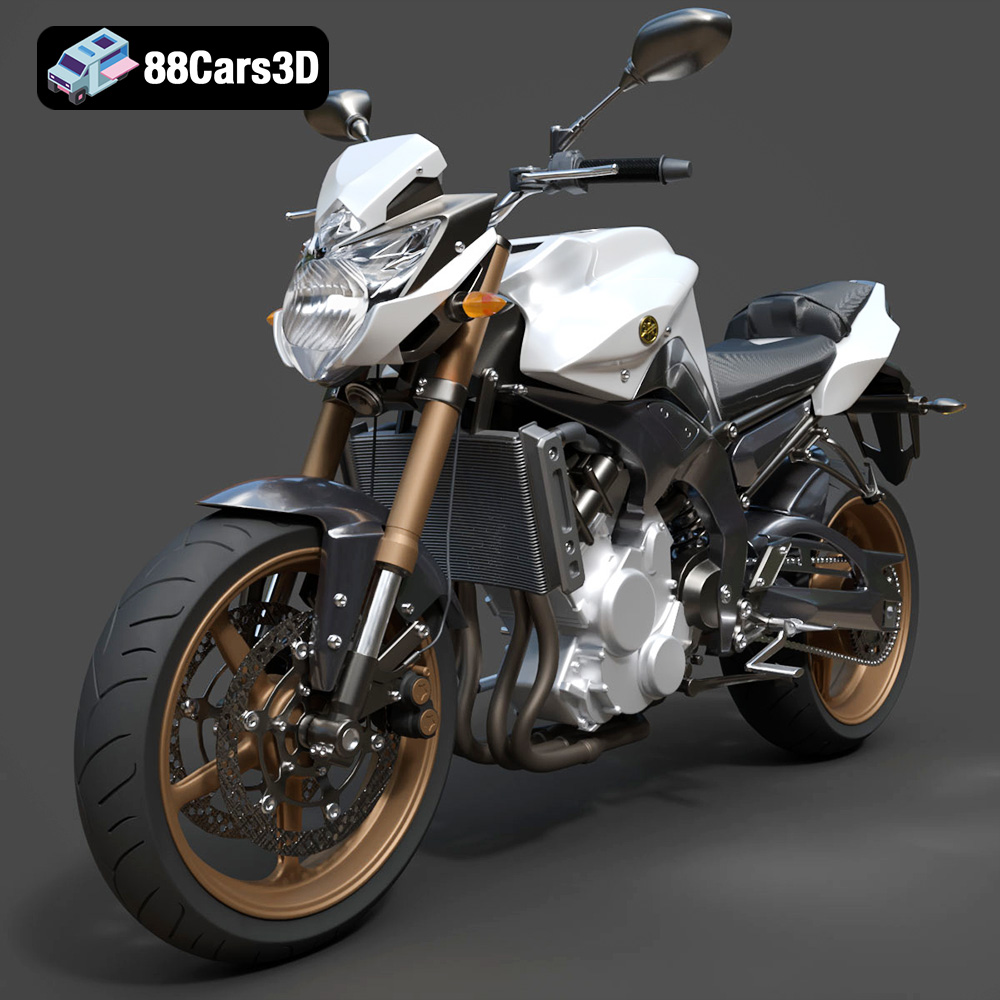
Yamaha FZ8 2011 3D Model
Texture: Yes
Material: Yes
Download the Yamaha FZ8 2011 3D Model featuring clean geometry, realistic detailing, and a fully modeled interior. Includes .blend, .fbx, .obj, .glb, .stl, .ply, .unreal, and .max formats for rendering, simulation, and game development.
Price: $19.99
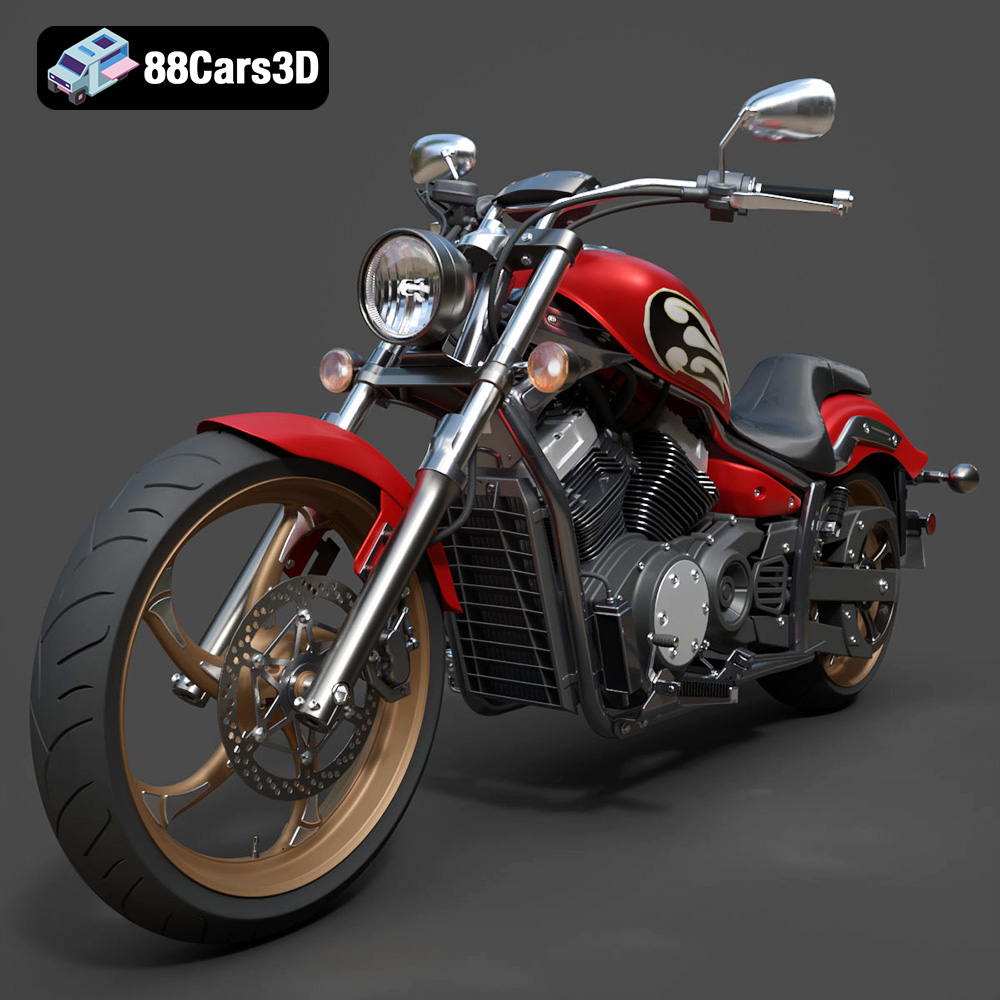
Yamaha Stryker 2012 3D Model
Texture: Yes
Material: Yes
Download the Yamaha Stryker 2012 3D Model featuring clean geometry, realistic detailing, and a fully modeled interior. Includes .blend, .fbx, .obj, .glb, .stl, .ply, .unreal, and .max formats for rendering, simulation, and game development.
Price: $19.99
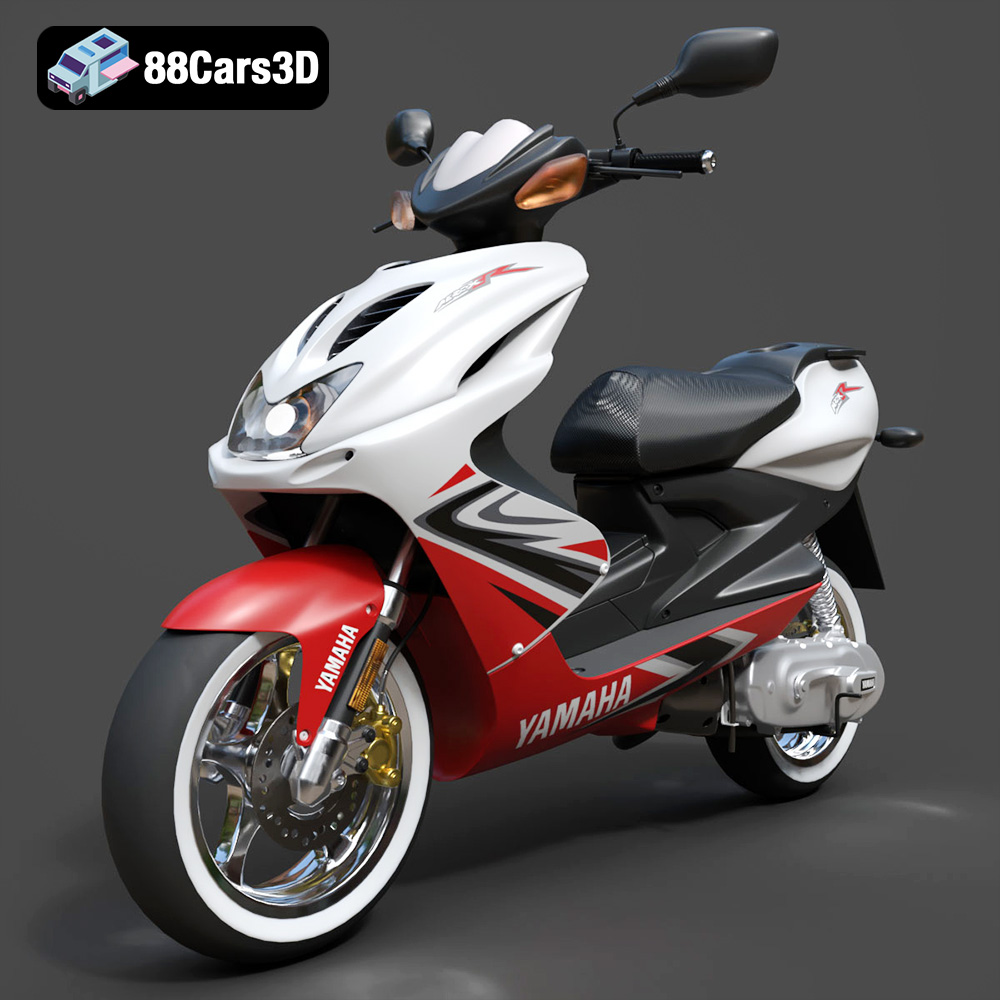
Yamaha Aerox R-002 2024 3D Model
Texture: Yes
Material: Yes
Download the Yamaha Aerox R-002 2024 3D Model featuring clean geometry, realistic detailing, and a fully modeled interior. Includes .blend, .fbx, .obj, .glb, .stl, .ply, .unreal, and .max formats for rendering, simulation, and game development.
Price: $19.99
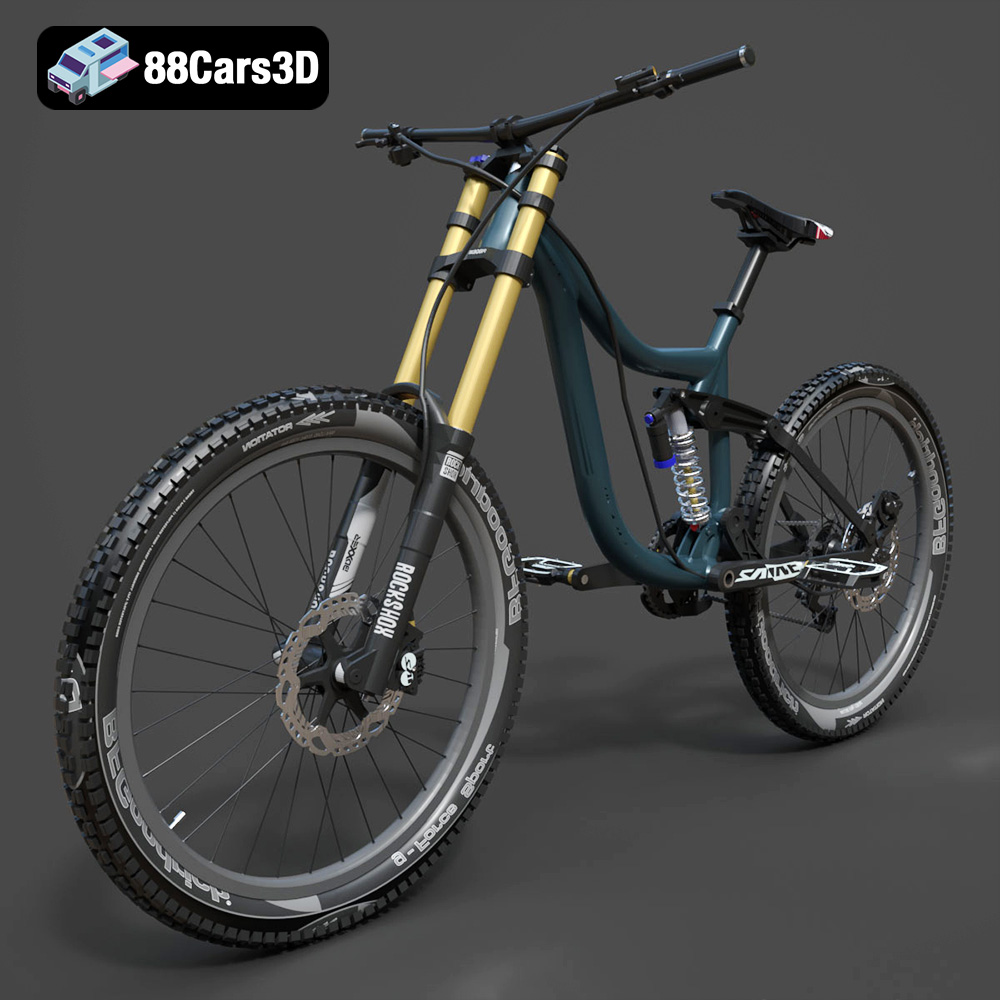
Mototsikly Downhill Bike-002 3D Model
Texture: Yes
Material: Yes
Download the Mototsikly Downhill Bike-002 3D Model featuring clean geometry, realistic detailing, and precise mechanical components. Includes .blend, .fbx, .obj, .glb, .stl, .ply, .unreal, and .max formats for rendering, simulation, and game development.
Price: $19.99
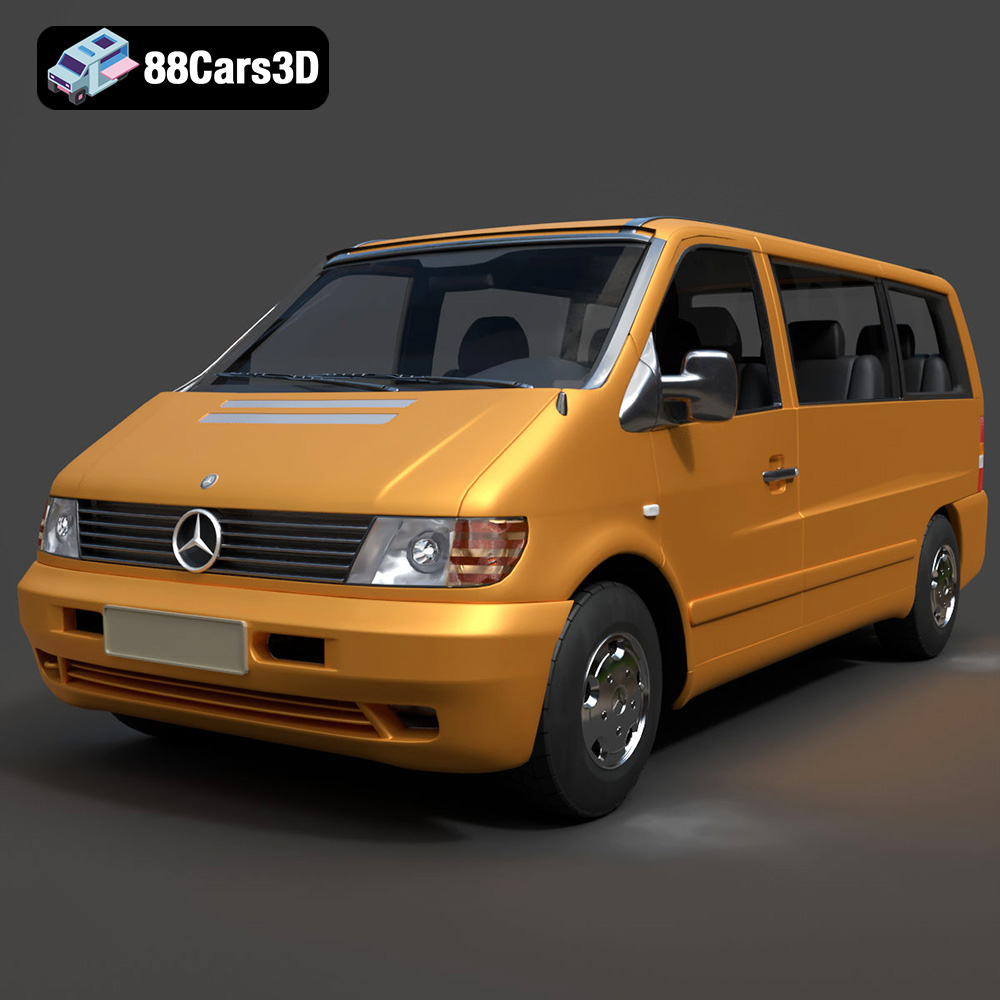
Mercedes-Benz Vito Passenger Van 3D Model
Texture: Yes
Material: Yes
Download the Mercedes-Benz Vito Passenger Van 3D Model featuring clean geometry, realistic detailing, and a fully modeled interior. Includes .blend, .fbx, .obj, .glb, .stl, .ply, .unreal, and .max formats for rendering, simulation, and game development.
Price: $19.99
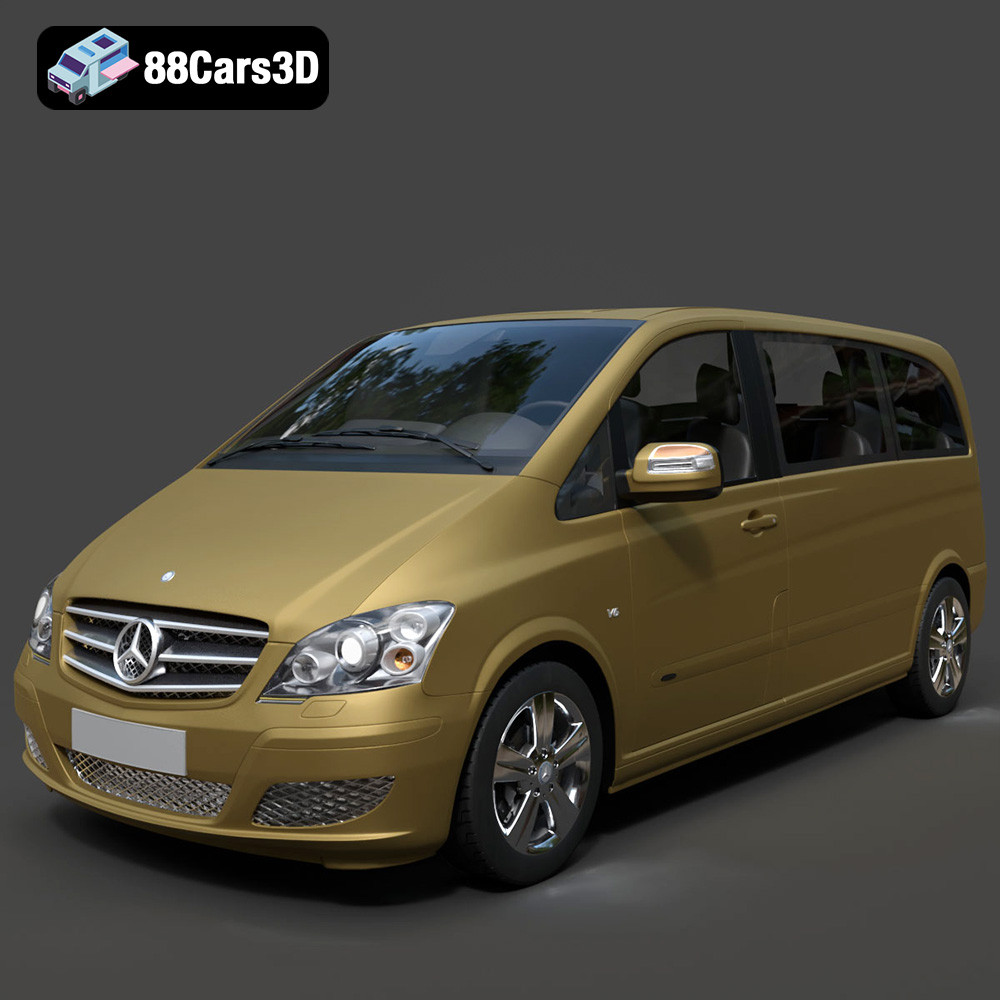
Mercedes-Benz Viano 2010 3D Model
Texture: Yes
Material: Yes
Download the Mercedes-Benz Viano 2010 3D Model featuring clean geometry, realistic detailing, and a fully modeled interior. Includes .blend, .fbx, .obj, .glb, .stl, .ply, .unreal, and .max formats for rendering, simulation, and game development.
Price: $19.99

Emt Avtobus 007 3D Model
Texture: Yes
Material: Yes
Download the Emt Avtobus 007 3D Model featuring clean geometry, realistic detailing, and a fully modeled interior. Includes .blend, .fbx, .obj, .glb, .stl, .ply, .unreal, and .max formats for rendering, simulation, and game development.
Price: $19.99
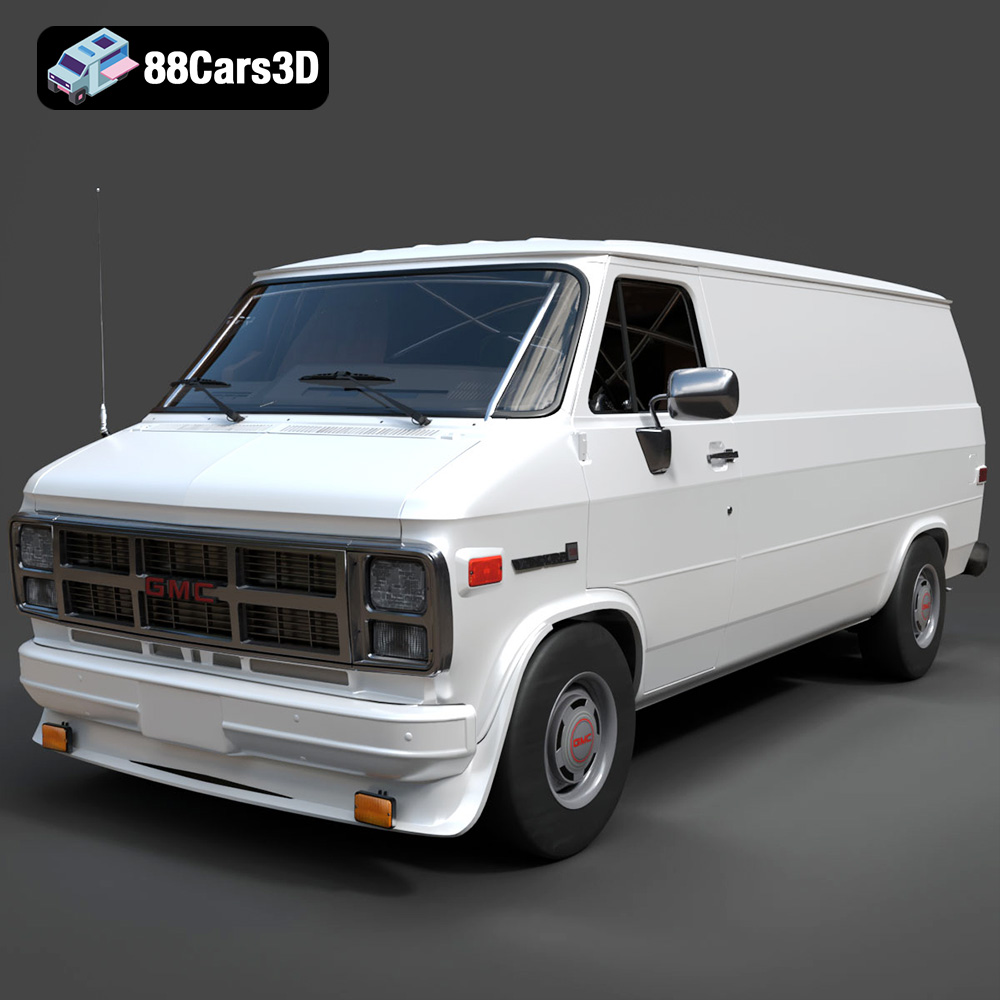
GMC Vandura G-1500 1983 3D Model
Texture: Yes
Material: Yes
Download the GMC Vandura G-1500 1983 3D Model featuring clean geometry, realistic detailing, and a fully modeled interior. Includes .blend, .fbx, .obj, .glb, .stl, .ply, .unreal, and .max formats for rendering, simulation, and game development.
Price: $19.99

Ford E-450 Ambulance 3D Model
Texture: Yes
Material: Yes
Download the Ford E-450 Ambulance 3D Model featuring clean geometry, realistic detailing, and a fully modeled interior. Includes .blend, .fbx, .obj, .glb, .stl, .ply, .unreal, and .max formats for rendering, simulation, and game development.
Price: $19.99

Fiat Ducato SWB-001 3D Model
Texture: Yes
Material: Yes
Download the Fiat Ducato SWB-001 3D Model featuring clean geometry, realistic detailing, and a fully modeled interior. Includes .blend, .fbx, .obj, .glb, .stl, .ply, .unreal, and .max formats for rendering, simulation, and game development.
Price: $19.99
