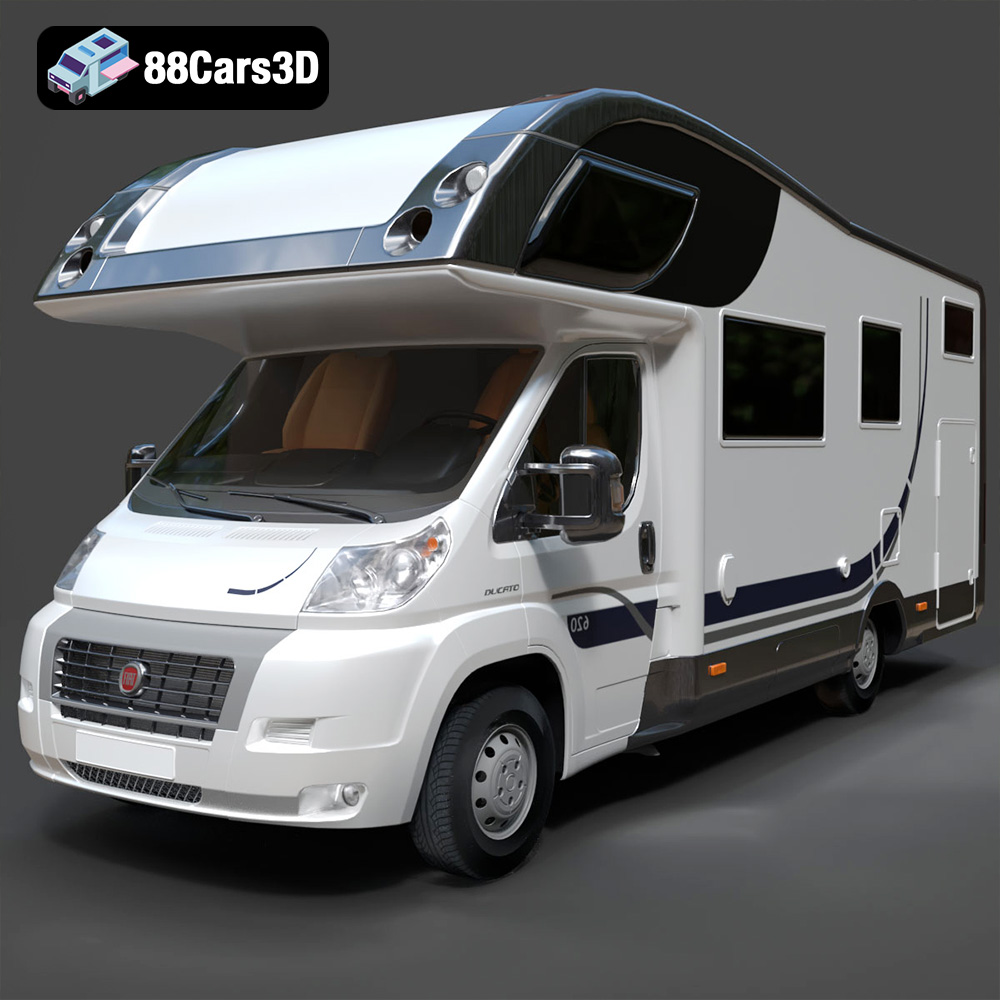
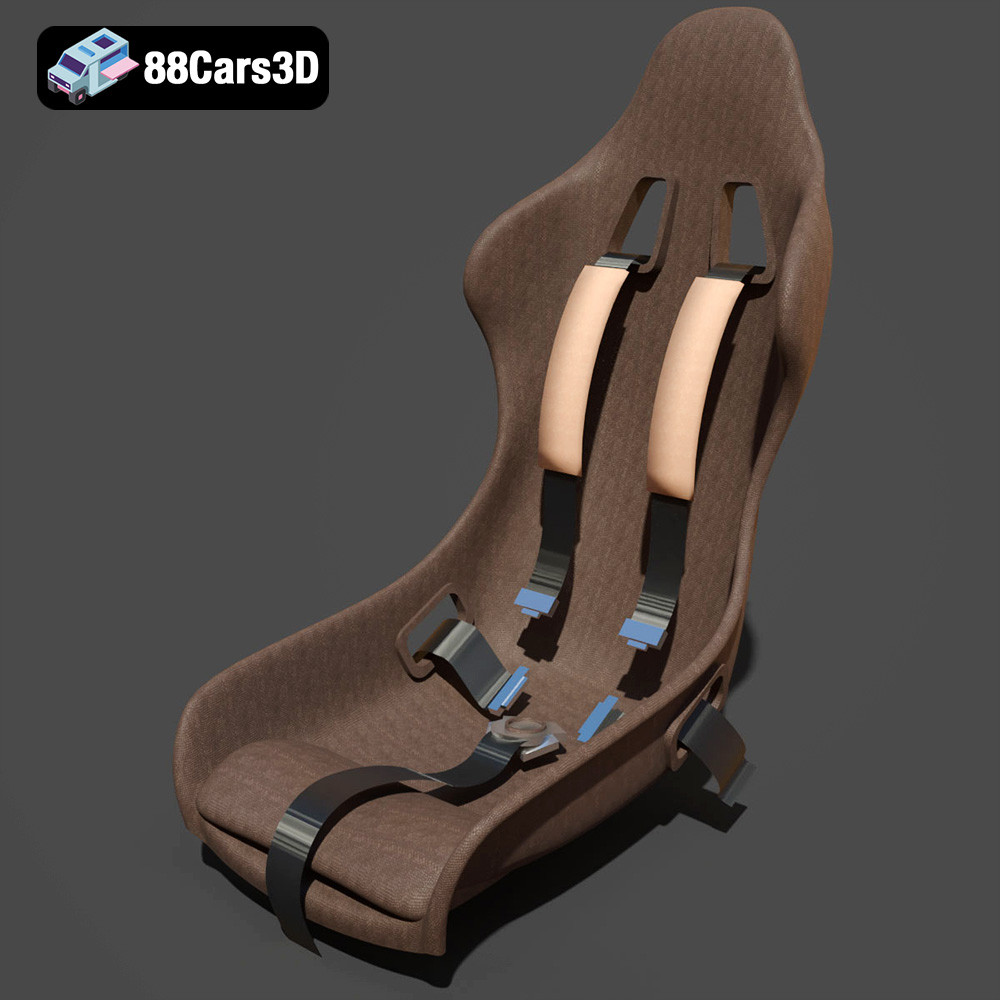
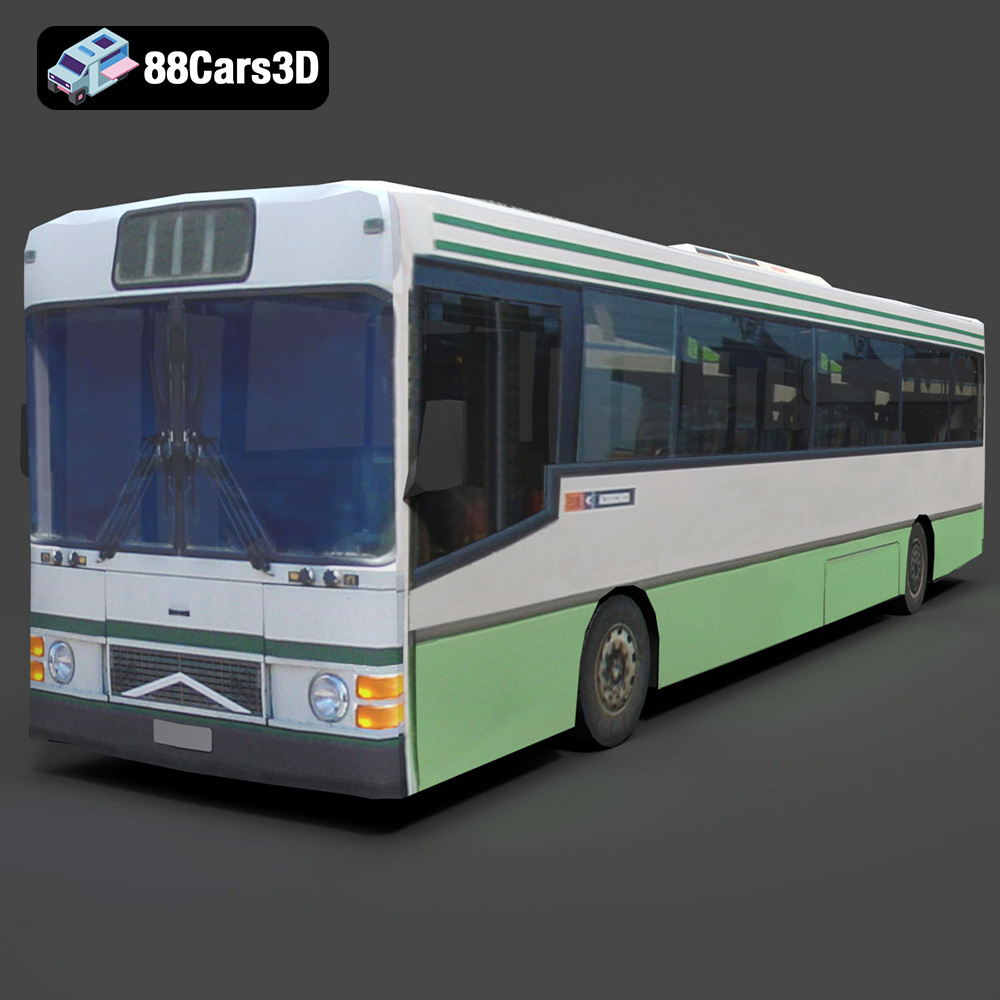
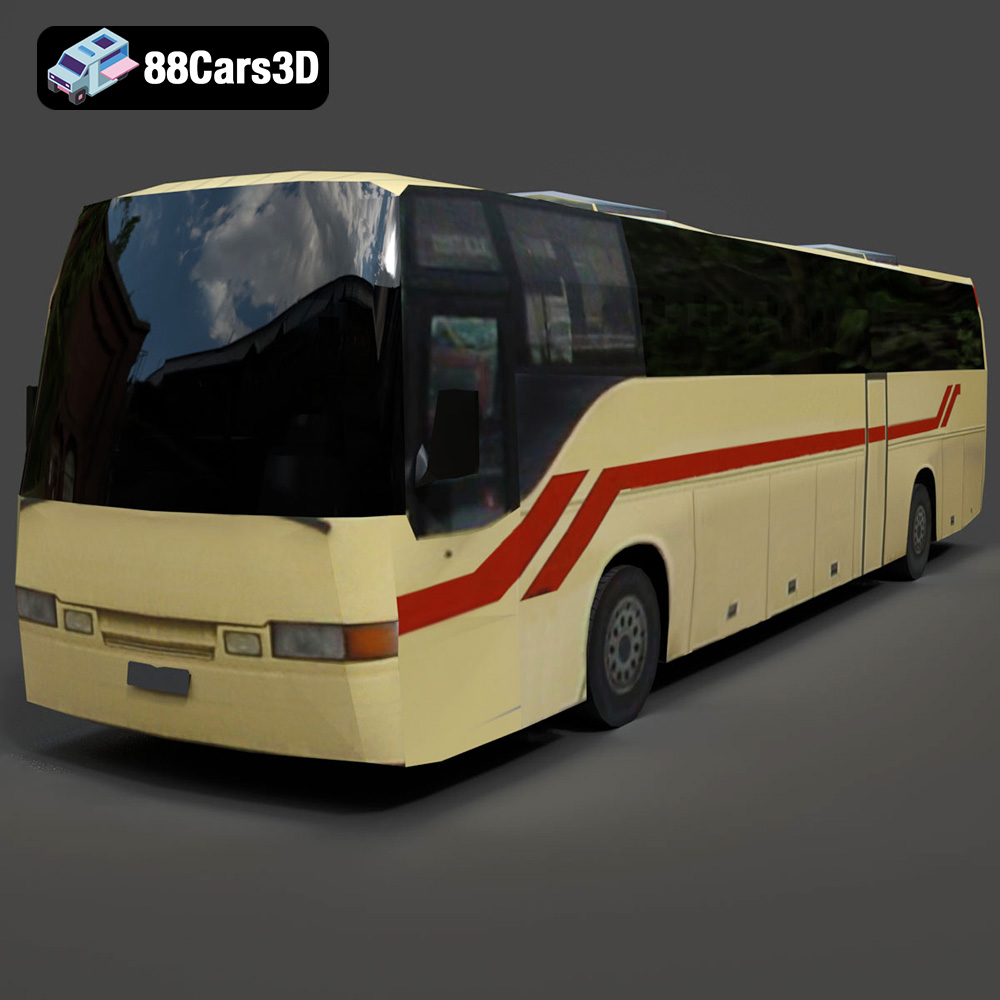
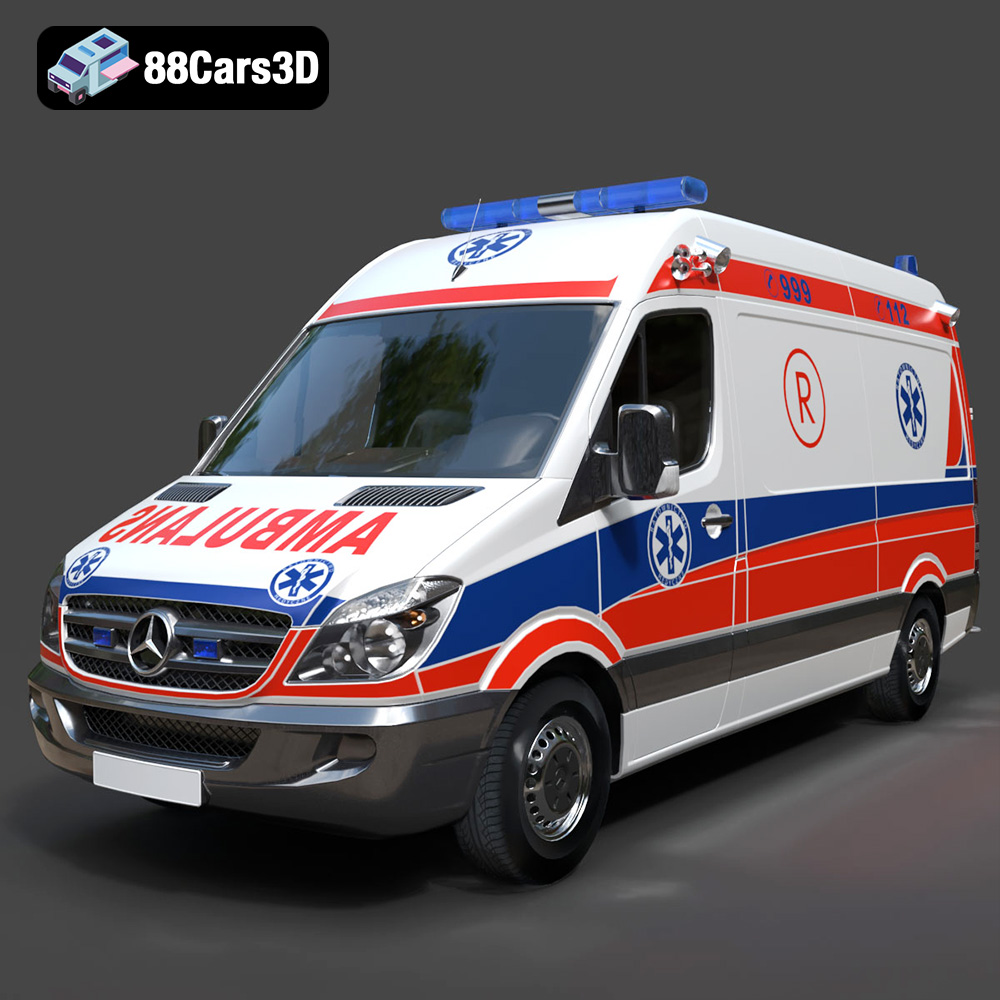
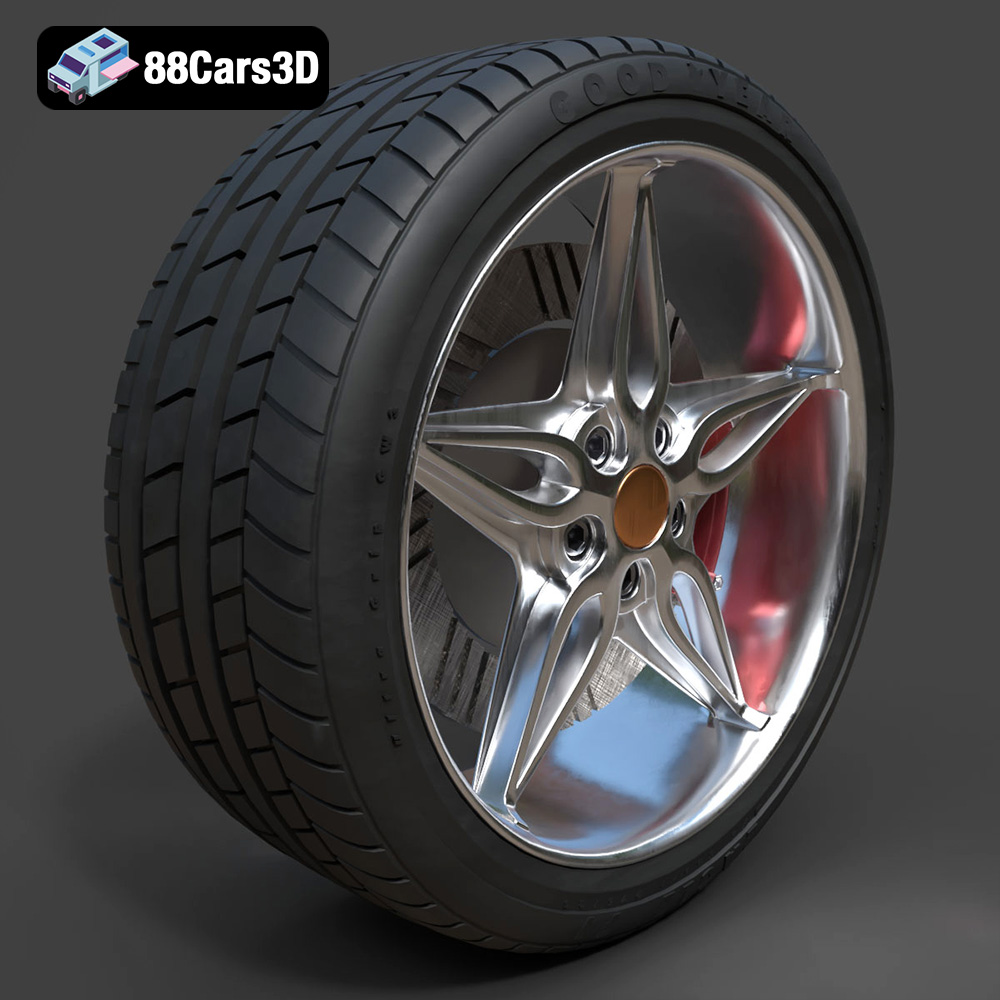
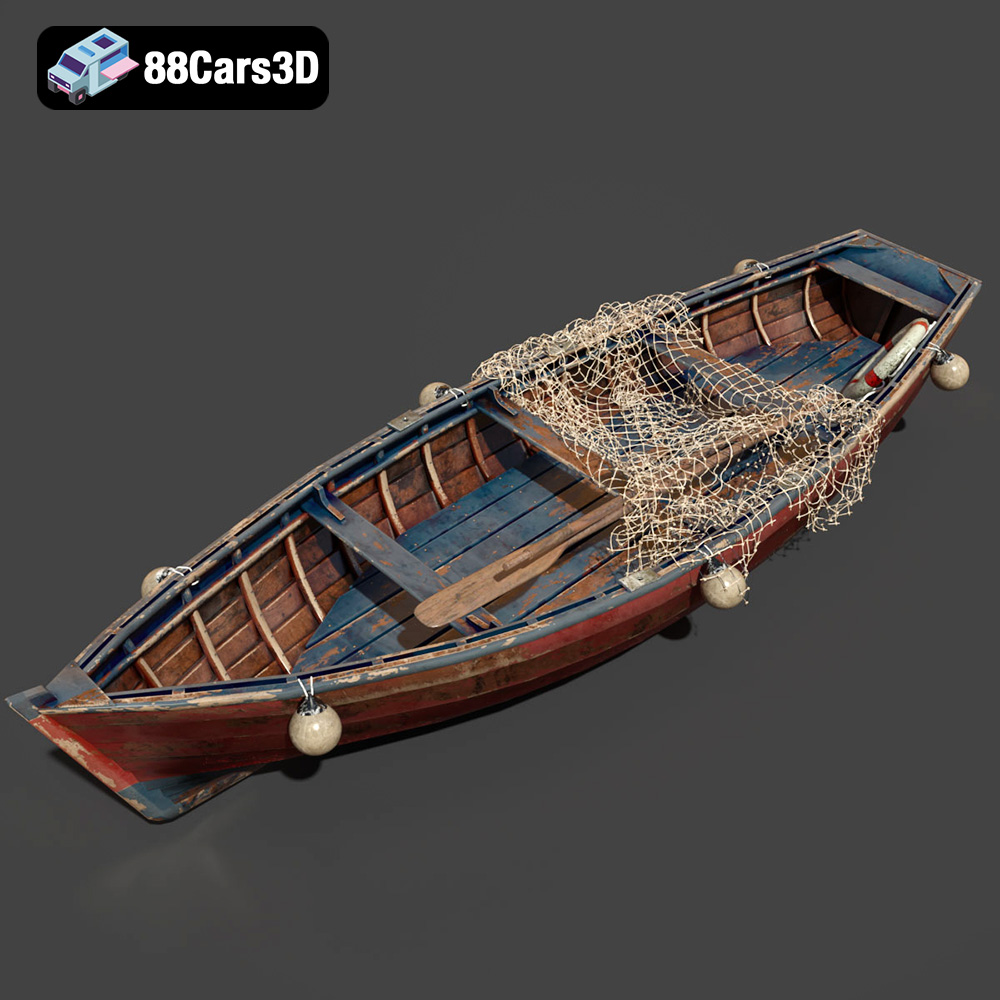
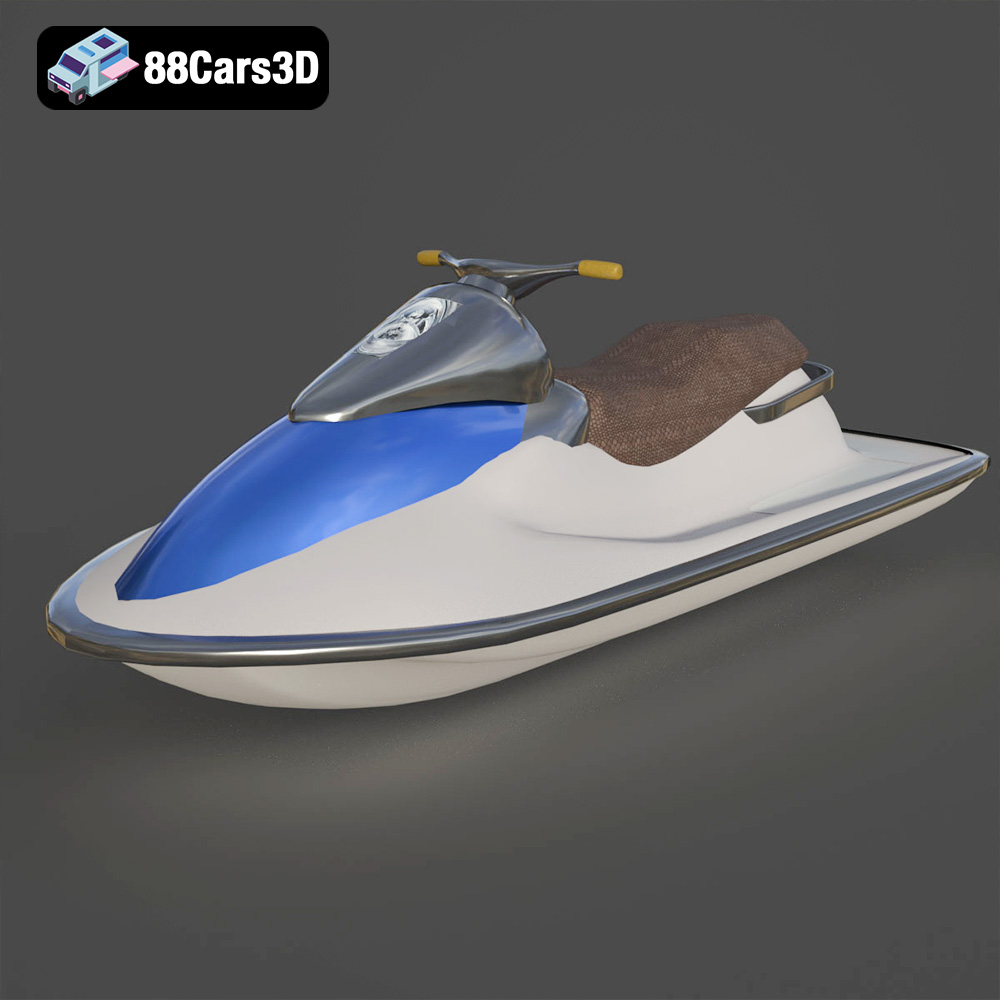
The Ultimate Guide to 3D Car Models: From Concept to Real-Time Immersion
In the dynamic world of digital content creation, the demand for exceptionally high-quality 3D car models is constant and ever-growing. Whether you’re an automotive designer visualizing a future concept, a game developer crafting immersive open worlds, a filmmaker producing photorealistic CGI, or an architect integrating vehicles into a scene, the fidelity and technical integrity of your 3D assets are paramount. These digital representations are not merely static objects; they are complex data sets that breathe life into virtual environments, driving innovation across industries from product marketing and architectural visualization to virtual reality training simulations.
The journey from a real-world vehicle or a conceptual sketch to a fully realized, render-ready, or game-engine-optimized 3D model involves a myriad of technical considerations and specialized workflows. Understanding the nuances of geometry, texturing, rigging, and various file formats is crucial for anyone looking to leverage these powerful assets effectively. This comprehensive guide delves deep into the technical aspects of 3D car models, exploring their creation, optimization, and diverse applications, ensuring you have the knowledge to select and utilize the best assets for your projects. For those seeking a reliable source of professional-grade assets, 88cars3d.com stands as a premier marketplace dedicated to providing top-tier 3D car models for every conceivable need.
The Foundation of Automotive Digital Artistry: High-Quality 3D Car Models
The journey of creating compelling digital experiences often begins with a solid foundation: the 3D model itself. For automotive applications, this foundation must be robust, precise, and meticulously crafted. A high-quality 3D car model is far more than just a shape; it’s a intricate collection of data designed to perform flawlessly across various demanding applications.
What Defines a “High-Quality” 3D Car Model?
Defining a high-quality 3D car model involves several critical technical parameters that dictate its versatility and visual fidelity:
- Topology and Mesh Density (Poly Count): A clean, optimized mesh with excellent edge flow is fundamental. For automotive rendering, higher polygon counts (e.g., millions of polygons) are often desirable to capture minute surface details and smooth curves without artifacts, especially for close-up shots. For game assets, poly counts must be carefully managed (e.g., 50,000-200,000 triangles for a main vehicle, with LODs) to ensure real-time performance without sacrificing visual quality. Good topology also means quads (four-sided polygons) are favored over triangles (three-sided) for better deformation, Subdivision Surface modifier compatibility, and cleaner UV mapping.
- Accuracy and Scale: Precision is paramount. Models should be built to real-world scale, matching manufacturer specifications. This ensures correct proportions and seamless integration into scenes alongside other scaled assets, preventing discrepancies in physics simulations or visual context.
- Textures and Materials (PBR Workflow): Photorealistic results hinge on physically based rendering (PBR) materials. High-resolution textures (e.g., 4K or 8K resolution) for diffuse, normal, roughness, metallic, and ambient occlusion maps are crucial for depicting realistic surface properties like paint sheen, tire rubber, and glass reflectivity. Clean UV unwrapping is essential for preventing texture distortion and maximizing texture efficiency.
- Detailed Interior and Engine Bay: For comprehensive visualizations or interactive experiences, a fully modeled interior with accurately textured dashboards, seats, and controls is vital. Similarly, a detailed engine bay and undercarriage enhance realism for scenarios requiring closer inspection or maintenance simulations.
- Rigging and Animation Readiness: For interactive applications or animated sequences, models often come with a professional rig, enabling independent movement of doors, wheels, steering, and suspension components. This makes them animation-ready for cinematics or interactive vehicle controls in game engines.
The Importance of Real-World Accuracy in Design & Visualization
In professional applications, especially automotive design and product visualization, real-world accuracy is non-negotiable. Designers use 3D models to prototype and iterate on vehicle concepts, where even minor deviations from technical drawings can have significant implications. Engineering teams rely on these models for simulations, aerodynamic testing, and ergonomic studies. Marketing agencies demand absolute fidelity to showcase vehicles precisely as they would appear in reality.
Achieving this accuracy involves meticulous attention to detail during the modeling process. Artists often work from engineering blueprints, CAD data, and extensive photographic references, ensuring every curve, panel gap, and component placement aligns with real-world specifications. This dedication to precision ensures that the digital twin of a vehicle serves as a reliable and convincing representation, capable of standing up to the scrutiny of industry professionals and discerning consumers alike.
Understanding 3D Model File Formats
The choice of 3D file format is a critical technical decision that impacts workflow, compatibility, and the ultimate usability of a 3D car model across different software, engines, and platforms. Each format has distinct characteristics, making it suitable for specific stages of a production pipeline or particular end-use cases. Understanding these nuances is essential for maximizing efficiency and ensuring asset integrity.
Native and Interchange Formats for Production Workflows
These formats are typically used for active development, offering extensive data preservation and broad compatibility within professional 3D content creation:
- .blend (Blender Scene): This is Blender’s native file format, a complete scene package containing not only the mesh data but also materials (using Blender’s powerful node-based shader system), textures, lighting, cameras, animations, rigging, and even scene settings. A .blend file offers full editability and flexibility within Blender, making it ideal for artists who primarily work within the Blender ecosystem and require deep access to all aspects of the model. It’s an excellent choice for receiving a fully set-up asset ready for further modification or rendering in Blender.
- .max (3ds Max Project): Similar to .blend, .max is the proprietary format for Autodesk 3ds Max. It stores a complete 3ds Max scene, including geometry, materials (often specific to V-Ray, Corona, or Arnold renderers), lights, cameras, modifiers, animation curves, and scene hierarchy. This format is indispensable for studios and individual artists who use 3ds Max as their primary modeling and rendering platform, allowing for full project recovery and modification capabilities.
- .fbx (Filmbox): Developed by Autodesk, FBX has become an industry-standard interchange format, particularly prevalent in game development and real-time visualization. It excels at transferring complex scene data, including meshes, materials (often converting to a more generic PBR setup upon import), textures, cameras, and critically, skeletal animation and rigging data. Its robust support for animations and hierarchical structures makes it the go-to choice for importing 3D car models into game engines like Unreal Engine and Unity, or for cinematic pipelines requiring animation transfer between different DCC (Digital Content Creation) applications.
- .obj (Wavefront OBJ): One of the oldest and most widely supported 3D formats, OBJ is known for its universal compatibility. It primarily stores mesh geometry (vertices, normals, UV coordinates, faces) and references to external material files (.mtl) for basic color and texture information. While it doesn’t support complex features like animation or rigging, its simplicity and widespread adoption make it an excellent choice for straightforward mesh transfer between almost any 3D software. It’s often used as a fallback or for simple static models.
Specialized Formats for Specific Use Cases
These formats are tailored for particular applications, optimizing for specific platforms or outputs:
- .glb (GL Transmission Format Binary): GLB is the binary version of glTF, a royalty-free specification for the efficient transmission and loading of 3D scenes and models by engines and applications. It’s a self-contained single file that bundles geometry, textures, animations, and PBR materials. GLB is rapidly gaining traction as the preferred format for web-based 3D, Augmented Reality (AR), and Virtual Reality (VR) applications due to its optimized file size, fast parsing, and native support across many platforms and browsers. It’s excellent for showcasing 3D car models interactively on websites or within AR experiences.
- .stl (Stereolithography): STL is the de facto standard format for Additive Manufacturing (3D Printing). It describes only the surface geometry of a 3D object using a mesh of interconnected triangles. STL files do not contain color, texture, or material information. The key requirement for an STL file is that the mesh must be “watertight” (no holes or gaps) to ensure a printable solid object. When preparing a 3D car model for 3D printing, conversion to STL and subsequent checks for mesh integrity are critical.
- .ply (Polygon File Format / Stanford Triangle Format): PLY is a versatile format for storing 3D data, particularly known for its ability to store properties beyond just geometry, such as color per vertex, normal vectors, texture coordinates, and transparency. It’s commonly used for scanned data, CAD models, and scientific applications where precise surface and attribute information is important. While less common for general purpose 3D car models, it can be valuable for highly detailed scan-based models or those with specific vertex-level data.
- .unreal (Unreal Engine Asset): While not a single, universally interchangeable file, this refers to an asset that has been fully prepared and imported into the Unreal Engine, existing as a native Unreal Engine asset (e.g., Static Mesh, Skeletal Mesh, Material). These assets are highly optimized for the engine’s rendering pipeline, often featuring pre-computed lighting information, collision meshes, LODs, and sophisticated material instances. An .unreal asset is effectively an engine-ready component, eliminating further conversion steps and ensuring seamless integration into real-time environments.
Selecting the correct file format for your 3D car model ensures that your digital assets are not only visually appealing but also technically sound and perfectly suited for their intended purpose, whether for high-end automotive rendering or efficient game assets.
Mastering Automotive Rendering: Crafting Photorealistic Visuals
Automotive rendering is a specialized art form that blends technical proficiency with artistic vision to create images so realistic they are often indistinguishable from photographs. Achieving photorealism for vehicles, with their complex reflections, metallic surfaces, and intricate details, demands a deep understanding of rendering principles.
Key Elements of Photorealistic Rendering
Several interconnected elements must be perfectly orchestrated to achieve breathtakingly realistic renders:
- Lighting: The foundation of any photorealistic scene. HDR (High Dynamic Range) image-based lighting (IBL) is a common technique, providing realistic global illumination and reflections from a single source. Complementary direct lights (area lights, spot lights) are often used to highlight specific features or simulate studio lighting setups. Understanding light falloff, color temperature, and shadow quality is crucial.
- Materials and Shaders: As discussed, PBR materials are essential. Car paint shaders are particularly complex, often involving multiple layers: a base metallic/diffuse layer, a clear coat with accurate fresnel reflections, and sometimes even a flake layer for pearlescent or metallic finishes. Tires require realistic rubber shaders with micro-detail for grip and wear, while glass needs accurate transmission, refraction, and absorption properties.
- Environments and Backdrops: The surrounding environment profoundly impacts reflections and lighting. Using high-quality 3D environments or backplates that match the lighting conditions of your scene is vital. Seamless integration between the vehicle and its environment creates a convincing illusion of reality.
- Cameras and Composition: Emulating real-world photography is key. Understanding camera settings like focal length (to avoid distortion), depth of field (for artistic blur), and motion blur (for dynamic shots) is critical. Cinematic composition principles, such as the rule of thirds or leading lines, guide the viewer’s eye and enhance aesthetic appeal.
- Post-Processing: The final polish. This stage involves adjustments to color grading, contrast, exposure, lens flares, and subtle effects like chromatic aberration or film grain. It helps to unify the image and add a professional, cinematic finish.
Advanced Shading Techniques for Automotive Surfaces
The distinctive appearance of vehicle surfaces, especially car paint, requires specialized shading techniques:
- Multi-Layered Car Paint Shaders: Modern car paint typically consists of a base coat (diffuse color, metallic flakes) and several layers of clear coat. Physically accurate shaders simulate this, allowing light to scatter through the clear coat, reflect off the base, and refract back, creating depth and a lustrous appearance. Anisotropic reflections, where reflections appear stretched along a particular direction, are also crucial for accurately representing brushed metals or certain paint finishes.
- Clear Coat Reflections and Fresnel: The clear coat layer is responsible for the mirror-like reflections on car surfaces. Accurate Fresnel equations ensure that reflections are stronger at grazing angles and less intense when viewed straight on, mimicking real-world physics.
- Procedural Textures and Wear: Beyond simple image textures, procedural noise can be used to add subtle variations to surfaces, preventing a perfectly uniform, artificial look. For older or off-road vehicles, advanced techniques can simulate dirt, scratches, and wear patterns dynamically, adding character and realism.
Workflow Examples: 3ds Max/V-Ray vs. Blender/Cycles
The choice of rendering software significantly impacts the workflow, though the core principles remain. Both 3ds Max with V-Ray and Blender with Cycles are powerful options:
- 3ds Max with V-Ray: This combination is a long-standing industry standard, particularly in architectural visualization and high-end product rendering. V-Ray offers an incredibly robust and feature-rich rendering engine, known for its production stability, advanced material system (including dedicated V-Ray Car Paint shaders), and sophisticated lighting solutions. Workflows involve setting up scene geometry in 3ds Max, assigning V-Ray specific materials, configuring V-Ray lights (V-Ray Dome Light for IBL, V-Ray Plane Lights), and fine-tuning render settings for quality and speed.
- Blender with Cycles: Blender’s integrated Cycles renderer, a physically based path tracer, has matured into a highly capable engine. It provides excellent photorealism, especially with its node-based shader editor that allows for complex, custom material creation, including advanced car paint setups. Workflows in Blender involve modeling, unwrapping, creating PBR materials using Principled BSDF or custom node groups, setting up HDRI lighting or mesh lights, and leveraging the comprehensive compositor for post-processing. Its open-source nature and active community contribute to continuous development and a wealth of tutorials.
Regardless of the chosen software, the iterative process of adjusting lighting, materials, and camera angles, followed by test renders and critical evaluation, is central to achieving a truly stunning automotive rendering.
Integrating 3D Car Models into Game Engines: Real-Time Performance
The transition of 3D car models from offline rendering pipelines to real-time game engines introduces a distinct set of challenges focused on performance optimization without compromising visual fidelity. Game assets must be lightweight, efficient, and tailored to the engine’s specific requirements.
Optimizing Assets for Real-Time Environments
Performance in real-time environments is critical. Here’s how 3D car models are optimized:
- Poly Count Reduction and Level of Detail (LODs): High-poly models suitable for rendering are too heavy for real-time. Optimization involves reducing polygon count through retopology or automated decimation tools. Crucially, multiple Levels of Detail (LODs) are created for each model. LOD0 (highest poly) is used when the car is close to the camera, and progressively lower-poly LOD1, LOD2, etc., are swapped in as the car moves further away. This dramatically reduces the GPU load.
- Draw Calls and Texture Atlases: Each material and texture assigned to an object can generate a “draw call,” which is a command sent to the GPU. Too many draw calls can significantly impact performance. Optimizing involves combining multiple materials into single, larger texture atlases where possible, reducing the number of materials per object.
- Baking Maps: Detail from a high-poly model (like subtle panel lines or surface imperfections) can be “baked” into normal maps, ambient occlusion maps, and curvature maps. These maps are then applied to a much lower-poly game model, giving the illusion of high detail without the performance cost of actual geometry.
Unreal Engine Workflow for Vehicle Integration
Unreal Engine is a powerhouse for creating realistic real-time experiences. Integrating 3D car models involves a structured workflow:
- Import Process: 3D car models are typically imported as .fbx files. It’s crucial to correctly export from the DCC software with proper scale, pivot points, and embedded media (textures). During import into Unreal, settings for skeletal meshes (if animated), static meshes, and material creation are configured.
- Material Setup: Unreal Engine utilizes a powerful node-based material editor. PBR textures (Base Color, Normal, Roughness, Metallic, Ambient Occlusion) are connected to the Principled BSDF-like material nodes. Complex car paint shaders can be recreated using multiple layers and custom nodes within the material editor. Material instances are vital for quickly creating variations (different colors, finishes) from a single master material.
- Physics Assets and Blueprints: For drivable vehicles, a Physics Asset (PhAT) is created and tuned to simulate realistic suspension, wheel friction, and collision behavior. Vehicle physics are often implemented using Unreal’s Chaos Vehicle system, leveraging blueprints to define engine parameters, gear ratios, handling characteristics, and input controls. This allows artists to turn static models into fully interactive, drivable game assets.
- Collision Meshes: Accurate collision meshes are essential for realistic interaction with the environment. These are often simplified versions of the visible mesh or custom-built primitives, imported alongside the main mesh.
Performance Considerations and Best Practices
Maintaining high frame rates while retaining visual quality is a constant balancing act:
- Occlusion Culling: This system prevents objects that are hidden from the camera’s view (occluded by other objects) from being rendered, saving significant GPU resources.
- Instancing: When multiple identical copies of a 3D car model are needed (e.g., a street full of parked cars), instancing allows the GPU to render them much more efficiently than individual, unique objects.
- Level Streaming: For large open-world games with many vehicles, level streaming loads and unloads parts of the world dynamically as the player moves, preventing the entire map and all its assets (including cars) from being in memory at once.
By meticulously optimizing and integrating 3D car models, developers can create truly immersive and high-performing automotive experiences within game engines, bringing these complex game assets to life.
Beyond Rendering and Games: Diverse Applications of 3D Car Models
The utility of high-quality 3D car models extends far beyond traditional rendering and game development, impacting a wide array of innovative fields. Their versatility makes them indispensable tools for a future increasingly reliant on digital twins and interactive experiences.
Augmented Reality, Virtual Reality, and Interactive Experiences
AR/VR platforms are transforming how we interact with products and environments, and 3D car models are at the forefront of this revolution:
- Interactive Showrooms and Configurators: Automakers leverage AR/VR to create immersive virtual showrooms where customers can explore vehicles in lifelike detail, customize colors, trims, and features in real-time. This provides an engaging, personalized pre-purchase experience, often with models optimized for mobile VR or web-based AR (using formats like .glb).
- Training and Simulation: 3D vehicles are crucial for training simulations for drivers, mechanics, and emergency responders. VR allows for safe, repeatable training scenarios, from driving in hazardous conditions to practicing complex repair procedures on a digital twin of an engine.
- Optimized for Mobile AR/VR: For AR applications on smartphones or standalone VR headsets, models require even stricter optimization than for high-end PCs. This involves aggressive poly count reduction, smaller texture sizes, and simplified materials to ensure smooth performance on less powerful hardware.
3D Printing and Prototyping
The ability to translate digital designs into physical objects has revolutionized prototyping and manufacturing:
- Rapid Prototyping for Design Validation: Automotive designers use 3D printing to create physical scale models of vehicle components or even entire car bodies. This allows them to quickly evaluate form, ergonomics, and aesthetics in the physical world before committing to expensive tooling. Models must be converted to formats like .stl and checked for watertightness and manifold geometry.
- Creating Custom Parts and Accessories: Enthusiasts and professionals alike use 3D printing to create custom interior parts, aerodynamic elements, or scale model replicas. Precision is key, requiring highly accurate 3D car models with clean geometry.
- Material Considerations and Support Structures: When preparing models for 3D printing, it’s vital to consider the printing material (plastic, resin, metal), printer resolution, and the need for support structures to prevent sagging during the print process.
Architectural Visualization and Product Marketing
Integrating vehicles into architectural scenes or marketing collateral significantly enhances realism and context:
- Enhancing Architectural Visualizations (Arch-Viz): Placing realistic 3D car models in rendered architectural scenes (e.g., parking lots, driveways, streetscapes) adds a sense of scale, human activity, and environmental realism. It makes the visualization more believable and engaging, helping clients envision themselves in the space.
- Dynamic Product Marketing Content: Beyond static renders, 3D models enable the creation of animated marketing videos, interactive online configurators, and immersive virtual tours that showcase a vehicle’s features and design from every angle. This dynamic content is far more engaging than traditional photography alone.
From cutting-edge virtual experiences to tangible physical prototypes, the versatility of professional 3D car models continues to expand, proving their invaluable role across a multitude of industries. Businesses and creators rely on marketplaces like 88cars3d.com to provide the high-quality assets necessary to drive these innovative applications.
Sourcing and Managing Your 3D Asset Library
Building a robust and efficient workflow relies not only on technical skill but also on the quality and accessibility of your assets. Sourcing and managing your library of 3D car models is a critical aspect of any successful production pipeline, whether for individual projects or large-scale studio work.
The Advantages of Professional 3D Model Marketplaces
For many professionals, creating every 3D model from scratch is simply not feasible due to time, budget, or specialized skill constraints. This is where professional 3D model marketplaces offer significant advantages:
- Guaranteed Quality and Consistency: Reputable marketplaces, such as 88cars3d.com, vet their assets for technical quality, accuracy, and adherence to industry standards. This ensures that you receive models with clean topology, proper UVs, and accurate scale, reducing the need for extensive cleanup.
- Time and Cost Efficiency: Purchasing a ready-made, high-quality 3D car model is significantly faster and often more cost-effective than modeling it yourself or commissioning custom work. This allows artists and studios to focus their resources on other critical aspects of their projects, like scene composition, lighting, or animation.
- Diverse Selection: Marketplaces offer a vast array of vehicles, from classic cars to futuristic concepts, commercial vehicles to racing machines. This diversity means you can usually find the exact model you need, saving countless hours of searching or bespoke creation.
- Licensing and Usage Rights: Professional marketplaces provide clear licensing agreements, ensuring you have the legal right to use the purchased models in your commercial or personal projects without intellectual property concerns.
- Access to Expert Creations: These platforms gather work from experienced 3D artists worldwide, giving you access to specialized skills and detailed models that might be beyond the scope of a single artist or small team.
Best Practices for Asset Management
Once you acquire your 3D car models, effective asset management is key to maintaining an organized and efficient workflow:
- Consistent Naming Conventions: Implement a clear and consistent naming convention for all your 3D files, textures, and scene elements. This makes it easy to locate specific assets and understand their purpose at a glance (e.g., “Car_Audi_R8_2023_LOD0.fbx,” “Car_Audi_R8_2023_BaseColor_4K.png”).
- Metadata and Tagging: Utilize metadata (tags, keywords, descriptions) within your asset management system or file explorer. Tagging models with attributes like make, model, year, poly count, file format, and primary usage (e.g., “game-ready,” “high-res render”) allows for quick searching and categorization.
- Structured Folder Organization: Create a logical folder hierarchy for your assets. A common structure might include folders for “Vehicles,” then subfolders for “Manufacturer,” then “Model,” each containing the 3D files, textures, materials, and any associated documentation.
- Version Control: For custom models or heavily modified purchased assets, implement a simple version control system (e.g., appending “_v01,” “_v02” to file names) to track changes and revert to earlier iterations if needed. For larger teams, dedicated version control software is essential.
- Centralized Library: For teams, establish a centralized, easily accessible digital asset management (DAM) system or network drive where all approved assets are stored. This ensures everyone is working from the latest versions and can easily find what they need.
By thoughtfully sourcing and meticulously managing your 3D car models, you empower your creative and technical teams to work more efficiently, deliver higher quality results, and ultimately bring their visions to life with greater speed and precision.
Conclusion
The journey through the intricate world of 3D car models reveals a landscape rich with technical depth and creative potential. From the meticulous crafting of geometry and the complexities of physically based materials to the rigorous optimization for real-time engines and the precision required for 3D printing, each application demands a sophisticated understanding of digital asset creation.
We’ve explored how a high-quality 3D car model forms the backbone of stunning automotive rendering, enabling photorealistic visualizations that push the boundaries of CGI. We delved into the critical choices of file formats, understanding how .fbx facilitates game development while .glb empowers AR/VR experiences, and .max/.blend offer full creative control. Furthermore, we’ve seen how these versatile assets are transformed into performant game assets, and how they drive innovation in fields like virtual reality, architectural visualization, and product design prototyping.
Ultimately, the power of 3D car models lies in their ability to serve as incredibly flexible digital twins, capable of being adapted, rendered, and interacted with across an ever-expanding digital ecosystem. For professionals and enthusiasts alike, having access to a reliable source of expertly crafted models is indispensable. Explore the vast collection at 88cars3d.com to find the perfect assets that will accelerate your projects, elevate your visuals, and bring your automotive visions to life with unparalleled realism and precision.
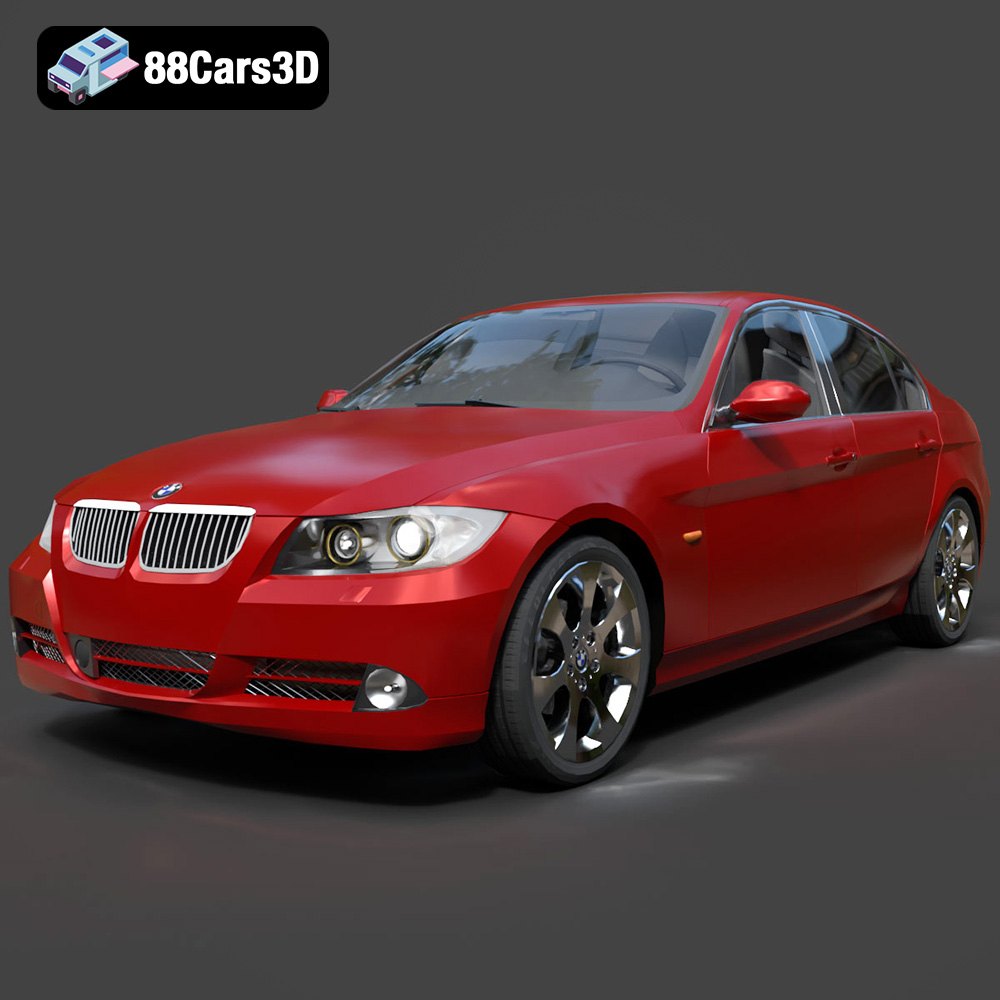
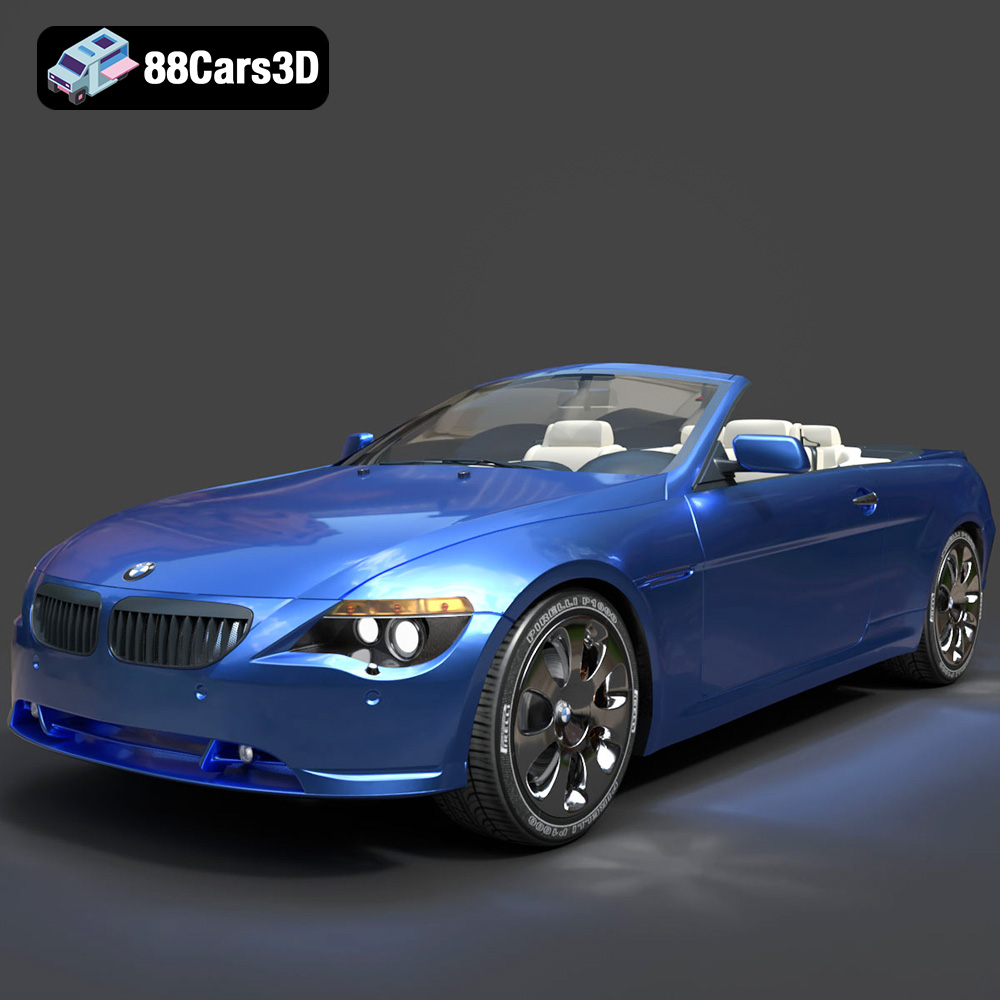
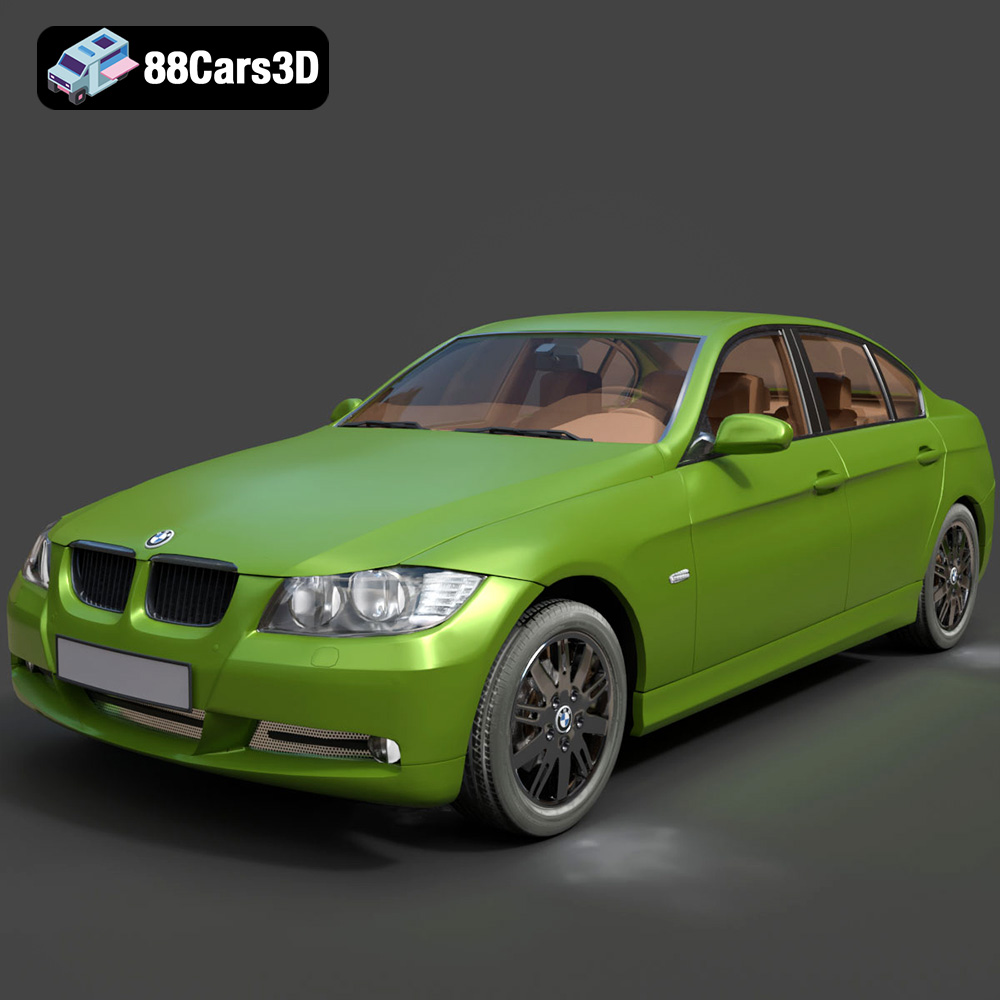
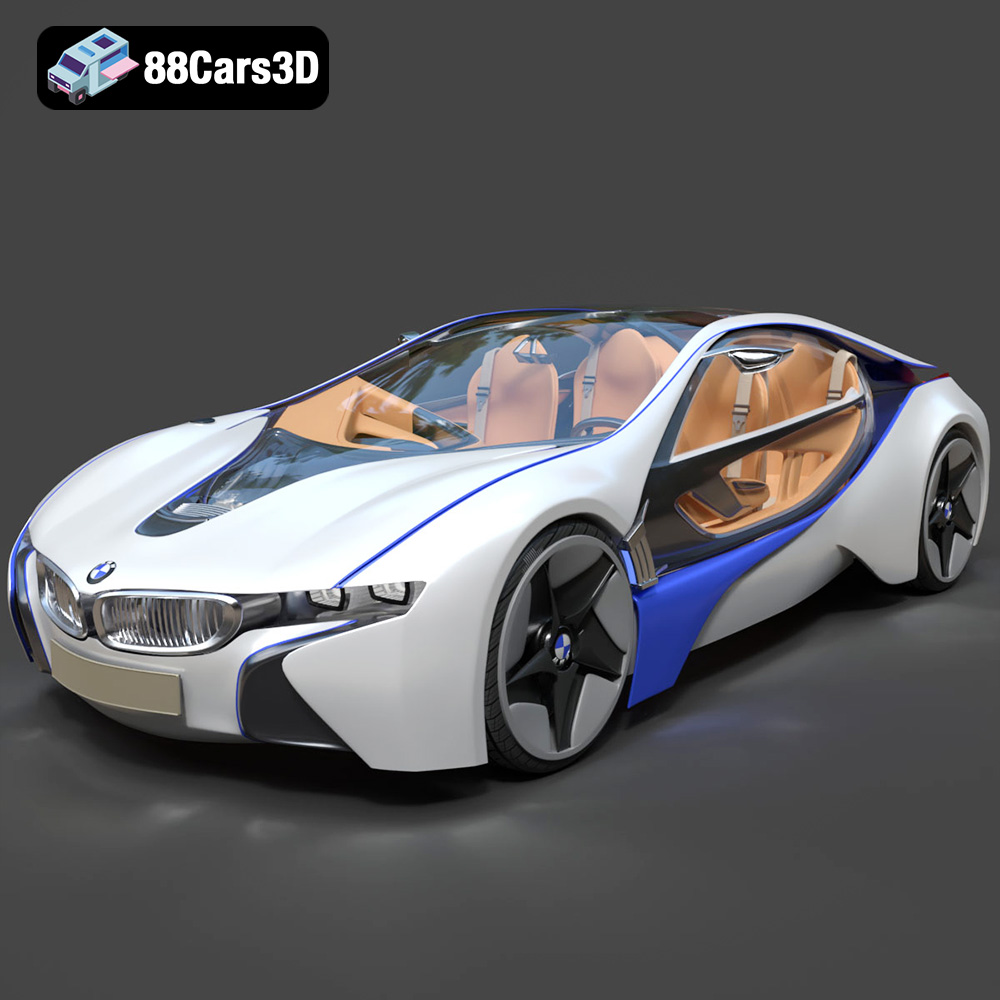
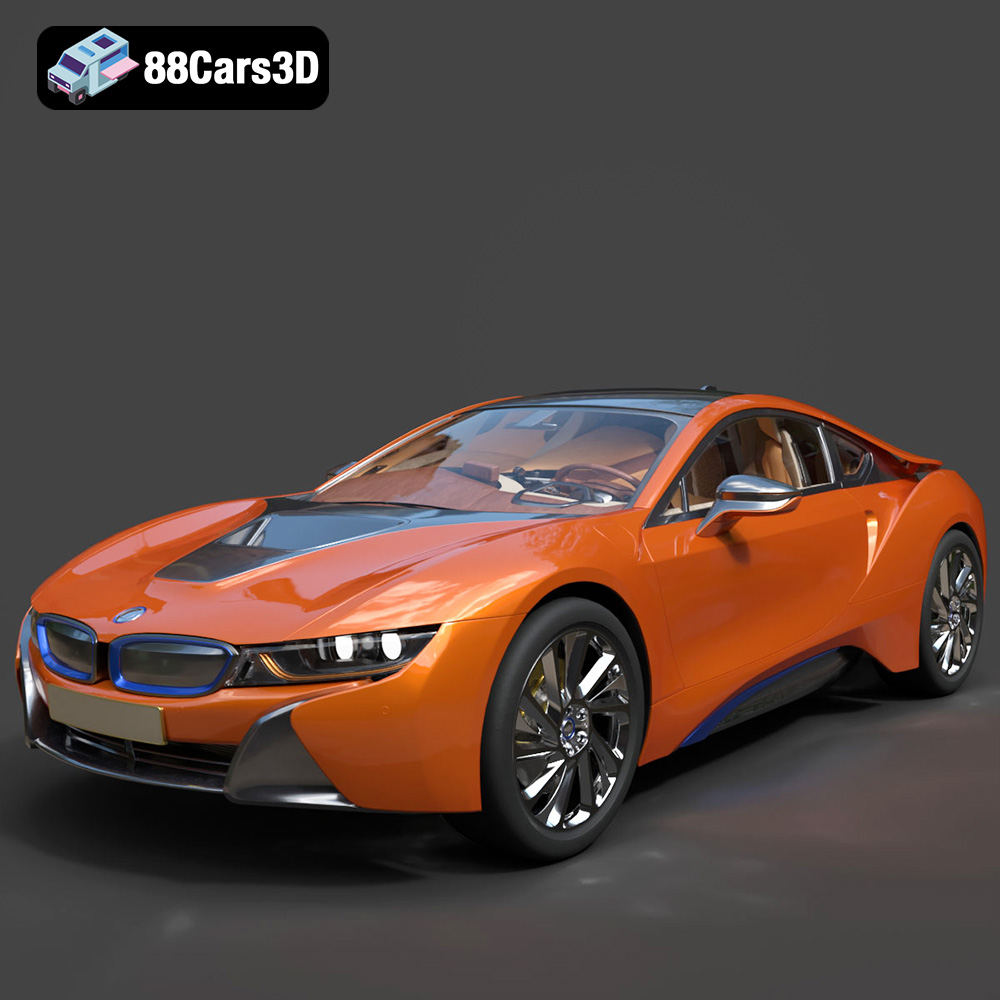
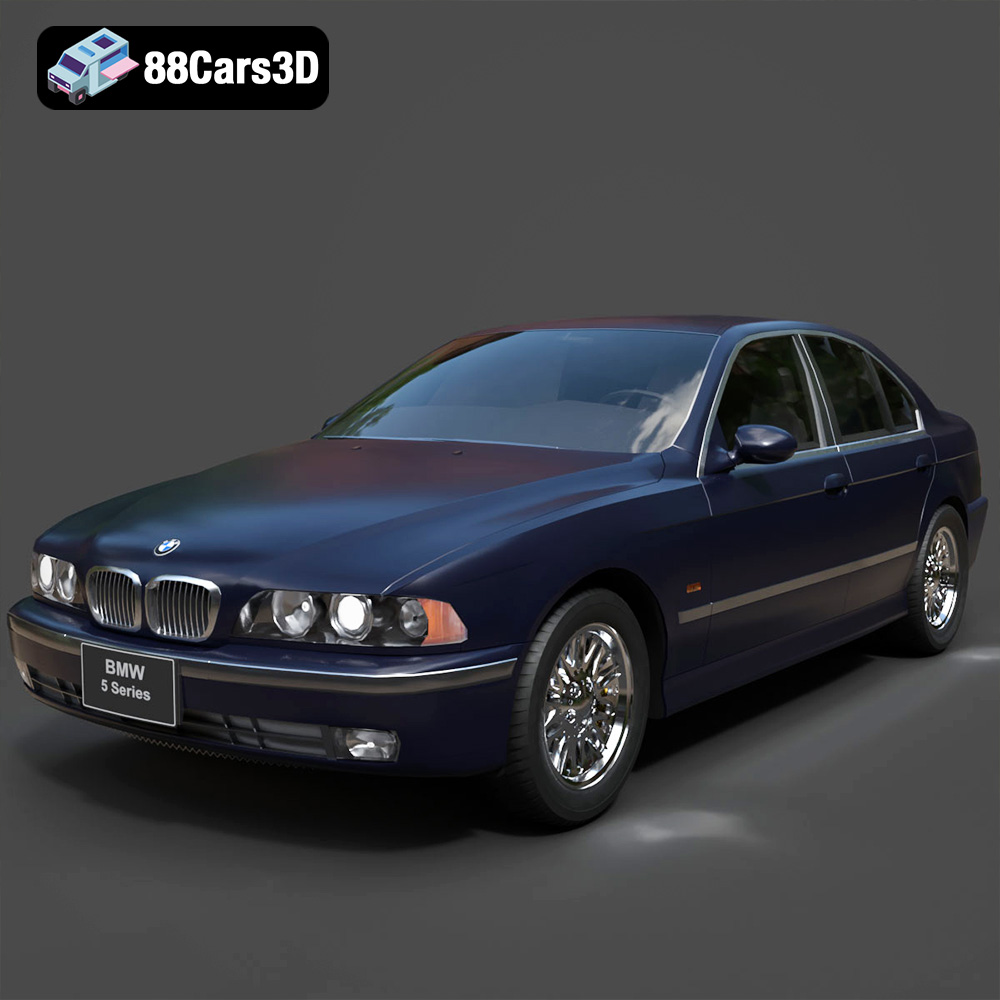
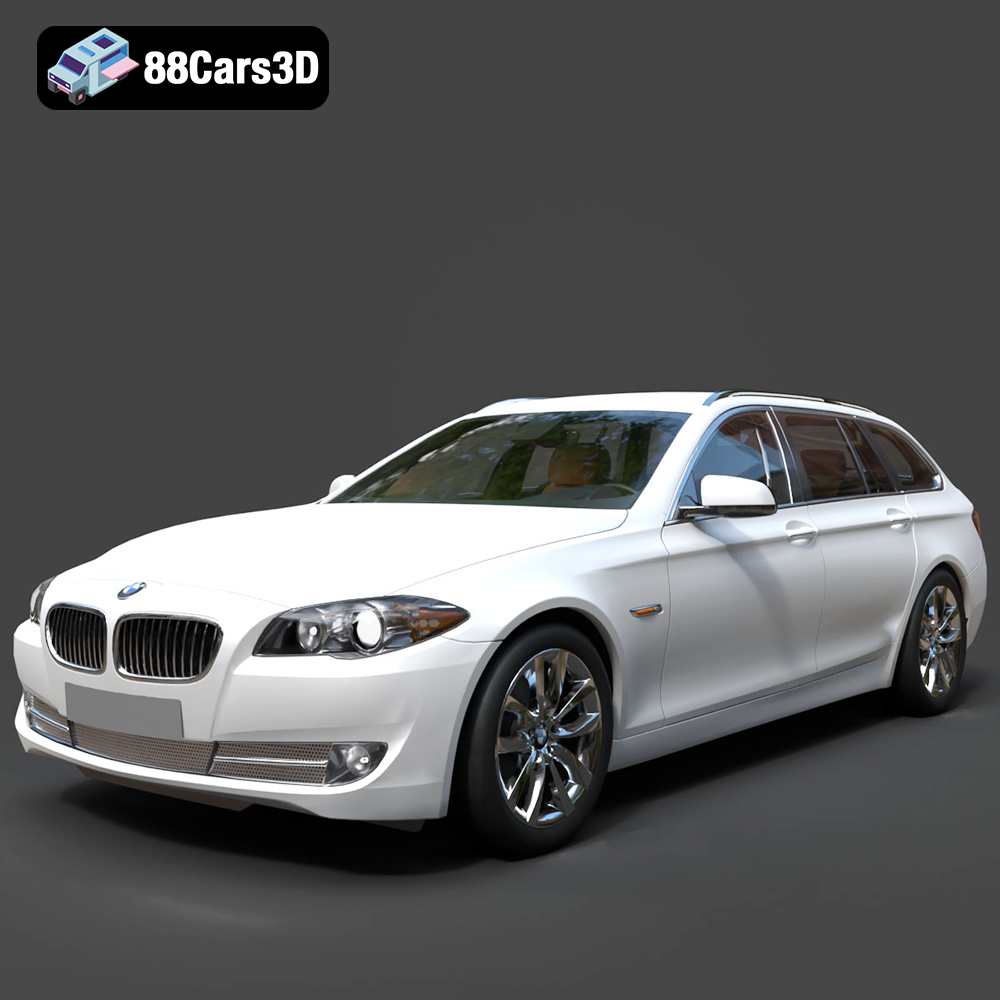
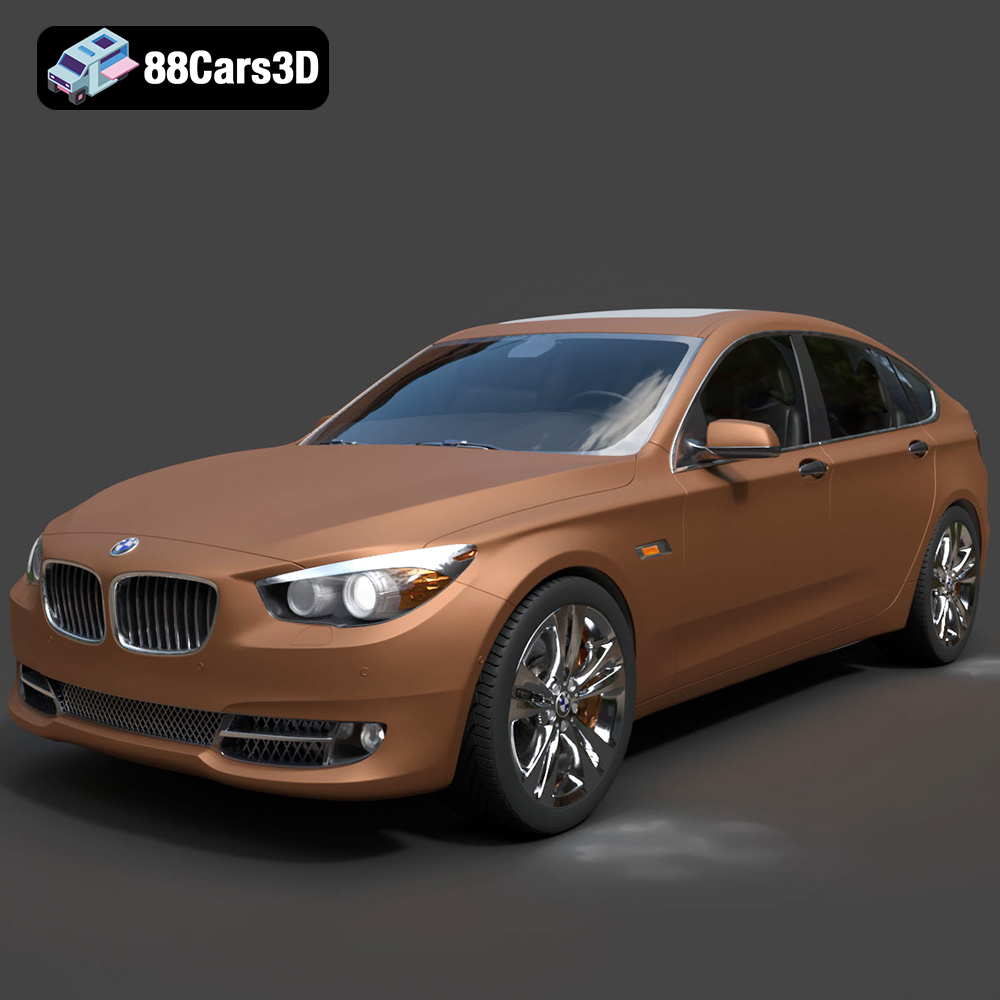
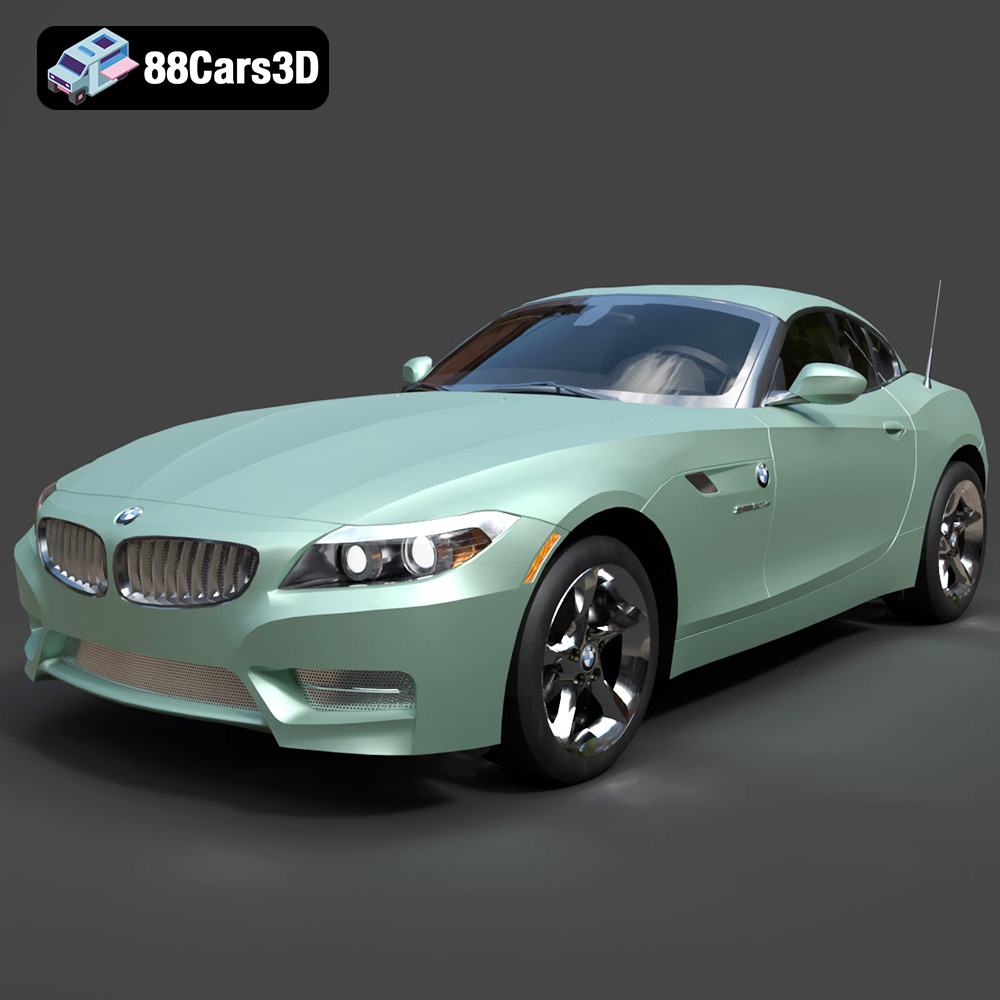
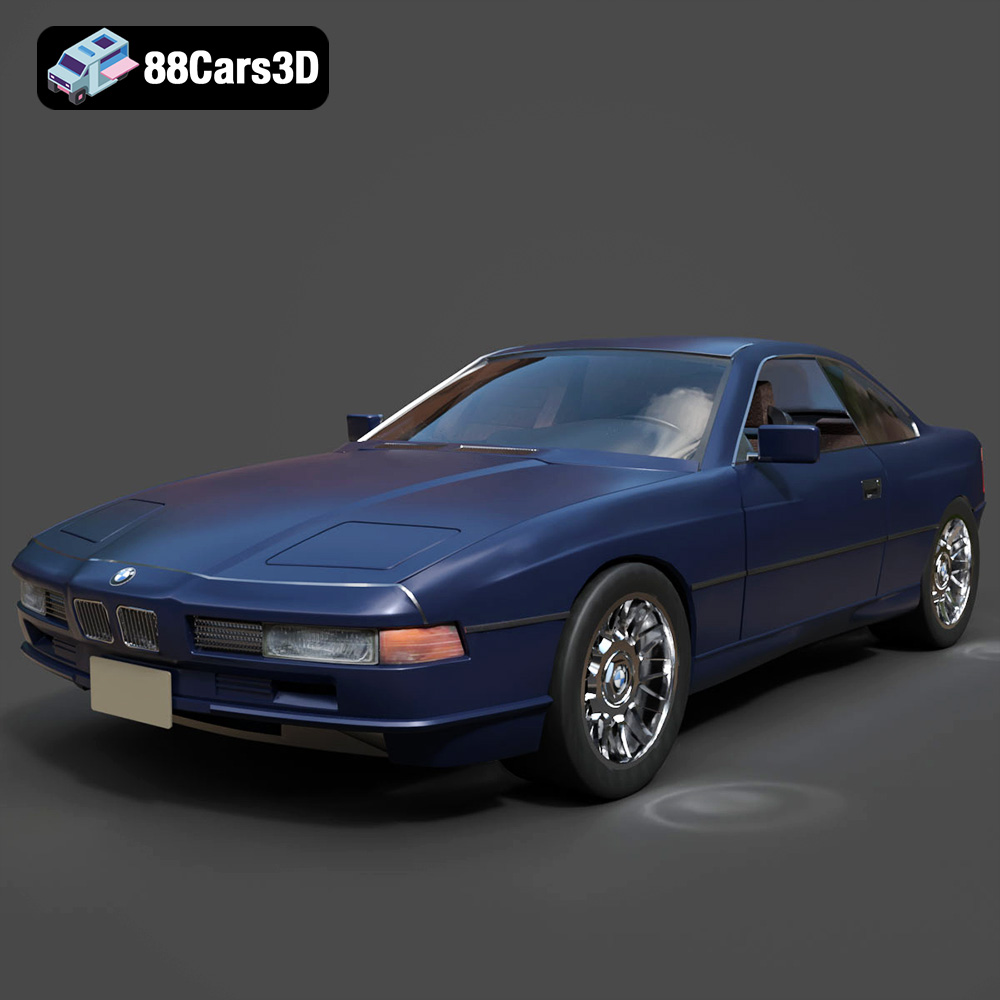
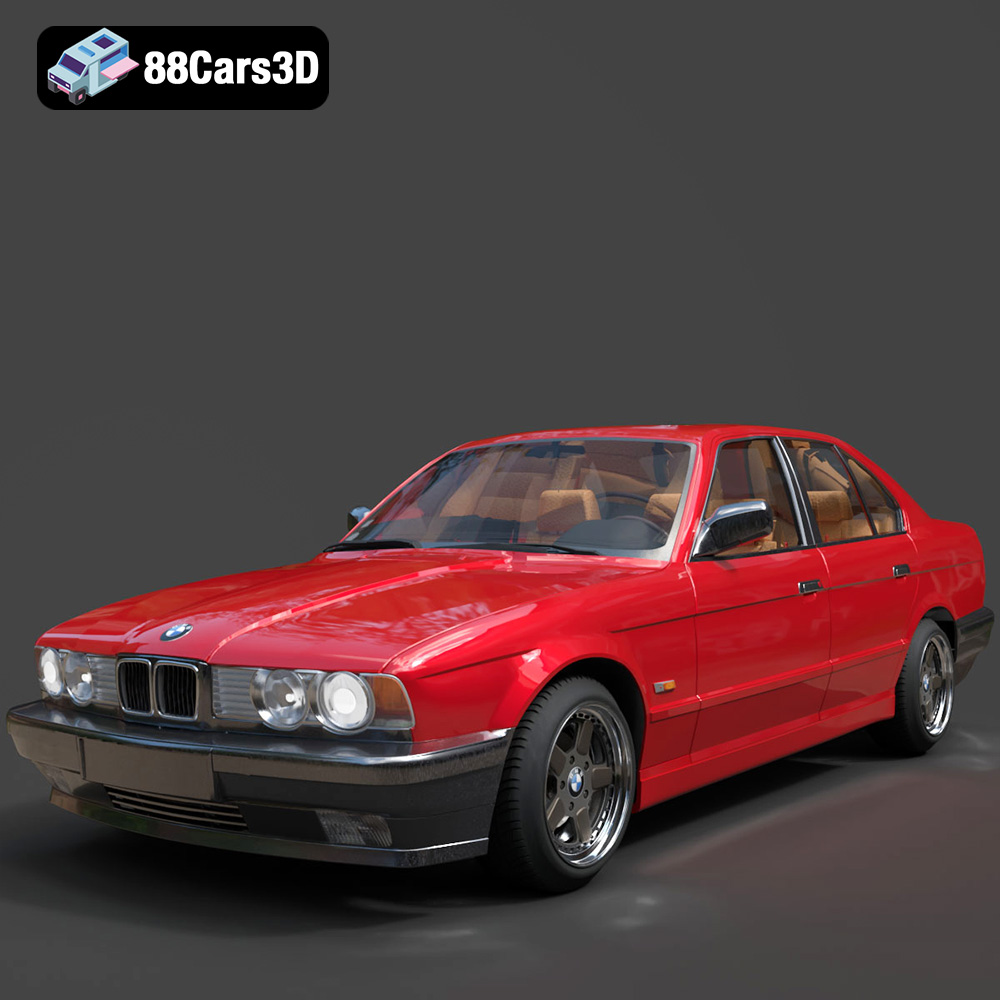
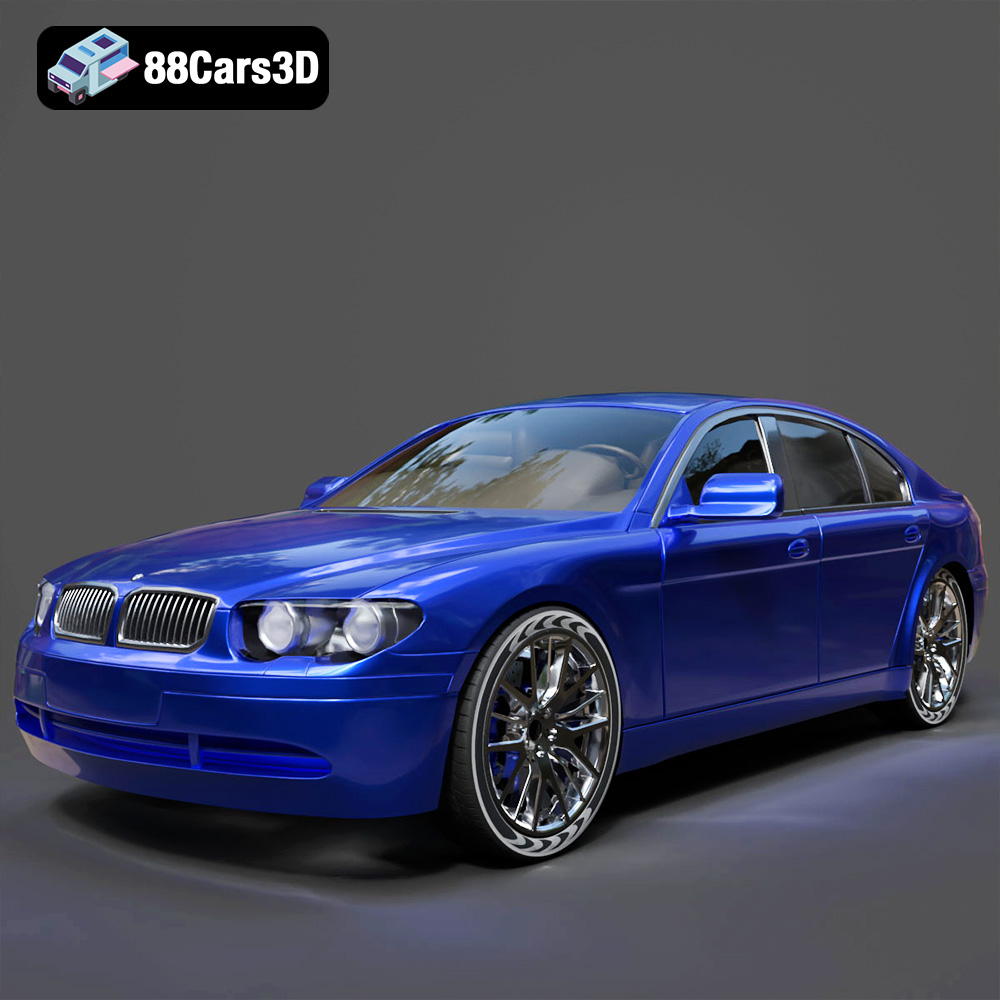
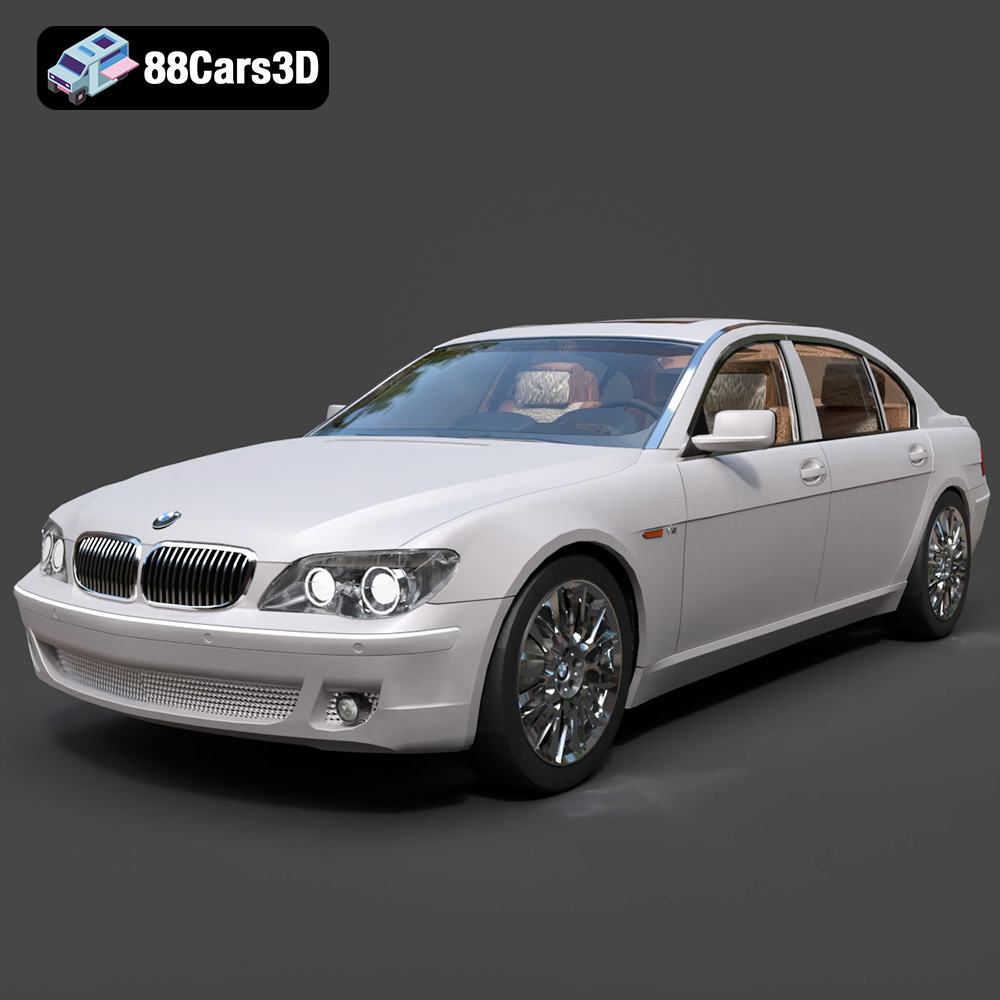
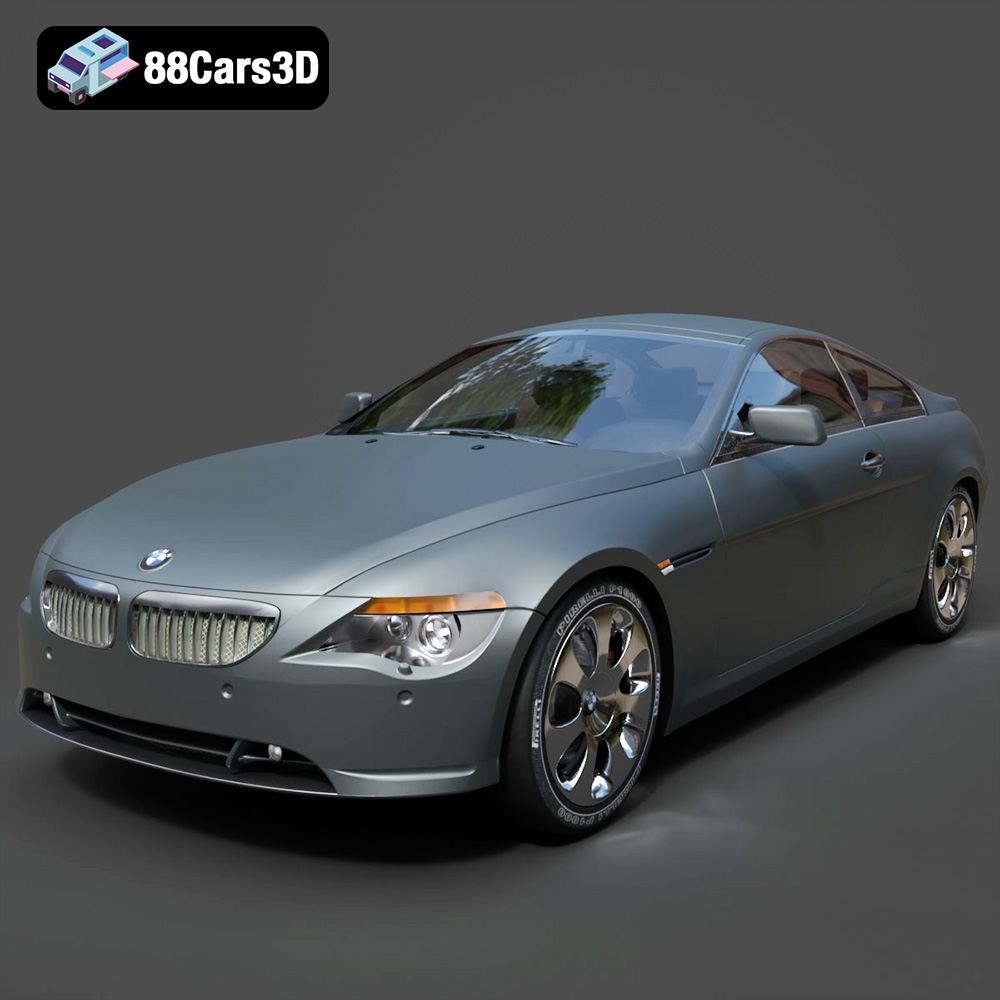
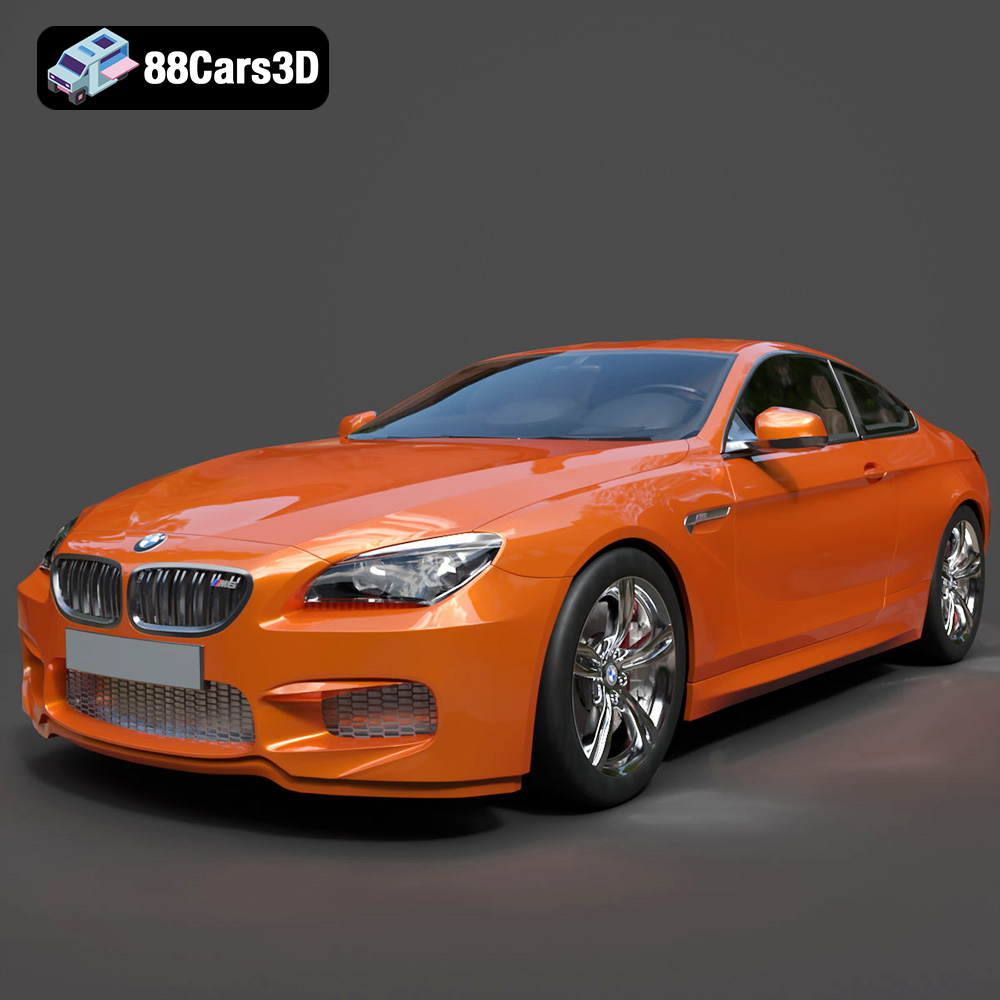
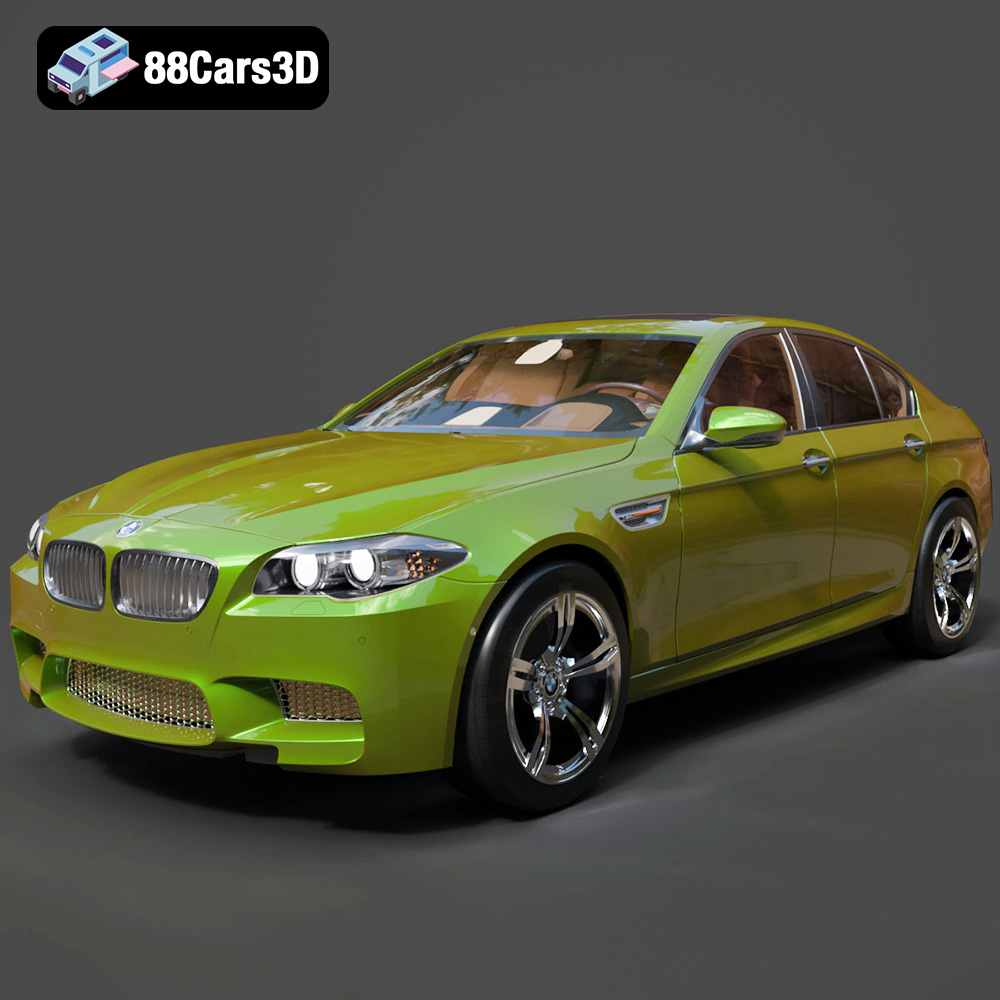
Featured 3D Car Models