

“`html
Mastering Complex Geometry: A Guide to Printing Intricate STL Files Flawlessly
The world of 3D printing has exploded, transforming hobbyists, engineers, and artists into creators capable of bringing almost any design to life. At the heart of this revolution lie STL files, the de facto standard for representing 3D models. However, not all STL files are created equal, and intricate designs – particularly those found in detailed automotive models, such as the high-quality offerings on 88cars3d.com – present unique challenges. Successfully printing complex geometries, with their fine details, overhangs, and thin walls, requires a deep understanding of file preparation, slicing techniques, printer settings, and post-processing. This guide will equip you with the knowledge and practical steps needed to navigate these challenges, minimize print failures, and achieve stunning results with your most ambitious projects. We’ll delve into the nuances of STL file structures, explore advanced slicing strategies, perfect support generation, and discuss critical material and printer considerations.
Understanding the STL Format and Mesh Topology for Complex Models
Before we can even think about hitting ‘print’, it’s crucial to understand what an STL file is and how its structure impacts printability, especially for complex car models with intricate bodywork, undercarriage details, and interior components. An STL (STereoLithography) file describes the surface geometry of a 3D object using a collection of triangular facets. Each triangle is defined by three vertices and a normal vector, which indicates the outward-facing direction. While simple, this representation can lead to issues if not properly constructed. For complex models, the sheer number of triangles can be enormous, impacting file size and processing time for slicers. More importantly, the quality of the mesh – its integrity and connectivity – is paramount.
Validating and Repairing STL Meshes
One of the most common pitfalls when printing complex STL files is the presence of mesh errors. These can include non-manifold geometry (edges shared by more than two faces, creating holes or internal surfaces), inverted normals (faces pointing inwards), self-intersecting faces, or holes in the mesh. These errors confuse the slicer, leading to unpredictable print paths, gaps in the model, or complete print failure. Software like Meshmixer, Blender, or Autodesk Netfabb are invaluable tools for detecting and repairing these issues. The process typically involves using automated repair functions, followed by manual inspection and correction where necessary. For example, identifying and filling small holes, or ensuring all faces have consistent outward normals, is a critical step. Many platforms, including 88cars3d.com, strive to provide “print-ready” files, but always run a quick mesh check, especially with highly detailed models.
Assessing Geometric Complexity and Printability
When examining a complex car model’s STL file, pay close attention to specific features: extremely thin walls (less than 1-2 times your nozzle diameter), sharp internal corners, and aggressive overhangs. These features are inherently difficult to print accurately, regardless of printer technology. Understanding the limitations of your chosen 3D printer and filament is key. For instance, a standard 0.4mm nozzle will struggle to resolve details smaller than that. Features like delicate spoilers, intricate grilles, or thin exhaust pipes require careful consideration. Sometimes, a model might need minor modifications – thickening a wall slightly, adding chamfers to sharp internal corners, or even splitting a complex part into multiple, more manageable pieces for printing – before it can be successfully sliced and printed.
Advanced Slicing Strategies for Intricate Details
The slicer is your bridge between a digital STL file and a physical object. For complex geometries, standard slicing profiles are often insufficient. Advanced slicing techniques allow you to fine-tune how the model is rendered layer by layer, optimizing for detail, strength, and successful execution. This involves going beyond basic settings like layer height and infill percentage to explore features that directly address the challenges posed by intricate models.
Optimizing Layer Height and Resolution
The choice of layer height is a fundamental trade-off between print time and vertical resolution. For highly detailed car models, a smaller layer height (e.g., 0.1mm or even 0.08mm for resin printers) is generally preferred to capture fine surface details, curves, and sharp edges accurately. However, this significantly increases print time. Consider the scale of your print; larger models might tolerate slightly thicker layers (e.g., 0.15mm or 0.2mm) without sacrificing noticeable detail. Furthermore, explore slicer features that allow for variable layer height. This enables the slicer to automatically use thinner layers in areas with high detail and thicker layers in less critical sections, offering a balance between quality and speed. This is particularly useful for car models where body panels might be smoother than intricate wheel designs.
Wall Thickness, Seam Placement, and Outer Walls
Ensuring adequate wall thickness is critical for structural integrity and the successful printing of fine details. For most FDM printers, a minimum wall thickness of 1.2mm (equivalent to three passes with a 0.4mm nozzle) is a good starting point. For very fine details, you might even consider a 0.8mm wall thickness if your printer and material can reliably produce it. Pay attention to the slicer’s settings for “Outer Wall Wipe Distance” and “Wall Line Count.” These influence how seams are handled and how well outer shells connect. Strategic seam placement is also vital for aesthetics; choose a “Sharpest Corner” or “Aligned” seam and manually place it on less visible surfaces or edges to avoid visual artifacts on prominent parts of the car model. Some slicers allow you to define “ironing” for outer walls, which can smooth out the top surfaces of each layer, improving the finish on curved body panels.
Print Speed and Acceleration for Detail Preservation
Printing complex geometries at high speeds is a recipe for failure. Reducing print speed, especially for outer walls and intricate sections, allows the filament to cool properly and adhere better, preventing details from becoming distorted or stringy. Typical speeds for detailed prints might range from 30-50 mm/s for outer walls and 40-60 mm/s for inner walls. Acceleration and Jerk settings also play a significant role. Lowering these values prevents the printer head from overshooting corners or vibrating excessively, which can blur fine details. For example, reducing acceleration for outer walls to values between 400-800 mm/s² can dramatically improve the crispness of edges and the fidelity of small features. Experimentation is key, as optimal settings depend heavily on your specific printer mechanics and the material being used.
Mastering Support Structures: The Unsung Hero of Complex Prints
Complex models, particularly automotive designs with spoilers, undercuts, and delicate suspension components, invariably feature overhangs and bridges that cannot be printed in mid-air. Support structures are essential for bridging these gaps, but poorly implemented supports can damage the model’s surface, be difficult to remove, and even cause print failures. Effective support generation requires a nuanced approach tailored to the specific model and print orientation.
Types of Supports and When to Use Them
Most slicers offer various support types: standard grid/lines, tree/organic supports, and custom supports. Standard supports are robust but can be difficult to remove cleanly from detailed surfaces. Tree/organic supports, common in software like Cura and PrusaSlicer, are designed to branch out and touch the model only where necessary, minimizing contact points and often making them easier to remove from delicate areas. For highly complex models, such as a detailed chassis or interior, tree supports are often the preferred choice. Consider “Support on Build Plate Only” if overhangs only occur on lower sections and you want to avoid supporting internal structures. Sometimes, manually adding or removing support blockers in specific areas can prevent unnecessary supports on critical details or areas that are self-supporting.
Optimizing Support Settings for Easy Removal
The key to successful support removal lies in the settings that control the interface between the support and the model. Settings like “Support Z Distance” (the gap between the top of the support and the bottom of the model), “Support X/Y Distance” (the gap on the sides), and “Support Interface” are critical. A small “Support Z Distance” (e.g., 0.1-0.2mm for FDM) creates a denser interface, leading to better detail transfer but making removal harder. A slightly larger Z distance (e.g., 0.2-0.3mm) can ease removal but might result in a slightly rougher surface finish on the underside of the overhang. Using a “Support Roof” and “Support Floor” can create a solid interface layer, improving the smoothness of the supported surface, but requires careful tuning. Experiment with materials like PETG for supports, as it can sometimes be easier to break away cleanly than PLA.
Print Orientation: The First Line of Defense
Before even generating supports, the most critical decision is the print orientation. How you position the car model on the build plate can drastically reduce the need for supports, improve print quality, and increase the chances of success. Analyze the model for its most challenging overhangs and steep angles. Can you rotate the model to minimize these? For instance, printing a car body upright might require extensive supports for the wheel arches and undercarriage. Rotating it slightly, or even printing it upside down (if the underside is less critical or can be post-processed), might significantly reduce support material and improve the finish on visible surfaces. Always consider the orientation that best utilizes your printer’s strengths, minimizes overhangs, and places critical surface details in areas least likely to be affected by supports.
Material Selection and Printer Technology for Precision
The choice of material and the 3D printing technology (FDM vs. Resin) profoundly impact the ability to capture the intricate details of complex car models. Each has its strengths and weaknesses when it comes to resolution, material properties, and post-processing requirements.
FDM Printing: Balancing Detail and Durability
Fused Deposition Modeling (FDM) is the most common and accessible 3D printing technology. For detailed car models, using materials like PLA or PETG is recommended. PLA offers excellent detail and minimal warping, making it ideal for display models. PETG provides greater strength and temperature resistance, suitable for functional prototypes or models that might be handled more frequently. When printing with FDM, ensuring your printer is well-calibrated is paramount. This includes checking bed leveling, calibrating E-steps for accurate filament extrusion, and ensuring proper nozzle temperature. Using a smaller nozzle diameter (e.g., 0.25mm or 0.3mm) can significantly improve the resolution for fine features, though it will increase print time. Employing filament drying techniques is also crucial, as moist filament can lead to stringing and poor surface quality, which is detrimental to intricate models.
Resin Printing (SLA/DLP/MSLA): The Apex of Detail
For unparalleled detail and surface finish, resin printing (SLA, DLP, or MSLA) is the undisputed champion. These technologies cure liquid photopolymer resin layer by layer using UV light, achieving resolutions far exceeding FDM printers, often down to 25-50 microns. This makes them perfect for capturing the delicate lines of a classic car, intricate interior details, or tiny engine components. Standard resins are common, but specialized high-detail or tough resins are also available. However, resin printing comes with its own set of challenges: significant post-processing involving washing with isopropyl alcohol (IPA) and a UV curing step, potential for print failures due to improper exposure settings, and the need for careful handling of uncured resin. Support structures are still necessary, but often finer and easier to remove due to the inherent precision of the printing process. Models downloaded from marketplaces like 88cars3d.com are often designed with both FDM and resin printing in mind, offering clean geometry suitable for either.
Material Properties and Their Impact
Beyond the basic type of filament or resin, consider specific material properties. For FDM, high-impact polystyrene (HIPS) can be used with a dual extruder setup to print soluble supports (using limonene solvent), allowing for extremely clean removal from complex geometries. ABS offers good strength and temperature resistance but is prone to warping and requires an enclosed printer. Resins vary widely in their properties – standard resins are great for detail but can be brittle, while tougher resins offer more durability at the expense of some fine detail. Understanding the material’s shrinkage, adhesion properties, and post-curing requirements is vital for achieving accurate and durable prints of complex car models.
Calibration, Maintenance, and Troubleshooting Common Failures
Even with the best preparation and slicing, print failures can occur. A well-maintained and properly calibrated printer is your best defense against these issues. Understanding common failure modes and how to diagnose and fix them is a critical skill for any serious 3D printing enthusiast tackling complex projects.
Printer Calibration Essentials
Regular calibration is non-negotiable for high-quality prints. This includes:
- Bed Leveling: An uneven bed is the primary cause of poor first-layer adhesion, which can lead to warping and detachment, especially for larger models. Auto bed leveling systems help, but manual checks are still essential.
- E-step Calibration: Ensures that your extruder pushes the correct amount of filament. Incorrect E-steps lead to under-extrusion (weak, stringy prints) or over-extrusion (blobs and loss of detail).
- Temperature Tower and Retraction Tuning: Printing calibration objects like temperature towers helps find the optimal printing temperature for your specific filament, reducing stringing and improving layer adhesion. Retraction tuning is crucial for minimizing stringing, which can mar the intricate details of car models.
- Flow Rate/Extrusion Multiplier: Fine-tunes the amount of filament extruded, especially important after E-step calibration, to ensure accurate dimensions and smooth surfaces.
For resin printers, calibrating exposure times using a calibration model is critical for achieving dimensionally accurate and fully cured parts without over-curing.
Diagnosing and Fixing Common Failures
When printing complex geometries, several issues are more likely to arise:
- Warping: Caused by uneven cooling and material contraction. Solutions include using a brim, increasing bed adhesion (using glue stick, hairspray, or specialized surfaces), ensuring proper bed temperature, and using an enclosure to maintain ambient temperature.
- Stringing/Oozing: Typically due to incorrect retraction settings or wet filament. Tune retraction distance and speed, and consider printing a retraction calibration test. Dry your filament.
- Layer Shifting: Often caused by mechanical issues like loose belts, a snagged filament path, or the print head hitting an incorrectly supported or shifted layer. Check belt tension, ensure smooth filament movement, and review support structures for potential collision points.
- Poor Overhang Quality: Even with supports, overhangs can droop or become stringy. Reduce print speed, increase cooling, and consider orientation or support settings.
- Support Removal Damage: If supports are too tightly attached, they can tear away model surface details. Adjust support interface settings (Z distance, XY distance) for easier removal.
Preventative Maintenance for Reliability
A consistent maintenance schedule ensures your printer operates at peak performance. Regularly clean the build plate, check and lubricate motion system components (rails, lead screws), inspect and clean the nozzle, and check for wear and tear on belts and gears. For resin printers, maintaining the FEP film on the resin vat and ensuring the build plate is clean and free of cured resin bits is vital. A well-maintained printer is significantly less likely to introduce errors into your complex prints, saving you time, filament, and frustration.
Post-Processing: Bringing Your Printed Car Model to Life
Once the print is complete and supports have been carefully removed, the journey isn’t over. Post-processing is where raw 3D prints are transformed into polished, display-worthy models. For complex automotive STL files, this stage is crucial for achieving a professional finish and highlighting the intricate details.
Support Removal and Surface Finishing
Careful support removal is the first step. For FDM prints, use flush cutters, pliers, and hobby knives to delicately detach support material, especially from fine edges and delicate features like spoilers or mirrors. For resin prints, the supports are typically thinner and can often be snapped off cleanly, sometimes requiring light sanding. After support removal, the surface will likely show evidence of the printing process. For FDM, sanding is the primary method for achieving a smooth surface. Start with a coarse grit sandpaper (e.g., 120-220) to remove layer lines and imperfections, gradually moving to finer grits (e.g., 400, 800, 1000, and even higher). For resin prints, wet sanding with very fine grits (starting around 800-1000 and going up to 2000-3000) can yield exceptionally smooth results. Filler primers or putty can be used to fill minor imperfections or layer lines before sanding and painting.
Priming, Painting, and Detailing
Priming is an essential step for both FDM and resin prints, as it provides a uniform surface for paint adhesion and helps reveal any remaining imperfections that need attention. Use a high-quality primer, ideally one designed for plastics. Apply in thin, even coats. Once the primer is dry, painting can begin. For car models, airbrushing often provides the smoothest, most professional finish, especially for body panels. Hand-painting can be used for smaller details like trim, lights, and grilles. Acrylic paints are widely used due to their ease of use and cleanup. For realistic finishes, consider techniques like panel lining (using a thin wash to accentuate panel gaps), weathering, and clear coats (gloss, satin, or matte) to protect the paint job and achieve the desired sheen. High-quality decals can also be applied to replicate badges and specific branding.
Assembly and Final Touches
Many complex car models, especially larger or multi-part designs, will require assembly. Ensure that any parts designed to fit together have appropriate tolerances. If parts are too tight, slight sanding or filing may be necessary. If they are too loose, a small amount of super glue or a two-part epoxy can be used. For multi-part FDM prints, consider using a solvent weld with ABS or a strong adhesive like cyanoacrylate (super glue) or epoxy for PLA/PETG. For resin prints, super glue or UV-curable adhesives work well. The final assembly and painting bring the intricate details of the 3D printed car model together, creating a truly impressive replica. Patience and attention to detail during this stage are rewarded with a final product that reflects the quality of the original digital design.
Conclusion: From Complex STL to Stunning Physical Model
Printing complex 3D models, particularly detailed car designs, is a rewarding challenge that pushes the boundaries of what’s possible with additive manufacturing. Success hinges on a holistic approach, from meticulously preparing your STL files and understanding their underlying mesh topology to employing advanced slicing strategies that account for every overhang, thin wall, and intricate curve. Mastering support generation and removal is paramount, ensuring that delicate features are preserved and difficult-to-reach areas are printed successfully. The choice between FDM and resin printing, coupled with careful material selection, dictates the achievable level of detail and the specific post-processing techniques required. Regular printer calibration and proactive maintenance form the bedrock of reliable printing, minimizing frustrating failures. Finally, patient and skillful post-processing – from meticulous support removal and sanding to expert painting and assembly – transforms a raw print into a showpiece.
By internalizing the principles and techniques outlined in this guide, you are well-equipped to tackle even the most complex geometries. Whether you’re downloading a meticulously crafted STL file from platforms like 88cars3d.com or preparing your own designs, the path to flawless prints involves a combination of technical knowledge, careful planning, and a willingness to experiment. Embrace the process, learn from each print, and soon you’ll be creating stunning, intricate 3D printed car models that rival professional craftsmanship. Happy printing!
“`
Featured 3D Car Models
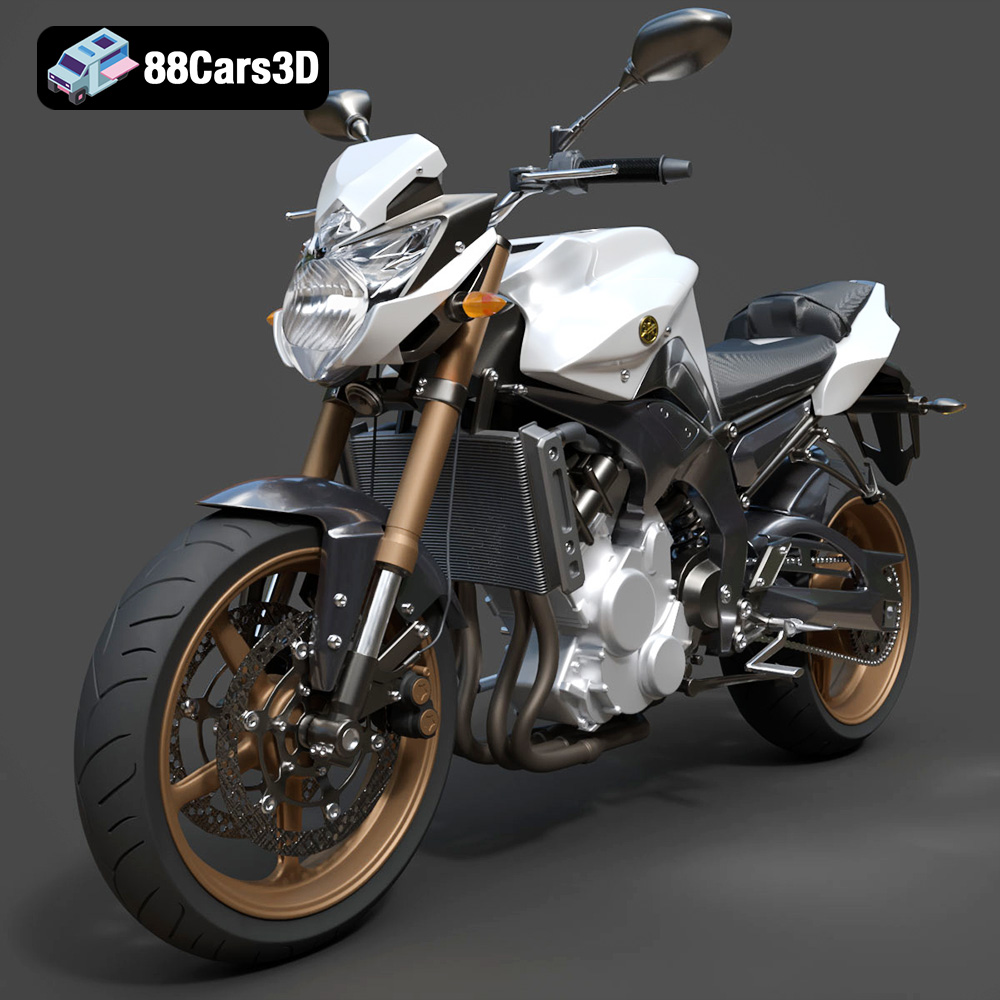
Yamaha FZ8 2011 3D Model
Texture: Yes
Material: Yes
Download the Yamaha FZ8 2011 3D Model featuring clean geometry, realistic detailing, and a fully modeled interior. Includes .blend, .fbx, .obj, .glb, .stl, .ply, .unreal, and .max formats for rendering, simulation, and game development.
Price: $19.99
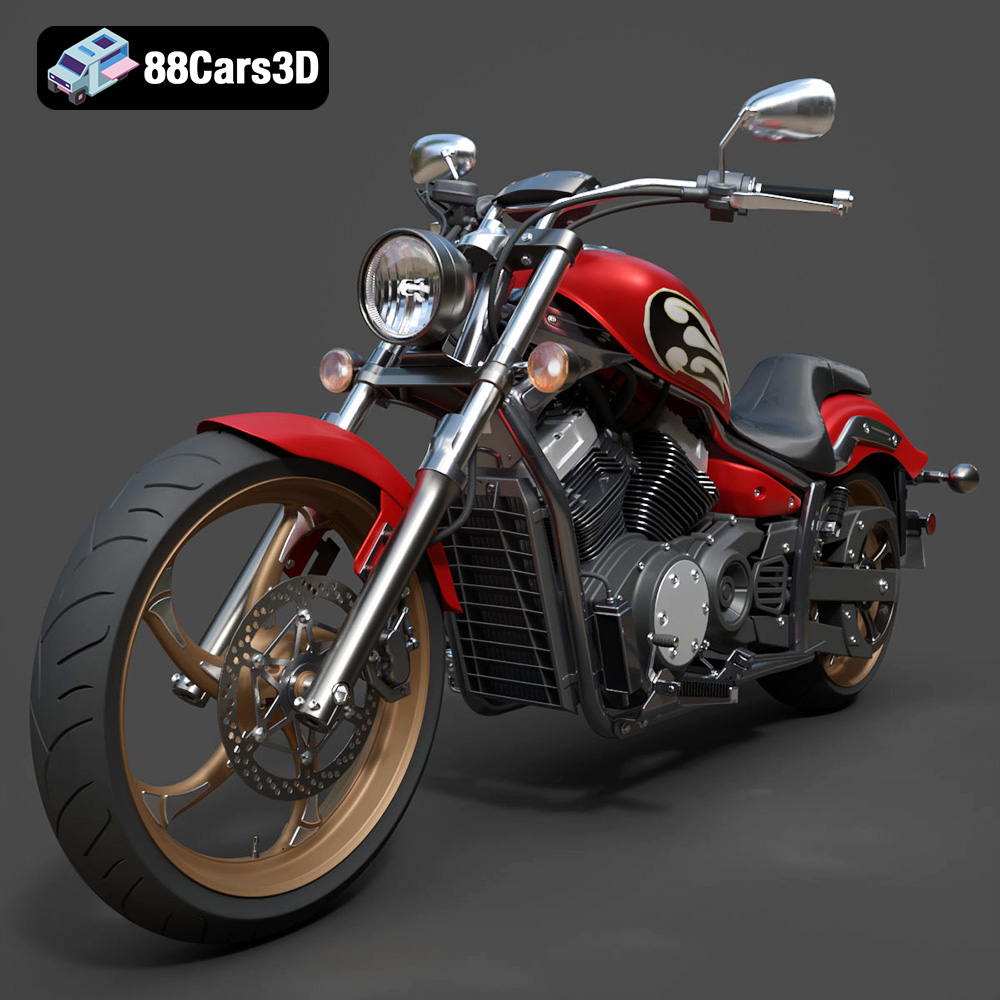
Yamaha Stryker 2012 3D Model
Texture: Yes
Material: Yes
Download the Yamaha Stryker 2012 3D Model featuring clean geometry, realistic detailing, and a fully modeled interior. Includes .blend, .fbx, .obj, .glb, .stl, .ply, .unreal, and .max formats for rendering, simulation, and game development.
Price: $19.99
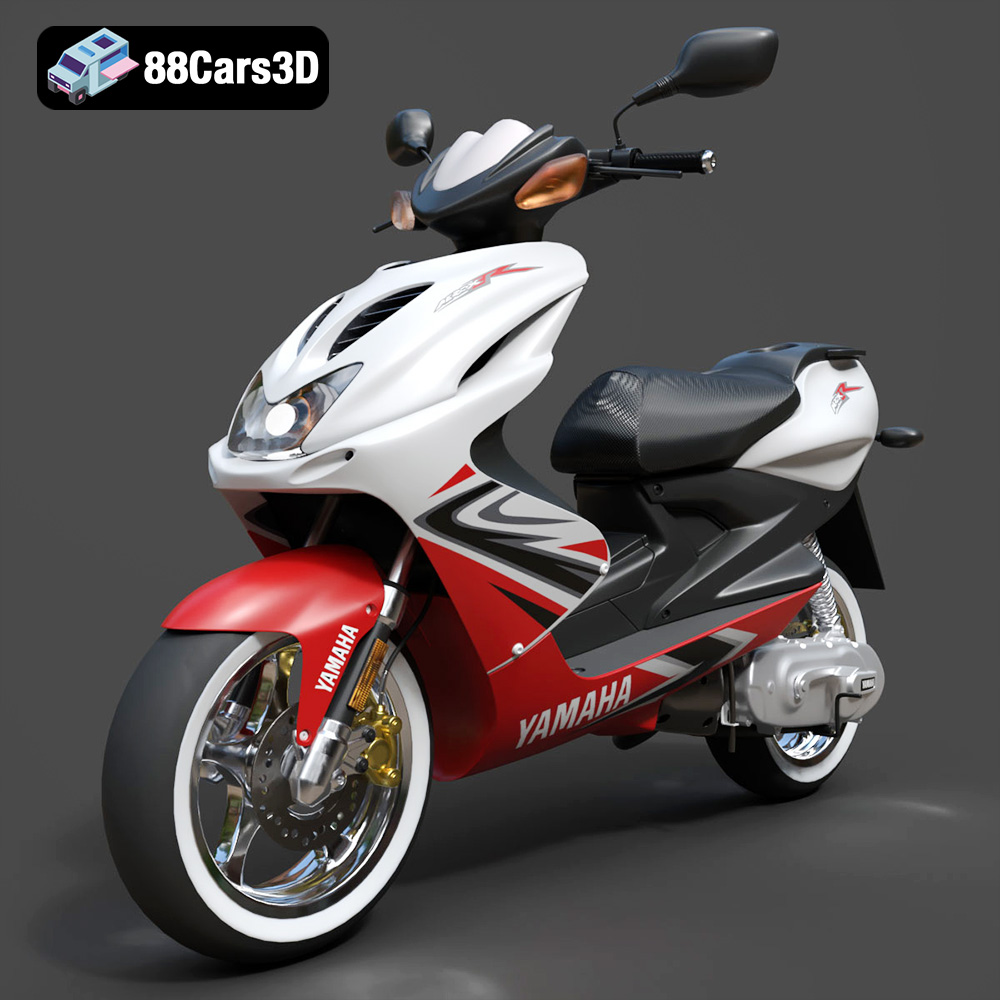
Yamaha Aerox R-002 2024 3D Model
Texture: Yes
Material: Yes
Download the Yamaha Aerox R-002 2024 3D Model featuring clean geometry, realistic detailing, and a fully modeled interior. Includes .blend, .fbx, .obj, .glb, .stl, .ply, .unreal, and .max formats for rendering, simulation, and game development.
Price: $19.99
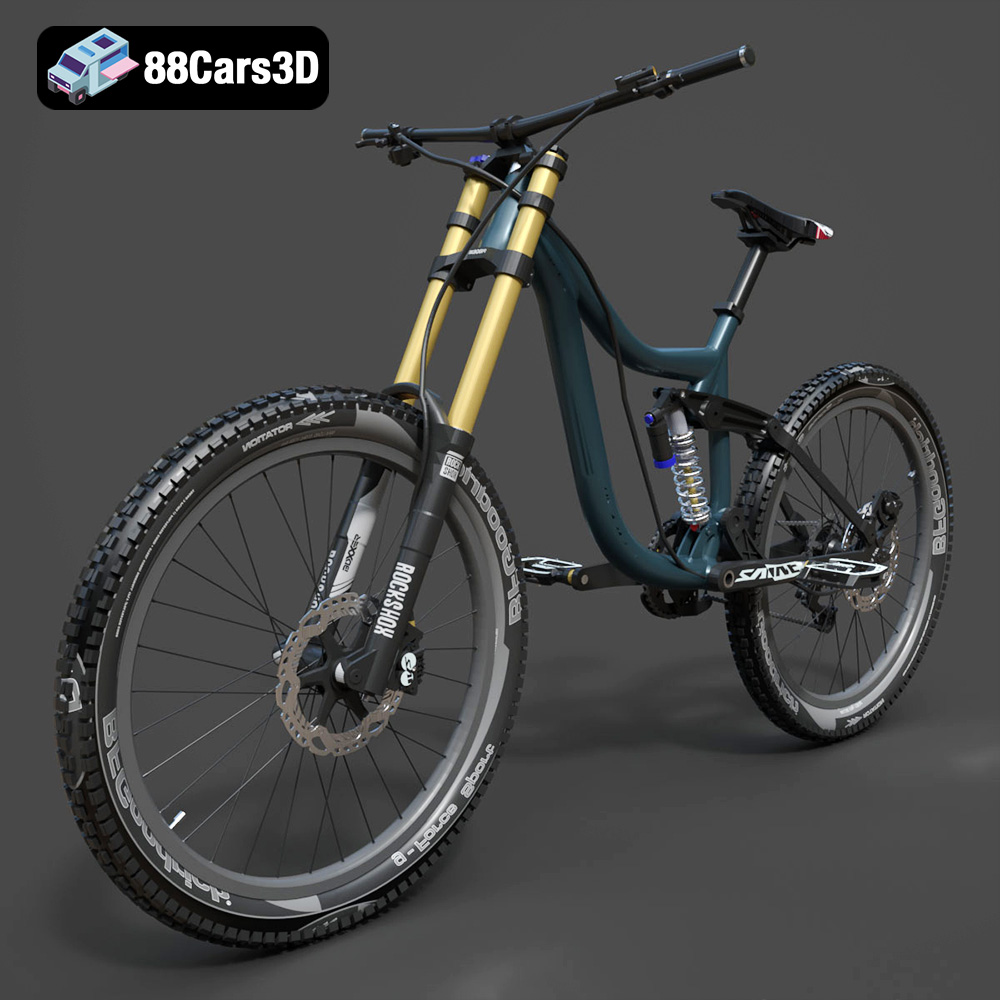
Mototsikly Downhill Bike-002 3D Model
Texture: Yes
Material: Yes
Download the Mototsikly Downhill Bike-002 3D Model featuring clean geometry, realistic detailing, and precise mechanical components. Includes .blend, .fbx, .obj, .glb, .stl, .ply, .unreal, and .max formats for rendering, simulation, and game development.
Price: $19.99
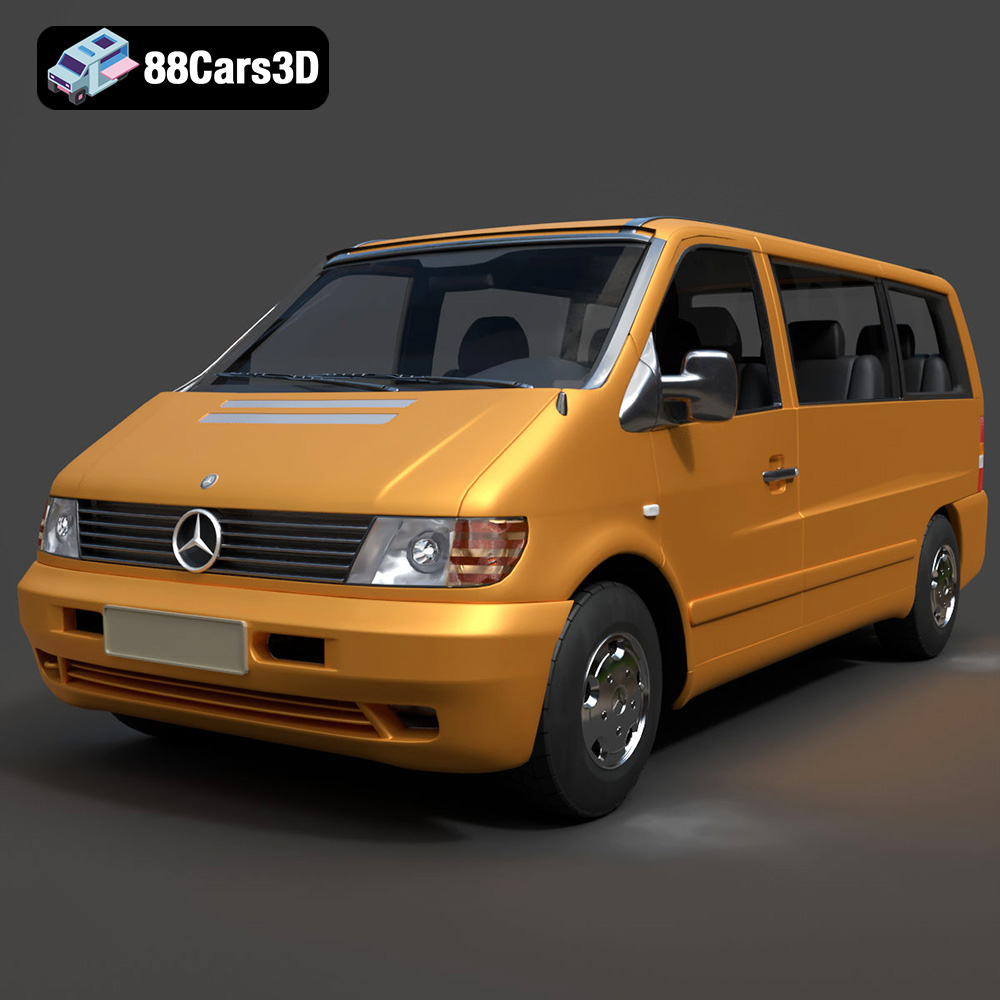
Mercedes-Benz Vito Passenger Van 3D Model
Texture: Yes
Material: Yes
Download the Mercedes-Benz Vito Passenger Van 3D Model featuring clean geometry, realistic detailing, and a fully modeled interior. Includes .blend, .fbx, .obj, .glb, .stl, .ply, .unreal, and .max formats for rendering, simulation, and game development.
Price: $19.99
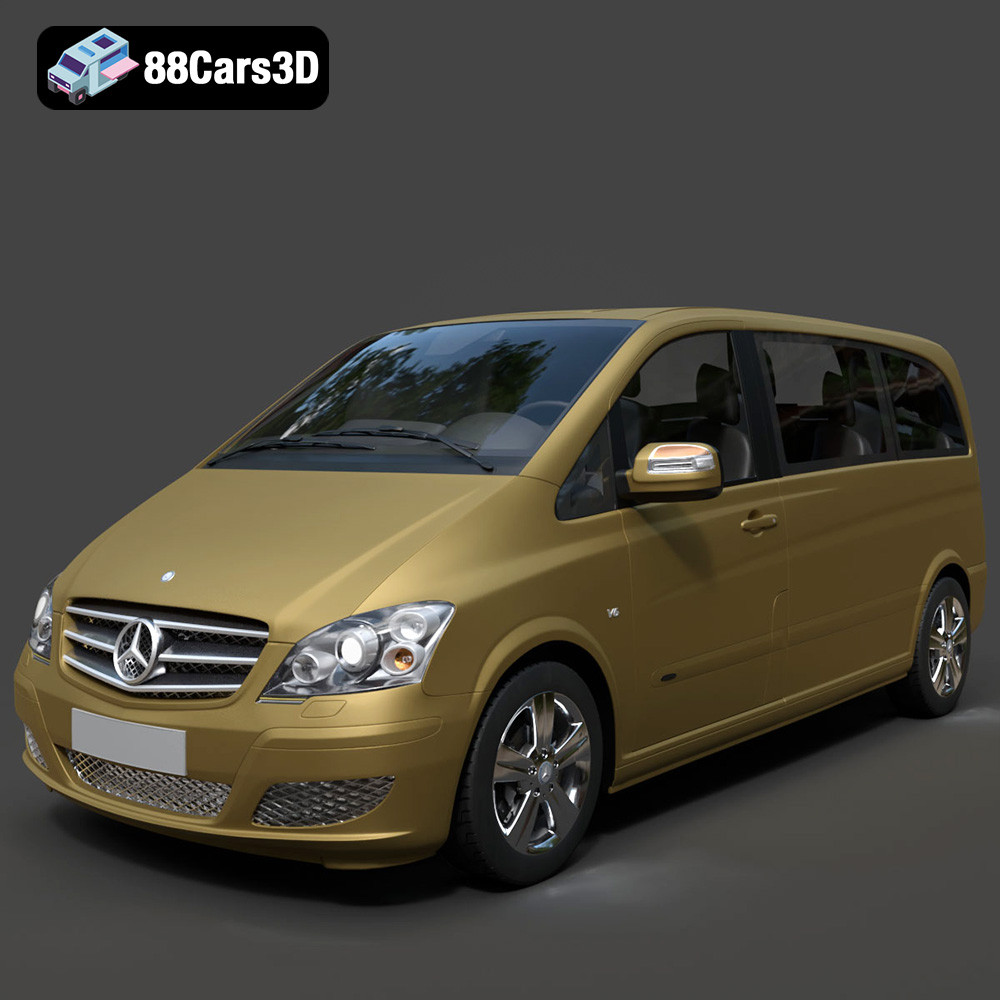
Mercedes-Benz Viano 2010 3D Model
Texture: Yes
Material: Yes
Download the Mercedes-Benz Viano 2010 3D Model featuring clean geometry, realistic detailing, and a fully modeled interior. Includes .blend, .fbx, .obj, .glb, .stl, .ply, .unreal, and .max formats for rendering, simulation, and game development.
Price: $19.99

Emt Avtobus 007 3D Model
Texture: Yes
Material: Yes
Download the Emt Avtobus 007 3D Model featuring clean geometry, realistic detailing, and a fully modeled interior. Includes .blend, .fbx, .obj, .glb, .stl, .ply, .unreal, and .max formats for rendering, simulation, and game development.
Price: $19.99
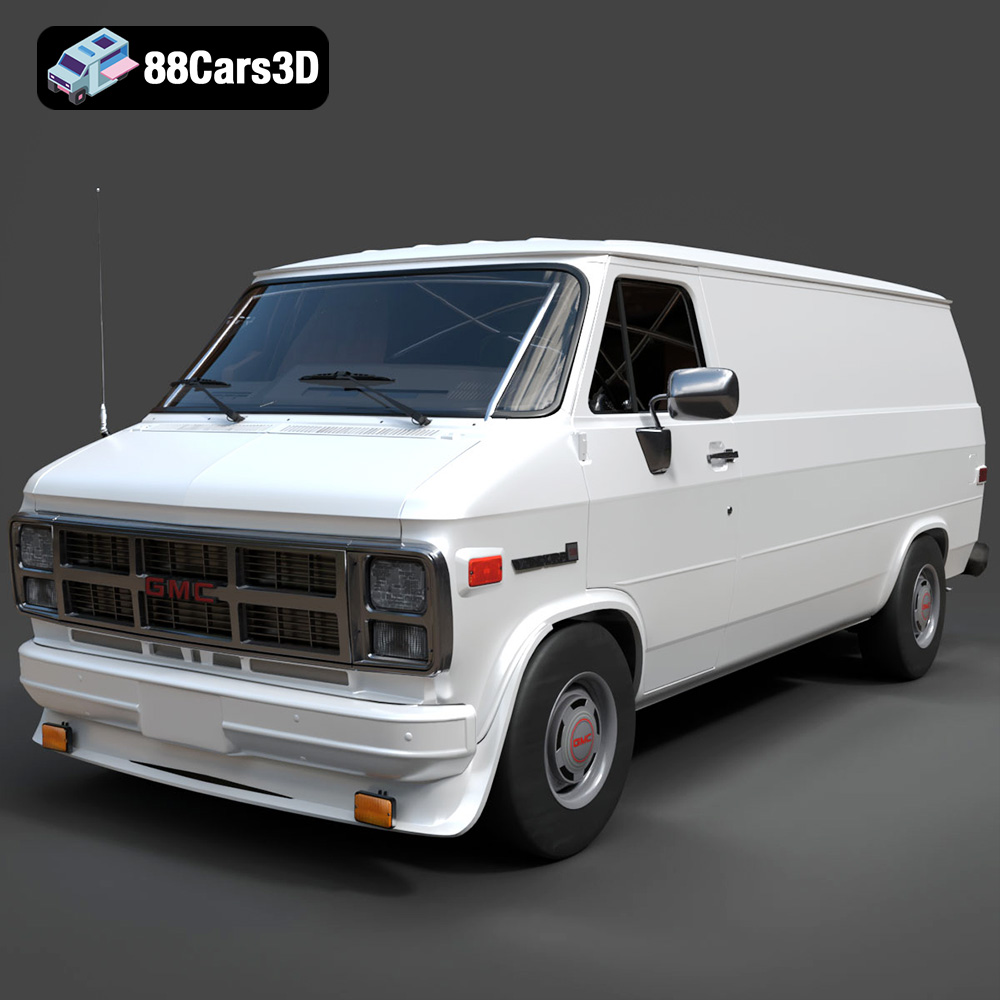
GMC Vandura G-1500 1983 3D Model
Texture: Yes
Material: Yes
Download the GMC Vandura G-1500 1983 3D Model featuring clean geometry, realistic detailing, and a fully modeled interior. Includes .blend, .fbx, .obj, .glb, .stl, .ply, .unreal, and .max formats for rendering, simulation, and game development.
Price: $19.99
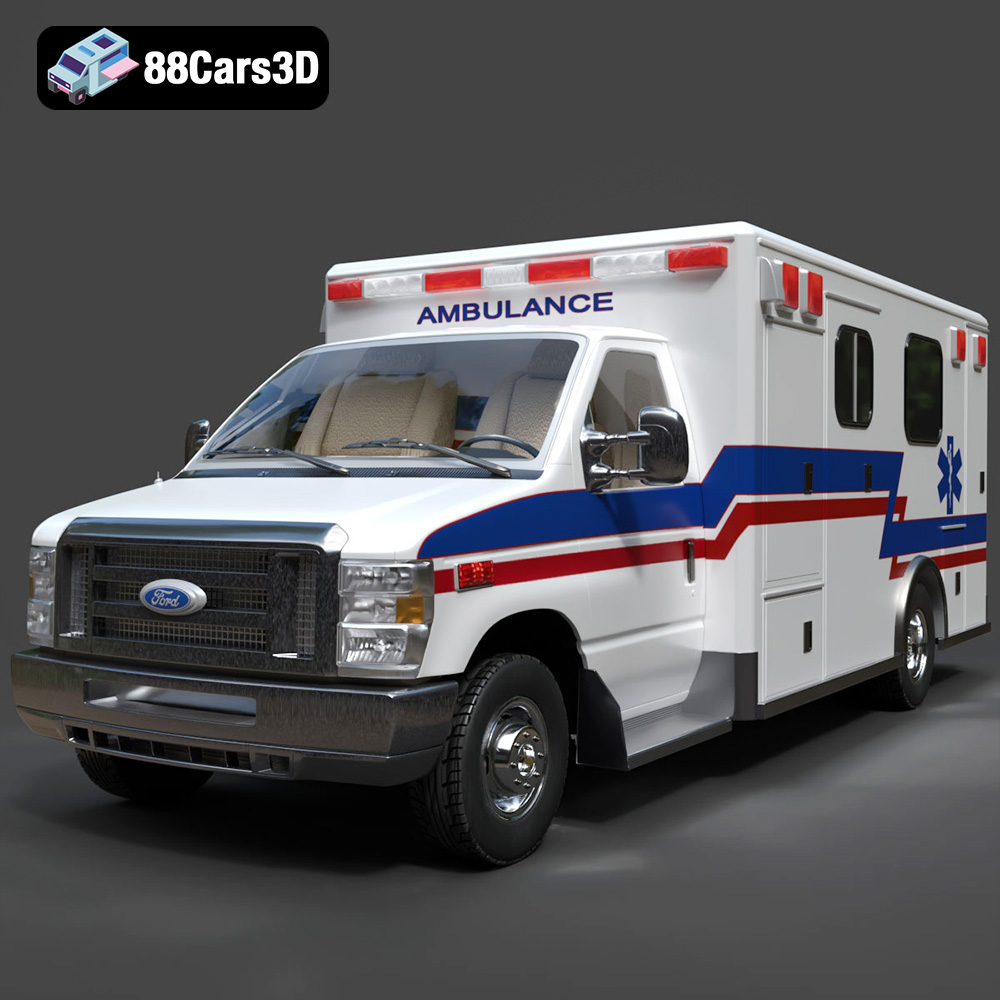
Ford E-450 Ambulance 3D Model
Texture: Yes
Material: Yes
Download the Ford E-450 Ambulance 3D Model featuring clean geometry, realistic detailing, and a fully modeled interior. Includes .blend, .fbx, .obj, .glb, .stl, .ply, .unreal, and .max formats for rendering, simulation, and game development.
Price: $19.99

Fiat Ducato SWB-001 3D Model
Texture: Yes
Material: Yes
Download the Fiat Ducato SWB-001 3D Model featuring clean geometry, realistic detailing, and a fully modeled interior. Includes .blend, .fbx, .obj, .glb, .stl, .ply, .unreal, and .max formats for rendering, simulation, and game development.
Price: $19.99
