Unlocking Digital Realities: The Power of High-Quality 3D Car Models in Modern Industries
In the dynamic landscape of digital visualization, 3D car models have evolved from simple digital representations into indispensable assets across a multitude of industries. From the meticulous crafting of cinematic masterpieces and groundbreaking video games to the precision engineering required for automotive design and immersive virtual reality experiences, high-quality vehicle assets are the bedrock. These sophisticated digital creations offer unparalleled flexibility, allowing designers, developers, and marketers to bring their automotive visions to life with stunning realism and interactive potential.
The demand for meticulously detailed and technically sound 3D car models continues to surge. Whether you’re a game developer striving for authentic vehicle physics, an automotive studio showcasing a new concept car, or an architect integrating fleet vehicles into an urban visualization, the quality of your digital assets directly impacts the final output. This comprehensive guide delves into the intricate world of 3D car models, exploring their technical nuances, diverse applications, and the workflows essential for harnessing their full potential in automotive rendering and game development.
The Foundation of Digital Automotive Design: Precision 3D Car Models
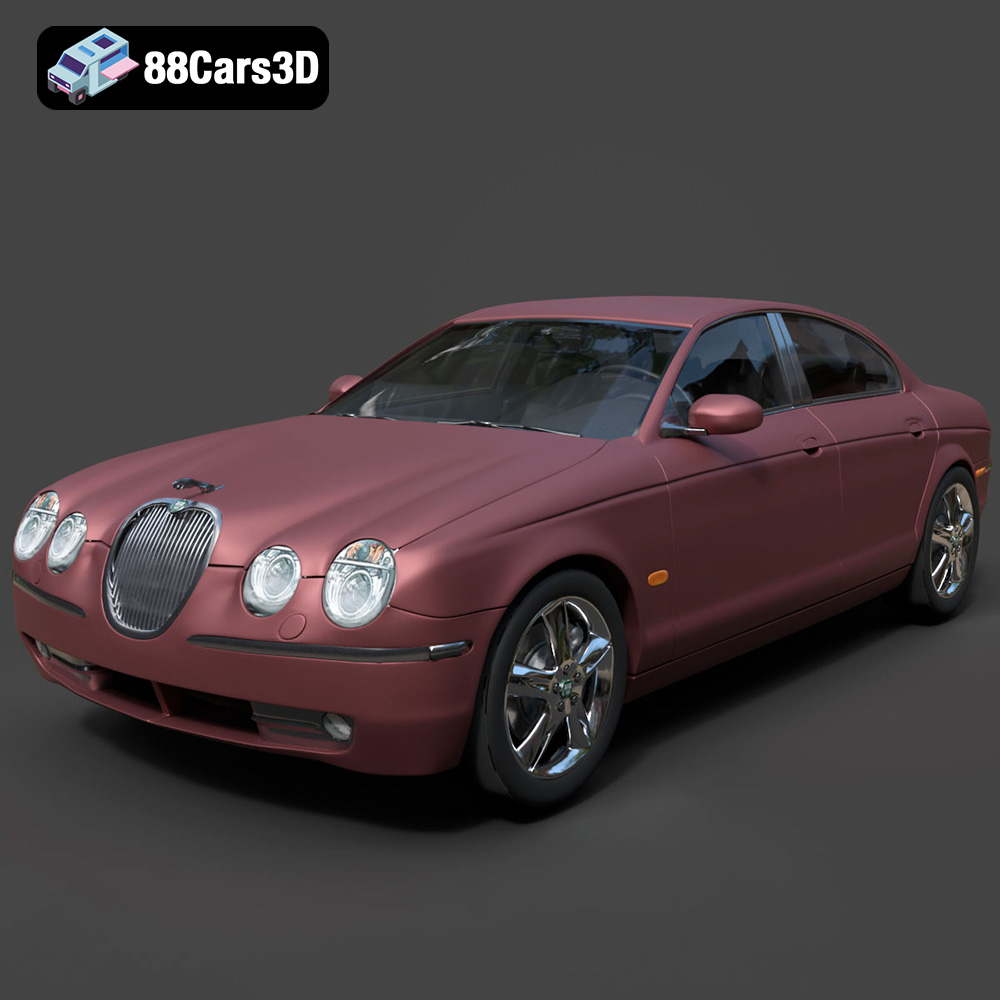
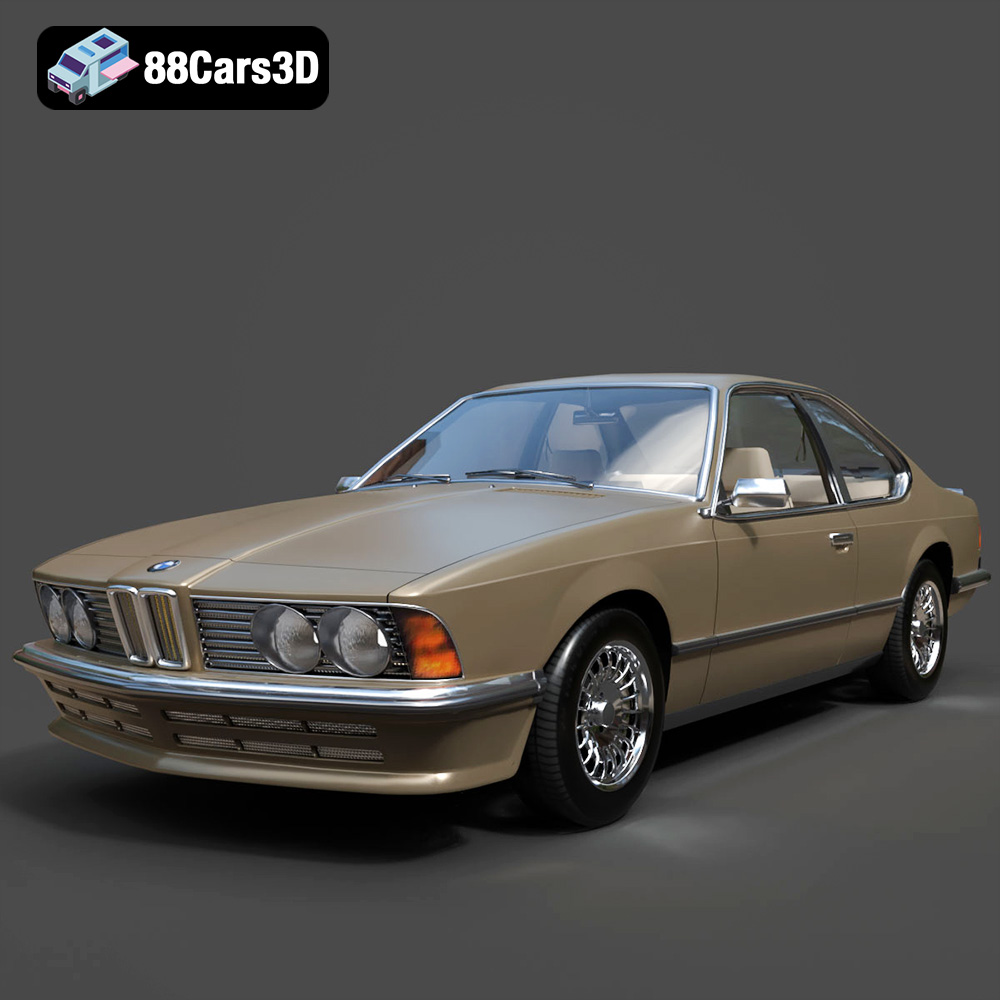
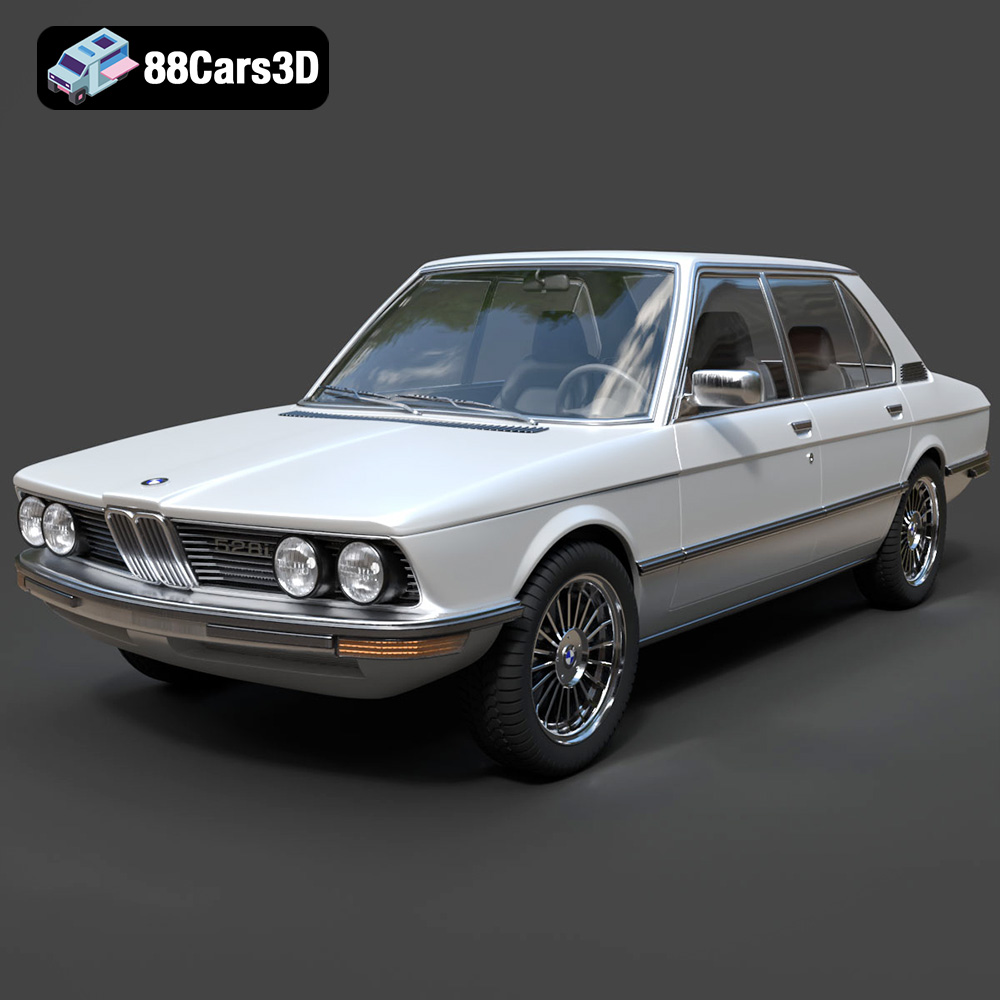
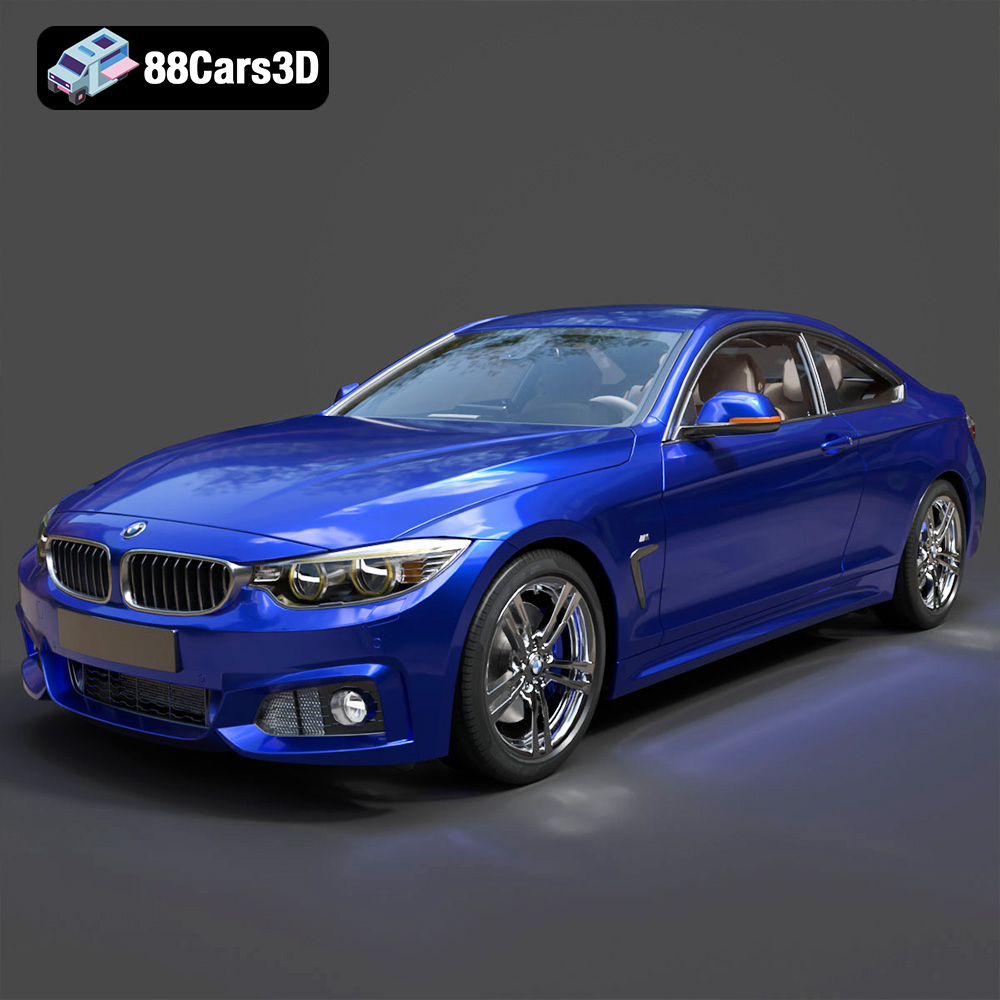
Creating a compelling 3D car model is an art form rooted deeply in technical precision. It begins with capturing the complex curves and structural integrity of a vehicle, ensuring that every detail, from the aerodynamic body panels to the intricate interior components, is accurately represented. The foundation of any excellent 3D car model lies in its geometry, texturing, and potential for animation.
High-Fidelity Geometry and Precision Modeling
At the core of a stunning 3D car model is its geometry. Expert modelers prioritize clean, quad-based topology, which facilitates smooth subdivision and distortion-free deformation. A high-fidelity model typically features a robust poly count, carefully balanced to provide sufficient detail without over-burdening rendering engines or real-time applications. For hero assets, this can mean hundreds of thousands or even millions of polygons, particularly for elements like complex tire treads, detailed brake calipers, or intricate engine parts. The internal structure, undercarriage, and often the full engine bay are modeled with a keen eye for anatomical correctness, ensuring that the model holds up under close inspection from any angle. Precision in modeling extends to maintaining real-world scale and proportions, crucial for accurate physics simulations and seamless integration into virtual environments.
Texture Mapping and Physically Based Rendering (PBR) Workflows
Geometry provides the shape, but textures provide the surface detail and material properties that truly bring a 3D car model to life. Modern workflows heavily rely on Physically Based Rendering (PBR), a methodology that accurately simulates how light interacts with surfaces in the real world. This involves creating a suite of texture maps:
- Albedo (Base Color): Defines the intrinsic color of the surface.
- Metallic: Determines if a surface is metallic or dielectric.
- Roughness: Controls the microscopic imperfections that scatter light, influencing shininess.
- Normal/Bump Map: Adds fine surface detail without increasing polygon count.
- Ambient Occlusion (AO): Simulates soft shadows where light is occluded.
Each component of the car—paintwork, chrome, glass, rubber, leather, carbon fiber—requires its own set of PBR textures, often meticulously painted or procedurally generated. Efficient UV mapping is critical here; a clean UV layout ensures textures are applied without stretching or distortion, maximizing visual fidelity and reducing texture memory footprint.
Rigging for Animation and Interactive Experiences
For applications requiring movement or interactivity, 3D car models are often rigged. A robust rig typically includes:
- Wheel Rigs: Allowing wheels to spin, steer, and articulate over terrain.
- Suspension Systems: Simulating realistic compression and rebound.
- Door, Hood, and Trunk Rigs: Enabling opening and closing animations.
- Interior Controls: Rigging for steering wheel rotation, pedal presses, and dashboard elements.
These rigs are essential for dynamic cinematics, realistic gameplay, and interactive configurators, where users can explore a vehicle’s features. The precision of the rig directly impacts the believability of the vehicle’s motion and its responsiveness within a simulated environment.
Understanding 3D Model File Formats
Choosing the correct file format for your 3D car models is paramount for ensuring compatibility, optimizing performance, and preserving data integrity across different software and platforms. Each format serves specific purposes, offering unique advantages depending on the project’s requirements, whether it’s for high-fidelity automotive rendering, real-time game assets, or web-based visualizations. Understanding these distinctions is crucial for a smooth workflow and successful project delivery.
.blend: Native Blender Flexibility
The .blend format is Blender’s native file type, storing a complete Blender scene. This includes all geometry, materials (Blender’s Cycles or Eevee nodes), textures (packed or linked), lighting setups, animations, cameras, modifiers, and rigging data. It’s ideal for projects where Blender is the primary DCC (Digital Content Creation) tool, providing full editability and preserving all scene information. Technical details include its ability to store custom properties, complex procedural materials, and non-destructive workflows. When you obtain a .blend file, you have the full power to modify, re-render, or adapt the model within Blender’s comprehensive environment.
.fbx: Real-Time Engine Standard
The Autodesk Filmbox (.fbx) format has become an industry standard for interoperability, particularly between DCC applications like 3ds Max, Maya, and real-time engines such as Unreal Engine and Unity. It excels at transferring 3D model data, including meshes, materials (often simplified PBR maps), textures, skeletal animations, and cameras. .fbx is highly optimized for performance in game development due to its binary nature and robust support for animation curves and skeletal deformations. It’s the go-to format for exporting 3D car models as game assets, providing a reliable pipeline for animated vehicles and complex scenes.
.obj: Universal Compatibility Workhorse
Wavefront’s .obj (Object) format is one of the oldest and most universally supported 3D file formats. It’s a text-based format that primarily stores geometry data (vertices, normals, texture coordinates, faces) and references to material libraries (.mtl files) which define basic material properties like color and reflectivity. While it doesn’t support animation or rigging, its widespread compatibility makes it an excellent choice for basic mesh exchange between almost any 3D software. For simple static 3D car models intended for rendering or initial blocking, .obj remains a dependable choice.
.glb: Web and AR/VR Optimization
The Graphics Language Transmission Format (.glb), a binary version of .gltf, is rapidly gaining traction for web-based 3D, Augmented Reality (AR), and Virtual Reality (VR) applications. It’s designed to be compact and efficient for transmission and loading, packing all model data—geometry, PBR materials, textures, animations—into a single file. .glb is becoming the standard for displaying interactive 3D car models directly in web browsers or AR experiences, offering excellent visual quality with optimized file sizes, making it ideal for online car configurators or virtual showrooms.
.stl: The 3D Printing Blueprint
Stereolithography (.stl) is the de facto standard for 3D printing. It represents a 3D model’s surface geometry using a tessellated mesh of triangles, without color, texture, or other CAD attributes. While unsuitable for rendering or animation, .stl is indispensable when a digital 3D car model needs to be brought into the physical world. Modelers must ensure models are watertight (no holes in the mesh) and manifold for successful 3D printing. If you need to produce a physical prototype of a vehicle design, .stl is the format you’ll use.
.ply: High-Precision Scan Data
The Polygon File Format (.ply) is primarily used for storing 3D scanner data. It can store not only geometry but also color, transparency, and sometimes even confidence values for each point. .ply files can be very large due to the density of point cloud data, making them excellent for capturing extremely precise real-world vehicle geometries. While not typically a final output format for 3D car models for games or rendering, it serves as a critical intermediary for reverse engineering and capturing intricate details of existing vehicles for subsequent digital refinement.
.unreal: Native Unreal Engine Assets
While not a universal file extension in the traditional sense, Unreal Engine uses its own proprietary asset format for files imported into the engine, which are often referred to informally as .unreal assets. When you import an .fbx (or other supported formats) into Unreal Engine, it’s converted and stored internally in an optimized format tailored for the engine’s real-time rendering pipeline. These assets contain mesh data, materials (Unreal’s node-based material editor), skeletal animations, and collision data. They are engine-ready, offering optimal performance and full integration within the Unreal ecosystem, making them critical for developing realistic driving experiences.
.max: 3ds Max Project Powerhouse
The .max format is Autodesk 3ds Max’s native scene file. Similar to .blend, it preserves all elements of a 3ds Max project, including geometry, complex material setups (V-Ray, Corona, Arnold), lighting, cameras, animation timelines, modifiers, and scripts. It’s the ultimate format for artists working within the 3ds Max environment, allowing for full editability, complex procedural effects, and high-end automotive rendering setups. For studios relying on 3ds Max for their visualization pipelines, the .max file is the master document for their 3D car models.
When seeking high-quality 3D car models, checking the available file formats on platforms like 88cars3d.com is crucial to ensure compatibility with your specific software and project needs. The right format can streamline your workflow and unlock the full potential of your digital assets.
Mastering Automotive Rendering for Photorealism
Automotive rendering is where art meets science, transforming raw 3D car models into breathtaking, photorealistic images and animations. The goal is to indistinguishably mimic real-world photography, capturing every nuance of light, reflection, and material. This requires a deep understanding of physically based rendering principles, sophisticated lighting techniques, and meticulous post-production.
Setting Up a Physically Based Rendering (PBR) Scene
The journey to photorealism begins with a correctly configured PBR scene. This involves using a renderer that adheres to PBR principles (e.g., V-Ray, Corona Renderer, Octane Render, Cycles, Arnold). Essential steps include:
- Accurate Materials: Applying the PBR texture maps (Albedo, Metallic, Roughness, Normal, AO) discussed earlier to each surface. Ensuring correct IOR (Index of Refraction) for glass and accurate fresnel reflections for all materials is vital.
- Environment Setup: Utilizing High Dynamic Range Images (HDRIs) as primary light sources. HDRIs provide a realistic global illumination solution, bathing the scene in diffuse light and intricate reflections derived from a real-world environment. This is often combined with backplates for a cohesive scene.
- Camera Matching: Configuring the virtual camera with real-world photographic parameters such as focal length, aperture (for depth of field), shutter speed, and ISO to achieve an authentic photographic look.
Every element in the scene, from the ground plane to environmental props, must respect PBR conventions to contribute to a cohesive and believable image.
Advanced Lighting Techniques and HDRI Environments
While HDRIs provide global illumination, specific lighting plays a crucial role in highlighting form and detail. This often involves combining an HDRI with targeted artificial lights:
- Area Lights: Used to simulate studio softboxes, creating soft, flattering reflections and broad illumination. Placement is critical for emphasizing body lines and contours.
- Spot Lights/Directional Lights: Employed sparingly for specific accents, rim lighting to separate the car from the background, or to mimic direct sunlight.
- Light Linking/Exclusion: Advanced techniques where specific lights only illuminate or exclude certain objects, allowing for precise control over reflections and shadows on complex surfaces like car paint and chrome.
The interplay of these light sources, combined with the reflective properties of the car’s materials, creates the intricate reflections and highlights that define a professional automotive rendering.
Post-Production Enhancements for Visual Impact
Even the best raw render can be significantly enhanced in post-production. Using software like Adobe Photoshop or DaVinci Resolve, artists apply a range of techniques:
- Color Grading: Adjusting hue, saturation, and luminance to establish mood and visual consistency.
- Bloom and Glare: Adding subtle glows around bright areas and lens flare effects to simulate camera optics.
- Vignetting: Darkening the image edges to draw focus to the car.
- Depth of Field Refinement: Enhancing or adjusting the blur to guide the viewer’s eye.
- Compositing Render Passes: Combining various render elements (e.g., reflections, refractions, shadows, ambient occlusion) for granular control over the final image.
These subtle adjustments collectively elevate a good render to an exceptional, commercially viable image, creating a truly impactful visual narrative for any 3D car model.
Integrating 3D Car Models into Game Development
For game developers, 3D car models are more than just visual assets; they are interactive elements that must perform flawlessly within a real-time environment. The process of integrating these models into game engines like Unreal Engine or Unity involves specific optimizations and considerations to ensure smooth gameplay, realistic physics, and engaging user experiences.
Optimizing Assets for Real-Time Performance (LODs, Poly Budgets)
Game environments demand stringent performance budgets. High-polygon models suitable for cinematic rendering are often too heavy for real-time engines. Optimization techniques are essential:
- Level of Detail (LODs): Creating multiple versions of the same 3D car model, each with a progressively lower polygon count. The game engine automatically switches between these LODs based on the distance from the camera, ensuring high detail up close and minimal impact on performance when far away.
- Poly Budget Management: Adhering to strict polygon limits for game assets. While a hero car might have 150,000-300,000 triangles for a next-gen racing game, background vehicles might be limited to 10,000-30,000.
- Texture Atlasing and Mipmaps: Combining multiple small textures into one larger atlas to reduce draw calls. Mipmaps are pre-generated, lower-resolution versions of textures, used at a distance to prevent aliasing and improve performance.
- Efficient UVs and Material Instancing: Ensuring clean, non-overlapping UVs and using material instances to modify parameters of a base material without creating new shader compilations.
These optimizations are critical for maintaining high frame rates, especially in open-world games or racing titles with many vehicles on screen simultaneously.
Implementing Physics and Collision Detection
A static 3D car model becomes a dynamic game object through the integration of physics and collision. This involves:
- Collision Meshes: Creating simplified, low-polygon meshes specifically for collision detection. These “collision hulls” are often invisible to the player but accurately define the physical boundaries of the car, allowing it to interact realistically with the environment and other vehicles. Often, multiple collision meshes are used for different parts (e.g., wheels, chassis).
- Vehicle Physics Systems: Utilizing the game engine’s built-in physics engine (e.g., PhysX in Unreal, Havok in Unity) to simulate realistic forces like gravity, friction, drag, and suspension dynamics. This involves setting up wheel colliders, suspension springs, and engine torque curves.
- Rigid Body Dynamics: Attaching rigid body components to the car’s mesh, allowing it to respond to forces and collisions in a physically accurate manner. Scripting is often used to control acceleration, braking, and steering based on player input.
The combination of precise collision detection and robust physics simulation is what makes driving a 3D car model in a game feel authentic and engaging.
Animation and Interactive Gameplay Mechanics
Beyond basic physics, game developers enhance the player experience with various animations and interactive elements:
- Skeletal Animations: For more complex vehicle parts like doors, hood, trunk, and even deformable body panels in crash physics, skeletal rigs (bones) are used. These allow for fluid, controllable animations.
- Driver Input Systems: Implementing scripts and blueprints that translate player inputs (keyboard, gamepad, steering wheel) into vehicle movements, acceleration, braking, and steering.
- Damage Systems: Creating visual and physical damage models, where parts of the 3D car model can deform, detach, or break based on collision severity. This often involves blend shapes or dynamically spawned debris.
- Interactive Cockpits: Enabling players to interact with in-car elements, such as turning on headlights, wipers, or interacting with the infotainment system, adding depth to the game experience.
By meticulously optimizing, integrating physics, and developing interactive mechanics, game developers transform static 3D car models into dynamic, responsive, and incredibly fun vehicles that define the core of a compelling racing or driving game.
Case Studies: 3D Car Models in Action
The versatility of high-quality 3D car models extends across various industries, each leveraging their potential for unique applications. From boosting marketing efforts to enhancing training simulations, these digital assets prove their worth time and again.
Automotive Marketing & Configurators
The automotive industry is a prime beneficiary of advanced 3D car models. Car manufacturers use them extensively for marketing, advertising, and online configurators. Instead of costly physical prototypes and photo shoots, companies can render endless variations of their vehicles with different paint colors, wheel options, and interior trims—all digitally. These hyper-realistic renders are indistinguishable from photographs and can be produced far more quickly and affordably. Online car configurators, often powered by real-time 3D engines, allow potential buyers to customize their dream car interactively, exploring features in 360 degrees, opening doors, and changing environments. This immersive experience significantly enhances engagement and aids in the purchasing decision, making premium 3D car models an essential tool for automotive sales.
High-Stakes Game Development
In the realm of video games, particularly AAA racing titles like Forza Horizon, Gran Turismo, or Assetto Corsa, the authenticity of 3D car models is paramount. These games often feature hundreds of meticulously recreated vehicles, each built with extreme precision. Every curve, badge, and interior detail is modeled to reflect its real-world counterpart. Developers invest heavily in capturing accurate dimensions, materials, and even engine sounds. The integration of advanced physics engines allows players to experience realistic handling, damage, and environmental interactions. These highly optimized game assets provide an immersive driving experience that blurs the lines between virtual and reality, showcasing the pinnacle of 3D automotive engineering for entertainment.
Virtual Reality Training & Simulation
Beyond entertainment, 3D car models are pivotal in professional training and simulation. Driving simulators for professional racers, truck drivers, or even emergency services utilize ultra-realistic 3D car models and environments to provide highly accurate and safe training scenarios. These simulations help individuals hone their skills, react to hazardous situations, and familiarize themselves with vehicle controls without real-world risks or expenses. Similarly, in VR, technicians can learn to assemble or repair complex vehicle components interactively using exploded views of 3D car models. The ability to manipulate, inspect, and interact with a vehicle in a virtual space offers a powerful learning tool, proving the practical value of these digital assets in critical applications.
The Future of 3D Automotive Visualization
The trajectory of 3D automotive visualization is one of continuous innovation, driven by advancements in rendering technology, accessible asset marketplaces, and the burgeoning metaverse. The demand for increasingly realistic and interactive experiences positions 3D car models at the forefront of this evolution.
Real-Time Ray Tracing and Next-Gen Rendering
The advent of real-time ray tracing in consumer hardware has fundamentally changed the landscape of automotive rendering. What was once the exclusive domain of offline renderers, producing images over hours, can now be achieved in milliseconds. Next-generation game engines like Unreal Engine 5 are pushing the boundaries, allowing for physically accurate global illumination, reflections, and refractions to be rendered in real-time. This means that highly detailed 3D car models can be showcased with cinematic fidelity directly within interactive applications, blurring the line between pre-rendered visuals and live gameplay. The ability to dynamically render light bounces, soft shadows, and complex material interactions instantly opens up new possibilities for configurators, virtual showrooms, and immersive experiences that were previously unattainable.
Democratizing Access to Premium Assets
Access to high-quality 3D car models is becoming more democratic, thanks to online marketplaces. Platforms like 88cars3d.com are at the forefront of providing professional-grade, ready-to-use 3D car models across various formats and levels of detail. This accessibility empowers smaller studios, indie game developers, and freelance artists to leverage top-tier assets without the need for extensive in-house modeling resources. The ability to purchase meticulously crafted vehicles that are optimized for automotive rendering or serve as robust game assets significantly reduces production timelines and costs, allowing creators to focus on innovation and unique experiences rather than reinventing the wheel. This trend is vital for fostering creativity and lowering barriers to entry in various 3D production pipelines.
Interactivity and the Metaverse
As the concept of the metaverse gains momentum, 3D car models are poised to become central to virtual ownership, transportation, and social interaction within persistent digital worlds. Imagine owning a unique virtual vehicle, customizing it, driving it with friends in a digital city, or displaying it in a virtual showroom. These experiences will require highly optimized, visually stunning, and interactive 3D car models capable of performing seamlessly across diverse platforms. The integration of advanced physics, customizable features, and social connectivity will transform cars from mere assets into digital companions within these evolving virtual economies. The future sees 3D car models not just as static representations, but as dynamic, living components of our expanding digital lives.
Conclusion
From the intricate geometry and PBR texturing that define their visual fidelity to the complex file formats that dictate their utility across industries, 3D car models are an undeniable cornerstone of modern digital visualization. Whether powering the breathtaking realism of automotive rendering or driving the immersive experiences of cutting-edge video games, these assets demand technical expertise and artistic precision. Understanding the nuances of optimization, lighting, and integration workflows is crucial for anyone looking to harness their full potential.
The continuous evolution of rendering technologies and the rise of interactive platforms highlight a future where high-quality 3D car models will only grow in importance. By embracing best practices and leveraging readily available premium assets, creators can push the boundaries of what’s possible. For those seeking to elevate their projects with exceptional digital vehicles, exploring comprehensive libraries like those found on 88cars3d.com offers an invaluable starting point, providing the foundation for truly remarkable digital automotive experiences.
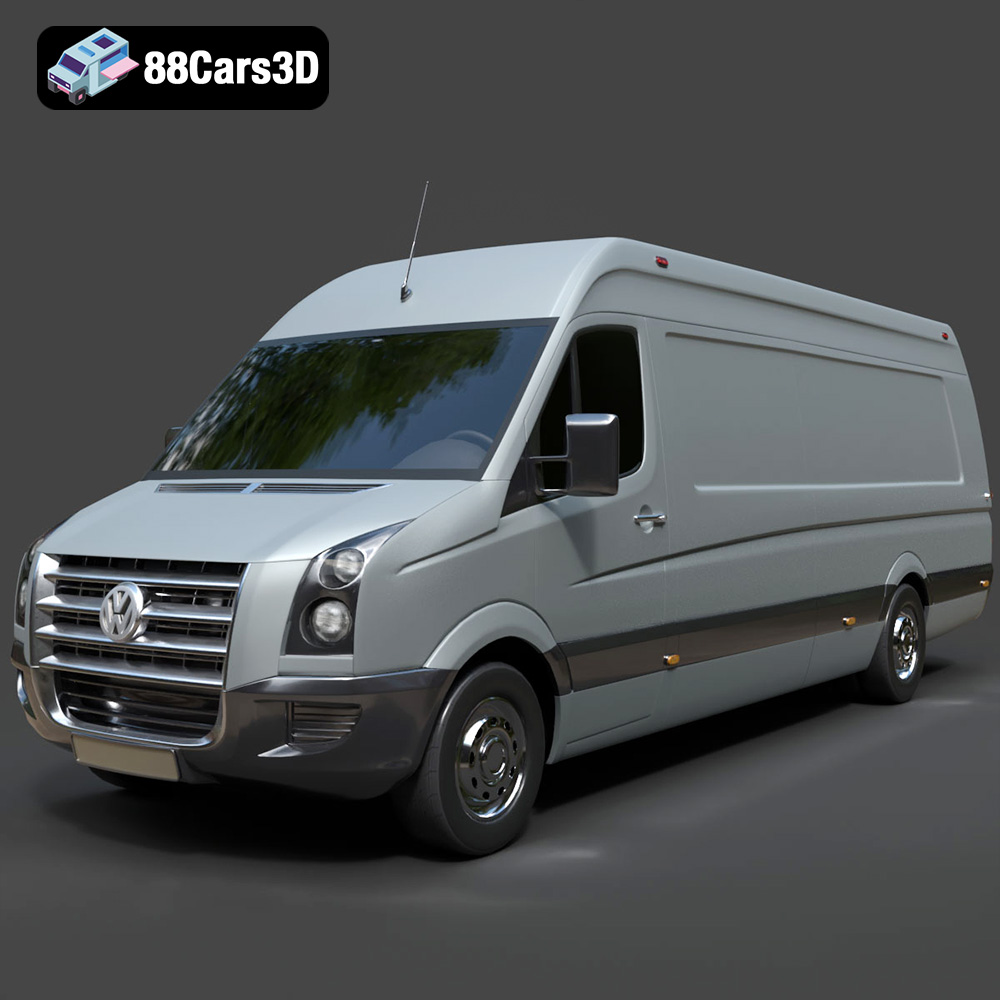
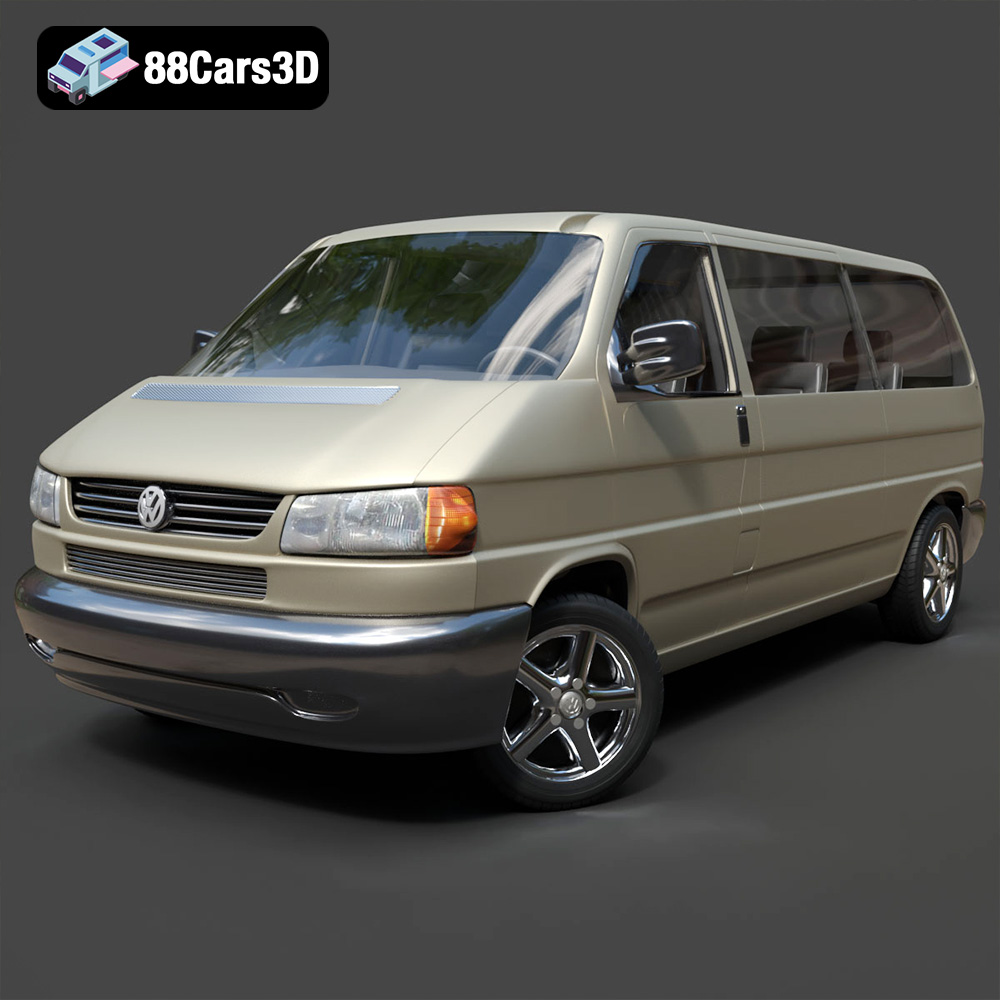
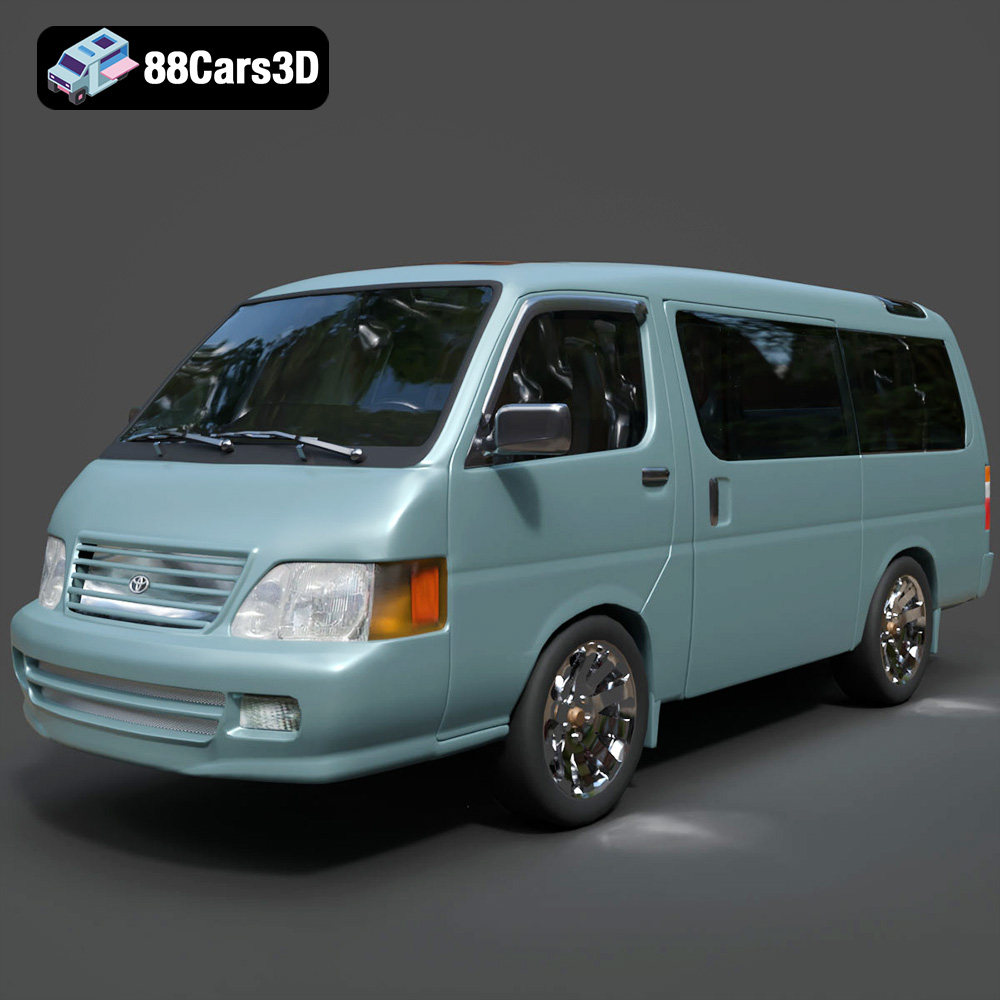
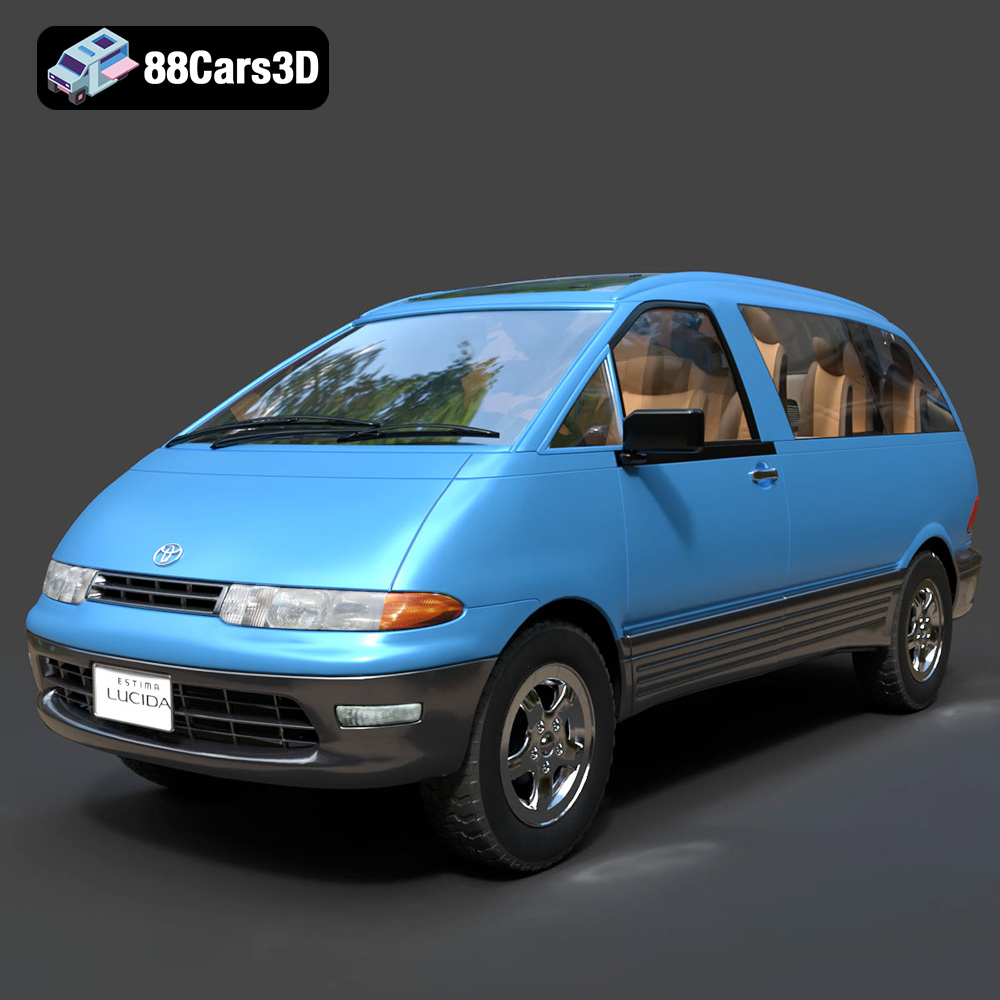
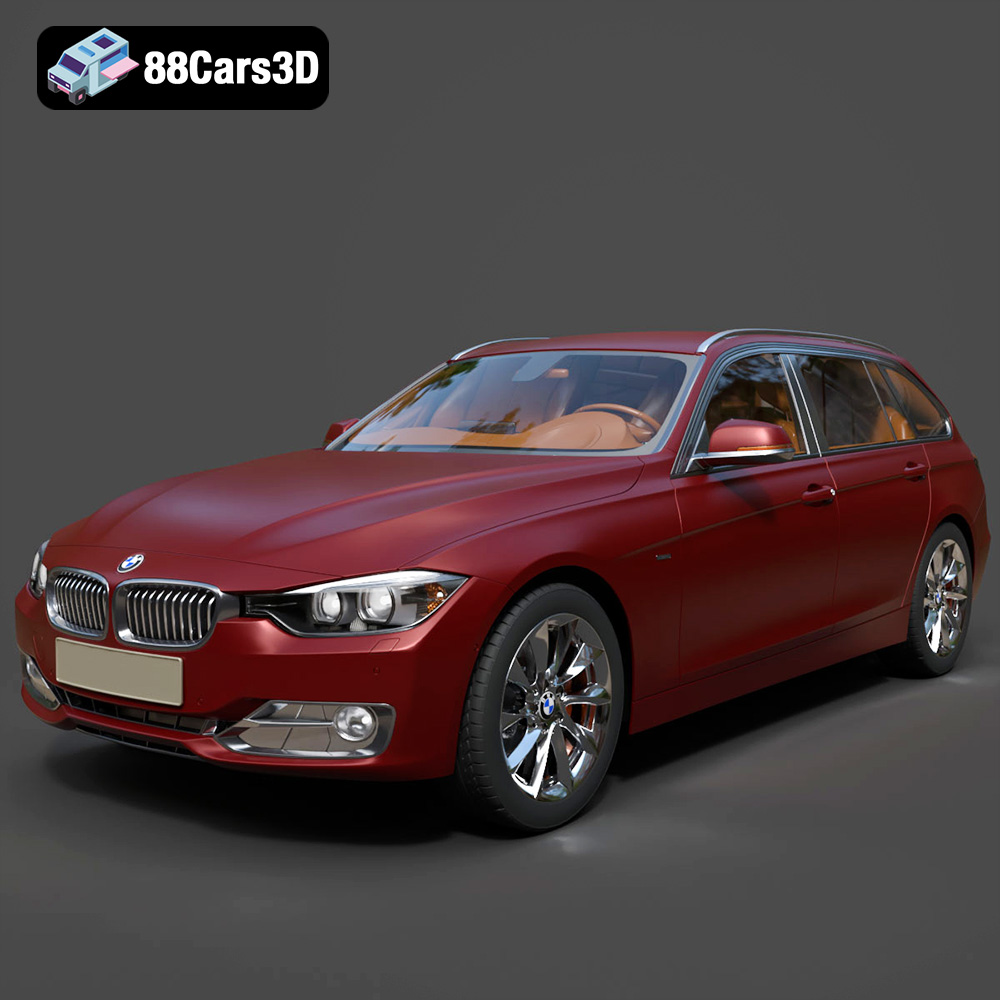
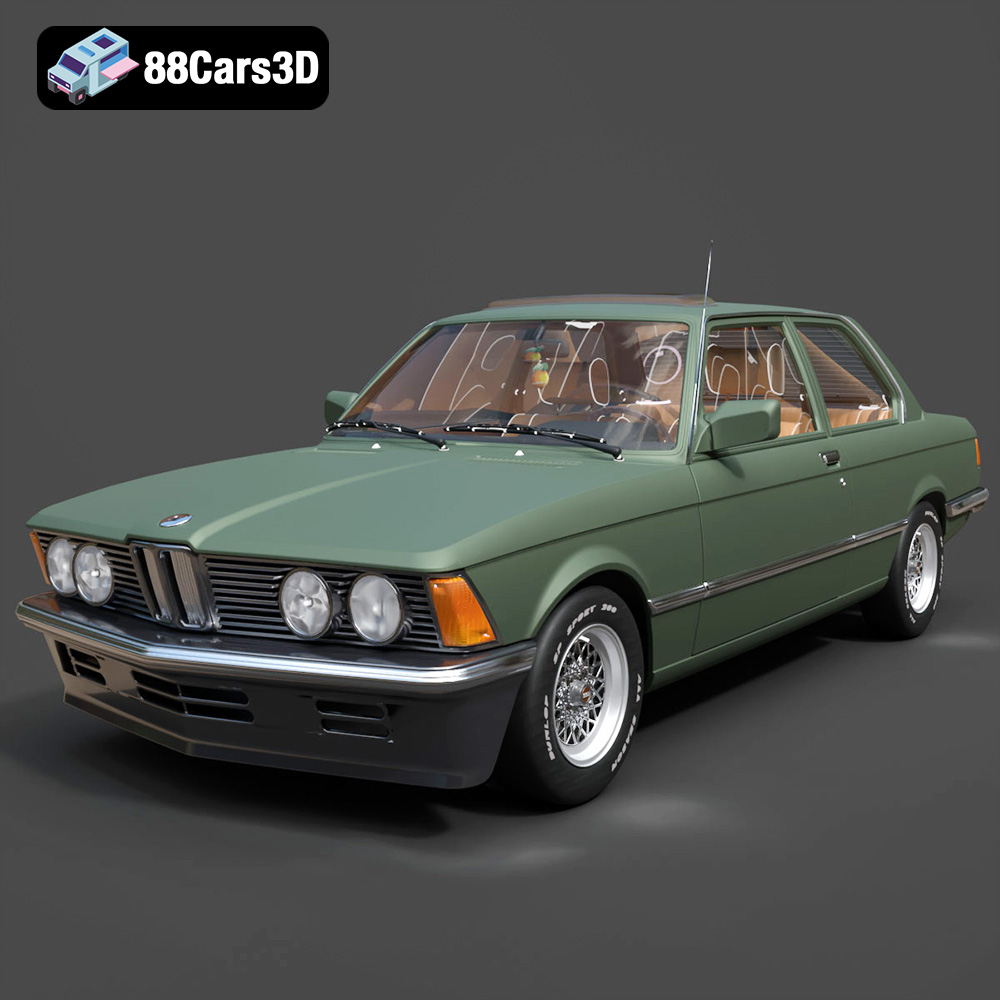
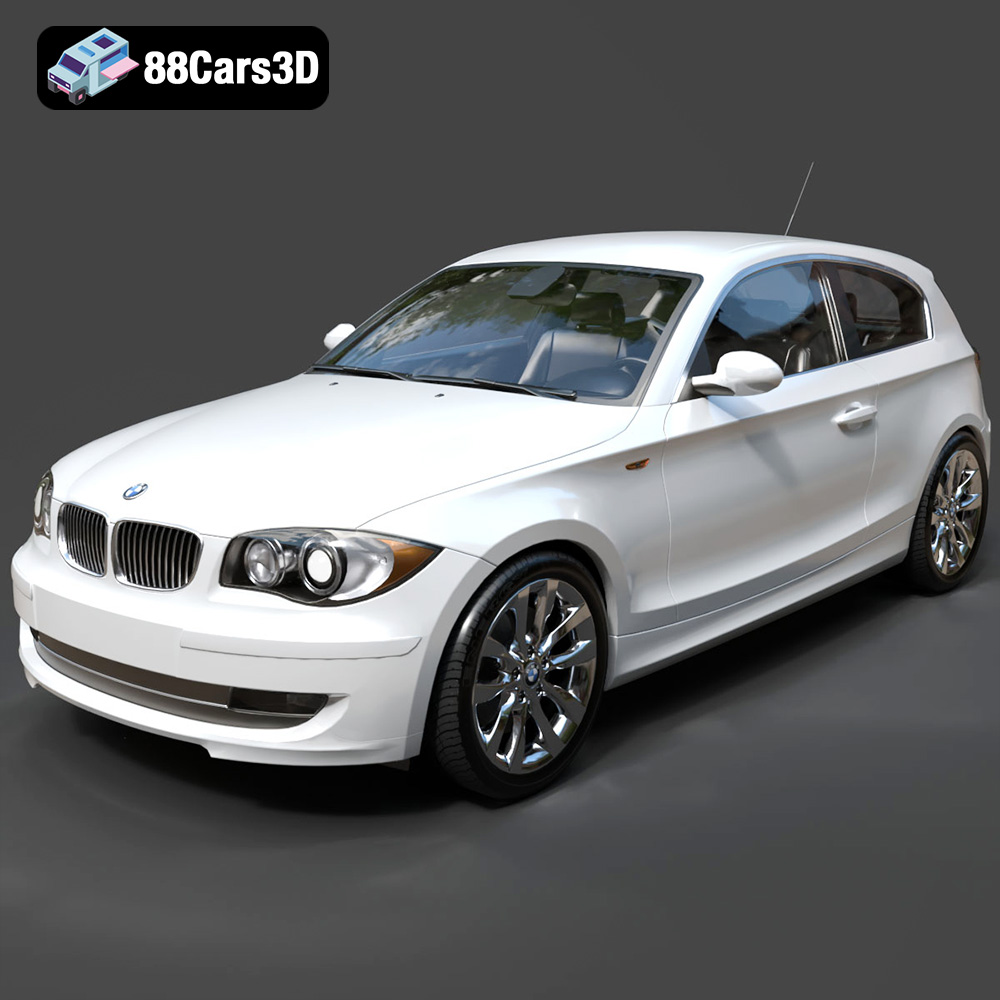
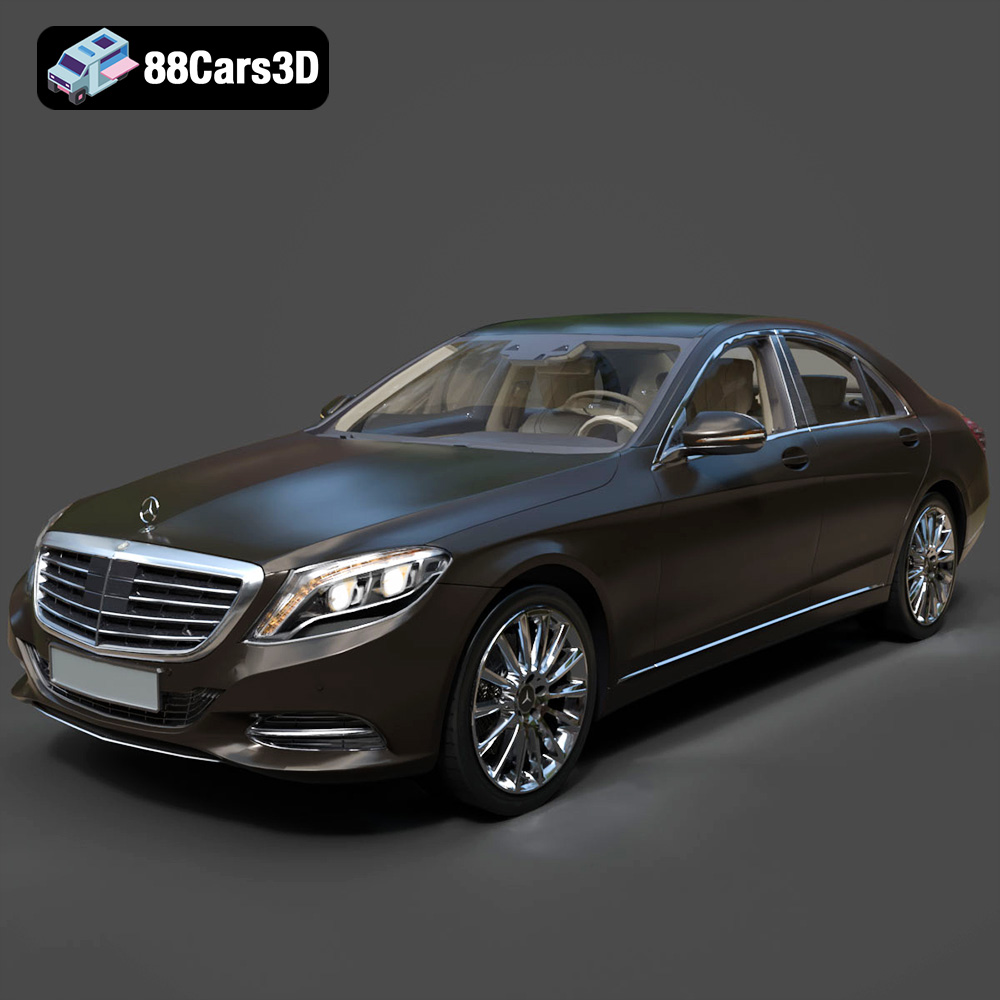
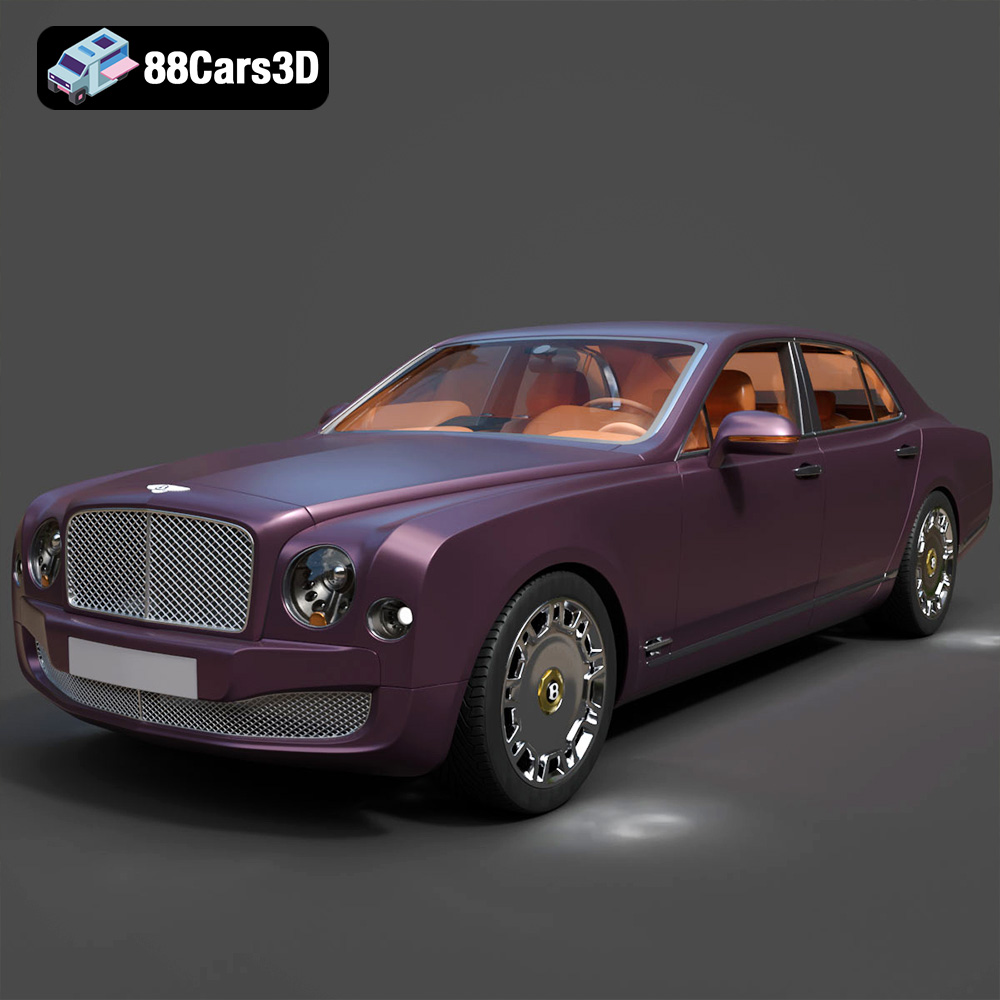
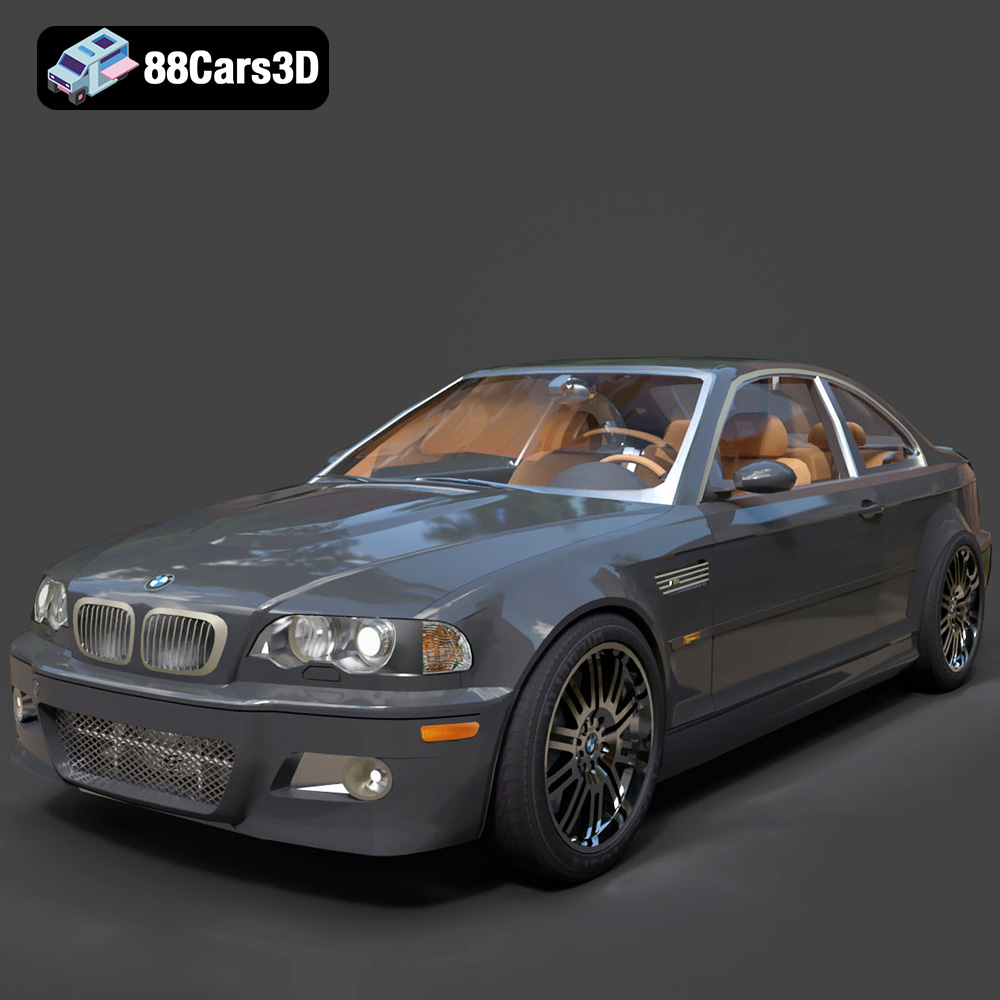
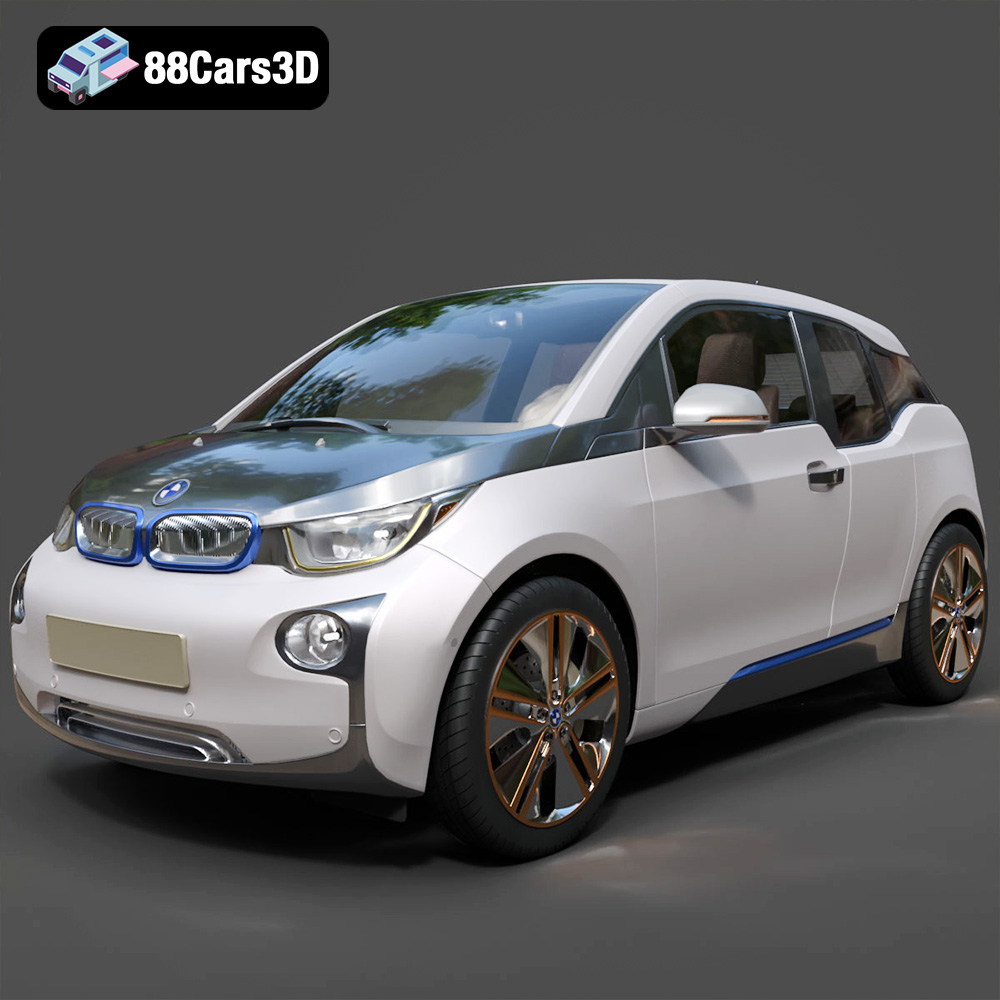
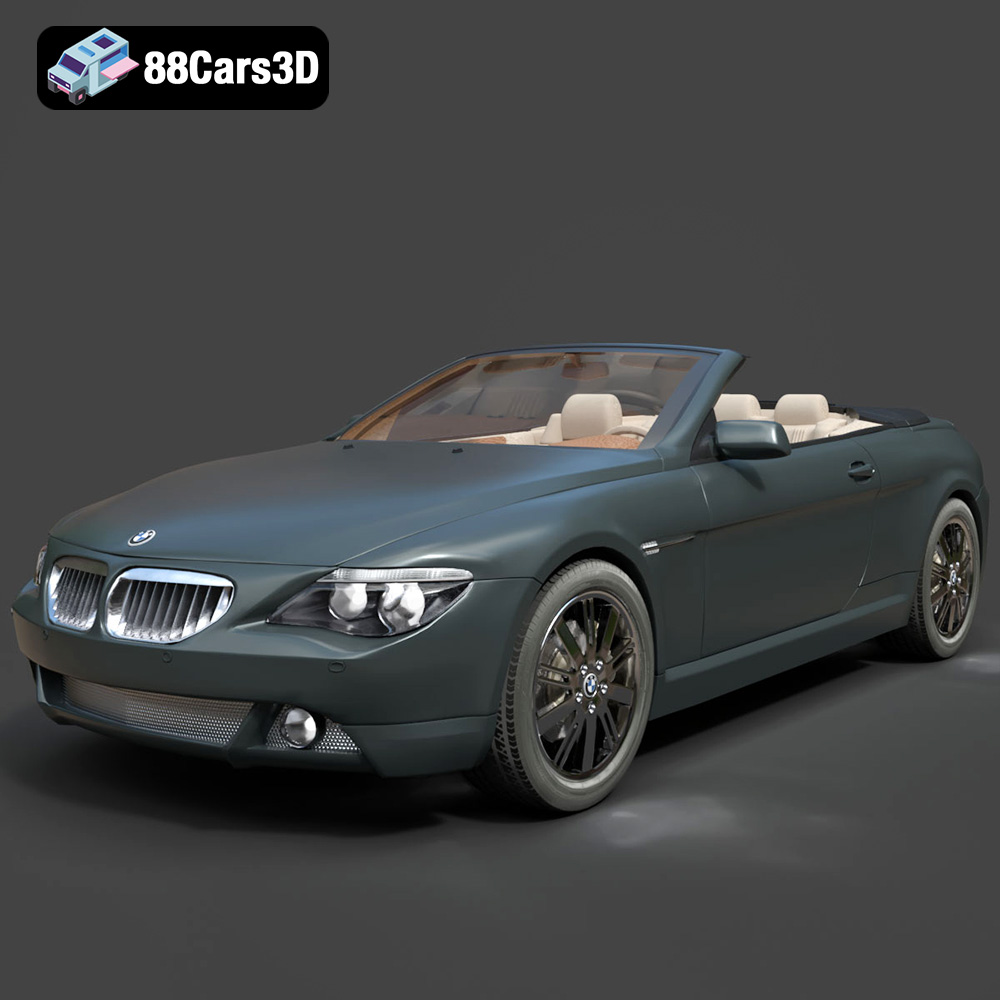
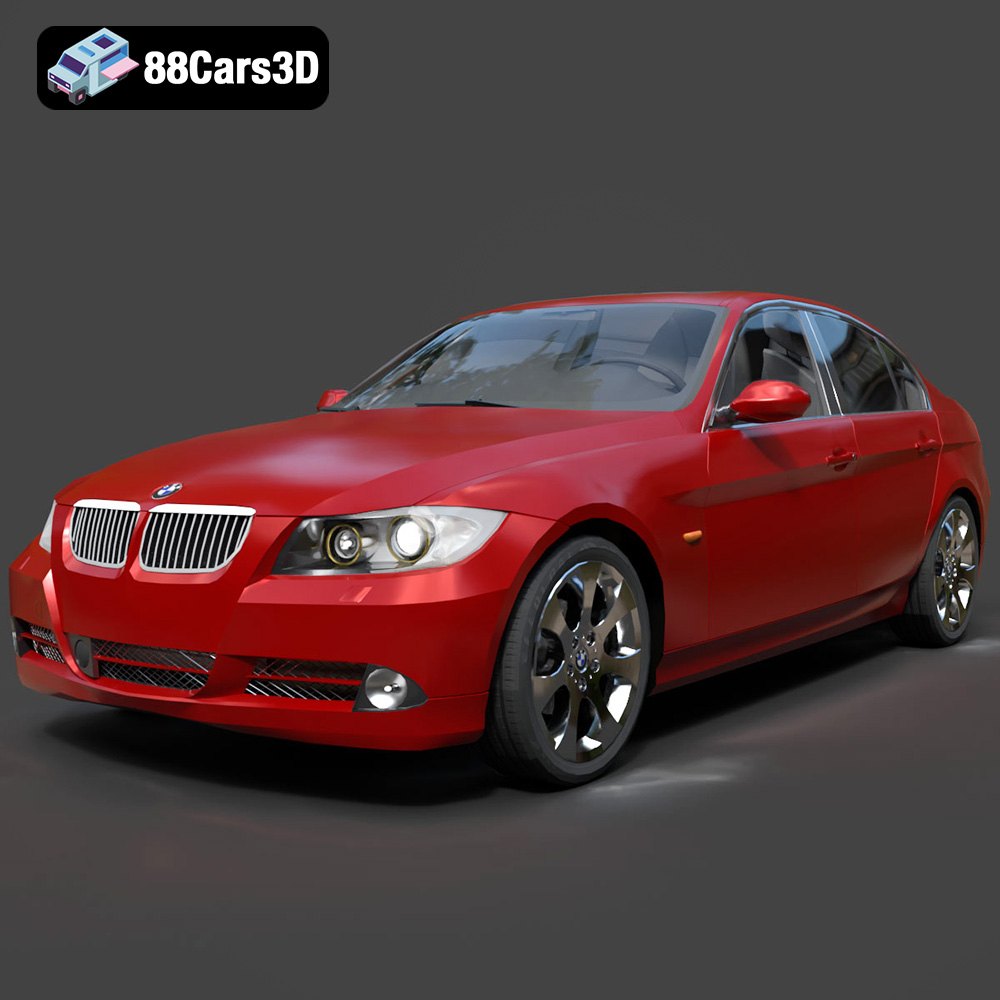
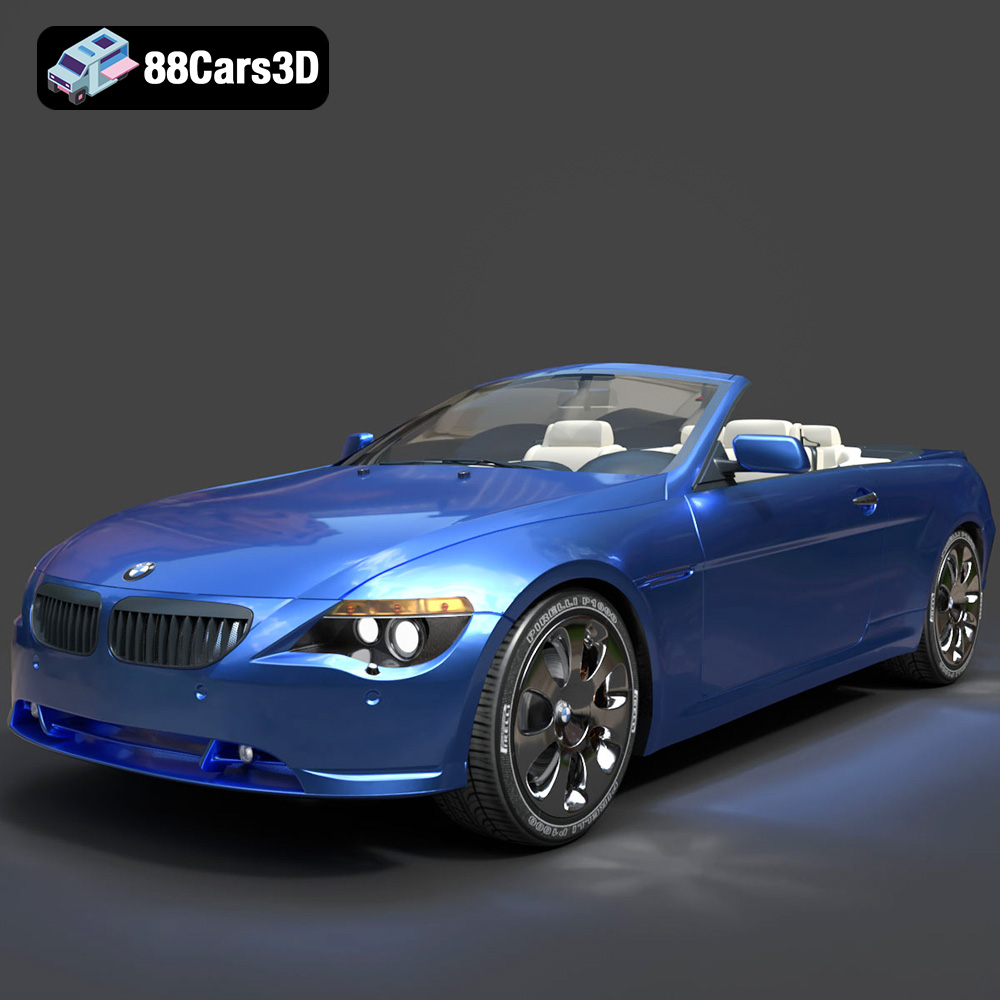
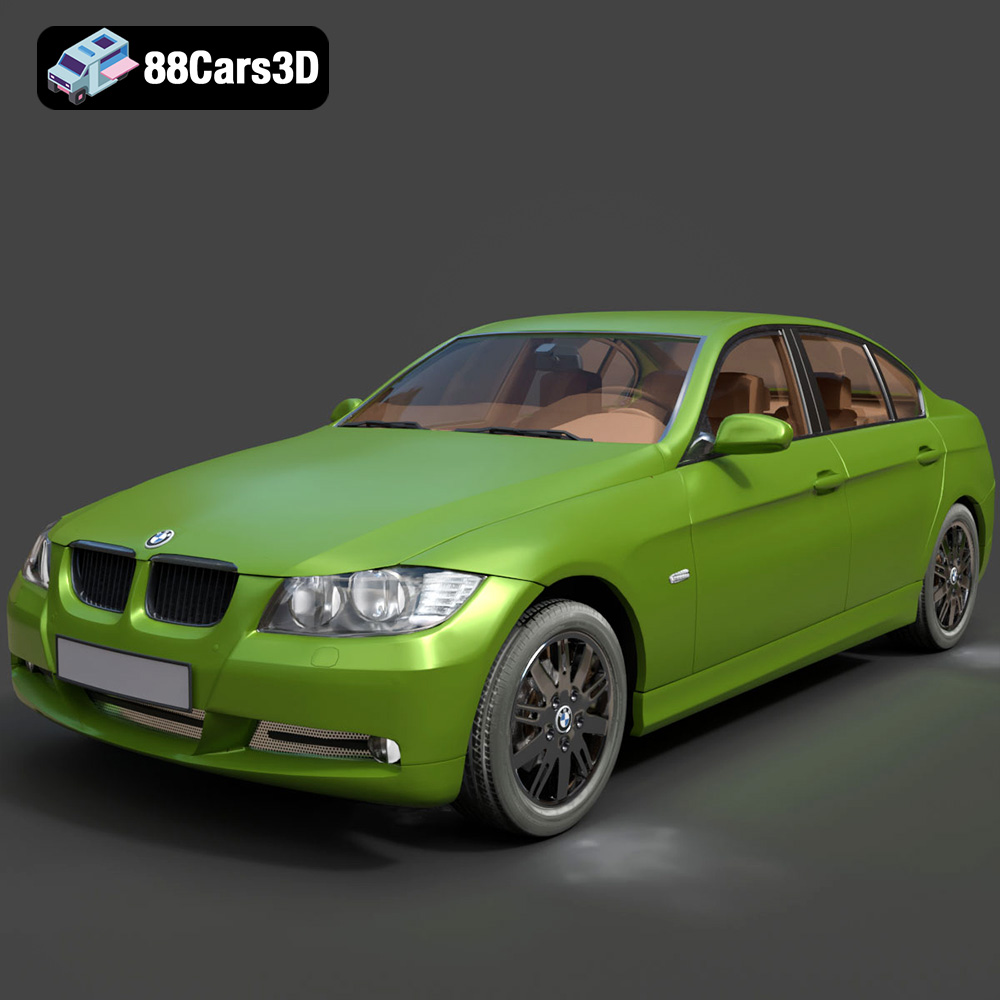
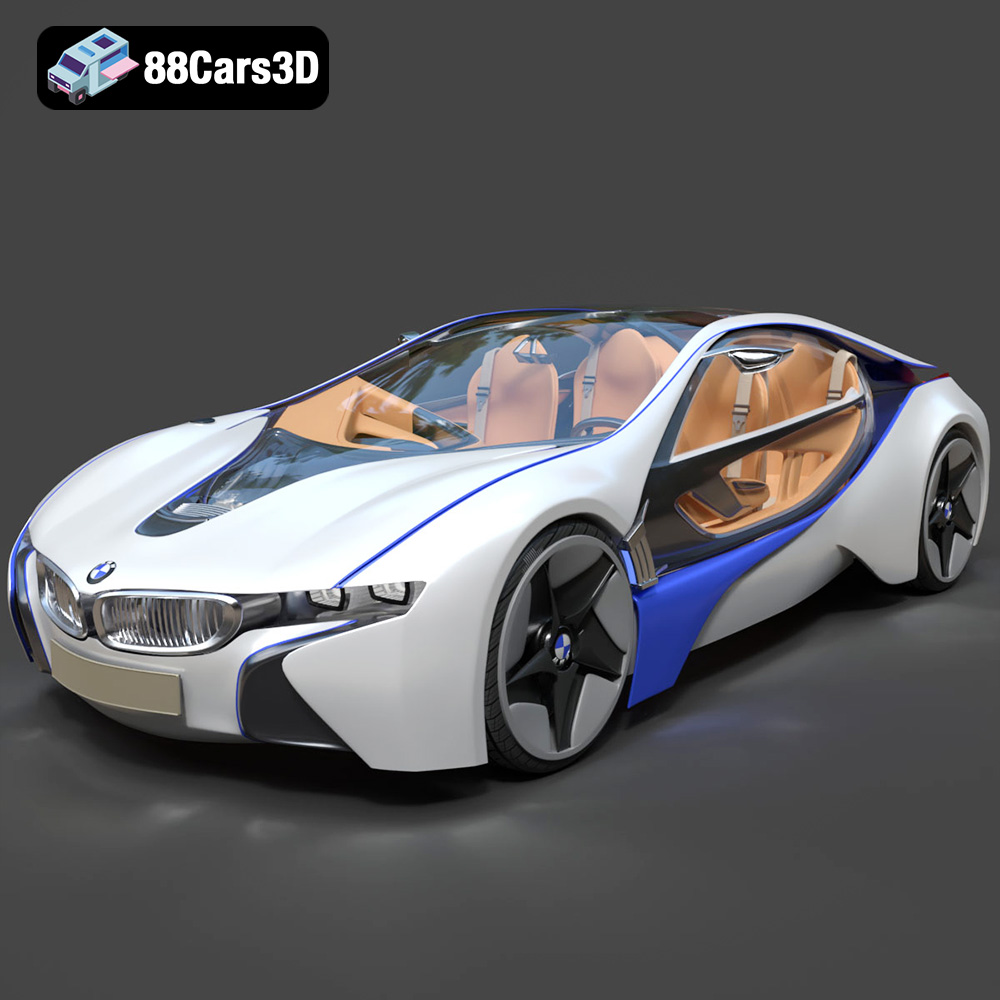
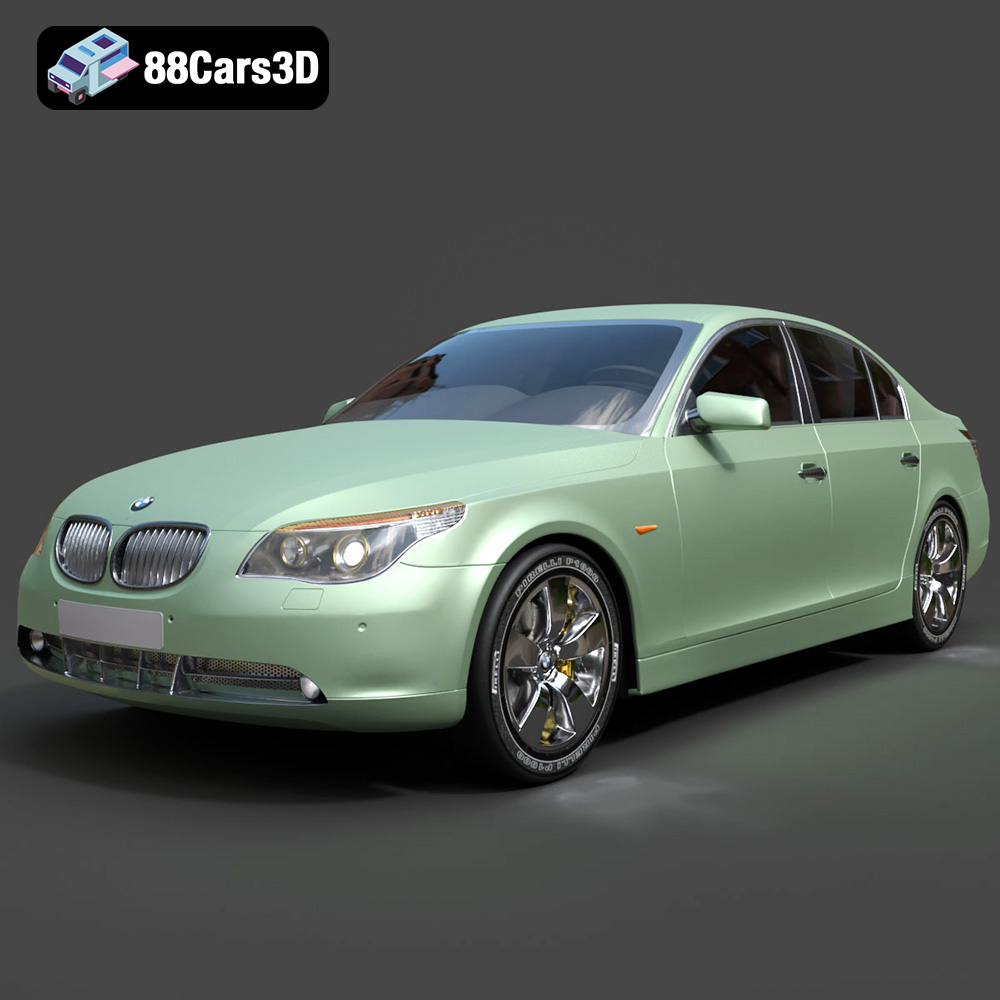
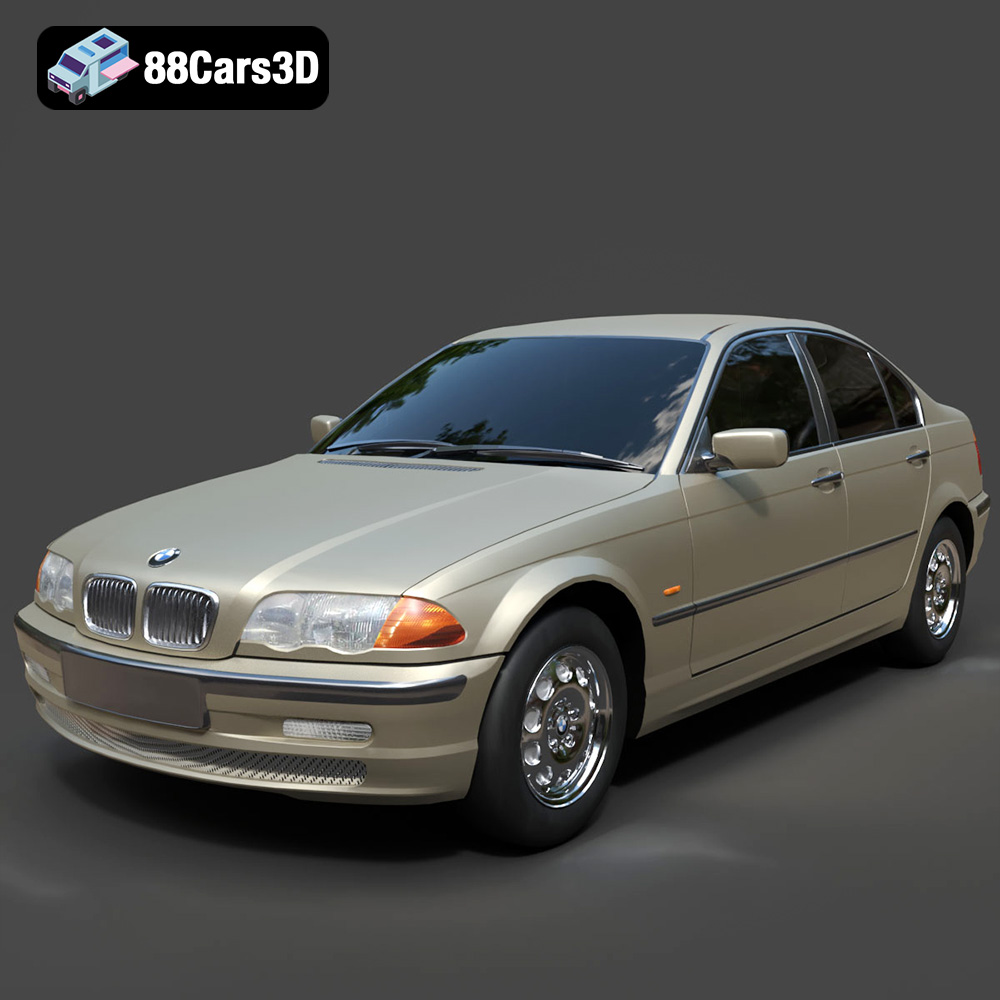
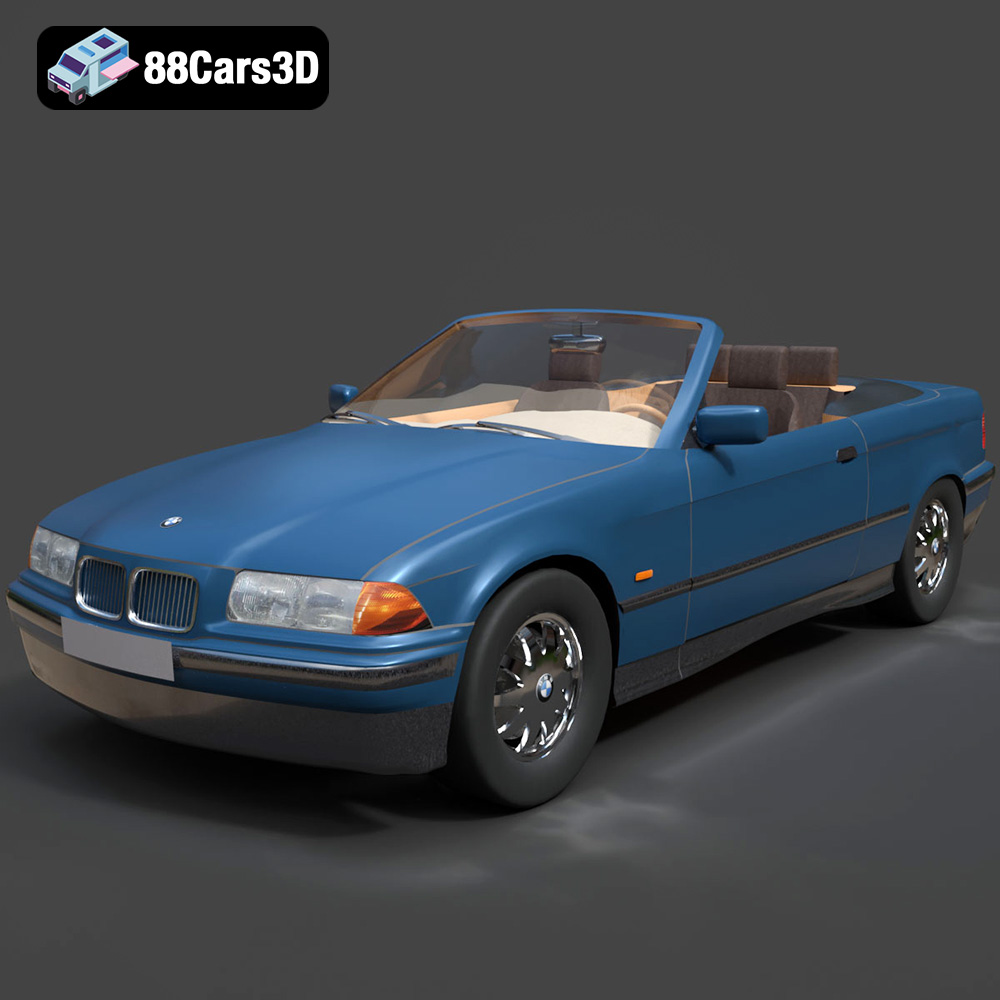
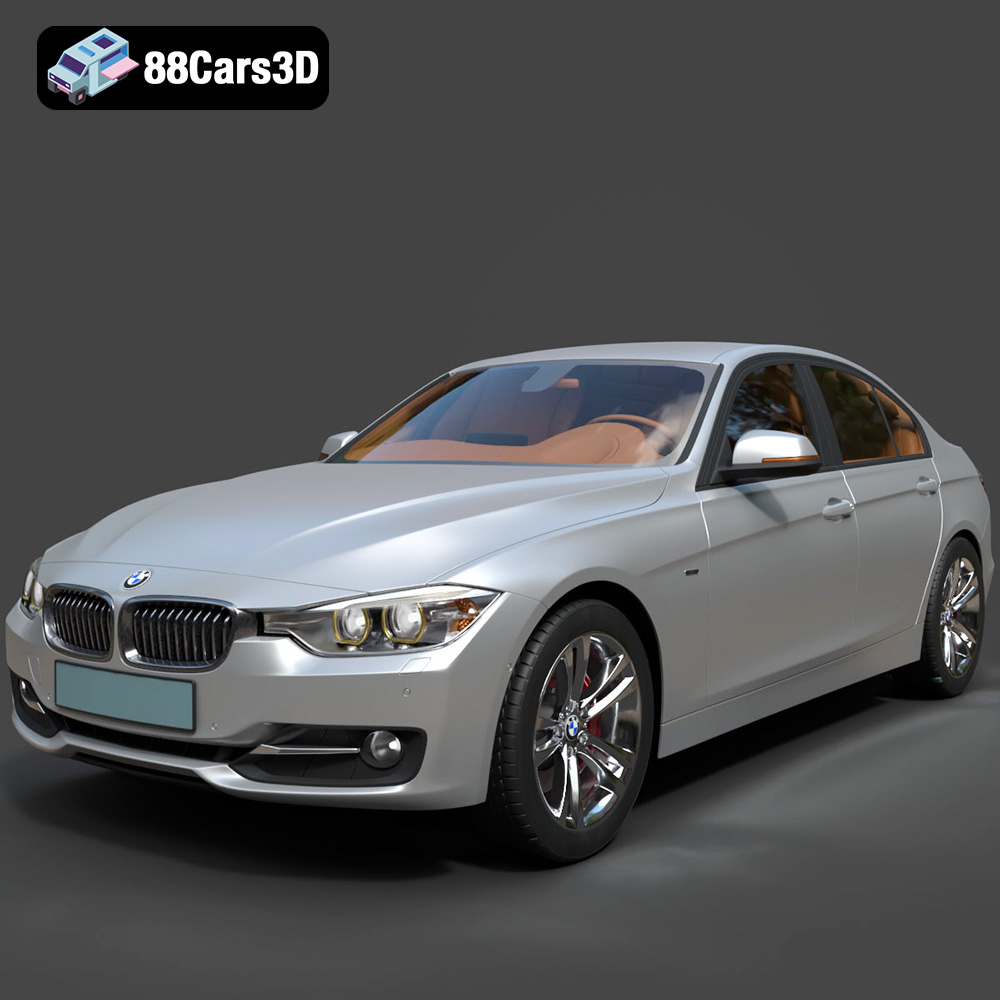
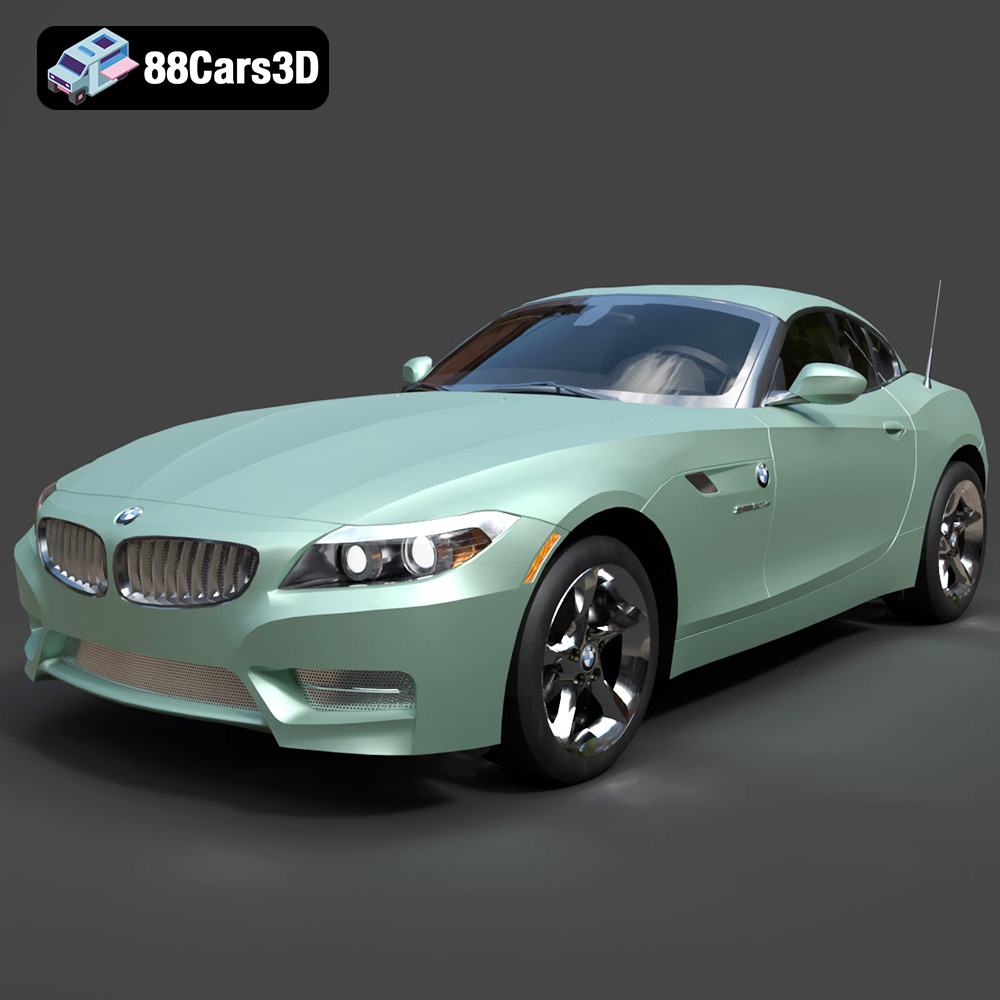
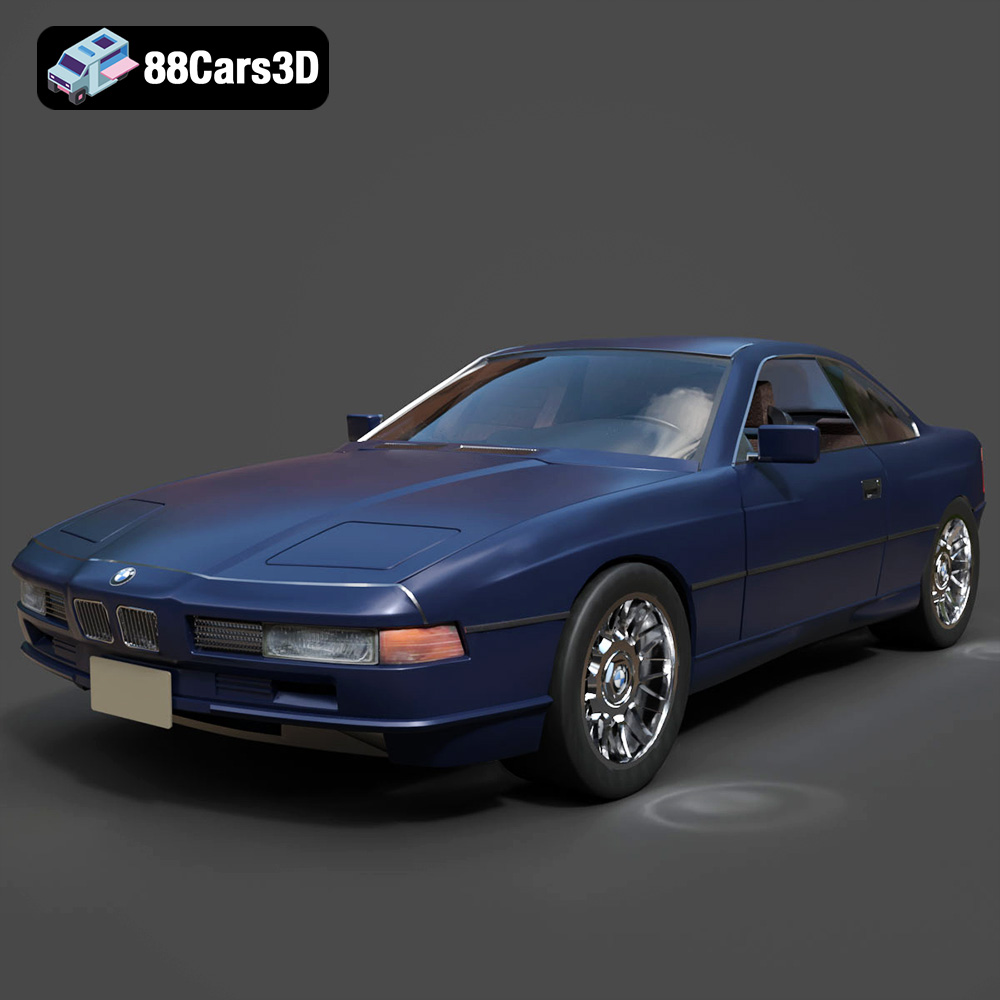
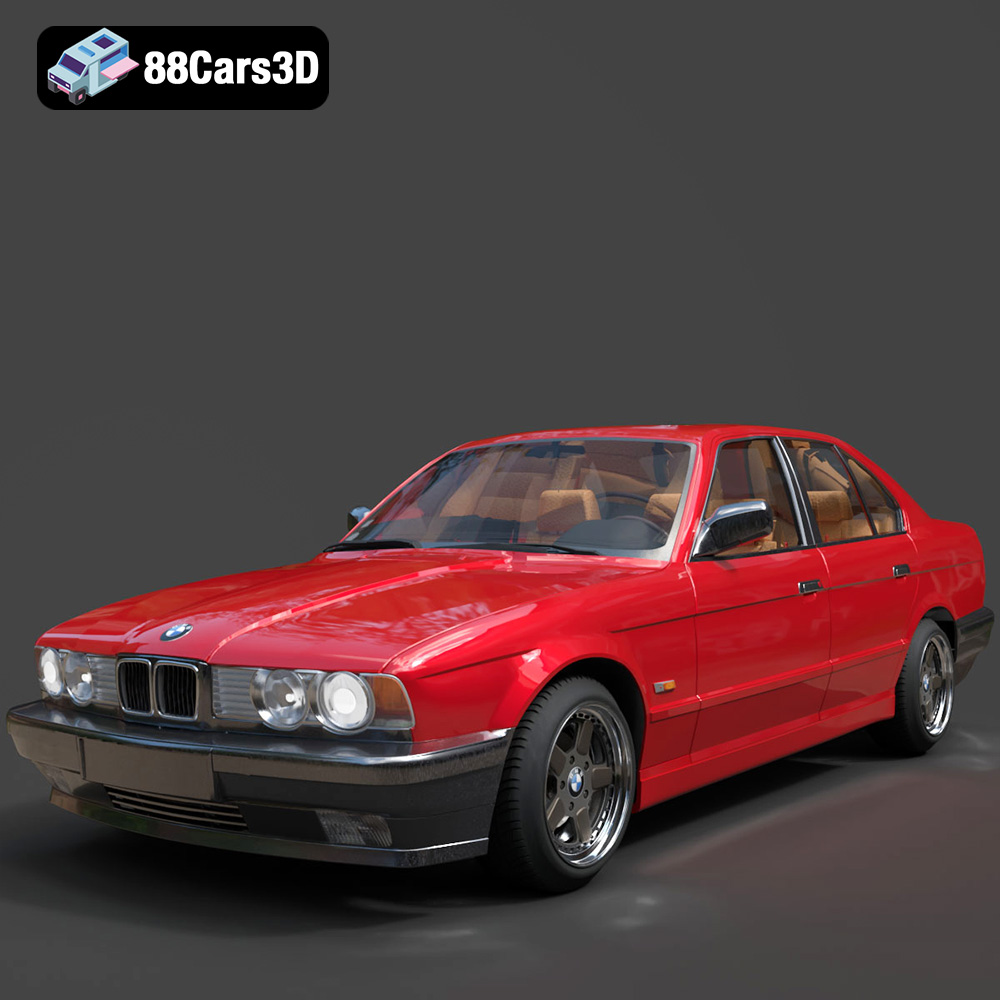
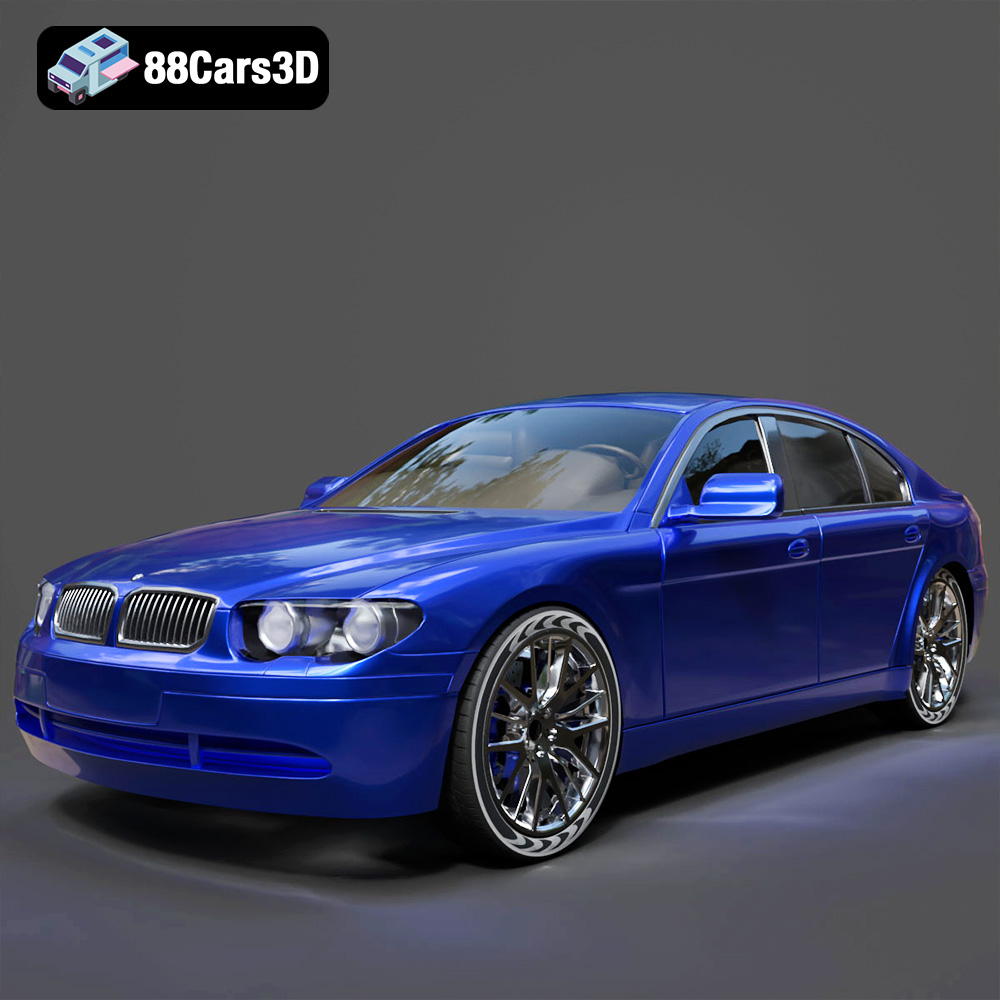
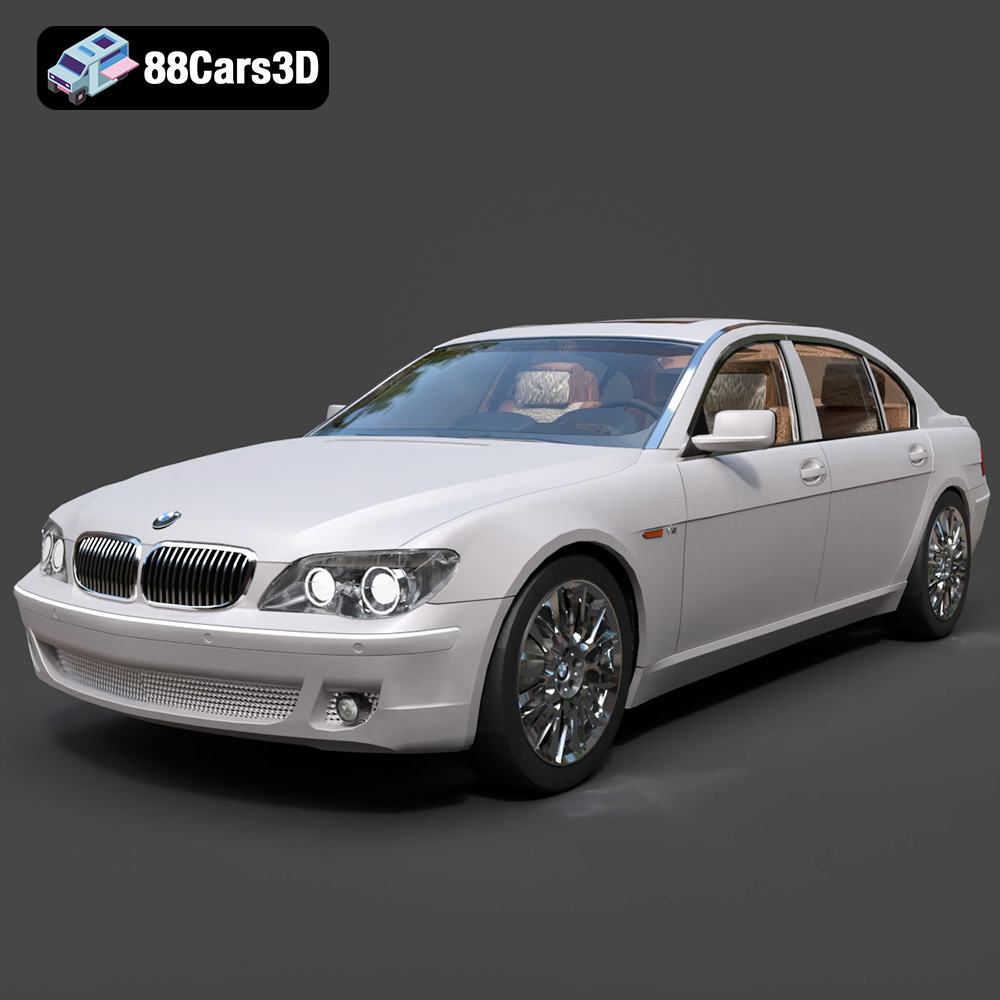
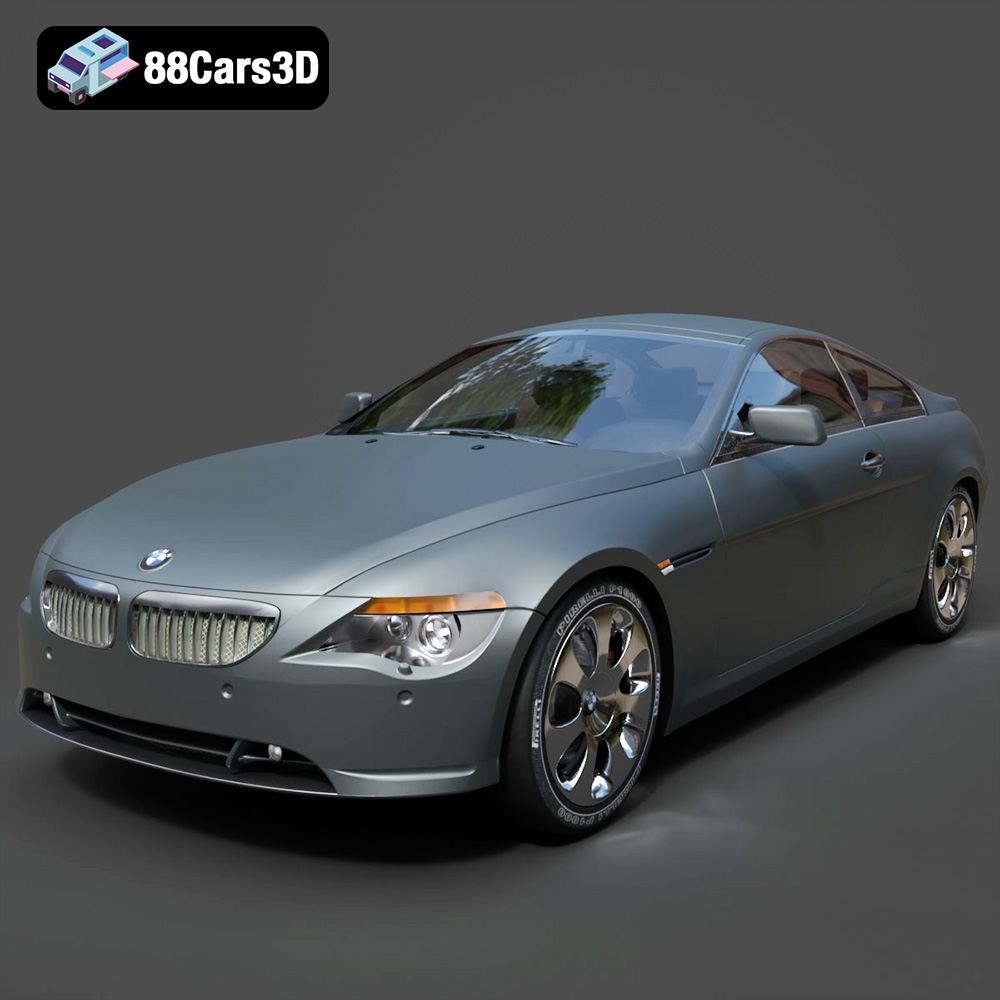
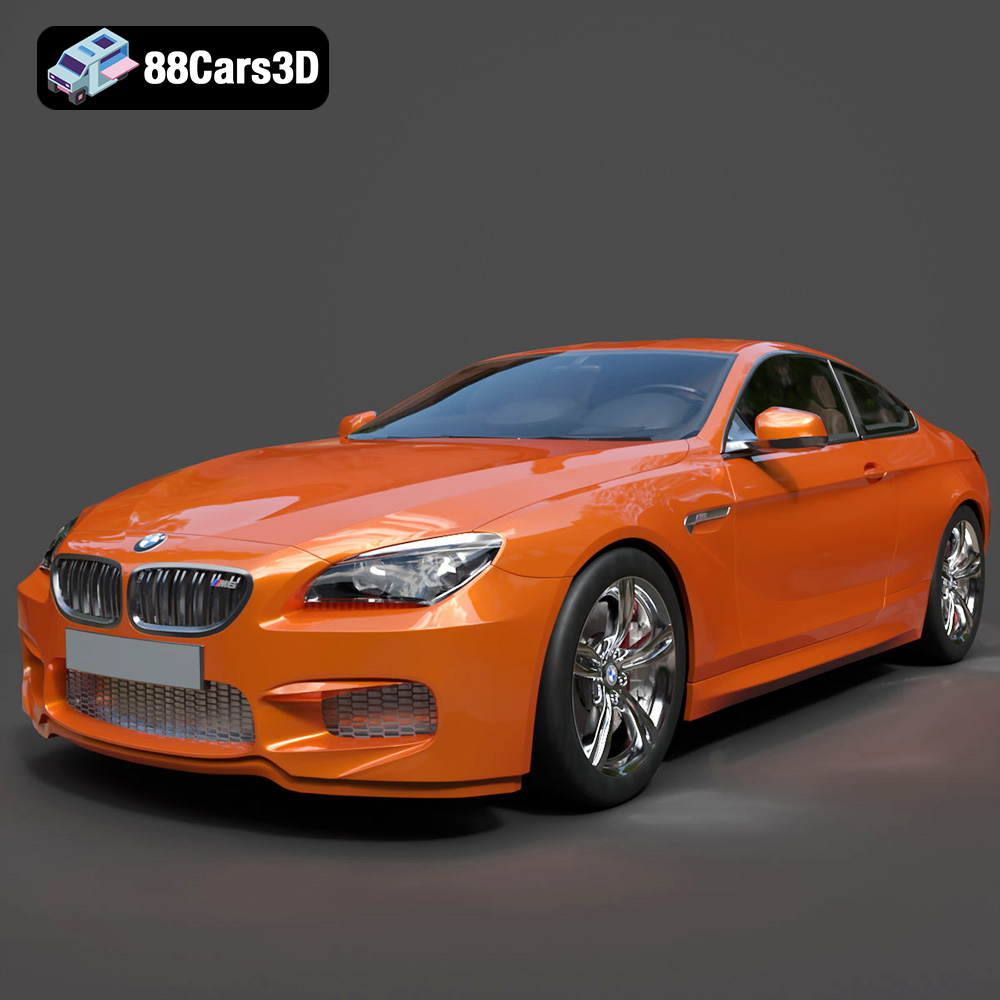
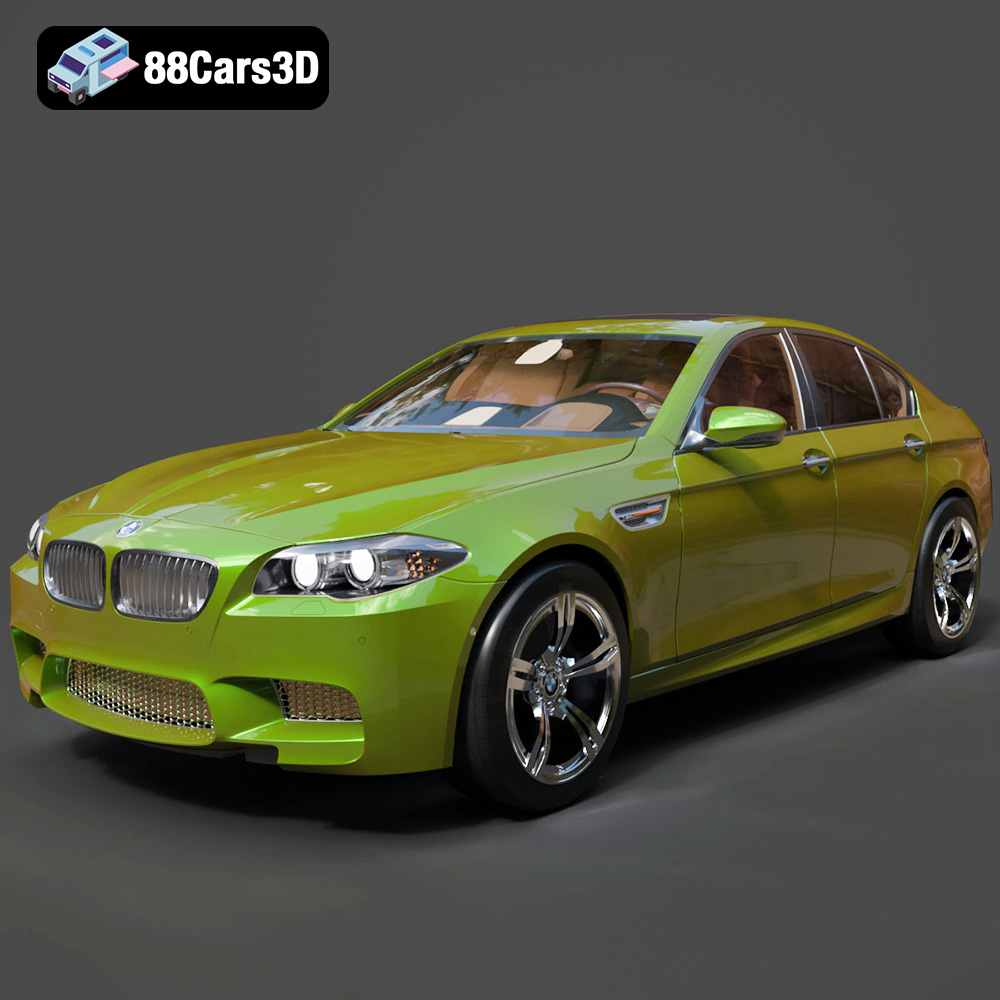
Featured 3D Car Models