

Unlocking the Future of Automotive Visualization: Crafting Interactive Product Demos with Unreal Engine
The automotive industry thrives on innovation, not just in vehicle design and engineering, but also in how these creations are presented to the world. Gone are the days when static renders and pre-recorded videos were enough to capture attention. Today, consumers and professionals demand immersive, interactive experiences that allow them to explore every facet of a vehicle in real-time. This is where Unreal Engine shines, transforming traditional visualization into dynamic, engaging product demos that push the boundaries of realism and interactivity.
Unreal Engine provides a robust toolkit for 3D artists, game developers, and visualization specialists to build photorealistic environments and interactive applications. For automotive visualization, it means the ability to create car configurators, virtual showrooms, and training simulations that offer unparalleled detail and customization. From the gleam of perfectly rendered car paint to the subtle reflections of a realistic environment, Unreal Engine allows for a level of fidelity previously unachievable in real-time. This comprehensive guide will walk you through the essential steps and advanced techniques for creating stunning, interactive automotive product demos within Unreal Engine, leveraging high-quality 3D car models and best practices to captivate your audience.
Laying the Foundation: Project Setup and High-Fidelity Asset Integration
Establishing a solid foundation is paramount for any successful Unreal Engine project, especially when dealing with the intricate details of automotive visualization. Proper project setup ensures optimal performance and a streamlined workflow from the outset. For interactive product demos, a well-organized project structure, coupled with the integration of high-quality 3D car models, forms the bedrock upon which all subsequent creative endeavors will build. The goal is to achieve photorealistic results while maintaining real-time performance.
Initial Unreal Engine Project Configuration
Starting an Unreal Engine project for automotive visualization typically involves selecting an appropriate template. While the “Games” templates offer a good starting point, for pure visualization or architectural projects, the “Blank” or “Architecture, Engineering, and Construction” templates can be cleaner, allowing you to add only necessary features. It’s crucial to enable relevant plugins early on, such as Datasmith for CAD file import, which significantly streamlines the process of bringing complex engineering data into Unreal. Other essential plugins might include the Substance plugin for procedural materials or nDisplay for multi-screen virtual production setups. In project settings, consider enabling “Support for Virtual Textures” to handle large texture assets efficiently and setting a default RHI (Render Hardware Interface) like DirectX 12 for access to the latest rendering features. For detailed guidance on project settings and plugins, consult the official Unreal Engine documentation at https://dev.epicgames.com/community/unreal-engine/learning.
Importing High-Quality 3D Car Models
The quality of your 3D car models directly impacts the final visual fidelity of your demo. Platforms like 88cars3d.com offer meticulously crafted 3D car models, pre-optimized for Unreal Engine with clean topology, proper UV mapping, and PBR-ready materials. When importing, FBX is a common and reliable format, allowing you to bring in meshes, animations, and basic material assignments. However, for complex CAD data, Datasmith is invaluable. It intelligently tessellates NURBS surfaces, preserves scene hierarchy, and converts CAD materials into Unreal Engine materials, significantly reducing manual cleanup. For highly detailed models, ensure that polygon counts are manageable but sufficient for visual fidelity (e.g., 100,000 to 500,000 triangles per car for hero assets). Ensure your models have distinct material IDs for easy material application and customization later on.
Leveraging Nanite for High-Fidelity Geometry
Nanite, Unreal Engine’s virtualized geometry system, is a game-changer for automotive visualization. It allows artists to import and render incredibly high-polygon models – even millions of triangles per asset – without significant performance degradation. This means you no longer need to compromise on detail or spend countless hours optimizing meshes with traditional LODs for hero assets. For a 3D car model, you can import the highest fidelity version directly. To enable Nanite, simply select your static mesh asset in the Content Browser, right-click, and choose “Enable Nanite.” Nanite automatically handles mesh simplification, streaming, and LOD generation in real-time, delivering stunning detail up close while optimizing performance for distant views. However, be mindful that Nanite currently has limitations with certain features like masked materials or procedural meshes, so plan accordingly for specific parts of the vehicle.
Mastering Photorealism: PBR Materials and Advanced Texturing
Beyond the raw geometry, the realism of your interactive automotive demo hinges critically on the quality and accuracy of your materials. Physically Based Rendering (PBR) is the cornerstone of modern real-time graphics, enabling artists to create materials that react to light in a physically plausible manner, leading to consistently realistic results regardless of lighting conditions. Crafting compelling automotive materials requires a deep understanding of PBR principles and Unreal Engine’s Material Editor.
PBR Workflow Essentials in Unreal Engine
The core of PBR in Unreal Engine revolves around several key texture maps: **Base Color** (or Albedo) defines the color of the material; **Metallic** dictates whether a surface is metallic or dielectric (0 for non-metals, 1 for metals); **Roughness** controls the microsurface detail, influencing how light scatters (0 for perfectly smooth, 1 for rough); and **Normal** maps add fine surface detail without increasing geometry. Ambient Occlusion, Opacity, and Emissive maps are also commonly used. A fundamental practice is creating **Material Instances** from master materials. This allows artists to quickly iterate on material properties (like color, roughness, and texture variations) without recompiling shaders, drastically speeding up the design process for car paint, interior fabrics, or tire rubber. Always work with sRGB texture maps for Base Color and linear maps for Metallic, Roughness, and Normal.
Crafting Realistic Automotive Materials
Automotive materials are notoriously challenging due to their diverse properties and complex interactions with light.
* **Car Paint:** This is often a multi-layered material. A base metallic layer, a clear coat (simulated with a dedicated clear coat shader or by layering materials), and perhaps a flake layer for pearlescent or metallic paints. Unreal Engine’s Material Editor allows for complex node networks to achieve this. You’d typically use a blend of Fresnel effects, specific normal maps for orange peel, and careful control over roughness to simulate the gloss and reflections. The `Clear Coat` shading model in Unreal Engine is specifically designed for realistic car paint.
* **Glass:** Realistic glass requires precise control over transmission, reflection, and refraction. Using a dedicated glass material with proper IOR (Index of Refraction), thin translucency, and accurate roughness for smudges is key. Planar reflections or Screen Space Reflections (SSR) can enhance the realism of glass.
* **Rubber/Tires:** These materials are typically dielectric, with lower metallic values, and varying roughness based on wear and texture. Detailed normal maps derived from high-poly sculpts are essential for tire treads.
* **Chrome/Metals:** High metallic values (close to 1), low roughness, and accurate Base Color for the specific metal are crucial. Clean reflection captures are vital for convincing chrome.
Effective material authoring also involves careful attention to physically accurate values. For instance, a pure black metallic object reflects no light, while a pure white metallic object is physically impossible.
Texture Resolution and Optimization Strategies
While Unreal Engine can handle large textures, intelligent management is vital for performance. For hero assets like the car body, 4K or even 8K textures might be used for critical detail, but often 2K textures are sufficient for less prominent components.
* **Virtual Textures (Sparse Textures):** This feature allows Unreal Engine to stream only the visible portions of very large textures, saving memory and improving performance without sacrificing resolution. It’s particularly useful for expansive environments or extremely high-resolution vehicle decals.
* **Texture Streaming:** Unreal Engine automatically streams textures based on camera distance and screen size. Ensure your texture groups are correctly set up to leverage this.
* **Texture Atlases:** Combine multiple smaller textures into a single larger one to reduce draw calls and memory overhead, especially for interior components or smaller parts of the engine bay.
* **Compression:** Use appropriate compression settings for different texture types. For example, DXT1/5 for color, BC5 for normal maps, and BC4 for single-channel masks. Balance visual quality with file size.
Illuminating the Scene: Real-Time Lighting with Lumen and Beyond
Lighting is the ultimate sculptor of realism in any 3D scene, and for automotive visualization, it’s critical to showcase the vehicle’s form, material properties, and design aesthetics. Unreal Engine’s advanced lighting systems, particularly Lumen, offer unprecedented control and fidelity in real-time, allowing for dynamic changes in environment and time of day to enhance interactive demos.
Harnessing Lumen for Dynamic Global Illumination
Lumen is Unreal Engine’s fully dynamic global illumination and reflections system, providing truly interactive and incredibly realistic lighting for complex scenes without needing to pre-bake lightmaps. For automotive studios, Lumen means you can place a car in any environment – a showroom, an urban street, or a natural landscape – and have it realistically illuminated with bounced light and accurate reflections, all in real-time. To enable Lumen, navigate to Project Settings > Rendering and set “Global Illumination” and “Reflections” to Lumen. Key settings to tune include “Lumen Scene Lighting Quality” and “Lumen Reflections Quality” to balance visual fidelity with performance. Experiment with these values; starting with “Medium” or “High” often yields excellent results. Lumen automatically handles light bounces from emissive materials, dynamic shadows, and indirect lighting, making it ideal for real-time configurators where car color or environmental changes need immediate, physically accurate updates.
Complementary Lighting Techniques
While Lumen handles global illumination, it needs primary light sources to function effectively.
* **HDRI Sky Domes:** High Dynamic Range Image (HDRI) sky domes are indispensable for realistic outdoor lighting. They provide both ambient light and reflections, mimicking real-world environments. Import your HDRI texture and apply it to a Sky Sphere or directly to a Sky Light actor (setting its source type to “SLS Captured Scene” and then “Cubemap”). Rotate the Sky Light to change the sun direction and overall lighting mood.
* **Directional Lights:** Representing the sun, a directional light is crucial for strong shadows and direct illumination. Ensure its intensity and color temperature are aligned with your HDRI.
* **Spotlights and Area Lights:** These are essential for interior lighting, accentuating details, or simulating studio lighting setups. Area lights, in particular, provide soft, natural-looking illumination often used in automotive photography studios.
* **IES Profiles:** For realistic interior light fixtures or headlights, IES (Illuminating Engineering Society) profiles provide accurate light distribution patterns based on real-world photometric data.
Balance the intensity of these lights, paying close attention to shadows, reflections, and how they define the car’s contours. A common professional tip is to use a three-point lighting setup (key, fill, back light) for product shots, even within a dynamic Lumen scene, to artfully highlight the vehicle.
Post-Processing for Cinematic Visuals
Post-processing effects are the final layer of polish that can elevate your interactive demo from good to cinematic. A Post Process Volume placed in your scene allows you to control a wide array of visual parameters.
* **Color Grading:** Essential for setting the mood and visual style. Adjust temperature, tint, contrast, saturation, and add subtle film grain. Look-Up Tables (LUTs) can be used for advanced color grading.
* **Exposure:** Crucial for ensuring your scene is neither too bright nor too dark. Auto Exposure can be useful, but often requires careful tuning to avoid distracting brightness shifts. Manual exposure control offers greater artistic direction.
* **Bloom:** Adds a glowing effect to bright areas, enhancing the realism of lights and reflections. Use sparingly to avoid over-blown visuals.
* **Ambient Occlusion (AO):** Enhances depth by subtly darkening creases and contact areas. Screen Space Ambient Occlusion (SSAO) is a real-time method that works well with Lumen.
* **Screen Space Reflections (SSR):** While Lumen handles global reflections, SSR can provide additional detail for local, screen-space reflections, especially on glossy surfaces.
* **Vignette:** A subtle darkening at the edges of the screen can help focus the viewer’s attention on the center of the frame.
Experimenting with these settings and understanding their interplay is key to achieving a visually striking and professionally polished automotive presentation.
Bringing it to Life: Blueprint for Interactive Car Configurators
The true power of an interactive product demo lies in its ability to respond to user input and provide dynamic experiences. Unreal Engine’s Blueprint visual scripting system offers an intuitive, node-based interface that empowers artists and designers to create complex interactive logic without writing a single line of C++ code, making it perfect for building comprehensive car configurators.
Core Concepts of Blueprint Visual Scripting
Blueprint is an object-oriented scripting language built directly into Unreal Engine. It uses a graph-based interface where nodes represent functions, events, and variables, and wires connect them to define program flow.
* **Event Graph:** This is where the core logic of your Blueprint resides. Events (like `BeginPlay`, `OnClicked`, `Tick`) trigger actions, and sequences of nodes execute in response.
* **Variables:** Store data (e.g., current car color, selected rim model, engine type). Variables can be made editable in the editor (exposed on spawn) or instance-editable, allowing designers to easily configure different options for various instances of a car.
* **Functions:** Reusable blocks of code that perform a specific task. They can take inputs and produce outputs, helping to keep your Blueprint clean and organized.
* **Custom Events:** User-defined events that can be called from other Blueprints or user interface elements. This is vital for modularity and communication between different interactive components.
A strong understanding of these fundamentals is essential for building any interactive system within Unreal Engine.
Implementing Car Customization Logic
For a car configurator, the primary interactive elements revolve around changing the vehicle’s appearance.
* **Material Swaps for Paint/Rims:** This is typically handled by having multiple material instances for different paint colors, finishes, or rim designs. When a user selects an option, a Blueprint node like `Set Material` or `Set Material by Element Index` is used to apply the chosen material to the relevant mesh component. For car paint, you might have a master material with parameters for base color, metallic flake intensity, and clear coat roughness, and then create instances for each color option, controlled by a simple `Linear Color` parameter.
* **Component Visibility:** Users might want to toggle the visibility of spoilers, roof racks, or even open doors. This is achieved using the `Set Visibility` node on specific Static Mesh or Skeletal Mesh components. You can make entire components visible or hidden based on a boolean variable or user input.
* **Camera Controls:** Beyond simple orbital cameras, configurators often benefit from predefined camera angles or “hotspots” that allow users to jump to specific views (e.g., interior, engine bay, trunk). This can be implemented using `Set View Target with Blend` to smoothly transition between different Cine Camera Actors placed around the car.
The interactions can be triggered by mouse clicks on UI elements (buttons), keyboard inputs, or even game controllers.
Advanced Interactions and UI Integration
Moving beyond basic swaps, advanced configurators incorporate user interfaces (UI) and complex logic.
* **UMG (Unreal Motion Graphics):** Unreal Engine’s powerful UI editor. You design your configurator interface (buttons, sliders, text displays) as “Widget Blueprints.” These widgets can then communicate with your car’s Blueprint using custom events or direct function calls. For example, a button click in UMG could trigger a custom event in the car’s Blueprint that changes its paint color.
* **Input Handling:** Beyond basic clicks, consider mouse-based rotation for the car, drag-and-drop for accessories, or even touch input for AR/VR experiences. Unreal’s Input system can be mapped to various events.
* **Saving/Loading Configurations:** For more complex demos, allow users to save their customized car designs. This involves storing the selected options (material names, boolean states) into a `SaveGame` object and then loading them back to reconstruct the configuration. This adds significant value, allowing users to revisit their designs or share them.
* **Physics Simulation and Vehicle Dynamics:** For a truly dynamic demo, you might integrate basic vehicle physics. While a full driving simulator is complex, you can use Unreal’s Chaos Vehicle component or custom physics Blueprints to simulate simple door opening/closing, hood lifts, or even basic tire rotation and suspension movement, adding a layer of realism. For complex vehicle dynamics, referring to the official Unreal Engine documentation for Chaos Vehicle Physics is a great starting point.
Performance and Scalability: Optimizing for Diverse Platforms
Creating a visually stunning interactive demo is only half the battle; it must also perform smoothly across various target platforms. Optimization is an ongoing process throughout development, ensuring that your automotive visualization runs efficiently on everything from high-end PCs to AR/VR headsets and potentially even mobile devices. Neglecting performance can lead to a frustrating user experience, undermining the quality of your beautiful 3D car models.
Level of Detail (LODs) and Instancing
LODs (Level of Detail) are crucial for managing performance, especially for assets that appear at varying distances from the camera.
* **Automated LODs:** Unreal Engine can automatically generate LODs for static meshes, creating progressively simpler versions of the mesh as it gets further from the camera. While convenient, these often require manual tweaking.
* **Manual Tuning:** For hero assets like the main car body, carefully crafted manual LODs provide the best balance of visual fidelity and performance. You might have 3-5 LOD levels, aggressively reducing polygon count for distant views. For example, LOD0 (full detail, 300-500k polygons), LOD1 (70% reduction, 90-150k), LOD2 (50% reduction, 45-75k), etc. Ensure smooth transitions between LODs.
* **Instancing:** For repetitive elements in your scene (trees, streetlights, pebbles, small car parts), use **Hierarchical Instanced Static Mesh (HISM)** components. These render multiple copies of the same mesh in a single draw call, drastically improving performance. For example, all lug nuts on a wheel can be instances of a single mesh.
Draw Call Reduction and Occlusion Culling
Draw calls are the number of times the CPU tells the GPU to render an object. Reducing these improves performance.
* **Merge Actors:** For static parts of your environment (e.g., a showroom floor made of multiple tiles, background buildings), use the “Merge Actors” tool (found under Tools > Merge Actors) to combine multiple meshes into a single one, reducing draw calls and potentially improving texture packing. Be cautious when merging parts of the car itself, as this can hinder customization or LOD management.
* **Occlusion Culling:** Unreal Engine automatically performs occlusion culling, which means objects hidden behind other objects are not rendered.
* **Precomputed Visibility Volumes:** For static scenes, you can use precomputed visibility to bake visibility information, further optimizing rendering, especially for interior environments.
* **Distance Culling:** For meshes that are not Nanite-enabled, setting `Min Draw Distance` and `Max Draw Distance` on Static Mesh components can prevent them from rendering when too far or too close to the camera, respectively.
Targeting AR/VR and Mobile Optimization
Developing for AR/VR or mobile presents unique optimization challenges due to strict performance budgets (e.g., maintaining 90 FPS for VR to prevent motion sickness).
* **Mobile Renderer/Forward Shading:** For mobile and some VR applications, consider using the Mobile Renderer or enabling Forward Shading in Project Settings. Forward Shading offers better performance for specific rendering features like multi-layered translucent materials and works well with baked lighting, though it might impact some post-processing effects.
* **Baked Lighting:** While Lumen is powerful, for highly optimized AR/VR or mobile, baked static lighting (Lightmass) can offer superior performance and consistent visuals, though it sacrifices dynamic lighting flexibility. Combine baked lighting with a small number of dynamic lights for specific interactive elements.
* **Polygon Count and Draw Calls:** Be extremely aggressive with LODs and instancing. Aim for a much lower total polygon count for the entire scene (e.g., under 500k-1M triangles for the entire view in AR/VR). Reduce material complexity, avoid complex shader instructions, and minimize texture memory usage.
* **Shader Complexity:** Use the “Shader Complexity” view mode to identify expensive materials and optimize them. Simpler materials with fewer instructions render faster.
* **Profiling Tools:** Utilize Unreal Engine’s built-in profilers (e.g., `stat fps`, `stat unit`, `stat gpu`) to identify performance bottlenecks and guide your optimization efforts.
Beyond Interaction: Cinematic Storytelling and Virtual Production
Interactive product demos don’t just exist in isolation; they can be powerful components of larger marketing campaigns, virtual production workflows, or cinematic presentations. Unreal Engine’s capabilities extend far beyond real-time interaction, allowing artists to create stunning pre-rendered cinematics, leverage LED wall technology for virtual shoots, and even simulate complex physics for dynamic effects.
Crafting Cinematic Sequences with Sequencer
Unreal Engine’s Sequencer is a robust, non-linear editor for creating cinematic experiences, ideal for producing promotional videos or dynamic intro/outro sequences for your interactive demos.
* **Camera Animation:** Use Cine Camera Actors to simulate real-world camera properties (focal length, aperture, focus distance, motion blur). Animate camera movements, pans, and tilts with keyframes directly within Sequencer. You can even import camera data from external DCC applications or use the “Take Recorder” to record real-time camera movements.
* **Track Creation:** Add actors (your 3D car model, lights, effects) to Sequencer and create tracks for their various properties (transform, material parameters, visibility, light intensity). Keyframe changes over time to create animations.
* **Binding Actors:** Link specific mesh components (e.g., a car door, hood) to Sequencer tracks to animate their individual movements for opening/closing demonstrations.
* **Takes and Shots:** Organize your cinematic into multiple takes and shots for easier management and iteration, similar to professional film production workflows.
Once your sequence is complete, you can render it out as high-quality video files (EXR, PNG sequence, or H.264) using the Movie Render Queue, which offers advanced settings for anti-aliasing, motion blur, and cinematic depth of field.
Virtual Production Workflows and LED Walls
For high-end automotive marketing and film production, Unreal Engine is revolutionizing virtual production.
* **LED Walls:** Instead of green screens, physical LED walls display the Unreal Engine environment in real-time. This allows physical vehicles, props, and actors to be lit and filmed within a dynamic virtual world, providing accurate reflections and interactive lighting that enhances realism and reduces post-production work.
* **Real-Time Camera Tracking:** Integrating real-world camera tracking systems (e.g., Mo-Sys, Stype) with Unreal Engine allows the virtual background on the LED wall to react to the physical camera’s movement, maintaining perfect perspective and parallax.
* **nDisplay:** For driving multiple LED panels or complex multi-monitor setups, Unreal Engine’s nDisplay plugin is essential. It synchronizes rendering across multiple GPUs and displays, creating seamless, expansive virtual environments for virtual production stages or large-scale virtual showrooms. This workflow significantly reduces the need for expensive location shoots and offers unparalleled creative flexibility for showcasing automotive products.
Simulating Real-World Dynamics
Adding physics simulations can inject an extra layer of realism and interactivity into your demos.
* **Chaos Physics:** Unreal Engine’s Chaos physics engine allows for robust destruction, rigid body dynamics, and cloth simulation. While extreme destruction might not be ideal for a product demo, subtle physics can be applied to elements like loose components, small debris, or even the slight suspension movement of a vehicle.
* **Basic Vehicle Physics:** For interactive driving experiences within the demo, Unreal’s Chaos Vehicle component provides a powerful framework for simulating vehicle dynamics, including engine, suspension, and tire behavior. You can configure parameters like torque curves, gear ratios, and suspension stiffness to mimic specific car characteristics.
* **Niagara for Effects:** Unreal Engine’s Niagara particle system can create highly realistic visual effects. Imagine subtle dust trails kicking up as a car moves, water droplets rolling off a wet surface, or even the intricate steam and heat haze from an engine. Niagara offers deep control over particle behavior, allowing for complex, dynamic effects that enhance the perceived realism of your automotive environment.
Conclusion: Driving Innovation with Unreal Engine for Automotive Experiences
The journey of creating interactive automotive product demos with Unreal Engine is one of constant innovation, demanding both technical prowess and artistic vision. We’ve explored the critical steps, from the initial project setup and integration of high-quality 3D car models – readily available from specialized platforms like 88cars3d.com – to the intricate art of PBR material creation, dynamic lighting with Lumen, and the powerful interactivity offered by Blueprint scripting. Furthermore, we’ve delved into vital optimization techniques, cinematic storytelling with Sequencer, and the cutting-edge realm of virtual production.
Unreal Engine is not just a game engine; it’s a comprehensive real-time visualization platform that empowers automotive designers, marketers, and developers to transcend traditional methods. By embracing these workflows, you can create immersive configurators, captivating virtual showrooms, and engaging experiences that allow customers to connect with vehicles on a deeper, more personal level. The ability to iterate rapidly, achieve stunning photorealism, and deploy to diverse platforms, including AR/VR, positions Unreal Engine as an indispensable tool in the future of automotive presentation. Start experimenting, leverage the high-quality assets at your disposal, and drive your automotive visualization projects into an exciting new era of interactivity and realism.
Featured 3D Car Models
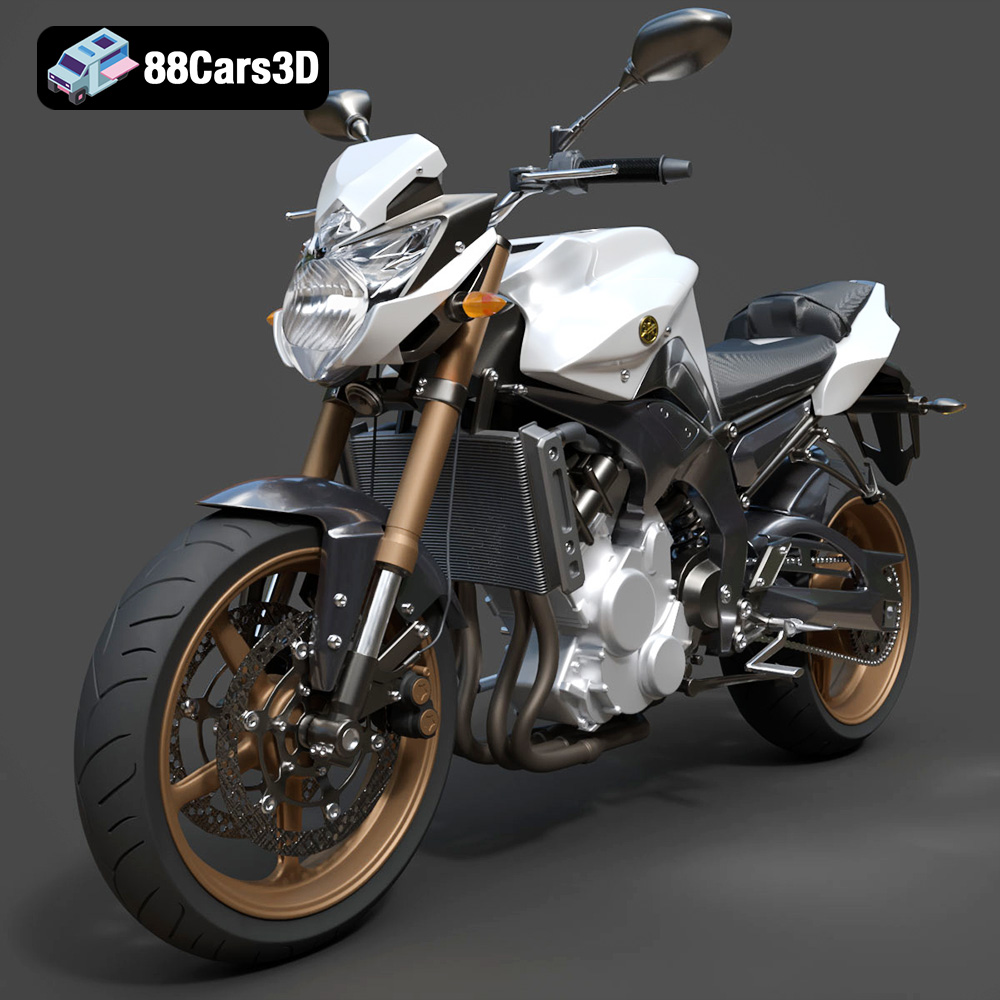
Yamaha FZ8 2011 3D Model
Texture: Yes
Material: Yes
Download the Yamaha FZ8 2011 3D Model featuring clean geometry, realistic detailing, and a fully modeled interior. Includes .blend, .fbx, .obj, .glb, .stl, .ply, .unreal, and .max formats for rendering, simulation, and game development.
Price: $19.99
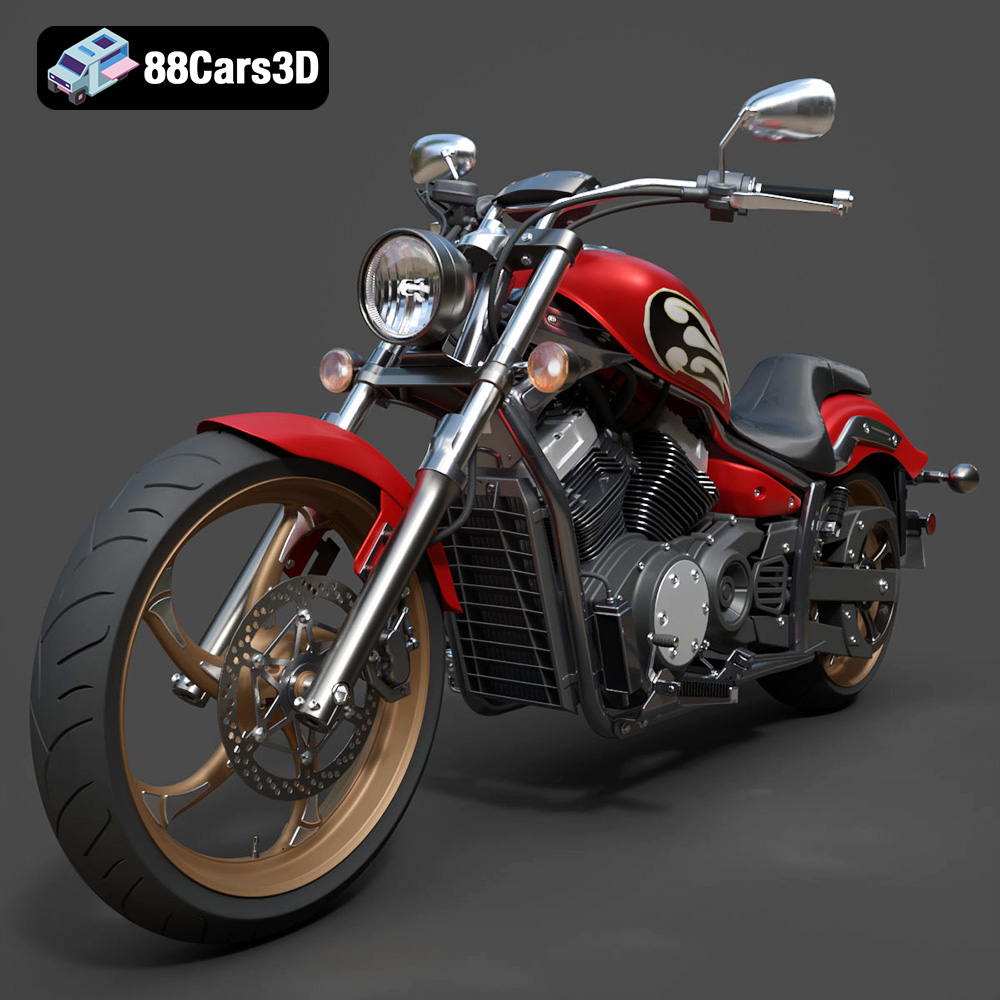
Yamaha Stryker 2012 3D Model
Texture: Yes
Material: Yes
Download the Yamaha Stryker 2012 3D Model featuring clean geometry, realistic detailing, and a fully modeled interior. Includes .blend, .fbx, .obj, .glb, .stl, .ply, .unreal, and .max formats for rendering, simulation, and game development.
Price: $19.99
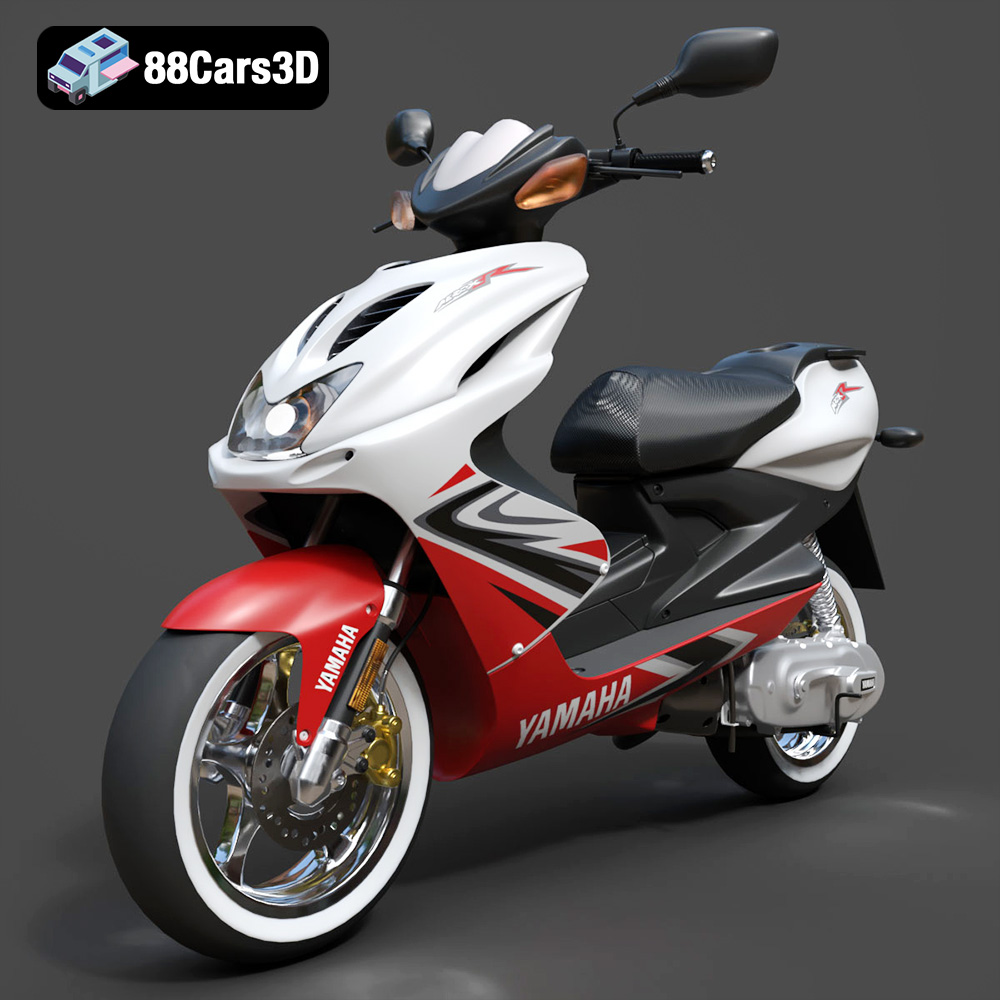
Yamaha Aerox R-002 2024 3D Model
Texture: Yes
Material: Yes
Download the Yamaha Aerox R-002 2024 3D Model featuring clean geometry, realistic detailing, and a fully modeled interior. Includes .blend, .fbx, .obj, .glb, .stl, .ply, .unreal, and .max formats for rendering, simulation, and game development.
Price: $19.99
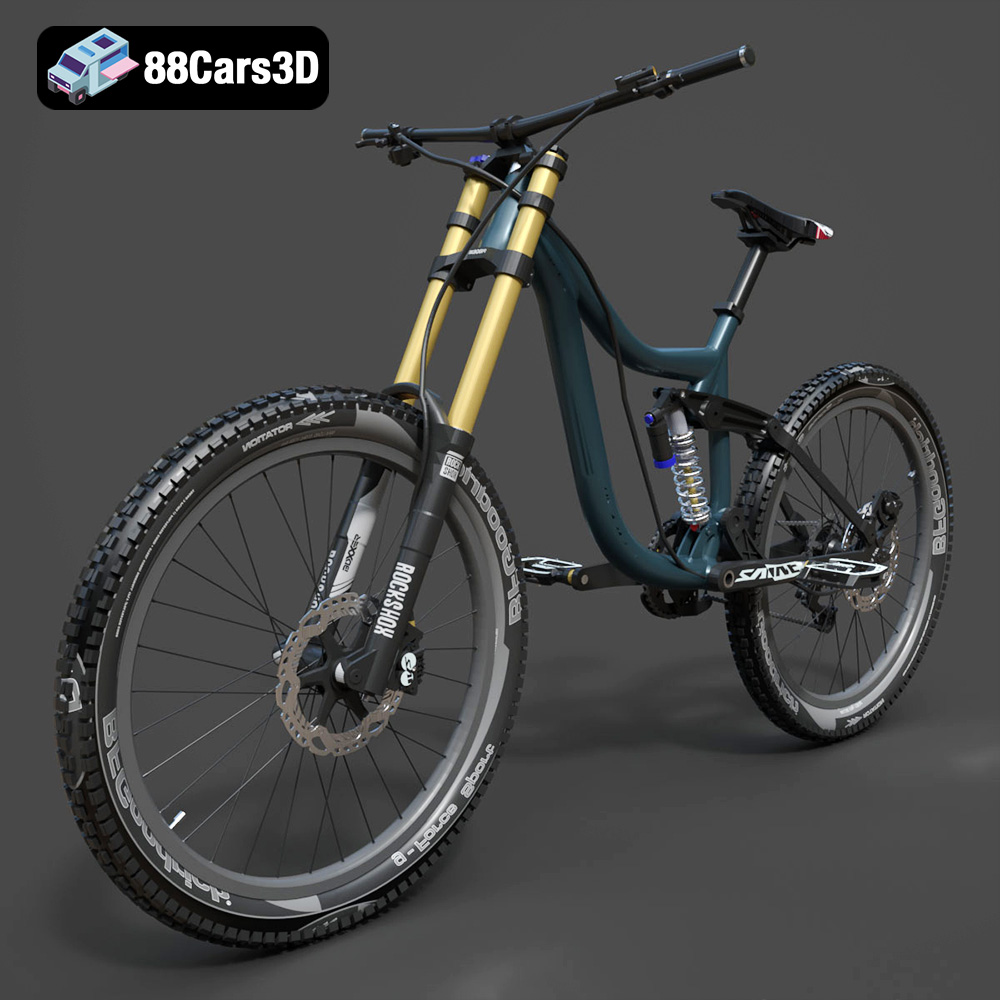
Mototsikly Downhill Bike-002 3D Model
Texture: Yes
Material: Yes
Download the Mototsikly Downhill Bike-002 3D Model featuring clean geometry, realistic detailing, and precise mechanical components. Includes .blend, .fbx, .obj, .glb, .stl, .ply, .unreal, and .max formats for rendering, simulation, and game development.
Price: $19.99
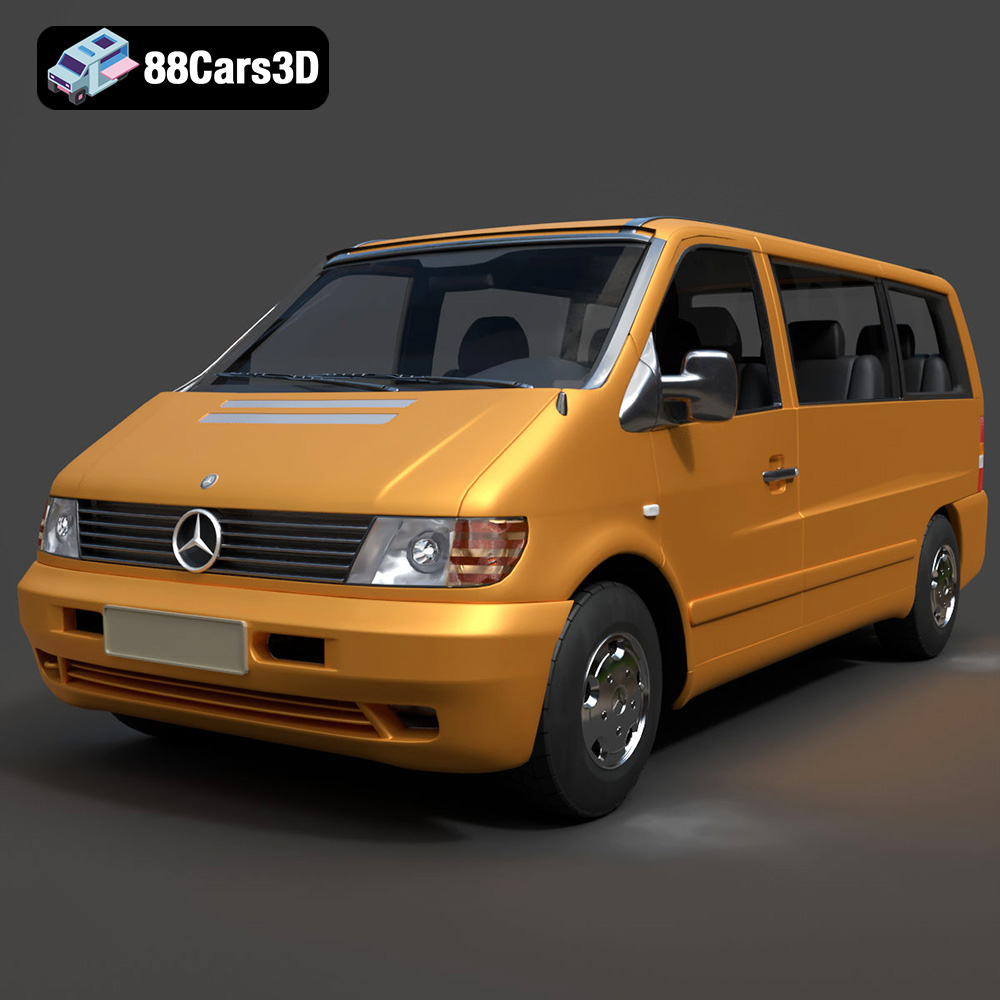
Mercedes-Benz Vito Passenger Van 3D Model
Texture: Yes
Material: Yes
Download the Mercedes-Benz Vito Passenger Van 3D Model featuring clean geometry, realistic detailing, and a fully modeled interior. Includes .blend, .fbx, .obj, .glb, .stl, .ply, .unreal, and .max formats for rendering, simulation, and game development.
Price: $19.99
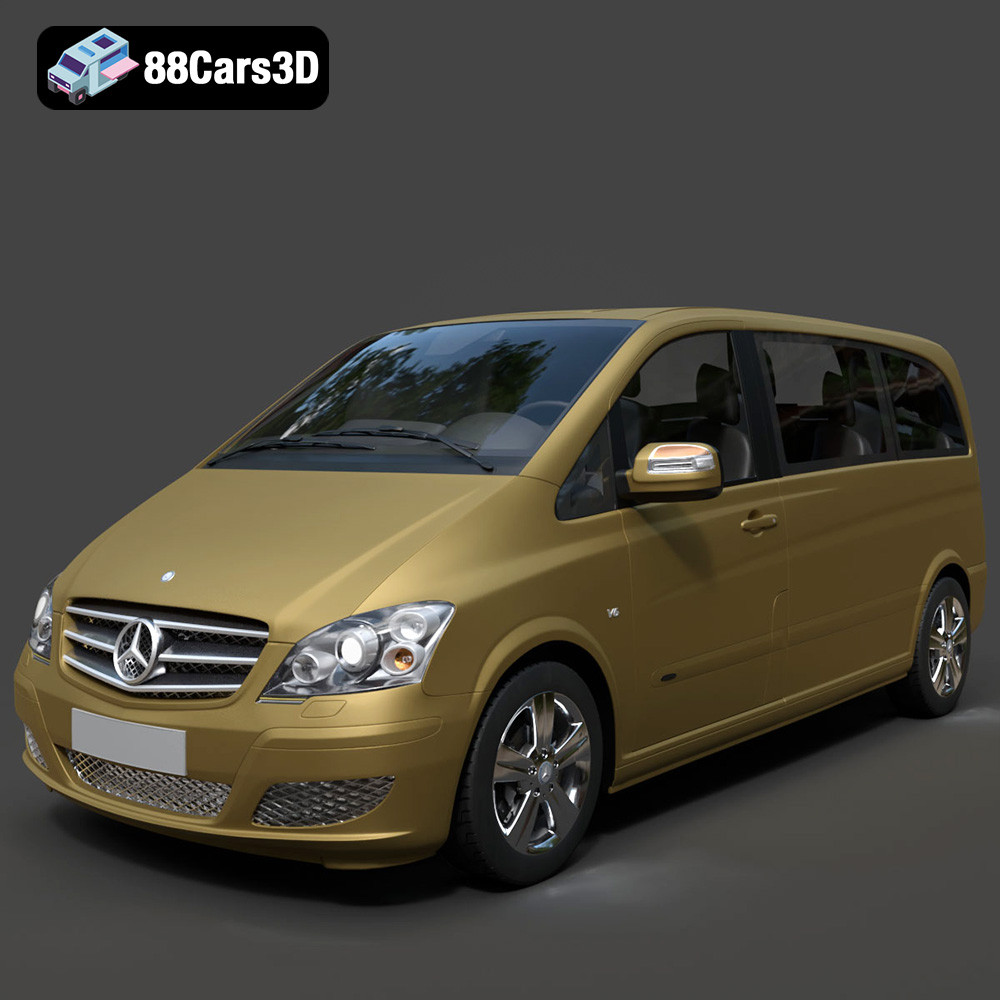
Mercedes-Benz Viano 2010 3D Model
Texture: Yes
Material: Yes
Download the Mercedes-Benz Viano 2010 3D Model featuring clean geometry, realistic detailing, and a fully modeled interior. Includes .blend, .fbx, .obj, .glb, .stl, .ply, .unreal, and .max formats for rendering, simulation, and game development.
Price: $19.99

Emt Avtobus 007 3D Model
Texture: Yes
Material: Yes
Download the Emt Avtobus 007 3D Model featuring clean geometry, realistic detailing, and a fully modeled interior. Includes .blend, .fbx, .obj, .glb, .stl, .ply, .unreal, and .max formats for rendering, simulation, and game development.
Price: $19.99
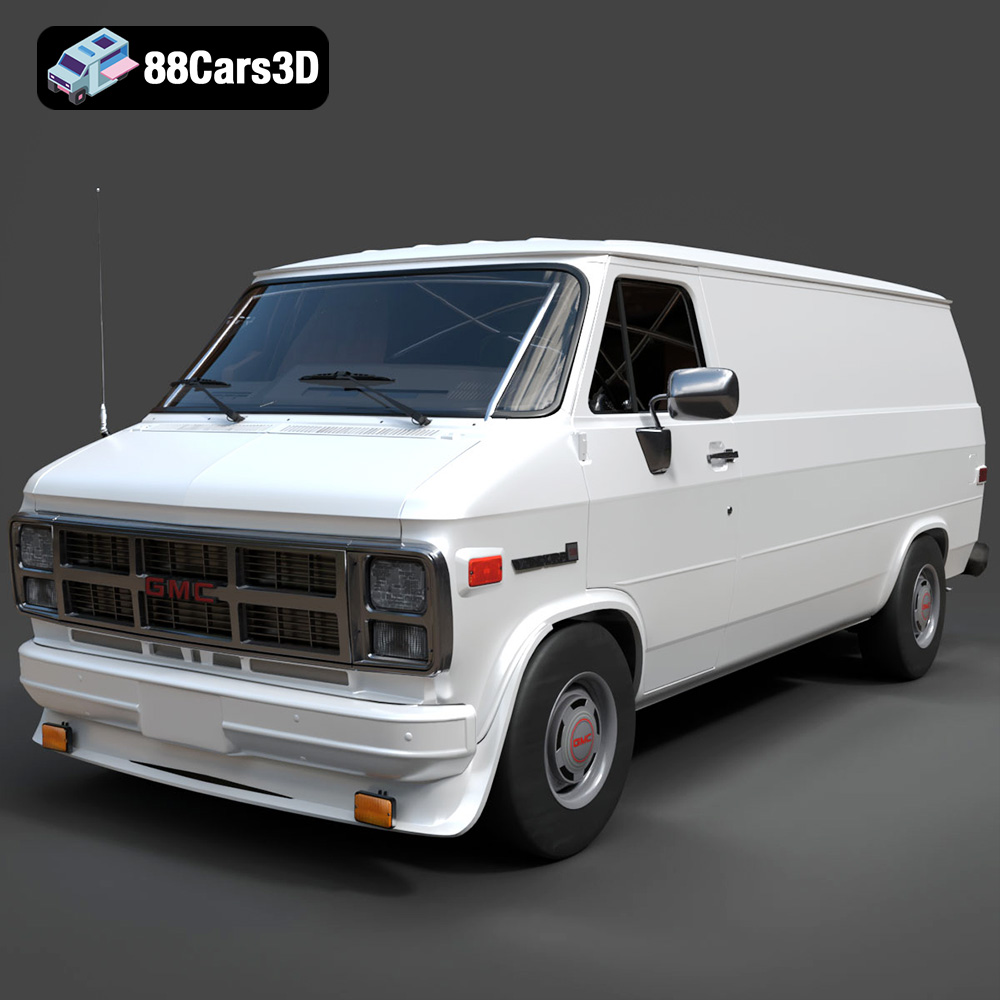
GMC Vandura G-1500 1983 3D Model
Texture: Yes
Material: Yes
Download the GMC Vandura G-1500 1983 3D Model featuring clean geometry, realistic detailing, and a fully modeled interior. Includes .blend, .fbx, .obj, .glb, .stl, .ply, .unreal, and .max formats for rendering, simulation, and game development.
Price: $19.99
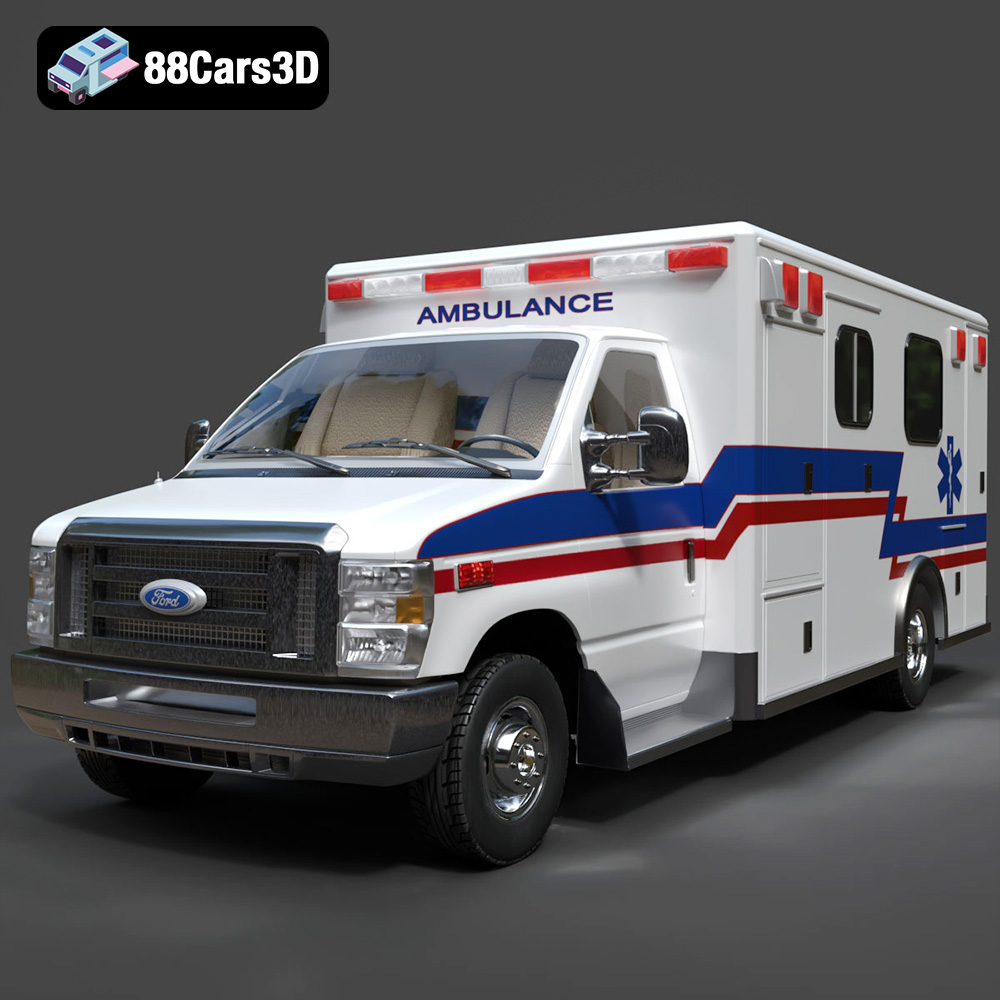
Ford E-450 Ambulance 3D Model
Texture: Yes
Material: Yes
Download the Ford E-450 Ambulance 3D Model featuring clean geometry, realistic detailing, and a fully modeled interior. Includes .blend, .fbx, .obj, .glb, .stl, .ply, .unreal, and .max formats for rendering, simulation, and game development.
Price: $19.99

Fiat Ducato SWB-001 3D Model
Texture: Yes
Material: Yes
Download the Fiat Ducato SWB-001 3D Model featuring clean geometry, realistic detailing, and a fully modeled interior. Includes .blend, .fbx, .obj, .glb, .stl, .ply, .unreal, and .max formats for rendering, simulation, and game development.
Price: $19.99
