

The Ultimate 3D Modeling Workflow: From Concept to Final Render for Automotive Masterpieces
Creating a truly compelling 3D car model is an intricate blend of artistic vision and technical prowess. It’s a journey that demands precision at every stage, from the initial conceptualization to the final, polished render. For automotive enthusiasts, game developers, visualization specialists, and 3D artists alike, mastering this workflow is key to bringing photorealistic vehicles to life. This comprehensive guide will take you through the essential steps, revealing industry best practices, technical insights, and optimization strategies to elevate your 3D car models to professional standards.
Whether your goal is to produce stunning marketing visuals, high-performance game assets, or intricate models for AR/VR experiences, understanding the underlying principles of topology, UV mapping, PBR materials, and rendering is crucial. We’ll delve into the specifics of various software, tackle common challenges, and provide actionable tips to ensure your projects shine. Prepare to embark on a detailed exploration of the 3D automotive pipeline, equipping you with the knowledge to transform blueprints into breathtaking digital realities.
The Foundation: Concept, Reference, and Blueprinting for Automotive Accuracy
Every exceptional 3D car model begins with a solid foundation: a clear concept and meticulously gathered reference materials. This initial phase dictates the accuracy, realism, and overall success of your project. Rushing through this stage often leads to inaccuracies that become progressively harder to fix later in the workflow, potentially costing valuable time and effort. The goal is to build a comprehensive visual library that allows you to understand every curve, panel gap, and design detail of your chosen vehicle before a single vertex is placed.
Gathering High-Quality Reference Materials and Blueprints
The backbone of an accurate 3D car model is a robust set of reference images and blueprints. Start by sourcing high-resolution blueprints that include orthographic views: front, back, top, side, and often diagonal perspectives. These are your primary guides for proportion and silhouette. Ensure these blueprints are consistent in scale and perspective; discrepancies here will lead to a distorted model. Beyond blueprints, amass a wide array of photographic references. Look for images taken in various lighting conditions to understand how light interacts with the car’s surfaces. Capture detailed shots of intricate areas like headlights, grilles, wheel wells, brake calipers, and interior components. Don’t forget engine bays and undercarriages if they are part of your modeling scope. Real-world data, such as manufacturer specifications or even physical measurements if accessible, can further enhance accuracy. High-quality references minimize guesswork and ensure your model captures the true essence of the vehicle.
Initial Blocking, Scale, and Establishing Proportions
Once your references are compiled, it’s time to set up your 3D scene. The first critical step is establishing the correct scale. Most 3D software operates in real-world units (meters, centimeters, inches), and maintaining accurate scale from the outset prevents issues with physics, lighting, and integration into game engines or AR/VR environments. Import your blueprints into your chosen 3D software (e.g., 3ds Max, Blender, Maya), aligning them precisely to the world origin and ensuring they scale uniformly. Use basic primitive shapes – cubes, planes, cylinders – to block out the overall form and major components of the car. This stage is about capturing the primary volumes and proportions, focusing on the silhouette and overall mass rather than fine details. Think of it as sculpting with large clay blocks. Ensure the wheelbase, roofline, hood length, and general width are proportionate to the real vehicle. This iterative process of comparing your blocking against references allows you to make broad adjustments quickly, laying down a solid proportional framework before you commit to detailed modeling.
Precision Modeling: Topology and Surface Detail for Flawless Automotive Shapes
The heart of a high-quality 3D car model lies in its geometry. Clean topology and meticulous surface detailing are paramount, especially for complex, reflective automotive surfaces where imperfections are easily highlighted. This phase transforms your rough blocks into a detailed, buildable mesh, ready for texturing and rendering. Understanding how polygons flow and interact is critical for achieving smooth, realistic results.
Clean Topology for Automotive Surfaces: Quads, Edge Flow, and Minimizing Artifacts
Topology refers to the arrangement of polygons (faces, edges, vertices) that make up your 3D model. For automotive models, clean, all-quad topology is the gold standard. Quads (four-sided polygons) deform predictably, render smoothly, and facilitate efficient UV unwrapping. Aim for consistent edge flow, meaning the edges should follow the natural contours and design lines of the car. This is crucial for maintaining smooth curvature, especially for large, sweeping body panels. Poor edge flow can lead to “pinching” or undesirable creasing when subdivision modifiers are applied. Avoid N-gons (polygons with more than four sides) as they can cause shading artifacts, unpredictable deformation, and issues in game engines. While triangles are sometimes unavoidable in certain areas (e.g., heavily detailed meshes for game optimization or where complex forms meet), they should be used sparingly and strategically. Techniques like loop cuts and edge slides in software like Blender or 3ds Max are essential for controlling edge flow and adding detail without disrupting the overall surface quality.
Advanced Modeling Techniques: Subdivision, Hard Surface, and Iterative Refinement
For achieving the smooth, continuous surfaces characteristic of car bodies, subdivision surface modeling (often referred to as ‘sub-d’ modeling or ‘catmull-clark’ subdivision) is the preferred method. You start with a relatively low-polygon base mesh and then apply a subdivision modifier (e.g., Turbosmooth in 3ds Max, Subdivision Surface in Blender, Smooth Mesh in Maya) which mathematically smooths the surface while allowing you to control detail with edge loops. For intricate hard surface details like grilles, vents, or intricate headlight assemblies, techniques involving precise edge creasing, booleans (used carefully, often followed by retopology), and careful edge manipulation are employed. Boolean operations can be quick for complex cuts but often leave messy topology that requires manual clean-up or retopology to convert N-gons into clean quads. Iterative refinement is key: model in passes, starting with large forms, then adding medium details, and finally tiny nuances like panel gaps, bolts, and emblems. Tools like the Knife tool in Blender (as detailed in the official Blender 4.4 documentation: https://docs.blender.org/manual/en/4.4/modeling/meshes/editing/edge/knife.html) allow for precise cuts, essential for defining these details. Focus on capturing the subtle fillets and chamfers that give real car panels their distinctive look. Polygon counts will naturally increase with detail; a high-quality production-ready automotive model can range from 200,000 to over 1 million polygons, depending on its purpose and required fidelity.
Realism Through Texturing: UV Mapping and PBR Material Crafting
Once the geometry is perfected, the next critical step is to give your 3D car model its surface properties. This involves two core processes: UV mapping, which tells the software how to project 2D textures onto your 3D mesh, and PBR (Physically Based Rendering) material creation, which defines how light interacts with those surfaces to achieve photorealistic results. These stages are where your model truly comes to life, distinguishing a generic mesh from a convincing digital replica.
Strategic UV Unwrapping for Complex Car Surfaces
UV mapping is often considered one of the most challenging aspects of 3D modeling, especially for complex, organic shapes like car bodies. The goal is to create a 2D representation of your 3D model’s surface with minimal distortion, maximizing texture resolution, and preventing seams from being too noticeable. For a car, it’s best to break down the model into logical UV islands: separate the main body panels, doors, hood, trunk, wheels, interior elements, and small details. This allows for dedicated texture sets and reduces distortion. Techniques include planar mapping for flat surfaces, cylindrical or spherical mapping for wheels and tires, and advanced unwrapping tools that automatically detect seams or allow manual placement. In Blender, for example, using the ‘Seam’ marking and ‘Unwrap’ features from the UV menu (further explained in the Blender 4.4 documentation: https://docs.blender.org/manual/en/4.4/modeling/meshes/uv/unwrapping.html) is standard practice. After unwrapping, arrange your UV islands efficiently within the 0-1 UV space, avoiding overlaps unless intentional for mirroring, and providing adequate padding between islands to prevent texture bleeding. Careful UV layout ensures that your PBR textures can be applied without stretching or blurring, maintaining sharpness and detail.
Crafting Physically Based Rendering (PBR) Materials for Authenticity
PBR materials are the cornerstone of modern photorealistic rendering. They emulate how light behaves in the real world, producing consistent and accurate results across different lighting environments. A PBR workflow typically involves several texture maps:
- Albedo (Base Color): Defines the pure color of the surface, stripped of any lighting information.
- Metallic: A grayscale map indicating whether a surface is metallic (white) or non-metallic (black).
- Roughness (or Glossiness): Controls how spread out reflections are, from perfectly smooth (black/low roughness) to completely matte (white/high roughness).
- Normal Map: Adds surface detail (bumps, scratches, panel lines) using a fake normal vector, without increasing polygon count.
- Ambient Occlusion (AO): Simulates soft shadows where surfaces are close together, adding depth.
For car paint, you’ll often create a complex shader network that combines multiple layers: a base metallic coat, a clear coat with specific roughness and IOR (Index of Refraction), and perhaps even a flake map for metallic paints. Glass requires specific transparency, refraction, and absorption properties. Rubber needs a matte, slightly rough appearance, while chrome demands high metallic values and low roughness. Software like Substance Painter and Quixel Mixer are industry standards for creating these complex texture sets, allowing artists to paint directly onto the 3D model and generate all necessary PBR maps. When sourcing models from marketplaces such as 88cars3d.com, you often get a head start with pre-calibrated PBR textures, which significantly streamlines this process.
Shader Network Development for Advanced Effects
While PBR maps define the surface properties, the true magic often happens within the shader network. In rendering software like 3ds Max (with Corona or V-Ray), Blender (Cycles or Eevee), or Maya (Arnold), you connect these PBR texture maps to nodes that define the material’s behavior. For instance, a car paint shader might involve blending a metallic base layer with a transparent, reflective clear coat using Fresnel effects to control reflectivity based on viewing angle. You might add procedural noise for subtle imperfections, or use layered shaders to create more intricate effects like dust accumulation or water droplets. Headlights and taillights often require emissive maps for light sources and complex glass shaders with slight tinting and dispersion for realism. Understanding how to connect and manipulate these nodes is crucial for pushing realism beyond basic PBR, allowing for nuanced control over every aspect of how light interacts with your automotive masterpiece. This level of detail in shader creation is what truly makes a 3D car model stand out.
Illuminating the Scene: Lighting and Rendering for Photorealistic Presentation
With a perfectly modeled and textured car, the next step is to bring it to life with light and capture its essence through rendering. Lighting is arguably the most crucial element in evoking mood, highlighting form, and achieving photorealism. A poorly lit scene, no matter how detailed the model, will fall flat, whereas masterful lighting can transform a good model into an extraordinary visual. This section delves into the art and science of illuminating your automotive scenes and producing stunning final renders.
Mastering Lighting Setups: From Studio to Environmental Realism
The choice of lighting setup dramatically influences the perceived quality and realism of your 3D car model.
- Three-Point Lighting: A foundational technique consisting of a Key Light (main light source), Fill Light (softens shadows from the key light), and Back Light (separates the subject from the background). This is excellent for controlled studio shots, highlighting contours and reflections.
- HDRI (High Dynamic Range Image) Environments: For ultimate realism, especially in automotive rendering, HDRIs are indispensable. These panoramic images capture real-world lighting information, including intensity, color, and reflections. When used as an environment map in renderers like Corona, V-Ray, Cycles, or Arnold, they provide incredibly realistic reflections on glossy car surfaces and illuminate the scene naturally. A good HDRI can instantly place your car in a believable outdoor or indoor setting.
- Physical Sun and Sky Systems: Many renderers offer integrated physical sky and sun systems that simulate realistic daylight cycles, complete with atmospheric scattering. These are perfect for dynamic outdoor scenes, allowing you to control time of day and weather conditions.
- Area Lights and Mesh Lights: For specific highlights, reflections, or interior illumination, area lights provide soft, even light, while mesh lights allow you to turn any piece of geometry (e.g., car headlights, dashboard screens) into a light source.
The key is to use light to accentuate the car’s design, emphasize its curves, and reveal the quality of your PBR materials. Pay close attention to how reflections behave on the car paint and glass, as these are strong indicators of realism.
Optimizing Render Settings for Quality and Speed
Rendering is computationally intensive, and balancing visual quality with render time is a continuous challenge. Modern renderers offer a plethora of settings to fine-tune this balance.
- Sampling: This controls the number of rays traced for calculations like global illumination, reflections, and refractions. Higher samples reduce noise (graininess) but increase render time. Adaptive sampling technologies (common in Corona, V-Ray, and Cycles) intelligently focus samples on noisy areas, optimizing efficiency.
- Denoising: Many renderers now incorporate powerful AI-based denoisers (e.g., NVIDIA OptiX, Intel Open Image Denoise in Blender 4.4, or built-in solutions in Corona/V-Ray). These algorithms can dramatically reduce noise in post-production, allowing for lower sample counts and faster renders without sacrificing visual quality.
- Global Illumination (GI): Crucial for realistic indirect lighting, GI calculates how light bounces around a scene. Different GI engines (e.g., Path Tracing, Brute Force, Irradiance Map, Light Cache) offer varying trade-offs in speed and accuracy. Understanding their strengths allows you to choose the best one for your scene.
- Render Passes/AOV’s (Arbitrary Output Variables): Separating your render into different channels (e.g., diffuse, reflection, specular, alpha, depth, normal) provides immense flexibility in post-processing. This allows you to adjust individual components of the image without re-rendering the entire scene, saving significant time.
For high-resolution automotive renders, setting appropriate render output resolution (e.g., 4K or 8K) is also vital, ensuring sufficient detail for large prints or high-definition screens.
Post-Processing and Compositing for the Final Polish
The rendering process doesn’t end when the image finishes calculating. Post-processing and compositing are crucial steps to elevate your raw render into a professional, polished image. Software like Adobe Photoshop, Affinity Photo, or even professional compositing tools like Nuke or DaVinci Resolve are used for this stage.
- Color Correction and Grading: Adjusting exposure, contrast, white balance, and color saturation to achieve the desired mood and visual style.
- Depth of Field (DoF): Adding realistic camera blur to foreground and background elements, drawing the viewer’s eye to the main subject (the car). This can be rendered as a pass or added in post.
- Motion Blur: Essential for renders of moving vehicles, simulating the blur caused by camera or object movement. Again, this can be rendered or added in post for better control.
- Lens Effects: Adding subtle lens flares, chromatic aberration, or vignetting can enhance realism, mimicking optical imperfections of real cameras.
- Sharpening and Noise Reduction: Fine-tuning the image clarity and eliminating any remaining digital noise.
- Compositing Render Passes: Using your AOV’s (e.g., reflection pass, shadow pass) to have granular control over each element, allowing for precise adjustments without affecting other parts of the image. For instance, you could increase the intensity of reflections without overexposing the main body color.
This final stage is where you truly make the image “pop,” adding the subtle nuances that make it indistinguishable from a real photograph. The iterative process of rendering, post-processing, and refining ensures that every detail of your 3D car model is presented in the best possible light.
Game Engine and Interactive Media Optimization: Performance-Driven Automotive Assets
Creating stunning 3D car models for static renders is one challenge; preparing them for real-time environments like game engines, AR, and VR is another entirely. Performance is paramount in interactive media, where every polygon, texture, and draw call contributes to the frame rate. This section focuses on optimizing your automotive assets to ensure smooth, high-fidelity experiences across various platforms.
LODs and Polycount Management for Scalable Performance
In real-time applications, managing polygon count is critical. A hero car model suitable for a cinematic render (e.g., 500,000+ polygons) will cripple performance in a game environment if not optimized. The solution is Levels of Detail (LODs). LODs are progressively simpler versions of your model that swap out dynamically based on the camera’s distance from the object.
- LOD0 (High Detail): The full-detail model, visible when the car is close to the camera (e.g., 100,000-150,000 polygons for a hero vehicle in a high-end PC game).
- LOD1 (Medium Detail): A simplified version, used for mid-distance viewing (e.g., 30,000-50,000 polygons).
- LOD2 (Low Detail): Further simplified for distant viewing (e.g., 5,000-10,000 polygons).
- LOD3 (Billboard/Impostor): For extremely far distances, a 2D textured plane (billboard) or even simpler geometry might suffice (e.g., 500-1,000 polygons or a few triangles for an impostor).
Creating LODs often involves manual simplification, retopology, or automated tools within game engines (Unity, Unreal Engine) or 3D software. The key is to reduce polygons where detail won’t be perceived, focusing on maintaining silhouette and major forms. Tools like Blender’s Decimate modifier can aid in this process, though manual cleanup is often required for optimal results.
Texture Atlasing, Draw Call Reduction, and Material Optimization
Another significant performance bottleneck in game engines is the number of draw calls. Each time the GPU has to switch materials or textures, it incurs a draw call, which can be expensive.
- Texture Atlasing: Consolidating multiple smaller textures into a single, larger texture map (an “atlas”). For example, instead of having separate textures for a car’s dashboard, seats, and steering wheel, you combine them into one UV layout and one texture set. This reduces the number of material switches and, consequently, draw calls.
- Material Optimization: Minimizing the number of unique materials on your car. If possible, group components that share similar properties onto the same material and use texture masks to define variations within that material. PBR workflows inherently help by using channel-packed textures (e.g., packing metallic, roughness, and ambient occlusion into different channels of a single RGB texture), further reducing texture sampling.
- Shader Complexity: Complex shaders with many instructions can be performance heavy. Simplify shaders where possible, especially for less critical parts of the car. Use shader profilers in Unity or Unreal Engine to identify and optimize expensive shaders.
AR/VR Specific Optimizations and File Formats
Augmented Reality (AR) and Virtual Reality (VR) environments demand even stricter optimization due to the need for high frame rates (typically 90 FPS or higher to prevent motion sickness) and often limited mobile hardware.
- Extremely Low Poly Budgets: For mobile AR/VR, target polygon counts can be very aggressive, sometimes under 50,000 polygons for an entire vehicle, including wheels and interior.
- Occlusion Culling: A technique where objects that are hidden from the camera by other objects are not rendered, saving performance. Properly structuring your scene allows game engines to utilize this effectively.
- Single-Pass Stereo Rendering: VR requires rendering two slightly different views (one for each eye). Single-pass stereo rendering optimizes this by performing a single render pass for both eyes, significantly improving performance compared to traditional multi-pass methods.
- Specific File Formats: For AR/VR on the web or mobile, specific file formats are preferred. GLB (Binary glTF) is widely adopted for web-based AR/VR due to its compact size and ability to embed all model data (geometry, materials, textures, animations) into a single file. USDZ is Apple’s proprietary format for AR, especially prevalent on iOS devices, offering similar benefits. Platforms like 88cars3d.com often provide models in these optimized formats, recognizing the growing demand for interactive experiences. These formats are designed to be efficient for streaming and real-time rendering, making them ideal for showcasing 3D car models in interactive product configurators or virtual showrooms.
Understanding and applying these optimization strategies is crucial for delivering high-quality 3D car models that perform flawlessly in demanding real-time environments, opening up new avenues for visualization and interaction.
Preparing for Production: File Formats, 3D Printing, and Quality Assurance
The journey of a 3D car model doesn’t end with a stunning render or game-ready asset. The final stages involve preparing the model for diverse production pipelines, ensuring compatibility, and maintaining the highest standards of quality. This includes understanding various file formats, preparing models for physical fabrication through 3D printing, and conducting thorough quality assurance checks.
Understanding Key File Formats and Their Applications
The 3D industry relies on a multitude of file formats, each with its strengths and specific use cases. Understanding which format to use and why is critical for smooth data exchange and project success.
- FBX (Filmbox): Developed by Autodesk, FBX is the industry-standard format for exchanging 3D data, especially for animation, rigging, and game development. It supports geometry, UVs, textures, materials, animations, cameras, and lights, making it ideal for transferring complex assets between software like 3ds Max, Maya, Blender, Unity, and Unreal Engine.
- OBJ (Wavefront Object): A widely supported, simpler format that primarily stores geometry (vertices, faces, UVs) and references material files (.MTL). It’s highly compatible across various 3D applications and is excellent for basic model exchange, though it doesn’t support advanced features like animation or rigging.
- GLB/glTF (Graphics Language Transmission Format): An open standard from the Khronos Group, glTF is becoming the “JPEG of 3D.” It’s highly efficient for web-based 3D, AR, and VR. GLB is the binary version, embedding all assets (geometry, textures, materials, animations) into a single, self-contained file, making it incredibly easy to share and load.
- USDZ (Universal Scene Description Zip): Developed by Pixar and Apple, USDZ is a proprietary format specifically designed for AR experiences on Apple devices. It’s a compressed, unencrypted package that can contain geometry, materials, and animations, optimized for mobile AR applications.
- STEP (Standard for the Exchange of Product model data) / IGES (Initial Graphics Exchange Specification): These are CAD (Computer-Aided Design) formats, often used in engineering and industrial design. They represent precise surface data (NURBS) rather than polygonal meshes. Converting from CAD to polygonal for visualization or game assets requires careful retopology.
- STL (Stereolithography): The go-to format for 3D printing, STL defines the surface geometry of a 3D object using a collection of interconnected triangles. It doesn’t store color or texture information.
When converting between formats, always check for data integrity, scale discrepancies, and potential loss of information.
3D Printing Preparation: Watertight Meshes and Manifold Geometry
Preparing a 3D car model for physical fabrication through 3D printing requires specific considerations that go beyond digital rendering.
- Watertight Mesh: The model must be “watertight,” meaning it has no holes or gaps in its surface. Every edge must be connected to exactly two faces, forming a completely enclosed volume. Non-watertight meshes cannot be properly sliced by 3D printer software.
- Manifold Geometry: Related to watertightness, manifold geometry means that every edge can only be shared by two faces. There should be no internal geometry, inverted normals, or overlapping faces. Tools like Blender’s 3D Print Toolbox add-on or dedicated mesh repair software (e.g., Netfabb, Meshmixer) can help identify and fix these issues.
- Wall Thickness: Ensure all parts of your model have sufficient wall thickness for the chosen 3D printing material and process. Thin walls can break easily during printing or post-processing.
- Scale and Orientation: Confirm the model is scaled correctly to your desired physical size. The print orientation can also affect structural integrity and the need for support structures.
- Polygon Count: While 3D printing doesn’t have the same real-time performance concerns as games, excessively high polygon counts can lead to very large file sizes and slow slicing times. Optimize mesh density without sacrificing crucial detail.
For intricate car models, consider splitting the model into several printable parts (e.g., body, wheels, interior) that can be assembled later, simplifying printing and reducing support material.
Final Asset Delivery and Quality Assurance
Before delivering any 3D car model, whether to a client, a marketplace like 88cars3d.com, or for your own project, a rigorous quality assurance (QA) process is essential.
- Mesh Integrity Check: Verify clean topology, no N-gons, no overlapping vertices, consistent normals, and proper UV mapping. Use mesh analysis tools within your 3D software.
- Material and Texture Verification: Ensure all textures are correctly linked, resolution is appropriate, and PBR materials behave as expected under various lighting conditions. Check for any missing textures.
- Scale and Units: Confirm the model is built to real-world scale and uses consistent units.
- Scene Organization: Proper naming conventions for objects, materials, and textures are vital. Group objects logically and ensure the scene is clean of any unnecessary elements (hidden objects, unused materials, cameras, lights) unless specifically required.
- File Size Optimization: For web or game assets, ensure file sizes are as small as possible without compromising quality. This might involve texture compression or mesh decimation for lower LODs.
- Documentation: Provide clear documentation on polygon count, texture resolutions, material setup, and any special instructions for using the model.
A meticulously checked and well-organized 3D car model not only demonstrates professionalism but also saves headaches down the line, ensuring that the asset is production-ready for any application.
Conclusion: The Art and Science of Crafting Digital Automotive Excellence
The journey from a conceptual sketch to a polished, photorealistic 3D car model is a testament to the blend of artistic skill and technical precision demanded in modern digital content creation. We’ve traversed the entire workflow, from the foundational steps of concept and blueprinting to the intricate details of topology, the art of PBR material creation, the science of lighting and rendering, and the crucial optimizations for real-time environments and 3D printing. Each stage is vital, building upon the last to create an asset that is not only visually stunning but also technically robust and versatile.
Mastering this workflow requires patience, continuous learning, and a keen eye for detail. The principles discussed—clean topology, strategic UV mapping, physically accurate materials, and performance optimization—are universal truths in 3D production. As technology evolves, so too will the tools and specific techniques, but these core concepts will remain. By diligently applying these best practices, you empower yourself to craft 3D car models that stand out, whether for high-fidelity visualizations, immersive game worlds, or groundbreaking AR/VR experiences.
The world of 3D automotive design is dynamic and rewarding. Continue to explore, experiment, and refine your skills. Platforms like 88cars3d.com offer an excellent resource for high-quality, pre-made 3D car models, providing an invaluable starting point for learning, reference, or integrating directly into your projects. Embrace the challenges, celebrate the successes, and keep pushing the boundaries of digital realism. Your next automotive masterpiece awaits.
Featured 3D Car Models
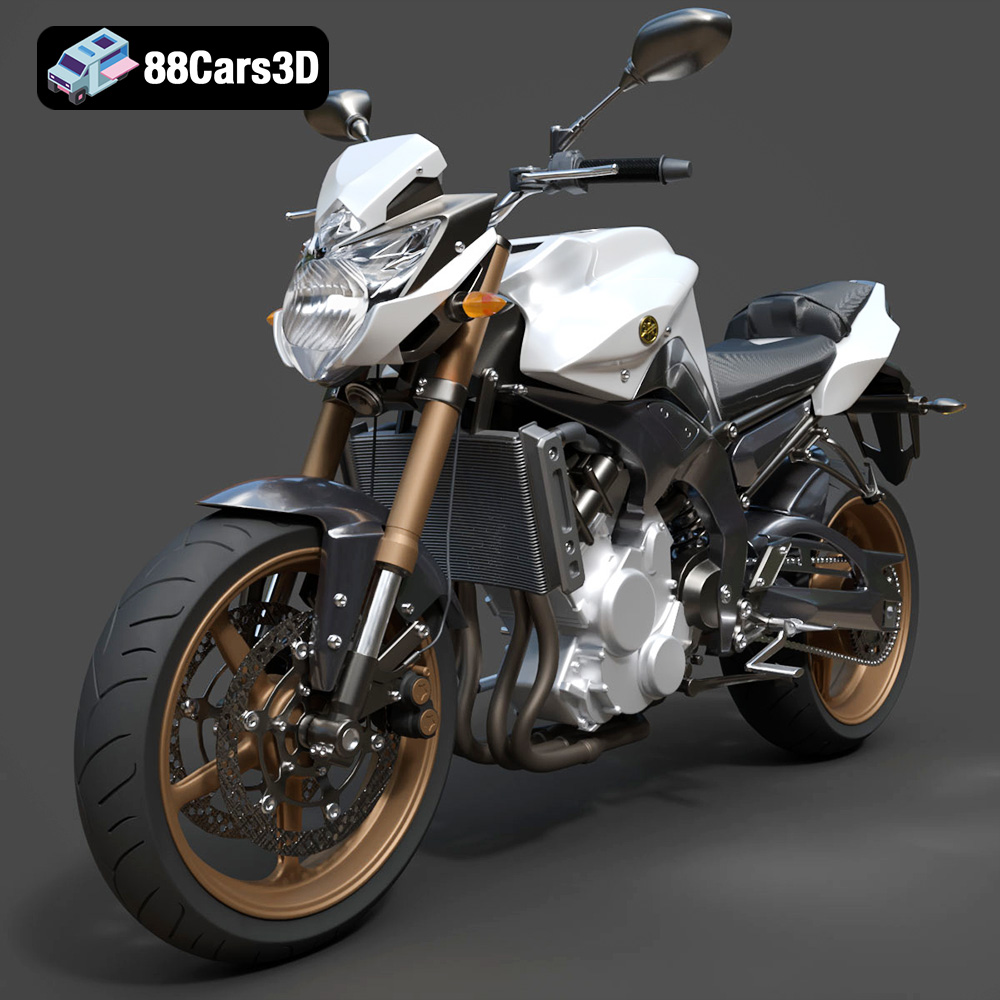
Yamaha FZ8 2011 3D Model
Texture: Yes
Material: Yes
Download the Yamaha FZ8 2011 3D Model featuring clean geometry, realistic detailing, and a fully modeled interior. Includes .blend, .fbx, .obj, .glb, .stl, .ply, .unreal, and .max formats for rendering, simulation, and game development.
Price: $19.99
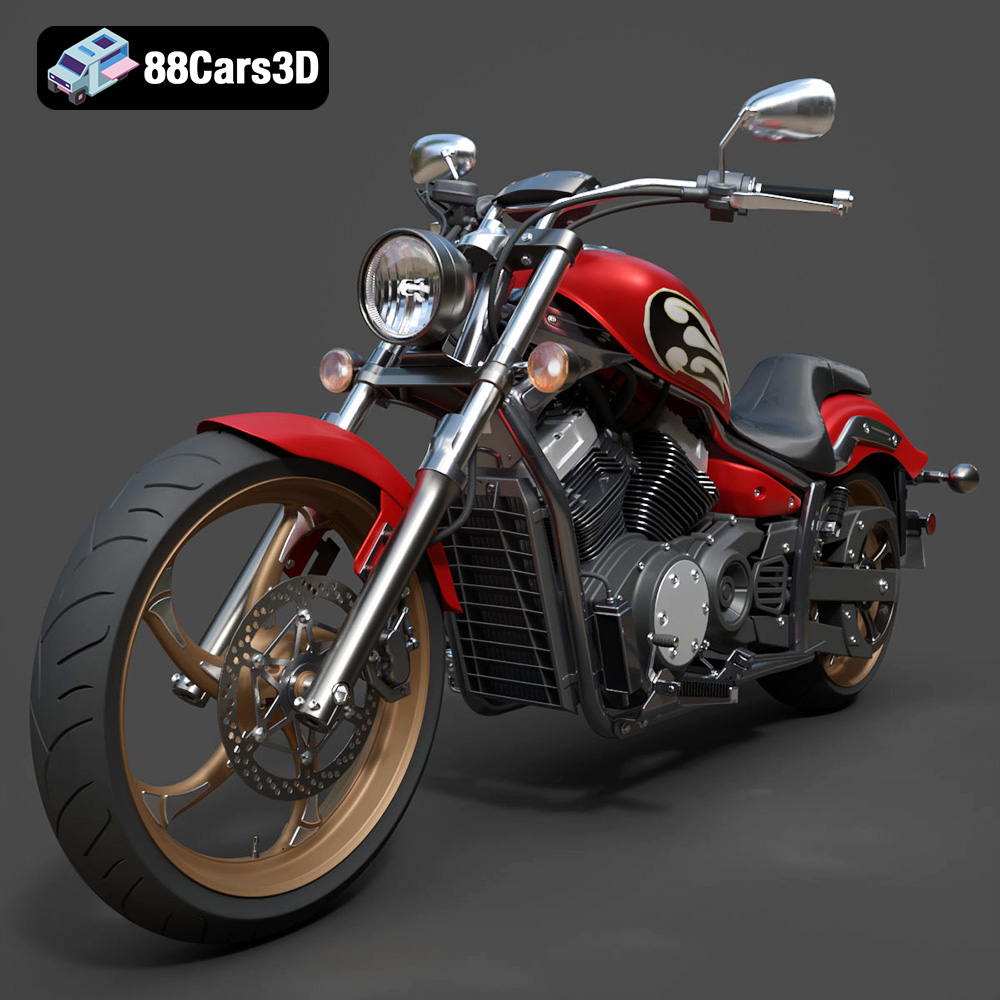
Yamaha Stryker 2012 3D Model
Texture: Yes
Material: Yes
Download the Yamaha Stryker 2012 3D Model featuring clean geometry, realistic detailing, and a fully modeled interior. Includes .blend, .fbx, .obj, .glb, .stl, .ply, .unreal, and .max formats for rendering, simulation, and game development.
Price: $19.99
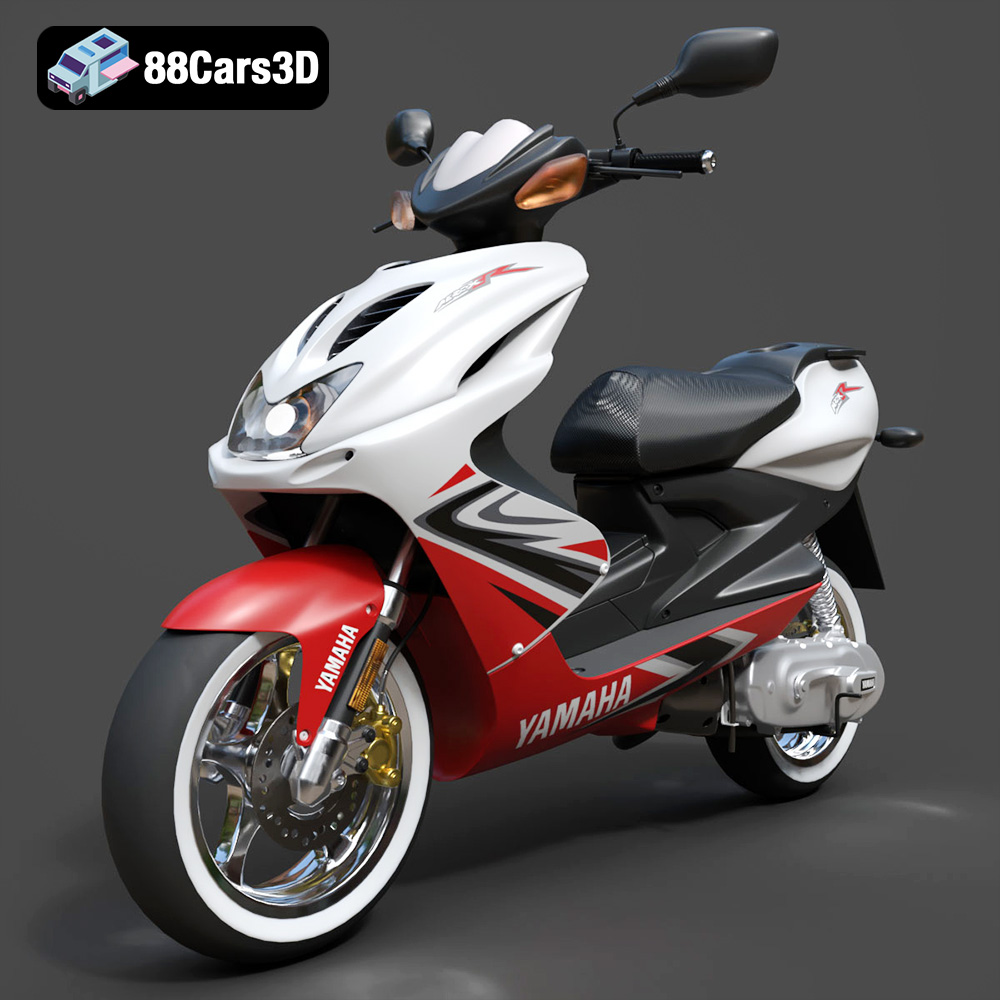
Yamaha Aerox R-002 2024 3D Model
Texture: Yes
Material: Yes
Download the Yamaha Aerox R-002 2024 3D Model featuring clean geometry, realistic detailing, and a fully modeled interior. Includes .blend, .fbx, .obj, .glb, .stl, .ply, .unreal, and .max formats for rendering, simulation, and game development.
Price: $19.99
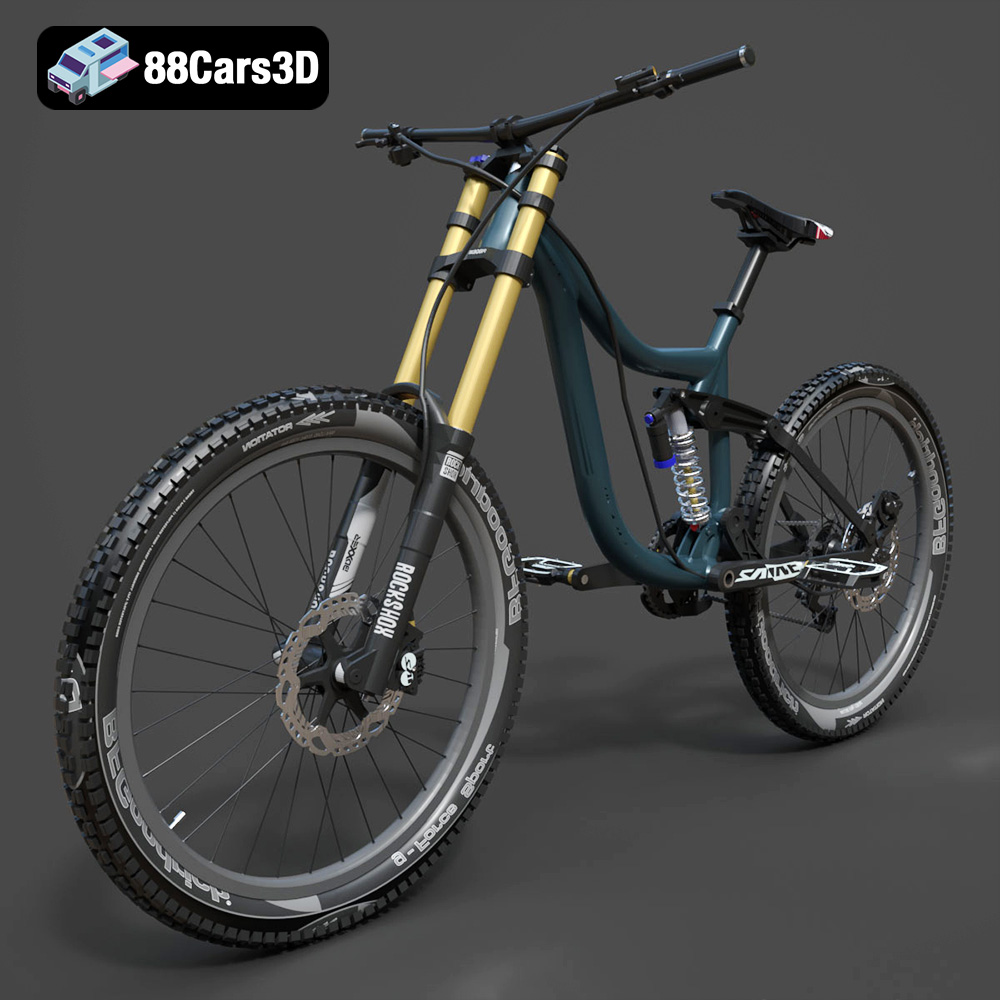
Mototsikly Downhill Bike-002 3D Model
Texture: Yes
Material: Yes
Download the Mototsikly Downhill Bike-002 3D Model featuring clean geometry, realistic detailing, and precise mechanical components. Includes .blend, .fbx, .obj, .glb, .stl, .ply, .unreal, and .max formats for rendering, simulation, and game development.
Price: $19.99
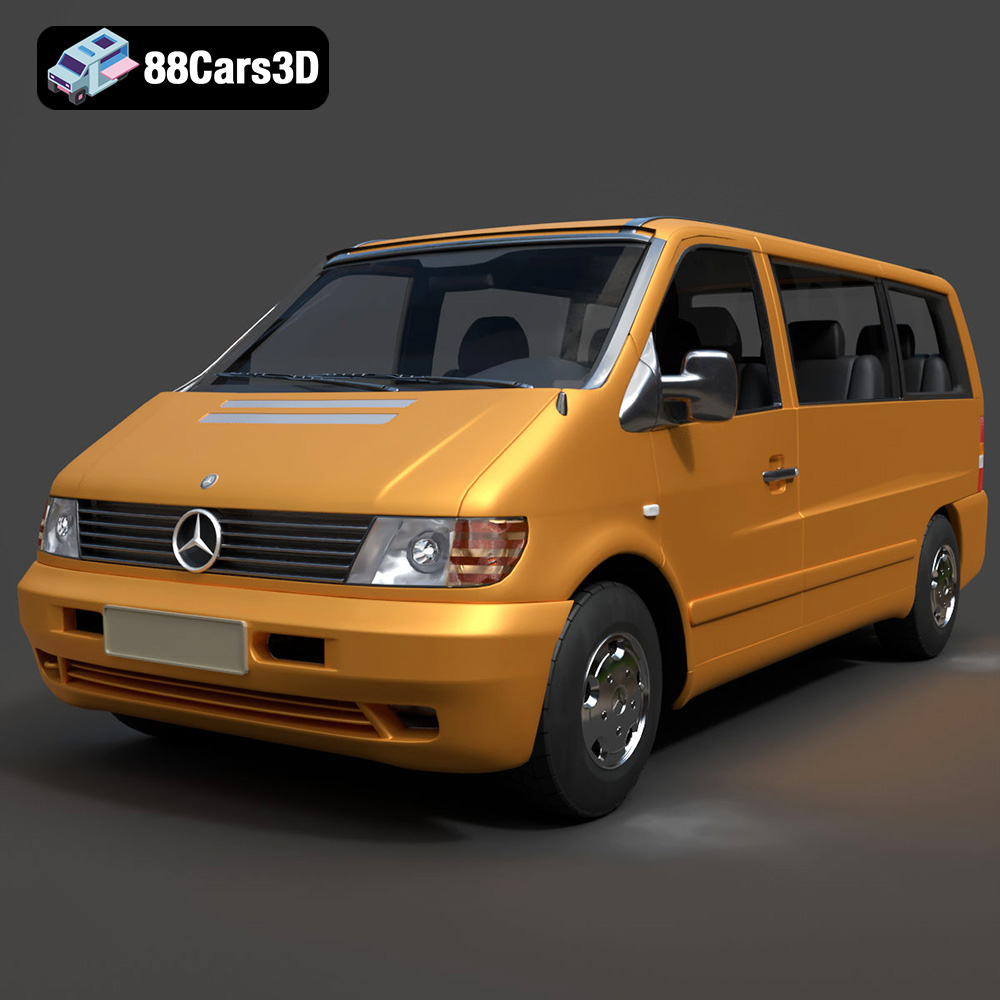
Mercedes-Benz Vito Passenger Van 3D Model
Texture: Yes
Material: Yes
Download the Mercedes-Benz Vito Passenger Van 3D Model featuring clean geometry, realistic detailing, and a fully modeled interior. Includes .blend, .fbx, .obj, .glb, .stl, .ply, .unreal, and .max formats for rendering, simulation, and game development.
Price: $19.99
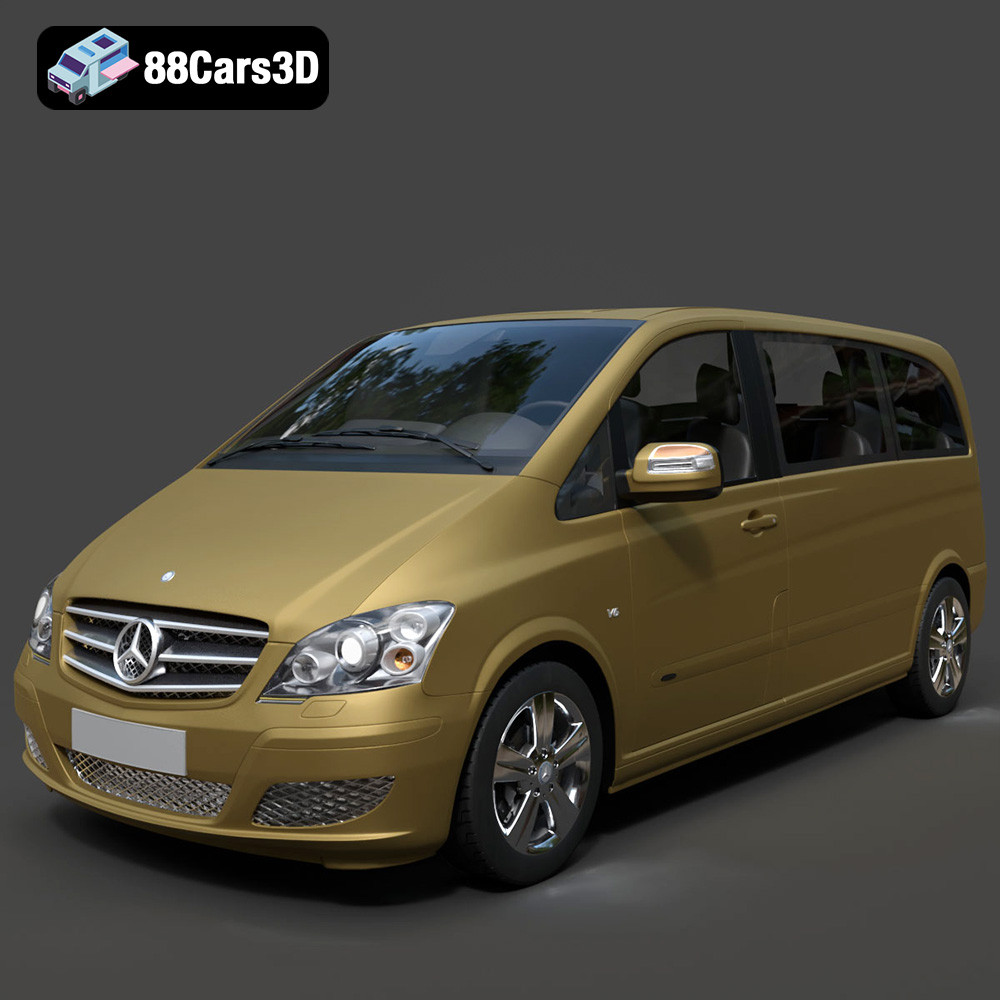
Mercedes-Benz Viano 2010 3D Model
Texture: Yes
Material: Yes
Download the Mercedes-Benz Viano 2010 3D Model featuring clean geometry, realistic detailing, and a fully modeled interior. Includes .blend, .fbx, .obj, .glb, .stl, .ply, .unreal, and .max formats for rendering, simulation, and game development.
Price: $19.99

Emt Avtobus 007 3D Model
Texture: Yes
Material: Yes
Download the Emt Avtobus 007 3D Model featuring clean geometry, realistic detailing, and a fully modeled interior. Includes .blend, .fbx, .obj, .glb, .stl, .ply, .unreal, and .max formats for rendering, simulation, and game development.
Price: $19.99
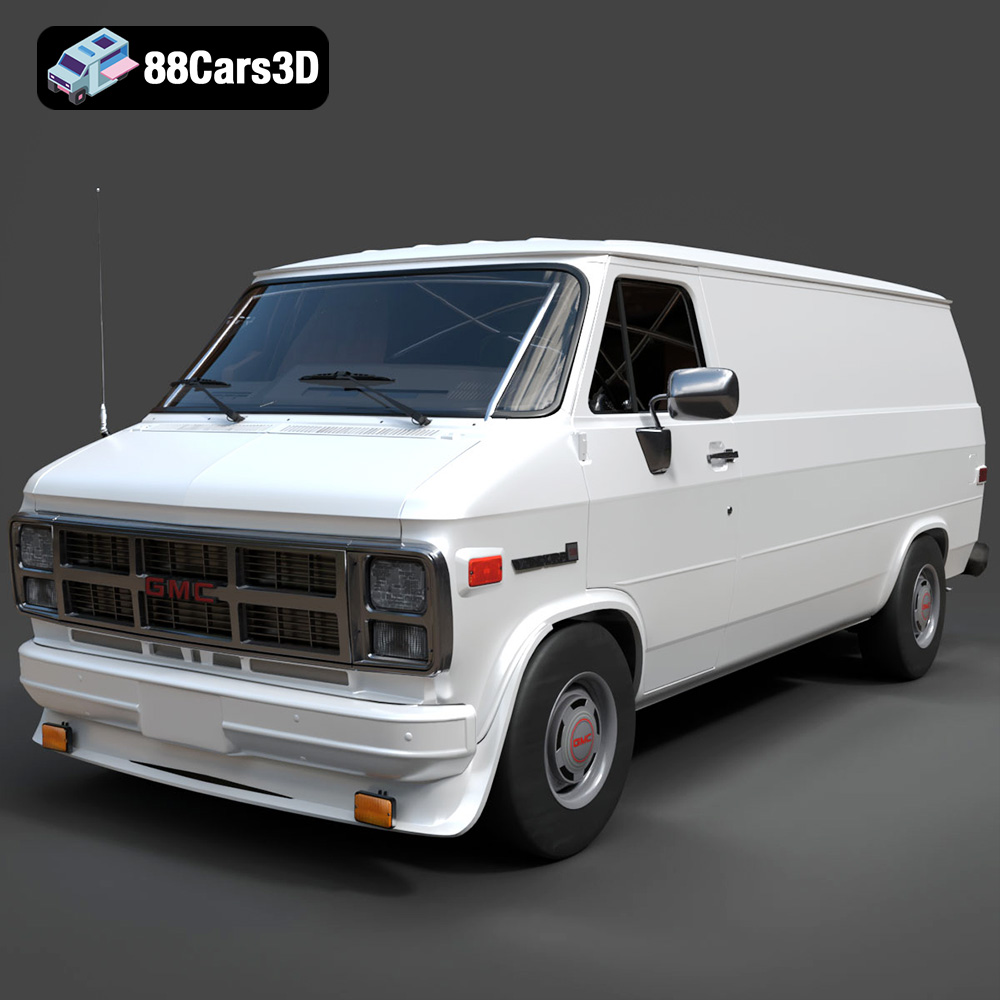
GMC Vandura G-1500 1983 3D Model
Texture: Yes
Material: Yes
Download the GMC Vandura G-1500 1983 3D Model featuring clean geometry, realistic detailing, and a fully modeled interior. Includes .blend, .fbx, .obj, .glb, .stl, .ply, .unreal, and .max formats for rendering, simulation, and game development.
Price: $19.99
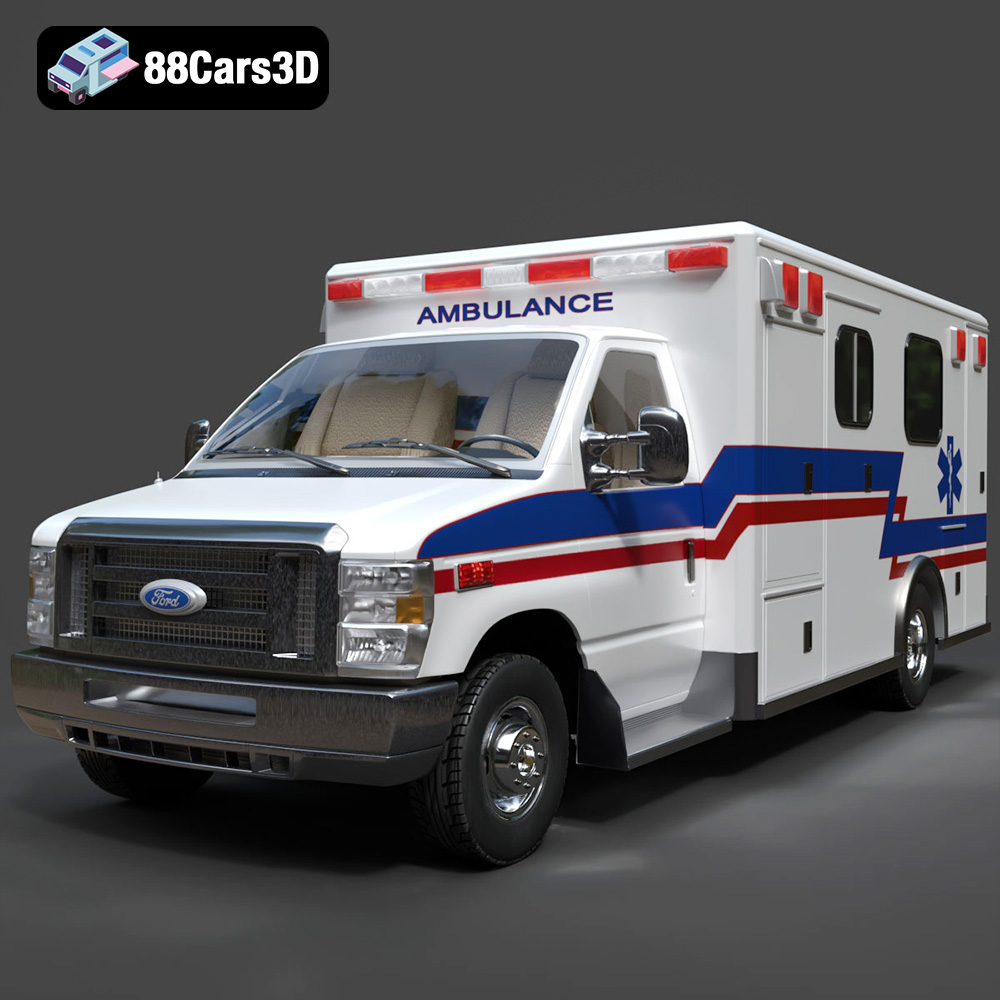
Ford E-450 Ambulance 3D Model
Texture: Yes
Material: Yes
Download the Ford E-450 Ambulance 3D Model featuring clean geometry, realistic detailing, and a fully modeled interior. Includes .blend, .fbx, .obj, .glb, .stl, .ply, .unreal, and .max formats for rendering, simulation, and game development.
Price: $19.99

Fiat Ducato SWB-001 3D Model
Texture: Yes
Material: Yes
Download the Fiat Ducato SWB-001 3D Model featuring clean geometry, realistic detailing, and a fully modeled interior. Includes .blend, .fbx, .obj, .glb, .stl, .ply, .unreal, and .max formats for rendering, simulation, and game development.
Price: $19.99
