

In the realm of real-time rendering and interactive visualization, especially when showcasing meticulously crafted automotive models, the environment plays a pivotal role. A high-fidelity 3D car model, whether sourced from a premier marketplace like 88cars3d.com or custom-built, loses much of its impact if placed within a barren or unconvincing landscape. This is where Unreal Engine’s robust foliage system comes into its own, empowering artists and developers to sculpt lush, believable natural settings that breathe life into their projects. From dense forests surrounding a rugged off-roader to meticulously manicured gardens framing a luxury sedan, realistic vegetation is not just an aesthetic addition; it’s a critical component in conveying immersion, scale, and atmosphere.
This comprehensive guide delves deep into the art and science of creating stunning, performant foliage in Unreal Engine. We’ll explore everything from efficient asset management and PBR material wizardry to advanced lighting techniques with Lumen and cutting-edge performance optimization using Nanite. Whether your goal is a hyper-realistic automotive configurator, an immersive AR/VR experience, a visually rich game environment, or a breathtaking cinematic sequence, mastering Unreal Engine’s foliage tools will elevate your projects to professional standards. Prepare to transform your digital worlds from static backdrops into vibrant, living ecosystems that truly complement and enhance your automotive visualizations.
Laying the Groundwork: Importing and Preparing Foliage Assets
The foundation of any realistic environment in Unreal Engine begins with high-quality assets and a well-structured workflow. For foliage, this means carefully selecting, importing, and preparing your meshes and textures to ensure both visual fidelity and optimal performance. The sheer volume of individual leaves, branches, and trunks in a natural scene demands a smart approach from the outset.
Sourcing and Initial Setup for Foliage
The first step in populating your virtual world with vegetation is acquiring the right assets. For unparalleled quality and ease of integration, Quixel Megascans, directly accessible through the Epic Games Launcher via Quixel Bridge, is an industry-standard choice. Megascans offers an extensive library of photogrammetry-scanned 3D plants, atlases, and surfaces, all optimized for Unreal Engine with high-resolution PBR textures and various levels of detail (LODs).
- Quixel Bridge Integration: Simply browse, select, and “Add to Project” from Bridge. It handles texture imports, material creation, and even Nanite setup for compatible assets automatically. This streamlined process saves countless hours compared to manual setup.
- Custom Models: If you’re creating custom foliage, ensure your 3D models (typically FBX format) adhere to best practices:
- Clean Geometry: Optimized poly counts, non-manifold geometry. While Nanite mitigates concerns for high-poly meshes, traditional foliage still benefits from efficiency.
- Proper UVs: Non-overlapping UV maps are essential for texture projection and light baking (if not using dynamic GI). Channel 0 for diffuse/normal, Channel 1 for lightmaps.
- Correct Scale & Pivot: Ensure models are scaled appropriately to Unreal’s default units (centimeters) and have their pivot points at the base for natural placement and rotation.
- Material Slots: Assign distinct material IDs for different parts (e.g., leaves, trunk, branches) within your modeling software for easier material assignment in Unreal.
Once imported, organize your assets within your project structure. Create dedicated folders for ‘Foliage,’ ‘Materials,’ and ‘Textures’ to maintain a clean and manageable project, especially critical for large-scale environments.
Understanding Instanced Static Meshes for Foliage
Unreal Engine achieves remarkable performance with vast quantities of foliage by utilizing Instanced Static Meshes (ISM) and Hierarchical Instanced Static Meshes (HISM). Instead of treating each tree or bush as a unique actor with its own draw call, these systems render multiple identical meshes in a single draw call, drastically reducing CPU overhead. This efficiency is paramount for real-time rendering, particularly when showcasing detailed automotive models in complex natural settings.
- The Foliage Mode: Accessible via the Modes dropdown, the Foliage tool is your primary interface for painting and managing vegetation. When you add a Static Mesh to this tool, Unreal Engine automatically converts it into an Instanced Static Mesh actor when painted onto your level.
- Adding Meshes:
- Navigate to the ‘Foliage’ tab in the Modes panel.
- Click the ‘+’ button to add Static Meshes from your Content Browser. Select your desired tree, bush, or grass mesh.
- Once added, the mesh appears in the Foliage Type list, ready for configuration.
Understanding and leveraging instancing is a fundamental concept for anyone serious about creating large, detailed environments in Unreal Engine. It’s the silent workhorse behind the stunning vistas we see in modern games and high-fidelity visualizations.
Crafting Realistic Foliage Materials with PBR
Beyond the mesh itself, the material applied to your foliage is what truly brings it to life. Physically Based Rendering (PBR) materials, when correctly configured, allow light to interact with your digital plants in a way that mimics real-world physics, resulting in incredibly convincing visuals. For foliage, this often involves specialized considerations like translucency and subsurface scattering, which are vital for that soft, light-passing-through-leaves look.
The Essentials of Foliage PBR
Creating compelling foliage materials in Unreal Engine requires attention to several key PBR properties. These properties, combined, define how light interacts with your plant’s surfaces:
- Base Color: This map defines the diffuse color of the plant. For leaves, aim for natural, varied greens, browns, or seasonal hues.
- Normal Map: Provides high-frequency surface detail, simulating bumps and ridges without adding geometric complexity. Essential for leaf veins and bark textures.
- Roughness Map: Dictates how specular light scatters across the surface. Rougher surfaces (like dry leaves) scatter light more, appearing duller, while smoother surfaces (like wet leaves) reflect light more directly, appearing shinier.
- Opacity Mask: Crucial for cutting out the non-leaf parts of a texture atlas. Set the Material Blend Mode to ‘Masked’ and connect your alpha channel to the Opacity Mask input. This is far more performant than ‘Translucent’ for opaque cuts, avoiding complex transparency sorting issues.
- Subsurface Scattering (SSS): This is the secret sauce for realistic leaves. SSS simulates light penetrating the surface of an object, scattering internally, and exiting at a different point. For leaves, this means bright, diffuse lighting when backlit, making them appear soft and organic. Unreal Engine’s ‘Subsurface Color’ input in the material can be driven by a specific map or a simple color value, with the ‘Subsurface Profile’ material input offering even more detailed control over scattering properties.
- Two-Sided Foliage Material: Leaves, by nature, are thin and appear from both sides. Unreal Engine’s ‘Two Sided Foliage’ shading model (found in the Material’s Details panel) is designed specifically for this. It efficiently renders both sides of a plane with appropriate lighting calculations, crucial for that authentic leaf look. You’ll often connect the same texture inputs (Base Color, Normal, etc.) to both sides, perhaps with a slight color variation for the underside for added realism.
When crafting these materials, remember to keep texture resolutions appropriate for the expected view distance. High-resolution textures (e.g., 2048×2048 or 4096×4096) are ideal for hero assets or close-up foliage, while lower resolutions (e.g., 1024×1024 or 512×512) can be used for distant vegetation or ground cover to save VRAM.
Advanced Material Functions and Wind Simulation
To further enhance realism and streamline your workflow, Unreal Engine’s Material Editor provides powerful features for complex effects and reusability.
- Material Functions: These allow you to encapsulate a network of material nodes into a single, reusable block. For foliage, you might create material functions for consistent wind animation, custom SSS calculations, or bark weathering effects. This promotes consistency and makes global adjustments much easier across multiple foliage types.
- Implementing Simple Wind Effects: Animating foliage with wind adds immense dynamism to your scene. A common method involves using the ‘World Position Offset’ input in the material:
- Use a ‘Time’ node combined with ‘Sine’ waves to create oscillatory motion.
- Multiply this motion by texture coordinates or vertex colors to control the intensity of movement across the plant (e.g., more sway at the tips of branches, less at the base).
- A ‘CustomizedUVs’ node can be used to pass a custom wind map (e.g., a simple noise texture) to control localized deformation.
- Expose parameters like ‘Wind Intensity’ and ‘Wind Speed’ as scalar parameters in your material instance, allowing artists to easily tweak the wind effect per foliage type.
For more sophisticated wind systems, you can leverage a ‘Wind Directional Source’ actor in your scene or even drive parameters via Blueprint scripting for precise control over wind direction and strength, creating effects like a strong gust passing through a field of grass. These techniques, when applied to the environments surrounding car models from 88cars3d.com, ensure that the entire scene feels cohesive and alive.
Populating Your World: The Unreal Engine Foliage Tool
With high-quality foliage assets and robust PBR materials ready, the next step is to efficiently populate your environment. Unreal Engine’s Foliage Mode is specifically designed for this task, offering powerful painting tools and advanced distribution controls that enable artists to create vast, dense, and varied natural landscapes without sacrificing performance or control.
Mastering the Foliage Mode Workflow
The Foliage Mode, accessible via the ‘Modes’ dropdown in the Unreal Editor, is a streamlined interface for placing and managing vegetation instances. Its intuitive brush-based tools allow for rapid environmental design:
- Adding and Configuring Foliage Types:
- Once you’ve added your Static Meshes to the Foliage Type list (as described in Section 1), select a foliage type to configure its individual properties.
- Painting Density: Controls how many instances are placed per unit area. Crucial for creating sparse or dense vegetation.
- Scale X/Y/Z: Defines the minimum and maximum scale range for instances. Randomizing scale adds natural variation.
- Z-Offset: Adjusts how much instances are offset from the surface, useful for embedding roots or floating objects slightly.
- Rotation: Randomize pitch, yaw, and roll to break up repetition. ‘Align to Normal’ automatically rotates instances to match the surface angle, which is essential for natural placement on uneven terrain.
- Collision: Set ‘Collision Presets’ for foliage. Often, ‘No Collision’ or a simplified ‘BlockAllDynamic’ for larger trees is sufficient to save performance, as individual leaf collisions are rarely needed.
- Cull Distance: Define minimum and maximum draw distances. Instances outside this range will not be rendered, providing a significant performance boost. This is a critical optimization for large environments.
- Shading: Ensure ‘Cast Dynamic Shadows’ and ‘Cast Static Shadows’ are appropriately enabled or disabled based on your lighting strategy and performance targets. Large, shadow-casting trees are usually fine, but small blades of grass casting individual shadows can be extremely expensive.
- Painting, Erasing, and Selecting Tools:
- Paint: Click and drag to place instances based on the selected foliage type and brush settings (Radius, Density, etc.).
- Erase: Hold Shift and drag to remove instances.
- Select: Allows you to individually select instances for manual adjustment or deletion. This is useful for placing “hero” trees or refining specific areas.
- Fill: Instantly fills the entire selected landscape component or area with the current foliage type, useful for broad strokes.
By mastering these tools, you can quickly block out vast landscapes and then refine specific areas, creating a convincing blend of natural randomness and artistic control.
Advanced Distribution and Optimization Settings
While manual painting is effective, Unreal Engine offers even more powerful ways to procedurally generate and optimize foliage, especially for large, open worlds:
- Landscape Grass Type: For truly expansive and highly dense ground cover (like fields of grass or small rocks), ‘Landscape Grass Type’ is invaluable. Instead of painting, you define grass types that automatically spawn on your landscape based on its material layers.
- Create a ‘Landscape Grass Type’ asset.
- Add your Static Mesh (e.g., a grass clump) to the ‘Grass Mesh’ array.
- Configure density, scale, and culling as you would for painted foliage.
- In your Landscape Material, add a ‘Landscape Grass Output’ node and connect your ‘Landscape Grass Type’ asset to it. Wherever that material layer is painted on the landscape, the grass will appear. This is highly efficient as the engine manages the instancing and culling automatically.
- Clustered Instancing: Unreal Engine groups nearby foliage instances into clusters for more efficient rendering. This is an automatic optimization.
- Displacement and Density Maps: For more granular control over procedural foliage, you can use texture maps to drive density. For example, a grayscale texture where white areas represent high density and black areas represent no density can be used to control where grass grows based on terrain features. This is often done by sampling the texture within your Landscape Material.
- Per-Instance Data: Each foliage instance can store unique data (like a random seed, tint color, or wind intensity multiplier). This allows for greater visual variety without needing unique meshes or materials, further breaking up repetition and enhancing realism. You can access and manipulate this data via Blueprints or within the material editor.
By combining manual painting with procedural generation techniques like Landscape Grass Type, you can achieve incredibly detailed and diverse environments that beautifully frame the automotive models on display, ensuring that every angle of a vehicle from 88cars3d.com is presented within a context of unparalleled natural beauty and realism.
Elevating Realism: Lighting and Performance for Foliage
Realistic lighting is arguably the single most important factor in making foliage look believable. How light interacts with leaves, casts shadows, and permeates through dense canopies defines the atmosphere of your scene. Coupled with cutting-edge technologies like Nanite, Unreal Engine allows for incredibly detailed and performance-friendly foliage, critical for maintaining high frame rates in automotive visualization projects.
Dynamic Lighting with Lumen and Shadows
Unreal Engine’s modern lighting solutions offer unprecedented realism, but foliage presents unique challenges due to its complex geometry and translucent properties.
- Lumen Global Illumination for Foliage: Lumen, Unreal Engine’s fully dynamic global illumination and reflections system, can dramatically enhance foliage realism by bouncing light between leaves and onto the surrounding environment. This creates soft, natural lighting, especially in dense forests where indirect light is predominant.
- Challenges: Lumen calculates GI based on scene geometry. Very thin, translucent foliage can sometimes be problematic for Lumen’s initial calculations. Ensure your foliage materials are using the ‘Two Sided Foliage’ shading model for optimal interaction. Overly complex geometry on small instances can also impact Lumen’s performance.
- Performance: Lumen is powerful but demanding. For optimal performance, ensure your foliage meshes have reasonable detail for GI contribution and are not excessively overdrawn.
- Shadows for Foliage: Shadows are vital for grounding foliage in the scene and adding depth.
- Cascaded Shadow Maps (CSM): Traditional method, suitable for large directional light shadows over vast distances. Adjusting the number of cascades and their distribution is crucial for balancing quality and performance. Lowering shadow map resolution for distant cascades can save significant performance.
- Virtual Shadow Maps (VSM): Unreal Engine 5’s innovative shadow mapping solution. VSMs offer incredibly detailed, high-resolution shadows for even the smallest foliage elements over vast distances, without the typical performance hit of traditional high-res shadow maps. They are particularly beneficial for dense foliage where every leaf needs to cast a crisp shadow. VSMs work seamlessly with Nanite meshes.
- Volumetric Fog: Integrating volumetric fog adds atmospheric depth and helps blend foliage into the scene. Light rays passing through trees and leaves can be beautifully revealed by fog, enhancing the sense of realism and scale. Configure ‘Exponential Height Fog’ with ‘Volumetric Fog’ enabled to achieve this.
When setting up lighting for your automotive scenes, consider how the environment’s foliage casts shadows on the vehicle, enhancing its form and integration into the natural world. This level of detail is paramount for high-end visualization.
Nanite and LOD Strategies for Dense Environments
Managing the geometric complexity of vast foliage environments has traditionally been one of the biggest challenges in real-time rendering. Nanite and efficient Level of Detail (LOD) strategies revolutionize this, allowing for unprecedented visual fidelity and performance.
- Nanite for High-Poly Foliage: Unreal Engine 5’s Nanite virtualized geometry system is a game-changer for dense environments. It allows you to import and render incredibly high-polygon models (millions or even billions of triangles) without explicit LODs or significant performance penalties.
- How it Helps Foliage: Previously, every tree or bush had to be meticulously optimized with multiple LODs. With Nanite, you can import highly detailed, production-quality meshes directly. Nanite intelligently streams and processes only the visible geometry at an appropriate detail level, dynamically managing draw calls and eliminating classic polygon budget concerns. This means you can have incredibly detailed leaves and bark on every tree.
- When to Use Nanite: Best for primary, larger foliage assets like trees, large bushes, and rocks. Small, simple grass meshes might still be better as non-Nanite instanced meshes due to Nanite’s per-pixel overhead on extremely tiny geometry.
- Enabling Nanite: Simply enable Nanite in the Static Mesh Editor’s details panel for your imported foliage asset. Quixel Megascans assets often come Nanite-ready.
- Traditional LOD Management for Non-Nanite Foliage: While Nanite handles the bulk, traditional LODs are still relevant for certain types of foliage or projects not leveraging UE5.
- LOD Setup: In the Static Mesh Editor, you can generate LODs automatically or import custom ones. Aim for 3-5 LODs, progressively reducing polygon count by 50-75% for each step.
- Billboards: For the furthest LODs of trees, a simple billboard (a 2D sprite of the tree) can be used to dramatically reduce poly count, though they can look flat without proper material blending.
- Cull Distance: Alongside LODs, use ‘Cull Distance’ in the Foliage Type settings to entirely remove instances beyond a certain range, saving rendering resources.
- Draw Call Reduction and Overdraw Optimization:
- Overdraw: A common issue with dense foliage, especially with many transparent pixels. Each transparent pixel requires multiple rendering passes, which can quickly become a bottleneck. Visualize overdraw using ‘Shader Complexity’ mode (Alt+8) in the viewport.
- Optimizing Overdraw: Use tight opacity masks, avoid excessive overlapping alpha-blended geometry, and simplify materials where possible.
- Instancing (revisited): HISM and ISM are your primary tools for minimizing draw calls. The more unique foliage instances that can be grouped, the better the performance.
By leveraging a combination of Nanite for hero foliage and smart LOD/instancing for everything else, you can achieve environments that are both visually stunning and highly performant, providing a perfect backdrop for the high-quality car models from 88cars3d.com, ensuring they shine in every cinematic, game, or visualization project.
Dynamic Interaction and Cinematic Integration
Static environments, no matter how beautiful, can often feel lifeless. To truly immerse your audience, foliage needs to respond to its surroundings and tell a story. Unreal Engine offers a wealth of tools for dynamic interaction and cinematic integration, transforming your vegetation from passive elements into active participants in your automotive narratives.
Interactive Foliage and Blueprint Logic
Bringing foliage to life through interaction adds a significant layer of realism and believability, especially in scenes featuring vehicles.
- Creating Responsive Foliage: Imagine a car driving through tall grass, causing it to bend and sway. This can be achieved through Blueprint scripting and material logic:
- Collision Detection: Attach simple collision volumes (e.g., sphere or box components) to your vehicle Blueprint. When these volumes overlap with foliage instances, trigger an event.
- Dynamic Material Parameters: Use a ‘Collection Parameter’ or ‘Runtime Virtual Texture’ (RVT) to pass interaction data (e.g., proximity to vehicle, direction of force) to your foliage materials.
- Material World Position Offset: In your foliage material, use the received data to drive ‘World Position Offset,’ bending the foliage away from the vehicle. This often involves calculating the distance and direction from the impact point and applying a smooth deformation using a gradient or noise texture.
- Example: A car’s wheel colliding with a grass patch sends its world location to a Material Parameter Collection. The grass material then offsets its vertices away from that location using a radial gradient, making the grass appear to be pushed down.
- Integrating Niagara Particle Systems: For environmental effects like falling leaves, pollen, or localized dust kicked up by wind, Niagara is an incredibly powerful tool.
- Falling Leaves: Create a Niagara system that spawns leaf meshes (simple planes with leaf textures) with randomized velocity, rotation, and curl. Integrate wind forces and collision with the landscape for realistic accumulation.
- Wind Bursts: Blueprint can trigger a Niagara system for a localized gust of wind, causing nearby foliage to react more intensely, perhaps kicking up dust particles.
- Vehicle Tracks through Soft Terrain: While not strictly foliage, the interaction of vehicles with soft ground (like mud or snow) often involves displaced terrain that integrates with surrounding foliage. This can be achieved using a ‘Runtime Virtual Texture’ (RVT) where the vehicle’s tires “paint” displacement data onto the RVT, which is then used by the landscape material to deform the terrain. Foliage instances on these displaced areas can then be moved or removed via Blueprint logic.
These interactive elements make automotive scenes feel truly dynamic, providing an engaging experience for configurators or cinematic showcases.
Foliage in Cinematic Sequences and Virtual Production
For high-fidelity cinematic content or cutting-edge virtual production, foliage is not just a backdrop; it’s a critical element in crafting believable and immersive environments.
- Using Sequencer to Animate Foliage: Unreal Engine’s Sequencer is the non-linear editor for creating stunning cinematics. While foliage instances aren’t typically individually animated in Sequencer, their global properties or material parameters can be:
- Wind System Animation: Keyframe ‘Wind Directional Source’ actor properties (speed, direction) or material parameters (wind intensity) to create dynamic weather changes over a sequence.
- Environmental Transitions: Animate the density or visibility of certain foliage types to simulate seasonal changes or growth over time.
- Camera-Driven Effects: Use Sequencer to trigger Blueprint events that spawn localized Niagara effects (e.g., a burst of leaves as a car speeds past the camera).
- Virtual Production Implications: In virtual production, LED walls display photorealistic environments that interact dynamically with physical sets and actors. Integrating high-quality foliage is essential for creating seamless, immersive virtual backgrounds for automotive shoots.
- Real-Time Ray Tracing: For virtual production, real-time ray tracing (RTX) provides incredibly accurate reflections, refractions, and global illumination for foliage, enhancing realism on LED volumes. This ensures the digital environment matches the lighting on physical objects.
- Optimized for LED Walls: Foliage in virtual production needs to be highly optimized to run at high frame rates on multiple viewports for LED walls. Nanite is invaluable here, allowing complex foliage geometry to be rendered efficiently.
- AR/VR Considerations: For automotive applications in AR/VR (e.g., visualizing a car in a virtual driveway), foliage optimization is paramount due to strict performance budgets on mobile devices or VR headsets.
- Simplified Materials: Use simpler material graphs, fewer texture samples, and potentially baked lighting for foliage. Avoid complex SSS on distant instances.
- Aggressive LODs & Culling: Implement aggressive LODs and cull distances. Consider using simplified mesh imposters (billboards) for distant trees.
- Baked Lighting: For static AR/VR scenes, baking lighting into lightmaps for foliage can reduce real-time lighting calculations.
By leveraging these tools, you can ensure that the environments created for cars from 88cars3d.com are not only visually spectacular but also dynamically engaging, whether for a cinematic reveal, an interactive demo, or an immersive AR/VR experience.
Optimization Best Practices and Troubleshooting
Creating lush, dense environments with realistic foliage inevitably brings performance challenges. Even with Unreal Engine’s advanced tools like Nanite and Lumen, understanding optimization best practices and how to troubleshoot common pitfalls is crucial to ensure your projects run smoothly. A beautiful scene that stutters or lags distracts from the high-quality assets, including your stunning 3D car models.
Common Pitfalls and Solutions for Foliage Performance
Dense foliage can quickly become a performance bottleneck if not managed carefully. Here are common issues and how to address them:
- Overdraw Issues:
- Problem: Too many transparent pixels overlapping on screen, especially with foliage using alpha-masked materials. Each pixel might be drawn multiple times, leading to high GPU cost. Visualize with ‘Shader Complexity’ view mode (Alt+8).
- Solution:
- Use very tight opacity masks on your foliage textures. Ensure there’s minimal unnecessary transparent area around leaves.
- Optimize your foliage mesh geometry: ensure leaves are modeled efficiently and not excessively overlapping if using 3D models instead of flat planes.
- Avoid alpha-blended materials for foliage wherever possible; prefer alpha-masked.
- Reduce foliage density in areas not critical to the immediate camera view.
- High Draw Calls:
- Problem: If individual foliage instances are not batched efficiently into Instanced Static Meshes, the CPU spends too much time issuing draw calls to the GPU.
- Solution: Ensure all your foliage is placed using the Foliage Mode (which utilizes HISM/ISM). Manually placed Static Mesh actors of foliage will incur individual draw calls. Verify your foliage assets are correctly configured as foliage types.
- Collision Complexity:
- Problem: Complex per-polygon collision on thousands of foliage instances can severely impact CPU performance for physics calculations.
- Solution: For most foliage (grass, small bushes), set ‘Collision Presets’ to ‘No Collision’ or ‘OverlapOnlyPawn’. For larger trees, use simplified collision primitives (capsule, box) rather than complex mesh collision. Only use complex collision where direct interaction is absolutely necessary (e.g., a “hero” tree that a car might visibly hit).
- Texture Streaming Pool Issues:
- Problem: Large numbers of high-resolution textures (Base Color, Normal, SSS, Opacity, etc.) for various foliage types can exceed the available video memory, leading to blurry textures.
- Solution:
- Adjust texture resolutions: Use lower resolution textures for distant foliage or ground cover.
- Implement texture streaming wisely: Unreal Engine handles this automatically, but you can override settings per texture.
- Increase the ‘Texture Streaming Pool Size’ in Project Settings -> Engine -> Rendering, if necessary, but be mindful of target hardware VRAM limits.
Essential Performance Monitoring and Tuning
Understanding where performance bottlenecks lie is the first step to optimizing them. Unreal Engine provides powerful profiling tools:
- Using Unreal Engine’s Profiling Tools:
Stat GPU: Shows detailed GPU frame timings, helping identify render passes that are costing the most (e.g., BasePass, ShadowDepths, Translucency).Stat RHI: Provides insight into render hardware interface calls, useful for diagnosing draw call issues.Stat Foliage: Specific to foliage, this command displays counts of foliage instances, cluster counts, and other relevant statistics.ProfileGPU: Captures a detailed GPU trace, breaking down render passes and individual draw calls for in-depth analysis.
- Scalability Settings and Console Commands: Unreal Engine’s scalability settings allow you to easily adjust rendering quality.
sg.PostProcessQuality,sg.ShadowQuality,sg.FoliageQuality: These commands (or adjustments in Editor Preferences -> Scalability) can quickly tune visual fidelity. Lowering ‘FoliageQuality’ often reduces cull distances and shadow quality for foliage.r.LODScale: Globally adjusts LOD distances for all Static Meshes. Increasing this value makes LODs switch earlier (at further distances), reducing poly counts.foliage.MaxTrianglesToRender: Limits the maximum number of triangles rendered for foliage instances, useful for extreme optimization.
- Prioritizing Visual Fidelity vs. Frame Rate: Always consider your target platform and application.
- High-End Visualization/Cinematics: Prioritize maximum fidelity (high-res textures, VSM, Lumen, Nanite). You might accept lower frame rates if the output is pre-rendered or for high-spec client machines.
- Game Development/AR/VR: Frame rate is paramount. Aggressive LODs, simplified materials, strict cull distances, and careful use of Nanite (where performance gains outweigh overhead for small objects) are crucial. Baked lighting might be preferred over fully dynamic for AR/VR.
By diligently profiling your scene and applying these optimization strategies, you can create breathtakingly realistic environments with abundant foliage that beautifully complement the high-quality 3D car models from 88cars3d.com, ensuring a smooth and immersive experience for your audience.
Conclusion
Creating believable and performant natural environments is a cornerstone of compelling real-time visualization, especially when showcasing the intricate detail of premium 3D car models. Throughout this guide, we’ve journeyed through the comprehensive power of Unreal Engine’s foliage system, from the initial stages of asset acquisition and PBR material creation to the nuanced art of dynamic lighting with Lumen and the revolutionary performance gains offered by Nanite. We’ve explored how to efficiently populate vast landscapes, integrate interactive elements, and prepare your verdant scenes for cinematic excellence and demanding AR/VR applications. Most importantly, we’ve highlighted critical optimization strategies to ensure your lush environments run smoothly, allowing the true stars of your projects—like the exceptional automotive assets available on 88cars3d.com—to shine.
Mastering Unreal Engine’s foliage tools is an ongoing process of learning, experimentation, and refinement. The ability to craft convincing natural backdrops elevates a project from merely presenting a model to telling an immersive story. By applying the workflows, technical insights, and optimization tips discussed here, you are well-equipped to transform your automotive visualizations, game worlds, and interactive experiences into truly captivating realities. Embrace the power of Unreal Engine, experiment with these techniques, and bring your digital worlds to life with unparalleled natural beauty.
Featured 3D Car Models
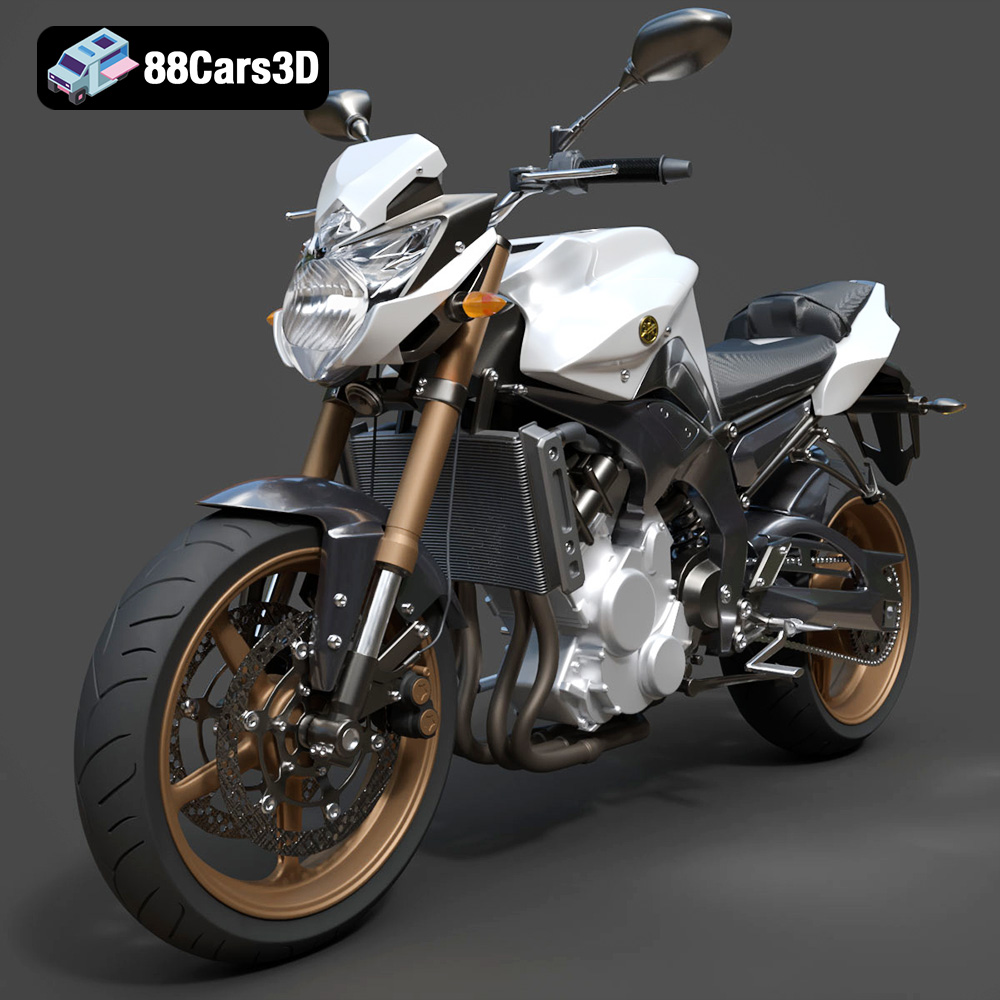
Yamaha FZ8 2011 3D Model
Texture: Yes
Material: Yes
Download the Yamaha FZ8 2011 3D Model featuring clean geometry, realistic detailing, and a fully modeled interior. Includes .blend, .fbx, .obj, .glb, .stl, .ply, .unreal, and .max formats for rendering, simulation, and game development.
Price: $19.99

Yamaha Stryker 2012 3D Model
Texture: Yes
Material: Yes
Download the Yamaha Stryker 2012 3D Model featuring clean geometry, realistic detailing, and a fully modeled interior. Includes .blend, .fbx, .obj, .glb, .stl, .ply, .unreal, and .max formats for rendering, simulation, and game development.
Price: $19.99
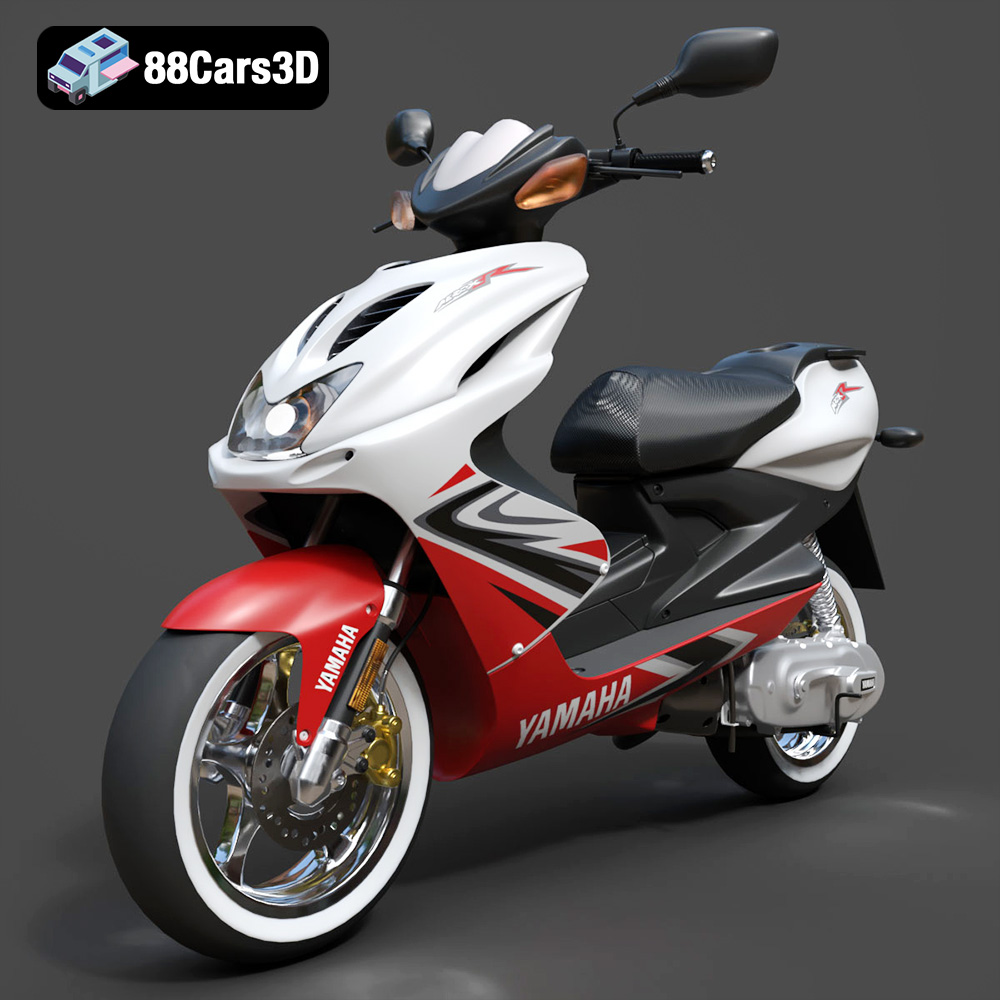
Yamaha Aerox R-002 2024 3D Model
Texture: Yes
Material: Yes
Download the Yamaha Aerox R-002 2024 3D Model featuring clean geometry, realistic detailing, and a fully modeled interior. Includes .blend, .fbx, .obj, .glb, .stl, .ply, .unreal, and .max formats for rendering, simulation, and game development.
Price: $19.99
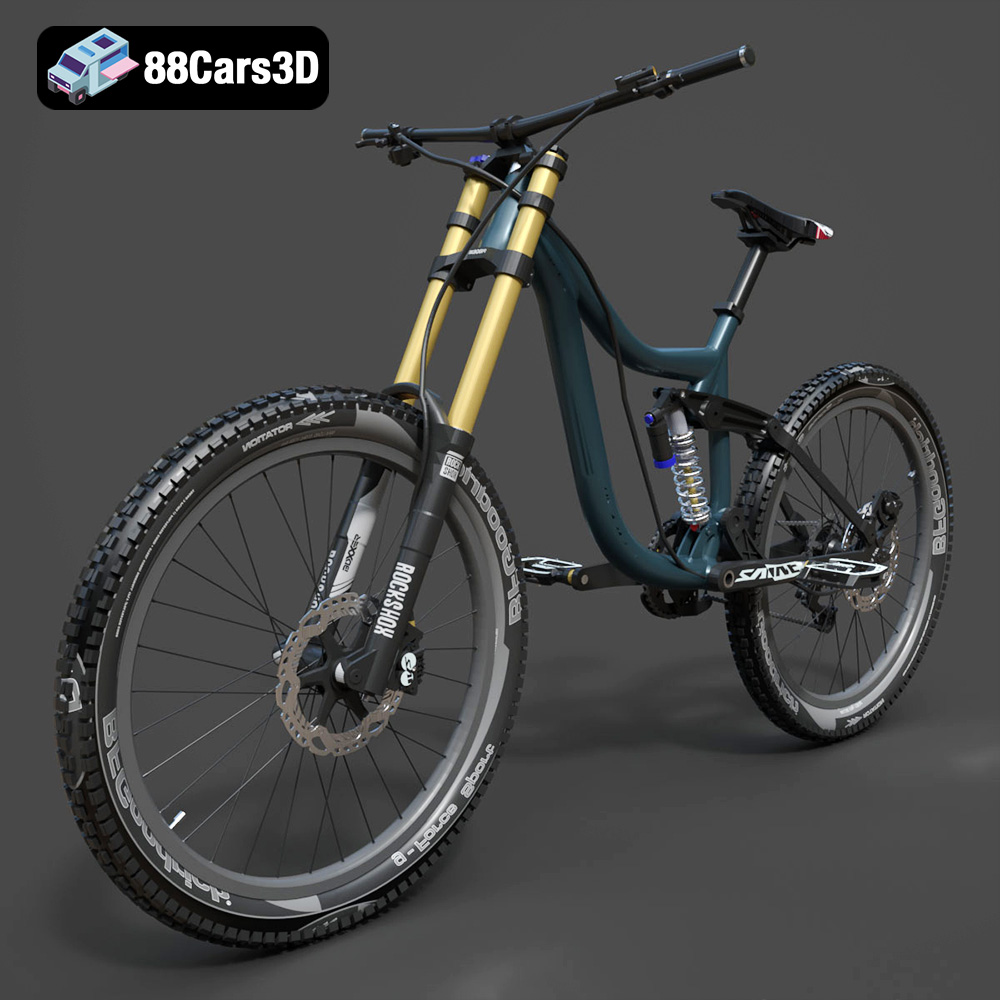
Mototsikly Downhill Bike-002 3D Model
Texture: Yes
Material: Yes
Download the Mototsikly Downhill Bike-002 3D Model featuring clean geometry, realistic detailing, and precise mechanical components. Includes .blend, .fbx, .obj, .glb, .stl, .ply, .unreal, and .max formats for rendering, simulation, and game development.
Price: $19.99
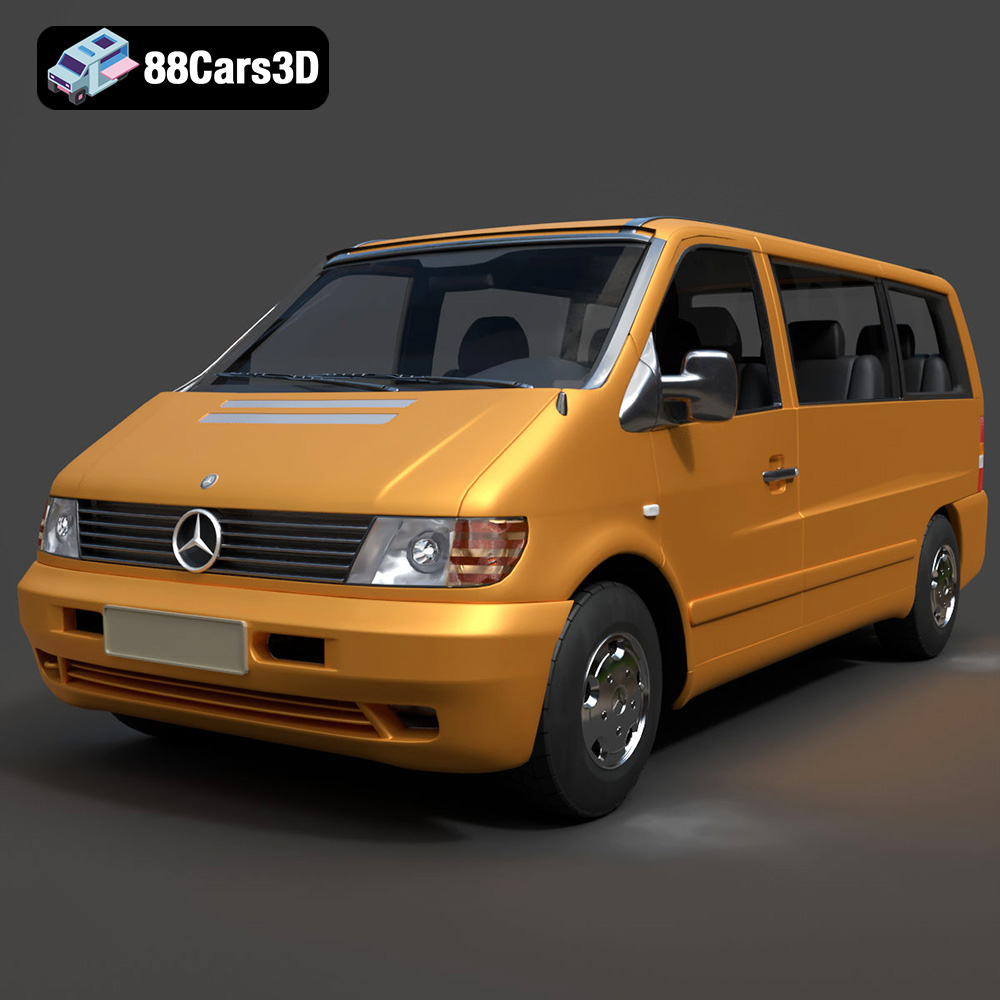
Mercedes-Benz Vito Passenger Van 3D Model
Texture: Yes
Material: Yes
Download the Mercedes-Benz Vito Passenger Van 3D Model featuring clean geometry, realistic detailing, and a fully modeled interior. Includes .blend, .fbx, .obj, .glb, .stl, .ply, .unreal, and .max formats for rendering, simulation, and game development.
Price: $19.99
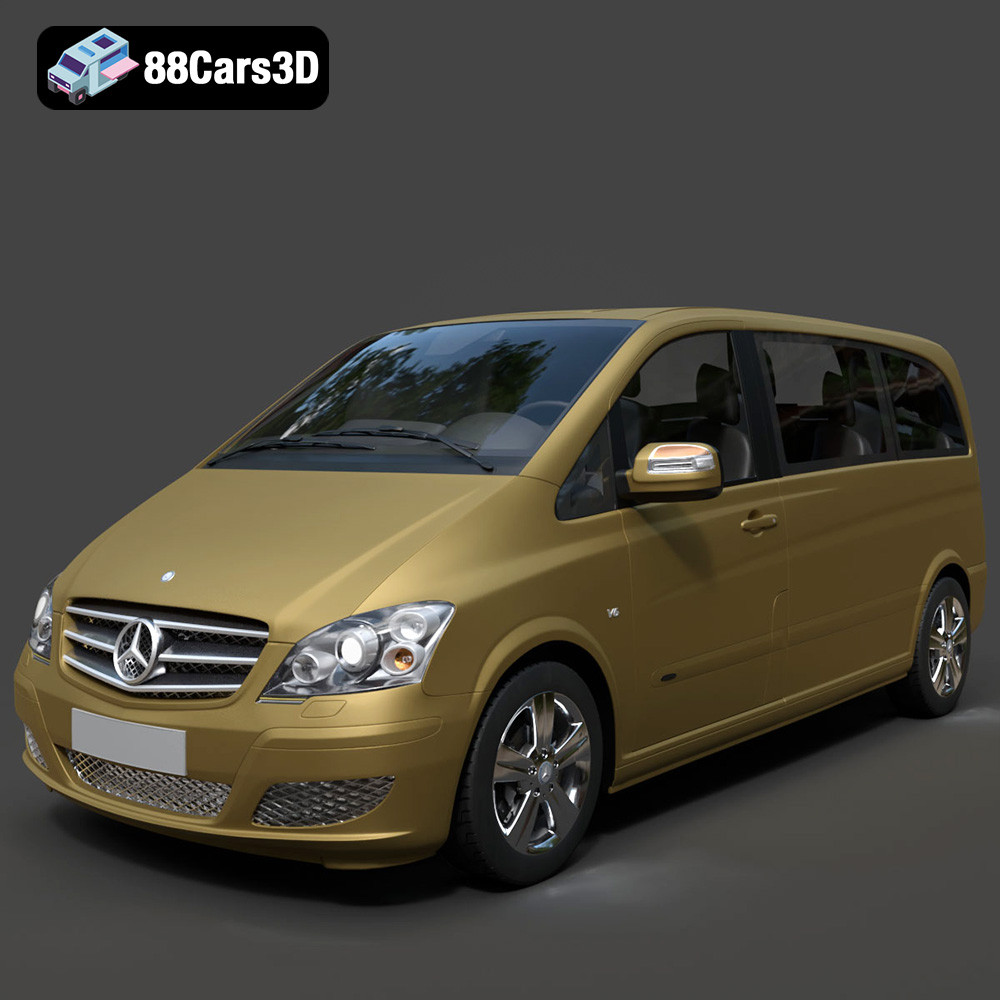
Mercedes-Benz Viano 2010 3D Model
Texture: Yes
Material: Yes
Download the Mercedes-Benz Viano 2010 3D Model featuring clean geometry, realistic detailing, and a fully modeled interior. Includes .blend, .fbx, .obj, .glb, .stl, .ply, .unreal, and .max formats for rendering, simulation, and game development.
Price: $19.99

Emt Avtobus 007 3D Model
Texture: Yes
Material: Yes
Download the Emt Avtobus 007 3D Model featuring clean geometry, realistic detailing, and a fully modeled interior. Includes .blend, .fbx, .obj, .glb, .stl, .ply, .unreal, and .max formats for rendering, simulation, and game development.
Price: $19.99
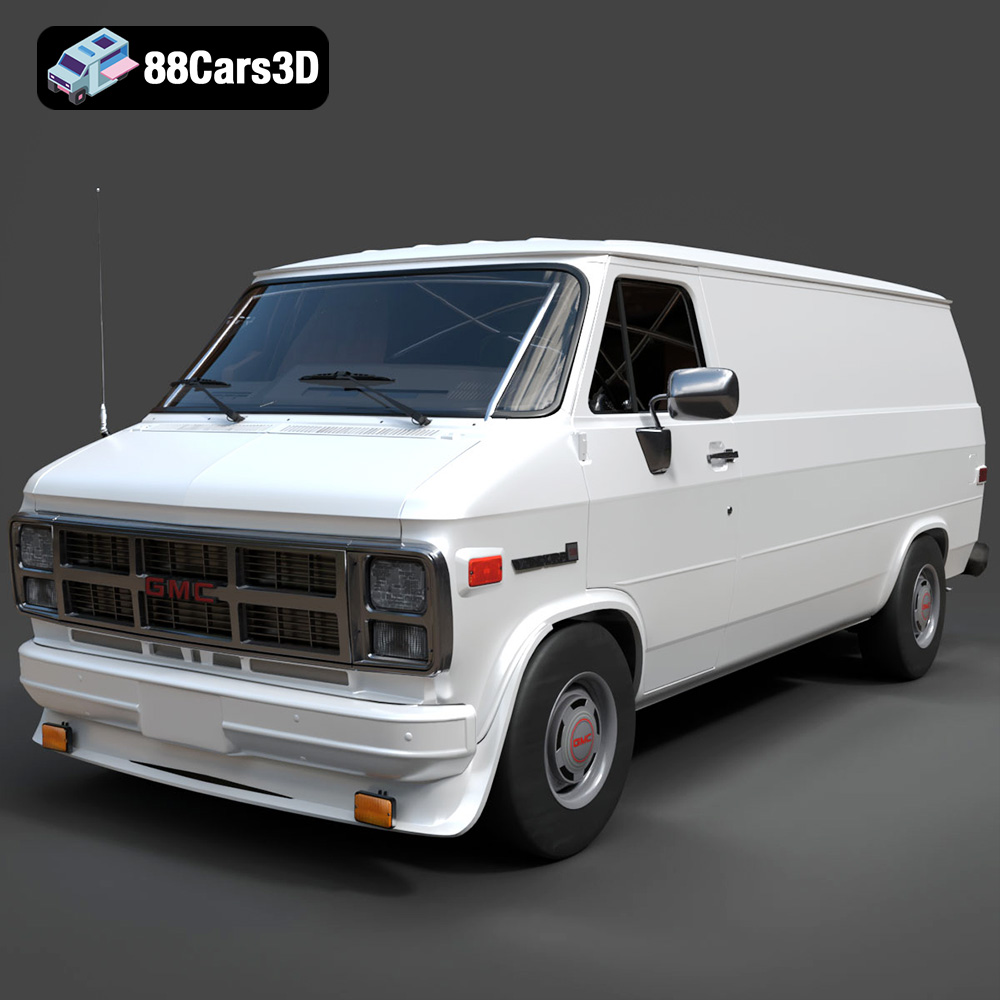
GMC Vandura G-1500 1983 3D Model
Texture: Yes
Material: Yes
Download the GMC Vandura G-1500 1983 3D Model featuring clean geometry, realistic detailing, and a fully modeled interior. Includes .blend, .fbx, .obj, .glb, .stl, .ply, .unreal, and .max formats for rendering, simulation, and game development.
Price: $19.99

Ford E-450 Ambulance 3D Model
Texture: Yes
Material: Yes
Download the Ford E-450 Ambulance 3D Model featuring clean geometry, realistic detailing, and a fully modeled interior. Includes .blend, .fbx, .obj, .glb, .stl, .ply, .unreal, and .max formats for rendering, simulation, and game development.
Price: $19.99

Fiat Ducato SWB-001 3D Model
Texture: Yes
Material: Yes
Download the Fiat Ducato SWB-001 3D Model featuring clean geometry, realistic detailing, and a fully modeled interior. Includes .blend, .fbx, .obj, .glb, .stl, .ply, .unreal, and .max formats for rendering, simulation, and game development.
Price: $19.99
