

The quest to create truly expansive, believable open worlds in video games and real-time visualization has long been a monumental challenge for developers. Imagine designing a vast metropolitan area for an automotive configurator, an intricate racing track spanning miles, or an entire digital landscape for an interactive simulation. Historically, managing these colossal environments within Unreal Engine involved complex level streaming setups, often leading to organizational hurdles, performance bottlenecks, and cumbersome collaborative workflows. However, with the introduction of the World Partition system in Unreal Engine 5, the paradigm shifted dramatically. This revolutionary system streamlines the creation and management of large open worlds, offering unprecedented scalability and efficiency.
For professionals in automotive visualization, game development, and architectural rendering, understanding and mastering World Partition is no longer optional – it’s essential. It enables the seamless integration of highly detailed assets, like the meticulously crafted 3D car models found on 88cars3d.com, into sprawling environments without compromising performance or artistic vision. This comprehensive guide will deep dive into the World Partition system, exploring its core functionalities, setup procedures, optimization strategies, and advanced workflows. We’ll examine how it facilitates the creation of breathtaking digital landscapes, allows for efficient team collaboration, and ultimately empowers developers to push the boundaries of real-time rendering for automotive applications and beyond.
The Evolution of Large World Management in Unreal Engine
Before World Partition, Unreal Engine primarily relied on a traditional level streaming system to manage large worlds. This involved manually segmenting a large map into smaller, individual levels that would be loaded and unloaded dynamically based on the player’s proximity. While effective for its time, this approach presented several significant challenges as projects grew in scope and complexity. Merging changes from different team members working on separate streamed levels could be fraught with conflicts, requiring meticulous coordination and often leading to lost work or integration headaches. Furthermore, the overhead of managing numerous individual level files and their streaming volumes could become a performance drain, especially for truly massive environments.
The demand for larger, more persistent worlds with higher fidelity assets – like the sophisticated vehicles sourced from platforms such as 88cars3d.com – necessitated a more robust and scalable solution. Game engines needed a system that could handle gigabytes of world data, allow for hundreds of concurrent users to collaborate, and maintain smooth runtime performance. World Partition emerged as Unreal Engine’s answer, representing a significant architectural overhaul designed from the ground up to address these modern challenges. It fundamentally changes how world data is stored, loaded, and managed, providing a more intuitive and powerful framework for constructing truly epic digital canvases.
Traditional Level Streaming vs. World Partition
The core distinction between traditional level streaming and World Partition lies in their approach to world data management. In traditional streaming, the world is broken down into multiple distinct .umap files, each representing a “sub-level.” These sub-levels are manually added to a persistent level, and their loading/unloading behavior is controlled by trigger volumes or Blueprint logic. This gave artists and designers granular control, but often at the cost of scalability and collaboration. Any changes to a sub-level required checking out that specific .umap file, making concurrent editing difficult and merge conflicts frequent.
World Partition, in contrast, treats the entire world as a single, contiguous .umap file. Instead of explicit sub-levels, it automatically divides the world into a grid of cells. Only the cells within a certain proximity to the player (or an editor camera) are loaded into memory, both at runtime and within the editor. This “one file” approach simplifies source control dramatically, as the system utilizes a feature called One-File-Per-Actor (OFPA). With OFPA, individual actors within the world are saved as separate .uasset files, rather than being embedded within the main world map file. This means multiple team members can modify different actors in the same world simultaneously without encountering constant merge conflicts in the main .umap file. For more details on this paradigm shift, Epic Games provides excellent resources on their Unreal Engine learning portal.
Core Principles and Advantages of World Partition
The fundamental principles guiding World Partition are automatic data management, scalability, and enhanced collaboration. By automating the grid-based partitioning and streaming of world cells, developers are freed from the manual overhead of managing numerous sub-levels. This automatic segmentation extends to hierarchical level of detail (HLODs) and generates them based on the grid structure, further optimizing performance. The system’s scalability is evident in its ability to support worlds spanning hundreds of square kilometers, far exceeding the practical limits of traditional streaming. It achieves this by only loading relevant data, significantly reducing memory footprint and improving editor performance when working on massive projects.
Key advantages include:
- Simplified Collaboration: With OFPA, multiple artists and designers can work on different parts of the same world simultaneously with minimal merge conflicts, boosting team productivity significantly.
- Automatic Streaming: The engine automatically streams in and out world cells based on proximity, eliminating the need for manual streaming volume setup.
- Optimized Performance: Reduced memory footprint and CPU overhead due to loading only relevant cells. This is crucial for maintaining high frame rates, especially when incorporating high-polygon assets like those from 88cars3d.com, which can be computationally intensive if not managed efficiently.
- Data Layers: A powerful system for organizing actors into logical groups, enabling artists to toggle visibility and loading state, ideal for managing different gameplay elements, environment variations, or specific visualization scenarios (e.g., showing different car models or interior configurations).
- HLOD Generation: Automated Hierarchical Level of Detail generation helps manage visual complexity and render cost for distant geometry, seamlessly integrating with the World Partition grid.
Setting Up Your Project with World Partition
Integrating World Partition into your Unreal Engine project is a straightforward process, whether you’re starting a new world from scratch or converting an existing one. The choice to use World Partition is typically made at the project creation stage, or can be toggled via a specific conversion tool. For anyone embarking on an ambitious open-world project, especially those involving intricate environments for automotive visualization or large-scale game maps, configuring World Partition correctly from the outset is paramount. It lays the groundwork for efficient content creation, collaborative workflows, and optimal runtime performance, ensuring that even the most detailed 3D car models from marketplaces like 88cars3d.com can be incorporated into vast, interactive landscapes without bringing the engine to its knees.
The system fundamentally changes how you perceive and interact with your world in the editor. Instead of seeing everything loaded at once (or relying on complex streaming setups), the editor view itself benefits from the streaming mechanism. Only the parts of the world you are actively viewing or working on are loaded, making navigation and editing within truly enormous maps far more responsive. This capability significantly enhances productivity when dealing with hundreds or thousands of assets spread across vast digital terrains, providing a much smoother user experience for both level designers and technical artists.
Converting Existing Worlds and Creating New Ones
When starting a new project in Unreal Engine 5, you’ll find templates like “Open World” that automatically enable World Partition. If you choose a different template, you can manually enable it by creating a new empty level and then navigating to Tools > Convert Level > Convert Level to World Partition. For existing projects built on traditional level streaming, the conversion process is equally accessible through the same menu. It’s a powerful tool that transforms your existing levels, consolidating all streamed sub-levels into a single persistent map file managed by World Partition. The tool handles the heavy lifting, migrating actors and their properties, and setting up the initial grid configuration.
Steps for New World:
- Create a New Project or Open an Existing One.
- Select File > New Level.
- Choose the Open World template or select Empty Level.
- If using Empty Level, save it, then go to Tools > Convert Level > Convert Level to World Partition.
- Ensure the “One File Per Actor” option is enabled in the World Settings for better collaboration.
Steps for Existing Level Conversion:
- Open your existing persistent level.
- Go to Tools > Convert Level > Convert Level to World Partition.
- A dialog will appear, listing all sub-levels that will be merged. Review and confirm.
- Save your new World Partition map. Optionally, delete the old sub-level files once confirmed the conversion was successful.
After conversion, your Content Browser might show new .uasset files for individual actors if OFPA was enabled. This is expected and central to the collaborative benefits of World Partition.
Understanding the Grid System and Streaming Strategy
At the heart of World Partition is its automatic grid-based system. The entire world is conceptually divided into a uniform grid of cells. These cells are the fundamental units of streaming. When a player (or camera in the editor) moves, the system determines which cells are within the active streaming distance and loads them. Conversely, cells that move out of range are unloaded. This dynamic loading and unloading ensures that only a manageable amount of data is present in memory at any given time, regardless of the overall world size.
You can configure the properties of this grid system in the World Settings panel. Key parameters include:
- Loading Range: Defines the maximum distance from the player where cells will be loaded. A larger range means more cells are loaded, potentially impacting performance but reducing pop-in.
- Streaming Grid Size: Determines the size of each individual cell. Smaller cells offer more granular streaming but might increase overhead for managing more individual cells. Larger cells reduce cell count but might stream in more unnecessary data.
- Cell Layer Streaming: Allows specific Data Layers to have their own streaming grids and ranges, offering fine-grained control for different types of content (e.g., a tight streaming range for props, a wider range for terrain).
The grid is not merely for runtime streaming; it’s also how the editor manages the world. When you open a World Partition map, only the cells around your editor viewport are loaded, making navigation in massive worlds remarkably fluid. This ensures that even when placing incredibly detailed assets like premium car models with complex PBR materials, the editor remains responsive, allowing for an efficient workflow. Understanding and configuring these grid parameters appropriately for your project’s scale and asset density is crucial for optimal performance both in the editor and at runtime.
Populating Your Open World: Asset Integration and Optimization
Populating a vast, open world with high-quality assets is where World Partition truly shines. The system empowers developers to integrate incredibly detailed geometry, sophisticated PBR materials, and complex interactable objects without being hampered by the traditional constraints of memory and performance. This is particularly relevant for automotive visualization, where the photorealism of vehicles and their surrounding environments is paramount. Utilizing advanced Unreal Engine features like Nanite and Lumen becomes even more effective within a World Partitioned world, as the system intelligently manages the loading and rendering of these demanding assets. For instance, when integrating a meticulously crafted 3D car model from a resource like 88cars3d.com, its high polygon count and rich textures are handled efficiently by Nanite and streamed dynamically by World Partition, ensuring breathtaking visuals without sacrificing performance.
The goal is to create immersive experiences, whether it’s an interactive showroom, a virtual test drive through a city, or a detailed cinematic sequence featuring a car in its natural habitat. World Partition ensures that the technical backbone supports these artistic aspirations by intelligently culling and streaming only what’s necessary, allowing artists to focus on content creation rather than intricate streaming logic. This capability extends to all forms of assets, from sprawling terrains and dense foliage to intricate architectural elements and dynamic lighting setups.
Integrating High-Fidelity 3D Car Models and Environments
When incorporating detailed assets like the 3D car models available on 88cars3d.com into a World Partitioned environment, several considerations come into play to ensure both visual fidelity and optimal performance. These models often feature clean topology, realistic PBR (Physically Based Rendering) materials, and high-resolution textures (e.g., 4K or 8K). World Partition seamlessly manages their placement and streaming, but utilizing Unreal Engine’s advanced rendering features is key to unlocking their full potential.
- Importing Models: Always import models using recommended formats like FBX or USD, ensuring correct scaling, pivot points, and smoothing groups. When sourcing automotive assets from marketplaces such as 88cars3d.com, you can expect professionally prepared files that are ready for Unreal Engine.
- PBR Material Setup: Create robust PBR materials in the Unreal Engine Material Editor. Use texture maps for Albedo (Base Color), Normal, Roughness, Metallic, Ambient Occlusion, and Emissive. Optimize texture resolutions; for distant objects, lower resolutions are acceptable, while hero assets like vehicles benefit from higher-res textures. Ensure materials are instanced to allow for easy variations (e.g., different paint colors, rim finishes) without creating duplicate material assets.
- Static Mesh Optimization: While Nanite largely negates traditional polygon limits, it’s still good practice to ensure your meshes are clean. For non-Nanite meshes (e.g., Skeletal Meshes for vehicle physics), generate appropriate Level of Detail (LODs) to reduce polygon count at a distance.
- Placement and Organization: Utilize Data Layers (discussed below) to organize your car models. For instance, you might have a “Car_Showroom” layer, a “Car_Traffic” layer, or layers for different vehicle variants. This allows for easy toggling and management, especially in complex configurator scenarios or for virtual production with multiple vehicles.
The robust import pipeline of Unreal Engine, combined with World Partition’s streaming capabilities, ensures that even scenes featuring dozens of highly detailed vehicles, each with hundreds of thousands of polygons and multiple material slots, can be managed and rendered efficiently. Remember to consult the official Unreal Engine documentation for detailed guides on importing 3D assets and creating PBR materials.
Leveraging Nanite and Lumen for Visual Fidelity in Large Worlds
Nanite and Lumen are game-changers for visual fidelity within World Partitioned environments, especially for complex geometry like detailed car models and intricate environments. They allow artists to create visually stunning worlds without the traditional performance trade-offs.
- Nanite Virtualized Geometry: Nanite allows for the direct import of film-quality source art, meaning assets with millions or even billions of polygons can be used without needing to generate LODs manually. When you import a high-fidelity car model from 88cars3d.com, simply enable Nanite on its static meshes. Nanite intelligently culls and streams only the necessary triangles at pixel-level granularity, ensuring that even extremely high-poly models render efficiently. In a World Partition setup, Nanite meshes are automatically integrated into the streaming grid, further optimizing their loading and unloading as the player moves through the world. This is crucial for maintaining real-time performance in vast environments densely populated with detailed objects.
- Lumen Global Illumination: Lumen provides dynamic global illumination and reflections in real-time, completely transforming the lighting quality of open worlds. With Lumen, light bounces naturally off surfaces, creating incredibly realistic ambient light and reflections. This is particularly impactful for automotive visualization, where accurate reflections on car paint, chrome, and glass are vital for photorealism. Lumen works seamlessly with World Partition; as cells are streamed in, their lighting is dynamically updated, providing consistent and believable illumination across the entire vast environment. Combined with physically accurate PBR materials, Lumen makes high-fidelity car models truly shine within any scene, from bustling cityscapes to serene natural landscapes.
The synergy between World Partition, Nanite, and Lumen is what enables Unreal Engine 5 to deliver next-generation visual experiences in open worlds, making high-fidelity automotive visualization and game development more accessible and performant than ever before.
Data Layers for Scene Organization and Workflow Efficiency
Data Layers are an indispensable feature of World Partition, providing a robust framework for organizing actors within your vast world. Unlike traditional level streaming where content was segregated into separate .umap files, Data Layers allow you to logically group actors within the *same* World Partition map. This enables precise control over visibility, loading state, and even streaming behavior for different categories of content, both in the editor and at runtime.
Consider an automotive visualization project: you might want to switch between different car models, toggle various environmental props (e.g., traffic cones, advertising billboards), or even enable/disable entire sections of a city for specific presentation purposes. Data Layers make this incredibly efficient. For example, you could create:
- “Car_Model_A” Data Layer: Containing all meshes and interactive elements for a specific vehicle.
- “Road_Traffic” Data Layer: Holding all AI vehicles, traffic lights, and road signage.
- “Interior_Details” Data Layer: For high-fidelity interior components of a car model, which only need to be loaded when the camera is inside the vehicle.
- “Day_Lighting” and “Night_Lighting” Data Layers: To easily swap between different time-of-day lighting setups.
In the editor, you can activate or deactivate Data Layers through the World Partition tab, instantly showing or hiding vast sections of your world, which greatly improves editor performance and organization. At runtime, Data Layers can be activated or deactivated via Blueprint or C++ code, allowing for dynamic content loading based on gameplay events, user choices in a configurator, or cinematic requirements. This level of control is essential for creating complex, interactive experiences within large worlds, ensuring that only necessary assets are loaded, thus optimizing memory usage and performance.
Optimizing Performance in World Partitioned Environments
While World Partition inherently optimizes large world management by streamlining streaming and collaboration, achieving peak performance still requires a strategic approach to asset creation and engine feature utilization. Building a vast, visually rich environment for real-time applications – be it a next-gen open-world game or a high-fidelity automotive configurator – demands careful consideration of every asset’s impact on the rendering pipeline. This is especially true when integrating complex geometry like the detailed 3D car models from 88cars3d.com, which, despite Nanite’s capabilities, still contribute to the overall scene complexity. Effective optimization in a World Partitioned world centers around intelligent culling, strategic LOD generation, and efficient data handling, ensuring that only the most relevant visual information is processed at any given moment.
The goal is to deliver a smooth, responsive experience across target hardware specifications, maintaining high frame rates and minimizing visual artifacts like pop-in. This involves leveraging Unreal Engine’s built-in optimization tools and understanding how they interact with World Partition’s streaming mechanism. From fine-tuning rendering settings to implementing sophisticated culling strategies, every decision plays a role in the final performance profile of your expansive digital world.
Hierarchical Level of Detail (HLODs) and Auto-Generation
Hierarchical Level of Detail (HLODs) are crucial for optimizing performance in large open worlds, even with Nanite. While Nanite efficiently handles individual high-poly meshes, HLODs optimize clusters of meshes at a distance. Instead of rendering individual trees, rocks, and buildings in the far distance, HLODs combine them into a single, much simpler mesh, reducing draw calls and vertex counts significantly. World Partition integrates seamlessly with HLODs, offering automated generation capabilities.
To configure HLODs in World Partition:
- Navigate to Window > World Partition > HLOD Outliner.
- In the HLOD Outliner, select the specific streaming grids or Data Layers you want to generate HLODs for.
- Click Build HLODs. The engine will process the selected areas, generating simplified proxy meshes and materials.
Unreal Engine offers various HLOD types:
- Merge Actors: Combines multiple static meshes into a single mesh and material.
- Instancing: Ideal for repetitive assets like trees or foliage, using hardware instancing to reduce draw calls.
- Mesh Approximation: Generates a simplified mesh from a complex cluster, ideal for distant terrain or buildings.
- Cluster Mesh: Creates a single mesh with a simplified collision, useful for large, static elements.
The HLOD system in World Partition automatically determines when to switch between the full-detail meshes and their generated HLOD proxies based on distance. This ensures that distant parts of your world are rendered with minimal overhead, while areas closer to the camera retain full fidelity, crucial for maintaining high frame rates when integrating complex visual content like highly detailed car models from 88cars3d.com into vast environments. Regular regeneration of HLODs is recommended as the world evolves during development.
Runtime Performance Considerations: Streaming and Culling
Effective runtime performance in a World Partitioned environment hinges on efficient streaming and intelligent culling. Although the system automates much of this, developers still have control over key parameters that influence memory usage and CPU/GPU load.
- World Partition Streaming Settings: In your World Settings, adjust the Loading Range and Cell Size. A smaller loading range means fewer cells are loaded, reducing memory, but potentially increasing pop-in. Experiment to find the balance for your project. Consider using different loading ranges for specific Data Layers if some content needs to be visible further than others (e.g., distant mountains vs. nearby props).
- Frustum Culling and Occlusion Culling: Unreal Engine’s built-in frustum culling (objects outside the camera’s view are not rendered) and occlusion culling (objects hidden behind others are not rendered) are fundamental. World Partition enhances these by working at the cell level. Ensure your level geometry has proper collision to facilitate effective occlusion culling.
- LODs for Non-Nanite Meshes: While Nanite handles static meshes efficiently, skeletal meshes (like animated characters or vehicle components with physics) still require traditional LODs. Manually generating or utilizing automated LOD generation within the Static Mesh Editor is vital. For realistic vehicle physics, the chassis and other dynamic components of 3D car models from 88cars3d.com should be properly set up with appropriate collision and LODs for optimal performance.
- Texture Streaming: Configure texture streaming pools to ensure high-resolution textures are loaded only when needed. Adjust the Texture Pool Size in Project Settings.
- Draw Call Optimization: Reduce draw calls by using instanced static meshes for repetitive objects (foliage, rocks, modular buildings). World Partition’s HLODs also contribute significantly to reducing draw calls at a distance.
- Profiling Tools: Regularly use Unreal Engine’s profiling tools (e.g., Stat Unit, Stat GPU, Stat Streaming) to identify performance bottlenecks. This iterative process of profiling, identifying, and optimizing is essential for large-scale projects.
By carefully managing these aspects, you can ensure that your World Partitioned environment delivers a smooth and immersive experience, even with the most demanding visuals.
Data Layers for Performance and Iteration
Beyond organizational benefits, Data Layers are powerful tools for performance optimization and accelerating iteration cycles. By associating specific content with Data Layers, developers can control what is loaded and rendered at specific times, both in the editor and at runtime. This granular control has a direct impact on performance and productivity.
- Editor Performance: When working on a specific area of a massive map, you can deactivate Data Layers containing irrelevant content (e.g., distant cities, dense forests) to significantly reduce the editor’s memory footprint and improve viewport responsiveness. This is invaluable when iterating on a highly detailed car model in a small section of a huge world.
- Runtime Optimization: Data Layers can be activated or deactivated dynamically via Blueprint or C++ at runtime. This allows you to implement context-sensitive loading. For example, if a player enters a dense urban area, you might activate a “City_Details” Data Layer, and when they leave, deactivate it. For automotive configurators, you could have different car trims or accessory packages on separate Data Layers, only loading them when selected by the user, thereby saving memory and improving initial load times.
- Collaborative Efficiency: Data Layers can be checked out independently, reducing merge conflicts. A level designer can work on “Gameplay_Props” while an environment artist simultaneously works on “Foliage” without stepping on each other’s toes in the same world file. This collaborative power significantly speeds up development cycles for large teams.
- Scenario Management: For cinematic sequences or interactive demos, Data Layers enable quick switching between different environmental states. Imagine having “Rainy_Weather” and “Sunny_Weather” Data Layers that toggle atmospheric effects, puddles, and reflective material parameters. This allows for rapid iteration and presentation of diverse scenarios.
Effectively using Data Layers is a cornerstone of professional World Partition workflows, allowing for highly optimized, organized, and collaborative development of sprawling open worlds, a critical advantage when integrating high-quality assets like those from 88cars3d.com.
Advanced Workflows and Collaborative Development
World Partition not only simplifies the management of expansive worlds but also fundamentally redefines collaborative workflows within Unreal Engine. Its architecture is built to facilitate simultaneous development by large teams, making it an indispensable tool for ambitious projects in game development, virtual production, and high-fidelity visualization. Beyond the basics, mastering advanced features like One-File-Per-Actor (OFPA) and integrating Blueprint scripting allows for dynamic, interactive experiences within these vast environments. For automotive visualization, this means building incredibly complex, interactive car configurators or virtual test drives where multiple artists, designers, and engineers can work concurrently on different aspects of the same persistent world, leading to faster iteration and higher quality output.
The system’s design fosters an environment where creativity can flourish without being hindered by technical limitations or merge conflicts. By understanding how to leverage these advanced workflows, teams can maximize their productivity, ensuring that detailed assets, such as the premium 3D car models from 88cars3d.com, are integrated smoothly and efficiently into a cohesive, performant, and visually stunning open world.
One-File-Per-Actor (OFPA) and Source Control Best Practices
One-File-Per-Actor (OFPA) is a cornerstone of World Partition’s collaborative power. Traditionally, all actors within a level were saved within the single .umap file. This meant that if two artists edited different actors in the same level, a merge conflict would occur when checking into source control, often requiring manual resolution or one person’s work being overwritten. OFPA solves this by saving each individual actor as its own .uasset file (e.g., MyCarMesh_001.uasset, StreetLight_002.uasset), separate from the main .umap world file. The .umap file itself primarily stores the references to these individual actor assets and the World Partition grid data.
Benefits of OFPA:
- Reduced Merge Conflicts: Since individual actors are separate files, multiple team members can modify different actors simultaneously without conflicting on the main world file. Conflicts are limited to cases where two people try to modify the exact same actor.
- Streamlined Source Control: Checking out and checking in specific actors becomes much easier and faster. This is especially beneficial for large projects using Perforce, Git LFS, or other robust source control systems.
- Faster Iteration: Artists can quickly make changes to specific assets and commit them without affecting other parts of the world being worked on by colleagues.
Best Practices for OFPA and Source Control:
- Enable OFPA: Ensure “One File Per Actor” is enabled in your World Settings when using World Partition.
- Consistent Naming Conventions: Maintain clear and consistent naming conventions for actors and their corresponding OFPA assets to keep the Content Browser organized.
- Check Out Only What You Need: Use the “Check Out” functionality directly from the World Outliner for specific actors you’re modifying.
- Sync Regularly: Encourage team members to sync their local workspaces frequently to pull down the latest changes from others.
- Utilize Data Layers: As discussed, Data Layers can further enhance collaboration by allowing teams to work on distinct content sets within the same world, potentially reducing overlaps.
This approach allows a team of artists, level designers, and vehicle specialists to simultaneously populate a vast open world with elements like architectural structures, environmental props, and intricate 3D car models from 88cars3d.com, dramatically improving productivity and reducing friction in collaborative development.
Using Blueprint for Dynamic World Interactions
Blueprint visual scripting in Unreal Engine remains an incredibly powerful tool for adding dynamic and interactive elements to your World Partitioned environments. It allows designers and technical artists to create complex behaviors without writing a single line of C++ code. In large open worlds, Blueprint can be used to manage everything from dynamic events and interactive objects to complex gameplay mechanics and custom streaming logic for Data Layers.
- Dynamic Data Layer Management: Blueprints can be used to activate or deactivate Data Layers based on player proximity, specific events, or user input. For example, in an automotive configurator, selecting an “Off-Road Package” could trigger a Blueprint to activate a Data Layer containing off-road tires, lifted suspension, and a specific terrain section.
- Interactive Elements: Create interactive elements such as opening car doors, operating vehicle lights, or triggering custom animations for assets from 88cars3d.com. Blueprints can listen for player input, trigger Sequencer cinematics, or even modify material parameters dynamically (e.g., changing car paint color).
- World Events and Gameplay: Implement custom events that occur in specific areas of the world, such as dynamic weather changes, AI spawning, or quest triggers. Blueprints can interact with the World Partition grid by querying player location and triggering actions based on loaded cells.
- Performance-Aware Logic: Design your Blueprints to be performance-aware. For instance, avoid heavy computations on Tick events, especially for actors that might be present in large numbers or frequently streamed in. Leverage event-driven logic and ensure that complex operations are optimized.
Blueprint’s accessibility makes it invaluable for quickly prototyping and implementing interactive features within a World Partitioned environment, empowering a broader range of team members to contribute to the dynamic aspects of your expansive digital worlds.
Virtual Production and Large-Scale Automotive Visualization
World Partition is particularly transformative for virtual production (VP) and large-scale automotive visualization projects. In VP, which often involves LED volumes and real-time compositing, the ability to render massive, high-fidelity environments is critical. World Partition delivers this by enabling environments that are visually indistinguishable from reality, supporting demanding features like Nanite and Lumen, and managing the sheer volume of data required for such productions.
- LED Wall Workflows: For LED volume stages, World Partition ensures that the background environment streamed to the LED wall is consistent and highly detailed, regardless of its scale. This creates an immersive experience for actors and allows filmmakers to place virtual vehicles (from 88cars3d.com) into dynamic, believable settings. The ability to dynamically load/unload sections of the world with Data Layers allows for rapid scene changes without reloading entire levels, improving efficiency on set.
- Cinematic Content with Sequencer: Unreal Engine’s Sequencer is used to create stunning cinematic sequences. With World Partition, you can stage complex car chases, product reveals, or architectural walkthroughs within truly massive environments. Sequencer tracks can control Data Layer activation, vehicle animations (skeletal meshes and physics from 88cars3d.com models), camera movements, and dynamic lighting changes, all within a single, continuously streaming world. This eliminates the need to cut scenes into multiple sub-levels, simplifying production.
- Interactive Automotive Configurator: For creating highly detailed interactive configurators, World Partition provides the scalability to build entire virtual showrooms or test drive environments. Users can explore different car models, customize paint, interiors, and accessories, and even drive the vehicles in a vast, open world, all rendered in real-time. Data Layers are perfect for managing different customization options, only loading relevant parts of the car or environment as the user makes choices.
- AR/VR Optimization: For AR/VR applications in automotive design review or interactive training, World Partition helps manage the high performance demands. By loading only necessary cells and combining with Nanite’s efficiency and careful LOD management for VR-specific assets, it’s possible to achieve the high frame rates (e.g., 90 FPS per eye) required for comfortable VR experiences, even with highly detailed car models.
The combination of World Partition’s scalable architecture with Unreal Engine’s rendering capabilities positions it as the premier tool for next-generation virtual production and automotive visualization, allowing creative professionals to realize their most ambitious visions.
Troubleshooting and Best Practices for World Partition
While World Partition dramatically simplifies large world development, like any powerful system, it comes with its own set of nuances and potential pitfalls. Understanding common challenges and adhering to best practices can save countless hours of troubleshooting and ensure a smooth development pipeline. From optimizing editor performance to debugging runtime streaming issues, a proactive approach to managing your World Partitioned world is key to success. This is particularly relevant when working with a rich ecosystem of detailed assets, where even small inefficiencies can compound across a vast environment. Ensuring that high-quality assets, such as those from 88cars3d.com, are integrated correctly within the World Partition framework prevents unexpected issues and maximizes their visual impact and performance.
Adopting a disciplined workflow and leveraging Unreal Engine’s diagnostic tools will help mitigate many common problems. Regularly reviewing project settings, consistently monitoring performance, and staying informed about the latest engine updates are all part of maintaining a healthy and efficient open-world project. Ultimately, the goal is to create a robust and scalable environment that allows creative vision to be realized without being bogged down by technical complexities.
Common Challenges and Solutions
Working with World Partition can sometimes present unique challenges, but most have straightforward solutions:
- Pop-in Issues (Runtime):
- Challenge: Assets visibly pop into existence as the player moves, breaking immersion.
- Solution: Increase the
Loading Rangein World Settings to load cells further away. Experiment withCell Size; smaller cells can offer more granular streaming but may increase overhead if too small. AdjustStreaming Distancefor specific actors in their details panel if they need to be visible from very far away (e.g., giant landmarks). Ensure HLODs are correctly generated and configured to smooth transitions for distant geometry.
- Editor Lag and Unresponsiveness:
- Challenge: The editor becomes slow or unresponsive, especially when navigating or editing.
- Solution: Deactivate irrelevant Data Layers in the World Partition panel to reduce the number of loaded actors. Ensure HLODs are generated for complex distant geometry. Regularly save and restart the editor. Use the
Stat UnitandStat GPUcommands to identify bottlenecks. Make sure “One File Per Actor” is enabled to reduce the main map file’s complexity.
- Merge Conflicts in Source Control:
- Challenge: Frequent merge conflicts when multiple team members work on the same world.
- Solution: Verify that “One File Per Actor” is enabled. Encourage developers to only check out the specific actors they are modifying rather than the entire world file. Utilize Data Layers to partition work among different team members. Implement clear communication protocols within the team for areas of active development.
- Incorrect HLOD Generation:
- Challenge: HLODs appear low quality, have visual glitches, or don’t generate correctly.
- Solution: Review HLOD settings in the Project Settings (
HLOD System). Ensure appropriate HLOD generation types are chosen for different asset types. For instance, Mesh Approximation might be better for complex buildings, while Merge Actors works well for small props. Adjust theHLOD Transition Distance. Ensure source meshes have clean UVs for texture baking. Rebuild HLODs after significant changes to the world.
- Asset Placement and Scale Issues:
- Challenge: Assets appear too large/small, or incorrect collision/physics.
- Solution: Standardize asset scales during import. For models from 88cars3d.com, check the documentation for recommended import scales. Ensure consistent unit scales in your modeling software and Unreal Engine (usually 1 Unreal Unit = 1 cm). Verify physics assets for vehicles are correctly set up, especially for complex car models that might have multiple moving parts or specific collision requirements for interactive driving experiences.
Essential Tips for Efficient World Building
To maximize the benefits of World Partition and create truly scalable, performant open worlds, consider these essential tips:
- Plan Your World Grid: Before you start building, decide on a logical
Cell SizeandLoading Range. Consider your world’s scale, density, and target platforms. For instance, a small, dense urban environment might benefit from smaller cells, while a vast, sparse wilderness might use larger cells. - Strategic Data Layer Usage: Plan your Data Layers from the beginning. Group assets logically (e.g., “Terrain,” “Foliage,” “Buildings_Residential,” “Buildings_Commercial,” “Interactive_Props,” “Car_Showroom”). Use Data Layers to manage different game modes, cinematic sequences, or performance profiles. This granular control is invaluable for a project involving diverse components like those found on 88cars3d.com.
- Embrace Nanite: For static meshes, especially highly detailed ones like vehicle bodies, enable Nanite whenever possible. It drastically reduces polygon budgeting concerns and simplifies LOD management for artists, allowing for higher fidelity without performance penalties. Remember that Nanite works best for opaque meshes.
- Leverage Lumen: Configure Lumen for dynamic global illumination. It adds incredible realism to your environments and car models with minimal setup, but understand its performance cost and optimize your scene accordingly (e.g., limit overly complex material shaders).
- Consistent Asset Pipelines: Establish clear guidelines for asset creation, including naming conventions, texture resolutions, material setup (PBR), and LOD strategies (for non-Nanite meshes). This consistency is vital for maintaining performance and a unified visual style across a large team and world.
- Regularly Profile and Optimize: Don’t wait until the end of the project. Continuously profile your world’s performance in the editor and at runtime using Unreal Engine’s built-in tools (e.g., Stat Unit, Stat GPU, Stat Streaming, Insights). Address bottlenecks early and iteratively.
- Source Control Discipline: Enforce strict source control practices, especially with OFPA. Always check out assets before modifying them, and submit changes frequently to minimize merge conflicts.
- Automate Where Possible: Utilize Blueprint or Python scripting to automate repetitive tasks like mass asset placement, data validation, or specific HLOD generation rules.
- Stay Updated: The World Partition system continues to evolve. Keep your Unreal Engine version updated and review official Epic Games documentation and release notes for new features, bug fixes, and best practices.
Conclusion
The World Partition system in Unreal Engine 5 represents a monumental leap forward in the creation and management of large open worlds. It liberates developers from the complex, often frustrating, limitations of traditional level streaming, opening up new possibilities for scale, visual fidelity, and collaborative efficiency. For professionals in game development, virtual production, and especially automotive visualization, understanding and leveraging World Partition is now critical to building cutting-edge, immersive experiences.
By automatically streaming and managing vast amounts of data, intelligently integrating features like Nanite and Lumen, and fostering unparalleled collaborative workflows through One-File-Per-Actor and Data Layers, World Partition empowers teams to populate sprawling digital landscapes with incredibly detailed assets. Whether you’re crafting an expansive urban environment for an interactive car configurator, a boundless natural setting for an adventure game, or a photorealistic backdrop for a virtual production, World Partition provides the robust framework needed to bring your most ambitious visions to life. It ensures that high-quality assets, like the meticulously crafted 3D car models available on 88cars3d.com, can shine in any large-scale environment, delivering breathtaking realism and smooth real-time performance.
Embrace World Partition, master its intricacies, and you’ll unlock the true potential of Unreal Engine to build worlds without limits, pushing the boundaries of what’s possible in real-time rendering and interactive content creation.
Featured 3D Car Models
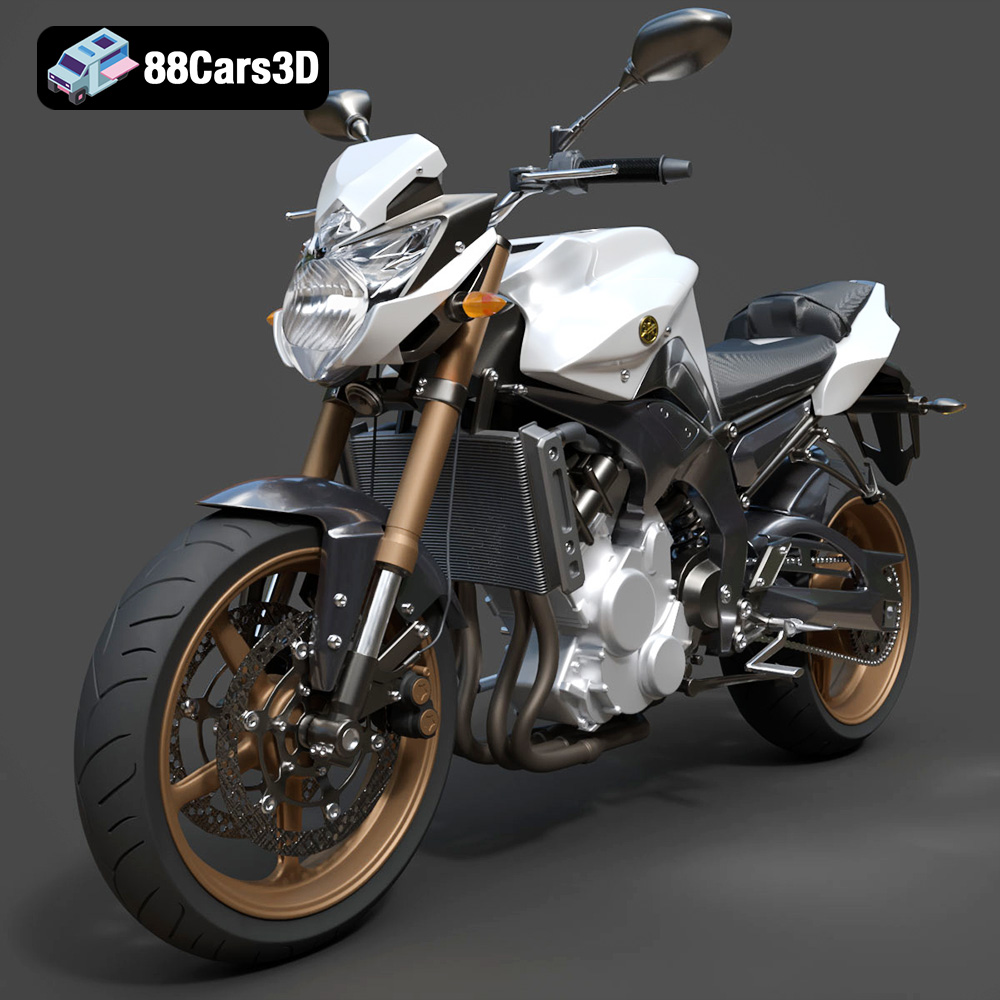
Yamaha FZ8 2011 3D Model
Texture: Yes
Material: Yes
Download the Yamaha FZ8 2011 3D Model featuring clean geometry, realistic detailing, and a fully modeled interior. Includes .blend, .fbx, .obj, .glb, .stl, .ply, .unreal, and .max formats for rendering, simulation, and game development.
Price: $19.99
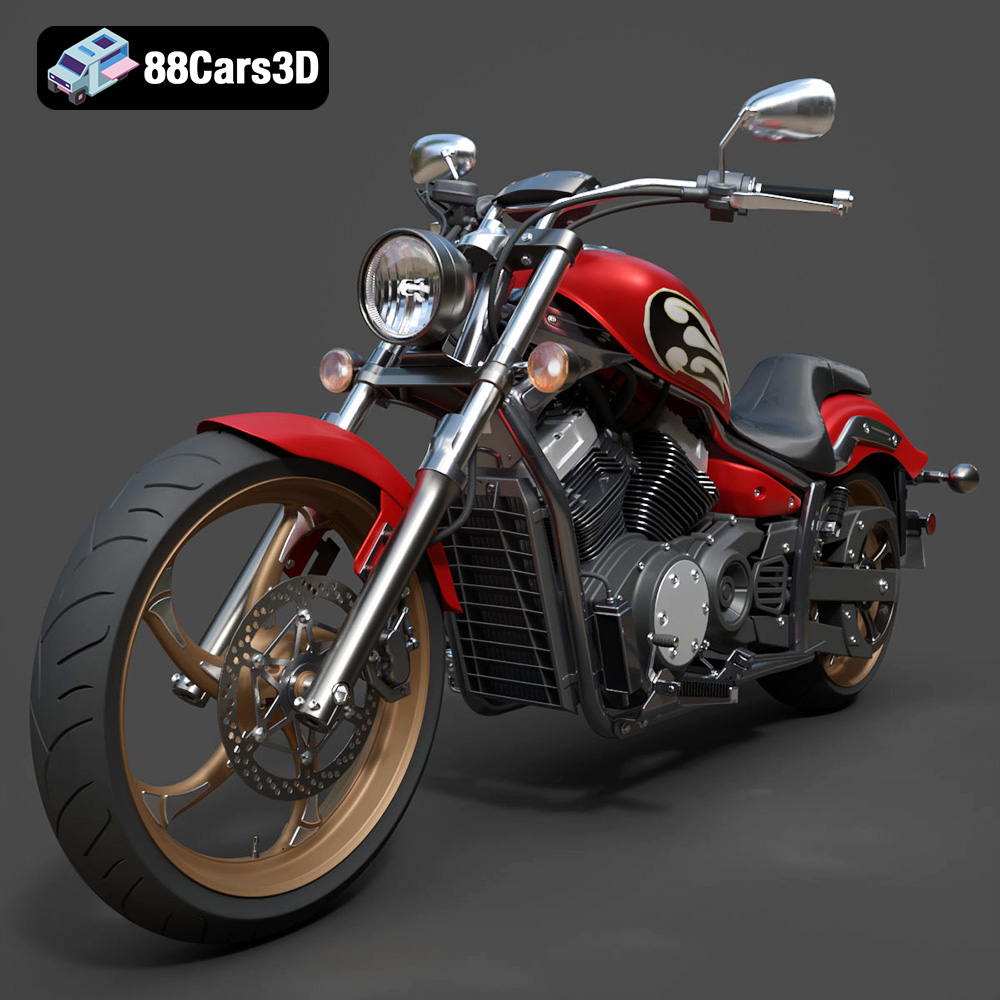
Yamaha Stryker 2012 3D Model
Texture: Yes
Material: Yes
Download the Yamaha Stryker 2012 3D Model featuring clean geometry, realistic detailing, and a fully modeled interior. Includes .blend, .fbx, .obj, .glb, .stl, .ply, .unreal, and .max formats for rendering, simulation, and game development.
Price: $19.99
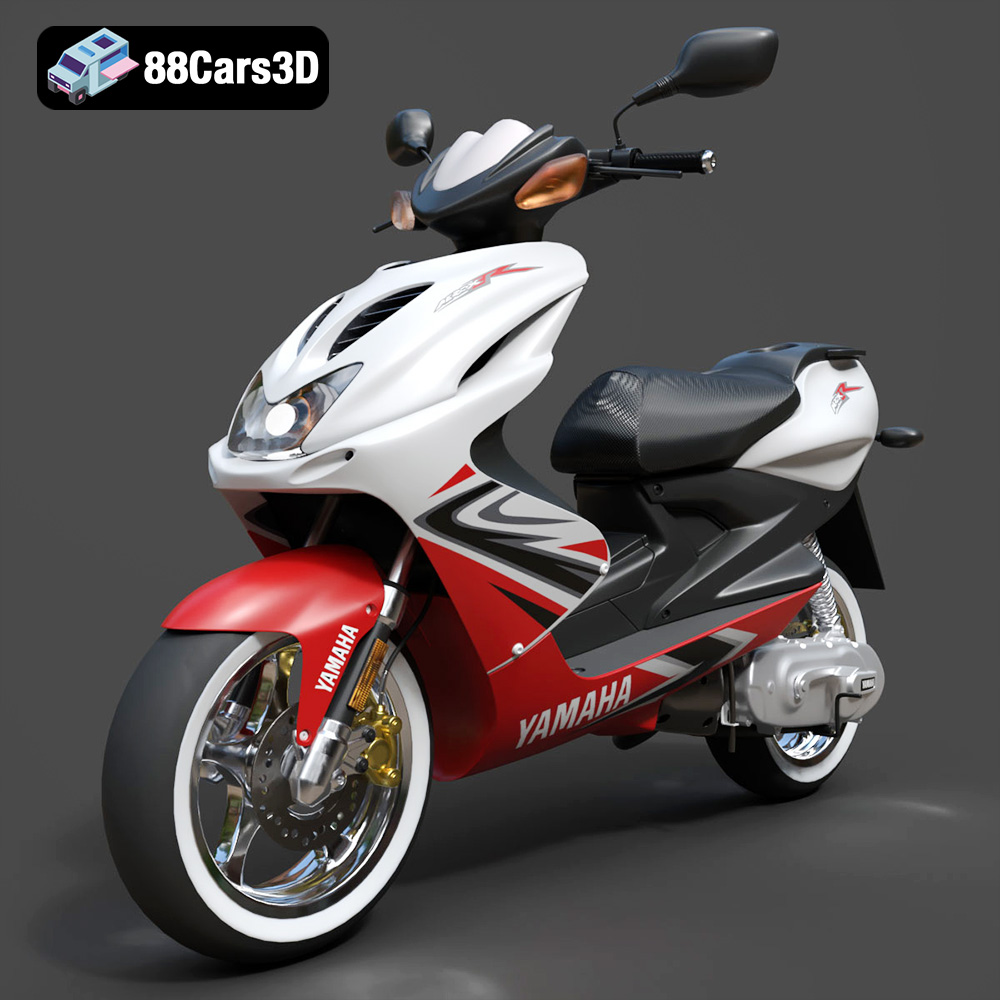
Yamaha Aerox R-002 2024 3D Model
Texture: Yes
Material: Yes
Download the Yamaha Aerox R-002 2024 3D Model featuring clean geometry, realistic detailing, and a fully modeled interior. Includes .blend, .fbx, .obj, .glb, .stl, .ply, .unreal, and .max formats for rendering, simulation, and game development.
Price: $19.99
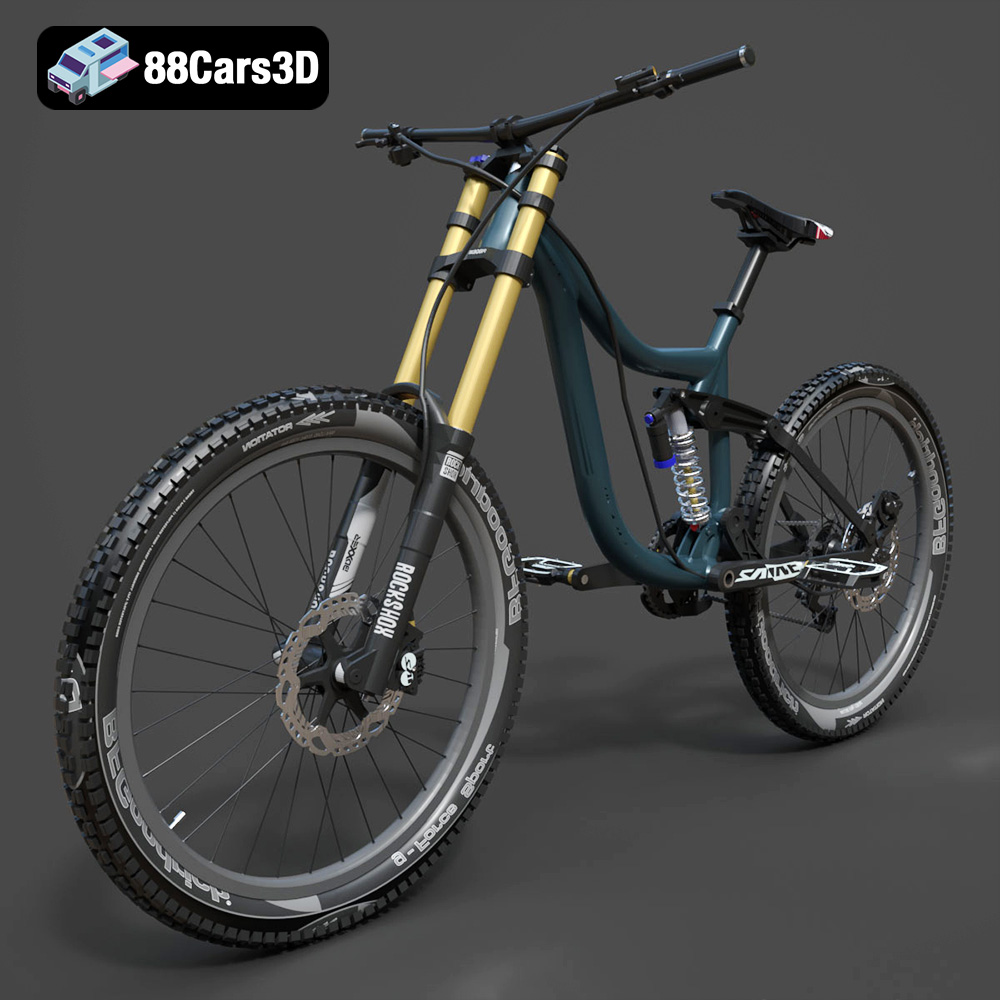
Mototsikly Downhill Bike-002 3D Model
Texture: Yes
Material: Yes
Download the Mototsikly Downhill Bike-002 3D Model featuring clean geometry, realistic detailing, and precise mechanical components. Includes .blend, .fbx, .obj, .glb, .stl, .ply, .unreal, and .max formats for rendering, simulation, and game development.
Price: $19.99
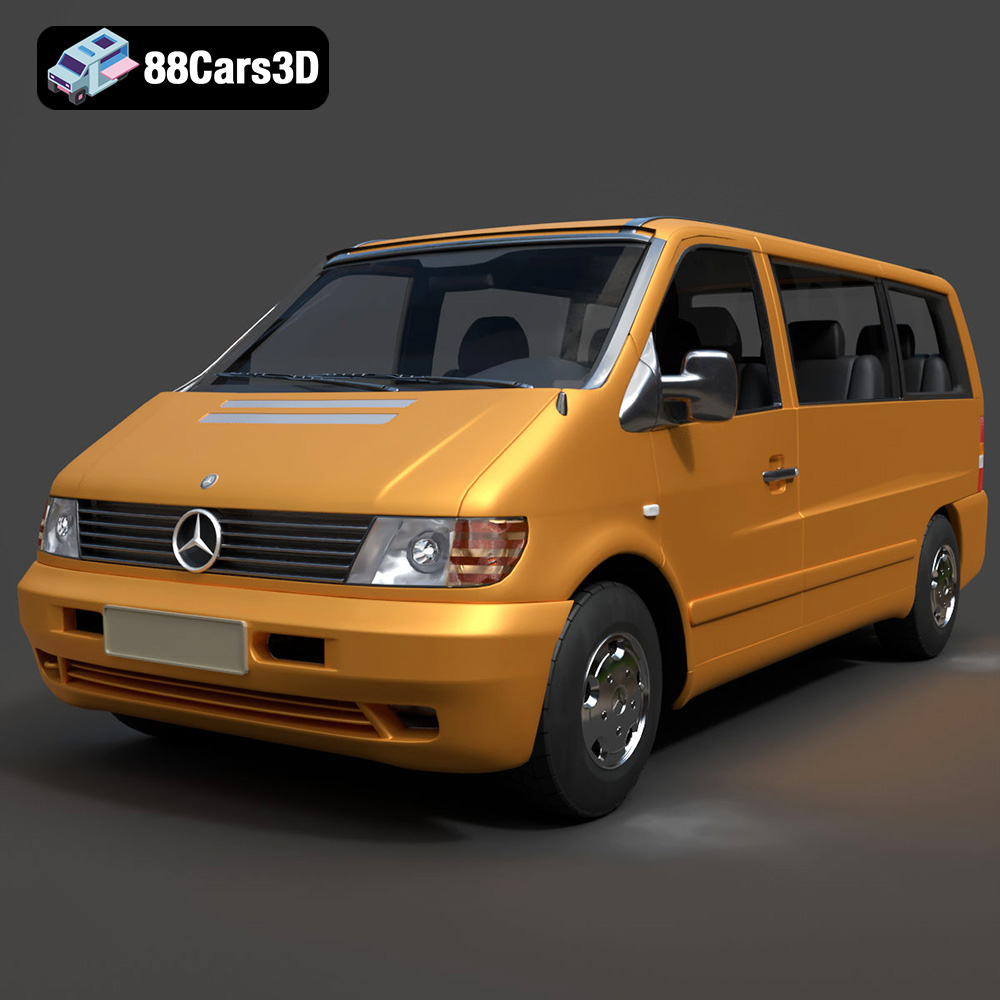
Mercedes-Benz Vito Passenger Van 3D Model
Texture: Yes
Material: Yes
Download the Mercedes-Benz Vito Passenger Van 3D Model featuring clean geometry, realistic detailing, and a fully modeled interior. Includes .blend, .fbx, .obj, .glb, .stl, .ply, .unreal, and .max formats for rendering, simulation, and game development.
Price: $19.99
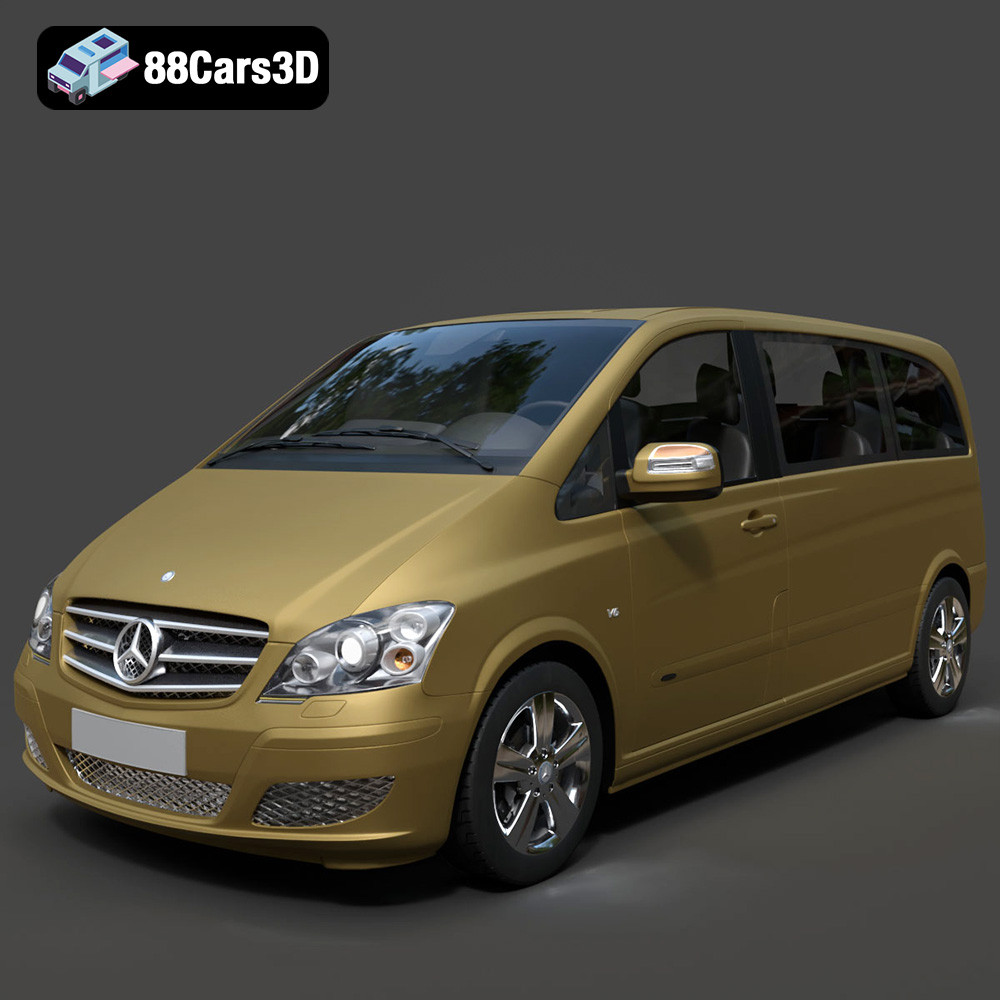
Mercedes-Benz Viano 2010 3D Model
Texture: Yes
Material: Yes
Download the Mercedes-Benz Viano 2010 3D Model featuring clean geometry, realistic detailing, and a fully modeled interior. Includes .blend, .fbx, .obj, .glb, .stl, .ply, .unreal, and .max formats for rendering, simulation, and game development.
Price: $19.99

Emt Avtobus 007 3D Model
Texture: Yes
Material: Yes
Download the Emt Avtobus 007 3D Model featuring clean geometry, realistic detailing, and a fully modeled interior. Includes .blend, .fbx, .obj, .glb, .stl, .ply, .unreal, and .max formats for rendering, simulation, and game development.
Price: $19.99
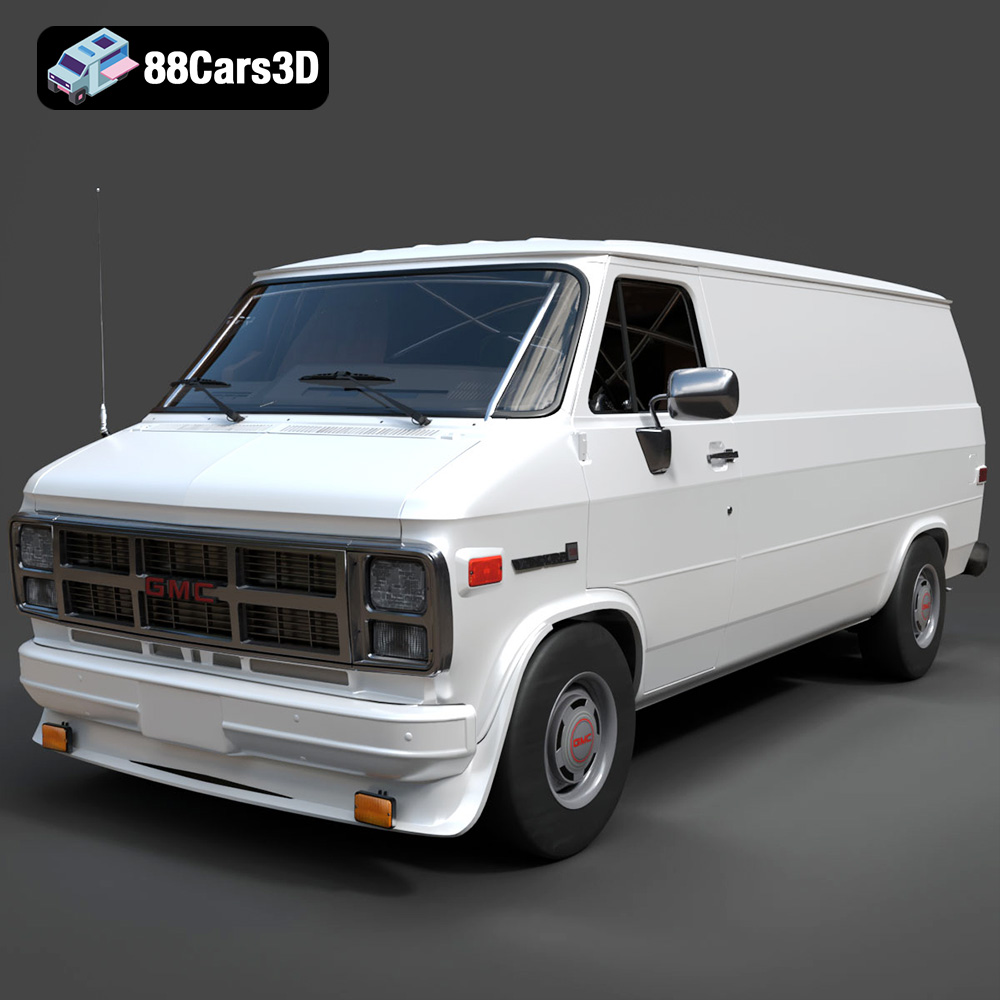
GMC Vandura G-1500 1983 3D Model
Texture: Yes
Material: Yes
Download the GMC Vandura G-1500 1983 3D Model featuring clean geometry, realistic detailing, and a fully modeled interior. Includes .blend, .fbx, .obj, .glb, .stl, .ply, .unreal, and .max formats for rendering, simulation, and game development.
Price: $19.99

Ford E-450 Ambulance 3D Model
Texture: Yes
Material: Yes
Download the Ford E-450 Ambulance 3D Model featuring clean geometry, realistic detailing, and a fully modeled interior. Includes .blend, .fbx, .obj, .glb, .stl, .ply, .unreal, and .max formats for rendering, simulation, and game development.
Price: $19.99

Fiat Ducato SWB-001 3D Model
Texture: Yes
Material: Yes
Download the Fiat Ducato SWB-001 3D Model featuring clean geometry, realistic detailing, and a fully modeled interior. Includes .blend, .fbx, .obj, .glb, .stl, .ply, .unreal, and .max formats for rendering, simulation, and game development.
Price: $19.99
