

“`html
The world of 3D printing has opened up incredible possibilities for hobbyists, model makers, and automotive enthusiasts. Being able to bring highly detailed car models to life from a digital file is no longer a distant dream. At 88cars3d.com, we are passionate about providing you with the highest quality printable car models in STL format, meticulously designed for 3D printing. But what makes a truly exceptional 3D print of a miniature vehicle? Beyond the quality of the STL file itself, your choice of 3D printer plays a pivotal role in achieving those crisp lines, intricate details, and smooth surfaces that define a professional-looking replica. This article will guide you through selecting the best 3D printers for printing detailed vehicle models, delving into the technical specifications, material considerations, and slicing strategies that will elevate your prints from good to truly spectacular.
We’ll explore the nuances between different printer technologies, understand why resolution and precision matter for automotive models, and discuss the essential features to look for. Whether you’re a seasoned maker with a specific printer in mind or a newcomer looking to invest in your first high-detail 3D printer, this guide will equip you with the knowledge to make an informed decision and unlock the full potential of your 3D printable car models.
Understanding the Demands of Detailed Vehicle Models
Printing intricate vehicle models presents a unique set of challenges that differentiate it from printing general-purpose objects. The key lies in capturing the subtle curves of body panels, the sharp edges of spoilers, the fine details of grilles, and the delicate features of headlights and taillights. This requires a 3D printer that excels in resolution, accuracy, and repeatability. Unlike a simple cube or a functional part, a car model demands a high level of aesthetic fidelity. The difference between a smooth, flowing fender line and a stepped, stair-like artifact is often the difference between a compelling replica and a disappointing print. Factors such as layer height, nozzle diameter (for FDM), pixel size (for resin), and overall mechanical precision of the printer become paramount.
Furthermore, many car models, especially those found on platforms like 88cars3d.com, are designed with printability in mind. This means they often feature optimized wall thicknesses, integrated support structures (or designed for easy support removal), and a focus on clean geometry. However, even the best-designed STL files will be let down by a printer that cannot accurately translate those digital details into physical form. Understanding these specific demands will help you prioritize printer features and avoid common pitfalls associated with printing complex, high-detail miniatures.
Resolution and Accuracy: The Cornerstone of Detail
Resolution, in the context of 3D printing, refers to the smallest feature a printer can reliably reproduce. For FDM (Fused Deposition Modeling) printers, this is largely dictated by the nozzle diameter and the printer’s ability to precisely control filament extrusion. Smaller nozzle diameters, such as 0.2mm or 0.3mm, allow for finer details compared to the standard 0.4mm nozzle. However, printing with smaller nozzles often requires slower print speeds and can be more prone to clogs. Accuracy refers to how closely the printed object matches the dimensions of the original digital model. This is influenced by the printer’s mechanical precision, including the accuracy of its stepper motors, lead screws, and linear rails, as well as the calibration of its software and firmware.
For detailed car models, you’re looking for a printer that can achieve layer heights as low as 0.05mm to 0.1mm (for FDM) or XY resolution of 35-50 microns (for resin printers). This low layer height is crucial for minimizing the visible “stair-stepping” effect on curved surfaces. Accuracy ensures that proportions are maintained, and details like door handles, mirrors, and emblems are where they should be and at the correct size. A printer with high accuracy will consistently produce dimensionally correct parts, which is especially important if you plan to assemble multiple components of a larger model.
Tolerance and Surface Finish
Tolerance in 3D printing refers to the allowable deviation from the specified dimensions. For intricate car models, tight tolerances are essential for successful assembly. For instance, if you’re printing separate wheel hubs and tire parts, the connection points need to be precise enough to fit snugly without being too tight or too loose. Many highly detailed car models are designed with clearance in mind, assuming a certain level of printer accuracy. A printer with excellent tolerance control will minimize the need for post-processing adjustments like sanding or filing to achieve a perfect fit.
The surface finish directly impacts the visual appeal of the final print. For FDM printers, the surface finish is heavily influenced by the layer height and the quality of the extrusion. Smoother surfaces are achieved with lower layer heights and careful control over filament flow. Resin printers, on the other hand, inherently produce smoother surfaces due to the layer-by-layer curing of liquid resin. However, even resin prints can exhibit layer lines, albeit much finer ones, and may require light sanding or polishing for a truly glass-like finish. The ability of a printer to achieve a clean, smooth surface finish with minimal artifacts is a significant advantage for replicating the sleek aesthetics of automotive designs.
FDM Printers: Versatility and Cost-Effectiveness for Detailed Prints
FDM printers remain the most accessible and versatile 3D printing technology for hobbyists and makers. They work by extruding melted thermoplastic filament layer by layer. While traditionally perceived as less capable of fine detail than resin printers, modern FDM printers, particularly those with advanced features and careful calibration, can produce remarkably detailed results suitable for intricate car models. The key to achieving high detail with FDM lies in selecting the right printer and optimizing your slicing settings.
When choosing an FDM printer for detailed vehicle models, prioritize machines with a rigid frame, a high-quality extruder and hotend assembly, and a responsive motion system. A heated bed is standard and essential for preventing warping, especially with materials like ABS. Features like automatic bed leveling can significantly improve print reliability and reduce the effort required for setup. Look for printers that can handle printing with smaller nozzle sizes (0.2mm or 0.3mm) and offer precise temperature control for the filament. The community support and availability of firmware updates for a particular printer model can also be a valuable asset, as troubleshooting and optimization tips are often shared among users.
Key FDM Printer Features for Detail
When selecting an FDM printer for high-detail car models, certain features should be at the top of your checklist. A rigid frame construction (e.g., using aluminum extrusions or a cast metal base) minimizes vibrations during printing, which is crucial for maintaining accuracy and preventing layer shifts that can ruin fine details. A high-quality hotend and extruder system is vital for consistent filament melting and extrusion. Look for all-metal hotends that can reach higher temperatures if you plan to print with exotic filaments, and direct-drive extruders which generally offer better filament control and are more adept at handling flexible filaments or retracting filament precisely, crucial for minimizing stringing between fine details.
The motion system is another critical component. Printers utilizing linear rails (like Hiwin or similar quality) tend to offer smoother, more precise movement compared to those relying solely on V-slot wheels. Precision stepper motors and well-tuned firmware (like Klipper or Marlin) contribute to accurate movement and layer deposition. Finally, a responsive touchscreen interface with intuitive controls can make the printing process more manageable, especially when dialing in complex settings for detailed models. The ability to easily adjust settings mid-print, such as temperature or fan speed, is also a beneficial feature.
Slicing Strategies for FDM Detail
The slicer software is your bridge between the digital STL file and the physical print. For detailed car models, optimizing your slicing parameters is as important as the printer itself. Platforms like Cura, PrusaSlicer, and Simplify3D offer a vast array of settings that can be tweaked to enhance print quality. For 88cars3d.com models, which are designed with printability in mind, focus on these key areas:
- Layer Height: This is arguably the most significant factor for FDM detail. While standard layer heights are often 0.2mm, dropping to 0.1mm or even 0.05mm will dramatically reduce visible layer lines and improve the smoothness of curved surfaces. Be prepared for significantly longer print times.
- Nozzle Size: If your printer allows and you’re comfortable with the extra effort, switching to a 0.2mm or 0.3mm nozzle can yield sharper details and finer features. This often requires recalibration of extruder steps and potentially slower print speeds.
- Print Speed: For detailed prints, especially with smaller nozzles, slower is generally better. Aim for outer wall speeds of 20-40 mm/s. Retraction settings are also critical to prevent stringing, which can mar fine details.
- Cooling: Adequate part cooling is essential for FDM prints to solidify quickly and retain sharp edges. Ensure your fan speed is set appropriately, often 100% for outer walls and bridges after the first few layers.
- Infill: For display models, infill density can be relatively low (5-10%) to save time and material. However, ensure there are enough top layers (5-6 or more) to create a solid, smooth top surface.
Experimentation is key. Print small test sections of your model at different settings to find the optimal balance between detail, print time, and material usage.
Resin Printers: The Pinnacle of Surface Detail and Accuracy
When absolute fidelity to fine details is the primary goal, resin printers, particularly MSLA (Masked Stereolithography Apparatus) and DLP (Digital Light Processing) types, are often the preferred choice. These printers work by selectively curing liquid photopolymer resin layer by layer using a UV light source. The result is typically a smoother surface finish and higher resolution compared to FDM printing, making them ideal for capturing the intricate elements found in many collectible car models.
MSLA printers use an LCD screen to mask the UV light, curing entire layers at once, while DLP printers use a projector to flash the image of a layer. Both offer impressive detail. The resolution of a resin printer is primarily determined by the XY resolution (pixel size for MSLA, projector resolution for DLP) and the Z-axis accuracy (layer height). For detailed car models, look for printers with high XY resolution (e.g., 3840×2400 pixels or higher on a 6-inch screen, equating to around 35-50 microns per pixel) and the ability to print with layer heights of 0.025mm to 0.05mm. The choice of resin also plays a role; standard resins are good, but specialized high-detail or ABS-like resins can offer improved mechanical properties and surface finish.
Understanding Resin Printer Technologies (MSLA vs. DLP)
Both MSLA and DLP resin printing technologies offer exceptional detail, but they achieve it through slightly different means. MSLA (Masked Stereolithography Apparatus) printers are currently the most popular for desktop use due to their balance of cost and performance. They utilize a UV LED array shining through an LCD screen. The LCD screen acts as a mask, blocking UV light from specific areas, thus defining the shape of each layer. The resolution is directly tied to the pixel density of the LCD screen. Higher resolution screens (e.g., 4K, 6K, 8K) mean smaller pixels and thus finer details. MSLA printers can cure an entire layer simultaneously, making print times largely dependent on the Z-axis height rather than the complexity of the layer itself.
DLP (Digital Light Processing) printers use a digital projector to flash the image of each layer onto the resin. Because a projector cures a whole layer at once and often has a fixed resolution, DLP can sometimes offer slightly more isotropic (uniform in all directions) curing than MSLA, potentially leading to less visible layer lines on certain geometries. However, DLP printers are generally more expensive and can have a fixed resolution that might not be upgradable like an LCD panel in an MSLA printer. For most hobbyists and those printing detailed car models, a high-resolution MSLA printer offers the best blend of detail, affordability, and ease of use.
Resin Curing, Washing, and Post-Processing
A critical aspect of resin printing is the post-processing workflow, which is more involved than with FDM. After printing, the model needs to be washed to remove uncured resin from its surface. This is typically done using isopropyl alcohol (IPA) or specialized resin cleaners in an ultrasonic cleaner or a wash-and-cure station. Insufficient washing will leave a sticky residue and can compromise the final surface quality. Following washing, the part undergoes post-curing under UV light. This process further hardens the resin, increasing its strength and stability. Over-curing can make the resin brittle, while under-curing leaves it soft and prone to deformation.
Supports are also crucial in resin printing. They are necessary to prevent uncured resin from collapsing and to ensure proper adhesion to the build plate. Resin supports are typically much finer than FDM supports and require careful placement to minimize visible marks on the model’s surface. Removal of these supports often involves a careful process of cutting and sanding. The quality of the STL files from sources like 88cars3d.com often includes pre-supported options or models designed for minimal support contact points, simplifying this process.
Choosing Between FDM and Resin for Your Car Models
The decision between an FDM and a resin printer for your detailed vehicle models hinges on your priorities, budget, and the specific type of detail you are aiming for. Both technologies have their strengths and weaknesses when it comes to replicating automotive designs.
Resin printers excel in delivering exceptionally smooth surfaces and capturing the finest details, such as tiny emblems, panel gaps, and delicate aerodynamic elements. If your goal is to create museum-quality miniatures with a flawless finish right off the build plate, and you don’t mind the more involved post-processing (washing, curing, support removal), a resin printer is likely the superior choice. They are particularly well-suited for smaller scale models where FDM printing might struggle to resolve intricate features.
FDM printers offer greater versatility in terms of material choice (PLA, PETG, ABS, Nylon, etc.), larger build volumes, and generally faster print times for larger or less detailed components. While they may not match the absolute surface smoothness of resin, modern FDM printers with small nozzles and optimized settings can produce highly detailed results, especially for larger scale models or components that might be more robustly constructed. If you’re looking for a more affordable entry point, don’t want to deal with the chemicals involved in resin printing, or need to print larger models, an FDM printer is a strong contender. Many users also find FDM models easier to sand and paint due to their material properties.
Material Selection: Beyond Standard PLA and ABS
The material you choose significantly impacts the final look and feel of your printed car model. For FDM printers, while PLA is the go-to for its ease of printing and wide range of colors, it can be brittle. For models requiring more durability or a smoother finish after sanding, consider PETG, which offers a good balance of strength and ease of printing. ABS can be excellent for its post-processing capabilities (acetone smoothing) and toughness, but it requires higher print temperatures and an enclosed printer to manage warping. For truly specialized finishes, look into advanced filaments like Polycarbonate (PC) for strength or even wood-fill or metal-fill filaments for unique aesthetic effects.
For resin printers, the standard “General Purpose” resins are a good starting point. However, for automotive models, you might consider “ABS-like” resins, which offer increased toughness and impact resistance, making the delicate parts of your model less prone to breaking. “High-Detail” or “Sculpture” resins are formulated to capture the absolute finest details. Some resins are also formulated for specific properties, like flexibility or high-temperature resistance, which could be useful for certain automotive components. Always check the manufacturer’s recommendations for print settings, as different resins require different exposure times.
Build Volume and Scale Considerations
The build volume of your 3D printer will dictate the maximum size of a model you can print in one piece, or how many pieces you can print simultaneously. For larger scale car models (e.g., 1:18 or larger), a printer with a generous build volume (e.g., 250x250x250mm or larger for FDM) will be beneficial. If your printer’s build volume is limited, you’ll need to be proficient in slicing models into multiple parts and accurately assembling them. This is where precise tolerances become even more critical.
Conversely, smaller scale models (e.g., 1:64 or 1:32) often benefit immensely from the fine detail capabilities of resin printers, regardless of their typically smaller build volumes. Many high-detail collectible car models are designed for these smaller scales where FDM printing might struggle to resolve intricate features like door handles or aerodynamic winglets effectively. When downloading models from marketplaces such as 88cars3d.com, always check the recommended print scale and consider if your chosen printer’s capabilities align with that scale. Some models are specifically optimized for FDM printing at larger scales, while others are best suited for resin printing at smaller scales.
Essential Software and Tools for Printing Success
Beyond the 3D printer itself, a robust set of software tools and accompanying physical tools are indispensable for achieving professional-quality 3D prints of detailed vehicle models. The right software allows for file preparation, slicing, and post-processing optimization, while the right tools facilitate smooth operation and a clean finished product.
For file preparation and repair, software like Meshmixer (free) or Autodesk Netfabb (paid) are invaluable. These tools can check your STL files for errors such as non-manifold geometry, inverted normals, or holes – issues that can cause printing failures. They also allow you to digitally add or modify support structures, orient models for optimal printing, and even cut complex models into smaller, more manageable pieces for easier printing and assembly. For more advanced mesh editing and preparation, Blender (free) is a powerful option, offering extensive capabilities for manipulating geometry.
The slicer software (Cura, PrusaSlicer, Lychee Slicer for resin, etc.) is where you’ll translate your repaired and oriented model into machine instructions (G-code for FDM, sliced files for resin). Fine-tuning settings like layer height, print speed, temperature, retraction, supports, and raft/brim settings is critical. Understanding the interface and capabilities of your chosen slicer is paramount for maximizing detail and minimizing print failures. Finally, don’t underestimate the importance of physical tools: a good set of precision files, scalpels, sandpaper in various grits, deburring tools, and potentially a rotary tool (like a Dremel) with various attachments will be essential for cleaning up prints, removing supports, and achieving a smooth surface finish.
3D Model Repair and Preparation Workflows
Before any 3D model, especially a complex one like a car, hits the print bed, it must be watertight and manifold. A non-manifold mesh is essentially an invalid 3D model that can cause unpredictable slicing and printing errors. Common issues include holes in the mesh, internal faces, overlapping surfaces, and edges shared by more than two faces. Software like Meshmixer or Netfabb can automatically detect and often repair these issues with just a few clicks. The “Inspector” tool in Meshmixer, for example, will highlight errors, allowing you to select them and choose the appropriate repair option.
Beyond basic repair, you might need to prepare the model for your specific printer and desired print settings. This can involve:
- Orienting the model on the build plate to minimize support material, maximize surface quality on visible areas, or ensure optimal layer adhesion.
- Cutting large models into smaller, printable sections, often with keyed interfaces for easy alignment and gluing.
- Adding custom supports or modifying auto-generated supports to ensure delicate overhangs are properly captured without leaving excessive marks.
- Hollowing models (especially for resin printing) to save material and reduce print time, while ensuring drain holes are strategically placed.
A streamlined workflow using these tools will save you significant time and reduce frustration, ensuring that the high-quality STL files you download from platforms like 88cars3d.com translate into successful prints.
Support Structures: The Unsung Heroes of Detail Printing
Support structures are temporary geometric structures generated by the slicer that hold up overhanging parts of your model during the printing process. For detailed vehicle models, they are both a necessity and a potential source of frustration. Poorly placed or overly aggressive supports can leave unsightly marks, damage delicate details, or be incredibly difficult to remove.
For FDM printing, consider using tree supports (available in Cura and PrusaSlicer), which are often easier to remove and leave fewer marks than traditional supports. Experiment with support density (usually lower for display models), support interface layers (which create a denser, smoother surface for the model to print on), and support Z-distance (the gap between the support and the model, which affects ease of removal). For complex overhangs, consider adding small chamfers or fillets to the model itself during the preparation phase in Meshmixer or Blender, as these can sometimes print without any support at all.
For resin printing, support generation is even more critical due to the nature of the liquid resin and UV curing. Supports need to be fine-tuned to provide adequate adhesion to the build plate and support overhangs without distorting the model or being impossible to remove. Most resin slicers (like Lychee Slicer, ChiTuBox) offer advanced support editing tools. Look for settings that allow you to adjust the tip size, contact diameter, and density of your supports. Often, a combination of fine “touch” supports and slightly thicker “raft” supports is ideal. The goal is to ensure the model adheres firmly to the build plate and that all overhangs are adequately supported, while minimizing the surface area contact points that will require post-processing.
Conclusion: Elevating Your 3D Printed Car Models
Choosing the right 3D printer is a foundational step towards creating stunningly detailed vehicle models. Whether you opt for the precision and smoothness of a resin printer or the versatility and cost-effectiveness of a well-tuned FDM machine, understanding the technical demands of automotive miniatures is key. Focus on printers that offer high resolution, accuracy, and stability. Master your slicer software, learning to fine-tune settings like layer height, print speed, and support structures to extract the maximum detail from your STL files. Remember that software tools for mesh repair and preparation are indispensable, and having the right physical tools for post-processing will ensure your final prints are as impressive as the digital models themselves.
By investing in the right technology and dedicating time to learning the intricacies of 3D printing detailed models, you can transform digital designs from marketplaces like 88cars3d.com into tangible, high-quality replicas that will be the pride of any collection. Experiment, iterate, and enjoy the rewarding process of bringing these iconic vehicles to life in miniature form. Happy printing!
“`
Featured 3D Car Models
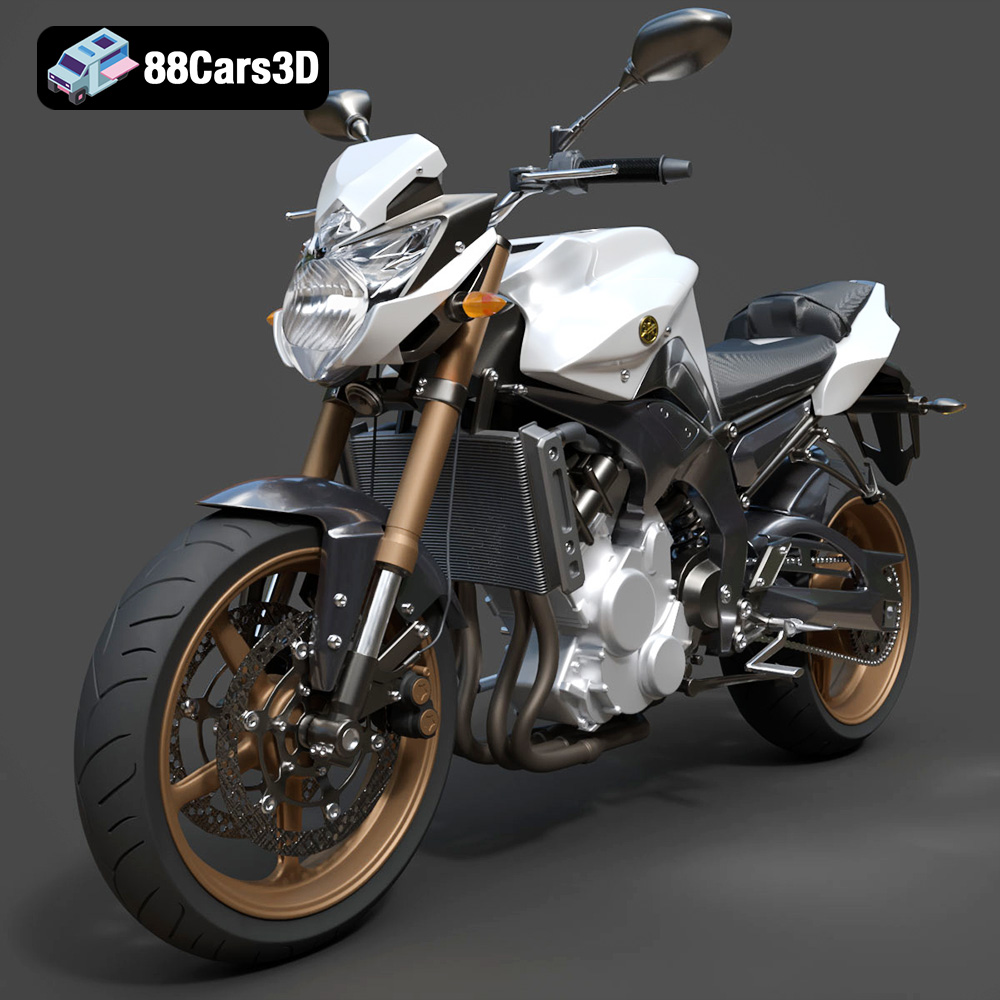
Yamaha FZ8 2011 3D Model
Texture: Yes
Material: Yes
Download the Yamaha FZ8 2011 3D Model featuring clean geometry, realistic detailing, and a fully modeled interior. Includes .blend, .fbx, .obj, .glb, .stl, .ply, .unreal, and .max formats for rendering, simulation, and game development.
Price: $19.99
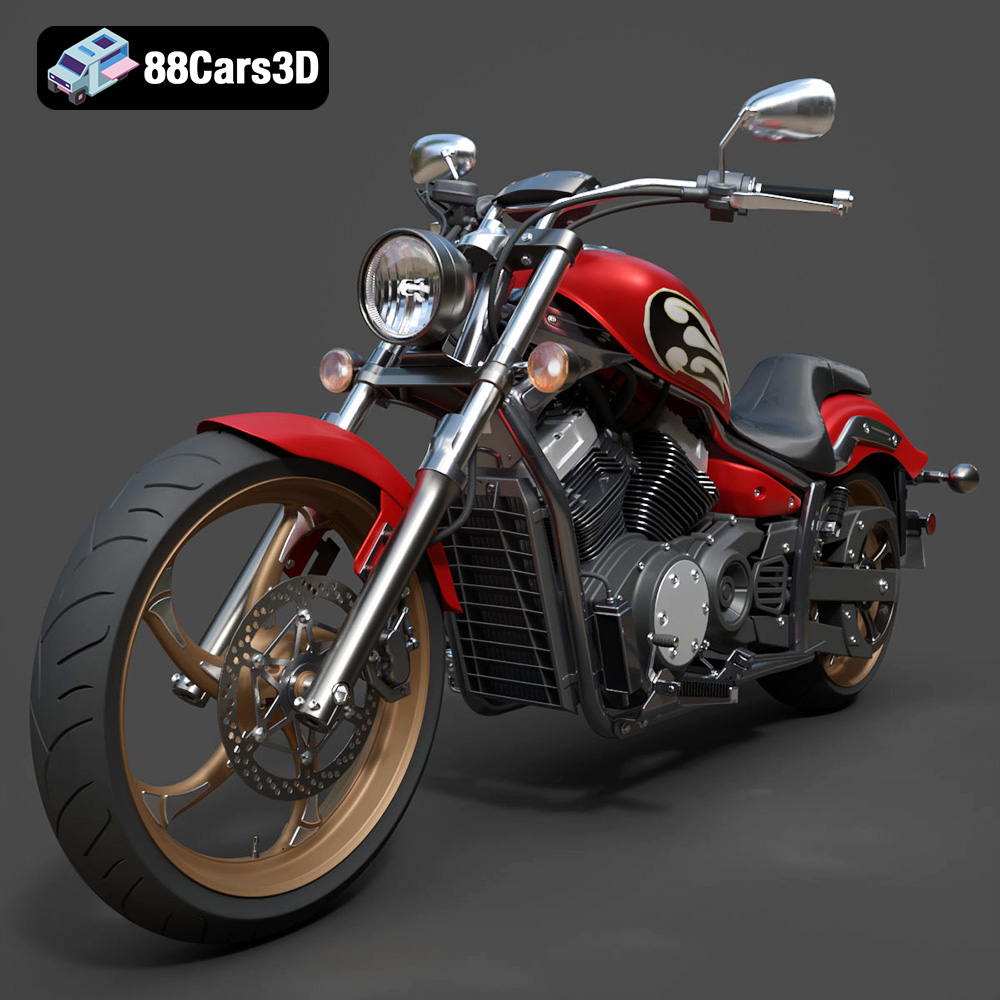
Yamaha Stryker 2012 3D Model
Texture: Yes
Material: Yes
Download the Yamaha Stryker 2012 3D Model featuring clean geometry, realistic detailing, and a fully modeled interior. Includes .blend, .fbx, .obj, .glb, .stl, .ply, .unreal, and .max formats for rendering, simulation, and game development.
Price: $19.99
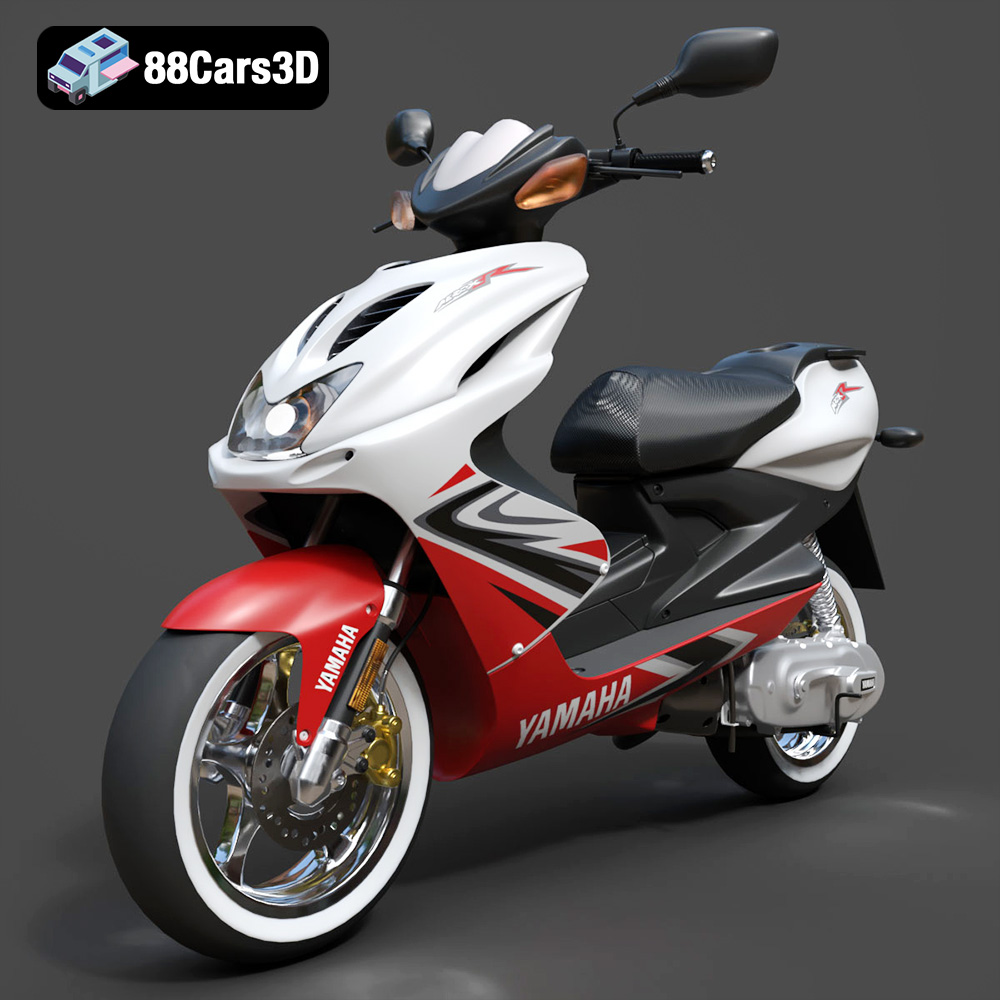
Yamaha Aerox R-002 2024 3D Model
Texture: Yes
Material: Yes
Download the Yamaha Aerox R-002 2024 3D Model featuring clean geometry, realistic detailing, and a fully modeled interior. Includes .blend, .fbx, .obj, .glb, .stl, .ply, .unreal, and .max formats for rendering, simulation, and game development.
Price: $19.99
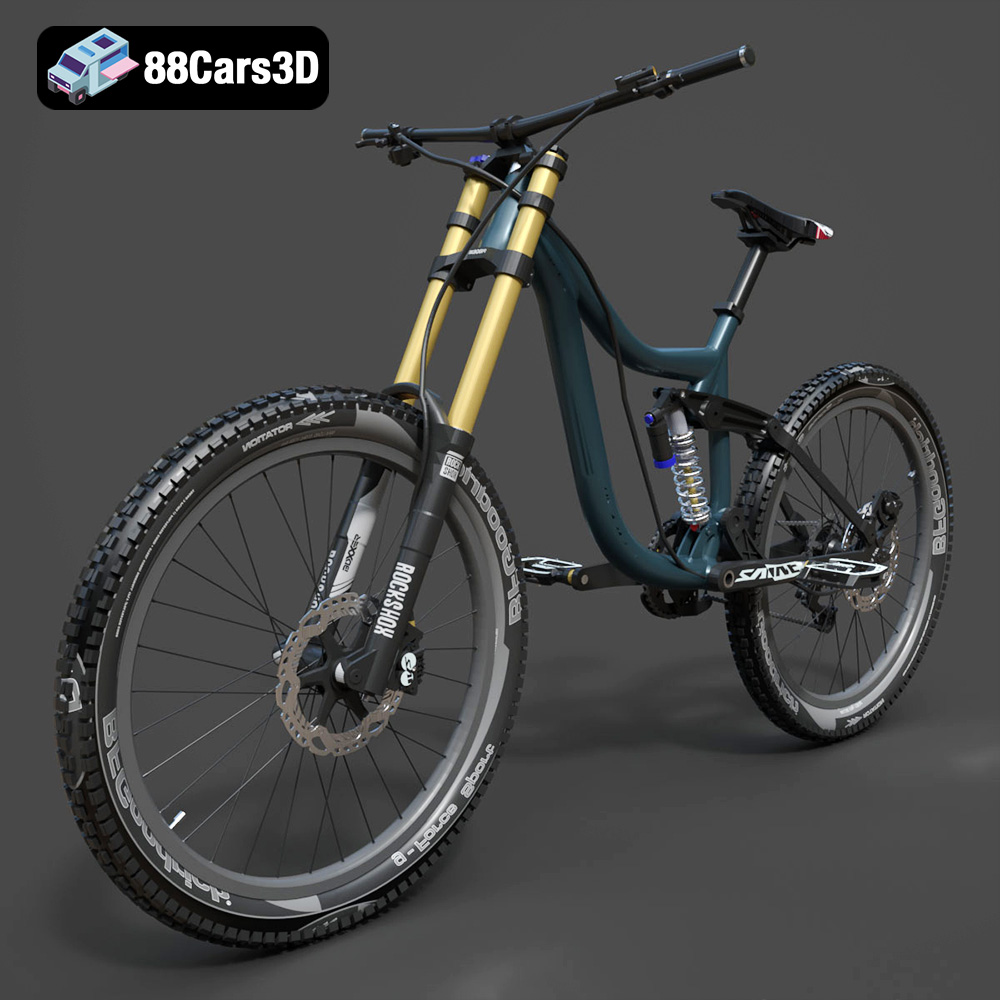
Mototsikly Downhill Bike-002 3D Model
Texture: Yes
Material: Yes
Download the Mototsikly Downhill Bike-002 3D Model featuring clean geometry, realistic detailing, and precise mechanical components. Includes .blend, .fbx, .obj, .glb, .stl, .ply, .unreal, and .max formats for rendering, simulation, and game development.
Price: $19.99
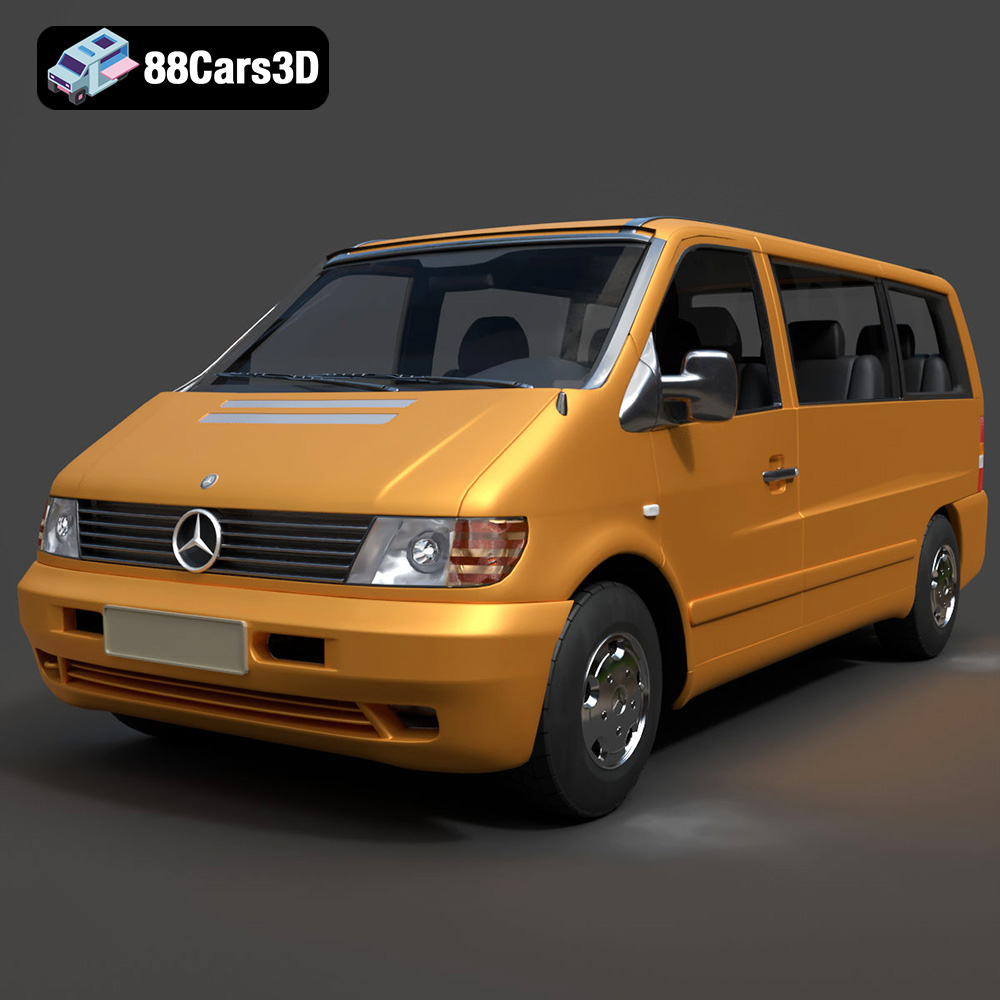
Mercedes-Benz Vito Passenger Van 3D Model
Texture: Yes
Material: Yes
Download the Mercedes-Benz Vito Passenger Van 3D Model featuring clean geometry, realistic detailing, and a fully modeled interior. Includes .blend, .fbx, .obj, .glb, .stl, .ply, .unreal, and .max formats for rendering, simulation, and game development.
Price: $19.99
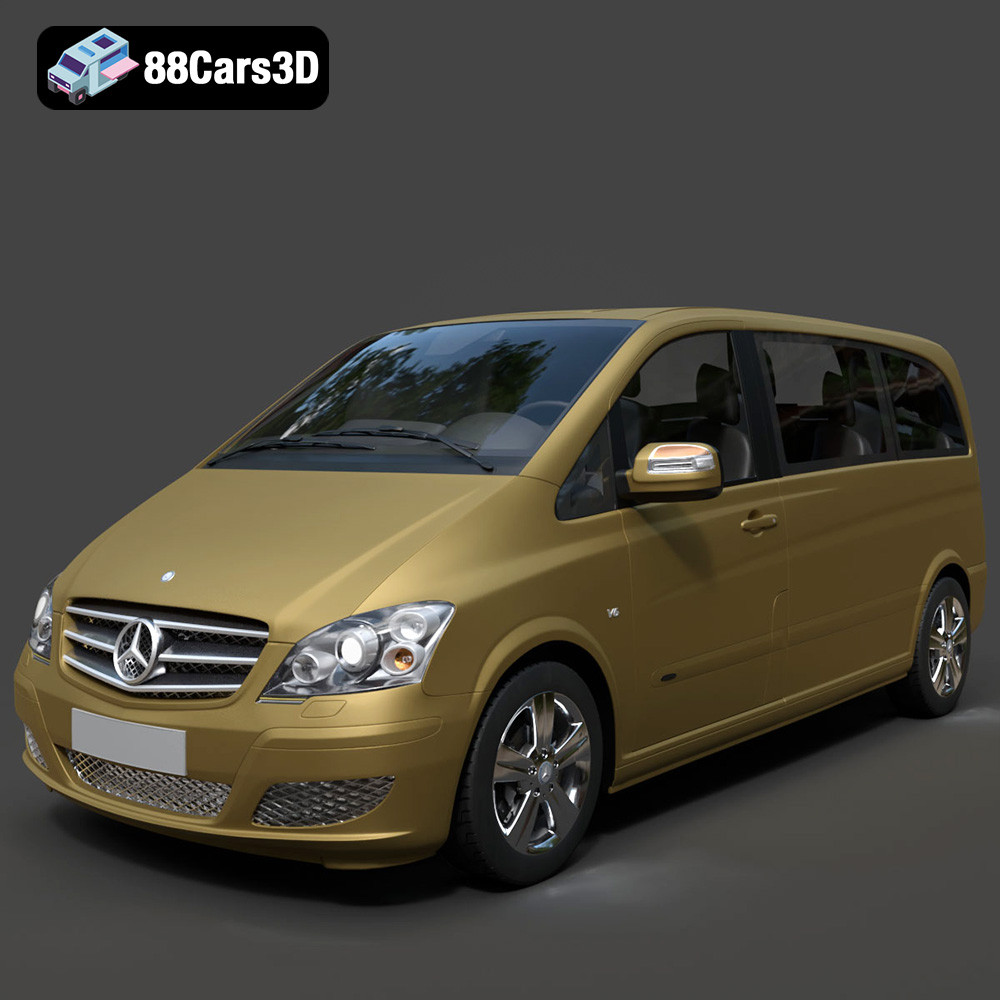
Mercedes-Benz Viano 2010 3D Model
Texture: Yes
Material: Yes
Download the Mercedes-Benz Viano 2010 3D Model featuring clean geometry, realistic detailing, and a fully modeled interior. Includes .blend, .fbx, .obj, .glb, .stl, .ply, .unreal, and .max formats for rendering, simulation, and game development.
Price: $19.99

Emt Avtobus 007 3D Model
Texture: Yes
Material: Yes
Download the Emt Avtobus 007 3D Model featuring clean geometry, realistic detailing, and a fully modeled interior. Includes .blend, .fbx, .obj, .glb, .stl, .ply, .unreal, and .max formats for rendering, simulation, and game development.
Price: $19.99
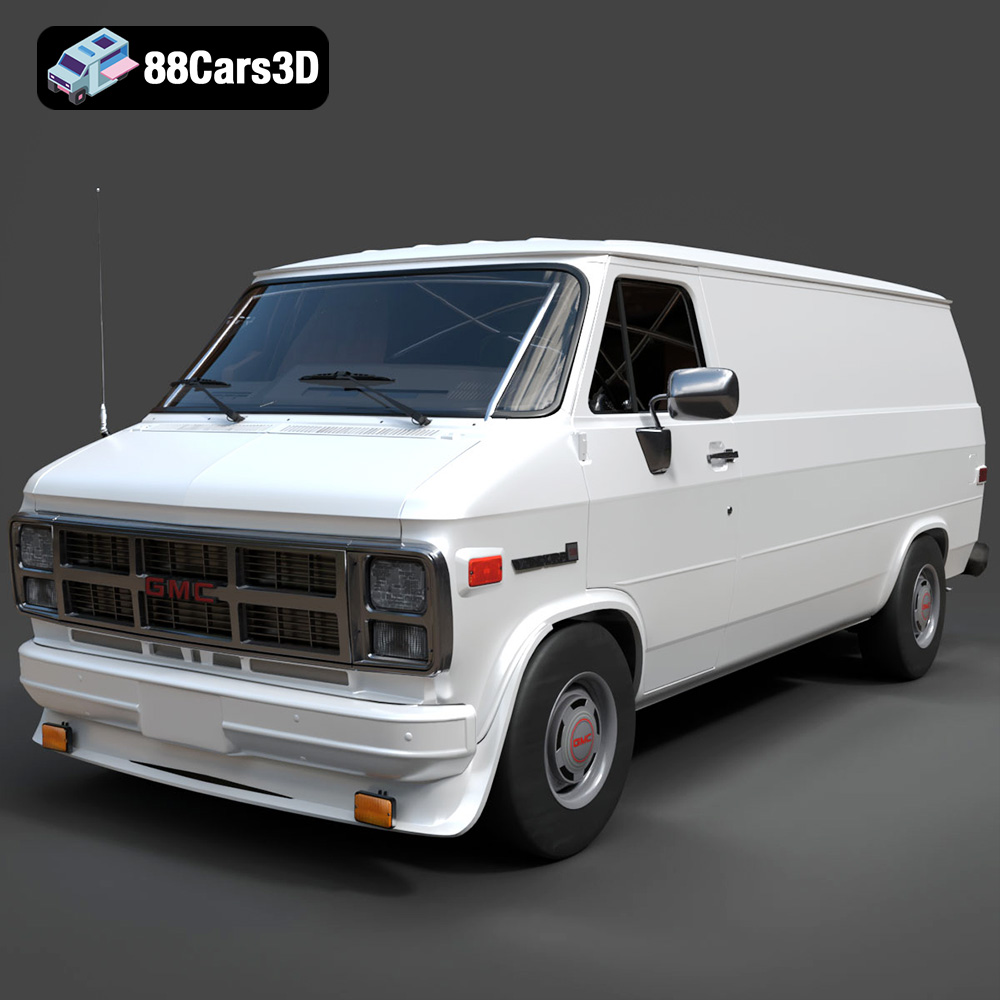
GMC Vandura G-1500 1983 3D Model
Texture: Yes
Material: Yes
Download the GMC Vandura G-1500 1983 3D Model featuring clean geometry, realistic detailing, and a fully modeled interior. Includes .blend, .fbx, .obj, .glb, .stl, .ply, .unreal, and .max formats for rendering, simulation, and game development.
Price: $19.99
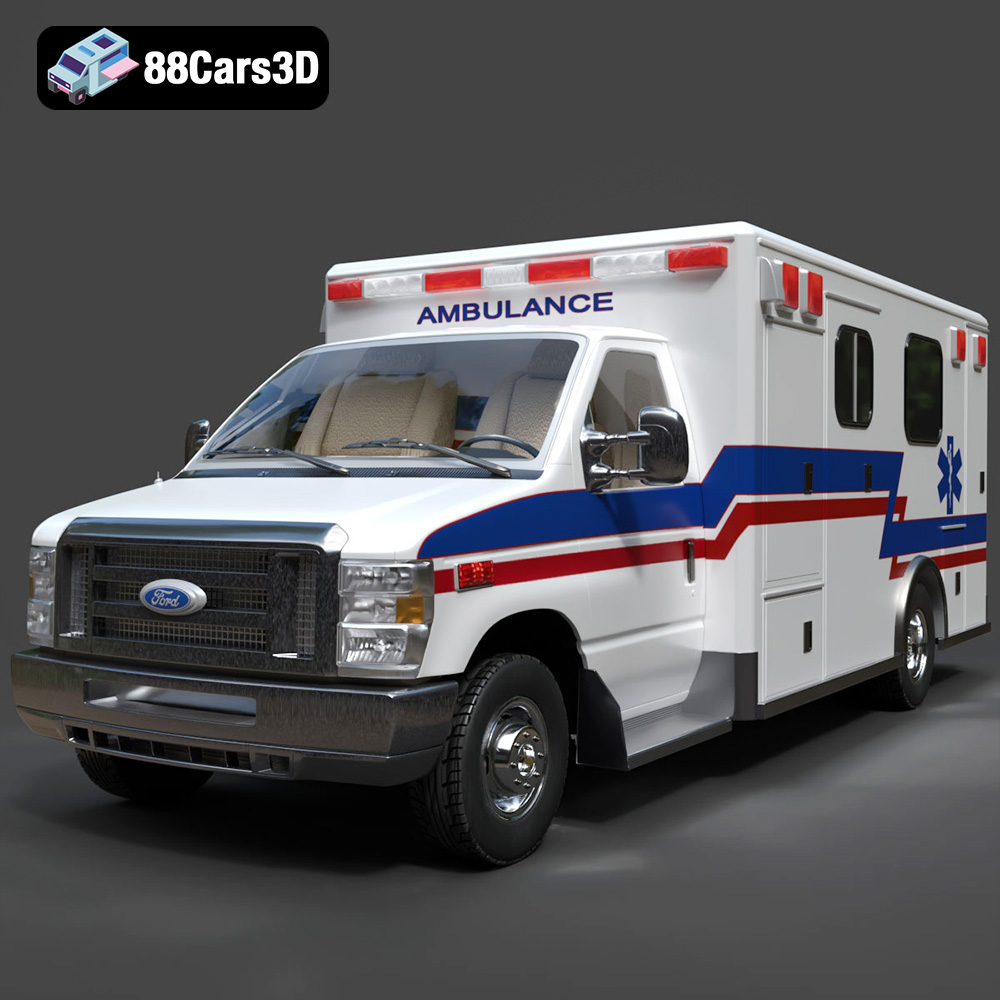
Ford E-450 Ambulance 3D Model
Texture: Yes
Material: Yes
Download the Ford E-450 Ambulance 3D Model featuring clean geometry, realistic detailing, and a fully modeled interior. Includes .blend, .fbx, .obj, .glb, .stl, .ply, .unreal, and .max formats for rendering, simulation, and game development.
Price: $19.99

Fiat Ducato SWB-001 3D Model
Texture: Yes
Material: Yes
Download the Fiat Ducato SWB-001 3D Model featuring clean geometry, realistic detailing, and a fully modeled interior. Includes .blend, .fbx, .obj, .glb, .stl, .ply, .unreal, and .max formats for rendering, simulation, and game development.
Price: $19.99
