

The automotive industry has always been at the forefront of visual innovation, continually seeking new ways to showcase stunning designs and engineering marvels. In today’s fast-paced digital landscape, traditional rendering pipelines often struggle to keep up with the demand for high-quality, real-time, and interactive content. This is where Unreal Engine steps in, offering an unparalleled toolkit for automotive visualization, and its cinematic powerhouse, Sequencer, transforms how we create captivating visual narratives for vehicles.
From breathtaking trailers and engaging configurators to cutting-edge virtual production scenarios, Unreal Engine empowers artists and developers to render photorealistic cars in dynamic environments with incredible speed and flexibility. With tools like Nanite, Lumen, and the intuitive Blueprint scripting system, achieving film-quality visuals in real-time is not just a dream, but a tangible reality. This comprehensive guide will take you on a deep dive into leveraging Unreal Engine Sequencer for cinematic content creation, specifically focusing on how to integrate and elevate high-quality 3D car models – such as those available on platforms like 88cars3d.com – into stunning automotive visualizations. You’ll learn essential workflows, optimization strategies, and advanced techniques to bring your automotive visions to life with cinematic flair.
Setting the Stage: Project Setup and Importing High-Quality 3D Car Models
Embarking on any Unreal Engine project begins with careful setup, and automotive visualization is no exception. A well-configured project provides the foundation for optimal performance and visual fidelity, especially when dealing with complex 3D car models. The goal is to maximize the engine’s real-time rendering capabilities while ensuring your high-quality assets shine. Sourcing meticulously crafted 3D car models, such as those found on 88cars3d.com, is a crucial first step, as they often come pre-optimized for various applications, saving significant time in your production pipeline.
Unreal Engine Project Configuration for Automotive Visualization
When starting a new project in Unreal Engine, selecting the appropriate template and configuring key settings is paramount. For automotive visualization, the “Film, Television & Live Events” template is often a great starting point, as it comes pre-configured with cinematic-focused settings, including Lumen and Nanite enabled by default. Alternatively, the “Games” template with “Blank” settings allows for more granular control, letting you enable specific features as needed. Key settings to verify and enable in your Project Settings (Edit > Project Settings) include:
- Rendering:
- Lumen Global Illumination & Reflections: Ensure these are set to “High Quality” or “Epic” for realistic lighting and reflections on your vehicle surfaces. Lumen is a powerful dynamic global illumination and reflection system designed for next-gen consoles and real-time ray tracing, making it ideal for the highly reflective surfaces of car bodies.
- Nanite: Essential for handling the incredibly high polygon counts typical of professional 3D car models. Nanite virtualized geometry allows Unreal Engine to render millions of polygons with high performance, alleviating the need for manual LOD creation on complex meshes.
- Virtual Textures (Optional): Useful for large, detailed environments where texture streaming is beneficial.
- Ray Tracing: For even higher fidelity reflections, shadows, and ambient occlusion, ensure Ray Tracing is enabled if your hardware supports it. This can significantly enhance the photorealism of your automotive renders.
- Engine – General Settings:
- Default RHI: DirectX 12 is recommended for optimal performance with Lumen and Ray Tracing.
- Frame Rate: For cinematics, target 24, 25, or 30 frames per second (fps). While real-time interaction might demand higher, cinematic renders prioritize quality at stable, lower frame rates.
For more detailed information on configuring rendering features, refer to the official Unreal Engine documentation at https://dev.epicgames.com/community/unreal-engine/learning.
Seamless Integration of 88cars3d.com Assets
Once your project is set up, the next step is to import your high-quality 3D car models. Platforms like 88cars3d.com offer meticulously crafted assets in various formats such as FBX, USD, and USDZ, which are perfectly suited for Unreal Engine. Importing these models is straightforward, but a few considerations can optimize your workflow:
- Import Settings: When importing an FBX file, pay close attention to the import dialogue.
- Skeletal Mesh / Static Mesh: For vehicles that won’t require complex physics-based deformation (e.g., rigid body for cinematics), import as a Static Mesh. If the model includes a chassis and wheel rigging for physics, consider importing it with the “Skeletal Mesh” option, and ensure “Import Animations” is unchecked unless specific pre-made animations are desired.
- Combine Meshes: Generally, leave this unchecked if you want to retain individual parts (doors, wheels, interior) for separate material assignments or interactive elements.
- Generate Missing Collision: For static meshes, enable this for basic collision, though custom collision meshes are always preferred for accuracy.
- Nanite Support: Ensure “Build Nanite” is enabled for high-polygon meshes. This is where 88cars3d.com’s clean topology shines, as Nanite efficiently handles complex geometry.
- Import Uniform Scale: Double-check the scale of your imported model. Automotive models typically use a 1:1 scale, with 1 unit in Unreal Engine often representing 1 centimeter. Confirm the model’s dimensions match real-world proportions within UE.
- Pivot Points and Transformations: After import, verify the pivot point of your car model, especially if you plan to move, rotate, or animate it. The pivot should ideally be at the center of the car’s base for intuitive manipulation. You might need to adjust it in a 3D modeling software or by re-parenting components within Unreal.
- Verifying UVs and Texture Sets: High-quality assets from 88cars3d.com come with proper UV mapping, crucial for accurate texture application and light baking (if not using fully dynamic lighting). Always check that the imported textures map correctly to the model’s surfaces. Organize your imported textures and materials into dedicated folders for cleanliness.
By carefully configuring your project and importing assets, you lay a solid foundation for building stunning automotive cinematics.
Crafting Visual Fidelity: PBR Materials and Advanced Lighting
The visual appeal of any automotive visualization hinges on two critical elements: realistic materials and sophisticated lighting. In Unreal Engine, Physically Based Rendering (PBR) materials combined with advanced real-time lighting systems like Lumen allow for the creation of incredibly lifelike surfaces and environments, making your 3D car models appear indistinguishable from their real-world counterparts.
Mastering PBR Material Creation for Automotive Finishes
PBR materials are fundamental to achieving photorealism because they accurately simulate how light interacts with surfaces in the real world. For automotive models, this means precisely replicating the distinct properties of car paint, metal, glass, rubber, and various interior finishes. High-quality models from 88cars3d.com typically include a robust set of PBR textures (Albedo/Base Color, Normal, Roughness, Metallic, Ambient Occlusion, Height maps), which form the backbone of your material setup.
Creating compelling automotive materials in Unreal Engine’s Material Editor involves:
- Car Paint: This is arguably the most complex and visually impactful material.
- Base Layer: Use a Base Color texture and combine it with Metallic (often 0.9-1.0 for metallic paints), and a Roughness map or value. Clear coat is crucial here. Implement a clear coat material function (often available in advanced projects or custom-built) that simulates an additional reflective layer over the base paint. This involves manipulating the normal vector and adding a separate specular lobe.
- Flakes: For metallic flake paints, a fine, tiled normal map or a custom material function that simulates microscopic glitter can be blended in, controlled by parameters for scale and intensity.
- Parameters: Expose parameters for color, metallic value, roughness, and flake intensity to create easily adjustable material instances, allowing for quick color changes and variations without recompiling the master material.
- Glass: Requires a blend of transparency, reflection, and refraction.
- Material Domain: Set to “Surface” and Blend Mode to “Translucent.”
- Refraction: Use the Refraction input to simulate light bending. A value of 1.5-1.6 is typical for glass.
- Tint: Use the Base Color to add a subtle tint.
- Roughness: Keep it very low for clean glass, or add a slight roughness texture for smudges.
- Tires and Interior: These materials benefit from detailed Normal, Roughness, and Ambient Occlusion maps. For tires, a medium roughness combined with a subtle normal map for tread patterns creates a convincing look. Interior materials can range from leathers (moderate roughness, subtle normal) to plastics (higher roughness, varied base color).
Always utilize Material Instances derived from master materials. This allows for quick iteration and parameter adjustments without the overhead of compiling a new shader for every color or finish variation.
Illuminating Your Scene with Lumen and Dynamic Lighting
Lighting is the soul of any visual composition, especially when showcasing the intricate forms of a vehicle. Unreal Engine’s Lumen global illumination and reflection system provides incredibly realistic and dynamic lighting out-of-the-box, significantly reducing the need for traditional light baking. For cinematic automotive shots, combining Lumen with carefully placed dynamic lights creates stunning results.
Here’s how to approach lighting your automotive scenes:
- Lumen Configuration: Ensure Lumen is enabled and correctly configured in your Project Settings (as mentioned in the setup section) and Post Process Volume. Lumen provides real-time global illumination and reflections, meaning light bounces realistically around your scene and off your car’s surfaces without pre-computation. This is invaluable for dynamic time-of-day changes or moving lights.
- HDRI Environment Map: Start with a high-dynamic-range image (HDRI) in a Sky Light. An HDRI provides a realistic backdrop and, more importantly, ambient lighting and reflections derived from a real-world environment. This instantly grounds your car in a believable lighting scenario. Look for high-resolution HDRIs (8K-16K) for crisp reflections.
- Directional Light: This represents the sun. Position it to create strong, defined shadows that accentuate the car’s form. Adjust its intensity, color, and angle to simulate different times of day or weather conditions. Use “Source Angle” to control shadow softness.
- Rectangular Lights & Spot Lights (Studio Setup): For controlled studio or product shot lighting, use Rectangular Lights (often called Area Lights in other software). These emit light from a defined surface, creating soft, even illumination. Place them strategically around the car as key lights, fill lights, and rim lights to highlight contours and create depth. Spot Lights can be used to add dramatic accents or focus on specific details.
- Post Process Volume: Essential for fine-tuning the final look. Configure settings like Exposure, White Balance, Color Grading, Bloom (for light sources), Vignette, and most importantly, Screen Space Reflections and Global Illumination parameters (though Lumen largely handles GI, tweaking settings here can help).
Experiment with different lighting scenarios – a harsh desert sun, a soft overcast day, or a dramatic studio setup – to see how they impact the perception of your vehicle. The combination of well-crafted PBR materials and intelligent lighting will elevate your automotive cinematics to a professional level.
Unleashing Cinematic Potential with Unreal Engine Sequencer
Unreal Engine Sequencer is the heart of cinematic content creation within the engine, offering a powerful non-linear editor for orchestrating every aspect of your automotive visualizations. From camera movements and vehicle animations to material changes and special effects, Sequencer provides the tools to craft compelling narratives and breathtaking product showcases. It’s an indispensable tool for any artist looking to produce high-quality video content from their 3D car models.
The Sequencer Interface: Your Cinematic Timeline
Access Sequencer by navigating to the “Cinematics” menu in the main toolbar and selecting “Add Level Sequence.” This creates a new Level Sequence asset and opens the Sequencer editor, which presents a familiar non-linear editing interface:
- Tracks: The core of Sequencer. You’ll add tracks for Actors (your car, environment elements), Cameras, Lights, Audio, Visual Effects (Niagara), and even Materials. Each track represents an element you want to animate or control.
- Keyframes: The fundamental unit of animation. You set keyframes at specific points in time to record an actor’s state (position, rotation, scale, material parameter, etc.). Sequencer interpolates between these keyframes to create smooth transitions.
- Timeline: Displays the duration of your sequence, measured in frames or seconds. You can scrub through the timeline to preview your animation.
- Details Panel: Context-sensitive, displaying properties of selected tracks or keyframes, allowing for precise numerical adjustments.
To begin, drag your 3D car model from the World Outliner into the Sequencer window. This will create an actor track for your vehicle, allowing you to animate its properties.
Choreographing Cameras and Vehicle Movement
The art of cinematic storytelling lies in camera work and the dynamic presentation of your subject. Sequencer allows for meticulous control over both:
- Animating Cine Cameras:
- Add Camera: In Sequencer, click the “+ Camera” button or drag a Cine Camera Actor from the Modes panel into your level and then into Sequencer.
- Camera Cuts Track: Sequencer automatically adds a “Camera Cuts” track. Drag your Cine Camera into this track to make it the active camera for a specific duration. You can add multiple cameras and switch between them for different shots.
- Keyframing Camera Properties: Select your Cine Camera track. You can animate its transform (Location, Rotation) to create dynamic camera movements. Additionally, animate specific Cine Camera properties in the Details panel, such as:
- Focal Length: Adjust from wide-angle (e.g., 20mm for grand establishing shots) to telephoto (e.g., 85mm or 100mm for intimate details or compressed perspective).
- Aperture (F-Stop): Control depth of field. Lower f-stop values (e.g., f/2.8) create shallower depth of field, blurring the background and foreground to draw focus to the car. Higher f-stops (e.g., f/16) keep more of the scene in focus.
- Focus Settings: Use the “Focus Method” and “Manual Focus Distance” to precisely control what is in focus. You can keyframe the focus distance to follow the car or transition focus between elements.
- Basic Car Movement:
- Transform Tracks: Select your car actor in Sequencer. Click “+ Track” > “Transform.” This adds tracks for Location, Rotation, and Scale.
- Keyframing Movement: Set keyframes for the car’s initial position and then move it along the timeline and set new keyframes for its final position. Sequencer will smoothly interpolate the movement.
- Animation Curves: Right-click on keyframes and adjust interpolation (e.g., “Auto,” “Linear,” “Constant”) or open the Curve Editor to fine-tune speed and easing, creating more natural acceleration and deceleration. For complex wheel rotations, consider animating them separately or utilizing a Control Rig.
Leveraging Advanced Sequencer Features for Dynamic Shots
Beyond basic camera and actor animation, Sequencer offers powerful features to elevate your cinematics:
- Take Recorder: For organic, handheld camera movements or intuitive actor animation, use the Take Recorder (Window > Cinematics > Take Recorder). You can record live input from a joystick, game controller, or even a virtual camera system, translating your physical movements into keyframes within Sequencer.
- Camera Rigs: Unreal Engine provides built-in Camera Rig Rail and Camera Rig Crane actors. Drag these into your level, attach your Cine Camera to them, and then animate the rig itself within Sequencer. This simplifies complex path-based camera movements, ensuring smooth and professional tracking shots or crane movements.
- Blending Animations: If your 3D car model from 88cars3d.com includes a rig, you can use Control Rigs or blend between different skeletal animations (e.g., door open/close animations, wheel turns) directly within Sequencer tracks. This allows for intricate interactions and modular animation workflows.
- Track Groups and Sub-Sequences: Organize complex sequences by grouping related tracks (e.g., “Car Movement,” “Environment Elements”). For longer cinematics, use Sub-Sequences to break down the main sequence into smaller, manageable chunks (e.g., “Intro Shot,” “Driving Scene,” “Detail Shot”). This promotes modularity and improves performance within the editor.
Mastering Sequencer transforms your ability to tell compelling stories with your 3D car models, making every shot a work of art. For a deeper dive into Sequencer’s capabilities, the official Unreal Engine documentation is an excellent resource: https://dev.epicgames.com/community/unreal-engine/learning.
Optimizing Performance and Enhancing Realism for Cinematic Renders
Achieving truly cinematic results in real-time rendering requires a meticulous approach to both optimization and post-processing. While Unreal Engine’s advanced features handle much of the heavy lifting, understanding how to fine-tune your assets and render settings ensures maximum visual fidelity without compromising performance, especially when working with high-quality 3D car models.
Nanite and LODs: Managing High-Fidelity Car Models
High-quality 3D car models, such as those found on 88cars3d.com, are often rich in geometric detail, sometimes boasting millions of polygons. While this is fantastic for visual fidelity, managing such complexity in a real-time environment traditionally posed significant performance challenges. Unreal Engine’s Nanite virtualized geometry system has revolutionized this.
- Nanite’s Role: When you import a detailed mesh with Nanite enabled, Unreal Engine automatically converts it into a highly optimized internal format. Nanite then intelligently streams and renders only the necessary detail for pixels on screen, regardless of the original polygon count. This means you can have incredibly dense meshes for your car without performance degradation, making the high-fidelity assets from 88cars3d.com immediately usable at their full potential. Nanite is particularly beneficial for the car’s body, interior, and other complex, static parts.
- When LODs are Still Relevant: While Nanite greatly reduces the need for traditional Level of Detail (LOD) creation, LODs still play a role:
- Non-Nanite Meshes: Any meshes that do not support Nanite (e.g., skeletal meshes, transparent meshes, meshes with complex WPO/displacement materials) will still benefit from traditional LODs. Ensure these assets have appropriate LODs generated (either automatically in engine or manually in your DCC software) to swap to lower-polygon versions when viewed from a distance.
- Performance Fallback: Even with Nanite, managing the total triangle count of a scene is good practice. For elements far from the camera or not critical to the shot, ensuring they are not excessively detailed can free up GPU resources.
To check Nanite status, open the Static Mesh Editor for your car component and look under the “Nanite Settings” section. You can toggle “Enable Nanite” and visualize the geometry in the viewport using the “Nanite Visualization” modes (e.g., “Triangles,” “Clusters”).
Post-Processing Volumes and Render Settings
The final polish of any cinematic render comes through post-processing and careful export settings. A Post Process Volume is your virtual darkroom, allowing you to color-grade and enhance the visual style of your cinematic.
- Cinematic Post-Processing:
- Exposure: Fine-tune the brightness of your scene.
- Color Grading: Adjust white balance, saturation, contrast, and apply look-up tables (LUTs) to achieve a specific filmic aesthetic.
- Bloom: Adds a glow around bright areas, enhancing the realism of lights and reflections. Use sparingly for a natural look.
- Depth of Field (DOF): Crucial for cinematic focus. As discussed with Cine Cameras, a shallow DOF draws attention to the subject (your car) and blurs distractions. Configure Method (Bokeh or Gaussian), Focal Distance, F-Stop, and Blur Size.
- Vignette: Subtly darkens the edges of the frame, guiding the viewer’s eye towards the center.
- Motion Blur: Adds realism to fast-moving objects and camera pans. Adjust the Amount and Max FPS values to achieve the desired effect.
- Anti-Aliasing: Crucial for smooth edges. Temporal Super Resolution (TSR) is Unreal Engine’s default and highly effective. For very specific cases, Multisample Anti-Aliasing (MSAA) might be considered, but TSR generally provides superior results for dynamic scenes.
- Render Movie Settings (Movie Render Queue): For high-quality cinematic exports, the Movie Render Queue (MRQ) is indispensable (Window > Cinematics > Movie Render Queue). It offers a professional-grade rendering pipeline superior to the legacy “Render Movie” option.
- Output Settings: Configure resolution (e.g., 1920×1080, 4K), frame rate (match your Sequencer timeline, typically 24 or 30 fps), and output directory.
- Anti-Aliasing: Crucially, MRQ allows for higher-quality temporal anti-aliasing with spatial and temporal samples, significantly reducing aliasing artifacts. Set “Spatial Sample Count” to 8-32 and “Temporal Sample Count” to 8-16 for pristine results.
- Deferred Rendering: Configure settings like “Override Anti-Aliasing” to ensure the highest quality.
- Output Formats: Export to image sequences (EXR, PNG) for maximum flexibility in post-production software, or direct video formats (ProRes for high quality). EXR allows for multi-layer exports (e.g., separate passes for Ambient Occlusion, Reflections, Depth) for compositing.
By meticulously refining your post-processing and leveraging the Movie Render Queue, you can achieve broadcast-quality renders of your automotive cinematics directly from Unreal Engine.
Beyond Static Shots: Interactivity, Physics, and Virtual Production
Unreal Engine’s capabilities extend far beyond rendering static cinematic sequences. Its robust ecosystem allows for the integration of interactivity, realistic physics, and even cutting-edge virtual production workflows, transforming how 3D car models are presented and experienced. This unlocks new possibilities for automotive configurators, immersive experiences, and real-time broadcast quality content.
Integrating Blueprint for Interactive Cinematic Elements
Blueprint Visual Scripting is Unreal Engine’s powerful node-based scripting system that enables artists and designers to create complex gameplay and interactive logic without writing a single line of code. For automotive cinematics, Blueprint can dynamically enhance your sequences and create compelling user experiences:
- Triggering Sequencer Playback: You can use Blueprint to initiate a Sequencer playback based on various events. For example, a user clicking a button, a character entering a trigger volume, or reaching a specific point in an interactive experience could trigger a cinematic sequence showcasing the car. This is fundamental for interactive configurators where clicking a “view cinematic” button transitions to a pre-rendered sequence.
- Dynamic Material Changes (Car Configurator): Connect Blueprint to your car’s material instances to allow real-time color changes, wheel variations, or interior trim selections. When a user picks a new paint color, Blueprint can update the corresponding material instance parameter, and a short Sequencer clip could then showcase the car in its new livery. This provides immediate visual feedback and enriches the user’s interaction with the 3D car model from 88cars3d.com.
- Simple Door Animations or Wheel Spins: While complex animations might be done in Sequencer directly, Blueprint can trigger simpler, event-based animations. For instance, a button press could call a custom event that plays a short animation of a car door opening or causes the wheels to spin at a certain speed. This can be integrated within or around a Sequencer clip to add interactivity.
- User Interface (UI) Integration: Blueprint is used to build the entire UI for interactive experiences, from main menus to configuration panels. These UI elements can then interact with Sequencer and your car assets to provide a seamless interactive cinematic experience.
By leveraging Blueprint, you can transform passive cinematics into engaging, dynamic showcases for your automotive designs.
Simulating Realistic Vehicle Dynamics and Effects
For cinematics that demand more than just static movement – perhaps showcasing the car in action, performing stunts, or interacting with its environment – Unreal Engine offers robust physics simulation and visual effects systems:
- Chaos Vehicles: Unreal Engine’s Chaos Physics system includes dedicated vehicle components that allow for highly realistic vehicle dynamics. By setting up a Chaos Vehicle blueprint with your car’s skeletal mesh, you can simulate realistic suspension, tire friction, engine torque, and turning. While Sequencer can animate pre-recorded Chaos Vehicle movements, you can also drive the car in real-time using the Chaos Vehicle system and then record the playback into Sequencer using the Take Recorder for incredibly authentic driving sequences. This offers a level of realism that simple transform animations cannot match.
- Niagara for Visual Effects: Niagara is Unreal Engine’s next-generation particle system, enabling the creation of complex and dynamic visual effects.
- Tire Smoke & Dust: For burnout scenes, drifting, or driving on dirt roads, Niagara can generate highly detailed and realistic smoke and dust particles, dynamically reacting to the car’s speed and tire interaction with the ground.
- Water Splashes: If your cinematic involves driving through puddles or rain, Niagara can create convincing water splash effects.
- Exhaust Fumes: Subtle exhaust fumes add another layer of realism to an idling or accelerating vehicle.
Integrating these systems allows you to create highly dynamic and believable automotive cinematics, showcasing not just the car’s aesthetics but also its performance capabilities.
Virtual Production Workflows and Future Applications
The real-time rendering capabilities of Unreal Engine, especially when coupled with Sequencer, have made it a cornerstone of virtual production (VP). This revolutionary filmmaking technique blends digital and physical sets in real time, and it has significant implications for automotive visualization:
- LED Wall Integration: Automotive commercials and film sequences are increasingly using large LED walls as digital backdrops. Your Unreal Engine scene, including your 3D car model and environment, can be rendered in real-time onto these LED walls. This allows a physical car (or a stand-in) to be filmed in front of a dynamically changing digital environment, with perfect parallax and lighting matching. Sequencer plays a vital role here, orchestrating the environment’s movement and any digital elements integrated with the physical car.
- In-Camera VFX: This workflow provides instant feedback on set, allowing directors and cinematographers to see the final composite in real-time, greatly speeding up production and reducing costly reshoots. Imagine filming a car from 88cars3d.com with its digital environment, making real-time adjustments to lighting or background elements as the shoot progresses.
- AR/VR for Automotive Applications: While not purely cinematic, the assets and workflows developed for cinematic renders are directly transferable to AR/VR experiences. For instance, an AR app could project a full-scale 3D car model onto a real-world environment, allowing potential buyers to explore its features. VR showrooms could offer immersive test drives or configurator experiences, all powered by the same high-quality assets and real-time rendering techniques refined in cinematic production. Performance optimization, especially LOD management, becomes critical for maintaining high frame rates in AR/VR.
Unreal Engine, with Sequencer at its core, is not just a tool for creating pre-rendered videos; it’s a versatile platform shaping the future of real-time content creation for the automotive industry, from concept design to final marketing campaigns.
The journey of creating compelling cinematic content for automotive visualization in Unreal Engine is one of continuous discovery and artistic expression. From the initial project setup and meticulous import of high-quality 3D car models – like those offered on 88cars3d.com – to the intricate orchestration of cameras and effects within Sequencer, every step contributes to the final masterpiece. We’ve explored the power of PBR materials and Lumen for achieving unparalleled visual fidelity, embraced Nanite for managing complex geometry, and harnessed the Movie Render Queue for professional-grade exports.
Beyond static renders, the integration of Blueprint for interactivity, Chaos Physics for realistic dynamics, and the exciting realm of virtual production workflows underscore Unreal Engine’s position as the ultimate tool for automotive artists and developers. The ability to iterate rapidly, achieve photorealistic results in real-time, and adapt to diverse content needs – from marketing videos to immersive configurators – makes Unreal Engine an indispensable asset. Embrace the power of Sequencer, experiment with its features, and continue to push the boundaries of what’s possible in automotive visualization. Your next cinematic masterpiece is just a few clicks away. For more resources and learning materials on Unreal Engine, visit https://dev.epicgames.com/community/unreal-engine/learning and start creating today!
Featured 3D Car Models
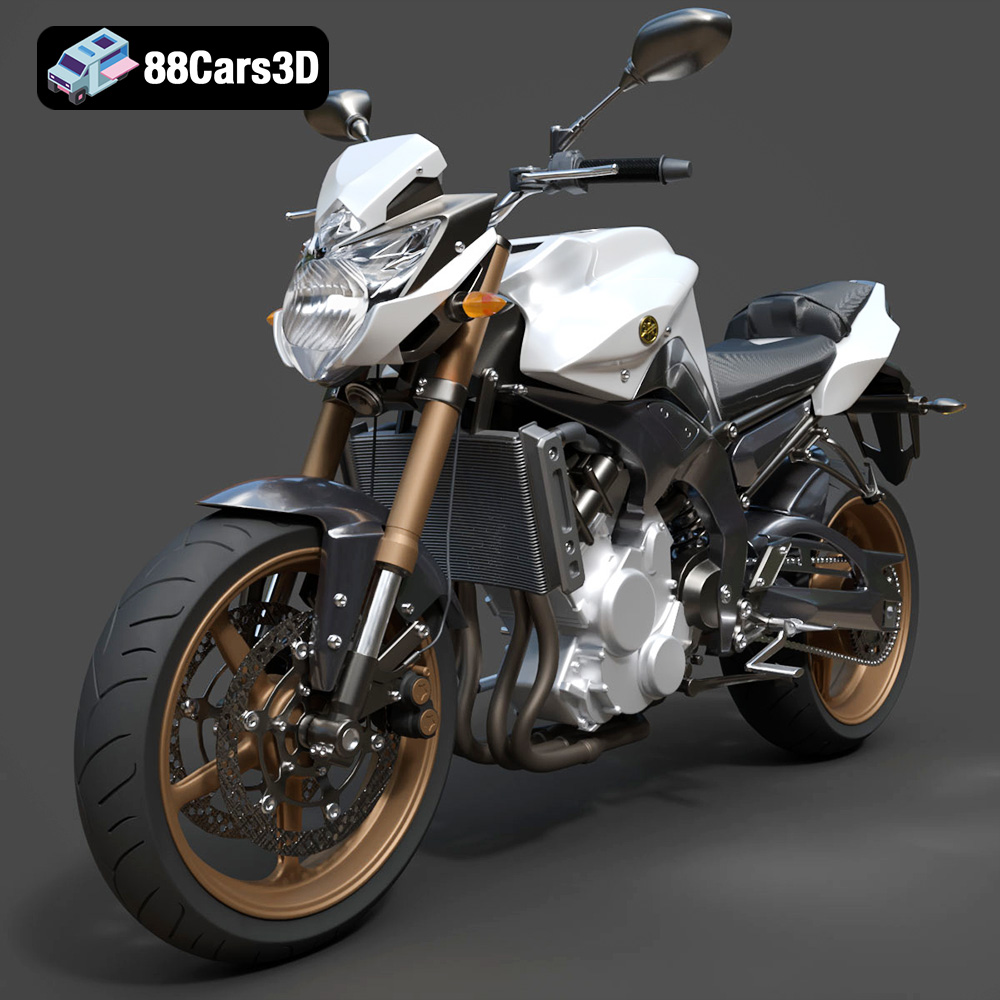
Yamaha FZ8 2011 3D Model
Texture: Yes
Material: Yes
Download the Yamaha FZ8 2011 3D Model featuring clean geometry, realistic detailing, and a fully modeled interior. Includes .blend, .fbx, .obj, .glb, .stl, .ply, .unreal, and .max formats for rendering, simulation, and game development.
Price: $19.99
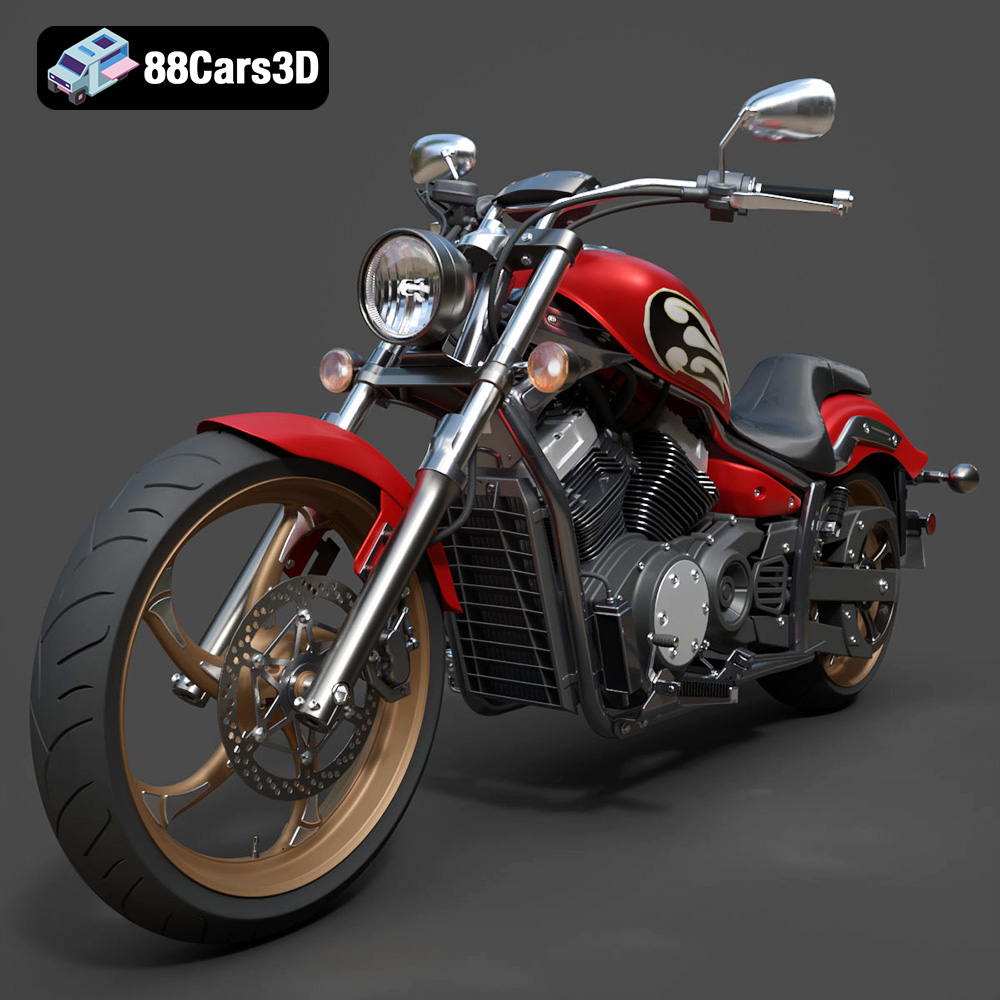
Yamaha Stryker 2012 3D Model
Texture: Yes
Material: Yes
Download the Yamaha Stryker 2012 3D Model featuring clean geometry, realistic detailing, and a fully modeled interior. Includes .blend, .fbx, .obj, .glb, .stl, .ply, .unreal, and .max formats for rendering, simulation, and game development.
Price: $19.99
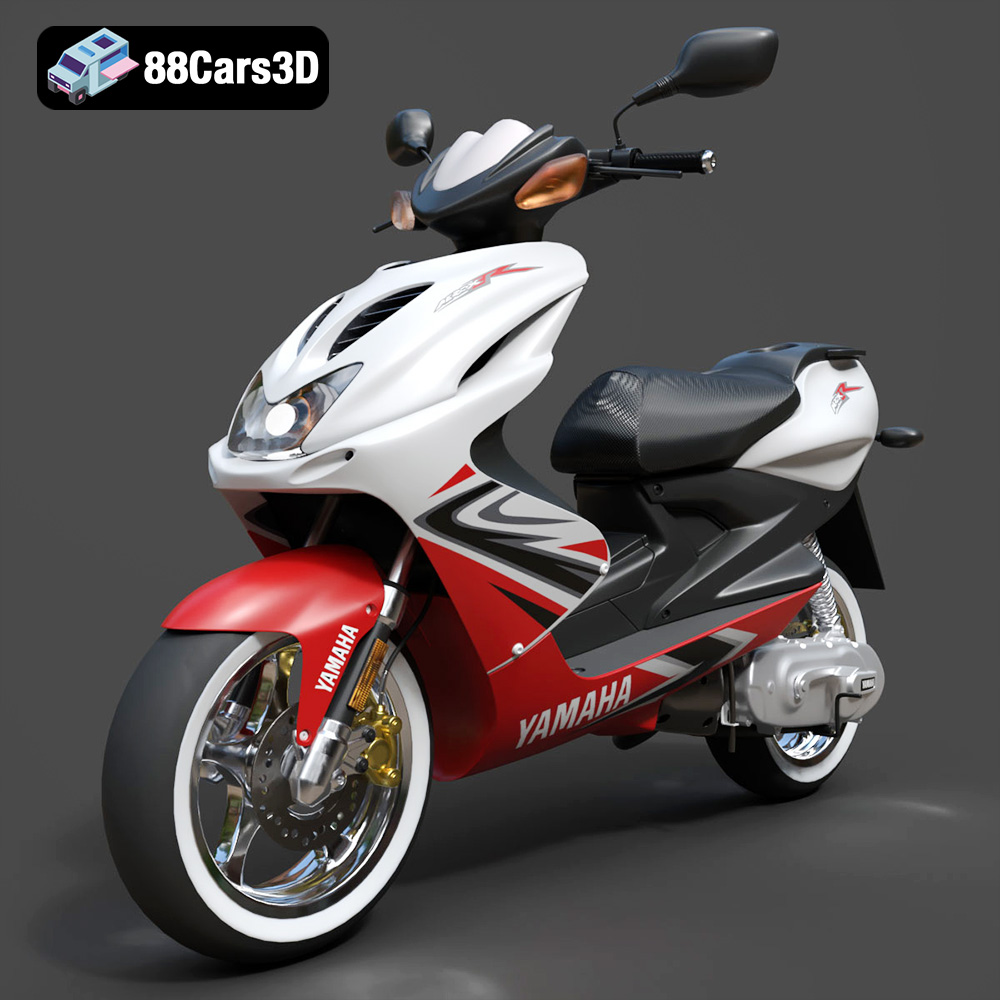
Yamaha Aerox R-002 2024 3D Model
Texture: Yes
Material: Yes
Download the Yamaha Aerox R-002 2024 3D Model featuring clean geometry, realistic detailing, and a fully modeled interior. Includes .blend, .fbx, .obj, .glb, .stl, .ply, .unreal, and .max formats for rendering, simulation, and game development.
Price: $19.99
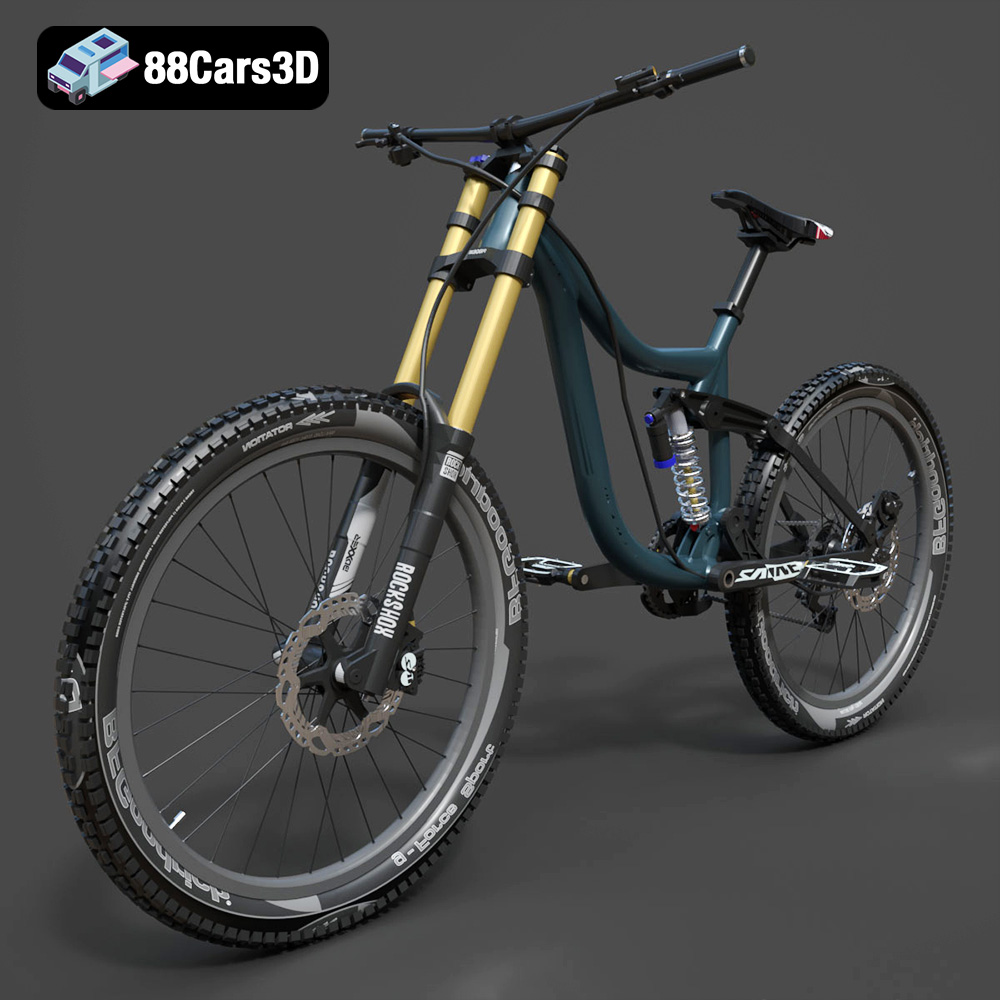
Mototsikly Downhill Bike-002 3D Model
Texture: Yes
Material: Yes
Download the Mototsikly Downhill Bike-002 3D Model featuring clean geometry, realistic detailing, and precise mechanical components. Includes .blend, .fbx, .obj, .glb, .stl, .ply, .unreal, and .max formats for rendering, simulation, and game development.
Price: $19.99
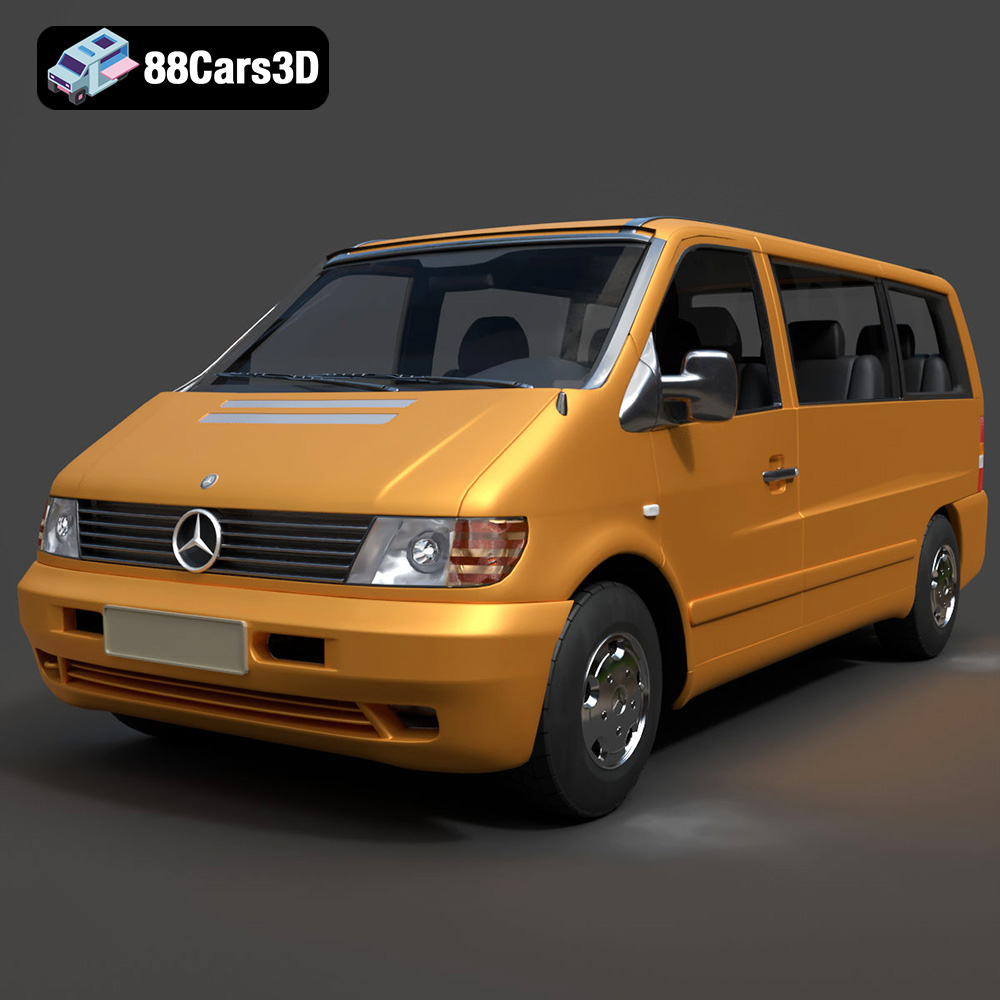
Mercedes-Benz Vito Passenger Van 3D Model
Texture: Yes
Material: Yes
Download the Mercedes-Benz Vito Passenger Van 3D Model featuring clean geometry, realistic detailing, and a fully modeled interior. Includes .blend, .fbx, .obj, .glb, .stl, .ply, .unreal, and .max formats for rendering, simulation, and game development.
Price: $19.99
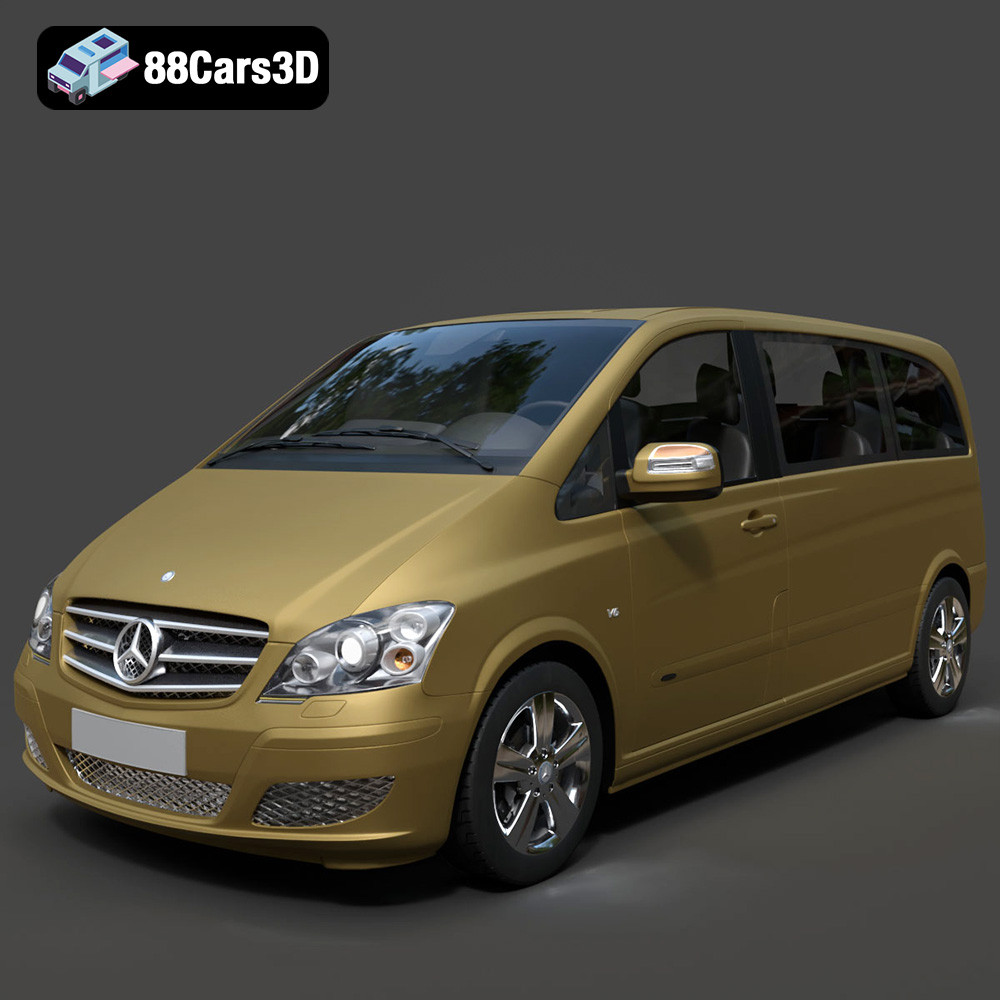
Mercedes-Benz Viano 2010 3D Model
Texture: Yes
Material: Yes
Download the Mercedes-Benz Viano 2010 3D Model featuring clean geometry, realistic detailing, and a fully modeled interior. Includes .blend, .fbx, .obj, .glb, .stl, .ply, .unreal, and .max formats for rendering, simulation, and game development.
Price: $19.99

Emt Avtobus 007 3D Model
Texture: Yes
Material: Yes
Download the Emt Avtobus 007 3D Model featuring clean geometry, realistic detailing, and a fully modeled interior. Includes .blend, .fbx, .obj, .glb, .stl, .ply, .unreal, and .max formats for rendering, simulation, and game development.
Price: $19.99
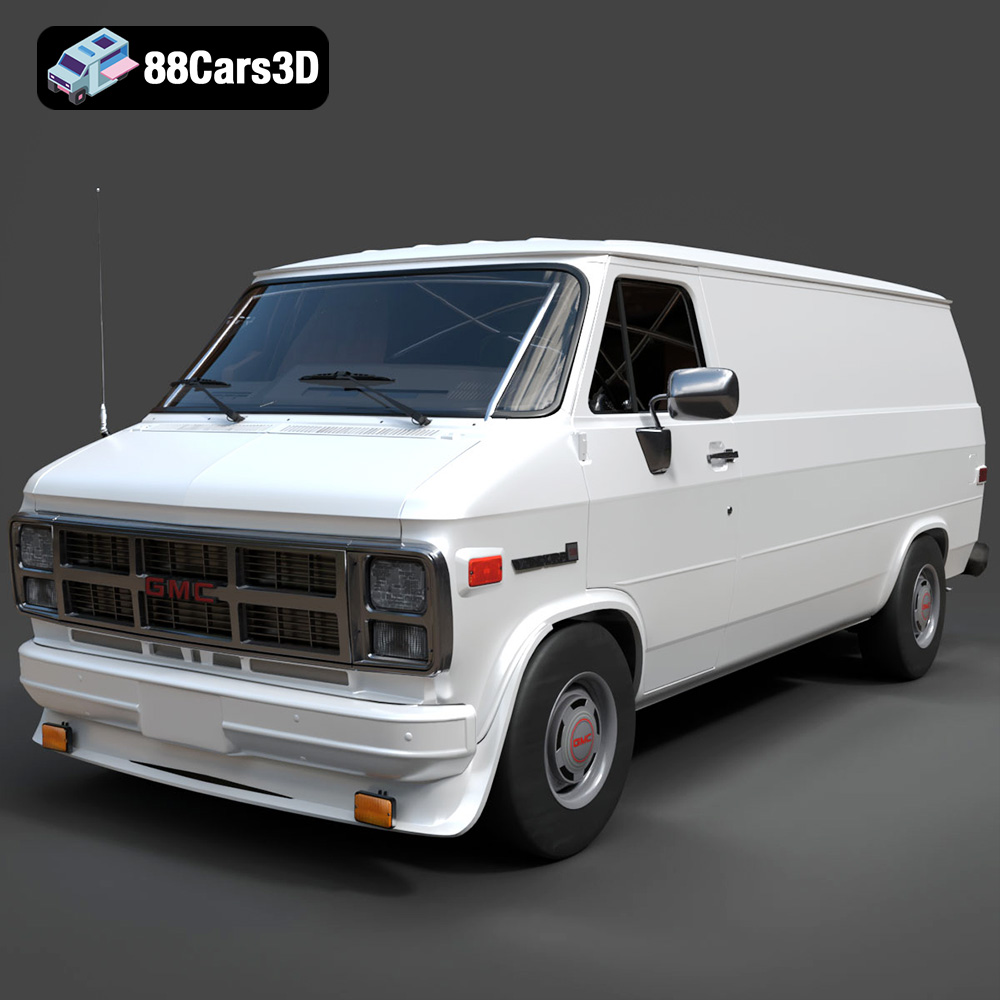
GMC Vandura G-1500 1983 3D Model
Texture: Yes
Material: Yes
Download the GMC Vandura G-1500 1983 3D Model featuring clean geometry, realistic detailing, and a fully modeled interior. Includes .blend, .fbx, .obj, .glb, .stl, .ply, .unreal, and .max formats for rendering, simulation, and game development.
Price: $19.99
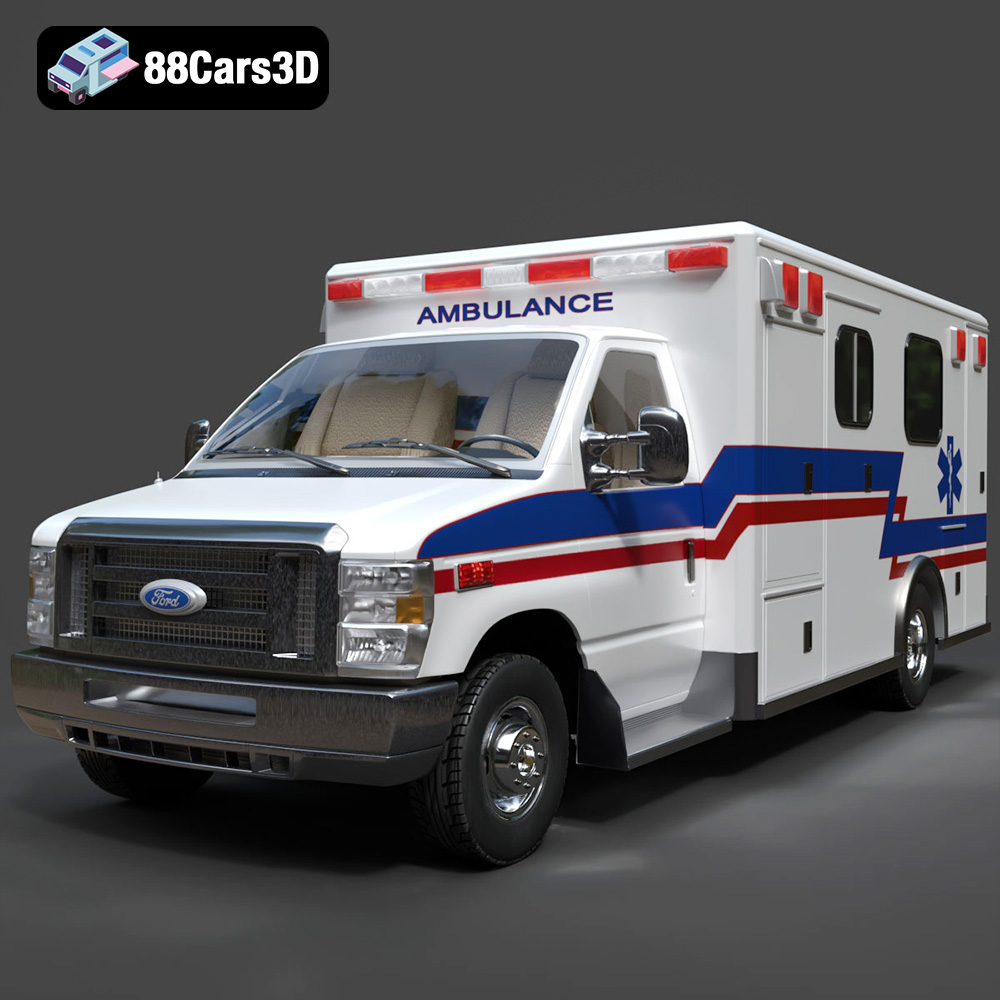
Ford E-450 Ambulance 3D Model
Texture: Yes
Material: Yes
Download the Ford E-450 Ambulance 3D Model featuring clean geometry, realistic detailing, and a fully modeled interior. Includes .blend, .fbx, .obj, .glb, .stl, .ply, .unreal, and .max formats for rendering, simulation, and game development.
Price: $19.99

Fiat Ducato SWB-001 3D Model
Texture: Yes
Material: Yes
Download the Fiat Ducato SWB-001 3D Model featuring clean geometry, realistic detailing, and a fully modeled interior. Includes .blend, .fbx, .obj, .glb, .stl, .ply, .unreal, and .max formats for rendering, simulation, and game development.
Price: $19.99
