

The quest for ultimate realism in automotive visualization has always pushed the boundaries of technology. From meticulously crafted 3D car models to sophisticated real-time rendering techniques, the goal is to create experiences so immersive they blur the lines between virtual and reality. While stunning vehicle aesthetics are paramount, the human element—a driver, a presenter, or an interactive character—can profoundly elevate the narrative and emotional connection within these visualizations. Traditionally, creating believable digital humans was a monumental task, demanding extensive artistic skill, significant time investment, and often compromising on fidelity. This is where MetaHuman Creator steps in as a game-changer.
Epic Games’ MetaHuman Creator offers a revolutionary approach to generating incredibly realistic, fully-rigged digital humans with unprecedented ease and speed. Integrating these photorealistic characters into your Unreal Engine projects, especially for automotive applications, unlocks new dimensions of storytelling, interactivity, and visual fidelity. Imagine a virtual showroom where a lifelike salesperson guides customers through a configurable car, or a cinematic automotive commercial featuring a believable driver reacting to the vehicle’s performance. This comprehensive guide will walk you through the entire process of leveraging MetaHuman Creator with Unreal Engine, from asset generation and seamless integration to advanced lighting, animation, and crucial optimization techniques. Prepare to transform your automotive visualization projects by breathing life into them with MetaHumans.
The Power of MetaHuman Creator for Automotive Realism
MetaHuman Creator represents a paradigm shift in digital character creation, democratizing access to photorealistic human assets that were once reserved for AAA game studios and high-budget film productions. For automotive visualization, this technology is nothing short of revolutionary. Instead of generic, often uncanny valley-inducing characters, you can now populate your virtual showrooms, test drives, and cinematic sequences with incredibly lifelike individuals who add authenticity and a human touch. These characters can serve as convincing drivers, knowledgeable presenters, or even background actors, seamlessly blending with the high-fidelity 3D car models you’ve painstakingly prepared.
The real power lies in MetaHuman Creator’s web-based interface, which allows artists of all skill levels to design unique digital humans in minutes. It provides an extensive library of pre-set MetaHumans, which can then be endlessly customized using intuitive sliders and blend options. From subtle facial features and body proportions to a vast array of hairstyles, clothing, and accessories, the customization options are deep. Each MetaHuman generated comes complete with production-ready mesh assets, advanced PBR materials, intricate hair grooms, and a sophisticated control rig, all optimized for Unreal Engine 5 and ready for animation. This significantly reduces the time and cost typically associated with character development, allowing more focus on the core automotive experience.
Crafting Your Digital Spokesperson or Driver
Using MetaHuman Creator is an intuitive process. You start by accessing the tool through your Epic Games account. Once inside, you can select from a wide range of pre-built MetaHumans as a starting point. From there, the customization begins. You can blend between different MetaHuman faces to create unique individuals, sculpt specific features with precision tools, and adjust everything from skin tone and eye color to wrinkle intensity and age. For automotive contexts, consider the role your MetaHuman will play. If they’re a driver, ensure their clothing is appropriate for being seated in a vehicle – perhaps a casual jacket or professional attire. If they’re a showroom presenter, a smart, clean aesthetic will enhance the brand image. The extensive library of clothing items covers various styles, from casual wear to business suits, allowing you to perfectly match your character’s wardrobe to the scenario. Experiment with different hairstyles and facial hair options to achieve the desired personality. Remember, attention to these details helps the MetaHuman feel like an integral part of your automotive narrative.
Understanding MetaHuman Asset Structure and Quality
When you download a MetaHuman from Quixel Bridge, it’s not just a single mesh; it’s a meticulously organized collection of assets engineered for performance and fidelity in Unreal Engine. Each MetaHuman comprises multiple skeletal meshes for the body, face, and various clothing items. Alongside these are multiple groom assets for hair, eyebrows, eyelashes, and stubble, which are rendered using Unreal Engine’s advanced groom system. Crucially, every MetaHuman comes with a set of automatically generated Level of Details (LODs), ranging from ultra-high fidelity (LOD 0) down to significantly optimized versions (LODs 4-8), ensuring scalable performance across different platforms and viewing distances. These LODs handle poly counts, texture resolutions, and even groom density automatically. The assets also include a complex set of PBR materials designed specifically for human skin, eyes, hair, and clothing, featuring advanced subsurface scattering, clear coat reflections, and anisotropic shading where appropriate. Furthermore, a dedicated Control Rig is provided, enabling intuitive and robust animation workflows directly within Unreal Engine, making the character production-ready straight out of the box.
Seamless Integration: Bringing MetaHumans into Unreal Engine
Bringing your custom-created MetaHumans into Unreal Engine is a streamlined process thanks to the deep integration with Quixel Bridge. Quixel Bridge acts as a content manager and browser for high-quality assets, including MetaHumans, Megascans, and other resources. Before you begin, ensure you have an Unreal Engine project set up (preferably UE5 for optimal MetaHuman features like Lumen and Nanite support for environments), and the Quixel Bridge plugin is enabled within your engine. The process is designed to be as straightforward as possible, minimizing the technical hurdles often associated with importing complex character assets. Once imported, your MetaHuman will appear as a Blueprint asset in your Content Browser, ready to be dragged and dropped into your scene. The engine will handle shader compilation and asset setup, preparing the character for immediate use in your Unreal Engine project, allowing you to focus on scene composition and animation.
This seamless workflow is particularly advantageous for automotive visualization, where time is often of the essence. You can quickly iterate on different character designs, place them alongside your vehicles (e.g., inside the cockpit of a meticulously detailed car model from 88cars3d.com, or standing next to it), and begin animating without getting bogged down in conversion or setup issues. The integration ensures that all the intricate details crafted in MetaHuman Creator – from realistic skin pores to flowing hair grooms – are faithfully translated into your Unreal Engine environment. This immediate visual feedback is invaluable for refining your scene and ensuring your digital humans complement the high-fidelity of your automotive assets, enhancing the overall realism and immersion of your visualization.
Importing Your MetaHuman via Quixel Bridge
The import process for MetaHumans is primarily handled through Quixel Bridge, which comes pre-installed as a plugin in Unreal Engine 5.
- Open Quixel Bridge: From within your Unreal Engine project, go to Window > Quixel Bridge.
- Log In: Ensure you’re logged into your Epic Games account within Bridge.
- Access MetaHumans: Navigate to the “MetaHumans” section in the left panel. Here you’ll see your custom MetaHumans and the available presets.
- Select Your MetaHuman: Choose the MetaHuman you wish to import.
- Choose Download Settings: Before downloading, select your desired quality preset. Options range from “High” to “Low” and dictate the texture resolutions and LODs to be downloaded. For most high-fidelity automotive visualizations, “High” or “Very High” is recommended.
- Download and Add: Click the “Download” button, then “Add” once the download is complete. Bridge will then automatically export the MetaHuman assets directly into your current Unreal Engine project.
During the “Add” process, Unreal Engine will import all necessary skeletal meshes, groom assets, textures, materials, and a Control Rig. You’ll observe a period of shader compilation, which is essential for rendering the complex MetaHuman materials correctly. Once complete, a new folder named after your MetaHuman will appear in your Content Browser, containing a master Blueprint asset and all its associated components.
Initial Setup and Asset Overview in Unreal Engine
After a successful import, navigating your MetaHuman assets in Unreal Engine is crucial.
- Locate the Blueprint: In the Content Browser, find the folder corresponding to your MetaHuman. Inside, you’ll see a Blueprint asset (e.g., BP_YourMetaHumanName). Drag this Blueprint directly into your level.
- Explore the Blueprint Structure: Open the MetaHuman Blueprint. In the Components panel, you’ll see a hierarchical structure: a root “Body” component (Skeletal Mesh) and attached components for “Face,” various “Groom” assets (hair, eyebrows, eyelashes, peach fuzz), and “Clothing” items (torso, legs, feet, etc.). Each of these has its own mesh and material assignments.
- Inspect Materials: Double-click any of the material instances (e.g., MI_Skin_Female) found within your MetaHuman’s asset folder. You’ll see an array of parameters that allow you to fine-tune aspects like skin tone, roughness, and subsurface scattering without needing to modify the master material. Similarly, explore the groom assets to understand their properties.
- Control Rig: A significant component is the built-in Control Rig, found as a sub-asset within the MetaHuman Blueprint. This non-destructive animation tool allows you to pose and animate the MetaHuman directly within the Unreal Engine editor or Sequencer, making it incredibly artist-friendly for creating custom poses or simple animations for your automotive scenes.
Understanding this structure allows for targeted adjustments and ensures you can troubleshoot any visual anomalies effectively, maintaining the high quality expected when presenting realistic characters alongside premium 3D car models.
Achieving Photorealistic Lighting and Materials for MetaHumans
The visual fidelity of a MetaHuman, especially when placed alongside a high-quality 3D car model, is heavily reliant on proper lighting and material setup. Unreal Engine’s advanced rendering features provide the tools necessary to make skin look like skin, hair shimmer, and clothing drape realistically. For MetaHumans, this goes beyond standard PBR material principles. Advanced techniques like Subsurface Scattering (SSS) for skin and anisotropic reflections for hair are critical to achieving believability. An accurately lit MetaHuman will appear soft, alive, and seamlessly integrated into the scene, enhancing the overall realism of your automotive visualization. Conversely, poor lighting can quickly plunge even the most detailed MetaHuman into the uncanny valley, detracting from the realism of your scene.
Unreal Engine 5’s Lumen global illumination system is particularly impactful for MetaHumans, providing incredibly natural light bounces and diffuse reflections that enhance skin and fabric realism without extensive manual light placement. When combined with carefully positioned cinematic lights and specialized MetaHuman materials, the results are stunning. For instance, the way light subtly penetrates the skin around the ears or nostrils, or how individual hair strands catch highlights, is crucial. Leveraging these technologies correctly ensures that your digital human assets not only look fantastic in isolation but also interact convincingly with the environment and the automotive assets around them, creating a cohesive and immersive experience. Pay close attention to light direction, color, and intensity to sculpt the character’s features and convey mood.
Leveraging Lumen and Global Illumination for MetaHumans
Unreal Engine 5’s Lumen global illumination and reflections system is a cornerstone for achieving photorealistic lighting for MetaHumans. Lumen dynamically calculates indirect lighting, making light bounce naturally off surfaces, illuminating the scene and your character with soft, realistic fill light. To enable Lumen, navigate to Project Settings > Engine > Rendering, and ensure “Global Illumination” and “Reflections” are set to “Lumen.” For MetaHumans, Lumen significantly enhances skin realism by simulating light scattering within the skin’s surface, a phenomenon known as Subsurface Scattering (SSS). This makes skin appear softer, less plastic, and more lifelike, especially in areas like the ears, nose, and fingers. This effect is crucial when you want your character to look natural next to a gleaming car. For optimal results:
- Use a Sky Light with a high-resolution HDR environment map to provide realistic ambient lighting and reflections.
- Supplement Lumen with strategic directional lights (for sun/moon) and point/spot lights (for key, fill, and rim lighting) to sculpt the MetaHuman’s features.
- Be mindful of light color; subtle warm or cool tones can dramatically affect mood and skin appearance.
- Monitor performance: While Lumen is efficient, dense scenes with many lights can be demanding. Optimize light complexity and ensure appropriate console variables are set for your target platform.
Mastering MetaHuman Materials and Grooms
MetaHumans come with highly sophisticated PBR materials, but understanding and fine-tuning them is key to truly exceptional results.
- Skin Materials: The MetaHuman skin materials are complex, featuring multiple layers for diffuse, normal, specular, and most importantly, subsurface scattering. Double-clicking a skin material instance (e.g.,
MI_Skin_Female) reveals parameters for adjusting skin tone, subsurface intensity, and various detail maps. Adjusting the “SSS Color” can subtly shift the warmth or coolness of the skin’s subsurface glow. Ensure your lighting setup accentuates these properties to avoid a flat look. - Eye Materials: Eye materials utilize advanced clear coat shading and anisotropic reflections to simulate the cornea and iris. Parameters allow for changing iris color, pupil dilation, and the wetness of the eye. Proper lighting will create sparkling highlights that bring the eyes to life.
- Hair Grooms: MetaHuman hair, eyebrows, and eyelashes are created using Unreal Engine’s Groom system, which renders individual hair strands. These grooms use specialized materials that simulate anisotropic reflections, making hair appear soft and shiny. In the groom asset editor, you can adjust parameters like “Root Scale,” “Tip Scale,” and “Roughness” to control density and sheen. Ensure your lighting catches the glint of individual strands to avoid a helmet-like appearance. For optimal visual quality, consider enabling “Ray Tracing for Grooms” in your project settings if your hardware supports it, as this provides highly realistic hair reflections and shadows, further enhancing the character’s realism alongside a meticulously rendered car from 88cars3d.com. For more detailed documentation on these features, refer to the official Unreal Engine learning resources at dev.epicgames.com/community/unreal-engine/learning.
Bringing MetaHumans to Life: Animation and Interactivity
A static MetaHuman, no matter how realistic, can only go so far in an automotive visualization. The true magic happens when these digital humans move, interact, and express emotions. Unreal Engine provides a robust suite of tools for animating MetaHumans, from cinematic sequences to real-time interactive experiences. Whether you need a driver to subtly turn the steering wheel, a presenter to gesture towards a car feature, or a character to respond to user input, the engine’s animation pipelines are incredibly powerful. The integrated Control Rig, combined with tools like Sequencer and Live Link, offers flexible and intuitive ways to breathe life into your MetaHumans, transforming them from mere static assets into engaging characters that enhance the narrative of your automotive project. This is where your high-quality 3D car models truly come alive with a human counterpart.
Imagine the impact of an interactive configurator where a MetaHuman salesperson dynamically highlights features of a customizable car, or a virtual production scenario where a human character seamlessly interacts with a real-world vehicle on an LED volume. These applications demand precise and expressive animation. Unreal Engine’s capabilities allow for everything from complex keyframe animation to real-time motion capture, offering solutions for a wide range of production needs. Understanding how to leverage these tools will empower you to create compelling scenarios where your MetaHumans not only look realistic but also act realistically, adding depth and emotional resonance to your automotive content. The synergy between a dynamically animated MetaHuman and a beautifully rendered vehicle creates an unparalleled immersive experience.
Animating MetaHumans with Control Rig and Sequencer
The MetaHuman Blueprint comes equipped with a powerful Control Rig, making animation directly within Unreal Engine highly accessible.
- Control Rig Overview: The Control Rig is a non-destructive, layered animation system. When you open the MetaHuman Blueprint and select the Control Rig component, you’ll see a series of manipulators (circles, squares, and lines) overlaid on the character in the viewport. These represent different controls for joints, allowing intuitive posing and animation of the body, face, and fingers.
- Posing in Editor: For static poses (e.g., a MetaHuman sitting in a car, or standing next to it), you can directly manipulate the Control Rig in the viewport. This is ideal for quickly setting up shots without needing a full animation sequence.
- Sequencer for Cinematics: For more complex, time-based animations like walking, talking, or performing specific actions, Unreal Engine’s Sequencer is the tool of choice.
- Add your MetaHuman Blueprint to a new Sequencer track.
- Add a “Control Rig” track to your MetaHuman’s section in Sequencer. This allows you to keyframe the Control Rig manipulators over time.
- For facial animation, MetaHumans provide blend shapes (morph targets) for a vast range of expressions. These can be keyframed directly in Sequencer or driven by external data.
- Integrating with Cars: To place a MetaHuman inside a car from platforms like 88cars3d.com, you would typically parent the MetaHuman’s root component to a socket or component within the car’s skeletal mesh. Then, animate the MetaHuman using its Control Rig to simulate driving actions (turning the wheel, pressing pedals) within Sequencer, ensuring the animations are synced with the car’s movements.
This workflow allows for precise control over your MetaHuman’s performance, from subtle gestures to dynamic actions, making them perfect for automotive narratives.
Real-time Performance Capture with Live Link
For truly lifelike and responsive MetaHuman animation, especially for interactive experiences or virtual production, Unreal Engine’s Live Link plugin is indispensable. Live Link facilitates the real-time streaming of animation data from external sources directly into Unreal Engine, enabling performance capture.
- Facial Capture: One of the most common applications for MetaHumans is real-time facial capture using an iPhone with the Live Link Face app.
- Download the “Live Link Face” app on a compatible iPhone (X or newer).
- Configure the app to stream data over your local network to your Unreal Engine project.
- In Unreal Engine, open the Live Link window (Window > Virtual Production > Live Link) and add your iPhone as a source.
- Assign the Live Link subject to your MetaHuman’s face in its Blueprint. The MetaHuman’s blend shapes will instantly be driven by your facial performance, creating incredibly nuanced and realistic expressions in real-time. This is excellent for live presentations of car models.
- Body Motion Capture: For full-body animation, Live Link can also connect to professional motion capture systems (e.g., Perception Neuron, Xsens, Vicon, Optitrack). Data from these systems can be streamed to drive the MetaHuman’s skeletal mesh, allowing you to quickly create complex body movements.
- Interactive Blueprints: Combine Live Link-driven animation with Blueprint scripting to create interactive MetaHuman experiences. For instance, a MetaHuman presenter could react to user choices in a car configurator, changing expressions or gestures as different car features are selected, creating a highly engaging and personalized user journey.
This real-time capability dramatically speeds up animation workflows and provides unparalleled realism for dynamic automotive content.
Optimizing MetaHumans for Performance and Scalability
While MetaHumans offer incredible fidelity, their complexity means performance optimization is a critical consideration, especially for real-time applications like games, AR/VR, or large-scale automotive visualizations. A single MetaHuman at its highest LOD can have hundreds of thousands of polygons for the body, intricate groom assets with millions of hair strands, and numerous high-resolution textures. Integrating multiple MetaHumans into a scene alongside detailed 3D car models and expansive environments can quickly strain even powerful hardware. Therefore, understanding and applying optimization strategies is crucial to maintain smooth frame rates and deliver a polished experience without compromising visual quality where it matters most.
Unreal Engine provides several tools and techniques to manage this complexity, from automatic LODs to scalability settings. The goal is always to strike a balance between visual fidelity and performance, ensuring that your automotive scenes run smoothly on target platforms. This involves strategic asset management, intelligent rendering settings, and an awareness of engine-specific features that can help offload processing. Neglecting optimization can lead to stuttering frame rates, slow load times, and a generally poor user experience, undermining all the effort put into creating photorealistic assets. Effective optimization ensures that your MetaHumans shine in their intended context, seamlessly integrated into your high-performance automotive visualizations.
Strategic LOD Management and Nanite for MetaHumans
MetaHumans are designed with performance in mind, automatically generating multiple Levels of Detail (LODs) for each component.
- Automatic LODs: Each MetaHuman comes with 8 LODs (0-7 for most skeletal meshes, even more for grooms). LOD 0 is the highest quality, while LOD 7 is heavily optimized. Unreal Engine automatically switches between these LODs based on the MetaHuman’s distance from the camera, significantly reducing polygon counts and groom complexity for characters far away. You can view and adjust LOD settings for individual MetaHuman components (e.g., Body, Face) within their skeletal mesh editors.
- Manual LOD Overrides: For specific performance targets (e.g., a mobile AR app), you might want to force a lower LOD (e.g.,
Set LOD Syncro Typein Blueprint to “None” and thenSet Forced LOD). However, this should be done cautiously, as it can reduce visual quality up close. - Nanite Consideration: While MetaHuman skeletal meshes (which deform) do not directly utilize Nanite’s virtualized geometry technology for their main body, Nanite is crucial for the surrounding environment. Static meshes like buildings, props, and ground surfaces can leverage Nanite to render billions of polygons efficiently, freeing up resources for your MetaHumans and highly detailed car models. This allows you to have an incredibly detailed backdrop without a performance hit, making your MetaHuman characters stand out without being the sole performance bottleneck. Regularly check your scene’s polygon density and draw calls using Unreal Engine’s stat commands (e.g.,
stat rhi,stat unit,stat gpu) to identify bottlenecks.
Performance Best Practices for Automotive Visualization
Beyond LODs, several other strategies are essential for optimizing MetaHumans and the overall scene for real-time automotive visualization.
- Culling: Ensure frustum culling (objects outside the camera’s view are not rendered) and occlusion culling (objects hidden behind others are not rendered) are working effectively. This is handled automatically by Unreal Engine but can be influenced by scene complexity.
- Texture Optimization: While MetaHumans use high-resolution textures, ensure other assets in your scene (especially large environment assets or less critical car parts) use appropriate texture resolutions. Use texture streaming where possible to manage memory efficiently.
- Shader Complexity: MetaHuman materials are complex. Minimize overdraw where multiple complex shaders are layered. Use the “Shader Complexity” view mode (Alt+8) to identify areas that are particularly expensive to render.
- Hair Grooms Optimization: Groom assets can be very demanding. While MetaHumans handle LODs for grooms, for extremely performance-sensitive scenarios (e.g., VR), consider reducing the “LOD Bias” on hair assets or using simpler hair cards for distant characters.
- Scalability Settings: Leverage Unreal Engine’s built-in scalability settings (Engine Scalability Settings under the Settings menu) to adjust global rendering quality. For example, “Post Process Quality” and “Shadow Quality” significantly impact performance. These can be adjusted dynamically at runtime via Blueprint for user-controlled quality settings.
- Profiling Tools: Regularly use Unreal Engine’s profiling tools like the GPU Visualizer (
stat gpu), Session Frontend, and Unreal Insights to pinpoint performance bottlenecks related to rendering, CPU, or memory. For in-depth guidance on profiling, refer to the Unreal Engine documentation at dev.epicgames.com/community/unreal-engine/learning. - AR/VR Considerations: For AR/VR automotive experiences, prioritize higher frame rates (typically 90fps+) by using lower MetaHuman LODs, optimizing light maps, baking shadows where possible, and minimizing expensive post-processing effects. Mobile rendering pathways often require even more aggressive optimization.
Advanced Applications: MetaHumans in Automotive Virtual Production
The integration of MetaHumans with Unreal Engine extends far beyond simple renders, opening up exciting possibilities for advanced automotive virtual production. This involves leveraging digital humans in interactive configurators, live broadcast scenarios, and LED wall environments, blurring the lines between the digital and physical realms. When combined with high-fidelity 3D car models, MetaHumans become powerful tools for creating dynamic and engaging content that can revolutionize how vehicles are presented, marketed, and experienced. The ability to place a lifelike human character into these advanced workflows adds an unparalleled layer of realism and relatability, making complex technical demonstrations or marketing narratives more accessible and impactful. These cutting-edge applications are where the true potential of real-time rendering and digital humans converges with the automotive industry’s demands for innovation.
Virtual production, in particular, benefits immensely from MetaHumans. Imagine a car commercial shot on an LED stage where a physical car is present, but the environment and a digital driver (a MetaHuman) are rendered in real-time in Unreal Engine. This allows for instant creative iteration, significant cost savings compared to traditional green screen methods, and an immediate visual feedback loop for directors and cinematographers. For interactive experiences, MetaHumans can transform static configurators into dynamic showrooms with virtual guides, offering personalized journeys through a vehicle’s features. These advanced applications underscore the versatility and power of MetaHumans in pushing the boundaries of what’s possible in automotive visualization, enabling a future where digital and physical elements seamlessly coexist to create unforgettable experiences.
Creating Interactive Automotive Configurator Experiences
MetaHumans can transform a standard automotive configurator into a highly interactive and engaging experience, making the sales or exploration process more personal and immersive.
- Virtual Sales Agents: Imagine a MetaHuman character acting as a virtual sales agent, guiding a user through the customization options of a car model from 88cars3d.com. Using Blueprint visual scripting, you can program the MetaHuman to react to user selections. For example, if a user changes the car’s color, the MetaHuman could turn, point at the car, and deliver a line of dialogue (e.g., using a text-to-speech plugin or pre-recorded audio) highlighting the benefits of that specific color or finish.
- Highlighting Features: As the user clicks on different car features (e.g., infotainment system, engine type, wheel options), the MetaHuman could physically walk around the car, open a door, or gesture towards the relevant component, explaining its functionality or design elements. This level of interaction goes far beyond static text descriptions.
- Personalized Journeys: Blueprint can be used to create branching narratives based on user preferences. The MetaHuman could ask questions about driving style or family needs, and then recommend specific car configurations, creating a highly personalized and guided experience that mimics a real-world sales interaction.
- Driving Dynamic Reactions: Combine the MetaHuman’s animation (via Control Rig or blend shapes) with Blueprint events triggered by UI interactions. For instance, an “excited” facial expression might play when a premium upgrade is selected, enhancing emotional connection.
These interactive experiences not only educate but also entertain, making the car exploration process far more memorable.
MetaHumans in Virtual Production and LED Wall Workflows
Virtual production (VP) environments, particularly those utilizing large LED walls, offer groundbreaking opportunities for automotive marketing and content creation, and MetaHumans are a perfect fit.
- Seamless Integration with Physical Assets: In a VP studio, a physical car can be placed on a stage, while a MetaHuman driver and an entire digital environment are rendered in real-time on an LED wall surrounding the vehicle. This creates an immersive, in-camera effect where the digital and physical blend seamlessly. The MetaHuman driver can be animated in Sequencer to react to the car’s movements, creating incredibly realistic driving sequences without ever leaving the studio.
- Real-time Iteration and Feedback: Directors and cinematographers can see the final composite shot in real-time, allowing for instant adjustments to lighting, camera angles, and MetaHuman performance. This iterative process drastically speeds up production timelines and reduces costs compared to traditional filming methods that rely heavily on post-production green screen compositing.
- Cinematic Automotive Commercials: Use Sequencer to choreograph complex camera moves, MetaHuman performances, and vehicle animations, creating stunning automotive commercials that are impossible to shoot in the real world. A MetaHuman could narrate a product story, interact with virtual elements, or even become the focus of a dramatic driving sequence.
- Blending with Live Actors: In some VP setups, live actors might interact with MetaHumans or vice-versa. Tools like Live Link can be used to synchronize live actor movements with MetaHuman animations, creating dynamic and believable interactions.
- Scalability and Environmental Storytelling: With MetaHumans, you can populate expansive virtual cities or exotic landscapes (created with Megascans and Nanite, alongside your detailed car models from 88cars3d.com) and place your vehicle and characters within them, telling rich environmental stories that are cost-prohibitive with physical sets.
This cutting-edge workflow leverages MetaHumans to add an unparalleled human dimension to virtual production, revolutionizing automotive content creation.
Conclusion
The journey through integrating MetaHuman Creator with Unreal Engine for automotive visualization reveals a powerful synergy that fundamentally transforms how we create and experience digital content. We’ve explored how MetaHuman Creator provides an unprecedented level of photorealism and customization for digital humans, saving countless hours in character development. From seamlessly importing these intricate assets via Quixel Bridge to mastering their complex PBR materials and leveraging Unreal Engine’s advanced lighting systems like Lumen, the path to bringing these characters to life is now more accessible than ever.
We’ve delved into the dynamic world of animation, utilizing the intuitive Control Rig and powerful Sequencer for cinematic storytelling, and harnessing Live Link for real-time performance capture. Crucially, we’ve tackled the vital topic of optimization, ensuring that these high-fidelity characters perform efficiently alongside your detailed 3D car models, even in demanding real-time applications like AR/VR. Finally, we showcased advanced applications, demonstrating how MetaHumans can elevate interactive configurators and become integral to cutting-edge virtual production and LED wall workflows, adding a relatable human element to the most sophisticated automotive presentations.
By mastering these techniques, you are empowered to elevate your automotive visualizations from mere technical showcases to emotionally resonant experiences. MetaHumans add depth, personality, and unparalleled realism, making your virtual cars feel more tangible and your narratives more compelling. We encourage you to experiment, combine the incredible realism of MetaHumans with the high-quality automotive assets found on platforms like 88cars3d.com, and push the boundaries of creative expression in real-time rendering. The future of automotive visualization is interactive, immersive, and unequivocally human.
Featured 3D Car Models

Porsche Cayenne 3D Model
Meta Description:
Texture: Yes
Material: Yes
Download the Porsche Cayenne 3D Model featuring realistic exterior styling and detailed interior design. Includes .blend, .fbx, .obj, .glb, .stl, .ply, .unreal, and .max formats for rendering, simulation, AR VR, and game development.
Price: $19.9
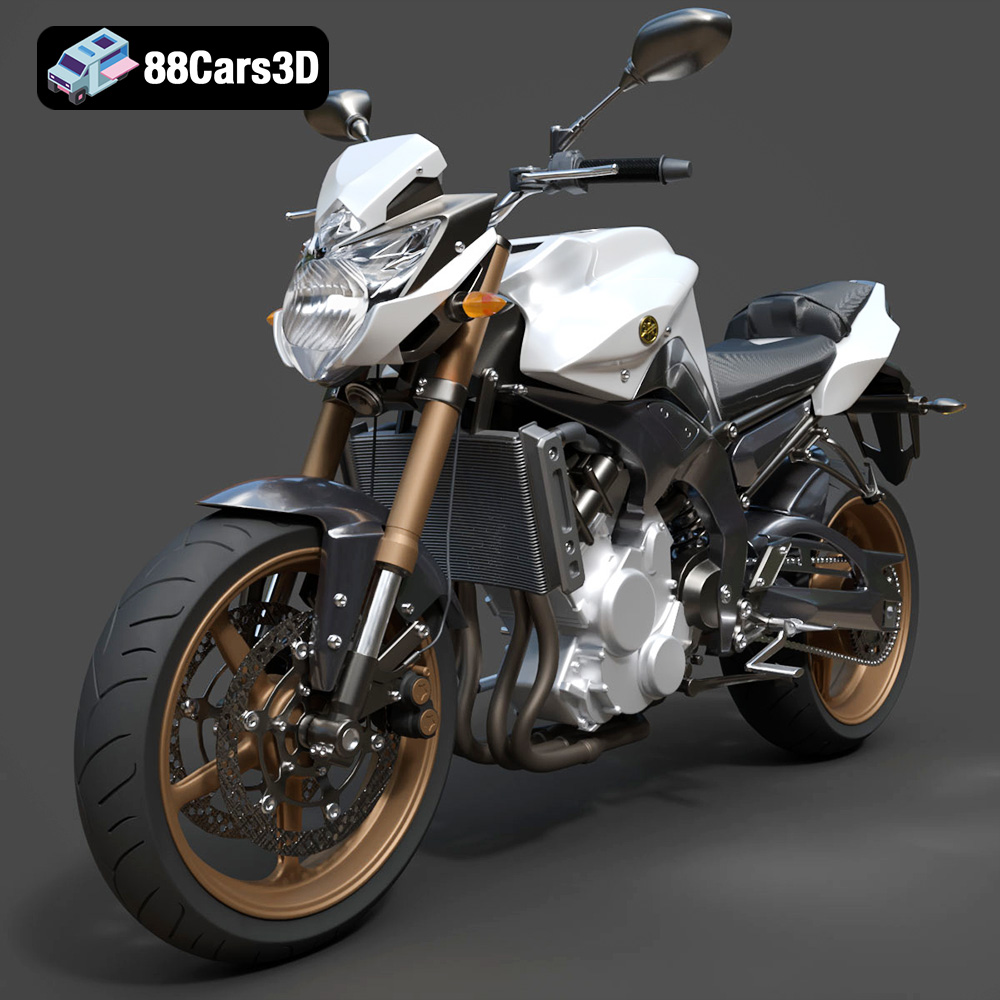
Yamaha FZ8 2011 3D Model
Texture: Yes
Material: Yes
Download the Yamaha FZ8 2011 3D Model featuring clean geometry, realistic detailing, and a fully modeled interior. Includes .blend, .fbx, .obj, .glb, .stl, .ply, .unreal, and .max formats for rendering, simulation, and game development.
Price: $19.99
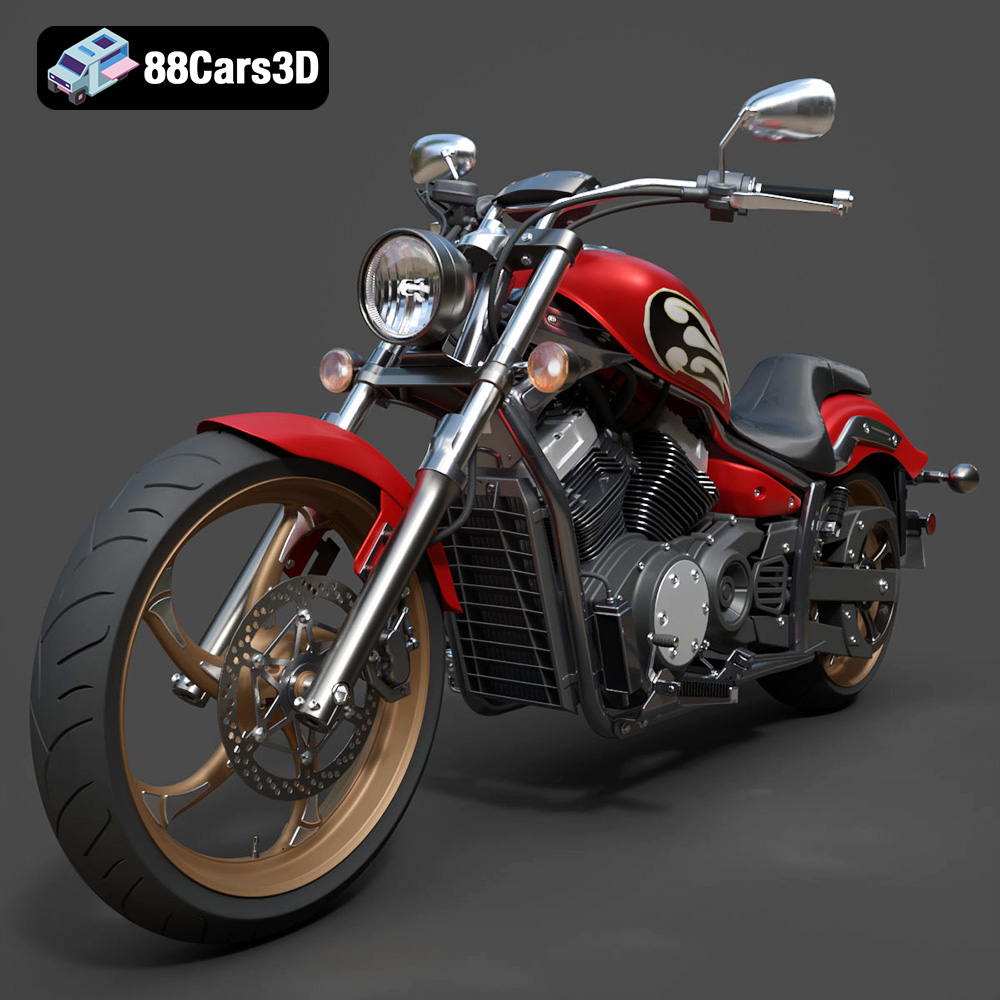
Yamaha Stryker 2012 3D Model
Texture: Yes
Material: Yes
Download the Yamaha Stryker 2012 3D Model featuring clean geometry, realistic detailing, and a fully modeled interior. Includes .blend, .fbx, .obj, .glb, .stl, .ply, .unreal, and .max formats for rendering, simulation, and game development.
Price: $19.99
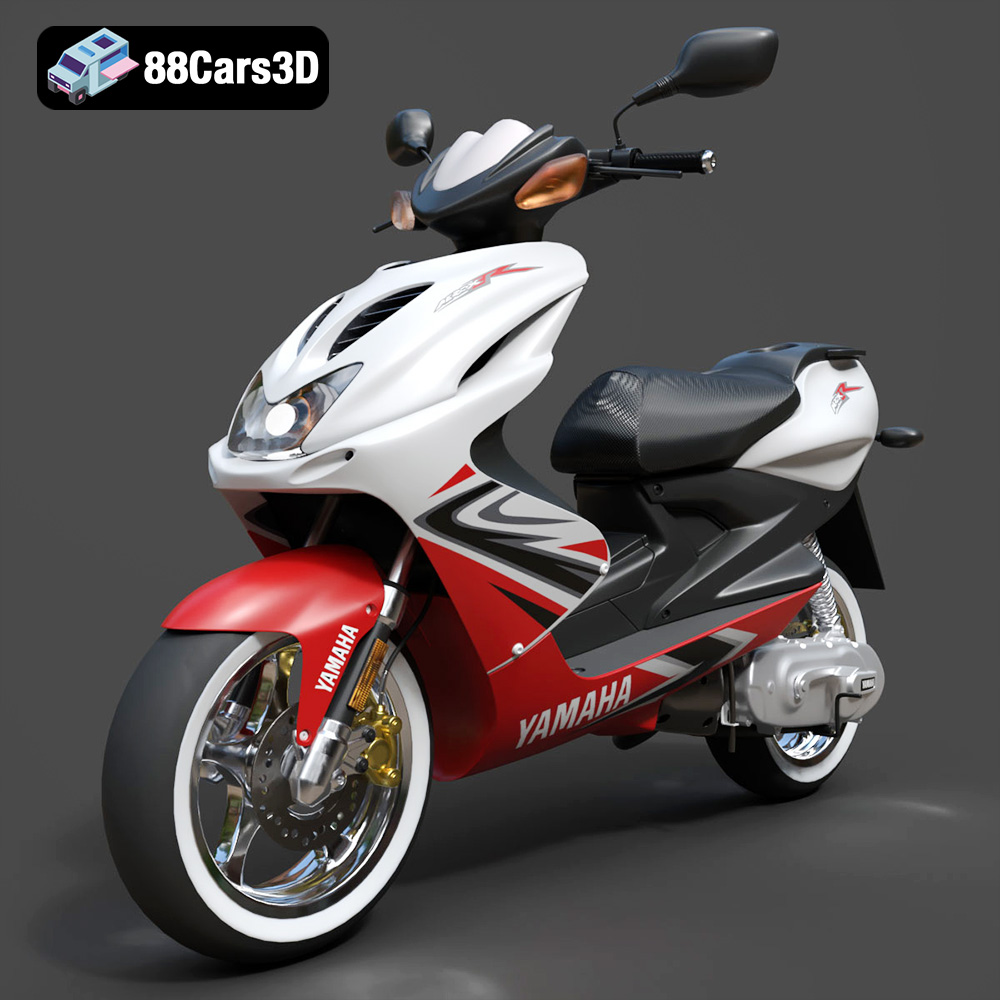
Yamaha Aerox R-002 2024 3D Model
Texture: Yes
Material: Yes
Download the Yamaha Aerox R-002 2024 3D Model featuring clean geometry, realistic detailing, and a fully modeled interior. Includes .blend, .fbx, .obj, .glb, .stl, .ply, .unreal, and .max formats for rendering, simulation, and game development.
Price: $19.99
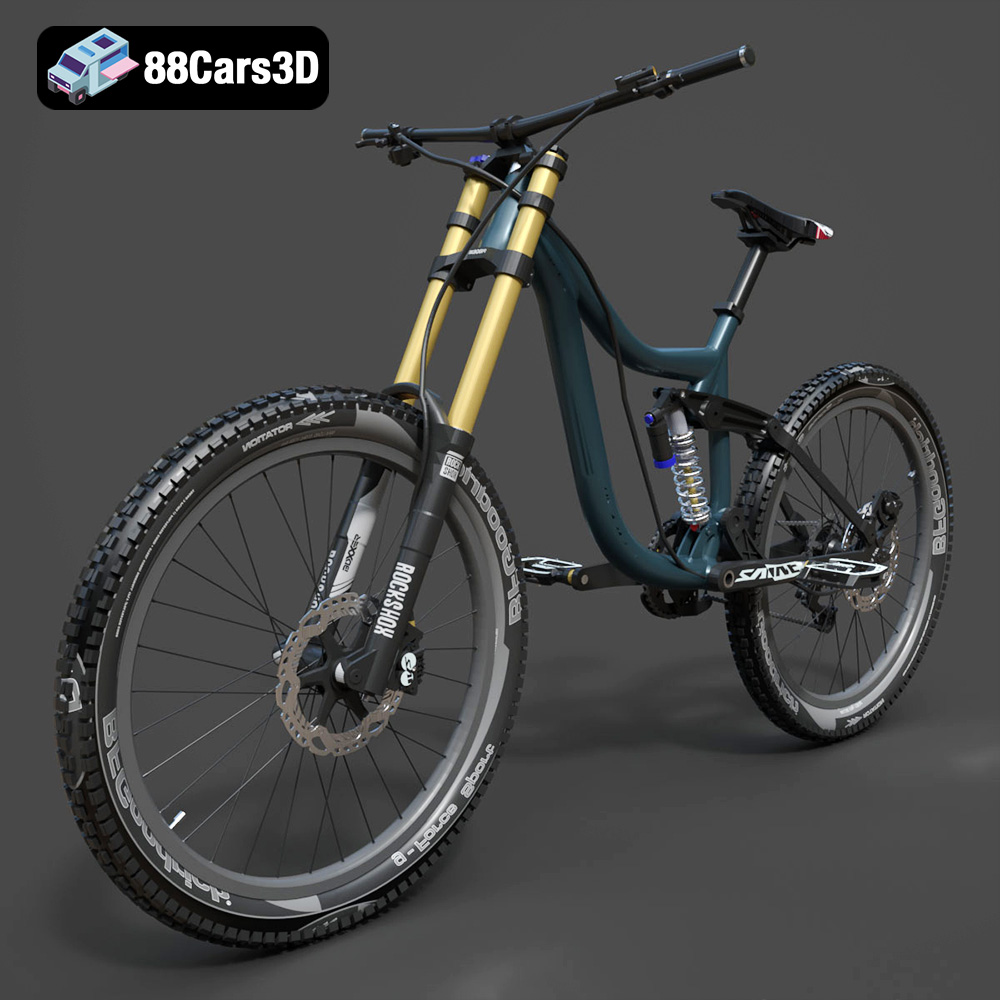
Mototsikly Downhill Bike-002 3D Model
Texture: Yes
Material: Yes
Download the Mototsikly Downhill Bike-002 3D Model featuring clean geometry, realistic detailing, and precise mechanical components. Includes .blend, .fbx, .obj, .glb, .stl, .ply, .unreal, and .max formats for rendering, simulation, and game development.
Price: $19.99
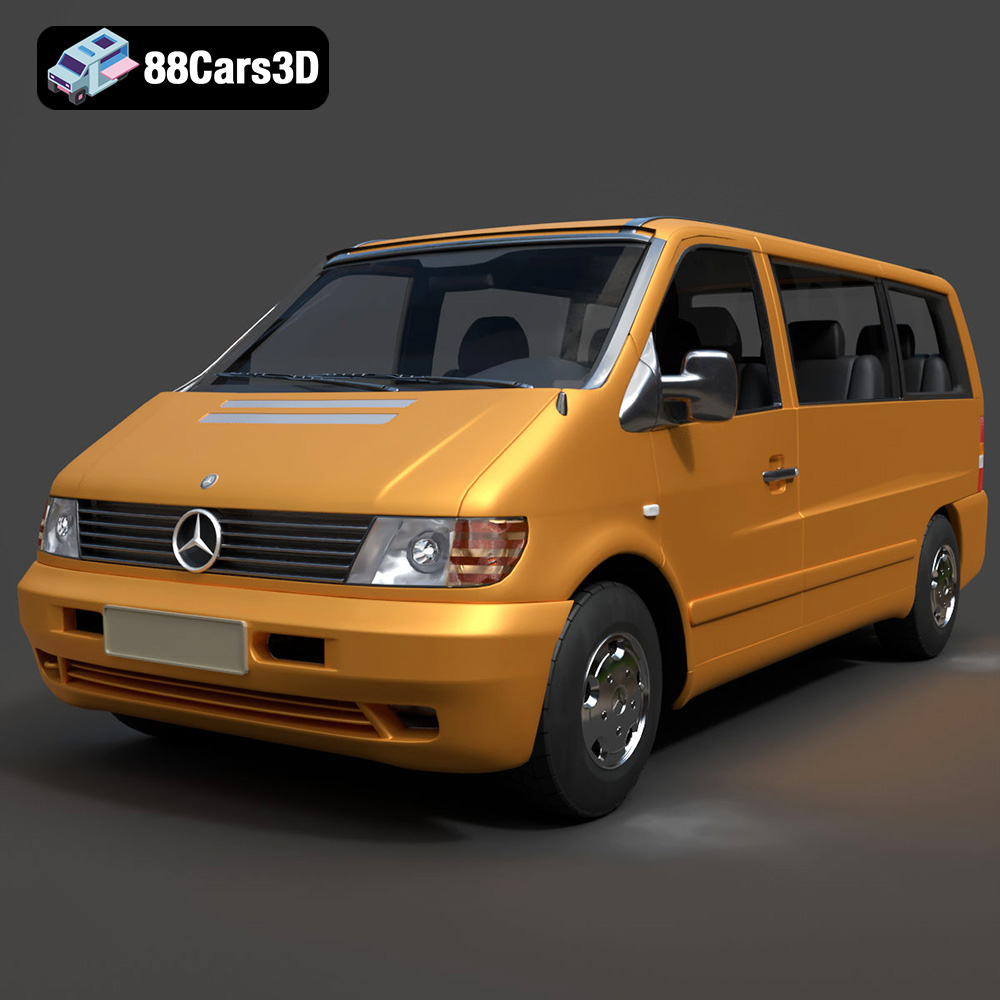
Mercedes-Benz Vito Passenger Van 3D Model
Texture: Yes
Material: Yes
Download the Mercedes-Benz Vito Passenger Van 3D Model featuring clean geometry, realistic detailing, and a fully modeled interior. Includes .blend, .fbx, .obj, .glb, .stl, .ply, .unreal, and .max formats for rendering, simulation, and game development.
Price: $19.99
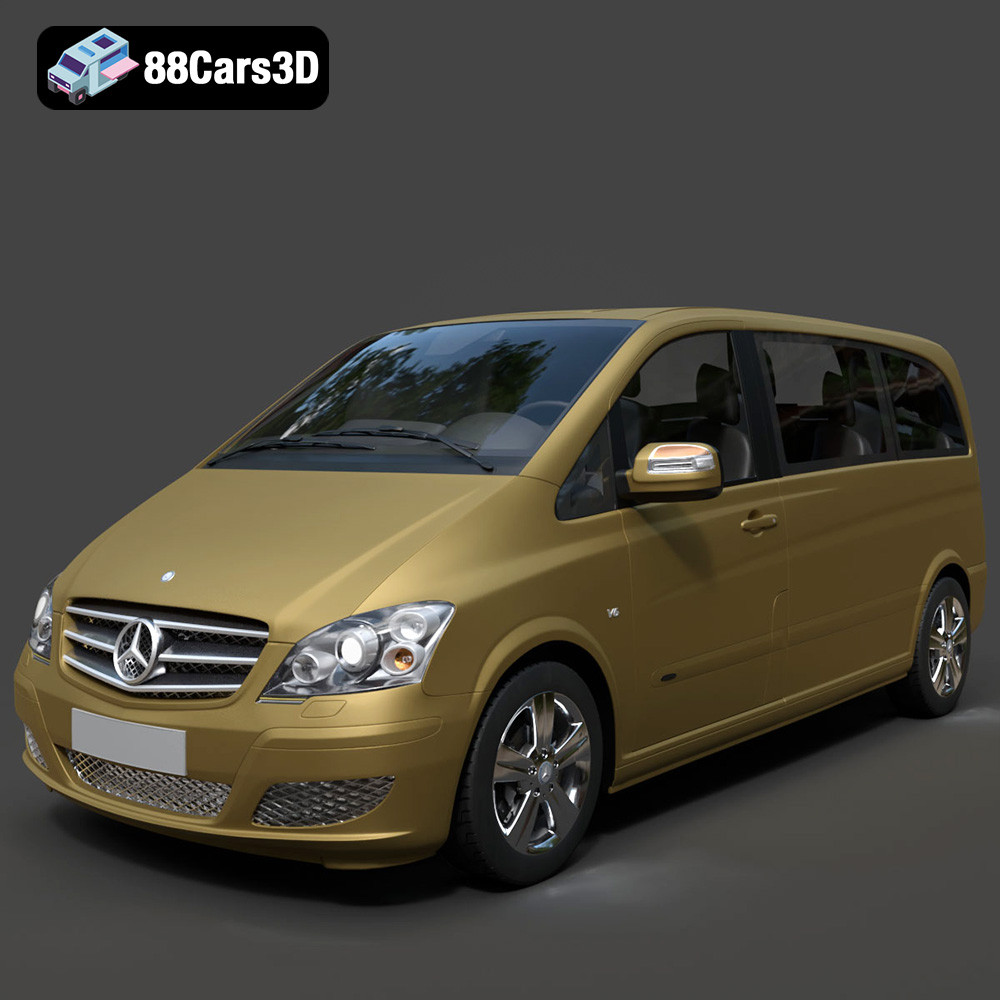
Mercedes-Benz Viano 2010 3D Model
Texture: Yes
Material: Yes
Download the Mercedes-Benz Viano 2010 3D Model featuring clean geometry, realistic detailing, and a fully modeled interior. Includes .blend, .fbx, .obj, .glb, .stl, .ply, .unreal, and .max formats for rendering, simulation, and game development.
Price: $19.99

Emt Avtobus 007 3D Model
Texture: Yes
Material: Yes
Download the Emt Avtobus 007 3D Model featuring clean geometry, realistic detailing, and a fully modeled interior. Includes .blend, .fbx, .obj, .glb, .stl, .ply, .unreal, and .max formats for rendering, simulation, and game development.
Price: $19.99
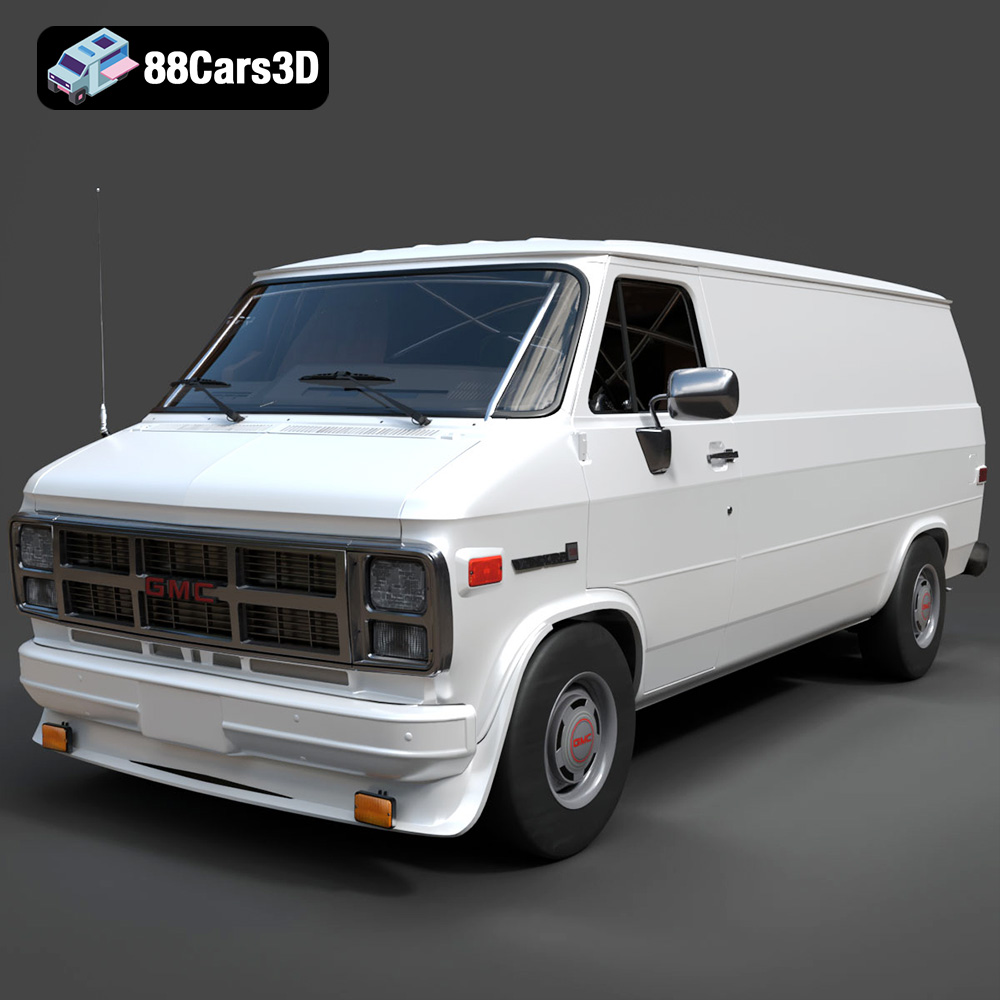
GMC Vandura G-1500 1983 3D Model
Texture: Yes
Material: Yes
Download the GMC Vandura G-1500 1983 3D Model featuring clean geometry, realistic detailing, and a fully modeled interior. Includes .blend, .fbx, .obj, .glb, .stl, .ply, .unreal, and .max formats for rendering, simulation, and game development.
Price: $19.99
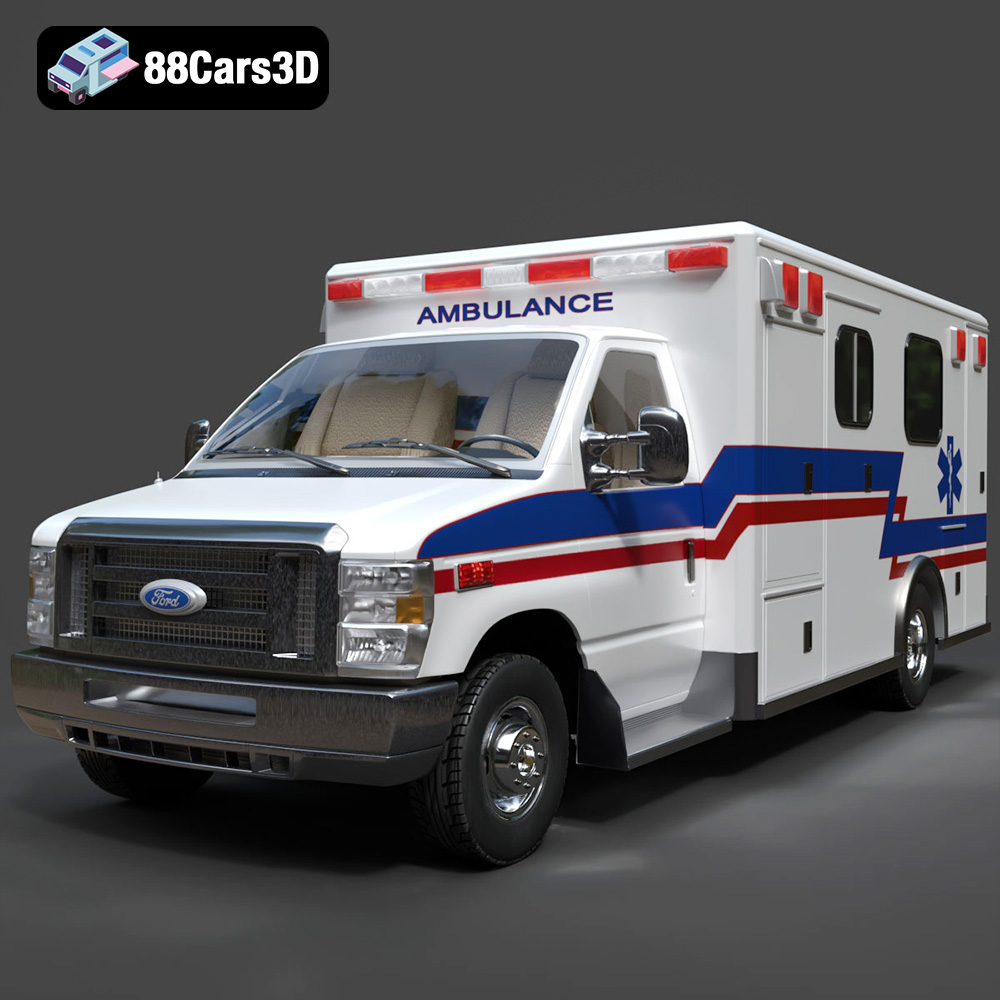
Ford E-450 Ambulance 3D Model
Texture: Yes
Material: Yes
Download the Ford E-450 Ambulance 3D Model featuring clean geometry, realistic detailing, and a fully modeled interior. Includes .blend, .fbx, .obj, .glb, .stl, .ply, .unreal, and .max formats for rendering, simulation, and game development.
Price: $19.99
