

“`html
Mastering the Print: How to Split Large 3D Car Models into Parts for Printing
The world of 3D printing opens up incredible possibilities for enthusiasts and hobbyists alike, allowing us to bring intricate designs to life right in our own homes. For automotive fans, the allure of printing detailed 3D car models is immense. However, many of the most impressive and detailed car models, especially those found on high-quality marketplaces like 88cars3d.com, can be too large to print as a single piece on standard FDM or resin 3D printers. Attempting to print an oversized model can lead to print failures, excessive material waste, and ultimately, disappointment. The solution? Strategic model splitting. This guide will delve deep into the technical aspects of dissecting large 3D car models into manageable parts, preparing them for successful printing, and reassembling them into a stunning final product. We’ll cover everything from understanding STL file structures and choosing the right software to advanced slicing techniques and crucial post-processing steps.
Understanding the ‘Why’ and ‘What’: The Case for Splitting Large Models
Before we dive into the ‘how,’ it’s essential to understand why splitting large 3D car models is not just beneficial, but often necessary. The primary driver is the physical limitation of most consumer-grade 3D printers. Even printers with generous build volumes can struggle with the dimensions of highly detailed, large-scale car models. Printing a single, monolithic object that exceeds your printer’s bed size is a non-starter. Beyond sheer size, splitting offers several significant advantages for print quality, material efficiency, and even the printing process itself.
Bridging the Build Volume Gap
Your 3D printer’s build volume, whether it’s 200x200x200mm or larger, dictates the maximum dimensions of any single object you can print. Larger car models, especially those designed for display or complex builds, will inevitably surpass these limits. By intelligently splitting a model into sections – perhaps the body, chassis, wheels, and interior components – you can ensure each part fits comfortably within your printer’s capabilities. This methodical approach prevents the slicer from giving you an error about the model being too large, or worse, the printer attempting to print an object that physically cannot be accommodated.
Optimizing Print Orientation and Support Strategy
Splitting a model allows for much greater control over the orientation of each individual part. This is critical for achieving the best surface finish, structural integrity, and minimizing the need for support material. For example, the delicate curves of a car’s fender might print best when oriented vertically, while the flat underside of the chassis could be printed flat on the build plate. Each part can be positioned to leverage layer lines to its advantage or to hide them in less visible areas. Furthermore, by splitting, you can tailor the support structures needed for each part, reducing the amount of support material required overall, making removal easier and cleaner, and preserving fine details that might otherwise be damaged during support removal.
Facilitating Multi-Material and Multi-Color Printing
For advanced users, splitting models opens the door to multi-material or multi-color printing. Different parts of a car might benefit from different materials – imagine printing tires in a flexible TPU while the body is in a rigid PLA or ABS. Or, if your printer supports it, you could print distinct colored sections for body panels, interiors, or trim without the need for extensive post-print painting. This is achievable by exporting individual parts as separate STL files, which can then be assigned different material profiles or filament colors in your slicer software.
Software Solutions for Model Splitting: Your Digital Toolkit
The process of splitting a 3D model requires specialized software that can manipulate mesh geometry. Fortunately, there are a range of powerful and accessible tools available, from free open-source options to professional-grade software. The choice often depends on your comfort level with 3D modeling software and the complexity of the splits you need to perform. Understanding the basic workflows in these programs is key to a successful splitting process.
Meshmixer: A Powerful Free Option
Autodesk Meshmixer is a fantastic, free tool for preparing and editing 3D meshes. It offers intuitive tools for cutting, splitting, and repairing models. Its ‘Inspector’ tool is excellent for identifying and fixing non-manifold geometry, which is crucial before and after splitting. For splitting, you can use the ‘Plane Cut’ tool to slice through the model along a user-defined plane, or the ‘Edit -> Discard/Keep’ functionality combined with selection tools to isolate sections.
Workflow Example in Meshmixer:
- Import your large car model STL into Meshmixer.
- Use the ‘Select’ tool (often the ‘Lasso’ or ‘Brush’ select) to highlight the portion of the model you want to separate (e.g., the roof).
- Invert the selection (Edit -> Invert Selection) to select everything *except* the roof.
- Go to ‘Edit -> Discard’ to remove the unselected parts.
- Export this separated part as a new STL file (e.g., ‘car_roof.stl’).
- Import the original model again, select the roof, and use ‘Edit -> Discard’ to remove it.
- Export the remaining body as another STL file (e.g., ‘car_body.stl’).
- For cleaner cuts, the ‘Plane Cut’ tool is often preferred. Position the plane where you want the split and confirm. Meshmixer will then offer to separate the resulting pieces or keep one side.
Blender: Versatile and Feature-Rich
Blender is a free, open-source 3D creation suite that is incredibly powerful, though it has a steeper learning curve than Meshmixer. Its modeling tools allow for precise Boolean operations (cutting one mesh with another) and direct mesh editing. For splitting, you can use tools like the ‘Knife Project’ or Boolean modifiers to cut through the model.
Workflow Example in Blender:
- Import your STL file into Blender.
- Add a ‘Plane’ object (Shift+A -> Mesh -> Plane).
- Scale and rotate the plane to act as your cutting surface. Position it where you want the split.
- Select the car model, then go into ‘Edit Mode’ (Tab).
- Ensure the plane is visible in Edit Mode.
- Use the ‘Knife Project’ tool (accessible via the Knife tool ‘K’ menu, then select ‘Project onto self’ if needed for manifold cuts, or use the Boolean modifier). Alternatively, add a Boolean modifier to the car model, set the ‘Object’ to your cutting plane, and choose ‘Difference’ operation. Apply the modifier.
- This operation might create two separate meshes or one mesh that needs further separation. If it creates a single mesh, you might need to use ‘Mesh -> Separate -> By Loose Parts’ or manually edit and split vertices/edges.
- Once separated, you can export each piece as an STL.
Professional CAD Software (Fusion 360, SolidWorks, etc.)
If you’re working with CAD models that have been converted to STL, or if you have access to professional CAD software, these tools offer robust Boolean operations for splitting. They are particularly adept at handling models with clean, defined surfaces and may preserve parametric design history if applicable.
Key Consideration: Manifold Geometry
Regardless of the software used, a critical aspect is ensuring that each resulting part is a **manifold** (watertight) mesh. This means there are no holes, no internal faces, and all edges are connected to exactly two faces. Non-manifold geometry will cause problems in slicing software and can lead to failed prints. Meshmixer’s ‘Inspector’ and Blender’s mesh analysis tools are invaluable for checking and repairing manifold integrity.
Strategic Splitting Techniques for Car Models
Simply cutting a model in half isn’t always the best approach. For complex objects like car models, thoughtful planning of where and how to split is crucial for ease of printing, assembly, and aesthetic quality. The goal is to create natural seams that can be easily joined later, or to isolate parts that have different printing requirements.
Identifying Natural Seams and Assembly Points
Examine the car model and think about how a real car is constructed. Cars are assembled from many panels, doors, hoods, and chassis components. These real-world divisions provide excellent opportunities for digital splitting. Splitting along existing panel lines (e.g., the edge of a door, the hood seam, the trunk line) creates nearly invisible seams once the parts are glued together. This mimics the real manufacturing process and greatly simplifies post-assembly finishing.
When splitting, consider adding small alignment features. This could be as simple as indenting one edge slightly and adding a corresponding protrusion on the mating edge. Alternatively, design small cylindrical pegs and corresponding holes that fit together. These features, often called registration keys or alignment pins, are invaluable for ensuring parts are positioned correctly during assembly and provide a stronger bond.
Handling Complex Geometries: Wheels, Undercarriage, and Intricate Details
Certain parts of a car model often present unique challenges. Wheels, with their spokes and tires, can be printed separately for easier handling and detail capture. The undercarriage, often packed with suspension details and exhaust systems, might be best printed as a distinct component. Delicate elements like mirrors, spoilers, or antennas might require separate printing and attachment to avoid breakage during the printing of larger body sections.
For parts that are thin or have fine details, consider orienting them for optimal printing and minimal support. For example, a thin spoiler might need to be printed upright. Splitting it from the main body allows you to orient it perfectly. Similarly, if a wheel has intricate spokes, printing it separately might allow for a layer height and orientation that best captures those details without excessive supports within the spokes themselves.
Splitting for Print Bed Adhesion and Warping Prevention
Very large, flat parts are notorious for warping, especially when printing with materials like ABS or PETG. Splitting a large car body into smaller sections like front fender, rear quarter panel, roof, and doors significantly reduces the surface area that needs to adhere to the build plate at any one time. This makes achieving good bed adhesion much easier and dramatically reduces the risk of warping, print failures, and detachment from the build surface.
When planning splits, consider how each piece will sit on the build plate. A split that allows for a large, flat surface to be oriented downwards is often ideal for adhesion. If a part has a complex, curved underside, splitting it might allow you to orient it so that a flatter, more manageable surface faces down, or to orient it to minimize the need for supports on highly detailed areas.
Slicing and Printing the Individual Parts
Once your large car model has been successfully split into smaller, manageable STL files, the next critical phase is preparing these files for printing using your chosen slicing software (e.g., Cura, PrusaSlicer, Simplify3D). This stage involves carefully selecting print settings that balance speed, quality, and the specific needs of each part.
Tailoring Slicer Settings: Layer Height, Infill, and Speed
Different parts of a car model may benefit from different print settings. For the main body, a moderate layer height (e.g., 0.15mm to 0.2mm) often provides a good balance between detail and print time. For smaller, highly detailed components like emblems or interior dashboard elements, you might opt for a finer layer height (e.g., 0.08mm to 0.12mm) to capture intricate details. Conversely, less visible structural components might tolerate a coarser layer height (e.g., 0.25mm or 0.3mm) to speed up printing.
Infill: For structural integrity, especially for parts that will bear weight or require strength, a moderate infill density (15-25%) with a robust pattern like gyroid or cubic is usually sufficient. For display models where strength is less of a concern, you can reduce infill to 5-10% or even use ‘lightning infill’ (if your slicer supports it) to save material and time while providing adequate internal structure. Always consider the load-bearing nature of the part; for example, wheel hubs or chassis components might need higher infill.
Print Speed: Generally, slower print speeds yield better quality, especially for detailed surfaces. For the outer walls of the car body, printing at 40-60mm/s is a good starting point. For inner walls and infill, you can often increase speed. Small, intricate parts might benefit from even slower speeds (e.g., 20-30mm/s) for critical features.
Support Structures: The Art of Placement and Removal
Proper support generation is paramount for split car models. You want supports that hold up overhangs effectively but are easy to remove without damaging the model’s surface. Most slicers offer various support types: normal, tree/organic, and custom supports.
Tree/Organic Supports: These are often excellent for curved car bodies, as they tend to use less material and are easier to remove from complex surfaces compared to traditional supports. They branch out like trees, touching the model only at necessary points.
Support Placement: Think about where supports will be most visible. Try to orient parts so that overhangs requiring supports are located on the underside of the model or in areas that will be less visible or easier to sand. Avoid placing supports directly on delicate details like grills or intricate badging whenever possible.
Support Settings: Fine-tuning support settings is crucial. Adjusting ‘Support Wall Line Count,’ ‘Support Density,’ and ‘Support Z Distance’ can significantly impact ease of removal and surface quality. A slightly larger Z distance can make removal easier, but too large can compromise overhang quality. ‘Support Interface’ layers can create a smoother surface where supports touch the model, making post-processing easier.
Bed Adhesion and Print Orientation for Each Part
Each split part needs careful consideration for its print orientation on the build plate. For most car body panels, orienting them so the largest flat surface is on the build plate is ideal for adhesion and minimizing supports on the visible exterior. However, this might require supports for internal features. Conversely, printing a curved panel upright might reduce the need for supports on the exterior but increase the risk of layer lines being more prominent or require more supports on the underside.
Bed Adhesion Methods: Ensure good bed adhesion for each part. This might involve using a brim or raft, especially for smaller parts with a small contact area or when printing materials prone to warping. A clean build plate, proper bed leveling, and appropriate nozzle/bed temperatures are fundamental. For materials like ABS, an enclosure can be highly beneficial in preventing warping by maintaining a stable, warm environment.
Post-Processing and Assembly: Bringing Your Creation Together
The printing is only half the battle. The true magic happens during the post-processing and assembly phase, where individual printed parts are transformed into a cohesive, impressive 3D car model. This stage requires patience, the right tools, and a careful approach to ensure a professional-looking finish.
Support Removal and Initial Cleanup
Carefully remove all support structures. For FDM prints, flush cutters, pliers, hobby knives, and dental picks are essential tools. For resin prints, this usually involves washing in IPA and then curing under UV light, after which supports can be removed with cutters or a hobby knife. Take your time to avoid damaging delicate features. If supports leave marks or small imperfections, these can often be addressed in the next steps.
Techniques for Difficult Removals: For stubborn supports, a quick burst of heat from a heat gun (used cautiously!) can sometimes soften the plastic enough to make removal easier. For resin prints, partially curing can make supports brittle and easier to snap off cleanly. Always prioritize safety and work in a well-ventilated area, especially when using solvents or sanding.
Sanding, Filling, and Surface Finishing
Achieving a smooth, seamless finish on a multi-part 3D print requires dedicated effort. Start with coarser grit sandpaper (e.g., 120-220 grit) to remove major imperfections and support marks. Gradually move to finer grits (e.g., 400, 800, 1000, and even up to 2000+ grit for a mirror finish). Wet sanding with higher grits can produce exceptionally smooth surfaces.
Filling Gaps: For most car models, you’ll likely have small gaps along the seams where parts join. Use a good quality filler putty or modeling clay. Cyanoacrylate glue (super glue) mixed with baking soda can create a fast-hardening, sandable filler. Apply it sparingly, let it cure, and then sand it flush with the surrounding surface. For FDM prints, a thin layer of automotive primer can highlight any remaining imperfections and gaps, allowing you to address them before final painting.
Joining Parts: Adhesives and Alignment
When it comes time to glue the printed parts together, choose your adhesive wisely based on the filament material. For PLA, cyanoacrylate (super glue) or a specialized PLA-compatible adhesive works well. For ABS or PETG, thicker super glue formulations, epoxy, or even solvent welding (using acetone for ABS) can be effective. If you incorporated alignment pins during the splitting phase, use these to ensure precise alignment before the adhesive fully cures.
Clamping and Fixturing: For larger assemblies, consider using clamps (with protective padding to avoid damaging the print) or creating simple jigs to hold parts in place while the adhesive sets. Work methodically, joining one or two parts at a time, allowing them to cure fully before moving on to the next section. Patience here prevents mistakes that can be difficult to rectify later.
Conclusion: Your Path to Printing Large, Detailed Car Models
Printing large, intricate 3D car models is an ambitious but incredibly rewarding endeavor. By embracing the technique of strategically splitting models into smaller, printable parts, you overcome the limitations of build volume and gain significant control over print quality, support requirements, and material usage. We’ve explored the essential software tools like Meshmixer and Blender, detailed techniques for identifying natural seams and adding alignment features, and delved into the critical slicing parameters that ensure each part prints successfully. Furthermore, the importance of meticulous post-processing – from support removal and sanding to gap filling and precise assembly – has been highlighted as the key to transforming individual prints into a stunning, cohesive replica.
Platforms like 88cars3d.com offer a fantastic library of detailed car models in STL format, designed with hobbyists in mind, often considering potential splitting needs. By applying the knowledge gained from this guide, you can confidently take even the most complex models from these sources and bring them to life. Remember that practice makes perfect; don’t be discouraged by initial challenges. Each print and assembly session will hone your skills, leading you to produce increasingly impressive and detailed 3D printed automotive masterpieces. So, gather your tools, choose your next project, and start splitting!
“`
Featured 3D Car Models

Porsche Cayenne 3D Model
Meta Description:
Texture: Yes
Material: Yes
Download the Porsche Cayenne 3D Model featuring realistic exterior styling and detailed interior design. Includes .blend, .fbx, .obj, .glb, .stl, .ply, .unreal, and .max formats for rendering, simulation, AR VR, and game development.
Price: $19.9
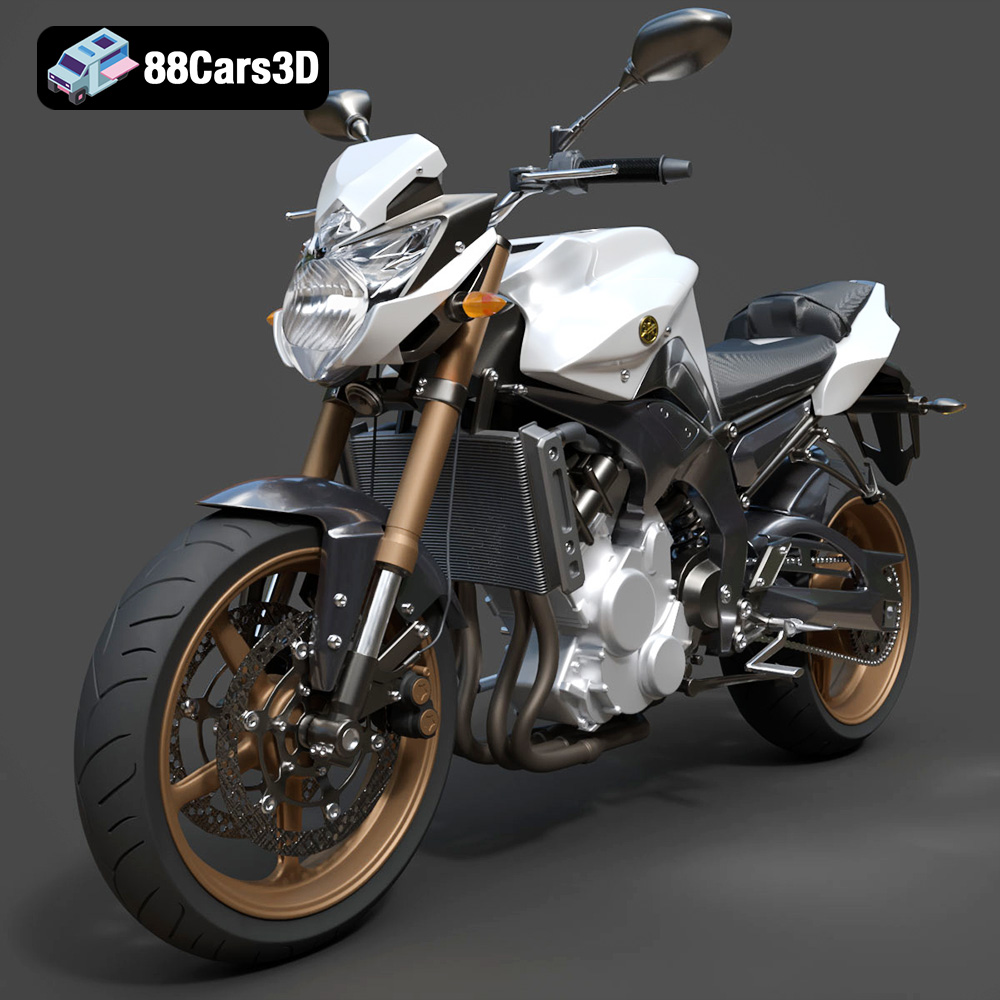
Yamaha FZ8 2011 3D Model
Texture: Yes
Material: Yes
Download the Yamaha FZ8 2011 3D Model featuring clean geometry, realistic detailing, and a fully modeled interior. Includes .blend, .fbx, .obj, .glb, .stl, .ply, .unreal, and .max formats for rendering, simulation, and game development.
Price: $19.99
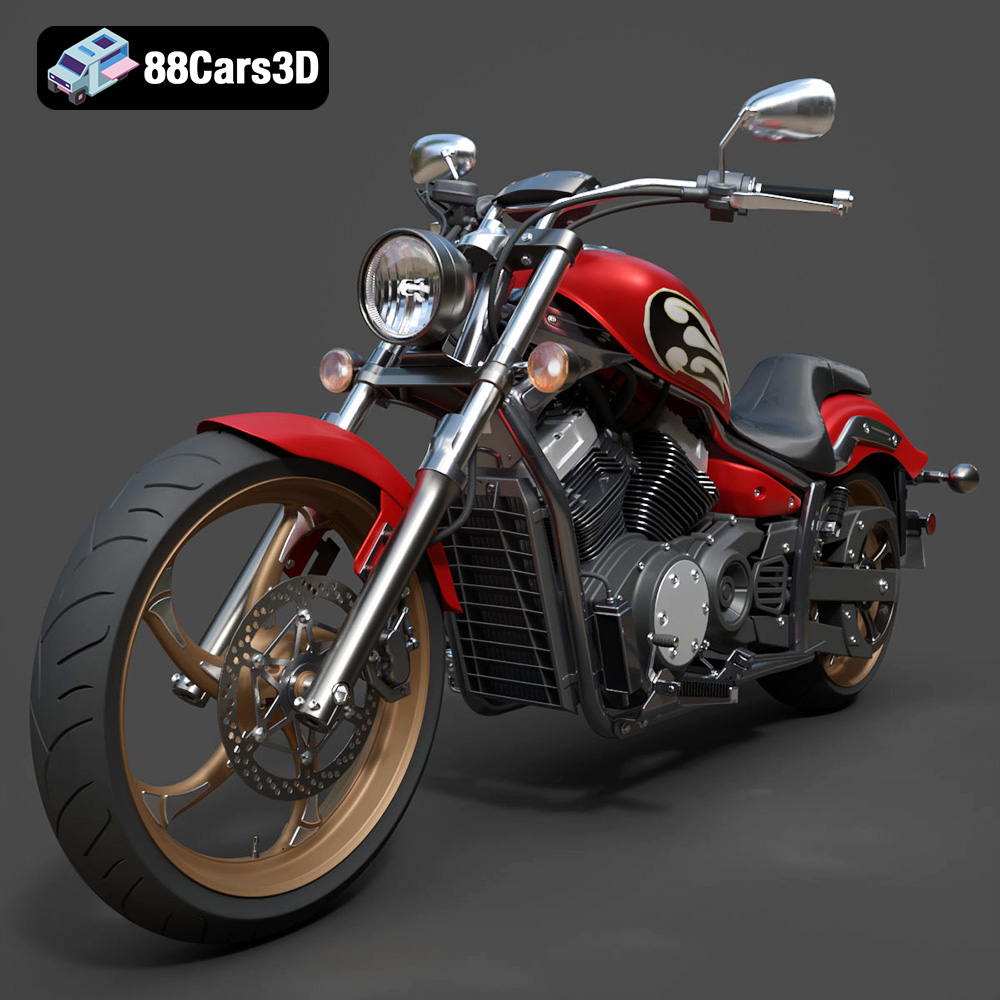
Yamaha Stryker 2012 3D Model
Texture: Yes
Material: Yes
Download the Yamaha Stryker 2012 3D Model featuring clean geometry, realistic detailing, and a fully modeled interior. Includes .blend, .fbx, .obj, .glb, .stl, .ply, .unreal, and .max formats for rendering, simulation, and game development.
Price: $19.99
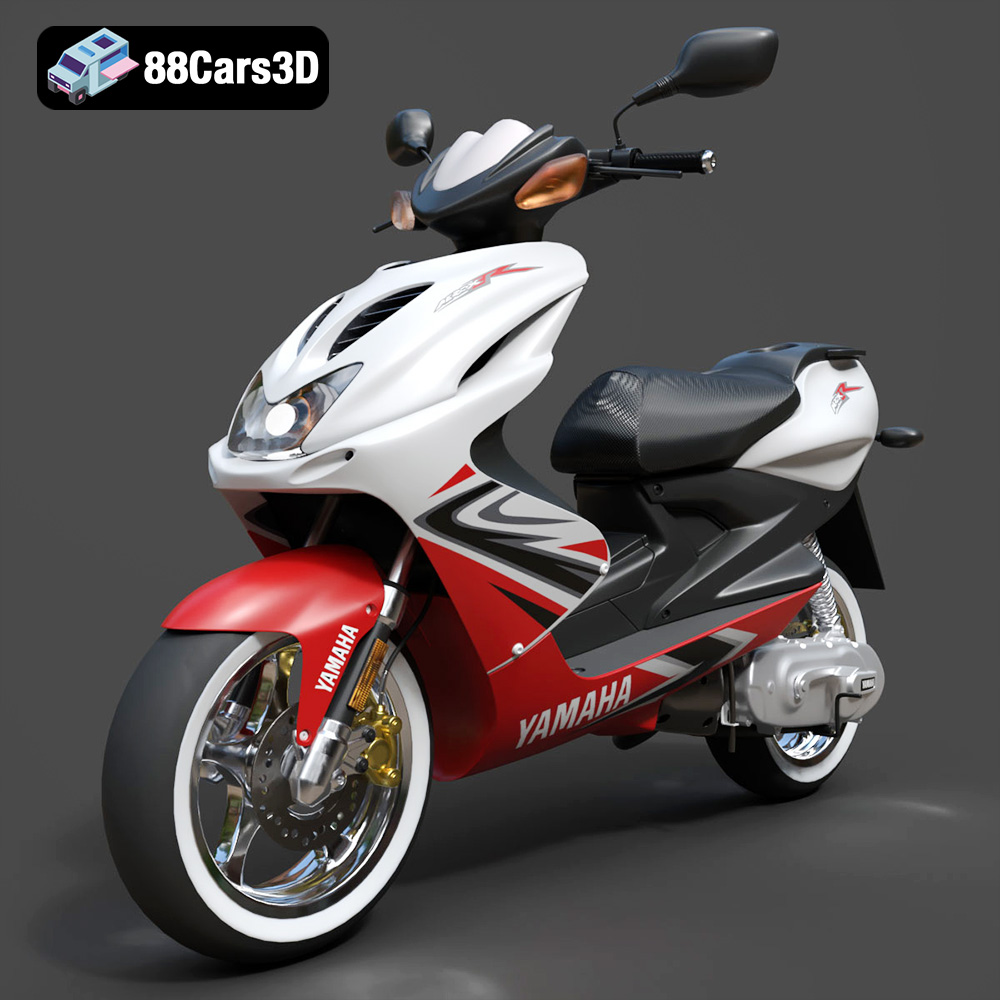
Yamaha Aerox R-002 2024 3D Model
Texture: Yes
Material: Yes
Download the Yamaha Aerox R-002 2024 3D Model featuring clean geometry, realistic detailing, and a fully modeled interior. Includes .blend, .fbx, .obj, .glb, .stl, .ply, .unreal, and .max formats for rendering, simulation, and game development.
Price: $19.99
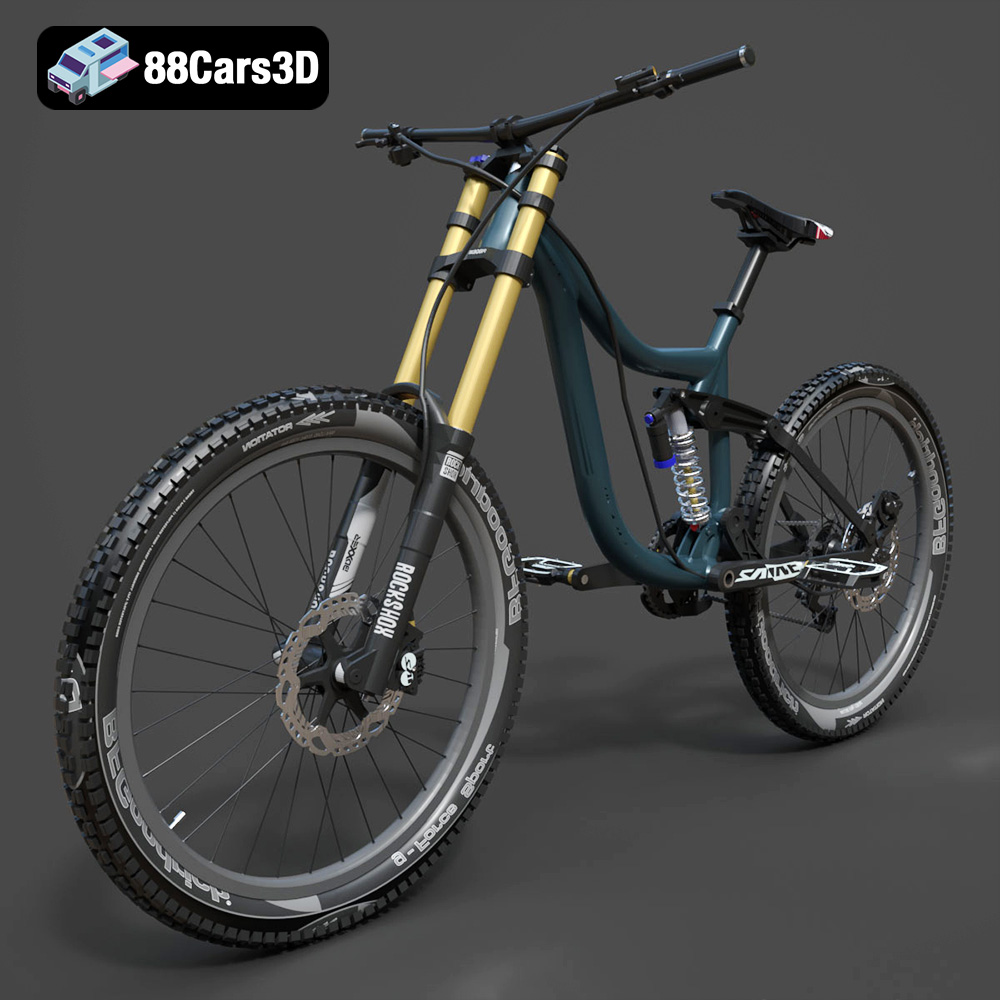
Mototsikly Downhill Bike-002 3D Model
Texture: Yes
Material: Yes
Download the Mototsikly Downhill Bike-002 3D Model featuring clean geometry, realistic detailing, and precise mechanical components. Includes .blend, .fbx, .obj, .glb, .stl, .ply, .unreal, and .max formats for rendering, simulation, and game development.
Price: $19.99
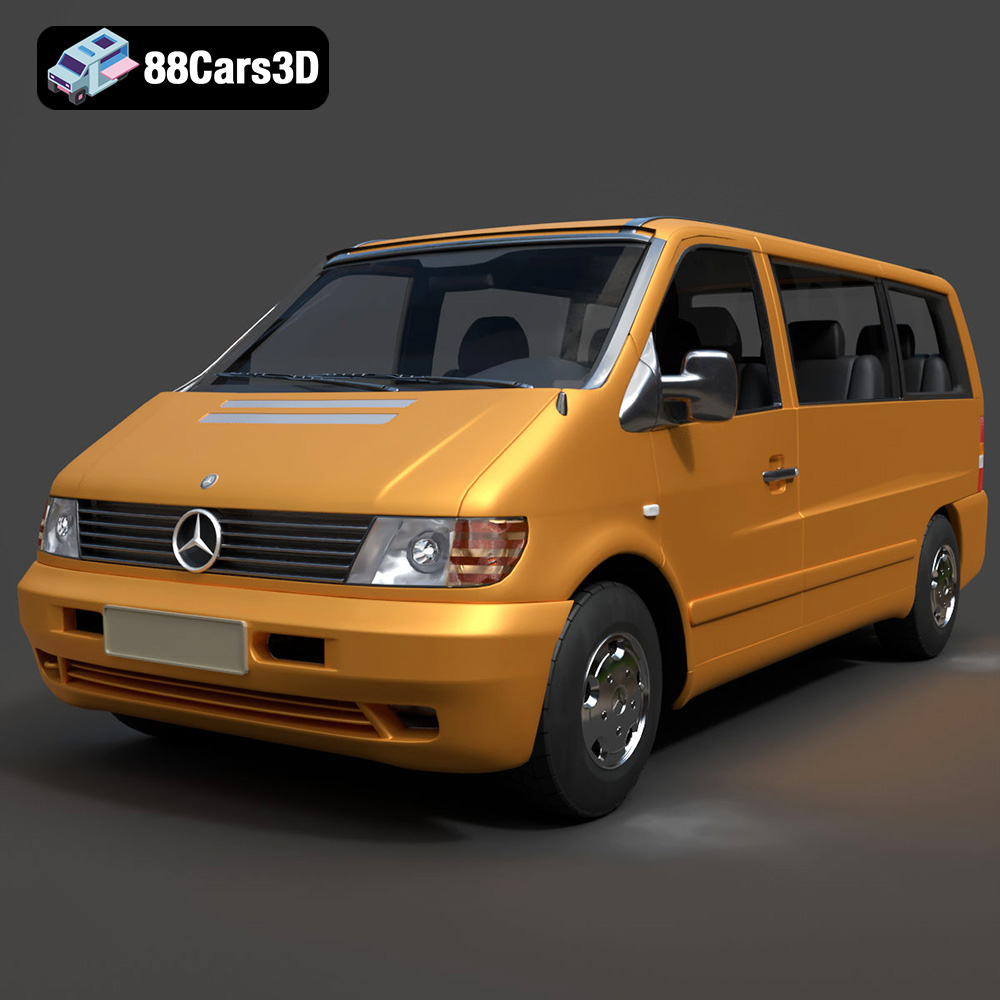
Mercedes-Benz Vito Passenger Van 3D Model
Texture: Yes
Material: Yes
Download the Mercedes-Benz Vito Passenger Van 3D Model featuring clean geometry, realistic detailing, and a fully modeled interior. Includes .blend, .fbx, .obj, .glb, .stl, .ply, .unreal, and .max formats for rendering, simulation, and game development.
Price: $19.99
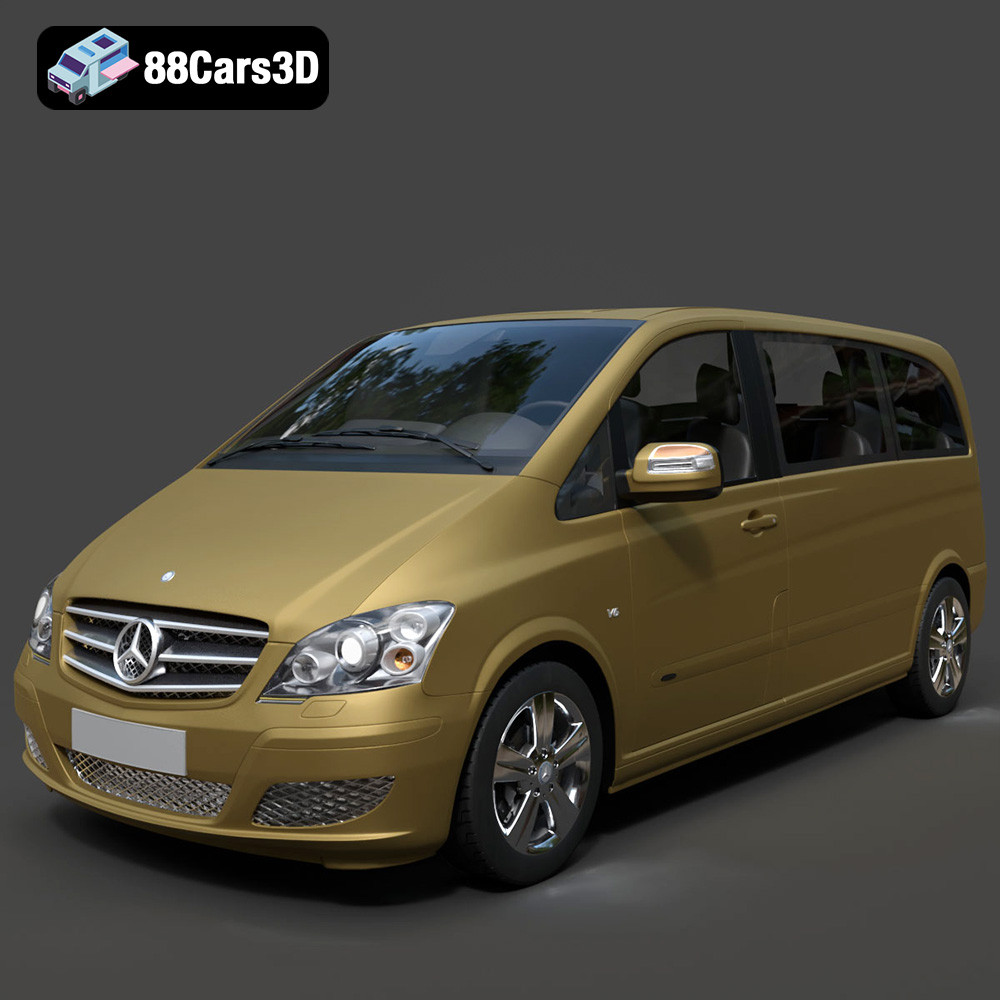
Mercedes-Benz Viano 2010 3D Model
Texture: Yes
Material: Yes
Download the Mercedes-Benz Viano 2010 3D Model featuring clean geometry, realistic detailing, and a fully modeled interior. Includes .blend, .fbx, .obj, .glb, .stl, .ply, .unreal, and .max formats for rendering, simulation, and game development.
Price: $19.99

Emt Avtobus 007 3D Model
Texture: Yes
Material: Yes
Download the Emt Avtobus 007 3D Model featuring clean geometry, realistic detailing, and a fully modeled interior. Includes .blend, .fbx, .obj, .glb, .stl, .ply, .unreal, and .max formats for rendering, simulation, and game development.
Price: $19.99
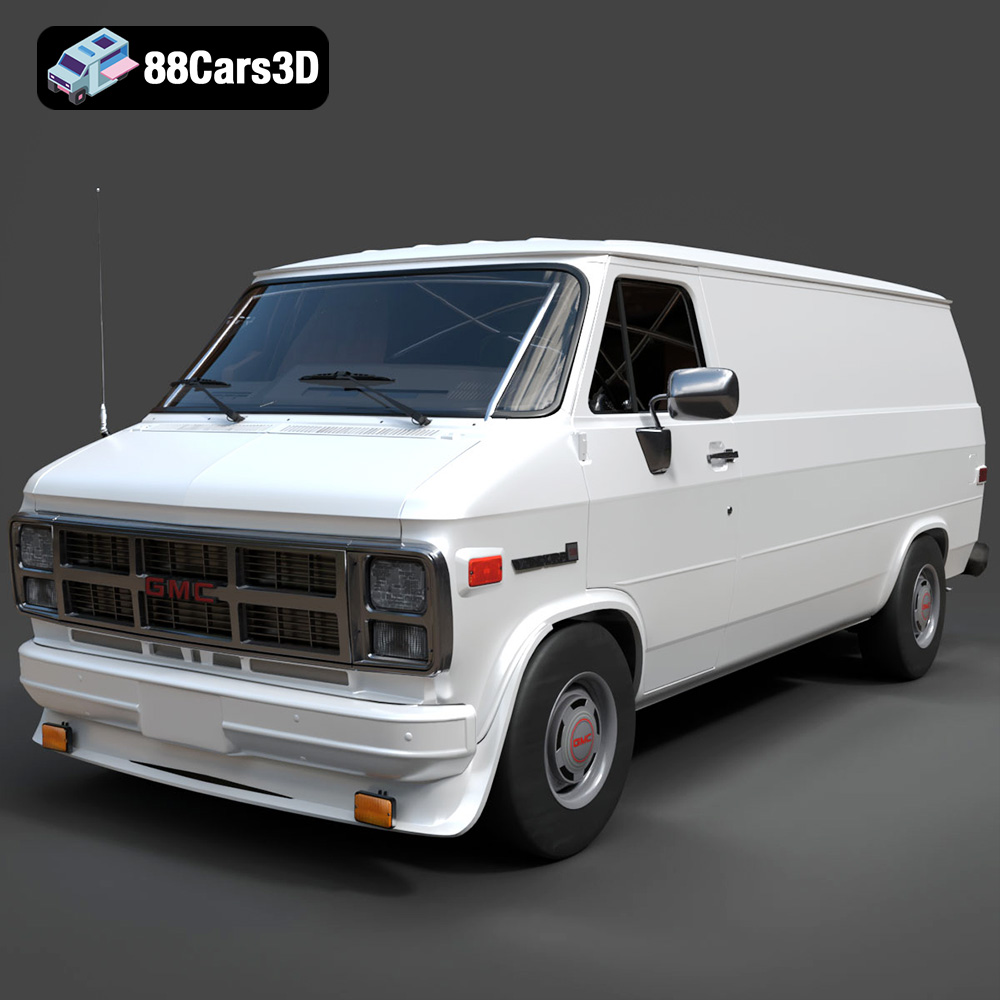
GMC Vandura G-1500 1983 3D Model
Texture: Yes
Material: Yes
Download the GMC Vandura G-1500 1983 3D Model featuring clean geometry, realistic detailing, and a fully modeled interior. Includes .blend, .fbx, .obj, .glb, .stl, .ply, .unreal, and .max formats for rendering, simulation, and game development.
Price: $19.99
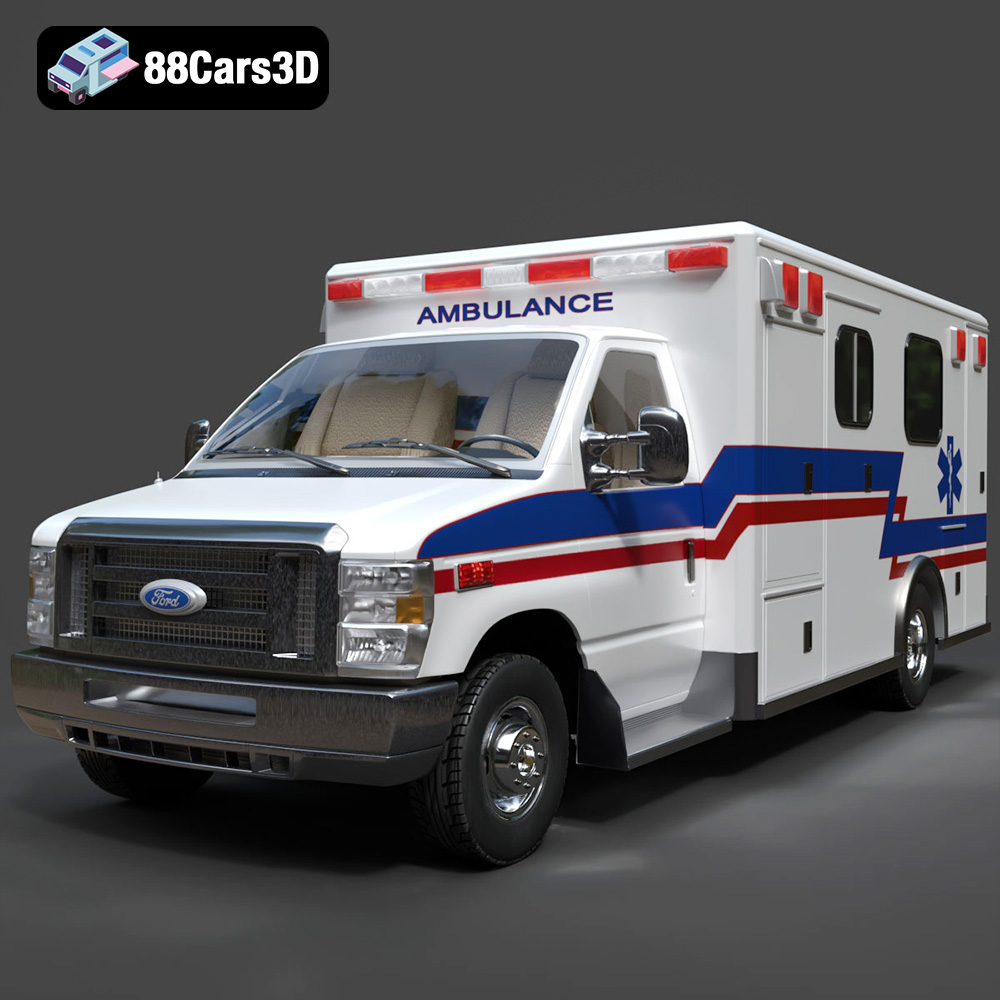
Ford E-450 Ambulance 3D Model
Texture: Yes
Material: Yes
Download the Ford E-450 Ambulance 3D Model featuring clean geometry, realistic detailing, and a fully modeled interior. Includes .blend, .fbx, .obj, .glb, .stl, .ply, .unreal, and .max formats for rendering, simulation, and game development.
Price: $19.99
