

Driving Innovation: A Comprehensive Guide to Automotive Visualization in Unreal Engine with High-Quality 3D Car Models
The automotive industry stands at the forefront of technological advancement, not just in vehicle design and engineering, but also in how cars are presented, experienced, and marketed. Real-time rendering, powered by sophisticated engines like Unreal Engine, has revolutionized automotive visualization, moving beyond static renders to immersive, interactive experiences. From hyper-realistic virtual showrooms and design review tools to compelling marketing cinematics and interactive configurators, Unreal Engine offers unparalleled capabilities to bring automotive visions to life with stunning fidelity and performance.
This comprehensive guide delves deep into the essential workflows and advanced features within Unreal Engine that empower artists and developers to create breathtaking automotive projects. We’ll explore everything from setting up your project and optimizing high-quality 3D car models – often sourced from specialized marketplaces like 88cars3d.com – to mastering PBR materials, leveraging real-time lighting with Lumen, utilizing Nanite for unparalleled detail, and scripting interactive experiences with Blueprint. Whether you’re a seasoned Unreal Engine professional or new to real-time automotive visualization, you’ll gain actionable insights and best practices to elevate your projects to the next level.
Setting the Stage: Project Setup and Importing High-Quality 3D Car Models
The foundation of any successful Unreal Engine automotive project lies in meticulous project setup and the efficient integration of high-quality 3D assets. A well-organized project ensures smooth workflows, optimal performance, and scalability for future enhancements. When working with automotive models, precision is paramount, and starting with assets featuring clean topology and professional UV mapping, such as those available on platforms like 88cars3d.com, significantly streamlines the development process.
Initial Project Configuration and Best Practices
Beginning your Unreal Engine automotive visualization journey requires specific project settings to optimize for visual quality and performance. When creating a new project, consider using the “Games” category with a “Blank” or “Architectural Visualization” template as a starting point, as these offer fewer pre-built assets to strip out. Essential initial steps include:
- Project Settings: Navigate to Edit > Project Settings. Here, adjust the Engine > Rendering settings. Enable Lumen Global Illumination and Lumen Reflections for dynamic, high-quality lighting. For Nanite to function, ensure Support Hardware Ray Tracing is enabled. Also, consider setting your Default RHI to DirectX 12 for optimal performance with modern features.
- Content Structure: Establish a clear folder hierarchy from the outset. A common structure might include folders for “Vehicles,” “Environments,” “Materials,” “Textures,” “Blueprints,” and “Sequences.” This organization is critical for larger projects and collaborative environments.
- Version Control: For any serious project, implement a version control system like Perforce or Git Large File Storage (LFS) from day one. This protects your work, facilitates teamwork, and allows for easy rollback if issues arise.
Remember that performance tuning is an ongoing process. Regularly profiling your project using the Unreal Engine built-in tools (e.g., Stat GPU, Stat FPS) will help identify bottlenecks early.
Importing and Initial Optimization of 3D Car Models
Bringing your 3D car models into Unreal Engine requires careful attention to detail. Models sourced from marketplaces like 88cars3d.com are typically provided in formats such as FBX or USD, which are ideal for Unreal Engine. These models often feature optimized geometry, proper scaling, and pre-assigned material slots, significantly reducing preparation time.
When importing:
- Scale and Units: Ensure your 3D models are exported from your DCC application (e.g., Maya, 3ds Max, Blender) using real-world units (centimeters are standard in Unreal Engine). Incorrect scaling can lead to lighting artifacts and physics issues.
- Import Settings: In the Unreal Engine Import Options dialog, confirm that Combine Meshes is unchecked if you want individual components (body, wheels, interior) to be separate Static Meshes. Enable Generate Missing Collisions for basic physics, and ensure Import Materials and Import Textures are checked if you want Unreal to attempt to auto-create them.
- Mesh Verification: After import, open the Static Mesh Editor for each component. Verify the Pivot Point is correctly centered for individual parts (e.g., wheel pivots at the center of the axle) and at the base for the entire vehicle for easy placement and rotation. Check for inverted normals and ensure tangent space is consistent.
- Level of Detail (LOD) Placeholder: While we’ll discuss advanced LODs later, consider generating basic LODs during import for immediate performance gains, especially if you plan to use the car in varied scenes.
For more detailed information on importing assets, consult the official Unreal Engine documentation at https://dev.epicgames.com/community/unreal-engine/learning.
Crafting Realism: PBR Materials and Advanced Lighting
The visual fidelity of an automotive visualization project hinges on realistic materials and sophisticated lighting. Physically Based Rendering (PBR) materials, combined with Unreal Engine’s advanced lighting systems like Lumen, create the convincing surface interactions and atmospheric effects that make a virtual car indistinguishable from its real-world counterpart. Understanding how to construct robust PBR materials and strategically light your scene is crucial for achieving photorealism.
Mastering PBR Material Creation in Unreal Engine
PBR is the industry standard for realistic rendering, simulating how light interacts with surfaces based on real-world physics. In Unreal Engine’s Material Editor, you combine various texture maps to define a surface’s properties. High-quality 3D car models from resources like 88cars3d.com often come with pre-authored PBR texture sets, including Albedo (Base Color), Normal, Roughness, Metallic, and Ambient Occlusion maps, which serve as an excellent starting point.
Key PBR texture maps and their application:
- Base Color (Albedo): This map defines the color of the surface without any lighting information. It should be flat and contain no shadows or highlights. For metallic car paint, the Base Color is typically darker and less saturated than for non-metallic surfaces, as the metallic property is primarily driven by the Metallic map.
- Metallic: A grayscale map where white (1) represents a fully metallic surface and black (0) represents a dielectric (non-metallic) surface. Car paint, while appearing metallic, is often a complex shader blending metallic flakes with a clear coat. However, for the underlying body, this map will define if it’s metal or plastic.
- Roughness: Another grayscale map, where white (1) is rough (matte) and black (0) is smooth (glossy/mirror-like). This is critical for car paint, as different finishes (gloss, satin, matte) are controlled here. Clear coats are typically very smooth.
- Normal: This map adds surface detail (like subtle dents, panel gaps, or carbon fiber weave) without adding geometric complexity. It fakes high-resolution detail by manipulating how light reflects off the surface.
- Ambient Occlusion (AO): A grayscale map that simulates soft shadows where ambient light is obstructed, enhancing perceived depth and contact shadows in crevices.
For complex car paints, you might need to combine multiple material layers or use a more advanced material graph, potentially leveraging Unreal Engine’s Clear Coat shading model for realistic reflections on the glossy top layer of paint. Experiment with values and blend modes to achieve the desired look.
Dynamic Real-Time Lighting with Lumen and HDRI Backdrops
Unreal Engine’s Lumen global illumination and reflections system, introduced in Unreal Engine 5, dramatically simplifies achieving dynamic, realistic lighting. Lumen provides real-time indirect lighting for diffuse interreflection and specular reflections, making it perfect for automotive visualization where reflective surfaces and subtle light bounces are critical.
- Lumen Setup: Ensure Lumen Global Illumination and Reflections are enabled in Project Settings > Rendering. For optimal quality, increase the Lumen Max Trace Distance and Detail Tracing settings.
- HDRI Backdrops: High Dynamic Range Image (HDRI) backdrops are indispensable for realistic automotive lighting. An HDRI acts as both a skybox and a light source, providing complex, real-world lighting environments (e.g., studio, outdoor sunny, overcast).
- Import an HDRI texture (EXR or HDR format) into Unreal Engine.
- Create a Sky Sphere or use an HDRI Backdrop actor from the Place Actors panel.
- Assign your HDRI texture to the material of the Sky Sphere or the HDRI Backdrop component.
- Adjust the intensity and rotation of the HDRI to match your desired lighting direction and exposure.
- Supplement the HDRI with Directional Lights (for the sun), Rect Lights (for studio softboxes), and Spot Lights (for accent lighting) to fine-tune reflections and shadows.
- Reflections: Lumen handles real-time reflections across dynamic objects. For static elements or to fine-tune specific areas, consider using Reflection Captures (Sphere or Box) where Lumen might not provide sufficient detail, particularly for very subtle reflections or pre-baked environments.
- Exposure and Post-Processing: Use a Post Process Volume to control overall scene exposure, color grading, bloom, and other visual effects to enhance the photorealism. Auto Exposure can be useful, but for precise control, setting a fixed exposure value is often preferred.
Always iterate on your lighting setup, regularly checking how light interacts with the car’s paint, glass, and chrome elements. Subtle adjustments can make a significant difference in perceived realism. For further reading on Lumen, refer to the official Unreal Engine documentation.
Unleashing Performance: Nanite, LODs, and Optimization Strategies
Achieving photorealistic automotive visualizations in real-time demands careful attention to performance. High-fidelity 3D car models, with their intricate details and numerous components, can quickly overwhelm rendering resources. Unreal Engine 5 introduces revolutionary features like Nanite, which, combined with traditional optimization techniques such as Level of Detail (LOD) management, ensures your projects run smoothly without sacrificing visual quality.
Harnessing Nanite for High-Fidelity Automotive Assets
Nanite, Unreal Engine 5’s virtualized micropolygon geometry system, is a game-changer for automotive visualization. It allows artists to import incredibly high-polygon models—even millions or billions of triangles—directly into the engine without significant performance degradation. This capability is particularly beneficial for complex 3D car models that often feature detailed interiors, intricate paneling, and fine surface details that were previously challenging to render efficiently in real-time.
Benefits of Nanite for car models:
- Unprecedented Detail: Import CAD data or scanned models with full geometric fidelity. This means car models can have detailed dashboards, stitching on seats, and subtle body panel curvatures without requiring extensive polygon reduction workflows in external DCC applications.
- Automatic LODs: Nanite automatically handles LODs by streaming and rendering only the necessary detail based on camera distance and screen space. This eliminates the need for manual LOD generation, saving countless hours and ensuring optimal performance across various viewing distances.
- Efficient Rendering: Nanite significantly reduces draw calls and memory usage by intelligently culling geometry and only rendering the visible micropolygons. This allows for scenes with multiple high-poly vehicles and complex environments to run smoothly.
- Simplified Workflow: Artists can focus on creating highly detailed assets without worrying as much about polygon budgets, enabling more iterative design and faster content creation.
To enable Nanite for your Static Meshes:
- Select your car’s Static Mesh assets in the Content Browser.
- Right-click and choose Nanite > Enable Nanite.
- Alternatively, open the Static Mesh Editor for a particular asset and check the Enable Nanite checkbox in the Details panel.
While Nanite is incredibly powerful, it’s not a universal solution. Transparency, masked materials, and certain deformations still benefit from traditional mesh workflows. For translucent car windows or specific effects, you might still need to use standard Static Meshes or combine Nanite meshes with non-Nanite components.
Strategic LOD Management and Performance Tweaks
Even with Nanite, traditional Level of Detail (LOD) management remains crucial for specific scenarios, especially for translucent meshes, older hardware compatibility, or if you’re targeting AR/VR experiences where every frame counts. Strategic LODs ensure that models far from the camera use simpler geometry, improving rendering performance.
- Manual LODs: For non-Nanite meshes (e.g., glass, driver figures, particles), manually create LODs in your DCC application or use Unreal Engine’s built-in LOD Generator in the Static Mesh Editor. Aim for a reduction of 50-75% polygons between each LOD, decreasing detail as you move further from LOD0.
- Screen Size Thresholds: Assign appropriate Screen Size thresholds for each LOD to control when they swap. For a car model, LOD0 might be visible at a screen size of 1.0 (full screen), LOD1 at 0.5, LOD2 at 0.25, and so on.
- Optimizing Draw Calls: Reduce the number of distinct objects drawn per frame. For your car model, try to combine smaller, static elements into single meshes where possible, or use instancing for repetitive parts like bolts or specific interior elements.
- Texture Optimization: Use appropriate texture resolutions (e.g., 4K for primary surfaces, 2K for less visible parts, 1K for small details). Enable Texture Streaming and set Mip Gen Settings to FromTextureGroup in texture properties to save memory. Use Texture Compress Without Alpha where possible.
- Material Complexity: Simplify complex materials where visual impact is minimal. Overly complex shader graphs can be performance heavy. Use Material Instances for variations (e.g., different car paint colors) to reduce shader compilation time and memory.
- Culling Distances: For environmental elements around the car, set Cull Distance Volumes or individual mesh Max Draw Distance values to prevent rendering objects that are too far to be seen.
Regularly profile your scene using Stat FPS, Stat Unit, and Stat RHI to pinpoint performance bottlenecks related to CPU, GPU, and draw calls. Effective optimization is an iterative process that balances visual fidelity with target framerates, especially critical for high-end automotive visualization.
Bringing Cars to Life: Blueprint Scripting and Interactivity
Beyond static renders, Unreal Engine excels at creating dynamic and interactive automotive experiences. Blueprint visual scripting empowers artists and designers to implement complex logic, build interactive configurators, and simulate realistic vehicle physics without writing a single line of C++ code. This interactivity transforms a passive viewing experience into an engaging exploration of the vehicle.
Building Interactive Automotive Configurators with Blueprint
An automotive configurator is a powerful tool for marketing, sales, and design review, allowing users to customize a vehicle in real-time. Blueprint provides the perfect framework for creating these interactive experiences.
Key components for a Blueprint-driven configurator:
- Car Actor Blueprint: Create a central Blueprint Actor for your car model. All individual components (body, wheels, interior parts, lights) should be Static Mesh Components within this Blueprint.
- Customizable Parameters: Expose variables within the Car Actor Blueprint for customizable attributes. Examples include:
- Paint Color: Create a Material Instance Dynamic for the car body material. Expose a Linear Color variable in Blueprint, and use it to set a Vector Parameter Value on the Material Instance.
- Wheel Selection: Use a Static Mesh variable (or an Array of Static Meshes) to allow swapping between different wheel designs. When the user selects a new wheel, use Set Static Mesh node on the wheel components.
- Interior Trim: Similar to paint color, use Material Instance Dynamics to change the color or material of interior surfaces (seats, dashboard).
- Door/Hood Animation: Use Set Relative Rotation or Set Relative Location nodes in conjunction with Timelines to smoothly open and close doors, the hood, or the trunk. Attach these components to scene components that serve as pivot points.
- User Interface (UI): Design a user-friendly interface using Unreal Engine’s UMG (Unreal Motion Graphics) widget system. Create buttons, sliders, and dropdown menus that, when clicked, call functions within your Car Actor Blueprint to modify parameters. For instance, a “Change Color” button would trigger an event in the Car Blueprint that updates the paint material.
- Camera Controls: Implement camera controls (orbit, zoom, pan) to allow users to view the car from all angles. This can be done with a Spring Arm Component attached to a Camera Component within your Car Blueprint or a separate Player Controller Blueprint.
Blueprint allows for rapid prototyping and iteration, making it an ideal choice for developing sophisticated, interactive automotive demonstrators. For more details on UMG, refer to the Unreal Engine learning resources.
Implementing Vehicle Dynamics and Physics Simulations
For more engaging experiences, such as driving simulators or realistic car advertisements, incorporating vehicle dynamics and physics is essential. Unreal Engine offers robust physics capabilities, allowing for realistic interactions with the environment.
- Chaos Physics Engine: Unreal Engine’s native Chaos Physics system provides high-fidelity rigid body dynamics, cloth simulation, and destruction. For vehicle physics, the Chaos Wheeled Vehicle Movement Component is the go-to solution.
- Vehicle Blueprint Setup: Create a Pawn or Character Blueprint. Add the Skeletal Mesh Component (for the car body if animated, or multiple Static Meshes for individual parts) and attach a Chaos Wheeled Vehicle Movement Component.
- Wheel Configuration: Configure each wheel within the Chaos Wheeled Vehicle Movement Component by defining its position, radius, width, suspension settings (spring rate, damping), and tire friction properties. Proper tuning of these parameters is crucial for realistic handling.
- Engine and Transmission: Define engine torque curves, gear ratios, and transmission shift points to simulate acceleration and speed.
- Input Mapping: Map keyboard, gamepad, or steering wheel inputs to control acceleration, braking, steering, and gear changes within your Vehicle Blueprint’s Event Graph.
- Visual Effects (VFX): Enhance realism with effects created using Niagara particle system. Examples include tire smoke when drifting, dust kick-up, or subtle exhaust fumes. These can be spawned and controlled via Blueprint based on vehicle speed, wheel slip, or engine RPM.
Achieving convincing vehicle physics requires iterative testing and fine-tuning. Start with basic controls and gradually add complexity, paying close attention to real-world vehicle behavior. Leveraging assets from 88cars3d.com that are pre-rigged or have separate wheel geometry simplifies the initial setup for vehicle dynamics.
Cinematic Storytelling and Virtual Production Workflows
Unreal Engine’s capabilities extend far beyond interactive applications, offering powerful tools for creating cinematic automotive content and revolutionizing virtual production workflows. From stunning marketing trailers to dynamic virtual set extensions, these features enable filmmakers and designers to craft narratives with unprecedented flexibility and realism.
Crafting Stunning Cinematics with Sequencer
Sequencer is Unreal Engine’s multi-track non-linear editor, designed for creating high-quality cinematics, in-game cutscenes, and animated sequences. For automotive visualization, it’s invaluable for showcasing vehicle features, demonstrating design concepts, or producing advertising content with film-quality rendering.
Key Sequencer workflows for automotive:
- Camera Animation: Create dynamic camera movements that highlight the car’s design, interior, or specific features. Use Cine Camera Actors for film-like lens effects, depth of field, and aspect ratios. Animate their position and rotation over time on the timeline.
- Car Animation: Animate the car’s components:
- Wheels: Rotate wheels based on vehicle speed or to simulate driving.
- Doors/Hood/Trunk: Animate opening and closing for detail shots, often using the same Blueprint logic developed for configurators, but triggered by Sequencer.
- Lighting: Animate light intensity, color, or position to create dramatic effects, simulate time-of-day changes, or highlight specific areas of the vehicle.
- Post-Processing Effects: Keyframe post-process volume settings (e.g., color grading, bloom, vignette, chromatic aberration) over time to achieve specific moods or visual styles.
- Audio Integration: Add sound effects (engine roar, door clicks, ambient music) to enhance the immersive experience. Synchronize audio with visual cues for maximum impact.
- Render Movie: Use the Movie Render Queue for high-quality, anti-aliased exports. It offers advanced settings like multi-sample anti-aliasing (MSA), motion blur, and arbitrary output variables (AOVs) for compositing in external software, allowing for greater control over the final look. Render in high resolutions (e.g., 4K, 8K) with clean alpha channels for professional-grade output.
Sequencer seamlessly integrates with other Unreal Engine features, allowing you to trigger Blueprint events, control Niagara particle systems, and animate nearly any property in your scene, making it a powerful tool for visual storytelling.
Exploring Virtual Production and LED Wall Applications for Automotive
Virtual Production, especially with large LED walls, is transforming filmmaking and live events, and its application in automotive advertising and design reviews is rapidly growing. Unreal Engine is at the core of this revolution, enabling real-time background environments that dynamically react to camera movement, creating seamless in-camera visual effects.
How it works for automotive:
- LED Volume Setup: A physical stage is constructed with large LED screens forming a backdrop and sometimes a ceiling. The Unreal Engine environment is displayed on these screens.
- Camera Tracking: A physical camera is tracked in real-time using systems like OptiTrack or Mo-Sys. This tracking data is fed into Unreal Engine, allowing the virtual environment on the LED wall to shift perspective accurately with the camera’s movement.
- Real-Time Compositing: The actual car (or actors) in front of the LED wall are captured by the camera, and the virtual background is composited in-camera, eliminating the need for traditional green screen keying and offering immediate feedback to the director and crew.
- Dynamic Environments: Designers can instantly change environments, time of day, or weather conditions in Unreal Engine. Imagine showcasing a new car model driving through a bustling city, a serene desert, or a futuristic landscape, all rendered in real-time on the LED wall, reacting to the camera’s perspective.
- Benefits for Automotive:
- Efficiency: Reduces reliance on costly location shoots and extensive post-production.
- Creative Freedom: Enables visualization of impossible or challenging environments.
- Realism: Provides realistic reflections and lighting on the car’s surfaces from the virtual environment, something green screen struggles with.
- Iterative Design: Design teams can instantly see how a new vehicle variant looks in different settings.
Unreal Engine’s robust performance, PBR rendering, and Nanite’s ability to handle highly detailed environments make it an ideal platform for high-end virtual production, offering automotive brands unprecedented control and flexibility in their visual storytelling.
Expanding Horizons: AR/VR and Future Trends in Automotive Visualization
The future of automotive visualization is increasingly heading towards immersive experiences, with Augmented Reality (AR) and Virtual Reality (VR) playing a pivotal role. Unreal Engine provides a powerful framework for developing these next-generation applications, allowing users to interact with vehicles in entirely new ways, from virtual test drives to personalized design reviews.
Optimizing Automotive Models for AR/VR Experiences
AR and VR environments impose stricter performance requirements than traditional screen-based rendering due to the need for high, stable frame rates (typically 90+ FPS for VR) to prevent motion sickness. Optimizing your 3D car models and Unreal Engine project is crucial for smooth and comfortable AR/VR experiences.
- Aggressive LODs (for non-Nanite assets): For AR/VR, even with Nanite, consider aggressive LOD strategies for non-Nanite meshes. Ensure that components that don’t need extreme detail at a distance are heavily optimized. Target lower polygon counts for background elements, prioritizing the car itself.
- Draw Call Reduction: Minimize draw calls as much as possible. Combine static meshes where logical, and use instancing for repetitive elements. Every component of the car that gets a separate draw call impacts performance.
- Material Simplification: Reduce the complexity of your materials. Avoid expensive operations in shaders. Use fewer texture samples and simpler blending modes. Bake complex lighting or ambient occlusion into textures if dynamic lighting is not strictly required for certain static parts.
- Texture Atlasing: Combine multiple smaller textures into a single, larger texture atlas to reduce material fetches and optimize memory.
- Lighting for Performance: While Lumen is fantastic, it can be resource-intensive for high-fidelity VR. For demanding AR/VR applications, consider a mix of pre-baked static lighting (using Lightmass) for the environment and dynamic lighting for the car itself, or carefully optimize Lumen settings to balance quality and performance. Ensure shadow settings are optimized.
- Post-Processing: Use post-processing sparingly. Effects like screen-space reflections, bloom, and anti-aliasing can be heavy. Prioritize clarity and performance over subtle visual enhancements.
- Stereo Rendering Optimization: Unreal Engine handles stereo rendering, but be mindful that the scene is rendered twice (once for each eye). This effectively halves your performance budget.
- Platform-Specific Optimization: Tailor your optimization efforts to the target AR/VR platform (e.g., Oculus Quest, Valve Index, HoloLens). Each platform has different hardware capabilities and performance profiles.
Regular profiling with tools like the Unreal Engine Profiler and platform-specific debuggers is essential to identify and address performance bottlenecks in AR/VR projects. High-quality, optimized 3D car models, such as those found on 88cars3d.com, provide a critical head start by ensuring your base assets are already lean and efficient.
Future-Proofing Your Automotive Visualization Projects
The landscape of real-time rendering and automotive visualization is constantly evolving. Staying ahead means embracing new technologies and adopting flexible workflows.
- USD (Universal Scene Description): Embrace USD as an interchange format. It’s becoming an industry standard for collaborative workflows and asset pipelines, allowing for non-destructive scene assembly and easier data exchange between different DCC applications and game engines. Unreal Engine has robust USD support, making it an excellent choice for future-proofing your asset pipeline.
- Procedural Generation: Explore procedural content generation tools (e.g., Houdini integration with Unreal Engine) for creating dynamic environments or variations of vehicle accessories.
- Machine Learning & AI: While we’re not discussing AI as an author, its role in asset optimization, intelligent material creation, or even advanced physics simulations is growing. Keep an eye on developments that might integrate with Unreal Engine to streamline workflows.
- Cloud Computing & Streaming: As hardware requirements for high-fidelity experiences grow, cloud-based rendering and streaming solutions (e.g., Pixel Streaming for interactive configurators) will become more prevalent, allowing high-quality experiences to be delivered to lower-end devices.
- Extended Reality (XR): Beyond AR/VR, the broader field of XR will continue to merge real and virtual worlds. Developing modular, optimized assets and versatile Blueprints will ensure your projects are adaptable to future mixed-reality applications.
The journey of automotive visualization in Unreal Engine is one of continuous learning and adaptation. By staying informed about new features and best practices, you can ensure your projects remain at the cutting edge of real-time rendering.
Conclusion
Unreal Engine has firmly established itself as an indispensable tool for automotive visualization, enabling artists and developers to push the boundaries of realism and interactivity. From the foundational steps of project setup and efficient asset import to the advanced application of Nanite for unparalleled detail, Lumen for stunning global illumination, and Blueprint for engaging interactive experiences, the engine offers a comprehensive suite of tools to realize any automotive vision.
We’ve traversed the intricate process of crafting photorealistic PBR materials, optimized for performance across various platforms, and explored the cinematic potential of Sequencer and the cutting-edge realm of virtual production. The integration of high-quality 3D car models, like those available on 88cars3d.com, serves as the perfect springboard for these advanced workflows, ensuring a solid foundation of clean topology and professional-grade assets.
As the industry continues its rapid evolution into AR, VR, and broader XR experiences, mastering these Unreal Engine techniques will be paramount for staying competitive and innovative. The pursuit of photorealism, performance, and interactivity is an ongoing journey, but with the insights and best practices shared here, you are well-equipped to drive your automotive visualization projects to new horizons. Continue to explore the vast resources on the official Unreal Engine documentation at https://dev.epicgames.com/community/unreal-engine/learning, experiment with new features, and let your creativity take the wheel.
Featured 3D Car Models

Porsche Cayenne 3D Model
Meta Description:
Texture: Yes
Material: Yes
Download the Porsche Cayenne 3D Model featuring realistic exterior styling and detailed interior design. Includes .blend, .fbx, .obj, .glb, .stl, .ply, .unreal, and .max formats for rendering, simulation, AR VR, and game development.
Price: $19.9
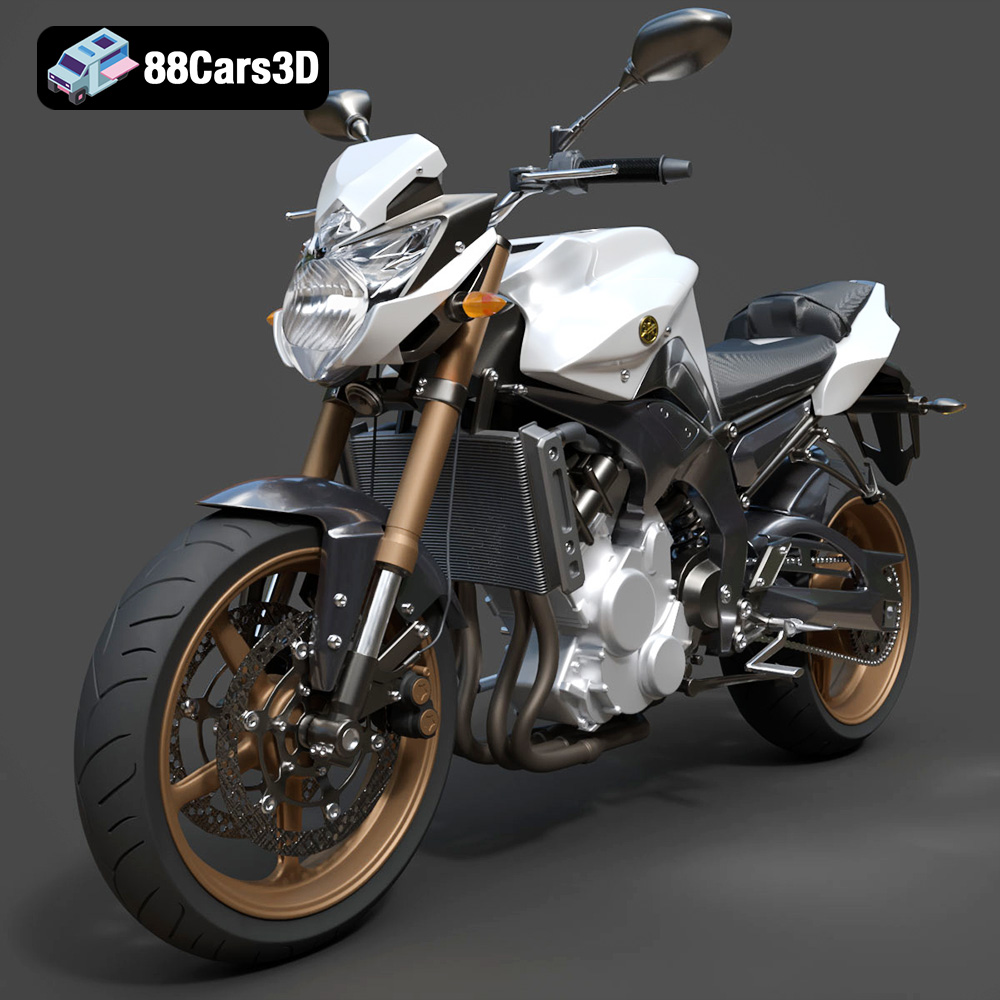
Yamaha FZ8 2011 3D Model
Texture: Yes
Material: Yes
Download the Yamaha FZ8 2011 3D Model featuring clean geometry, realistic detailing, and a fully modeled interior. Includes .blend, .fbx, .obj, .glb, .stl, .ply, .unreal, and .max formats for rendering, simulation, and game development.
Price: $19.99
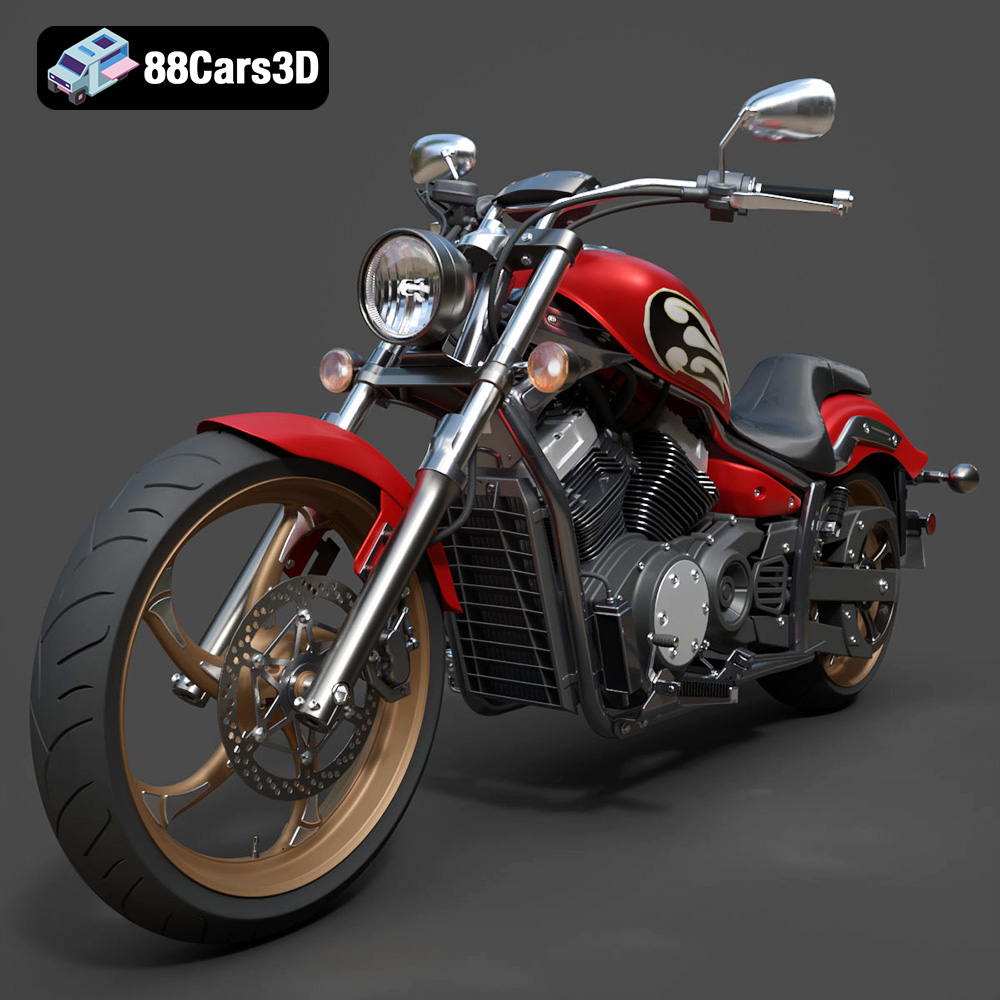
Yamaha Stryker 2012 3D Model
Texture: Yes
Material: Yes
Download the Yamaha Stryker 2012 3D Model featuring clean geometry, realistic detailing, and a fully modeled interior. Includes .blend, .fbx, .obj, .glb, .stl, .ply, .unreal, and .max formats for rendering, simulation, and game development.
Price: $19.99
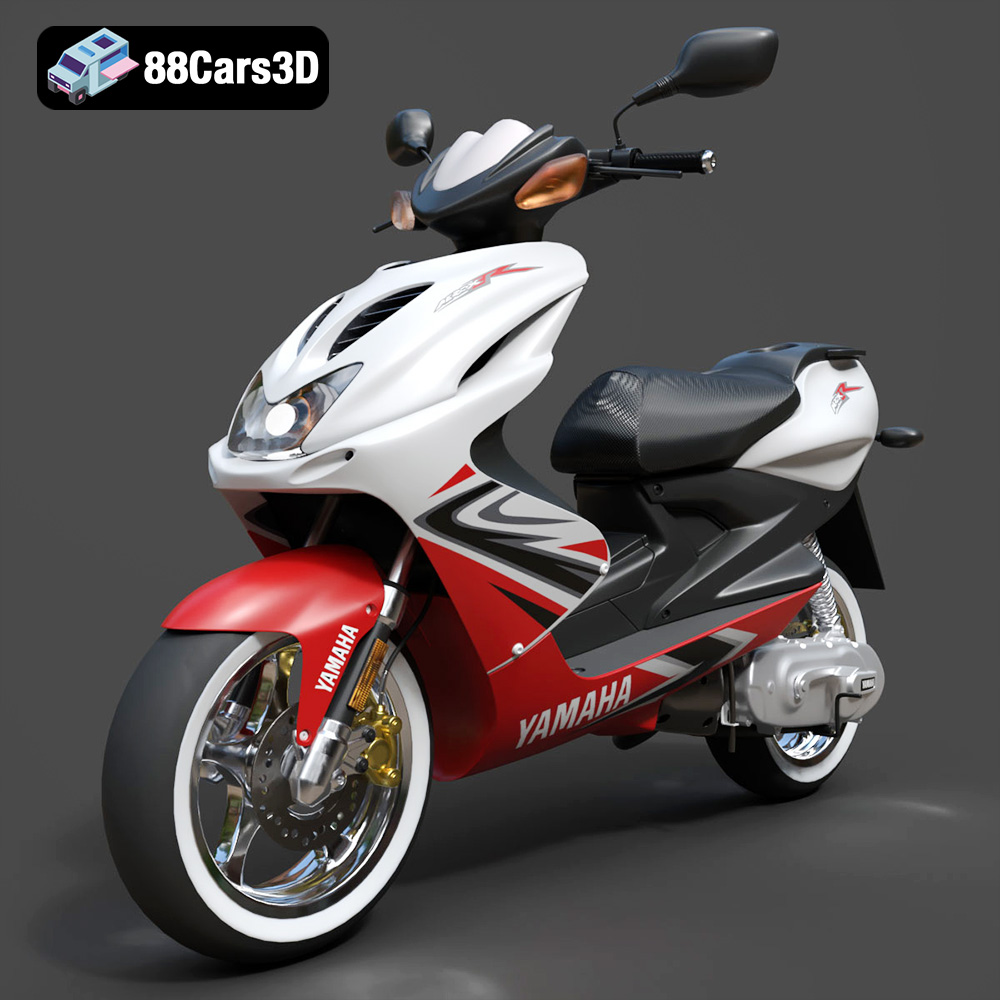
Yamaha Aerox R-002 2024 3D Model
Texture: Yes
Material: Yes
Download the Yamaha Aerox R-002 2024 3D Model featuring clean geometry, realistic detailing, and a fully modeled interior. Includes .blend, .fbx, .obj, .glb, .stl, .ply, .unreal, and .max formats for rendering, simulation, and game development.
Price: $19.99
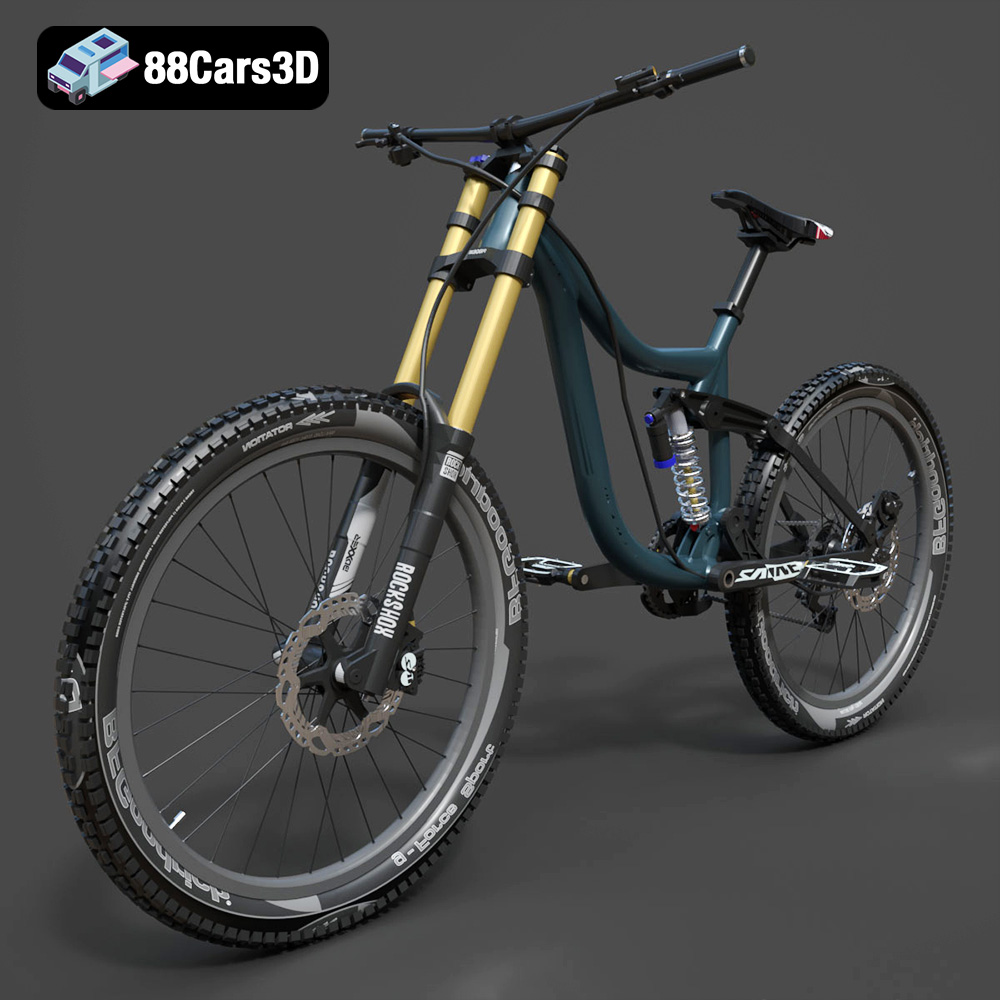
Mototsikly Downhill Bike-002 3D Model
Texture: Yes
Material: Yes
Download the Mototsikly Downhill Bike-002 3D Model featuring clean geometry, realistic detailing, and precise mechanical components. Includes .blend, .fbx, .obj, .glb, .stl, .ply, .unreal, and .max formats for rendering, simulation, and game development.
Price: $19.99
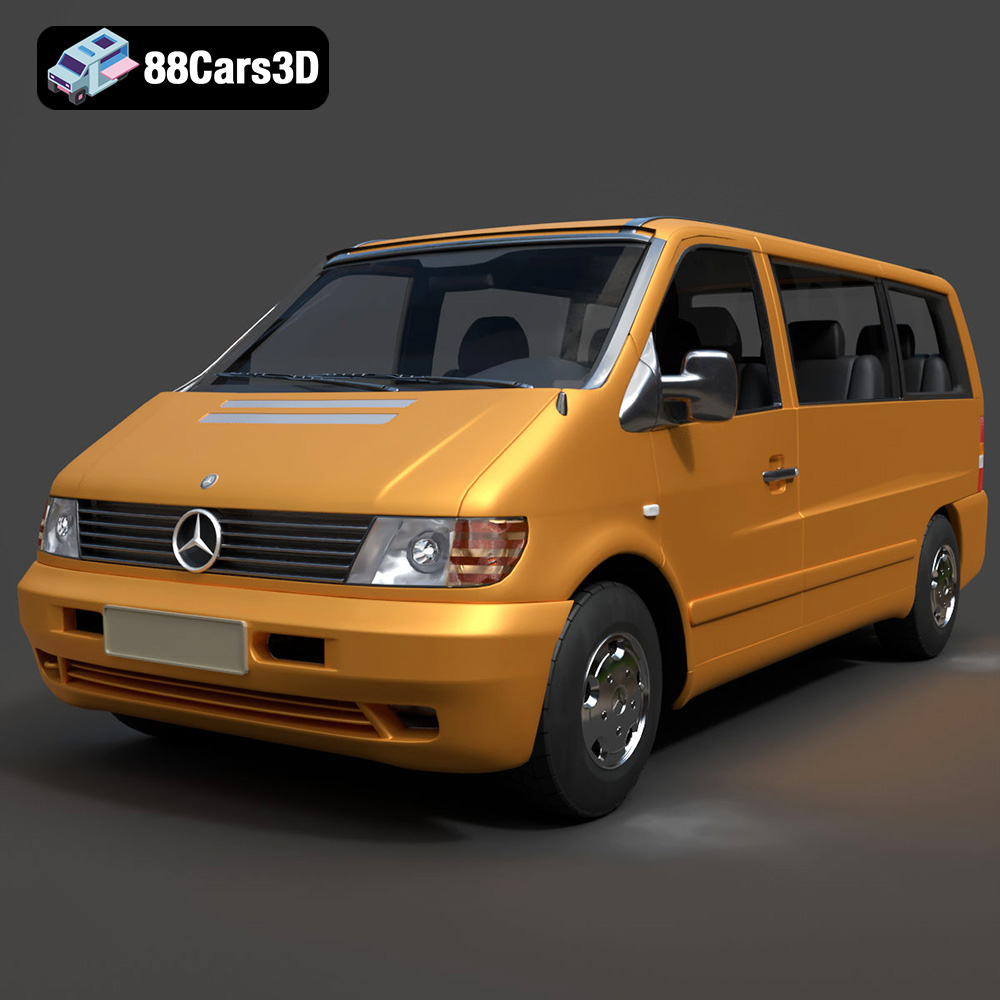
Mercedes-Benz Vito Passenger Van 3D Model
Texture: Yes
Material: Yes
Download the Mercedes-Benz Vito Passenger Van 3D Model featuring clean geometry, realistic detailing, and a fully modeled interior. Includes .blend, .fbx, .obj, .glb, .stl, .ply, .unreal, and .max formats for rendering, simulation, and game development.
Price: $19.99
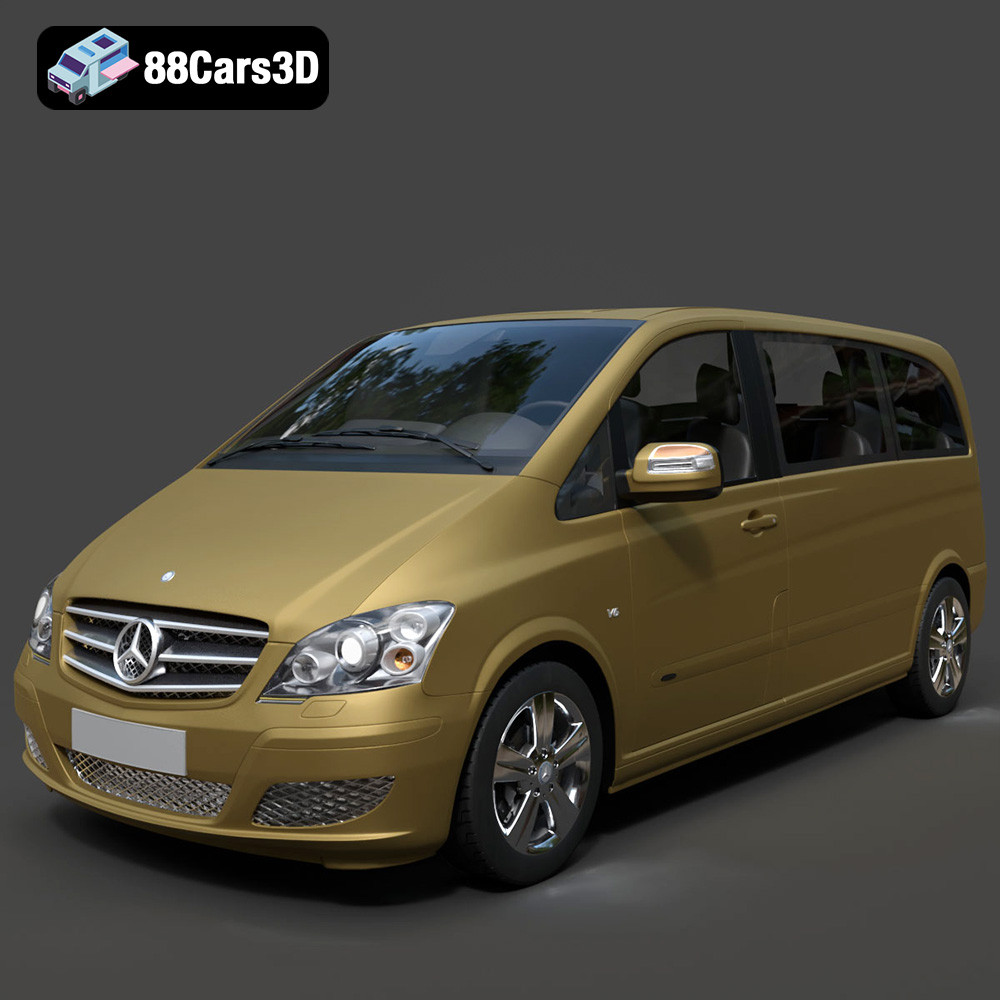
Mercedes-Benz Viano 2010 3D Model
Texture: Yes
Material: Yes
Download the Mercedes-Benz Viano 2010 3D Model featuring clean geometry, realistic detailing, and a fully modeled interior. Includes .blend, .fbx, .obj, .glb, .stl, .ply, .unreal, and .max formats for rendering, simulation, and game development.
Price: $19.99

Emt Avtobus 007 3D Model
Texture: Yes
Material: Yes
Download the Emt Avtobus 007 3D Model featuring clean geometry, realistic detailing, and a fully modeled interior. Includes .blend, .fbx, .obj, .glb, .stl, .ply, .unreal, and .max formats for rendering, simulation, and game development.
Price: $19.99
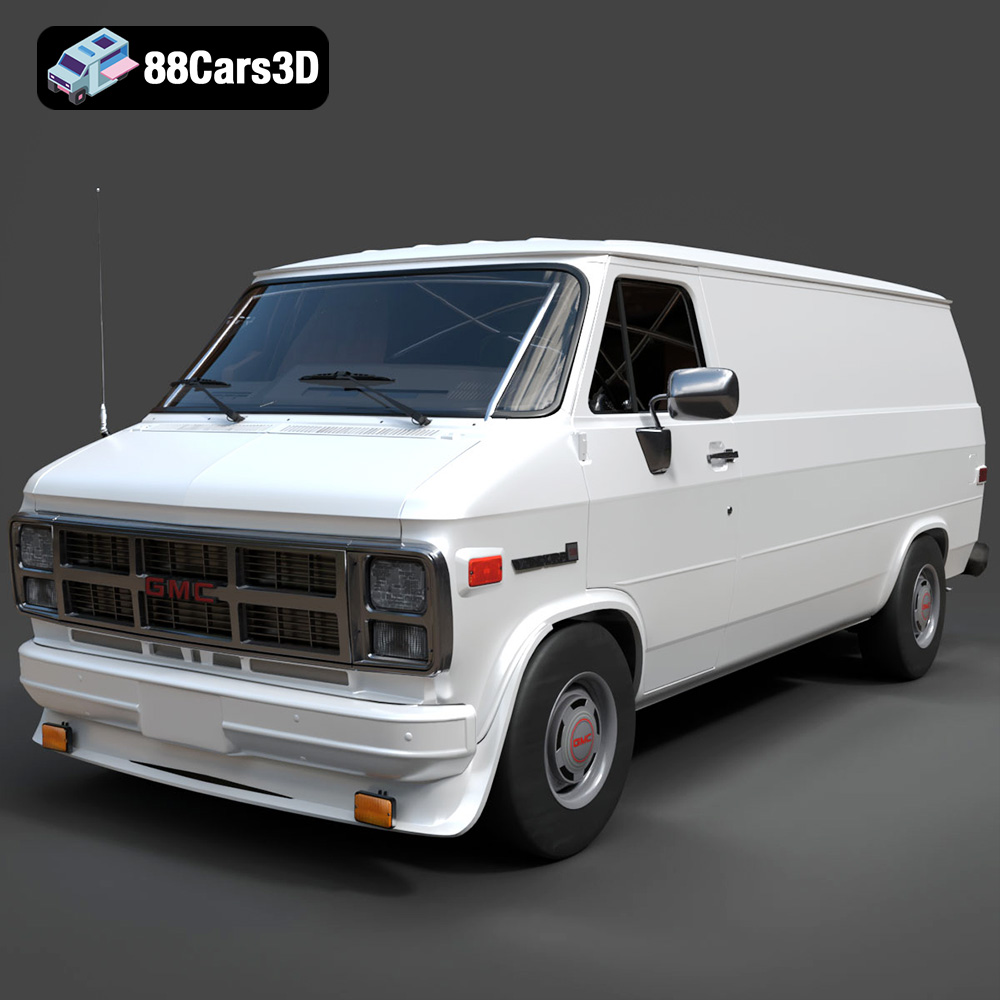
GMC Vandura G-1500 1983 3D Model
Texture: Yes
Material: Yes
Download the GMC Vandura G-1500 1983 3D Model featuring clean geometry, realistic detailing, and a fully modeled interior. Includes .blend, .fbx, .obj, .glb, .stl, .ply, .unreal, and .max formats for rendering, simulation, and game development.
Price: $19.99
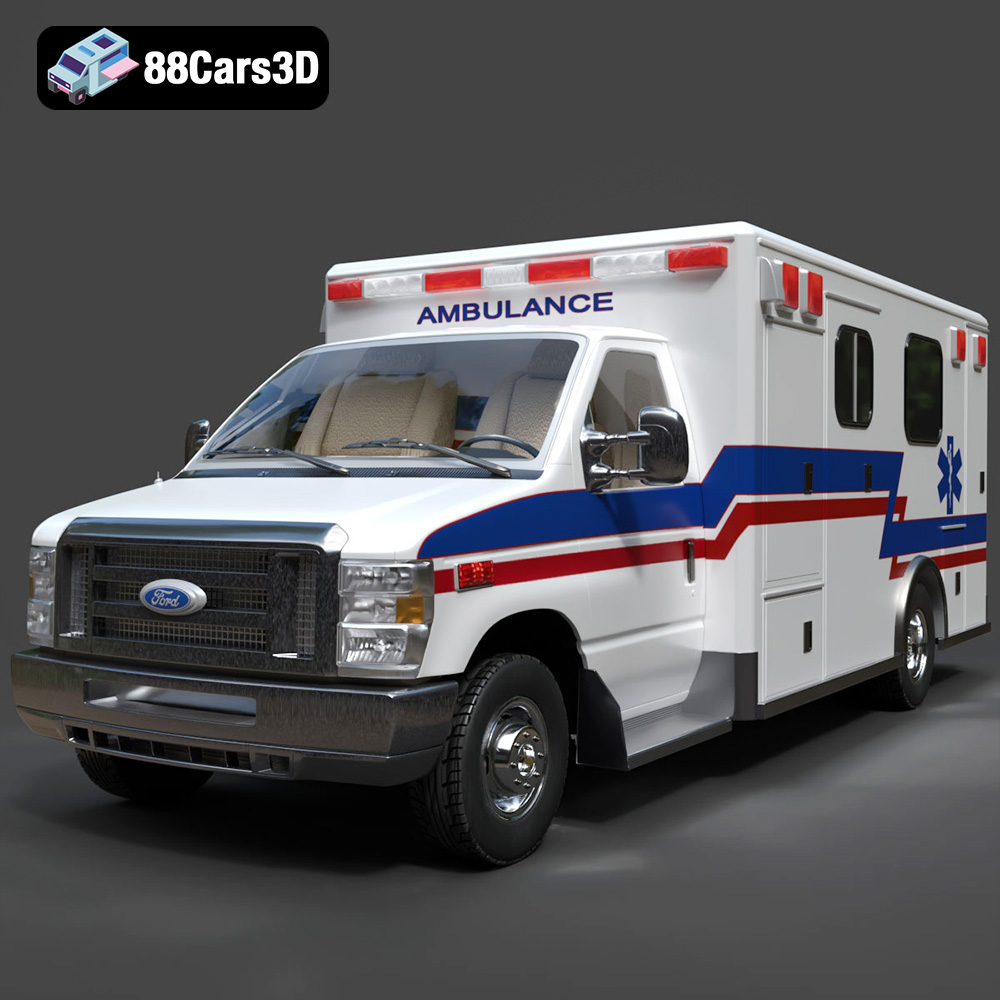
Ford E-450 Ambulance 3D Model
Texture: Yes
Material: Yes
Download the Ford E-450 Ambulance 3D Model featuring clean geometry, realistic detailing, and a fully modeled interior. Includes .blend, .fbx, .obj, .glb, .stl, .ply, .unreal, and .max formats for rendering, simulation, and game development.
Price: $19.99
