

In the demanding world of real-time rendering, especially for highly detailed subjects like automobiles, striking the perfect balance between visual fidelity and performance is an eternal quest. Modern 3D car models, like those found on 88cars3d.com, boast incredibly intricate geometries and require exquisite textures to capture the nuances of metallic paint, fine leather, and advanced materials. However, stuffing gigabytes of high-resolution textures into a game engine can quickly exhaust Video RAM (VRAM) and cripple frame rates, leading to a suboptimal user experience. This is where Unreal Engine’s sophisticated texture management systems—**Texture Streaming** and **Virtual Texturing**—become indispensable tools for developers and artists.
This comprehensive guide will delve deep into how these powerful features work, their specific applications for automotive visualization and game development, and the best practices for leveraging them to achieve breathtaking realism without sacrificing performance. We’ll explore Unreal Engine workflows, technical specifications, and optimization strategies that ensure your 3D car models look their best, run smoothly, and deliver immersive experiences across various platforms, from interactive configurators to virtual production stages.
Understanding the Challenge of High-Resolution Textures in Real-Time Rendering
The pursuit of photorealism in real-time applications, particularly for subjects as visually sensitive as automotive models, necessitates the use of exceptionally high-resolution textures. From the microscopic flakes in a car’s metallic paint to the subtle imperfections on a leather dashboard, every detail contributes to a convincing illusion. However, this pursuit comes with significant technical hurdles, primarily concerning the efficient management of GPU memory and rendering bandwidth. Each 4K or 8K texture, essential for close-up fidelity, consumes a substantial amount of VRAM, and a complex car model might feature dozens, if not hundreds, of such maps for its various components.
Without proper management, an abundance of high-resolution textures can quickly overwhelm the graphics card, leading to severe performance bottlenecks. Textures that aren’t actively visible on screen still occupy memory if loaded, leading to wasted resources. Furthermore, simply loading all textures at their maximum resolution regardless of distance or necessity results in longer load times and increased memory bandwidth usage, directly impacting frame rates and the overall fluidity of the real-time experience. Mastering texture management is therefore not just an optimization technique; it’s a foundational requirement for delivering high-quality automotive visualization.
The VRAM Bottleneck and Performance Impact
VRAM, or Video Random Access Memory, is the dedicated memory on your graphics card that stores data the GPU needs to render a scene, including meshes, shaders, and critically, textures. When VRAM is exhausted, the system is forced to swap data between VRAM and slower system RAM, a process known as “thrashing,” which incurs a massive performance penalty. For a typical automotive scene with multiple high-quality 3D car models, each potentially carrying numerous 4K or 8K PBR material maps (Albedo, Normal, Roughness, Metallic, Ambient Occlusion), VRAM can quickly become the primary bottleneck. A single 4K texture with multiple mip levels can easily consume tens of megabytes, and multiplying that by hundreds of textures across an environment and multiple vehicles demonstrates the scale of the challenge. Managing this VRAM efficiently is paramount to maintaining a smooth 60 frames per second (FPS) experience, which is often a baseline requirement for interactive automotive configurators or immersive AR/VR applications.
Why Automotive Models Demand High-Fidelity Textures
Automotive design and visualization demand an unparalleled level of visual accuracy. Unlike many game assets where some abstraction is acceptable, car models in marketing, design reviews, or virtual showrooms must be almost indistinguishable from their real-world counterparts. This expectation drives the need for textures that precisely replicate material properties, from the glossy, reflective finish of a paint job to the intricate weave of carbon fiber, the fine grain of leather, or the subtle brushed texture of aluminum trim. Such details are conveyed through PBR (Physically Based Rendering) textures with high spatial resolution and bit depth. Even minor compression artifacts or lack of detail in textures can break the illusion of realism, especially when users can zoom in close to examine components. Therefore, ensuring these high-fidelity textures are always available at the appropriate resolution, without compromising performance, is a core objective for any automotive Unreal Engine project.
Unreal Engine’s Texture Streaming System: A Deep Dive
Unreal Engine’s Texture Streaming system is an intelligent, automatic mechanism designed to manage texture memory usage dynamically. Instead of loading every texture at its highest resolution when a level starts, the streaming system loads only the mipmap levels necessary based on the object’s distance from the camera, its screen size, and other factors. This significantly reduces VRAM consumption, allowing for more complex scenes with a higher density of detailed assets. For projects featuring high-quality 3D car models, optimizing this system is crucial. The goal is to always provide the sharpest texture detail where it’s needed most (e.g., the car’s paint when it’s front and center) while saving memory on distant or less critical elements.
Understanding how to configure and monitor texture streaming is a fundamental skill for any Unreal Engine developer working with demanding visual content. Proper setup can mean the difference between a stuttering experience and a buttery-smooth real-time presentation. This system works by dividing textures into different mip levels (smaller versions of the original texture), and only the relevant mip levels are streamed into VRAM as needed, thereby prioritizing visible detail and deferring the loading of non-critical data. This automatic process, while highly efficient, can be further fine-tuned for specific project requirements.
How Texture Streaming Works Under the Hood
At its core, Texture Streaming operates by analyzing the visible portions of your scene. When you import a texture into Unreal Engine, the engine automatically generates a series of progressively smaller versions of that texture, known as mipmaps. The streaming system then determines which mipmap level is appropriate for each texture based on its on-screen size, its distance from the camera, and other heuristics. Only these selected mip levels are loaded into a dedicated memory region called the ‘texture streaming pool’. As the camera moves or objects change their distance or visibility, the system intelligently swaps mip levels in and out of the streaming pool. This dynamic loading and unloading ensures that only the necessary texture data resides in VRAM at any given moment, preventing unnecessary memory bloat. Developers can control the texture streaming pool size through engine settings or console commands, giving them a critical lever for managing memory budgets.
Optimizing Texture Streaming for Automotive Assets
For high-fidelity 3D car models, optimizing texture streaming involves several key considerations. Firstly, ensure all textures are correctly configured with appropriate ‘Texture Group’ settings in their texture properties. Unreal Engine uses these groups to categorize textures and apply different streaming behaviors or quality settings. For critical car body paint, interior materials, or wheel details, a ‘World’ or ‘Character’ texture group might be suitable, often allowing for higher streaming priority or larger mip budgets. Secondly, using the ‘Texture LOD Bias’ setting can be powerful; a negative bias forces higher-resolution mipmaps to be loaded earlier, ideal for hero assets like your primary vehicle. Conversely, a positive bias can reduce memory for less critical elements. Lastly, it’s crucial to correctly set the ‘Streaming Distance Multiplier’ on individual meshes or materials, ensuring that textures stream in appropriately based on their visual importance. For assets from platforms like 88cars3d.com, ensure they come with well-structured UVs and appropriate texture sizes for optimal streaming performance.
Debugging and Monitoring Texture Streaming Performance
Effective optimization requires robust debugging tools. Unreal Engine provides several console commands to monitor and debug texture streaming:
stat streaming: Displays real-time statistics about the texture streaming system, including current pool size, memory usage, and pending texture loads.VisualizeTexture Mips: Renders the scene with textures color-coded by their currently loaded mip level, allowing you to visually identify areas where textures are unnecessarily high or too low resolution.r.Streaming.PoolSize: Allows you to manually adjust the texture streaming pool size to test different memory budgets.
By regularly using these tools, developers can identify bottlenecks, such as textures streaming in too slowly, or high-resolution textures being loaded for objects far from the camera. This iterative process of monitoring and adjustment is vital for achieving optimal visual quality and performance for your automotive visualization projects, ensuring that your 3D car models always look their best while running smoothly.
Introduction to Virtual Texturing: A Paradigm Shift
While traditional Texture Streaming excels at managing standard texture maps, it still has limitations when dealing with extremely large, unique textures that cover vast surfaces or require complex material blending. This is where Unreal Engine’s Virtual Texturing technologies, primarily **Runtime Virtual Texturing (RVT)** and to a lesser extent **Sparse Volume Textures (SVT)**, offer a revolutionary approach. Virtual Texturing decouples texture resolution from memory consumption by only loading the necessary parts of a massive virtual texture into memory on demand, similar to how an operating system uses virtual memory. This paradigm shift enables artists to use incredibly high-resolution surface details without being constrained by VRAM limitations or the complexity of material blending, making it particularly powerful for large-scale environments and intricate automotive surfaces.
Virtual Texturing, especially RVT, fundamentally changes how detail is applied and blended across large areas. Instead of painting and blending dozens of traditional texture maps, you can define an RVT that combines multiple material layers and outputs a single, massive virtual texture. This greatly simplifies material graphs, reduces draw calls, and enables unique visual effects that would be impractical with traditional methods. For automotive visualization, RVT shines in areas like creating seamless dirt and wear layers, realistic ground blending, or applying custom decals with unprecedented flexibility and performance.
Runtime Virtual Texturing (RVT) for Large-Scale Details
Runtime Virtual Texturing (RVT) is Unreal Engine’s primary Virtual Texturing solution for surface materials. Instead of mapping a traditional texture directly onto a mesh, RVT works by rendering material attributes (like Albedo, Normal, Roughness, etc.) onto a virtual texture page that is sampled by other materials. Imagine an enormous, high-resolution texture that only streams in the parts currently visible on screen. This allows for incredibly detailed, unique surfaces without requiring large individual textures to be stored in VRAM. RVT is particularly effective for:
- Large terrains: Blending multiple ground materials, adding decals like tire tracks or puddles seamlessly.
- Large-scale objects: Applying unique details or wear across vast surfaces, such as an entire car body, without resorting to tiling artifacts.
- Complex blending: Creating sophisticated material blends (e.g., mud on paint, rust on metal) using a single RVT pass, dramatically reducing draw calls compared to traditional layered materials.
The core concept is that materials “write” their properties into an RVT, and other materials “read” from it. This allows for dynamic, context-aware surface detail that traditional texture sets struggle to achieve efficiently. More detailed information can be found on the official Unreal Engine learning portal: dev.epicgames.com/community/unreal-engine/learning.
Sparse Volume Textures (SVT) for Volumetric Data
While RVT focuses on 2D surface data, Sparse Volume Textures (SVT) are designed for efficient storage and rendering of 3D volumetric data. SVTs store voxelized data (like clouds, smoke, or fluid simulations) in a sparse manner, meaning only the occupied voxels are stored, greatly saving memory compared to dense 3D textures. While less directly applicable to the surface of a 3D car model itself, SVTs are invaluable for creating realistic environmental effects around vehicles. Imagine a stunning volumetric cloudscape or realistic exhaust fumes that interact with your automotive scene; SVTs make these computationally intensive effects feasible in real-time. For a comprehensive automotive visualization, where environmental realism complements the vehicle itself, SVTs contribute to a fully immersive experience by providing high-fidelity volumetric elements with optimized memory footprint.
Implementing Runtime Virtual Texturing (RVT) for Automotive Visualization
Implementing Runtime Virtual Texturing (RVT) for automotive visualization opens up a world of possibilities for adding dynamic, high-fidelity surface details to 3D car models and their surrounding environments. RVT allows artists to blend various materials, apply unique wear and tear, and create custom decals with a level of performance and flexibility that traditional texturing methods simply cannot match. For instance, imagine a pristine car paint material seamlessly blending with road grime, or scratches appearing procedurally based on environmental interaction – all managed efficiently with RVT. This approach not only enhances realism but also streamlines material authoring and significantly optimizes rendering performance by reducing the complexity of individual materials.
The workflow typically involves setting up RVT assets, creating RVT volumes in the scene, and then modifying existing materials to either ‘write’ their properties to the RVT or ‘read’ from it. This interconnected system enables powerful blending and decal projection across various meshes without requiring complex mesh modification or excessive texture layering on individual assets. When sourcing automotive assets from marketplaces such as 88cars3d.com, consider how RVT can augment their already high-quality PBR materials to push the visual boundaries even further.
RVT Setup and Material Integration for Car Surfaces
To implement RVT for a 3D car model, follow these steps:
- Create a Virtual Texture: In the Content Browser, right-click and choose Materials & Textures > Runtime Virtual Texture. This asset defines the virtual texture’s resolution, type (e.g., Base Color, Normal, Roughness), and memory format. You might create multiple RVTs for different material channels.
- Create an RVT Volume: Drag a Runtime Virtual Texture Volume from the Place Actors panel into your scene. Resize and position it to encompass your car model or the area where you want the RVT to apply. Assign your created Virtual Texture asset to this volume.
- Modify Materials to Write to RVT: For materials that will contribute to the RVT (e.g., the base car paint, dirt layer, or scratch generator), open them in the Material Editor. Add a Virtual Texture Output node and connect the appropriate material attributes (Base Color, Normal, Roughness, Metallic, etc.) to its pins. Ensure the material’s blend mode and domain are compatible.
- Modify Materials to Read from RVT: For materials that will receive the blended RVT data (e.g., a final car paint material that needs to display dirt), add a Virtual Texture Sample node. Connect this node to the desired material attributes, and it will sample the blended data from the RVT.
This setup allows for a clean separation where base materials define their properties, and the RVT serves as an intermediary blending layer, significantly simplifying the final material graph and reducing the number of complex shader instructions. For detailed instructions, refer to Unreal Engine’s official documentation on Runtime Virtual Textures.
Blending and Decals with RVT for Realistic Wear and Tear
RVT truly shines when creating realistic wear, tear, and decal effects on automotive surfaces. Instead of creating numerous texture variations for a car model (e.g., clean, dirty, scratched), RVT allows you to layer these effects dynamically:
- Dirt and Grime: Create a separate material for dirt/grime that writes to the RVT. This material can use ambient occlusion, world-space height, or even a simple texture mask to determine where dirt accumulates. The main car paint material then samples the RVT to blend in the dirt layer, ensuring it conforms perfectly to the car’s geometry without needing complex UVs or mesh modifications.
- Scratches and Paint Damage: Similarly, a material that generates scratches (perhaps based on a procedural noise or a dedicated scratch texture) can write to the RVT. The car paint material samples this RVT to reveal exposed primer or metal underneath, creating highly realistic damage.
- Custom Decals: Projecting decals (e.g., racing stripes, logos, warning labels) onto a car can be challenging with traditional methods due to UV distortion or limited texture space. With RVT, you can have a decal material write directly to the RVT, and it will be accurately projected onto any surface within the RVT volume, respecting the underlying geometry and material properties.
This dynamic blending capability is a game-changer for interactive automotive experiences, allowing for on-the-fly customization and realistic aging effects without the performance overhead of traditional layering techniques.
Performance Considerations and Best Practices for RVT
While RVT offers significant advantages, it’s essential to consider performance:
- RVT Size and Channels: The resolution of your RVT directly impacts memory. Only create RVTs that are large enough for the required detail. Also, limit the number of output channels (e.g., don’t output an Emissive map to RVT if it’s not needed).
- Material Complexity: Materials that write to RVT can be performance-intensive. Optimize these “writer” materials to be as efficient as possible.
- Drawing Passes: RVT requires an additional rendering pass to generate its data. Minimize the number of unique RVT volumes and ensure they only cover necessary areas.
- Nanite Compatibility: RVT works seamlessly with Nanite. Nanite handles the geometry culling, and RVT handles the texture blending, creating a highly efficient pipeline for extremely detailed assets.
By carefully managing these aspects, RVT can dramatically enhance the visual quality of your automotive projects while maintaining excellent real-time performance, allowing for rich, detailed materials on every 3D car model.
Advanced Optimization Techniques and Hybrid Approaches
Achieving peak performance and visual quality in Unreal Engine for high-fidelity automotive visualization often requires a multi-faceted approach, combining the strengths of various engine features. Relying on a single optimization technique is rarely sufficient; instead, a hybrid strategy that leverages Texture Streaming, Virtual Texturing, Nanite, and Lumen in harmony yields the best results. This involves understanding how these systems interact and how to configure them to complement each other, especially when dealing with complex 3D car models and large, detailed environments. The goal is to maximize detail where it matters most, minimize memory and render costs everywhere else, and ensure a responsive and immersive user experience.
For instance, while Nanite handles millions of polygons with ease, it still requires efficient texture data. RVT can provide that texture data for surface details without individual meshes needing massive texture sheets. Similarly, Lumen, Unreal Engine’s revolutionary global illumination system, benefits immensely from a well-optimized scene where texture memory is efficiently managed, allowing its complex lighting calculations to operate on relevant data without unnecessary overhead. Adopting these advanced techniques is key to pushing the boundaries of real-time rendering in automotive and beyond.
Combining Texture Streaming with RVT for Maximum Efficiency
Texture Streaming and RVT are not mutually exclusive; they are complementary systems that, when used together, provide unparalleled efficiency. Texture Streaming manages the mip levels of traditional textures, ensuring only visible resolutions are loaded. RVT, on the other hand, provides an on-demand virtual canvas for large, blended surface details. The synergy lies in directing high-frequency, unique surface details and complex blends to RVT, while using traditional streamed textures for more generic, tiling details or assets that don’t require the unique blending capabilities of RVT. For instance:
- Base Materials: Use streamed PBR textures (Albedo, Normal, Roughness) for the fundamental material properties of a car’s body, wheels, or interior trim. These textures benefit from standard mip streaming.
- Surface Overlays: Employ RVT for dynamic overlays like dirt, water puddles, tire marks, or custom decals that need to blend seamlessly across multiple mesh components of the car or the ground it’s on.
This hybrid approach ensures that VRAM is used efficiently for both unique, blended surface details and the underlying base textures, leading to a highly optimized and visually rich automotive scene. It’s about using the right tool for the right job, maximizing each system’s strengths.
Leveraging Nanite and Lumen with Optimized Textures
Unreal Engine 5 introduced Nanite and Lumen, two groundbreaking technologies that redefine real-time rendering. Nanite virtualized geometry allows for film-quality assets with billions of polygons to be rendered in real-time, eliminating LODs for geometry. However, Nanite doesn’t directly manage textures. This is where Texture Streaming and RVT become crucial:
- Nanite & Texture Streaming: Even with Nanite, efficient texture streaming is vital. A Nanite mesh might have complex UVs and require high-resolution textures. The texture streaming system ensures that only the necessary texture mipmaps for that incredibly detailed geometry are loaded.
- Nanite & RVT: This combination is incredibly powerful. Nanite handles the geometric complexity of a high-poly car model, while RVT handles the surface detail and blending. You can have a Nanite-enabled car mesh, and then use RVT to project dirt, scratches, or custom liveries onto its surface with perfect conformity and optimized performance.
Lumen, Unreal Engine’s dynamic global illumination and reflections system, also thrives on optimized texture pipelines. Accurate PBR materials with well-managed textures provide Lumen with the correct data for light bouncing and reflection calculations. Poorly managed textures can lead to inaccurate lighting results or increased Lumen calculation times. By ensuring your 3D car models use efficient texture streaming and leverage RVT for surface complexities, you empower Lumen to produce stunning, realistic lighting and reflections that are critical for high-end automotive visualization.
LOD Management and Texture Resolution Strategies
While Nanite reduces the need for geometric LODs, texture LODs remain highly relevant for optimization.
- Texture Groups & LOD Bias: Utilize Unreal Engine’s Texture Groups to assign appropriate streaming behaviors to different categories of textures. Use ‘Texture LOD Bias’ on individual textures to manually control mipmap selection for specific assets. A negative bias for hero car materials ensures maximum detail, while a positive bias for background elements saves memory.
- Manual Texture Optimization: For assets that are rarely seen up close, consider reducing the maximum texture resolution or applying additional compression. Always use power-of-two texture dimensions.
- Distance-based Scaling: For textures not managed by RVT, ensure that the streaming distance multiplier is correctly set on meshes or within material instances. This dictates how far an object can be before its texture mip levels start to decrease.
Even with advanced systems, a thoughtful approach to texture resolution and LODs ensures that memory and bandwidth are efficiently utilized across your entire scene, especially when populating it with multiple high-quality 88cars3d.com automotive assets.
Real-World Applications and Future Trends in Automotive Rendering
The combination of Texture Streaming and Virtual Texturing, alongside other Unreal Engine features like Nanite and Lumen, is transforming the landscape of automotive visualization. These technologies are no longer confined to game development; they are pivotal in creating cutting-edge tools for automotive design, marketing, and interactive experiences. By enabling the rendering of high-fidelity 3D car models with unprecedented detail and performance, they unlock new possibilities for how vehicles are designed, showcased, and experienced. The ability to manage immense texture data efficiently allows for the creation of truly immersive and photorealistic environments, bridging the gap between digital and physical.
As the industry continues to push for greater realism and interactivity, these texture management systems will remain at the forefront of innovation. From highly customizable car configurators to cinematic virtual productions and interactive AR/VR experiences, the efficient handling of texture memory is the bedrock upon which these advanced applications are built. The future of automotive rendering in Unreal Engine is bright, with continuous advancements promising even more streamlined workflows and breathtaking visual fidelity.
Interactive Car Configurators and Virtual Showrooms
For interactive car configurators and virtual showrooms, texture streaming and RVT are absolutely essential. These applications demand the ability to swap out countless options (paint colors, wheel designs, interior trims) in real-time, often requiring instantaneous loading of new textures and materials.
- Paint Customization: RVT can enable dynamic paint effects, allowing users to choose colors, finishes (metallic, matte, pearlescent), and even apply custom decals that seamlessly wrap around the car body.
- Interior Detail: For close-up views of the interior, efficient texture streaming ensures that high-resolution leather, fabric, and carbon fiber textures are loaded on demand, providing a premium feel.
- Environment Integration: RVT can seamlessly blend the car with its environment, allowing for realistic reflections and ground interaction (e.g., tire marks, water splashes) that enhance immersion.
The ability to handle this complexity while maintaining smooth performance is what differentiates a compelling configurator from a sluggish one, directly influencing customer engagement and decision-making.
Virtual Production and High-Fidelity Cinematic Experiences
In virtual production, where real-time engines power LED volumes for film and TV, the demand for photorealism is paramount. High-fidelity 3D car models are frequently used as hero assets on these stages. Texture Streaming and RVT ensure that these assets retain their cinematic quality:
- 8K+ Texture Fidelity: For large LED walls, even distant objects require high-resolution textures. Efficient streaming ensures that these textures are available without taxing the GPU.
- Dynamic Weather/Scene Changes: RVT allows for dynamic material changes, such as instantly adding rain, dirt, or dust to a car based on the virtual environment, all rendered in real-time on the LED volume.
- Realistic Reflections: The optimized textures provide accurate PBR data for Lumen’s reflections, critical for realistic integration of the virtual car into the physical set.
These technologies empower filmmakers to create believable virtual environments and vehicles that react realistically to scene changes, enhancing the creative possibilities on set.
AR/VR Considerations for Texture Management
Augmented Reality (AR) and Virtual Reality (VR) applications for automotive visualization pose unique challenges due to their stringent performance requirements and the need for high immersion. Maintaining a high frame rate (typically 90 FPS or higher) is crucial to prevent motion sickness.
- Performance Budgets: In AR/VR, VRAM and draw call budgets are much tighter. Texture Streaming is critical for ensuring only the necessary texture data is loaded, preventing over-allocation of VRAM.
- Optimized Assets: Sourcing optimized 3D car models from platforms like 88cars3d.com with efficient UV mapping and PBR textures is a vital starting point.
- Adaptive Quality: RVT, while powerful, needs careful implementation in AR/VR to balance detail with performance. Consider using smaller RVT resolutions or limiting its application to critical areas if performance becomes an issue.
- LODs for Textures: Even with advanced techniques, judicious use of texture LODs and aggressive texture compression is often necessary for lightweight AR/VR experiences.
Mastering these texture management techniques is paramount for delivering compelling and performant automotive AR/VR experiences that truly showcase the intricate details of a vehicle.
Conclusion
In the evolving landscape of real-time automotive visualization and game development, the intelligent management of texture resources is no longer a luxury but a fundamental necessity. Unreal Engine’s Texture Streaming system and the groundbreaking capabilities of Virtual Texturing, particularly Runtime Virtual Texturing (RVT), provide robust solutions to the perennial challenge of balancing visual fidelity with performance. By dynamically managing texture memory, reducing draw calls for complex blends, and enabling seamless integration of high-resolution details, these technologies empower artists and developers to create breathtakingly realistic 3D car models and immersive environments without compromising on frame rates or VRAM budgets.
For professionals leveraging high-quality 3D car models from marketplaces like 88cars3d.com, understanding and implementing these advanced texture management techniques is critical. They are the keys to unlocking the full potential of Unreal Engine for interactive configurators, cinematic virtual productions, and high-performance AR/VR experiences. Embrace these powerful features, continuously monitor and optimize your scenes, and your automotive projects will stand out with unparalleled visual quality and fluidity. The journey to photorealism is ongoing, and mastering texture streaming and virtual texturing is a giant leap forward on that path.
Featured 3D Car Models

Porsche Cayenne 3D Model
Meta Description:
Texture: Yes
Material: Yes
Download the Porsche Cayenne 3D Model featuring realistic exterior styling and detailed interior design. Includes .blend, .fbx, .obj, .glb, .stl, .ply, .unreal, and .max formats for rendering, simulation, AR VR, and game development.
Price: $19.9
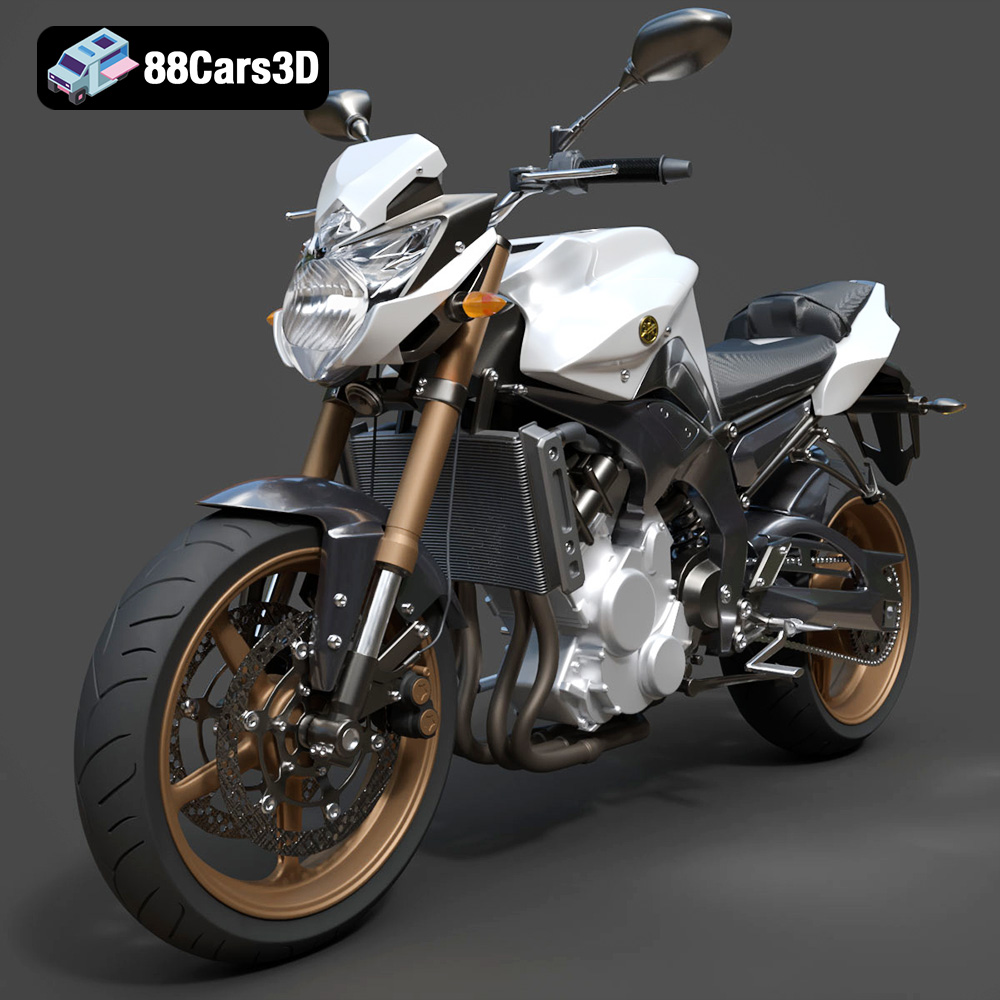
Yamaha FZ8 2011 3D Model
Texture: Yes
Material: Yes
Download the Yamaha FZ8 2011 3D Model featuring clean geometry, realistic detailing, and a fully modeled interior. Includes .blend, .fbx, .obj, .glb, .stl, .ply, .unreal, and .max formats for rendering, simulation, and game development.
Price: $19.99
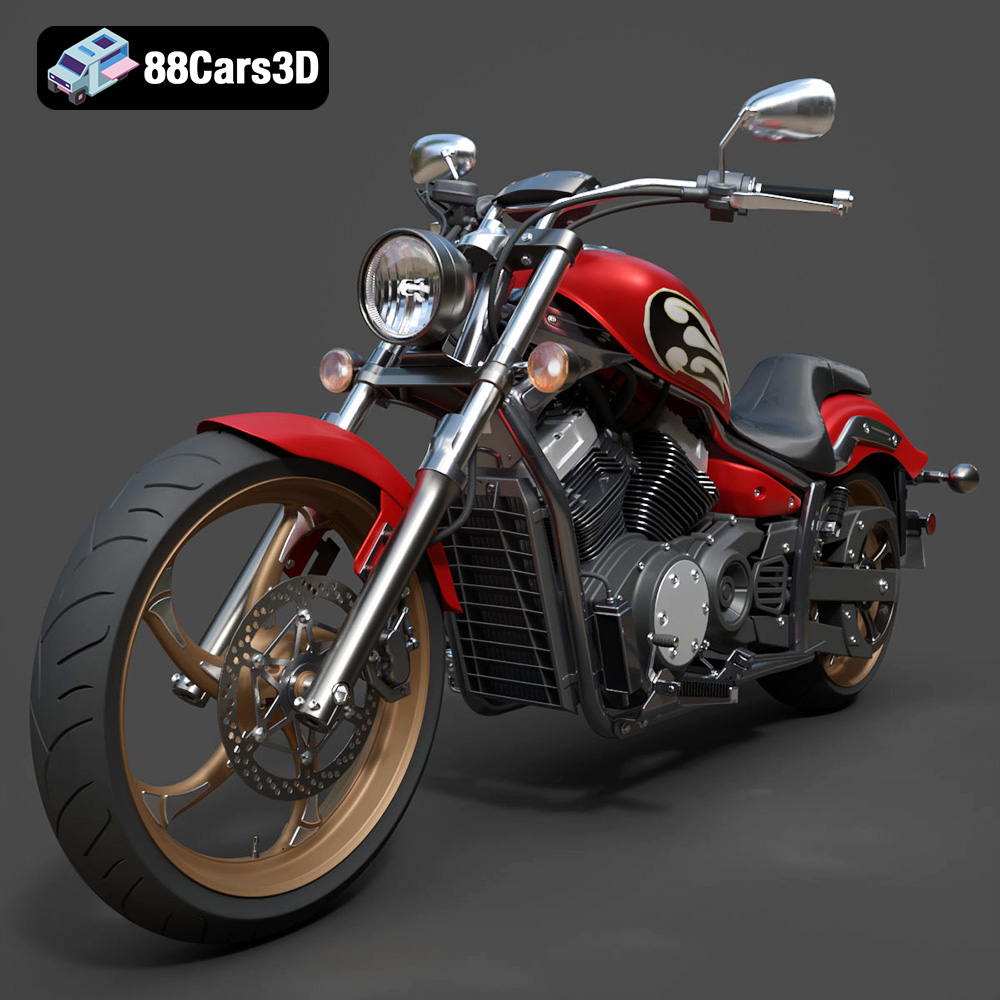
Yamaha Stryker 2012 3D Model
Texture: Yes
Material: Yes
Download the Yamaha Stryker 2012 3D Model featuring clean geometry, realistic detailing, and a fully modeled interior. Includes .blend, .fbx, .obj, .glb, .stl, .ply, .unreal, and .max formats for rendering, simulation, and game development.
Price: $19.99
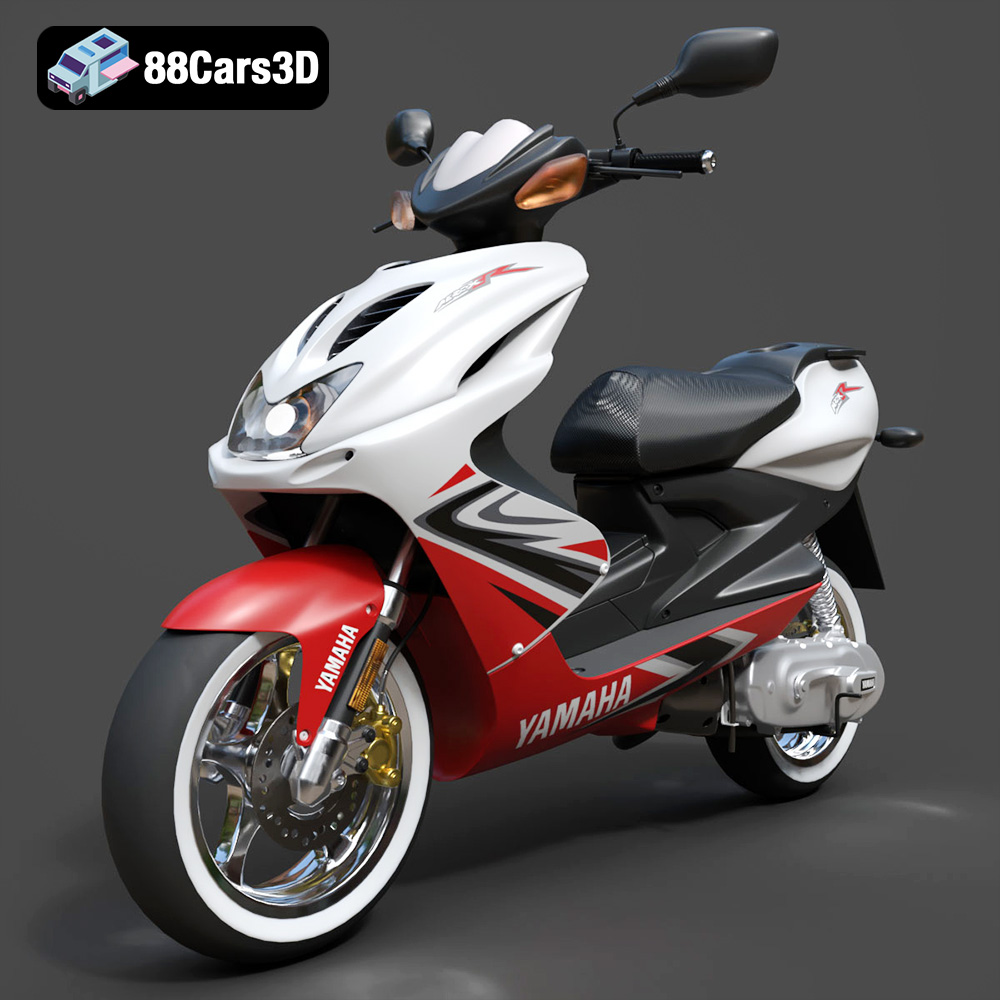
Yamaha Aerox R-002 2024 3D Model
Texture: Yes
Material: Yes
Download the Yamaha Aerox R-002 2024 3D Model featuring clean geometry, realistic detailing, and a fully modeled interior. Includes .blend, .fbx, .obj, .glb, .stl, .ply, .unreal, and .max formats for rendering, simulation, and game development.
Price: $19.99
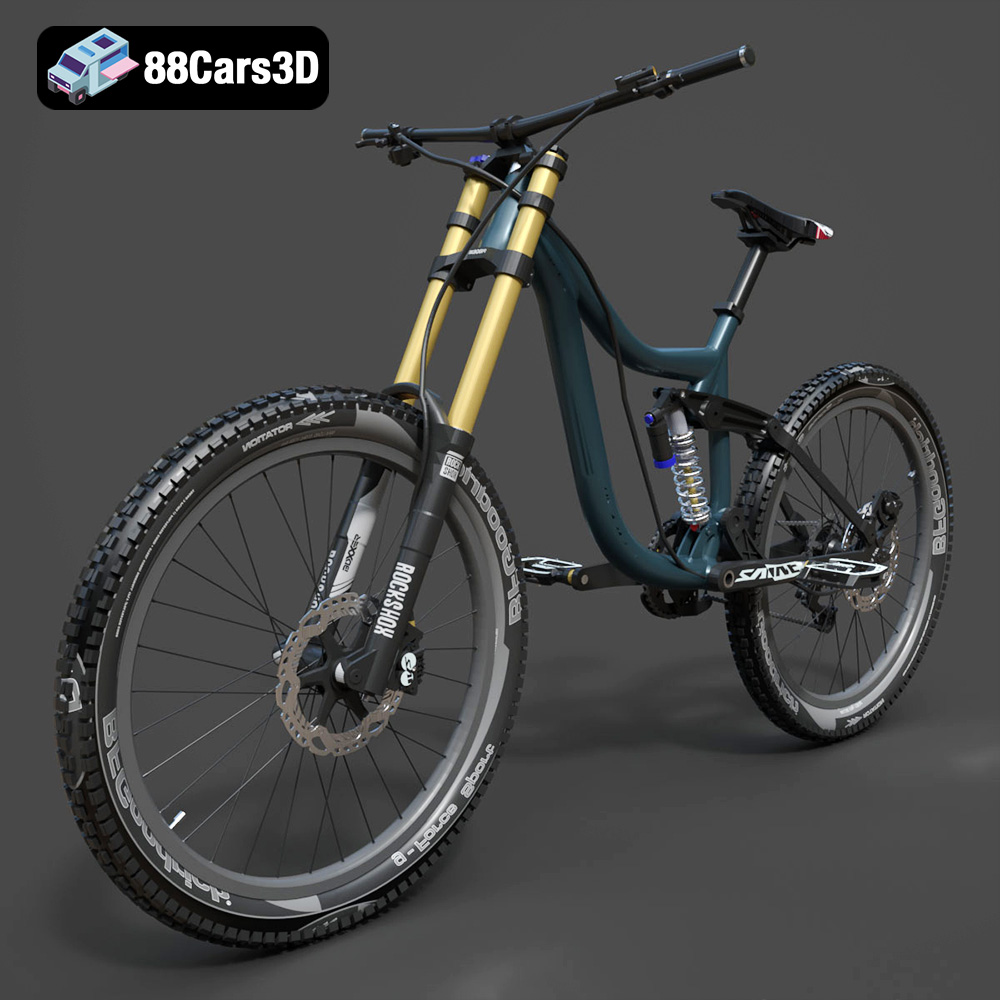
Mototsikly Downhill Bike-002 3D Model
Texture: Yes
Material: Yes
Download the Mototsikly Downhill Bike-002 3D Model featuring clean geometry, realistic detailing, and precise mechanical components. Includes .blend, .fbx, .obj, .glb, .stl, .ply, .unreal, and .max formats for rendering, simulation, and game development.
Price: $19.99
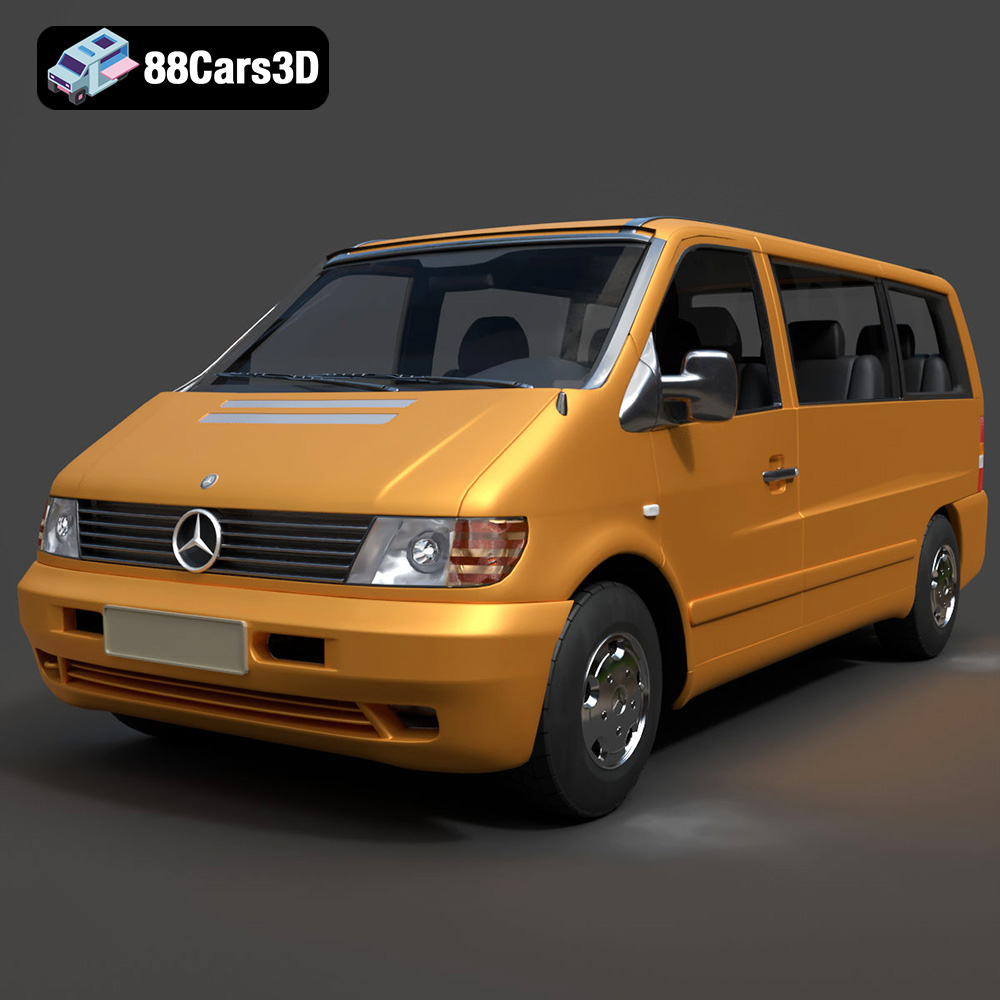
Mercedes-Benz Vito Passenger Van 3D Model
Texture: Yes
Material: Yes
Download the Mercedes-Benz Vito Passenger Van 3D Model featuring clean geometry, realistic detailing, and a fully modeled interior. Includes .blend, .fbx, .obj, .glb, .stl, .ply, .unreal, and .max formats for rendering, simulation, and game development.
Price: $19.99
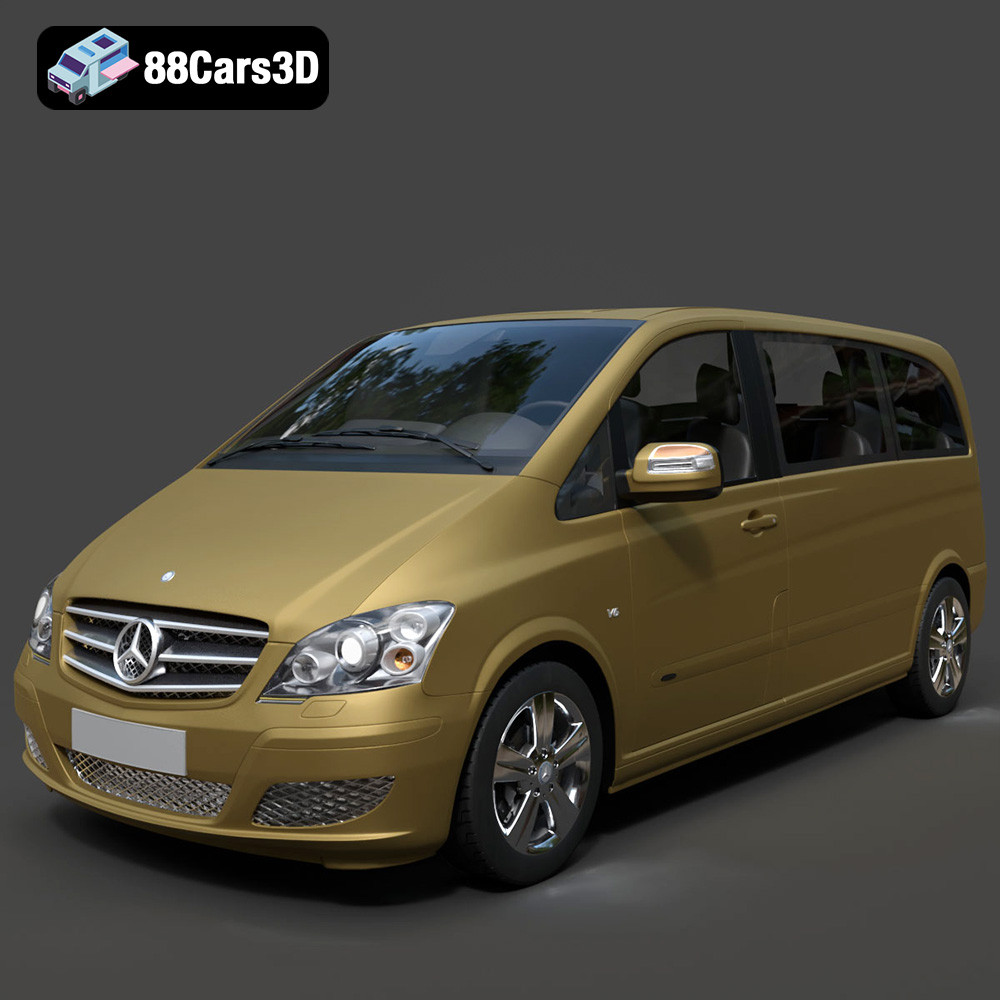
Mercedes-Benz Viano 2010 3D Model
Texture: Yes
Material: Yes
Download the Mercedes-Benz Viano 2010 3D Model featuring clean geometry, realistic detailing, and a fully modeled interior. Includes .blend, .fbx, .obj, .glb, .stl, .ply, .unreal, and .max formats for rendering, simulation, and game development.
Price: $19.99

Emt Avtobus 007 3D Model
Texture: Yes
Material: Yes
Download the Emt Avtobus 007 3D Model featuring clean geometry, realistic detailing, and a fully modeled interior. Includes .blend, .fbx, .obj, .glb, .stl, .ply, .unreal, and .max formats for rendering, simulation, and game development.
Price: $19.99
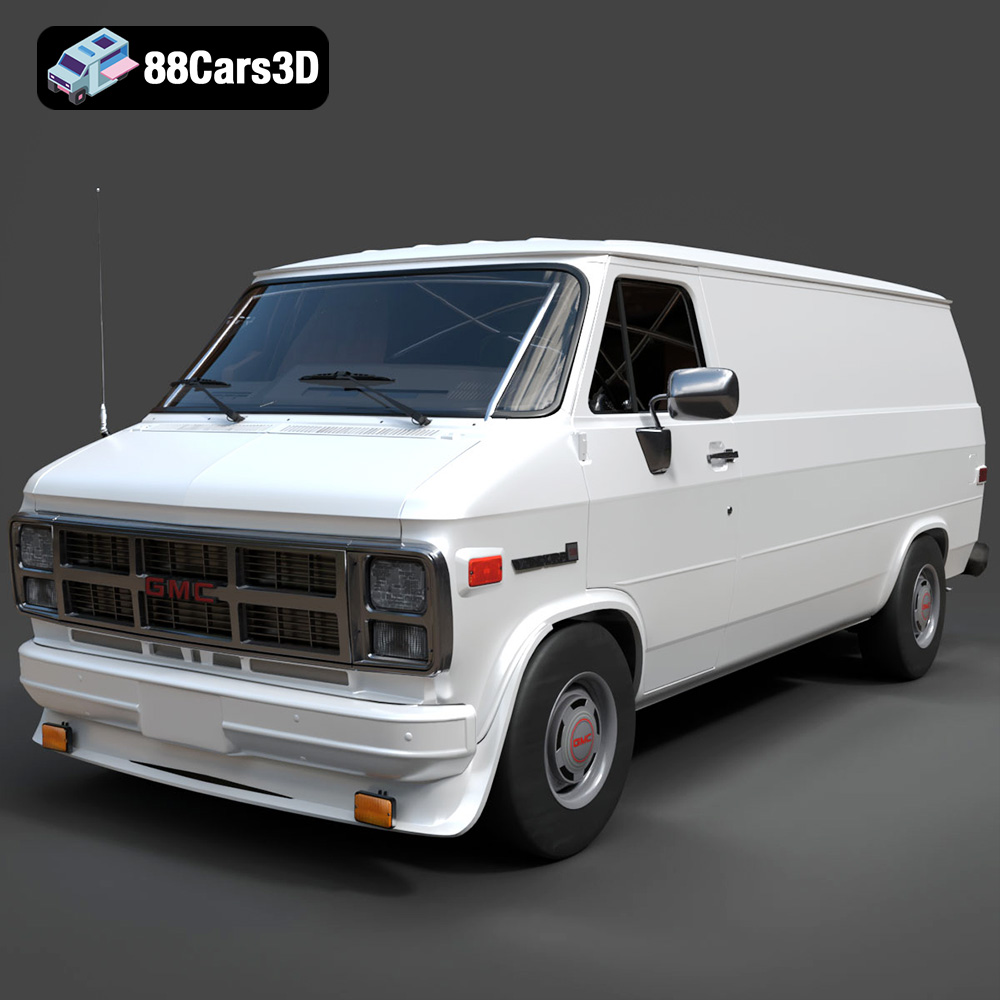
GMC Vandura G-1500 1983 3D Model
Texture: Yes
Material: Yes
Download the GMC Vandura G-1500 1983 3D Model featuring clean geometry, realistic detailing, and a fully modeled interior. Includes .blend, .fbx, .obj, .glb, .stl, .ply, .unreal, and .max formats for rendering, simulation, and game development.
Price: $19.99
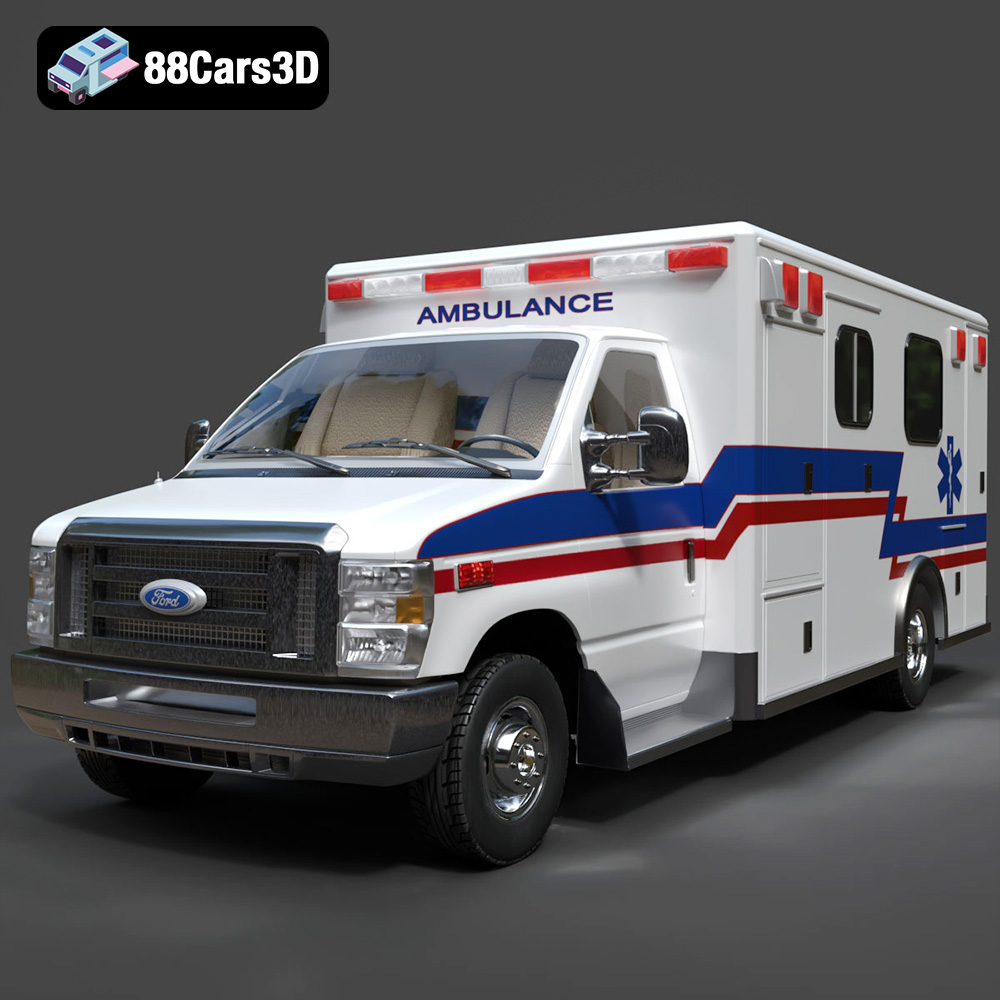
Ford E-450 Ambulance 3D Model
Texture: Yes
Material: Yes
Download the Ford E-450 Ambulance 3D Model featuring clean geometry, realistic detailing, and a fully modeled interior. Includes .blend, .fbx, .obj, .glb, .stl, .ply, .unreal, and .max formats for rendering, simulation, and game development.
Price: $19.99
