

In the world of high-fidelity automotive visualization and interactive experiences, stunning vehicle models are only one part of the equation. To truly immerse an audience and showcase the intricate details of a meticulously crafted car, a realistic and engaging environment is paramount. Whether you’re designing a sprawling open-world for a racing game, a dynamic test track for a virtual production, or a captivating backdrop for a product configurator, the terrain plays a critical role in setting the scene.
Unreal Engine’s powerful Landscape tools provide artists and developers with an intuitive yet robust system for creating vast, believable outdoor environments. These tools allow for everything from subtle undulations to dramatic mountain ranges, complete with intricate textures and dynamic foliage. For professionals utilizing high-quality 3D car models sourced from platforms like 88cars3d.com, mastering landscape creation ensures that these exquisite vehicles are presented in the most compelling context possible.
This comprehensive guide will delve deep into Unreal Engine’s Landscape system, exploring terrain creation, sculpting, texturing, and optimization techniques. We’ll cover everything you need to know to build breathtaking environments that elevate your automotive projects, from project setup to advanced performance considerations. Prepare to sculpt digital worlds where your high-fidelity car models can truly shine.
Setting the Stage: Understanding Unreal Engine’s Landscape System
The journey to a compelling automotive visualization begins with a solid foundation, and in Unreal Engine, that often means a robust landscape. The Landscape system is designed for creating vast, detailed, and performance-friendly terrains. Unlike static meshes, landscapes are dynamically generated and streamed, making them ideal for expansive environments that would be impractical with traditional mesh-based approaches. Understanding its core components and optimal setup is crucial for any project, especially when integrating detailed vehicle assets.
When you initiate a new landscape, you’re prompted to define its overall scale and resolution. A larger landscape may provide more room for extensive driving scenarios or cinematic camera paths, but it also demands careful management for performance. Key parameters include the Section Size (e.g., 63×63 or 127×127 quads), the number of Sections Per Component, and the overall number of Components. A common mistake is to create an excessively large landscape initially, leading to unnecessary overhead. For most automotive scenes, focusing on the playable or viewable area and leveraging techniques like World Partition for massive open worlds is a smarter approach. A landscape with a total resolution of 2017×2017 or 4033×4033 for smaller, focused environments is often a good starting point, providing enough detail without being overly demanding. Each Landscape Component is essentially a manageable chunk of the terrain, which Unreal Engine uses for culling and streaming, directly impacting performance.
Before you even begin sculpting, consider the scale of your automotive assets. A realistic 3D car model from 88cars3d.com will look out of place if the terrain features too-large undulations or too-fine detail relative to the vehicle’s size. Consistency in scale is vital for visual believability. Additionally, ensure your project settings are configured for optimal performance and visual quality. Enabling features like Lumen for global illumination and reflections, and potentially Nanite for high-detail static meshes placed on the landscape, should be considered early on. For more details on project setup, consult the official Unreal Engine documentation on project configuration.
Initial Landscape Creation and Configuration
- Accessing the Landscape Tool: Navigate to the Modes dropdown in the Unreal Editor and select “Landscape.”
- New Landscape Tab: Here you’ll define the grid size. Start with a relatively small grid (e.g., 2017×2017) and expand if necessary using the resize tool later.
- Material Assignment: Crucially, assign a basic Landscape Material at this stage. This material will contain your landscape layers and PBR setup. Without it, you won’t be able to paint textures.
- Heightmap Import: For greater control or real-world data, you can import a heightmap (16-bit grayscale image, typically PNG or RAW). This allows for highly accurate geographical representations, perfect for recreating specific locales for automotive showcases.
Optimizing Landscape Scale and Detail
- Component Size: Unreal Engine documentation recommends 63×63 or 127×127 quads per section. Larger sections reduce draw calls but can increase culling granularity.
- Overall Resolution: Aim for resolutions that align with your project’s needs. A landscape for a small garage scene might only need 505×505, while an open-world driving simulation could warrant 8129×8129 or larger, utilizing World Partition.
- Tessellation and LODs: While landscapes support tessellation for additional detail, it’s often more performance-friendly to rely on efficient LODs (Levels of Detail) that Unreal Engine automatically generates for landscape components, reducing polygon count at a distance.
Crafting Topography: Sculpting and Shaping Realistic Terrains
Once your landscape foundation is laid, the real artistry begins with sculpting. Unreal Engine’s sculpting tools are intuitive and powerful, allowing artists to transform a flat plane into a dynamic and believable environment perfectly suited for automotive visualization. The goal isn’t just to create mountains and valleys, but to shape terrain that interacts naturally with vehicles, offers interesting visual compositions, and supports realistic physics simulation.
The core of the sculpting experience lies in a suite of brushes, each designed for a specific task. The “Sculpt” tool is your primary workhorse, used to raise and lower terrain, forming the general contours of your environment. For more precise control, brushes like “Flatten” can create level areas for roads or building foundations, while “Ramp” is invaluable for quickly generating inclined surfaces suitable for vehicle ramps or natural slopes. The “Erosion” and “Hydro Erosion” tools are particularly powerful for adding naturalistic details, mimicking the effects of wind and water over time. These tools introduce subtle imperfections and variations that drastically enhance realism, making the terrain feel less “man-made” and more organic. When sculpting, always consider the scale of your automotive assets. A vehicle from 88cars3d.com needs terrain with appropriate undulations; excessively bumpy terrain might make a sports car look out of place, while too smooth a surface could lack visual interest for an off-road vehicle.
Beyond the basic brushes, understanding their parameters – such as Falloff, Strength, and Brush Size – is critical for achieving desired effects. A soft falloff creates smooth transitions, while a harder falloff can produce sharper edges, ideal for cliffs or sudden drops. Regular saving and utilizing the undo/redo functionality are your best friends during this iterative process. Furthermore, incorporating noise into your sculpting workflow can prevent sterile, repetitive patterns. Applying subtle noise with a low strength can introduce natural variations across broad areas, making the terrain more visually rich and preventing a “plastic” look. Remember that your terrain is not just a visual backdrop; it’s a physical surface that your vehicle models will interact with. Therefore, consider the drivability and how the terrain will influence vehicle physics, especially if you’re building an interactive demo or a game environment.
Essential Sculpting Tools and Techniques
- Sculpt Tool: Raise/lower terrain. Use various brush shapes (sphere, square, alpha masks) for diverse effects.
- Flatten Tool: Create flat surfaces for roads, parking areas, or building sites. Hold Shift to sample existing height for consistent leveling.
- Ramp Tool: Quickly generate smooth ramps between two points, excellent for gradual inclines or vehicle access.
- Erosion/Hydro Erosion: Simulates natural erosion effects, adding intricate details, gullies, and realistic wear patterns. Adjust parameters for arid, wet, or glacial effects.
- Smooth Tool: Soften harsh edges and blend terrain features naturally. Use sparingly to avoid losing detail.
- Noise Tool: Introduce random variations across the landscape, perfect for breaking up flat areas or adding subtle imperfections.
Heightmap-Driven Sculpting for Precision
- Importing Heightmaps: For highly specific or real-world terrains, import a 16-bit grayscale image. This allows you to quickly establish a base topography.
- Layered Sculpting: After importing, use sculpting tools to refine details, add specific features, or correct any anomalies without losing the overall structure of the heightmap.
- Software Integration: Tools like World Machine or Gaea can generate incredibly detailed and realistic heightmaps that can then be imported into Unreal Engine, providing a powerful starting point for complex environments.
Realistic Surfaces: Texturing and Layering for PBR Materials
A beautifully sculpted landscape remains incomplete without realistic texturing. In Unreal Engine, this involves creating a sophisticated Landscape Material that leverages Physically Based Rendering (PBR) principles and employs a robust layer system. The goal is to make the terrain visually coherent, reflective of real-world materials, and complementary to the high-fidelity 3D car models you might be showcasing from 88cars3d.com. A shiny sports car on a flat, bland texture will immediately break immersion; a detailed PBR-textured asphalt or gravel road, however, enhances the scene dramatically.
At the heart of landscape texturing is the Landscape Material. This material is a specialized Unreal Engine material that uses a “Landscape Layer Blend” node to mix multiple PBR textures based on painted layers. Each layer represents a different surface type – grass, dirt, rock, sand, asphalt – and typically consists of a Base Color, Normal Map, and a Packed Texture (containing Roughness, Metallic, and Ambient Occlusion in its RGB channels). The use of PBR textures is critical here; they ensure that your terrain reacts realistically to light, providing accurate reflections, diffuse light, and specular highlights that match the real world. A key consideration for landscapes is PBR material setup in Unreal Engine, where consistent values for roughness and metallic properties across all your layers are vital for cohesive lighting. To avoid tiling artifacts over large areas, implement texture bombing or detail texture blending. Texture bombing involves randomly rotating and scaling texture samples, while detail textures apply high-frequency noise at close range to enhance perceived resolution without needing massive base texture sizes.
Once your Landscape Material is set up with multiple layers, you switch back to the “Paint” tab in the Landscape tools. Here, you create Layer Info assets for each texture layer. These assets define how the layers are weighted and blended together. “Weight-Blended” layers are common, where the sum of all layer weights at any given point is 1.0. “Non-Weight-Blended” layers are useful for specific effects like snow, where one layer overrides another. Painting these layers onto your terrain is an artistic process, using brushes similar to sculpting. You can paint by hand, use height-based auto-painting, or even import texture masks generated from external software. For automotive scenarios, think about natural transition zones: how does a dirt road meet the grassy verge? Where does gravel naturally collect? These details enhance realism and provide visual interest for close-up shots of your vehicle models. Ensure your material uses a “World-Aligned Texture” approach or large tiling values to prevent obvious repetition across vast expanses.
Creating the Landscape Material: Core PBR Setup
- Master Material Approach: Create a single master material for your landscape that can be instanced. This allows for easy parameter adjustments without recompiling.
- Landscape Layer Blend Node: This is the central hub. Add a layer for each texture type (e.g., Grass, Dirt, Rock). Each layer takes a Base Color, Normal, and Packed PBR texture.
- Texture Resolution: Use high-resolution textures (e.g., 2048×2048 or 4096×4096) for individual layer samples, but manage tiling carefully.
- Material Functions for Reusability: Group common PBR setups (like tri-planar mapping or detail texture blending) into Material Functions for a cleaner graph and better organization.
Painting Layers and Achieving Natural Blending
- Layer Info Assets: For each layer in your Landscape Material, create a “Layer Info” asset (e.g., Weight-Blended Layer (Normal)). This tells Unreal how to store and blend the paint data.
- Painting Modes: Manually paint layers with brushes, use the “Fill” tool for broad areas, or import pre-made masks from sculpting software like World Machine for instant, complex texture distributions.
- Noise and Texture Bombs: Implement these in your material to break up repetition. A simple technique is to randomly rotate texture samples or overlay a high-frequency noise texture based on camera distance to add micro-detail.
- Macro Variation: Consider using large-scale macro textures or tinting based on world position to introduce overall color variation across the landscape, especially for very large terrains.
Populating the World: Foliage, Rocks, and Environmental Assets
A bare landscape, no matter how well-sculpted and textured, feels lifeless. To truly bring your automotive scene to life and provide a compelling backdrop for 3D car models from 88cars3d.com, you need to populate it with environmental assets: foliage, rocks, debris, and other static meshes. Unreal Engine offers powerful tools like the Foliage Mode and instanced static meshes, enabling the creation of dense, performance-friendly natural environments.
The Foliage Mode is specifically designed for efficiently scattering large numbers of static mesh instances across your landscape. Instead of placing individual trees or bushes, you can “paint” them onto the terrain using brushes, much like sculpting or texturing. Each instance retains its properties (LODs, collisions, materials) but shares mesh data, leading to significant performance savings compared to placing unique actors. When preparing foliage assets, ensure they are optimized with appropriate Levels of Detail (LODs) and efficient collision meshes. For trees, simple capsule or convex hull collisions are often sufficient, rather than complex per-poly collisions that would be too expensive. Consider also the pivot point of your foliage meshes; for trees and plants, the pivot should be at the base, allowing them to anchor correctly to the terrain. For realistic automotive scenes, think about the context: pine forests for a rally car, manicured hedges for a luxury vehicle showroom, or sparse desert flora for an off-road truck. The density and type of foliage should complement the vehicle and the desired narrative.
Beyond foliage, strategically placed static meshes add critical detail and visual interest. Large rocks, fallen logs, small boulders, and even man-made elements like fences or guardrails can transform a generic landscape into a unique environment. For these assets, especially high-polygon rocks or cliff faces, Unreal Engine’s Nanite virtualized geometry system is a game-changer. Nanite allows you to import models with millions of polygons directly into Unreal Engine without the traditional performance overhead, enabling incredible geometric detail even for distant objects. This is particularly useful for close-up shots of your car models where the environment needs to hold up under scrutiny. When placing these assets, use the “Foliage” tool even for static meshes like rocks, as it provides instancing benefits. Alternatively, manual placement with careful attention to natural grouping and variation prevents a repetitive, artificial look. Pay attention to how these assets interact with your landscape material – for instance, blending the base of a rock into the ground texture with vertex painting can seamlessly integrate it into the environment.
Unreal Engine Foliage Mode for Dense Environments
- Adding Static Meshes: Drag and drop your foliage meshes (trees, bushes, grass clumps) into the Foliage Mode panel.
- Painting and Erasing: Use various brush sizes, densities, and paint settings to procedurally scatter foliage. Density, brush radius, and alignment to surface normal are key parameters.
- Instance Settings: Configure per-instance settings like scale variation, random yaw, and collision properties for natural variation and performance.
- Optimization: Utilize aggressive LODs for foliage, set appropriate cull distances, and consider using Unreal Engine’s Grass Type asset for highly optimized grass rendering over large areas, as it uses vertex shader-based billboard batches.
Leveraging Nanite for High-Detail Static Meshes
- Nanite-Enabled Assets: When importing high-poly static meshes (e.g., detailed rock formations, cliff sections), ensure “Build Nanite” is enabled in the import settings.
- Placement Strategies: Place Nanite meshes directly in the scene for key focal points or use the Foliage tool for instanced distribution where high detail is needed.
- Performance Benefits: Nanite dynamically streams and renders only the necessary detail, allowing for unprecedented geometric complexity without traditional polygon budget constraints, perfect for showcasing your 88cars3d.com vehicles against hyper-realistic backdrops.
Lighting and Atmosphere: Elevating Automotive Scenes
Lighting and atmospheric effects are the ultimate scene-setters. They dictate mood, highlight forms, and breathe life into an environment, transforming a basic landscape into a photorealistic stage for your automotive models. Unreal Engine offers a sophisticated suite of tools, including Lumen, Sky Atmosphere, and Volumetric Clouds, to craft dynamic and believable lighting scenarios that will make a vehicle sourced from 88cars3d.com truly stand out.
At the forefront of Unreal Engine’s lighting capabilities is Lumen, the engine’s real-time global illumination and reflection system. For landscapes, Lumen provides incredibly realistic indirect lighting, ensuring that light bounces naturally off terrain surfaces, rocks, and foliage, creating nuanced shadows and color bleeding. This level of realism is crucial for automotive visualization, where accurate reflections and realistic ambient light reveal the intricate curves and paint finishes of a car. When setting up Lumen, ensure your directional light (representing the sun) and sky light are properly configured. The directional light provides direct sunlight and sharp shadows, while the sky light captures the overall ambient light from the sky, contributing significantly to global illumination. Experiment with light temperature and intensity to evoke different times of day or weather conditions. Beyond Lumen, traditional light sources like Spot Lights and Point Lights can be used sparingly for specific localized illumination, perhaps highlighting a specific feature of a car in a darkened environment or adding practical lighting to a structure on the landscape.
Complementing Lumen are Unreal Engine’s atmospheric effects. The Sky Atmosphere component simulates realistic planetary atmospheric scattering, producing breathtaking sunsets, sunrises, and hazes. This system dynamically adjusts based on the sun’s position, providing a consistent and physically accurate skybox. Volumetric Clouds take realism a step further, allowing you to create dynamic, three-dimensional clouds that cast physically accurate shadows and interact with light. Combined, these elements create a sense of depth and scale, essential for vast landscapes. Post-processing effects further enhance the visual fidelity. Global post-process volumes allow you to fine-tune aspects like Exposure, White Balance, Bloom, Vignette, Color Grading, and Lens Flares. For automotive scenes, careful color grading can emphasize a car’s color palette, while subtle bloom can enhance metallic reflections. Using cinematic bloom and chromatic aberration can give your renders a more filmic quality, elevating the presentation of your vehicle models. Always test your lighting with a variety of camera angles and vehicle colors to ensure consistency and impact.
Unreal Engine’s Real-time Global Illumination: Lumen
- Enabling Lumen: Go to Project Settings > Rendering > Global Illumination and Reflections, and set Method to “Lumen.”
- Light Source Interaction: Ensure your Directional Light (Mobility: Movable) and Sky Light (Mobility: Movable, captured at runtime) are configured to interact with Lumen.
- Optimizing Lumen: Adjust parameters like Lumen Scene Quality, Max Trace Distance, and Final Gather Quality in the Post Process Volume for performance vs. fidelity balance. For landscapes, ensure distant areas are not overly reliant on Lumen, using distance field ambient occlusion for performance.
Atmospheric Effects and Post-Processing for Cinematic Appeal
- Sky Atmosphere: Add a “Sky Atmosphere” actor to your scene. It automatically interacts with your Directional Light and produces realistic sky colors and atmospheric scattering.
- Volumetric Clouds: Include a “Volumetric Cloud” actor for dynamic, three-dimensional clouds. Adjust settings for cloud density, coverage, and lighting interaction to match desired weather.
- Post Process Volume: Place a Post Process Volume (set to infinite extent) in your scene to control overall visual look.
- Exposure: Fine-tune brightness.
- Color Grading: Adjust global color balance, contrast, and saturation to establish mood.
- Bloom: Enhance bright areas and reflections, making metallic surfaces pop.
- Lens Flare/Dirt: Add subtle camera lens effects for realism.
- Reflection Captures: While Lumen handles global reflections, strategically placed Reflection Capture actors can improve reflection quality for certain surfaces, especially in enclosed areas or for specific elements that need higher fidelity reflections.
Performance Optimization for Large-Scale Environments
Creating vast, detailed landscapes for automotive visualization in Unreal Engine comes with the inherent challenge of maintaining optimal performance. A visually stunning scene loses its impact if it suffers from low frame rates, especially for real-time applications like interactive configurators or AR/VR experiences. Efficient optimization strategies are paramount to ensure that your high-fidelity car models and environments run smoothly across target platforms.
One of the most critical optimization techniques for landscapes involves effective Level of Detail (LOD) management. Unreal Engine automatically generates LODs for landscape components, reducing geometric complexity as the camera moves further away. However, you can fine-tune these settings to control the transition distances and the number of LOD levels. For foliage and static meshes placed on the landscape, manual LOD setup is crucial. Every tree, bush, or rock should have multiple LODs, drastically reducing polygon counts at a distance. Use the “Simplygon” integration or manual mesh reduction tools in your 3D software to create these LODs. Additionally, implement effective culling. The “Cull Distance Volume” allows you to define regions where objects outside the volume are culled (not rendered), significantly reducing draw calls. For individual foliage instances, adjust their “End Cull Distance” settings directly in the Foliage Mode. Consider also the render resolution of your textures. While high-resolution textures are desirable up close, distant textures can often use lower resolutions without a noticeable quality drop, saving significant GPU memory.
Beyond geometric and texture optimization, efficient material setup and rendering features play a vital role. For your Landscape Material, avoid overly complex shader instructions, especially those that calculate expensive operations per-pixel across the entire landscape. Utilize Unreal Engine’s Material Editor performance warnings to identify bottlenecks. The instancing feature for foliage and static meshes (used via the Foliage Mode) dramatically reduces draw calls, as many instances of the same mesh are rendered in a single batch. For truly massive open worlds, Unreal Engine’s World Partition system is a game-changer. It automatically divides the world into a grid, streaming in only the necessary cells based on the player’s location, eliminating the need to load the entire landscape at once. This is indispensable for large-scale driving simulations where a seamless transition across vast terrains is required. Regularly profile your scene using Unreal Engine’s profiling tools (like the Stat commands: `Stat FPS`, `Stat Unit`, `Stat Engine`, `Stat GPU`) to identify performance bottlenecks and guide your optimization efforts, ensuring your high-quality car models from 88cars3d.com are always displayed at their best.
LOD Management for Landscapes and Assets
- Landscape LODs: Unreal automatically generates LODs for landscape components. You can adjust the “LOD Distribution” and “LOD Distance Factor” in the landscape settings for fine-tuning.
- Static Mesh & Foliage LODs: Create at least 3-4 LOD levels for all static meshes, including foliage. Aim for significant polygon reduction (e.g., 50%, 75%, 90% reduction from base mesh) for distant LODs. Configure screen size transitions for each LOD.
- Imposters: For very distant trees or complex foliage, consider using imposters (2D billboards) as the final LOD level for extreme performance savings.
Culling and Streaming Strategies
- Cull Distance Volume: Place these volumes to control the rendering of specific object types or entire regions. Useful for culling non-essential background elements.
- Foliage Cull Distance: Set “Start Cull Distance” and “End Cull Distance” for individual foliage types in the Foliage Mode to control when they appear and disappear.
- World Partition: For extremely large open worlds, enable World Partition (File > New Level > World Partition). This streams in portions of the world dynamically, drastically reducing memory footprint and load times.
- Texture Streaming: Ensure texture streaming is enabled in project settings. Unreal Engine intelligently loads only the necessary mip levels for textures based on camera distance, saving memory.
Interactive Environments: Blueprint and Vehicle Physics on Terrain
For automotive visualizations, an interactive environment elevates the experience beyond passive viewing. Unreal Engine’s Blueprint visual scripting system, combined with its robust physics engine, allows developers to create dynamic landscapes that respond to player input and vehicle physics, providing a truly immersive showcase for 3D car models. Imagine a customizable test track where environmental elements react to a car’s presence, or a simulation where vehicles from 88cars3d.com navigate realistic, deformable terrain.
Blueprint visual scripting makes it possible to add interactivity to your landscape and environmental assets without writing a single line of code. You can create simple yet effective systems, such as dynamic weather effects where rain puddles appear and disappear based on a Blueprint-controlled intensity parameter, or time-of-day cycles that adjust lighting and atmosphere. For instance, a Blueprint could be used to trigger different environmental sounds based on the vehicle’s location on the landscape (e.g., forest sounds near trees, gravel sounds on a dirt path). You could even script interactive elements like gates opening as a car approaches, or simple destructible props that react to vehicle collisions. For more advanced scenarios, consider using Blueprints to manage dynamic terrain modification, such as creating temporary tracks in snow or mud, by blending specific displacement textures or using runtime generated meshes, although these are more performance-intensive operations and require careful optimization. The true power of Blueprint lies in its ability to connect disparate systems: linking vehicle inputs to environmental reactions, or creating cinematic sequences triggered by player actions.
The interaction between vehicle physics and landscape is paramount for believable driving simulations. Unreal Engine’s Chaos physics engine provides highly customizable vehicle physics components. When designing your landscape, consider the impact of different terrain types on vehicle handling. A car will behave differently on asphalt, gravel, mud, or snow, and these interactions should be simulated accurately. This often involves adjusting friction values in your landscape material layers and setting up physical materials (PhysMats) that define the friction and restitution properties of various surfaces. For example, a “mud” physical material would have lower friction and higher resistance than an “asphalt” material, causing the vehicle to slide and struggle for traction. Furthermore, implementing realistic suspension systems and tire models that react to uneven terrain height and normal maps is crucial. Vehicle physics assets can be configured to interact with the landscape’s collision mesh, ensuring accurate wheel-to-ground contact and realistic vehicle deformation (e.g., wheels digging into soft terrain). For a truly immersive experience, coupling vehicle physics with environmental feedback, such as tire tracks on dirt or dust clouds kicked up by tires, further enhances the realism of your automotive visualization.
Blueprint for Dynamic Landscape Interaction
- Time of Day System: Create a Blueprint to control your Directional Light and Sky Light rotation, along with Sky Atmosphere and Volumetric Cloud parameters, to simulate dynamic day/night cycles.
- Weather Effects: Use Blueprints to manage particle systems for rain/snow, dynamically blend landscape material layers for wetness/snow cover, and adjust lighting for weather conditions.
- Interactive Elements: Script doors, gates, or lifts to open/close based on vehicle proximity or button presses, providing interactive points of interest in your automotive environments.
- Event Triggers: Use trigger volumes to detect when a vehicle enters a specific area, triggering cinematic events, changing environment parameters, or playing specific audio cues.
Vehicle Physics and Terrain Interaction
- Physical Materials (PhysMats): Create PhysMats for different landscape material layers (e.g., asphalt, dirt, gravel). Assign friction, restitution, and density values to simulate realistic surface properties.
- Vehicle Chassis Setup: Configure your vehicle’s physics asset to accurately represent its suspension, wheel colliders, and center of mass, ensuring proper interaction with uneven terrain.
- Tire Friction Models: Implement advanced tire friction models that account for slip angles and normal forces, providing nuanced handling characteristics on various surfaces.
- Deformable Terrain (Advanced): For highly interactive scenarios, investigate techniques like runtime mesh generation or vertex displacement to simulate tire tracks or impact craters in soft terrain, though this requires careful performance considerations.
Conclusion: Crafting Worlds for Automotive Excellence
The journey through Unreal Engine’s Landscape tools reveals a powerful suite of features essential for crafting immersive and realistic environments. From the initial project setup and intricate sculpting to advanced PBR texturing, dynamic foliage placement, and sophisticated real-time lighting with Lumen and atmospheric effects, every step contributes to building a world that truly complements and enhances your automotive visualizations. Performance optimization techniques, including meticulous LOD management and the strategic use of World Partition, ensure that these expansive scenes run smoothly, critical for interactive experiences and high-fidelity real-time rendering.
By mastering these techniques, you can transform a flat digital plane into a vibrant, believable backdrop for any 3D car model. Whether you’re designing a high-octane racing track, a serene showroom environment, or an off-road adventure, the landscape you create is more than just scenery; it’s an integral part of the narrative and the user experience. When you integrate premium 3D car models from marketplaces like 88cars3d.com into these meticulously crafted terrains, you unlock their full potential, allowing their intricate details and realistic finishes to shine in a truly compelling context.
The world of real-time automotive visualization is constantly evolving, and the ability to construct rich, performance-friendly environments is a cornerstone skill. Keep exploring, experimenting, and pushing the boundaries of what’s possible with Unreal Engine’s Landscape system. The tools are at your fingertips to create not just scenes, but experiences that captivate and inspire, setting a new standard for presenting automotive excellence.
Featured 3D Car Models

Porsche Cayenne 3D Model
Meta Description:
Texture: Yes
Material: Yes
Download the Porsche Cayenne 3D Model featuring realistic exterior styling and detailed interior design. Includes .blend, .fbx, .obj, .glb, .stl, .ply, .unreal, and .max formats for rendering, simulation, AR VR, and game development.
Price: $19.9
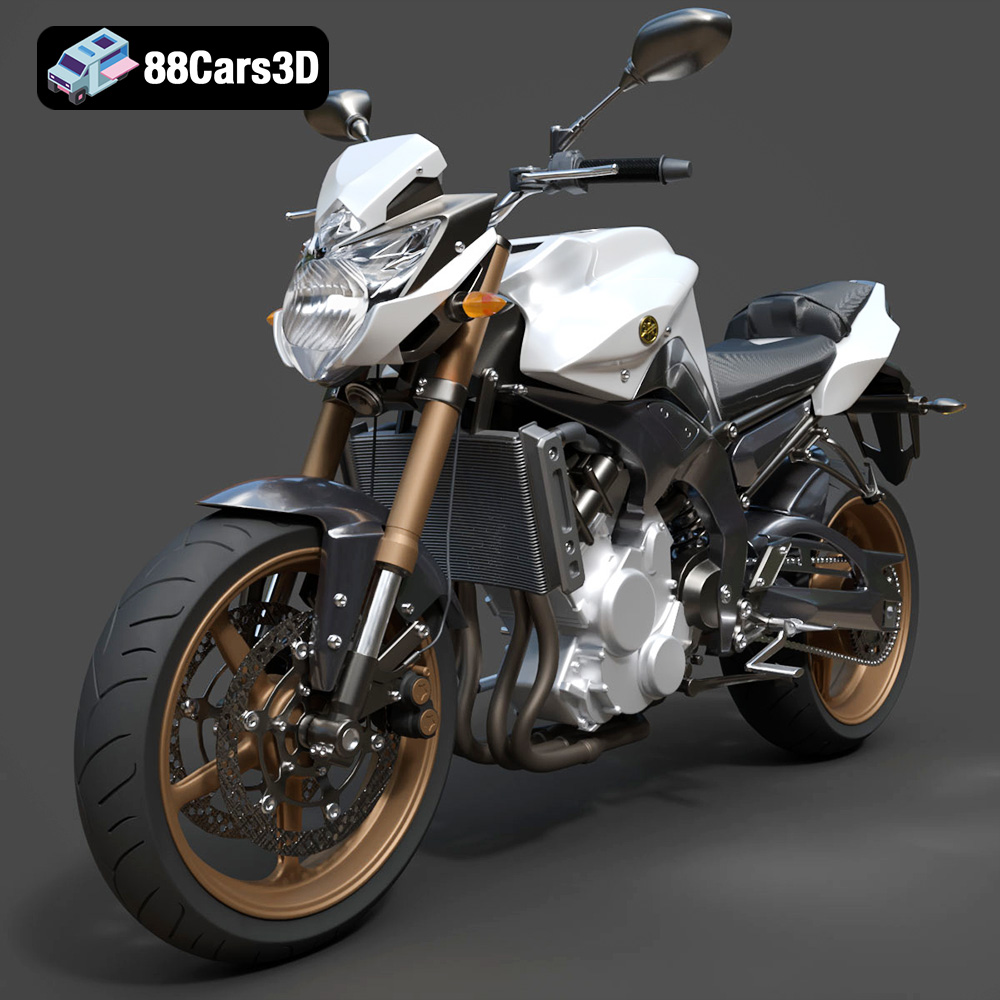
Yamaha FZ8 2011 3D Model
Texture: Yes
Material: Yes
Download the Yamaha FZ8 2011 3D Model featuring clean geometry, realistic detailing, and a fully modeled interior. Includes .blend, .fbx, .obj, .glb, .stl, .ply, .unreal, and .max formats for rendering, simulation, and game development.
Price: $19.99
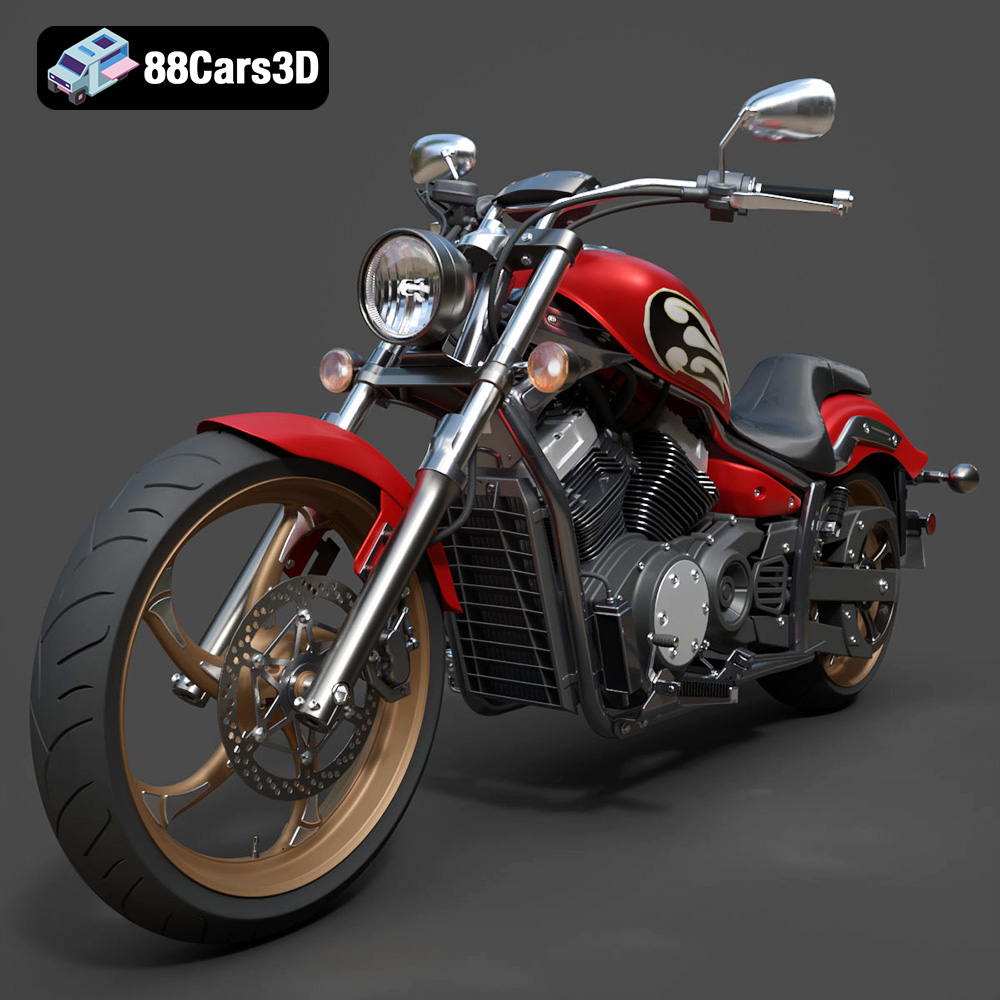
Yamaha Stryker 2012 3D Model
Texture: Yes
Material: Yes
Download the Yamaha Stryker 2012 3D Model featuring clean geometry, realistic detailing, and a fully modeled interior. Includes .blend, .fbx, .obj, .glb, .stl, .ply, .unreal, and .max formats for rendering, simulation, and game development.
Price: $19.99
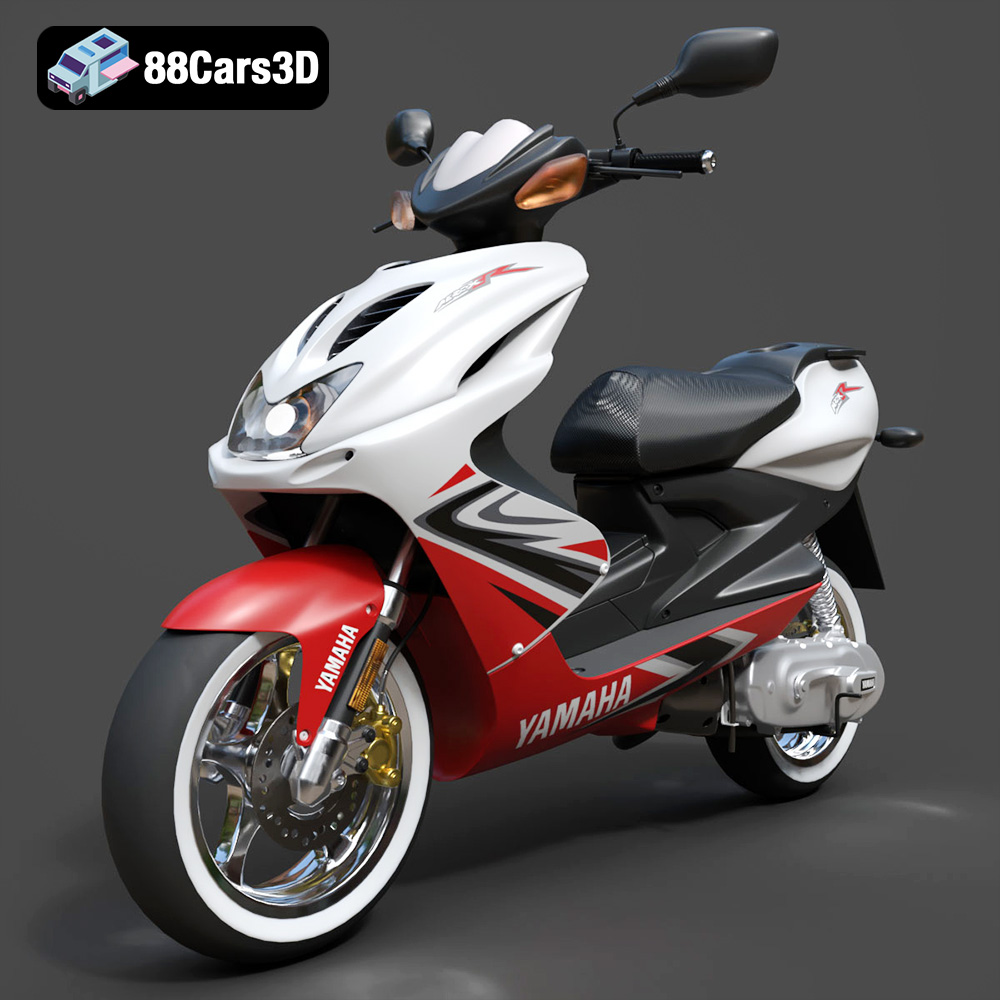
Yamaha Aerox R-002 2024 3D Model
Texture: Yes
Material: Yes
Download the Yamaha Aerox R-002 2024 3D Model featuring clean geometry, realistic detailing, and a fully modeled interior. Includes .blend, .fbx, .obj, .glb, .stl, .ply, .unreal, and .max formats for rendering, simulation, and game development.
Price: $19.99
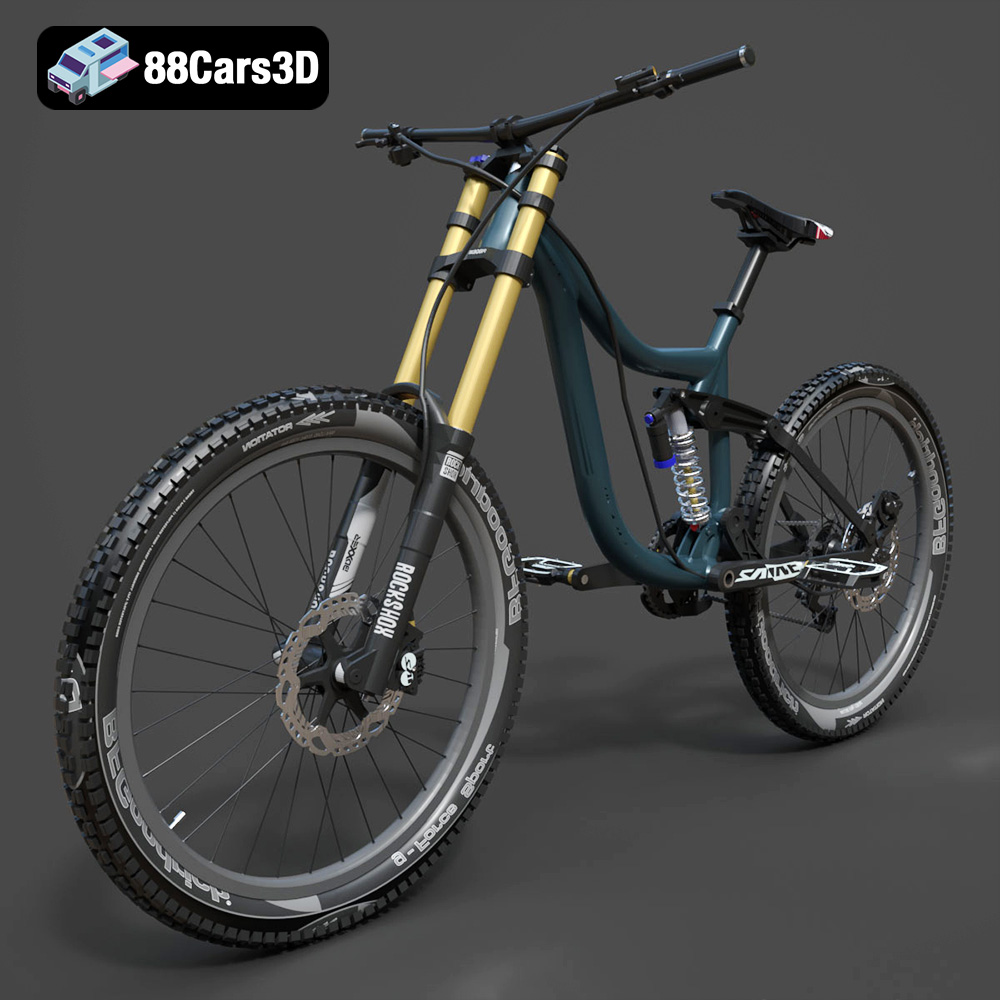
Mototsikly Downhill Bike-002 3D Model
Texture: Yes
Material: Yes
Download the Mototsikly Downhill Bike-002 3D Model featuring clean geometry, realistic detailing, and precise mechanical components. Includes .blend, .fbx, .obj, .glb, .stl, .ply, .unreal, and .max formats for rendering, simulation, and game development.
Price: $19.99
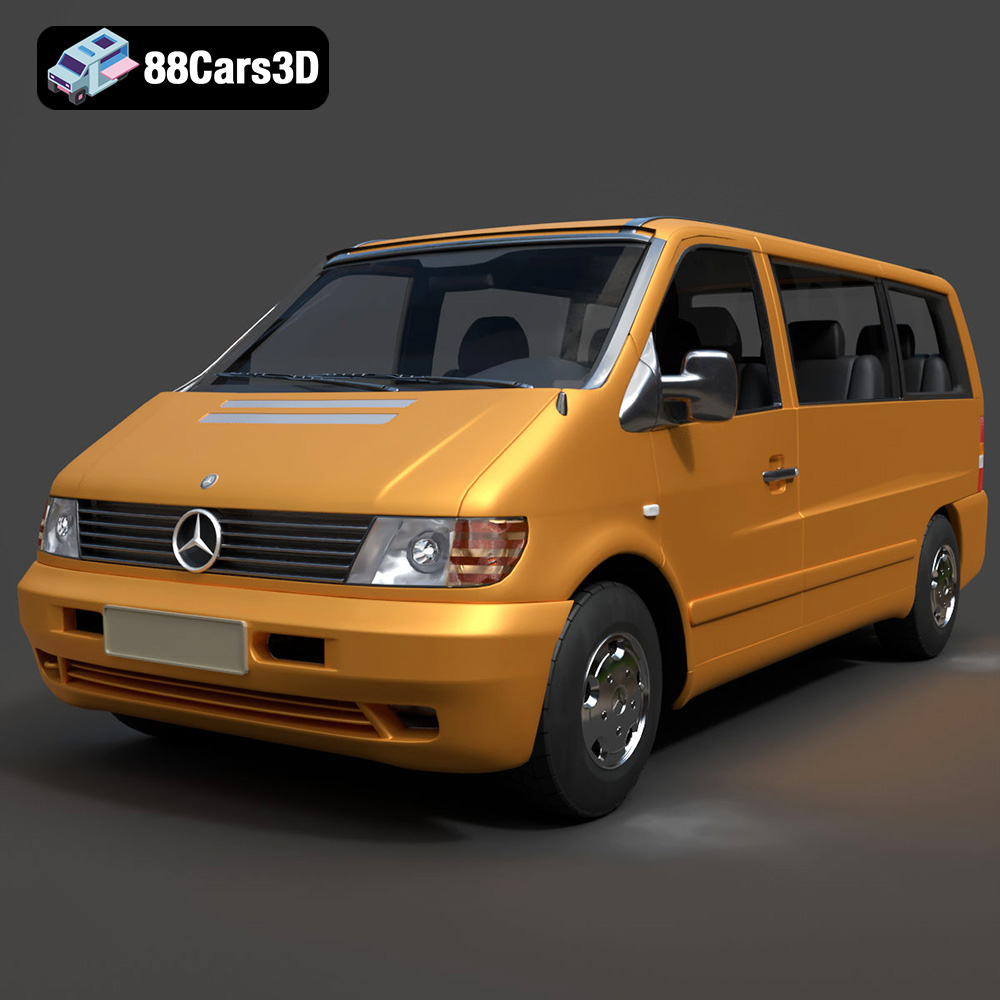
Mercedes-Benz Vito Passenger Van 3D Model
Texture: Yes
Material: Yes
Download the Mercedes-Benz Vito Passenger Van 3D Model featuring clean geometry, realistic detailing, and a fully modeled interior. Includes .blend, .fbx, .obj, .glb, .stl, .ply, .unreal, and .max formats for rendering, simulation, and game development.
Price: $19.99
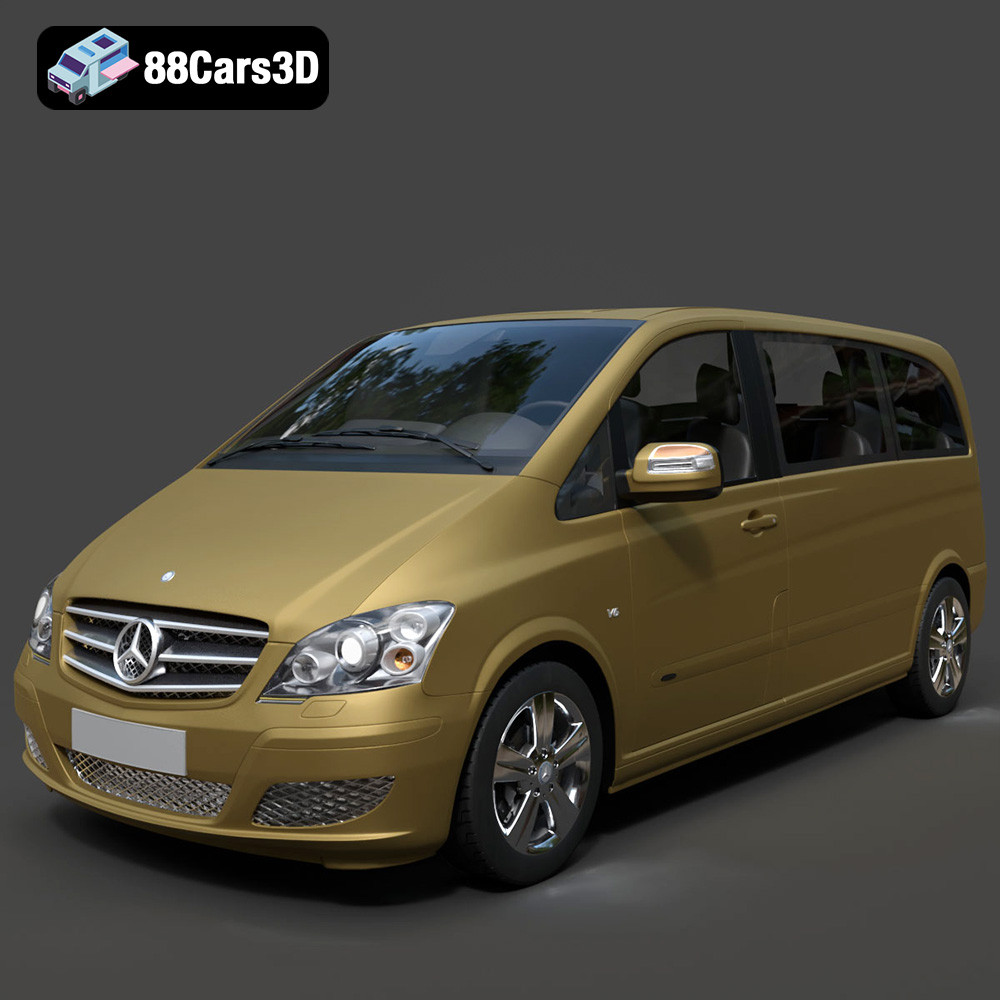
Mercedes-Benz Viano 2010 3D Model
Texture: Yes
Material: Yes
Download the Mercedes-Benz Viano 2010 3D Model featuring clean geometry, realistic detailing, and a fully modeled interior. Includes .blend, .fbx, .obj, .glb, .stl, .ply, .unreal, and .max formats for rendering, simulation, and game development.
Price: $19.99

Emt Avtobus 007 3D Model
Texture: Yes
Material: Yes
Download the Emt Avtobus 007 3D Model featuring clean geometry, realistic detailing, and a fully modeled interior. Includes .blend, .fbx, .obj, .glb, .stl, .ply, .unreal, and .max formats for rendering, simulation, and game development.
Price: $19.99
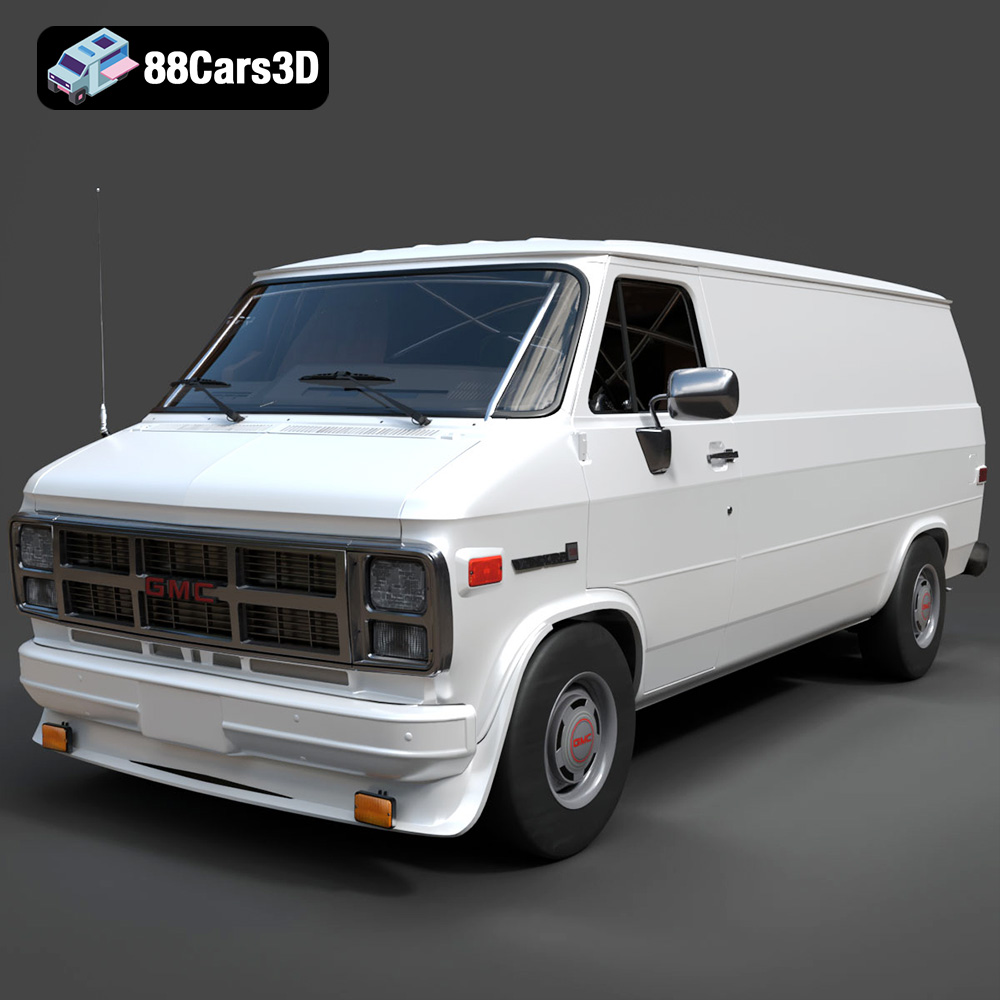
GMC Vandura G-1500 1983 3D Model
Texture: Yes
Material: Yes
Download the GMC Vandura G-1500 1983 3D Model featuring clean geometry, realistic detailing, and a fully modeled interior. Includes .blend, .fbx, .obj, .glb, .stl, .ply, .unreal, and .max formats for rendering, simulation, and game development.
Price: $19.99

Ford E-450 Ambulance 3D Model
Texture: Yes
Material: Yes
Download the Ford E-450 Ambulance 3D Model featuring clean geometry, realistic detailing, and a fully modeled interior. Includes .blend, .fbx, .obj, .glb, .stl, .ply, .unreal, and .max formats for rendering, simulation, and game development.
Price: $19.99
