

Mastering the Art of 3D Printing Realistic Car Models from STL Files
The intersection of automotive passion and additive manufacturing has opened up a thrilling new frontier for hobbyists, designers, and collectors: the ability to 3D print incredibly detailed and realistic car models. Whether you’re a seasoned maker looking to expand your portfolio or a budding enthusiast eager to bring iconic vehicles to life on your desk, understanding the intricacies of printing STL files is paramount. This guide delves deep into the technical nuances of transforming digital 3D car models into tangible masterpieces, covering everything from file preparation and slicing strategies to advanced printing techniques and post-processing magic. Get ready to elevate your 3D printing game and create stunningly accurate replicas of your favorite automobiles.
We’ll explore the fundamental aspects of STL file structure, dissect critical slicing parameters for optimal print quality, and unravel the mysteries of support generation and removal. Furthermore, we’ll discuss print orientation, bed adhesion, the crucial layer height versus print time tradeoff, infill optimization, material selection for different applications, and essential printer calibration. By the end of this comprehensive technical deep-dive, you’ll possess the knowledge and confidence to tackle even the most complex printable car models, ensuring your creations are not just prints, but miniature works of art.
Understanding Your STL File: The Blueprint for Success
At the heart of every 3D printable car model lies the STL file format. While seemingly simple, understanding its underlying structure is the first step towards a successful print. An STL file represents a three-dimensional object’s surface geometry as a collection of triangular facets. Each triangle is defined by three vertices (points in 3D space) and a normal vector (a vector perpendicular to the surface of the triangle, indicating its outward-facing direction). This triangulation, while efficient for data transfer, can sometimes introduce complexities that require careful handling.
The quality of the original 3D model directly impacts the fidelity of your print. Models from reputable sources, such as those found on 88cars3d.com, are typically designed with 3D printing in mind. This means they feature clean geometry, watertight meshes (meaning there are no holes or gaps in the surface), and appropriate wall thicknesses to ensure structural integrity during printing. However, even the best files can sometimes benefit from pre-processing, especially if you intend to scale the model significantly or modify it.
Mesh Topology and Watertightness: The Foundation of Printability
A “watertight” or “manifold” mesh is one where the surface forms a continuous, closed volume without any holes, inverted normals, or non-manifold edges (edges shared by more than two faces). Non-manifold geometry can confuse slicing software, leading to errors during the slicing process, incorrect support generation, or gaps in your final print. Specialized software like Meshmixer, Blender, or Autodesk Netfabb are invaluable tools for inspecting and repairing STL files. Common issues include:
- Holes: Small gaps in the mesh, often near seams or where components were merged. These can be manually filled or automatically repaired.
- Inverted Normals: Triangles facing inward instead of outward. Slicers rely on normal vectors to determine the outer surface of the model.
- Coincident Faces: Multiple faces occupying the exact same space, which can cause printing artifacts.
- Non-Manifold Edges: Edges where more than two triangles meet, creating ambiguous geometry.
Regularly inspecting your downloaded STL files, particularly before scaling or making edits, is a crucial workflow. For automotive models, ensuring watertightness is vital for rendering details like intricate grilles, panel gaps, and the smooth curvature of the bodywork accurately.
Resolution and Detail: Balancing File Size and Print Fidelity
The resolution of an STL file is determined by the number of triangles used to represent its surface. A higher triangle count generally results in a smoother, more detailed model, but also a larger file size. For highly detailed car models, especially those with complex curves and small features like badges or wing mirrors, a higher resolution STL is desirable. However, extremely high-resolution files can sometimes overwhelm slicing software or lead to excessively long slicing times. Finding the right balance is key. If you encounter very large STL files (hundreds of MB), consider if the level of detail is truly necessary for your intended print size and resolution.
Slicing Strategies: Translating Digital to Physical Layers
The slicer is the bridge between your STL file and your 3D printer. It’s a piece of software that “slices” the 3D model into thin horizontal layers and generates the machine code (G-code) that tells your printer precisely where to move, how fast to extrude filament, and at what temperature. Mastering your slicer is arguably the most impactful skill for achieving high-quality prints. Popular slicers include Cura, PrusaSlicer, and Simplify3D, each with its own strengths and nuances.
When printing intricate car models, the settings you choose can dramatically affect the outcome. Settings related to layer height, print speed, infill, and cooling are particularly critical. The goal is to achieve smooth surfaces, sharp details, and structural integrity without compromising print time excessively. For models purchased from platforms like 88cars3d.com, which are often optimized for printing, understanding how to tweak standard settings for even better results is where the real art lies.
Layer Height: The Sweet Spot Between Detail and Speed
Layer height refers to the thickness of each individual layer deposited by the 3D printer. For FDM printing, common layer heights range from 0.1mm (high detail) to 0.3mm (faster, less detail). For realistic car models, achieving smooth, curved surfaces is essential. A lower layer height (e.g., 0.1mm or 0.12mm) will significantly reduce the visible “stair-stepping” effect on curved surfaces, resulting in a more organic and realistic appearance.
However, printing at lower layer heights dramatically increases print time. A model that takes 5 hours at 0.2mm might take 15-20 hours at 0.1mm. This is a crucial tradeoff to consider based on your printer’s capabilities, your available time, and the desired level of detail. For critical visual areas of a car model, such as the body panels or wheel arches, opting for a finer layer height is often worth the extra time.
- Fine Detail (0.08mm – 0.12mm): Ideal for miniature car models or when exceptional surface finish is required. Expect significantly longer print times.
- Standard Detail (0.15mm – 0.2mm): A good balance for most car models, offering reasonable detail and manageable print times.
- Draft Quality (0.25mm – 0.3mm): Best for functional prototypes or large models where speed is prioritized over fine detail.
Infill: Strength, Weight, and Material Savings
Infill refers to the internal structure printed within the outer walls of your model. It provides support and rigidity. For display car models, the required structural integrity is often minimal, as they are not subjected to significant forces. Therefore, you can often get away with lower infill percentages and simpler infill patterns, saving print time and material.
- Infill Density: For display models, 10-20% is usually sufficient. For parts that might need some structural integrity, 20-40% might be appropriate.
- Infill Patterns: Common patterns include Grid, Lines, Cubic, and Gyroid. For car models, Gyroid and Cubic patterns offer good strength in multiple directions without adding excessive print time. Simple Grid or Lines can also work well for low-density infill.
- Top/Bottom Layers: Ensure you have enough solid top and bottom layers (e.g., 4-6 layers) to create a smooth, closed surface for the base and the top of the model. This is crucial for a clean finish.
Print Speed and Cooling: The Art of Controlled Extrusion
Print speed dictates how quickly the print head moves. Faster speeds can drastically reduce print time but can compromise quality, especially on complex geometries or small features common in car models. A general rule of thumb is to print outer walls and detailed features slower than inner walls or infill.
- Outer Walls/Perimeters: 20-40 mm/s for smooth surfaces.
- Inner Walls: 40-60 mm/s.
- Infill: 50-80 mm/s.
- Travel Speed: 100-150 mm/s (non-extruding moves).
Part cooling is also critical, especially for overhangs and bridges common in car designs (e.g., spoilers, wheel wells). Ensure your fan is set to an appropriate speed (often 100% after the first few layers for PLA) to allow the extruded plastic to solidify quickly, preventing drooping and deformation. For materials like ABS, reduced or no cooling might be necessary to prevent warping, but this requires careful management of print speed and temperature.
Support Structures: The Unsung Heroes of Complex Geometry
Many car models feature overhangs and intricate details that cannot be printed in mid-air. This is where support structures come in. They are temporary scaffolding printed beneath these features, which are then removed after the print is complete. Proper support generation and removal are crucial for achieving clean, undamaged models. This is particularly true for detailed automotive parts like spoilers, undercarriage components, and even subtle body panel lines.
Slicing software offers various support options, including ‘touching buildplate’ only, ‘everywhere’, and tree supports. Understanding when and how to use each type is essential for minimizing scarring on the model’s surface and ensuring easy removal.
Support Types and Placement: Strategic Assistance
Tree supports, available in newer versions of Cura and PrusaSlicer, are often preferred for complex models like cars. They branch out from a single point of contact with the build plate or the model and are less invasive than standard supports, touching the model only where absolutely necessary. This significantly reduces the amount of contact area, leading to cleaner surfaces after removal.
- Touching Buildplate: Only generates supports that originate from the print bed. Useful for models with minimal overhangs or when most overhangs are self-supporting.
- Everywhere: Generates supports from any part of the model that requires them, including parts that are floating above other parts of the model. This is often necessary for intricate car models.
- Tree Supports: More advanced, organic supports that are optimized to minimize material usage and contact points. Highly recommended for detailed models.
Support Settings: Fine-Tuning for Easy Removal
Beyond the type of support, several settings within your slicer control how supports are generated and how easily they can be removed:
- Support Density: Lower density (10-15%) makes supports easier to break away.
- Support Wall Count: 1-2 walls are usually sufficient for ease of removal.
- Support Top Z Distance: This is the gap between the top of the support and the model. A larger gap (e.g., 0.2mm – 0.3mm for a 0.4mm nozzle) makes removal easier and cleaner.
- Support Interface: A denser, flat layer at the top of the supports that interfaces directly with the model. This can improve the surface quality of the overhang but can sometimes make removal more difficult. Experiment with this setting.
- Support Overhang Angle: Controls at what angle overhangs start to require support. A common setting is 45-60 degrees.
When downloading models from marketplaces such as 88cars3d.com, often designers will provide recommendations on support placement or even pre-supported versions of the files. Always check any accompanying notes.
Print Orientation and Bed Adhesion: Stability from the First Layer
The way you orient your car model on the print bed is critical for several reasons: support minimization, layer line appearance, and structural integrity. The optimal orientation balances these factors to achieve the best overall print quality.
For most car models, orienting them with the wheels on the build plate (if the model includes them) or flat on their underside generally works well. This minimizes the need for supports on the most visible exterior surfaces. However, sometimes printing a car body upright can reveal layer lines more prominently on the curved roof or hood. Experimentation is often key, and slicing software allows you to preview how supports will be generated based on orientation.
Optimizing Orientation for Minimal Supports and Visible Detail
Consider printing a car with its wheels on the build plate. This places the underside and chassis needing supports, but the main body and roof will be clean. If the car has significant aerodynamic elements or undercarriage details that require support, you might consider flipping it. However, this can lead to visible layer lines on the roof or hood.
Another strategy is to print large car bodies in sections. Many complex models, especially those found on 88cars3d.com, are designed to be split into multiple parts (body, chassis, wheels, interior) that can be printed individually in optimal orientations and then assembled. This approach allows for greater control over surface finish and can even enable the use of different materials or colors for different components.
Bed Adhesion: The Crucial First Layer
A strong first layer is the foundation of a successful print. Poor bed adhesion is one of the most common causes of print failure, leading to the model detaching from the build plate mid-print. For automotive models, which can be quite large and have significant surface area in contact with the bed, robust adhesion is paramount.
- Leveling the Bed: Ensure your printer’s build plate is perfectly level. Manual or automatic bed leveling routines are essential.
- Clean Build Surface: Fingerprints and oils can prevent adhesion. Clean your build plate with isopropyl alcohol before every print.
- Adhesion Aids: For materials like ABS or PETG, or even for challenging PLA prints, consider using adhesion aids like a glue stick, hairspray, or specialized build plate adhesives.
- Brim or Raft: A brim adds a single layer of material around the base of your model, increasing surface area contact with the build plate. A raft prints a disposable platform beneath your model. Both are excellent for improving adhesion, especially for models with small contact points or a tendency to warp. A brim is generally preferred for car models as it’s easier to remove than a raft.
- First Layer Settings: Print the first layer slower (e.g., 15-20 mm/s) and slightly hotter (e.g., +5°C) than the rest of the print to ensure good melt and adhesion.
Material Selection and Printer Settings: Tailoring for Performance
The material you choose and the specific settings for your printer and that material significantly impact the final look and feel of your 3D printed car model. Different materials offer varying strengths, finishes, and ease of printing. Understanding these differences allows you to select the best filament for your project.
For realistic car models, the finish is often as important as the form. Some materials are easier to sand and paint, while others offer a naturally smoother surface finish straight off the printer. Your choice of printer technology—FDM printing versus resin printing—also plays a huge role.
FDM Materials: PLA, PETG, ABS, and Beyond
PLA (Polylactic Acid) is the most popular material for hobbyist FDM printing due to its ease of use, low warping, and availability in a vast range of colors. It’s ideal for most display car models. Settings typically include nozzle temperatures of 190-220°C and a heated bed of 50-60°C.
PETG (Polyethylene Terephthalate Glycol) offers increased durability and temperature resistance over PLA. It’s a good choice if your model might experience more handling or needs to withstand slightly higher temperatures. PETG can be stringier than PLA, requiring careful retraction settings. Typical settings: nozzle 230-250°C, bed 70-80°C.
ABS (Acrylonitrile Butadiene Styrene) is known for its strength and temperature resistance but is more challenging to print, requiring an enclosed printer to maintain stable temperatures and prevent warping. It also emits fumes, requiring good ventilation. ABS models are excellent for those planning extensive post-processing like sanding and vapor smoothing. Settings: nozzle 240-260°C, bed 90-110°C (enclosure highly recommended).
Resin Printing (SLA/DLP): Unparalleled Detail
For the absolute highest level of detail, resin printers (SLA/DLP/MSLA) are the way to go. They use UV light to cure liquid resin layer by layer, resulting in incredibly smooth surfaces and sharp features that are often impossible to achieve with FDM. Resin prints are perfect for capturing minute details like emblems, grille patterns, and intricate wheel designs.
Resin Types: Standard resins offer good detail, while engineering resins provide enhanced durability or flexibility. Different colors are available, and clear resins can be used for windows. Settings vary greatly by printer and resin type but generally involve precise exposure times for each layer and a carefully leveled build plate. Post-processing for resin prints involves washing in isopropyl alcohol and UV curing.
Pros: Superior detail and surface finish.
Cons: Smaller build volumes, messier post-processing, potentially brittle prints (depending on resin), and safety precautions needed due to uncured resin.
Printer Calibration and Maintenance
Regardless of the material or technology, a well-calibrated printer is essential. This includes calibrating your extruder (E-steps), ensuring belts are tensioned correctly, cleaning nozzle and hotend, and performing regular test prints (e.g., calibration cubes, temperature towers, retraction tests) to fine-tune settings for your specific printer and filament combination. A clean and well-maintained printer will consistently produce better results, especially for complex and detailed automotive models.
Post-Processing: Bringing Your 3D Printed Car Model to Life
Once your car model is successfully printed, the journey isn’t over. Post-processing is where you can truly elevate a good print into a show-stopping display piece. This stage involves cleaning the model, preparing it for finishing, and applying paint or other treatments to achieve a realistic look.
For most car models, especially those destined for display, post-processing is a critical step. It’s where you hide layer lines, smooth out imperfections, and prepare the surface for painting. The techniques used will vary depending on the printing material and your desired finish.
Support Removal and Surface Smoothing
Carefully remove all support structures using pliers, flush cutters, or a hobby knife. Be patient and gentle to avoid damaging the model. For FDM prints, minor nubs or marks left by supports can often be removed by sanding. Start with a coarse grit sandpaper (e.g., 120-220 grit) and gradually move to finer grits (400, 800, 1200, and even higher for a mirror finish).
For FDM prints (especially PLA), using fillers like wood filler, automotive body filler, or even specialized 3D printing smoothing compounds can help fill in layer lines. Apply thin layers, let them cure, and sand smooth. For ABS, vapor smoothing with acetone (with extreme caution and in a well-ventilated area) can achieve an incredibly smooth, almost injection-molded finish.
Resin prints generally require less sanding for layer lines but might have small remnants from the support structure that need careful removal. Washing thoroughly and curing properly is essential for dimensional stability and durability.
Sanding, Priming, and Painting Techniques
A good primer is essential for achieving a smooth, uniform base for your paint job. Apply thin, even coats of primer, and sand lightly between coats to reveal any remaining imperfections. Use automotive-specific primers for best results.
When painting, consider using an airbrush for the smoothest, most professional finish. However, good results can also be achieved with spray cans or even high-quality hobby brushes. Multiple thin coats of paint are always better than one thick coat. Apply colors in stages, masking off different areas as needed for clean lines between body panels, trim, and accents.
Don’t forget the details: paint the headlights, taillights, wheels, and interior components. Small details can make a huge difference in realism. Clear coats, both matte and gloss, can be applied to protect the paint job and achieve the desired final sheen, mimicking the look of a real car’s finish.
Assembly and Finishing Touches
If your car model was printed in multiple parts, now is the time for assembly. Use appropriate adhesives for your plastic type (e.g., CA glue, super glue, or specialized plastic cement). Ensure parts align correctly before the adhesive sets.
For ultimate realism, consider adding elements like clear plastic for windows, small decals for badges and racing stripes, or even custom-made photo-etched parts. The level of detail you go to in post-processing will truly define the quality and realism of your final 3D printed car model.
Conclusion: Your Journey to Realistic 3D Printed Cars
3D printing realistic car models from STL files is a rewarding journey that blends technical skill with artistic vision. By understanding the nuances of STL file preparation, mastering your slicer’s settings, strategically utilizing support structures, optimizing print orientation, selecting the right materials, and dedicating time to post-processing, you can transform digital designs into stunningly accurate physical replicas. Whether you’re printing for a hobbyist collection, a display piece, or even for educational purposes, the principles outlined here will serve as your roadmap to success.
Remember that practice and experimentation are your best allies. Don’t be afraid to try different settings, materials, and post-processing techniques. Platforms like 88cars3d.com offer a fantastic selection of high-quality, print-ready 3D car models to get you started. Armed with this comprehensive technical knowledge, you’re well-equipped to tackle any automotive 3D printing project and bring your dream cars to life with remarkable detail and realism. Happy printing!
Featured 3D Car Models

Porsche Cayenne 3D Model
Meta Description:
Texture: Yes
Material: Yes
Download the Porsche Cayenne 3D Model featuring realistic exterior styling and detailed interior design. Includes .blend, .fbx, .obj, .glb, .stl, .ply, .unreal, and .max formats for rendering, simulation, AR VR, and game development.
Price: $19.9
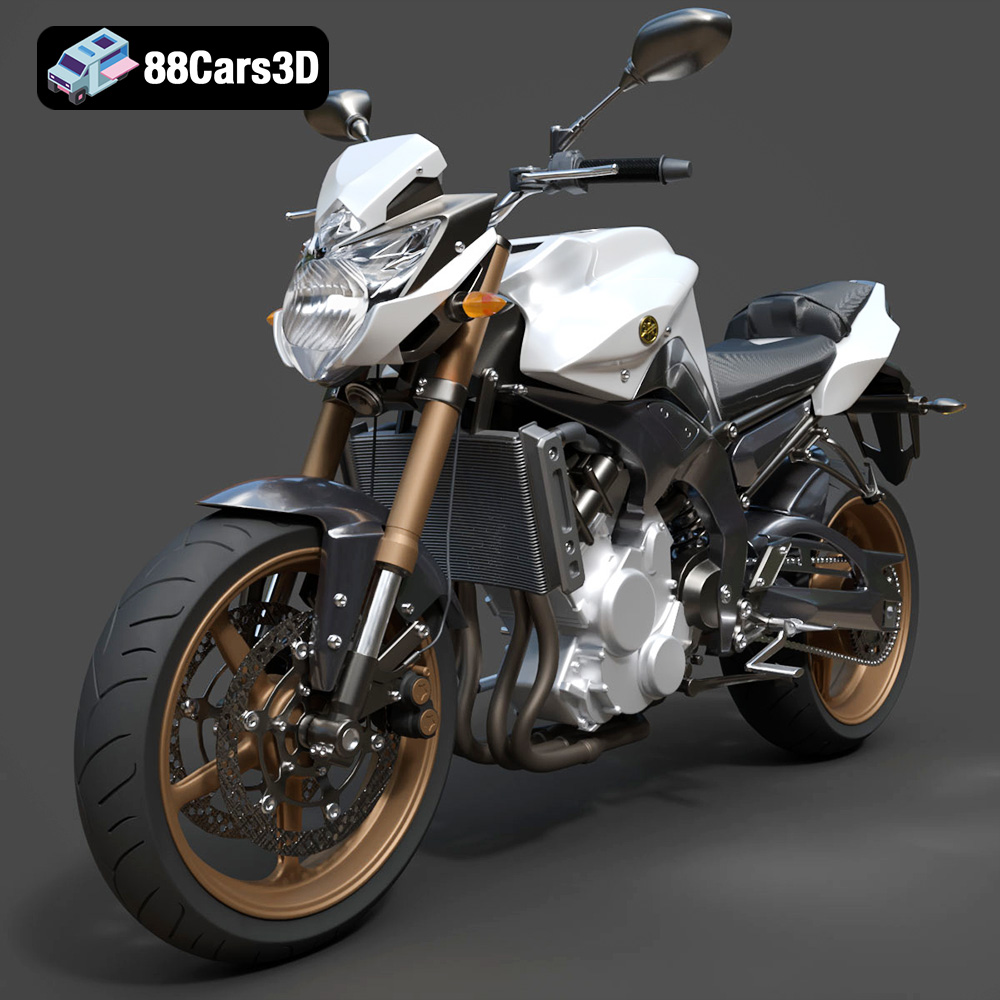
Yamaha FZ8 2011 3D Model
Texture: Yes
Material: Yes
Download the Yamaha FZ8 2011 3D Model featuring clean geometry, realistic detailing, and a fully modeled interior. Includes .blend, .fbx, .obj, .glb, .stl, .ply, .unreal, and .max formats for rendering, simulation, and game development.
Price: $19.99
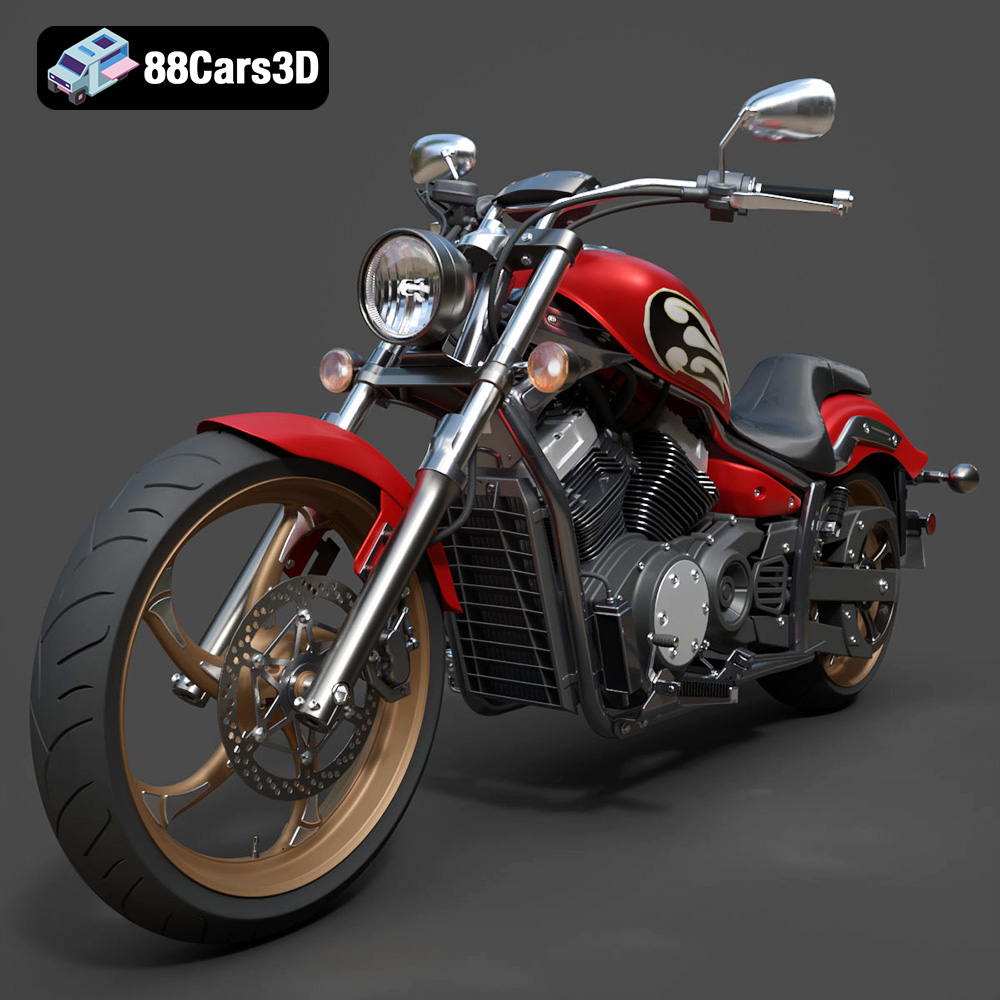
Yamaha Stryker 2012 3D Model
Texture: Yes
Material: Yes
Download the Yamaha Stryker 2012 3D Model featuring clean geometry, realistic detailing, and a fully modeled interior. Includes .blend, .fbx, .obj, .glb, .stl, .ply, .unreal, and .max formats for rendering, simulation, and game development.
Price: $19.99
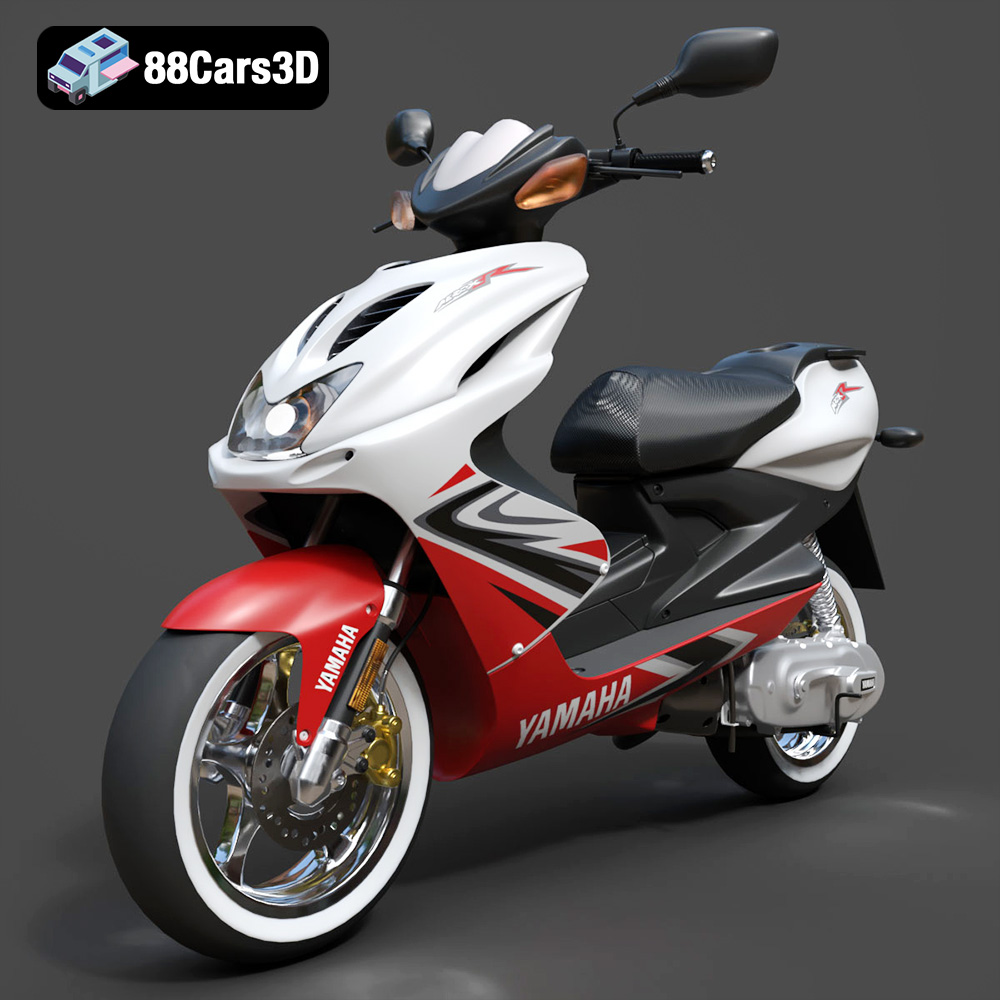
Yamaha Aerox R-002 2024 3D Model
Texture: Yes
Material: Yes
Download the Yamaha Aerox R-002 2024 3D Model featuring clean geometry, realistic detailing, and a fully modeled interior. Includes .blend, .fbx, .obj, .glb, .stl, .ply, .unreal, and .max formats for rendering, simulation, and game development.
Price: $19.99
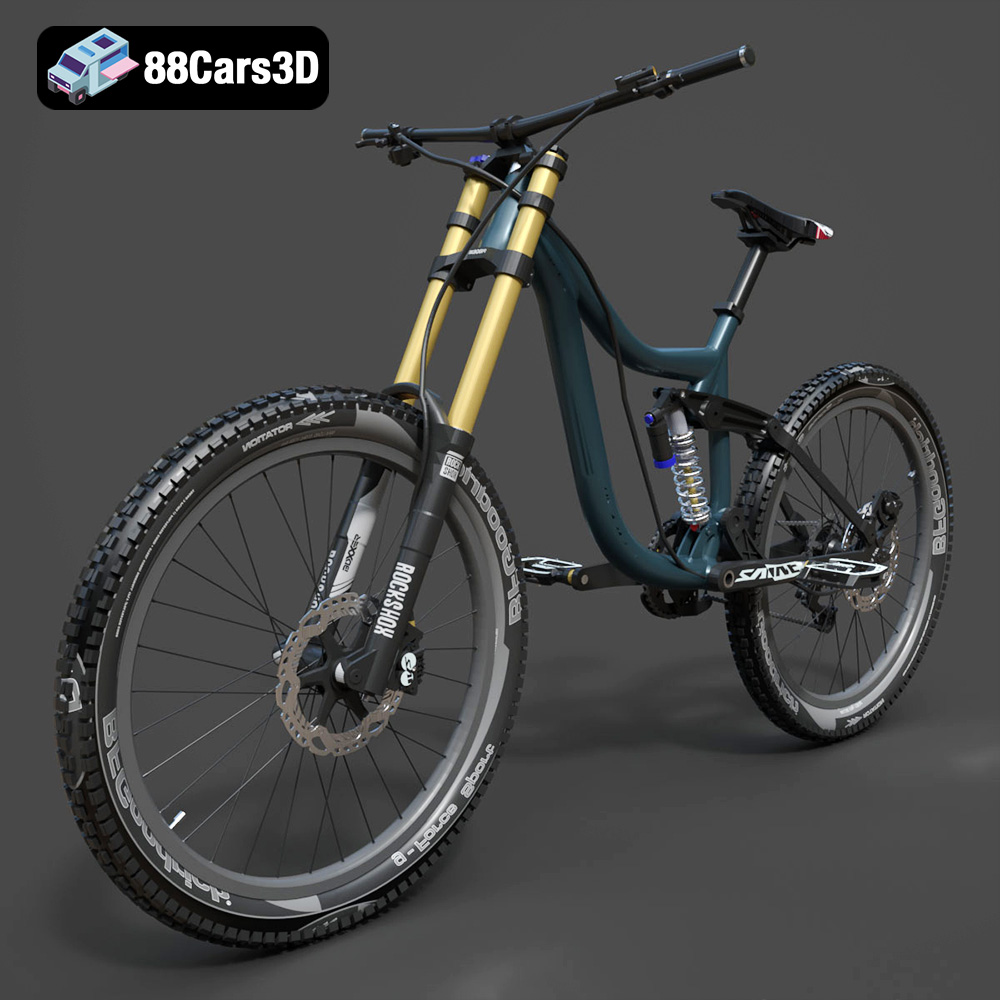
Mototsikly Downhill Bike-002 3D Model
Texture: Yes
Material: Yes
Download the Mototsikly Downhill Bike-002 3D Model featuring clean geometry, realistic detailing, and precise mechanical components. Includes .blend, .fbx, .obj, .glb, .stl, .ply, .unreal, and .max formats for rendering, simulation, and game development.
Price: $19.99
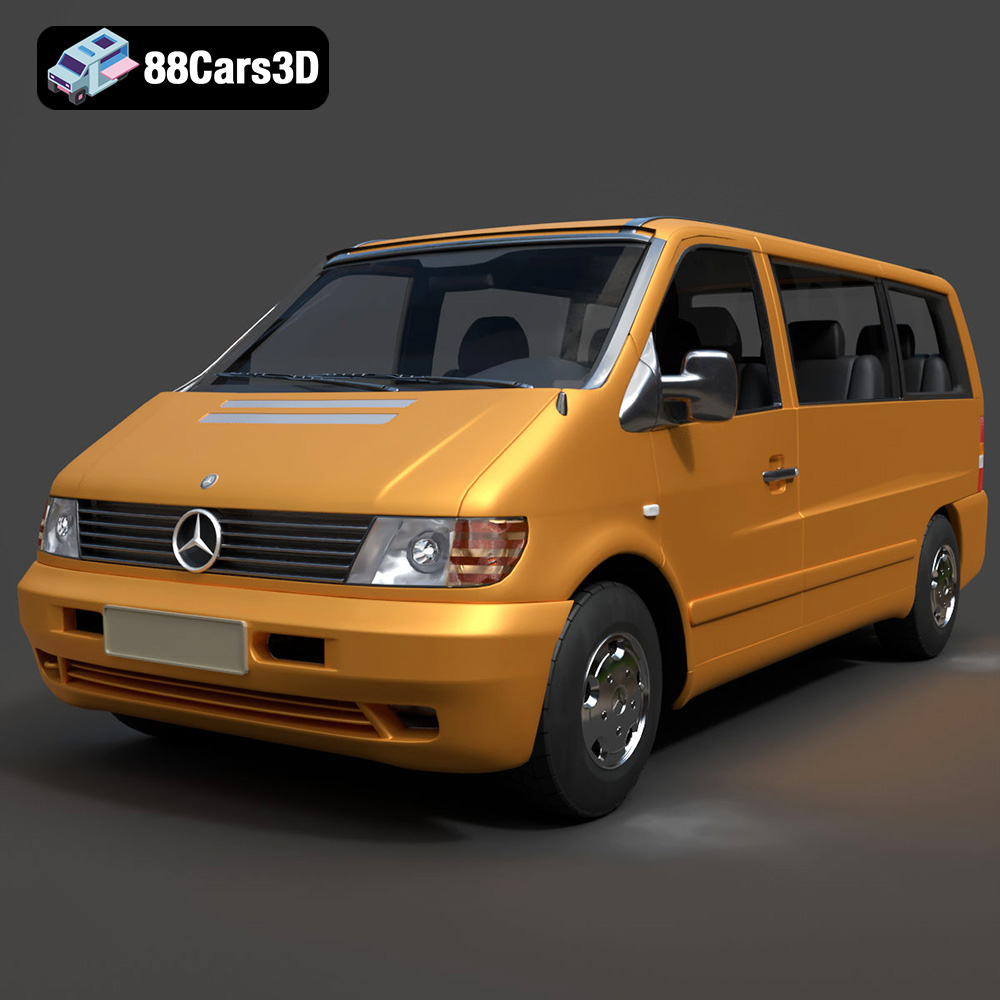
Mercedes-Benz Vito Passenger Van 3D Model
Texture: Yes
Material: Yes
Download the Mercedes-Benz Vito Passenger Van 3D Model featuring clean geometry, realistic detailing, and a fully modeled interior. Includes .blend, .fbx, .obj, .glb, .stl, .ply, .unreal, and .max formats for rendering, simulation, and game development.
Price: $19.99
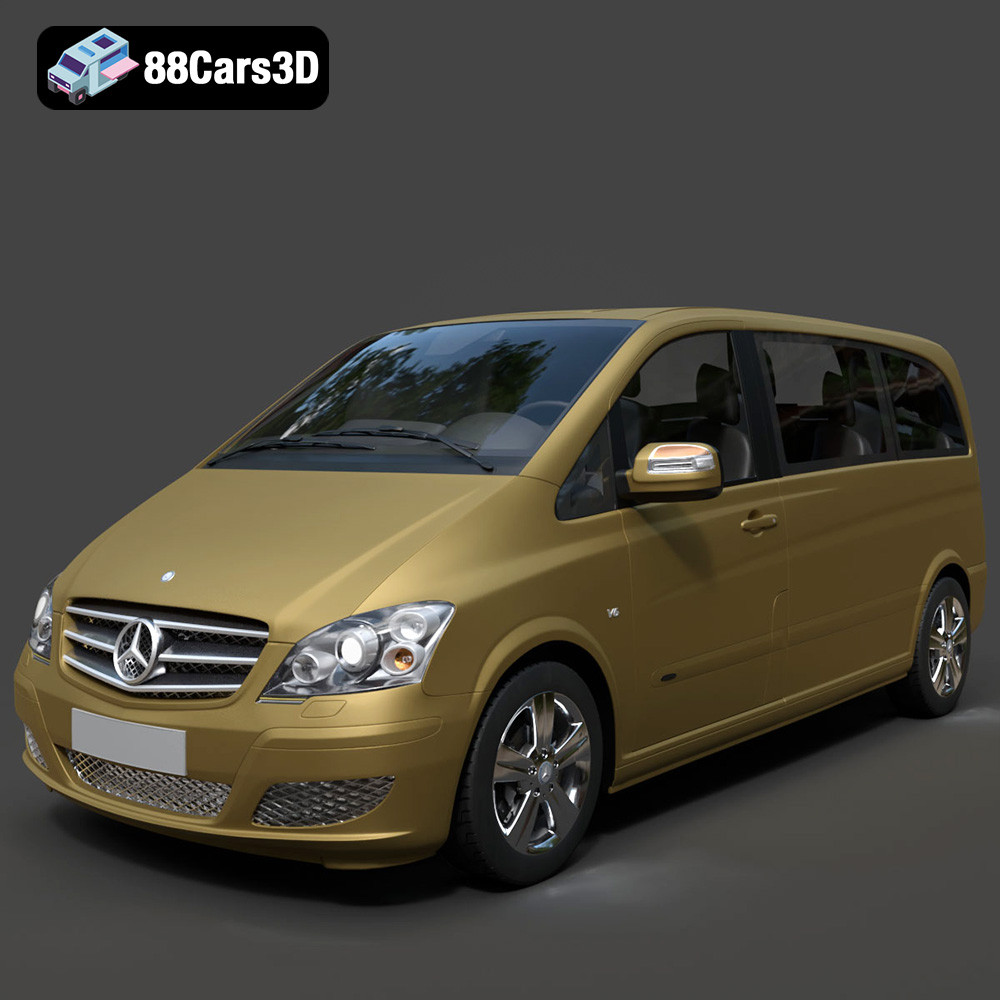
Mercedes-Benz Viano 2010 3D Model
Texture: Yes
Material: Yes
Download the Mercedes-Benz Viano 2010 3D Model featuring clean geometry, realistic detailing, and a fully modeled interior. Includes .blend, .fbx, .obj, .glb, .stl, .ply, .unreal, and .max formats for rendering, simulation, and game development.
Price: $19.99

Emt Avtobus 007 3D Model
Texture: Yes
Material: Yes
Download the Emt Avtobus 007 3D Model featuring clean geometry, realistic detailing, and a fully modeled interior. Includes .blend, .fbx, .obj, .glb, .stl, .ply, .unreal, and .max formats for rendering, simulation, and game development.
Price: $19.99
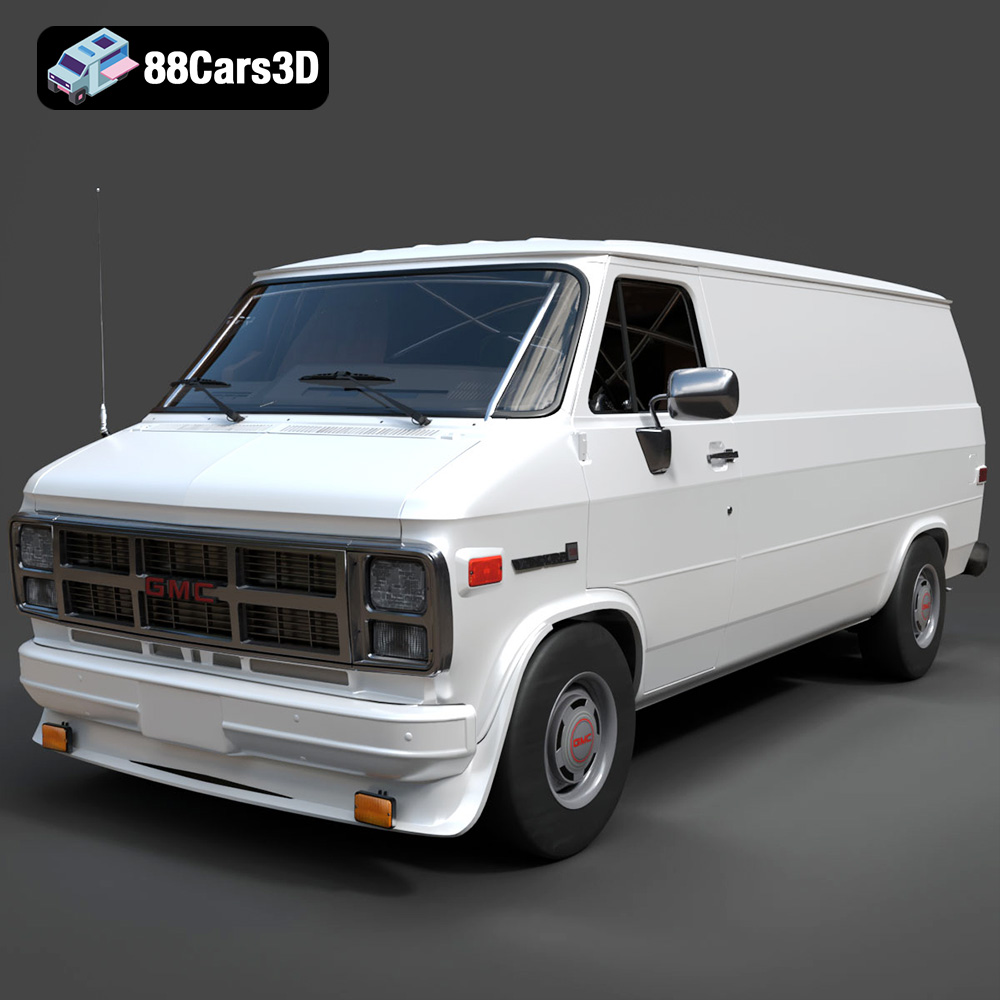
GMC Vandura G-1500 1983 3D Model
Texture: Yes
Material: Yes
Download the GMC Vandura G-1500 1983 3D Model featuring clean geometry, realistic detailing, and a fully modeled interior. Includes .blend, .fbx, .obj, .glb, .stl, .ply, .unreal, and .max formats for rendering, simulation, and game development.
Price: $19.99
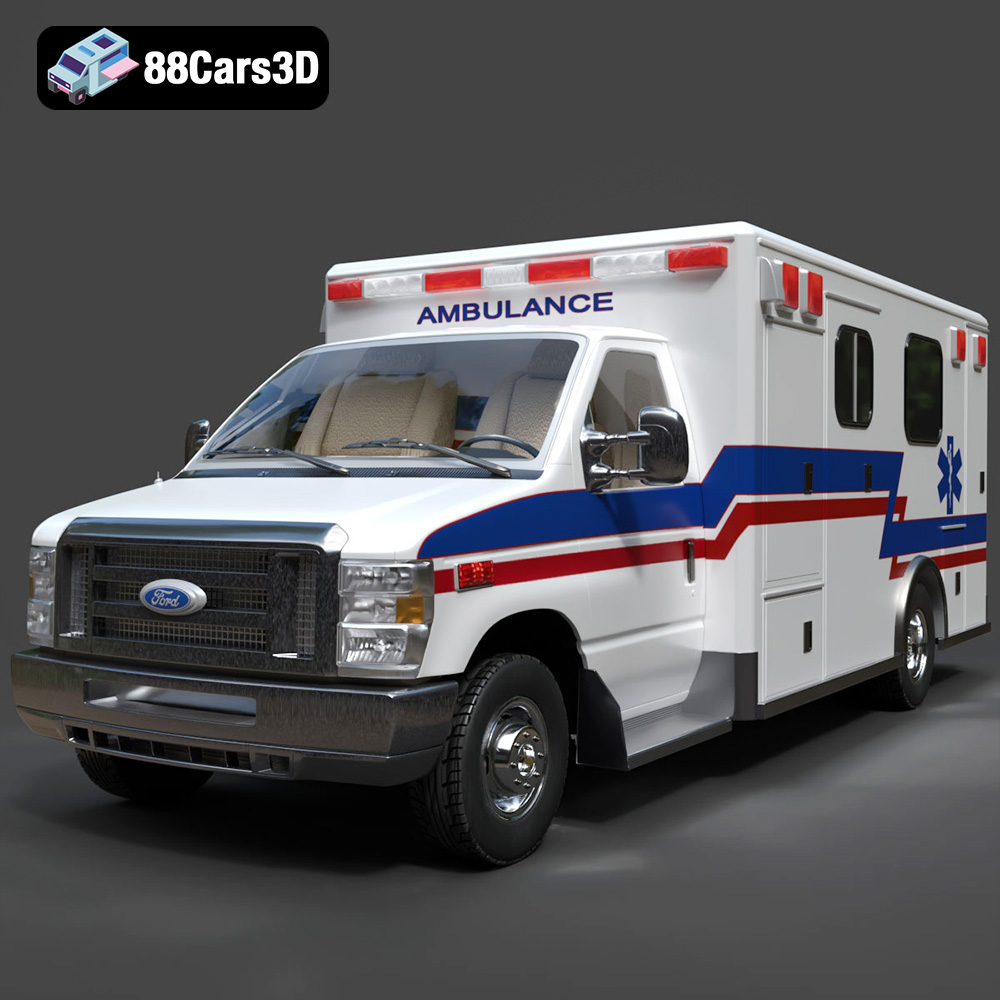
Ford E-450 Ambulance 3D Model
Texture: Yes
Material: Yes
Download the Ford E-450 Ambulance 3D Model featuring clean geometry, realistic detailing, and a fully modeled interior. Includes .blend, .fbx, .obj, .glb, .stl, .ply, .unreal, and .max formats for rendering, simulation, and game development.
Price: $19.99
