

The quest for photorealism and dynamic interactivity in real-time automotive visualization has never been more intense. As artists and developers push the boundaries of what’s possible, tools like Unreal Engine’s Niagara VFX system emerge as indispensable assets. Gone are the days when visual effects were merely an afterthought; today, they are integral to conveying realism, mood, and critical information in immersive experiences. From the subtle dust stirred by a tire to the dramatic explosion of a simulated crash, Niagara offers unparalleled control and scalability for crafting breathtaking real-time visual effects.
For professionals working with high-fidelity 3D car models, such as those found on 88cars3d.com, integrating sophisticated VFX is crucial for elevating presentations, games, and virtual production scenes. This comprehensive guide will plunge into the depths of Unreal Engine’s Niagara system, unveiling its modular architecture, robust capabilities, and performance-driven workflows. We’ll explore how to harness Niagara to bring your automotive scenes to life, covering everything from fundamental setup to advanced interactive effects and crucial optimization strategies. By the end of this article, you’ll possess the knowledge to transform static automotive models into dynamic, living entities within the Unreal Engine environment, setting a new standard for your real-time projects.
The Power of Niagara: A Paradigm Shift in Real-Time VFX
Unreal Engine’s Niagara system represents a monumental leap forward in real-time visual effects creation, succeeding and vastly expanding upon the capabilities of the legacy Cascade particle editor. Designed from the ground up with modularity, extensibility, and performance in mind, Niagara empowers artists and developers to create everything from subtle atmospheric effects to incredibly complex, data-driven simulations. Its core philosophy revolves around a flexible, node-based workflow that gives users granular control over every aspect of a particle’s life cycle, from its initial spawn to its eventual death. This system isn’t just about making prettier particles; it’s about enabling dynamic, interactive, and intelligent visual effects that respond to their environment and external stimuli.
For automotive visualization, this means being able to simulate everything from realistic tire smoke and exhaust fumes to dynamic rain hitting a windshield or sparks flying from a collision. Unlike previous systems, Niagara embraces a data-oriented approach, allowing particles to carry and modify various attributes, which can then influence their behavior, appearance, and even interact with other systems. This level of control opens up a world of possibilities for creating truly immersive and believable automotive experiences, whether for high-end configurators, thrilling racing games, or cinematic renders. Understanding Niagara’s foundational architecture is the first step toward unlocking its immense potential.
Modular Emitters and Systems: The Core of Niagara
At the heart of Niagara lies its modular structure, built around two primary components: Emitters and Systems. A **Niagara Emitter** is a self-contained unit responsible for defining the behavior of a specific type of particle effect. It contains a stack of modules that dictate how particles are spawned, updated, rendered, and ultimately destroyed. These modules are like building blocks, allowing you to customize everything from initial velocity and color to physics forces and collision responses. You can think of an Emitter as a blueprint for a particular effect, such as “smoke particle behavior” or “spark particle behavior.”
A **Niagara System**, on the other hand, acts as a container for one or more Emitters. It orchestrates how these different emitters interact and are displayed together. For instance, a “Tire Smoke System” might combine an Emitter for dense smoke particles with another Emitter for finer ash particles, and perhaps a third for small, transient sparks. This hierarchical design promotes reusability, allowing you to create complex effects by combining simpler, pre-defined emitters, much like assembling components. This modularity not only streamlines the creation process but also makes it easier to manage and optimize complex visual effects, ensuring that your automotive scenes, especially those featuring detailed models from 88cars3d.com, run smoothly without sacrificing visual fidelity.
GPU-Driven Simulation: Scaling Performance for Grandeur
One of Niagara’s most significant advancements over previous particle systems is its robust support for **GPU-driven simulation**. By leveraging the parallel processing power of modern graphics cards, Niagara can handle orders of magnitude more particles with significantly less CPU overhead. This means you can create breathtakingly large-scale effects – such as dense smoke trails from multiple cars, vast environmental snowfalls, or complex fluid-like simulations – without crippling your real-time performance. This capability is paramount for demanding applications like automotive visualization and high-fidelity games, where maintaining a smooth frame rate is critical.
GPU simulation in Niagara involves computing particle logic directly on the graphics card, offloading the CPU for other game logic and rendering tasks. This is achieved through compute shaders, which are highly efficient at processing large datasets in parallel. While CPU particle simulations are still an option for specific needs, embracing GPU particles whenever possible is a best practice for achieving high particle counts and complex behaviors. This performance advantage allows artists to unleash their creativity, crafting visually rich automotive scenes that would have been impossible with older technologies, all while maintaining the responsiveness required for interactive experiences.
Data Interfaces for Advanced Control and Interactivity
Niagara’s power is further amplified by its sophisticated **Data Interface** system. Data Interfaces are a powerful mechanism that allows Niagara systems to interact with virtually any part of the Unreal Engine or external data sources. This means particles are no longer isolated entities; they can query and react to mesh data, collision volumes, blueprint variables, skeletal animations, audio analysis, or even custom C++ code. For automotive applications, this opens up incredible possibilities:
- Particles can sample a car’s velocity to determine the intensity of tire smoke.
- They can query the underlying road surface material to change their color or behavior (e.g., dust on dirt vs. steam on wet asphalt).
- A vehicle’s Blueprint can directly feed data into a Niagara system to control exhaust flame length based on engine RPM.
- Collision events can trigger sparks and debris with precise impact locations.
This deep integration transforms VFX from static animations into dynamic, reactive elements that are truly part of the game world. Data Interfaces are key to building highly interactive and believable automotive simulations, where visual effects seamlessly respond to the vehicle’s state, environment, and player actions. For detailed guidance on specific Data Interfaces, refer to the official Unreal Engine documentation at dev.epicgames.com/community/unreal-engine/learning.
Setting Up Your First Niagara System for Automotive FX
Embarking on your Niagara journey begins with understanding the fundamental steps of creating and configuring a basic particle system. For automotive applications, even a simple system like tire smoke or engine exhaust requires careful setup to ensure it integrates seamlessly with your 3D car models. The process is intuitive, relying on Unreal Engine’s Content Browser and the Niagara Editor interface. This section will walk you through the initial creation process, focusing on the core modules essential for bringing your vehicle effects to life.
Before diving in, ensure you have an Unreal Engine project set up, ideally with a high-quality 3D car model from a reputable source like 88cars3d.com already imported and positioned in your level. Having a vehicle mesh to attach your effects to provides immediate context and helps visualize the outcome effectively. We’ll start with a common automotive effect: a simple, directional puff of “smoke” that can later be refined into more complex effects like exhaust or tire smoke.
Creating a New Emitter and System
The first step is to create a new Niagara Emitter. In the Content Browser, right-click and choose FX > Niagara Emitter. You’ll be prompted to select an Emitter template. For most custom effects, starting with a New Emitter from an empty template is often the best choice, as it gives you maximum control. Give your Emitter a descriptive name, such as “NE_BasicSmoke.”
Once the Emitter is created, you then create a Niagara System that will contain it. Right-click in the Content Browser again and select FX > Niagara System. Choose Create a new system from existing emitters and select your newly created “NE_BasicSmoke” Emitter. Name your system “NS_BasicSmoke.” Double-clicking the “NS_BasicSmoke” asset will open the Niagara Editor, where you’ll spend most of your time building and refining your effects. The editor features a hierarchy panel on the left (showing your Emitters), a canvas where you add and configure modules, and a preview viewport. This structured approach allows you to organize complex effects logically, making them easier to debug and optimize.
Essential Modules for Automotive Effects: Crafting the Basics
Inside the Niagara Editor, you’ll see a series of groups: Emitter Spawn, Emitter Update, Particle Spawn, Particle Update, and Render. These groups dictate when modules are executed. To create a basic smoke effect, we’ll focus on a few key modules:
- Spawn Burst Instantaneous: (Under Emitter Spawn) This module emits a specific number of particles once, immediately when the Emitter activates. Useful for one-shot effects like a puff of smoke on engine start.
- Spawn Rate: (Under Emitter Update) Continuously spawns particles at a defined rate per second. Essential for continuous effects like exhaust fumes or persistent tire smoke.
- Initialize Particle: (Under Particle Spawn) This is a crucial module where you define a particle’s initial properties like lifetime, position, velocity, and sprite size. For smoke, you might give it a short lifetime (e.g., 2-3 seconds), a random initial velocity upwards or outwards, and a starting sprite size.
- Sphere Location/Box Location: (Under Particle Spawn) To define where particles originate. For exhaust, a small sphere or box at the exhaust pipe.
- Sprite Renderer: (Under Render) This module defines how your particles are visually represented. By default, it uses a simple white square. You’ll want to assign a suitable smoke texture here (often a soft, grayscale alpha-blended texture) and configure its UVs and material properties.
To add these modules, click the ‘+’ icon next to the relevant group (e.g., “Particle Spawn”) and search for the module. For our basic smoke, let’s add `Spawn Rate` (set to 50 particles/sec), `Initialize Particle` (set lifetime min/max to 2/3 seconds, color to gray, size to 20/40), `Sphere Location` (radius 5), and ensure `Sprite Renderer` is using a basic soft smoke texture (e.g., a default cloud texture from Starter Content). You’ll immediately see particles appearing in the preview, beginning to resemble a basic smoke plume.
Integrating Niagara with 3D Car Models: Attaching and Positioning
Once you have a basic Niagara system, the next critical step is to integrate it with your automotive asset. Drag and drop your “NS_BasicSmoke” Niagara System from the Content Browser directly into your level. By default, it will appear as a standalone actor.
- Attaching: In the World Outliner, drag your “NS_BasicSmoke” actor onto your car mesh actor. This will make the Niagara system a child component of the car. Now, when the car moves, the smoke system will move with it.
- Positioning and Scaling: Select the “NS_BasicSmoke” component within your car actor. Use the transform tools (W, E, R for Translate, Rotate, Scale) to precisely position the smoke origin to your car’s exhaust pipe, or near the wheels for tire smoke. You might need to adjust the initial velocity and location modules within the Niagara Emitter itself to fine-tune the direction and spread of the particles relative to the car. For example, to simulate exhaust, the initial velocity should be slightly outwards and upwards from the pipe.
Experiment with the scale of the Niagara system actor and the initial size of the particles in the `Initialize Particle` module to ensure the effect looks proportionate to your car model. This iterative process of creating, attaching, and refining is central to effective Niagara integration. By leveraging high-quality models from platforms like 88cars3d.com, you ensure a solid foundation for your visual effects, as their accurate scale and pivot points simplify the attachment process.
Crafting Realistic Automotive Visuals with Niagara’s Advanced Modules
Beyond basic particle emission, Niagara truly shines in its ability to simulate complex, dynamic, and realistic environmental and vehicle-specific effects. Achieving a high level of fidelity in automotive visualization often requires more than just generic smoke or sparks; it demands effects that respond realistically to physics, surfaces, and vehicle state. This section delves into creating some of the most impactful automotive visual effects using advanced Niagara modules and techniques, transforming static scenes into vibrant, dynamic showcases.
The key to realism in VFX is often the subtle interaction with the environment and the underlying physics. Niagara’s extensive module library and data interfaces empower artists to build these interactions directly into their particle systems. We’ll explore how to move beyond simple spawning to craft effects that truly enhance the immersion and believability of your automotive projects.
Dynamic Tire Smoke and Skid Marks: Responding to Physics
Tire smoke is a signature effect for racing games, drifts, and burnouts, instantly conveying speed and friction. Creating convincing tire smoke in Niagara involves several interconnected modules:
- Data Interface to Vehicle Physics: The first step is to get data from the vehicle’s physics system. Using a Blueprint-driven approach, you can calculate tire slip, speed, and contact points. This data can then be passed into your Niagara system as user parameters.
- Particle Spawning based on Slip: In the “Particle Spawn” section of your tire smoke Emitter, use a `Spawn Rate` module that is dynamically controlled by a user parameter representing tire slip or friction. More slip equals more smoke.
- Initial Velocity and Shape: Use `Initialize Particle` to set a short lifetime (e.g., 0.5-1.5 seconds) for the smoke particles and give them an initial velocity that disperses them outwards and slightly upwards from the wheel’s contact point. Use a `Cylinder Location` or `Disk Location` module to spawn particles in a flat plane around the tire.
- Wind and Turbulence: Add `Curl Noise Force` or `Vector Field Force` modules in “Particle Update” to create swirling, realistic smoke patterns that react to the vehicle’s speed and direction.
- Dissipation and Color Over Lifetime: Use `Scale Color` and `Scale Sprite Size` modules in “Particle Update” to make particles fade out and grow over their lifetime, mimicking the natural dissipation of smoke. You might start with a dense, white smoke and transition to a lighter, more transparent gray.
For skid marks, while often rendered as decals or mesh strips, Niagara can be used for dynamic dust kicks or debris directly tied to the wheel’s rotation and friction. This combination creates a powerful visual feedback loop for the player, enriching the driving experience.
Rain, Snow, and Environmental Effects: Creating Atmospheric Realism
Environmental effects are crucial for setting the mood and visual context of an automotive scene. Niagara makes it relatively straightforward to create dynamic weather systems:
- Rain/Snowfall: Use a large `Box Location` module for `Particle Spawn` to cover your entire scene from above. Employ `Initialize Particle` with a long lifetime and a downward `Initial Velocity`. For rain, use a stretched, slightly translucent material. For snow, use a softer, brighter material with subtle rotation.
- Collision with Surfaces: For rain, particles should ‘die’ or create a splash effect upon hitting the ground or the car. Implement a `Collision` module in “Particle Update.” When a rain particle hits a surface, you can trigger a “Particle Event” that spawns a secondary “Splash Emitter” at the collision point.
- Wind Interaction: Add a `Vector Field Force` or custom `External Force` module to simulate wind, causing rain or snow to drift realistically.
- Wet Surface Shaders: Complement the Niagara effects with advanced PBR materials on your car model (from 88cars3d.com) and environment, using parameters that can be driven by the weather system to simulate wetness, puddles, or accumulated snow. Lumen’s global illumination will beautifully enhance how these wet surfaces reflect the environment.
These dynamic environmental effects, coupled with physically-based rendering (PBR) and global illumination solutions like Lumen, contribute immensely to the overall visual fidelity and immersion of your automotive visualizations.
Exhaust Fumes and Engine Heat Haze: Material-Driven Effects
Exhaust fumes are a subtle yet critical detail for bringing a car to life, indicating a running engine. Heat haze adds another layer of atmospheric realism, especially visible around hot engines or exhaust pipes. These effects often blend particle behavior with clever material work:
- Exhaust Fumes:
- Use a `Cylinder Location` or `Sphere Location` module precisely positioned at the exhaust pipe exit.
- Set a continuous `Spawn Rate` in `Emitter Update`.
- In `Initialize Particle`, give particles a short to medium lifetime (3-5 seconds), an initial outward velocity along the exhaust axis, and a starting color of dark gray, fading to lighter gray.
- Apply a `Scale Color` over lifetime and `Scale Sprite Size` over lifetime to simulate dispersion and fading.
- Crucially, use a custom smoke material with soft falloff and transparency for the `Sprite Renderer`. This material can also have subtle emissive properties to hint at heat.
- For performance, consider using a limited number of unique smoke textures and relying on Niagara’s ability to randomize texture selection.
- Engine Heat Haze: Heat haze isn’t typically rendered with traditional particles but rather with a distortion material applied to a small, localized mesh or as a post-process effect that samples a texture. However, Niagara can be used to drive the *source* of the distortion or to add subtle, shimmering particles.
- Create a small, flat plane mesh and position it above the engine or exhaust area.
- Apply a material to this plane that uses screen-space distortion. This material typically takes a noise texture and offsets the UVs of the scene texture, creating a “wavy” effect.
- Niagara can then be used to add very subtle, almost invisible “heat” particles that emit from the engine, potentially driving parameters in this distortion material or simply enhancing the visual feedback of heat. This could involve very small, emissive particles that quickly fade.
By combining these particle and material techniques, you can achieve a highly convincing and performant simulation of engine exhaust and heat, adding a polished layer of realism to your automotive models. Refer to the Unreal Engine documentation on Material Editor for more on advanced material creation.
Performance Optimization and Scalability for Real-Time Rendering
While Niagara excels at handling high particle counts, creating stunning visual effects for real-time applications, especially in performance-sensitive areas like automotive configurators, AR/VR, or competitive games, always necessitates a strong focus on optimization. Unoptimized particle systems can quickly become a significant bottleneck, impacting frame rates and overall user experience. The key is to strike a delicate balance between visual fidelity and computational cost, ensuring your effects look great without bogging down the entire scene. This section explores essential strategies for optimizing your Niagara systems, allowing them to scale efficiently across various hardware configurations.
Effective optimization involves understanding how particles are rendered, what resources they consume, and how to manage their behavior intelligently. From managing particle counts to utilizing advanced rendering techniques, these best practices are critical for delivering smooth, high-performance automotive visualizations that feature detailed models from 88cars3d.com and dynamic effects.
LODs for Niagara Systems: Dynamic Detail Management
Just like static meshes, Niagara systems can utilize **Levels of Detail (LODs)** to reduce their complexity when viewed from a distance or when performance is critical. This is a fundamental optimization technique:
- Automatic LOD Generation: Niagara can automatically generate LODs for your Emitters. In the Niagara Editor, select an Emitter, and in its properties panel, look for the “LODs” section. You can define various LOD settings, such as “Cull Distance,” “Max Particles,” and “Spawn Rate Scale.”
- Manual LOD Creation: For more precise control, you can manually create and customize LODs. Each LOD can have different module stacks or different parameter values. For example, a distant LOD for tire smoke might only have a `Spawn Rate` of 10 and a simple `Sprite Renderer`, while a close-up LOD has a `Spawn Rate` of 200, uses `Curl Noise Force`, and a more complex material.
- Distance-Based Culling: Implement `Cull Distance` parameters in your Emitters to completely disable an effect when it’s beyond a certain range from the camera. This is highly effective for effects that aren’t visible from afar.
By implementing LODs, you ensure that your detailed automotive effects only consume the necessary resources when they are visually prominent, drastically improving overall performance, particularly in large scenes with many vehicles.
GPU Particle Best Practices: Limiting Overdraw and Texture Atlases
While GPU particles offer immense scalability, they are not without their performance considerations. One of the biggest culprits for GPU overhead is **overdraw**, which occurs when multiple translucent particles are drawn on top of each other. Each layer requires computation, leading to a significant performance hit. To mitigate overdraw:
- Use Opaque or Masked Materials Where Possible: If a particle doesn’t require true transparency (e.g., small debris), use opaque or masked blend modes for its material.
- Limit Particle Depth Sort: While tempting for visual accuracy, sorting translucent particles by depth can be costly. Minimize its use or apply it only to critical effects.
- Minimize Particle Size and Density: Be judicious with the size and number of translucent particles. Smaller, fewer particles reduce overdraw.
- Texture Atlases: Instead of using many small, separate textures for different particle frames or variations, combine them into a single, larger **texture atlas**. This reduces texture memory overhead and improves rendering efficiency by minimizing texture swaps. Niagara’s `SubUV` module is designed to utilize texture atlases effectively, allowing you to animate through different frames within a single texture.
- Batching and Instancing: Niagara automatically batches and instances particles where possible, which is a massive performance gain. Ensure your materials are set up to allow instancing (e.g., using shared material instances).
Adhering to these GPU particle best practices is crucial for maintaining high frame rates, especially in graphically intensive automotive visualization projects.
Managing Particle Count and Lifespans: Balancing Fidelity with Budget
The total number of active particles in your scene at any given moment directly correlates with performance. It’s a constant balancing act between visual impact and the computational budget. Here’s how to manage it:
- Caps on Max Particles: Every Emitter and System in Niagara has a “Max Particles” setting. Set realistic caps based on your target hardware and desired visual effect. A system for tire smoke might have a cap of a few hundred, while a large environmental rain system could have thousands.
- Short Lifespans: Particles that live longer stay on screen longer, contributing to higher active counts. Give particles the shortest possible lifespan that still achieves the desired visual effect. For fast-moving effects like sparks, a fraction of a second might be enough.
- Burst vs. Rate: Use `Spawn Burst` for quick, impactful effects that don’t need to persist. Use `Spawn Rate` for continuous effects, but be mindful of the rate per second. Lowering the rate and adjusting particle size or opacity can sometimes yield a similar visual result with fewer particles.
- Scalability Settings: Unreal Engine’s built-in scalability settings can automatically adjust particle quality based on user-defined quality presets (e.g., Low, Medium, High, Epic). Configure your Niagara systems to respond to these settings by adjusting spawn rates, LODs, and max particle counts accordingly. This ensures a consistent experience across different hardware.
By intelligently managing particle counts and lifespans, you can create visually rich automotive scenes that are also performant and adaptable, maintaining the high quality expected from assets procured from marketplaces like 88cars3d.com.
Interactive Automotive Experiences with Blueprint and Niagara
In the realm of automotive visualization and interactive applications, static visual effects, while beautiful, often fall short of delivering a truly engaging experience. The real power of Niagara emerges when it’s integrated with Unreal Engine’s Blueprint visual scripting system, allowing effects to dynamically react to user input, vehicle physics, or game events. This synergy transforms visual flair into interactive feedback, making your automotive projects feel alive and responsive. Whether you’re building a car configurator, a driving simulator, or an architectural walkthrough featuring vehicles, linking Niagara to Blueprint is an indispensable skill.
This section will guide you through connecting Niagara systems to Blueprint, enabling you to trigger effects, modify their parameters in real-time, and synchronize them with the precise behavior of your 3D car models. Such integration elevates the user experience, providing dynamic visual cues that respond directly to interaction and simulated reality.
Triggering Effects with Blueprint: Dynamic Activation
One of the most common requirements for interactive effects is the ability to activate or deactivate a Niagara system based on specific conditions. Blueprint provides straightforward nodes for this:
- Spawning a Niagara System: If an effect is only needed on demand (e.g., an impact effect), you can spawn a Niagara System actor directly from Blueprint. Use the `Spawn System from Class` node, specifying the Niagara System asset you want to spawn. You can then attach it to a specific component (e.g., the car body) using `Attach Actor to Component`.
- Activating/Deactivating an Existing System: If the Niagara system is already a component of your car actor (as we discussed in Section 2), you can simply get a reference to that component and use the `Activate` and `Deactivate` nodes.
- Example: Engine Start Smoke: On an “Engine Start” event in your car’s Blueprint, call `Activate` on your “NS_ExhaustSmoke” component. On “Engine Stop,” call `Deactivate`.
- Example: Tire Smoke on Drift: In your vehicle’s physics calculation, if the tire slip angle exceeds a certain threshold, activate the tire smoke system. When the slip reduces, deactivate it.
- Destroying Systems: For temporary effects, after a certain duration or once they’ve finished, you can use the `Destroy Component` or `Destroy Actor` node on the spawned Niagara system to clean up resources.
These simple Blueprint nodes are the gateway to controlling your visual effects dynamically, ensuring they appear precisely when and where they’re needed, enhancing the realism of your automotive interaction.
Parameter Control via Blueprint: Dynamically Changing VFX
Beyond simple activation, Blueprint allows you to dynamically modify specific parameters within a running Niagara system. This is incredibly powerful for nuanced effects:
- Exposing User Parameters: In the Niagara Editor, any module property (like Spawn Rate, Initial Velocity, Color, Lifetime) can be converted into a “User Parameter.” Simply right-click on the property, hover over “Expose as System Input,” and give it a meaningful name (e.g., “TireSmoke_SpawnRate”).
- Setting Parameters in Blueprint: In your vehicle’s Blueprint, get a reference to your Niagara component. You can then use nodes like `Set Niagara Float Parameter`, `Set Niagara Vector Parameter`, `Set Niagara Color Parameter`, etc.
- Example: Exhaust Smoke Intensity: Based on the car’s RPM, use a `Map Range Clamped` node to convert RPM values (e.g., 0-8000) into a range suitable for your “ExhaustSmoke_SpawnRate” user parameter (e.g., 0-200).
- Example: Headlight Glow: If you have a subtle glow effect around your headlights, you could use a “Headlight_Intensity” parameter that Brightens the particles when headlights are on.
This dynamic control allows for highly sophisticated and responsive effects. For instance, you could link vehicle damage to the emission of sparks or fluid leaks, or connect rainfall intensity to a user-adjustable weather slider in a configurator. Detailed information on using Blueprint with Niagara can be found in the Unreal Engine documentation: dev.epicgames.com/community/unreal-engine/learning.
Integrating with Vehicle Physics: Real-Time Feedback
The ultimate goal for interactive automotive VFX is often to directly link effects to the physical behavior of the vehicle. This is where Data Interfaces (as discussed in Section 1) truly shine, but Blueprint acts as the orchestrator to feed that data to Niagara.
- Speed-Based Effects: Obtain the vehicle’s current speed (from its movement component or custom physics). This speed can drive numerous Niagara parameters:
- Faster speed = stronger wind effects on bodywork.
- Faster speed = increased dust kick-up on unpaved surfaces.
- Faster speed = more exaggerated exhaust fumes (though this often ties more to RPM).
- Collision and Impact Effects: When the vehicle’s physics component detects a collision (e.g., `On Hit` event), use Blueprint to:
- Spawn a “NS_ImpactSparks” system at the collision location.
- Pass the impact force or normal vector as a user parameter to the spark system, influencing the initial velocity or spread of the sparks.
- Wheel Spin and Grip: For advanced physics vehicles, you can get individual wheel data (e.g., `Get Wheel Spin Rate`, `Get Wheel Slip`). This data is perfect for driving tire smoke, water spray, or mud kick-up effects with extreme precision.
By creating these intricate connections between Blueprint, Niagara, and your vehicle’s physics, you build truly immersive automotive simulations where every action and reaction has a corresponding, visually impactful effect. This level of detail and interactivity is paramount for high-end visualization and gaming, ensuring that the premium 3D car models from 88cars3d.com are showcased in their most dynamic and engaging form.
Advanced Niagara for Cinematic and Virtual Production
While Niagara excels in real-time interactive experiences, its capabilities extend far beyond game environments, making it a powerhouse for cinematic sequences and virtual production workflows. In these contexts, the focus often shifts from real-time performance constraints to achieving the highest possible visual fidelity and intricate artistic control. Niagara’s modularity, coupled with Unreal Engine’s Sequencer and advanced rendering features, provides a robust toolkit for crafting breathtaking automotive commercials, short films, and stunning pre-visualizations. This section explores how to leverage Niagara for high-end, non-interactive visual effects, integrating it seamlessly into cinematic pipelines.
For virtual production, where realism is paramount and effects must integrate flawlessly with live-action elements (e.g., LED walls), Niagara offers the precision and flexibility required to meet exacting standards. Artists working with ultra-high-quality automotive assets, such as those optimized for cinematic rendering available on 88cars3d.com, will find these advanced techniques invaluable for creating truly immersive and compelling visual narratives.
Cinematic Effects with Sequencer: Orchestrating Particle Sequences
Unreal Engine’s **Sequencer** is a powerful multi-track editor for creating cinematic sequences, animations, and gameplay events. Integrating Niagara systems with Sequencer allows for precise timing, animation, and control over complex particle effects:
- Adding Niagara Tracks: Drag your Niagara System actor into a Sequencer track. This will automatically create a track for it.
- Activation and Deactivation Tracks: You can add “Activation” tracks to precisely control when a Niagara system starts and stops emitting particles within your cinematic timeline. This is crucial for effects that need to appear and disappear at specific moments, like a burst of exhaust smoke as a car accelerates or a cloud of dust on impact.
- Parameter Animation: Just as you can drive Niagara parameters with Blueprint, you can also animate them directly in Sequencer. Add a “Niagara Parameters” track to your Niagara system. You can then keyframe any exposed user parameter over time. For example, animate the `Spawn Rate` to gradually increase for a build-up of smoke, or animate the `Color` of sparks to cool down over their lifetime.
- Pre-Caching Particles: For complex, high-count particle systems that are part of a cinematic, you might want to pre-cache them. This renders the particle system ahead of time, storing the particle positions and attributes, which can then be played back during the sequence, ensuring consistent and smooth playback without real-time simulation hitches.
This level of timeline-based control is essential for achieving the precise artistic vision required in cinematic production, ensuring your effects are perfectly choreographed with camera movements, vehicle animations, and other elements.
Data Interfaces and External Communication: Beyond Standard Inputs
For the most demanding virtual production and high-fidelity simulations, Niagara’s Data Interfaces can be extended to integrate with external tools and custom C++ code, offering unparalleled flexibility:
- External Physics Data: In some virtual production scenarios, vehicles might be driven by highly specialized external physics engines or real-world motion capture data. Niagara can be configured via C++ to consume this external data, feeding it directly into particle attributes (e.g., velocity, acceleration, collision points) for hyper-realistic effects.
- Custom Mesh Sampling: Create custom Data Interfaces that sample specific attributes (e.g., vertex color, normal, UVs) from a complex mesh, allowing particles to inherit properties or spawn precisely on the surface of your detailed car model. This is useful for effects like car body disintegration or surface damage.
- Blueprint Native Function Libraries: For complex logic that might be too slow or unwieldy in pure Blueprint, C++ can expose custom functions to Blueprint, which then pass results into Niagara parameters. This allows for highly optimized and intricate calculations to drive particle behavior, such as fluid simulation outputs or advanced environmental queries.
These advanced integration points enable a bespoke level of control over visual effects, ensuring that Niagara systems can adapt to virtually any data source or production requirement, pushing the boundaries of what’s possible in automotive visualization. For more on advanced C++ integration, consult the official Unreal Engine learning resources: dev.epicgames.com/community/unreal-engine/learning.
Advanced Shading for Particles: Custom Lighting and Look Development
Achieving cinematic quality in particle effects often involves more sophisticated shading than basic translucent sprites. Niagara supports advanced material workflows that integrate with Unreal Engine’s powerful rendering features:
- Custom Lighting for Particles: While many particles use unlit or translucent materials, you can create custom materials that receive lighting, cast shadows, and even interact with Lumen’s global illumination. This is particularly effective for volumetric smoke or dust, where light interaction adds significant depth and realism. Use translucent materials that have `Translucency Lighting Mode` set to `Volumetric NonDirectional` or `Surface ForwardShading` for better integration with the scene lighting.
- Material Functions and Layers: Leverage Unreal Engine’s Material Editor to create complex material functions that can be reused across multiple particle effects. This promotes consistency and efficiency. For instance, a “smoke alpha gradient” or “spark glow” function can be applied to various particle materials.
- Depth-Aware Effects: For effects like water splashes or tire spray, use materials that are depth-aware. This allows particles to seamlessly blend with the background geometry, preventing harsh intersections and creating a more integrated look, especially important for reflections on highly detailed car paint.
- Niagara Scratch Pad for Custom Shaders: For truly unique particle rendering, you can even write custom HLSL shaders directly within Niagara’s Scratch Pad. This gives artists and technical artists the ultimate control over how particles are drawn, allowing for effects that are visually distinct and optimized for specific needs.
By pushing the boundaries of particle shading, you can ensure that your Niagara effects not only behave realistically but also look stunning, complementing the meticulous detail of your 3D car models and elevating your automotive cinematics to a professional standard.
Conclusion
The Unreal Engine Niagara VFX system stands as a testament to the continuous innovation in real-time graphics, offering an unparalleled level of control, flexibility, and performance for visual effects creation. From the foundational concepts of modular emitters and GPU-driven simulations to the intricate dance between Blueprint and physics data, Niagara empowers artists and developers to transcend traditional limitations and breathe dynamic life into their automotive projects. We’ve journeyed through setting up basic effects, crafting realistic visuals like tire smoke and environmental elements, mastering crucial optimization techniques, and integrating interactive feedback for truly engaging experiences, culminating in advanced workflows for cinematic and virtual production.
For professionals leveraging high-quality 3D car models from platforms like 88cars3d.com, the ability to seamlessly integrate and control sophisticated visual effects with Niagara is no longer a luxury but a necessity. It’s the difference between a static render and an immersive, living world. By applying the strategies and technical insights covered in this guide, you can unlock new levels of realism and interactivity, making your automotive visualizations more compelling than ever before.
The journey with Niagara is one of continuous learning and experimentation. We encourage you to dive into the editor, explore its vast module library, and push the boundaries of what you thought was possible. Start by applying these techniques to your existing automotive assets, test different parameter values, and observe how subtle changes can dramatically impact the final look. The power to create truly transformative real-time visual effects is now at your fingertips, ready to elevate your Unreal Engine automotive projects to cinematic heights. Keep exploring, keep creating, and let your creativity fuel the next generation of dynamic automotive experiences.
Featured 3D Car Models

Porsche Cayenne 3D Model
Meta Description:
Texture: Yes
Material: Yes
Download the Porsche Cayenne 3D Model featuring realistic exterior styling and detailed interior design. Includes .blend, .fbx, .obj, .glb, .stl, .ply, .unreal, and .max formats for rendering, simulation, AR VR, and game development.
Price: $19.9
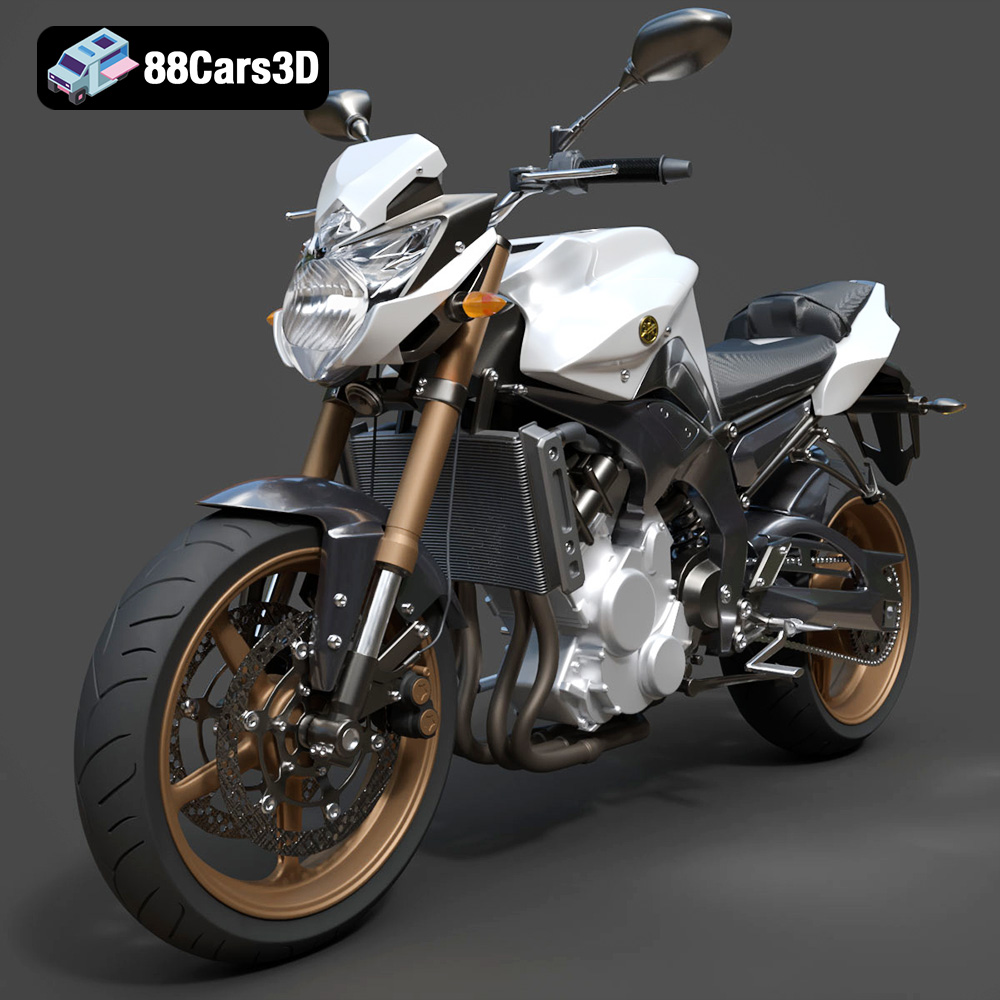
Yamaha FZ8 2011 3D Model
Texture: Yes
Material: Yes
Download the Yamaha FZ8 2011 3D Model featuring clean geometry, realistic detailing, and a fully modeled interior. Includes .blend, .fbx, .obj, .glb, .stl, .ply, .unreal, and .max formats for rendering, simulation, and game development.
Price: $19.99
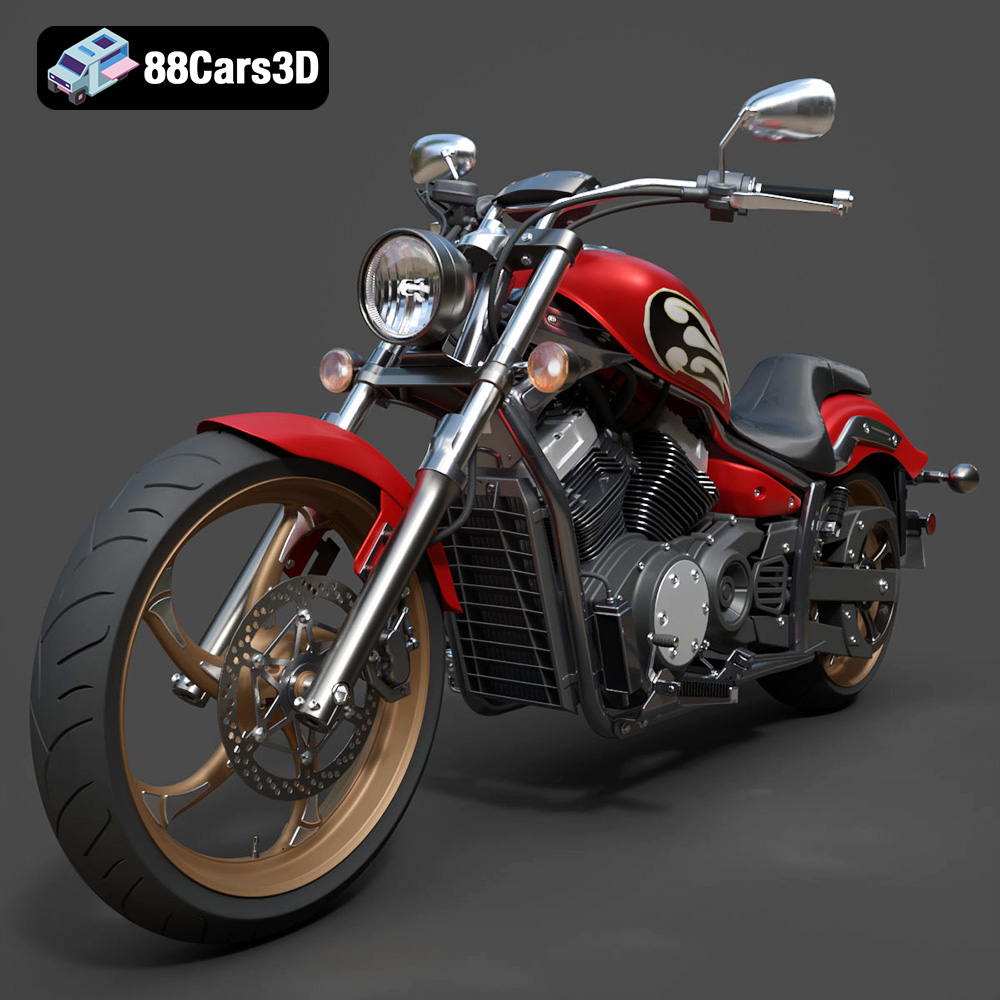
Yamaha Stryker 2012 3D Model
Texture: Yes
Material: Yes
Download the Yamaha Stryker 2012 3D Model featuring clean geometry, realistic detailing, and a fully modeled interior. Includes .blend, .fbx, .obj, .glb, .stl, .ply, .unreal, and .max formats for rendering, simulation, and game development.
Price: $19.99
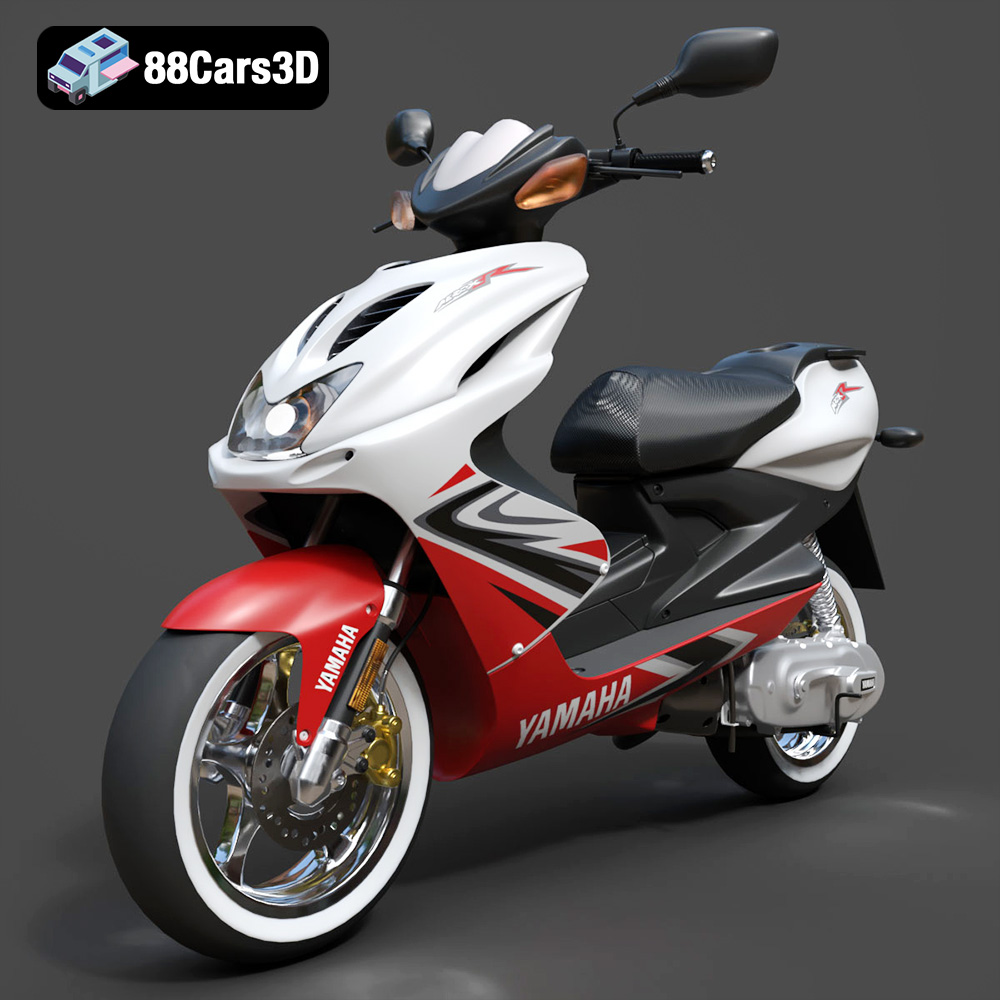
Yamaha Aerox R-002 2024 3D Model
Texture: Yes
Material: Yes
Download the Yamaha Aerox R-002 2024 3D Model featuring clean geometry, realistic detailing, and a fully modeled interior. Includes .blend, .fbx, .obj, .glb, .stl, .ply, .unreal, and .max formats for rendering, simulation, and game development.
Price: $19.99
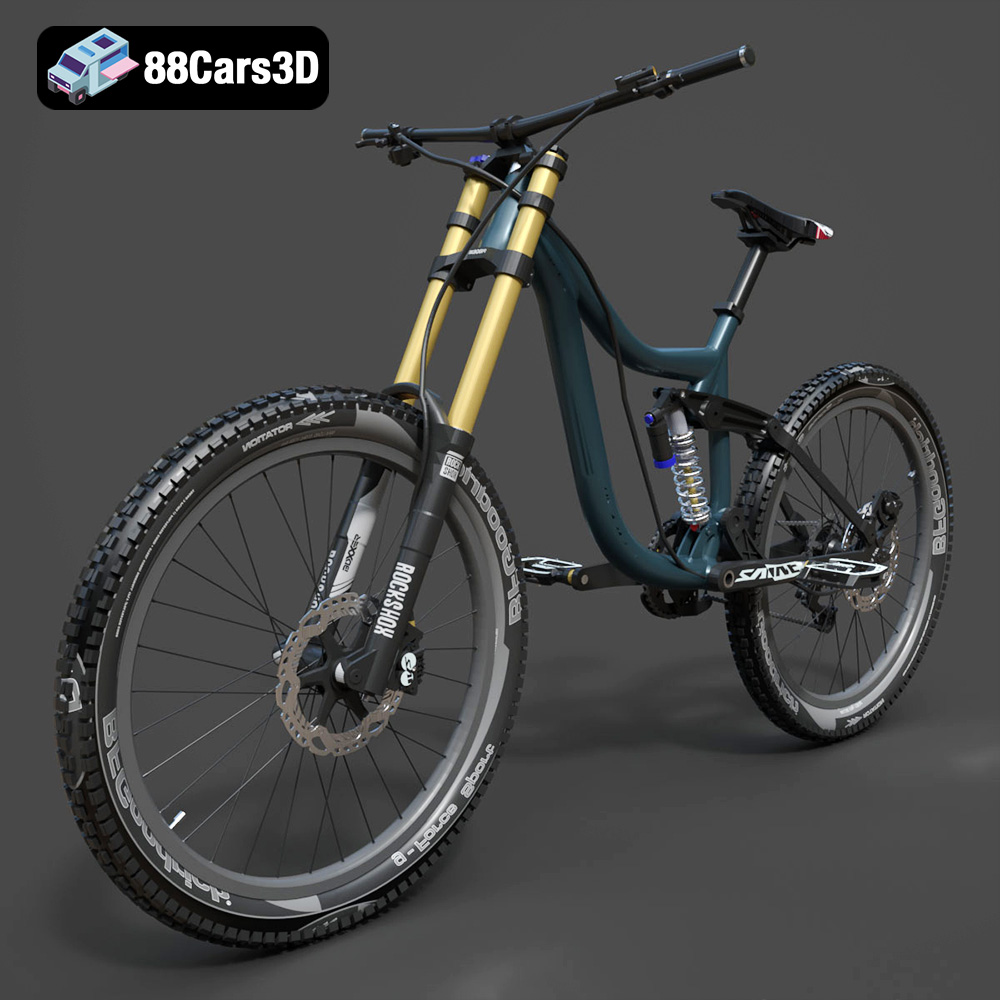
Mototsikly Downhill Bike-002 3D Model
Texture: Yes
Material: Yes
Download the Mototsikly Downhill Bike-002 3D Model featuring clean geometry, realistic detailing, and precise mechanical components. Includes .blend, .fbx, .obj, .glb, .stl, .ply, .unreal, and .max formats for rendering, simulation, and game development.
Price: $19.99
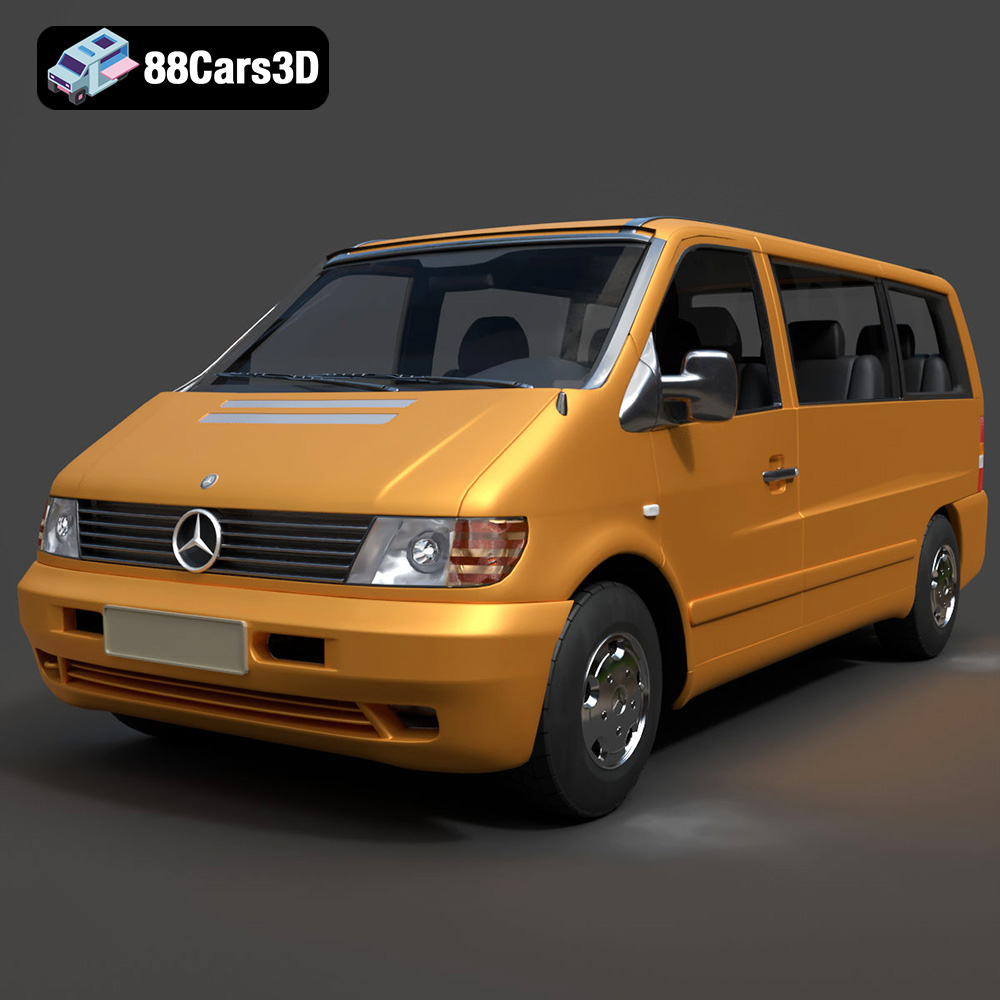
Mercedes-Benz Vito Passenger Van 3D Model
Texture: Yes
Material: Yes
Download the Mercedes-Benz Vito Passenger Van 3D Model featuring clean geometry, realistic detailing, and a fully modeled interior. Includes .blend, .fbx, .obj, .glb, .stl, .ply, .unreal, and .max formats for rendering, simulation, and game development.
Price: $19.99
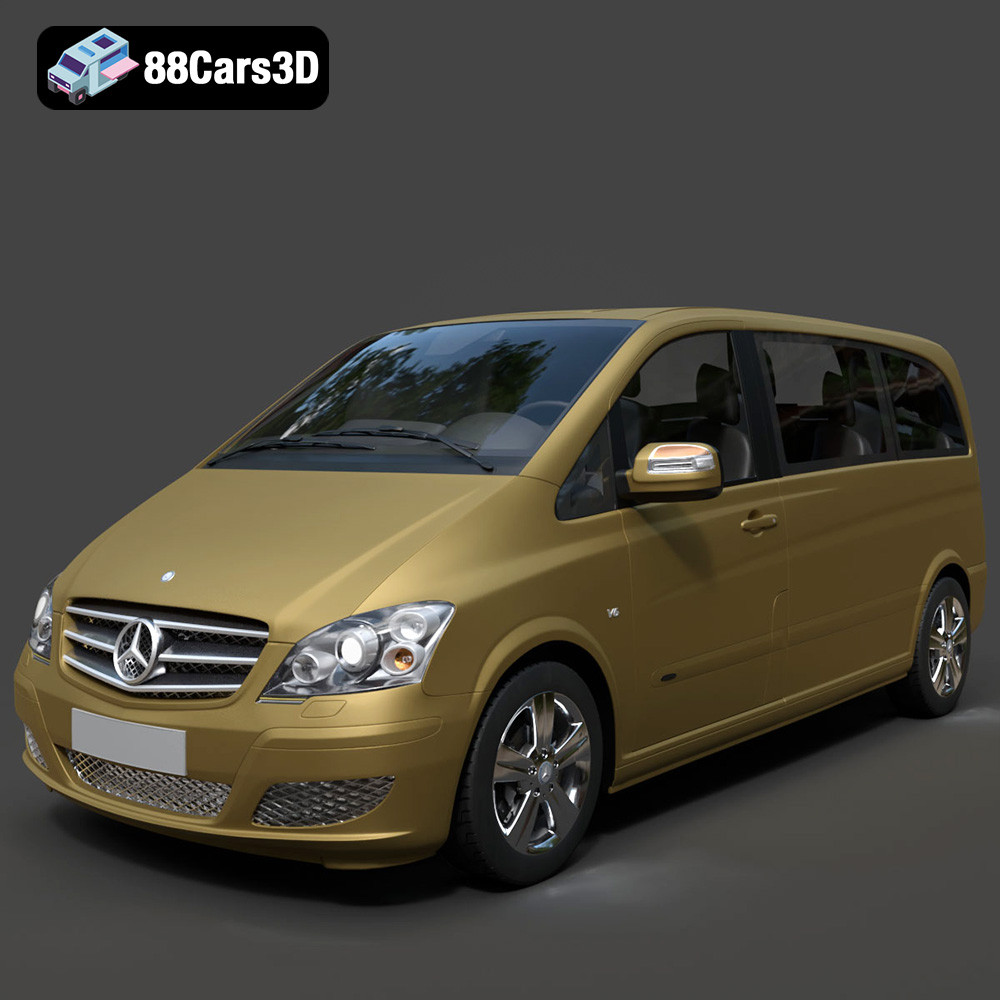
Mercedes-Benz Viano 2010 3D Model
Texture: Yes
Material: Yes
Download the Mercedes-Benz Viano 2010 3D Model featuring clean geometry, realistic detailing, and a fully modeled interior. Includes .blend, .fbx, .obj, .glb, .stl, .ply, .unreal, and .max formats for rendering, simulation, and game development.
Price: $19.99

Emt Avtobus 007 3D Model
Texture: Yes
Material: Yes
Download the Emt Avtobus 007 3D Model featuring clean geometry, realistic detailing, and a fully modeled interior. Includes .blend, .fbx, .obj, .glb, .stl, .ply, .unreal, and .max formats for rendering, simulation, and game development.
Price: $19.99
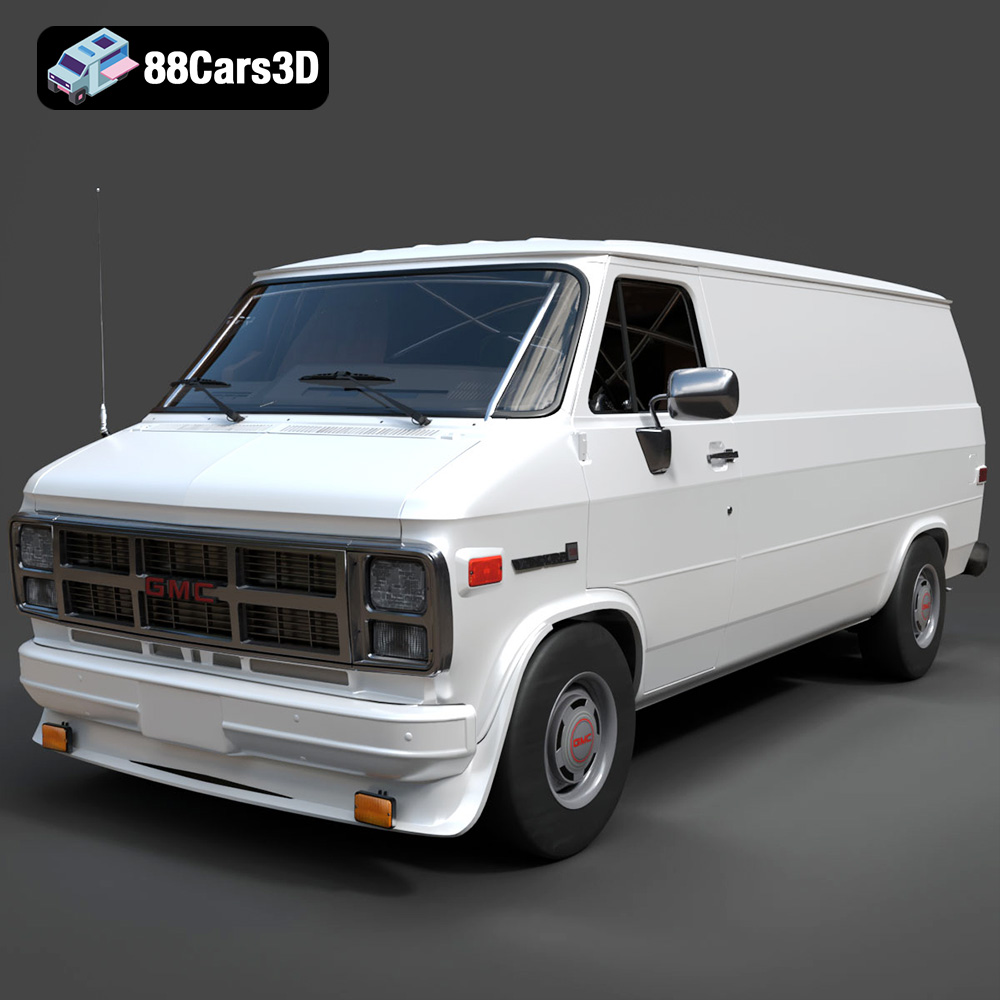
GMC Vandura G-1500 1983 3D Model
Texture: Yes
Material: Yes
Download the GMC Vandura G-1500 1983 3D Model featuring clean geometry, realistic detailing, and a fully modeled interior. Includes .blend, .fbx, .obj, .glb, .stl, .ply, .unreal, and .max formats for rendering, simulation, and game development.
Price: $19.99
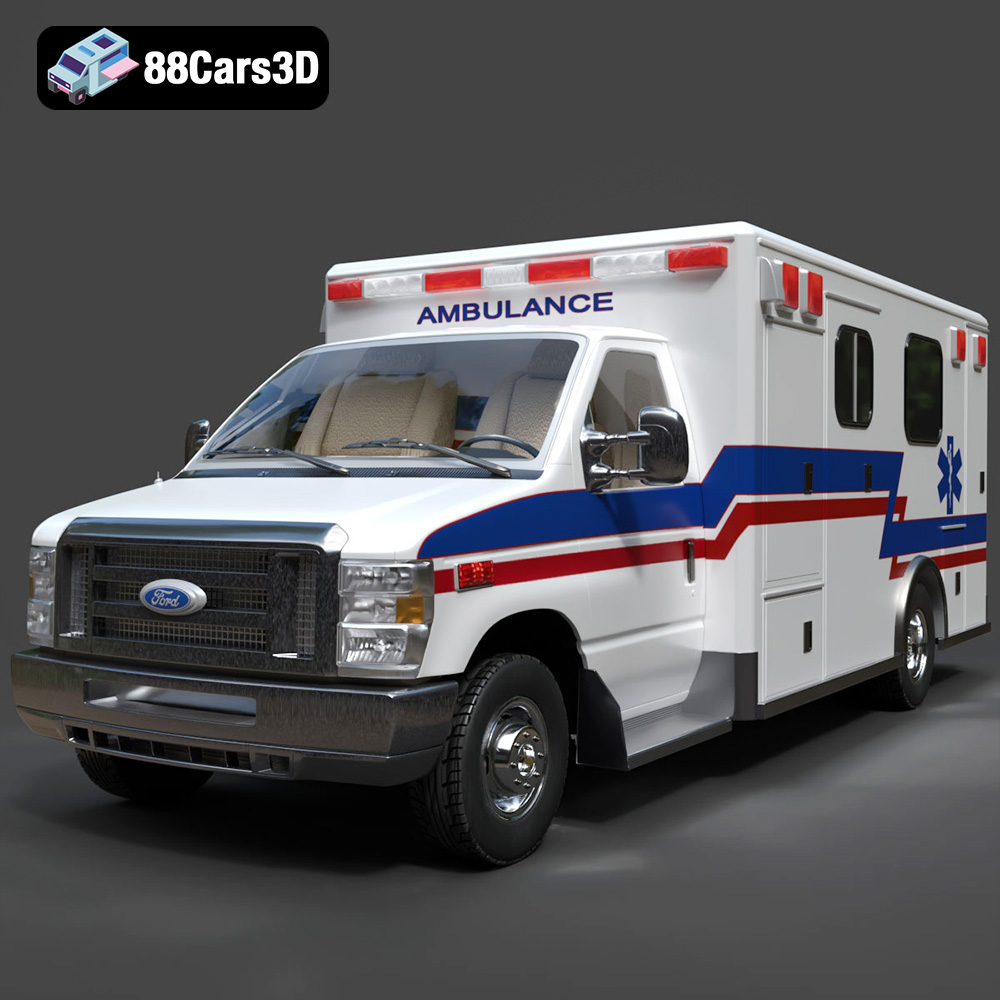
Ford E-450 Ambulance 3D Model
Texture: Yes
Material: Yes
Download the Ford E-450 Ambulance 3D Model featuring clean geometry, realistic detailing, and a fully modeled interior. Includes .blend, .fbx, .obj, .glb, .stl, .ply, .unreal, and .max formats for rendering, simulation, and game development.
Price: $19.99
