

The world of architectural visualization has undergone a dramatic transformation. Gone are the days of static renders and pre-rendered animations being the sole medium for showcasing designs. Today, thanks to the immense power of Unreal Engine, architects, designers, and real estate professionals can immerse clients in fully interactive, real-time experiences that blur the lines between virtual and reality. Unreal Engine empowers you to create stunning, photorealistic architectural walkthroughs, allowing stakeholders to explore every detail, from the grand facade to the subtle textures of an interior finish, with unprecedented freedom.
This comprehensive guide will demystify the process of leveraging Unreal Engine for architectural walkthroughs. Whether you’re a seasoned 3D artist looking to transition into real-time or an architect eager to explore interactive visualization, we’ll cover everything from project setup and material creation to advanced lighting, interactivity, and optimization techniques. We’ll delve into the powerful features like Lumen, Nanite, and Blueprint scripting that make Unreal Engine the industry standard for high-fidelity real-time visualization. By the end, you’ll have a clear roadmap to bringing your architectural visions to life in a dynamic, engaging format, ensuring your presentations stand out and captivate your audience.
Setting Up Your Architectural Visualization Project in Unreal Engine
Embarking on an architectural visualization project in Unreal Engine begins with a solid foundation: proper project setup. This initial phase is crucial for establishing an efficient workflow and unlocking the engine’s full potential for photorealistic rendering. Choosing the right template and configuring essential project settings will significantly impact performance, visual fidelity, and the overall development experience. Understanding the strengths of Unreal Engine’s various tools, like Datasmith for seamless data import, is key to streamlining the process from CAD to real-time exploration.
Choosing the Right Project Template and Initial Configuration
When you first launch Unreal Engine, you’ll be presented with several project templates. For architectural visualization, the ‘Architecture, Engineering, and Construction (AEC)’ template, or even a ‘Blank’ project, are excellent starting points. The AEC template often comes pre-configured with industry-standard settings for lighting and post-processing, providing a good base. If you opt for a ‘Blank’ project, you’ll have complete control to build from scratch, which is ideal for those who prefer a custom setup. Regardless of your choice, ensure you select ‘Blueprint’ as your project type and ‘Starter Content’ if you need basic assets for prototyping. For desktop-quality rendering, target ‘Desktop/Console’ and ‘Maximum Quality’.
Once your project is created, navigate to ‘Edit > Project Settings’. Here, you’ll adjust critical parameters. Under ‘Rendering’, enable ‘Hardware Ray Tracing’ if your GPU supports it, as this is fundamental for achieving realistic reflections, refractions, and global illumination. Also, ensure ‘Lumen Global Illumination’ and ‘Lumen Reflections’ are enabled, as these dynamic lighting systems are pivotal for architectural scenes. For advanced shadow rendering, consider enabling ‘Virtual Shadow Maps’. Regularly saving your project and configuring source control (like Git or Perforce) are also essential best practices from the outset.
Importing Architectural Models with Datasmith
One of Unreal Engine’s most powerful features for architectural workflows is Datasmith. This plugin allows for incredibly efficient and accurate import of complex scenes from various CAD and DCC applications like Revit, SketchUp, Rhino, 3ds Max, and Cinema 4D. Datasmith not only brings in your geometry but also preserves hierarchies, UVs, and even material assignments, significantly reducing manual cleanup. To use Datasmith, simply export your scene from your modeling software using the Datasmith exporter plugin, then use ‘File > Import into Level’ in Unreal Engine, selecting the generated .udatasmith file.
When importing, pay close attention to scaling and unit consistency between your modeling software and Unreal Engine (Unreal uses centimeters by default). After import, inspect your meshes for any flipped normals, overlapping geometry, or excessively high polygon counts. While Nanite (discussed later) can handle high-poly meshes, it’s still good practice to have clean source geometry. For instance, a typical architectural facade might contain hundreds of thousands of polygons, but Datasmith can efficiently segment this into usable assets. Optimize your scene by merging static meshes where appropriate, especially for repeating elements like window frames or railings, to reduce draw calls and improve performance.
Mastering PBR Materials and Texturing for Realism
Photorealistic architectural visualization hinges on the quality and fidelity of your materials. Physically Based Rendering (PBR) is the cornerstone of achieving this realism in Unreal Engine. Understanding PBR principles and how to effectively create and apply materials will transform your raw geometry into believable surfaces, from polished marble to rugged concrete. The Unreal Engine Material Editor, combined with a vast library of PBR assets, provides an unparalleled toolkit for bringing textures to life.
Understanding PBR Principles in Unreal Engine
PBR materials are designed to simulate how light interacts with real-world surfaces, resulting in consistent and accurate rendering under various lighting conditions. In Unreal Engine, this is primarily achieved through several key texture maps: Base Color (Albedo), Normal, Roughness, Metallic, and Ambient Occlusion (AO). The Base Color map defines the diffuse color of the surface. The Normal map adds fine surface detail without increasing polygon count, simulating bumps and grooves. Roughness determines how scattered or sharp reflections are – a low roughness value means a smooth, reflective surface (like polished chrome), while a high value creates a matte, rough surface (like concrete).
The Metallic map dictates whether a surface behaves like a metal (0 for non-metal, 1 for metal) and is crucial for rendering materials like brushed steel or gold. Finally, Ambient Occlusion simulates contact shadows, adding depth to crevices and corners. When creating or sourcing textures, ensure they are calibrated for PBR workflows. Using high-resolution textures (e.g., 2K or 4K for close-up elements) significantly enhances realism, but balance this with performance considerations by using lower resolutions (e.g., 512×512 or 1K) for less prominent surfaces or distant objects.
Creating and Applying Materials with the Material Editor
The Unreal Engine Material Editor is a node-based interface where you construct your PBR materials. You’ll connect texture samples to various input pins of the main material node (e.g., Base Color, Normal, Roughness, Metallic, Ambient Occlusion). For instance, a wooden floor material would involve connecting its respective Base Color, Normal, and Roughness textures. Utilize material instances to create variations of a single master material, allowing you to quickly adjust parameters like color tint, texture tiling, or roughness without compiling a new material each time. This is incredibly efficient for design iterations, such as showing different wood finishes or paint colors.
To apply a material, simply drag and drop it from the Content Browser onto your mesh in the viewport. For more precise control, select the mesh in the ‘Details’ panel and assign materials to specific material slots. For architectural projects, ensure your UV mapping is clean and appropriately scaled to prevent texture stretching or tiling artifacts. Datasmith often handles basic UVs, but for complex or custom assets, you may need to generate lightmap UVs within Unreal Engine (Build > Generate Lightmap UVs) or in your DCC application to avoid lighting artifacts, especially if you plan on baking any static lighting.
Integrating High-Quality Assets for Enhanced Detail
While core architectural elements form the backbone of your scene, it’s the high-quality props and environmental assets that truly elevate realism. This includes furniture, foliage, decorative items, and of course, vehicles. Integrating realistic assets from reputable sources is paramount. Platforms like 88cars3d.com offer meticulously crafted 3D car models that come pre-configured with clean topology, realistic PBR materials, and optimized UV mapping, making them ideal for dropping directly into your Unreal Engine projects. A high-fidelity vehicle parked in the driveway or a showroom can instantly ground your architectural render in reality and provide a sense of scale and life.
When sourcing such assets, always look for models with proper PBR material setups and clean geometry. For instance, a car model from 88cars3d.com will typically include separate material IDs for the body, wheels, glass, and interior, allowing for precise material adjustments within Unreal Engine. Use caution with overly complex assets if performance is a concern, but leverage Nanite for static meshes that have very high polygon counts (e.g., millions of triangles for detailed foliage or intricate car interiors). For dynamic objects or objects that need precise collision, traditional LODs and optimized poly counts still play a vital role. This integration of detailed elements, especially realistic vehicles, bridges the gap between a sterile architectural model and a vibrant, believable scene.
Illuminating Your Scene: Real-time Lighting with Lumen
Lighting is arguably the most critical component of achieving photorealism in architectural visualization. Unreal Engine’s advanced lighting systems, particularly Lumen, provide unparalleled dynamic global illumination and reflections, allowing for incredibly realistic and iterative lighting setups. Moving beyond traditional baked lighting methods, Lumen offers real-time flexibility that transforms the lighting workflow for architects and artists alike.
Core Concepts of Lumen Global Illumination and Reflections
Lumen is Unreal Engine’s fully dynamic global illumination and reflections system, designed specifically for next-generation consoles and high-end PCs. Unlike traditional static lightmaps, Lumen calculates light bounces and reflections in real time, meaning that any changes to lights, materials, or geometry are instantly reflected in the scene. This interactivity is a game-changer for architectural walkthroughs, allowing you to rapidly iterate on design choices, adjust time of day, and experiment with various lighting moods without long bake times.
Lumen works by emitting rays from the camera and calculating light bounces off surfaces, capturing both diffuse (global illumination) and specular (reflections) lighting contributions. This results in realistic indirect light, soft shadows, and accurate reflections on all surfaces, significantly enhancing the visual fidelity of your architectural models. To enable Lumen, ensure it’s selected under ‘Project Settings > Rendering > Global Illumination’ and ‘Project Settings > Rendering > Reflections’. You’ll also want to configure your ‘Post Process Volume’ with appropriate Lumen settings, such as ‘Max Trace Distance’ and ‘Final Gather Quality’, to fine-tune the visual output and performance. While Lumen is powerful, it does come with a performance cost, so judicious use of other lighting techniques and optimization is still necessary.
Setting Up Interior and Exterior Lighting Scenarios
Effective lighting in an architectural walkthrough requires a strategic blend of various light types to simulate natural and artificial illumination. For exterior scenes, a Directional Light acts as your sun, providing strong shadows and directional light. Pair this with a Sky Light to capture the ambient light from the sky, simulating the sky’s contribution to global illumination. A Sky Atmosphere component, combined with an Exponential Height Fog, further enhances realism by simulating atmospheric scattering and volumetric effects, making your outdoor environments feel vast and natural.
For interior spaces, you’ll rely on a mix of Rect Lights (for window light and ceiling panels), Spot Lights (for focused illumination), and Point Lights (for general ambient light or lamps). Utilize physically accurate IES Profiles with your Spot Lights and Rect Lights to mimic the light distribution patterns of real-world luminaires. Ensure your material’s emissive properties are properly set up for objects like light fixtures or screens. With Lumen active, these lights will naturally contribute to the overall global illumination, bouncing light around the room and creating soft, realistic illumination. For more details on lighting, consult the official Unreal Engine documentation on Lighting for Archviz.
Optimizing Lighting for Performance and Realism
While Lumen offers incredible realism, optimizing your lighting setup is crucial for maintaining playable framerates, especially for interactive walkthroughs or VR applications. One key strategy is to manage light complexity. Avoid overlapping too many dynamic lights in a small area. Instead, consider using larger, softer lights or utilizing light functions to create complex patterns with fewer light sources.
For elements that don’t require dynamic light interaction (e.g., distant background buildings, static props), consider baking their lighting using Lightmass, though this will restrict dynamic changes. However, for most architectural walkthroughs leveraging Lumen, the focus is on dynamic lighting. Optimize shadow settings: use ‘Virtual Shadow Maps’ for high quality, but reduce their resolution or distance where possible. Adjust the ‘Volumetric Fog’ and ‘Exponential Height Fog’ settings to balance visual quality with performance. Regularly profile your scene using commands like `stat unit` and `stat gpu` to identify lighting bottlenecks and make targeted optimizations. Remember that the interaction between Lumen, your materials, and your post-process volume greatly influences the final look, so constant tweaking and testing are part of the process.
Elevating Realism with High-Fidelity Assets and Nanite
Beyond expertly crafted materials and sophisticated lighting, the raw geometric detail of your assets plays a critical role in achieving photorealism. Unreal Engine’s Nanite virtualized geometry system has revolutionized how artists can handle incredibly dense models, freeing them from traditional polygon budget constraints. This, combined with careful integration of highly detailed props and environment elements, pushes the boundaries of real-time architectural visualization.
Leveraging Nanite for Complex Architectural Geometry
Nanite is a virtualized geometry system in Unreal Engine that allows for the seamless import and rendering of film-quality assets with millions or even billions of polygons. For architectural visualization, this means you can bring in highly detailed CAD models, intricate ornamentation, complex furniture, or dense foliage without needing to manually decimate or optimize the mesh. Nanite automatically handles the level of detail (LOD) for you, rendering only the necessary triangles at screen resolution, regardless of the mesh’s original poly count.
To enable Nanite, simply select your static mesh in the Content Browser, right-click, and choose ‘Enable Nanite’. You can also enable it in the Static Mesh Editor. Once enabled, Nanite meshes are rendered with incredible fidelity, even up close, with minimal performance impact. This is particularly advantageous for architectural elements like highly detailed building facades, intricate interior trim, or complex sculptures that previously would have been too costly to render in real-time. The ability to use original high-resolution models directly in Unreal Engine saves significant production time and ensures maximum visual quality.
Integrating Detailed Environmental Assets and Vehicles
While Nanite excels with static geometry, adding dynamic, highly detailed assets is where an architectural scene truly comes alive. This includes everything from meticulously modeled furniture and decor to realistic vegetation and, crucially, vehicles. High-quality 3D car models, such as those available on platforms like 88cars3d.com, can significantly enhance the perceived realism of your architectural walkthroughs. Imagine a sleek, photorealistic car parked in the driveway of your visualized home or positioned within a showroom – it immediately adds context, scale, and a sense of habitation to the scene.
When integrating such assets, ensure they are optimized with clean topology and PBR materials. While the car body might be a single mesh, components like wheels, calipers, and interiors should ideally be separate elements to allow for realistic deformation, animation, or material customization. For vehicles that will be static or primarily for visual dressing, Nanite can be enabled for the main body and interior elements to preserve maximum detail. However, for interactive vehicles or those with complex physics, traditional LODs and optimized poly counts remain important. The goal is to create a rich visual tapestry where every element, from the texture of a brick wall to the gleam of a car’s paint, contributes to an immersive experience.
LOD Management and Optimization Beyond Nanite
While Nanite handles detail for static meshes, traditional Level of Detail (LOD) management remains vital for other types of assets, especially for dynamic objects, skeletal meshes, and for environments targeting lower-end hardware or VR. LODs are simplified versions of a mesh that are swapped in at varying distances from the camera. This drastically reduces the number of polygons rendered for distant objects, boosting performance without a noticeable visual drop-off.
Unreal Engine provides robust tools for LOD generation. You can automatically generate LODs within the Static Mesh Editor or Skeletal Mesh Editor, specifying the number of LODs and their respective triangle percentages. For instance, a detailed car model might have LOD0 (full detail, ~200k polys), LOD1 (75% detail, ~150k polys), LOD2 (50% detail, ~100k polys), and LOD3 (25% detail, ~50k polys). The transition between LODs can be blended to prevent popping. Furthermore, culling techniques like frustum culling (rendering only what’s in view) and occlusion culling (not rendering objects hidden by others) are automatically handled by the engine. For large scenes, consider using Level Streaming to load and unload portions of your environment as the player moves, further optimizing memory and rendering load. A combination of Nanite for static high-poly assets and traditional LODs for dynamic elements ensures both visual fidelity and optimal performance across your entire architectural walkthrough.
Bringing Interactivity to Life with Blueprint Visual Scripting
A true architectural walkthrough goes beyond passive observation; it invites interaction. Unreal Engine’s Blueprint Visual Scripting system empowers designers and artists, even those without extensive programming knowledge, to create dynamic and responsive experiences. From opening doors to changing material finishes, Blueprint transforms a static model into an interactive exploration, allowing clients to engage with the design on a personal level.
Basics of Blueprint for Archviz: Doors, Lights, and Material Swaps
Blueprint is a node-based interface that allows you to create game logic, control objects, and define interactive elements visually. For architectural visualization, even basic Blueprint knowledge can significantly enhance your walkthrough. Common interactive elements include:
- Opening Doors: Create a Blueprint Actor for your door. On ‘Overlap’ with the player character, trigger an ‘Event Timeline’ to smoothly rotate or translate the door mesh. A ‘Line Trace’ (ray cast) on mouse click can also be used to interact with specific doors.
- Light Switches: Wire up a Blueprint to toggle the visibility and intensity of light sources. When a player interacts with a switch, use ‘Set Visibility’ and ‘Set Intensity’ nodes on your Point Lights or Spot Lights.
- Material Swaps: This is powerful for configurators. Create a ‘Dynamic Material Instance’ of your architectural surface (e.g., a wall or floor). Then, expose a ‘Vector Parameter’ (for color) or a ‘Texture Parameter’ (for a new texture map) in your master material. Use Blueprint to set these parameters, allowing clients to instantly change paint colors, flooring types, or even the finish of integrated elements like a car’s paint job.
These simple interactions add a layer of engagement, allowing clients to experience the design choices firsthand. The beauty of Blueprint lies in its visual nature, making complex logic accessible and iterative.
Creating a Simple Walkthrough Controller
To navigate your architectural space, you’ll need a player controller. Unreal Engine offers several default character controllers, such as the ‘First Person Character’ or ‘Third Person Character’, which you can easily modify. For a typical architectural walkthrough, a ‘First Person Character’ provides an immersive, human-eye view. Drag and drop this Blueprint into your level, and you’ll immediately have basic movement (WASD) and camera look (mouse).
You can customize the ‘First Person Character’ Blueprint to refine movement speed, jump height (if desired), and camera properties. For example, you might want to disable jumping or reduce walk speed to simulate a more deliberate exploration. Within the ‘Character Movement Component’ settings, you can adjust properties like ‘Max Walk Speed’, ‘Crouch Speed’, and ‘Gravity Scale’. For a truly polished experience, consider adding a custom camera blend when transitioning between viewpoints or adding a ‘teleport’ function using Blueprint to quickly jump to predefined camera locations, perfect for guided tours or quickly showcasing specific rooms.
Advanced Interactivity: Configurators and Scene States
Pushing beyond basic interactions, Blueprint allows for the creation of sophisticated configurators and scene state managers. Imagine a client walking through a virtual home and being able to instantly change all kitchen cabinet styles, swap out entire furniture sets, or even customize the model and color of a car parked in the garage, all at the click of a button. This is achievable through Blueprint.
You can create UI widgets (UMG) with buttons or dropdown menus that, when interacted with, trigger Blueprint functions to swap static meshes (e.g., different sofa models), apply new material instances, or load entirely different sub-levels (for different floor plans). For automotive assets sourced from marketplaces such as 88cars3d.com, you could create a Blueprint to change the car’s body color material, wheel type, or even switch between different car models dynamically. This level of customization empowers clients to explore myriad design possibilities in real-time, making presentations highly engaging and memorable. Building robust Blueprint logic for these complex interactions often involves using ‘Arrays’ to store different options and ‘Switch on Int’ or ‘Switch on Name’ nodes to control which option is currently active, providing a powerful framework for dynamic architectural showcases. For in-depth Blueprint learning, Epic Games offers extensive documentation and tutorials on Blueprint Visual Scripting.
Cinematic Storytelling with Sequencer and Movie Render Queue
While interactive walkthroughs provide unparalleled freedom, sometimes a guided, cinematic journey is required to highlight specific design features, convey a narrative, or create stunning marketing content. Unreal Engine’s Sequencer is a powerful non-linear animation editor that allows you to craft professional-grade cinematics directly within the engine, while the Movie Render Queue ensures high-quality output for your final renders.
Introduction to Sequencer for Architectural Flythroughs
Sequencer is Unreal Engine’s equivalent of a professional video editing suite, but operating within a 3D environment. It allows you to orchestrate complex sequences of events, animate cameras, control object transformations, trigger material changes, and even activate specific Blueprints over time. For architectural visualization, Sequencer is indispensable for creating captivating flythroughs, camera pans, and detailed close-ups that emphasize the flow and aesthetic of your design.
To get started, simply open the ‘Cinematics > Add Level Sequence’ menu. This creates a new Level Sequence asset, which you can then open. The Sequencer interface displays tracks for various elements in your scene: cameras, actors (meshes, lights, Blueprint objects), and even audio. You can add any actor from your level to Sequencer and keyframe its properties – position, rotation, scale, visibility, and even material parameters. This enables you to precisely control the narrative flow, from a sweeping exterior shot to a subtle focus on an interior design detail.
Camera Animation, Keyframing, and Track Management
The core of any cinematic is camera work. In Sequencer, you’ll create ‘Cine Camera Actors’ and add them to your sequence. A Cine Camera Actor provides real-world camera controls like focal length, aperture, and focus distance, allowing you to achieve a truly cinematic look. Keyframing is the process of setting specific values for an object’s properties at different points in time. For instance, to animate a camera movement, you’d set keyframes for its position and rotation along a path. Sequencer automatically interpolates (smoothly transitions) between these keyframes.
Beyond camera movement, you can keyframe the opening of doors, the changing of light intensities, the visibility of furniture, or even the color of a car from 88cars3d.com as part of your animation. Track management in Sequencer is intuitive, allowing you to organize complex scenes into logical groups. For instance, you might have separate tracks for ‘Exterior Shots’, ‘Interior Tours’, and ‘Detail Close-ups’, each containing its own cameras and animated elements. Experiment with different camera movements – dollies, cranes, and tracking shots – to add dynamism and professionalism to your architectural presentations.
Rendering High-Quality Stills and Videos with Movie Render Queue
Once your cinematic sequence is complete, the final step is to render it out as high-quality video or a series of still images. For this, Unreal Engine’s Movie Render Queue (MRQ) is the preferred tool. MRQ offers significant advantages over the legacy ‘Render Movie’ option, providing vastly superior image quality, advanced anti-aliasing (Temporal, Spatial, and Super Sampling), consistent framerate capture, and support for high dynamic range (HDR) output.
To access MRQ, go to ‘Window > Cinematics > Movie Render Queue’. Add your Level Sequence to the queue. Here, you can configure a wealth of settings: output resolution (e.g., 4K or even 8K for high-resolution stills), frame rate, output format (e.g., EXR for high-quality post-production, PNG for stills, or H.264 for video), and most importantly, anti-aliasing settings. For architectural visualizations, using ‘Anti-aliasing (Spatial)’ with a high ‘Samples Per Pixel’ (e.g., 64 or 128) is crucial for crisp edges and smooth details. MRQ also supports console variables, allowing fine-tuned control over render quality. By utilizing MRQ, you can produce stunning, photorealistic architectural videos and images that rival traditional offline renders, perfectly suited for marketing materials, client presentations, and portfolio showcases. Find more information on Sequencer and Movie Render Queue at the official Unreal Engine documentation.
Performance Optimization for Deployment and AR/VR
Creating beautiful, complex architectural scenes is only half the battle; ensuring they run smoothly on target hardware is equally crucial, especially for interactive walkthroughs, executable deployments, and particularly demanding AR/VR experiences. Optimization is an ongoing process that involves careful asset management, efficient lighting, and strategic use of Unreal Engine’s profiling tools.
Profiling and Debugging Performance Bottlenecks
Optimization begins with understanding where your performance bottlenecks lie. Unreal Engine provides a suite of powerful profiling tools to help identify these areas. The most common console commands include:
stat fps: Displays the current frames per second.stat unit: Shows timing for Game Thread, Draw Thread, GPU, and RHI. A high GPU time often indicates rendering bottlenecks (too many draw calls, complex shaders, heavy post-processing).stat gpu: Provides detailed breakdown of GPU usage per rendering pass (shadows, lighting, post-processing, Lumen). This is invaluable for pinpointing specific problem areas within your lighting or material setup.stat rhi: Displays details about Render Hardware Interface calls, useful for identifying excessive draw calls.stat scene rendering: Gives a detailed overview of rendering statistics, including triangles rendered, draw calls, and shadow map statistics.
Regularly using these commands while navigating your scene will highlight areas that cause performance drops. The ‘GPU Visualizer’ (accessible via ‘Window > Developer Tools > GPU Visualizer’) provides an even more granular, frame-by-frame breakdown of rendering costs, allowing you to see exactly which elements or effects are consuming the most GPU cycles. Armed with this data, you can make informed decisions about where to focus your optimization efforts.
LODs, Culling, and Level Streaming for Large Scenes
For extensive architectural projects, effective management of geometric complexity is paramount. While Nanite handles detail for static meshes, other strategies complement it:
- Manual LODs: For skeletal meshes, highly dynamic objects, or when targeting platforms that don’t fully support Nanite, manually generated LODs are essential. Reduce triangle counts and texture resolutions for distant LODs. For example, a high-quality car model from 88cars3d.com might have several LODs for varying distances to ensure smooth performance whether it’s up close or far away.
- Culling: Ensure ‘Frustum Culling’ and ‘Occlusion Culling’ are working correctly. Unreal Engine automatically performs these, but for custom meshes, confirm their bounds are accurate. Manually place ‘Culling Volumes’ for specific areas if needed.
- Level Streaming: For extremely large architectural complexes (e.g., an entire neighborhood or a multi-building campus), Level Streaming is a game-changer. It allows you to load and unload portions of your environment dynamically as the player moves. This means only the relevant parts of the scene are in memory and rendered at any given time, significantly reducing memory footprint and rendering load. Organize your scene into logical sub-levels (e.g., ‘Building A Interior’, ‘Building B Exterior’, ‘Landscape’) and use ‘Streaming Volumes’ or Blueprint triggers to manage their loading and unloading.
By intelligently segmenting your world and managing asset detail, you can deliver expansive architectural experiences without compromising performance.
Specific Optimizations for AR/VR Archviz
AR/VR architectural walkthroughs introduce a unique set of performance challenges due to the need for very high, consistent framerates (e.g., 90 FPS per eye) and typically lower-powered target hardware. Every optimization becomes magnified in importance:
- Reduced Poly Counts: Even with Nanite, try to keep overall poly counts as low as visually acceptable for non-Nanite elements, or use aggressive LODs. For mobile AR, this means aiming for tens of thousands of triangles per frame, not millions.
- Texture Atlasing: Combine multiple smaller textures into one larger texture atlas to reduce draw calls. This is particularly effective for props and interior details.
- Baked Lighting (if feasible): While Lumen is amazing, for mobile VR/AR, fully baked lighting using Lightmass can offer superior performance and consistent visuals, albeit sacrificing dynamic light changes. If using Lumen, consider its performance impact carefully and utilize lower Lumen settings where appropriate.
- Post-Processing: Minimize expensive post-processing effects like Screen Space Reflections, Bloom, and Ambient Occlusion. Simplify your Post Process Volume settings significantly.
- Mobile Renderer Settings: For mobile AR, configure your project settings under ‘Mobile > Rendering’ to optimize for the target platform. Enable ‘Forward Shading’ and disable features that are too expensive for mobile.
- Draw Call Reduction: Merge static meshes where possible (‘Merge Actors’ tool), utilize GPU instancing for repeating elements (e.g., foliage), and keep your material count low by sharing materials or using master materials with instances.
Achieving a smooth AR/VR experience is a tightrope walk between visual fidelity and performance, requiring meticulous attention to every detail of your scene and asset management. For more insights on optimizing Unreal Engine projects, refer to the Performance Optimization documentation.
Unreal Engine has revolutionized architectural visualization, transforming static blueprints into living, breathing, interactive experiences. From the initial import of your CAD models with Datasmith to the fine-tuning of PBR materials, the dynamic illumination of Lumen, and the intricate interactivity driven by Blueprint, every step brings your design closer to reality. Features like Nanite liberate artists from traditional polygon constraints, allowing for unprecedented geometric detail, while Sequencer enables the creation of breathtaking cinematic presentations. Crucially, diligent optimization ensures these rich experiences run smoothly across various platforms, including demanding AR/VR environments.
Embracing Unreal Engine for your architectural walkthroughs not only elevates the quality of your presentations but also provides a powerful tool for design exploration and client engagement. The ability to iterate in real-time, showcase design variations, and immerse stakeholders in a virtual future is an invaluable asset in today’s competitive design landscape. Whether you’re integrating meticulously crafted architectural elements or adding high-fidelity automotive assets from marketplaces like 88cars3d.com to give your scenes an extra layer of realism, Unreal Engine offers the comprehensive toolkit you need. Start experimenting today, harness the power of real-time, and watch your architectural visions transcend the static page into truly unforgettable interactive experiences.
Featured 3D Car Models

Porsche Cayenne 3D Model
Meta Description:
Texture: Yes
Material: Yes
Download the Porsche Cayenne 3D Model featuring realistic exterior styling and detailed interior design. Includes .blend, .fbx, .obj, .glb, .stl, .ply, .unreal, and .max formats for rendering, simulation, AR VR, and game development.
Price: $19.9
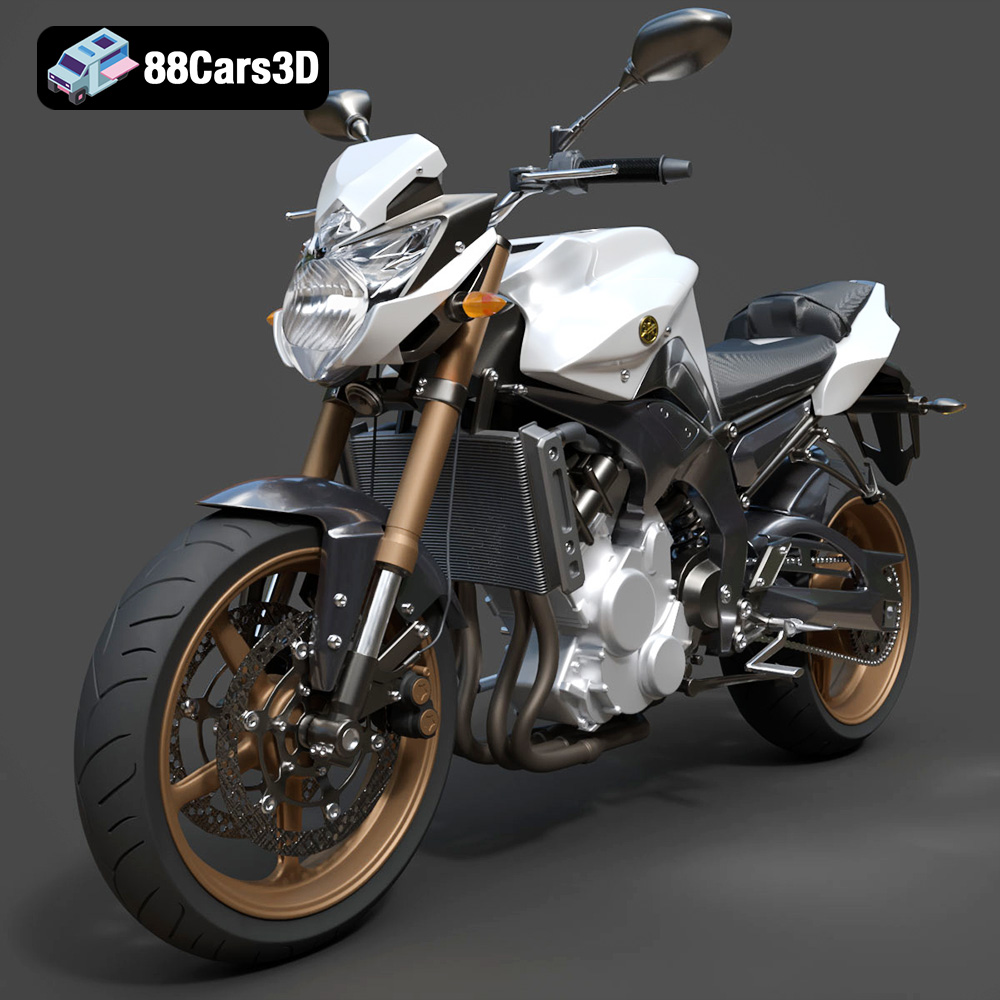
Yamaha FZ8 2011 3D Model
Texture: Yes
Material: Yes
Download the Yamaha FZ8 2011 3D Model featuring clean geometry, realistic detailing, and a fully modeled interior. Includes .blend, .fbx, .obj, .glb, .stl, .ply, .unreal, and .max formats for rendering, simulation, and game development.
Price: $19.99
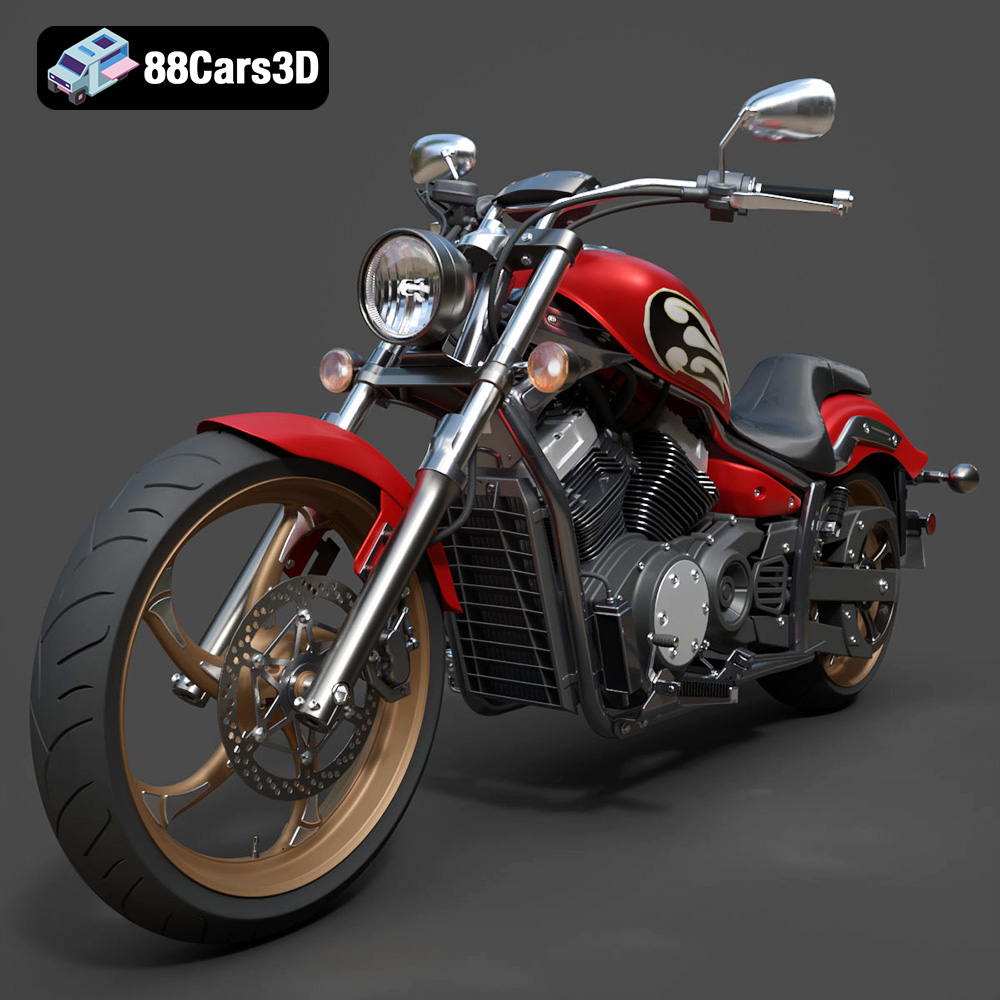
Yamaha Stryker 2012 3D Model
Texture: Yes
Material: Yes
Download the Yamaha Stryker 2012 3D Model featuring clean geometry, realistic detailing, and a fully modeled interior. Includes .blend, .fbx, .obj, .glb, .stl, .ply, .unreal, and .max formats for rendering, simulation, and game development.
Price: $19.99
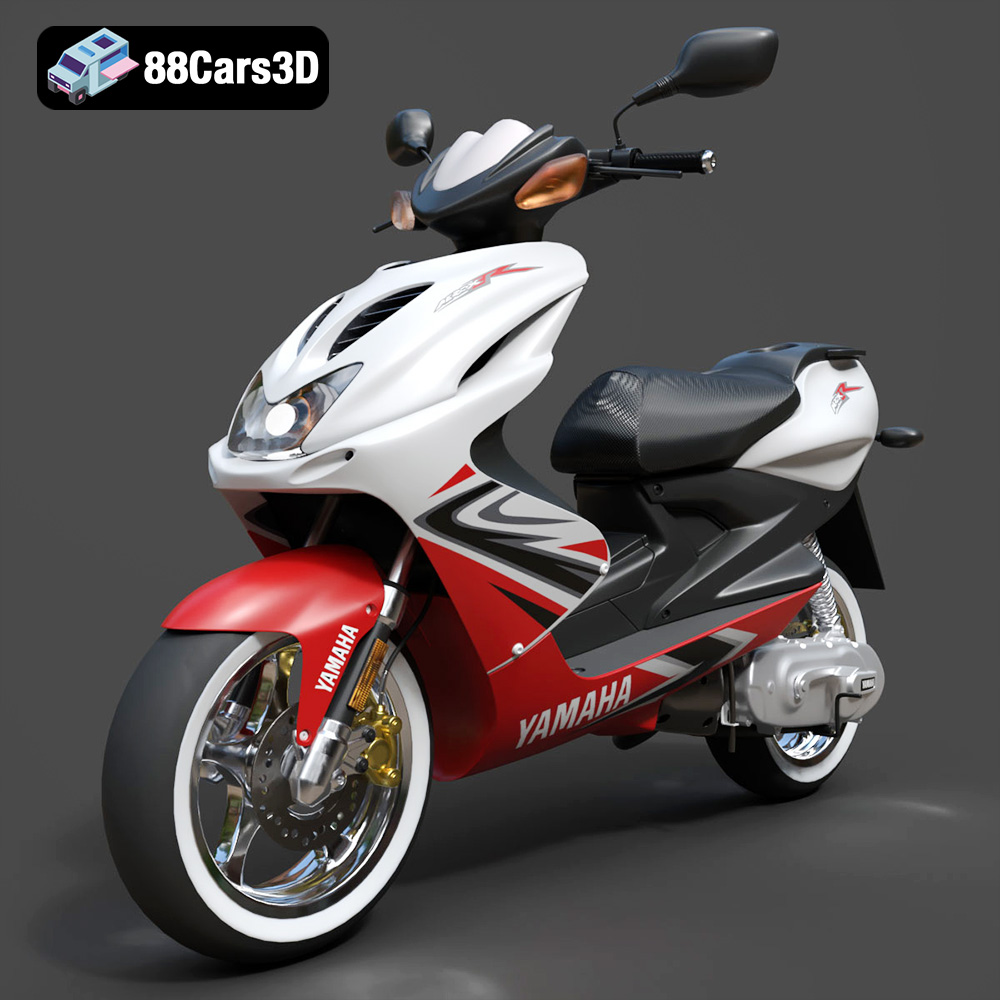
Yamaha Aerox R-002 2024 3D Model
Texture: Yes
Material: Yes
Download the Yamaha Aerox R-002 2024 3D Model featuring clean geometry, realistic detailing, and a fully modeled interior. Includes .blend, .fbx, .obj, .glb, .stl, .ply, .unreal, and .max formats for rendering, simulation, and game development.
Price: $19.99
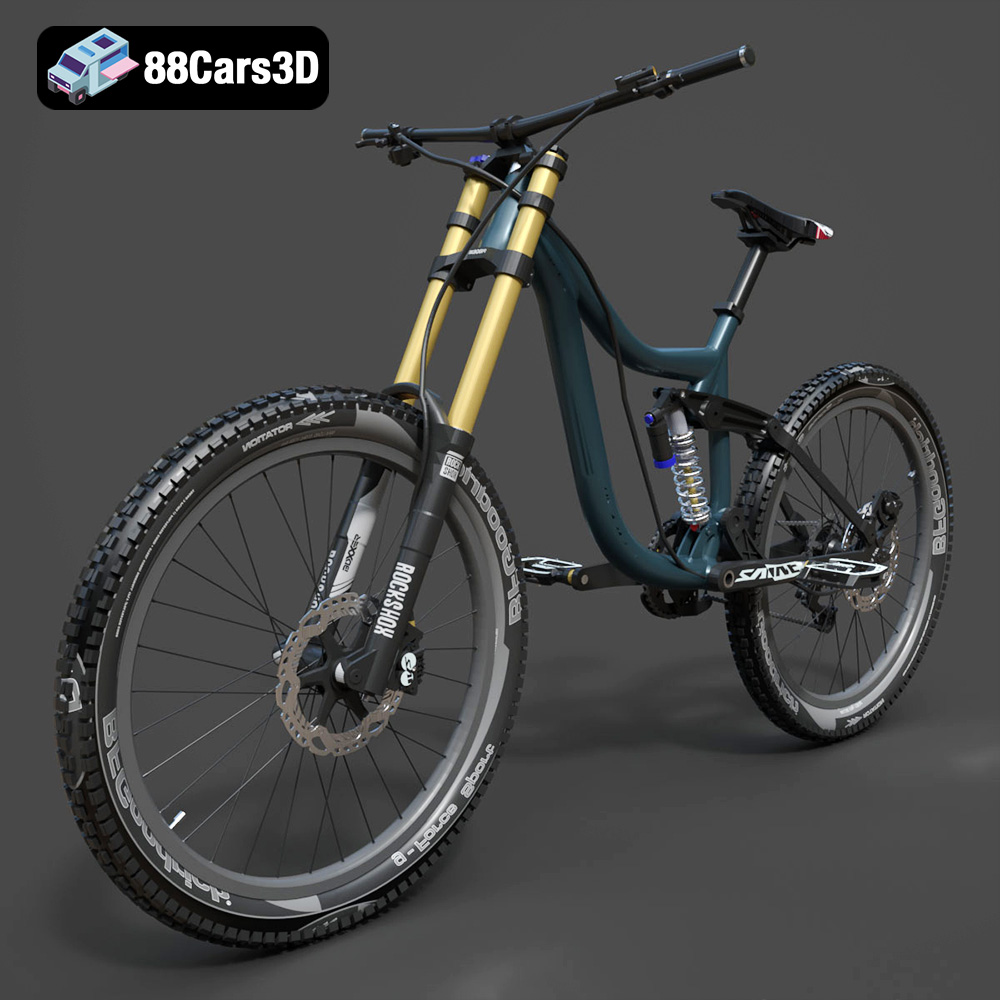
Mototsikly Downhill Bike-002 3D Model
Texture: Yes
Material: Yes
Download the Mototsikly Downhill Bike-002 3D Model featuring clean geometry, realistic detailing, and precise mechanical components. Includes .blend, .fbx, .obj, .glb, .stl, .ply, .unreal, and .max formats for rendering, simulation, and game development.
Price: $19.99
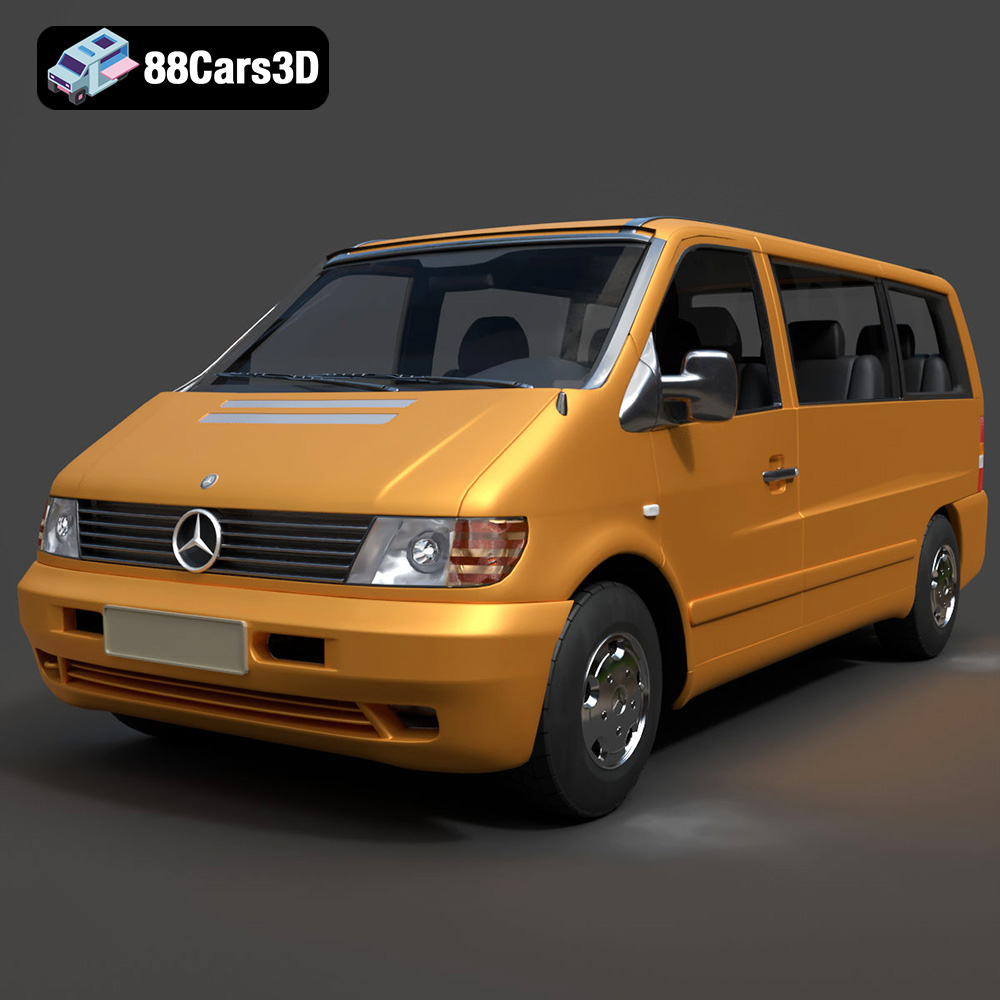
Mercedes-Benz Vito Passenger Van 3D Model
Texture: Yes
Material: Yes
Download the Mercedes-Benz Vito Passenger Van 3D Model featuring clean geometry, realistic detailing, and a fully modeled interior. Includes .blend, .fbx, .obj, .glb, .stl, .ply, .unreal, and .max formats for rendering, simulation, and game development.
Price: $19.99
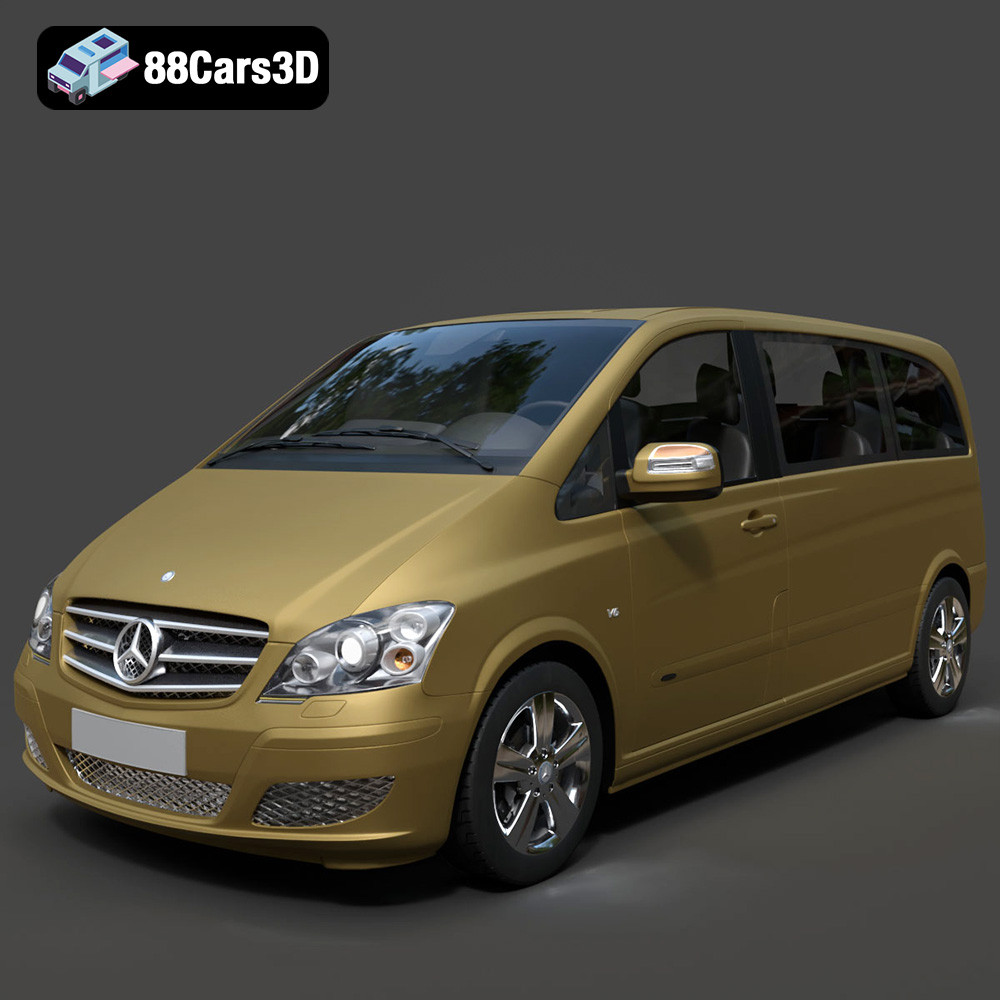
Mercedes-Benz Viano 2010 3D Model
Texture: Yes
Material: Yes
Download the Mercedes-Benz Viano 2010 3D Model featuring clean geometry, realistic detailing, and a fully modeled interior. Includes .blend, .fbx, .obj, .glb, .stl, .ply, .unreal, and .max formats for rendering, simulation, and game development.
Price: $19.99

Emt Avtobus 007 3D Model
Texture: Yes
Material: Yes
Download the Emt Avtobus 007 3D Model featuring clean geometry, realistic detailing, and a fully modeled interior. Includes .blend, .fbx, .obj, .glb, .stl, .ply, .unreal, and .max formats for rendering, simulation, and game development.
Price: $19.99
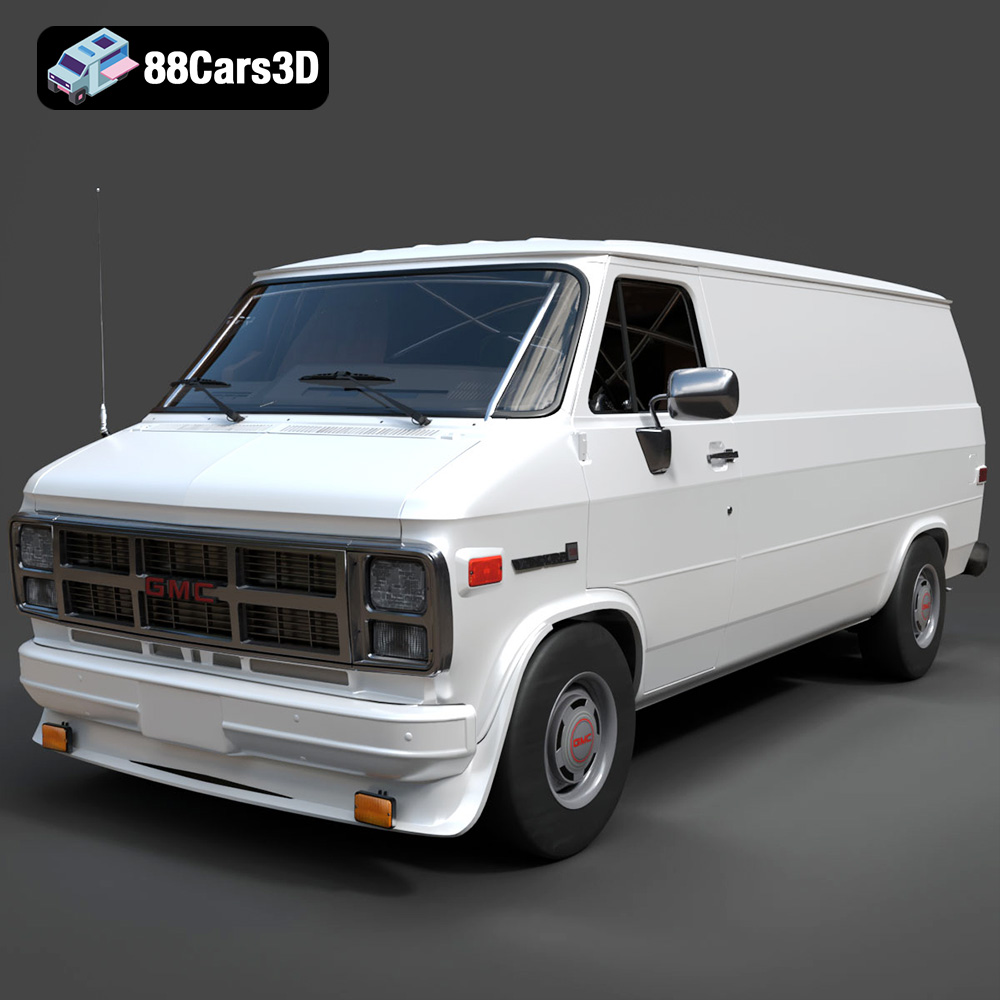
GMC Vandura G-1500 1983 3D Model
Texture: Yes
Material: Yes
Download the GMC Vandura G-1500 1983 3D Model featuring clean geometry, realistic detailing, and a fully modeled interior. Includes .blend, .fbx, .obj, .glb, .stl, .ply, .unreal, and .max formats for rendering, simulation, and game development.
Price: $19.99

Ford E-450 Ambulance 3D Model
Texture: Yes
Material: Yes
Download the Ford E-450 Ambulance 3D Model featuring clean geometry, realistic detailing, and a fully modeled interior. Includes .blend, .fbx, .obj, .glb, .stl, .ply, .unreal, and .max formats for rendering, simulation, and game development.
Price: $19.99
