

“`html
Mastering Smooth Finishes: A Deep Dive into Printing Flawless STL Car Models
The allure of a perfectly rendered 3D printed car model is undeniable. Whether you’re a seasoned hobbyist meticulously recreating iconic vehicles, an engineer prototyping a new automotive part, or an educator inspiring the next generation of designers, the final finish is often the defining characteristic of success. At 88cars3d.com, we’re passionate about providing you with high-quality, print-ready STL files that lay the groundwork for exceptional results. However, achieving that showroom-worthy, glass-like surface on your printed car models isn’t just about downloading a good file – it’s a sophisticated interplay of file preparation, slicer settings, printer calibration, material science, and post-processing techniques. This guide will equip you with the comprehensive knowledge and actionable strategies needed to banish layer lines, eliminate artifacts, and print stunningly smooth car models that truly stand out. We’ll delve into the intricate details of STL file structure, explore advanced slicing strategies, demystify support generation, and guide you through material selection and post-processing workflows, ensuring your printed automotive masterpieces are nothing short of spectacular.
Understanding the STL File: The Foundation of Smoothness
Before your printer even hums to life, the journey to a smooth finish begins with the STL file itself. The Standard Tessellation Language (STL) format, while ubiquitous in 3D printing, is fundamentally a representation of a 3D object’s surface geometry as a collection of triangular facets. Understanding its structure and potential pitfalls is crucial for preventing issues that manifest as surface imperfections.
Mesh Topology and Vertex Precision
An STL file describes a surface using vertices and normal vectors for each triangle. For a smooth appearance, the density and arrangement of these triangles are paramount. A model with a low polygon count, while smaller in file size, will inherently appear faceted, especially on curved surfaces like those found on car bodies. Conversely, an excessively high polygon count can lead to unwieldy file sizes and processing challenges for slicers. The key lies in a well-optimized mesh with a sufficient number of triangles to accurately represent smooth curves without being overly dense. Models from reputable sources like 88cars3d.com are meticulously designed with clean, manifold geometry and appropriate polygon density to ensure a good balance between detail and printability. Look for STL files that have undergone mesh repair and optimization, ensuring no holes, non-manifold edges, or overlapping faces, as these can translate directly into printing errors.
File Integrity and Repair Workflows
Occasionally, even well-designed STL files can encounter issues during download or processing. Corrupted files or those with inherent geometrical flaws can lead to significant printing problems. Software like Autodesk Netfabb, Meshmixer, or even built-in tools within Blender can be invaluable for inspecting and repairing STL files. Common issues include:
- Holes: Gaps in the mesh that slicers may interpret incorrectly, leading to incomplete layers or print failures.
- Non-Manifold Geometry: Edges shared by more than two faces, or vertices where multiple faces meet in an unexpected way, which are impossible in real-world 3D objects.
- Intersecting Faces: Triangles that pass through each other, creating illogical geometry.
- Inverted Normals: Triangles oriented inwards instead of outwards, confusing the slicer about which side is the surface.
A quick inspection and repair pass using these tools can save significant printing time and material by catching potential problems early. For instance, using Meshmixer’s ‘Inspector’ tool can automatically detect and often fix many common errors with a single click, followed by the ‘Make Solid’ function for more complex repairs.
Slicing Strategies for Superior Surface Quality
The slicer software is your bridge between the digital STL model and the physical 3D printer. The settings you choose here have a profound impact on the final surface finish, dictating how the printer interprets the geometry layer by layer.
Layer Height and Its Trade-offs
Layer height is arguably the most critical setting for surface smoothness. It determines the vertical resolution of your print. A smaller layer height (e.g., 0.05mm to 0.1mm) results in finer steps between layers, significantly reducing the visibility of layer lines and creating a much smoother appearance. However, this comes at the cost of increased print time. For example, printing a car model at 0.1mm layer height might take 15 hours, while reducing it to 0.05mm could push the time to 30 hours or more. The choice depends on your desired level of detail and your patience. For highly detailed models or parts requiring exceptional smoothness, investing the extra time for lower layer heights is often worth it.
Print Speed: The Unsung Hero of Smoothness
While layer height is crucial, print speed also plays a vital role. Printing too fast can lead to poor layer adhesion, ringing artifacts (ghosting), and underextrusion, all of which degrade surface quality. For smooth car bodies, it’s often beneficial to slow down the outer wall and top/bottom speeds. For FDM printing, consider setting your outer wall speed to 25-40 mm/s and your top solid infill speed to 30-50 mm/s. This allows the filament more time to properly melt, adhere, and settle into a smooth surface. Conversely, inner walls and infill can often be printed at higher speeds (e.g., 60-80 mm/s) without significantly impacting the visible exterior finish.
Cooling Fan Optimization
Adequate cooling is essential for achieving sharp details and preventing warping, but over-cooling can lead to poor layer adhesion and brittle prints. For smooth surfaces, especially on overhangs and curved areas, consistent and well-regulated cooling is key. Most slicers allow you to control fan speed based on layer height and print speed. For many materials like PLA, a fan speed of 100% after the first few layers is common. However, for materials like ABS or ASA, reduced fan speeds (20-50%) might be necessary to prevent thermal shock and ensure good layer bonding, which indirectly contributes to a more robust and less brittle smooth surface.
Support Structures: The Necessary Evil for Complex Geometries
Car models often feature intricate details, overhangs, and complex curves that necessitate support structures. However, poorly implemented or difficult-to-remove supports can leave behind unsightly marks, ruining an otherwise smooth surface.
Support Type and Placement Strategies
Slicers offer various support types, including standard, tree (or organic), and custom supports. For car models, tree supports are often advantageous as they tend to make contact with the model at fewer points, usually at sharper edges or designated flat areas, leading to easier removal and less scarring. Experiment with different support patterns like Zig-Zag or Concentric. Crucially, controlling the support density and contact Z distance (the gap between the support and the model) is vital. A Z distance of 0.1mm to 0.2mm for PLA is a good starting point; increasing this slightly can make removal easier, but too large a gap can cause the overhang to sag and lose detail. Ensure supports are generated only where absolutely necessary, avoiding areas that would be difficult to clean up.
Support Interface and Removal Techniques
Many slicers offer a ‘Support Interface’ option. This creates a dense, easily removable layer just below the actual model surface that requires support. It’s highly recommended for achieving smoother bottom surfaces on overhangs. Enabling a support interface with a slightly larger Z distance than the main support (e.g., 0.2-0.3mm) can make it peel away cleanly. When it comes time for removal, patience is key. For FDM prints, carefully use flush cutters, hobby knives, or specialized plastic prying tools to detach the supports. For resin prints, supports are typically removed after washing and before the final cure, often with flush cutters or by snapping them off. For stubborn marks, light sanding or a quick blast with a heat gun (used cautiously!) can help blend the area.
Print Orientation and Bed Adhesion: Setting the Stage
How you position your car model on the print bed and ensuring it adheres properly are foundational steps that influence not only print success but also the quality of the visible surfaces.
Optimizing for Surface Quality and Support Minimization
The orientation of your model on the build plate directly affects the number and type of supports required, as well as which surfaces will be most exposed to potential printing artifacts. For car bodies, orienting the model with the largest, flattest surface (often the roof or underside) facing upwards can minimize supports on the most visible areas like the hood, doors, and fenders. However, this might create more challenging overhangs on the underside. Experiment with tilting the model slightly (e.g., 5-15 degrees) to see if it reduces the need for supports on critical surfaces while maintaining stability. Consider the Z-axis alignment: printing the model upright generally results in the smoothest side surfaces, but requires significant top support. Printing it upside down might leverage the build plate for a smooth roof but requires supports for the entire undercarriage and wheels.
Achieving Reliable Bed Adhesion
A print that detaches from the bed mid-print is a total loss, but even minor adhesion issues can lead to elephant’s foot (a flared base) or warping, which compromise the initial layers and overall model integrity. Ensure your build plate is clean and level. For FDM printing, options like brim or raft can significantly improve adhesion. A brim adds a single layer of material around the base of the print, increasing surface area contact with the bed. A raft prints a disposable base layer underneath the model, providing a more stable platform but using more material and potentially leaving a rougher surface on the model’s bottom. Calibrating your Z-offset is crucial; the first layer should be slightly “squished” onto the bed, not too high (gaps) or too low (rippling and extruder clogging).
Material Selection and Printer Calibration: The Hardware Factor
The materials you use and the condition of your 3D printer are equally important in the quest for smooth surfaces.
FDM vs. Resin: A Tale of Two Surfaces
FDM (Fused Deposition Modeling): This technology builds layers by extruding melted filament. While generally more affordable and versatile, FDM prints are inherently characterized by visible layer lines. Achieving extremely smooth surfaces with FDM typically requires lower layer heights, slower print speeds, and significant post-processing (sanding, filling, painting). Materials like PLA are easy to print but can be brittle. PETG offers better durability but can be stringier. ABS and ASA provide excellent durability and temperature resistance but require an enclosure and careful ventilation due to fumes and warping tendencies.
SLA/DLP (Resin Printing): These printers use UV light to cure liquid resin layer by layer. Resin prints offer significantly higher detail and inherently smoother surfaces straight off the printer, often making them ideal for intricate car models where layer lines are highly undesirable. However, resin printing can be messier, requires more safety precautions (gloves, ventilation), and the materials can be more expensive. Different resin types (standard, tough, flexible) offer varying properties, and selecting a high-quality, low-viscosity resin designed for detail can yield exceptional results.
Printer Calibration: The Bedrock of Quality
A well-calibrated printer is non-negotiable for smooth prints. This includes:
- E-steps Calibration: Ensures your extruder pushes the correct amount of filament.
- Flow Rate/Extrusion Multiplier: Fine-tunes filament extrusion to prevent over- or under-extrusion, which directly impacts surface smoothness.
- PID Tuning: Stabilizes nozzle and bed temperatures, preventing fluctuations that cause inconsistencies.
- Belts and Lead Screws: Ensure they are properly tensioned and free of debris to prevent artifacts like ringing or inconsistent layer heights.
- Nozzle Check: A partially clogged or worn nozzle can lead to inconsistent extrusion and rough surfaces.
Regular maintenance and calibration ensure your printer is performing optimally, providing the best possible foundation for smooth car model prints.
Post-Processing: The Final Polish
Even with meticulous slicing and printing, some level of post-processing is often required to achieve that perfect, smooth finish, especially on FDM prints.
Sanding, Filling, and Priming
For FDM prints, sanding is the most common method to remove layer lines. Start with coarser grit sandpaper (e.g., 120-220 grit) to remove prominent lines and then progressively move to finer grits (e.g., 400, 600, 1000, and even higher) for a smooth finish. Wet sanding can help reduce dust and achieve a smoother result. For filling larger gaps or imperfections, use modeling putty, epoxy putty, or even specialized 3D print smoothing fillers. Multiple applications and sanding sessions may be necessary. Once you have a smooth surface, apply a primer. Primer helps to reveal any remaining imperfections and provides an even base for painting. Automotive primers are excellent choices.
Painting and Finishing Techniques
The painting process is where your car model truly comes alive. For a professional finish:
- Airbrushing: Offers the most even and controlled application of paint, ideal for smooth automotive finishes.
- Spray Cans: Can also yield good results if applied in thin, even coats from the correct distance.
- Hand Brushing: Best suited for smaller details or when an airbrush/spray setup isn’t available.
Use thin coats of high-quality acrylic or enamel paints. Multiple thin coats are far superior to one thick, gloopy coat. Apply clear coats (gloss, satin, or matte) to protect the paint job and achieve the desired sheen. For that ultimate showroom look, consider applying decals and a final clear coat to seal everything.
Conclusion: Your Blueprint for Smoother Prints
Achieving smooth, flawless surfaces on your 3D printed car models is a rewarding endeavor that combines technical understanding with practical application. From the foundational integrity of your STL files, sourced from excellent providers like 88cars3d.com, to the nuanced settings within your slicer, the careful generation and removal of supports, and the vital steps of printer calibration and post-processing, each stage plays a critical role. By mastering layer height adjustments, optimizing print speeds, selecting the right materials, and employing effective sanding and painting techniques, you can overcome the inherent challenges of additive manufacturing. Remember that patience and iterative refinement are your greatest allies. Don’t be discouraged by initial imperfections; view them as learning opportunities. Analyze failures, adjust your settings, and keep experimenting. The journey to printing perfect car models is ongoing, and with the knowledge gained here, you are well-equipped to elevate your creations from mere prints to stunningly smooth automotive replicas.
“`
Featured 3D Car Models

Porsche Cayenne 3D Model
Meta Description:
Texture: Yes
Material: Yes
Download the Porsche Cayenne 3D Model featuring realistic exterior styling and detailed interior design. Includes .blend, .fbx, .obj, .glb, .stl, .ply, .unreal, and .max formats for rendering, simulation, AR VR, and game development.
Price: $19.9
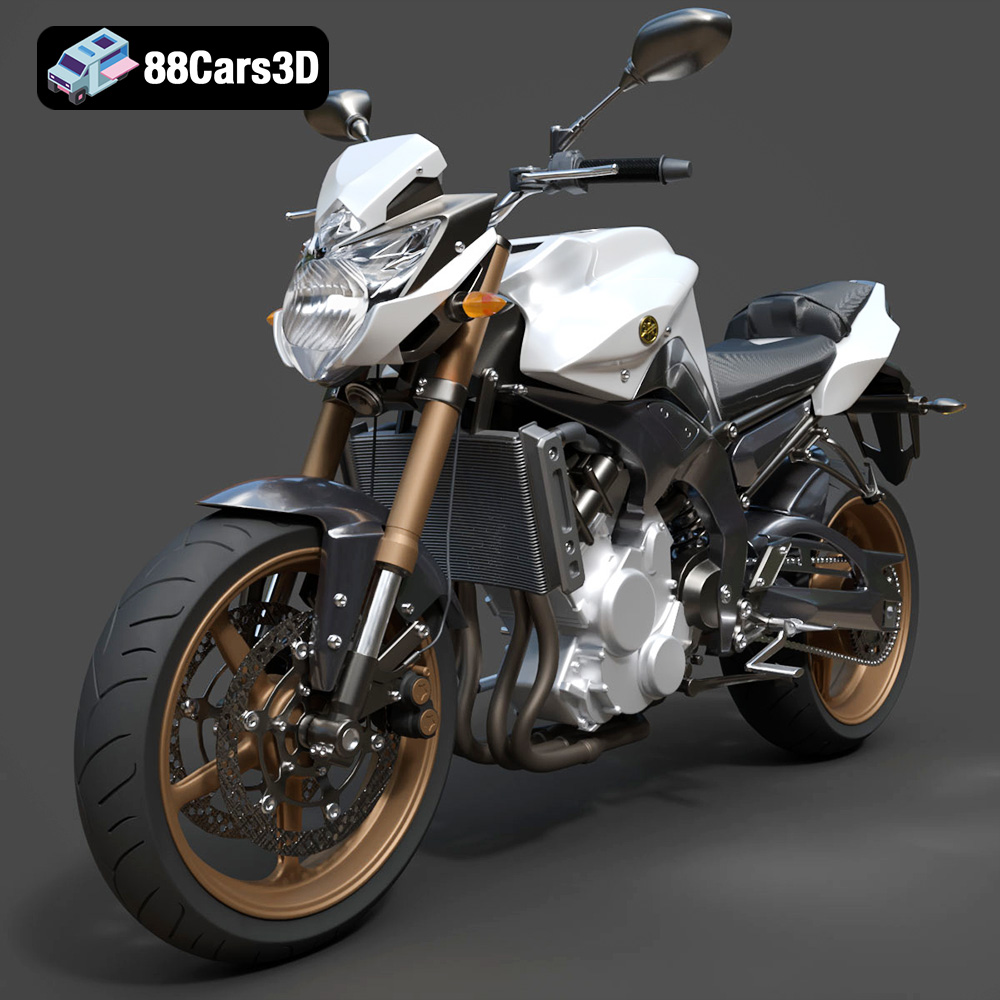
Yamaha FZ8 2011 3D Model
Texture: Yes
Material: Yes
Download the Yamaha FZ8 2011 3D Model featuring clean geometry, realistic detailing, and a fully modeled interior. Includes .blend, .fbx, .obj, .glb, .stl, .ply, .unreal, and .max formats for rendering, simulation, and game development.
Price: $19.99
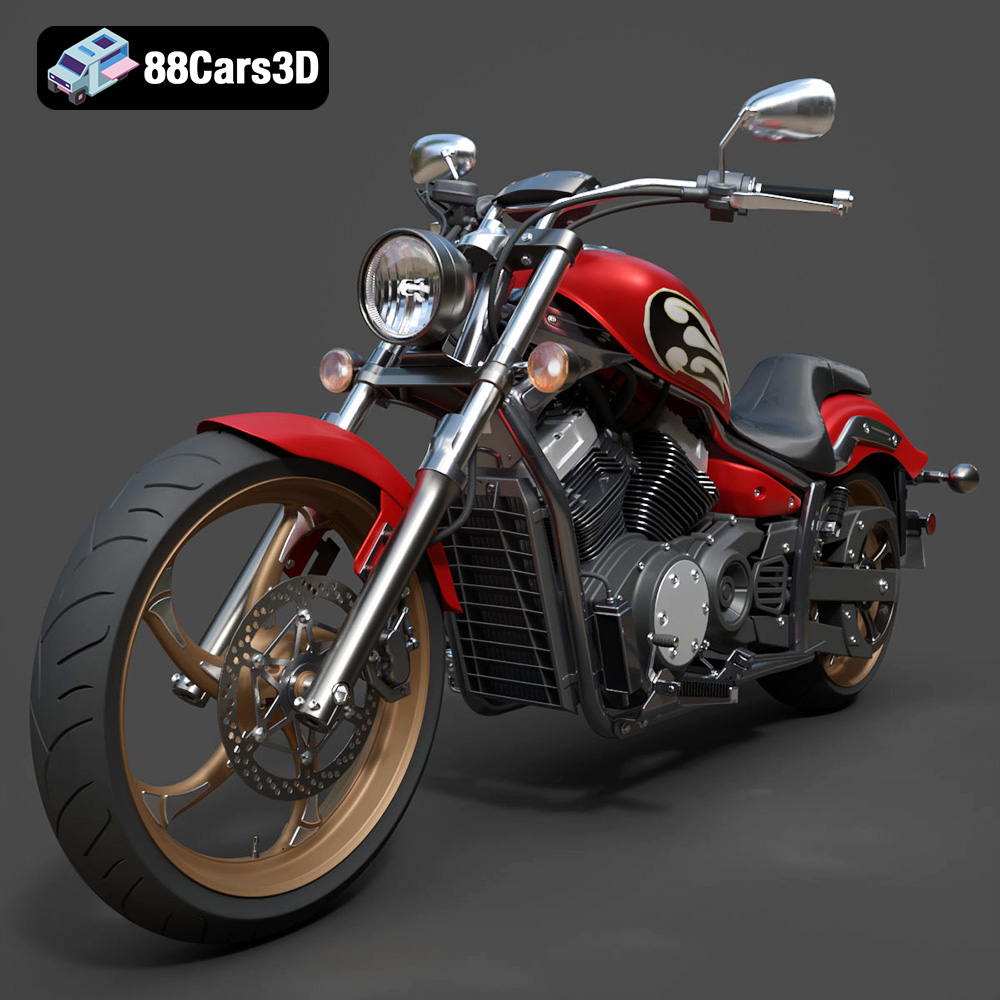
Yamaha Stryker 2012 3D Model
Texture: Yes
Material: Yes
Download the Yamaha Stryker 2012 3D Model featuring clean geometry, realistic detailing, and a fully modeled interior. Includes .blend, .fbx, .obj, .glb, .stl, .ply, .unreal, and .max formats for rendering, simulation, and game development.
Price: $19.99
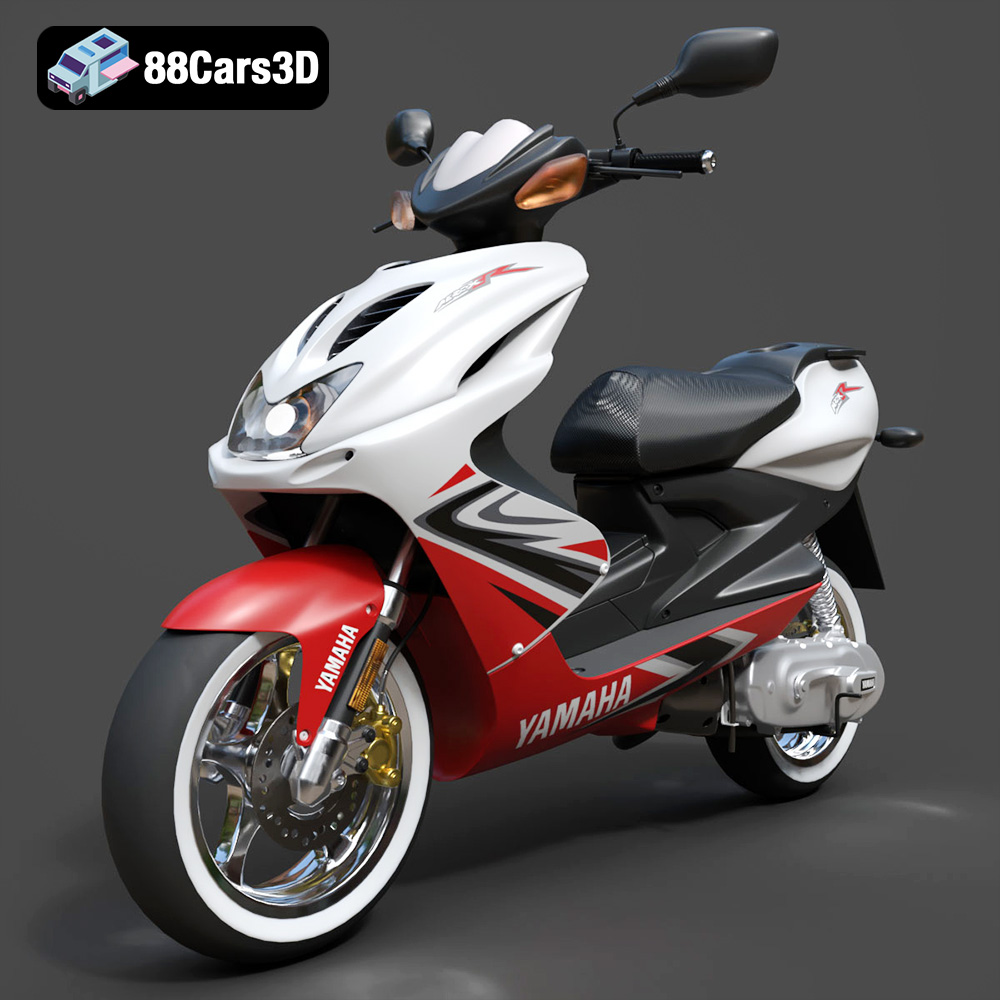
Yamaha Aerox R-002 2024 3D Model
Texture: Yes
Material: Yes
Download the Yamaha Aerox R-002 2024 3D Model featuring clean geometry, realistic detailing, and a fully modeled interior. Includes .blend, .fbx, .obj, .glb, .stl, .ply, .unreal, and .max formats for rendering, simulation, and game development.
Price: $19.99
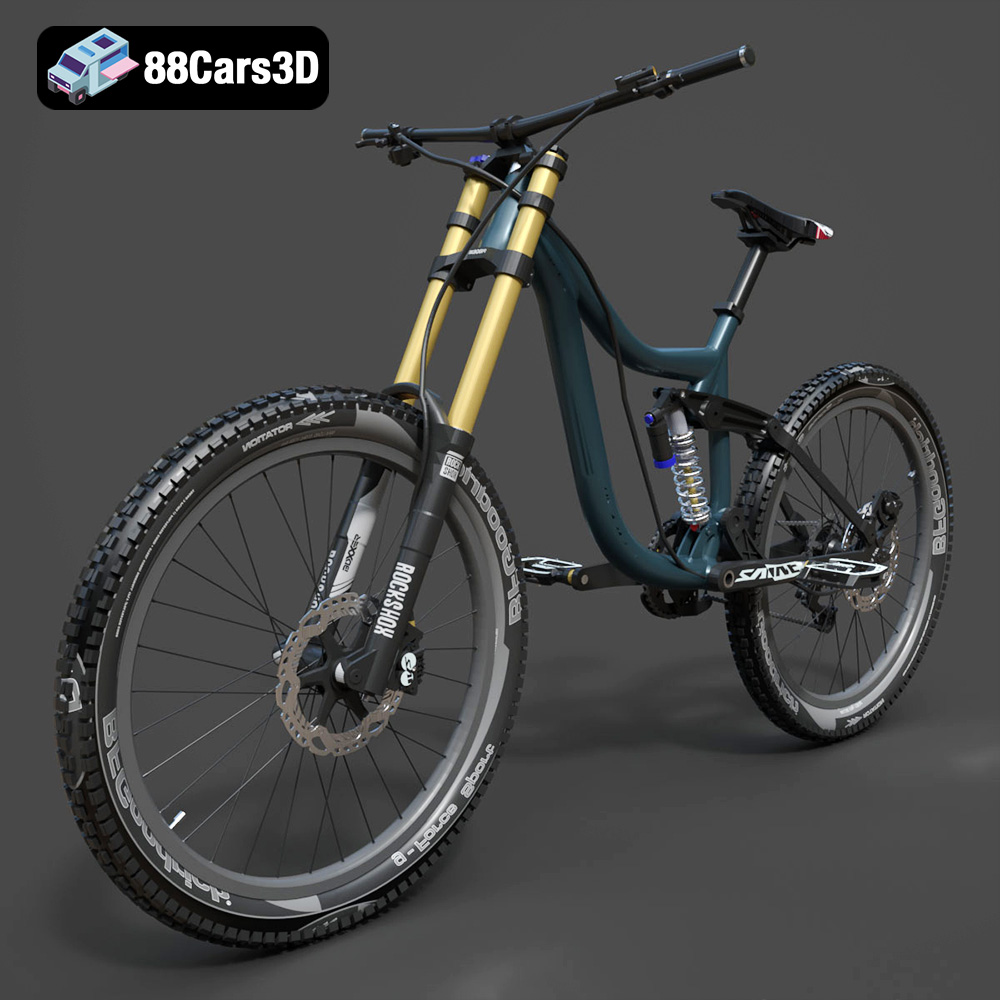
Mototsikly Downhill Bike-002 3D Model
Texture: Yes
Material: Yes
Download the Mototsikly Downhill Bike-002 3D Model featuring clean geometry, realistic detailing, and precise mechanical components. Includes .blend, .fbx, .obj, .glb, .stl, .ply, .unreal, and .max formats for rendering, simulation, and game development.
Price: $19.99
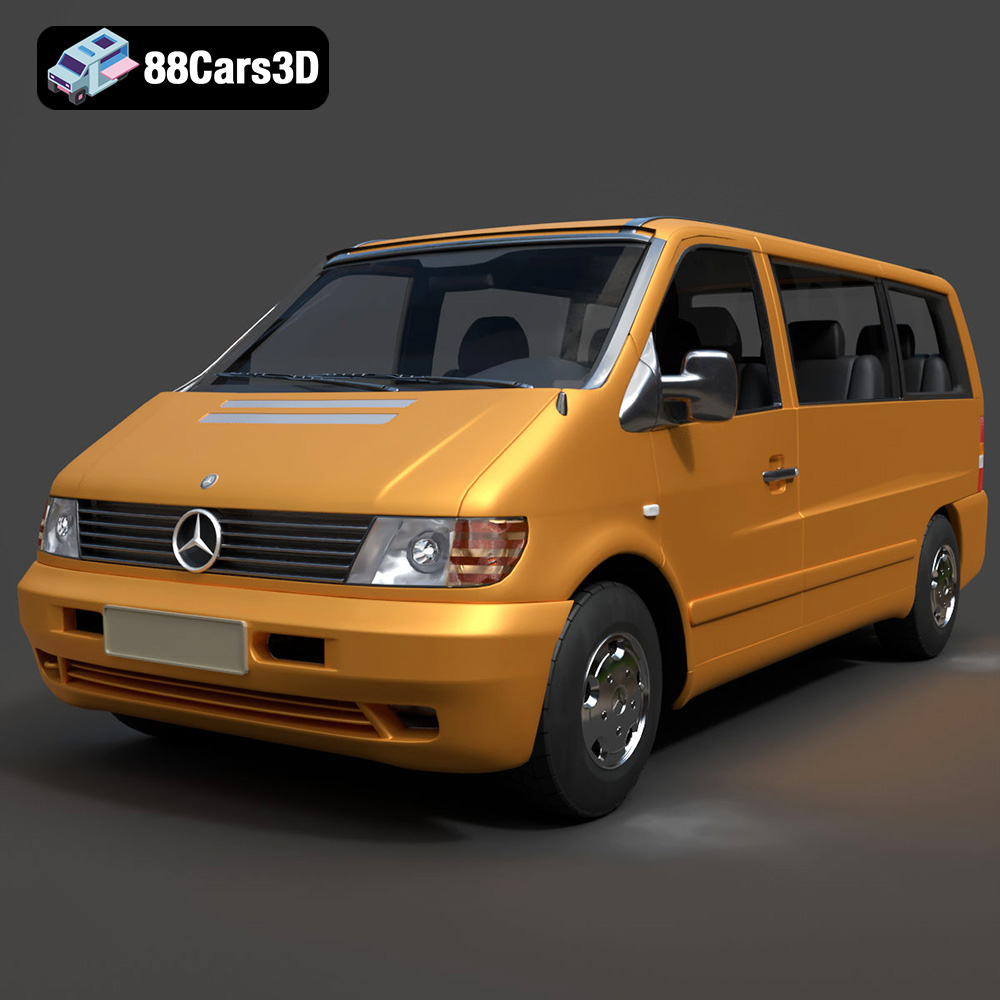
Mercedes-Benz Vito Passenger Van 3D Model
Texture: Yes
Material: Yes
Download the Mercedes-Benz Vito Passenger Van 3D Model featuring clean geometry, realistic detailing, and a fully modeled interior. Includes .blend, .fbx, .obj, .glb, .stl, .ply, .unreal, and .max formats for rendering, simulation, and game development.
Price: $19.99
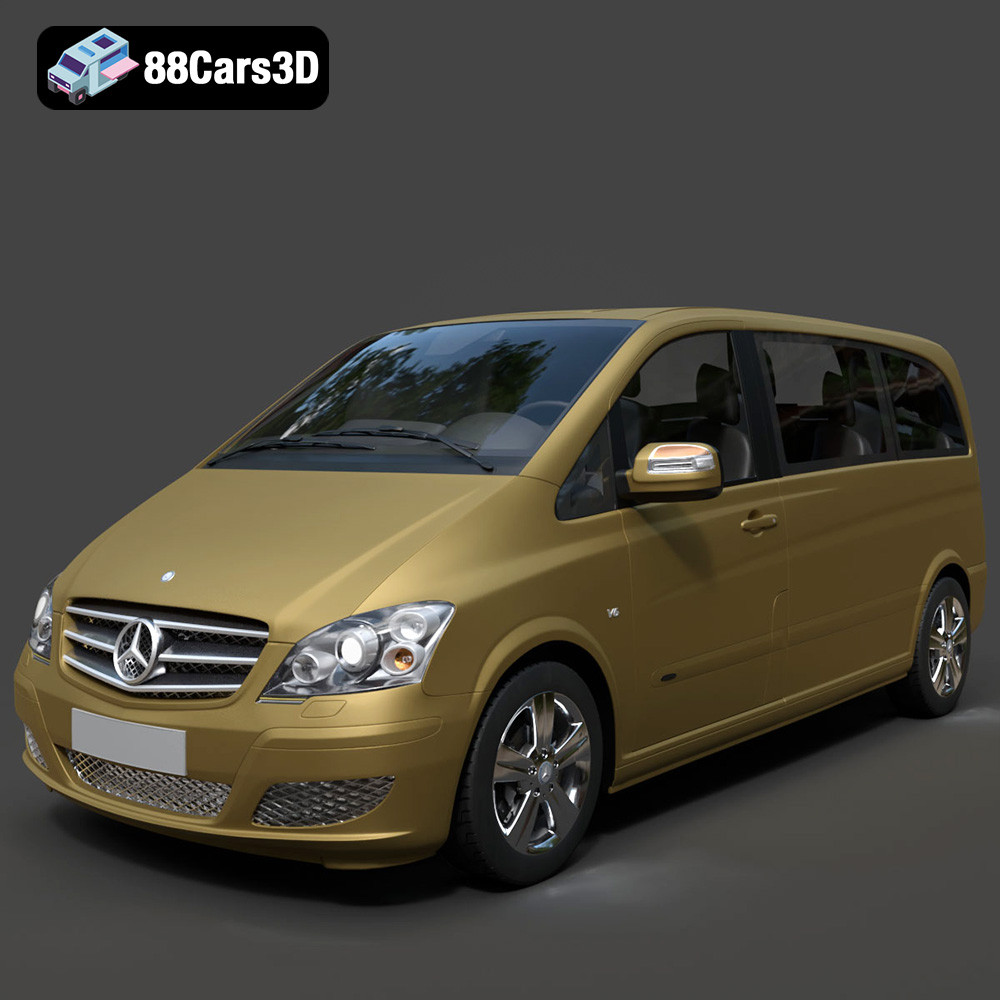
Mercedes-Benz Viano 2010 3D Model
Texture: Yes
Material: Yes
Download the Mercedes-Benz Viano 2010 3D Model featuring clean geometry, realistic detailing, and a fully modeled interior. Includes .blend, .fbx, .obj, .glb, .stl, .ply, .unreal, and .max formats for rendering, simulation, and game development.
Price: $19.99

Emt Avtobus 007 3D Model
Texture: Yes
Material: Yes
Download the Emt Avtobus 007 3D Model featuring clean geometry, realistic detailing, and a fully modeled interior. Includes .blend, .fbx, .obj, .glb, .stl, .ply, .unreal, and .max formats for rendering, simulation, and game development.
Price: $19.99
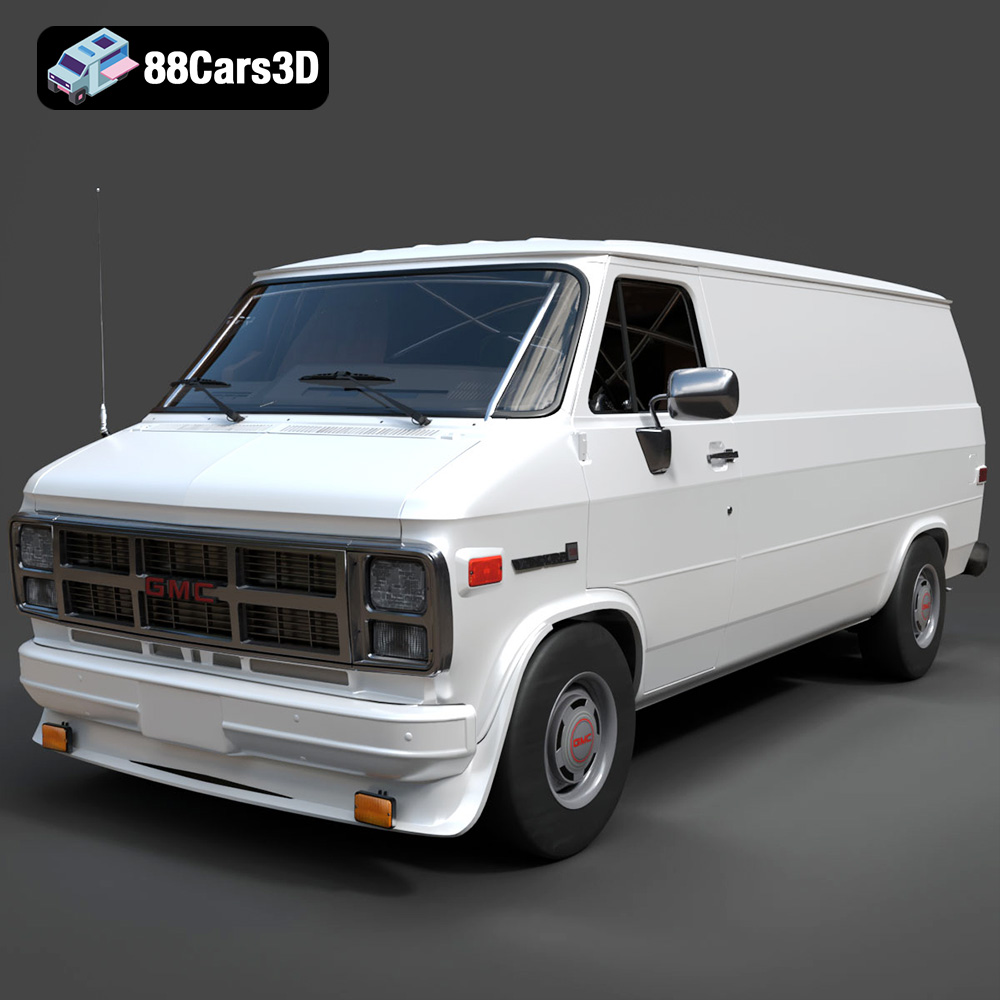
GMC Vandura G-1500 1983 3D Model
Texture: Yes
Material: Yes
Download the GMC Vandura G-1500 1983 3D Model featuring clean geometry, realistic detailing, and a fully modeled interior. Includes .blend, .fbx, .obj, .glb, .stl, .ply, .unreal, and .max formats for rendering, simulation, and game development.
Price: $19.99
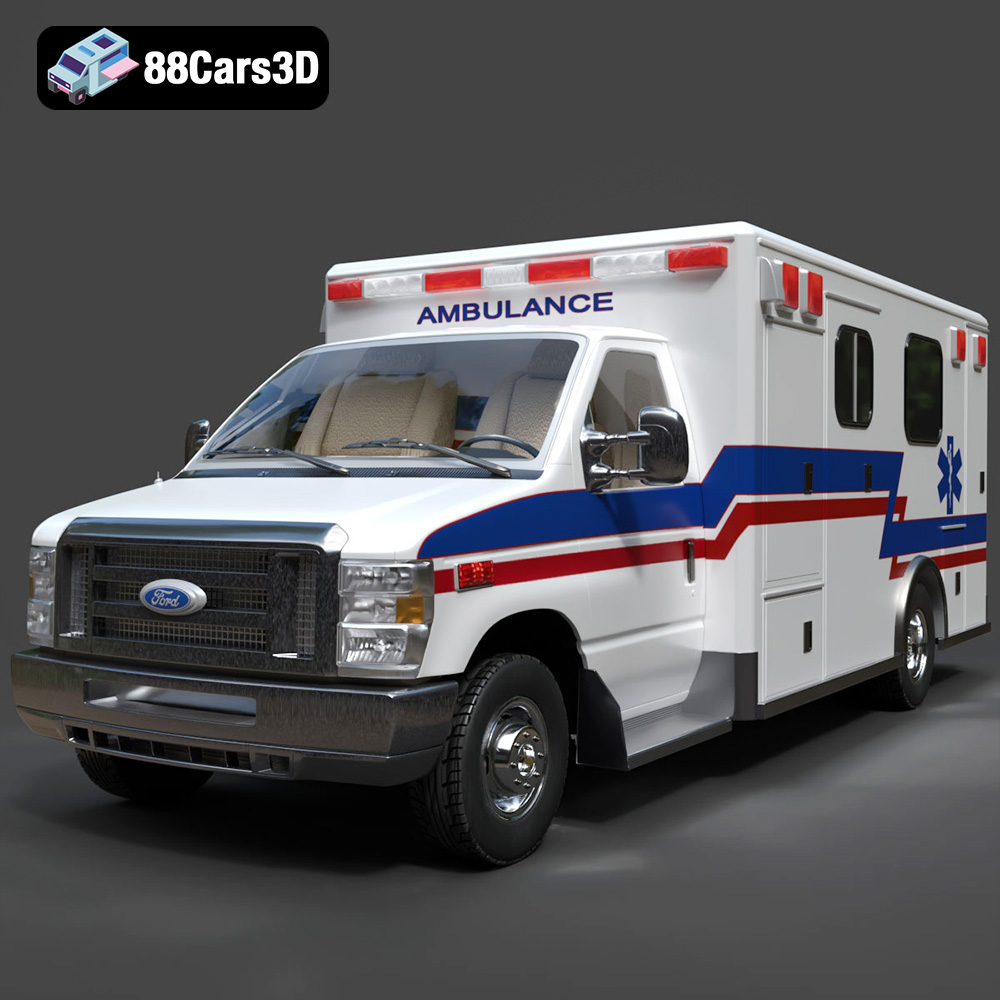
Ford E-450 Ambulance 3D Model
Texture: Yes
Material: Yes
Download the Ford E-450 Ambulance 3D Model featuring clean geometry, realistic detailing, and a fully modeled interior. Includes .blend, .fbx, .obj, .glb, .stl, .ply, .unreal, and .max formats for rendering, simulation, and game development.
Price: $19.99
