

In the realm of automotive visualization and real-time rendering, merely showcasing a vehicle in isolation often falls short of creating an immersive and compelling experience. The environment in which a car is presented plays a pivotal role in conveying its aesthetic, its intended use, and even its performance. And when it comes to crafting breathtakingly realistic environments, nothing breathes life into a digital world quite like meticulously rendered vegetation.
Unreal Engine’s powerful Foliage System provides artists and developers with an unparalleled toolkit for scattering dense forests, expansive grasslands, and intricate shrubbery across vast landscapes. This isn’t just about adding greenery; it’s about creating believable ecosystems that ground your automotive scenes in reality, whether for a cinematic reveal, an interactive configurator, or an open-world driving simulation. From the subtle sway of leaves to the complex interplay of light through a canopy, mastering Unreal Engine’s foliage capabilities is essential for achieving visual fidelity that captivates audiences.
This comprehensive guide will delve deep into the technical intricacies of creating realistic vegetation using Unreal Engine’s Foliage System. We’ll explore everything from efficient asset management and PBR material creation to advanced lighting, performance optimization with Nanite and LODs, and how these techniques elevate your automotive visualization projects. By the end, you’ll have a robust understanding of how to populate your digital worlds with vibrant, performant foliage, providing the perfect backdrop for the high-quality 3D car models you might source from platforms like 88cars3d.com.
Laying the Groundwork: Project Setup and Importing Foliage Assets
Before you begin scattering virtual trees and shrubs, setting up your Unreal Engine project correctly is paramount for optimizing both visual quality and performance when dealing with dense environments. Proper configuration from the outset can prevent numerous headaches down the line, especially when integrating complex foliage assets that interact with advanced rendering features like Lumen and Nanite.
The initial steps involve configuring your project settings to leverage Unreal Engine’s latest rendering technologies, followed by the careful selection and importation of your 3D foliage models. The quality of your source assets significantly dictates the final visual outcome, so understanding best practices for asset preparation and import is crucial.
Initial Project Settings for Environment Art
For any visually intensive project, particularly those involving realistic foliage and automotive models, several core Unreal Engine settings should be reviewed. Navigate to Edit > Project Settings. Under the Engine > Rendering section, ensure that Lumen Global Illumination and Lumen Reflections are enabled for dynamic, realistic lighting. For shadows, Virtual Shadow Maps (VSM) are highly recommended, as they offer unprecedented detail and fidelity, especially for complex geometry like dense foliage, without the traditional performance overhead of high-resolution shadow maps. These settings are crucial for rendering soft, accurate shadows cast by trees and for realistic light bounces within forest scenes.
Additionally, consider your scalability settings. While development often occurs on high-end hardware, think about your target platform. Unreal Engine’s built-in scalability allows you to define different quality levels for texture resolution, shadow quality, view distance, and post-processing, which will be essential when optimizing your final scene for diverse hardware or applications like AR/VR. Refer to the official Unreal Engine documentation for comprehensive guidance on these settings at dev.epicgames.com/community/unreal-engine/learning.
Sourcing and Importing High-Quality Foliage Assets
The realism of your vegetation begins with the quality of your 3D models and textures. When sourcing foliage assets, look for models with clean topology, efficient polygon counts (balanced for the type of foliage), and PBR-ready textures. For distant trees, lower poly counts are acceptable, but for hero assets or close-up vegetation, higher detail is necessary. Many marketplaces offer scanned assets, which provide unparalleled realism due to their real-world data capture.
When importing your foliage models (typically FBX files), ensure they are scaled correctly and have appropriate pivot points. Unreal Engine’s import dialogue offers options for generating LODs (Levels of Detail) and creating collision, which are important for both visual quality and performance. For foliage, it’s often beneficial to have multiple LODs pre-made in your 3D software or to carefully generate them in Unreal Engine, ensuring significant poly count reduction at each step without drastic visual pop. Texture atlases, where multiple foliage textures are packed into a single image, are also highly efficient for reducing draw calls, making your scenes more performant.
Mastering PBR Materials for Realistic Vegetation
The materials applied to your foliage meshes are arguably as critical as the mesh geometry itself in achieving photorealism. Unreal Engine’s Material Editor, a node-based visual scripting interface, provides immense flexibility for crafting complex PBR (Physically Based Rendering) materials that accurately simulate how light interacts with leaves, bark, and grass. Unlike opaque surfaces, vegetation often has unique properties like translucency and subsurface scattering, which require special attention in material creation.
A well-crafted foliage material will not only look realistic but also be optimized for performance, considering the sheer number of individual leaves and blades of grass that might be rendered in a single scene. Understanding the core components of foliage materials and how to optimize their textures and shaders is key to bringing your environments to life.
The Core of Foliage Materials: Translucency, Subsurface Scattering, and Wind
Realistic foliage materials go beyond simple base color and normal maps. The most crucial aspect is simulating how light passes through and scatters within leaves. This is achieved through the Translucency and Subsurface Scattering (SSS) inputs in your material. Translucency allows light to pass through the object, making leaves appear thinner and brighter when backlit, while SSS simulates light entering the surface, scattering, and exiting at a different point, giving leaves their soft, organic glow. Using a dedicated SSS profile or a combination of translucency and a custom SSS network within your material graph can produce stunning results.
Another vital component is dynamic movement. Unreal Engine provides a powerful node called SimpleGrassWind, which simulates the subtle and realistic sway of vegetation. By connecting this node’s output to the World Position Offset input of your material, you can create natural-looking wind effects. Customize parameters like speed, intensity, and weighted layers to achieve varying wind effects across different types of foliage, making your environment feel alive. For more advanced control, vertex painting can be used to control wind intensity on different parts of a tree, ensuring the trunk remains rigid while leaves and branches sway.
Optimizing Textures and Shaders for Foliage
Given the potential for high draw calls and memory usage with dense foliage, texture and shader optimization is critical. Employing texture atlases for multiple leaf types or bark variations on a single texture sheet can significantly reduce the number of texture lookups and material instances. Similarly, packed textures are essential: combining the roughness, metallic (often zero for foliage), and ambient occlusion maps into the R, G, and B channels of a single texture, respectively (often referred to as an ORM map), reduces texture memory footprint and fetches.
Utilize Material Instances extensively. Create a master foliage material with exposed parameters (e.g., wind intensity, SSS color, base color tint, roughness adjustments) and then create instances for each unique foliage asset. This allows artists to quickly make visual variations without recompiling shaders, leading to faster iteration and reduced shader complexity. Be mindful of shader instruction count; complex materials, especially those with numerous transparent layers, can quickly become performance bottlenecks. Aim for a balance between visual fidelity and computational cost, always profiling your materials within your scene to identify and address any performance dips.
Populating Your World: The Unreal Engine Foliage Mode
Once you have your optimized foliage assets and PBR materials ready, Unreal Engine’s Foliage Mode provides an intuitive yet powerful workflow for scattering vast amounts of vegetation across your landscape. This mode transforms the tedious task of manually placing countless trees and bushes into an efficient, artist-friendly process. It allows for dynamic painting, erasing, and filling, empowering you to create natural-looking distribution patterns with ease.
Understanding the various tools and settings within the Foliage Mode is essential not just for visual aesthetics but also for maintaining performance. Each placement choice has implications for draw calls, memory, and ultimately, the frame rate of your real-time application.
Efficient Placement and Density Control
To access the Foliage Mode, simply navigate to the Modes panel in the Unreal Engine editor and select the Foliage tab. Here, you’ll drag and drop your static mesh foliage assets into the “Foliage Types” list. Each added asset becomes a “Foliage Type,” allowing you to customize its individual painting behavior.
Key settings for efficient placement include:
- Brush Size: Controls the radius of your painting tool.
- Density: Determines how many instances are painted per unit area. Finding the right balance here is crucial for avoiding sparse or overly dense patches.
- Align to Normal: Ensures foliage instances hug the contours of your terrain, which is vital for natural placement on hillsides.
- Random Yaw/Pitch/Roll: Introduces subtle variations in rotation, preventing a “tiled” or repetitive look.
- Random Scale: Allows for size variation, making your vegetation appear more organic and less uniform.
- Z Offset: Useful for slightly embedding foliage into the ground, preventing floating instances.
The mode offers three primary tools: Paint for freehand placement, Erase for removing instances, and Fill for quickly populating large areas based on a density map or selection. For precise control, utilize selection tools to isolate specific foliage types or painted areas for targeted adjustments.
Performance-Driven Foliage Management
One of the core strengths of Unreal Engine’s Foliage System is its inherent optimization through instanced static meshes. When you paint foliage, Unreal Engine doesn’t place individual unique actors in the scene; instead, it draws many instances of the same mesh. This dramatically reduces draw calls and memory usage, making it feasible to render hundreds of thousands of trees and millions of blades of grass.
Beyond instancing, several settings within each Foliage Type are crucial for performance:
- Cull Distance: Defines the minimum and maximum distances at which foliage instances are rendered. Setting appropriate cull distances, especially for small details like distant grass, can yield significant performance gains.
- LOD Settings: Ensure your foliage assets have well-defined Levels of Detail. The Foliage Type settings allow you to control when each LOD switches, based on screen size. This is critical for maintaining visual quality at varying distances while optimizing geometry complexity.
- Shadow Casting: For small, dense foliage like grass, disabling “Cast Shadow” can save significant rendering resources, as their individual shadows might not be visually impactful. For larger trees, ensure shadows are enabled but consider optimizing their complexity through shadow map settings or simpler shadow proxies for distant LODs.
- Collision: Often, foliage doesn’t require complex per-instance collision. Setting collision to “No Collision” or “Overlap Only” for less critical interactions can save CPU cycles.
By thoughtfully managing these settings, you can achieve a visually rich environment that remains performant, providing a stunning backdrop for your 88cars3d.com automotive models without sacrificing frame rate.
Advanced Techniques for Visual Fidelity and Performance
While the basic Foliage Mode provides an excellent foundation, Unreal Engine offers advanced features that push the boundaries of visual fidelity and scalability for vegetation. Leveraging technologies like Nanite, incorporating interactive elements with Blueprints, and adding dynamic environmental effects with Niagara can transform static scenes into living, breathing worlds. These techniques are particularly valuable when crafting high-end automotive visualizations where every detail contributes to the overall immersion and realism.
Understanding when and how to apply these advanced features is key to striking a balance between stunning visuals and robust performance, especially in real-time applications where every millisecond counts.
Nanite for High-Density Foliage
Nanite, Unreal Engine’s virtualized geometry system, revolutionized how high-polygon meshes are rendered, and its application to foliage is transformative. Traditionally, dense forests were a performance nightmare due to high poly counts. With Nanite, you can import incredibly detailed tree models, often consisting of millions of polygons, and have them render efficiently, even at extreme distances.
For large, hero trees and prominent bushes, converting them to Nanite meshes is highly recommended. Nanite automatically handles LODs and streaming, rendering only the necessary detail for pixels on screen. However, there are considerations: Nanite meshes currently do not support World Position Offset for material-based wind animation, nor do they support translucency or Subsurface Scattering (SSS) in the same way traditional meshes do. This means for individual leaves or grass blades that require strong SSS and dynamic wind, traditional meshes with robust LODs are still often preferred. For the main structure of a tree (trunk, large branches), Nanite is ideal, while the leaf cards might remain traditional meshes, carefully managed with LODs and instancing. This hybrid approach allows for unparalleled detail where it matters most, without sacrificing performance.
Interactivity and Dynamic Environments with Blueprints and Physics
A truly dynamic environment features more than static plants. Unreal Engine’s Blueprint visual scripting system enables complex interactions between your automotive models and the surrounding foliage. Imagine grass bending as a car drives through it, or leaves rustling more intensely near a passing vehicle. This can be achieved by setting up collision volumes on your car’s wheels or chassis that, upon overlapping with foliage instances, trigger a material parameter change (e.g., modifying the SimpleGrassWind node’s strength in a localized area) or activate a physics-based animation.
For more advanced effects, Niagara, Unreal Engine’s powerful particle system, can be used to create realistic falling leaves, swirling dust, or even localized wind gusts that dynamically interact with your foliage materials. You can tie Niagara emitters to events, such as a car accelerating, to further enhance the realism of the scene. Incorporating physics assets on larger tree branches can also enable more dynamic reactions to collisions or environmental forces, adding another layer of realism to your automotive test tracks or scenic routes.
Lighting and Rendering Realistic Foliage with Lumen and Beyond
Lighting is the soul of any visually compelling scene, and for realistic foliage, its importance cannot be overstated. The interplay of direct sunlight, bounced light, and shadows through dense canopies is what truly brings vegetation to life. Unreal Engine’s advanced lighting solutions, particularly Lumen, offer unprecedented opportunities to render foliage with stunning accuracy and dynamic responsiveness. However, achieving this requires a nuanced understanding of how these systems interact with foliage and how to optimize them for performance.
Beyond global illumination, efficient shadow rendering for countless individual leaves and branches is a persistent challenge. Mastering these aspects will ensure your automotive visualizations are bathed in believable, dynamic light, enhancing the immersion of your environments.
Global Illumination for Foliage: Lumen’s Impact
Lumen, Unreal Engine’s fully dynamic global illumination and reflections system, fundamentally changes how light interacts with foliage. Instead of relying on pre-baked lightmaps, Lumen calculates bounced light in real-time, allowing for incredibly realistic ambient occlusion, diffuse reflections, and indirect lighting. For foliage, this means light filtering through a canopy will correctly bounce off leaves, illuminating the ground and surrounding objects with natural color and intensity. The subtle green tint on a car’s surface from an overhead tree canopy is now automatically and accurately rendered.
When working with Lumen, ensure your foliage materials have accurate base colors and roughness values, as these directly influence how light is absorbed and reflected. Pay close attention to your Subsurface Scattering settings, as Lumen will accurately propagate the scattered light from within leaves. While Lumen is powerful, it does have a performance cost. For extremely dense foliage, you might need to adjust Lumen’s quality settings in the Project Settings or use its console commands (e.g., r.Lumen.ScreenSpaceProbeGather.MaxRayDistance) to balance visual quality with frame rate. However, the visual fidelity it brings to foliage, especially in dynamic time-of-day scenarios, is well worth the optimization effort.
Shadowing and Performance for Dense Vegetation
Shadows cast by foliage are crucial for grounding objects in the scene and adding depth, but they are also one of the most demanding aspects of rendering dense vegetation. Unreal Engine offers several shadow techniques, each with its own advantages and performance implications:
- Virtual Shadow Maps (VSM): As mentioned earlier, VSMs are highly recommended for detailed foliage. They provide extremely high-resolution shadows for complex geometry without the traditional memory cost, as they only generate detail where it’s needed. For trees and bushes, VSMs ensure accurate per-leaf shadows up close and crisp silhouettes at a distance.
- Cascaded Shadow Maps (CSM): For larger open-world scenes, CSMs are still relevant for distant shadow coverage. They divide the camera frustum into cascades, rendering higher-resolution shadows closer to the camera and lower resolution shadows further away. Balancing the number of cascades and their distances is key for performance.
- Per-Instance Shadowing: For very small foliage instances like individual blades of grass, casting full shadows can be prohibitively expensive. In your Foliage Type settings, consider disabling “Cast Shadow” or using simpler shadow mesh proxies for distant LODs. Alternatively, rely on ambient occlusion or simply let larger elements like trees cast the primary shadows, allowing the smaller details to subtly blend.
Optimizing shadow settings, especially for the numerous instances of foliage, is an ongoing process of profiling and balancing fidelity with performance. A good practice is to adjust the “Shadow Resolution” and “Shadow Bias” per light source to fine-tune shadow quality and avoid artifacts while keeping an eye on the GPU profiler.
Optimization Strategies for Production-Ready Foliage Environments
Creating beautiful, dense foliage is only half the battle; ensuring it runs smoothly on your target hardware is equally critical. Performance optimization for real-time environments, especially those featuring high-quality 88cars3d.com car models amidst lush vegetation, requires a systematic approach. From Level of Detail (LODs) to specialized grass systems and considerations for various platforms like AR/VR or virtual production, every decision impacts the final frame rate. This section will guide you through crucial strategies to make your foliage environments production-ready and scalable.
Level of Detail (LOD) and Hierarchical LOD (HLOD) for Foliage
Levels of Detail (LODs) are fundamental for performance. Every foliage asset, especially trees and large bushes, should have multiple LODs. These are progressively simpler versions of the mesh that switch out as the camera moves further away.
- Creation: LODs can be generated automatically during FBX import, created manually within Unreal Engine’s Static Mesh Editor, or prepared in your 3D software for greater control. A common approach is to use polygon reduction for geometric LODs and simpler billboard or impostor meshes for very distant LODs.
- Settings: In the Static Mesh Editor, define the screen size at which each LOD transitions. For foliage, these transitions should be subtle to avoid jarring “popping.”
- Material LODs: Consider simplifying materials for distant LODs (e.g., disabling SSS or complex wind shaders) to reduce shader complexity.
For extremely large, open-world scenes, Hierarchical LODs (HLODs) are essential. HLODs group clusters of static meshes (including foliage) into a single, optimized mesh and material at a distance. This drastically reduces draw calls for distant scenery. Unreal Engine’s HLOD system can be configured to automatically generate these optimized meshes, ensuring that entire distant forests are rendered as single, efficient entities, seamlessly transitioning to individual high-detail foliage when the player approaches. Access HLOD generation via Window > World Partition > HLOD Outliner, then right-click on your world and select “Build HLODs.”
Grass Types and Landscape Grass Output
For extensive ground cover, Unreal Engine offers a specialized system: Landscape Grass Output. This system is designed for high-performance rendering of vast fields of grass that would be impractical to paint with the standard Foliage Tool.
- Grass Types: Create “Grass Type” assets (Content Browser > right-click > Foliage > Grass Type). Here, you define a static mesh for your grass, its density, scale, culling distance, and LODs.
- Landscape Layer: In your Landscape material, use the “Landscape Grass Output” node. Connect your Grass Types to this node, and then connect the node’s output to the relevant landscape layer (e.g., a “Grass” texture layer). Wherever that landscape layer is painted on your terrain, the associated grass will automatically spawn.
This method is highly performant because the grass instances are managed by the landscape system, allowing for efficient batching and rendering. It also means you can easily paint large areas of grass by simply painting a landscape layer, making environment creation incredibly fast and scalable.
Scaling for Diverse Applications: AR/VR and Virtual Production
The optimization strategies for foliage need to be further refined when targeting specific applications:
- AR/VR: High frame rates (e.g., 90 FPS or higher) are critical for comfort and immersion. This demands aggressive optimization: lower poly counts for LODs, very strict cull distances, simpler materials (fewer shader instructions), and potentially disabling features like Lumen or VSMs in favor of more performant alternatives if necessary. Every instance counts, so meticulous profiling is paramount.
- Virtual Production and LED Walls: While these often target very high-end hardware, the unique challenges of LED wall rendering (e.g., distortion correction, color calibration, very large resolutions) mean that even here, efficient foliage is vital. Focus on delivering maximum visual quality within render budget, leveraging Nanite for hero foliage and highly optimized traditional meshes for background elements. Consistency across LODs is particularly important as the virtual camera can quickly move from distant to close-up views.
In all cases, continuously use Unreal Engine’s built-in profilers (GPU Visualizer, Stat GPU, Stat Unit) to identify bottlenecks and optimize your foliage to meet your project’s performance targets. Every bit of optimization for your environment frees up resources to better render the stunning 3D car models you’re showcasing.
Conclusion
Creating realistic and performant vegetation in Unreal Engine is an art form that blends technical mastery with artistic vision. From meticulously crafting PBR materials with accurate subsurface scattering and dynamic wind effects, to efficiently populating vast landscapes using the Foliage Mode, and leveraging advanced features like Nanite and Lumen, every step contributes to the immersive quality of your automotive visualizations and real-time environments.
We’ve explored the importance of careful project setup, the nuances of importing and optimizing foliage assets, and the critical role of LODs and HLODs in maintaining performance across diverse applications. The integration of Blueprints for interactivity and Niagara for dynamic effects ensures your environments are not just static backdrops but living, breathing worlds that elevate the presentation of your 3D car models. By mastering these techniques, you can transform your digital stages into compelling narratives, providing the perfect context for the high-quality assets you might acquire from marketplaces like 88cars3d.com.
The journey to photorealistic environments is an ongoing process of learning, experimentation, and optimization. Keep pushing the boundaries of what’s possible, and always remember to balance visual fidelity with the performance requirements of your target platform. Dive into Unreal Engine’s extensive documentation and community resources to continue honing your skills, and watch as your automotive scenes evolve into breathtaking, immersive experiences.
Featured 3D Car Models

Porsche Cayenne 3D Model
Meta Description:
Texture: Yes
Material: Yes
Download the Porsche Cayenne 3D Model featuring realistic exterior styling and detailed interior design. Includes .blend, .fbx, .obj, .glb, .stl, .ply, .unreal, and .max formats for rendering, simulation, AR VR, and game development.
Price: $19.9
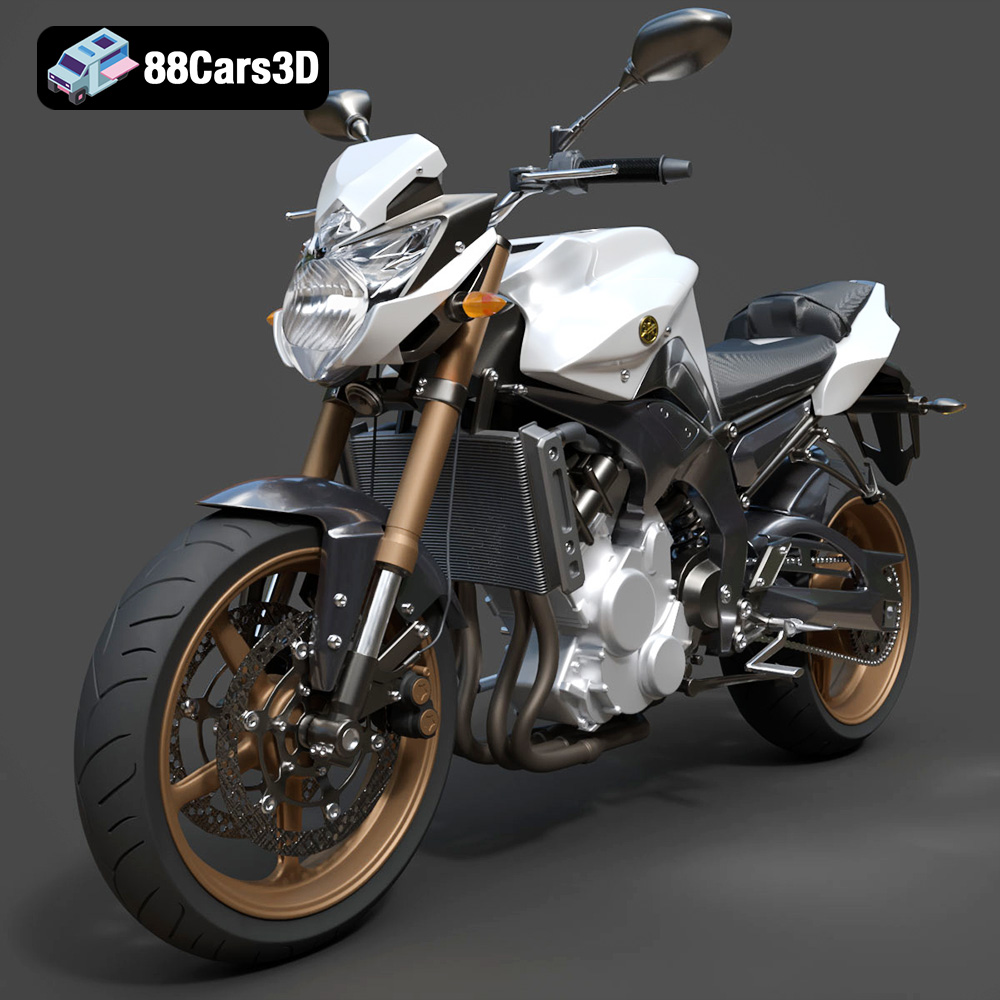
Yamaha FZ8 2011 3D Model
Texture: Yes
Material: Yes
Download the Yamaha FZ8 2011 3D Model featuring clean geometry, realistic detailing, and a fully modeled interior. Includes .blend, .fbx, .obj, .glb, .stl, .ply, .unreal, and .max formats for rendering, simulation, and game development.
Price: $19.99

Yamaha Stryker 2012 3D Model
Texture: Yes
Material: Yes
Download the Yamaha Stryker 2012 3D Model featuring clean geometry, realistic detailing, and a fully modeled interior. Includes .blend, .fbx, .obj, .glb, .stl, .ply, .unreal, and .max formats for rendering, simulation, and game development.
Price: $19.99
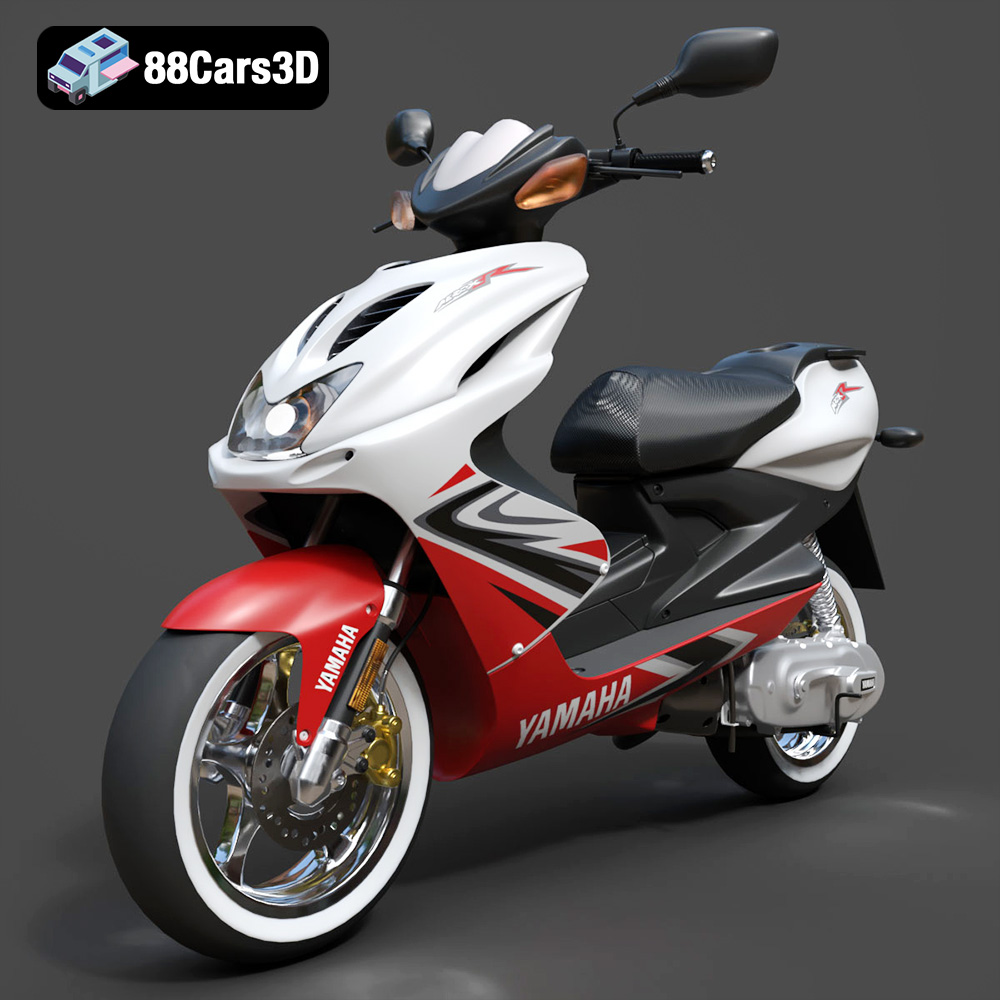
Yamaha Aerox R-002 2024 3D Model
Texture: Yes
Material: Yes
Download the Yamaha Aerox R-002 2024 3D Model featuring clean geometry, realistic detailing, and a fully modeled interior. Includes .blend, .fbx, .obj, .glb, .stl, .ply, .unreal, and .max formats for rendering, simulation, and game development.
Price: $19.99
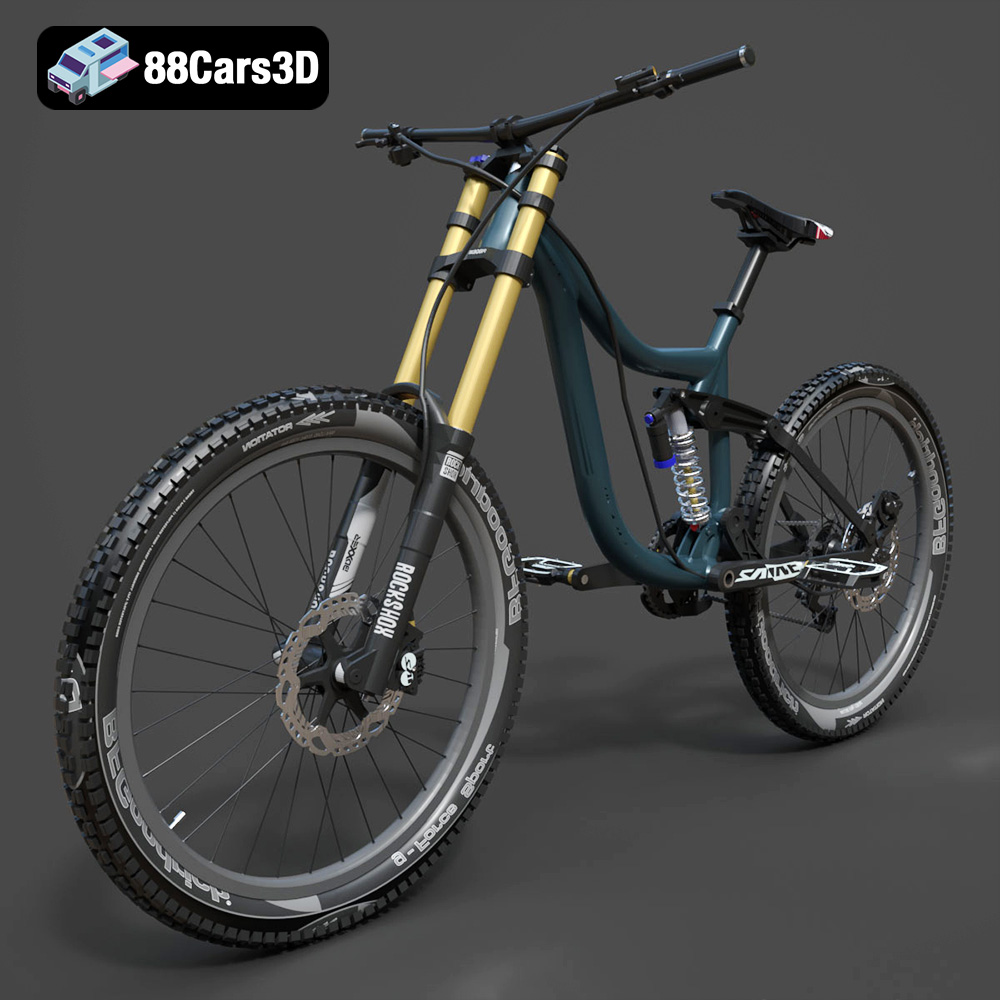
Mototsikly Downhill Bike-002 3D Model
Texture: Yes
Material: Yes
Download the Mototsikly Downhill Bike-002 3D Model featuring clean geometry, realistic detailing, and precise mechanical components. Includes .blend, .fbx, .obj, .glb, .stl, .ply, .unreal, and .max formats for rendering, simulation, and game development.
Price: $19.99
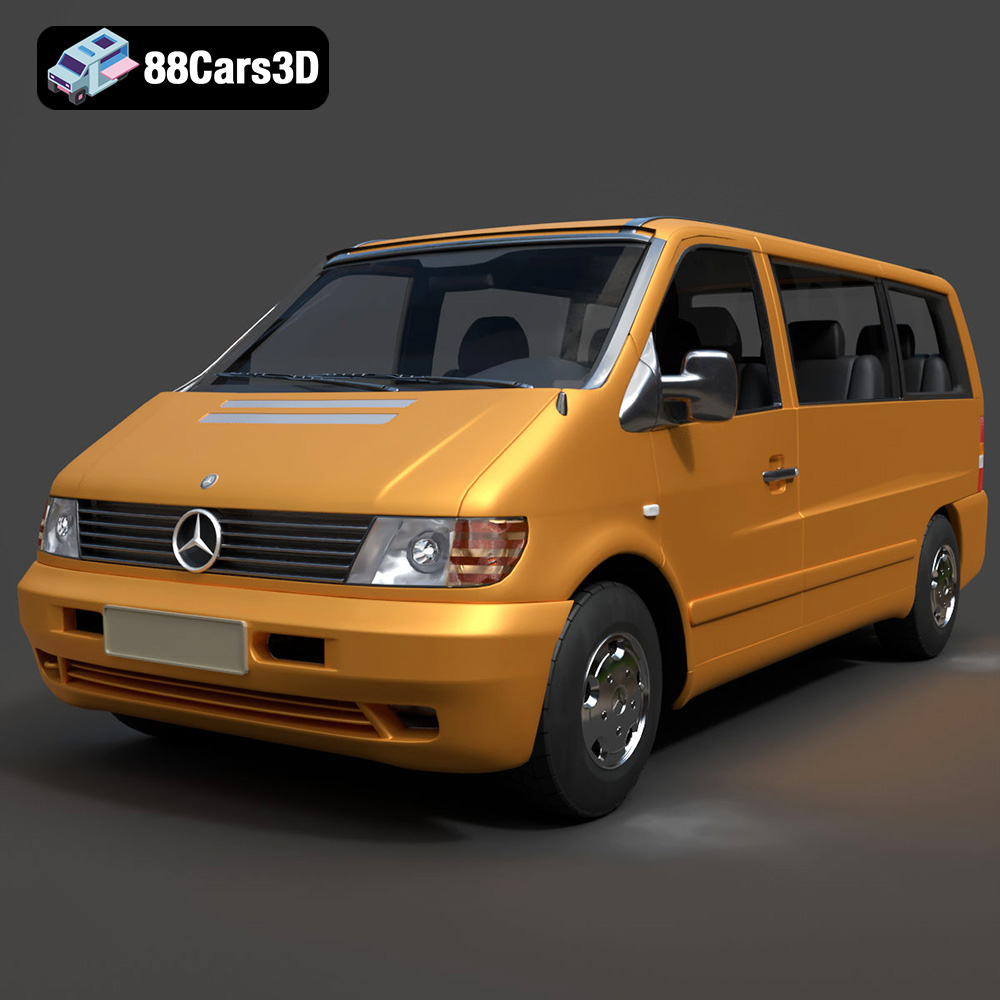
Mercedes-Benz Vito Passenger Van 3D Model
Texture: Yes
Material: Yes
Download the Mercedes-Benz Vito Passenger Van 3D Model featuring clean geometry, realistic detailing, and a fully modeled interior. Includes .blend, .fbx, .obj, .glb, .stl, .ply, .unreal, and .max formats for rendering, simulation, and game development.
Price: $19.99
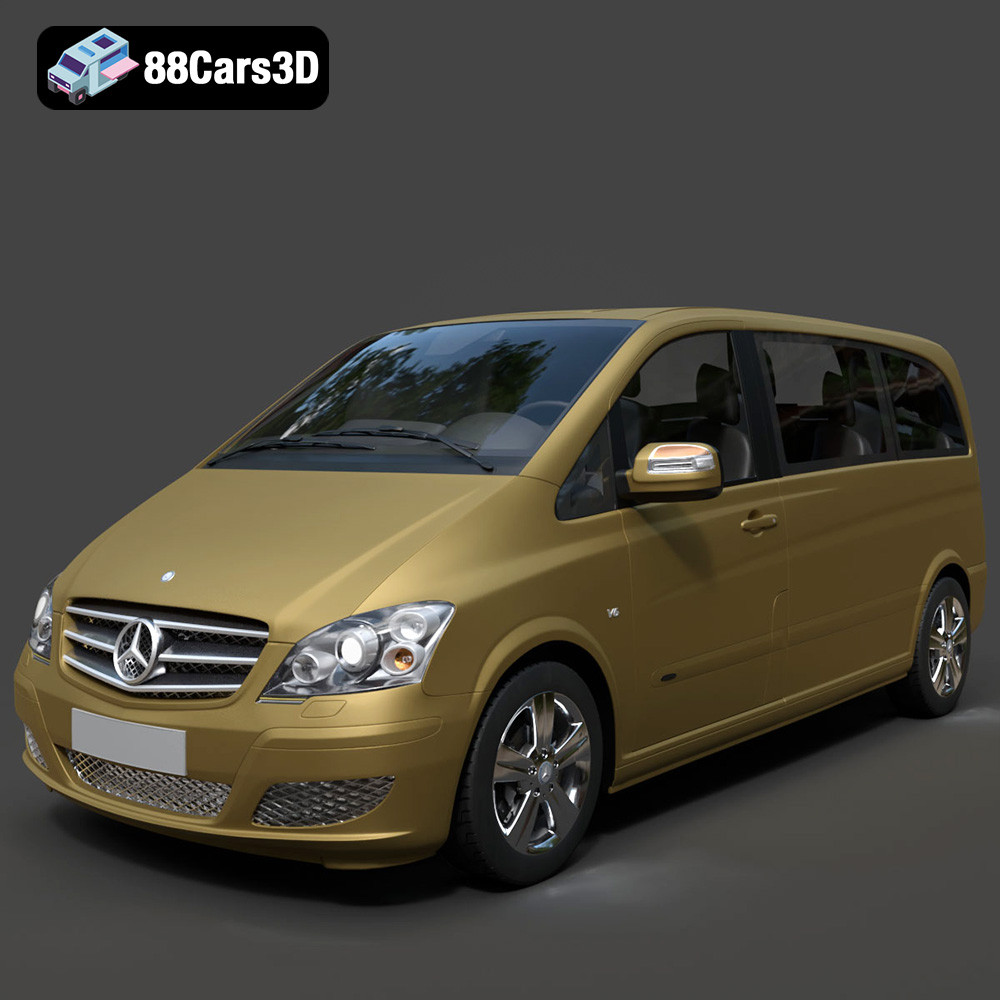
Mercedes-Benz Viano 2010 3D Model
Texture: Yes
Material: Yes
Download the Mercedes-Benz Viano 2010 3D Model featuring clean geometry, realistic detailing, and a fully modeled interior. Includes .blend, .fbx, .obj, .glb, .stl, .ply, .unreal, and .max formats for rendering, simulation, and game development.
Price: $19.99

Emt Avtobus 007 3D Model
Texture: Yes
Material: Yes
Download the Emt Avtobus 007 3D Model featuring clean geometry, realistic detailing, and a fully modeled interior. Includes .blend, .fbx, .obj, .glb, .stl, .ply, .unreal, and .max formats for rendering, simulation, and game development.
Price: $19.99
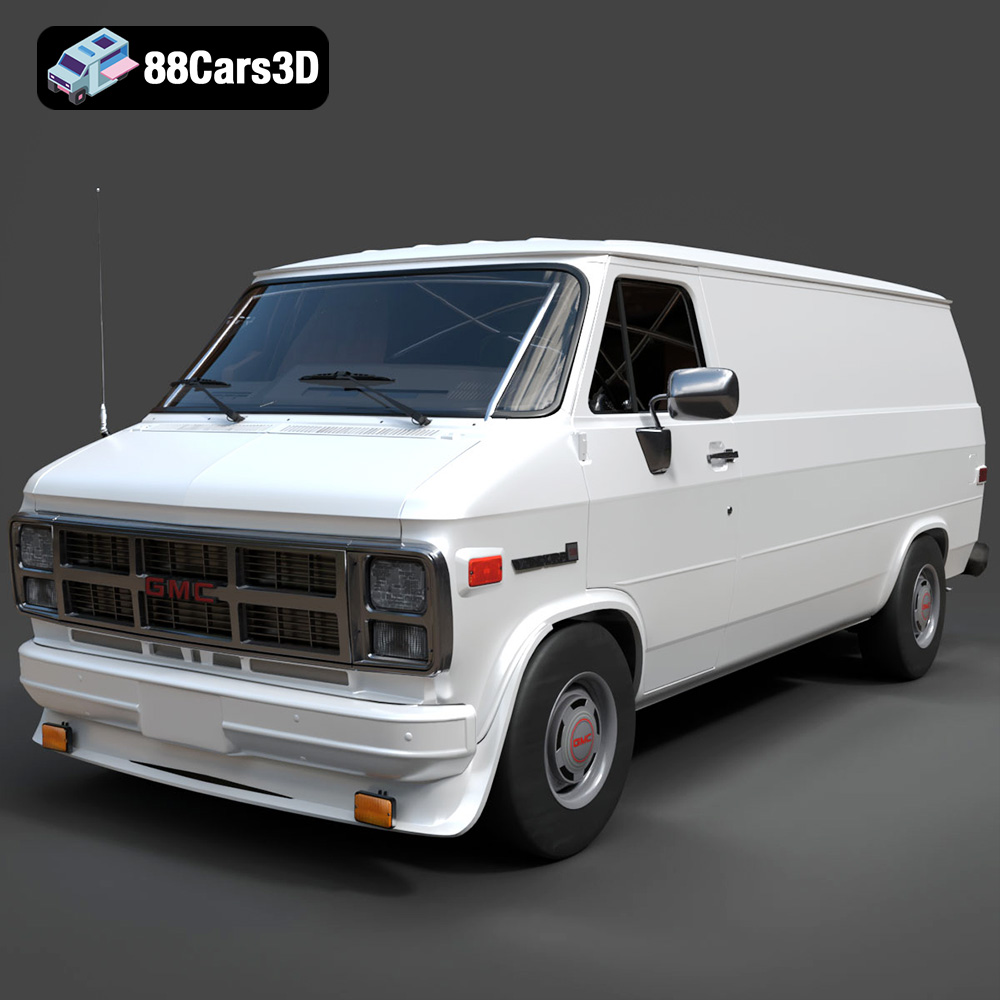
GMC Vandura G-1500 1983 3D Model
Texture: Yes
Material: Yes
Download the GMC Vandura G-1500 1983 3D Model featuring clean geometry, realistic detailing, and a fully modeled interior. Includes .blend, .fbx, .obj, .glb, .stl, .ply, .unreal, and .max formats for rendering, simulation, and game development.
Price: $19.99

Ford E-450 Ambulance 3D Model
Texture: Yes
Material: Yes
Download the Ford E-450 Ambulance 3D Model featuring clean geometry, realistic detailing, and a fully modeled interior. Includes .blend, .fbx, .obj, .glb, .stl, .ply, .unreal, and .max formats for rendering, simulation, and game development.
Price: $19.99
