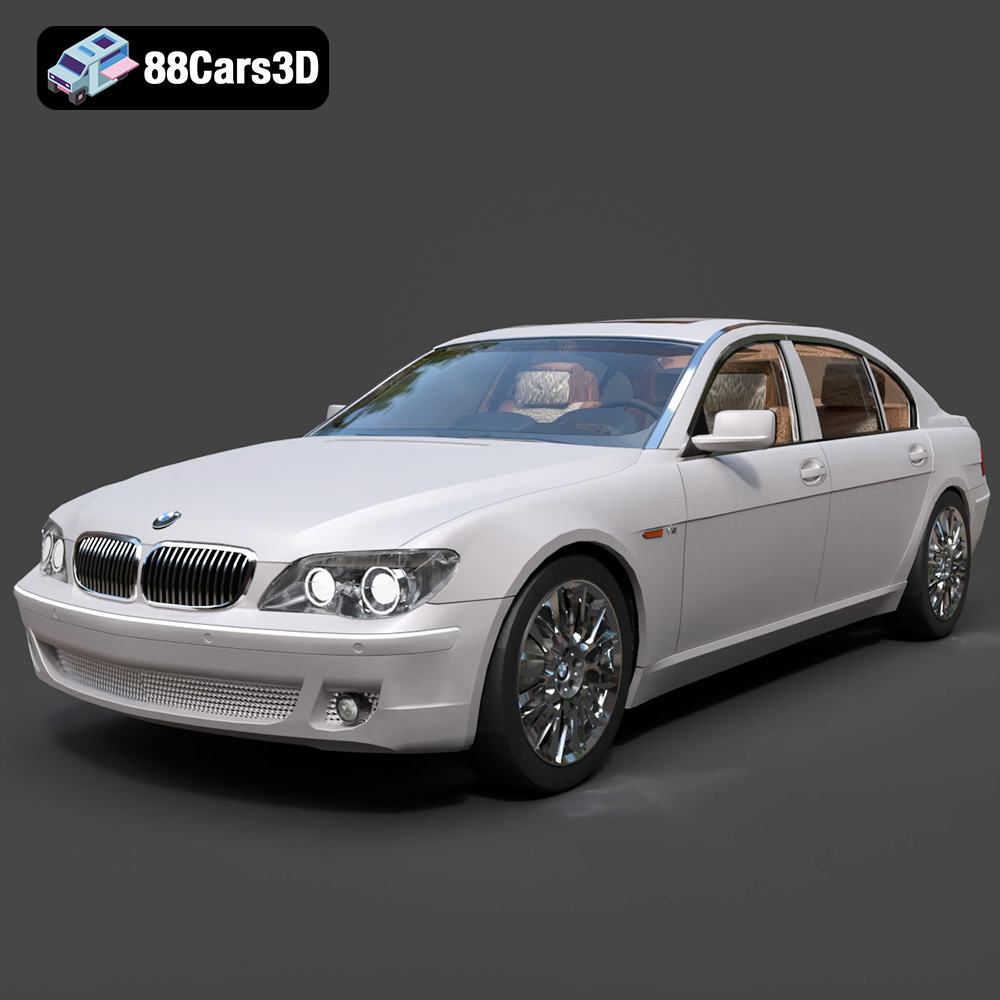
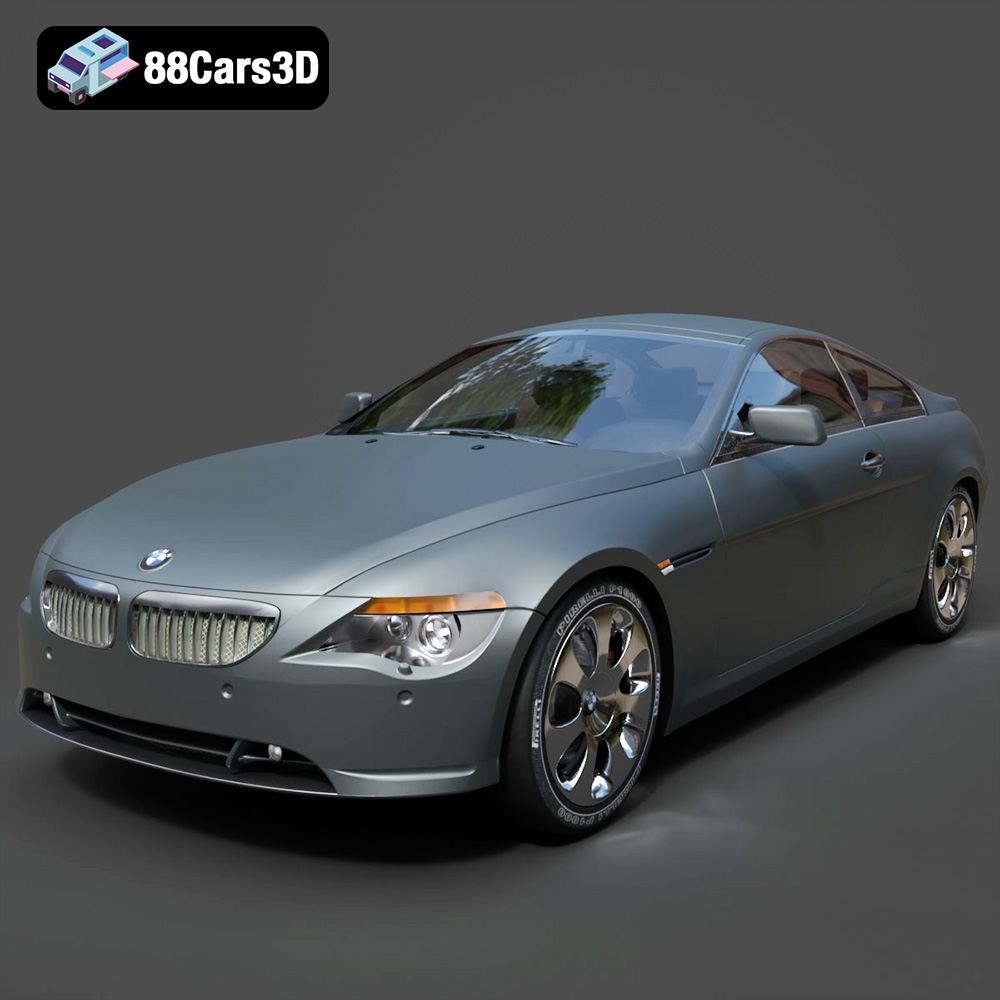
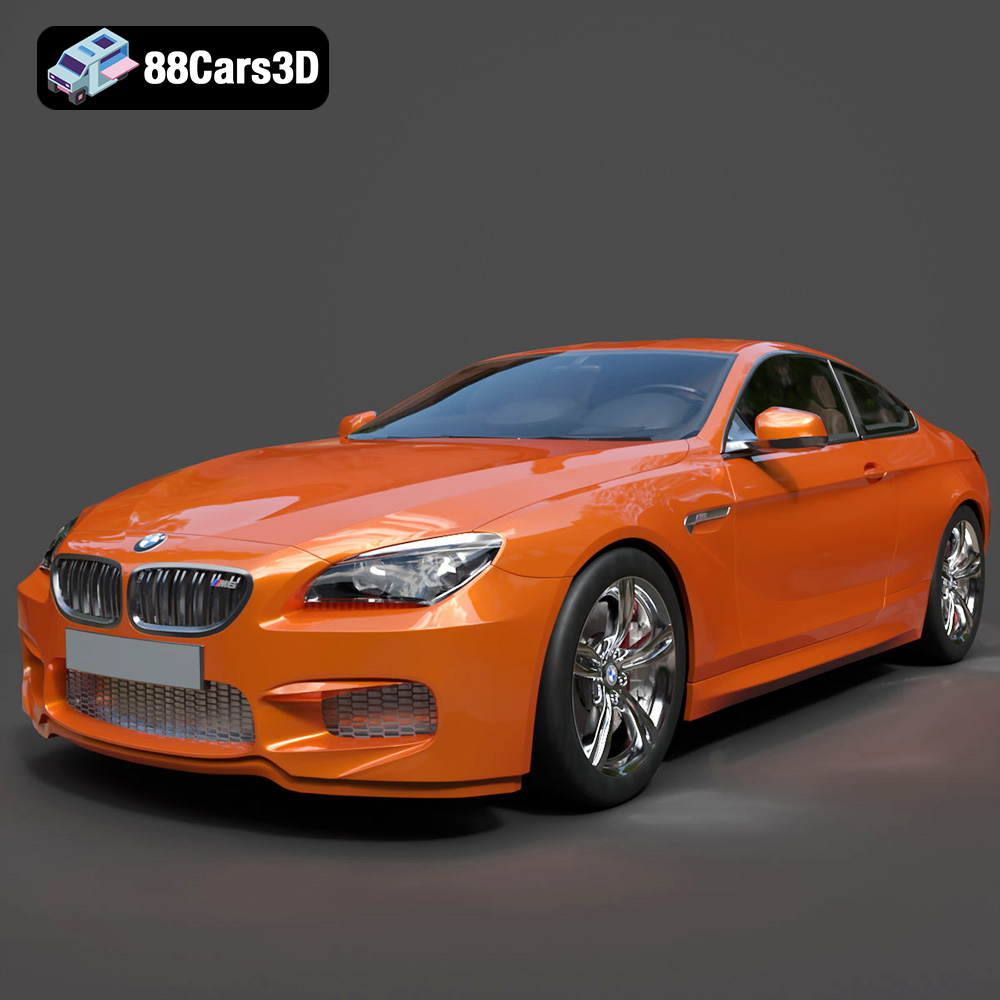
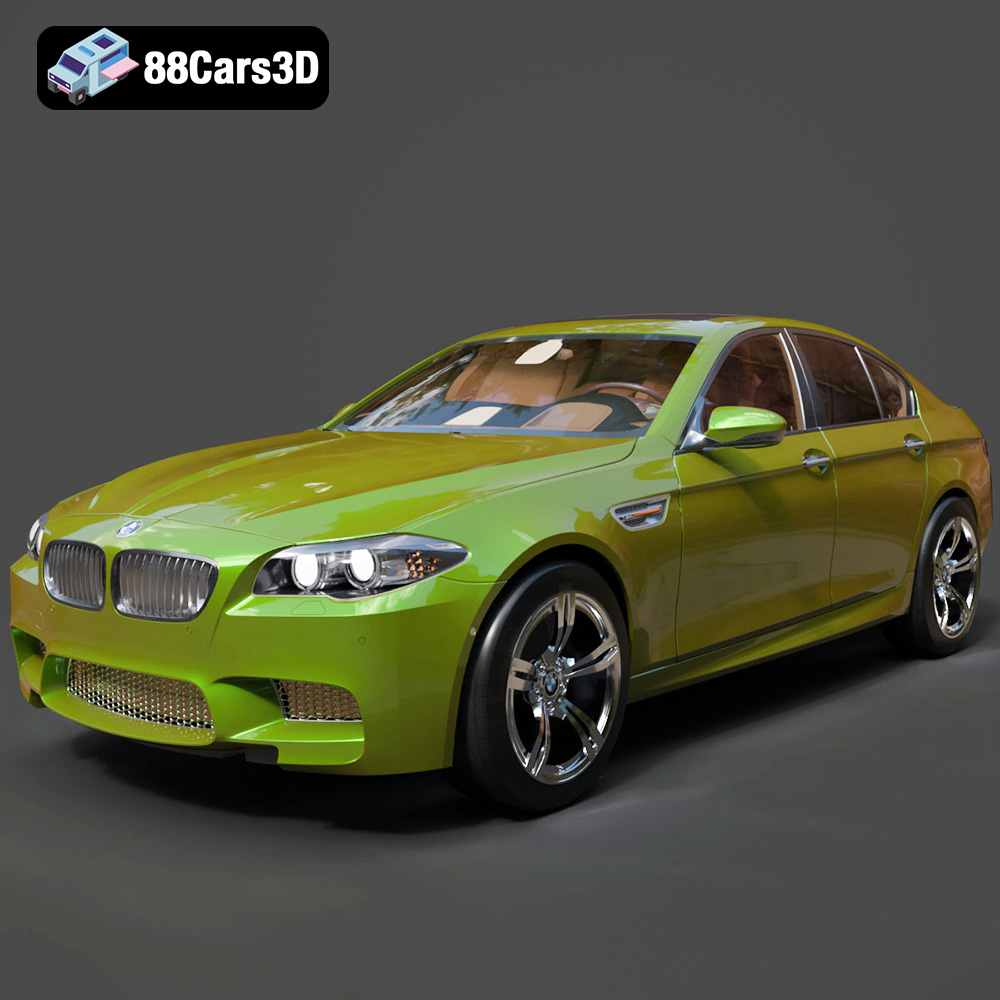
The Unseen Engineering: How High-Quality 3D Car Models Drive Innovation
In the rapidly evolving digital landscape, the demand for realistic and performant 3D car models has never been higher. From breathtaking automotive marketing campaigns and cinematic game cutscenes to intricate engineering simulations and immersive AR/VR experiences, these digital vehicles are the silent workhorses that power modern visualization. The artistry and technical prowess behind a truly high-fidelity 3D car model are immense, requiring a deep understanding of geometry, materials, lighting, and optimization. Whether you’re a professional designer, a game developer, or an architectural visualizer, the quality of your base assets directly impacts the final product.
This comprehensive guide delves into the technical intricacies, workflows, and critical considerations for leveraging professional 3D car models. We’ll explore everything from file formats and rendering techniques to game engine integration and optimization strategies, providing insights for anyone looking to elevate their digital automotive projects. Understanding these elements is crucial, and sourcing reliable, high-quality assets from platforms like 88cars3d.com can be a significant advantage, offering a solid foundation for any demanding project.
The Foundation: Why High-Quality 3D Car Models Matter
The quality of a 3D car model is not merely about aesthetic appeal; it’s about functionality, versatility, and the ability to meet diverse project requirements. A poorly constructed model, regardless of its initial look, can lead to insurmountable problems down the line, from rendering artifacts and poor performance to incompatibility issues across different software.
Precision in Automotive Design Visualization
For automotive designers and engineers, 3D car models are the digital blueprints that bring concepts to life long before a physical prototype is ever built. High-polygon, meticulously detailed models are essential for showcasing intricate design elements, evaluating aerodynamics, and visualizing material finishes with absolute accuracy. These models serve as the basis for marketing renders, virtual showrooms, and design reviews, where every curve, seam, and reflection must be perfect. The precision extends to the internal structure, allowing for detailed exploded views or simulations of mechanical components. A model with clean topology and accurate dimensions is paramount for these high-stakes applications.
Enhancing Realism in Game Development
In the realm of game development, 3D car models are central to creating immersive and believable virtual worlds. Whether it’s a hyper-realistic racing simulator or an open-world adventure, the cars players interact with need to look, feel, and perform authentically. This requires models optimized for real-time rendering, featuring efficient polygon counts, well-laid-out UVs, and PBR (Physically Based Rendering) textures that react realistically to light. Game assets often require multiple Levels of Detail (LODs) to ensure smooth performance across various hardware configurations, dynamic damage states, and robust collision meshes. The blend of visual fidelity and performance optimization is a delicate balance that defines a successful game asset.
The Backbone of Immersive AR/VR Experiences
Augmented Reality (AR) and Virtual Reality (VR) environments demand a unique blend of visual quality and extreme optimization. In these interactive settings, low latency and high frame rates are critical to preventing motion sickness and providing a truly immersive experience. 3D car models used in AR/VR applications must be incredibly lean, with carefully managed polygon counts, simplified materials, and often baked lighting to maximize performance. Despite these constraints, the models must still retain enough detail to be convincing when viewed up close. This makes the selection and preparation of models even more crucial, as every byte and polygon counts towards the overall user experience.
Understanding 3D Model File Formats
Choosing the correct file format for your 3D car model is a critical decision that impacts compatibility, editability, and final application. Each format is designed with specific use cases in mind, offering unique advantages and limitations. Knowing which format to use and when can save countless hours of conversion, optimization, and troubleshooting.
Editable Scene Formats
- .blend (Blender Scene File): This proprietary format saves a complete Blender scene, including all 3D geometry, materials, textures, lighting, cameras, animations, and even physics simulations. It’s fully editable within Blender and provides maximum flexibility for artists working in this open-source environment. When you acquire a .blend file, you’re getting the full working project, allowing for deep customization, re-texturing, re-rigging, or re-lighting. It’s ideal for projects where Blender is the primary DCC (Digital Content Creation) tool and full creative control over the source model is desired. For instance, a model from 88cars3d.com supplied in .blend format offers the most flexibility for a Blender user.
- .max (3ds Max Project File): Similar to .blend, the .max format is the native file type for Autodesk 3ds Max. It stores a complete 3ds Max scene, encompassing geometry, materials, textures, lighting setups, animation data, and plugin-specific information. This format is essential for users of 3ds Max who require full editability, access to modifiers, scene organization, and the ability to leverage 3ds Max’s robust rendering and animation tools. It’s often preferred for architectural visualization, complex animation projects, and high-end automotive rendering where 3ds Max’s powerful toolset is utilized extensively.
Interchange & Real-Time Optimized Formats
- .fbx (Filmbox): Developed by Autodesk, FBX has become an industry standard for data interchange between various 3D applications, game engines, and real-time pipelines like Unreal Engine and Unity. It supports geometry, materials, textures, animations, and bone structures, making it incredibly versatile. While not a native editable scene file for most DCCs (except those by Autodesk), it excels at preserving complex data during export and import, minimizing translation errors. It’s the go-to format for exporting animated character rigs, complex vehicle assemblies, or entire scenes from one software to another for final integration in a game or real-time simulation.
- .obj (Wavefront OBJ): One of the oldest and most universally supported 3D file formats, .obj is a simple, text-based format primarily used to store 3D geometry (vertices, normals, UVs) and material references via an accompanying .mtl file. Its simplicity makes it highly compatible across virtually all 3D software. However, it does not support animations, rigging, or scene hierarchies, limiting its use for complex animated assets. It’s excellent for static mesh exchange, 3D printing preparation, or when you need a pure geometric representation without any software-specific metadata.
- .glb (GL Transmission Format Binary): GLB is the binary version of glTF, an open-standard, royalty-free specification for the efficient transmission and loading of 3D scenes and models by applications. Optimized for the web, AR, and VR, .glb packages all necessary assets (geometry, materials, textures, animations) into a single, compact file. It’s perfect for browser-based 3D viewers, social media filters, AR applications, and any scenario where quick loading and efficient delivery of 3D content are paramount. Its compact nature and wide adoption by web standards make it a powerful choice for modern interactive experiences.
- .unreal (Unreal Engine Asset): This isn’t a single file format in the traditional sense, but rather a descriptor for a set of assets specifically prepared and imported into Unreal Engine. When a 3D car model is described as “unreal” ready, it implies that it has been optimized, has proper collision meshes, LODs (Levels of Detail), and PBR materials set up, ready to be dropped directly into an Unreal Engine project. This saves significant setup time for game developers, as all the engine-specific preparations have already been handled by the asset creator.
Specialized Formats
- .stl (Stereolithography): STL is the standard file format for 3D printing and CAD software. It represents a 3D model as a series of connected triangles, defining only the surface geometry without color, texture, or material information. It’s robust and widely supported by 3D printers and slicing software. If your goal is to physically print a 3D car model, an .stl file is what you’ll need.
- .ply (Polygon File Format): Also known as the Stanford Triangle Format, .ply is a versatile format for storing 3D data, particularly from 3D scanners. It supports geometry, colors per vertex, normal vectors, and other data types, making it suitable for scientific computing, reverse engineering, and applications requiring precise mesh data. It offers more flexibility than .obj in terms of data storage but is less universally supported than .fbx or .obj for general asset exchange.
Understanding these formats allows you to make informed decisions when acquiring 3D car models or preparing your own assets for specific projects. A well-chosen format ensures a smoother workflow and better results.
Mastering Automotive Rendering for Photorealism
Achieving photorealistic automotive rendering is a highly sought-after skill that blends technical expertise with artistic vision. It’s about meticulously recreating the way light interacts with surfaces, mimicking real-world camera effects, and crafting compelling compositions. This process is crucial for marketing, design reviews, and high-end visualizations.
The PBR Workflow: Materials and Textures
At the heart of modern photorealistic rendering lies the Physically Based Rendering (PBR) workflow. PBR materials accurately simulate how light behaves in the real world by defining properties like albedo (base color), roughness, metallicness, and normal maps. For 3D car models, this means recreating the nuanced reflections of polished paint, the subtle texture of matte finishes, the clear transparency of glass, and the intricate details of rubber tires. High-resolution PBR textures (e.g., 4K or 8K) are essential to prevent pixelation and ensure crisp details, especially for close-up renders. A typical material setup for car paint involves a complex shader that accounts for clear coat, metallic flakes, and subsurface scattering for subtle depth. Properly authored UV maps are critical to ensure these textures are applied accurately without stretching or distortion across the model’s surfaces.
Lighting and Environment Setup
Lighting is arguably the most critical element in automotive rendering. Just like in real-world photography, the light source defines the mood, highlights details, and creates realistic reflections. High Dynamic Range Images (HDRIs) are commonly used to provide realistic environmental lighting, capturing real-world lighting conditions and reflections that wrap around the car. Combining HDRIs with targeted area lights, spot lights, or even volumetric lights allows for precise control over highlights, shadows, and mood. Studio lighting setups, often involving large softboxes and rim lights, are popular for showcasing design lines and reflections. Understanding the interplay of direct and indirect illumination, and how it affects metallic and glossy surfaces, is key to bringing out the form and finish of the car.
Post-Production Techniques
While the render engine does most of the heavy lifting, post-production in software like Adobe Photoshop or Affinity Photo is where a good render becomes truly exceptional. Techniques such as color grading, adding subtle lens flares, depth of field, chromatic aberration, and film grain can significantly enhance realism and visual appeal. Adjusting contrast and vibrancy, painting in subtle dust or smudges, and compositing with backplates or environment elements are common practices. The goal is to refine the image, correct minor imperfections, and inject an artistic touch that elevates the render beyond a purely technical output into a captivating visual story. Many artists also use render passes (e.g., diffuse, reflection, shadow, ambient occlusion) to gain granular control over each element during compositing.
Integrating 3D Car Models into Game Engines (Unreal Engine Focus)
Bringing a meticulously crafted 3D car model into a real-time game engine like Unreal Engine requires a specialized workflow focused on performance and interactivity. The goal is to maintain visual fidelity while ensuring the asset runs smoothly at high frame rates.
Asset Preparation and Optimization (LODs, Collisions, UVs)
Before importing into Unreal, significant preparation is required.
- Level of Detail (LODs): To manage performance, especially for vehicles that might appear at varying distances from the camera, multiple LODs are crucial. An LOD0 (the highest detail model) is used when the car is close, while LOD1, LOD2, and further LODs are progressively lower poly versions that swap in as the car gets further away, significantly reducing rendering overhead. This transition is typically automatic within Unreal Engine.
- Collision Meshes: For physics simulation and player interaction, dedicated collision meshes are necessary. These are simplified, often convex hull representations of the car’s shape, which are invisible but define its physical presence in the world. Accurate collision meshes prevent unrealistic interactions and allow for proper vehicle dynamics.
- UV Maps: Clean and efficient UV maps are paramount. Beyond the primary UV set for textures, a second UV set is often needed for baked lighting (lightmaps) in Unreal Engine. These UVs must not overlap to prevent lighting artifacts.
- Topology and Triangulation: Ensure the model has clean, optimized topology with minimal unnecessary edges. While modeling is often done with quads, game engines convert everything to triangles, so understanding how your model will triangulate upon export is important to avoid artifacts.
Importing and Material Setup in Unreal Engine
Once prepared, the 3D car model, typically in .fbx format, is imported into Unreal Engine. During import, settings for LODs, collision generation, and normal import are configured. Post-import, the process shifts to material setup:
- PBR Material System: Unreal Engine leverages a robust PBR material system. You’ll connect your albedo, normal, roughness, metallic, and ambient occlusion texture maps to the corresponding inputs on a master material. Instance materials are then created from this master to allow for easy variations (e.g., different paint colors) without duplicating complex shader graphs.
- Car Paint Shaders: Recreating realistic car paint requires advanced material graphs within Unreal. This often involves layering clear coat reflections, metallic flake effects, and Fresnel reflections to mimic real-world automotive finishes. Custom material functions can encapsulate these complex effects for reusability.
- Glass and Lights: Transparent and emissive materials for windows, headlights, and taillights need careful setup, considering transparency modes, refraction, and bloom effects for emissive elements.
The ease of importing pre-optimized, engine-ready assets from sources like 88cars3d.com can significantly accelerate development time, ensuring your game assets are of professional quality from the start.
Performance Considerations for Real-Time Game Assets
Every element in a game engine contributes to performance. For 3D car models, this means careful management of polygon count, draw calls, and texture memory.
- Draw Calls: Minimize the number of unique materials used on a single vehicle to reduce draw calls, which can be a significant performance bottleneck. Combining textures into atlases and using a single master material with instances is a common optimization.
- Texture Resolution: Use appropriate texture resolutions. While 4K textures look great up close, a smaller 2K or 1K texture might suffice for less prominent parts or for lower LODs, saving valuable VRAM.
- Occlusion Culling: Ensure the car’s individual components (e.g., interior, engine bay) are set up to benefit from occlusion culling, meaning parts not visible to the camera are not rendered.
- Blueprint & Physics Optimization: The actual vehicle blueprint in Unreal Engine, which handles movement, physics, and interactions, also needs optimization. Efficient use of physics constraints, wheel setups, and input handling ensures a smooth and responsive driving experience.
Achieving a balance between stunning visuals and fluid performance is the hallmark of expertly integrated game assets.
Advanced Workflows and Customization
While purchasing high-quality 3D car models provides an excellent foundation, often projects require customization or a deeper dive into specific details. Understanding advanced workflows allows artists to tailor assets to their exact vision or integrate them into complex scenes.
Customizing Models in 3ds Max and Blender
Having access to the native scene files, such as .max or .blend, unlocks a world of customization. In 3ds Max, artists can leverage its powerful modifier stack to non-destructively alter geometry, add subdivisions, or apply deformation. Boolean operations can be used for cutting intricate details, and the advanced modeling tools allow for precise adjustments to curves and surfaces. Similarly, Blender’s extensive toolset, including its robust sculpting, modeling, and procedural texturing capabilities, offers immense flexibility. Artists can change vehicle body kits, modify interiors, create custom spoilers, or even develop entirely new variants from a base model. This deep level of customization is invaluable for projects that require unique design elements or brand-specific adaptations. For example, a model from 88cars3d.com might serve as the perfect starting point for a bespoke concept car visualization.
Leveraging High-Poly for Detail, Low-Poly for Performance
A common and highly effective workflow involves using a high-polygon model for baking details onto a low-polygon mesh.
- High-Poly Sculpting/Modeling: A high-poly model, often reaching millions of polygons, captures all the intricate surface details – panel gaps, subtle curvatures, small vents, and fine textures – that would be too costly to render in real-time. This model is typically created through traditional subdivision modeling, CAD conversion, or even digital sculpting.
- Low-Poly Retopology: A separate, optimized low-polygon mesh is then created. This mesh is designed with clean topology and efficient polygon distribution, specifically for real-time rendering or game engines. Its poly count is orders of magnitude lower than the high-poly version.
- Normal Map Baking: The detail from the high-poly model is “baked” onto the low-poly model using normal maps. A normal map stores directional information, tricking the renderer into perceiving surface detail that isn’t actually present in the low-poly geometry. This technique allows visually rich models to perform efficiently in real-time applications, preserving the aesthetic quality without the computational cost.
This workflow is fundamental for creating high-quality game assets and optimized models for AR/VR, bridging the gap between cinematic detail and real-time performance.
Case Study: From Concept to Cinematic Render
Consider a scenario where an automotive studio needs to visualize a new concept car. The process begins with industrial designers providing initial sketches and CAD data. A 3D artist takes this data and refines it in 3ds Max, building a high-fidelity 3D car model with pristine topology. They then develop complex PBR materials for the unique paint finish, intricate headlight arrays, and custom wheel designs. The model is then brought into a rendering engine like V-Ray or Corona, where a sophisticated studio lighting setup is crafted, utilizing multiple light sources and HDRIs to accentuate the car’s form and reflections. Camera angles are chosen to emphasize design elements, and depth of field is carefully controlled. Finally, in post-production, subtle atmospherics, color grading, and lens effects are added to achieve a cinematic, magazine-quality render that breathes life into the concept. This entire process, from initial model construction to final render, can span weeks, underscoring the value of starting with a robust, well-constructed base model.
The Value Proposition of Sourcing Professional 3D Car Models
The decision to either build 3D car models from scratch or source them from professional marketplaces like 88cars3d.com carries significant implications for project timelines, budget, and overall quality. For many, the advantages of leveraging pre-made, high-quality assets are compelling.
Saving Time and Resources
Creating a high-fidelity 3D car model from the ground up is an incredibly time-consuming and resource-intensive endeavor. It requires specialized skills in modeling, UV mapping, texturing, and often rigging, which can take hundreds of hours for a single vehicle. For studios with tight deadlines or independent artists working on multiple projects, this time investment can be prohibitive. By purchasing ready-to-use assets, particularly those pre-optimized for specific pipelines (like game assets for Unreal or Unity), development cycles are dramatically shortened. This allows teams to focus their creative energy on other critical aspects of their project, such as scene composition, animation, or interactive elements, rather than the foundational asset creation.
Ensuring Quality and Consistency
Professional marketplaces vet their assets to ensure they meet industry standards for quality, topology, UV layout, and PBR material consistency. This means artists can rely on receiving models that are clean, accurately scaled, and properly textured, minimizing the risk of encountering problematic geometry or materials that could derail a project. For projects requiring multiple vehicles, sourcing from a reputable provider helps maintain a consistent level of quality across all assets, ensuring a cohesive visual style. This consistency is vital for large-scale simulations, game worlds, or extensive visualization libraries. 88cars3d.com, for instance, focuses on delivering assets that meet these rigorous quality benchmarks, providing peace of mind for buyers.
Expanding Creative Possibilities with a Robust Asset Library
A comprehensive library of high-quality 3D car models empowers artists and designers to experiment more freely and expand their creative horizons. Instead of being limited by the time it takes to model a specific car, they can quickly iterate through various vehicles, test different scenarios, or populate large scenes with diverse automobiles. This accessibility encourages exploration of new visual styles, narrative possibilities, and technical challenges without the bottleneck of asset creation. Whether for a unique concept visualization, a realistic traffic simulation, or populating a vast game world, having immediate access to a wide array of professionally crafted models allows creativity to flourish unobstructed.
Conclusion
The world of 3D car models is a complex yet fascinating intersection of art and engineering, driving innovation across diverse industries from cinematic automotive rendering to interactive game assets. We’ve explored the critical role of high-quality models, delved into the specifics of various file formats like .blend, .fbx, and .unreal, and outlined the intricate workflows for achieving photorealism in rendering and optimal performance in game engines. The journey from a raw mesh to a polished, engine-ready asset is paved with technical considerations, from meticulous UV mapping and PBR material authoring to strategic LOD implementation and collision geometry creation.
Ultimately, the success of any project utilizing 3D car models hinges on the foundation of quality. Sourcing assets from dedicated platforms like 88cars3d.com provides not just convenience, but a crucial assurance of professional-grade quality, consistency, and technical readiness. By understanding the intricacies of these digital vehicles and leveraging expert-created resources, artists and developers can save invaluable time, elevate their creative output, and push the boundaries of what’s possible in digital visualization. Embrace the power of high-fidelity 3D car models to truly accelerate your next project.
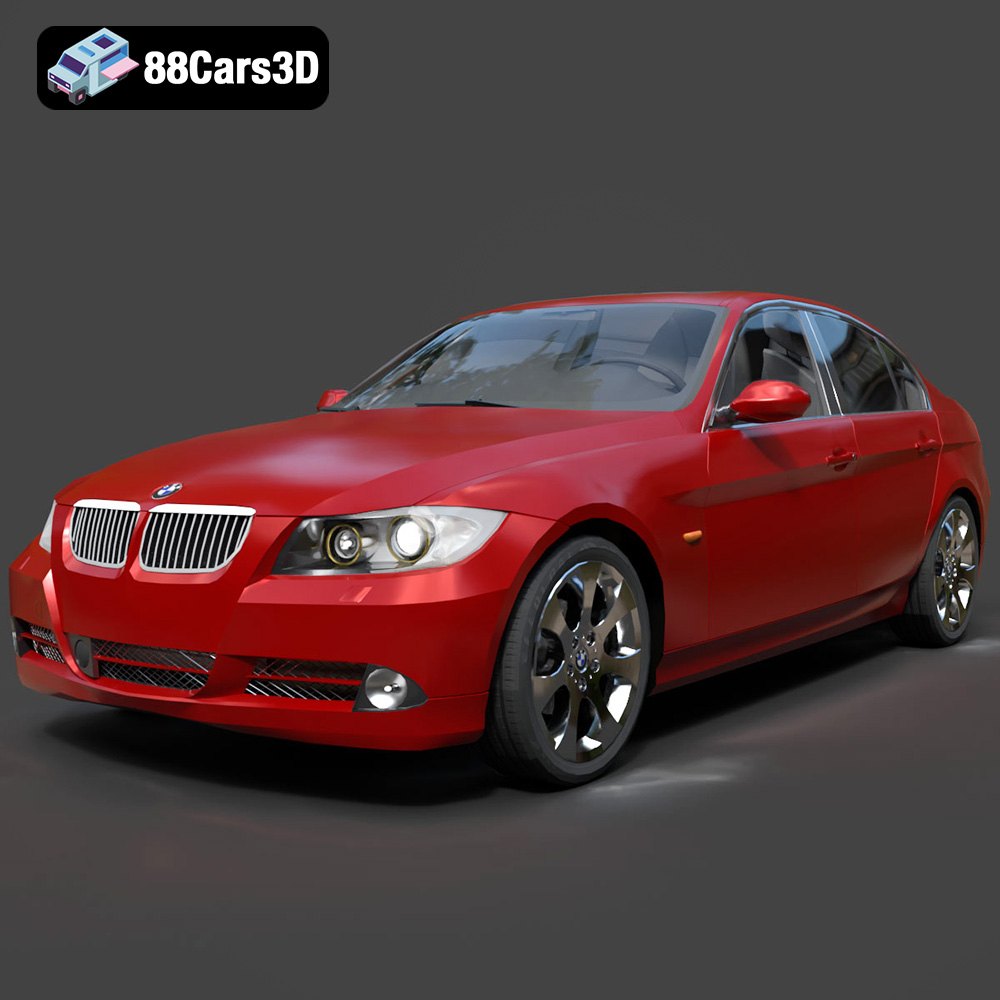
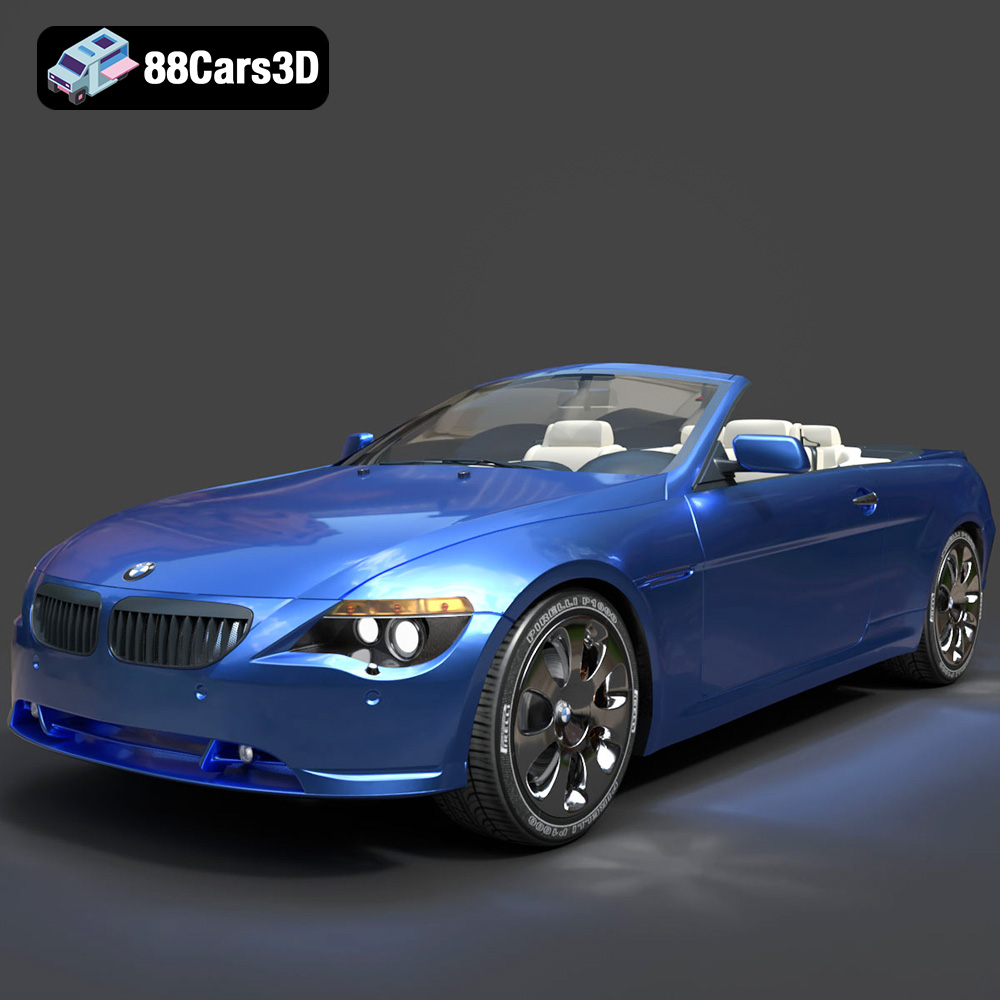
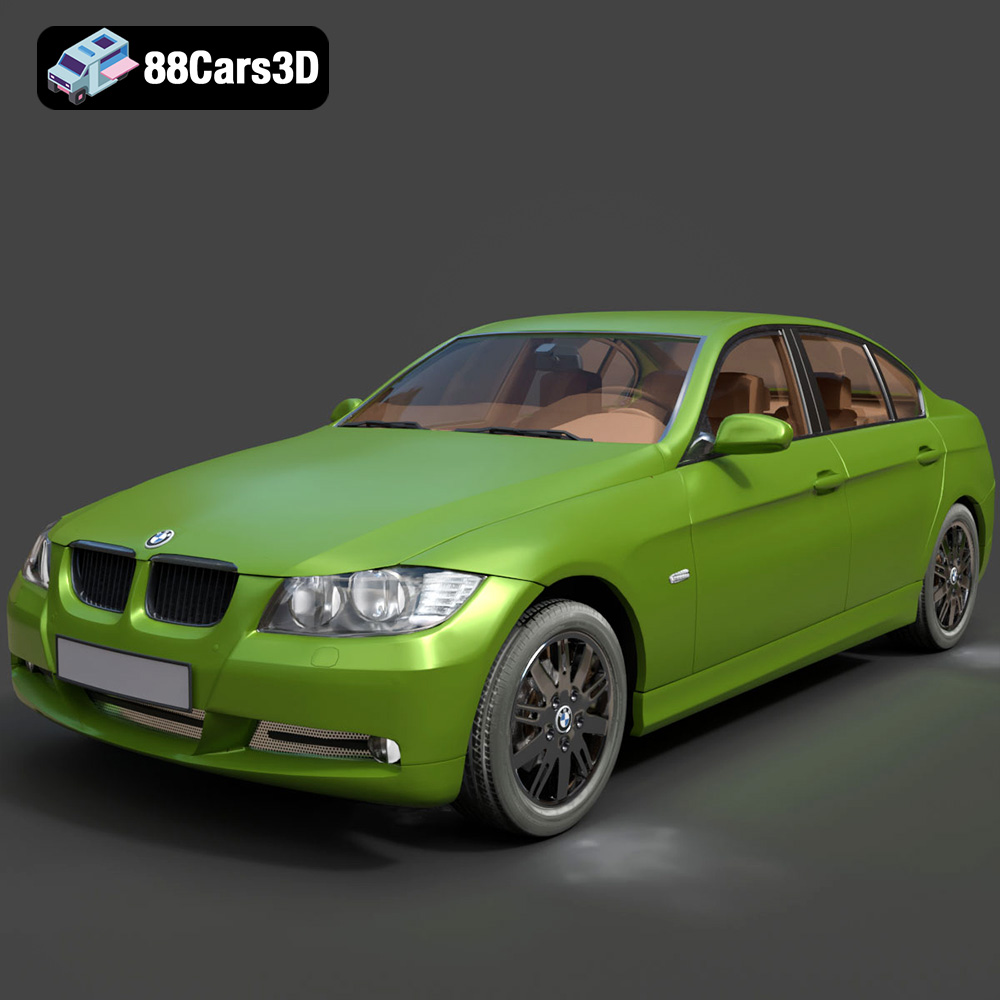
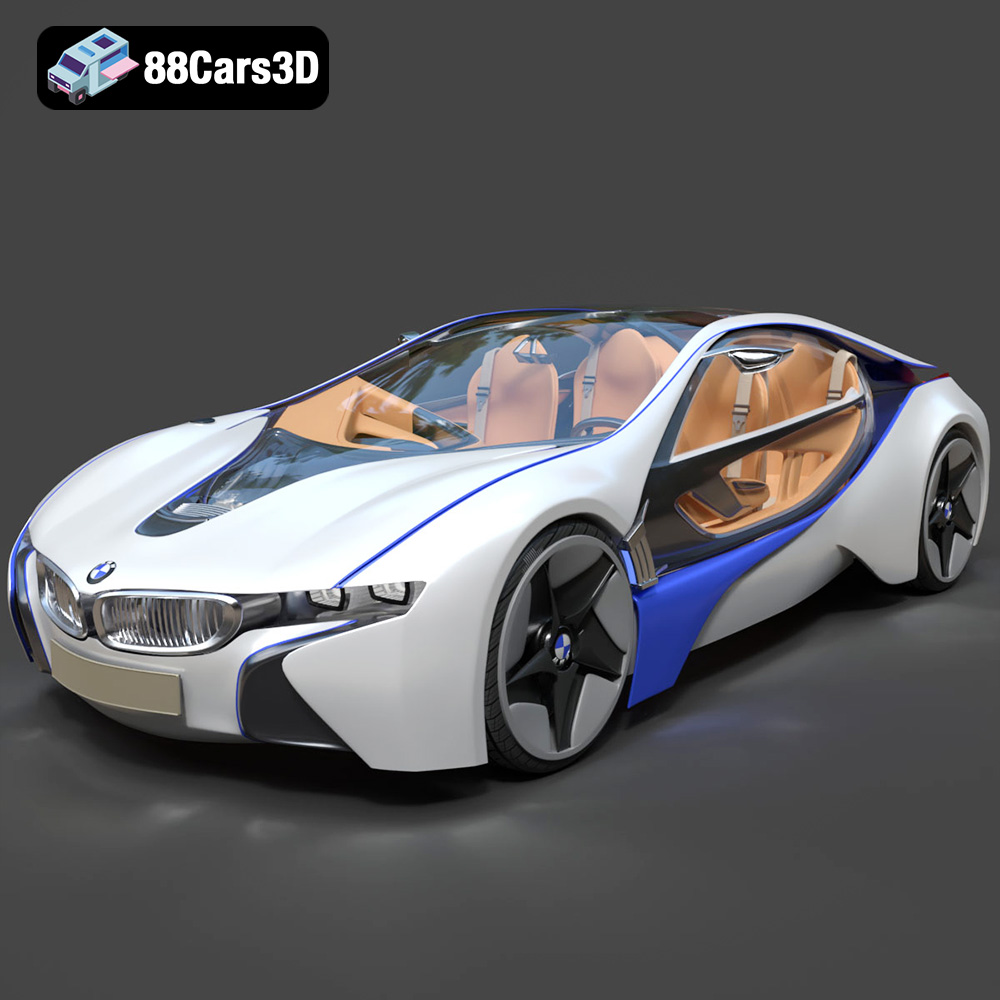
Featured 3D Car Models