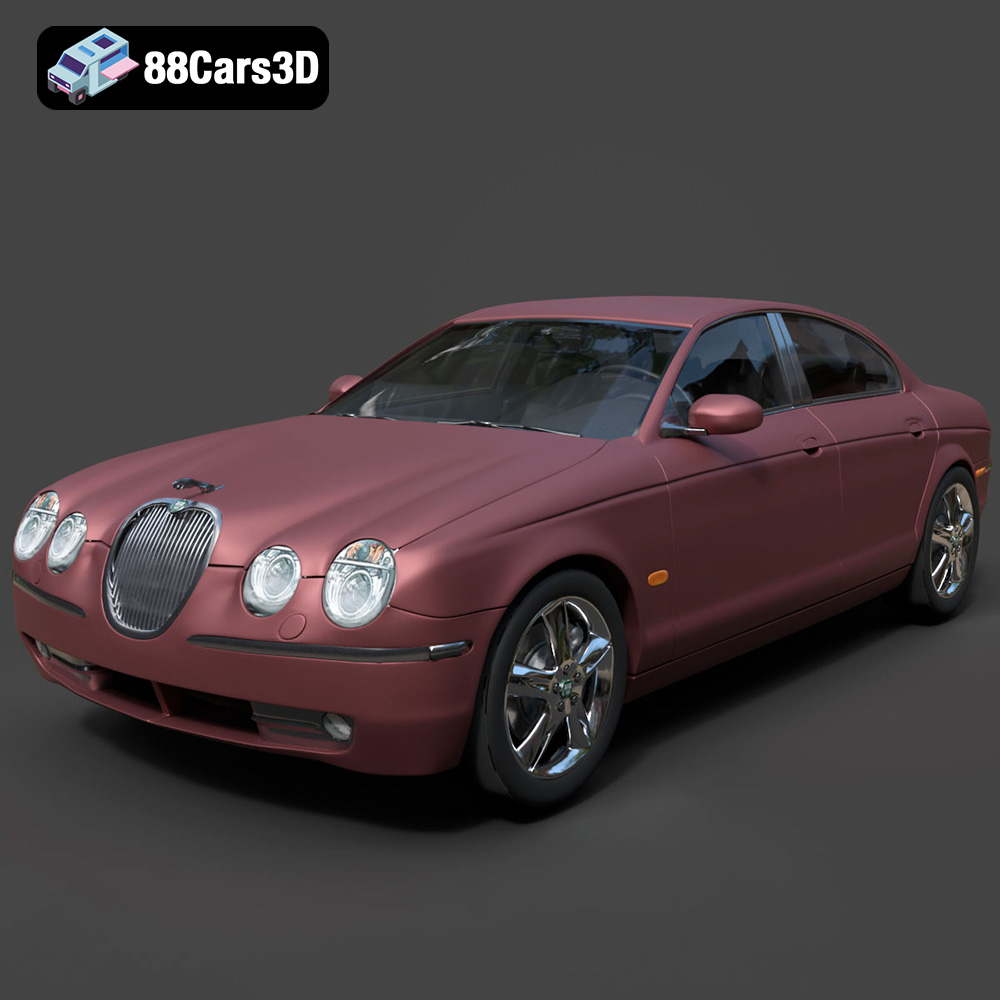
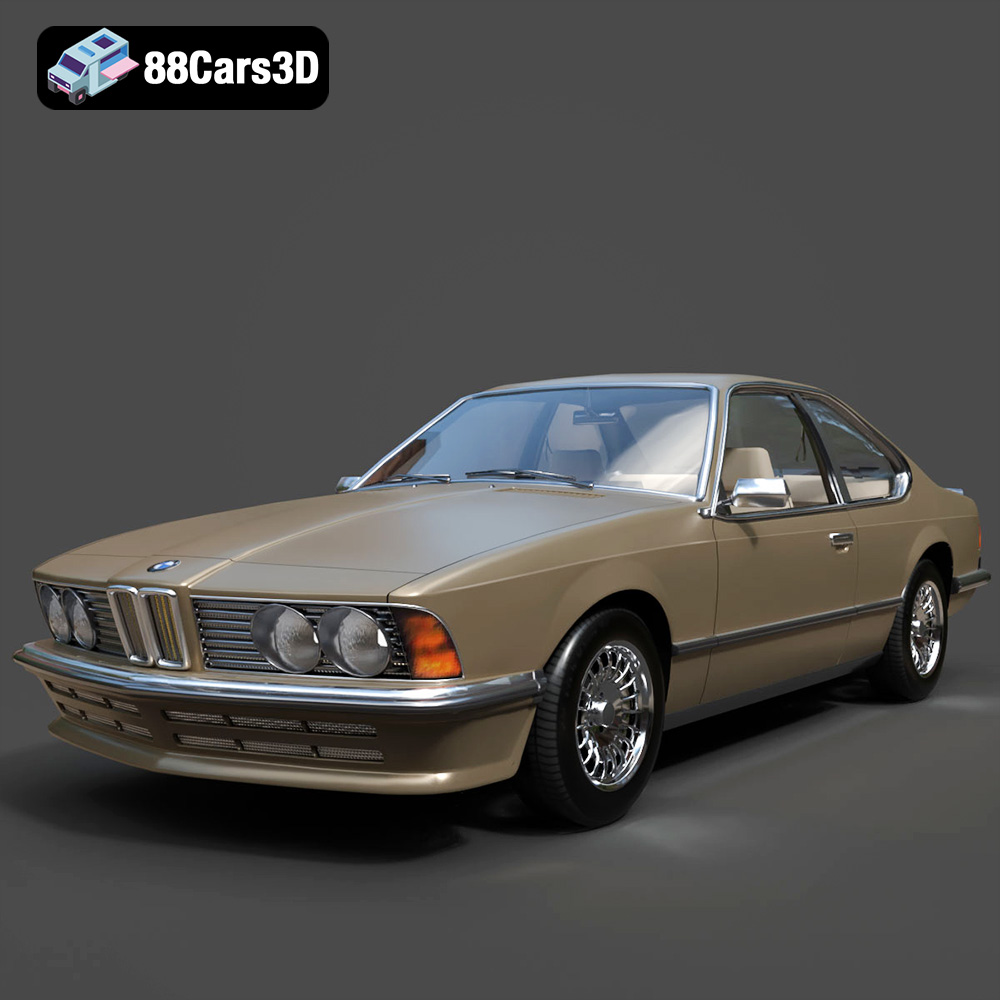
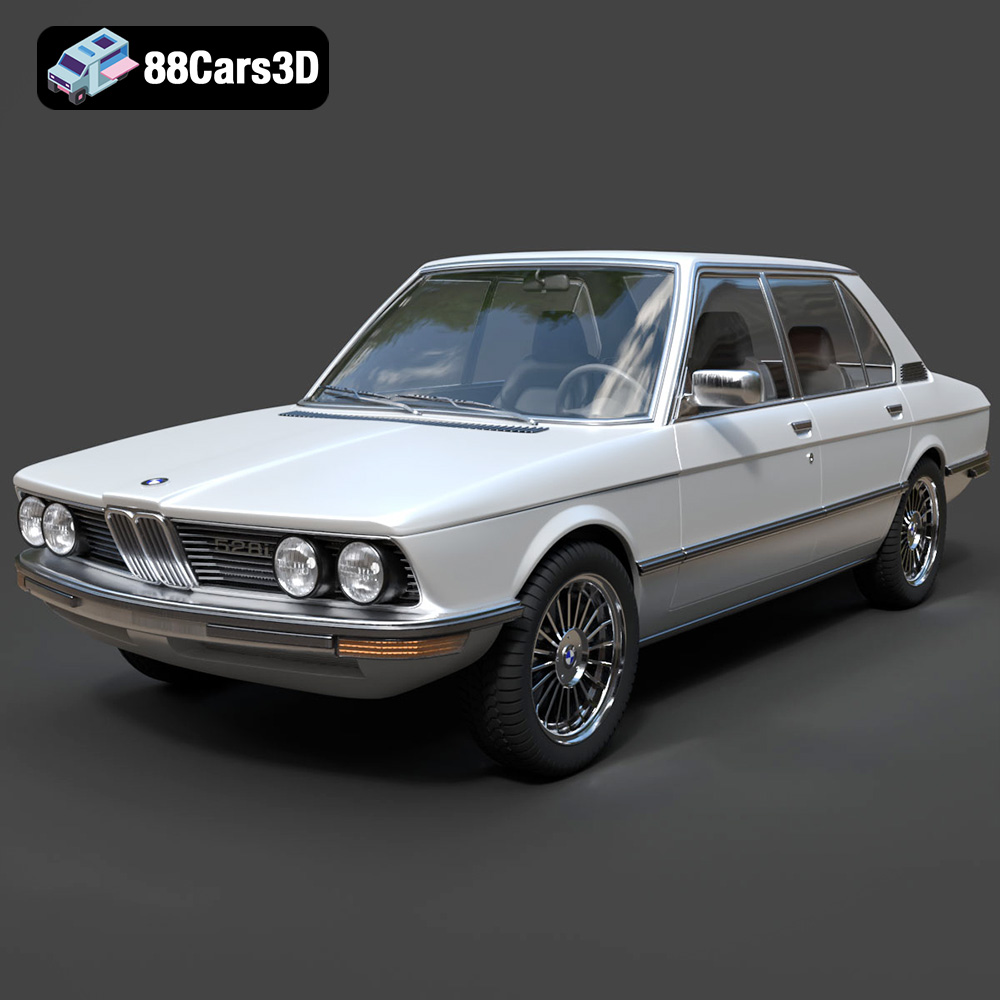
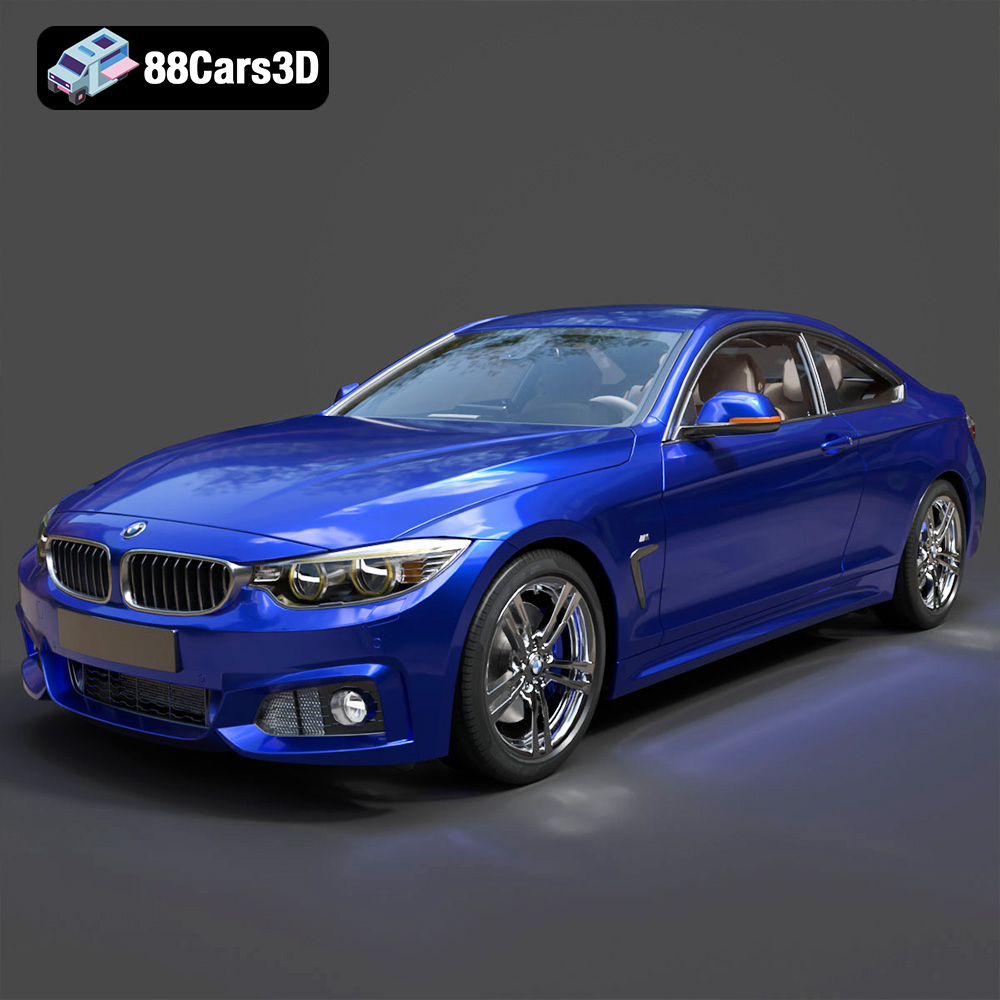
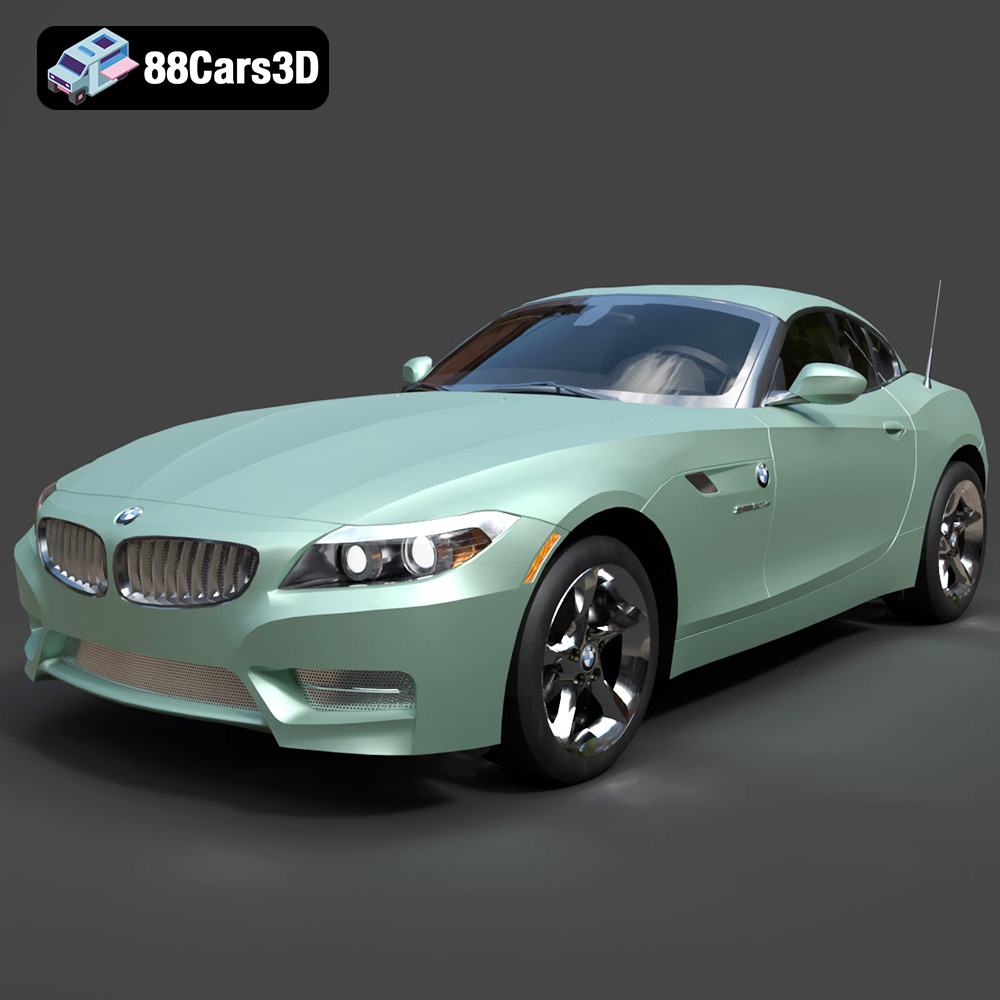
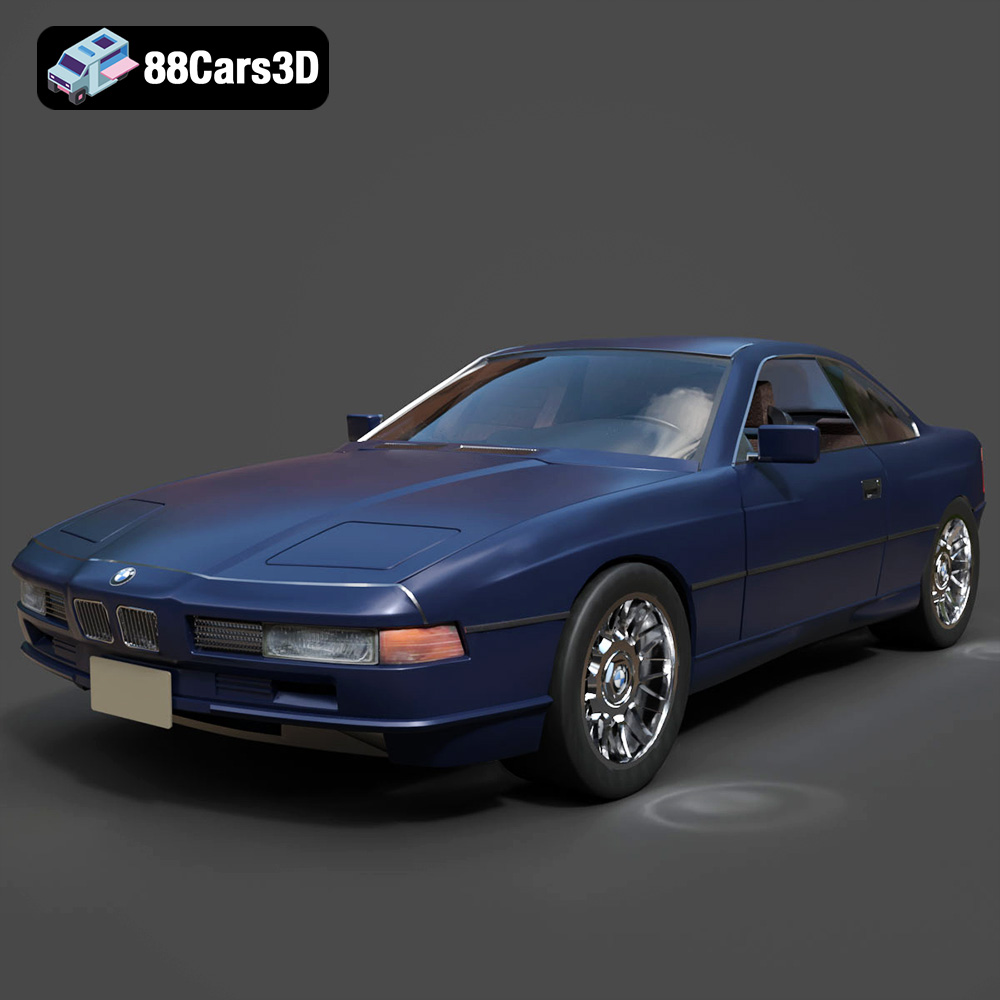
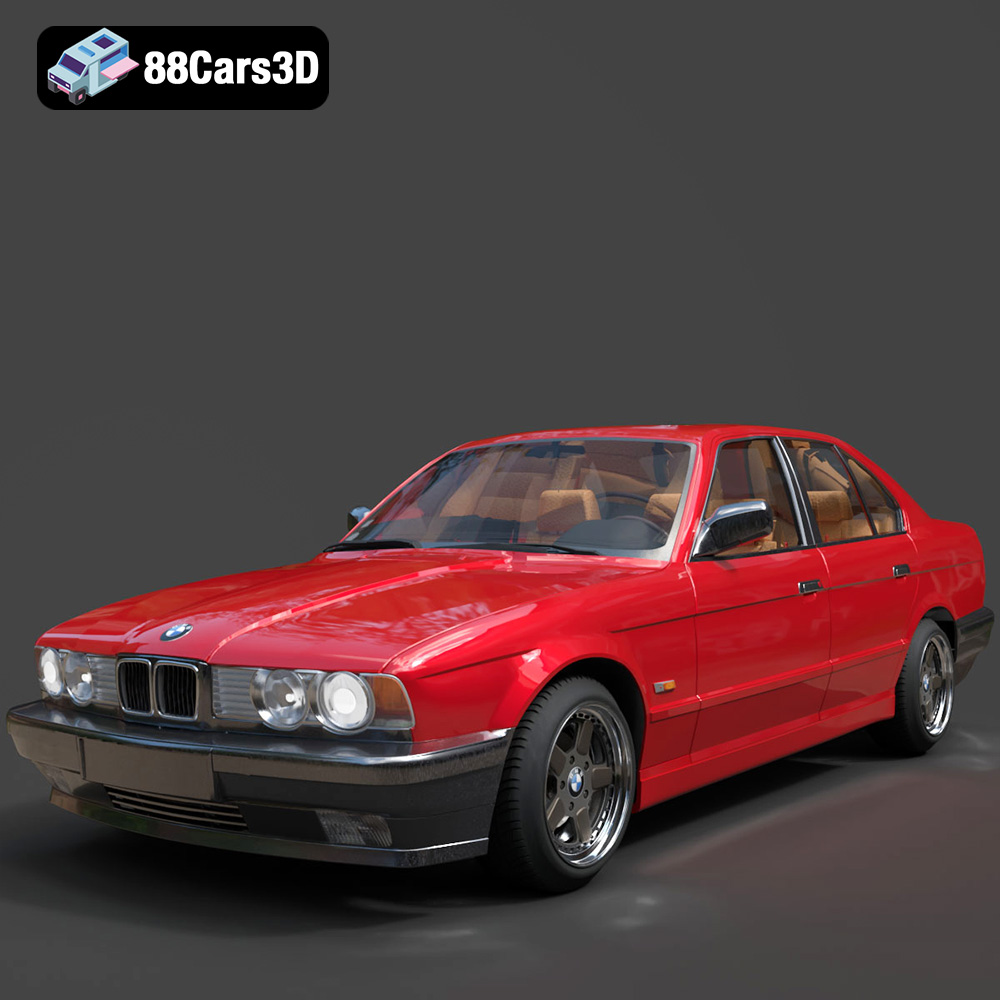
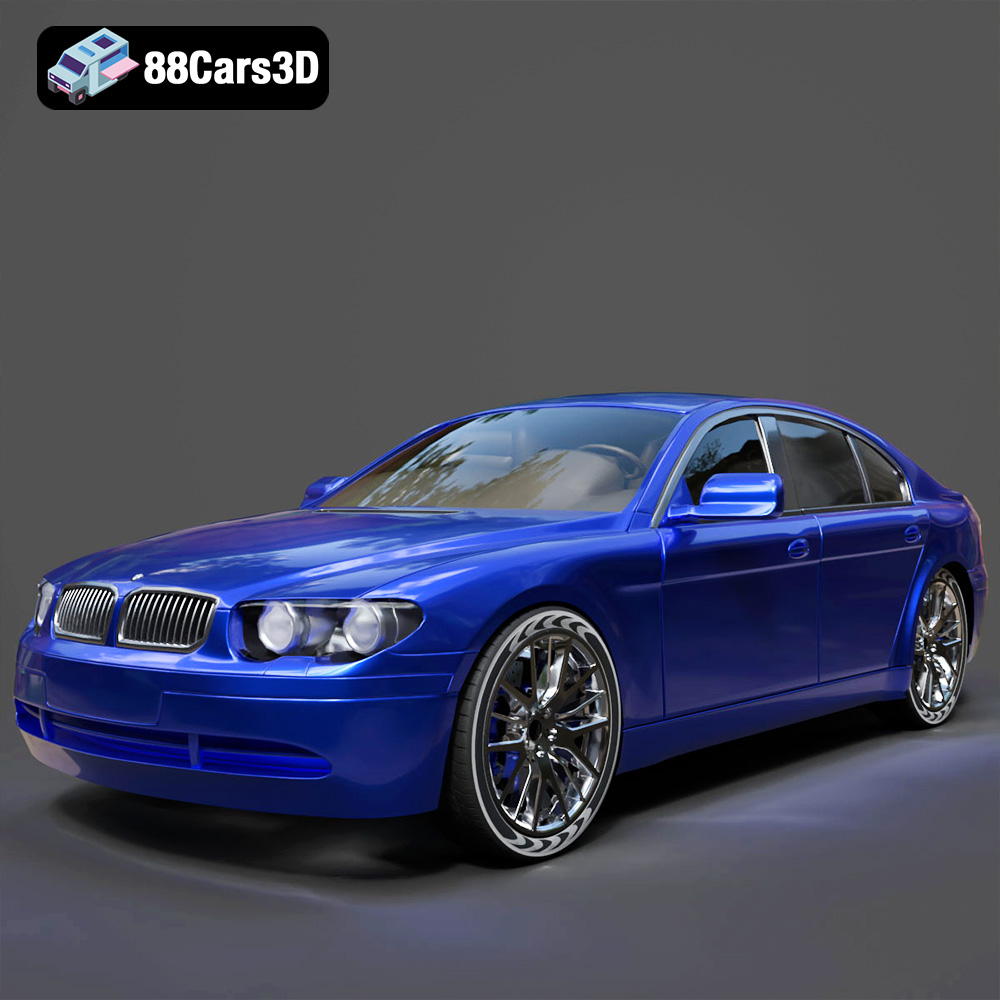
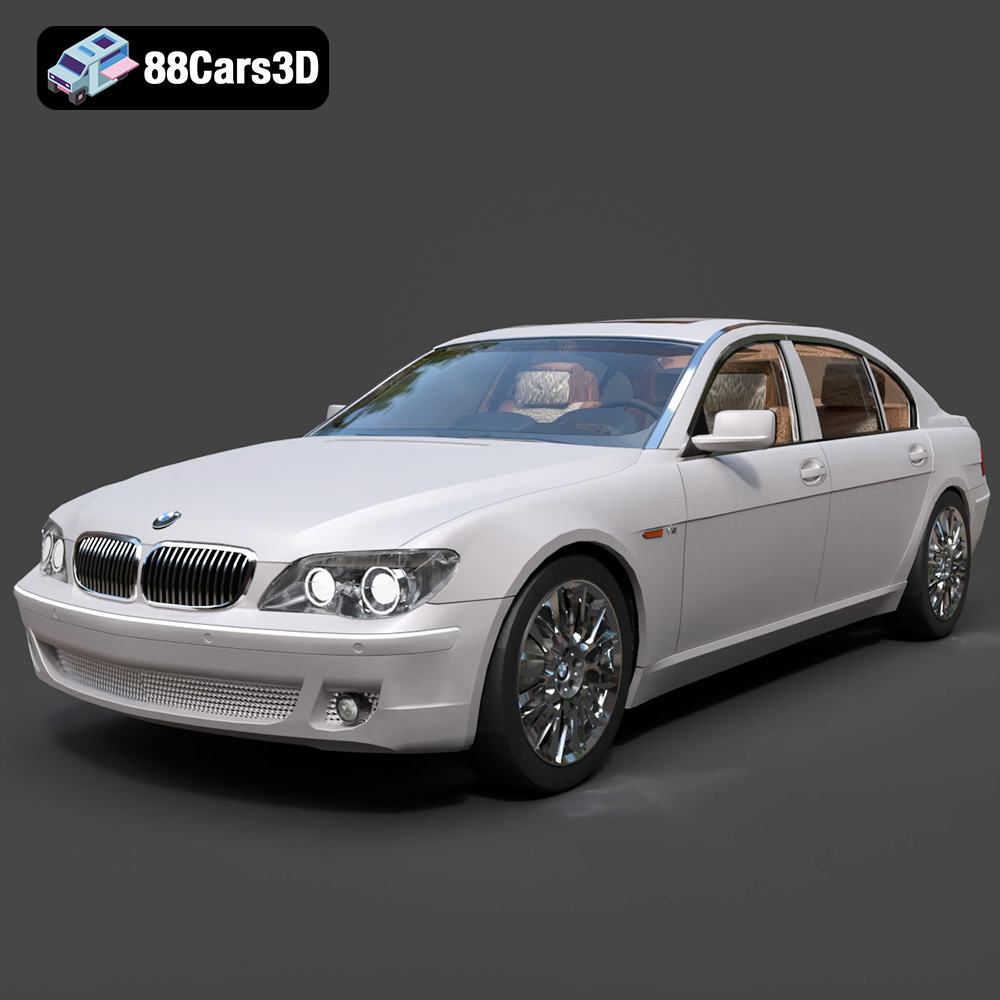
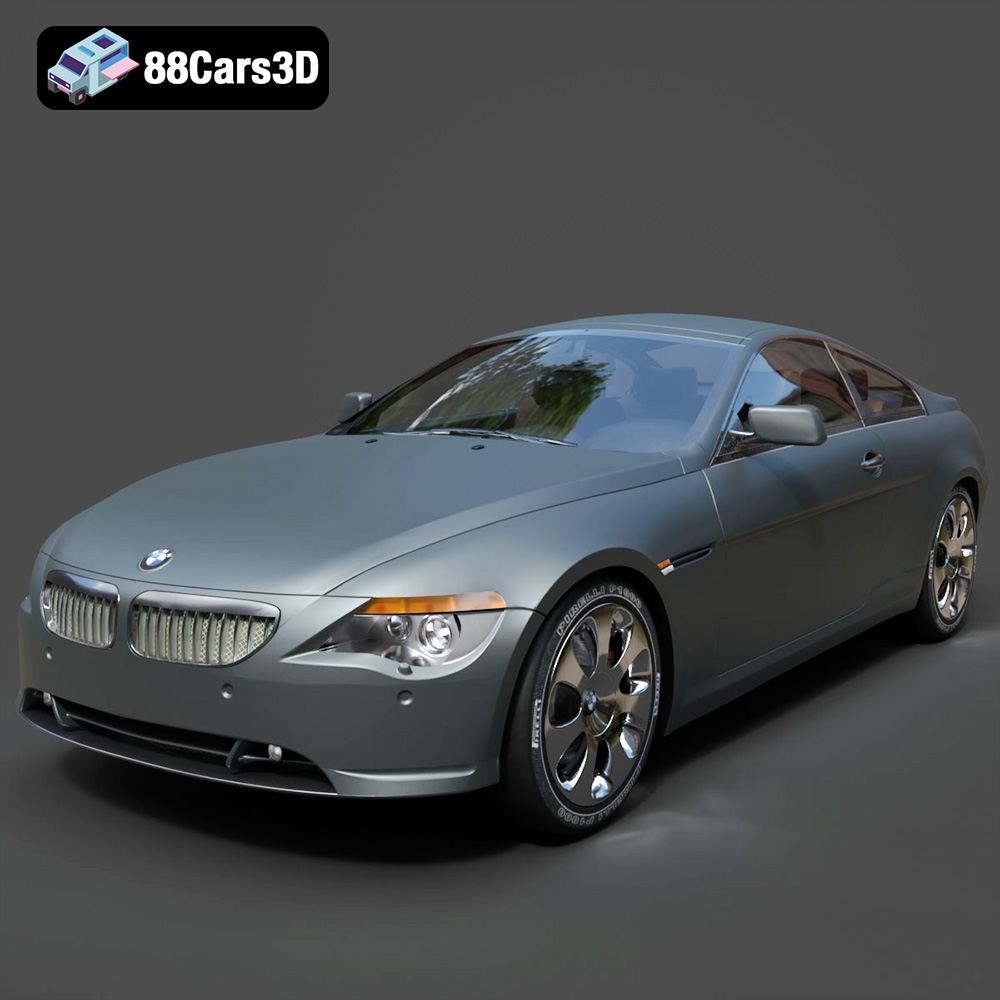
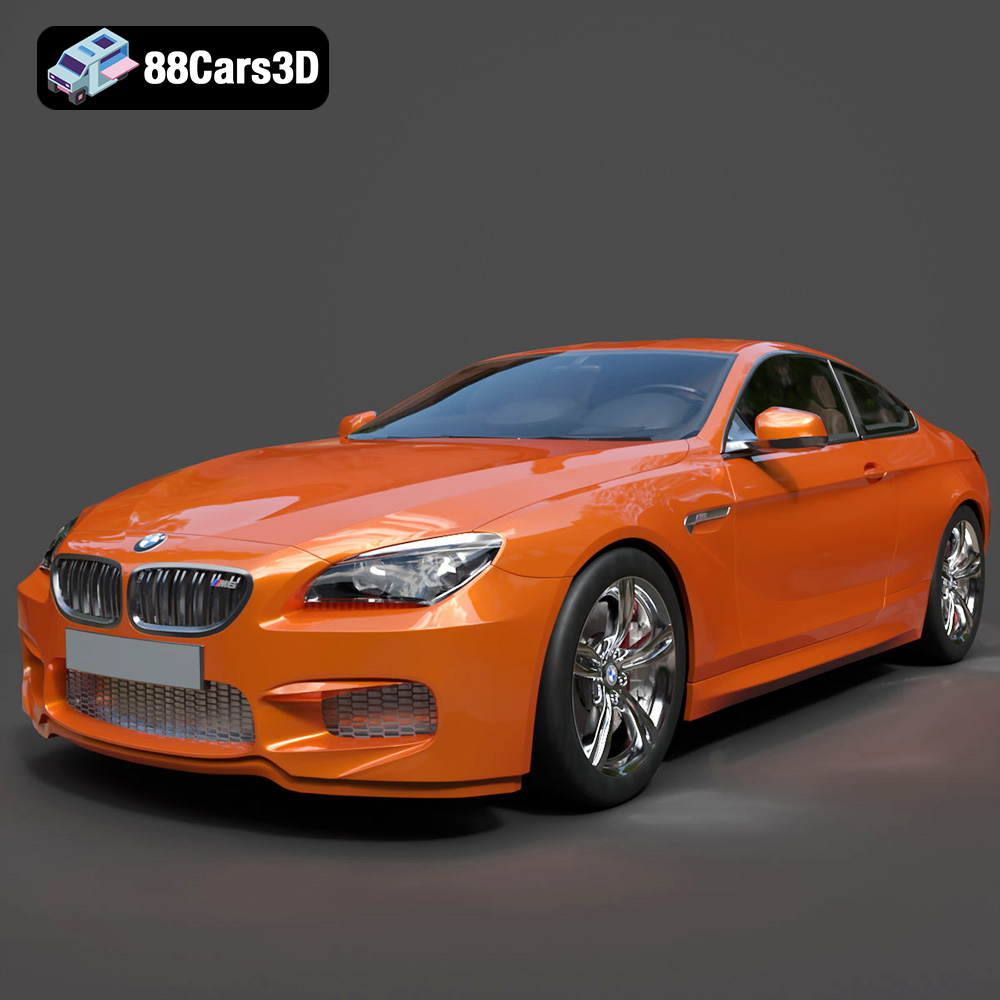
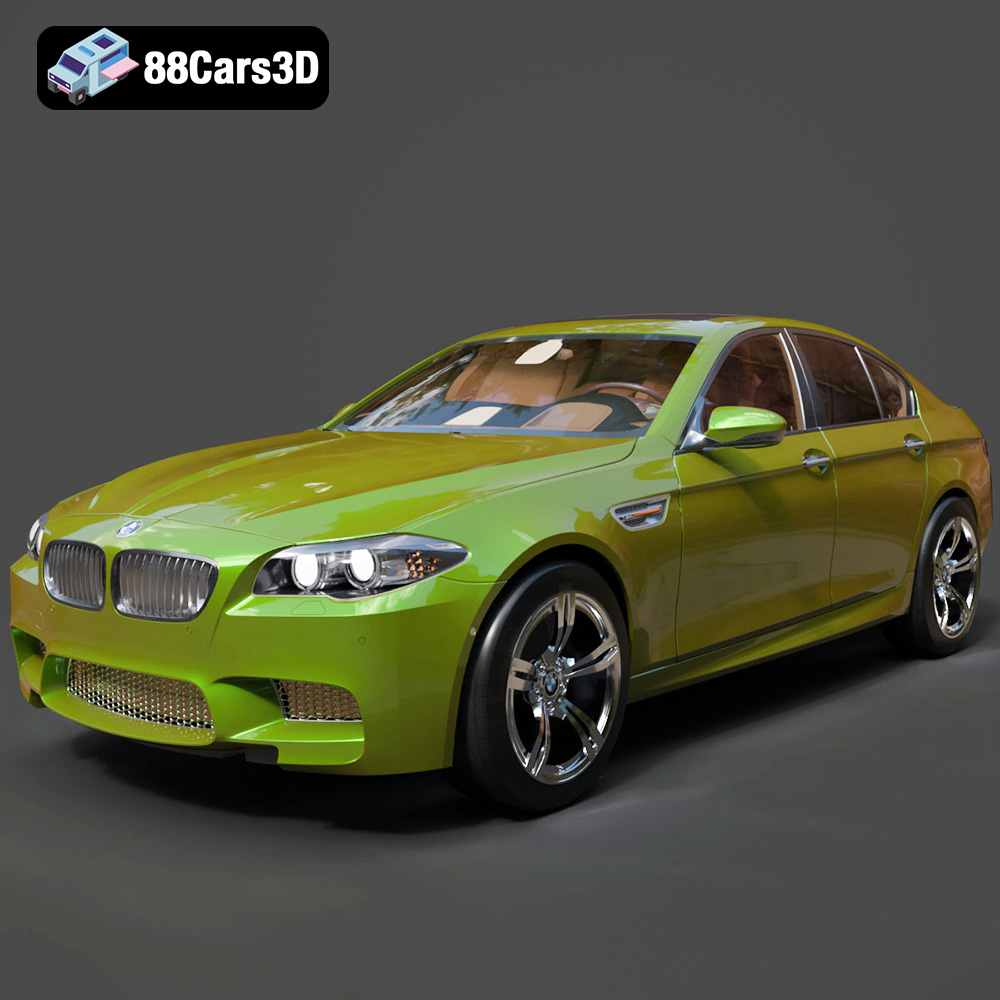
Driving Innovation: The Art and Science of High-Quality 3D Car Models in Modern Visual Production
In today’s visually-driven world, the demand for exceptionally realistic and meticulously crafted 3D car models has exploded across numerous industries. From blockbuster films and immersive video games to cutting-edge automotive design visualization and augmented reality experiences, the digital automobile is a cornerstone of modern creative production. These intricate digital assets are far more than mere visual representations; they are complex technical marvels that require a deep understanding of geometry, materials, lighting, and performance optimization.
The ability to accurately depict every curve, reflection, and mechanical detail of a vehicle can make or break a project’s credibility. Whether you’re an automotive designer showcasing a new concept, a game developer building a high-octane racing title, or an advertiser creating a compelling commercial, the quality of your 3D car models directly impacts the final output. This comprehensive guide will delve into the critical aspects of working with high-quality 3D vehicles, exploring essential file formats, advanced rendering workflows, game optimization techniques, and real-world applications that showcase the power of these digital assets.
The Foundation: Why High-Quality 3D Car Models Matter
The pursuit of perfection in digital automotive representation is not merely an aesthetic choice; it is a fundamental requirement driven by the high expectations of modern audiences and the technical demands of contemporary software. A superior 3D car model provides an unparalleled level of detail and flexibility, serving as a versatile asset across diverse platforms.
Realism in Automotive Rendering
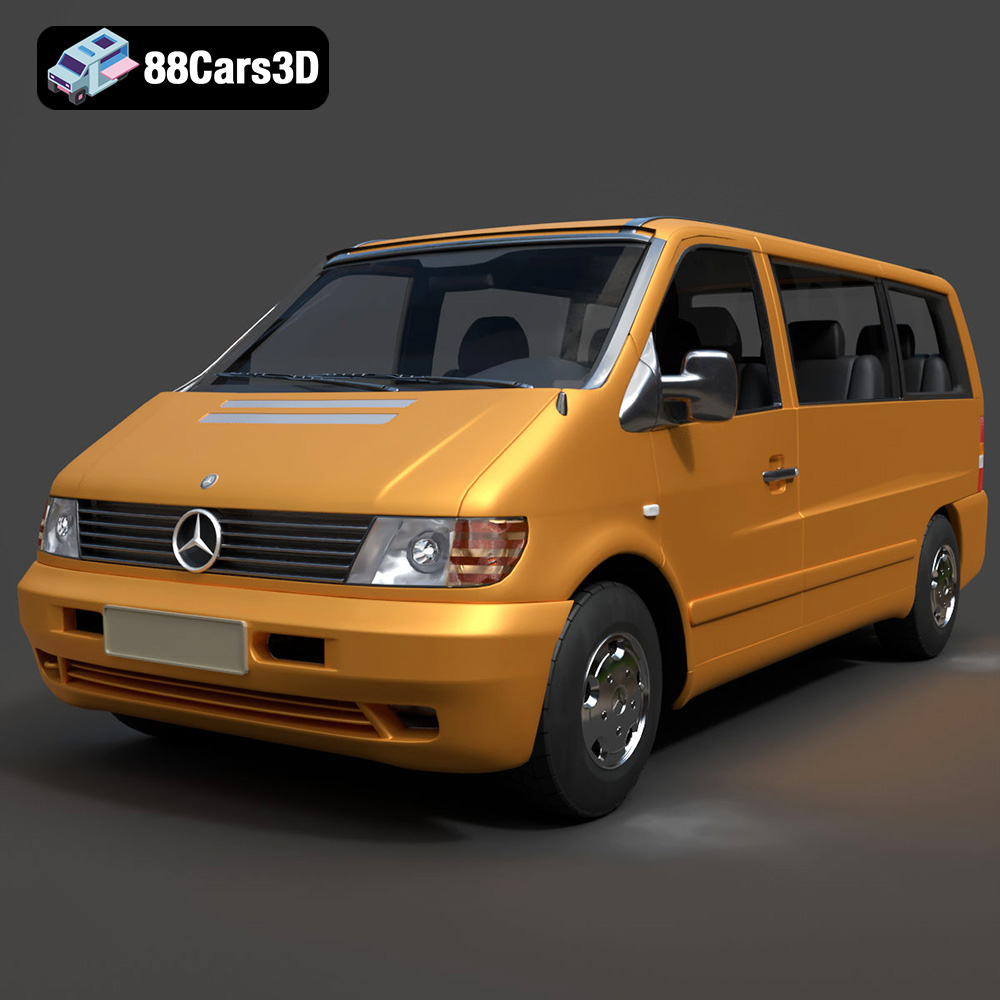
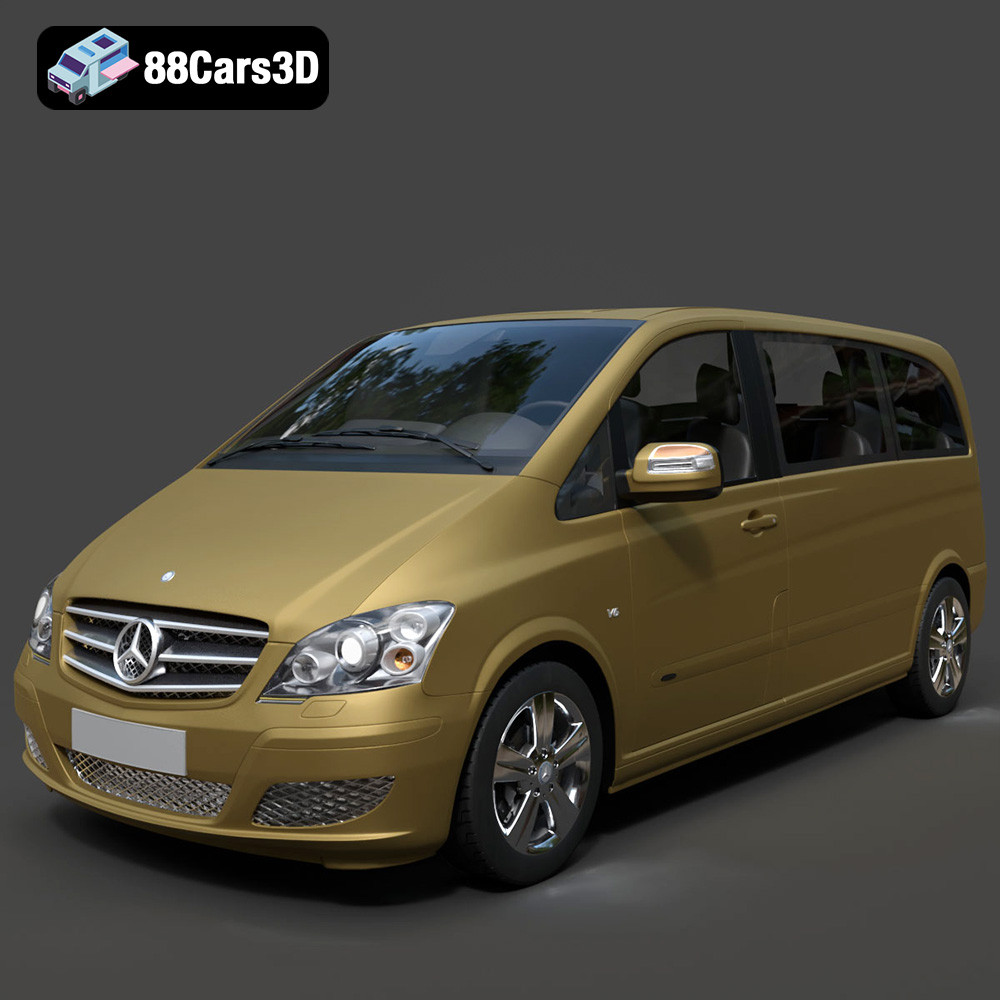
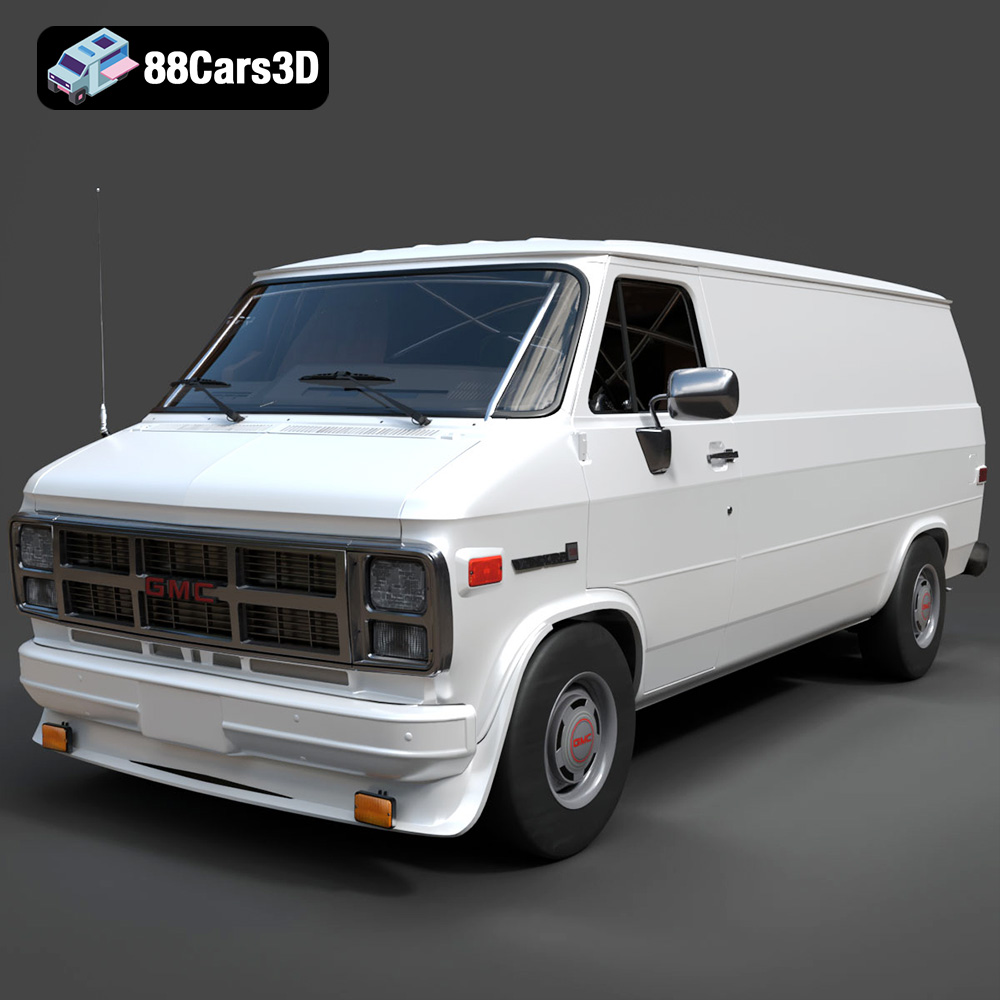
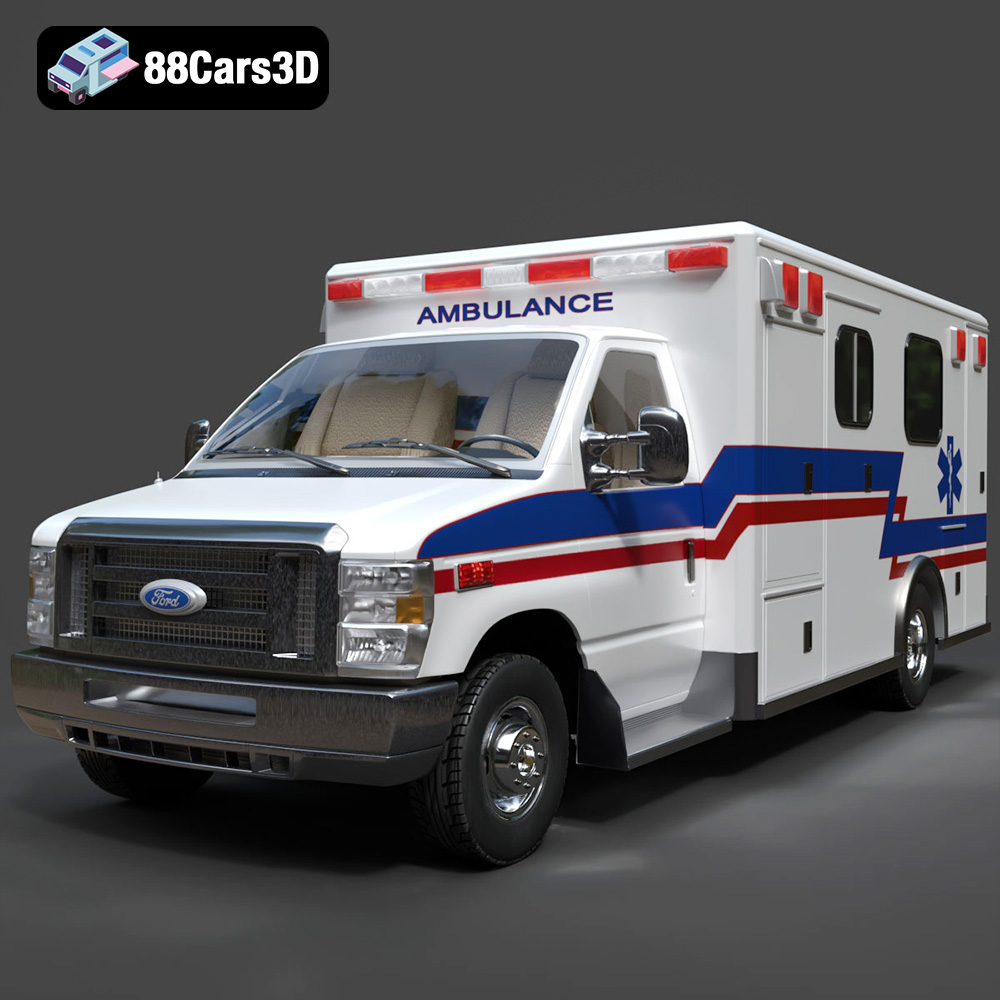
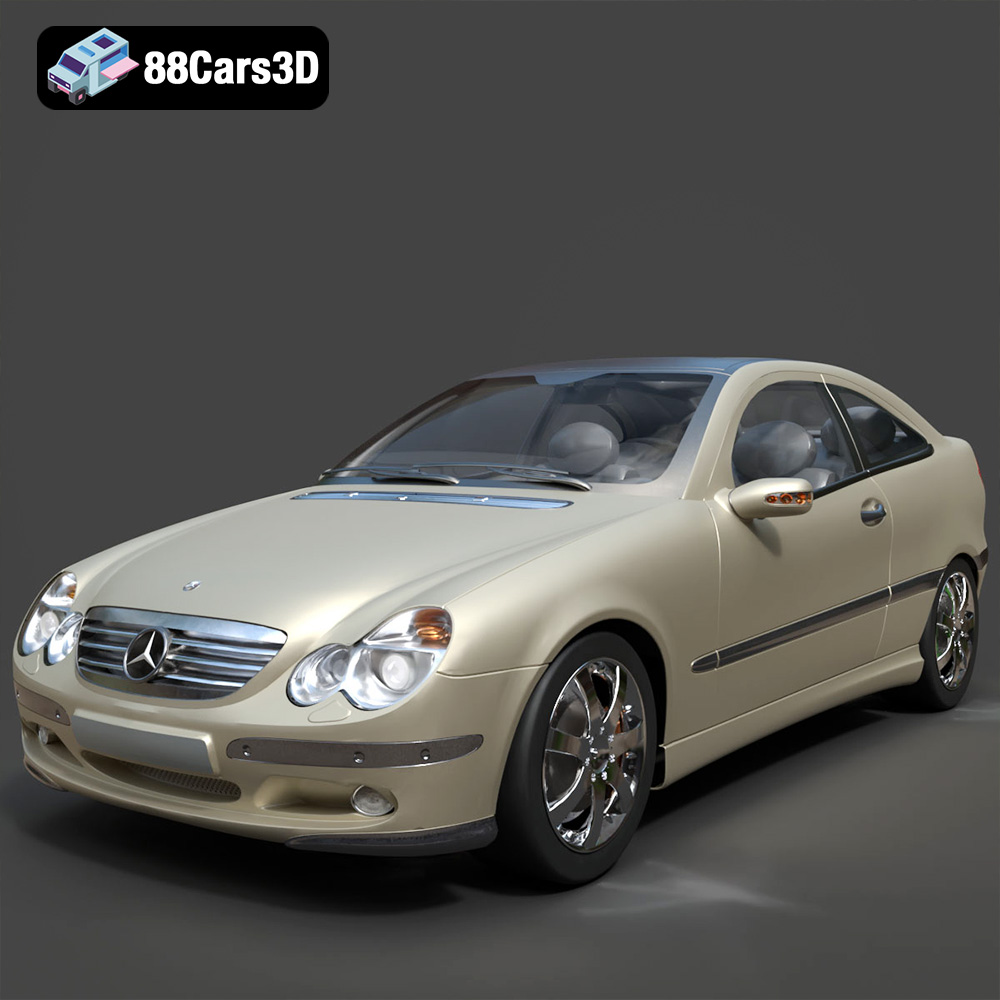
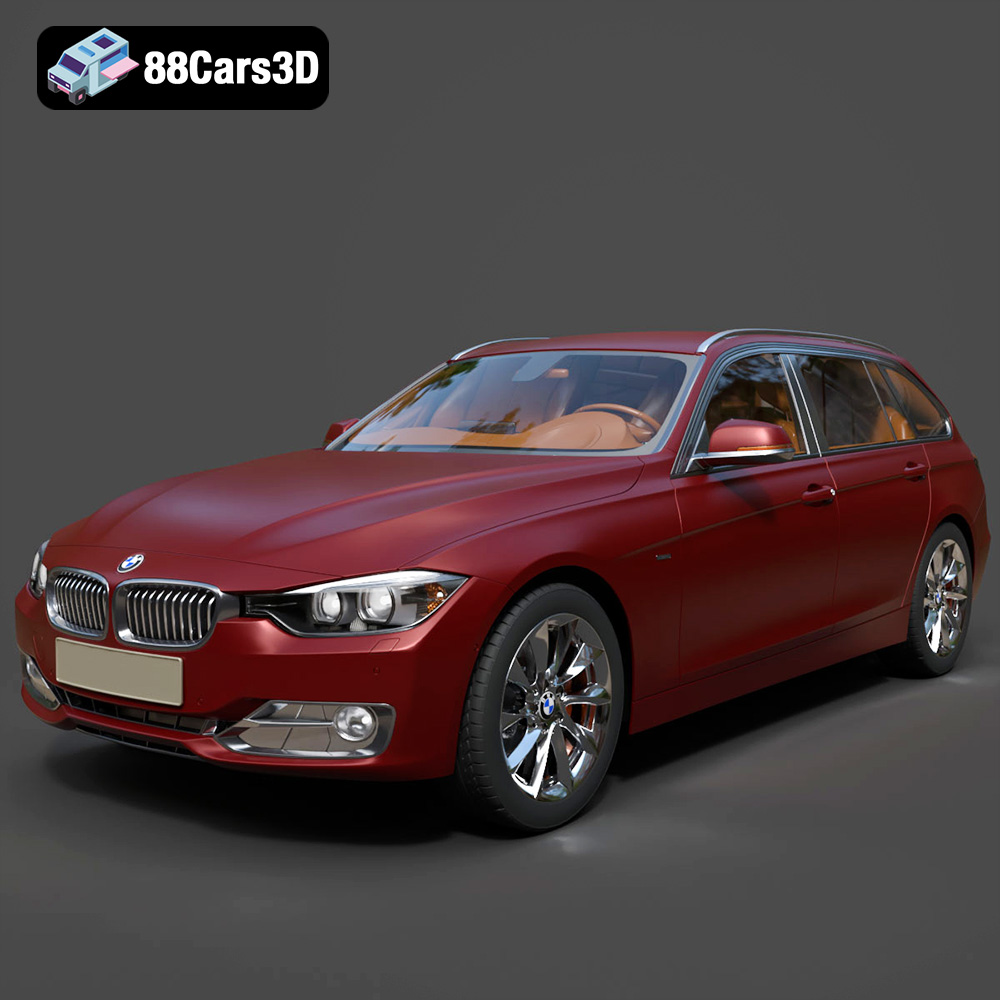
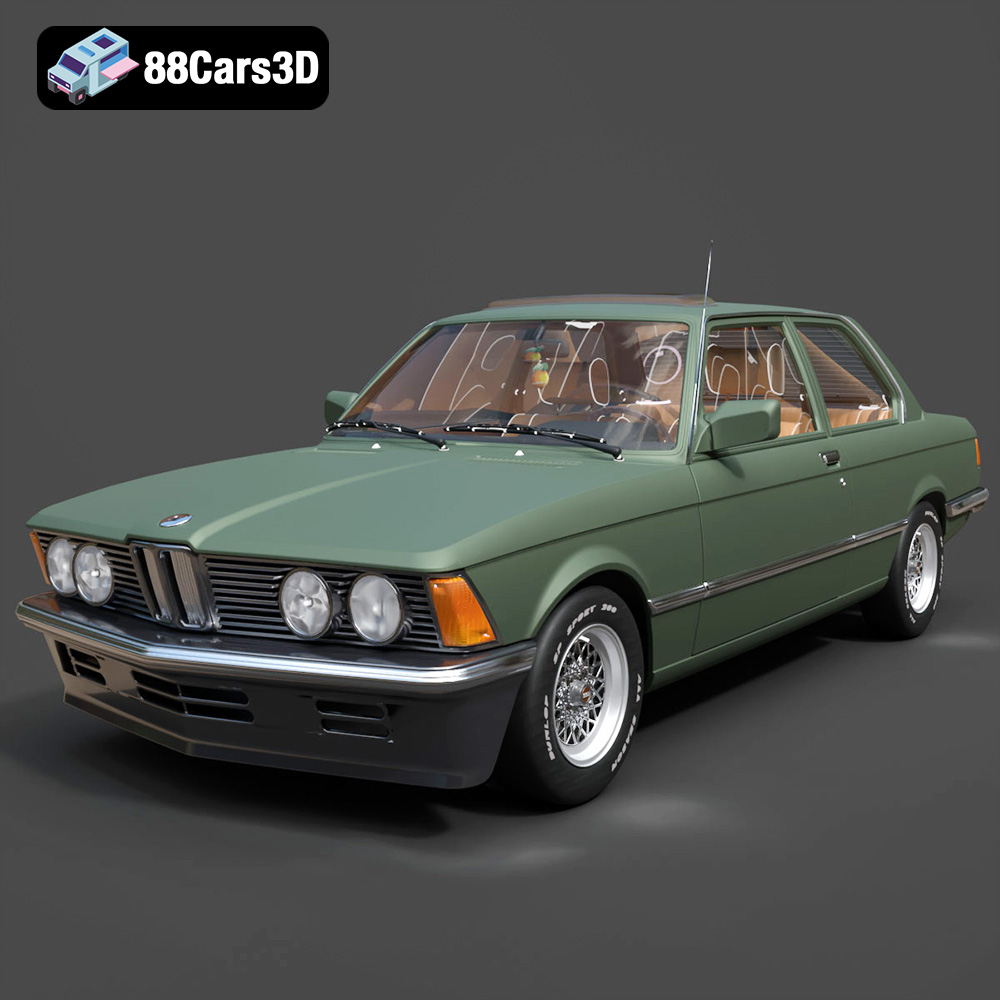
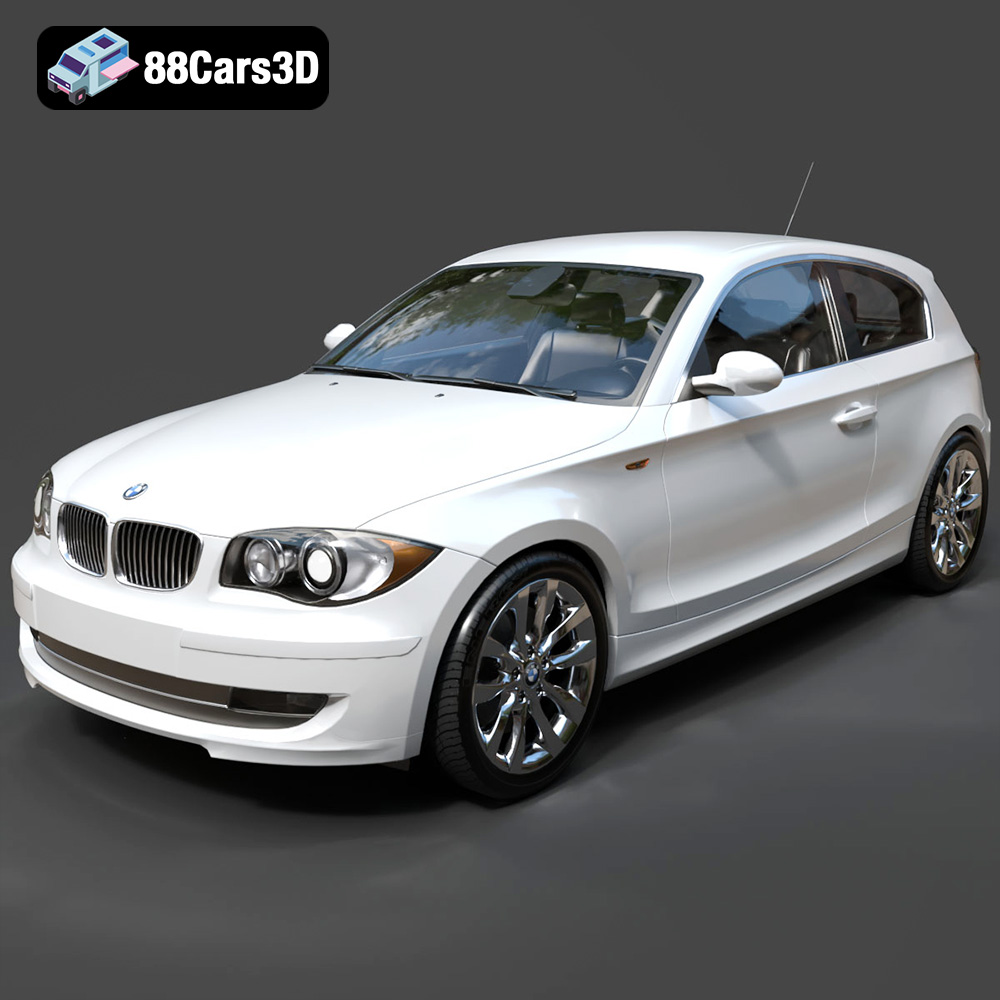
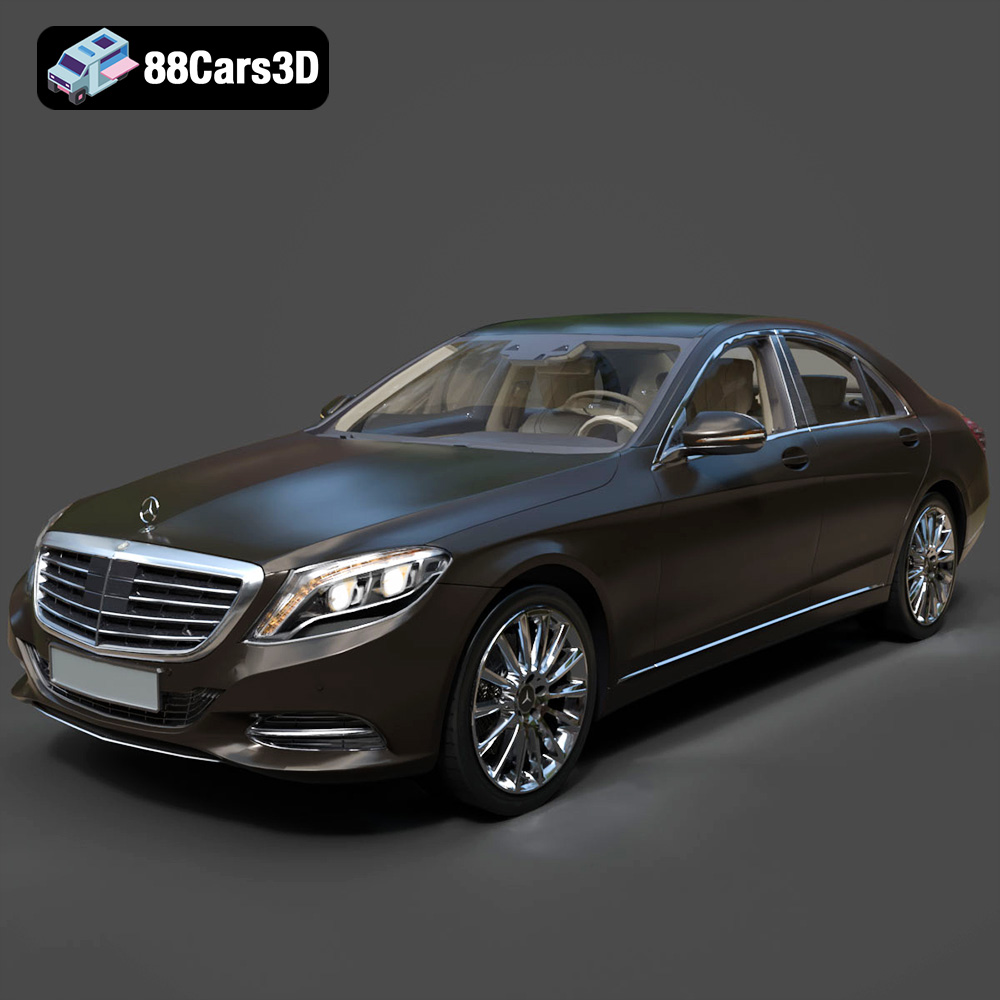
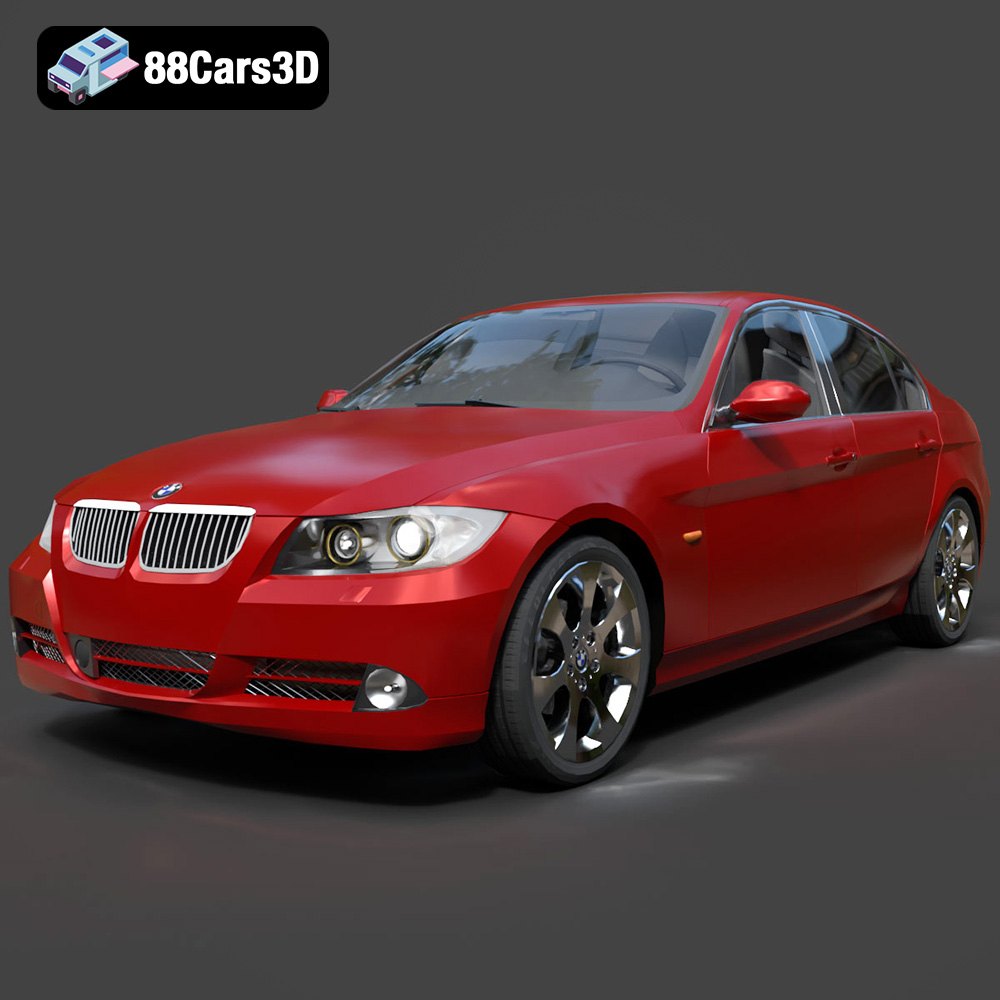
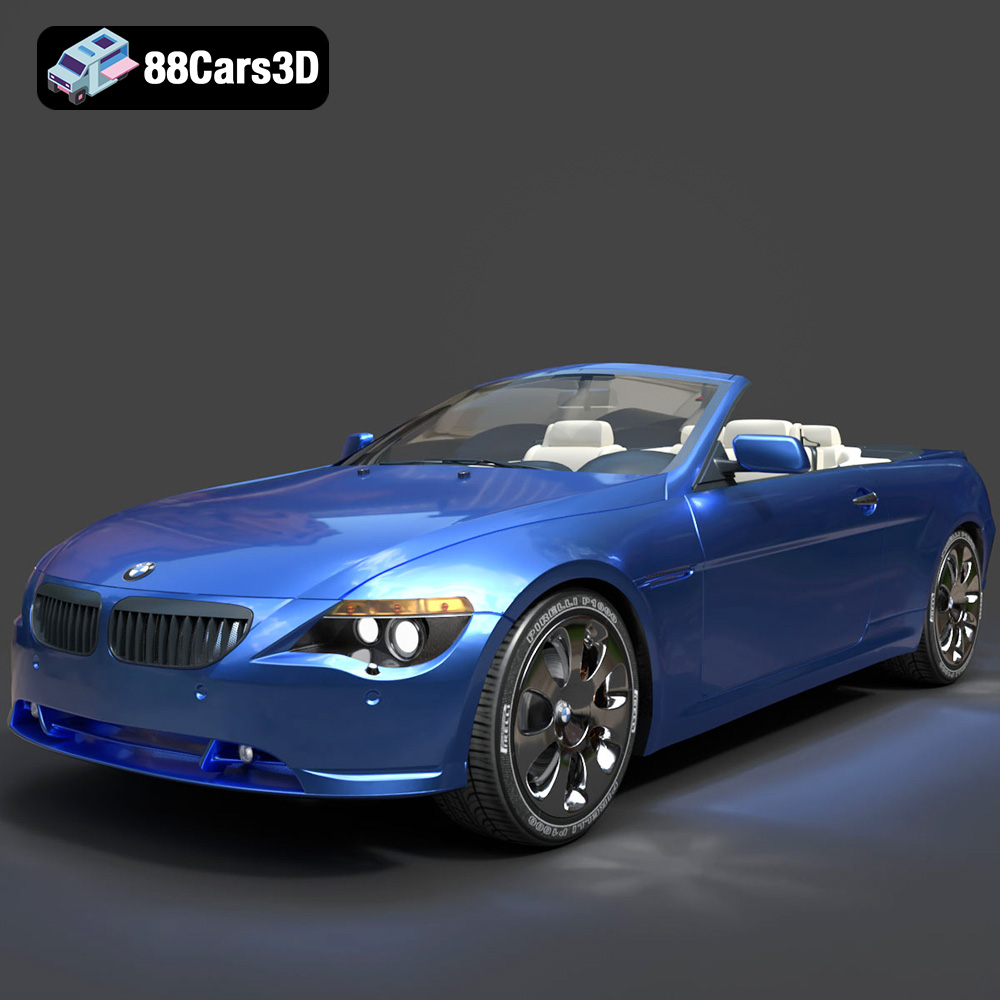
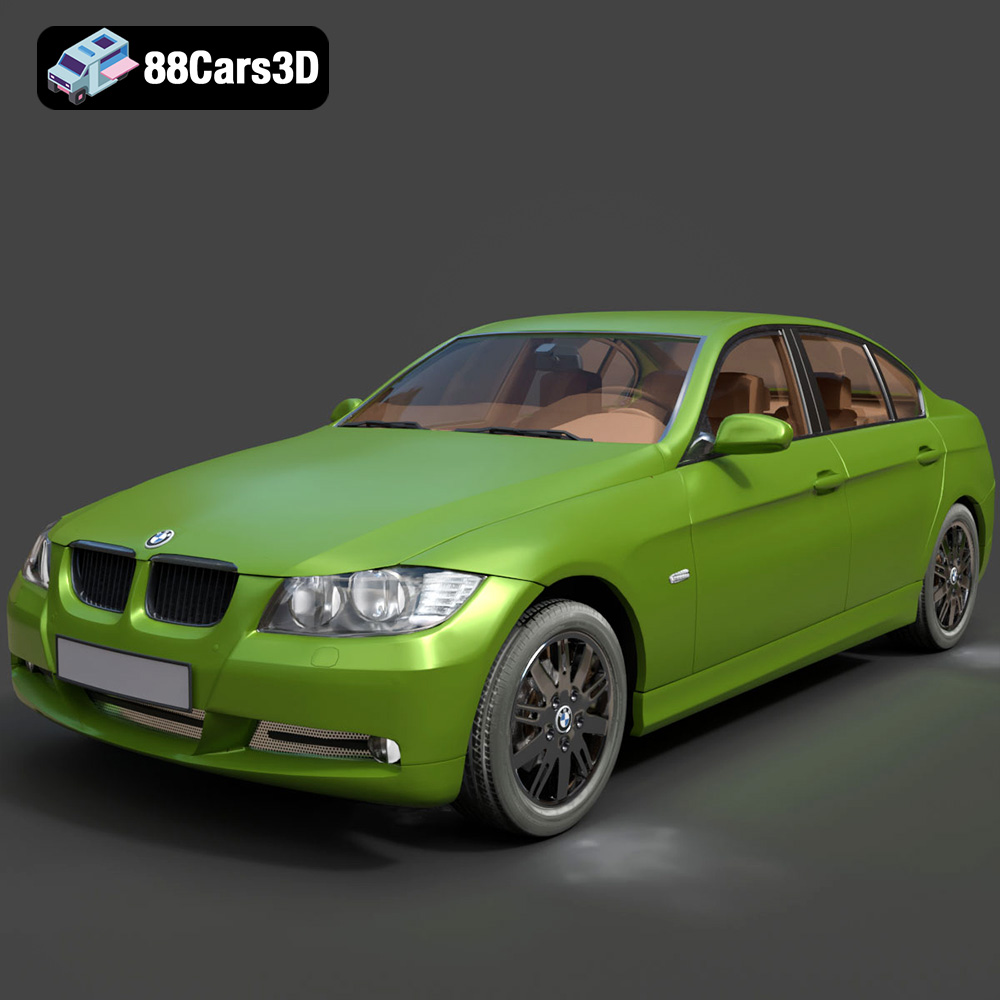
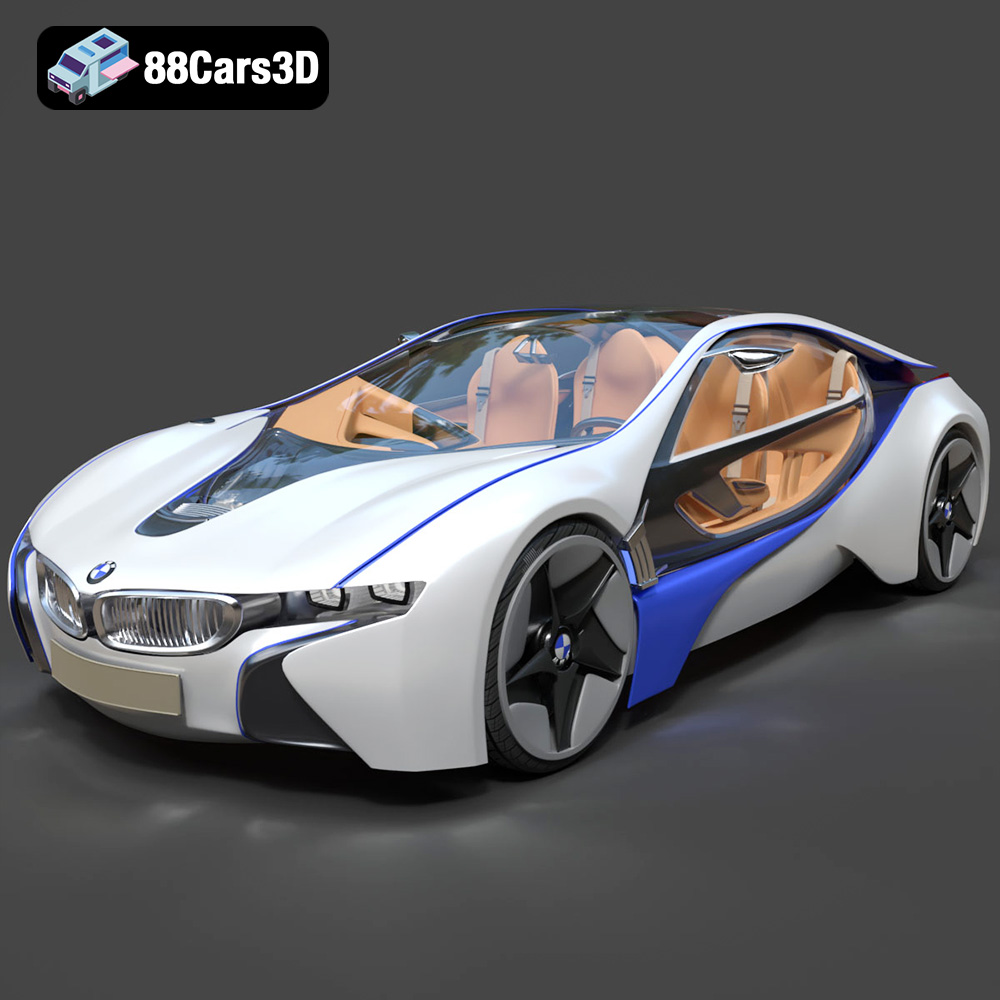
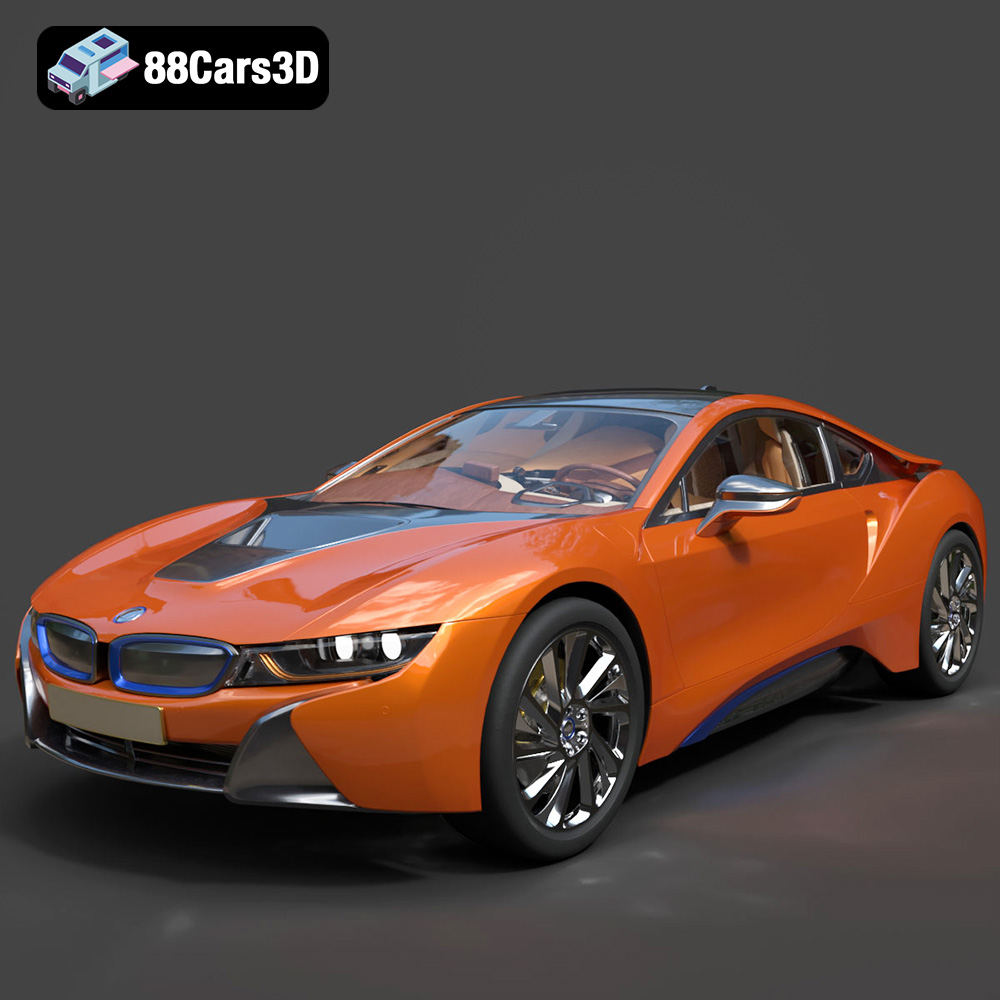
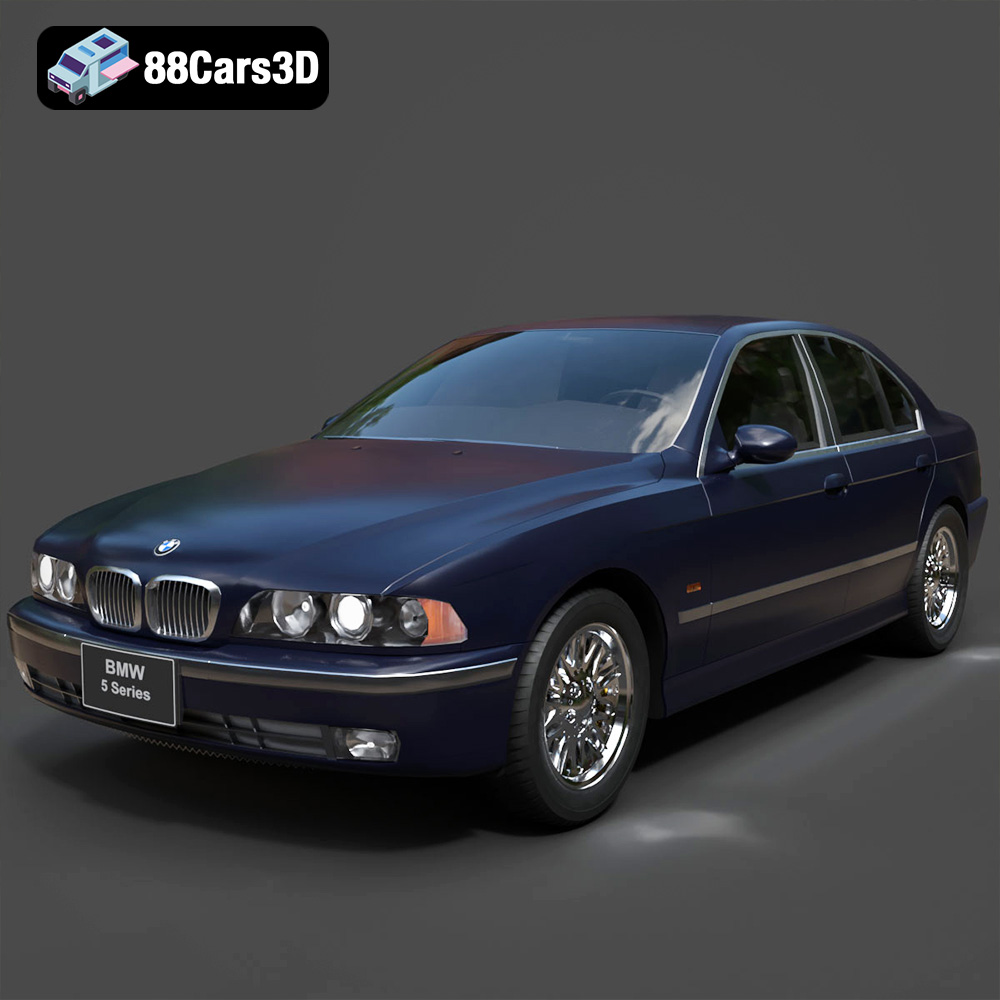
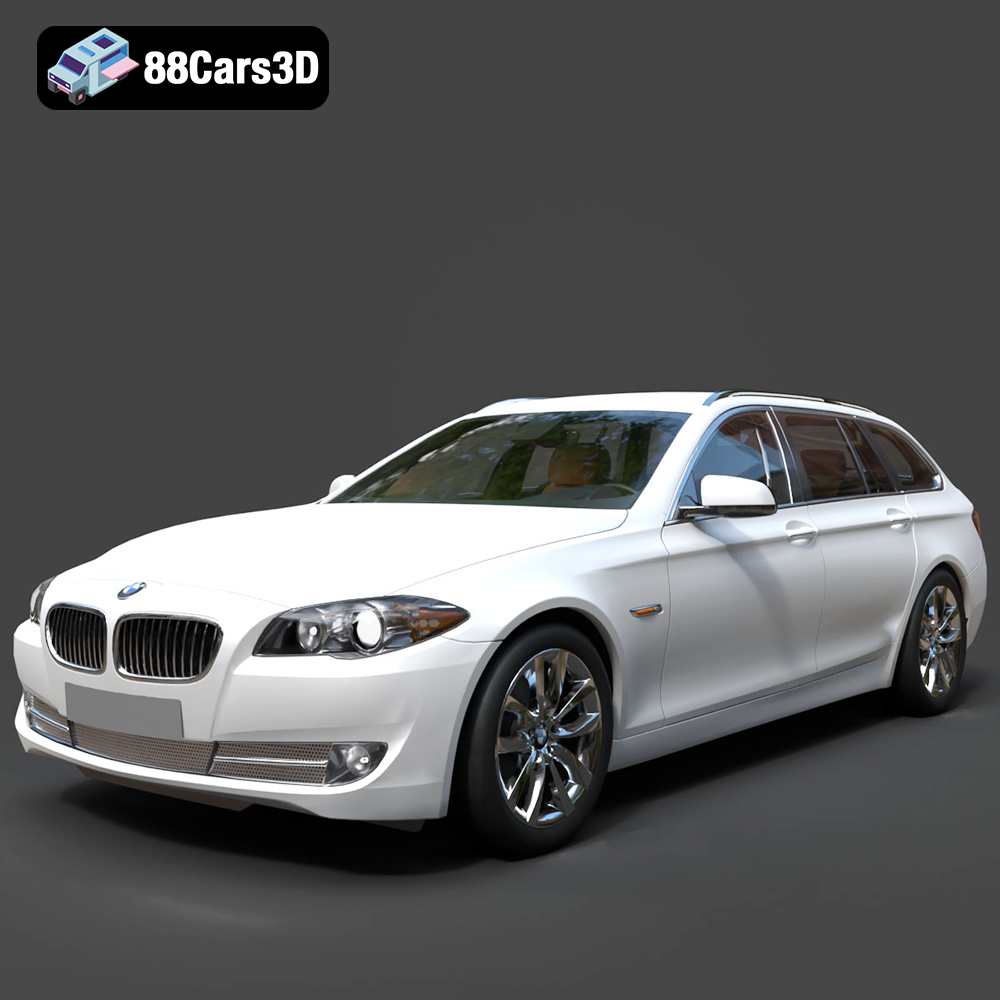
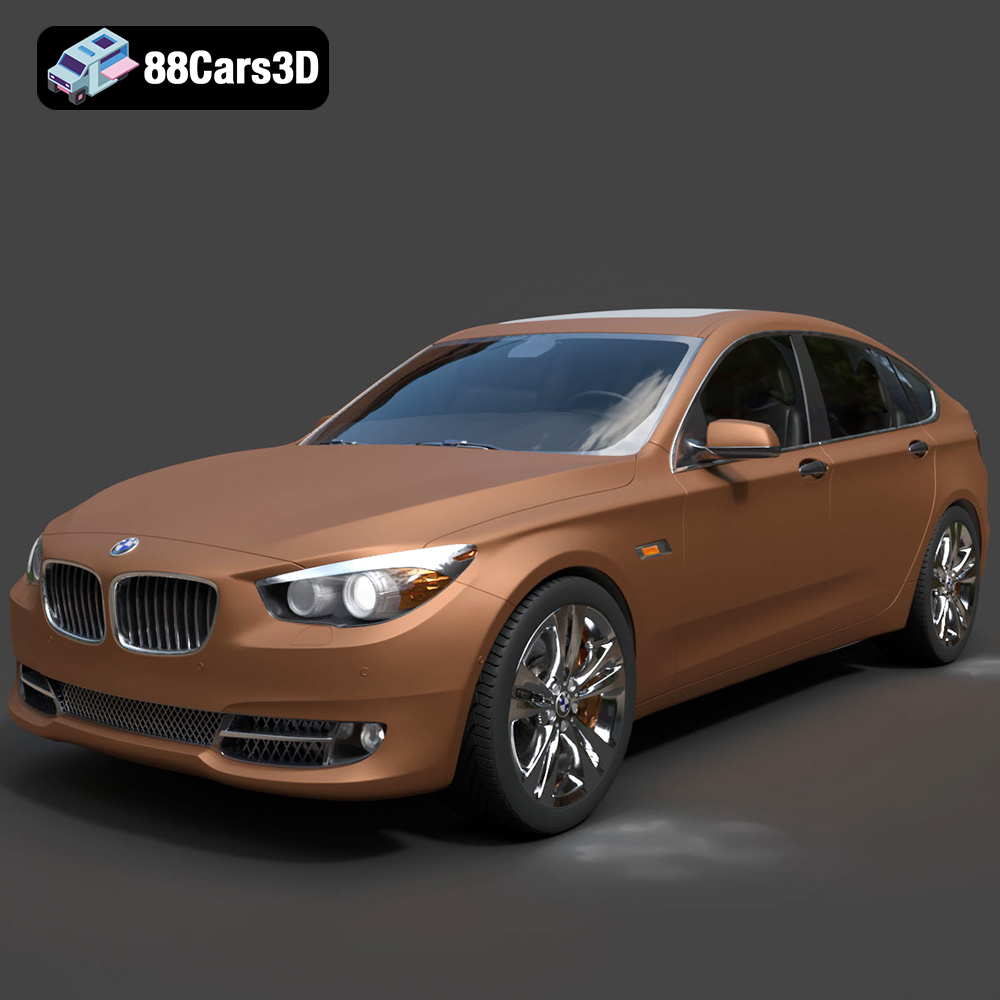
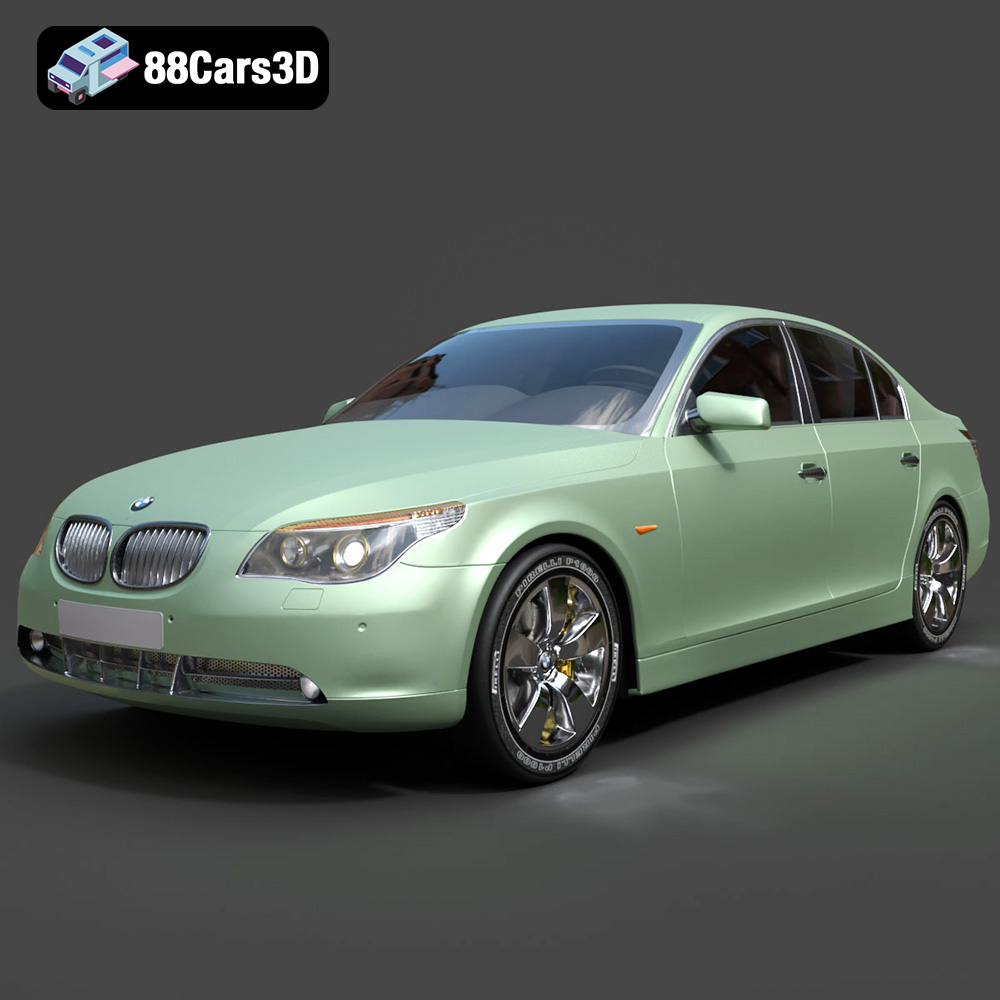
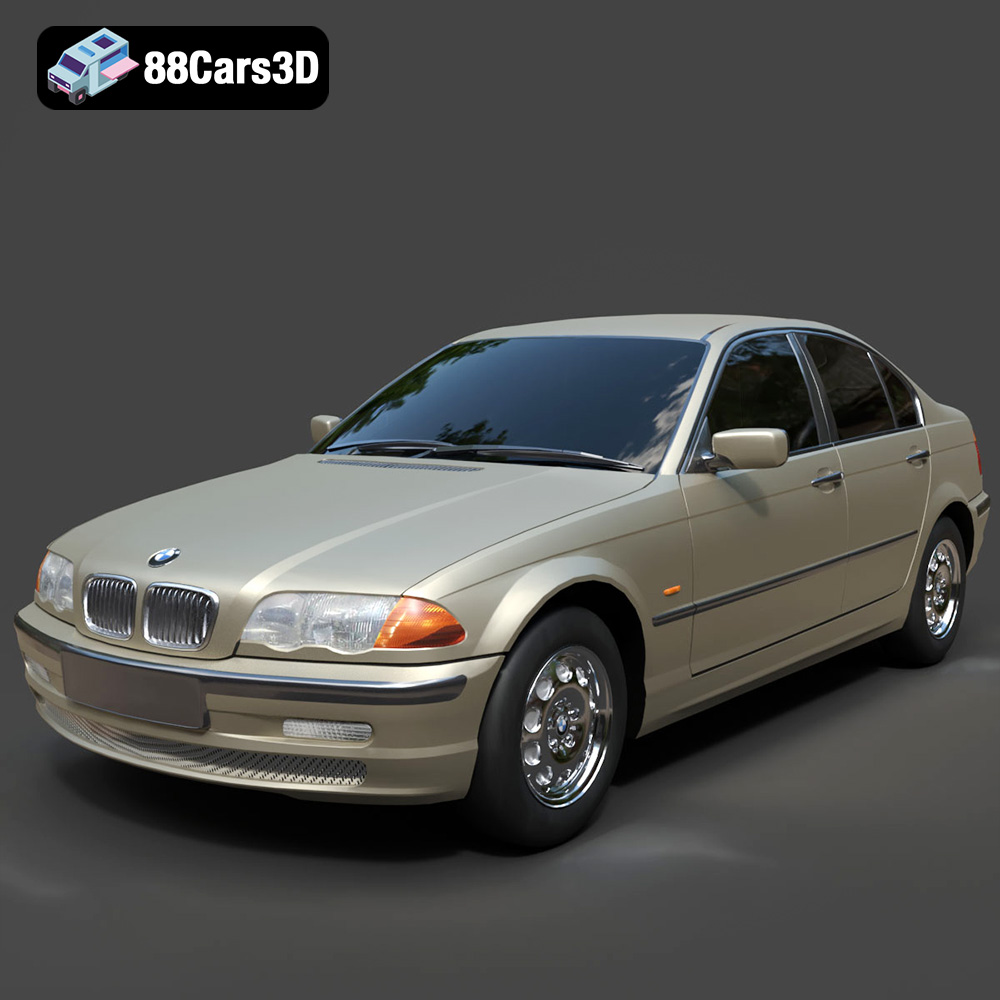
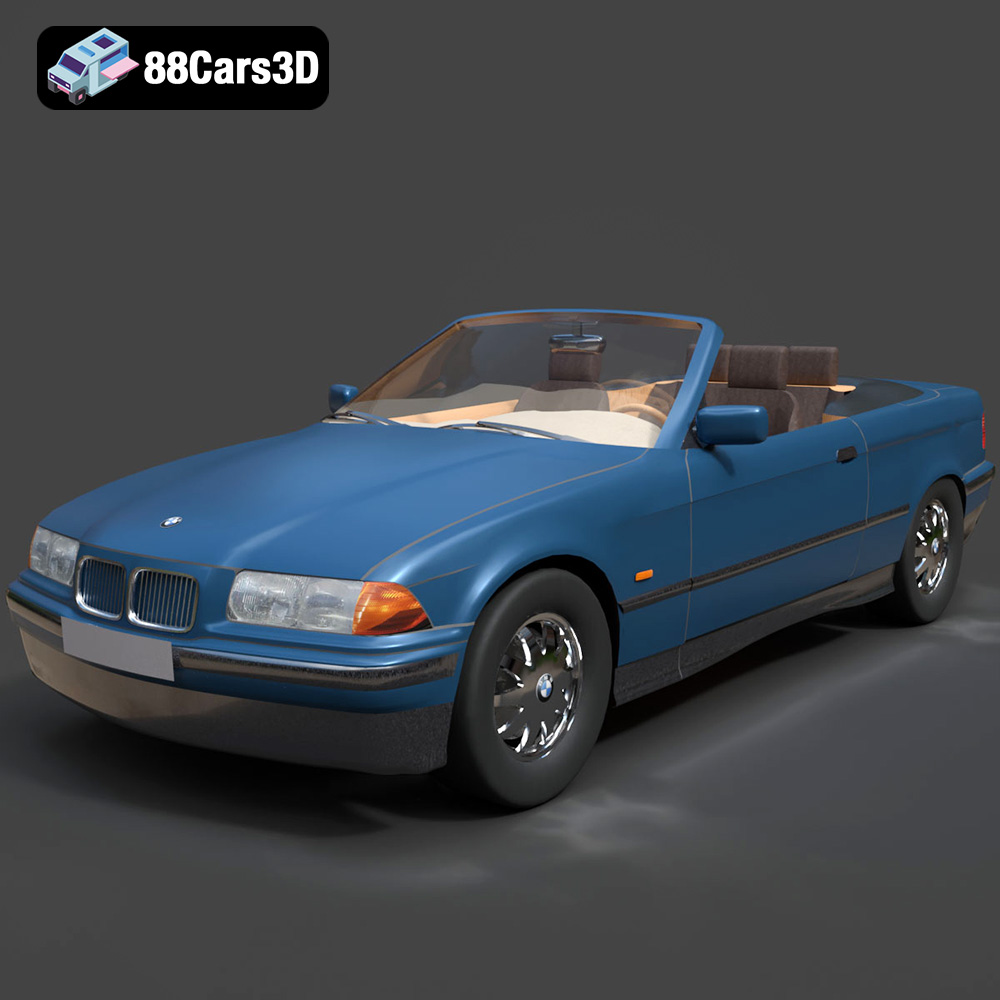
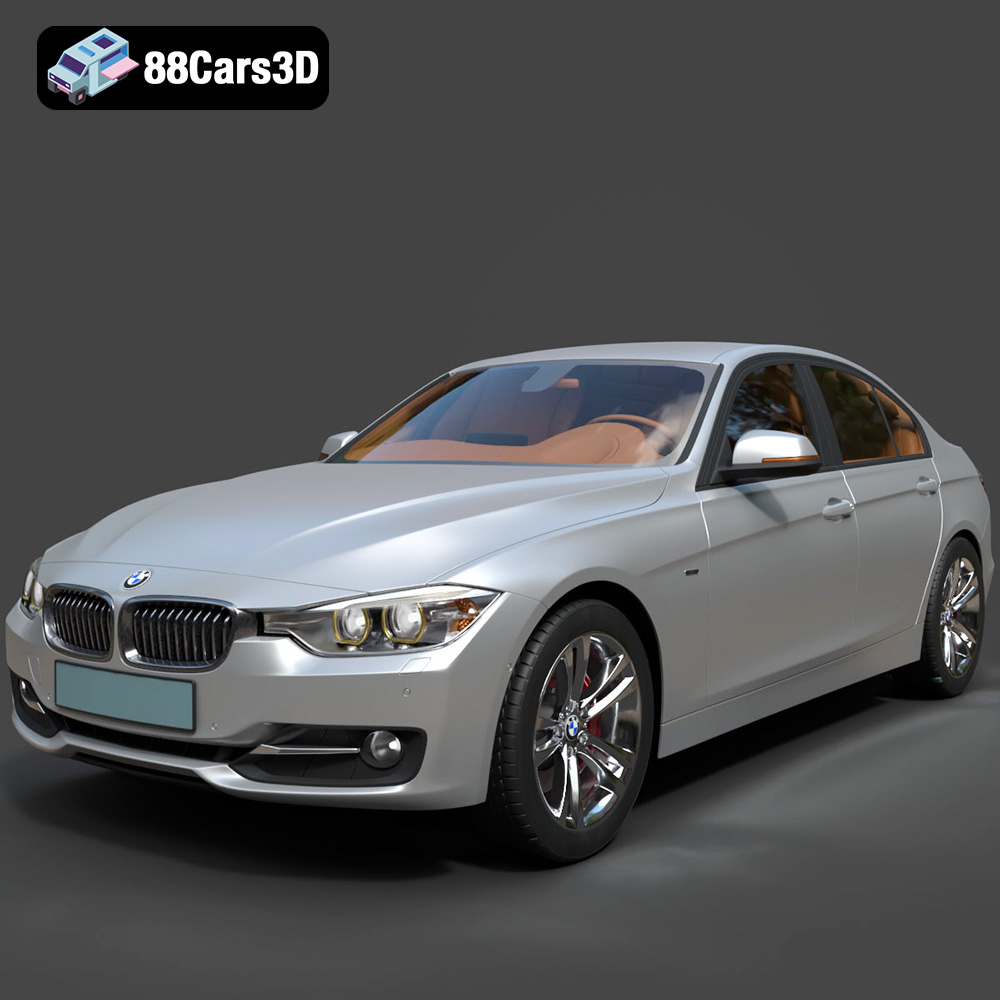
For industries focused on visualization, such as advertising, film, and product design, realism is paramount. High-quality 3D car models are engineered with precise topology, ensuring smooth surfaces and accurate reflections that mimic real-world materials. This precision extends to every shut line, panel gap, and component, allowing for breathtakingly photorealistic automotive rendering. Achieving this level of realism involves not just accurate modeling but also sophisticated material setups—from multi-layered car paint with metallic flakes and clear coats to realistic tire rubber and intricate headlight optics. Without a solid, well-constructed base model, even the most advanced rendering engines and lighting techniques will fall short of producing convincing results.
Performance in Game Asset Development
While realism is crucial, performance is equally vital, especially in interactive real-time environments like video games. Game assets demand a careful balance between visual fidelity and computational efficiency. High-quality 3D car models intended for games are meticulously optimized to ensure smooth frame rates without sacrificing visual appeal. This involves strategic poly count management, often utilizing Level of Detail (LOD) systems, and efficient UV mapping to maximize texture resolution while minimizing draw calls. Clean topology is essential for proper deformation during crashes or animations, and optimized material IDs are key for streamlined rendering within game engines. A well-prepared game asset ensures that players experience immersive visuals without performance bottlenecks.
Versatility Across Industries
The applications for high-quality 3D car models extend far beyond the realms of traditional rendering and gaming. In augmented and virtual reality (AR/VR), detailed models create immersive experiences for virtual showrooms, training simulations, and interactive product configurators. For architectural visualization, car models breathe life into scenes, depicting scale and context. Even 3D printing benefits from robust, watertight models to create physical prototypes or collectibles. This versatility underscores the foundational importance of investing in premium digital assets that can adapt to a multitude of production pipelines and display technologies.
Understanding 3D Model File Formats
Navigating the world of 3D car models requires a solid grasp of the various file formats available, each tailored for specific workflows, software, and end-use applications. Choosing the correct format is critical for ensuring compatibility, preserving data integrity, and optimizing your pipeline. The premium 3D models available at 88cars3d.com, for instance, often come in a range of formats to cater to diverse professional needs.
Native and Interchange Formats
- .blend (Blender): This is Blender’s native file format, encapsulating a complete scene including geometry, materials, textures, lighting, cameras, animations, and even scripts. Being an open-source software, Blender files offer unparalleled flexibility for users within its ecosystem. A .blend file is fully editable and ideal for those who work extensively with Blender, allowing for deep customization and leveraging Blender’s powerful node-based materials and advanced rigging capabilities. It’s perfect for projects where the entire scene setup, including complex procedural textures or modifiers, needs to be preserved and easily iterated upon.
- .max (3ds Max): The native file format for Autodesk 3ds Max, .max files are prevalent in professional animation, visualization, and game development studios. Like .blend files, they store an entire 3ds Max scene with all its components—models, materials (including V-Ray, Corona, Arnold setups), lighting, cameras, and animation data. .max files are excellent for complex projects requiring intricate scene organization, extensive animation, or high-end rendering using popular commercial renderers. Their robust nature makes them a go-to for professionals who demand granular control over every aspect of their scene within a well-established commercial environment.
Real-Time and Universal Compatibility
- .fbx (Filmbox): Developed by Autodesk, FBX is arguably the most widely adopted 3D interchange format, especially for real-time engines like Unreal Engine and Unity, as well as many other DCC (Digital Content Creation) applications. Its strength lies in its ability to store not just geometry but also skeletal animation, blend shapes, cameras, lights, and material properties within a single binary file. This makes .fbx ideal for asset transfer between different software packages and crucial for game development pipelines where animated characters and rigged vehicles need to be moved seamlessly. It’s a robust choice for projects requiring complex data exchange and ensuring maximum compatibility across various production stages.
- .obj (Wavefront OBJ): A universal and widely supported format, OBJ is known for its simplicity. It primarily stores 3D geometry (vertices, normals, texture coordinates, and faces) and can reference external .mtl (Material Template Library) files for basic material properties like color and texture maps. While it doesn’t support animation or complex material nodes, its universality makes it an excellent choice for basic mesh transfer between almost any 3D software. It’s lightweight and a reliable fallback when other formats present compatibility issues, often used for static models or as a base for further material and animation work in a target application.
- .unreal (Unreal Engine Asset): While not a standalone file format in the traditional sense, this refers to assets specifically packaged and optimized for direct import into Unreal Engine. These assets are often pre-configured with materials, LODs, collision meshes, and sometimes blueprints, making them engine-ready. Working with .unreal-ready assets significantly streamlines the development process for real-time environments, as they bypass many common import and setup hurdles, ensuring optimal performance and visual fidelity within the engine’s specific rendering pipeline.
Specialized Formats
- .glb (GL Transmission Format Binary): This is the binary version of glTF, an open standard designed for efficient transmission and loading of 3D scenes and models by engines and applications. .glb files embed all model data (geometry, textures, animations, PBR materials) into a single, compact file. This format is highly optimized for web-based 3D, augmented reality (AR), and virtual reality (VR) applications, where file size and quick loading times are paramount. Its PBR (Physically Based Rendering) material support makes it excellent for delivering consistent visual quality across different platforms.
- .stl (Stereolithography): A standard format primarily used for 3D printing and rapid prototyping. An .stl file describes only the surface geometry of a 3D object using a mesh of interconnected triangles. It does not carry color, texture, or material information. The key requirement for .stl is a “watertight” mesh, meaning it has no holes and forms a completely enclosed volume, which is essential for successful additive manufacturing. It’s the go-to format when a digital model needs to become a physical object.
- .ply (Polygon File Format): Also known as the Stanford Triangle Format, .ply can store a variety of properties beyond just geometry, including color, transparency, surface normals, and even data confidence values. It’s often used for scanned 3D data, high-density point clouds, and precision mesh data, making it valuable for scientific applications, CAD, and detailed analysis where comprehensive attribute data for each vertex or face is required. While less common for general 3D model distribution, it’s crucial for specific data-rich applications.
Crafting Photorealistic Automotive Rendering Workflows
Achieving breathtaking realism in automotive rendering is a highly specialized skill that marries technical precision with artistic vision. The process demands meticulous attention to detail at every stage, from the initial model preparation to the final touches in post-processing.
Modeling for Precision and Detail
The foundation of any photorealistic render is an impeccably modeled 3D car model. This often starts with highly accurate CAD data provided by manufacturers, which serves as a blueprint for polygonal modeling. When CAD data isn’t available, skilled artists employ advanced subdivision surface (Sub-D) modeling techniques in software like Autodesk Maya, 3ds Max, or Blender to create smooth, flowing surfaces with precise panel gaps and sharp shut lines. Attention to minor details, such as the subtle curvature of a door handle, the intricate pattern of a grille, or the stitching on interior upholstery, elevates a model from good to exceptional. The topology must be clean and quad-based to ensure smooth deformations and proper light reflection across the car’s body panels, avoiding artifacts and pinching.
Material and Texture Development
Realistic materials are critical for convincing renders. Modern automotive rendering workflows heavily rely on Physically Based Rendering (PBR) materials, which accurately simulate how light interacts with surfaces in the real world. This involves creating a suite of texture maps (base color/albedo, roughness, metallic, normal, displacement) that define properties like glossiness, reflectivity, and surface imperfections. Car paint is particularly complex, often involving multiple layers to simulate metallic flakes, clear coat depth, and subtle orange peel effects. Tires require detailed displacement maps for tread patterns and subtle roughness variations to convey the rubber’s texture. Interior materials, such as leather, fabric, and plastics, each demand unique PBR setups to achieve their distinct visual characteristics, often using detailed UV unwrapping to apply custom textures precisely.
Lighting, Staging, and Post-Processing
Once the model and materials are perfected, the art of lighting and staging takes center stage. High Dynamic Range Imagery (HDRI) environments are frequently used to provide realistic ambient lighting and reflections, simulating real-world locations or professional studio setups. Complementary studio lights, such as softboxes and spotlights, are then positioned to highlight key design features, emphasize curves, and create dramatic shadows. Camera angles, focal lengths, and depth of field are carefully chosen to mimic professional automotive photography. Finally, the raw render output undergoes post-processing in software like Adobe Photoshop or DaVinci Resolve. This stage involves color grading, exposure adjustments, adding subtle atmospheric effects, lens flares, and sharpening details to give the image a polished, cinematic look, completing the illusion of a photograph rather than a digital creation.
Optimizing 3D Car Models for Game Development
In the fast-paced world of game development, performance is as crucial as aesthetics. 3D car models must be meticulously optimized to run smoothly across various hardware while maintaining visual fidelity. This involves a strategic approach to polygon count, texture usage, and animation preparation.
Poly Count Management and Level of Detail (LODs)
One of the primary optimization techniques for game assets is managing polygon count. While high-poly models are excellent for cinematic renders, real-time games require efficient geometry. Artists create a series of Level of Detail (LOD) models for each car. LOD0 (the highest poly count) is used when the car is close to the camera, while LOD1, LOD2, and further LODs progressively reduce polygon count as the car moves away, swapping in simpler meshes. This ensures that the engine only renders necessary detail, significantly improving frame rates. Tools within game engines like Unreal Engine and Unity automate LOD generation, but a well-constructed base mesh makes this process more effective, preventing noticeable visual pops during LOD transitions.
Efficient UV Mapping and Texturing
Texture memory and draw calls are significant performance considerations. Efficient UV mapping is essential, ensuring that UV islands are non-overlapping and packed tightly to maximize texture space without distortion. Texture atlases, which combine multiple smaller textures into one larger image, are often used to reduce draw calls. For highly detailed cars, normal maps are extensively used to bake high-polygon details (like panel lines, vents, or intricate emblems) onto lower-polygon meshes, giving the illusion of complexity without the computational cost. Roughness, metallic, and ambient occlusion maps further enhance the visual realism, all while being optimized for game engine-specific material pipelines.
Rigging and Animation Considerations
Beyond static models, game cars often require extensive rigging for physics simulations and animations. This includes separate pivots for wheels to allow rotation and steering, suspension rigs for realistic handling, and sometimes rigs for opening doors, hoods, or trunks. Damage systems, which display different levels of deformation based on collisions, also rely on robust rigging and mesh deformation techniques. Physics assets are created to define collision boundaries, crucial for accurate interaction with the game world. All these elements must be carefully set up to integrate seamlessly with the game engine’s physics and animation systems, allowing for dynamic and interactive gameplay experiences.
Case Studies: Impact of High-Quality 3D Car Models
The practical application of high-fidelity 3D car models spans a diverse range of industries, each leveraging their capabilities to create compelling experiences and streamline workflows. From concept to consumer, these digital assets are indispensable.
Automotive Advertising and Visualization
Automotive manufacturers rely heavily on 3D car models for advertising campaigns, product configurators, and internal design reviews. Before a physical prototype is even built, advanced renders showcase new vehicle designs to marketing teams and potential buyers. Companies can create hyper-realistic commercials entirely in CGI, placing cars in fantastical environments or complex cityscapes without the logistical challenges and costs of real-world photography. Online configurators, powered by robust 3D models, allow customers to customize their dream car in real-time, choosing colors, trims, and options, thereby enhancing the buying experience and reducing the need for extensive physical showrooms. This allows for iterative design and marketing changes with unprecedented speed and flexibility.
AAA Game Titles and Interactive Experiences
In the realm of AAA video games, 3D car models are central to creating immersive and competitive experiences. Titles like “Forza Horizon,” “Gran Turismo,” or “Need for Speed” showcase hundreds of meticulously detailed cars, each recreated with painstaking accuracy. These models are not just visually stunning; they are also integral to the gameplay. Realistic physics simulations, damage models, and customizable parts all depend on high-quality, optimized 3D assets. The level of detail in these vehicles directly contributes to the player’s immersion, making them feel truly connected to the virtual driving experience, whether it’s an arcade racer or a hardcore simulation. The demand for diverse, high-fidelity car models for games is constant, driving platforms like 88cars3d.com to offer a wide selection.
AR/VR and Simulation
Augmented Reality (AR) and Virtual Reality (VR) are transforming how we interact with products and training. In AR, users can place virtual cars in their real-world environment via a smartphone or tablet, allowing them to visualize a new vehicle in their driveway. VR offers even deeper immersion, creating virtual showrooms where customers can walk around, sit inside, and even “test drive” a car before it’s manufactured. Automotive engineers also utilize VR for design validation and ergonomics studies, while training simulations for mechanics or emergency services leverage highly accurate 3D car models to provide realistic, risk-free learning environments. These applications underscore the value of models that are not only visually accurate but also optimized for real-time interactive performance.
Choosing the Right 3D Car Models for Your Project
Selecting the appropriate 3D car models is a pivotal decision that impacts project timelines, quality, and budget. It’s crucial to evaluate models based on technical specifications and source reliability to ensure they meet your specific requirements.
Evaluating Model Quality
When assessing a 3D car model, several factors indicate its quality. First, inspect the **topology**: is it clean, quad-based, and optimized? Poor topology can lead to rendering artifacts, difficulties in unwrapping, and issues with deformation. Second, examine the **UV mapping**: are the UVs unwrapped efficiently, without excessive stretching or overlapping? Well-organized UVs are essential for applying textures cleanly. Third, scrutinize the **material setup**: does it use PBR principles? Are the textures high-resolution and seamlessly applied? Look for details like accurate reflections, realistic paint effects, and convincing interior materials. Finally, consider the model’s **accuracy to reference**: does it faithfully replicate the real-world vehicle, down to the smallest details like badges, headlight designs, and interior components?
Technical Specifications to Look For
Beyond visual quality, specific technical details are paramount. Check the **poly count**: does it align with your project’s performance requirements (e.g., lower poly for games, higher for cinematic renders)? Does it include **Level of Detail (LOD)** variations if intended for real-time use? Verify the **texture resolution** and format; 4K or 8K textures are common for high-quality models. Confirm the **included file formats** (e.g., .fbx, .obj, .max, .blend, .unreal) ensure compatibility with your software pipeline. Lastly, investigate the **scene organization**: are meshes properly named, grouped, and scaled correctly? A well-organized scene saves significant time during integration.
The Value of a Reputable Source
Acquiring 3D car models from a reputable online marketplace like 88cars3d.com offers significant advantages. Such platforms typically feature a curated selection of models, rigorously checked for technical quality and accuracy by experienced professionals. This reduces the risk of encountering models with poor topology, broken materials, or incorrect scaling, which can be time-consuming and costly to fix. Furthermore, reputable sources often provide comprehensive documentation, accurate technical specifications, and reliable customer support, giving you peace of mind. Investing in high-quality, professionally created models saves development time, ensures consistent visual fidelity, and allows artists and developers to focus on creative tasks rather than fixing fundamental asset issues.
Conclusion
The digital landscape is continuously evolving, and at its heart lies the power of high-quality 3D car models. These intricate assets are far more than just visual elements; they are foundational components that drive realism in automotive rendering, ensure peak performance in game assets, and unlock innovative possibilities in AR/VR and simulation. From understanding the nuanced differences between file formats like .fbx and .blend to mastering PBR material workflows and optimizing poly counts for real-time engines, the journey of bringing a digital vehicle to life is a testament to technical expertise and artistic dedication.
Whether you are a seasoned professional or an aspiring enthusiast, the importance of selecting meticulously crafted 3D car models cannot be overstated. They provide the bedrock upon which stunning visualizations, immersive gaming experiences, and cutting-edge interactive applications are built. By prioritizing quality, understanding technical specifications, and sourcing from trusted platforms, you empower your projects to reach new heights of visual excellence and efficiency. The road ahead for 3D automotive content is exciting, and with the right assets, the possibilities are limitless.
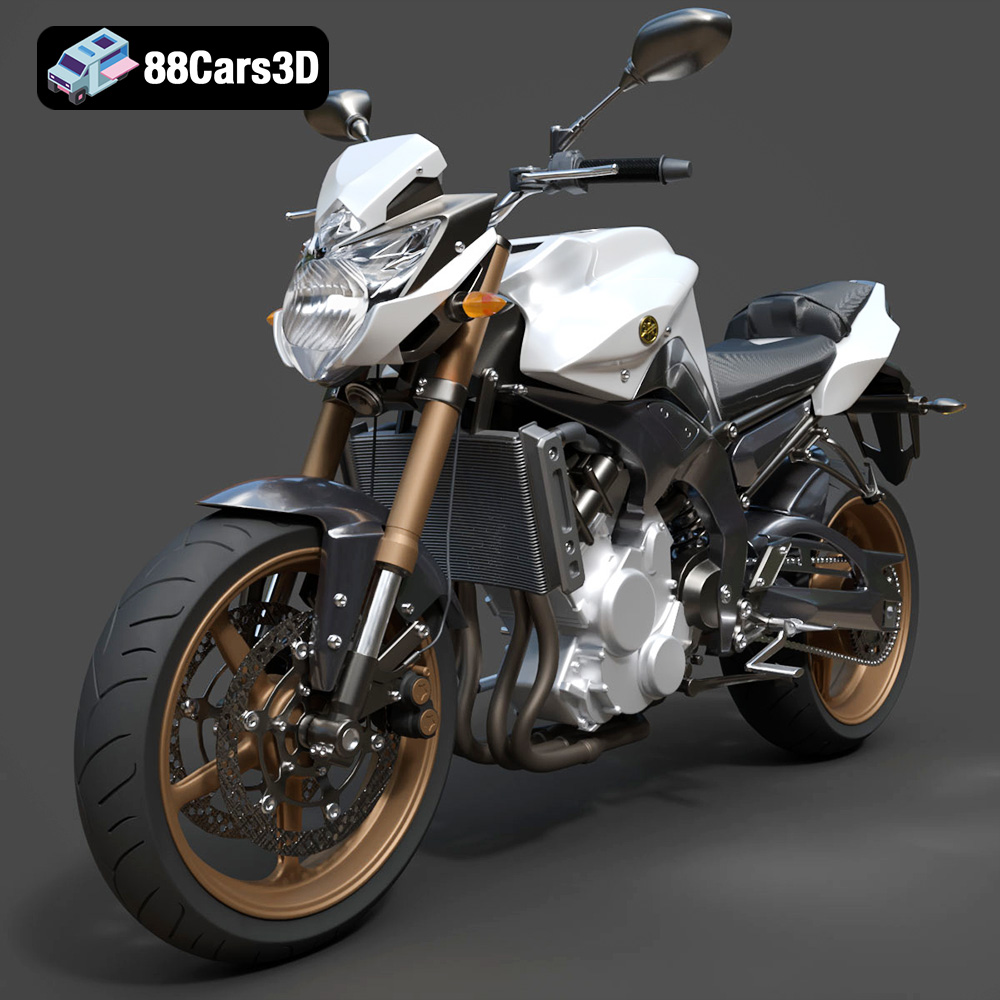
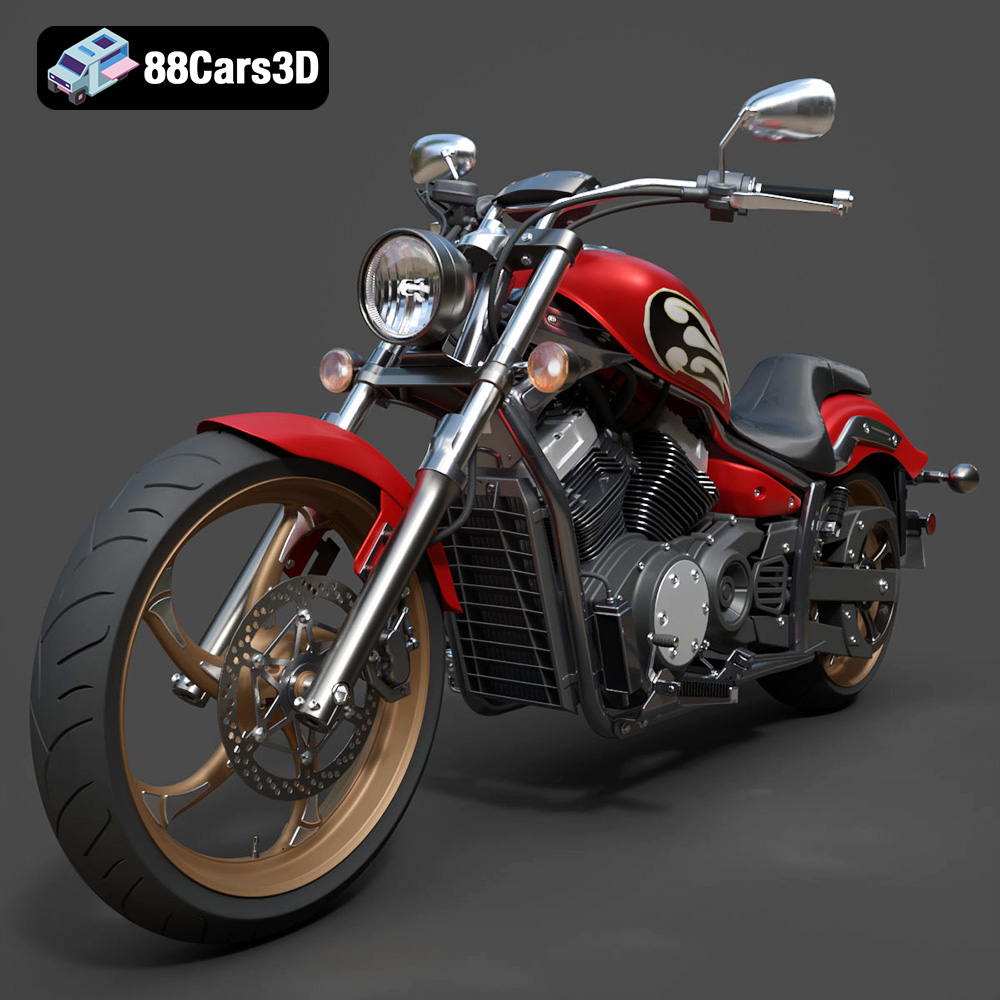
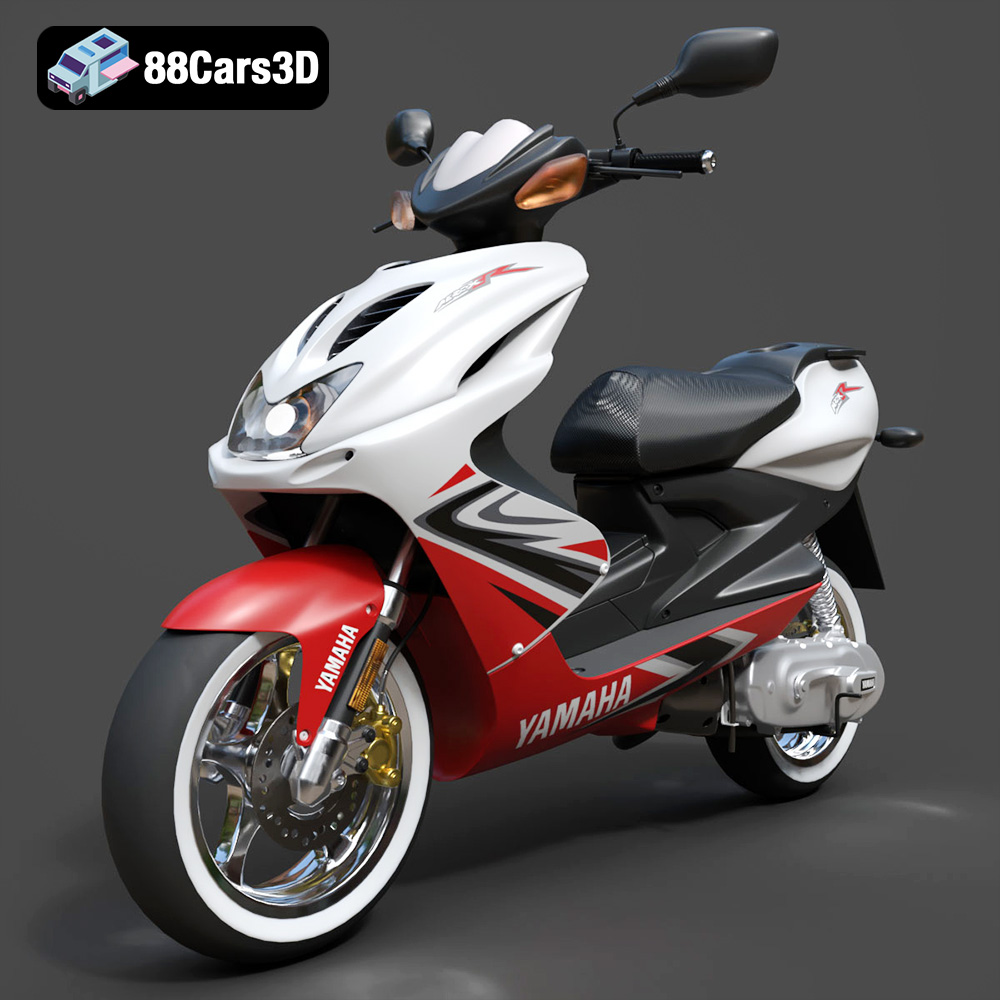
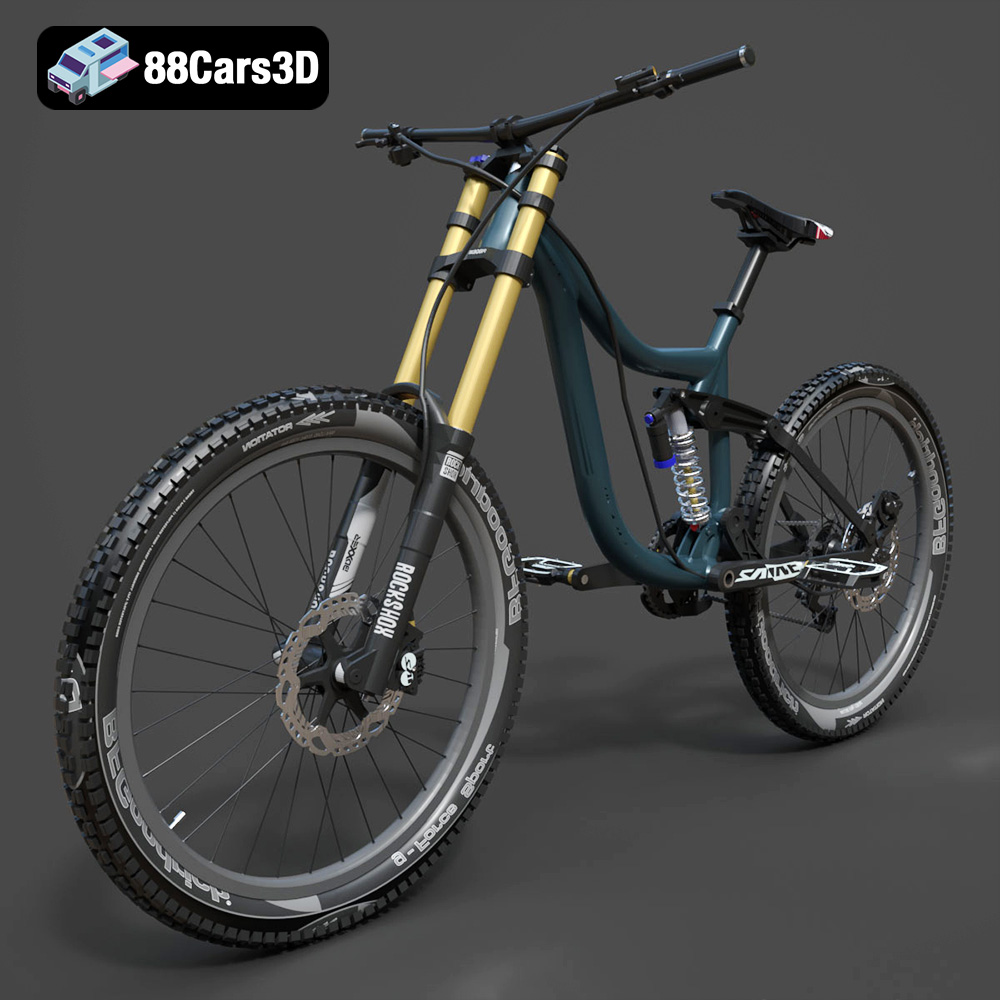
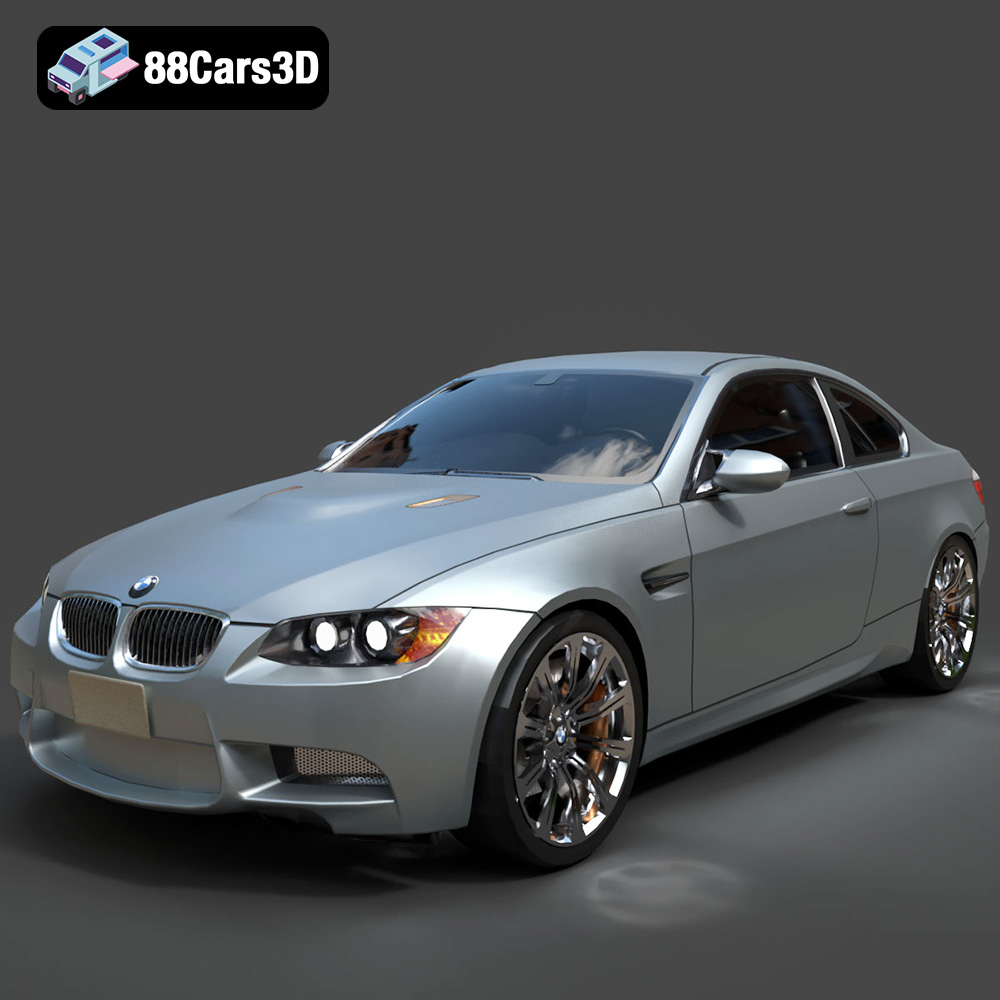
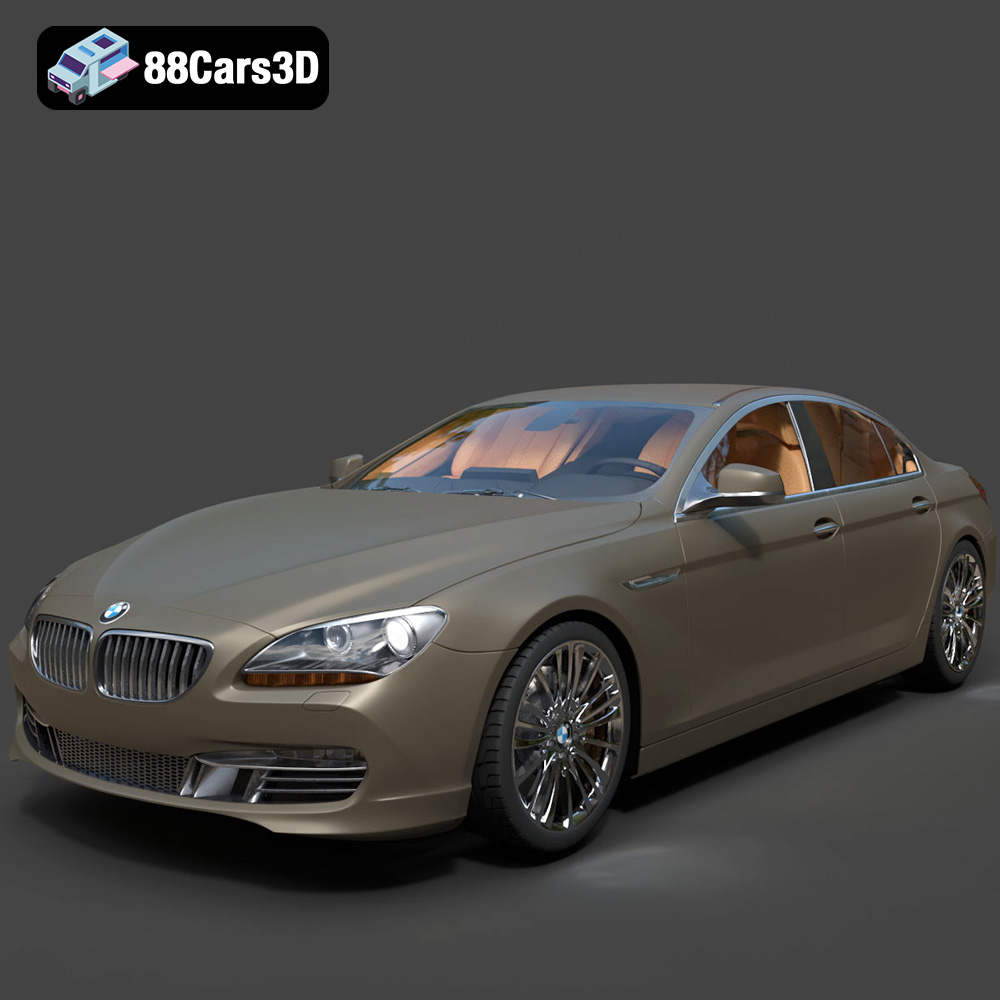
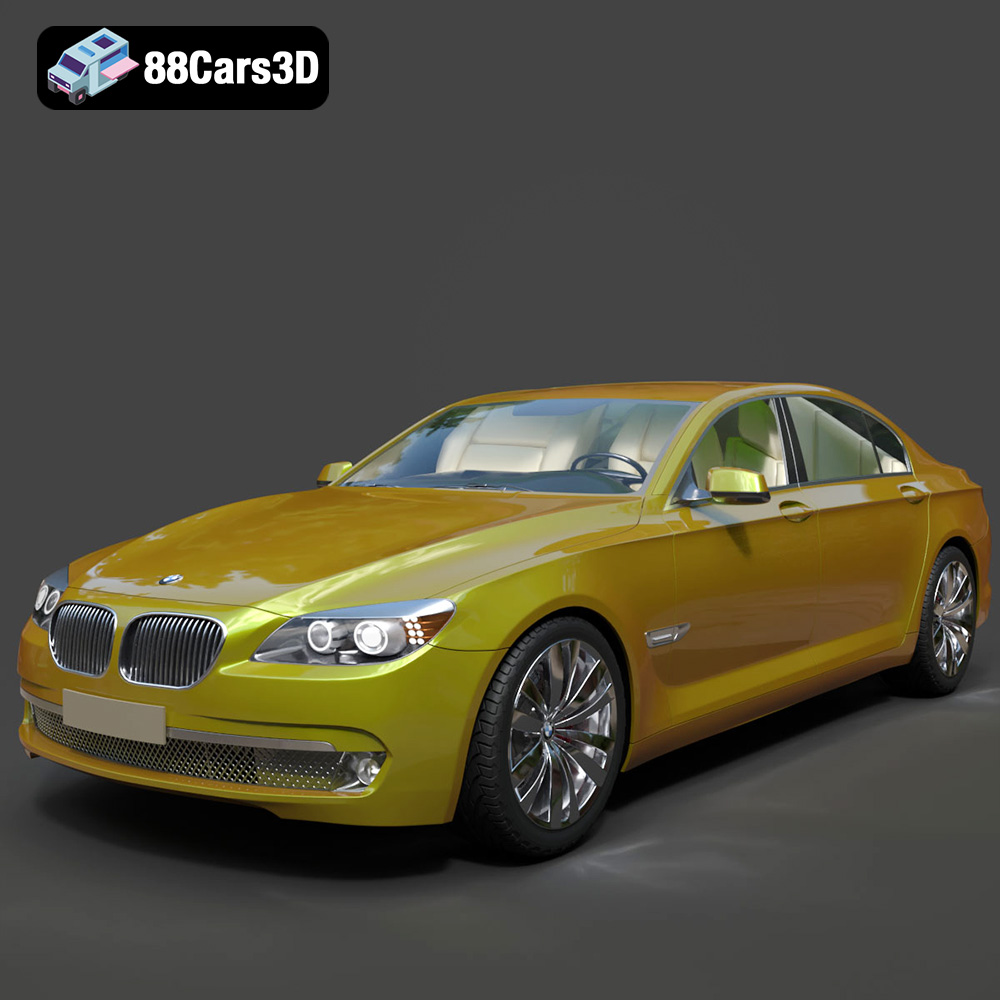
Featured 3D Car Models