

“`html
Mastering the Blueprint: How STL Files Work for Your 3D Printable Car Models
The world of 3D printing, especially for intricate models like classic cars or futuristic prototypes, hinges on the quality of the digital blueprint. Among the most prevalent file formats, STL (STereoLithography) stands as the bedrock for transferring 3D designs to your printer. But what exactly is an STL file, and how does it translate a complex shape into a series of printable instructions? For enthusiasts bringing their favorite vehicles to life from platforms like 88cars3d.com, understanding the inner workings of STL files is paramount to achieving flawless prints. This in-depth guide will demystify the STL format, exploring its reliance on triangular meshes, the importance of watertight geometry, and how these elements directly impact the precision and success of your 3D printed car models. We’ll dive into the technical details of mesh topology, slicing parameters, and common pitfalls, equipping you with the knowledge to navigate STL files with confidence, from initial download to final print.
Understanding the Geometry: What is an STL File?
At its core, an STL file describes the three-dimensional surface geometry of an object. Unlike formats that store vector data or precise mathematical equations defining curves and surfaces, STL files represent a 3D model as a collection of interconnected triangles. This approach, known as a polygonal or faceted mesh, is a simplification that most 3D printers and their associated software (slicers) can readily interpret. Imagine trying to draw a sphere using only straight lines; you’d approximate the curve with many small, straight segments. An STL file does the same for any 3D shape, breaking down its entire surface into thousands, or even millions, of tiny triangles.
Each triangle in an STL file is defined by three vertices (its corners) and a normal vector. The normal vector is a line perpendicular to the face of the triangle, indicating which side is “outside” the model. This orientation is crucial. Slicer software uses these normal vectors to understand the surface of the object, ensuring it’s correctly interpreted as a solid form rather than a hollow shell or an inverted surface. A consistent orientation is key; if a majority of normal vectors point inwards, the slicer might not be able to generate a valid print path. The order of vertices also matters: when viewed from the outside, the vertices are typically listed in counter-clockwise order, which helps the software determine the correct normal vector automatically.
The Binary vs. ASCII Distinction
STL files can exist in two primary formats: ASCII and binary. The ASCII STL format is human-readable, essentially a text file listing each triangle’s vertices and normal vector. While this makes debugging easier, it results in significantly larger file sizes, consuming more disk space and taking longer to load. The binary STL format, on the other hand, is more compact and efficient. It stores the same information but in a packed, non-readable binary code. For intricate models, especially those with high polygon counts commonly found in detailed printable car models from sources like 88cars3d.com, binary STL is the preferred choice due to its smaller file size, which speeds up slicing and printing preparation.
Polygon Count and Level of Detail
The number of triangles used to represent an object’s surface directly influences its level of detail and the file size. A model with a low polygon count will appear faceted and blocky, especially on curved surfaces. Conversely, a high polygon count allows for smoother curves and finer details, resulting in a more accurate representation of the original design. However, an excessively high polygon count can lead to extremely large files, potentially overwhelming slicing software and increasing processing times. Finding the right balance is essential. For 3D printable car models, look for files that offer sufficient detail for features like body lines, grilles, and wheels without being unnecessarily dense. Professional models are often optimized to strike this balance, providing high fidelity without bloating the file size.
The Importance of Watertight Models: Avoiding Print Failures
Perhaps the most critical characteristic of a successful STL file for 3D printing is that it must be “watertight.” This term, borrowed from 3D modeling, means the mesh forms a completely closed volume with no holes, gaps, or self-intersections. Imagine filling the 3D model with water; if it’s watertight, no water leaks out. In the context of 3D printing, this translates to a solid, unambiguous surface that the slicer can interpret as a continuous boundary between the inside and the outside of the object. Any breaches in this boundary can lead to significant printing errors.
Holes in the mesh are the most common issue. These can occur due to errors during the modeling process, during export from CAD software, or during file conversion. When a slicer encounters a hole, it doesn’t know whether that space should be printed as solid material or left as empty. This ambiguity can result in the slicer failing to generate the intended internal infill, creating weak spots, or even causing the print to fail entirely, often appearing as missing sections or distorted geometry. For complex models like detailed car bodies, ensuring every panel, vent, and seam is properly closed is crucial for a smooth exterior and internal integrity.
Common Mesh Errors and How to Fix Them
Beyond simple holes, STL files can suffer from other mesh errors that compromise printability. These include:
- Non-manifold edges: These are edges where more than two triangles meet, or where a single vertex connects multiple disconnected surfaces. Think of a cube where two faces meet at an edge, but then a third face unexpectedly attaches to that same edge; it’s geometrically ambiguous.
- Degenerate faces: Triangles with zero area, where all three vertices are at the same point or lie on the same line.
- Flipped normals: Triangles whose normal vectors point in the wrong direction (inwards instead of outwards, or vice-versa), confusing the slicer about the object’s orientation.
- Self-intersections: Where parts of the mesh cross over themselves, creating impossible geometry that cannot be physically printed.
Fortunately, specialized software can automatically detect and often repair these issues. Tools like Meshmixer, Blender, or Autodesk Netfabb are invaluable for mesh repair. For instance, in Meshmixer, you can use the “Make Solid” or “Inspector” features to identify and fix common errors. Blender’s “3D-Print Toolbox” add-on offers similar capabilities. When downloading print-ready files from marketplaces like 88cars3d.com, the developers have typically pre-checked and repaired these issues, saving you significant troubleshooting time.
The Role of Manifold Topology in Slicing
A manifold mesh is essentially a watertight mesh that follows the rules of 3D geometry. It means that every edge is shared by exactly two faces, and the surface forms a continuous boundary. This is the ideal state for an STL file destined for slicing. Slicer software relies on this manifold topology to accurately calculate the interior volume for infill, determine the outer shell thickness, and generate toolpaths for the printer. If the mesh is non-manifold, the slicer might misinterpret the intended geometry, leading to artifacts like thin walls, hollow sections where solid material is expected, or incorrect layer heights. For engineers and designers aiming for precise prototypes, ensuring a manifold mesh before slicing is a non-negotiable step in the workflow.
Slicing STL Files: From Mesh to G-code
Once you have a clean, watertight STL file of your desired car model, the next crucial step is “slicing.” Slicing software (like Cura, PrusaSlicer, Simplify3D) takes the 3D model and divides it into hundreds or thousands of thin, horizontal layers. For each layer, it generates a set of instructions in a language called G-code. This G-code tells your 3D printer precisely where to move the print head, how much filament to extrude, what temperature to maintain, and many other parameters needed to build the object layer by layer.
The quality of the sliced G-code is directly dependent on the quality of the STL file and the settings you choose within the slicer. Incorrect slicing settings can lead to poor surface finish, weak structural integrity, failed prints, or excessive print times. This is especially true for complex geometries like those found in detailed car models, which often feature overhangs, fine details, and varying surface curvatures. Understanding how different slicing parameters interact with the STL mesh is key to unlocking the full potential of your 3D printer.
Key Slicing Parameters for Precision and Quality
Several parameters within your slicer have a profound impact on the final print quality of an STL model:
- Layer Height: This determines the thickness of each individual layer. A smaller layer height (e.g., 0.1mm) results in finer detail and smoother curves, ideal for showcasing the sleek lines of a car model, but significantly increases print time. A larger layer height (e.g., 0.2mm or 0.3mm) prints faster but may show visible layer lines. For display models, prioritize small layer heights (0.05mm – 0.1mm).
- Infill Density and Pattern: Infill creates the internal support structure of the print. For display models, low infill (5-15%) is often sufficient and saves material and time. Patterns like Grid, Gyroid, or Cubic offer good strength-to-weight ratios. For functional prototypes, higher infill (30-60% or more) is necessary.
- Print Speed: Printing too fast can compromise quality, especially on complex curves or overhangs. For detailed car models, consider printing outer walls at a slower speed (e.g., 30-50mm/s) to ensure a smooth finish, while inner walls and infill can be printed slightly faster.
- Temperatures (Nozzle and Bed): These depend heavily on the filament material (PLA, PETG, ABS, etc.) and are critical for adhesion and layer bonding. Always refer to the filament manufacturer’s recommendations.
- Retraction Settings: Proper retraction prevents stringing (fine wisps of filament between separate parts of the model) by pulling filament back into the nozzle during travel moves.
Experimenting with these settings, often starting with presets for detailed models and then fine-tuning, is essential. For example, enabling “Ironing” in some slicers can create an exceptionally smooth top surface, perfect for car hoods or roofs.
Support Structures: Essential for Overhangs and Bridges
3D printers build objects layer by layer from the bottom up. This means any part of the model that extends horizontally beyond the layer below it is an “overhang.” If the overhang angle is too steep (typically beyond 45-60 degrees), gravity will cause the molten plastic to droop or fall before it can solidify, resulting in a failed print. Support structures are temporary scaffolding printed alongside the model to prop up these overhangs and bridges (sections spanning a gap with no support below). For printable car models, supports are often necessary for areas like wheel arches, spoilers, undercarriage details, and open windows.
Choosing the right type and density of supports is crucial. “Tree” supports, available in some slicers, can be more material-efficient and easier to remove than traditional “normal” supports, especially for complex geometries. The support interface settings (like support density and contact Z distance) allow you to control how easily the supports detach from the model. A small Z distance (e.g., 0.1-0.2mm) creates a dense contact layer, improving the surface quality of the supported area but making removal harder. Increasing this distance makes removal easier but may result in a slightly rougher surface. For intricate car models, minimizing visible support marks on critical exterior surfaces is a primary concern.
Print Orientation: The Unsung Hero of Success
The orientation in which you place your STL model on the virtual build plate can dramatically affect print success, quality, and the amount of support material needed. Consider a car model:
- Lying flat on its side: Might require extensive supports for the entire length of the body, and the visible layer lines might be prominent along the curves.
- Standing upright on its wheels: Can be ideal for smooth side profiles, but requires robust supports for the roof and potentially delicate details like mirrors.
- Upside down (roof down): Often a good compromise, allowing the underside and wheels to be printed with minimal supports, while the roof might be relatively flat.
When deciding on orientation, consider these factors:
- Minimize overhangs: Position the model to reduce the need for supports where possible.
- Optimize for surface finish: Place critical surfaces (like the car’s bodywork) facing upwards or at an angle that benefits from the smoothest printing direction, minimizing visible layer lines.
- Strengthen structural integrity: For parts under stress, orient them so that layer lines do not run parallel to the direction of expected force.
- Bed adhesion: Ensure a large, flat surface area of the model is in contact with the build plate for a strong initial adhesion.
For complex car models, rotating and tilting the model in your slicer to find the optimal orientation is a vital step often overlooked by beginners.
File Formats Beyond STL: When to Use OBJ or FBX
While STL is ubiquitous for 3D printing, it’s not the only 3D file format available. Understanding other formats like OBJ (Object) and FBX (Filmbox) can offer additional benefits, particularly in workflows involving complex texturing, animation, or when working with software that excels at handling non-printable data. These formats can store more information than just the raw geometry of triangles. For instance, OBJ files can include color information and UV mapping coordinates, which are essential for applying textures to a model. FBX is even more versatile, capable of storing geometry, textures, animations, and lighting information, making it a standard in the gaming and animation industries.
For the primary purpose of 3D printing, the STL format is usually sufficient because printers primarily care about the shape of the object. However, if you acquire a highly detailed car model that includes intricate paint schemes or decals designed to be applied post-printing, an OBJ or FBX file might provide the necessary texture maps or UV data. Sometimes, complex models might be exported from professional software in these formats. The key is to check if your slicer can import them directly or if you need to convert them to STL first. Most modern slicers can import OBJ and FBX, often stripping away non-essential data like textures but retaining the geometry. However, it’s always wise to preview the imported model to ensure the geometry is preserved correctly and is watertight before proceeding to slice.
Converting Between Formats: Best Practices
When you encounter a model in a format other than STL, such as OBJ or FBX, and need to prepare it for printing, conversion is often necessary. Software like Blender, Meshmixer, or even some advanced slicers can handle these conversions. The process typically involves importing the file, performing any necessary mesh repairs (as discussed earlier), and then exporting it as an STL. During the export process, you’ll usually have options to control the mesh density or polygon count. Just as with STL files, choose settings that balance detail with manageable file size. For example, when exporting from Blender, under “Export STL,” you can adjust the “Decimate” setting or ensure the “Scene Unit” is correctly interpreted to maintain the intended scale of your car model.
Leveraging Textures and Colors (For Advanced Workflows)
While most 3D printers build objects in a single color (or multiple colors if using multi-material setups), understanding texture maps and color information from formats like OBJ can be beneficial for advanced hobbyists. For example, you might use the color information from an OBJ file as a guide for painting your printed car model. More sophisticated workflows might involve 3D painting software where textures are directly applied to the mesh. These textured models can then be baked down to a simpler geometry, or the texture maps can be used to guide painting on the 3D printed object. For purely structural 3D printing of car models, this information is secondary, but for those aiming for hyper-realistic replicas, it can be a valuable part of the workflow, complementing the clean STL files readily available from sources like 88cars3d.com.
Optimizing Your Print Settings for Automotive Models
Bringing a 3D printable car model to life requires a thoughtful approach to printer settings, moving beyond generic defaults to account for the specific challenges and desired outcomes of automotive replicas. These models often feature delicate details like grilles, antennas, mirrors, and intricate wheel designs, alongside smooth, curved body panels that demand a high-quality surface finish. Achieving this balance requires fine-tuning various aspects of the printing process, from material selection to slicing parameters.
Material choice plays a significant role. PLA is an excellent starting point for beginners due to its ease of printing and low warping. It’s great for static display models. For a slightly more durable print with better temperature resistance, PETG is a good option, though it can be more prone to stringing. ABS offers superior strength and heat resistance but requires a heated enclosure and good ventilation due to fumes and warping tendencies. For the absolute finest details and smoothest surfaces, resin printing (SLA/DLP/MSLA) is often the preferred method. Resin printers use UV light to cure liquid resin layer by layer, enabling incredibly high resolutions and capturing minute details that FDM printers struggle with. The choice between FDM and resin will heavily influence your specific print settings, from layer height (often much smaller in resin) to exposure times and post-processing.
FDM vs. Resin Printing for Car Models
When printing car models, the trade-offs between FDM (Fused Deposition Modeling) and resin printing are significant.
- FDM: Generally more affordable, larger build volumes are common, and materials like PLA, PETG, and ABS are widely available and easier to handle. However, achieving the ultra-smooth finish and fine details seen on professional models can be challenging due to visible layer lines and nozzle limitations. Layer heights typically range from 0.05mm to 0.3mm. Supports can be more difficult to remove cleanly from delicate areas.
- Resin (SLA/DLP/MSLA): Offers vastly superior detail and surface finish, with layer heights often as low as 0.01mm to 0.05mm. This is ideal for capturing intricate grille patterns, badging, and sharp body lines. However, resin printers typically have smaller build volumes, require more post-processing (washing, curing), and the materials can be messier and more expensive. Resin prints can also be more brittle and may degrade over time with UV exposure.
For collectors seeking the highest fidelity, resin printing is often the go-to. For makers who want to produce larger models or functional parts that don’t require microscopic detail, FDM printing remains a fantastic and accessible option, especially with optimized STL files from providers like 88cars3d.com.
Advanced Slicer Techniques for Sharper Details
Beyond basic layer height and speed, several advanced slicer features can elevate the quality of your printed car models:
- Variable Layer Height: Some slicers allow you to automatically vary the layer height throughout the print. You can use smaller layer heights for detailed areas (like the grille) and larger ones for less critical sections (like the underside), optimizing both quality and print time.
- Print Thin Walls: This setting enables the printer to create walls thinner than the nozzle diameter, useful for features like very fine spokes on wheels or thin body panel gaps.
- Jerk and Acceleration Control: Tuning these parameters can significantly impact print smoothness. Lowering jerk and acceleration can reduce vibrations and ringing artifacts, especially on faster prints, leading to cleaner curves and sharper edges.
- Cooling Fan Speed: Proper part cooling is essential for FDM prints to solidify quickly, especially on overhangs and fine details. Ensure your fan speed is adequately set, increasing it for PLA and potentially decreasing it slightly for materials like ABS or PETG to improve layer adhesion.
Experimentation is key. Keep a log of your settings and the results, especially when printing different models or using different filaments. Many enthusiasts develop custom profiles for specific printers and materials tailored to the demands of detailed models.
Post-Processing: From Raw Print to Showroom Finish
The journey doesn’t end when the print is complete. Post-processing is vital for achieving a professional-looking result, especially for car models.
- Support Removal: Carefully remove all support structures using tools like pliers, flush cutters, or a hobby knife. Be patient to avoid damaging delicate parts of the model.
- Sanding: For FDM prints, sanding is often necessary to smooth out layer lines and remove any imperfections from supports. Start with coarser grit sandpaper (e.g., 150-220) and gradually move to finer grits (e.g., 400, 800, 1000+) for a smooth surface ready for paint. For resin prints, lighter sanding with higher grit papers is often sufficient.
- Filling and Priming: Use modeling putty or filler primers to fill any remaining small gaps or layer lines. A primer coat provides a uniform surface and helps reveal any imperfections that need further attention before painting.
- Painting: Apply your chosen paint scheme. Airbrushing offers the smoothest finish for automotive paints. Consider using automotive-grade paints for realism. Masking tape is essential for clean lines between different colors (e.g., body color, trim, windows).
- Assembly: Many complex car models are designed to be printed in multiple parts for easier printing and better detail. Use appropriate adhesives (e.g., super glue, plastic cement) to assemble these components.
This meticulous post-processing transforms a raw 3D print into a stunning replica worthy of any collection.
Conclusion: Elevating Your 3D Printing with STL Expertise
The STL file format, despite its seemingly simple structure of interconnected triangles, is the fundamental language that bridges the gap between digital design and physical creation in 3D printing. Understanding its reliance on mesh geometry, the critical importance of watertight models, and the nuances of how slicer software interprets these files is not just technical knowledge—it’s the key to unlocking consistently high-quality prints. Whether you’re downloading meticulously prepared printable car models from 88cars3d.com or creating your own, mastering the principles of mesh integrity, appropriate slicing parameters, effective support strategies, and optimal print orientation will significantly reduce failures and elevate the aesthetic and structural quality of your projects.
By diving deeper into the technical aspects—from binary versus ASCII formats and polygon counts to advanced slicer settings like variable layer height and printer calibration—you equip yourself with the skills to tackle even the most complex automotive designs. Remember that the STL file is merely the blueprint; your understanding of its structure, combined with careful preparation and informed printer settings, is what truly brings your 3D printed car models to life with precision and detail. Embrace the learning process, experiment with settings, and don’t shy away from mesh repair tools. The more you understand how STL files work and how your printer and software interpret them, the more impressive your automotive creations will become.
“`
Featured 3D Car Models

Porsche Cayenne 3D Model
Meta Description:
Texture: Yes
Material: Yes
Download the Porsche Cayenne 3D Model featuring realistic exterior styling and detailed interior design. Includes .blend, .fbx, .obj, .glb, .stl, .ply, .unreal, and .max formats for rendering, simulation, AR VR, and game development.
Price: $19.9
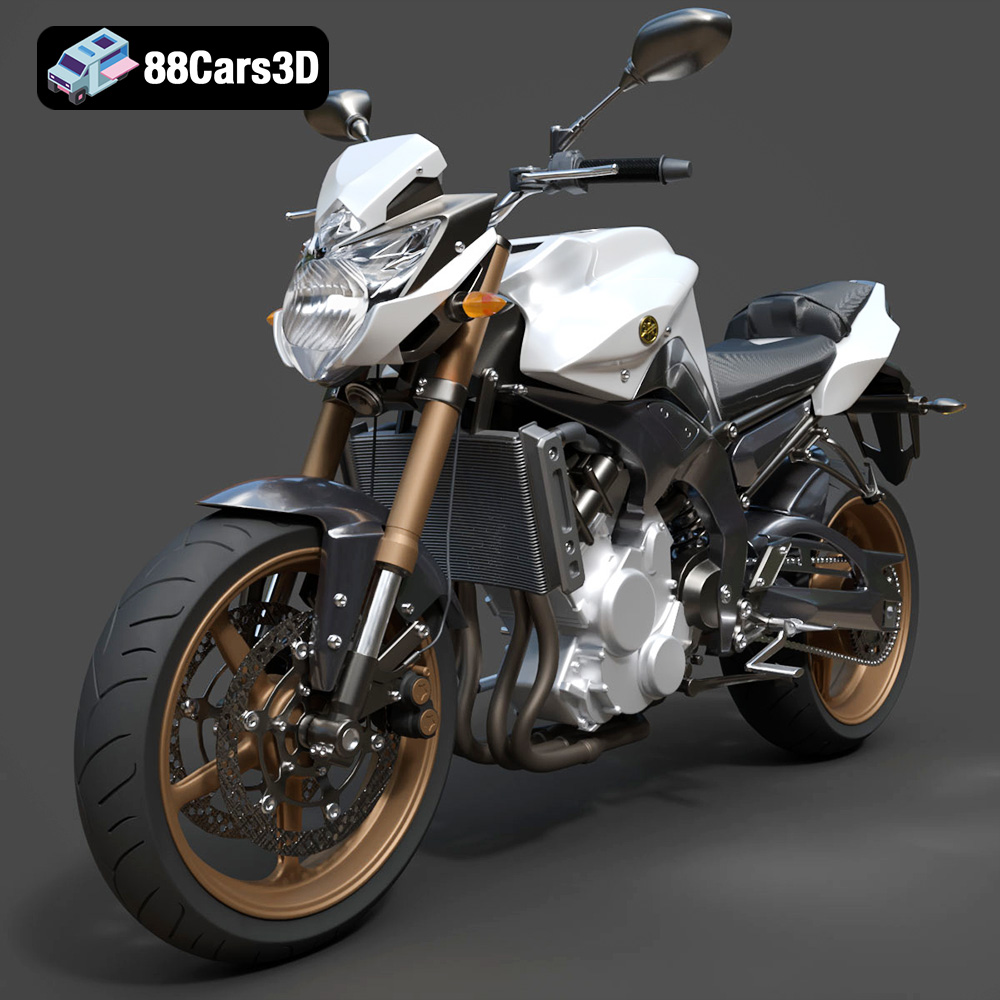
Yamaha FZ8 2011 3D Model
Texture: Yes
Material: Yes
Download the Yamaha FZ8 2011 3D Model featuring clean geometry, realistic detailing, and a fully modeled interior. Includes .blend, .fbx, .obj, .glb, .stl, .ply, .unreal, and .max formats for rendering, simulation, and game development.
Price: $19.99
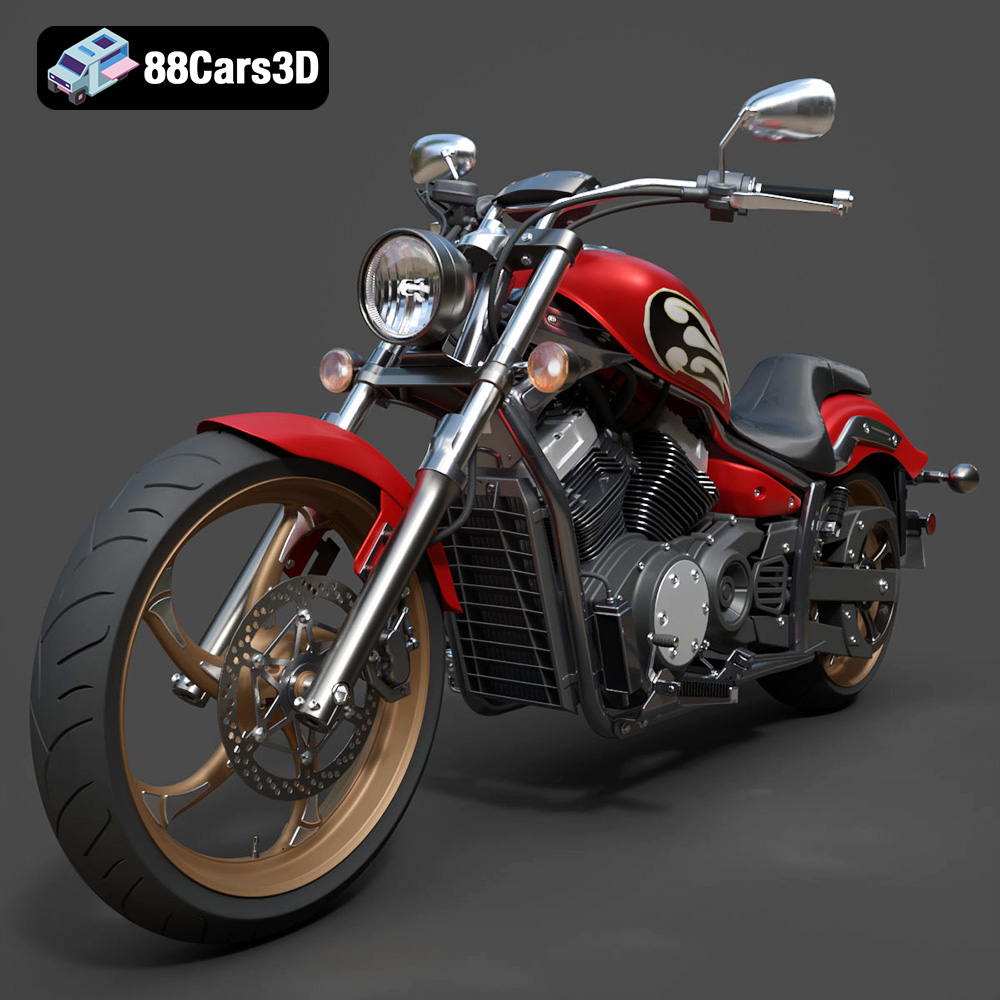
Yamaha Stryker 2012 3D Model
Texture: Yes
Material: Yes
Download the Yamaha Stryker 2012 3D Model featuring clean geometry, realistic detailing, and a fully modeled interior. Includes .blend, .fbx, .obj, .glb, .stl, .ply, .unreal, and .max formats for rendering, simulation, and game development.
Price: $19.99
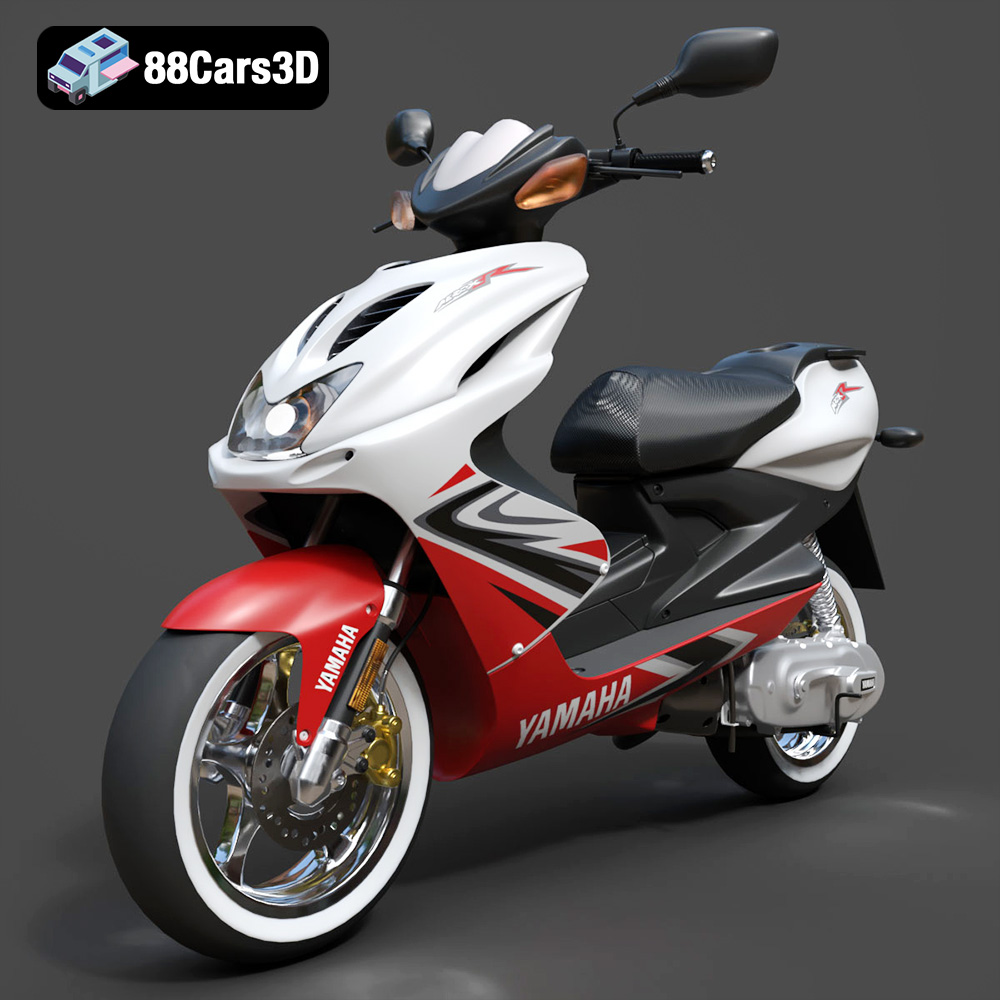
Yamaha Aerox R-002 2024 3D Model
Texture: Yes
Material: Yes
Download the Yamaha Aerox R-002 2024 3D Model featuring clean geometry, realistic detailing, and a fully modeled interior. Includes .blend, .fbx, .obj, .glb, .stl, .ply, .unreal, and .max formats for rendering, simulation, and game development.
Price: $19.99
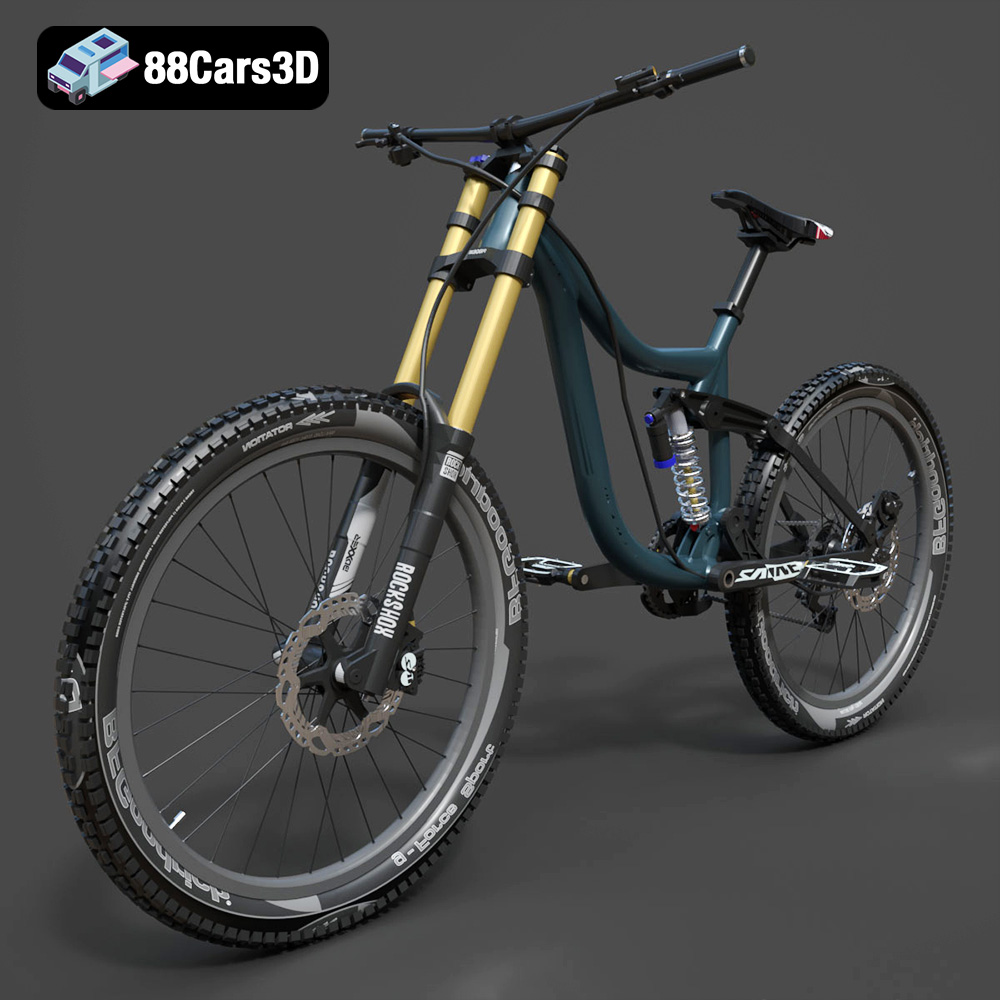
Mototsikly Downhill Bike-002 3D Model
Texture: Yes
Material: Yes
Download the Mototsikly Downhill Bike-002 3D Model featuring clean geometry, realistic detailing, and precise mechanical components. Includes .blend, .fbx, .obj, .glb, .stl, .ply, .unreal, and .max formats for rendering, simulation, and game development.
Price: $19.99
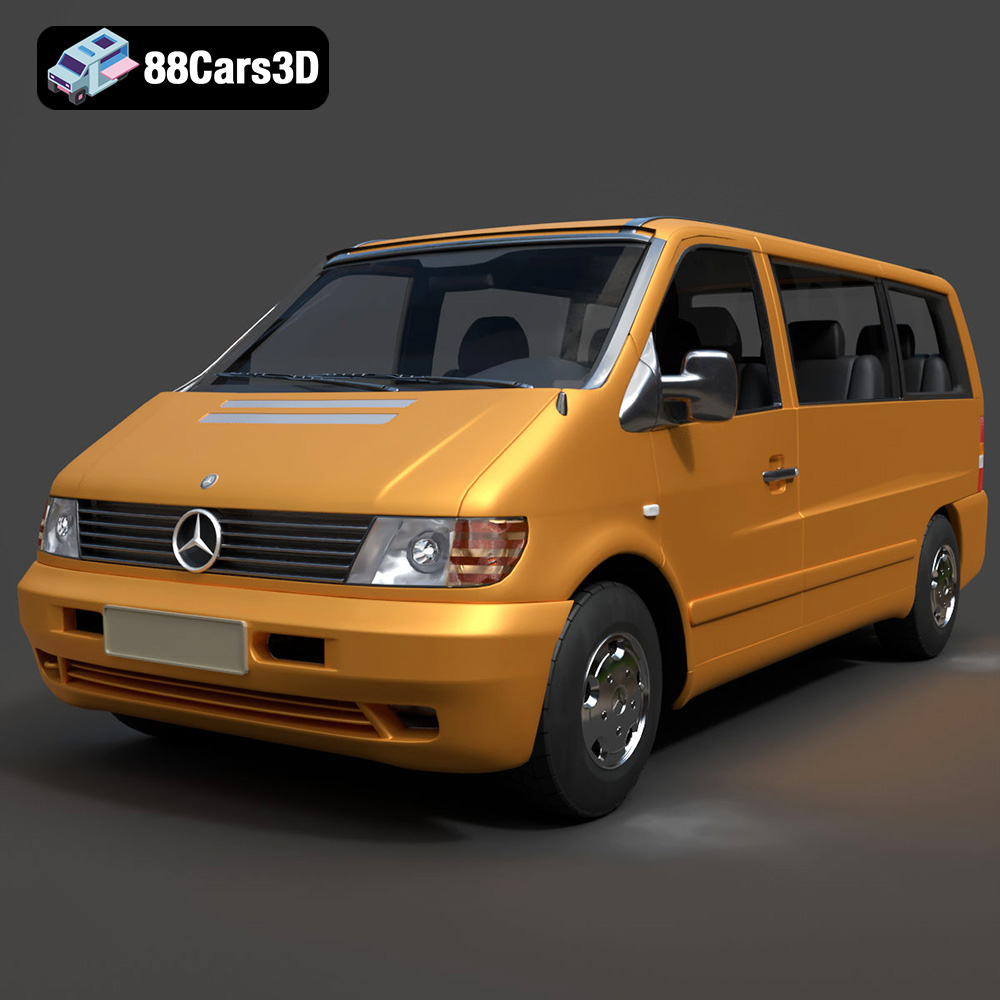
Mercedes-Benz Vito Passenger Van 3D Model
Texture: Yes
Material: Yes
Download the Mercedes-Benz Vito Passenger Van 3D Model featuring clean geometry, realistic detailing, and a fully modeled interior. Includes .blend, .fbx, .obj, .glb, .stl, .ply, .unreal, and .max formats for rendering, simulation, and game development.
Price: $19.99
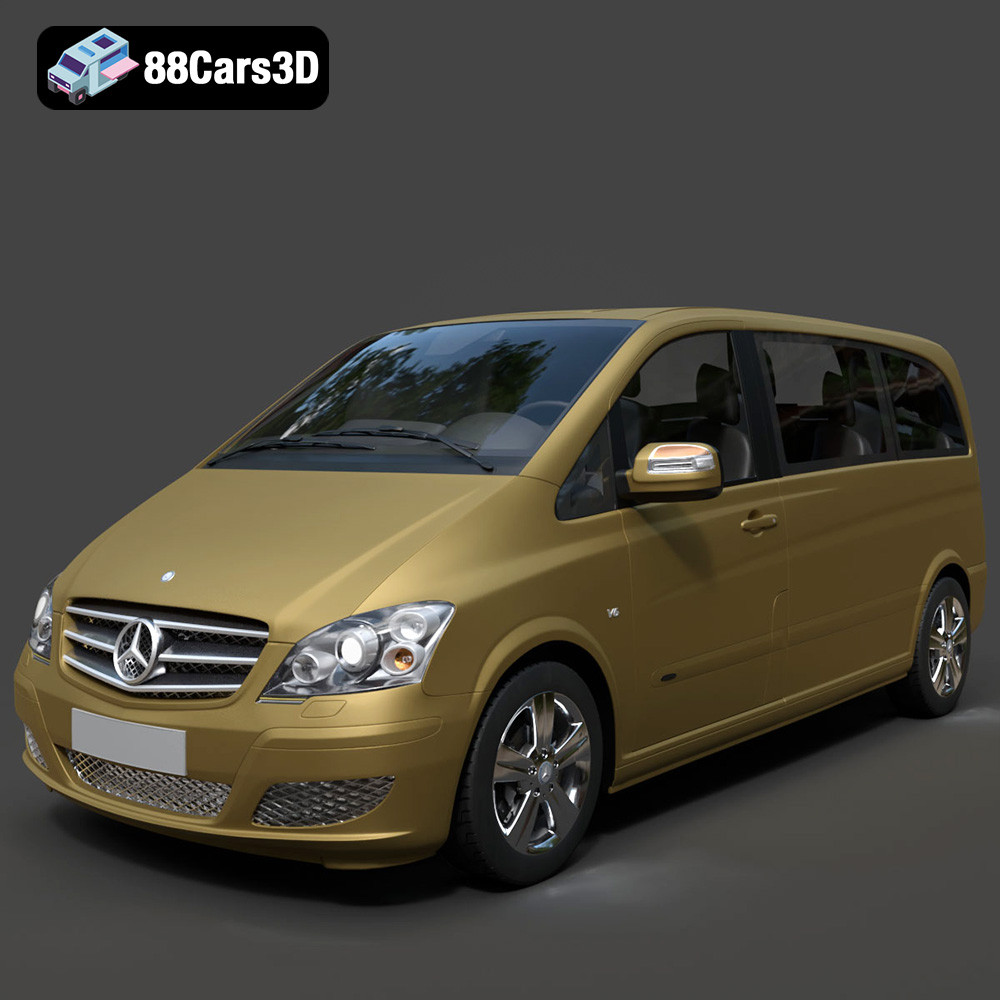
Mercedes-Benz Viano 2010 3D Model
Texture: Yes
Material: Yes
Download the Mercedes-Benz Viano 2010 3D Model featuring clean geometry, realistic detailing, and a fully modeled interior. Includes .blend, .fbx, .obj, .glb, .stl, .ply, .unreal, and .max formats for rendering, simulation, and game development.
Price: $19.99

Emt Avtobus 007 3D Model
Texture: Yes
Material: Yes
Download the Emt Avtobus 007 3D Model featuring clean geometry, realistic detailing, and a fully modeled interior. Includes .blend, .fbx, .obj, .glb, .stl, .ply, .unreal, and .max formats for rendering, simulation, and game development.
Price: $19.99
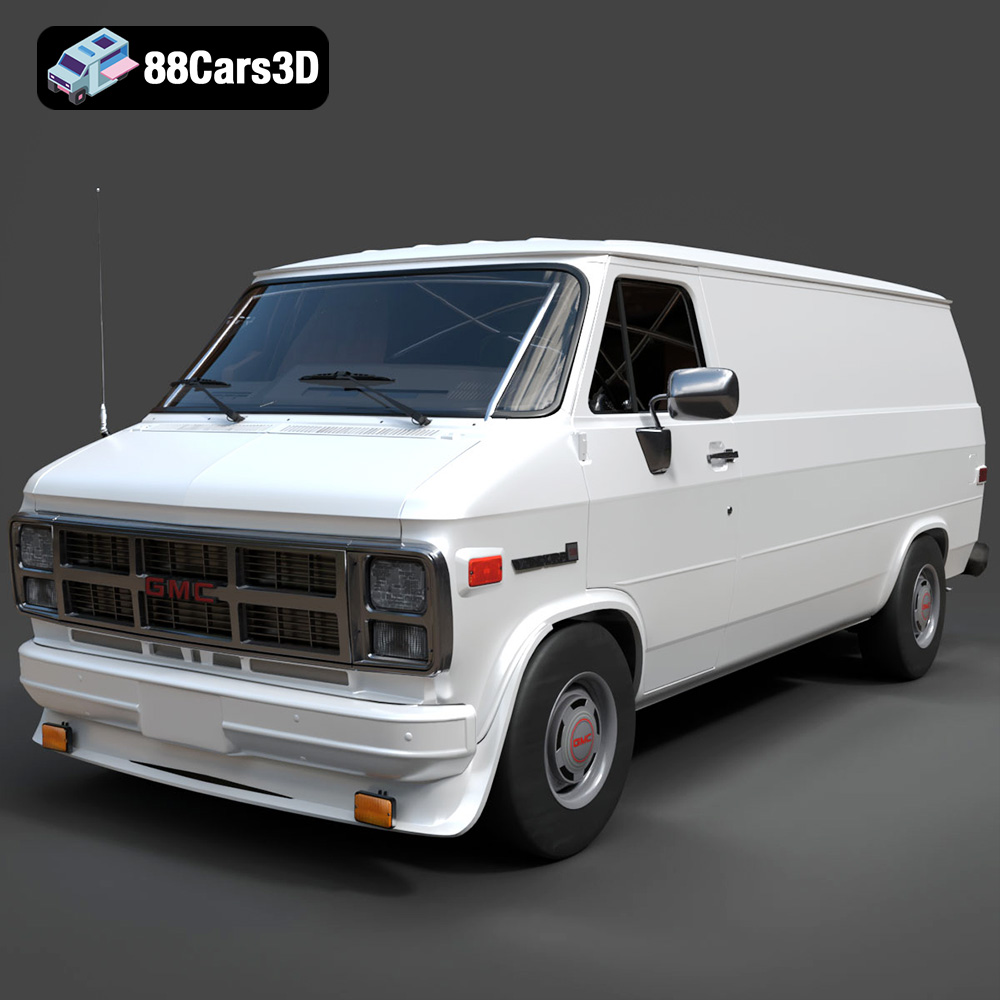
GMC Vandura G-1500 1983 3D Model
Texture: Yes
Material: Yes
Download the GMC Vandura G-1500 1983 3D Model featuring clean geometry, realistic detailing, and a fully modeled interior. Includes .blend, .fbx, .obj, .glb, .stl, .ply, .unreal, and .max formats for rendering, simulation, and game development.
Price: $19.99
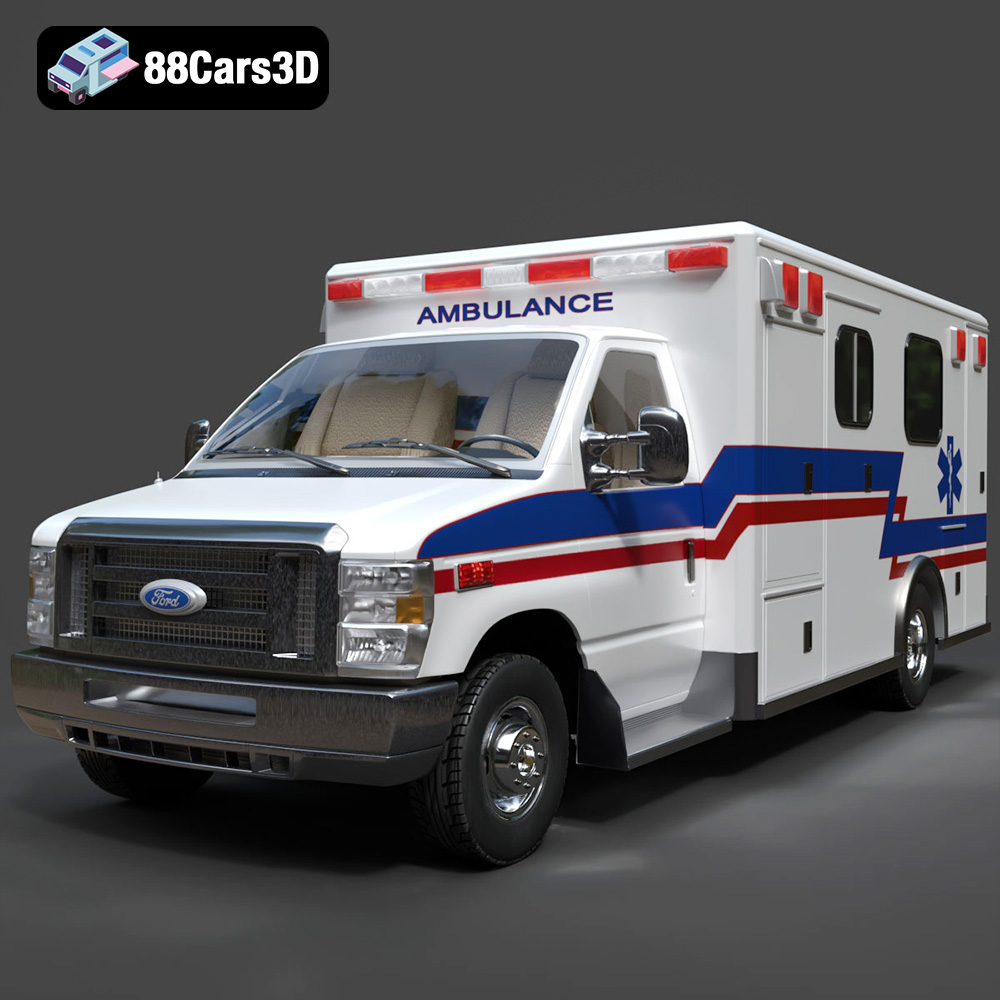
Ford E-450 Ambulance 3D Model
Texture: Yes
Material: Yes
Download the Ford E-450 Ambulance 3D Model featuring clean geometry, realistic detailing, and a fully modeled interior. Includes .blend, .fbx, .obj, .glb, .stl, .ply, .unreal, and .max formats for rendering, simulation, and game development.
Price: $19.99
