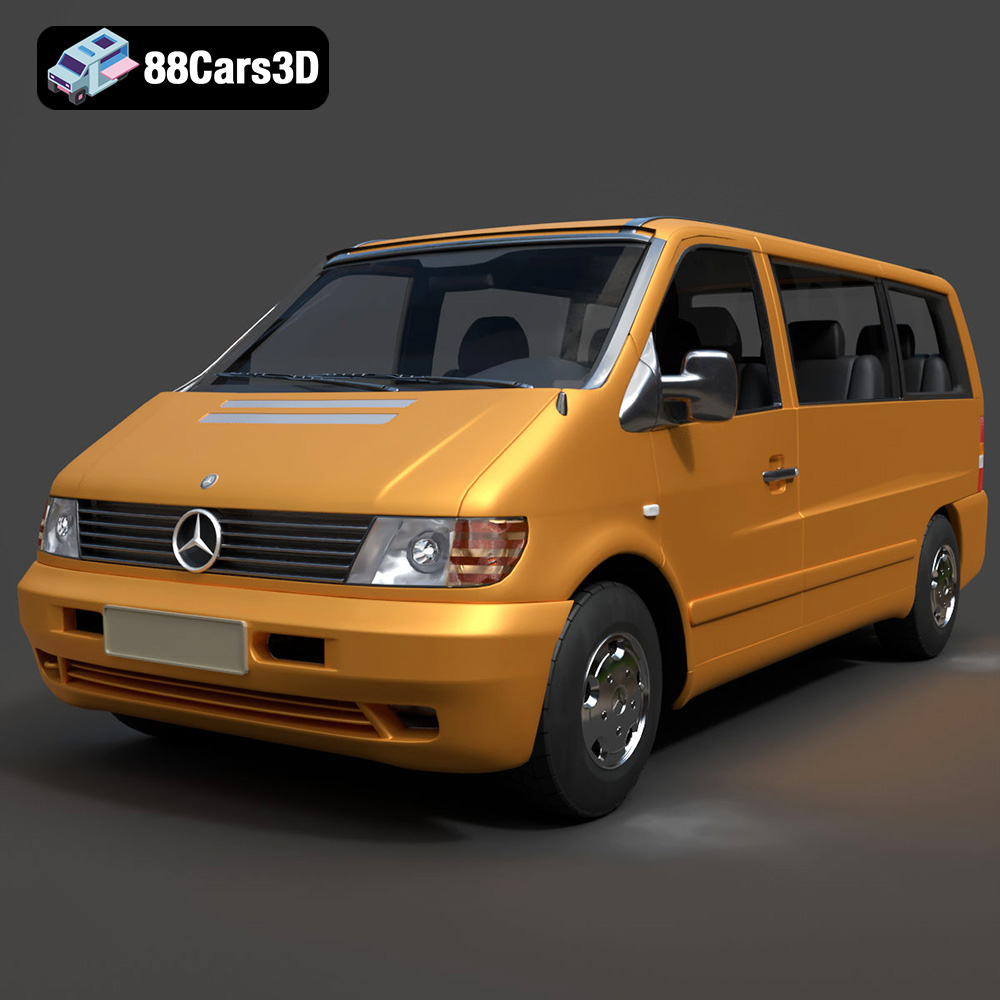
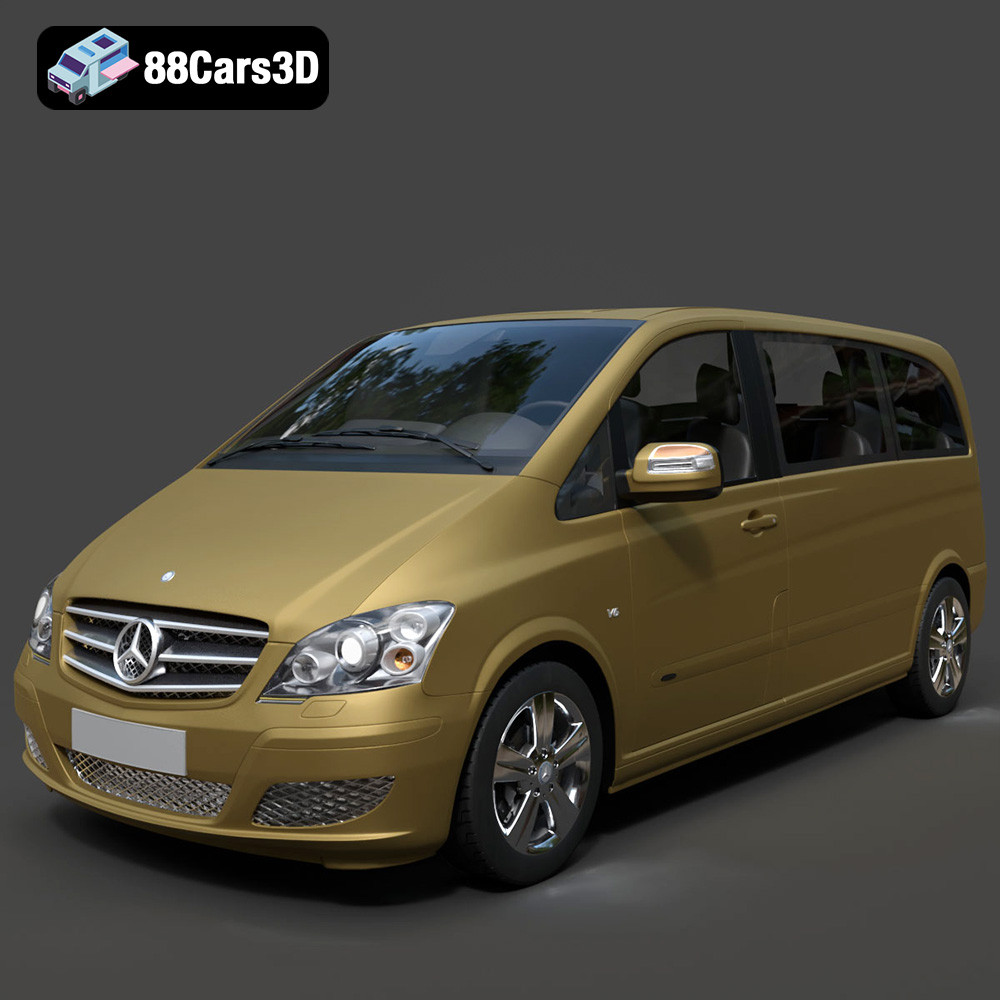
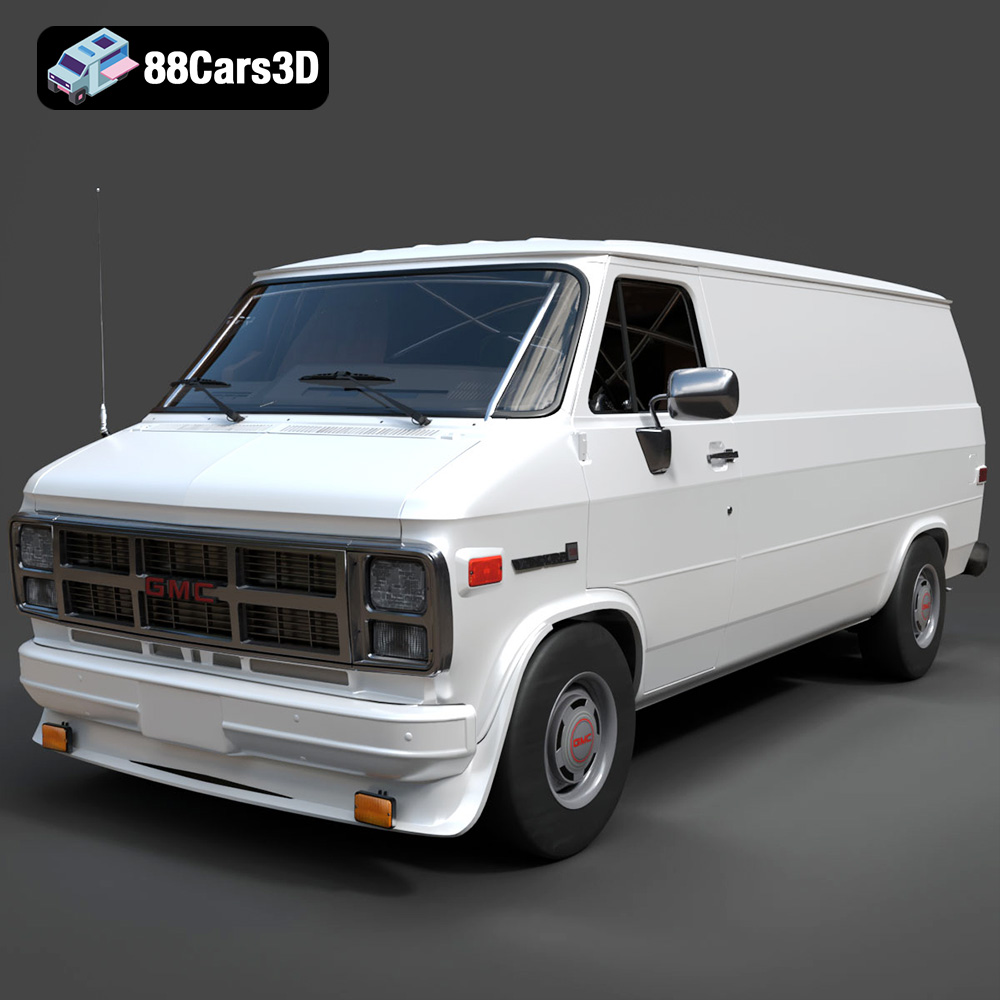
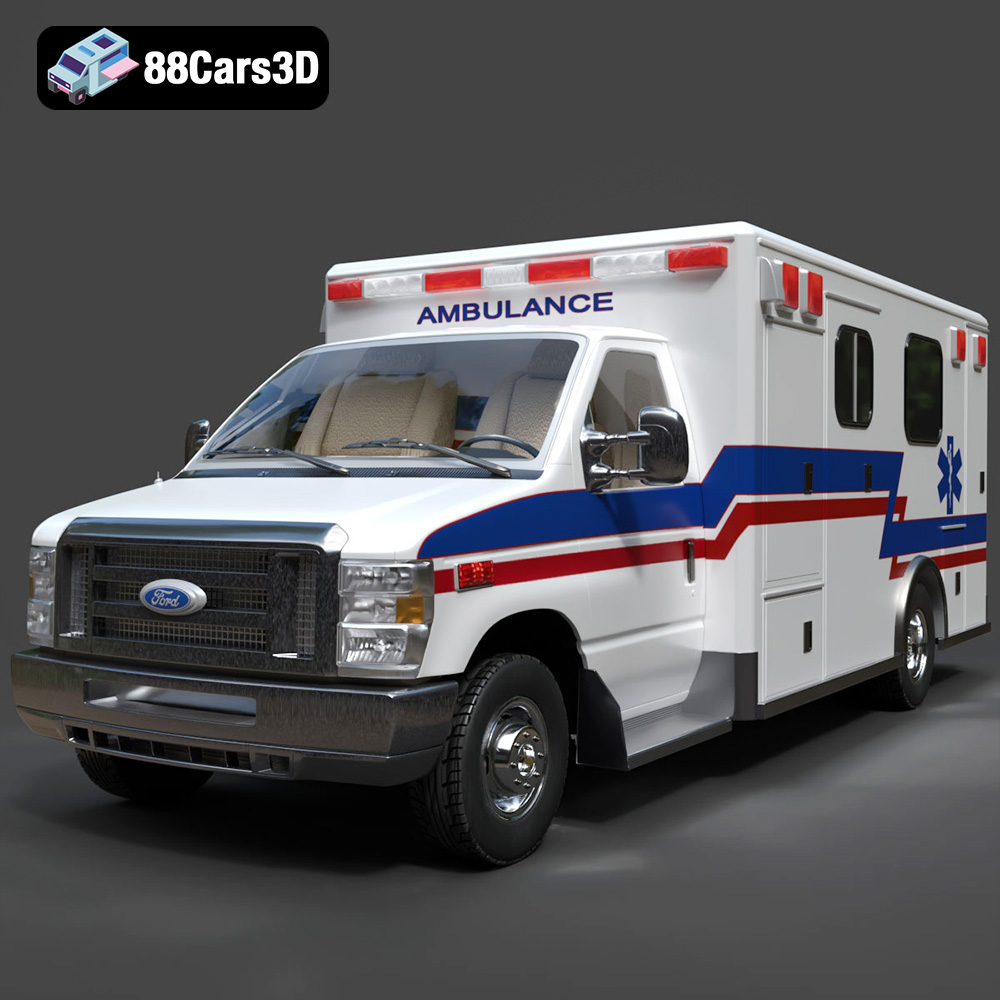
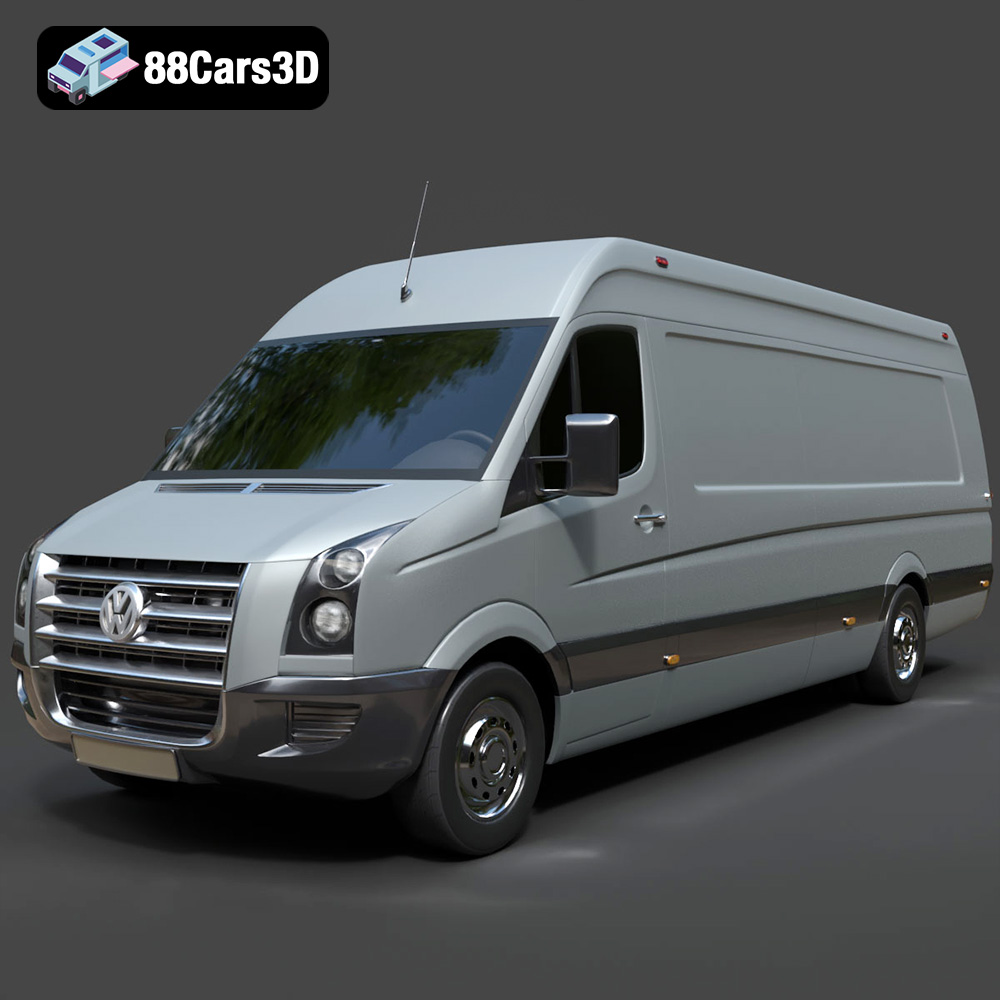
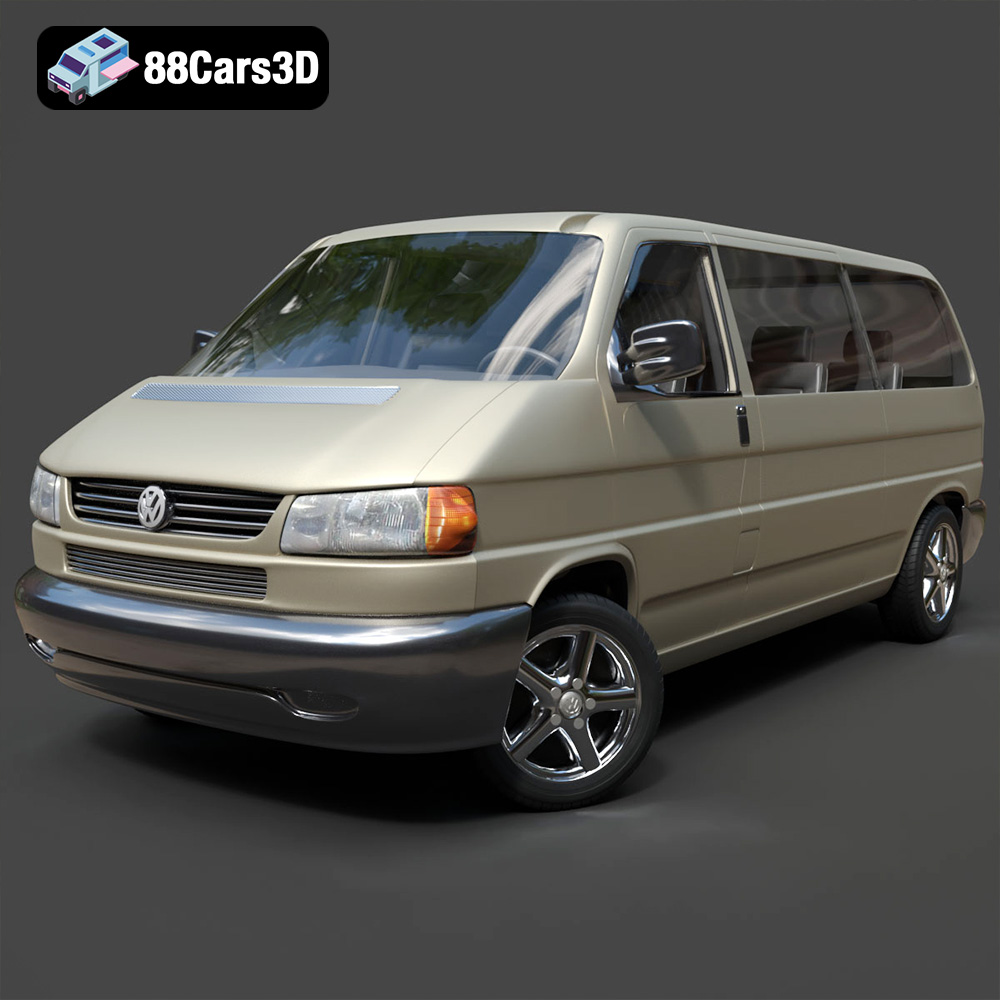
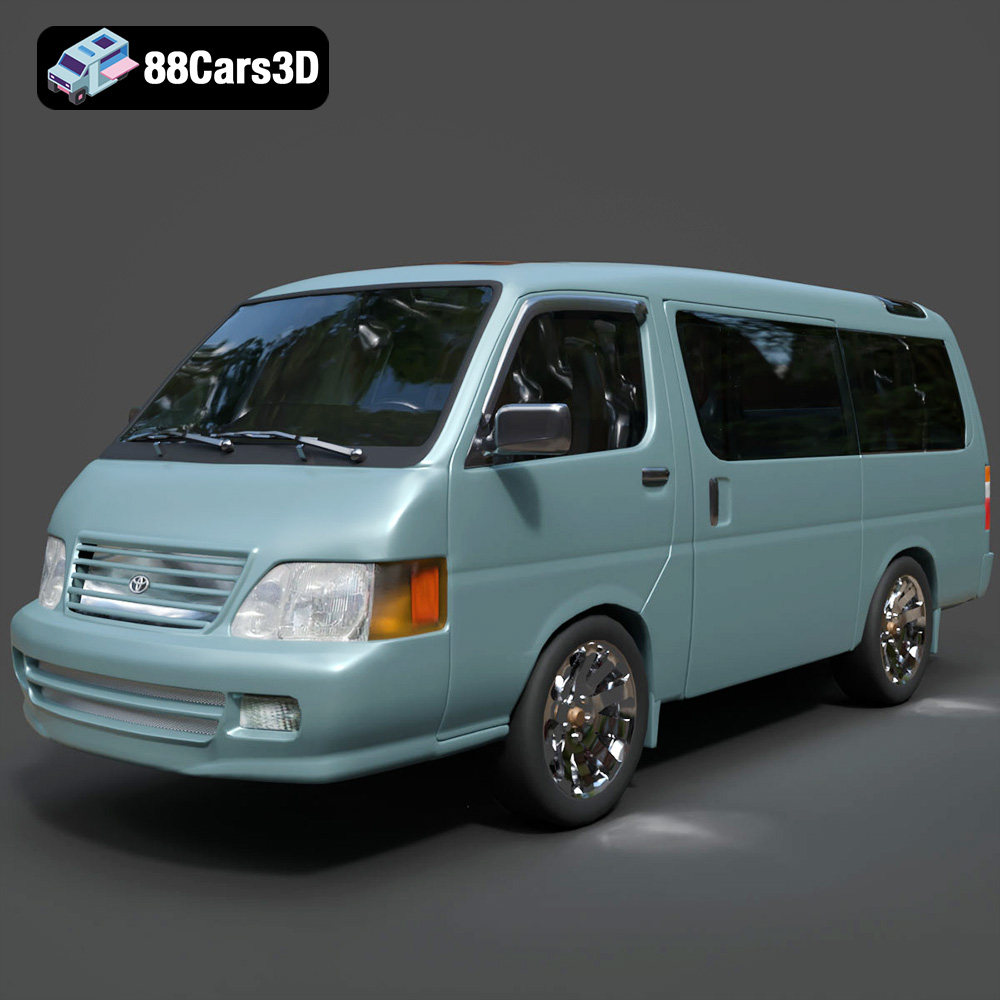
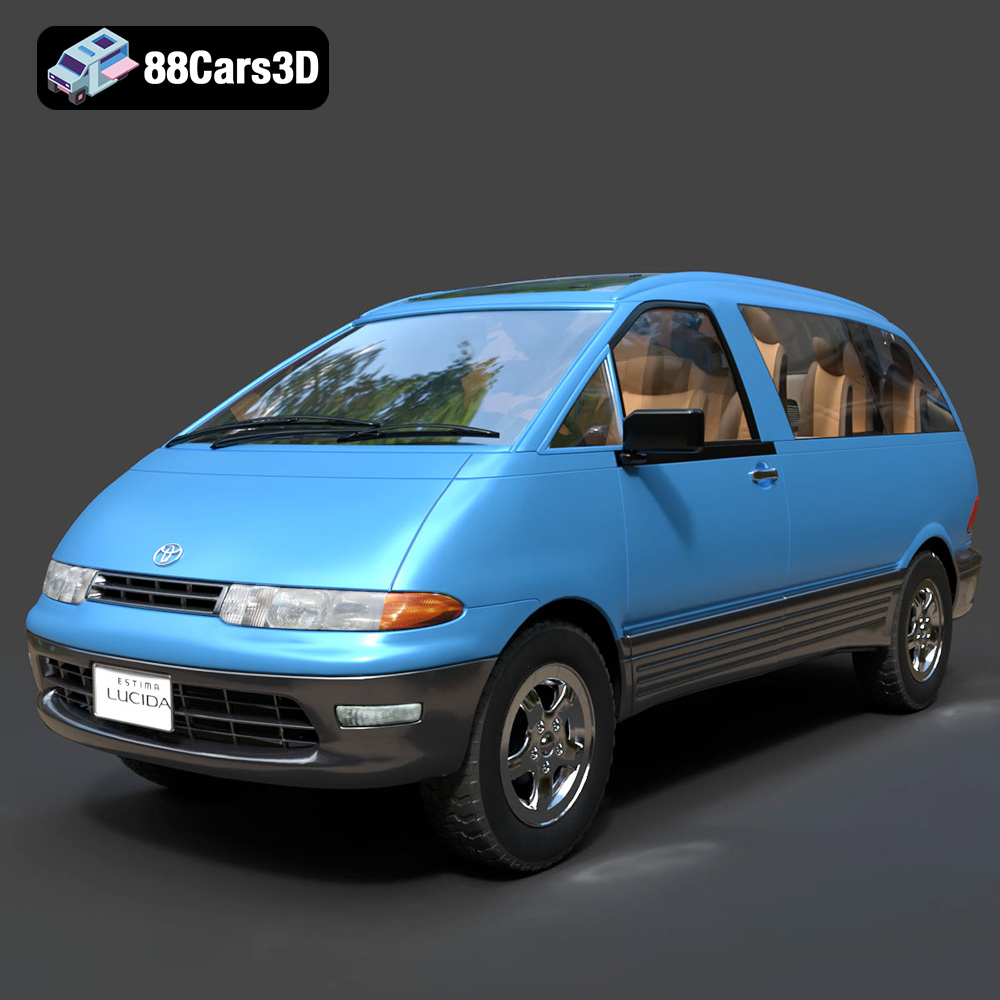
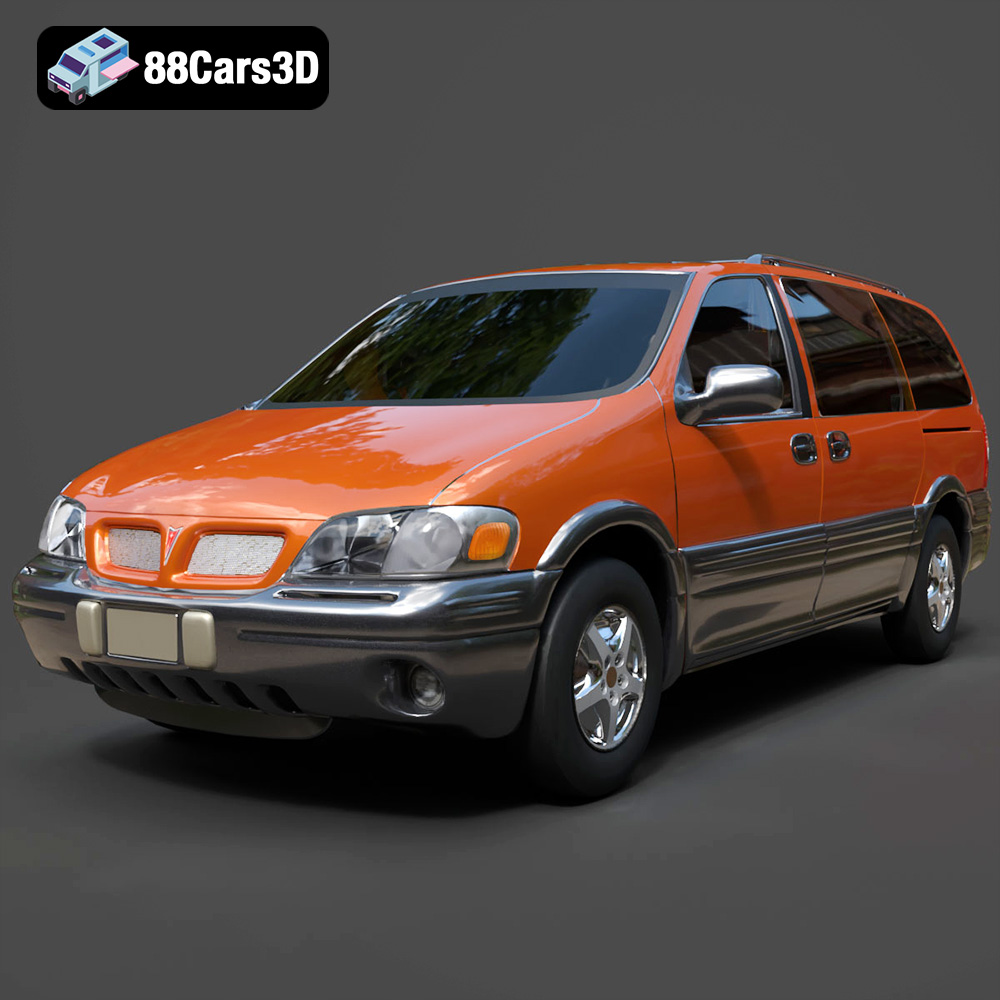
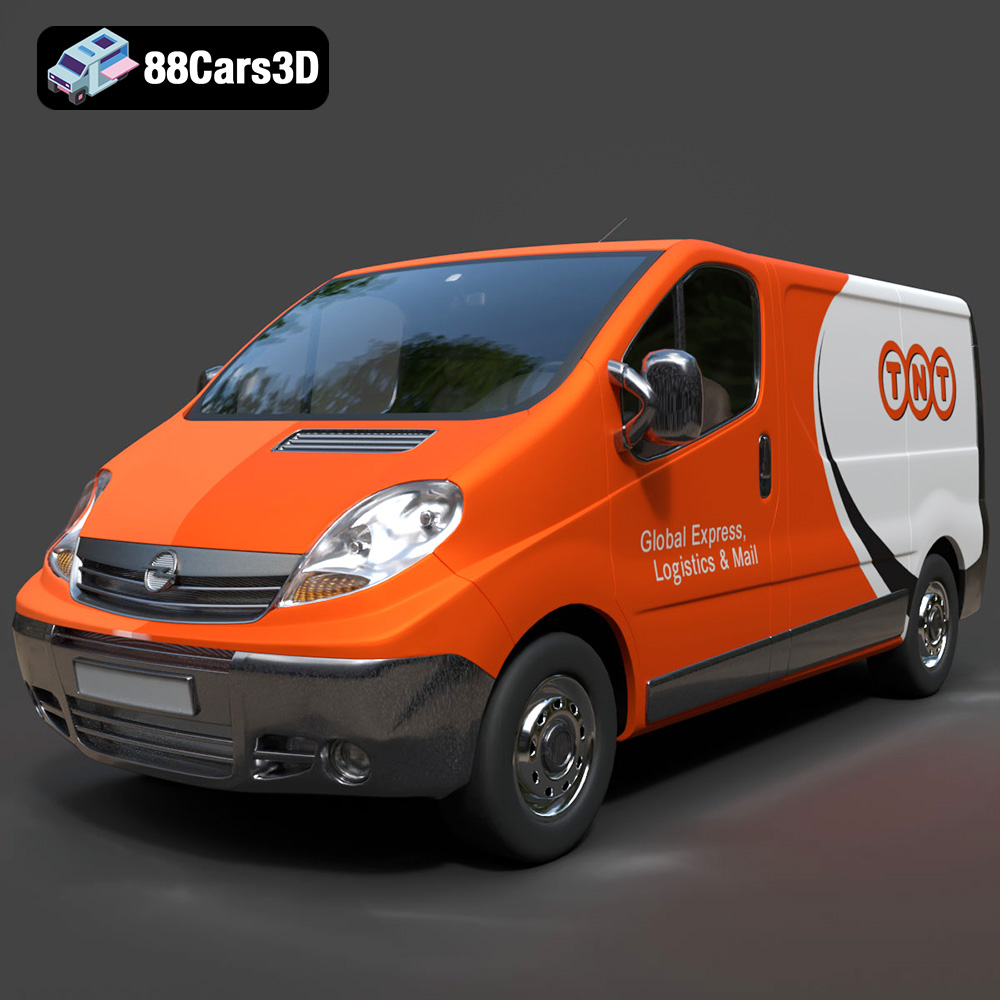
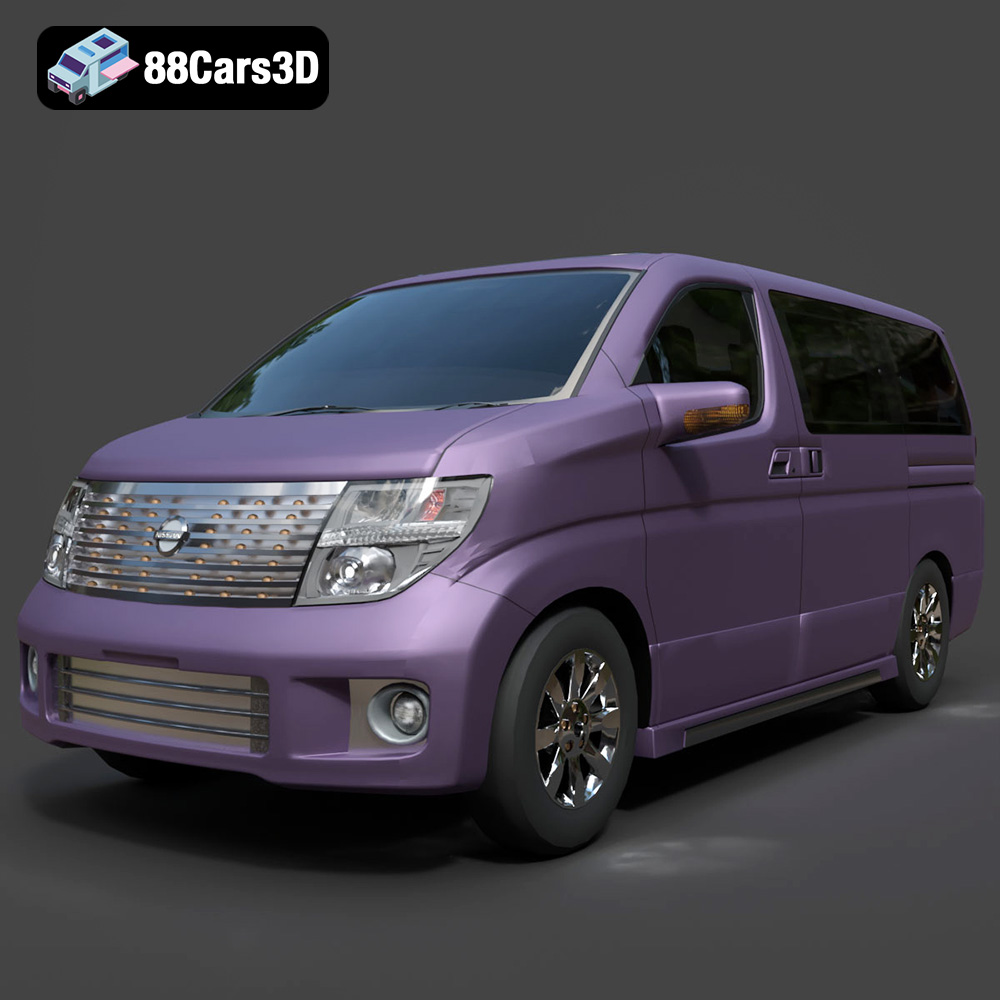
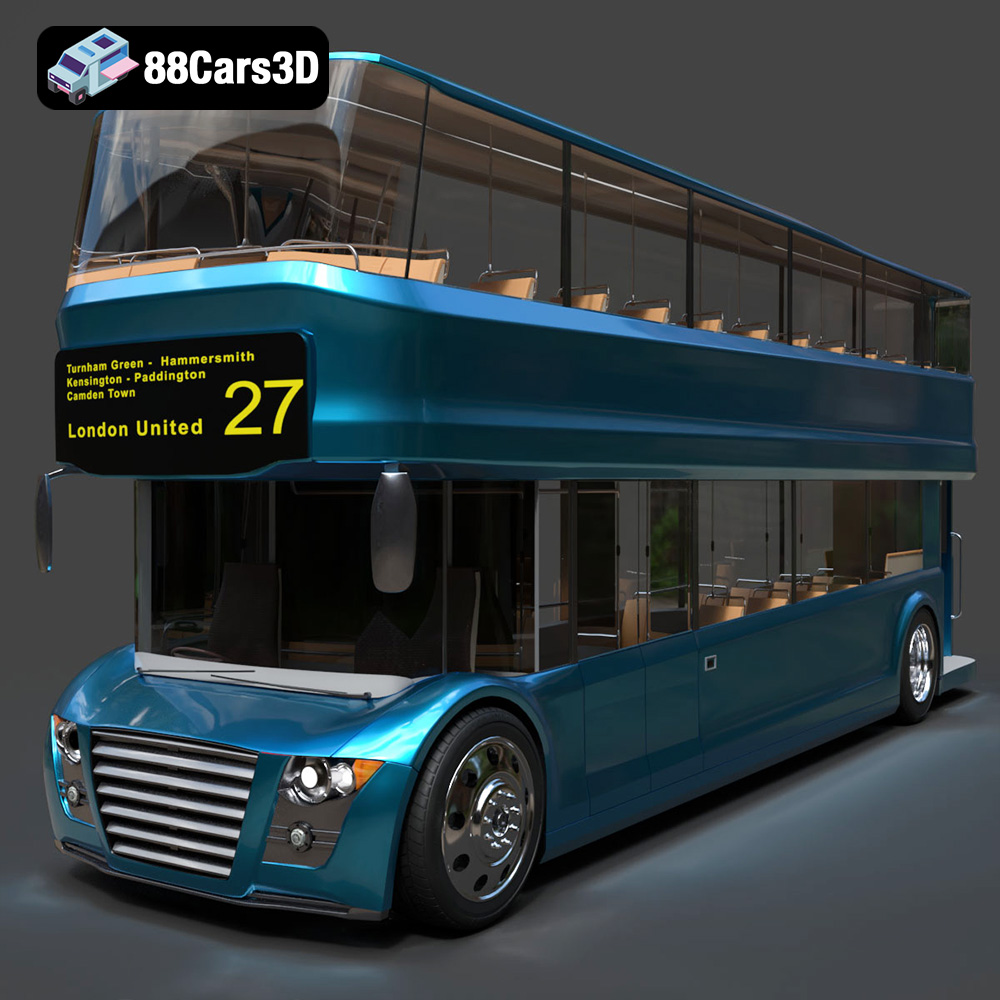
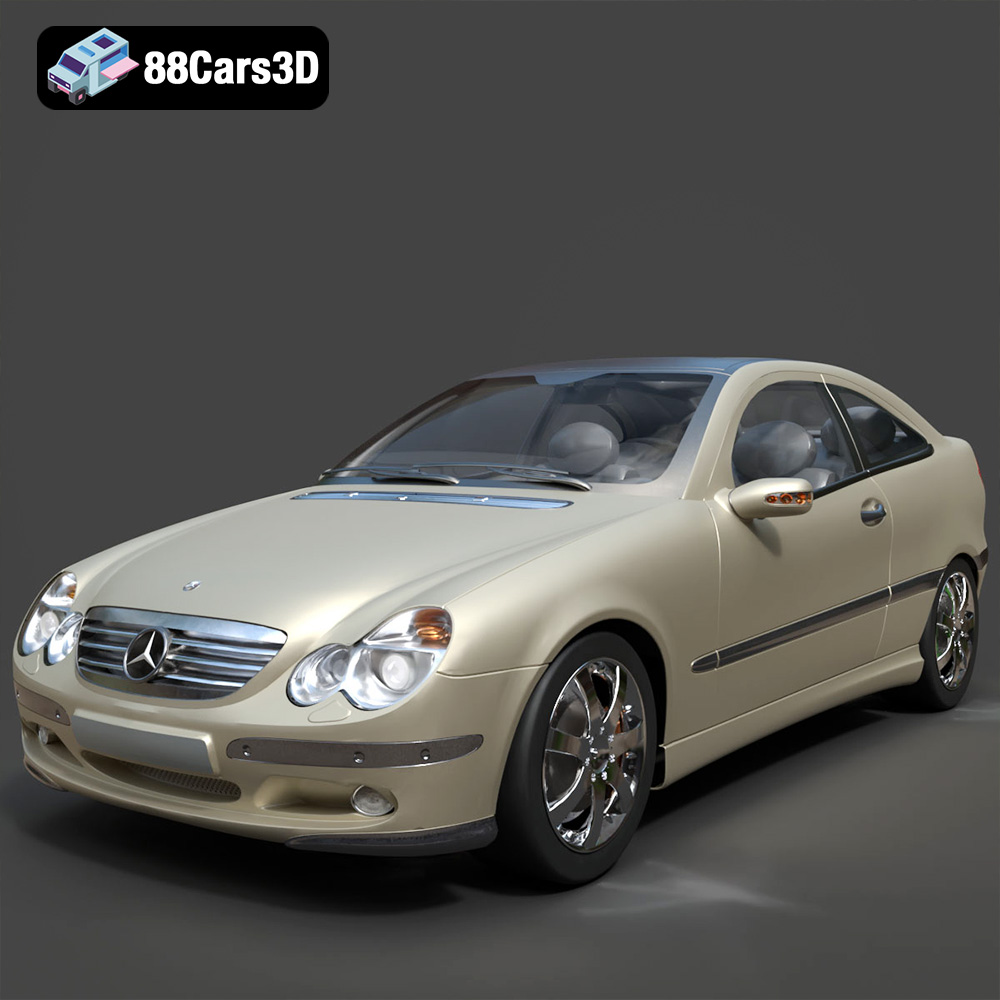
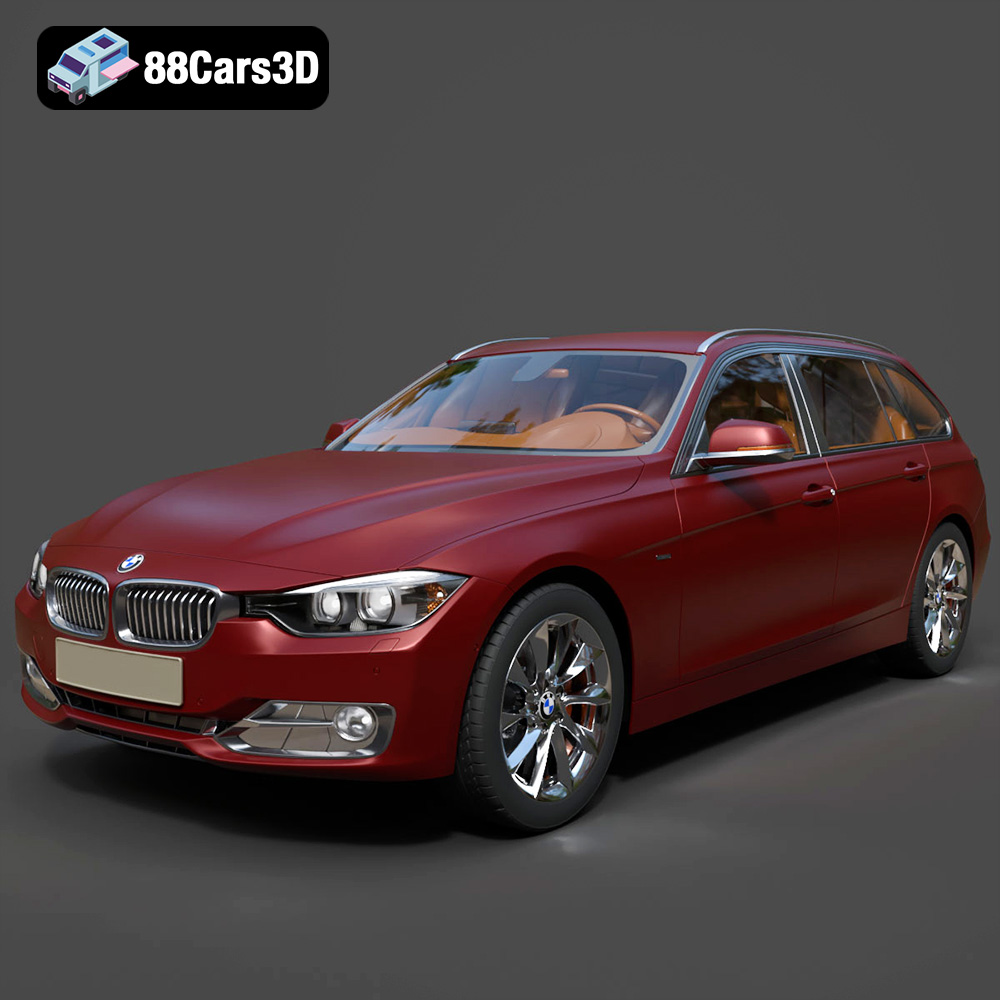
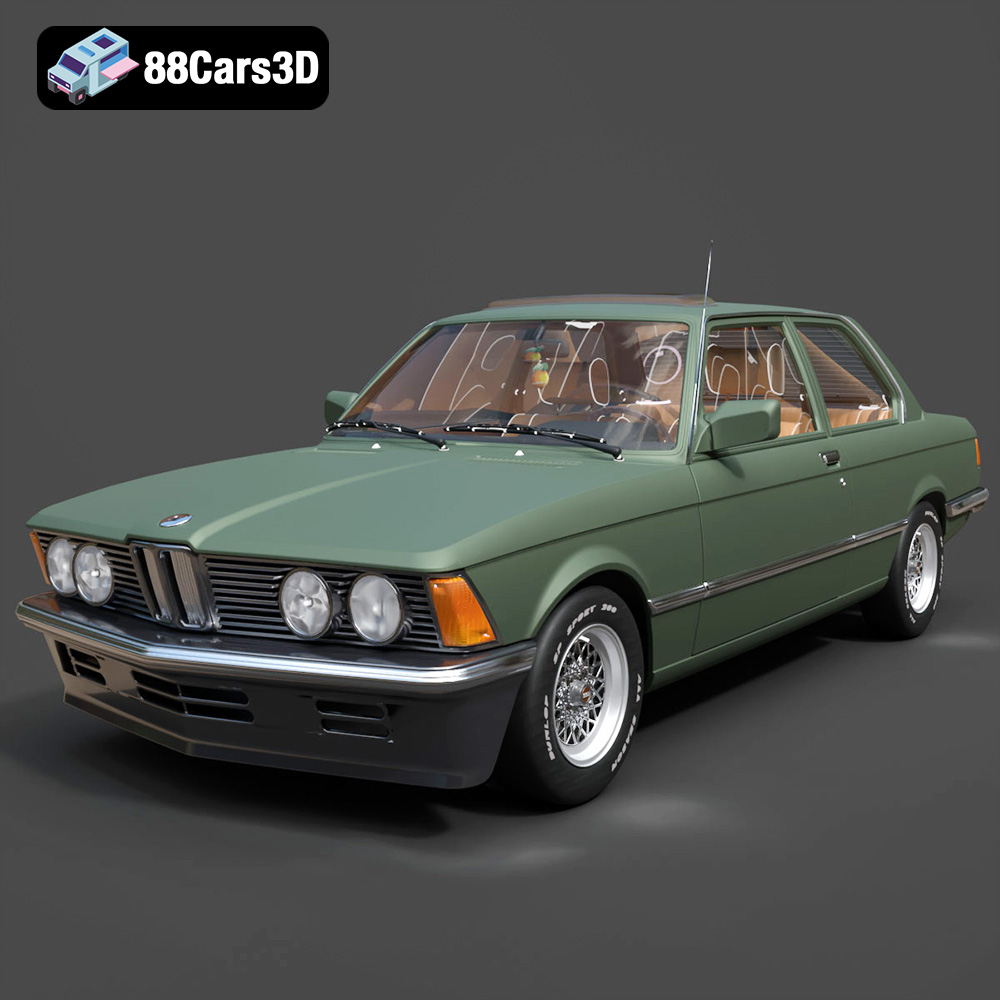
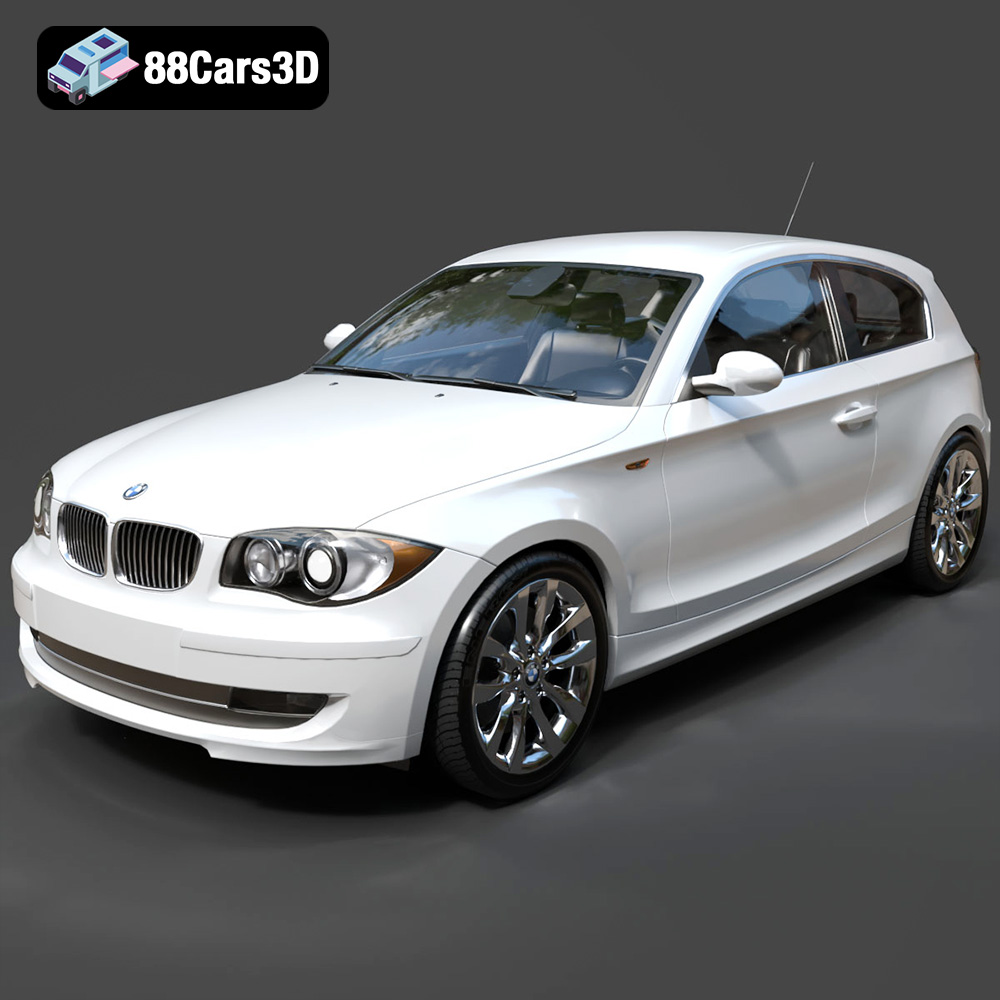
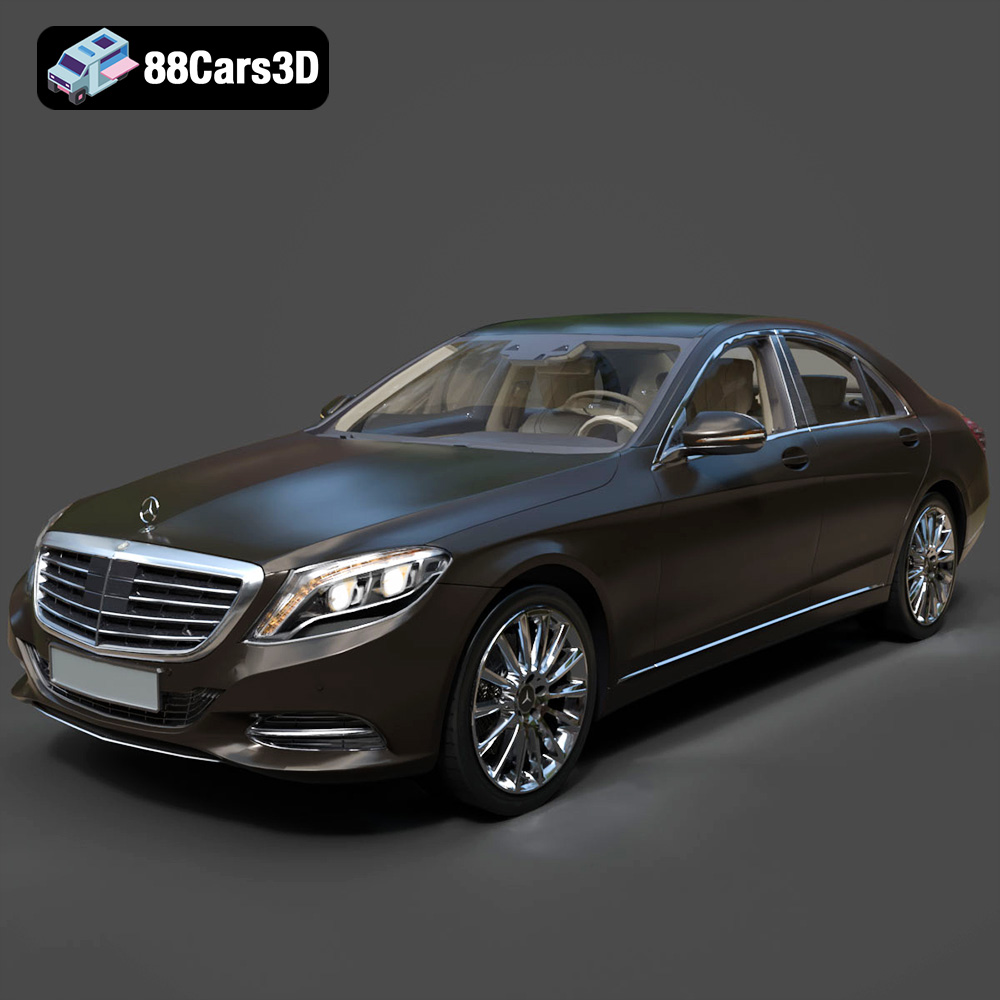
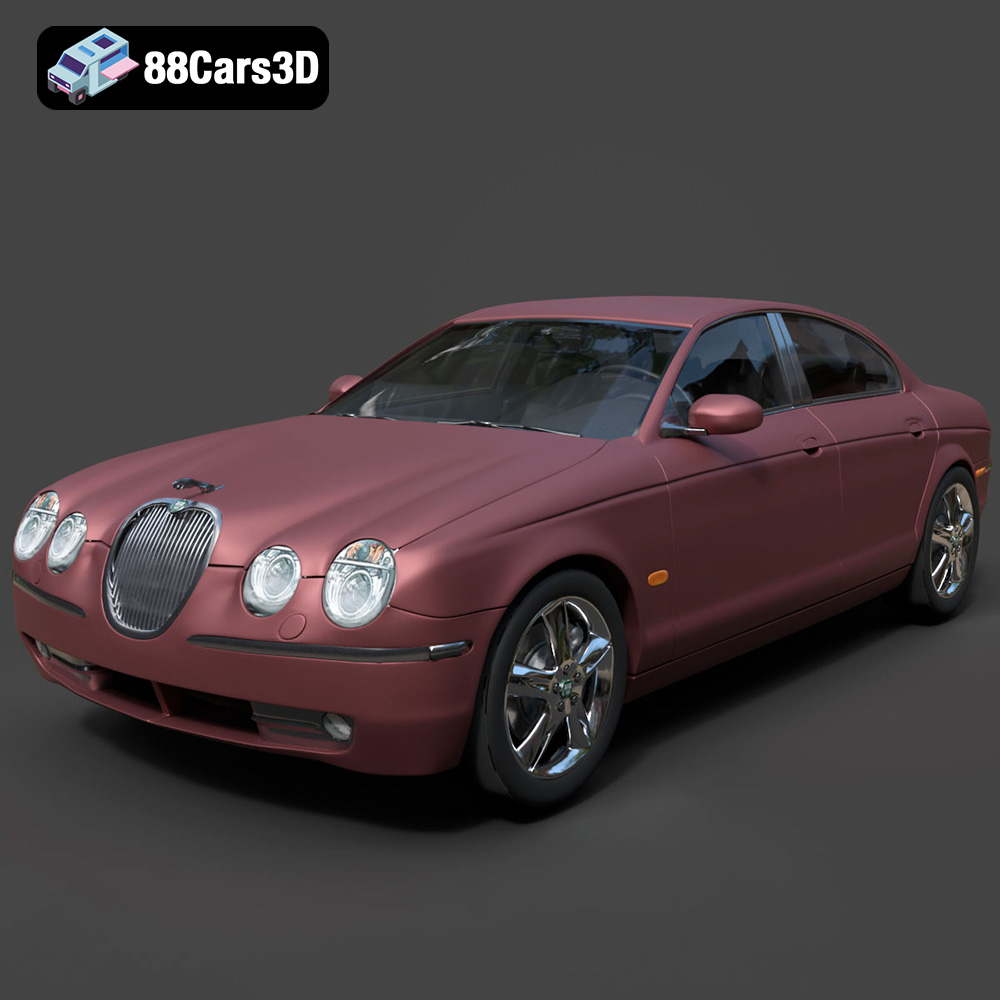
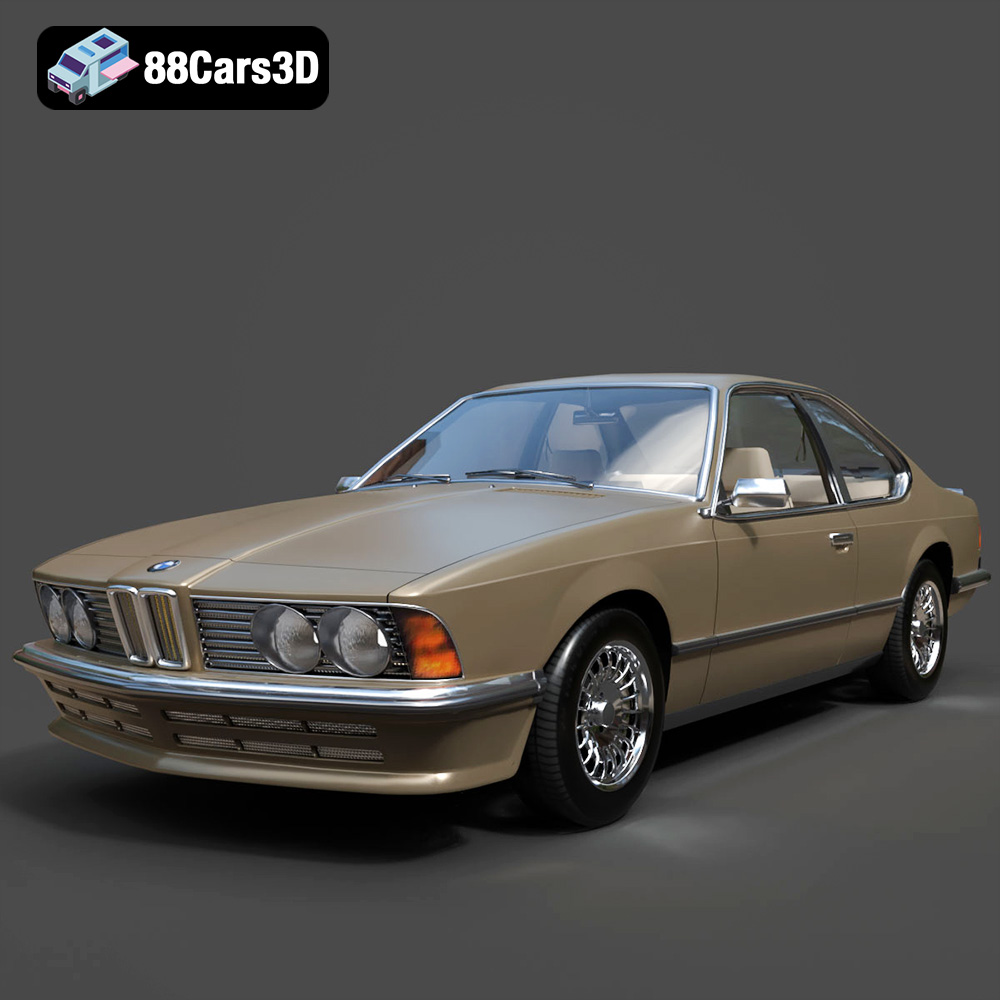
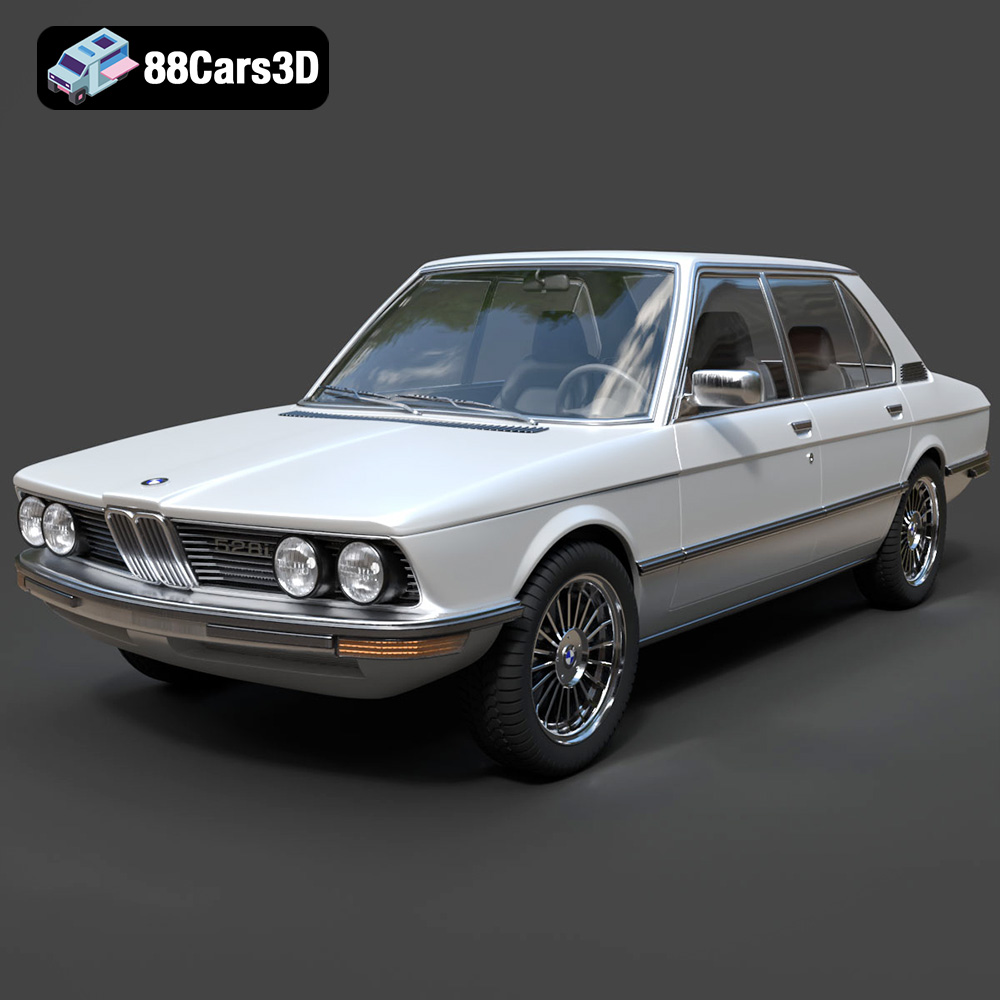
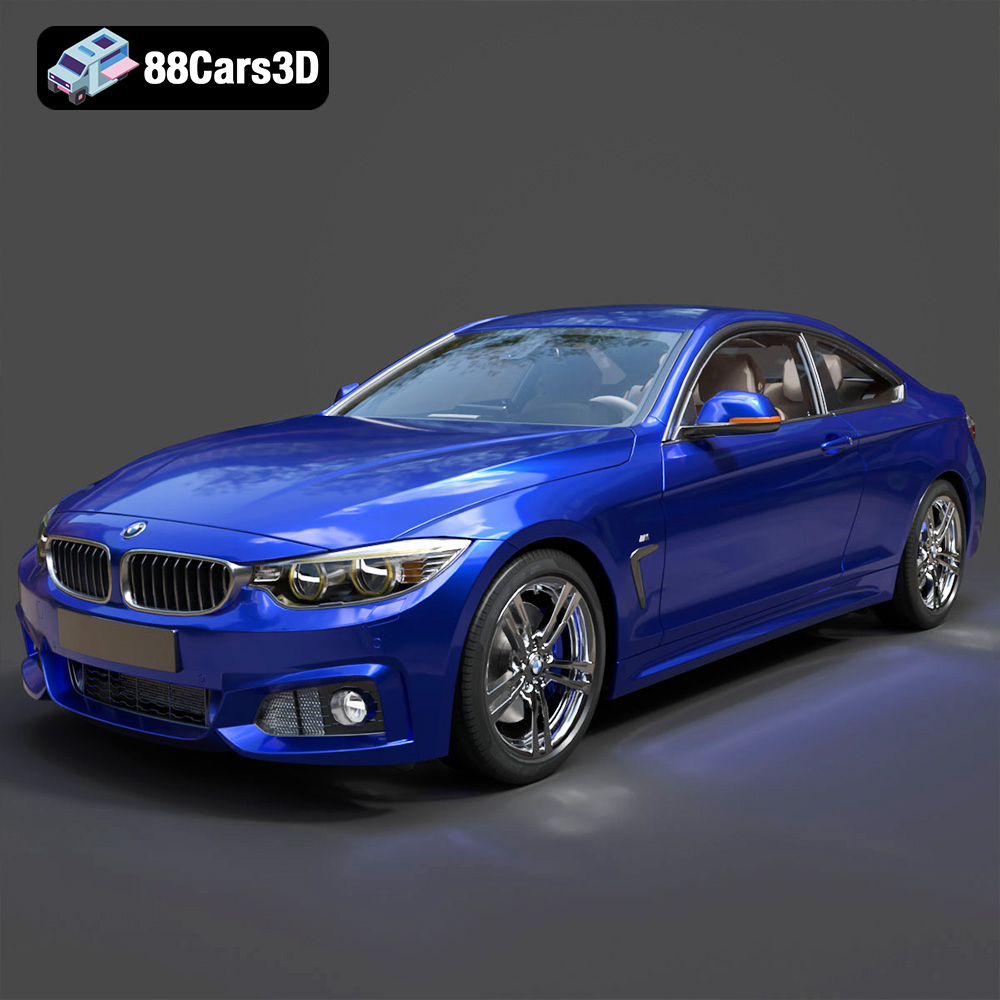
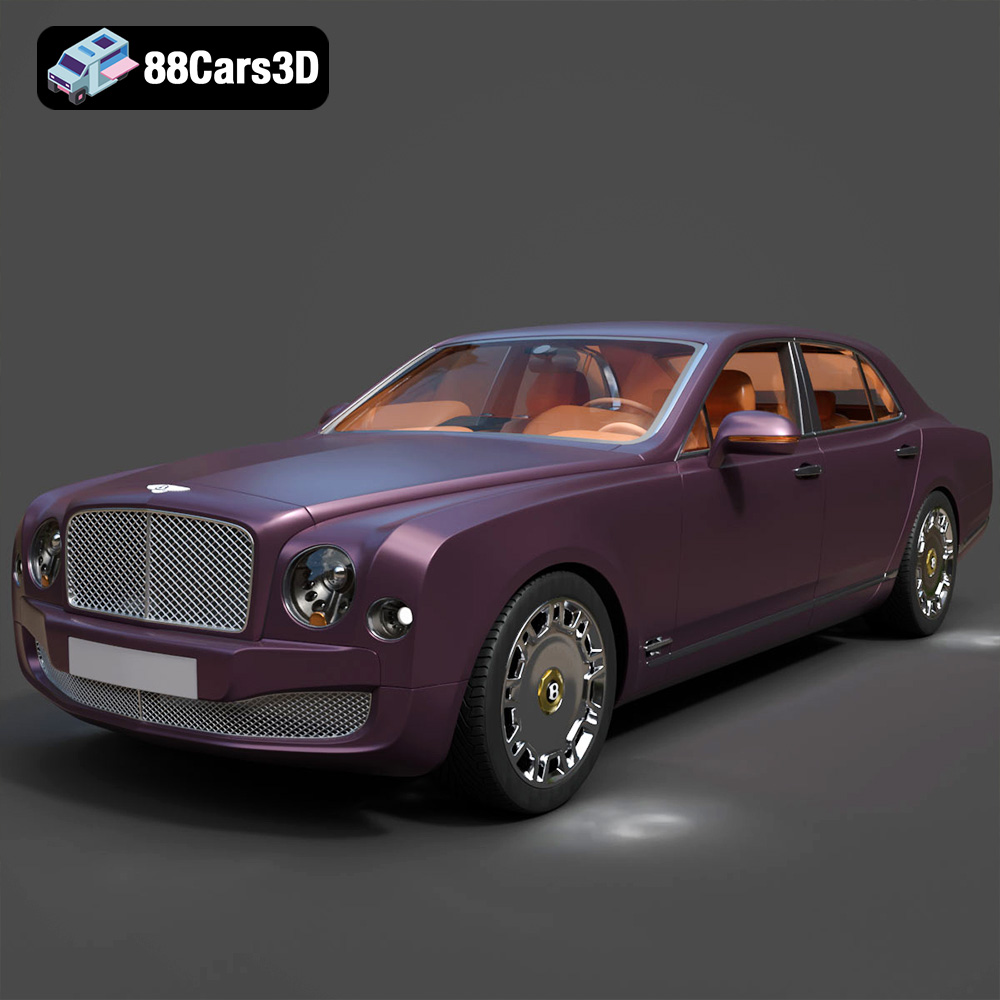
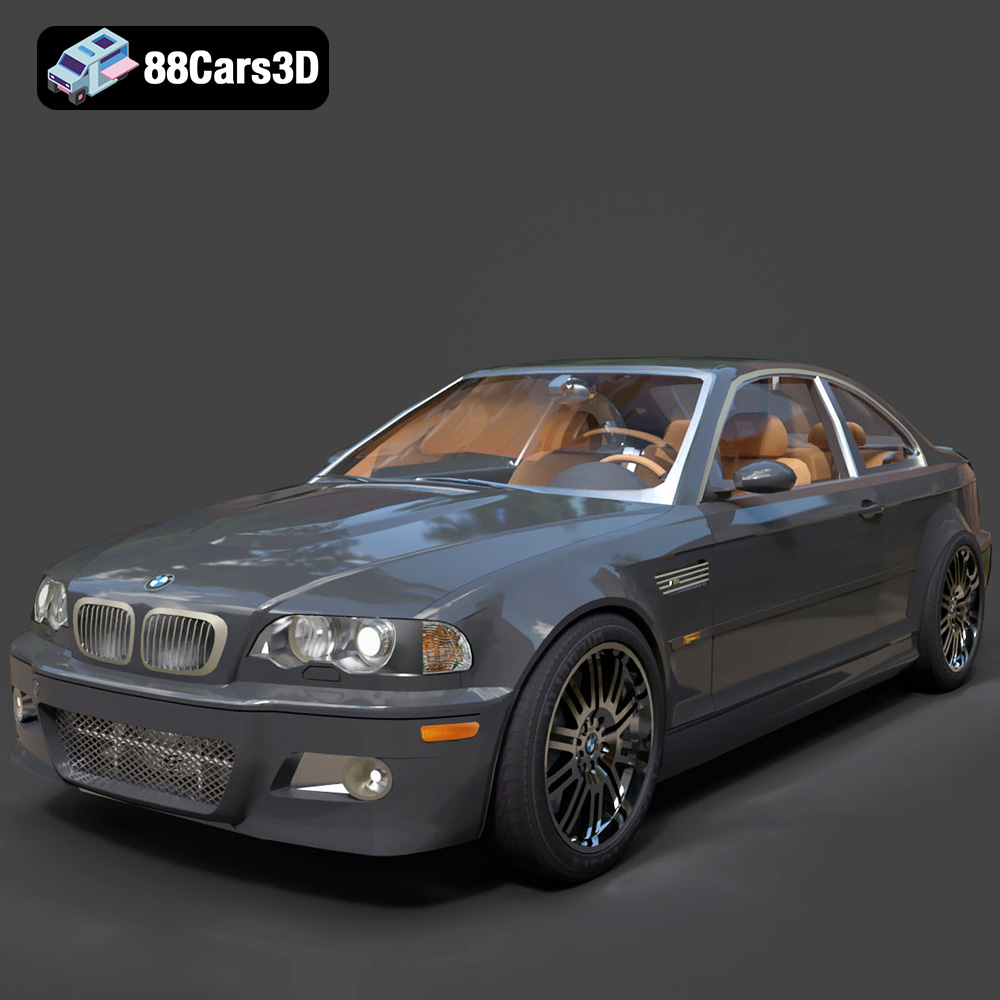
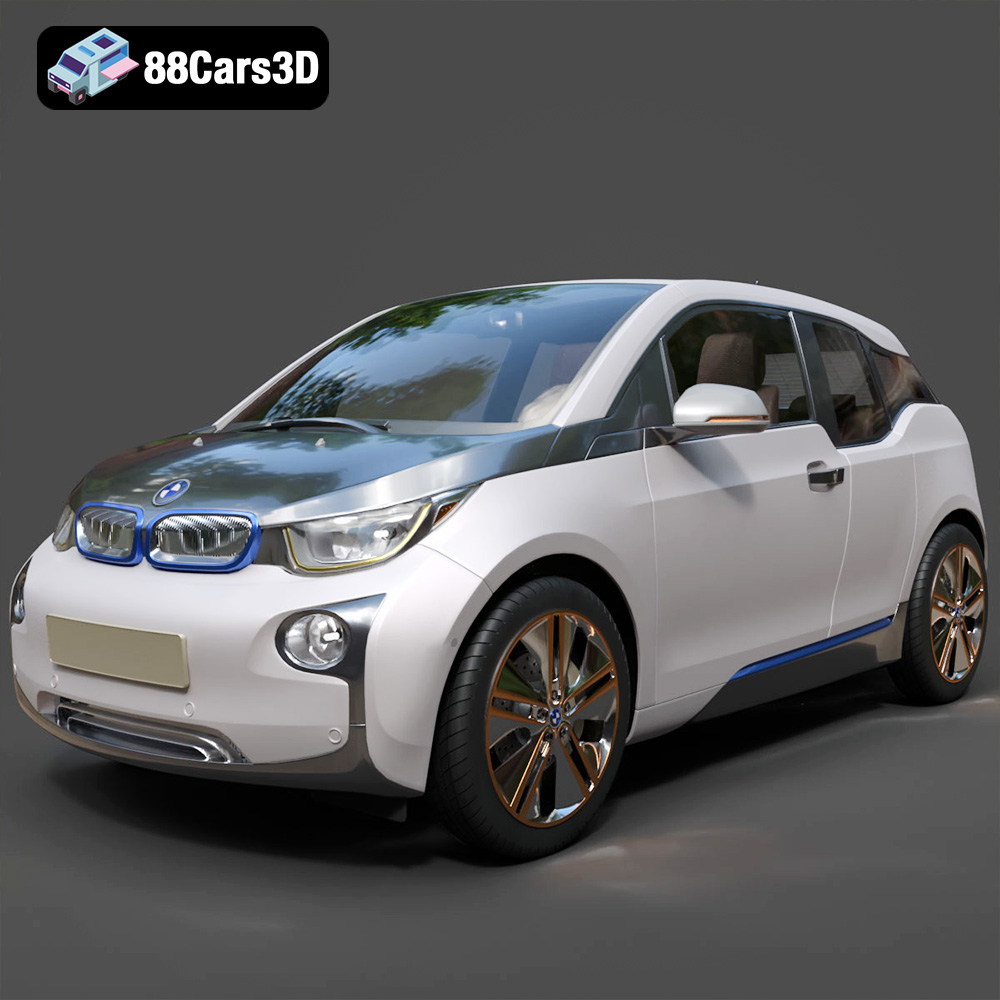
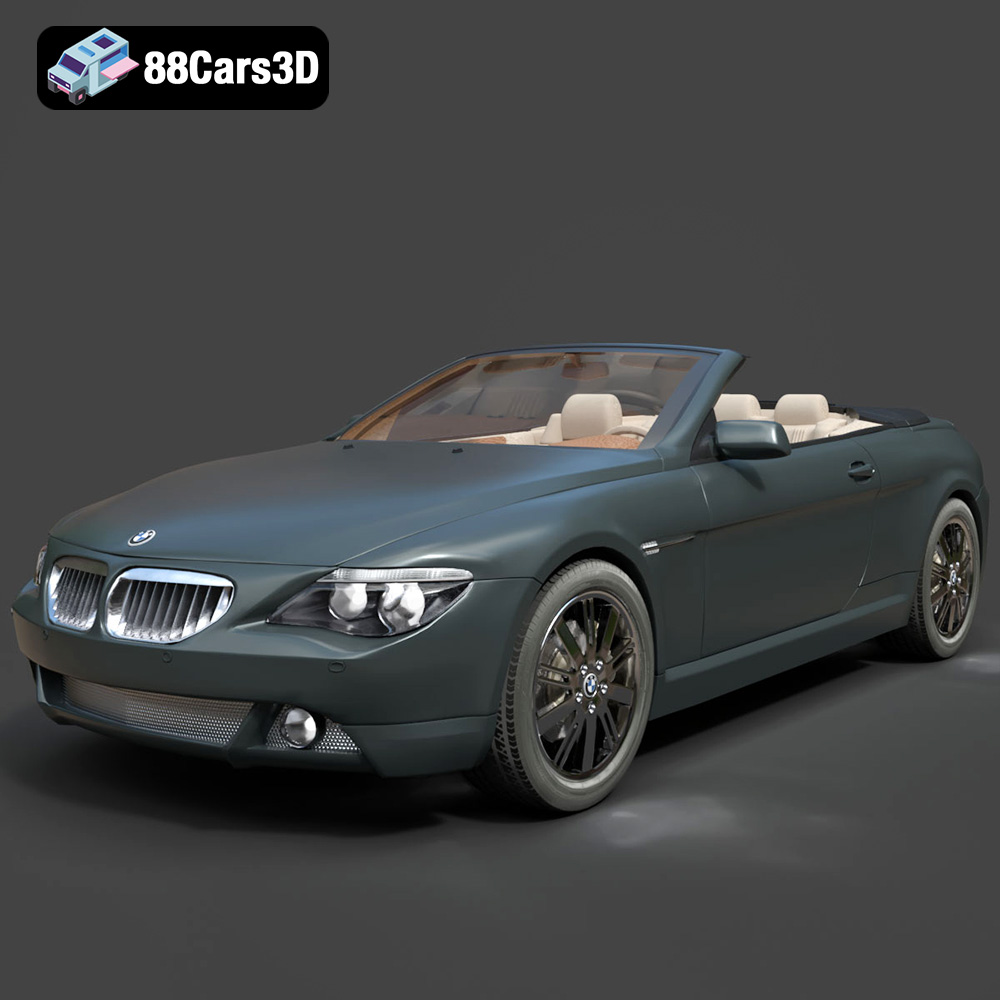
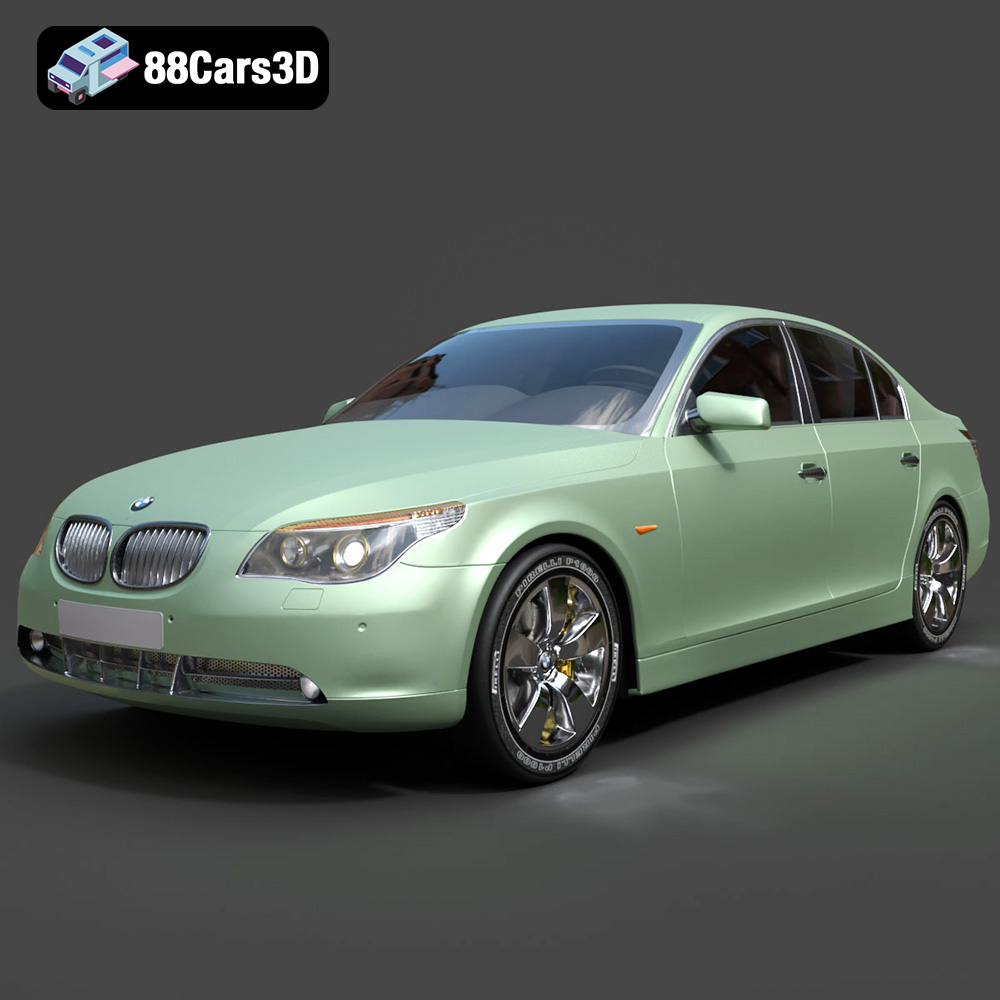
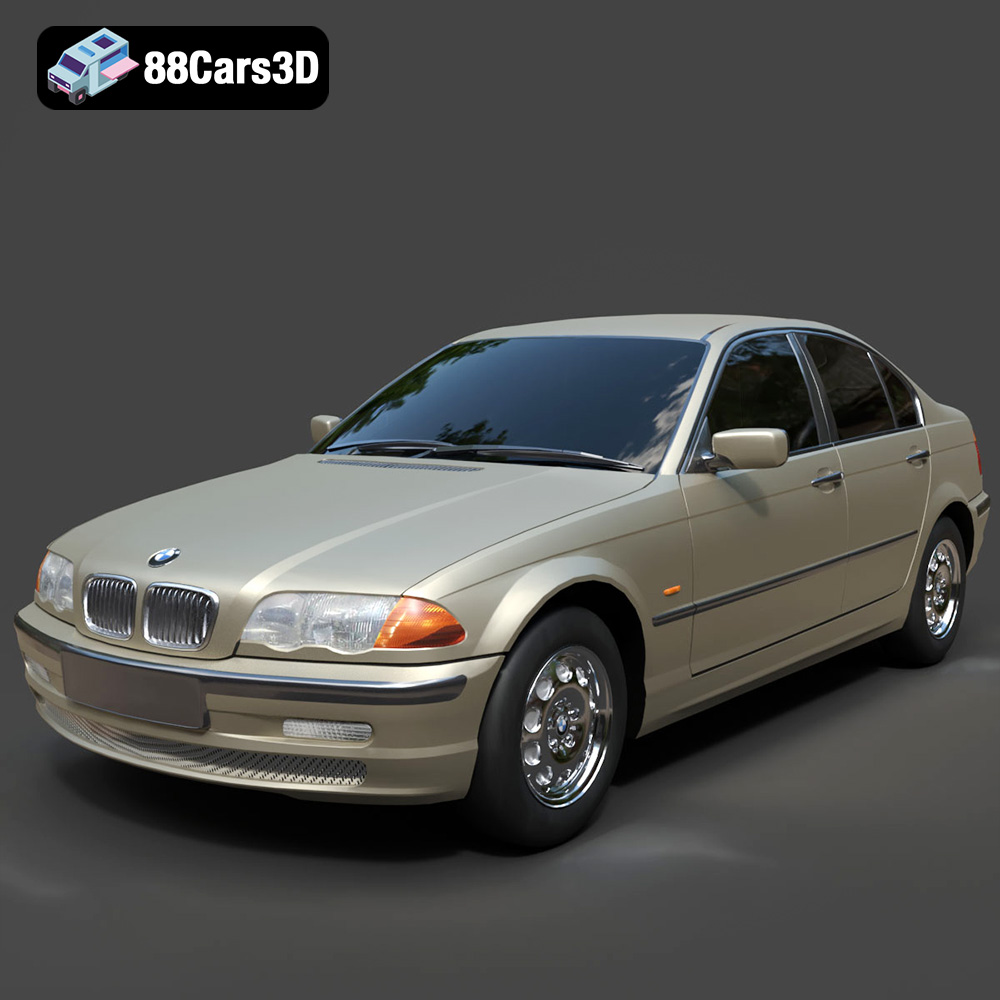
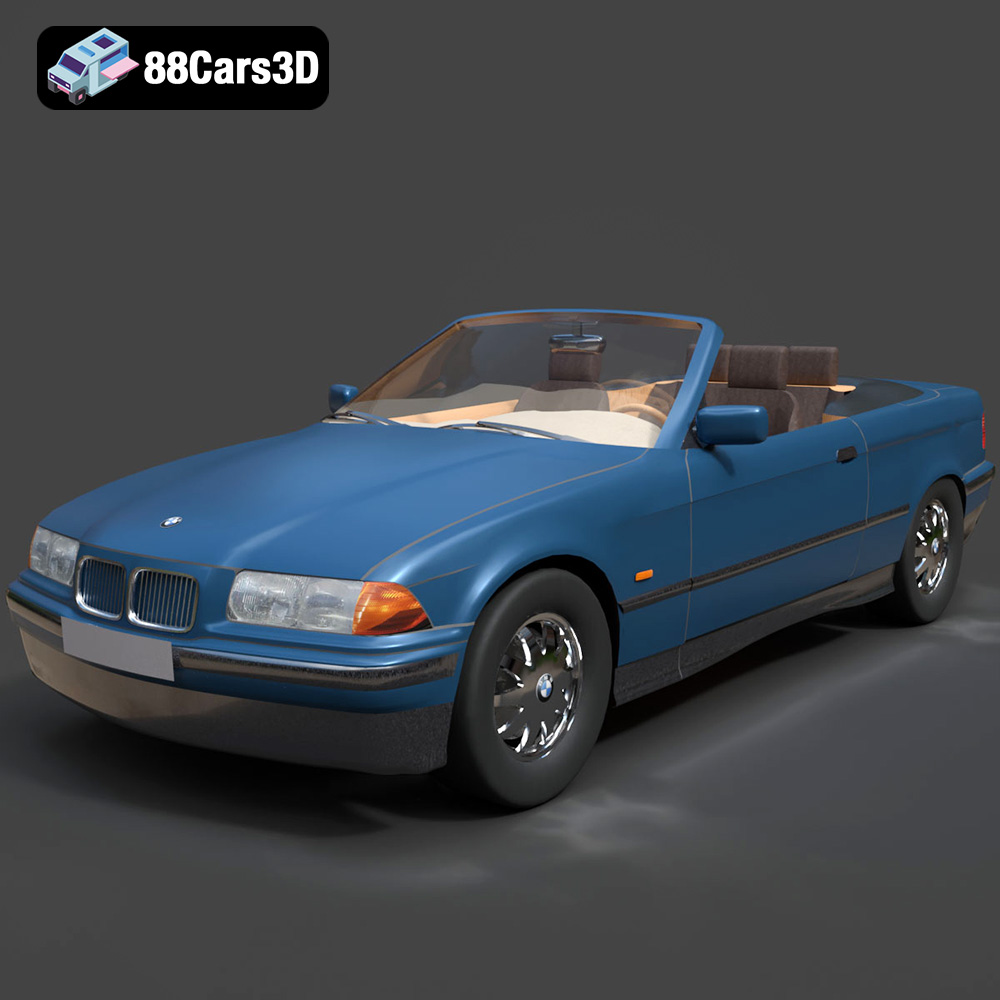
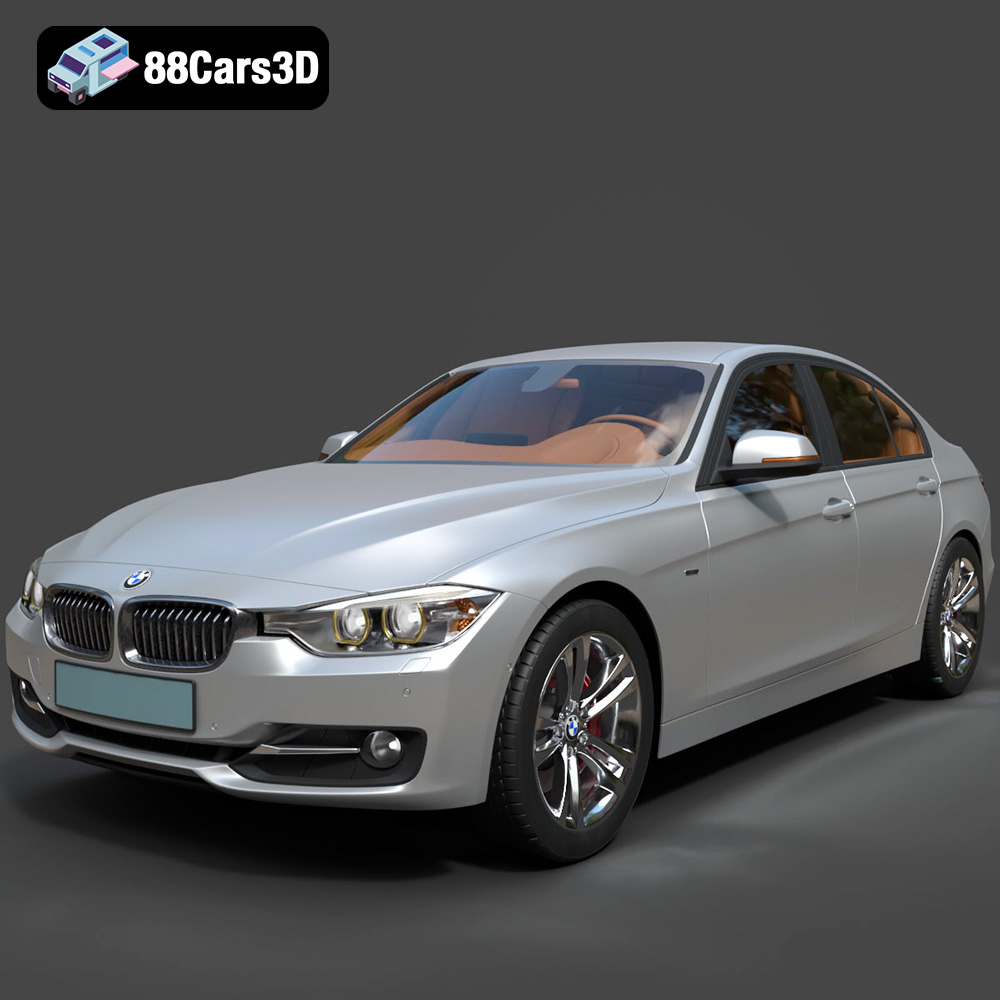
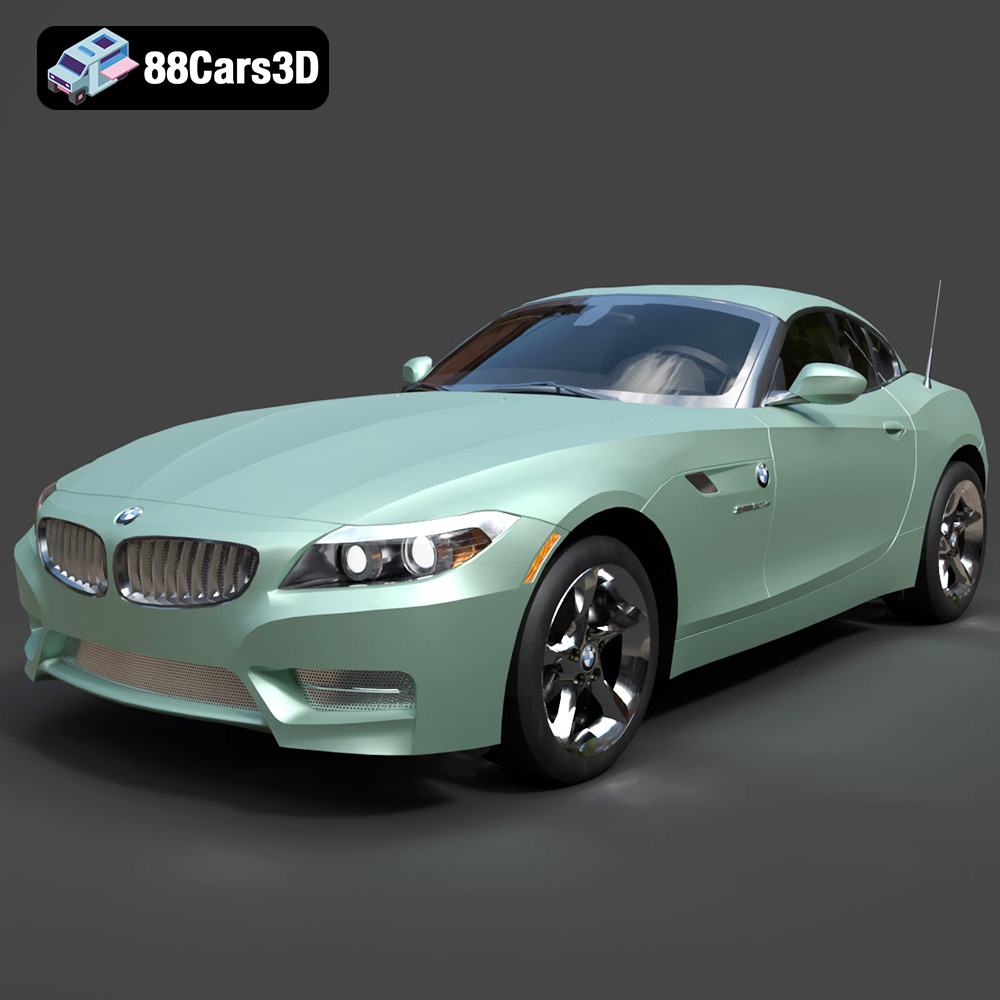
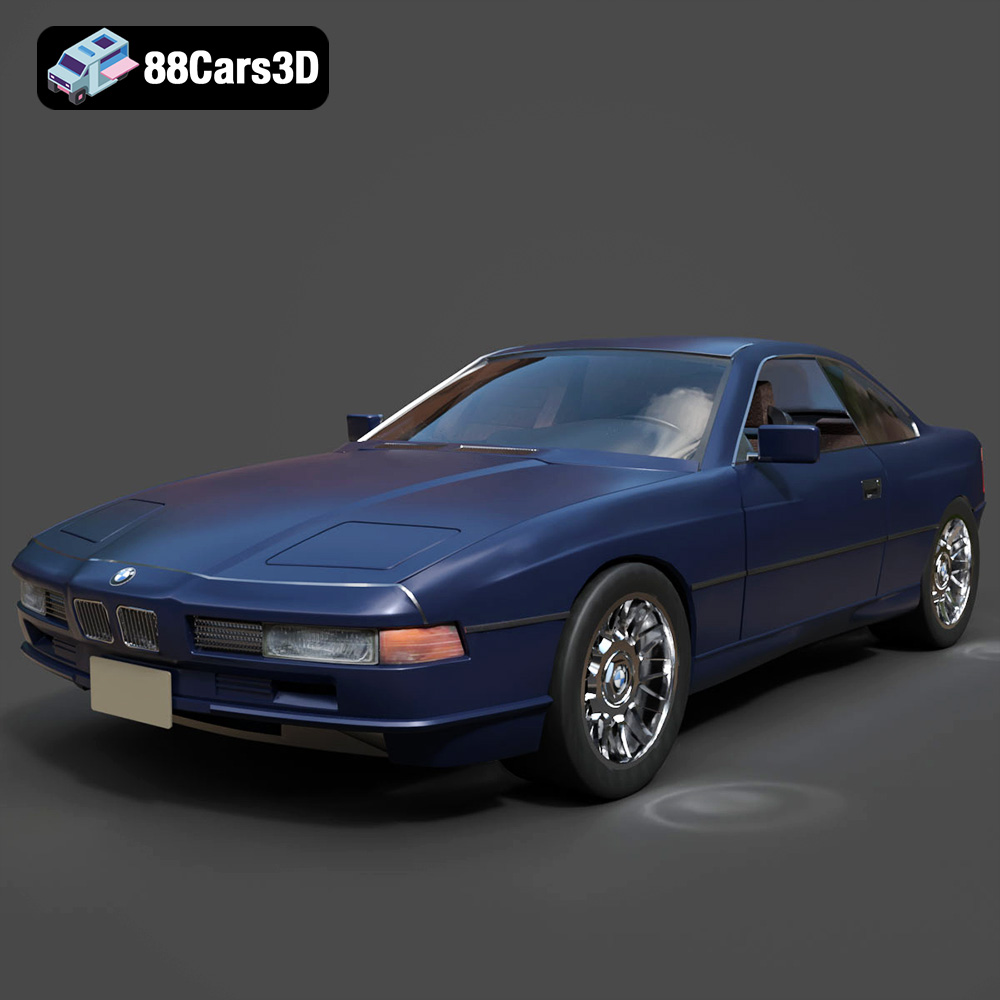
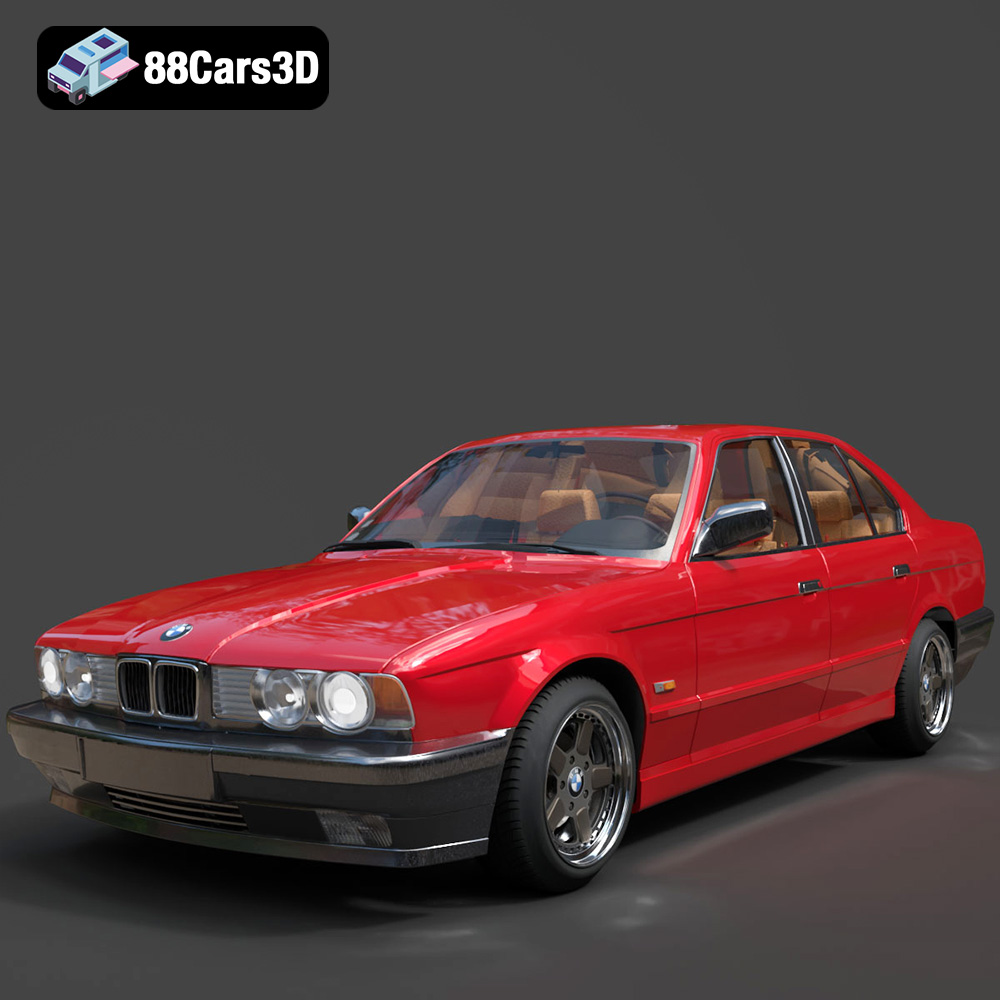
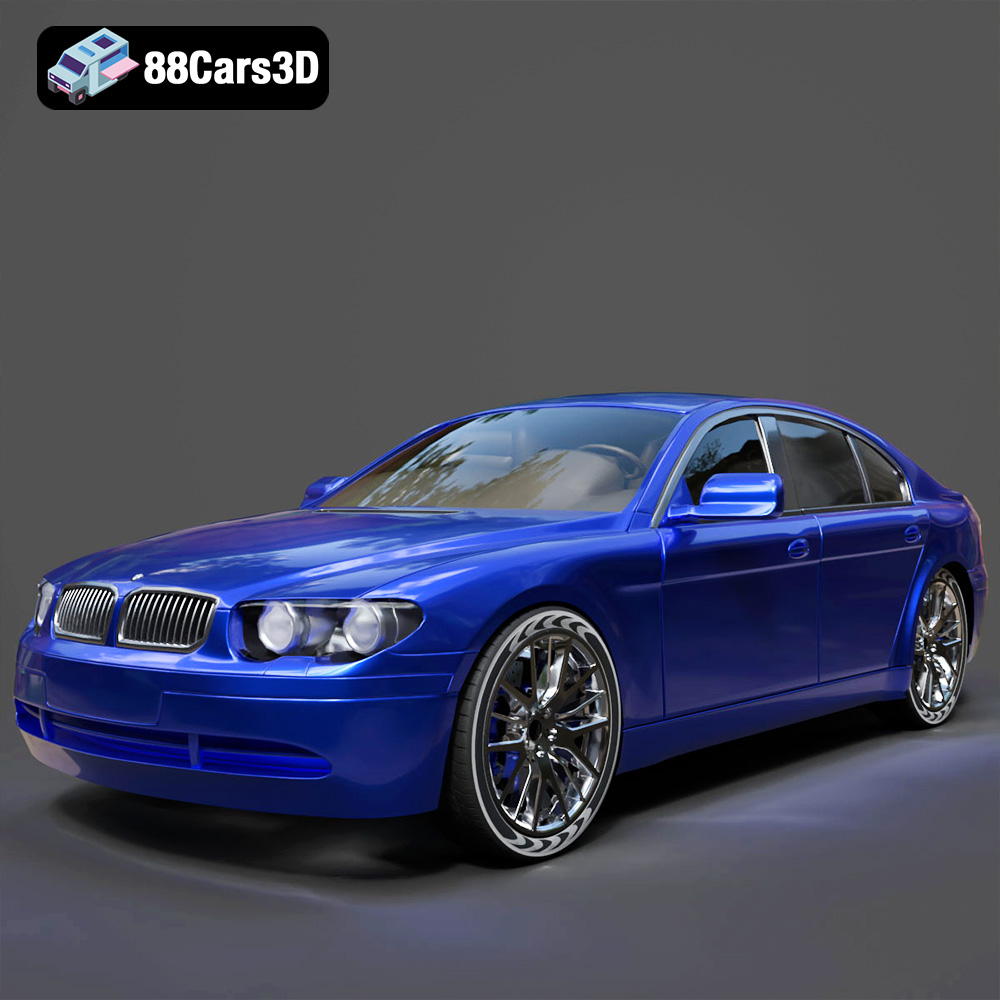
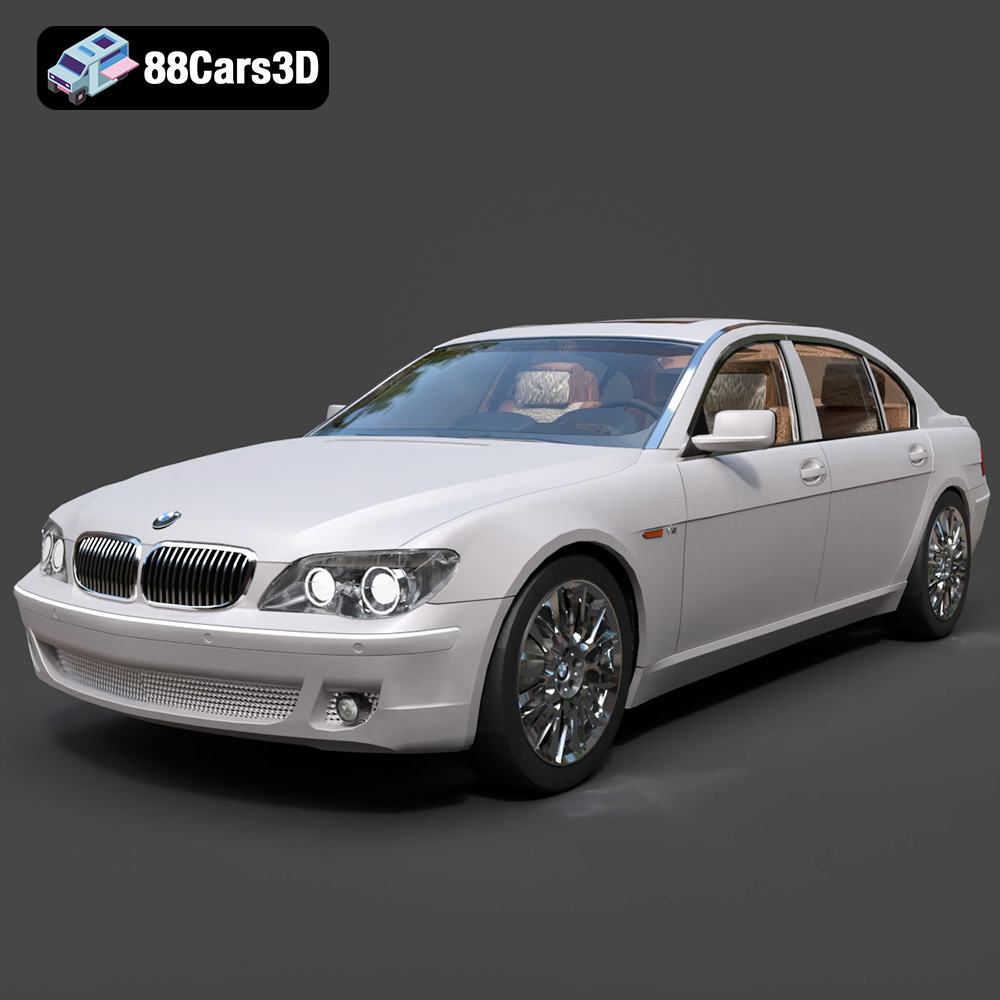
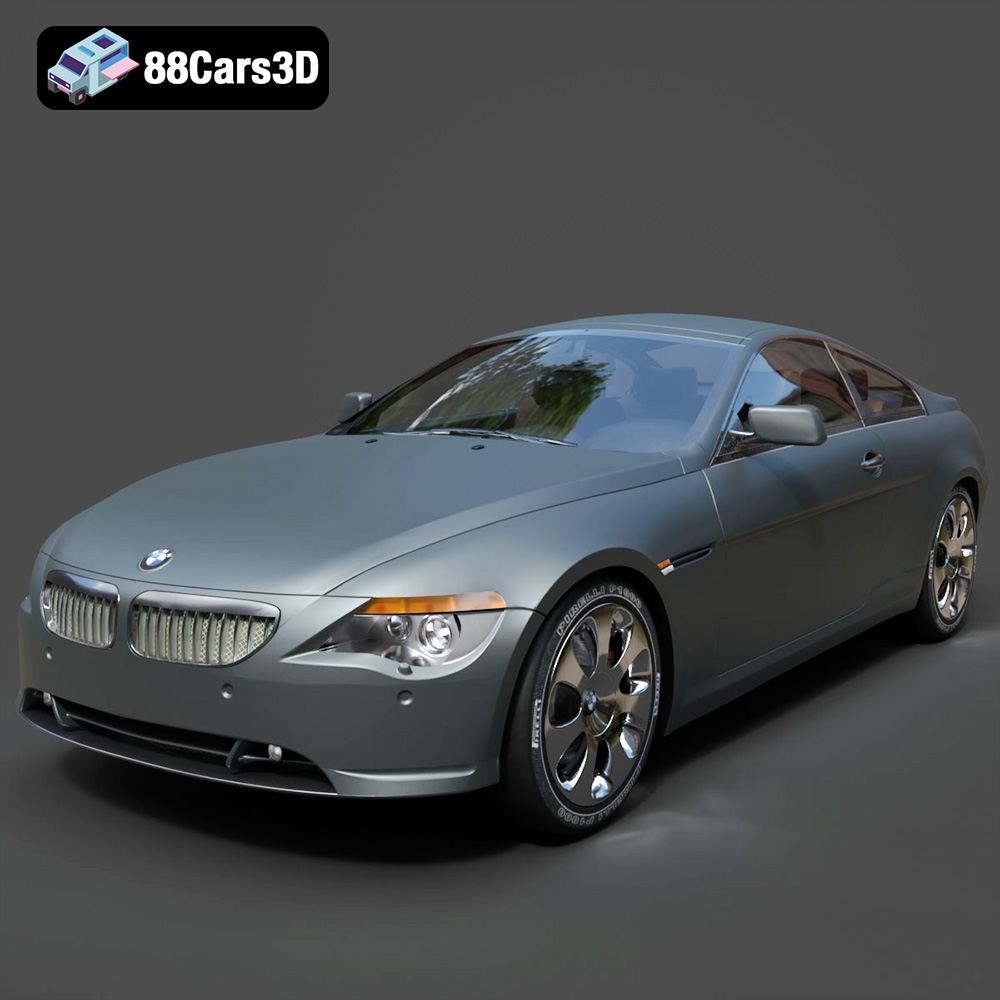
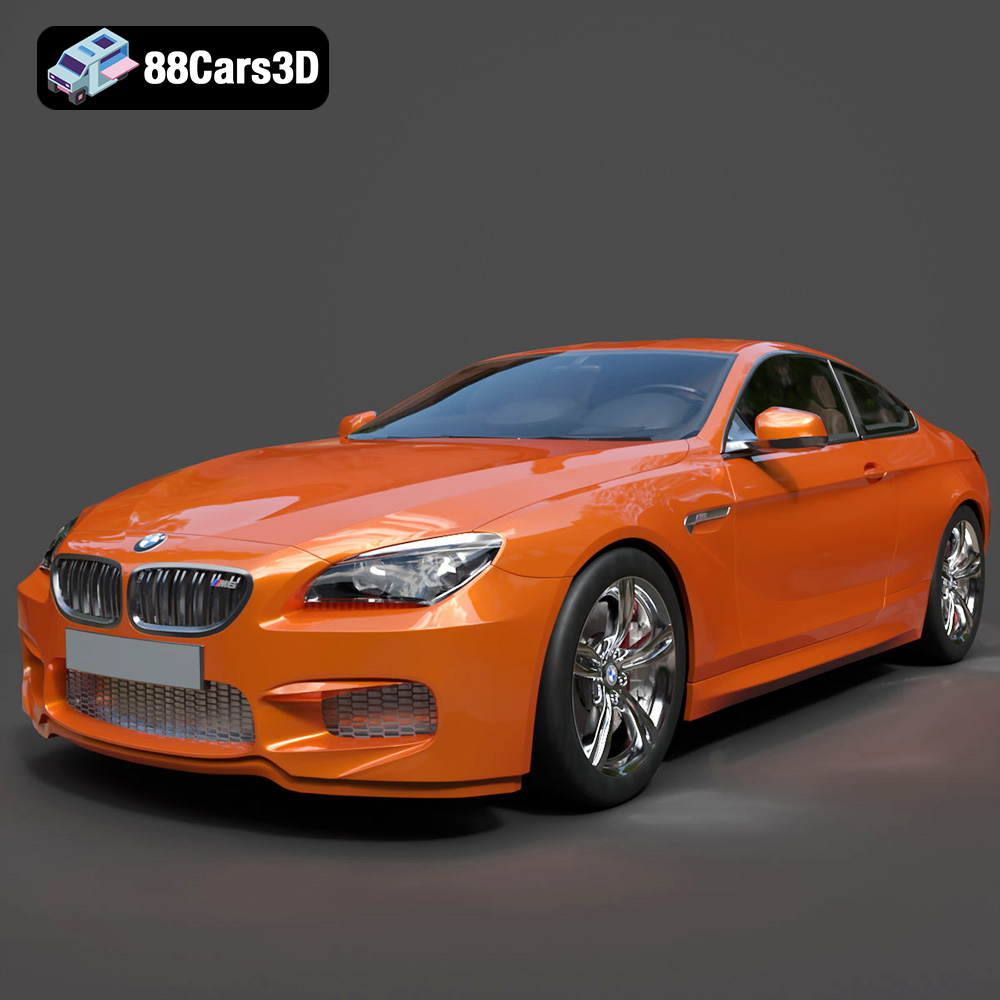
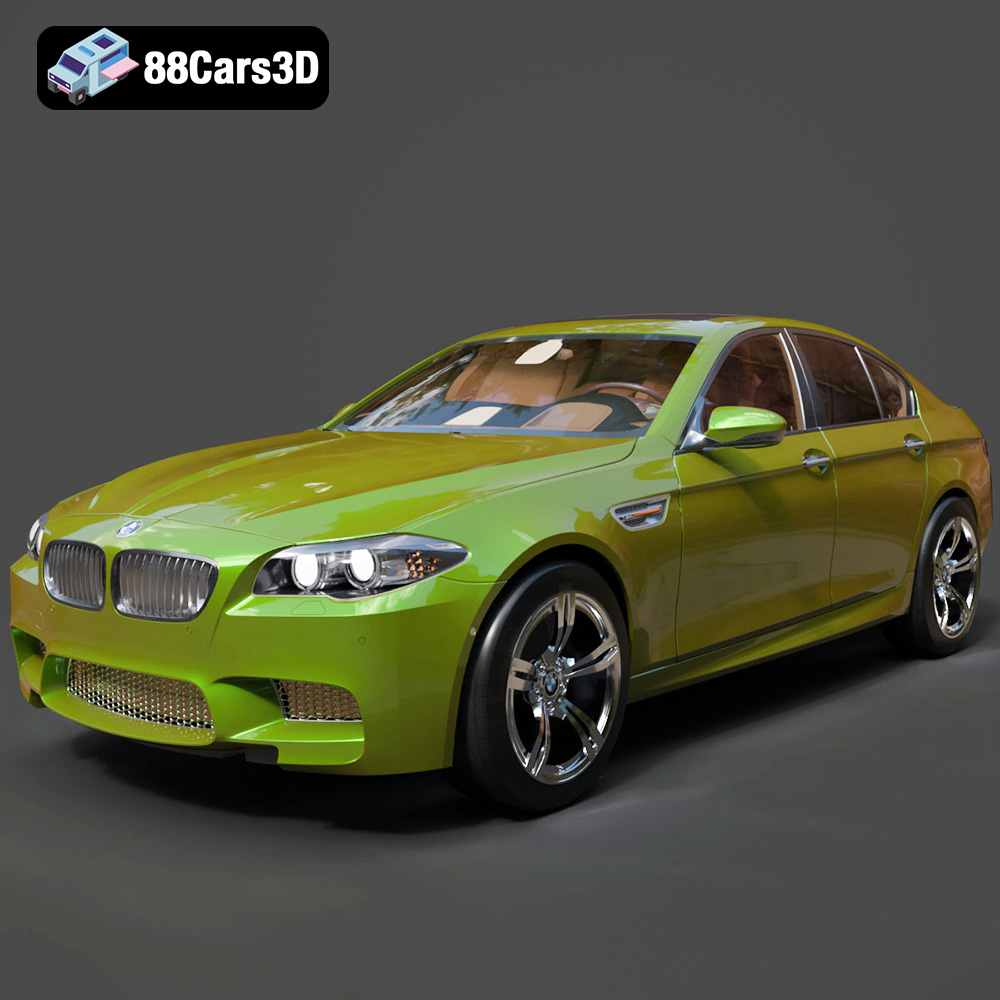
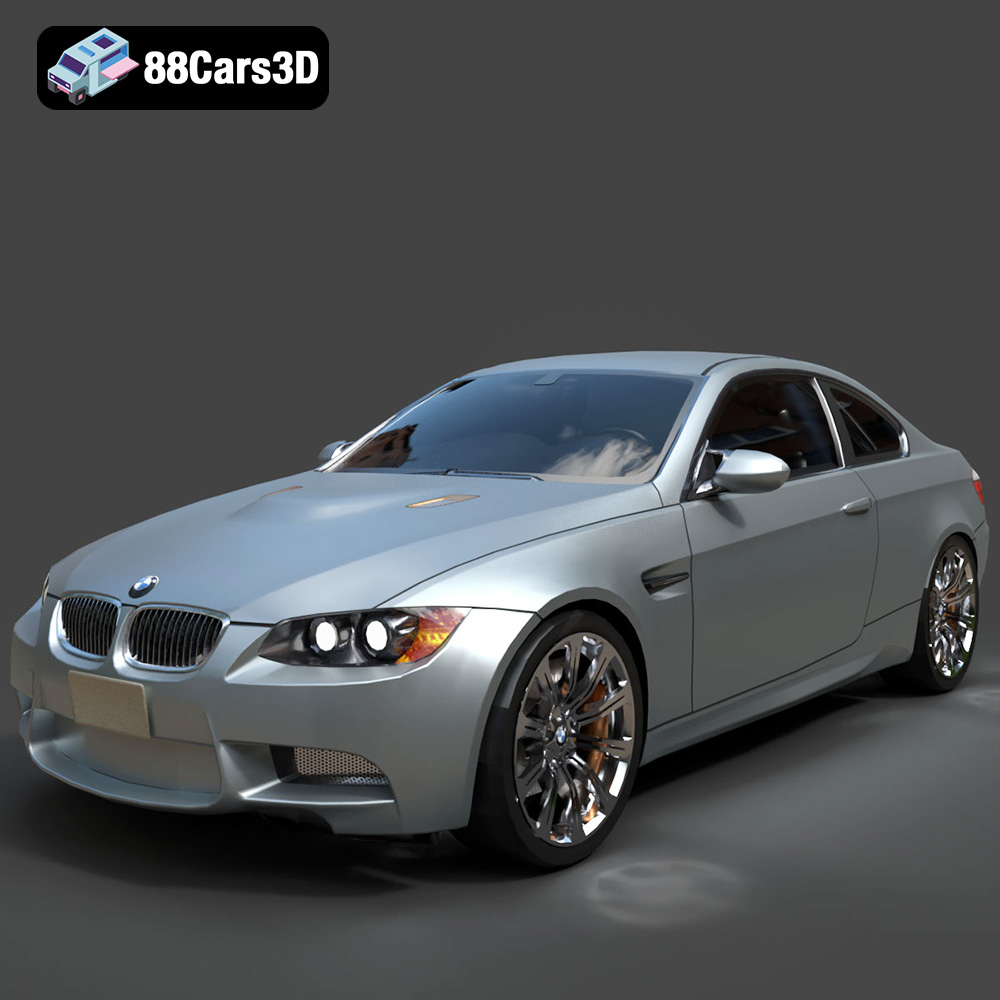
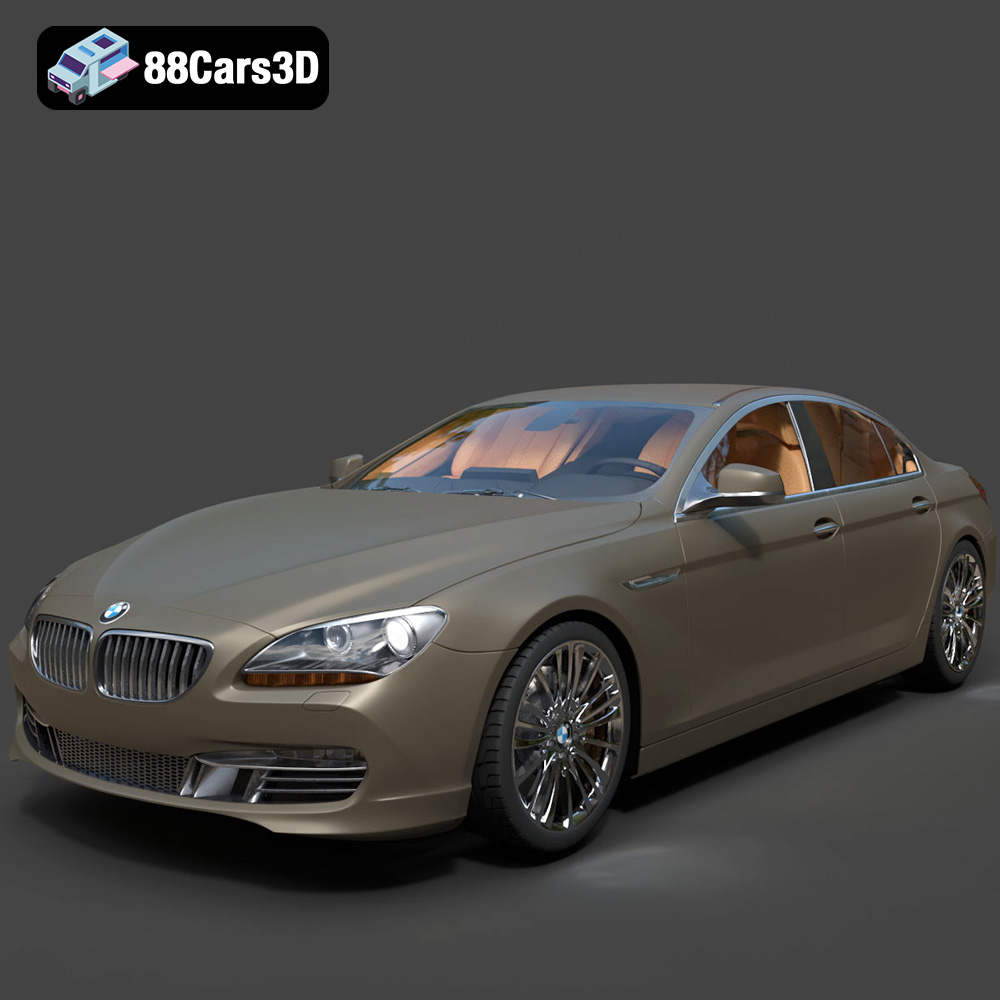
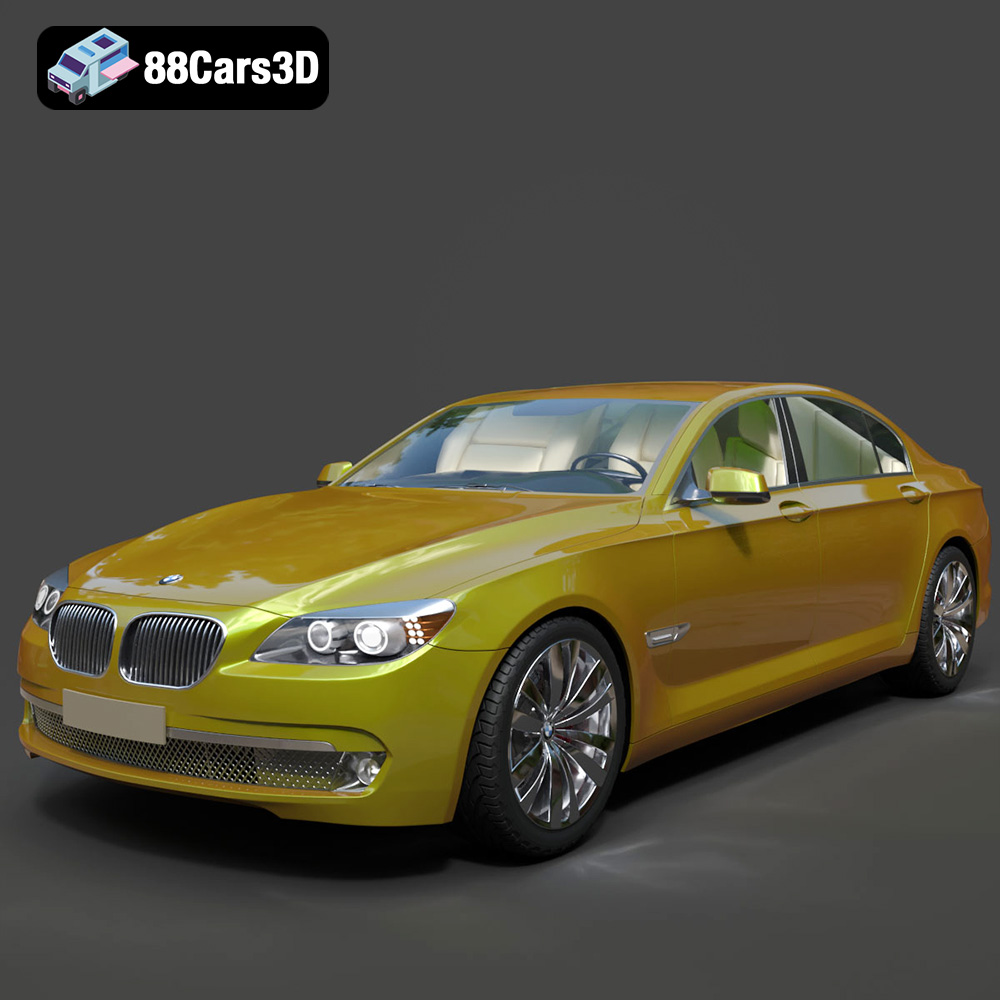
In the rapidly evolving digital landscape, high-quality 3D car models are no longer just eye candy; they are foundational assets driving innovation across countless industries. From the meticulous precision demanded by automotive design and engineering to the breathtaking realism required for cutting-edge game development and the immersive experiences of AR/VR, the demand for truly exceptional digital vehicles is paramount. At 88cars3d.com, we understand this critical need, providing a diverse library of top-tier 3D car models designed to meet the most stringent technical and artistic requirements.
This comprehensive guide delves deep into the technical intricacies, workflows, and vast applications of 3D car models, offering insights for both seasoned professionals and aspiring artists. We’ll explore what constitutes a truly high-quality model, dissect the essential file formats, illuminate the art and science of automotive rendering, and examine their pivotal role as game assets and beyond.
The Foundation of Digital Automotive Excellence: High-Quality 3D Car Models
The journey to creating stunning visual experiences, whether a photorealistic advertisement or a dynamic open-world game, begins with the core asset: the 3D car model itself. A ‘high-quality’ model is far more than just a visually appealing mesh; it’s a meticulously crafted digital object optimized for its intended purpose.
What Defines a “High-Quality” 3D Car Model?
A truly high-quality 3D car model is characterized by several key technical attributes. Firstly, its **topology** must be clean, efficient, and quad-based, allowing for smooth deformations, subdivision, and easy manipulation. Poor topology can lead to artifacts, shading issues, and difficulties in animation or UV mapping. Secondly, **poly count** needs to be appropriate for the target platform. While rendering for film or marketing often demands extremely high polygon counts for intricate details, game assets require optimized meshes with multiple Levels of Detail (LODs) to maintain performance. Thirdly, **accuracy and detail** are crucial; the model must faithfully replicate the real-world vehicle, down to the smallest panel gap and emblem. This involves careful reference gathering and precise modeling techniques. Lastly, professionally executed **UV mapping** is indispensable, providing a clean, non-overlapping layout for textures, followed by high-resolution PBR (Physically Based Rendering) textures that capture realistic material properties like metallic sheen, paint reflectivity, and rubber textures.
The Critical Role of Accuracy and Detail
For any application, especially in automotive design visualization or high-end rendering, accuracy is non-negotiable. This isn’t merely about getting the proportions right; it extends to the precise curvature of every panel, the sharpness of character lines, and the intricate details of lights, grilles, and interiors. Professional 3D car models are often built using engineering blueprints, CAD data, and extensive photographic references, ensuring every measurement and curve is precisely replicated. This meticulous attention to detail allows for believable reflections, accurate lighting interactions, and a sense of tangible realism that separates premium assets from generic ones. For example, a vehicle used in a virtual configurator must reflect the real car’s options perfectly, requiring models with interchangeable parts and highly accurate textures.
Understanding 3D Model File Formats
Navigating the world of 3D assets requires a solid understanding of various file formats, each designed for specific purposes and workflows. Choosing the correct format is paramount for compatibility, efficiency, and maintaining the integrity of your 3D car models across different software and platforms. At 88cars3d.com, our models are available in multiple formats to ensure seamless integration into your projects.
.blend – The Blender Ecosystem Powerhouse
The **.blend** file is Blender’s native format. It’s an incredibly versatile format as it contains the entire Blender scene, including the 3D car model’s mesh data, materials, textures, lighting setups, cameras, animations, and even physics simulations. This makes it ideal for users who primarily work within Blender and desire full editability and access to all scene components. For artists who want to dissect a model, understand its construction, or make significant modifications, the .blend format offers an unparalleled level of control within the Blender environment. It allows for advanced procedural material setups, complex rigging, and comprehensive scene management, making it perfect for creative exploration and iterative design.
.fbx – The Industry Standard for Interoperability
Developed by Autodesk, the **.fbx** (Filmbox) format has become the de facto standard for exchanging 3D data between different software applications. Its strength lies in its ability to encapsulate a wide range of 3D data, including geometry (meshes), materials, textures, animations, and even rigging information. This makes it exceptionally ideal for game development pipelines, particularly with engines like Unreal Engine and Unity, where efficient asset transfer is crucial. When importing an .fbx file, you typically retain a significant portion of the original asset’s properties, making it a reliable choice for moving 3D car models from a modeling application (like 3ds Max or Blender) into a real-time environment. It supports both binary and ASCII encoding, with binary being more compact and faster to process.
.obj – The Universal Exchange Format
The **.obj** (Object) format is one of the oldest and most universally supported 3D file formats. It’s a simple, text-based format primarily used to define geometry, including vertices, normals, UV coordinates, and faces. While it can reference external material (.mtl) files for basic color and texture information, it doesn’t typically store advanced material properties like PBR data, animations, or rigging. Its simplicity is its strength, ensuring near-universal compatibility across almost every 3D software application. It’s an excellent choice when you need to transfer just the mesh data of your 3D car models without concerns for complex material setups or animations, making it a reliable fallback for cross-software collaboration.
.glb – Web-Optimized for AR/VR
The **.glb** (GL Transmission Format Binary) is the binary version of glTF, specifically designed for efficient transmission and loading of 3D scenes and models by engines and applications. It’s rapidly gaining traction as the standard for 3D content on the web, especially for AR (Augmented Reality), VR (Virtual Reality), and browser-based 3D display. A .glb file packages all necessary assets – geometry, materials, textures, animations – into a single, self-contained file, making it highly optimized for web delivery. For showcasing 3D car models in online configurators, interactive product displays, or AR experiences on mobile devices, .glb offers an unmatched balance of visual quality and performance.
.stl – The Choice for 3D Printing
The **.stl** (Stereolithography) format is the standard file type used for 3D printing. Unlike other formats that store complex mesh data, .stl represents a 3D model as a series of connected triangles (a triangular mesh) that describe the surface geometry of an object. It does not store color, texture, or material properties, focusing solely on the shape. When preparing 3D car models for physical fabrication, converting them to .stl is a necessary step. It’s critical to ensure the mesh is “watertight” (i.e., has no holes or gaps) for a successful print. For prototyping automotive parts or creating physical scale models of your digital designs, .stl is the indispensable format.
.ply – Precision Mesh Format for CAD or Analysis
The **.ply** (Polygon File Format) is a format for storing graphical objects that has primarily been used for storing data from 3D scanners. It can store a variety of properties including color, transparency, surface normals, and texture coordinates. While less common for everyday artistic workflows than .fbx or .obj, .ply is a robust format for handling complex point cloud data and polygon meshes, particularly useful in scientific visualization, CAD applications, and when working with highly detailed scan data where precision is paramount. It’s well-suited for scenarios requiring accurate representation of surfaces derived from real-world measurements.
.unreal – Engine-Ready Asset for Real-Time Environments
The **.unreal** format isn’t a standalone file type like the others, but rather a descriptor for a fully integrated asset *within* an Unreal Engine project. When you see an “unreal” asset, it implies that the 3D car model has been properly imported, optimized, and configured within Unreal Engine itself. This includes correct material setup using Unreal’s PBR shader system, LODs (Levels of Detail) for performance, collision meshes, and potentially blueprints for interactivity. Assets delivered as “.unreal” are essentially plug-and-play within an Unreal project, saving significant time in asset preparation and integration, making them ideal for rapid game development or high-fidelity real-time visualization.
.max – The 3ds Max Professional’s Canvas
The **.max** file is the native project file format for Autodesk 3ds Max. Similar to .blend for Blender, a .max file contains the complete 3ds Max scene, including geometry, materials, textures (often referenced externally), lighting, cameras, animations, rigging, and modifiers. It offers full editability and is the preferred format for users who work within 3ds Max for complex animation, rendering with V-Ray or Corona, or detailed architectural visualization. For professional studios that standardize on 3ds Max for their 3D car model production, the .max format provides maximum flexibility for iteration and refinement within their established workflow.
Mastering Automotive Rendering: Bringing Cars to Life
Once a high-quality 3D car model is established, the next crucial step is rendering – the process of generating a photorealistic image or animation from the 3D data. Automotive rendering is a specialized field that demands an acute understanding of light, materials, and composition to achieve breathtaking realism.
The Art and Science of PBR Materials
Physically Based Rendering (PBR) has revolutionized automotive rendering by providing a standardized approach to material definition that accurately simulates how light interacts with surfaces in the real world. Instead of tweaking diffuse and specular values subjectively, PBR materials rely on physically plausible parameters like base color (albedo), metallic, roughness, and normal maps. For 3D car models, this means carefully crafted textures that represent everything from the multi-layered clear coat of automotive paint (often requiring complex shader graphs with flakes, reflections, and subtle fresnel effects) to the subtle grain of leather interiors, the reflectivity of chrome, and the rubber texture of tires. Achieving convincing realism with PBR involves both precise texture creation in tools like Substance Painter and a deep understanding of material properties within the chosen rendering engine.
Advanced Lighting Techniques for Realism
Lighting is arguably the most critical element in automotive rendering. It defines shape, mood, and realism. High Dynamic Range Imagery (HDRI) is a cornerstone, providing realistic environmental lighting that accurately mimics real-world conditions, complete with reflections and global illumination. Beyond HDRI, strategic use of area lights, spot lights, and photometric lights is essential to highlight specific features, create dramatic shadows, and emphasize the car’s sculpted forms. Techniques like ray-traced reflections and refractions are vital for convincing glass and metal. Caustics, while computationally intensive, can add another layer of realism to headlights and taillights. The interplay of direct and indirect light, combined with subtle light bounces and color bleeding, brings depth and believability to the final render. Many professionals also utilize virtual studios with carefully positioned light boxes and diffusers to replicate professional photography setups.
Post-Processing and Composition
Rendering doesn’t end when the image comes out of the render engine. Post-processing in tools like Adobe Photoshop or DaVinci Resolve is integral to finessing the final output. This includes color grading to set the mood, adjusting contrast and exposure, adding subtle depth of field to focus the viewer’s eye, and incorporating effects like lens flares or subtle motion blur for dynamic shots. Compositional principles, borrowed from traditional photography, are equally important. Rule of thirds, leading lines, and negative space all play a role in creating a visually engaging image that effectively showcases the 3D car model. A strong composition can elevate even a technically perfect render into a captivating piece of art.
3D Car Models in Game Development: Performance Meets Realism
The interactive nature of video games presents unique challenges and opportunities for 3D car models. Here, the balance between visual fidelity and real-time performance is paramount, requiring specialized optimization techniques and integration workflows.
Optimizing Assets for Real-Time Engines
Game engines like Unreal Engine and Unity demand highly optimized assets to maintain smooth frame rates. This means carefully managing poly counts; a single high-fidelity 3D car model might have hundreds of thousands or even millions of polygons for cinematic rendering, but for a game, it needs to be significantly lower. **Levels of Detail (LODs)** are crucial: multiple versions of the same model are created, each with progressively lower polygon counts, and the engine switches between them based on the car’s distance from the camera. This drastically reduces the computational load. Additionally, efficient UV mapping, texture atlasing (combining multiple textures into one larger map), and reducing the number of materials and draw calls are all vital optimization strategies. For the models at 88cars3d.com, careful attention is paid to these optimization standards to ensure they perform well in demanding game environments.
Integration into Unreal Engine and Unity
Integrating 3D car models into game engines involves more than just importing the mesh. In Unreal Engine, this often means creating complex material instances using the engine’s powerful PBR shader editor, setting up physics assets for realistic vehicle dynamics, and potentially building custom Blueprints for interactive elements like opening doors or dynamic lighting. For Unity, similar steps involve creating prefabs, configuring materials, and attaching scripts for functionality. Both engines benefit from well-structured FBX imports that correctly bring in mesh, material slots, and potentially skeletal meshes for deformation. Understanding each engine’s asset pipeline and best practices is essential for seamless integration and optimal performance of your game assets.
The Importance of Collision Meshes and Rigging
For playable vehicles, collision meshes are critical. These simplified, non-rendered meshes define the car’s physical boundaries, allowing it to interact realistically with the environment and other objects without the computational expense of using the high-detail visual mesh for physics calculations. Proper collision meshes prevent vehicles from clipping through terrain or obstacles and are essential for realistic damage models. Furthermore, for animated components like wheels, suspension, or convertible tops, **rigging** is necessary. This involves creating a skeletal structure (bones) and skinning the mesh to it, allowing animators to pose and animate parts of the car realistically. While full car body deformation for crashes might be handled by physics engines, articulated parts rely heavily on a robust rig.
Beyond the Screen: Applications of 3D Car Models in AR/VR and Industry
The utility of high-quality 3D car models extends far beyond traditional rendering and game development, venturing into the cutting-edge realms of augmented and virtual reality, product visualization, and industrial applications.
Immersive Experiences: AR/VR Automotive Showrooms
AR/VR technologies are transforming how consumers interact with products, and the automotive industry is at the forefront. Imagine walking into a virtual showroom, customizing a car in real-time, and then stepping outside to see it appear in your driveway via AR on your phone. High-fidelity 3D car models are the backbone of these immersive experiences. They must be meticulously crafted, often with modular components for customization, and optimized for real-time rendering within VR headsets or AR applications. The demand for detail is high, as users can examine the vehicle from every angle, inside and out, in a way that static images or videos cannot replicate. This creates an incredibly engaging pre-purchase experience.
Product Visualization and Marketing
For manufacturers, 3D car models are invaluable tools for product visualization and marketing. Before a physical prototype even exists, high-quality renders can be generated for advertising campaigns, brochures, and online configurators. These configurators, driven by 3D assets, allow potential buyers to choose colors, trims, wheels, and interior options, seeing the changes instantly. This not only enhances the customer experience but also significantly reduces the cost and time associated with traditional photography and physical mock-ups. The flexibility of 3D allows for creating any lighting environment, background, or scenario without the logistical challenges of real-world shoots. Companies can even create entire virtual studios to showcase their fleet.
Digital Twins and Simulation
In industrial contexts, 3D car models are used to create “digital twins” – virtual replicas of physical assets. These digital twins can be used for engineering analysis, performance simulation, crash testing, and even training scenarios for maintenance and repair. For autonomous vehicles, highly accurate 3D models of cars and their environments are essential for simulating sensor data and testing AI algorithms in a safe, controlled virtual space. This application demands extreme geometric accuracy, often directly derived from CAD data, and the ability to integrate with complex simulation frameworks. These models serve as critical components in the design, testing, and operational phases of modern vehicle development.
The Workflow of a Professional 3D Car Model Creator
Creating professional-grade 3D car models is a complex process that combines artistic skill with technical precision. It involves several distinct stages, often utilizing a suite of specialized software.
From Concept to Final Asset: A Step-by-Step Overview
The typical workflow for creating a 3D car model begins with extensive **research and reference gathering**, collecting blueprints, technical drawings, and hundreds of photographs from every angle. Next is **base mesh modeling**, often starting with simple primitives and carefully sculpting the main forms of the vehicle in software like 3ds Max or Blender, paying close attention to clean quad topology. This is followed by **detail modeling**, where intricate parts like headlights, grilles, wheels, and interior components are meticulously crafted. After the geometry is complete, **UV mapping** is performed to prepare the model for texturing. **Texturing** then takes place, typically using PBR workflows in applications like Substance Painter, to create realistic materials. For animated or interactive models, **rigging and skinning** may follow. Finally, the model undergoes **optimization** for its target platform (e.g., LODs for games), **rendering** for marketing visuals, or **exporting** in the appropriate file formats, like those available at 88cars3d.com, to ensure compatibility with various pipelines.
Essential Software and Tools
Professional 3D car model creation relies on a robust toolset. **3ds Max** and **Blender** are industry mainstays for hard-surface modeling, offering powerful toolsets for precision work. **Maya** is also popular, especially for animation and rigging. For sculpting organic details or refining high-poly meshes, **ZBrush** is often employed. **Substance Painter** and **Substance Designer** are indispensable for creating and authoring PBR textures, allowing artists to procedurally generate complex materials like car paint with metallic flakes or aged leather. Rendering engines like **V-Ray**, **Corona Renderer**, **Octane Render**, or real-time engines like **Unreal Engine** and **Unity** are used to visualize the final output. Post-production is handled in applications like **Adobe Photoshop** or **Affinity Photo**. Each tool plays a specific role, contributing to the overall quality and efficiency of the workflow.
Maintaining Quality and Consistency Across Projects
For studios and marketplaces like 88cars3d.com, maintaining consistent quality across a library of 3D car models is crucial. This involves adherence to strict technical standards for topology, poly count, UV layout, and texture resolution. Standardized naming conventions for objects, materials, and textures are vital for project organization and ease of integration. Regular quality assurance checks ensure that models are free of errors, scale correctly, and perform optimally in various environments. A rigorous pipeline ensures that every model, whether a vintage classic or a futuristic concept, meets the same high bar for accuracy, detail, and technical integrity, providing clients with reliable and production-ready assets.
Conclusion
The world of 3D car models is a dynamic intersection of art, engineering, and technology. From their intricate construction to their diverse applications in automotive rendering, game development, AR/VR, and industrial visualization, these digital assets are indispensable across modern creative and technical fields. Achieving excellence requires not only artistic vision but also a profound technical understanding of modeling principles, material science, lighting, optimization, and file formats.
Whether you’re crafting the next blockbuster game, developing an immersive virtual showroom, or producing photorealistic marketing materials, the quality of your 3D car models will dictate the success of your project. By leveraging professional-grade assets and understanding the technical nuances discussed here, you empower your creative vision and deliver unparalleled realism and performance. For those seeking a reliable source for meticulously crafted, production-ready 3D car models in a variety of essential formats, 88cars3d.com offers a premium selection to elevate your projects to the next level.
Featured 3D Car Models