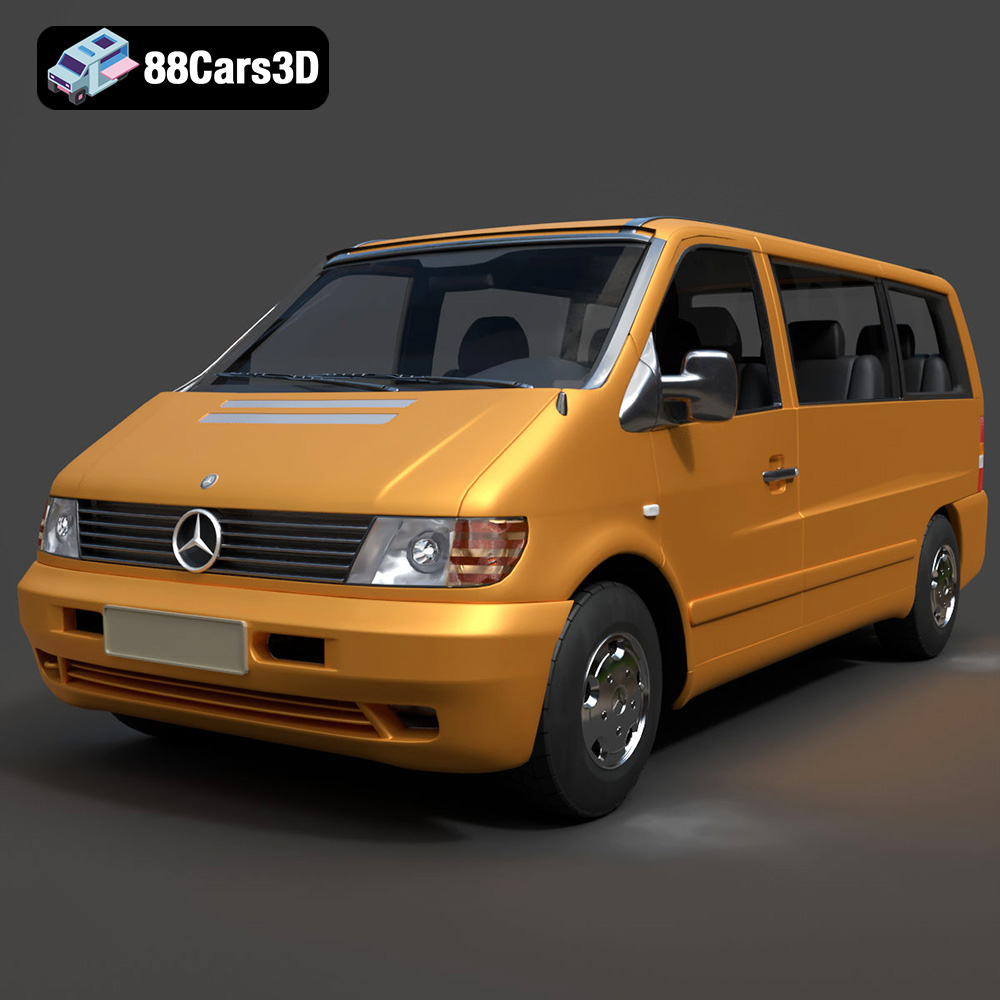
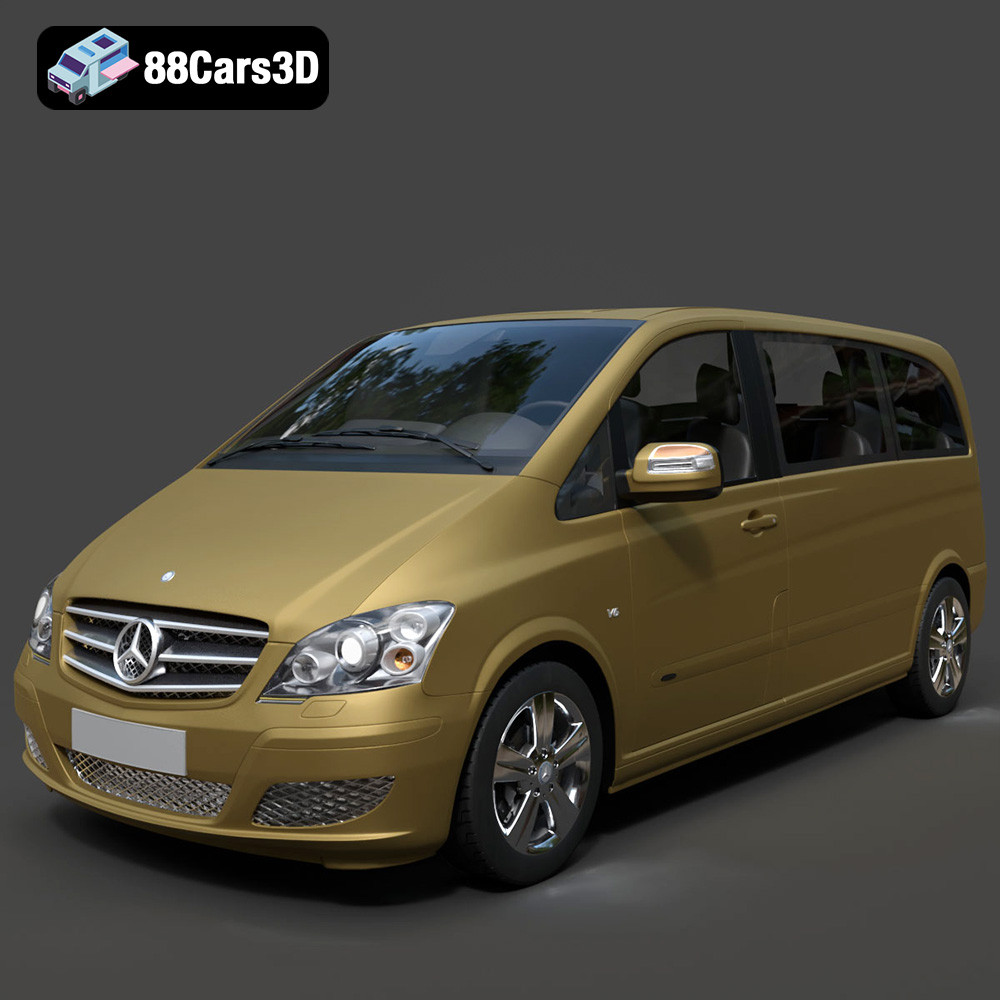
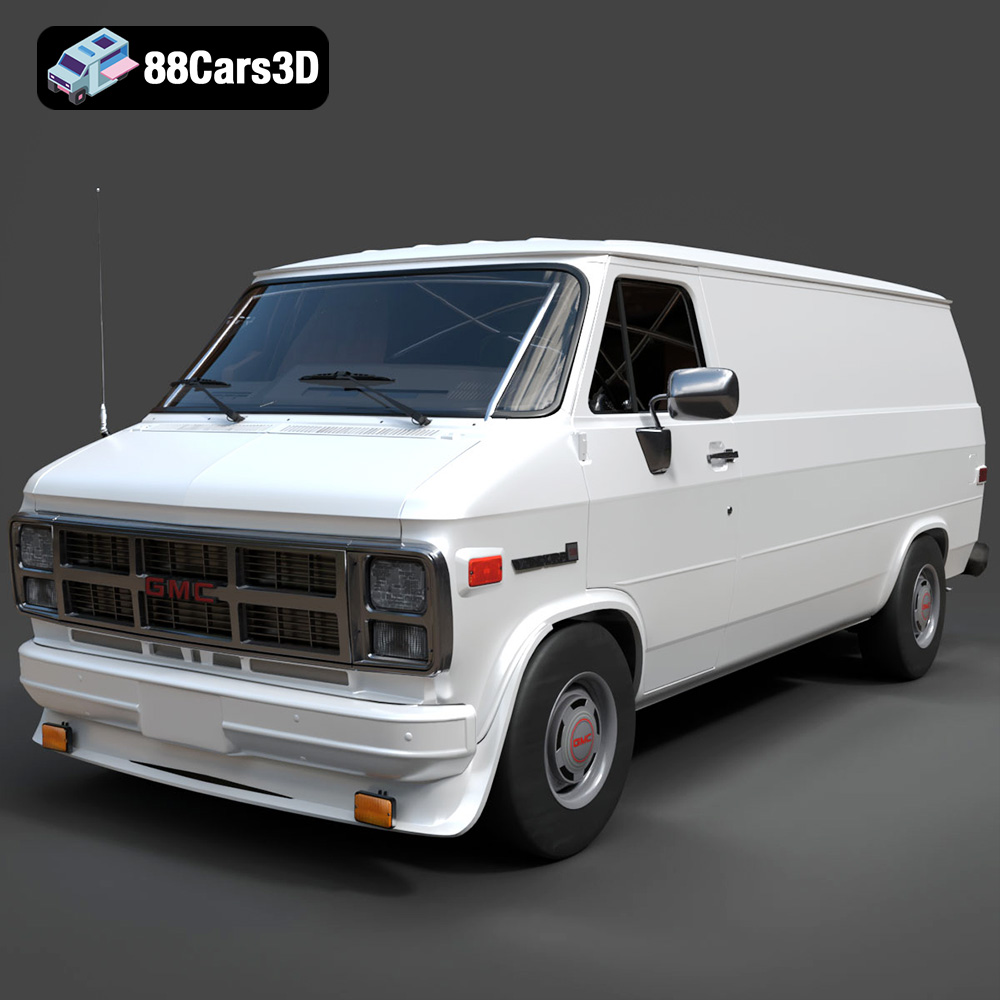
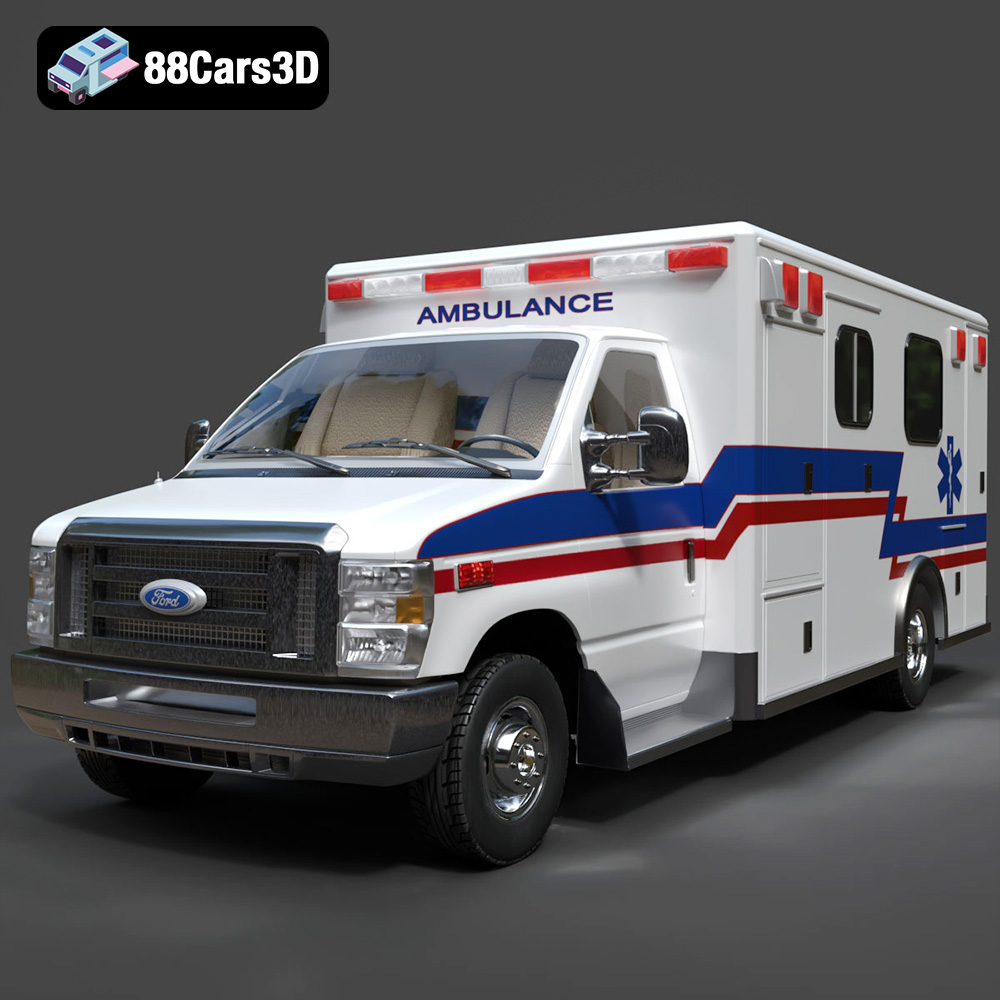
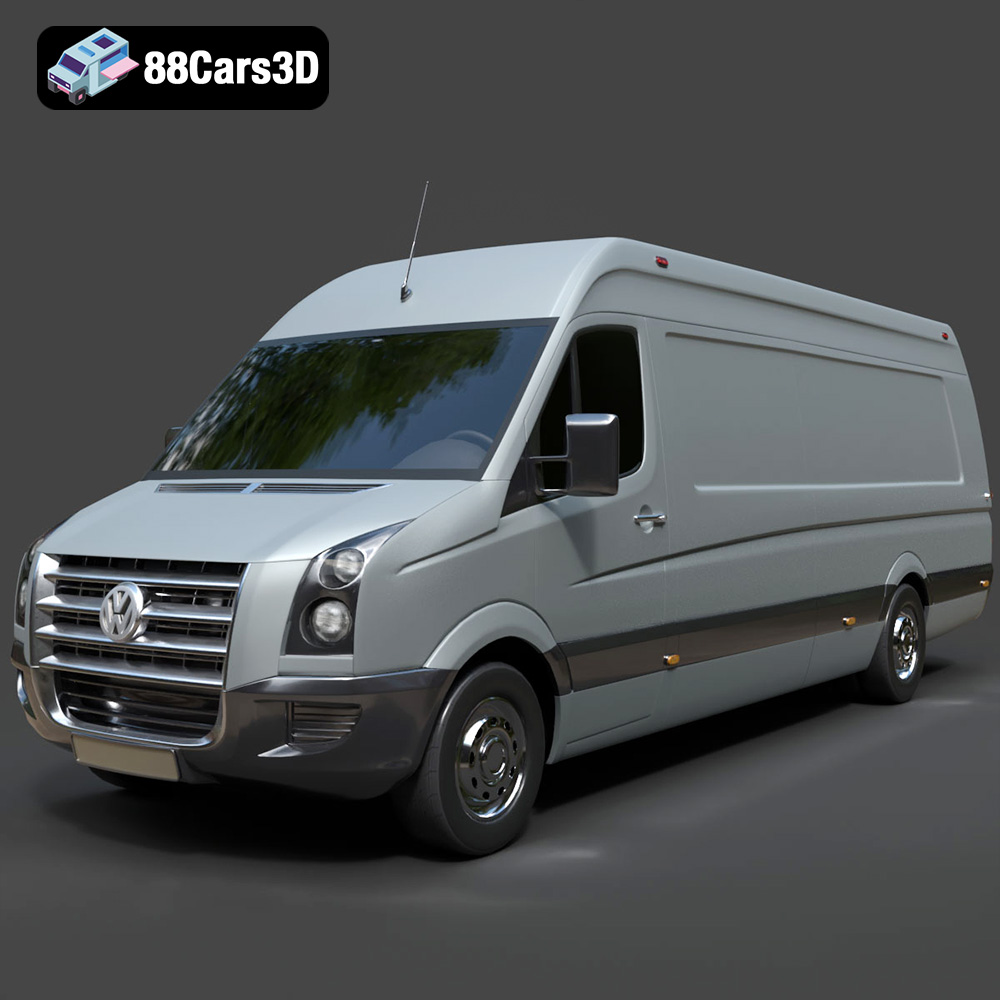
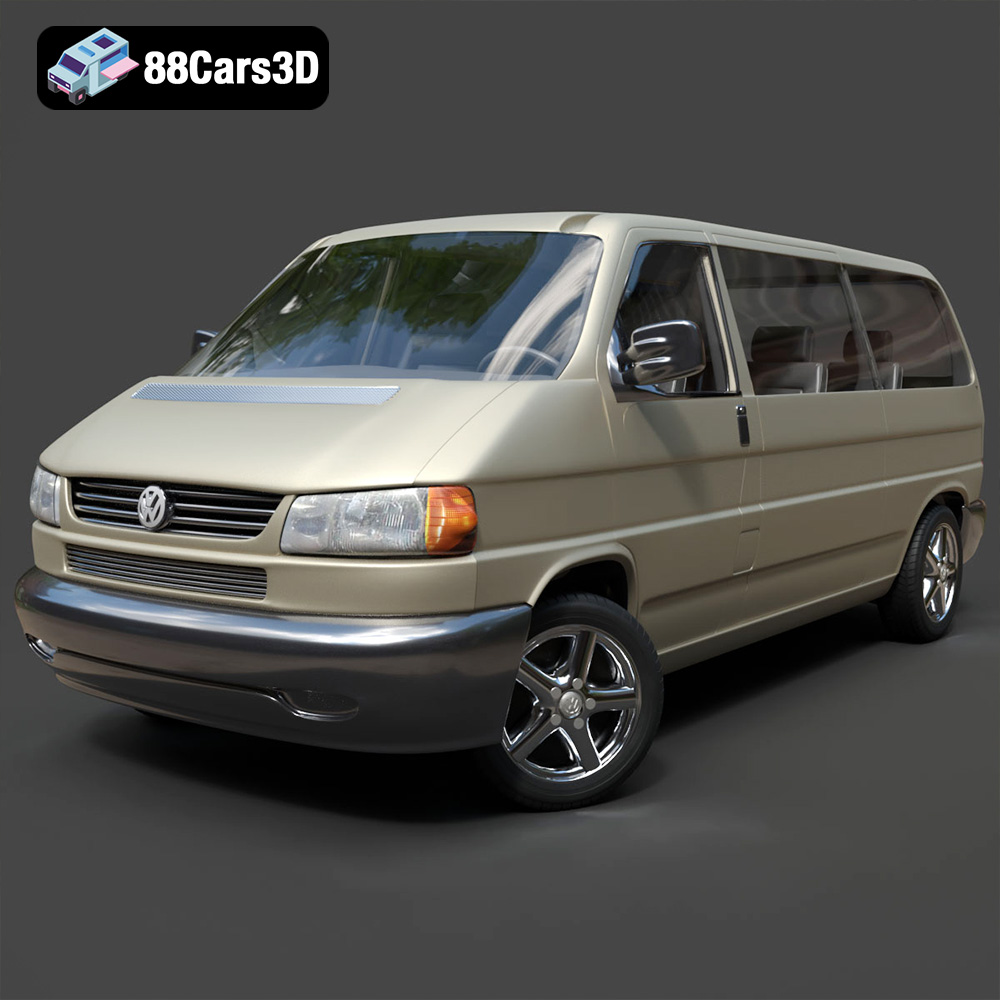
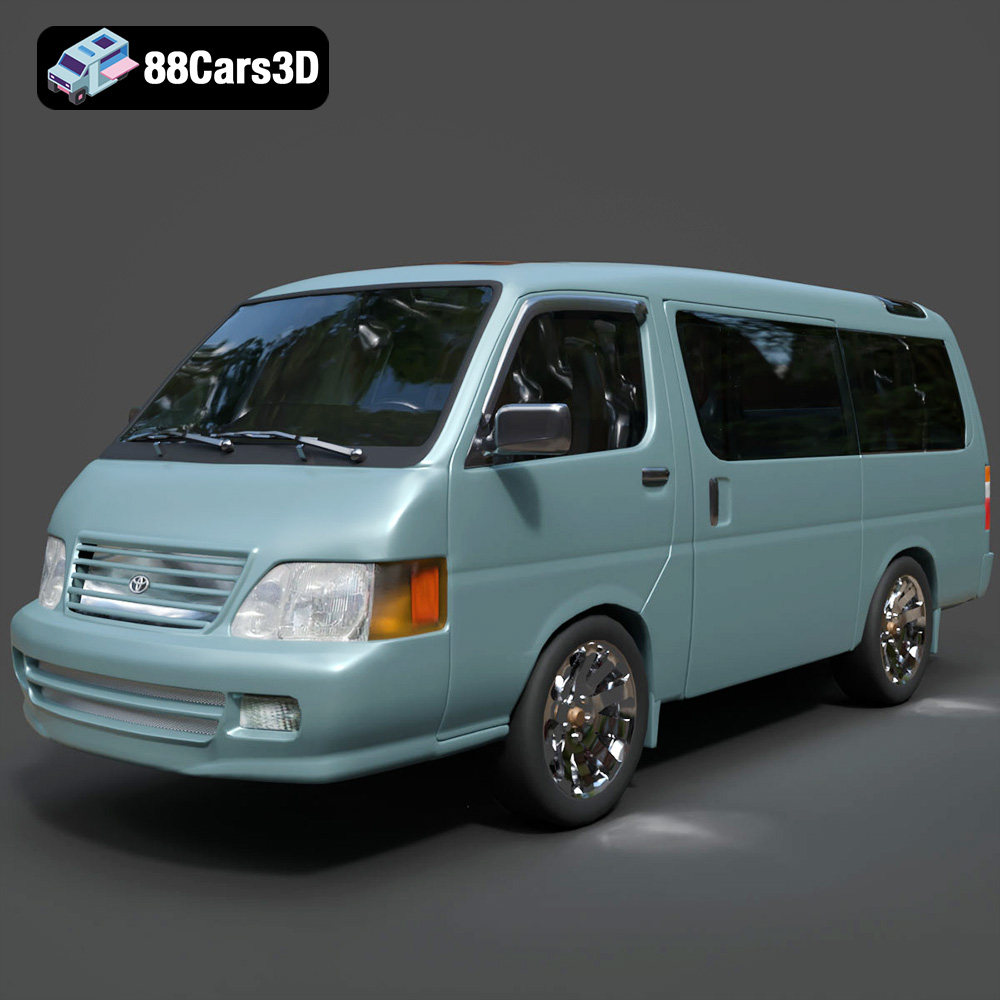
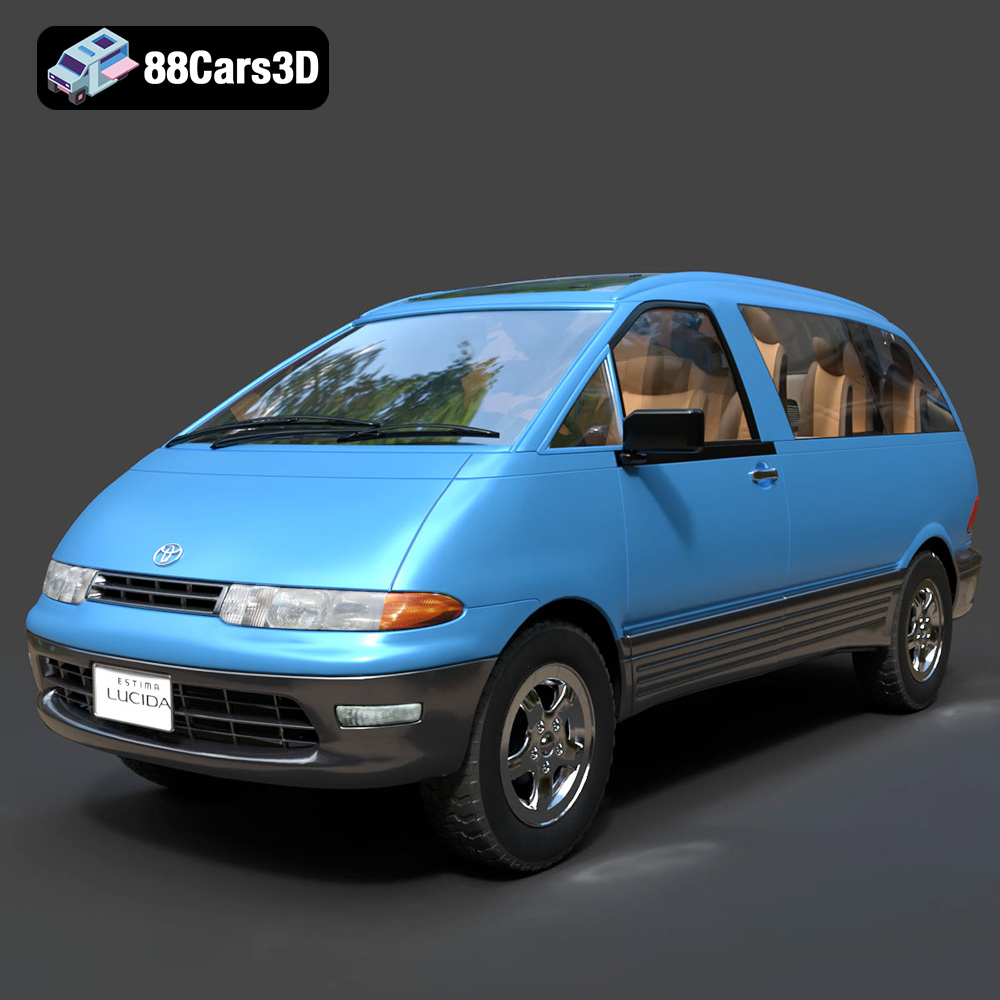
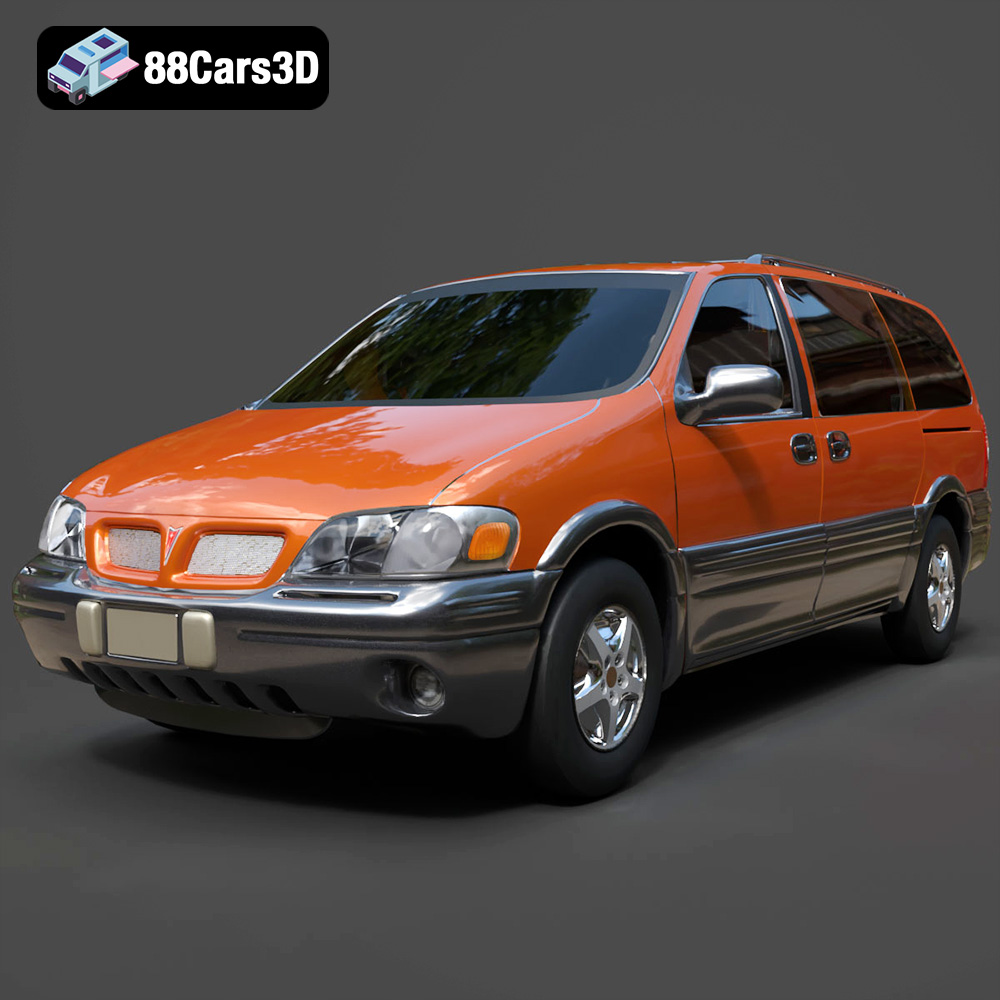
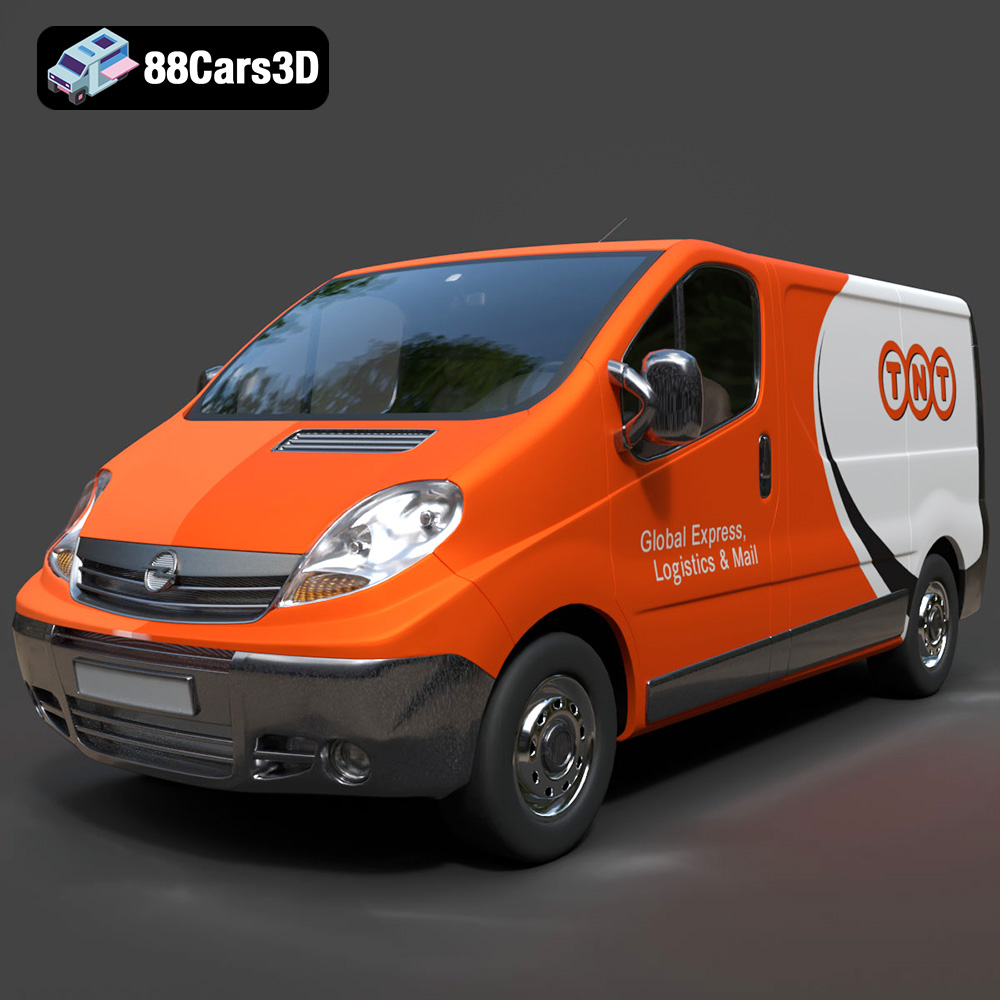
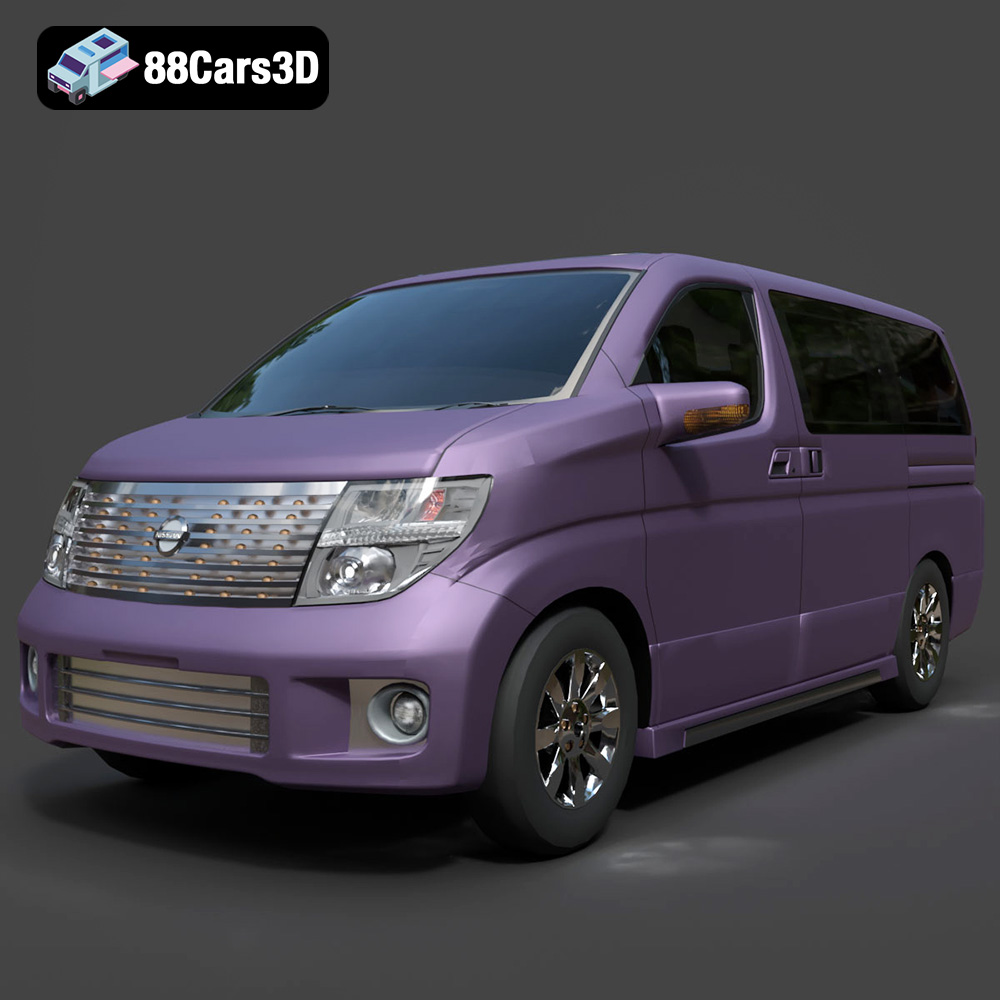
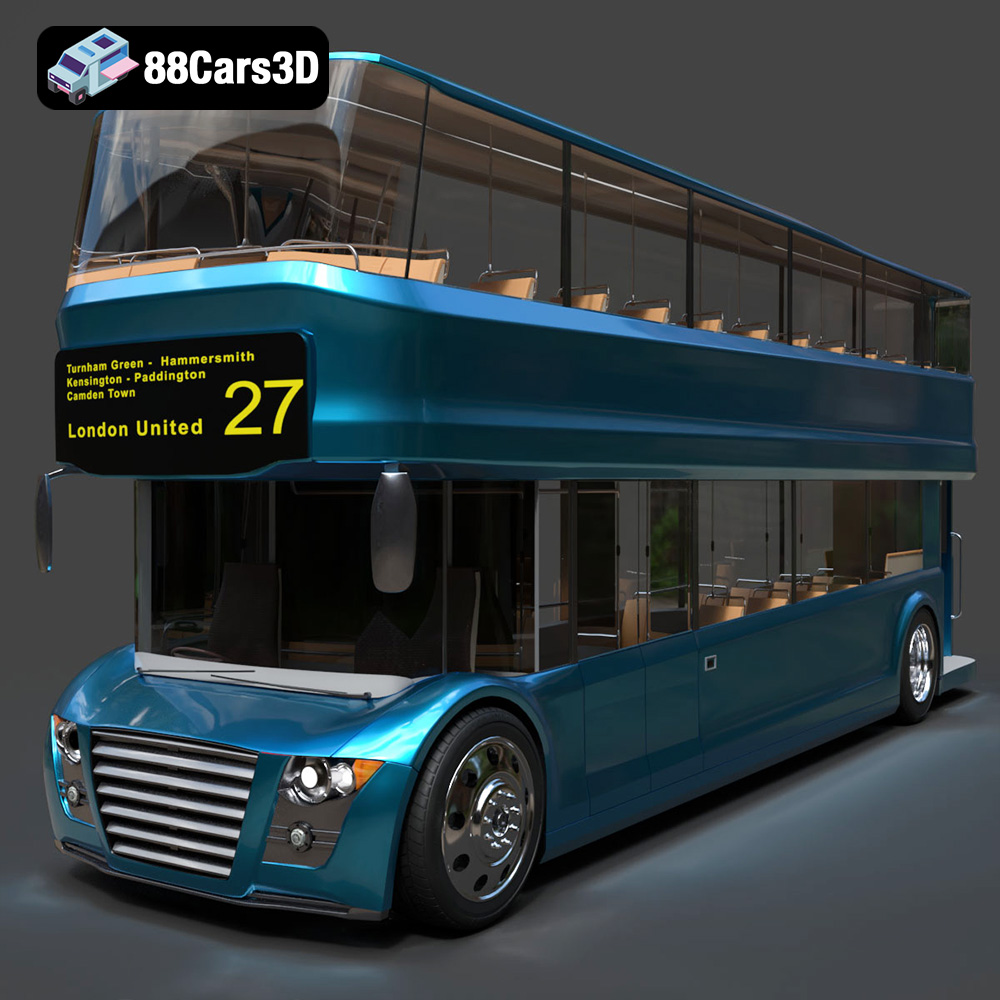
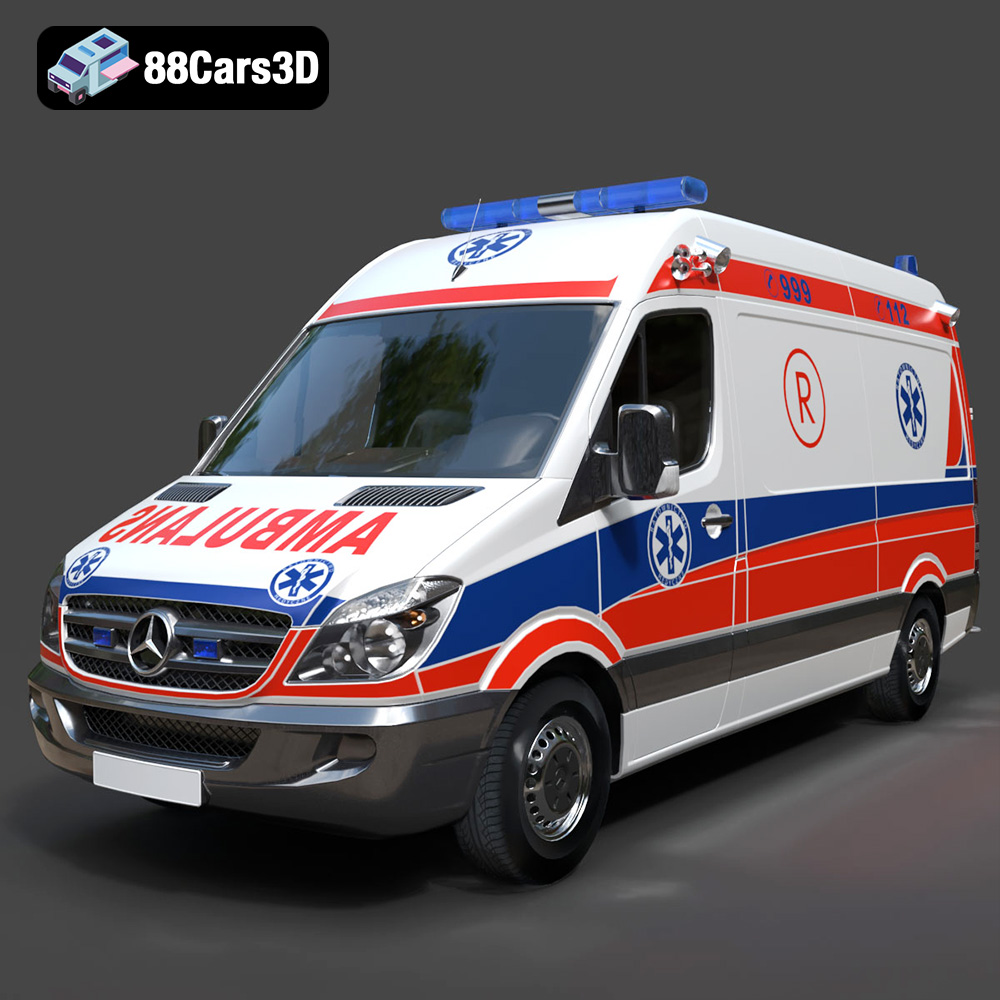
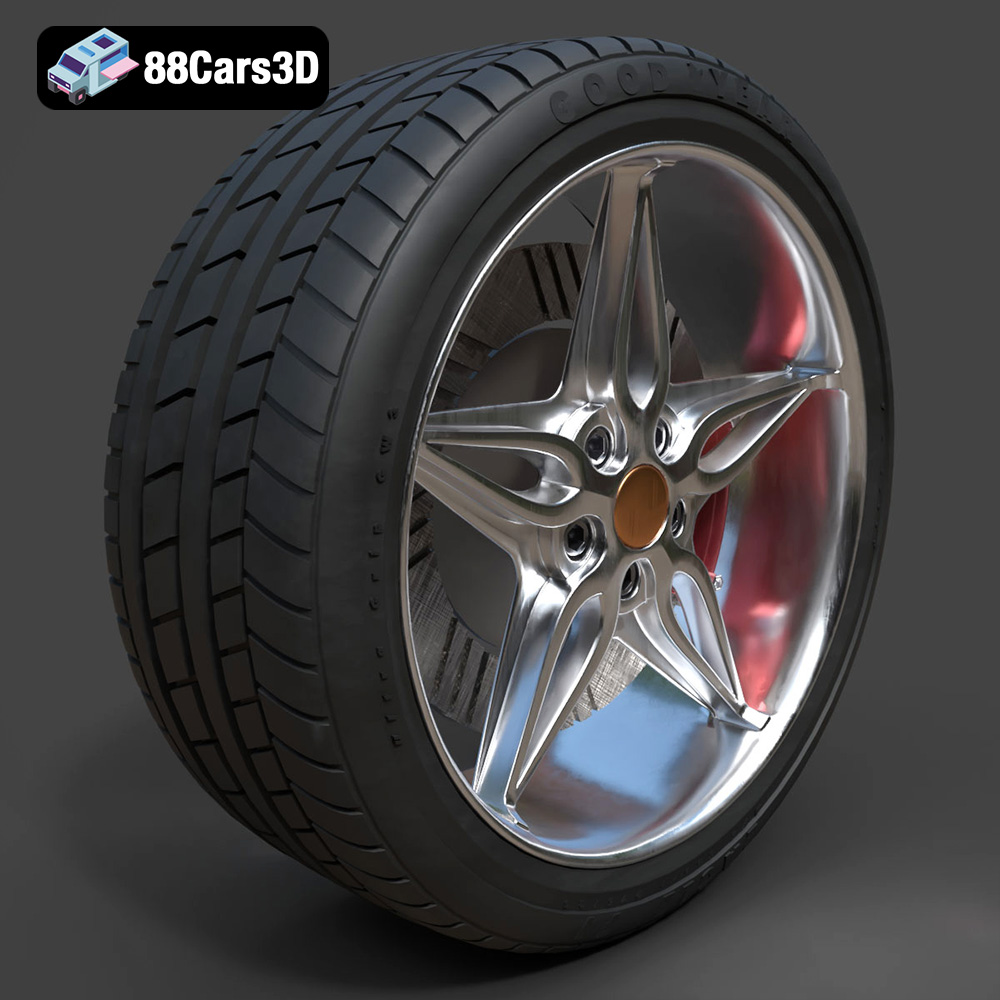
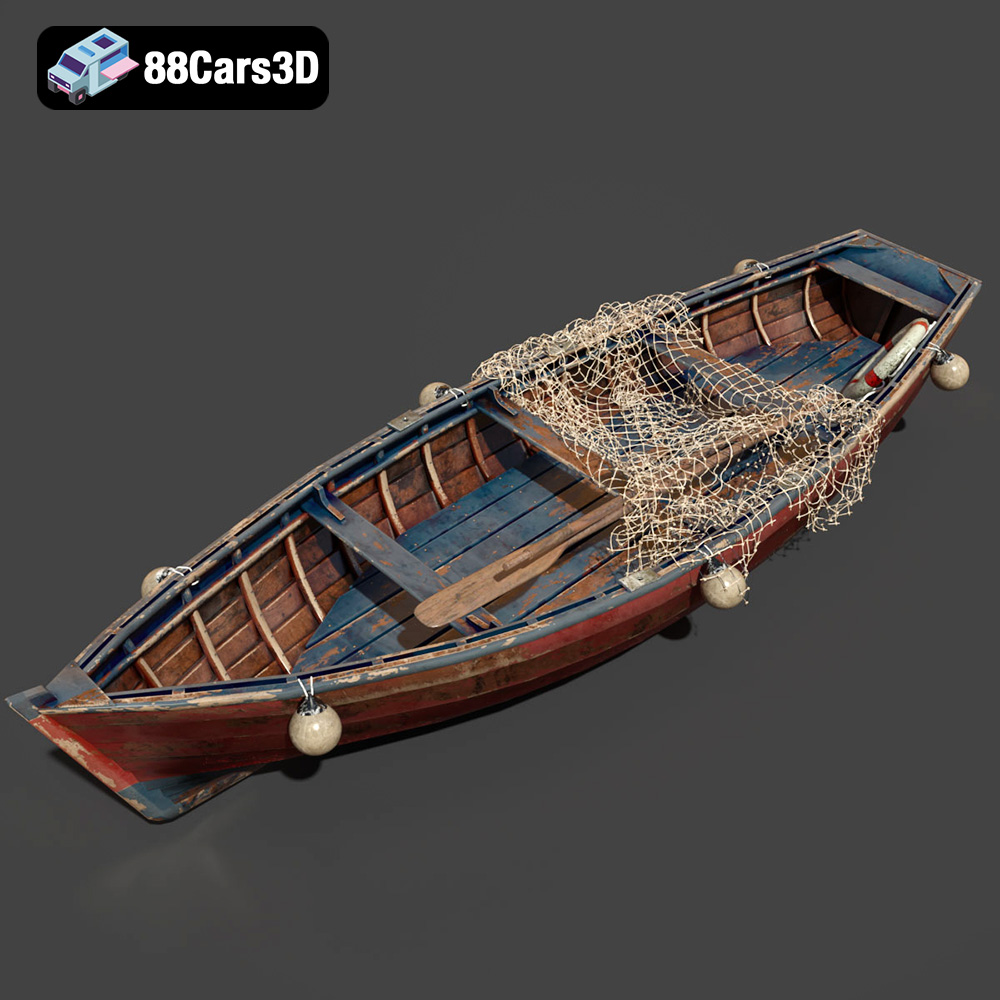
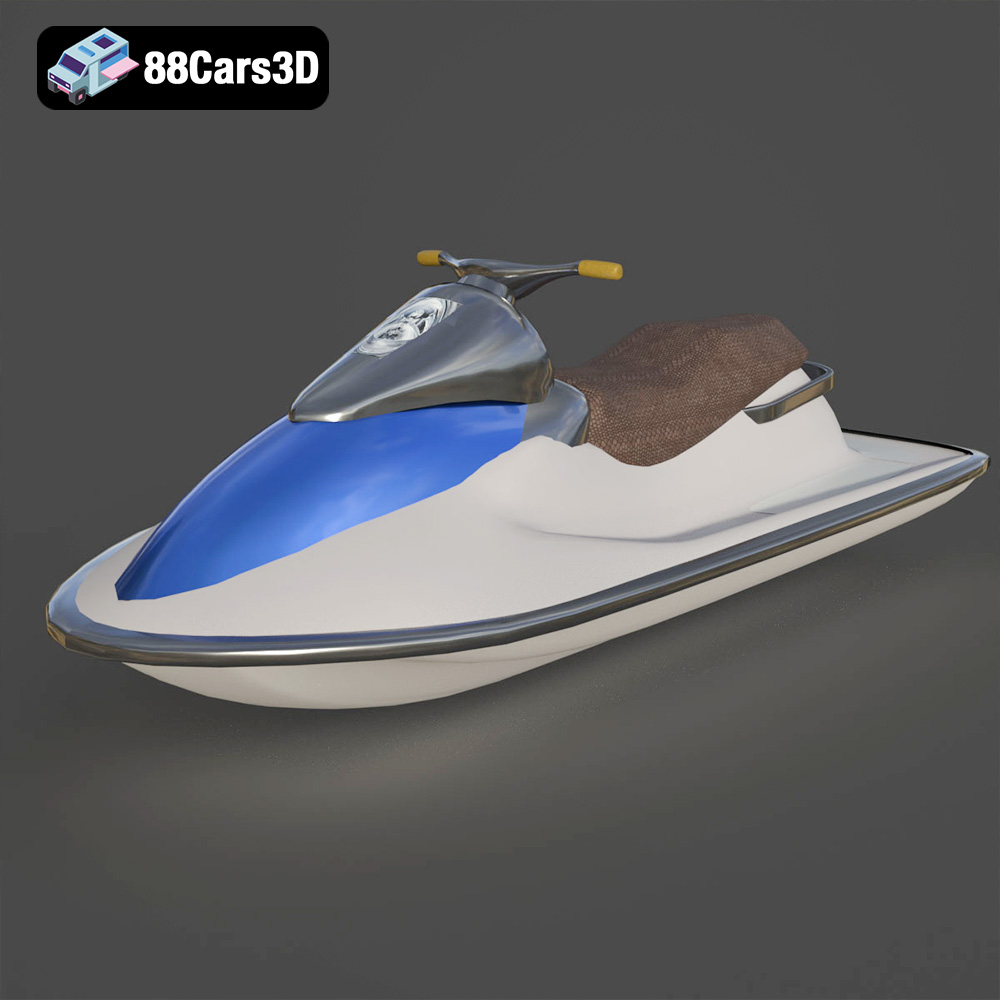
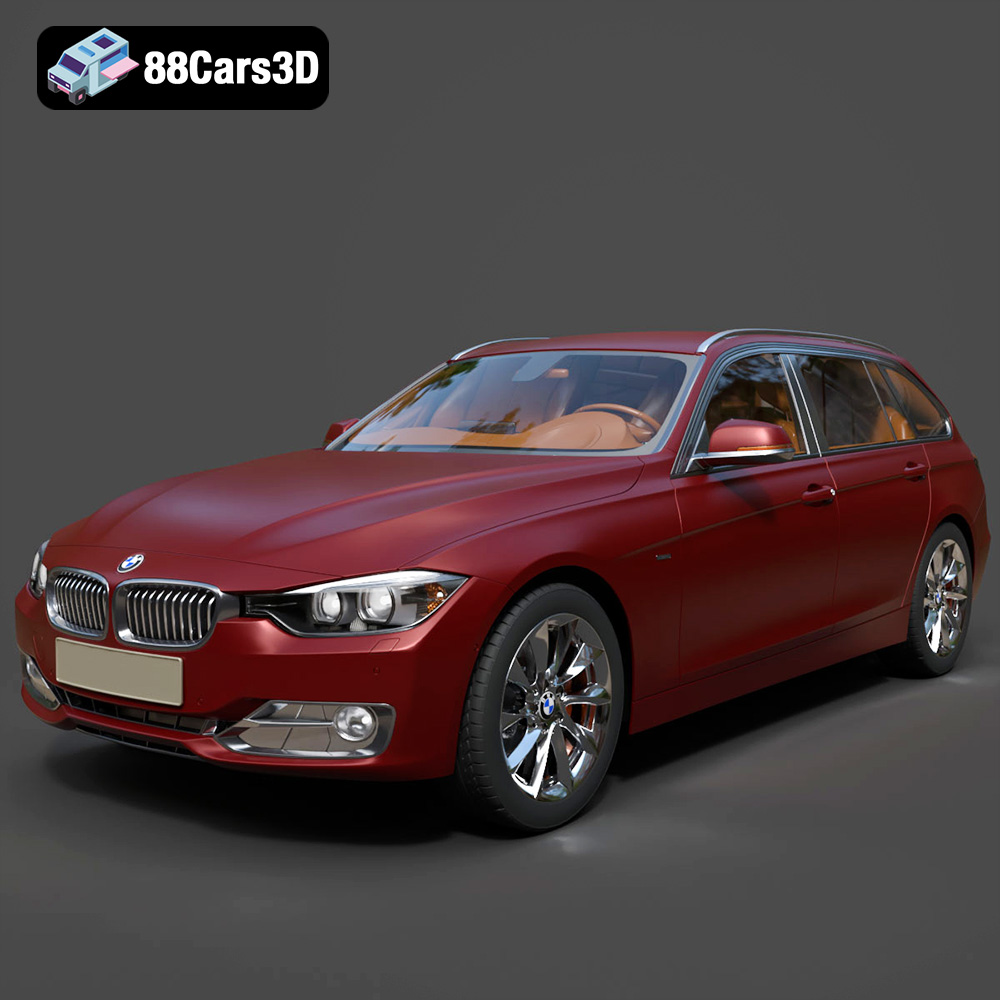
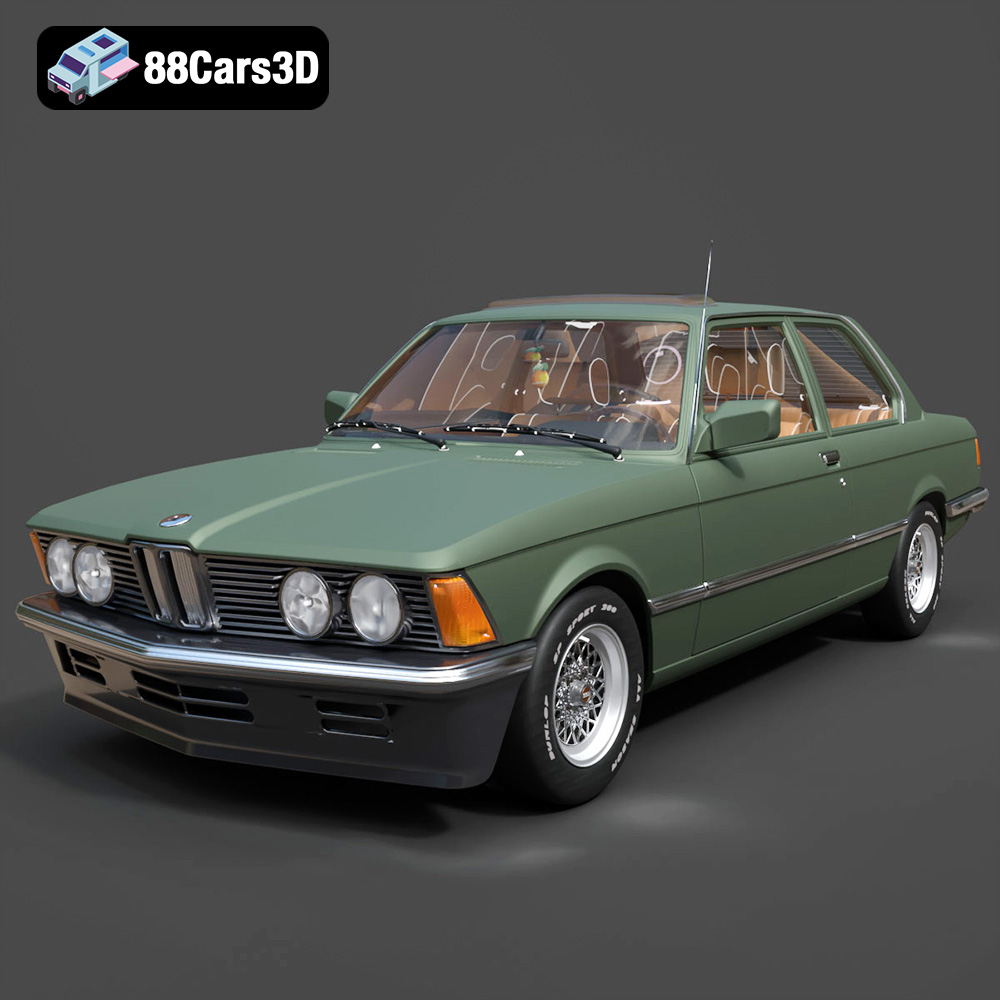
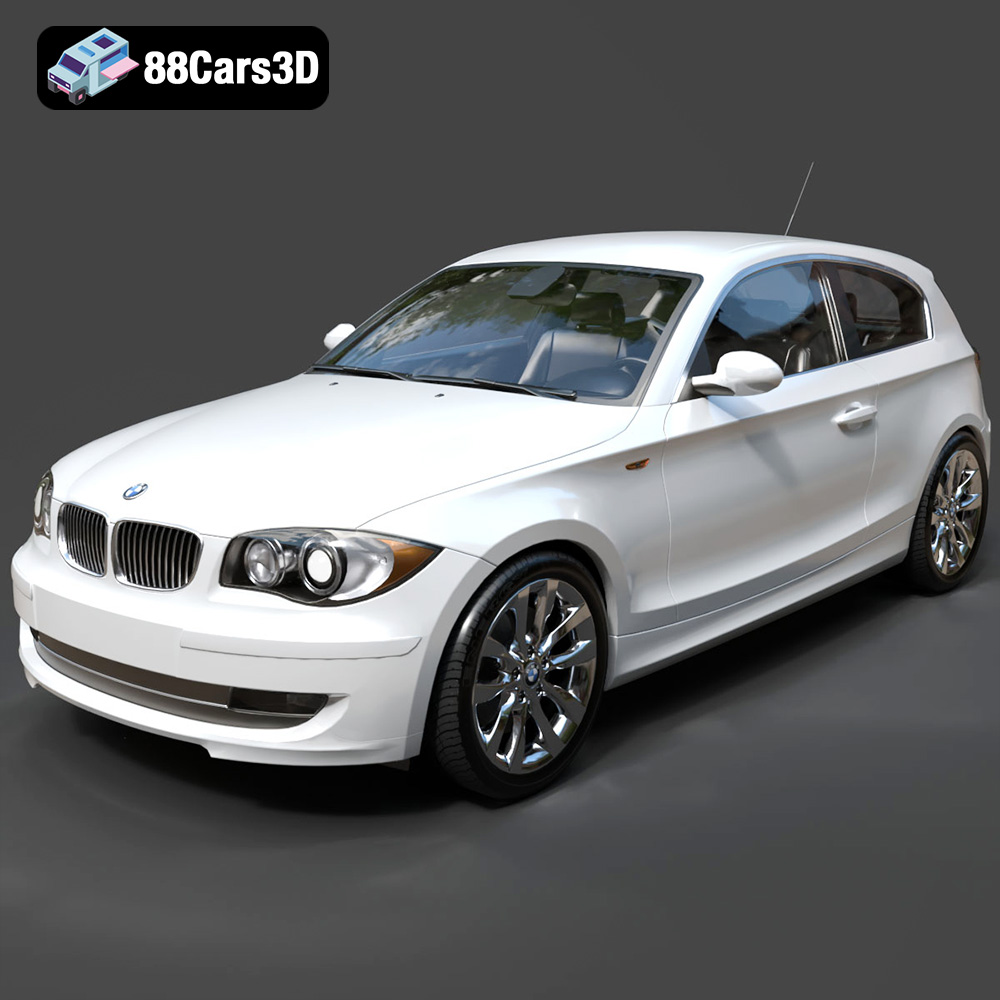
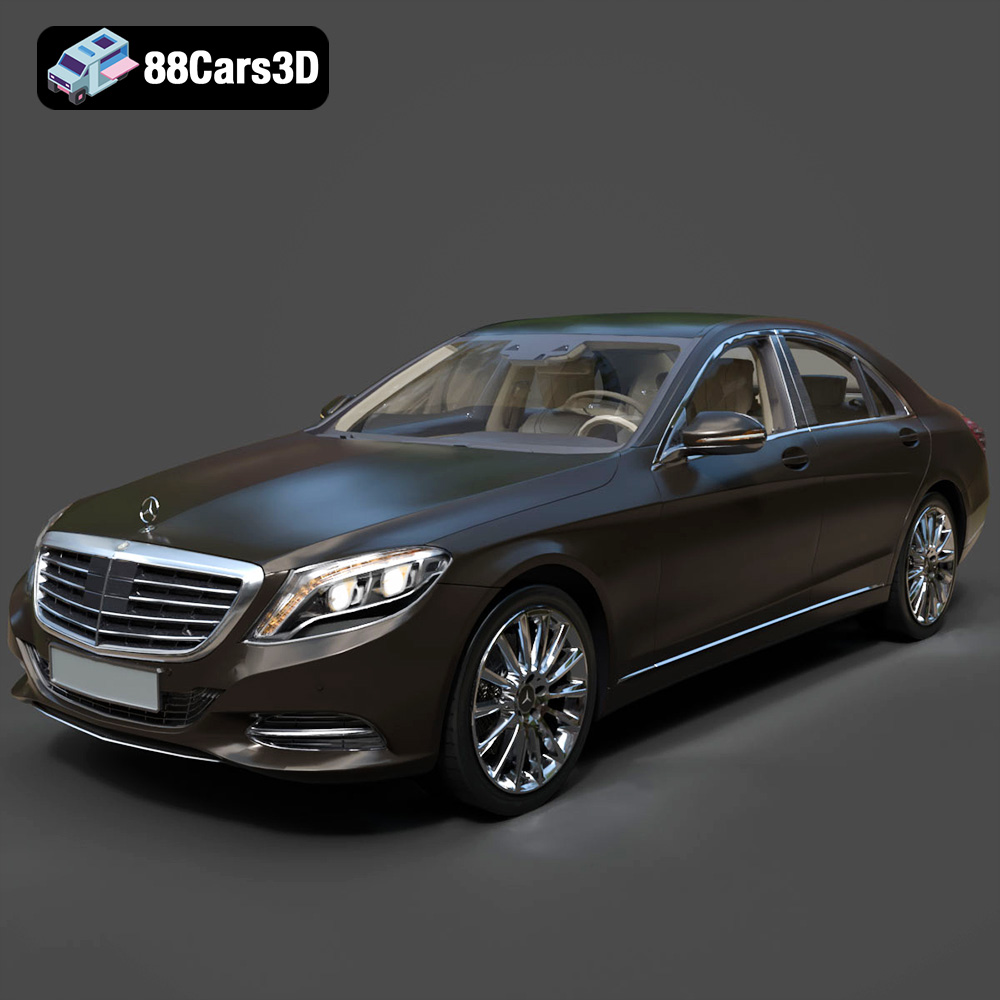
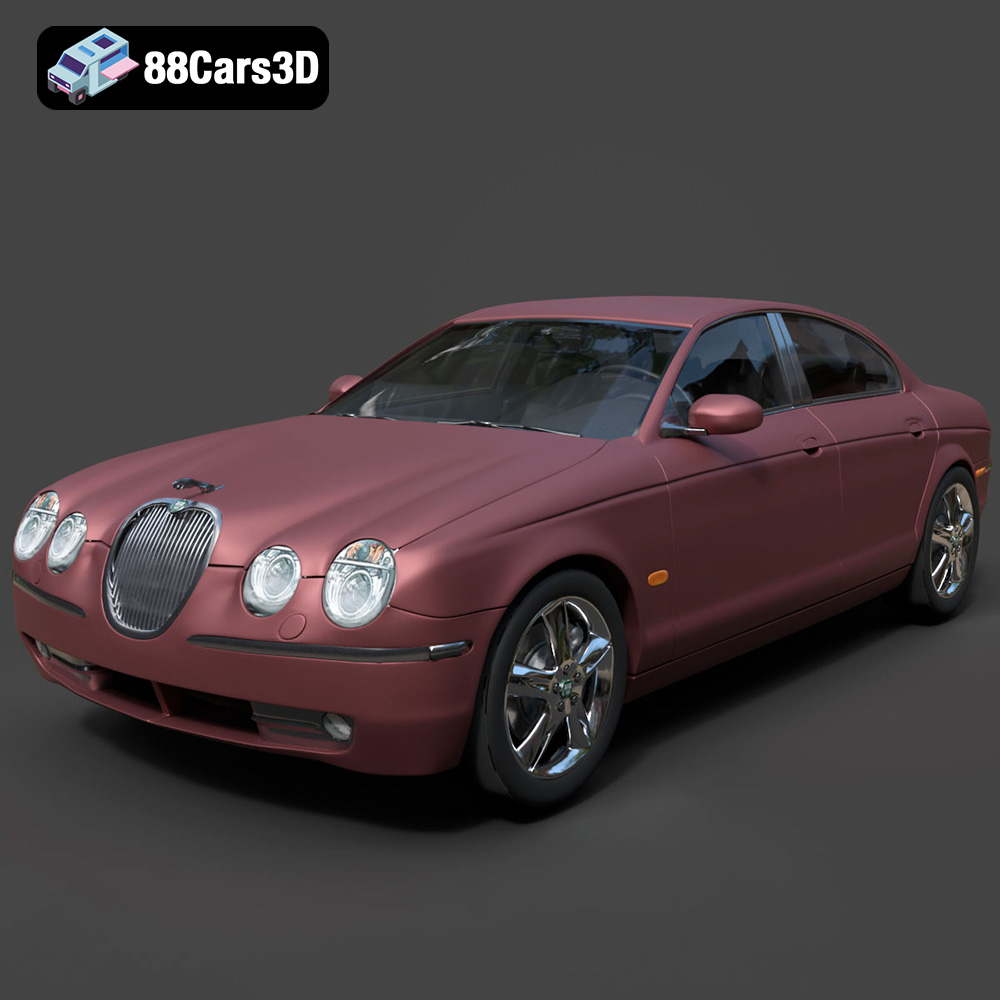
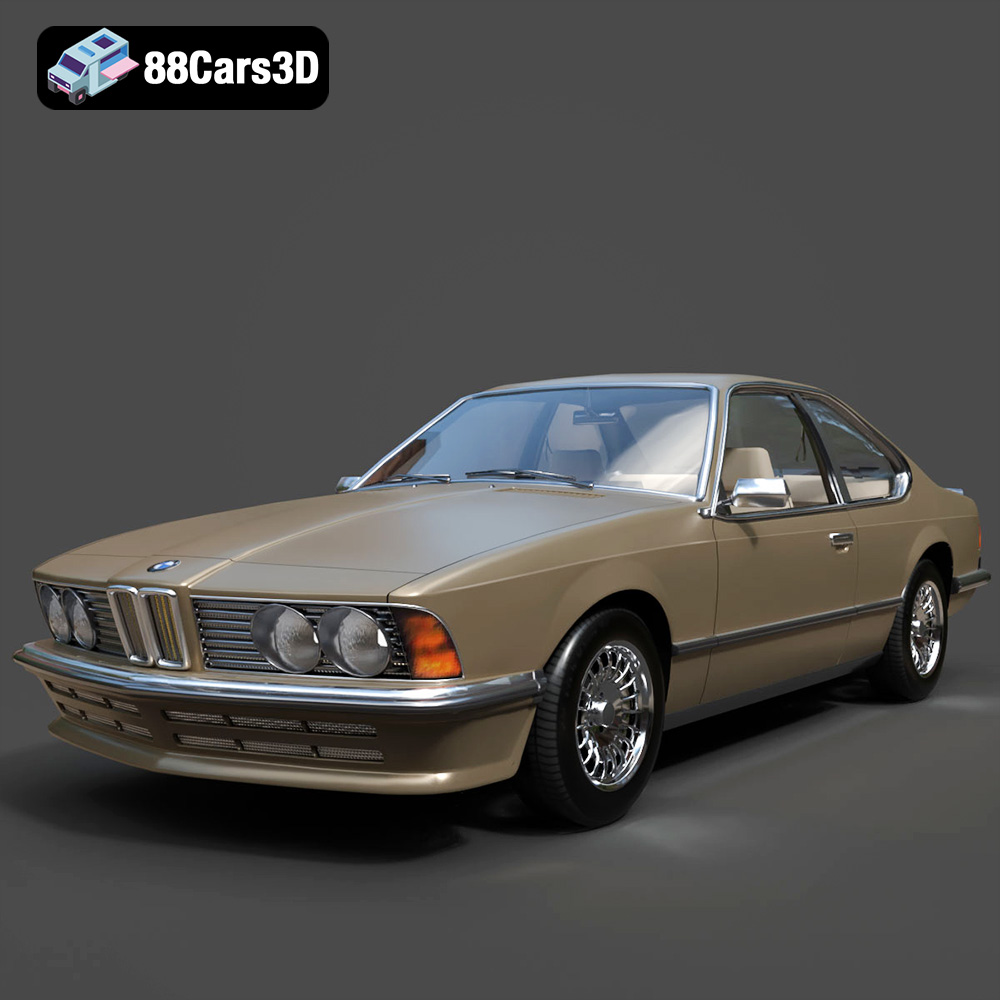
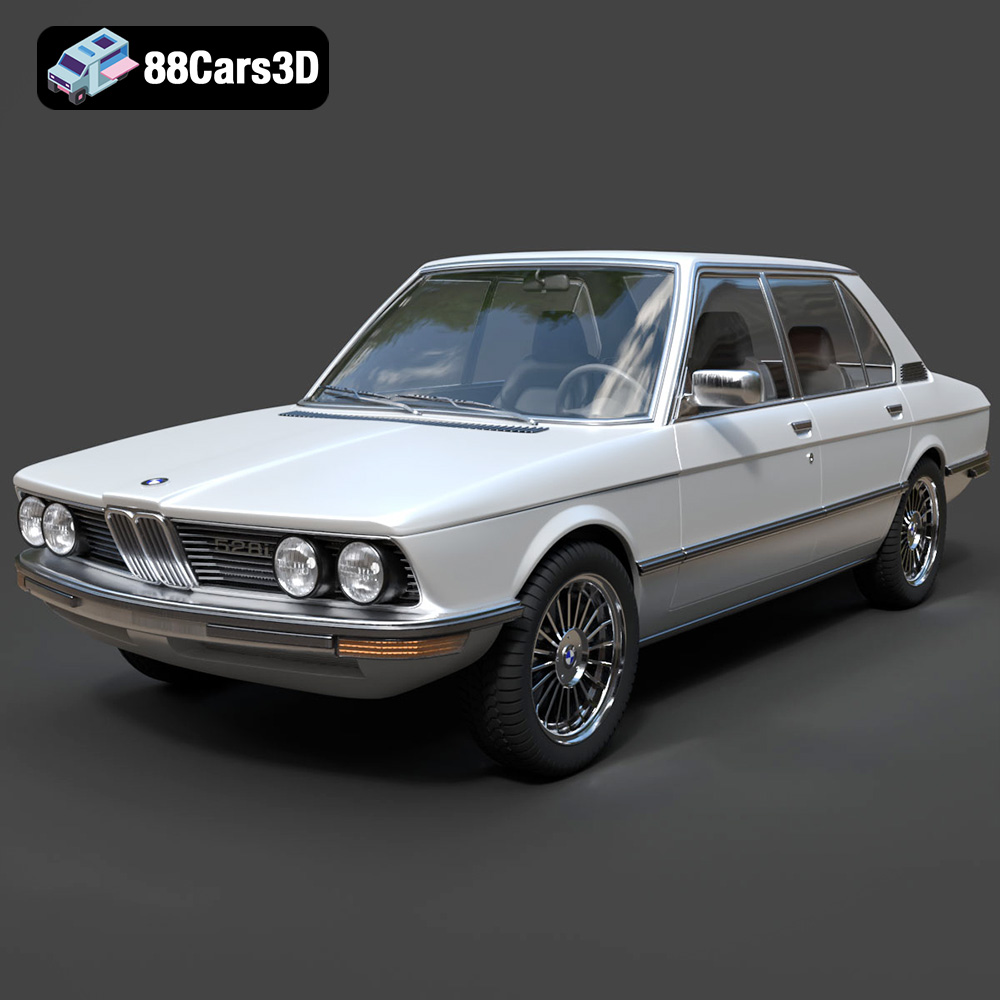
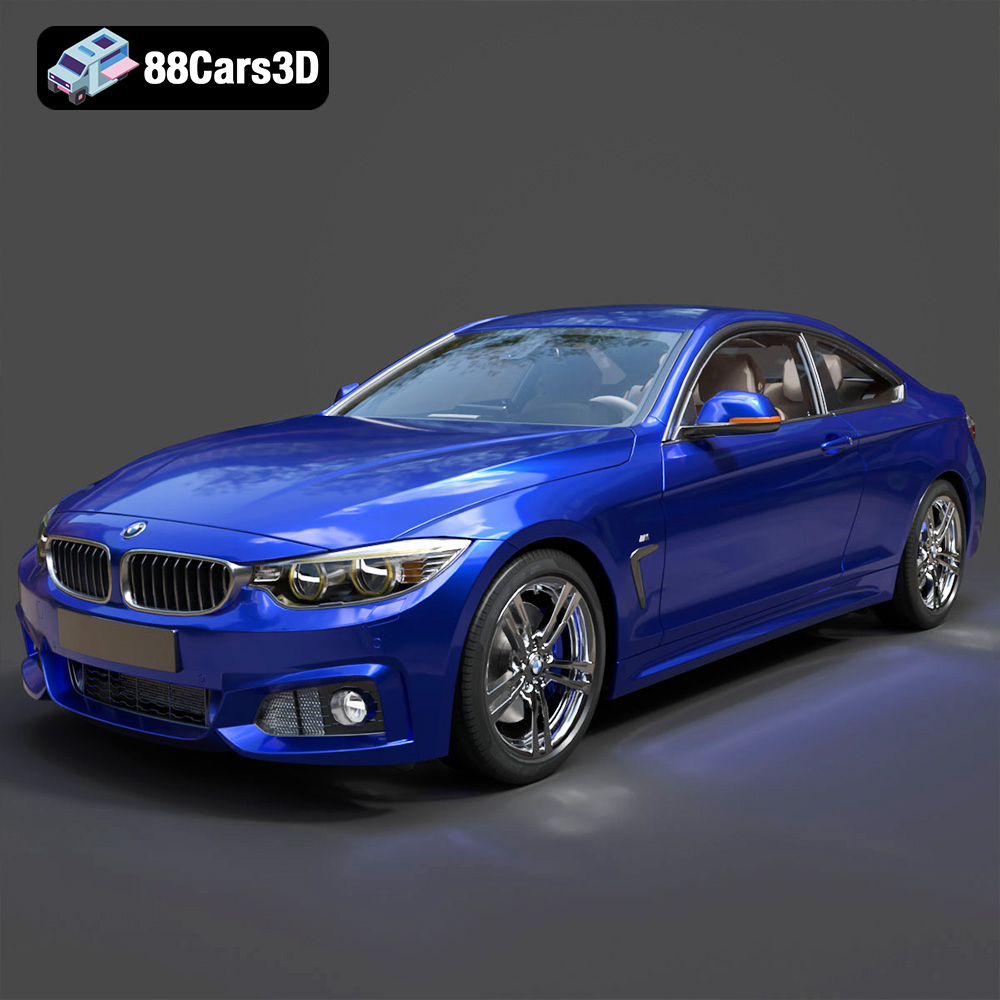
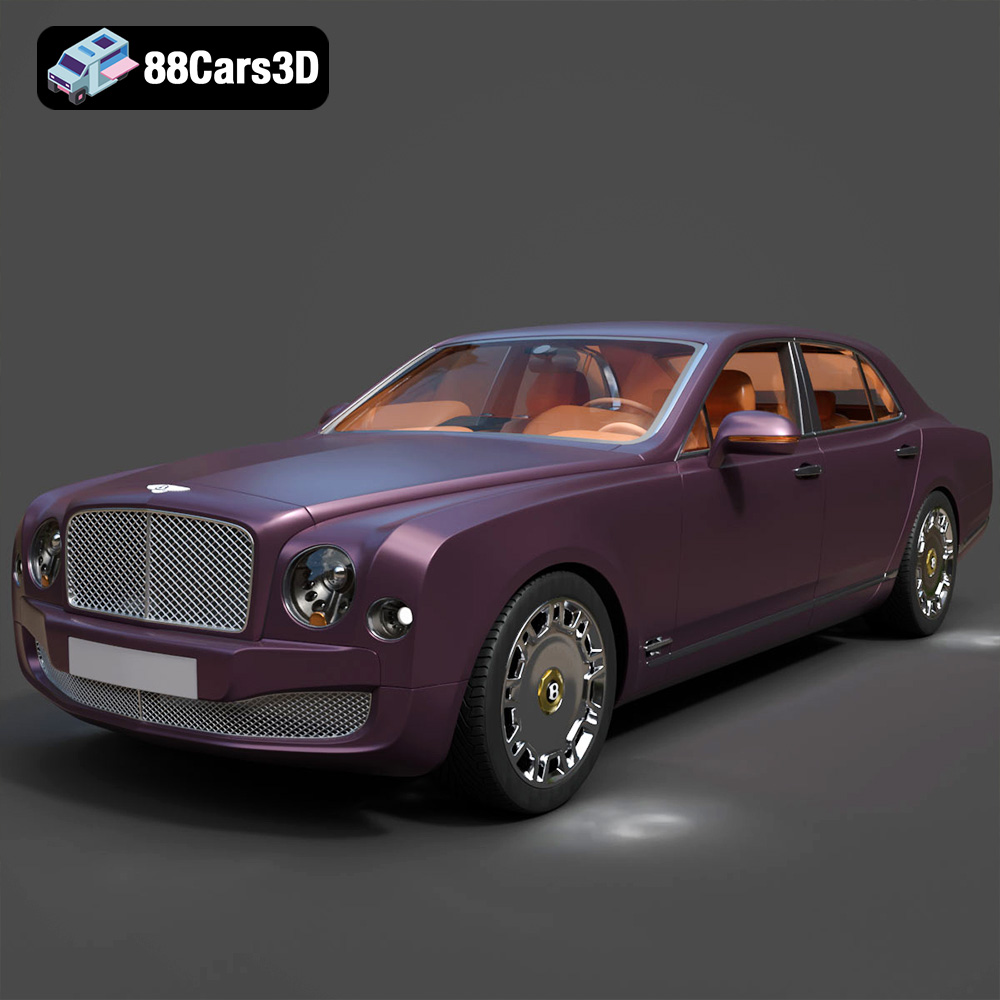
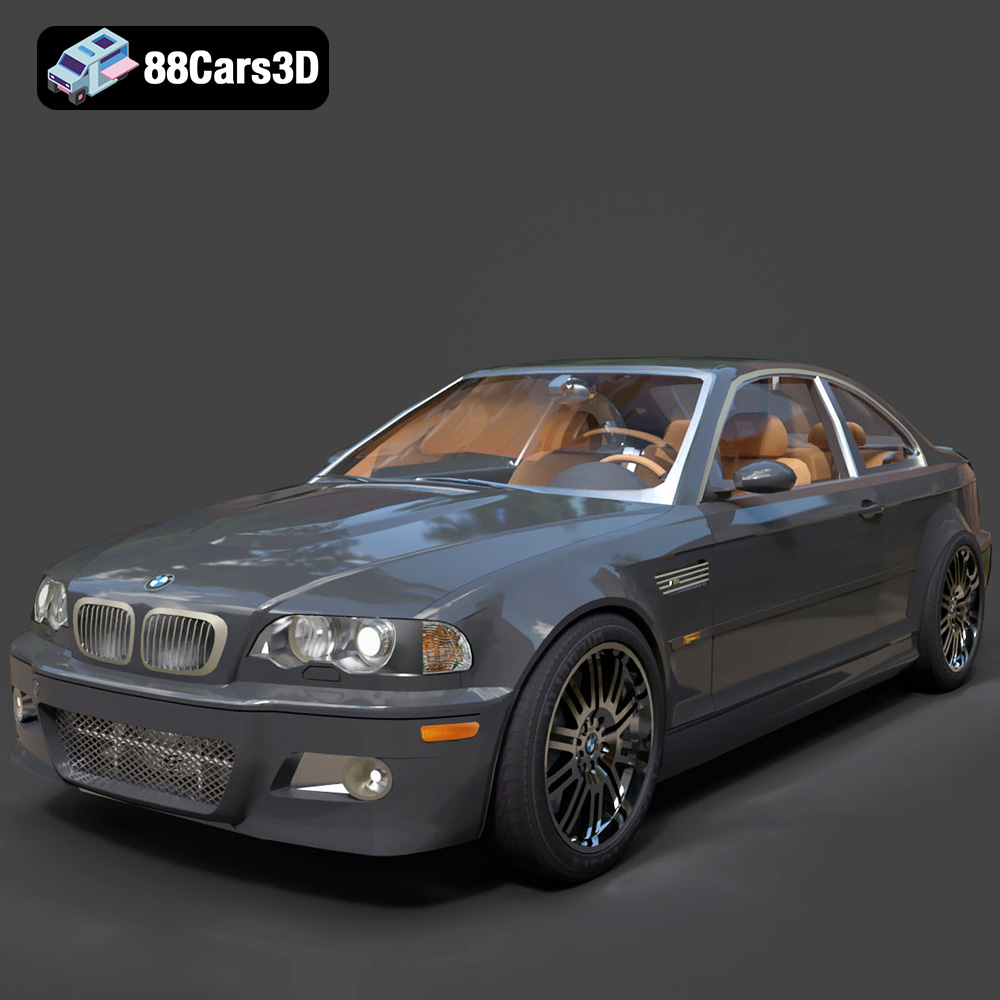
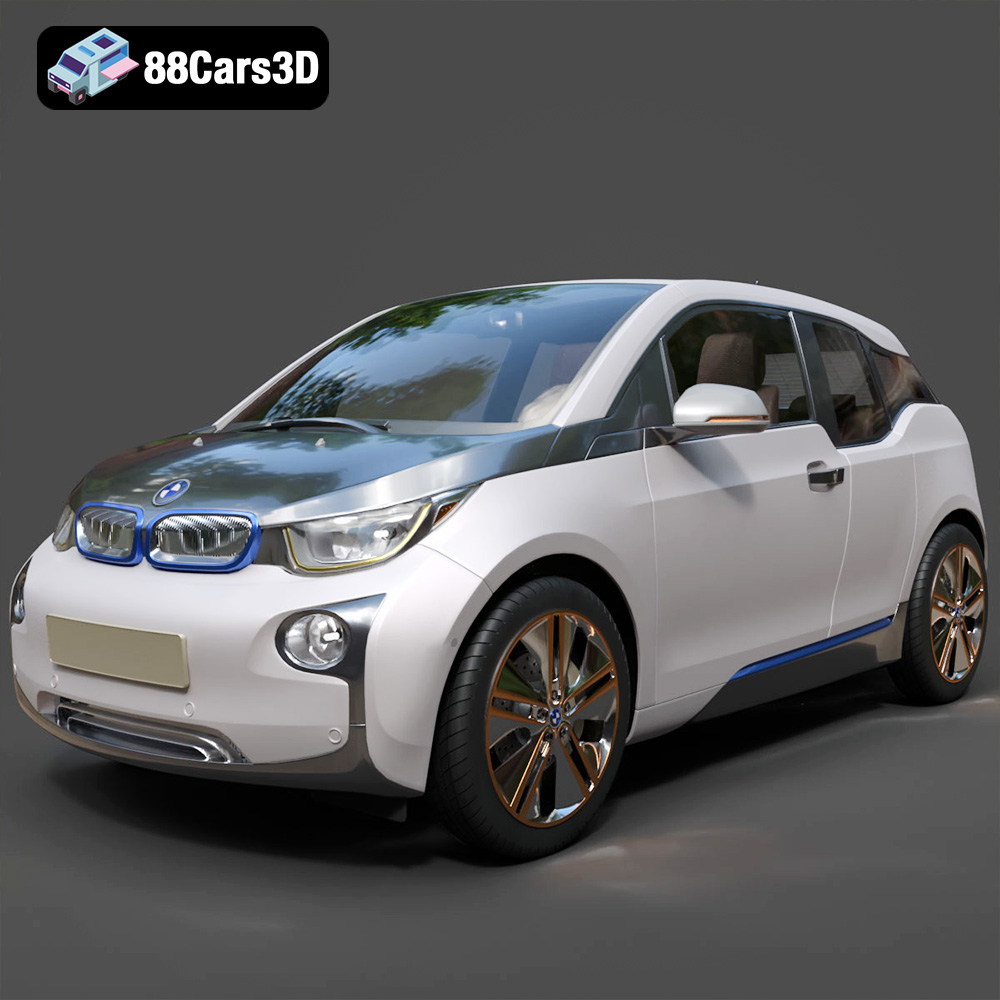
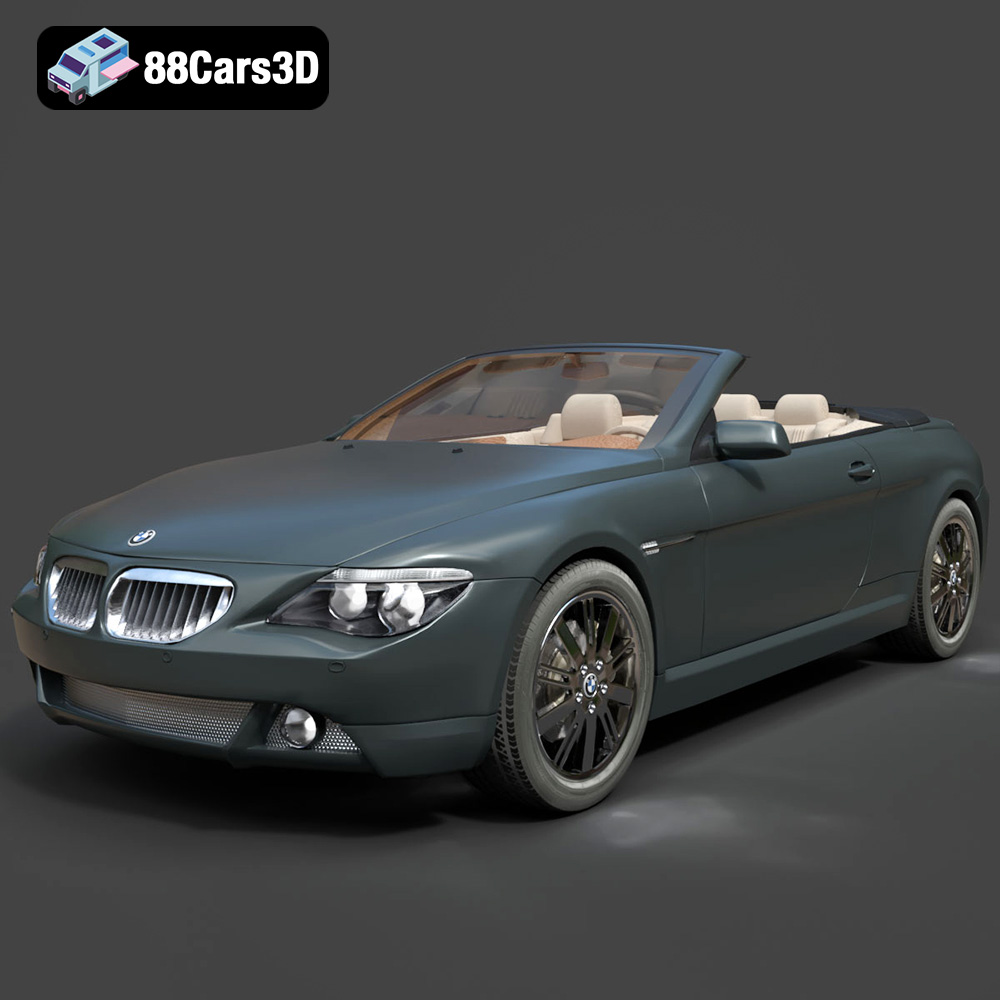
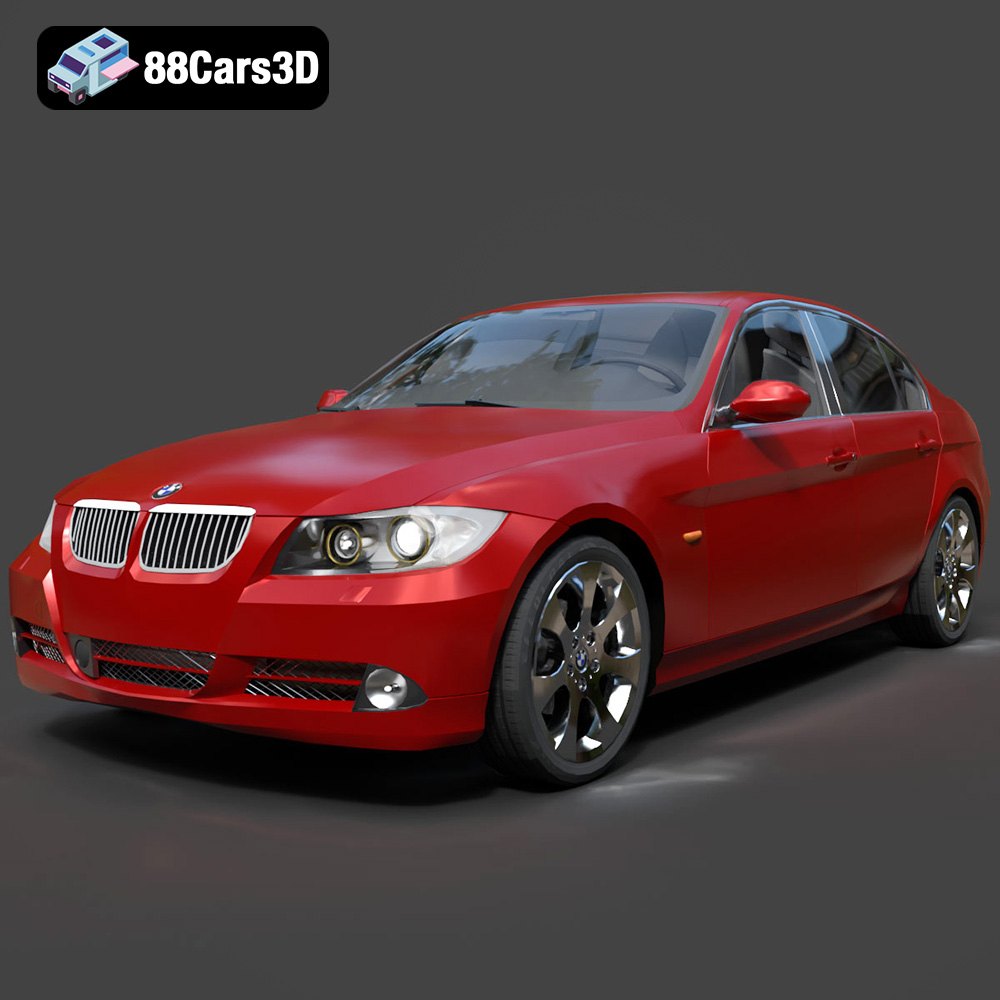
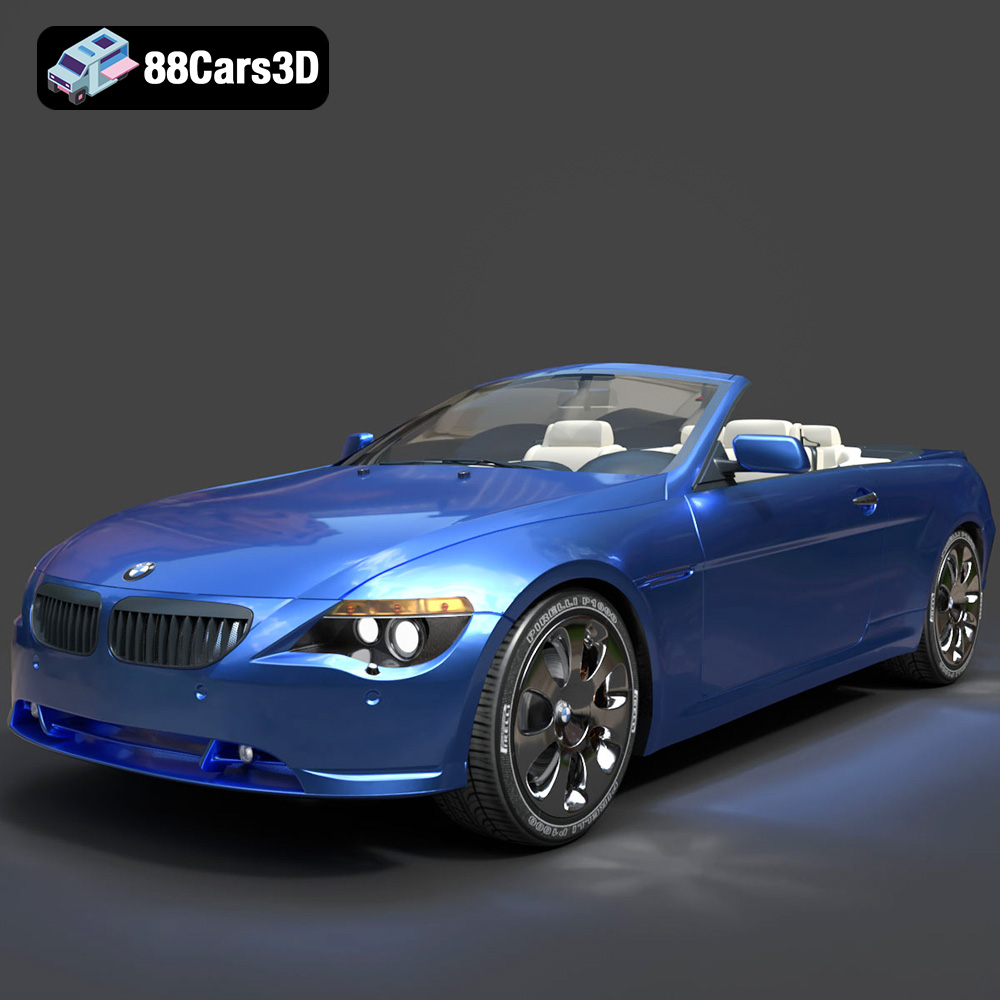
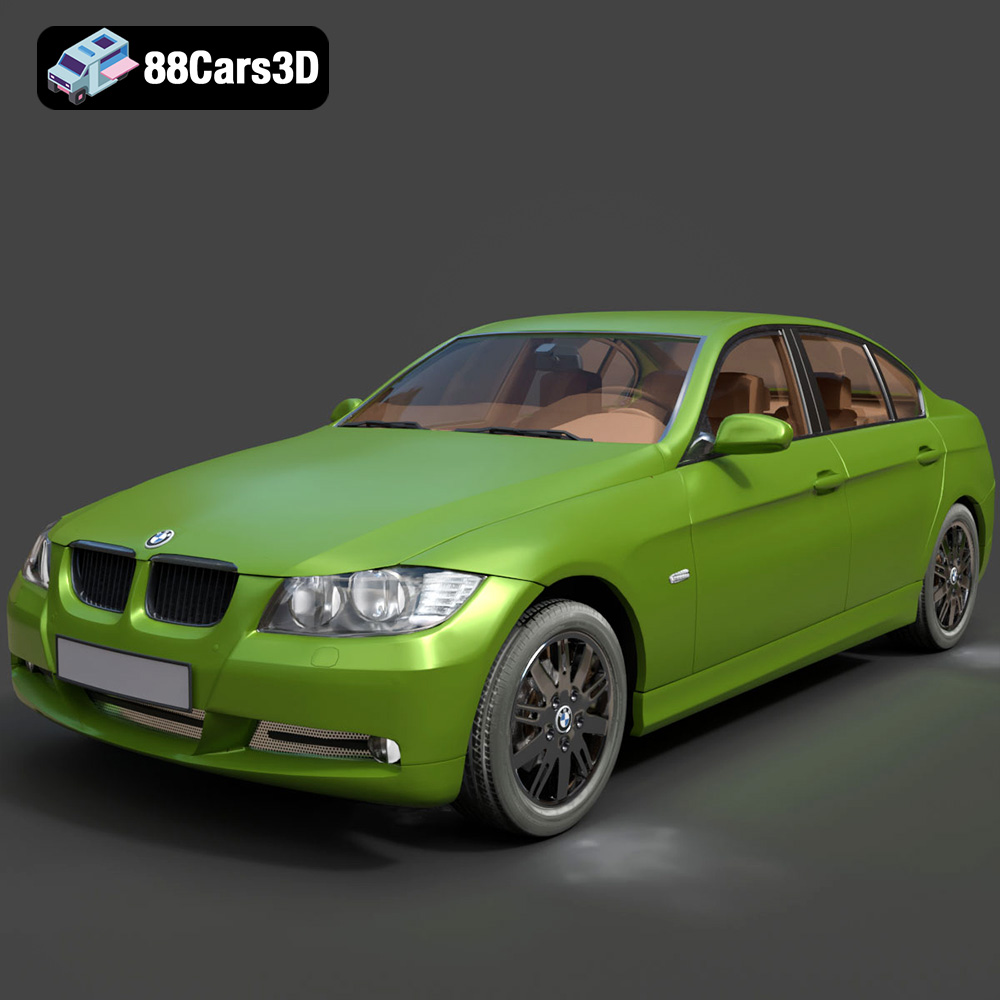
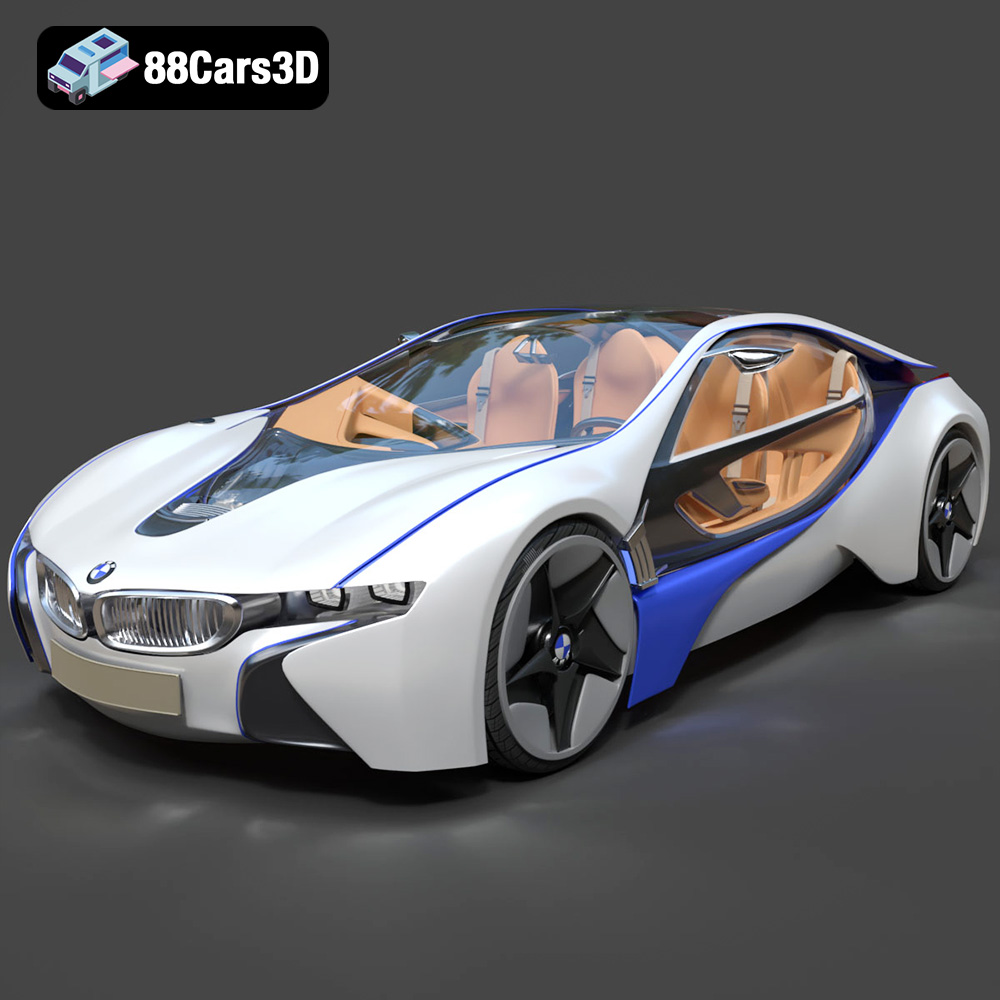
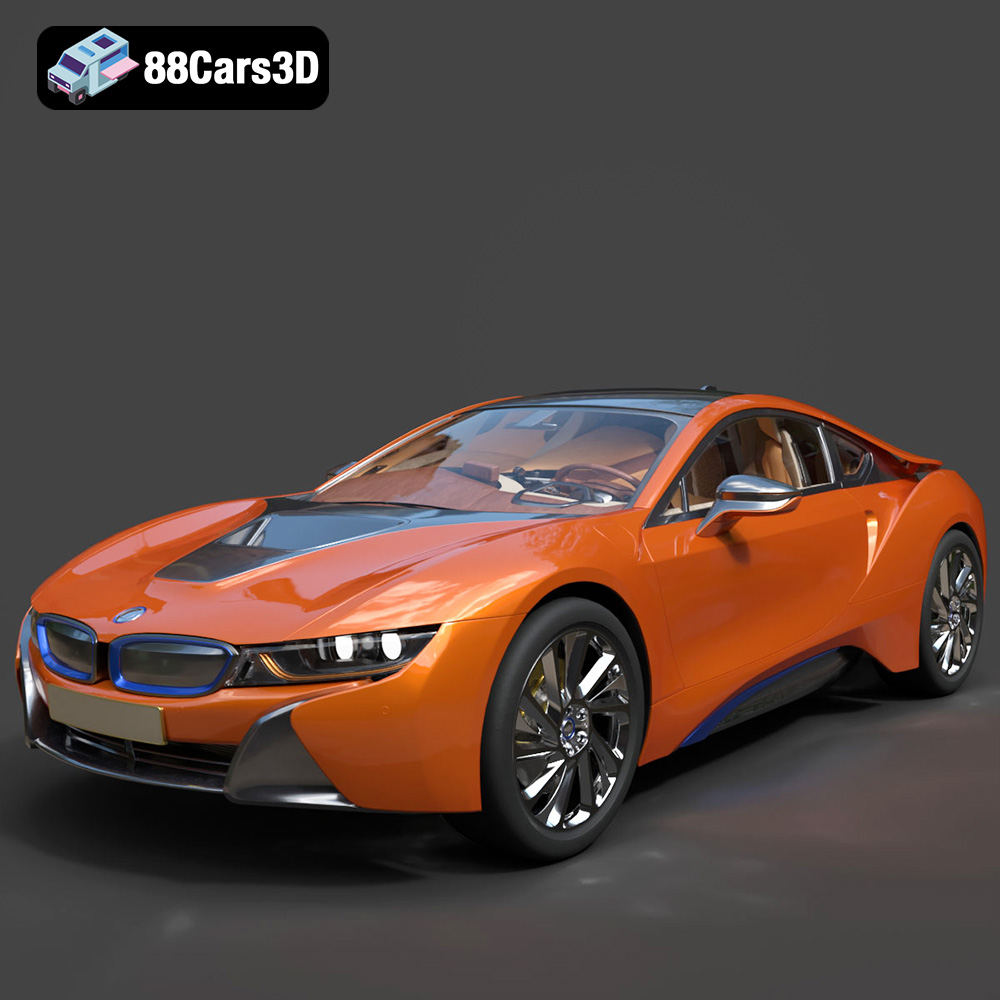
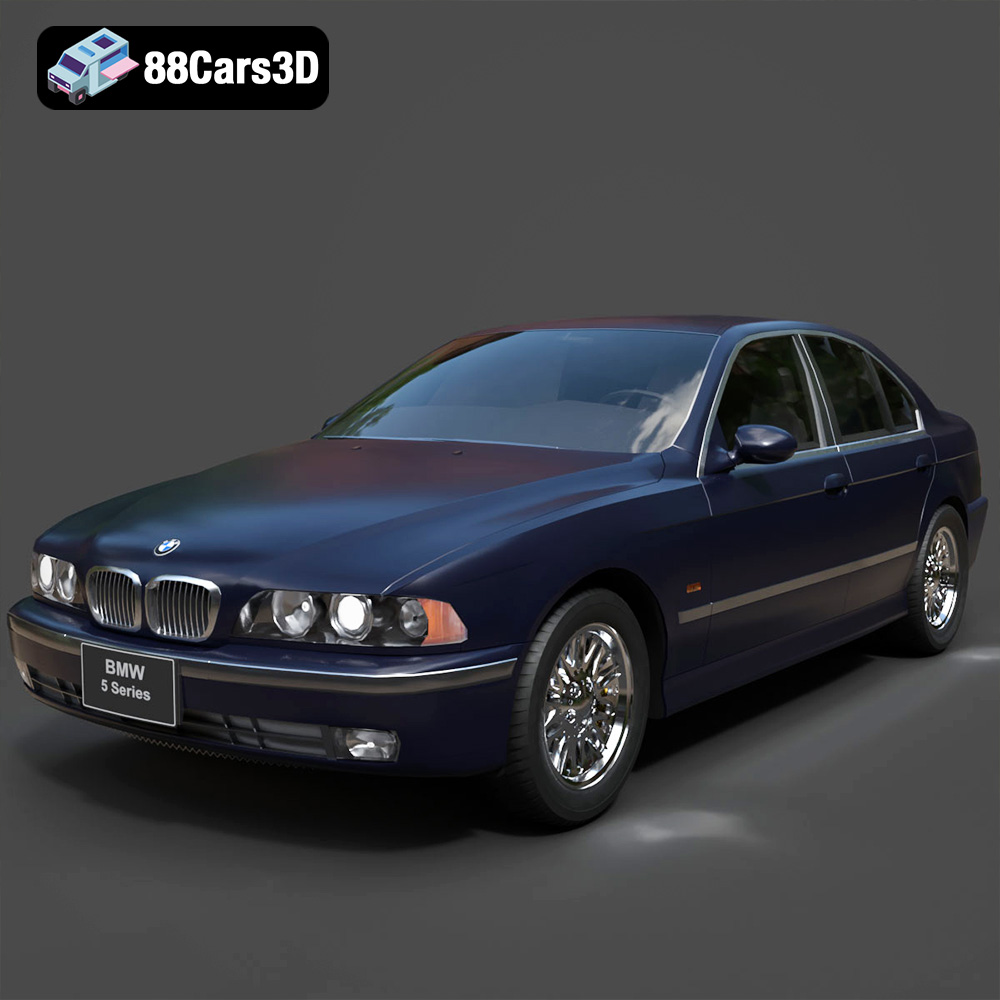
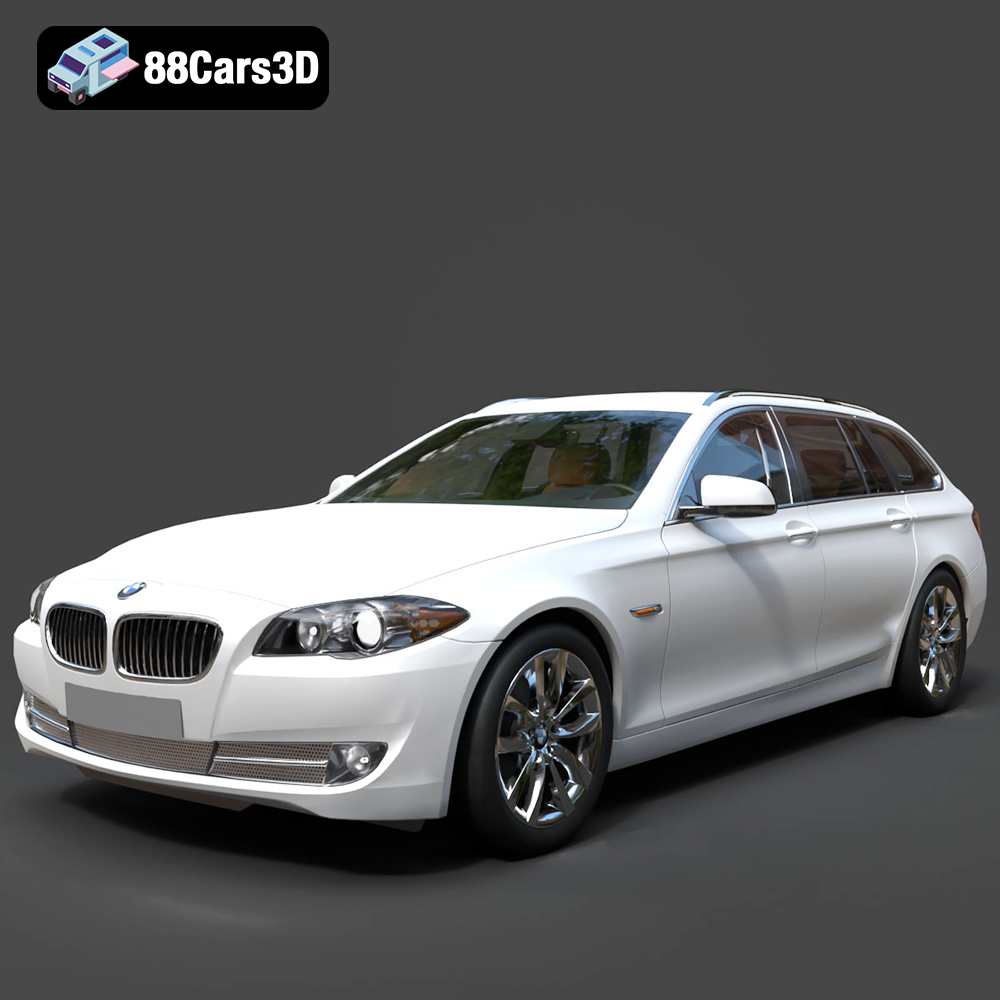
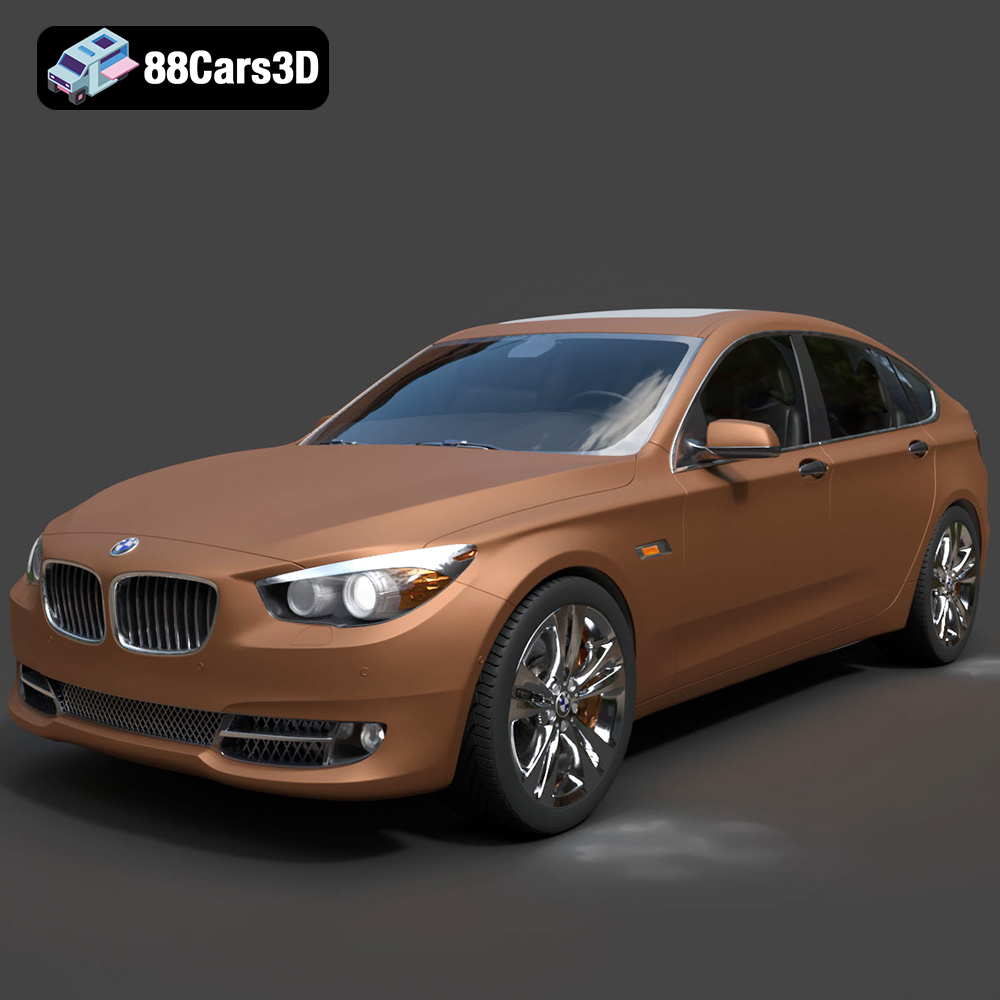
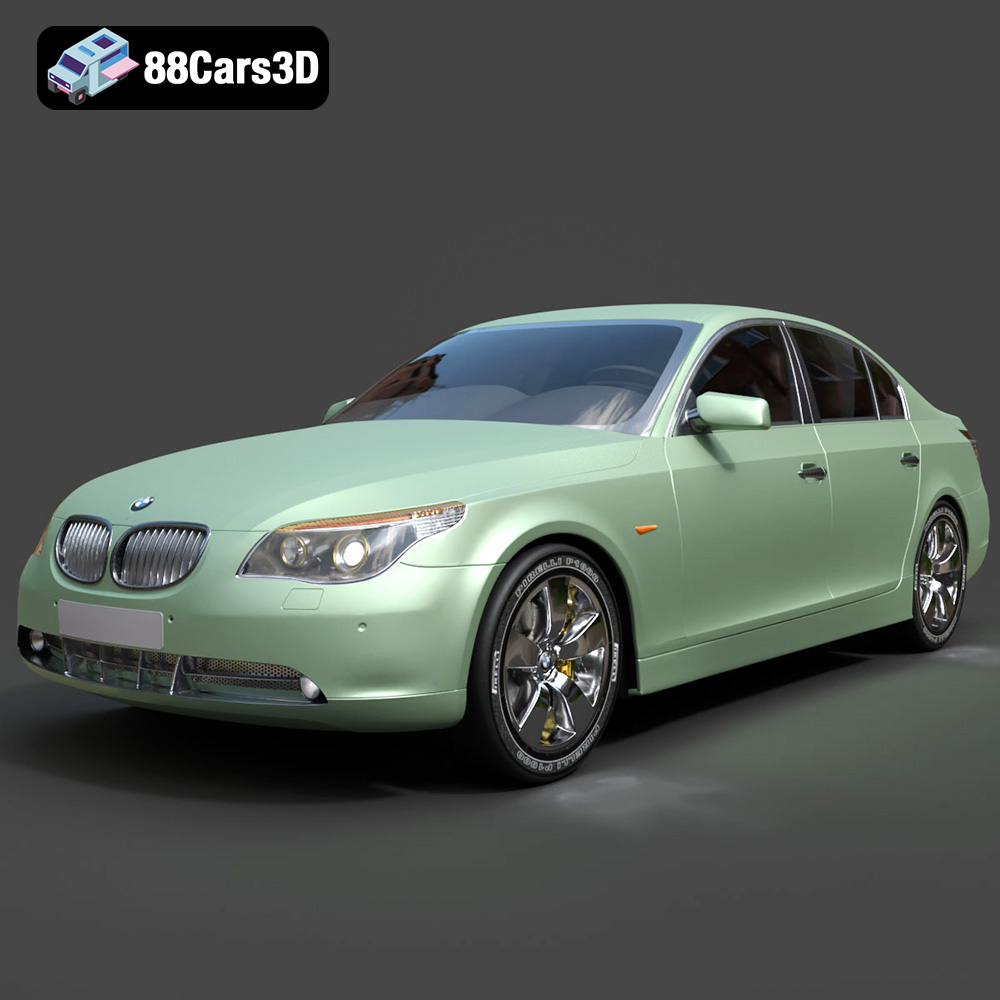
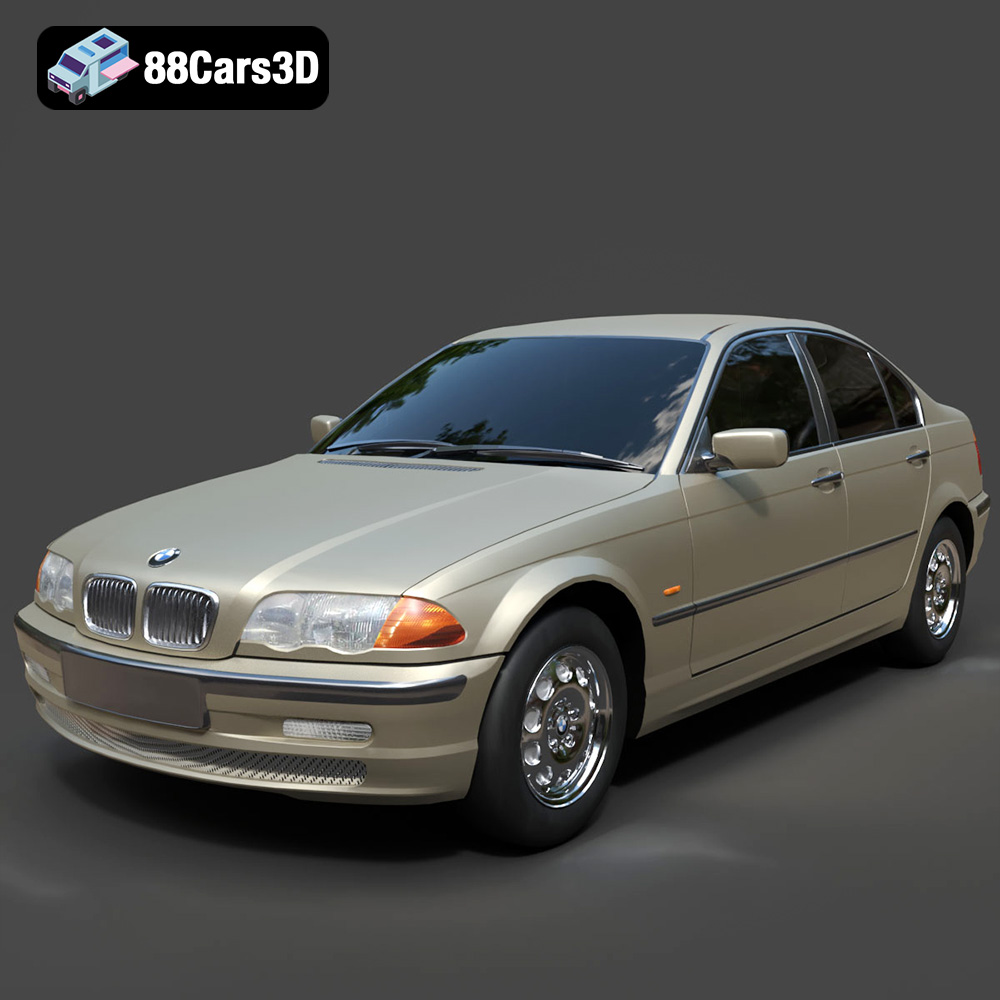
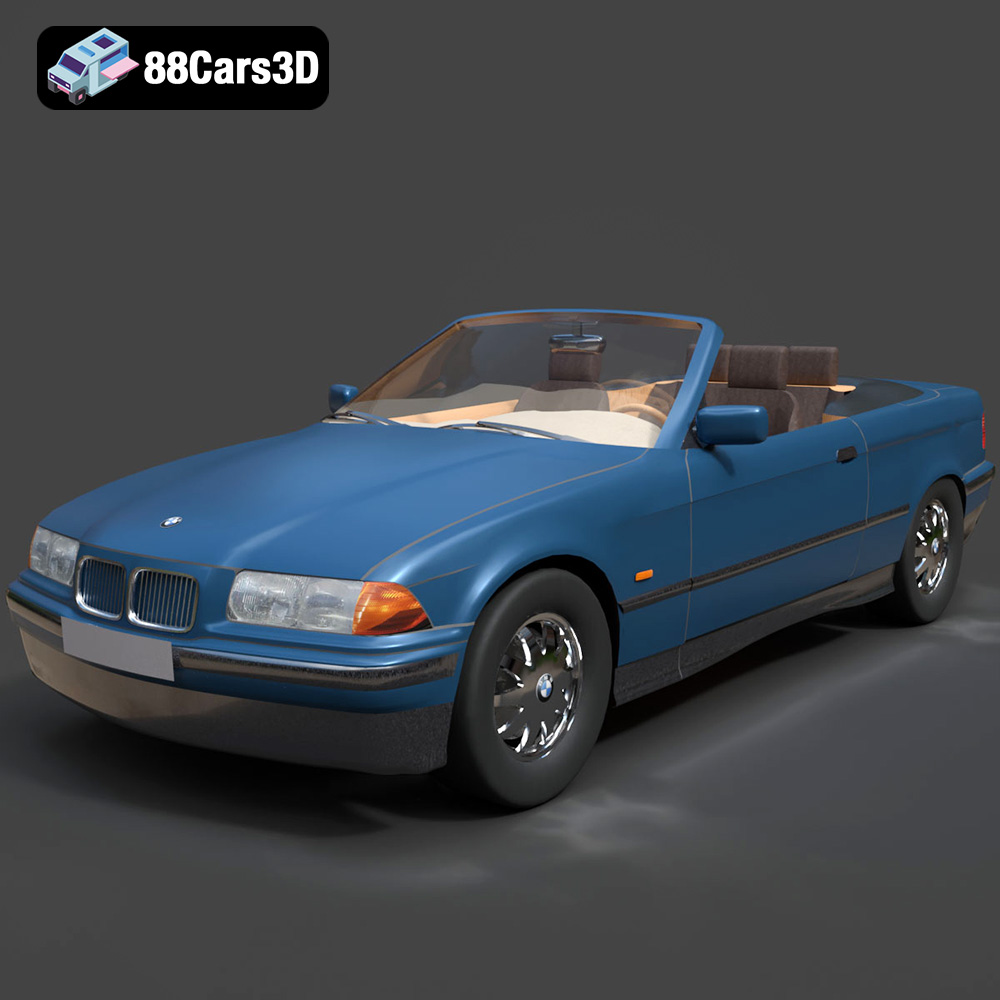
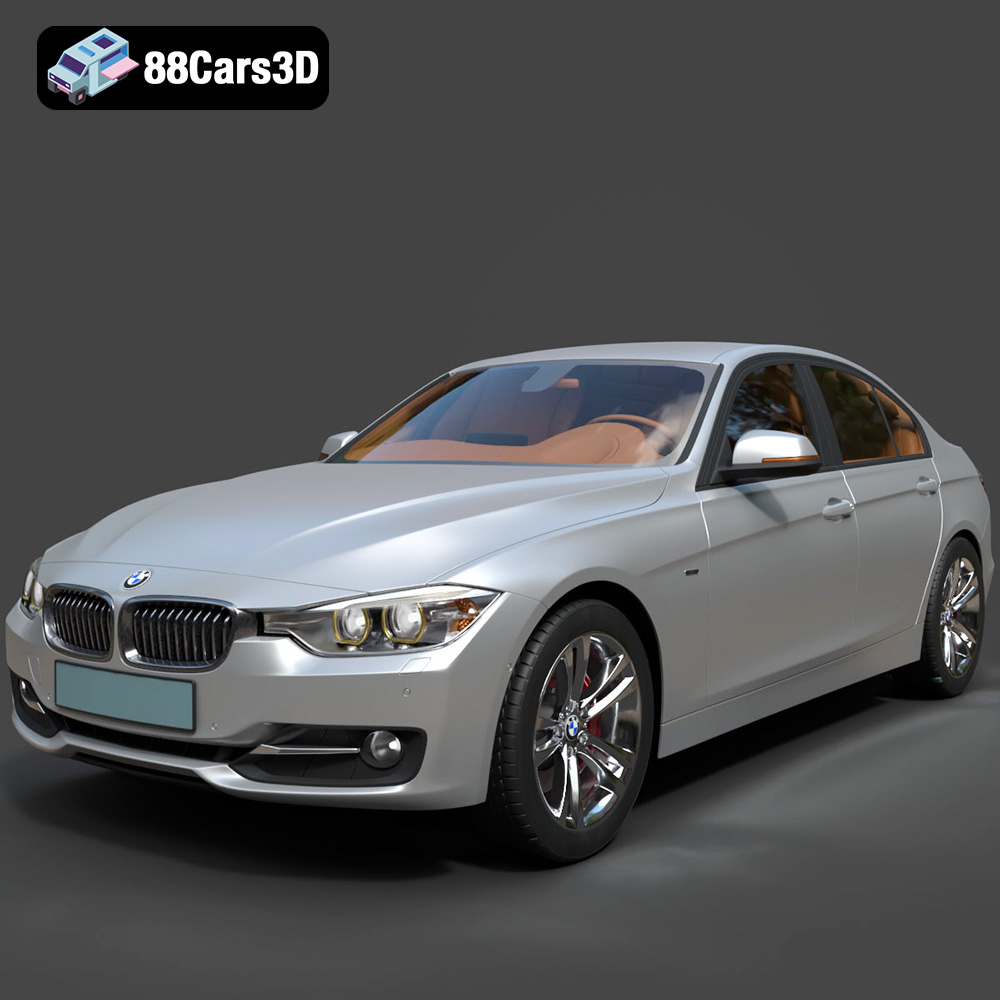
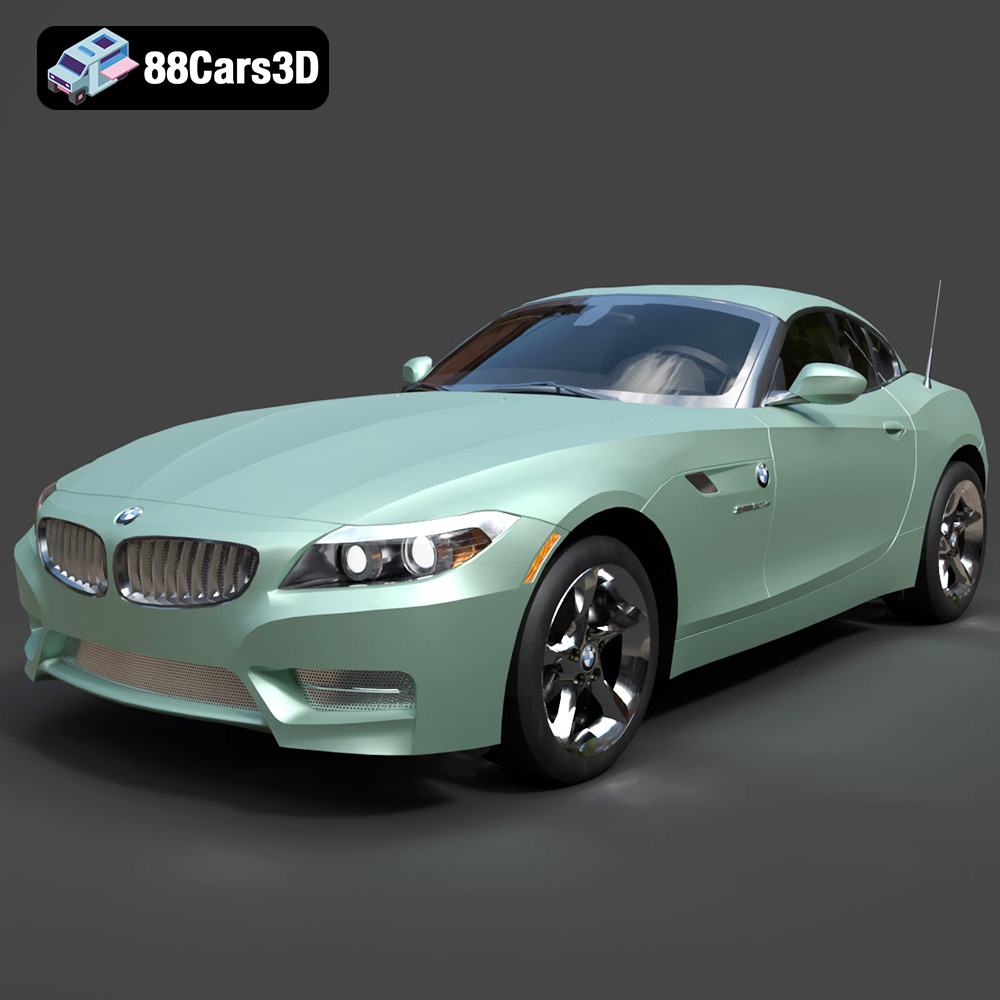
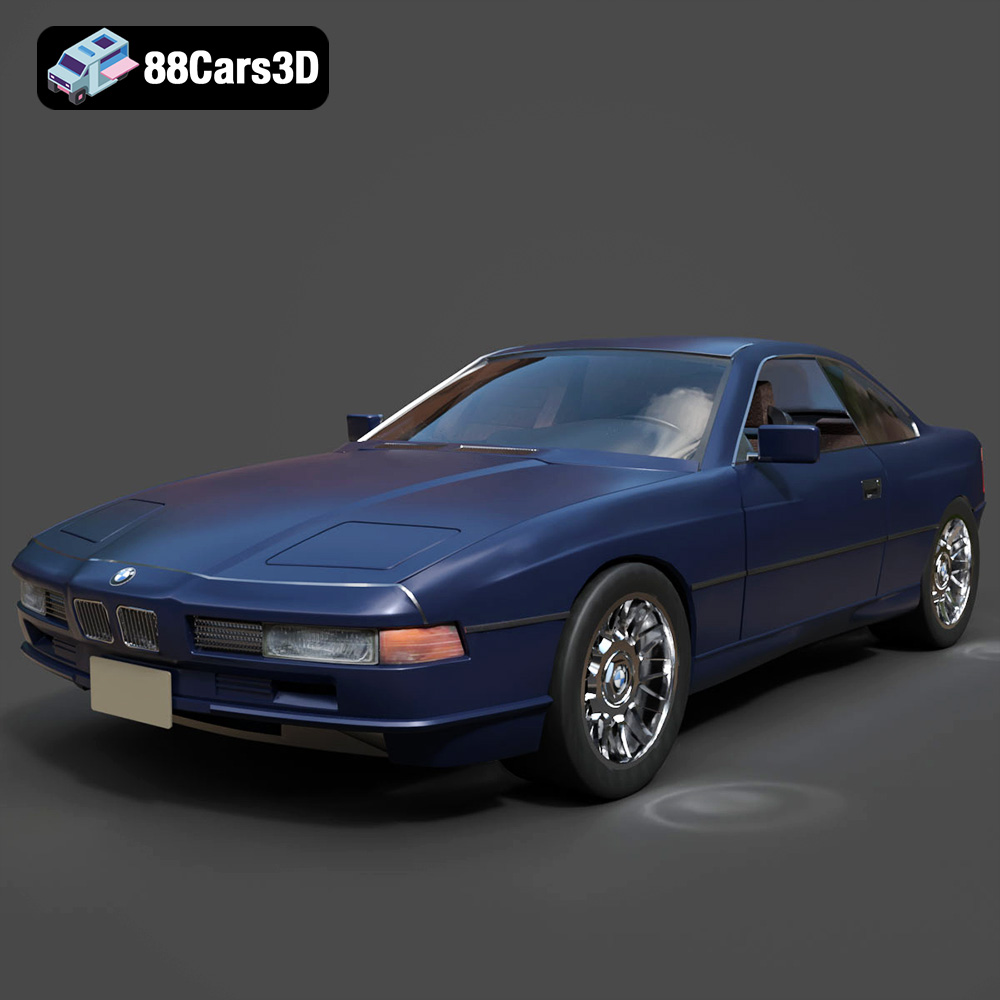
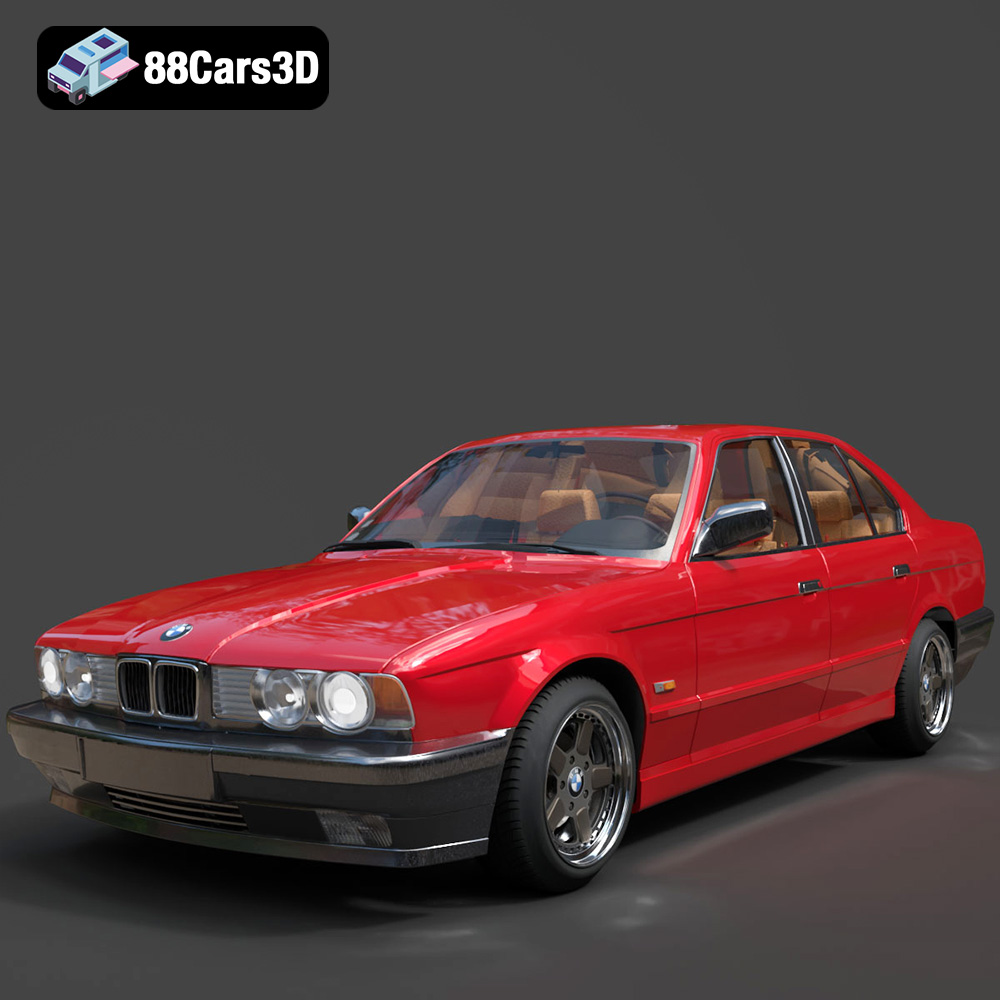
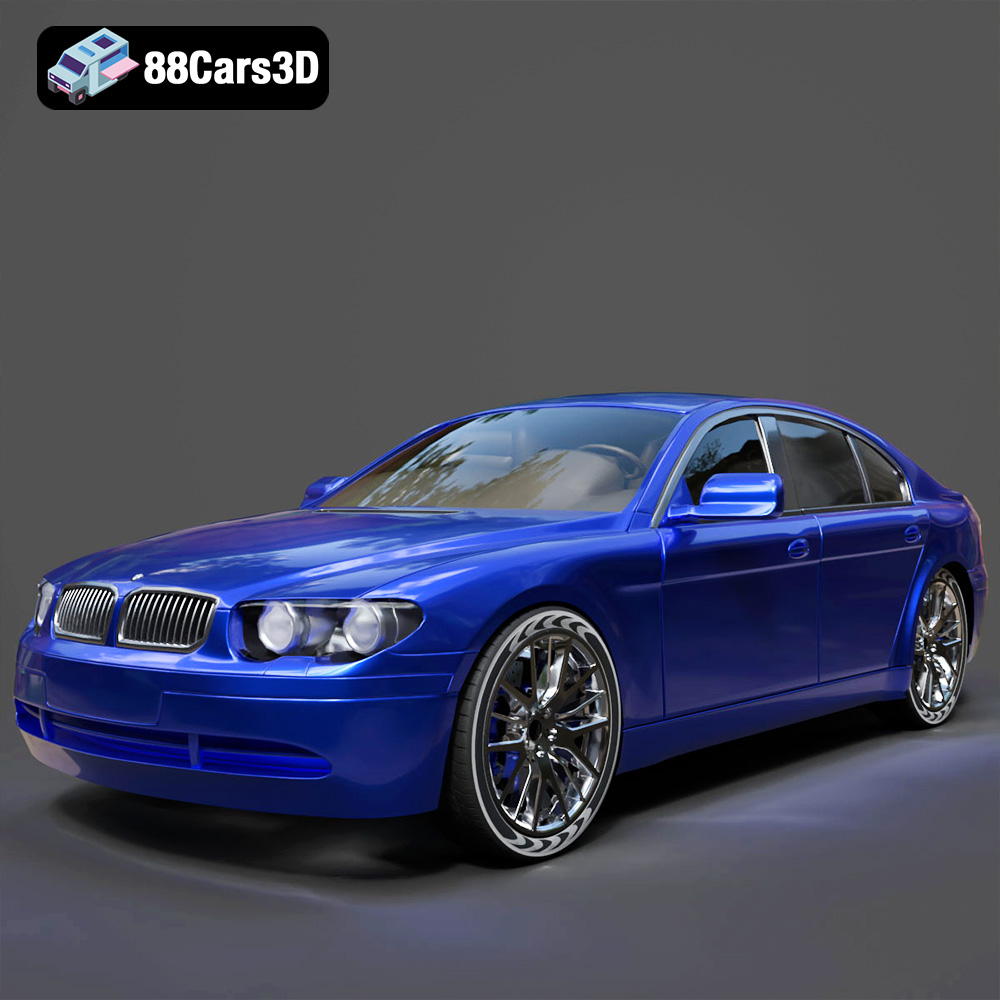
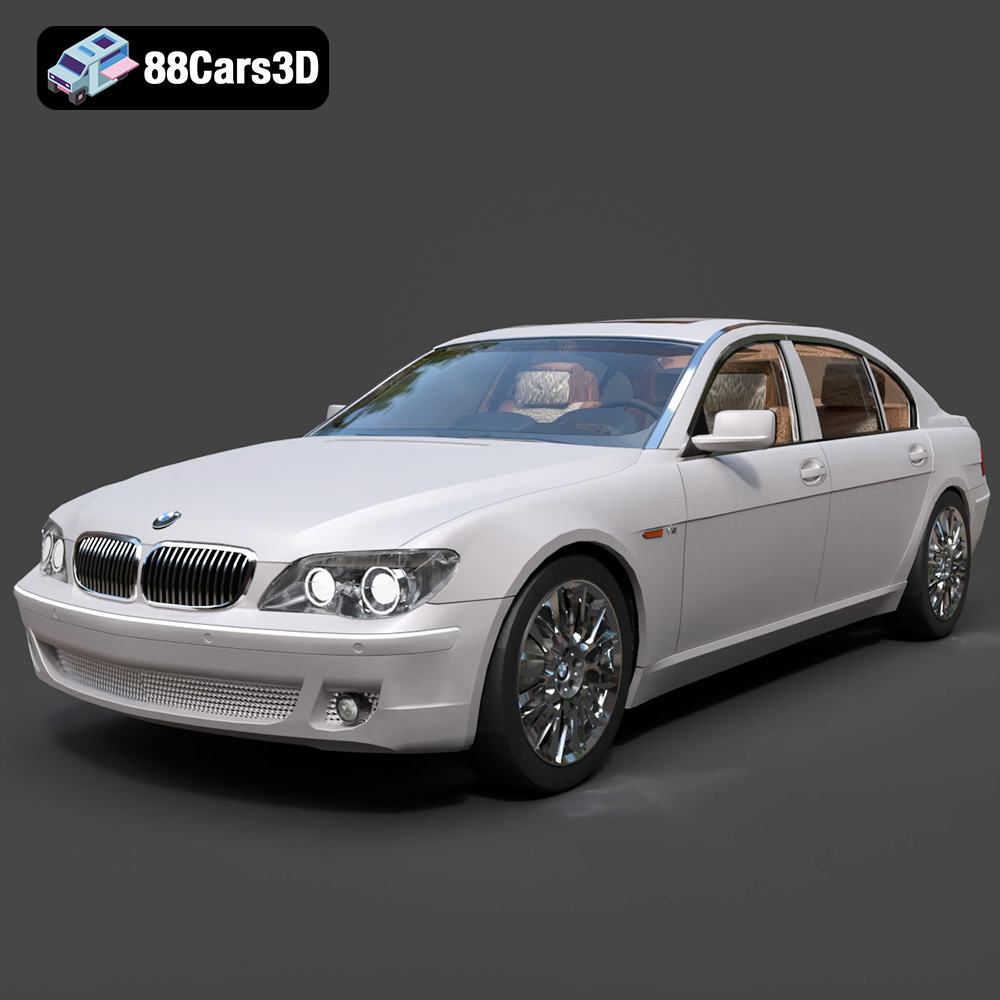
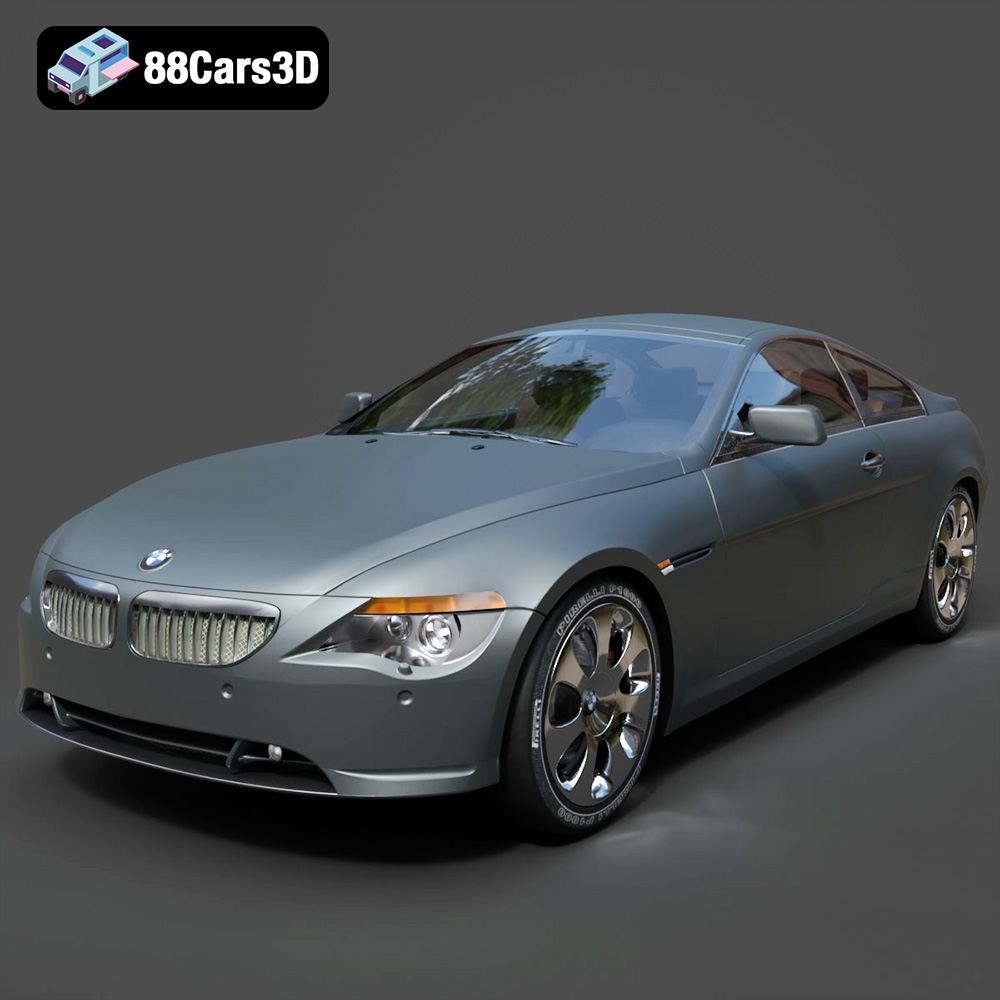
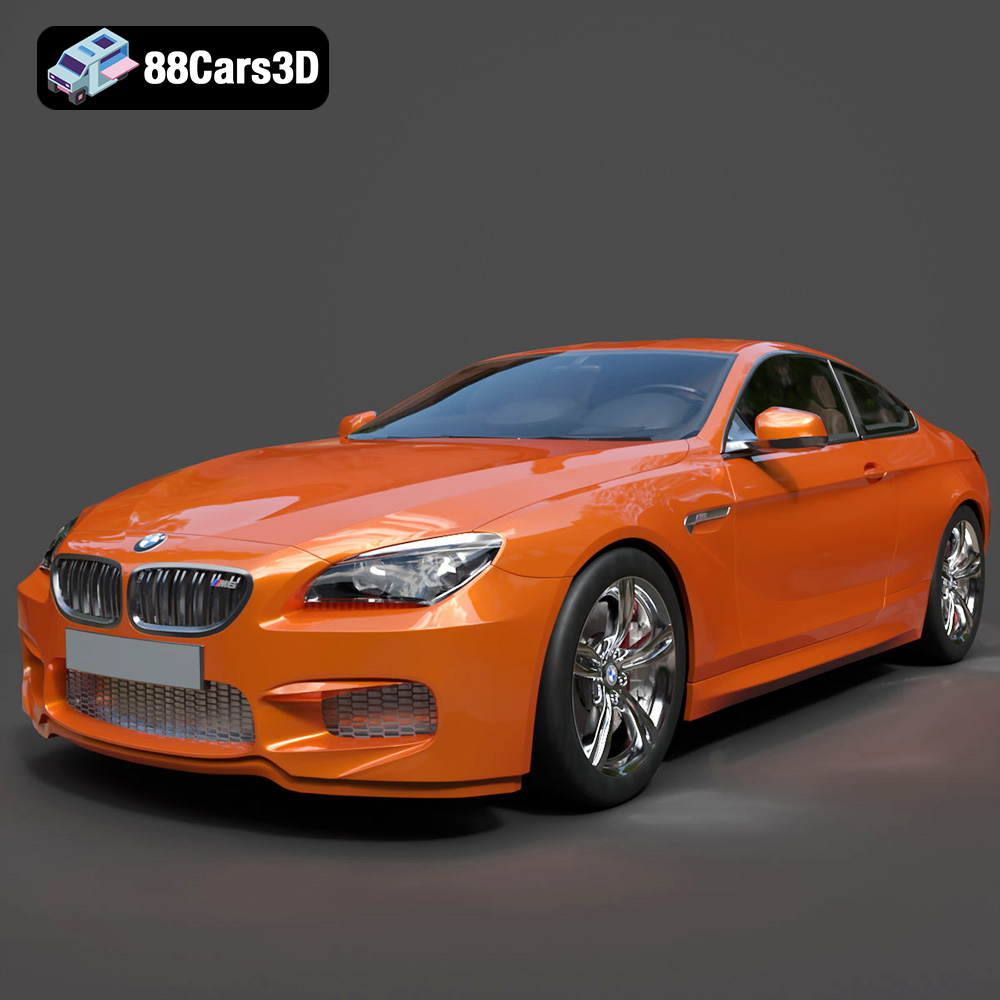
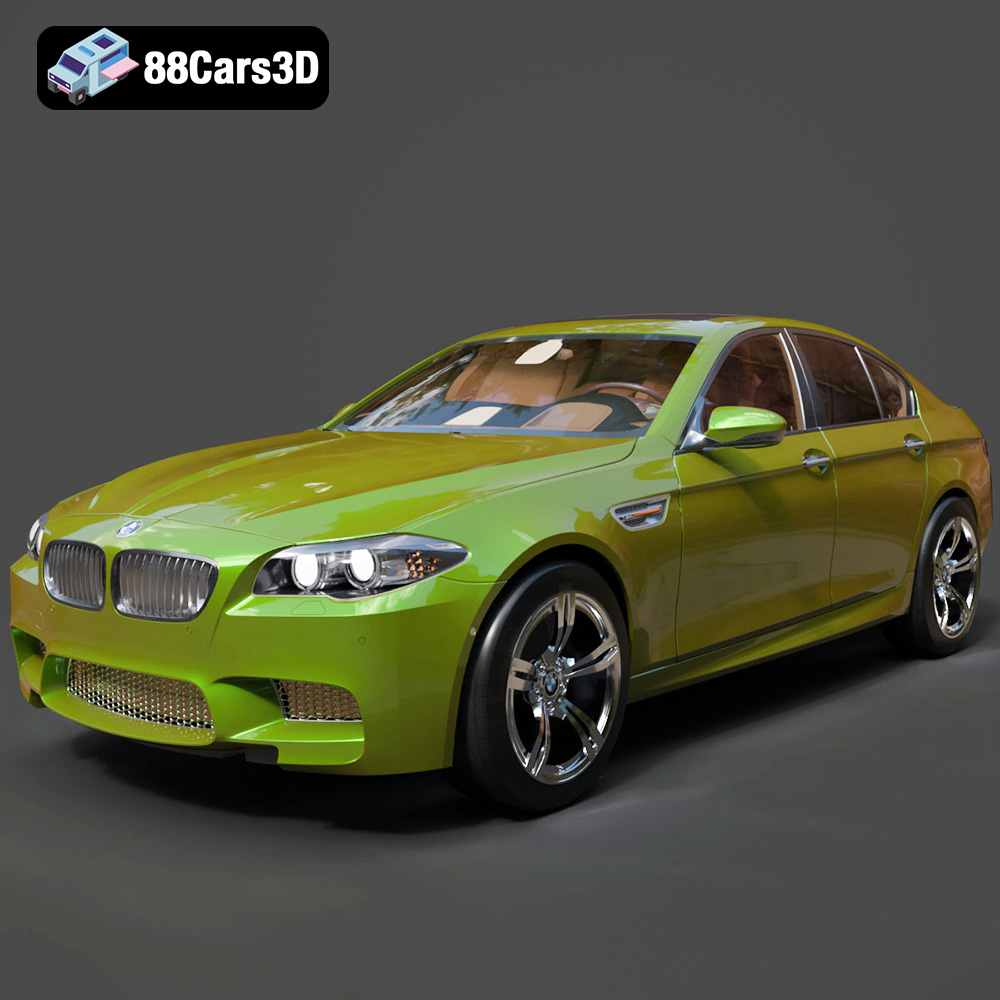
The digital automotive world is a vibrant landscape, constantly evolving with technological advancements that push the boundaries of realism and interactivity. At the heart of this evolution are high-quality 3D car models, indispensable assets for a multitude of industries ranging from hyper-realistic automotive rendering to immersive game development and sophisticated AR/VR experiences. These models are not just digital sculptures; they are complex technical constructions, embodying countless hours of meticulous design, optimization, and artistic refinement.
Whether you’re an automotive designer visualizing a new concept, a game developer building a sprawling open world, or a marketing professional crafting a compelling advertisement, the quality of your 3D assets dictates the success of your project. Understanding the intricacies of these models – from their fundamental file formats to advanced rendering techniques and optimization for real-time engines – is crucial for anyone operating in this space. This comprehensive guide will delve deep into the technical aspects of 3D car models, providing insights into their creation, application, and the critical factors that elevate a good model to an exceptional one. For professionals seeking top-tier assets, resources like 88cars3d.com offer a curated selection designed to meet the highest industry standards.
The Foundation: Understanding 3D Model File Formats
Selecting the correct file format for your 3D car models is a fundamental decision that impacts workflow, compatibility, and the ultimate utility of the asset. Each format has been developed with specific use cases and technical considerations in mind, making certain choices ideal for particular stages of a project or target platforms. Understanding these nuances is critical for seamless integration and optimal performance.
.blend – Fully Editable Blender Scene with Materials
The .blend format is the native file type for Blender, a powerful and increasingly popular open-source 3D creation suite. A .blend file typically contains not just the mesh data of the car model, but also all associated materials, textures, lighting setups, cameras, animation data, and even physics simulations. This makes it an incredibly versatile format for those working within the Blender ecosystem, offering complete editability and the ability to dissect and modify every aspect of the model. For artists starting a project in Blender or requiring maximum flexibility for future modifications, the .blend file is the definitive choice. Its technical advantage lies in preserving all Blender-specific node setups and modifiers, allowing for non-destructive workflows.
.fbx – Ideal for Unreal, Unity, and Real-time Pipelines
Autodesk’s .fbx (Filmbox) format has become the de facto industry standard for interchanging 3D data between various applications, especially within game development and animation pipelines. It excels at preserving a wide array of data, including geometry, materials (with support for PBR workflows), textures, animations, skinning, and even camera and light data. Its robust support for skeletal animation and its optimization for real-time performance make it the preferred format for integrating 3D car models into game engines like Unreal Engine and Unity. When acquiring assets for real-time applications or when needing to transfer a model with complex rigging and animation between different software packages, .fbx is almost always the answer. Technical details often include embedded media for textures, ensuring portability, and efficient parsing for quick loading in engines.
.obj – Universal Format for Cross-Software Compatibility
The .obj (Wavefront OBJ) format is one of the oldest and most widely supported 3D file formats. Its strength lies in its simplicity and universality, making it an excellent choice for basic mesh data exchange across virtually any 3D software. An .obj file primarily stores geometric data (vertices, normals, texture coordinates, and faces) and typically references external .mtl (material) files for material properties. While it doesn’t support advanced features like animation, rigging, or complex PBR materials directly within the file, its widespread compatibility ensures that an .obj model can be opened and utilized almost anywhere. It’s often used as a fallback format or for situations where only the pure geometry is required for further processing or sculpting.
.glb – Optimized for AR, VR, and Browser-based Display
The .glb (GL Transmission Format Binary) is the binary version of glTF, an open standard for 3D scenes and models. Designed for efficient transmission and loading of 3D content, especially on the web, AR, and VR platforms, .glb packages all necessary assets – geometry, textures, animations, and PBR materials – into a single, compact file. This “all-in-one” approach minimizes HTTP requests and optimizes loading times, making it perfect for interactive web viewers, e-commerce product displays, and mobile AR applications. Its focus on run-time asset delivery makes it increasingly important for modern, interconnected 3D experiences.
.stl – Suitable for 3D Printing Output
The .stl (STereoLithography) format is synonymous with 3D printing. It represents a 3D model as a series of connected triangles (a triangulated surface mesh), defining only the surface geometry of an object without any color, texture, or material information. This simplicity makes it ideal for additive manufacturing processes where precise surface definition is paramount. When preparing a 3D car model for physical production via a 3D printer, converting it to .stl is a standard step, often requiring careful manifold mesh preparation (ensuring a watertight model without holes or intersecting geometry) to ensure a successful print.
.ply – Precision Mesh Format for CAD or Analysis
The .ply (Polygon File Format or Stanford Triangle Format) is another format for storing 3D data, particularly useful for scan data, point clouds, and mesh data with additional attributes. Unlike .stl, .ply can store not just geometry, but also color, transparency, texture coordinates, and even properties like confidence values or normals per vertex or face. It’s often used in scientific, engineering, and CAD applications where precise geometric data with rich attributes is required for analysis or visualization, offering a more comprehensive data representation than .obj for specific use cases.
.unreal – Engine-ready Asset for Real-time Environments
While not a direct file format in the traditional sense, a “.unreal” asset refers to an optimized, imported, and configured asset within the Unreal Engine ecosystem. Typically, a .fbx file containing the 3D car model is imported into Unreal Engine, where it undergoes a process of material creation, texture assignment, LOD generation, collision mesh setup, and potential rigging for animation. The resulting asset is then saved as part of the Unreal project, fully prepared for real-time rendering and interaction within the engine. This signifies an asset that has been meticulously prepared and integrated for optimal performance and visual fidelity within Unreal Engine’s advanced rendering pipeline, embodying all the necessary components for a game-ready vehicle.
.max – Editable 3ds Max Project for Animation and Rendering
The .max format is the native project file for Autodesk 3ds Max, a leading software for 3D modeling, animation, and rendering, particularly strong in architectural visualization and product design. A .max file encapsulates the entire scene, including all 3D car models, modifiers, textures, materials, lighting, cameras, animation keyframes, and render settings. It provides full editability and access to all 3ds Max-specific tools and features. For professionals working primarily in 3ds Max for high-end automotive rendering, detailed animation, or complex scene assembly, the .max file offers the most comprehensive and flexible working environment.
Crafting Perfection: The Art and Science of 3D Car Modeling
The creation of a high-quality 3D car model is a blend of artistic vision and rigorous technical execution. It’s a demanding process that requires an understanding of automotive design, topology, material science, and optimization principles. The goal is always photorealism and functional accuracy, whether for a static render or a dynamic game environment.
From Blueprints to Polygons: Initial Stages
The journey of a 3D car model typically begins with extensive research, gathering reference images, blueprints, and CAD data of the chosen vehicle. These references are imported into 3D software like 3ds Max or Blender and used as guides for blocking out the primary shapes. Precision is paramount here; even minor deviations from real-world dimensions can lead to an inaccurate or unconvincing final model. Modeling often starts with primitive shapes that are then refined through techniques like box modeling, poly-by-poly modeling, or NURBS (Non-Uniform Rational B-Spline) modeling, each offering distinct advantages depending on the complexity and curvature of the car’s surfaces.
Topology and Mesh Optimization: Balancing Detail and Performance
Once the basic form is established, attention shifts to topology – the arrangement of polygons (usually quads) that define the mesh. Good topology is crucial for several reasons:
- Smooth Deformations: Ensures the model deforms cleanly if rigged for animation (e.g., opening doors, rotating wheels).
- Clean Subdivision: Allows for smooth subdivision surfacing (e.g., using a TurboSmooth modifier in 3ds Max or Subdivision Surface modifier in Blender) to add detail without introducing artifacts.
- Efficient UV Mapping: Facilitates easier and cleaner UV unwrapping.
- Performance: Optimized poly count ensures the model runs efficiently, especially critical for game assets. Excessive polygons can lead to performance bottlenecks, while too few can sacrifice detail. A balance is key, often achieved with techniques like retopology.
A high-quality 3D car model from 88cars3d.com will demonstrate exemplary topology, built with clean quad-dominant meshes and intelligent edge flow.
UV Mapping and Texturing: Bringing Surfaces to Life
UV mapping is the process of unwrapping the 3D model’s surface onto a 2D plane, much like unfolding a cardboard box. This 2D map (the UV layout) then serves as the canvas for applying 2D textures. Expert UV mapping is crucial for:
- Accurate Texture Projection: Ensures textures wrap correctly around complex curves and details.
- Minimizing Distortion: Prevents stretched or squashed textures.
- Optimized Texture Space: Maximizes the use of texture resolution, avoiding wasted space, which is especially important for game assets to save VRAM.
After UV mapping, the texturing process begins. This involves creating various texture maps (color/albedo, roughness, metallic, normal, ambient occlusion) that define the visual properties of the car’s surfaces. Modern workflows heavily rely on Physically Based Rendering (PBR), where textures accurately represent how light interacts with materials in the real world, leading to stunningly photorealistic results. Tools like Substance Painter are invaluable for this stage, allowing artists to paint directly onto the 3D model, simulating wear, grime, and intricate surface details.
Beyond the Mesh: Mastering Automotive Rendering for Photorealism
While an impeccably modeled and textured 3D car model is essential, it’s the rendering stage that truly brings it to life. Automotive rendering is an art form focused on creating images and animations that are indistinguishable from real-world photographs or film. This demands a deep understanding of lighting, materials, and camera optics.
Illumination and Shading: The Science of Light
Light is the most critical element in any render. In automotive visualization, it’s about replicating how natural or studio lights interact with highly reflective and metallic surfaces. Key aspects include:
- HDRI (High Dynamic Range Imaging): Using 360-degree panoramic images of real-world environments to provide realistic global illumination, reflections, and ambient lighting. This instantly grounds the car in a believable setting.
- Area Lights and Spotlights: Carefully placed virtual lights to highlight specific features, create dramatic shadows, and sculpt the car’s form. Studio setups often involve large softboxes to generate pleasing reflections.
- Global Illumination (GI): Simulating how light bounces around a scene, illuminating indirect areas and adding realism. Ray tracing engines excel at this.
The interplay of these lighting elements determines the mood, atmosphere, and perceived realism of the final image.
Materials and PBR Workflows: Capturing Real-World Properties
Modern automotive rendering relies almost exclusively on Physically Based Rendering (PBR) materials. PBR shaders use a set of standardized maps (albedo/base color, metallic, roughness, normal, ambient occlusion) to accurately simulate how light interacts with different surfaces. For car paint, this means meticulously tuning parameters to replicate metallic flakes, clear coat reflectivity, and subtle color shifts. Tire rubber, window glass, chrome accents, and leather interiors each require their own PBR material definitions, carefully calibrated to real-world physics. This scientific approach to materials ensures consistency and realism under any lighting condition.
Advanced Rendering Techniques: HDRI, Ray Tracing, and Denoisers
High-end rendering software like V-Ray, Corona Renderer, Arnold, and Blender’s Cycles/Eevee engines employ advanced techniques to achieve photorealism:
- Ray Tracing: The core of most modern renderers, simulating the path of light rays from the camera into the scene to calculate reflections, refractions, and global illumination with extreme accuracy.
- Path Tracing: An evolution of ray tracing, simulating countless light paths to achieve even more realistic and complex lighting interactions.
- Denoisers: AI-powered algorithms that clean up the “noise” or grain inherent in ray-traced images, significantly reducing render times while maintaining quality.
- Caustics: The focusing of light rays, often seen when light passes through clear glass (like headlights) and creates intricate light patterns.
Mastery of these techniques, combined with a high-quality 3D car model, allows artists to produce renders that are virtually indistinguishable from photography, perfect for high-impact marketing and design visualization.
Powering Interactive Experiences: 3D Car Models as Game Assets
In game development, 3D car models serve a dual purpose: they must be visually stunning and perform flawlessly in real-time. This balance requires significant optimization and specialized techniques to ensure immersive gameplay without sacrificing frame rates.
LODs and Performance Budgets: Optimizing for Real-time
Game engines need to render scenes at 30-120 frames per second, which means every asset must be highly optimized. For 3D car models, this often involves:
- Level of Detail (LODs): Creating multiple versions of the same car model, each with progressively lower polygon counts. The game engine automatically switches between these LODs based on the car’s distance from the camera. A car far in the distance might use a LOD0 (highest detail) mesh with 100,000 polygons, while one extremely close might use LOD0 with 500,000 polygons, and one far away might use a LOD3 mesh with only 5,000 polygons. This technique drastically reduces the computational load.
- Poly Count Budgets: Game developers work within strict polygon budgets for vehicles. A hero car in a racing game might have a maximum poly count (e.g., 150,000-300,000 triangles for LOD0, or even higher for very high-end games), while background vehicles will be significantly lower.
- Draw Call Optimization: Minimizing the number of times the CPU tells the GPU what to draw, often achieved by consolidating materials and textures.
Effective LODs and careful budget management are hallmarks of professional game assets.
Collision Meshes and Rigging: Interactive Realism
Beyond visual representation, cars in games need to interact realistically with the environment and player input.
- Collision Meshes: Simplified, often invisible, meshes that define the physical boundaries of the car for collision detection. These are typically low-polygon convex hulls or combinations of simple primitives to minimize physics calculation overhead. There might be separate collision meshes for static collisions (with the environment) and complex physics simulations (car-to-car impacts).
- Rigging: While not as complex as character rigging, car models require a skeletal rig to facilitate animation. This includes bones for wheels (rotation and suspension), doors, hoods, trunks, and possibly steering wheels. Proper rigging allows for realistic wheel articulation, steering, and damage simulation.
- Physics Assets: In engines like Unreal, physics assets are created to simulate realistic car behavior, integrating the collision mesh with a physics engine’s properties for weight, friction, and suspension.
Integration into Game Engines: Unreal Engine and Unity Workflows
Once optimized and rigged, 3D car models are imported into game engines.
- Unreal Engine: Typically imports .fbx files, which automatically bring in geometry, UVs, and often a basic material setup. Artists then refine materials using Unreal’s powerful node-based material editor, set up LODs, configure physics assets (e.g., using the Chaos Vehicles plugin), and implement blueprint scripting for interactive elements and gameplay logic. Unreal Engine’s advanced rendering features, including Lumen and Nanite (for static meshes with extremely high poly counts), push the boundaries of visual fidelity for cars.
- Unity: Also relies heavily on .fbx for import. Similar to Unreal, developers then create and assign PBR materials, set up LOD groups, and attach custom scripts for car controllers, damage systems, and interactive components. Unity’s Universal Render Pipeline (URP) and High Definition Render Pipeline (HDRP) offer flexible solutions for various visual targets.
The goal is a seamless blend of visual excellence and computational efficiency, providing an unparalleled interactive experience for players.
Real-World Applications and Case Studies
The versatility of high-quality 3D car models extends far beyond traditional visualization. They are foundational elements driving innovation across diverse industries.
Automotive Marketing & Configurators
One of the most prominent applications is in the automotive industry itself. Manufacturers heavily rely on 3D models for marketing, advertising, and sales tools long before physical prototypes exist.
- Photorealistic Commercials: Entire car commercials are often rendered digitally, offering unparalleled control over lighting, camera angles, and environments. This saves immense costs compared to physical shoots and allows for extreme creative freedom.
- Online Configurators: Websites like Audi’s or Porsche’s configurators allow customers to customize a car in real-time, choosing colors, trims, wheels, and interior options. These interactive experiences are powered by optimized 3D car models, often leveraging technologies like WebGL (.glb format being ideal here) or cloud rendering. This not only enhances the customer experience but also speeds up the sales cycle.
- Design Review: Designers use 3D models for iterative design reviews, making changes quickly and visualizing them instantly without building expensive physical prototypes.
Film, Animation, and Visual Effects
The entertainment industry has long leveraged 3D car models for films, TV shows, and animated productions.
- Action Sequences: Destructive car chases, crashes, and stunts that are too dangerous or costly to film physically are routinely created with highly detailed 3D models and sophisticated VFX software. The ability to simulate damage, shattered glass, and deform metal adds incredible realism.
- Animated Features: For animated movies, 3D car models are designed with exaggerated or stylized features, rigged for complex animation, and integrated into fictional worlds.
- Virtual Sets: Cars can be integrated seamlessly into virtual sets, allowing actors to interact with digital environments and vehicles that don’t physically exist on set.
AR/VR and Training Simulations
Augmented Reality (AR) and Virtual Reality (VR) are transforming how we interact with products and environments, and 3D car models are at the forefront.
- AR Showrooms: Customers can “place” a virtual car in their driveway using their smartphone, viewing it at scale and exploring features. The .glb format is particularly well-suited for this.
- VR Driving Simulators: Used for driver training, race simulation, and even autonomous vehicle development. These require highly accurate, interactive 3D car models with realistic physics.
- Maintenance and Assembly Training: Engineers and technicians can use VR to virtually dismantle and reassemble complex car components, providing hands-on training without needing physical vehicles.
Choosing the Right 3D Car Models for Your Project
The vast landscape of available 3D car models can be daunting. Making the right choice is paramount to the success and efficiency of your project. It’s not just about aesthetics; it’s about technical robustness and compatibility.
Assessing Model Quality and Technical Specifications
When selecting a 3D car model, several technical criteria should be scrutinized:
- Topology: Look for clean, quad-dominant meshes with good edge flow. Avoid overly dense meshes in areas that don’t require high detail, and beware of N-gons (polygons with more than four sides) or non-manifold geometry, which can cause rendering and subdivision issues.
- Poly Count: Evaluate if the polygon count is appropriate for your intended use (e.g., high-poly for offline rendering, optimized for game assets with LODs).
- UV Mapping: Ensure clean, non-overlapping UVs that are suitable for texturing.
- Materials and Textures: Confirm PBR materials are correctly set up and that textures are of sufficient resolution (e.g., 4K or 8K for high-end renders) and baked properly.
- Scalability: Can the model be easily adapted? Does it include source files (like .max or .blend) that allow for deeper customization?
- Completeness: Does it include interiors, undercarriage details, and engine bays if needed? Are all parts grouped and named logically?
The Value Proposition of High-Quality Assets
Investing in high-quality 3D car models offers significant returns:
- Time Savings: Reduces the need for extensive cleanup, retopology, and re-texturing, allowing artists to focus on creative tasks.
- Consistency: Ensures a professional and uniform look across projects.
- Performance: Optimized models run smoothly in real-time applications and render efficiently for static images.
- Credibility: Photorealistic assets enhance the believability and impact of any visualization or game.
How 88cars3d.com Ensures Excellence
Platforms like 88cars3d.com are dedicated to providing professionals with meticulously crafted 3D car models that meet stringent quality standards. Every model is rigorously checked for:
- Accuracy: Precise replication of real-world vehicles.
- Topology: Clean, optimized mesh structures for versatility.
- Material Fidelity: Accurate PBR material setups for stunning automotive rendering.
- File Format Variety: Offering multiple formats (.fbx, .obj, .blend, .max, .unreal, .glb, .stl, .ply) to ensure compatibility with diverse workflows and target applications, from game assets to 3D printing.
- Technical Support: Providing assistance to ensure smooth integration into your projects.
This commitment to excellence ensures that professionals can acquire assets confidently, knowing they are investing in quality that will elevate their work.
Conclusion
The journey through the world of 3D car models reveals a sophisticated ecosystem where art, engineering, and technology converge. From the initial polygonal sculpting to the intricate details of UV mapping, the scientific precision of PBR materials, and the advanced algorithms of ray tracing, every stage is critical in achieving the photorealistic fidelity demanded by modern visualization and interactive experiences. Whether destined for a high-impact automotive rendering campaign, a cutting-edge game engine, or an innovative AR/VR application, the underlying technical quality of the 3D car model is paramount.
The evolution of this field continues at a rapid pace, with new tools, techniques, and rendering capabilities constantly emerging. Yet, the core principles of good modeling, efficient optimization, and realistic material definition remain timeless. For professionals and enthusiasts alike, understanding these fundamentals is key to harnessing the full potential of digital automotive assets. By choosing high-quality, technically sound 3D car models from trusted sources like 88cars3d.com, you empower your projects with the foundation they need to stand out in an increasingly competitive digital landscape, driving innovation and delivering unparalleled visual experiences.
Featured 3D Car Models