

In the relentless pursuit of visual perfection, real-time rendering platforms like Unreal Engine stand at the forefront, pushing the boundaries of what’s possible in games, architectural visualization, and especially, automotive visualization. For discerning professionals who demand absolute fidelity in their projects, such as those sourcing high-quality 3D car models from marketplaces like 88cars3d.com, the challenge is always two-fold: achieving stunning realism without compromising performance. High-resolution textures are the lifeblood of this realism, providing the intricate details that make a digital car indistinguishable from its physical counterpart. However, managing these massive texture assets efficiently is a monumental task that can quickly bog down even the most powerful hardware.
This is where Unreal Engine’s advanced texture management systems – Texture Streaming and Virtual Texturing – become indispensable. These technologies are not just features; they are foundational pillars enabling artists and developers to create breathtaking environments and detailed models, like the meticulously crafted vehicles available on 88cars3d.com, without hitting crippling memory limits. This comprehensive guide will delve deep into the mechanics of Texture Streaming and Virtual Texturing, explaining how they work, how to implement them effectively, and how they empower you to build highly optimized, visually rich automotive experiences within Unreal Engine. Prepare to unlock the full potential of your high-fidelity assets and deliver unparalleled real-time performance.
The Ever-Growing Challenge of High-Fidelity Textures in Real-Time Rendering
The quest for photorealism in real-time applications has led to an exponential increase in texture resolutions. A single PBR material for a car body might feature multiple 4K or even 8K textures for its Albedo, Normal, Roughness, Metalness, and Ambient Occlusion maps. When you multiply this by the dozens of materials present on a complex 3D car model – from the intricate details of the dashboard and seats to the subtle reflections on the paintwork and the treads of the tires – the sheer volume of texture data becomes staggering. Traditional texture management approaches, where every texture map is fully loaded into VRAM regardless of its current visibility or distance from the camera, quickly become unsustainable.
This brute-force method leads to several critical bottlenecks. Firstly, exceeding the graphics card’s VRAM capacity results in system slowdowns, hitches, or even crashes, as the GPU is forced to constantly swap data between VRAM and system RAM. Secondly, longer loading times detract significantly from the user experience, especially in interactive applications like automotive configurators or virtual showrooms. Lastly, the enormous memory footprint impacts overall project performance, limiting the complexity of environments and the number of assets that can be simultaneously displayed. For automotive visualization, where every panel gap, material sheen, and light reflection must be perfect, these constraints are particularly acute. We need methods that allow us to utilize incredibly detailed textures only where and when they are needed.
Traditional Texture Management and Its Bottlenecks
In a world without intelligent texture management, the engine would attempt to load every texture’s highest-resolution mipmap into VRAM at launch or when an asset is first requested. Consider a large open-world environment or a vast automotive showroom. Many textures covering distant objects or hidden surfaces would still consume precious memory, even if only a few pixels of their highest resolution were ever rendered on screen. This “all or nothing” approach is inherently inefficient. For instance, a 4K texture (16 million pixels) often has 12 mip levels, with the highest level consuming 16MB of uncompressed data (for RGBA8). A single car with 50 materials using an average of 4-5 texture maps each could easily accumulate hundreds of 4K textures, quickly surpassing 10-20GB of texture data. Modern GPUs typically offer 8GB to 24GB of VRAM, but this is shared across geometry, lightmaps, render targets, and other assets. The bottleneck is clear: we run out of VRAM before we run out of visual fidelity requirements.
The VRAM Crunch in Automotive Visualization
Automotive visualization projects demand an unparalleled level of detail. The minute imperfections in a car’s clear coat, the fine stitching on leather seats, or the precise engraving on a badge all require exceptionally high-resolution textures. Unlike games where some abstraction is often acceptable, automotive clients expect photorealistic representations that hold up under close scrutiny and high-definition renders. This drives the need for 4K, 8K, or even higher resolution textures for individual components. Without efficient streaming, even showcasing a single, fully detailed vehicle in a small scene could push VRAM limits, especially when targeting mobile VR or less powerful hardware. This challenge underscores the critical role of advanced texture systems in maintaining both visual quality and real-time responsiveness for applications ranging from interactive configurators to professional marketing assets. Platforms like 88cars3d.com understand this, offering models with optimized UVs and material setups that are primed for such advanced techniques.
Demystifying Unreal Engine’s Texture Streaming System
Unreal Engine’s Texture Streaming system is a core optimization feature designed to efficiently manage texture memory usage. Instead of loading all mipmap levels of every texture into VRAM, it intelligently determines which mipmaps are needed based on the texture’s on-screen size, distance from the camera, and other factors. Only the necessary mip levels are loaded, significantly reducing the VRAM footprint and improving loading times. This dynamic loading and unloading of texture data ensures that the GPU always has access to the appropriate level of detail without unnecessary memory overhead.
The system operates by maintaining a “texture streaming pool” in VRAM. When a texture is needed, the streaming system calculates the optimal mip level. If that mip level isn’t currently in memory, it’s asynchronously loaded from disk into the streaming pool. Conversely, if a texture’s required mip level becomes lower (e.g., the object moves further away or is no longer visible), its higher mip levels can be evicted from memory, freeing up space for other textures. This adaptive approach is fundamental for handling the vast number of textures common in complex scenes, particularly in automotive visualization where multiple highly detailed cars might be present, each with numerous high-resolution texture maps. It allows artists to use very high base texture resolutions without worrying that every pixel will be in memory simultaneously.
How Texture Streaming Optimizes Memory
The core principle of texture streaming revolves around mipmaps. Every texture imported into Unreal Engine is typically processed to generate a series of progressively lower-resolution versions of itself, known as mipmaps or “mips.” A 4K texture, for example, might have mip levels down to 1×1 pixel. When an object is far away, the engine only needs a low-resolution mip to render it accurately on screen. As the object gets closer, higher-resolution mips are gradually streamed in. This process is seamless and occurs in the background, minimizing hitches. The `TextureGroup` settings for each texture (found in the texture editor’s details panel) allow you to control how aggressive the streaming is and what the maximum mip level allowed to stream is. For critical automotive assets, ensuring correct texture group assignment (e.g., ‘World’, ‘Vehicle’, ‘Effects’) helps the engine prioritize streaming behavior. You can manually tweak `Min LOD` and `Max LOD` values to fine-tune the streaming behavior for specific textures, preventing lower mips from being streamed for essential details that need to remain sharp even at a slight distance.
Configuring Texture Streaming for Optimal Performance
Effective texture streaming relies on proper configuration. Key settings are found within the Project Settings under ‘Engine – Rendering’ and ‘Engine – Textures’. The primary setting is the ‘Texture Streaming Pool Size’ (measured in MB), which defines the total VRAM budget for streamed textures. A larger pool allows more high-resolution textures to reside in memory, reducing hitching but consuming more VRAM. You can monitor the current streaming pool usage with the `stat streaming` console command. Adjusting texture groups (e.g., `TextureGroup_World`, `TextureGroup_Vehicle`) and their associated `Max Texture Size` in `Project Settings > Engine > Textures` provides granular control over different categories of textures. It’s crucial to set these based on the actual requirements of your assets. For instance, paint textures on a car might benefit from a very high `Max Texture Size` in a dedicated `TextureGroup_VehiclePaint`, while less critical textures can have lower limits. Furthermore, the ‘Global Textures’ setting in your Project Settings can be configured to allow or disallow global textures from streaming, which can be useful for UI elements or other non-world textures. For more in-depth configuration details and best practices, consult the official Unreal Engine documentation at https://dev.epicgames.com/community/unreal-engine/learning.
Debugging Texture Streaming Issues
Identifying and resolving texture streaming issues is vital for a smooth experience. Unreal Engine offers several powerful debugging tools. The `stat streaming` console command provides real-time information on the streaming pool’s current usage, required memory, and outstanding requests. If `Required Pool` consistently exceeds `Current Pool`, it indicates a VRAM bottleneck, leading to blurry textures. The `r.Streaming.PoolSize` console variable can temporarily adjust the pool size for testing. Another invaluable tool is the ‘Texture Streaming Accuracy’ visualization (accessible via `Show > Visualize > Texture Streaming Accuracy` in the viewport). This overlay color-codes objects based on how accurately their textures are streamed – green means perfect, blue means slightly blurry, and red indicates severely undersampled textures. Using this, you can quickly spot assets with insufficient texture resolution due to streaming limitations. Common causes for undersampling include incorrect `TexelDensity` (the density of texture pixels per unit of world space), textures not being assigned to an appropriate streaming group, or having an excessively high `Max Texture Size` for their group, causing them to exceed the pool budget.
Unreal Engine’s Virtual Texturing: A Paradigm Shift for Large Textures
While Texture Streaming is excellent for managing individual texture assets, Virtual Texturing (VT) takes texture management to an entirely new level, especially for very large, unique textures. VT, sometimes referred to as Sparse Virtual Textures or Mega Textures, moves away from the traditional model of individual texture files and instead treats entire surfaces as if they were covered by a single, colossal texture. Only the visible “tiles” or “pages” of this virtual texture are loaded into VRAM, further optimizing memory usage and eliminating the need for complex UDIM setups for unique surface details. This is particularly transformative for highly detailed environments, large terrains, and crucially, complex, high-poly models with unique baked details, such as those found on premium 3D car models.
Virtual Texturing in Unreal Engine is tightly integrated with features like Nanite, allowing artists to create incredibly detailed meshes and apply equally detailed texture work without worrying about the VRAM cost of individual 8K or 16K texture maps. Instead of dealing with many separate texture assets, VT consolidates texture data into large, optimized virtual texture pages. This allows for immense texel density across vast surfaces, delivering unparalleled visual fidelity. For automotive visualization, where the entire exterior and interior of a vehicle might require unique baked details and precise PBR material properties, VT streamlines the workflow and ensures that the car model can be scrutinized from any angle without blurriness, regardless of its underlying texture complexity.
Nanite and Virtual Texturing: A Perfect Synergy
Nanite, Unreal Engine’s virtualized geometry system, allows for incredibly dense meshes with billions of polygons, streaming only the necessary triangle data to the GPU. Virtual Texturing complements Nanite perfectly by providing a similar streaming mechanism for texture data. When you have a Nanite mesh with an incredibly high poly count, it often requires equally high-resolution textures to support that geometric detail. Without Virtual Texturing, these high-resolution textures (e.g., unique baked normal maps for intricate car body details or interior components) would quickly exhaust VRAM. VT allows these massive textures to exist virtually, with only the currently visible portions streamed to memory. This synergy means you can have both extremely detailed geometry and extremely detailed textures, all streamed on demand, achieving unprecedented visual fidelity and performance. Consider a highly detailed car chassis or engine model; Nanite handles the geometry, and Virtual Texturing handles the sprawling, unique texture maps that give it character, enabling real-time exploration without a noticeable performance hit.
Setup and Workflow for Virtual Textures
Implementing Virtual Texturing in Unreal Engine involves a few key steps. First, enable ‘Virtual Textures’ and ‘Support Virtual Textures’ in your Project Settings under ‘Engine – Rendering’. Next, for any texture you wish to use as a Virtual Texture, open its editor and change its ‘Virtual Texture’ setting to ‘True’. You will also need to enable ‘Use Virtual Textures’ in the Material Editor for materials that utilize these textures. A common workflow involves baking high-resolution details (e.g., normal maps, ambient occlusion, specific patterns) onto a single, large texture that is then used as a Virtual Texture. This can be particularly powerful for automotive assets where complex surface details, panel gaps, and micro-scratches are often unique across the entire vehicle body. When setting up your materials, instead of sampling individual textures, you’ll use a ‘Virtual Texture Sample’ node. This node efficiently requests only the necessary pages from the virtual texture, streamlining the process and reducing material complexity. Remember that for painted car body materials, you might still combine Virtual Textures for unique surface details with traditional tiled textures for metallic flake or clear coat effects, offering a hybrid approach for optimal quality and performance. When dealing with UDIM workflows for automotive models, converting those UDIMs into a single Virtual Texture can significantly simplify material graphs and improve streaming efficiency. Tools like Substance 3D Painter can export directly to a format suitable for Virtual Textures.
Impact on PBR Materials and UDIMs
Virtual Texturing significantly simplifies and enhances PBR material creation, especially for complex automotive models that typically use extensive UDIM workflows. Traditionally, a highly detailed car might have dozens of UDIMs (U-Dimension textures) to cover its intricate surfaces with unique textures – each UDIM channel requiring its own set of PBR maps (Albedo, Normal, Roughness, etc.). This leads to complex material graphs with numerous texture samples and switch nodes to manage the different UDIMs. With Virtual Texturing, all these UDIMs can be consolidated into a single, massive virtual texture, simplifying the material graph dramatically. Instead of sampling multiple texture assets based on UV tile, a single Virtual Texture Sample node can access all the necessary data from the virtual texture. This not only streamlines the material setup but also provides a more coherent and efficient streaming mechanism, as the engine only streams the relevant pages of the virtual texture, irrespective of how many UDIMs it conceptually represents. The result is unparalleled detail, simplified material workflows, and robust performance for showcasing the exquisite craftsmanship of 3D car models.
Performance Optimization and Best Practices
Achieving optimal performance with high-fidelity textures in Unreal Engine requires a strategic approach, blending both Texture Streaming and Virtual Texturing effectively. The choice between them, or often the decision to use both, depends on the specific assets and project requirements. Texture Streaming is generally best for textures that are repeated or tiled, or for unique textures that are applied to smaller, less complex assets. Virtual Texturing shines for unique, large-scale textures where individual texels need to be highly detailed across an expansive surface, especially when paired with Nanite meshes. Understanding the nuances of each system and implementing best practices is key to maintaining high visual quality without sacrificing crucial frames per second.
For instance, when importing a highly detailed 3D car model from platforms like 88cars3d.com, you might find that the car body’s unique baked normal and ambient occlusion maps are ideal candidates for Virtual Texturing, particularly if the mesh leverages Nanite. However, repeatable textures like tire treads, generic fabric patterns, or certain interior trim elements might still be best managed by the standard Texture Streaming system. A hybrid approach often yields the best results. Beyond choosing the right technology, effective optimization involves carefully managing texture resolutions, utilizing compression settings, and fine-tuning engine parameters to suit your target platform and visual fidelity goals. Always prioritize profiling and iterative testing to pinpoint bottlenecks and ensure your texture pipeline is as lean and efficient as possible.
Optimizing Texture Assets for Streaming and VT
The foundation of efficient texture management begins with the source assets.
- Resolution & Mips: While aiming for high fidelity, avoid unnecessarily high resolutions. A 4K texture on a small object will still consume memory. Ensure your textures have proper mipmaps generated, as these are fundamental to both streaming systems.
- Compression: Utilize appropriate texture compression settings. For most PBR maps (Albedo, Roughness, Metalness), BC7 (Quality) or BC5 (Normal Maps) are excellent choices, offering good quality at reduced file sizes. Ensure non-color data (Normal, Roughness) is imported without sRGB enabled.
- Texture Groups: Assign textures to relevant ‘Texture Groups’ within Unreal Engine (e.g., ‘Vehicle’, ‘World’, ‘UI’). Each group has configurable streaming settings (e.g., `Max Texture Size`, `Min LOD`) in Project Settings, allowing fine-grained control over their streaming behavior.
- Texel Density: Maintain consistent texel density across your assets. Inconsistent texel density can lead to some textures appearing blurry while others are oversampled. Use the ‘Texel Density’ visualization in Unreal Engine to identify problem areas. A common target for hero assets like cars might be 512-1024 texels per meter.
- Virtual Texture Specifics: For Virtual Textures, consolidate as much unique data as possible into a single virtual texture. This might involve baking multiple UDIMs or different material layers onto one large texture set.
By adhering to these principles, you ensure that your texture assets are prepared to perform optimally within Unreal Engine’s advanced streaming pipelines.
Managing Texture Pool Size and Streaming Settings
The global ‘Texture Streaming Pool Size’ (accessible via `r.Streaming.PoolSize` or in Project Settings) is a critical parameter. If it’s too small, textures will appear blurry or “pop-in” as the system struggles to load higher mips. If it’s too large, it can unnecessarily consume VRAM, potentially causing issues for other systems or on lower-end hardware. A good starting point is often 1024MB to 2048MB for complex automotive scenes, but this needs to be fine-tuned based on your project’s total asset count and target platform. Use `stat streaming` to monitor real-time usage and adjust accordingly. Remember that the required pool size fluctuates dynamically. Setting `r.Streaming.UseFixedPoolSize 0` allows the engine to adapt the pool size, but for predictable performance, a fixed size is often preferred. Also, consider the `r.Streaming.LimitPoolSizeToVRAM` setting, which automatically constrains the pool to a percentage of available VRAM, a useful safety net. For specific problem textures, you can force certain mip levels to load using the `Min LOD` setting in the texture editor, ensuring critical details always remain sharp, but use this sparingly as it can bypass streaming efficiencies for that texture.
Addressing Common Texture-Related Performance Bottlenecks
Common performance bottlenecks related to textures often manifest as hitching, blurry textures, or excessive VRAM usage.
- Hitching: Often caused by the streaming pool being too small, leading to frequent disk reads. Increase `r.Streaming.PoolSize` or optimize texture resolutions. Asynchronous loading helps, but large spikes in demand can still cause hitches.
- Blurry Textures: Check the ‘Texture Streaming Accuracy’ visualization for red/blue areas. This indicates insufficient texel density, incorrect texture group settings (e.g., `Max Texture Size` too low), or an undersized streaming pool. Ensure `TexelFactor` is correctly set on meshes in the Static Mesh Editor.
- Excessive VRAM Usage: Use `stat memory` and `stat streaming` to identify the culprits. Reduce unnecessary texture resolutions, re-evaluate compression settings, or consolidate textures where possible. Consider using Virtual Textures for large, unique textures to leverage their memory-on-demand benefits.
- Slow Loading Times: Optimize asset package sizes, ensure textures are properly compressed, and leverage asynchronous loading. Virtual Texturing generally improves initial loading as it only loads pages as needed.
Regular profiling with tools like the Unreal Insights and detailed VRAM usage trackers is indispensable for diagnosing and resolving these issues efficiently.
Real-World Applications: Automotive Visualization and Beyond
The mastery of Texture Streaming and Virtual Texturing is not merely an academic exercise; it is a fundamental requirement for delivering professional-grade real-time experiences, especially in demanding fields like automotive visualization. These technologies enable artists and developers to translate highly detailed CAD data and meticulously crafted 3D car models into stunning, interactive Unreal Engine applications without compromising visual fidelity for performance. From interactive configurators that allow customers to explore every nuance of a vehicle to cinematic trailers rendered in real-time, the ability to manage vast amounts of texture data efficiently is paramount.
Consider the complexity of a modern automobile: multiple paint finishes, intricate interior stitching, detailed engine components, and various material types each requiring exquisite PBR texture maps. Without advanced texture streaming, rendering even a single car at photographic quality in real-time would be a monumental task for VRAM. These systems allow for “hero” assets, like the primary vehicle in a scene, to be rendered with extremely high texel density, while distant background elements or less critical details can have their textures appropriately scaled down, all happening seamlessly behind the scenes. This balanced approach is what empowers the creation of highly immersive and believable automotive experiences, pushing the boundaries of what consumers and professionals expect from real-time rendering.
Crafting Immersive Automotive Experiences
For interactive automotive configurators, the user expects to zoom in on any part of the car – the headlight cluster, the intricate wheel spokes, or the leather grain of the upholstery – and find pixel-perfect detail. Texture Streaming and Virtual Texturing make this possible. By dynamically loading higher-resolution textures only when they are in view and close to the camera, the system ensures that the car looks stunning without overwhelming the GPU. This is crucial for enabling features like real-time paint material changes, custom interior trim selections, or exploring various rim options, all while maintaining a smooth frame rate. For virtual showrooms, these technologies allow multiple highly detailed car models to be displayed simultaneously, each with its own complex material setup, without crashing the application due to VRAM exhaustion. This creates a rich, believable environment that encourages exploration and engagement, providing a powerful sales and marketing tool.
High-Fidelity for Virtual Production and Cinematics
Unreal Engine has revolutionized virtual production, allowing filmmakers to render final-pixel virtual environments in real-time on LED walls. For such scenarios, cars often serve as foreground “hero” elements, requiring maximum fidelity. Here, Virtual Texturing, especially when combined with Nanite, is critical. A virtual car for a cinematic shot or an LED wall background needs incredibly high-resolution textures to hold up on a large screen, often viewed from many angles. Virtual Texturing ensures that these massive texture maps, often covering unique details across the entire car, are streamed efficiently. This means the digital vehicle appears as photorealistic as a physical prop, integrating seamlessly with physical actors and sets. Furthermore, for non-real-time cinematic rendering using Unreal Engine’s Sequencer, while VRAM constraints are less rigid than interactive experiences, leveraging streamed texture data still contributes to faster iterations and lighter project files, streamlining the animation and rendering pipeline for automotive commercials or feature films.
AR/VR Considerations for Texture Efficiency
Developing automotive applications for Augmented Reality (AR) and Virtual Reality (VR) presents even greater optimization challenges, as these platforms often have stricter performance budgets and require higher frame rates to prevent motion sickness. Texture Streaming and Virtual Texturing are absolutely essential here. In AR, where a virtual car might be overlaid onto the real world, the virtual model must be incredibly detailed to blend seamlessly. In VR, where the user is fully immersed, the entire vehicle interior and exterior need to be sharp and responsive. These technologies allow developers to maintain visually compelling textures while keeping memory footprints small enough for mobile VR headsets or standalone AR devices. By ensuring only the visible texture data is loaded, AR/VR experiences can deliver the immersive detail expected in automotive applications without sacrificing the critical performance needed for a comfortable and engaging user experience.
Conclusion: Empowering Automotive Excellence with Smart Texture Management
The journey through Unreal Engine’s Texture Streaming and Virtual Texturing capabilities reveals them not as mere optional features, but as indispensable tools for anyone pushing the boundaries of real-time rendering. Especially in the demanding realm of automotive visualization, where every reflection, every surface detail, and every material interaction must convey absolute photorealism, these systems are the unsung heroes that bridge the gap between artistic vision and technical feasibility. By intelligently managing vast quantities of high-resolution texture data, they liberate artists and developers from the shackles of VRAM limitations, enabling the creation of breathtakingly detailed 3D car models and immersive environments that perform flawlessly.
Whether you’re crafting an interactive car configurator, rendering a cinematic automotive advertisement, or building an AR/VR experience, understanding and effectively implementing Texture Streaming and Virtual Texturing will be paramount to your success. They empower you to leverage the full potential of meticulously crafted assets, such as those found on 88cars3d.com, ensuring that your projects not only look spectacular but also run with unparalleled efficiency. Embrace these powerful technologies, optimize your texture workflows, and unlock a new era of visual excellence and performance in your Unreal Engine projects. The future of real-time automotive visualization is detailed, performant, and powered by smart texture management.
Featured 3D Car Models

Porsche Cayenne 3D Model
Meta Description:
Texture: Yes
Material: Yes
Download the Porsche Cayenne 3D Model featuring realistic exterior styling and detailed interior design. Includes .blend, .fbx, .obj, .glb, .stl, .ply, .unreal, and .max formats for rendering, simulation, AR VR, and game development.
Price: $19.9
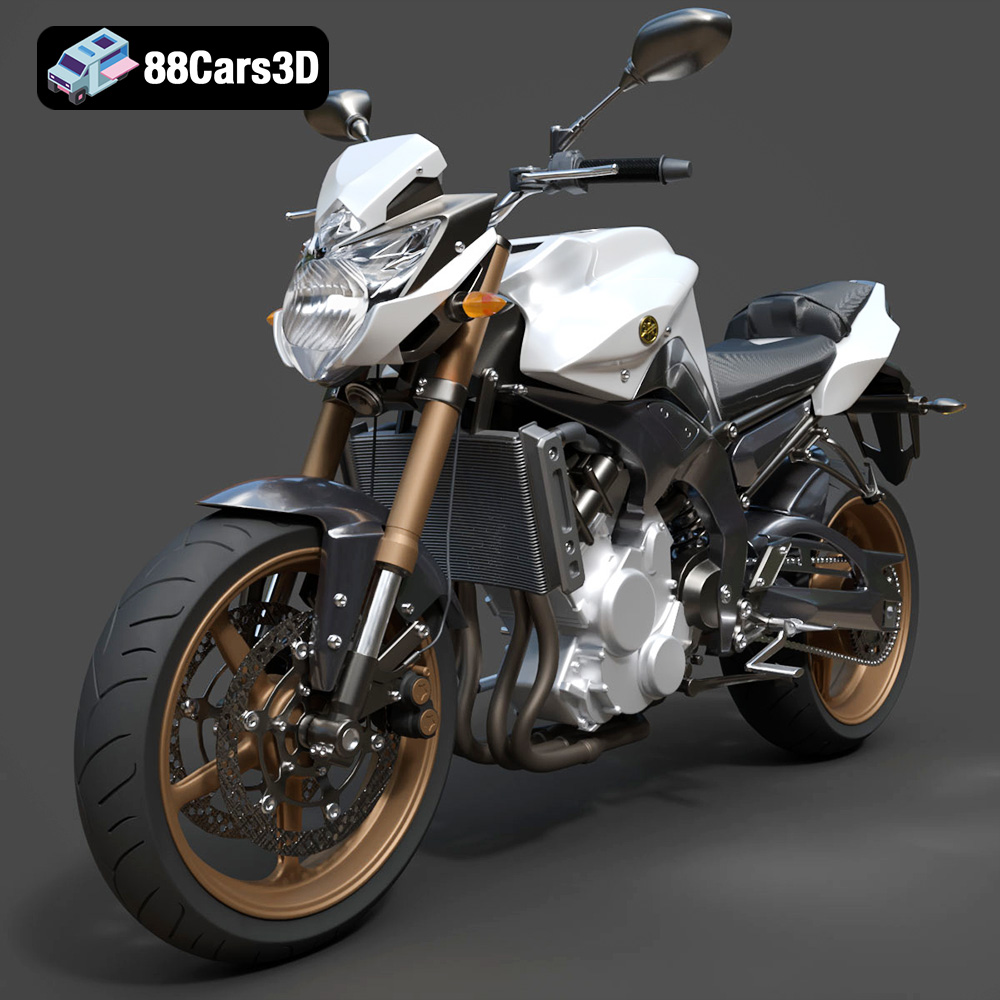
Yamaha FZ8 2011 3D Model
Texture: Yes
Material: Yes
Download the Yamaha FZ8 2011 3D Model featuring clean geometry, realistic detailing, and a fully modeled interior. Includes .blend, .fbx, .obj, .glb, .stl, .ply, .unreal, and .max formats for rendering, simulation, and game development.
Price: $19.99
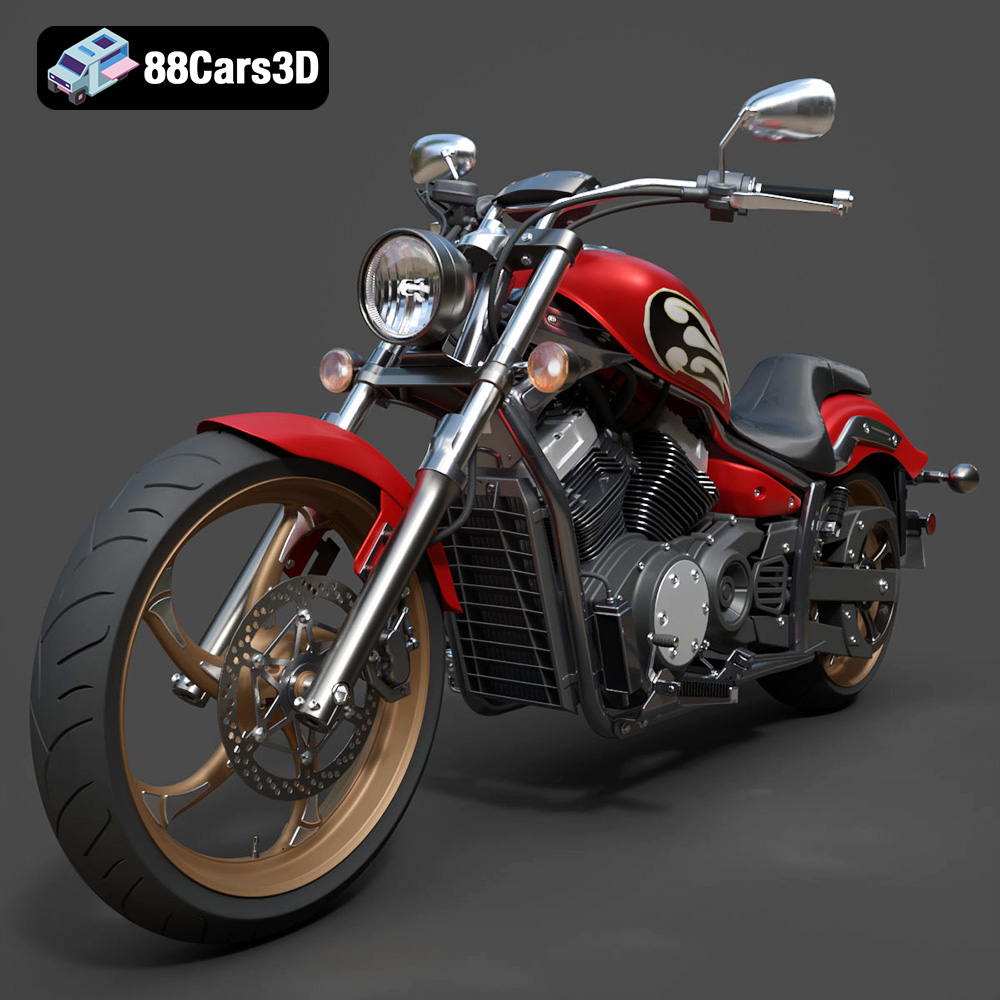
Yamaha Stryker 2012 3D Model
Texture: Yes
Material: Yes
Download the Yamaha Stryker 2012 3D Model featuring clean geometry, realistic detailing, and a fully modeled interior. Includes .blend, .fbx, .obj, .glb, .stl, .ply, .unreal, and .max formats for rendering, simulation, and game development.
Price: $19.99
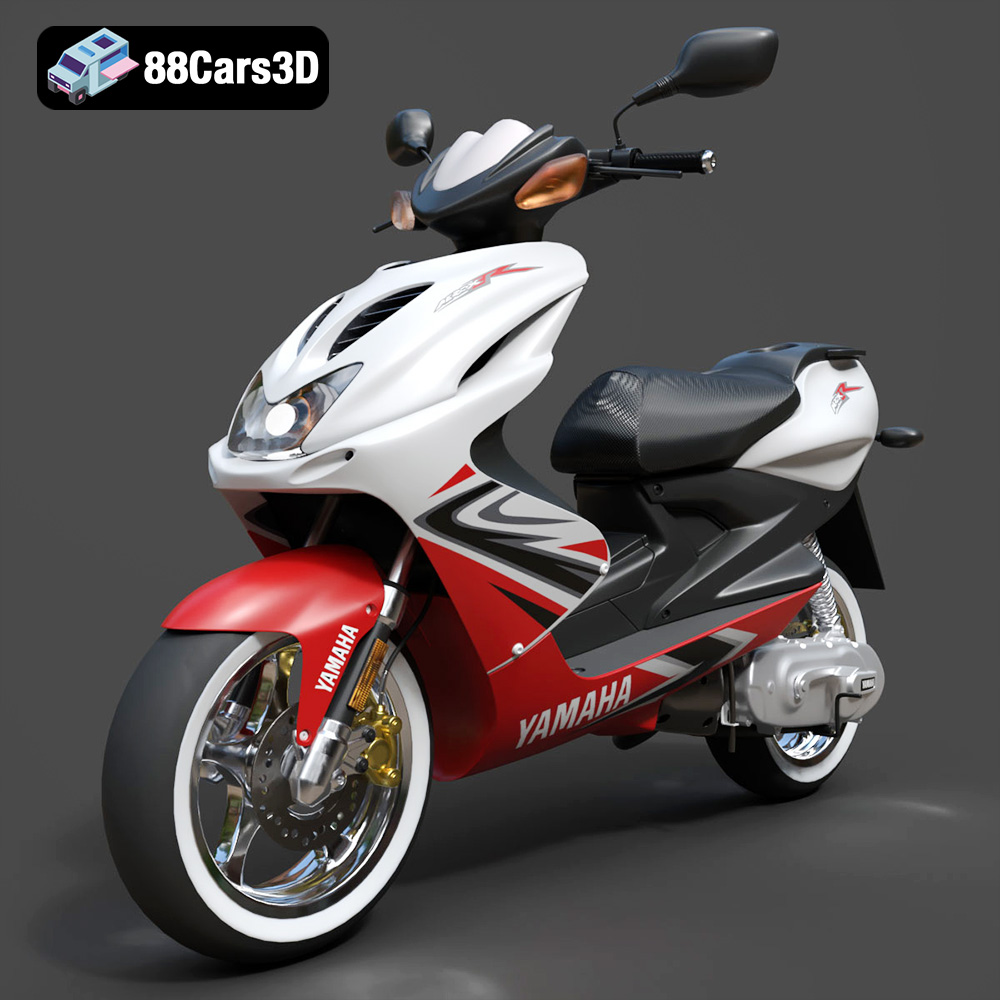
Yamaha Aerox R-002 2024 3D Model
Texture: Yes
Material: Yes
Download the Yamaha Aerox R-002 2024 3D Model featuring clean geometry, realistic detailing, and a fully modeled interior. Includes .blend, .fbx, .obj, .glb, .stl, .ply, .unreal, and .max formats for rendering, simulation, and game development.
Price: $19.99
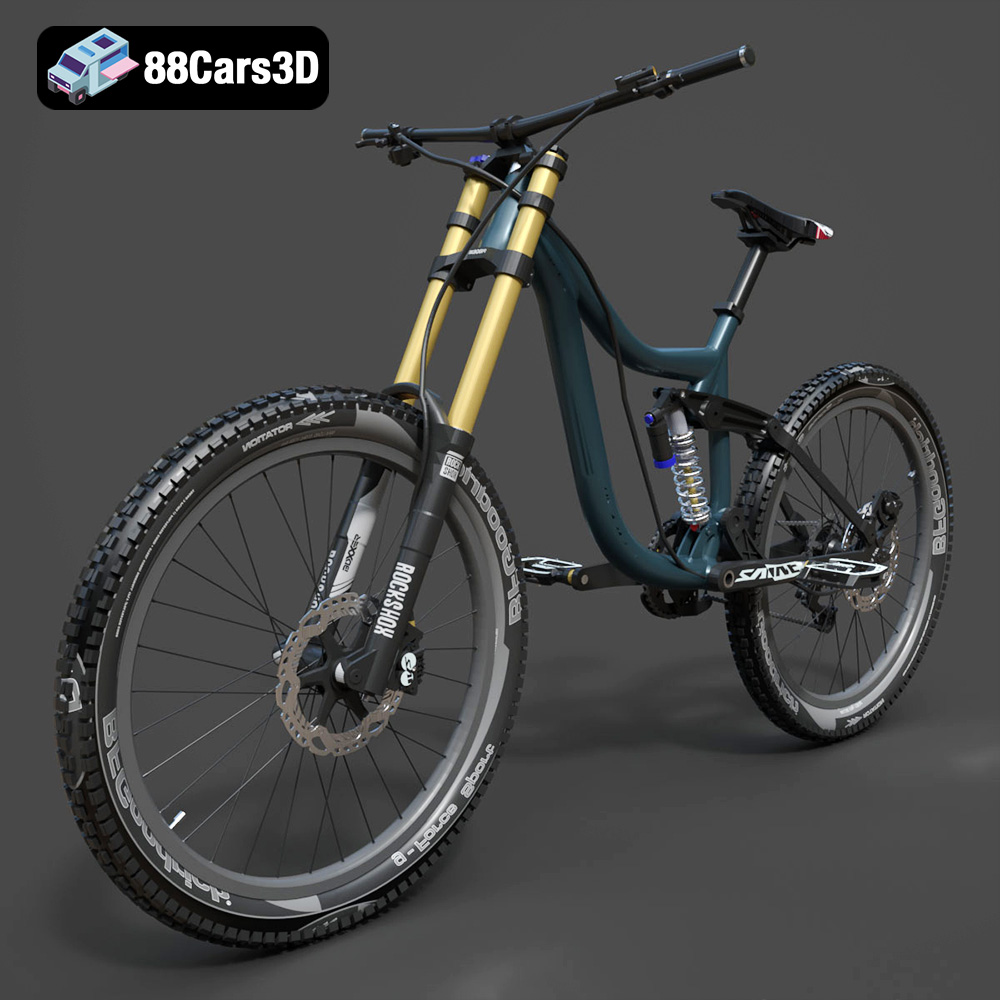
Mototsikly Downhill Bike-002 3D Model
Texture: Yes
Material: Yes
Download the Mototsikly Downhill Bike-002 3D Model featuring clean geometry, realistic detailing, and precise mechanical components. Includes .blend, .fbx, .obj, .glb, .stl, .ply, .unreal, and .max formats for rendering, simulation, and game development.
Price: $19.99
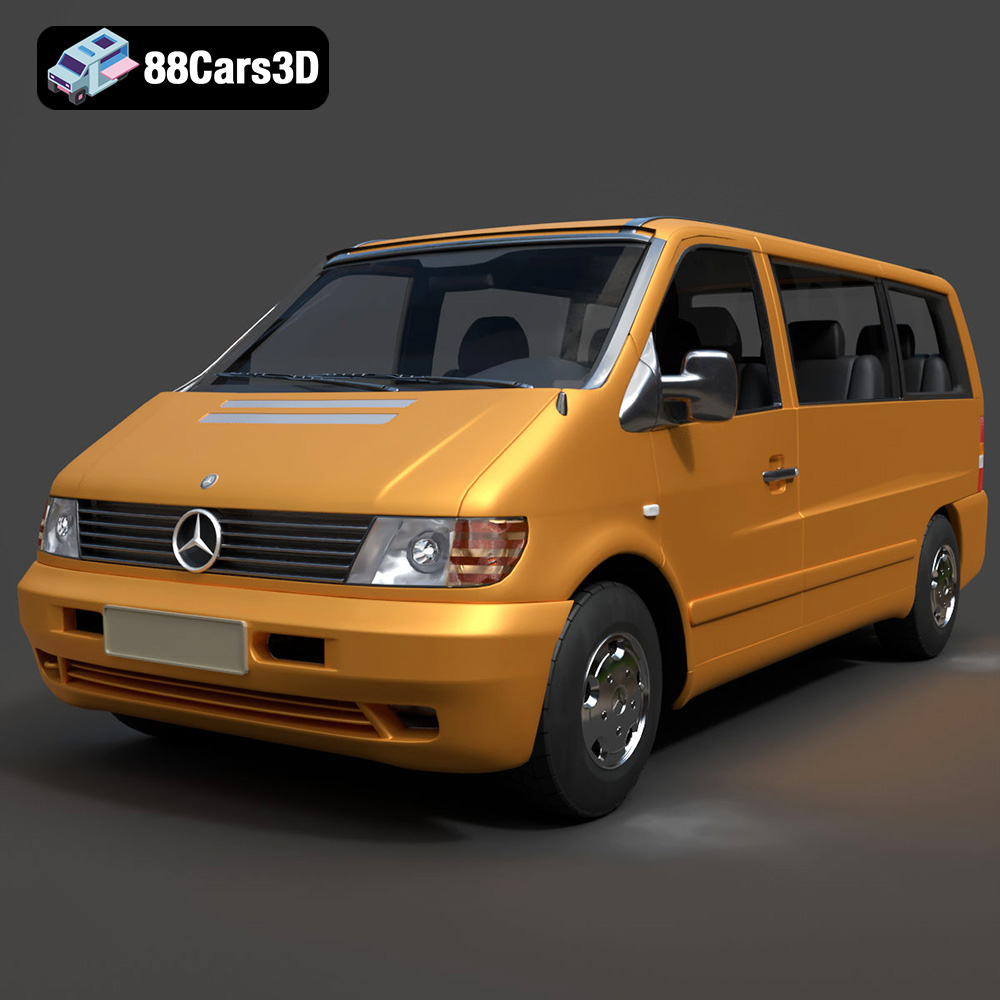
Mercedes-Benz Vito Passenger Van 3D Model
Texture: Yes
Material: Yes
Download the Mercedes-Benz Vito Passenger Van 3D Model featuring clean geometry, realistic detailing, and a fully modeled interior. Includes .blend, .fbx, .obj, .glb, .stl, .ply, .unreal, and .max formats for rendering, simulation, and game development.
Price: $19.99
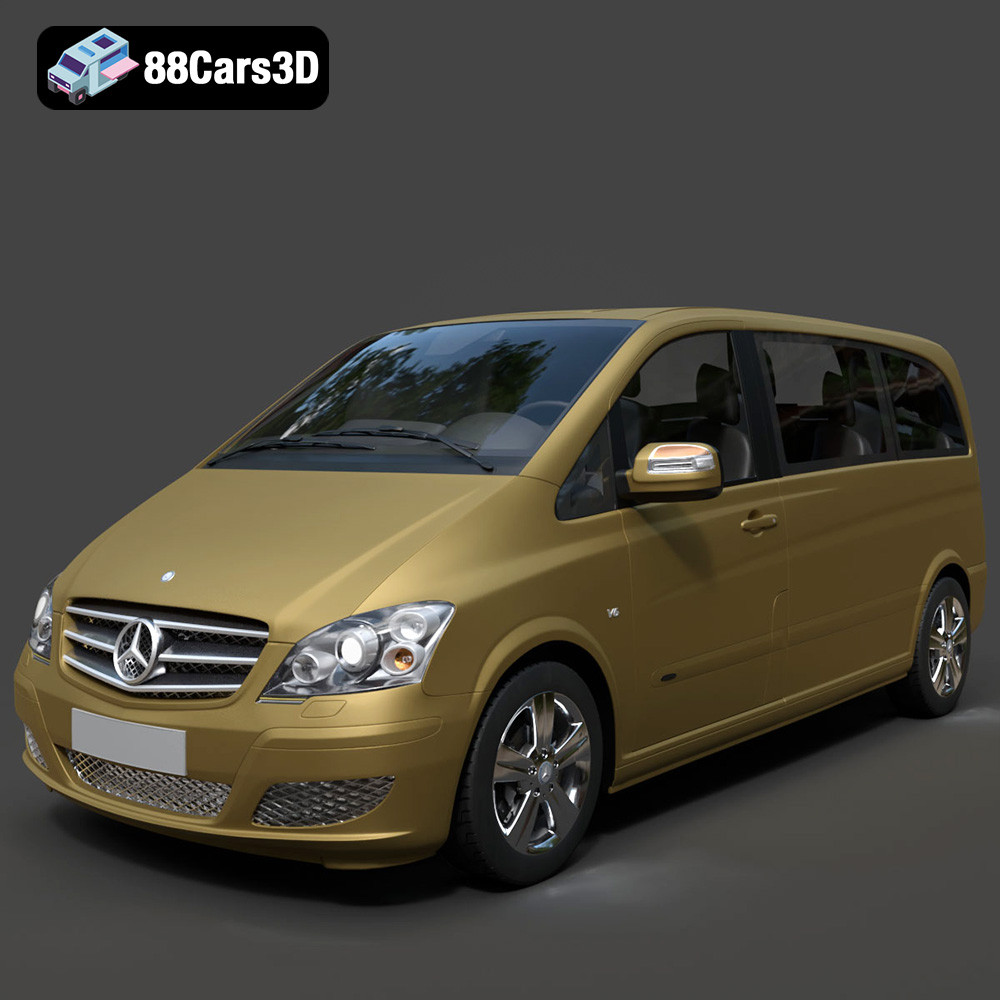
Mercedes-Benz Viano 2010 3D Model
Texture: Yes
Material: Yes
Download the Mercedes-Benz Viano 2010 3D Model featuring clean geometry, realistic detailing, and a fully modeled interior. Includes .blend, .fbx, .obj, .glb, .stl, .ply, .unreal, and .max formats for rendering, simulation, and game development.
Price: $19.99

Emt Avtobus 007 3D Model
Texture: Yes
Material: Yes
Download the Emt Avtobus 007 3D Model featuring clean geometry, realistic detailing, and a fully modeled interior. Includes .blend, .fbx, .obj, .glb, .stl, .ply, .unreal, and .max formats for rendering, simulation, and game development.
Price: $19.99
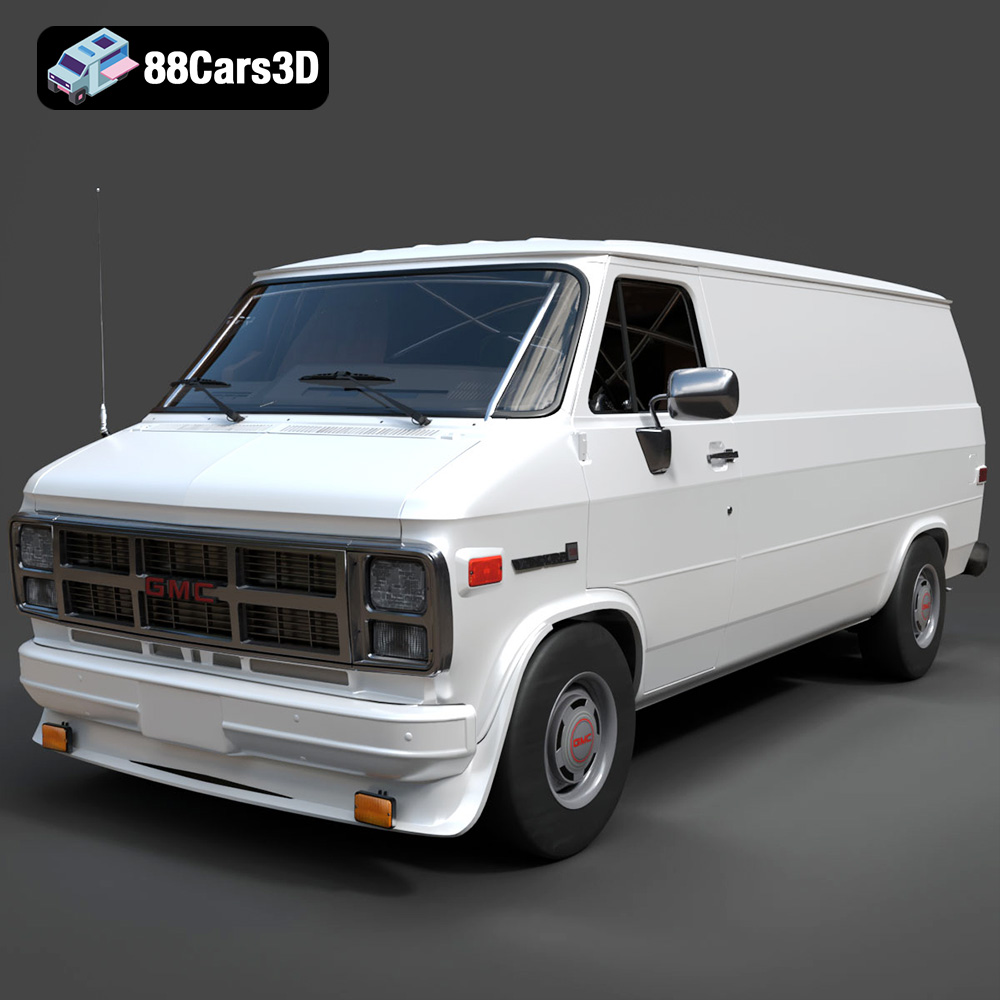
GMC Vandura G-1500 1983 3D Model
Texture: Yes
Material: Yes
Download the GMC Vandura G-1500 1983 3D Model featuring clean geometry, realistic detailing, and a fully modeled interior. Includes .blend, .fbx, .obj, .glb, .stl, .ply, .unreal, and .max formats for rendering, simulation, and game development.
Price: $19.99

Ford E-450 Ambulance 3D Model
Texture: Yes
Material: Yes
Download the Ford E-450 Ambulance 3D Model featuring clean geometry, realistic detailing, and a fully modeled interior. Includes .blend, .fbx, .obj, .glb, .stl, .ply, .unreal, and .max formats for rendering, simulation, and game development.
Price: $19.99
