The Engine of Imagination: Why High-Quality 3D Car Models Drive Digital Excellence
In the dynamic worlds of automotive design, film production, game development, and architectural visualization, the quality of a 3D car model can be the difference between a captivating experience and a jarring one. A meticulously crafted digital vehicle is far more than just an aesthetic component; it’s a technical masterpiece that underpins realism, performance, and creative flexibility across a multitude of applications. From the gleaming showroom renders that predate physical prototypes to the high-octane virtual races in modern video games, 3D car models are indispensable assets that fuel innovation and immerse audiences.
The journey of a 3D car model from concept to a fully realized digital asset is complex, involving intricate modeling, precise texturing, material development, and often sophisticated rigging. Each step demands expert knowledge to ensure the final product meets the stringent demands of professional pipelines. Whether you’re a seasoned professional seeking the perfect vehicle for a demanding project or an aspiring artist looking to elevate your portfolio, understanding the nuances of these digital assets is paramount. This comprehensive guide will delve into the technical depths of 3D car models, exploring their creation, application, and the critical role they play in modern digital landscapes, showcasing why platforms like 88cars3d.com are vital resources for sourcing top-tier assets.
The Foundation of Digital Automotive Excellence: Why High-Quality 3D Car Models Matter
The pursuit of realism and performance in digital media starts with the quality of its core assets. For vehicles, this means going beyond simple visual resemblance to encapsulate intricate details, structural integrity, and efficient data handling. High-quality 3D car models are not just visually appealing; they are engineered for purpose, designed to perform optimally in their intended environments.
Visual Fidelity in Automotive Rendering
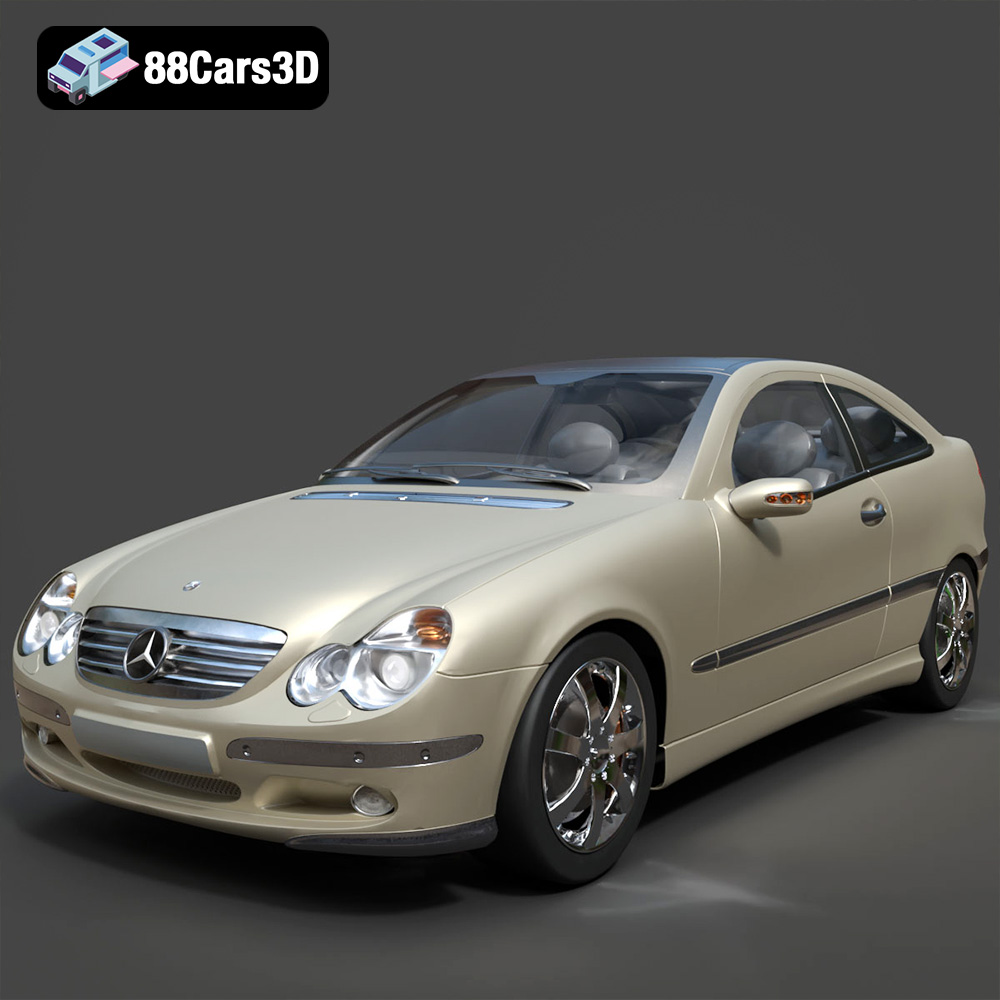
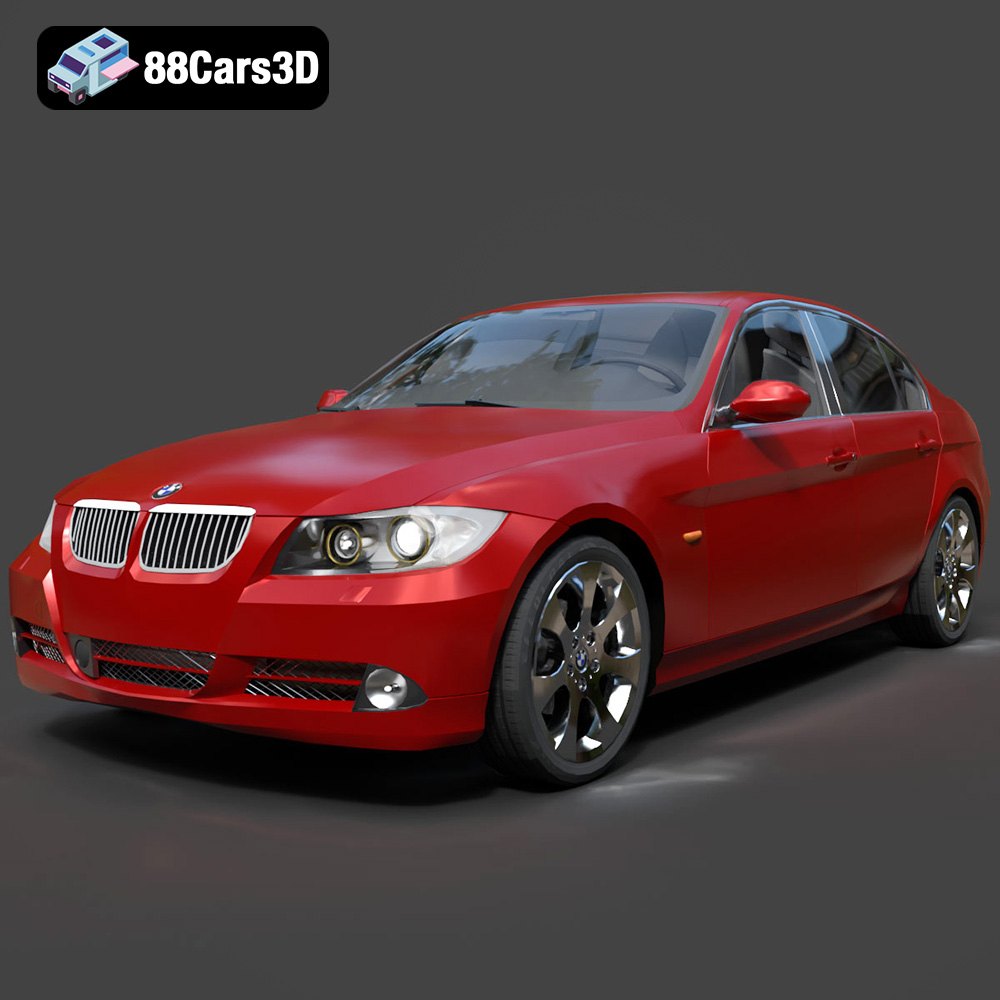
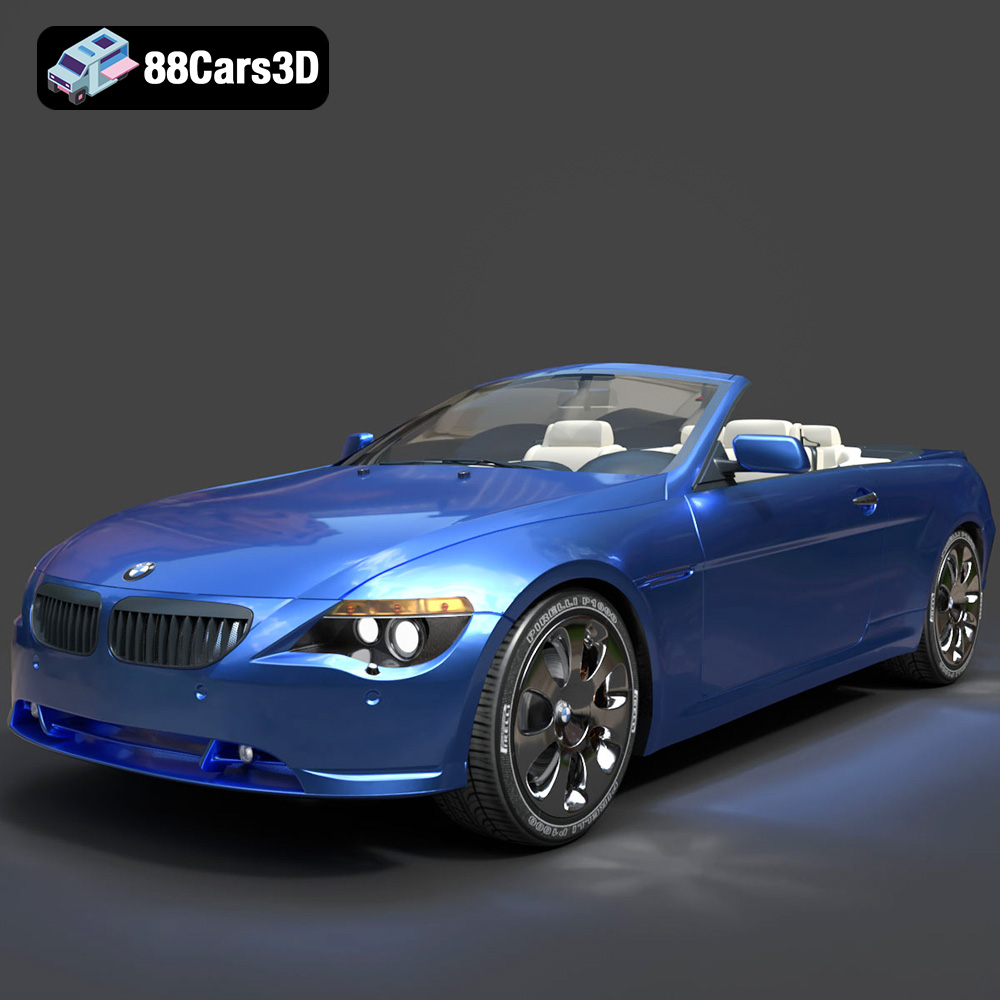
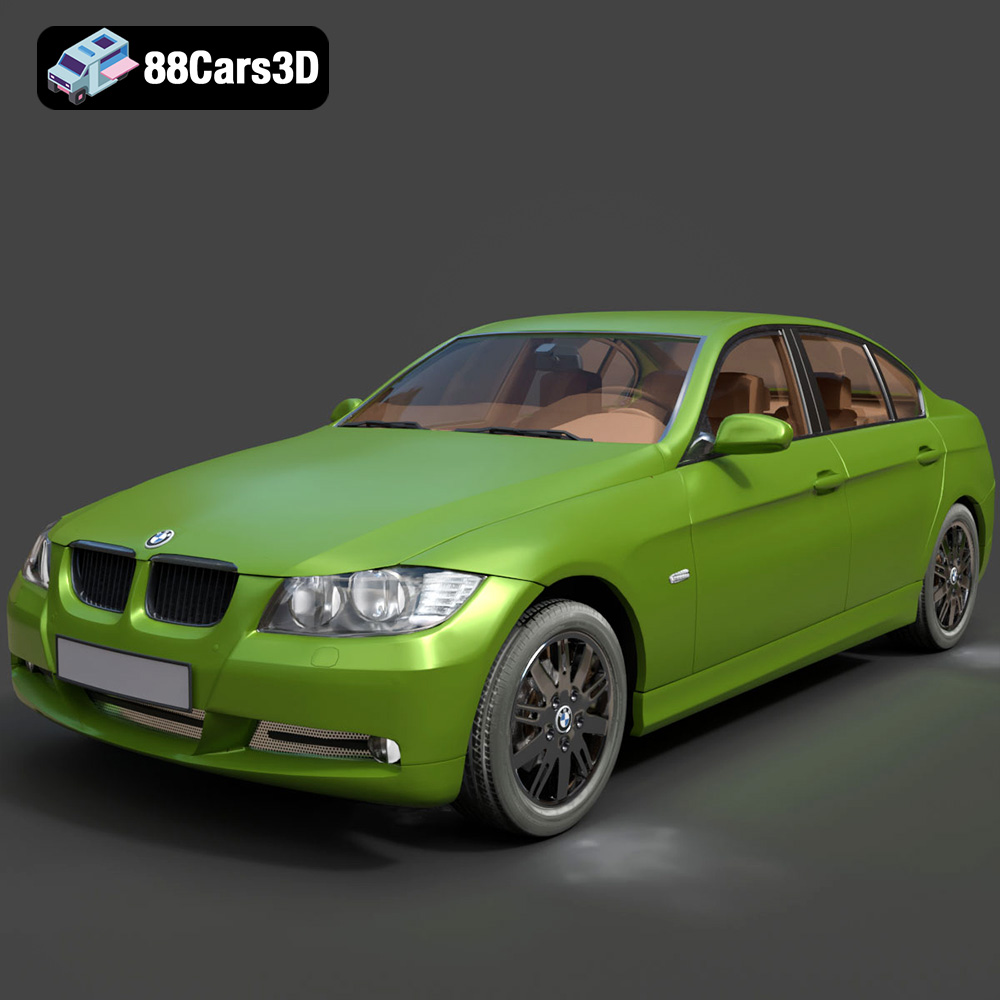
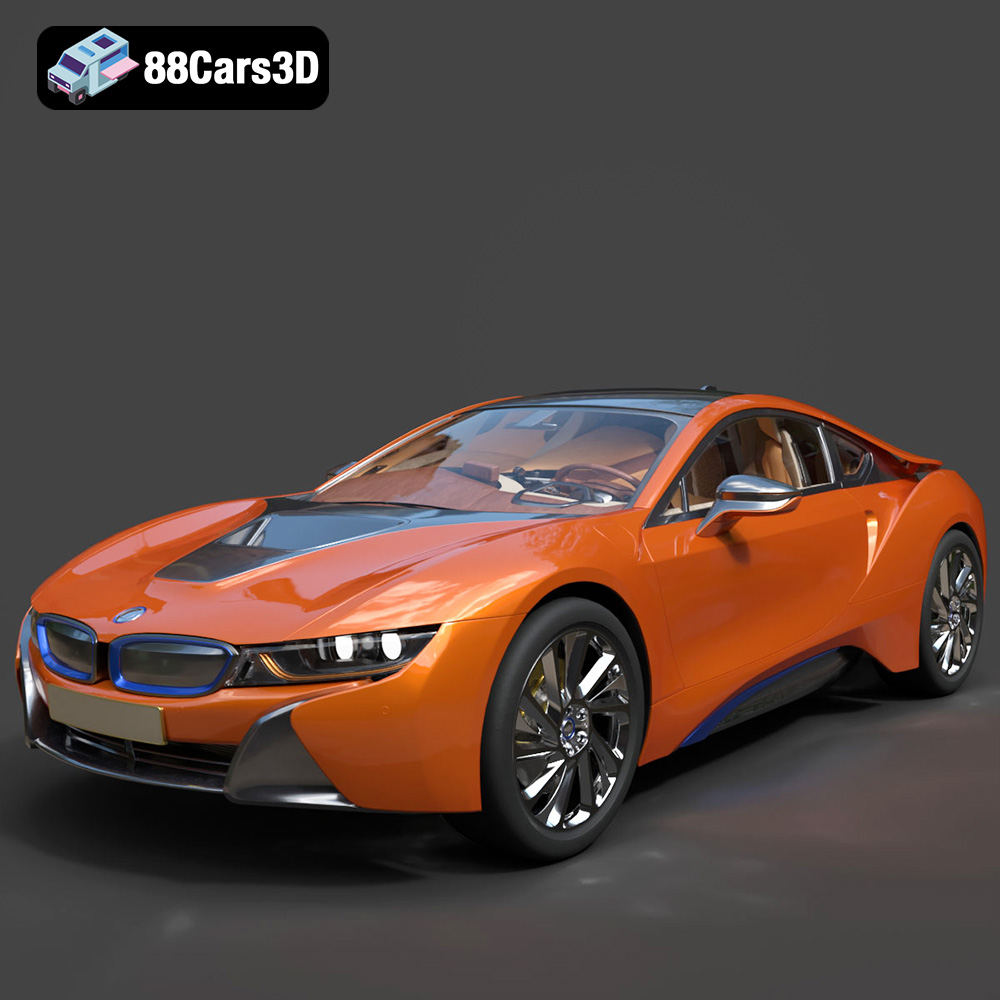
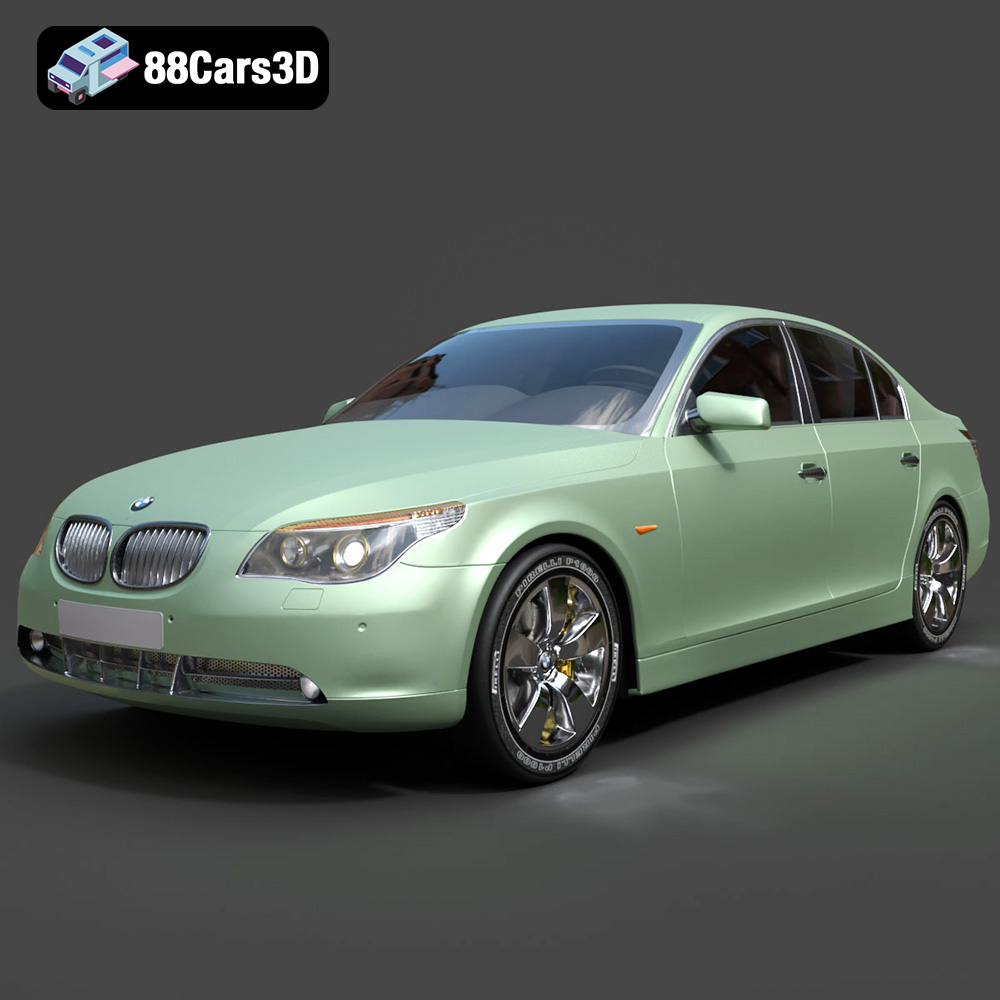
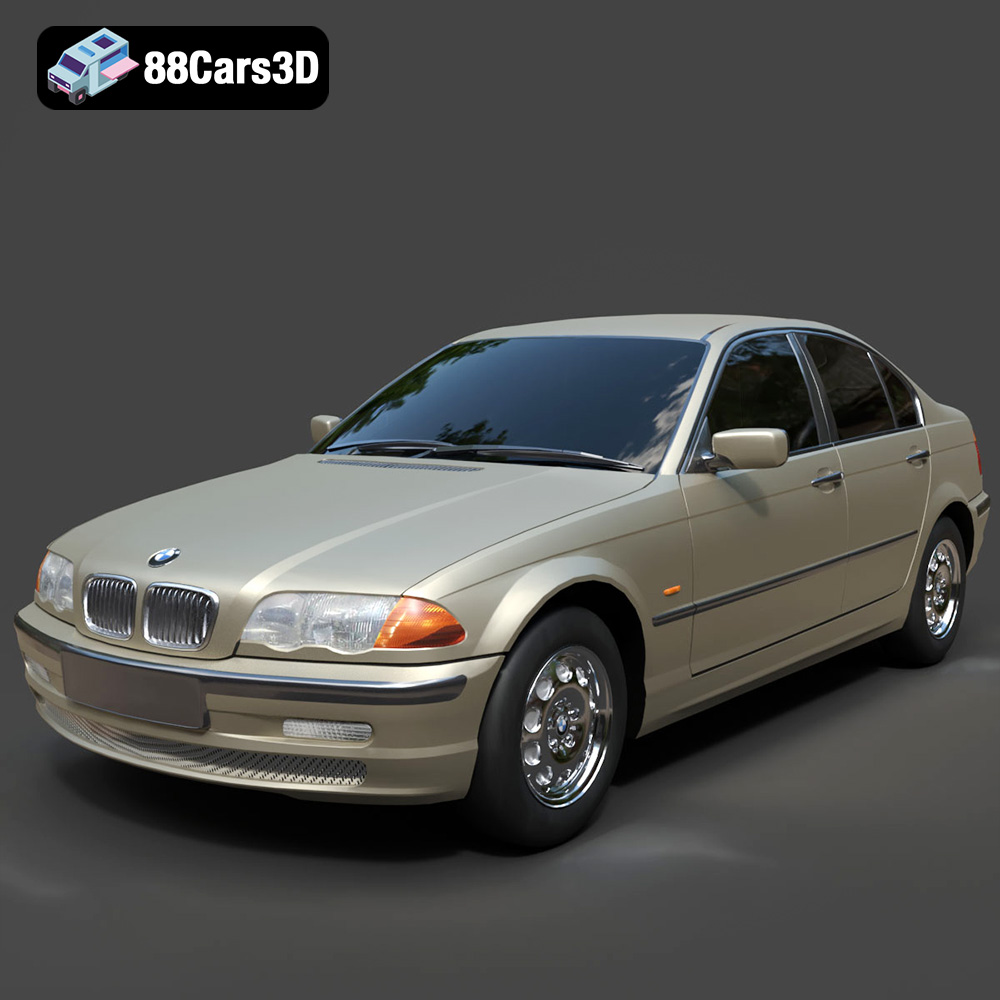
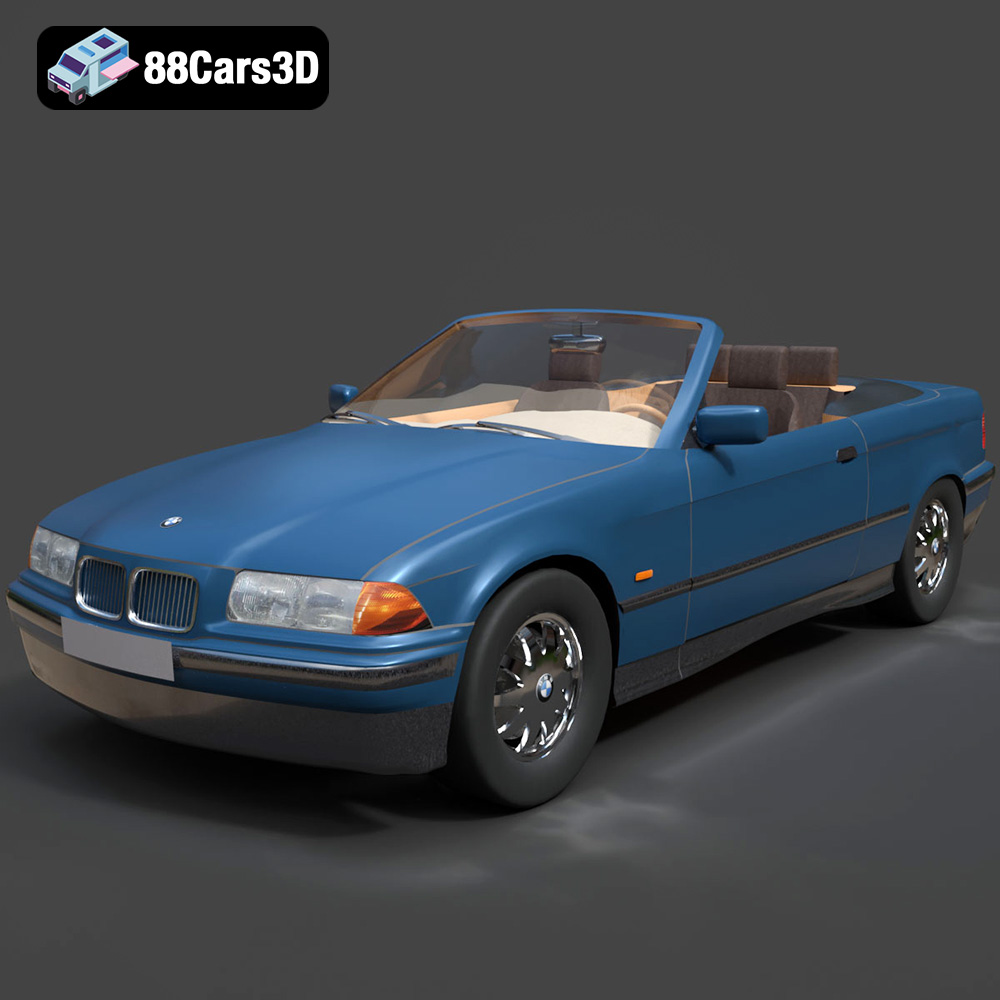
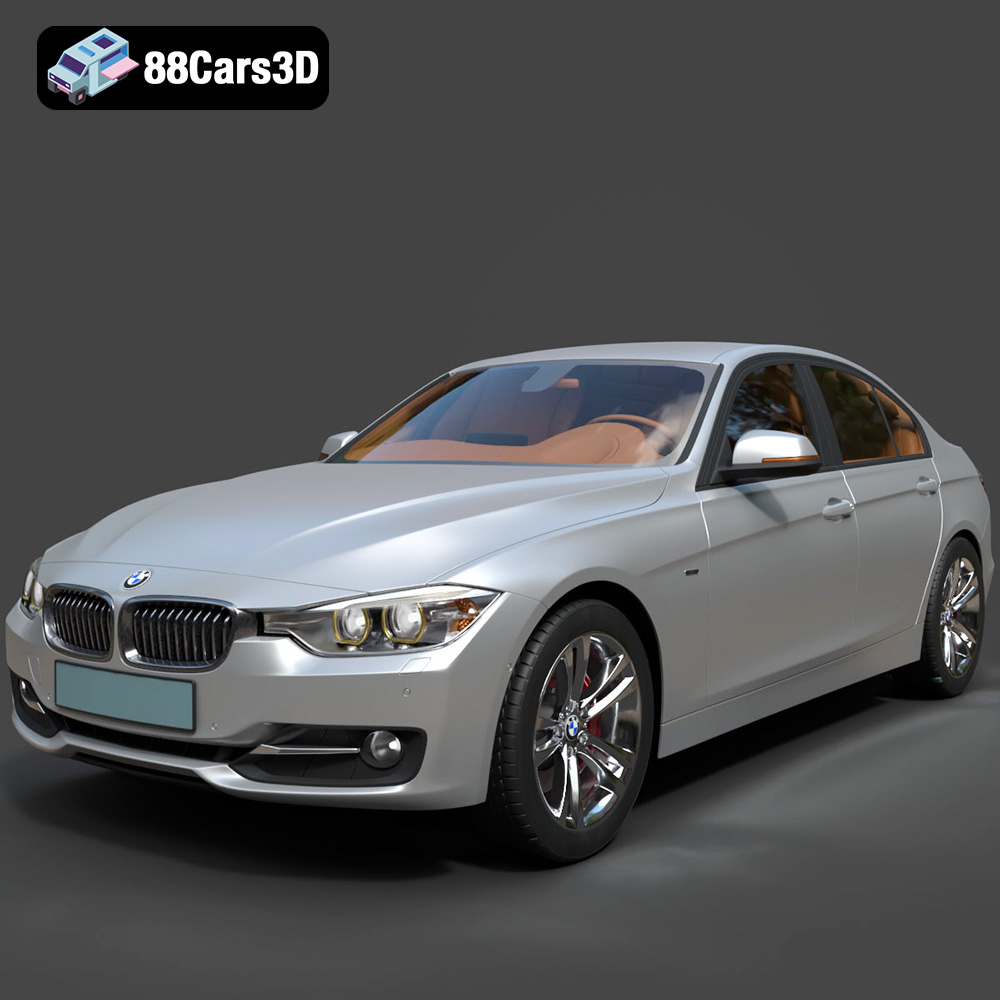
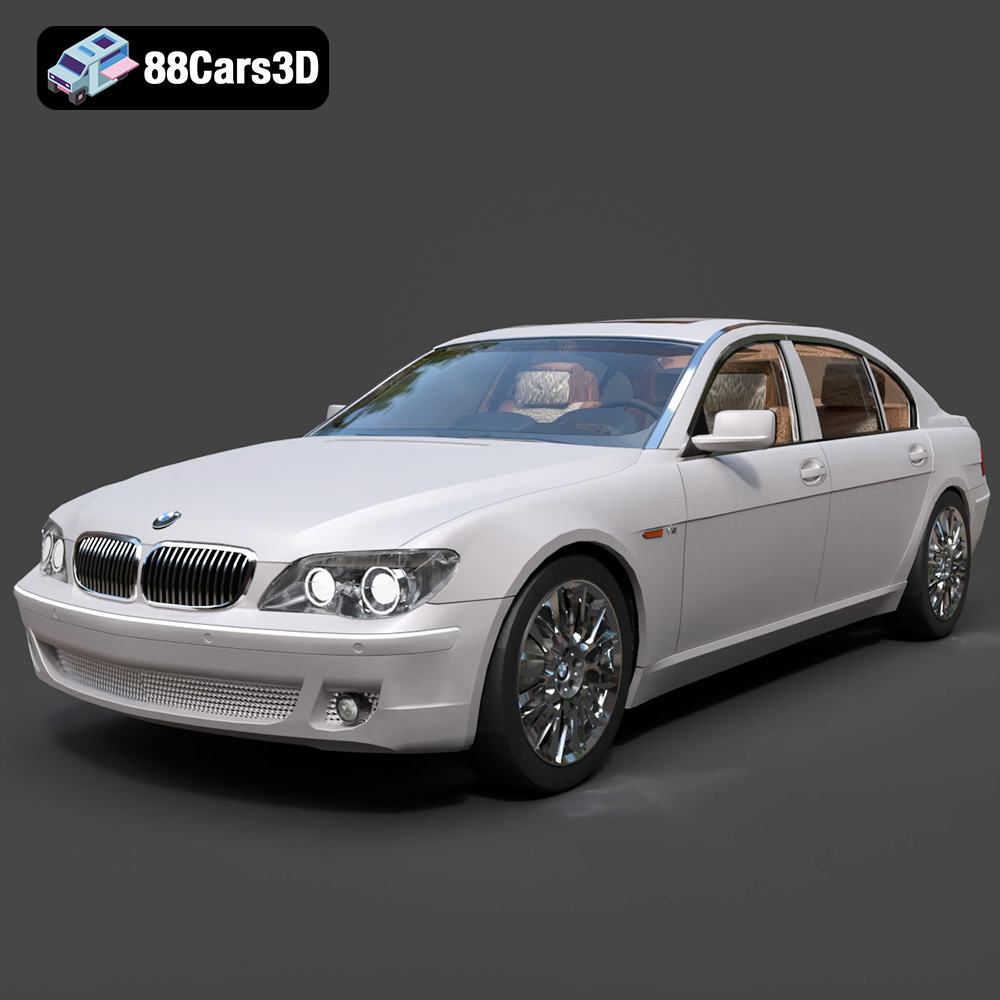
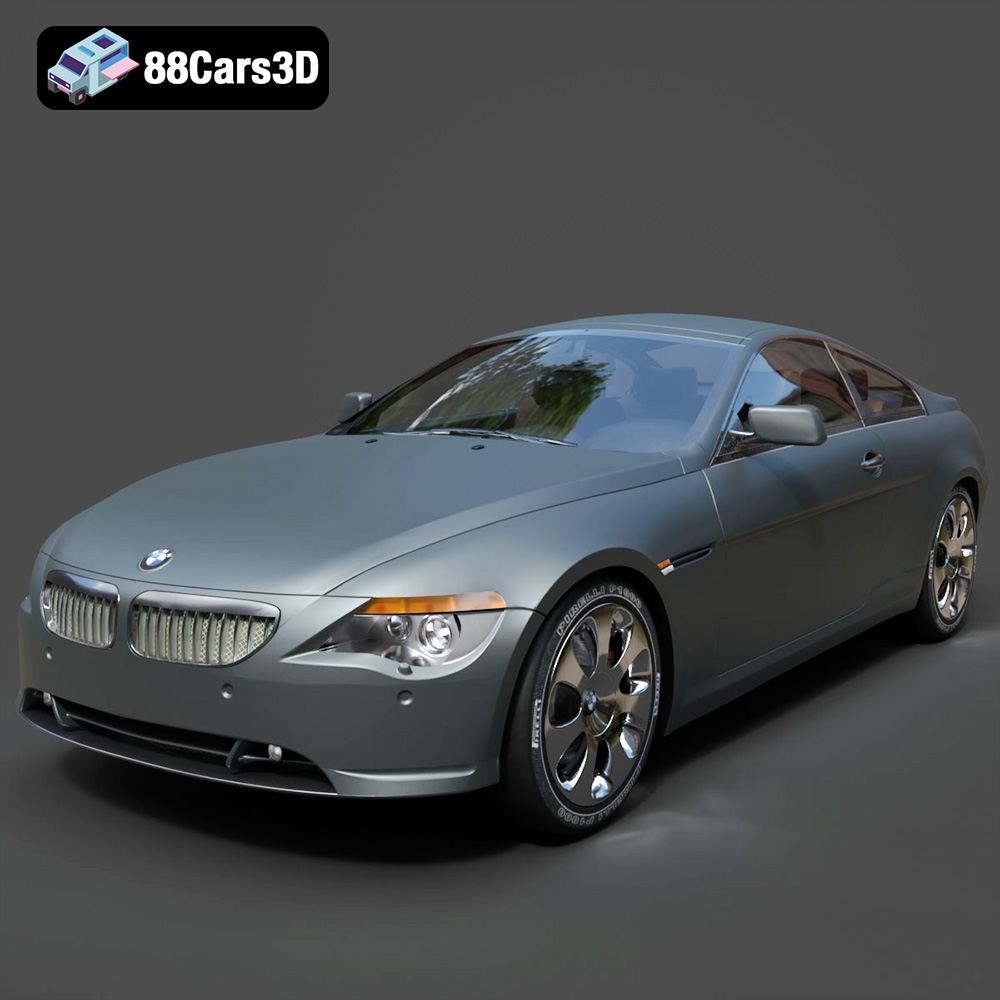
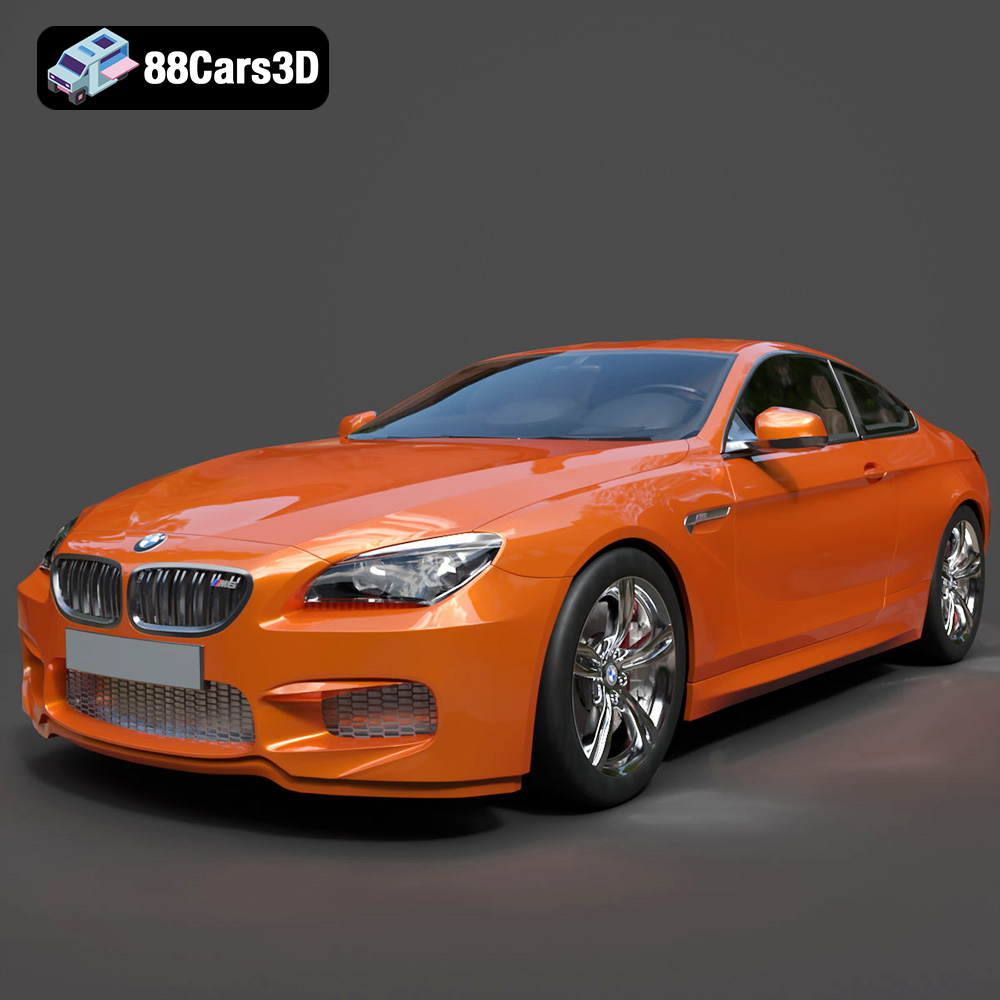
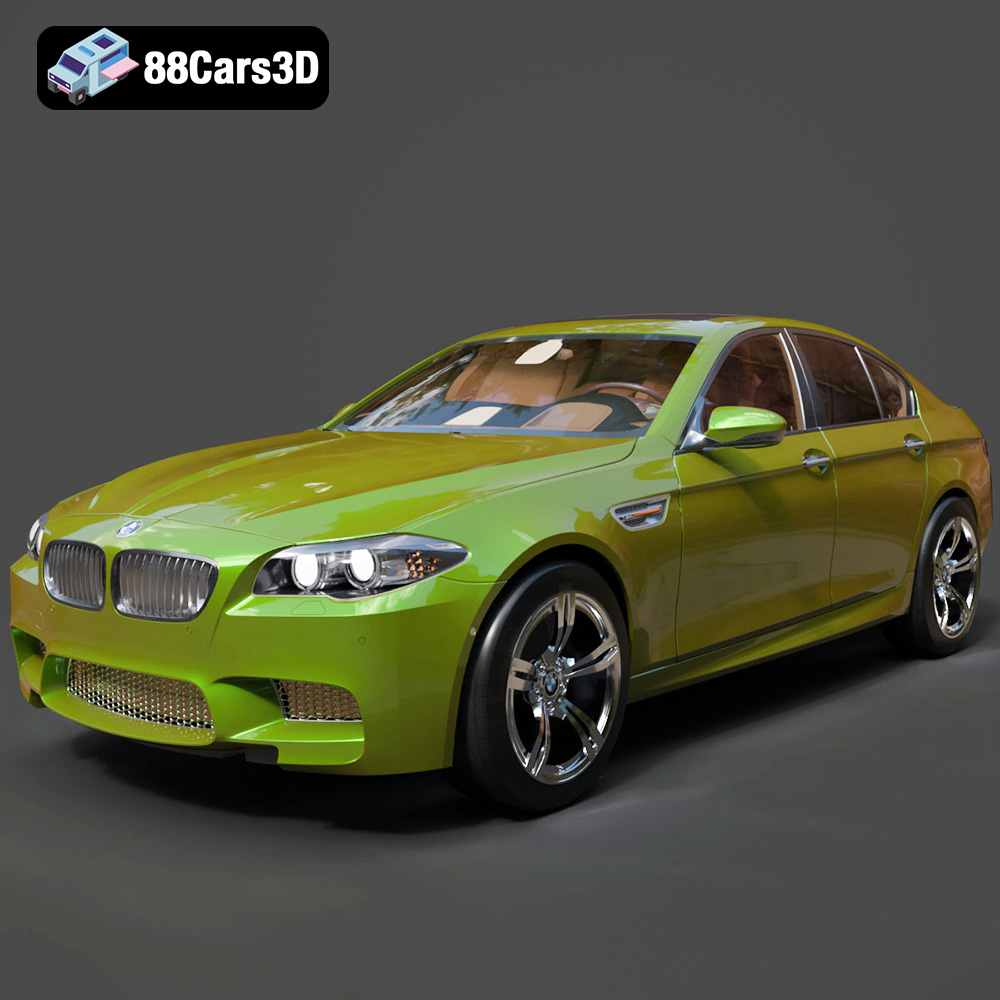
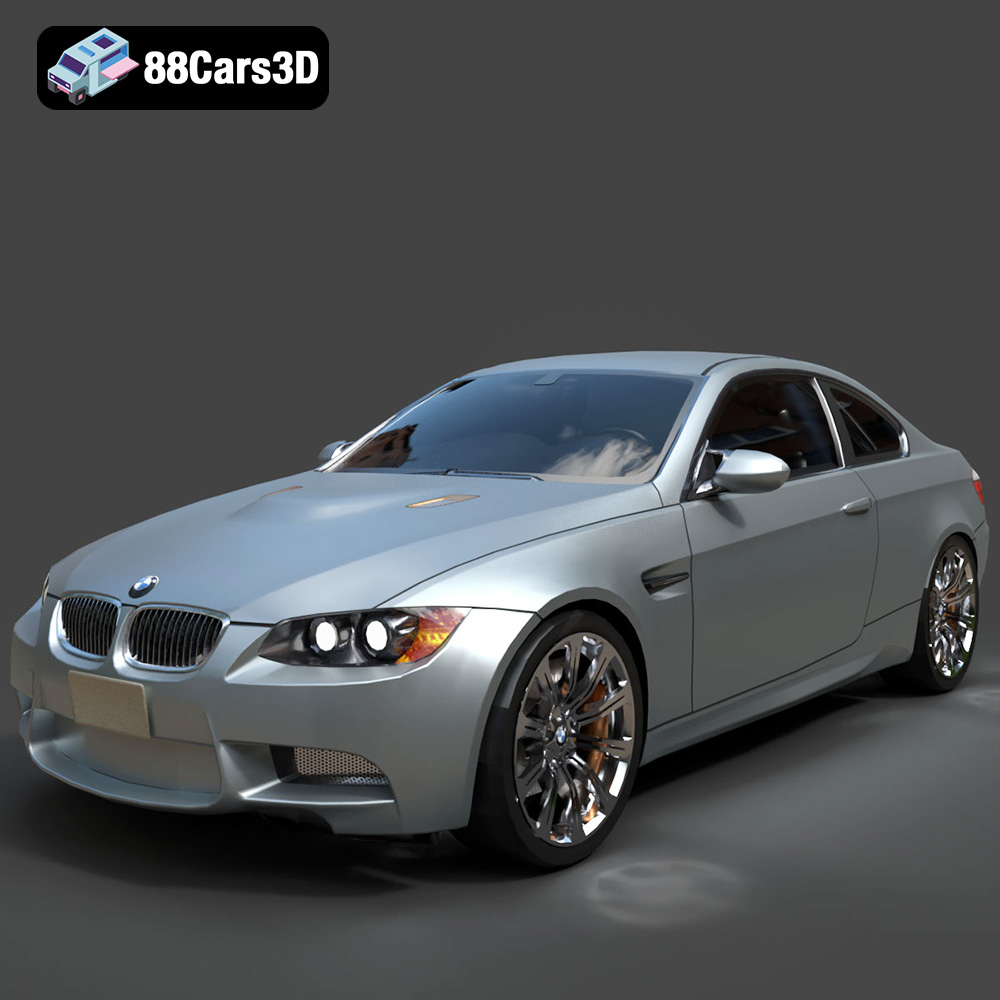
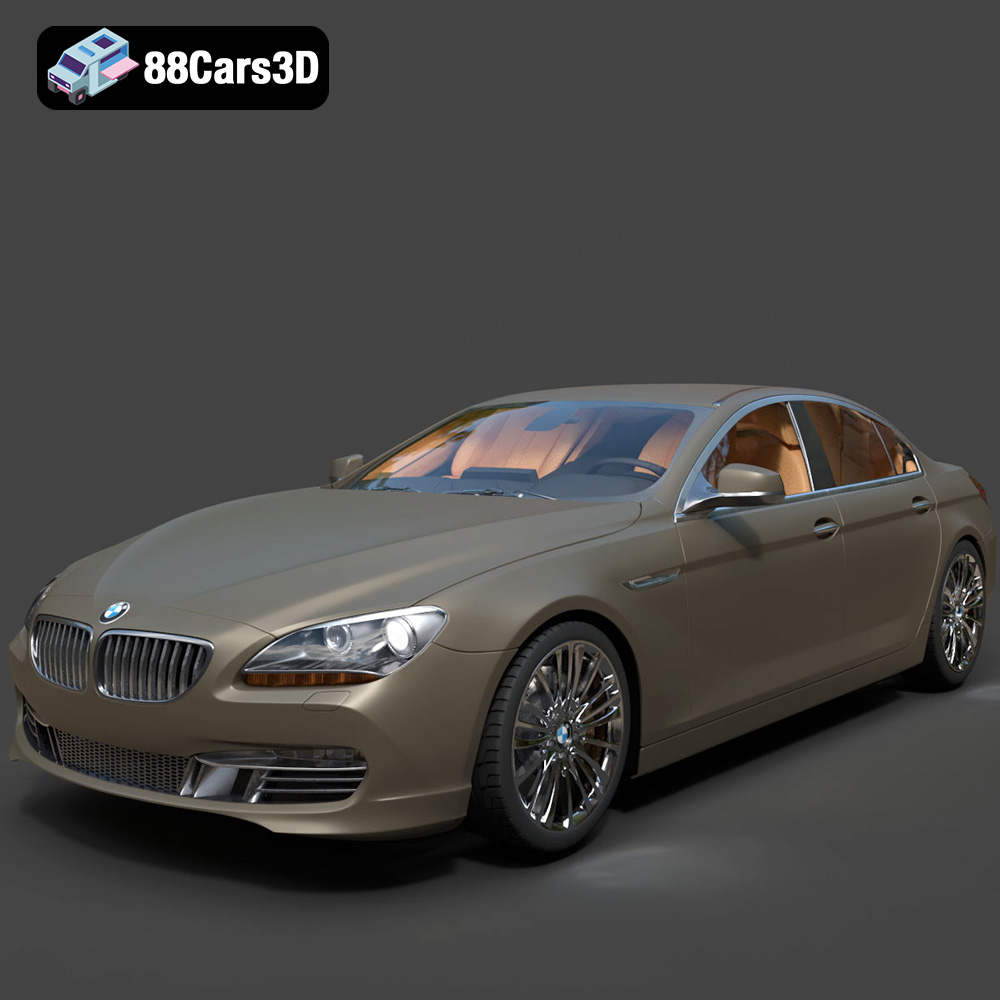
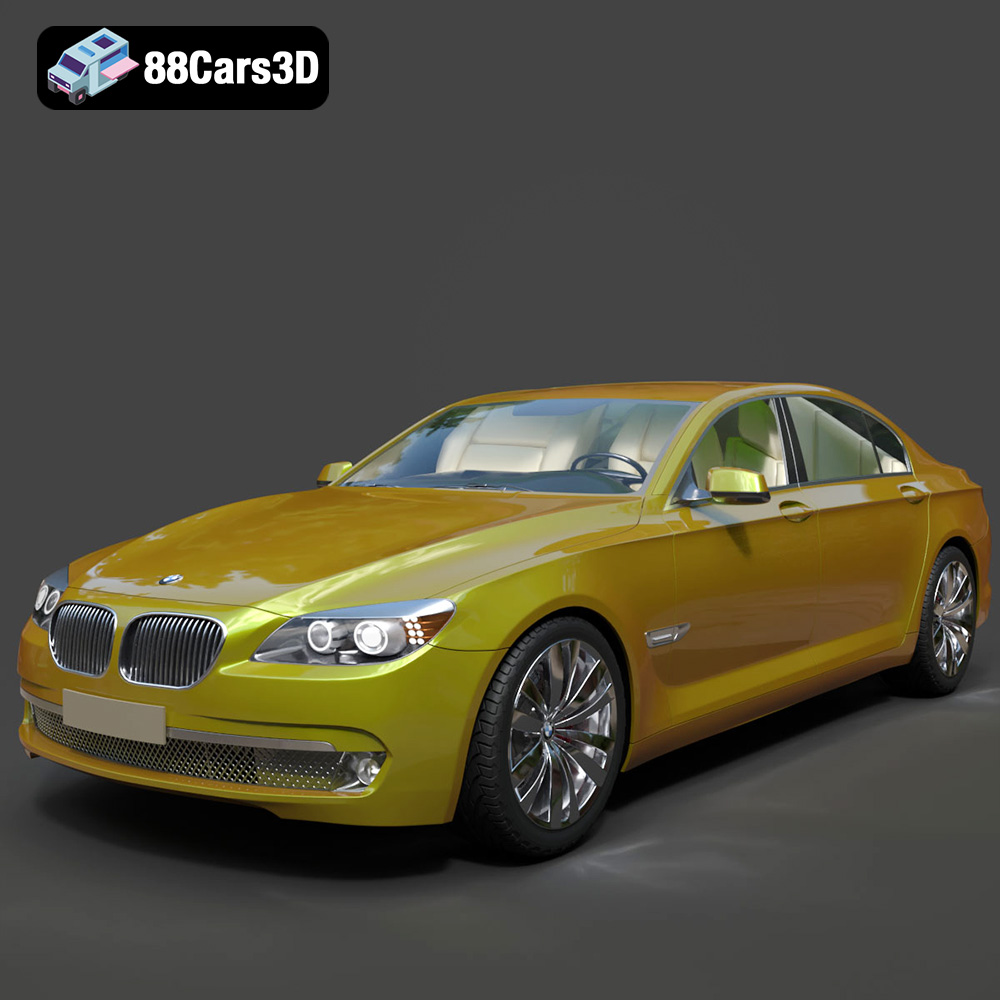
For designers and marketers, high-quality automotive rendering is about creating an emotional connection before a single physical part is manufactured. These renders are crucial for presenting concepts, showcasing features, and generating marketing materials long before a car hits the showroom floor. A premium 3D car model provides the foundational geometry necessary for photorealistic results. This involves not only accurate external contours but also detailed interiors, engine bays, and chassis components that can withstand close-up shots and detailed lighting setups. Subtleties like panel gaps, headlight intricacies, and tire tread patterns must be precisely modeled, and materials must accurately simulate paint reflections, glass refractions, and various metallic or plastic finishes to achieve true photorealism.
Performance and Detail in Game Development
In video games, 3D car models must strike a delicate balance between visual fidelity and real-time performance. High-polygon models, while visually rich, can cripple frame rates. Therefore, game-ready assets require optimized topology, efficient UV layouts, and carefully constructed Level of Detail (LOD) systems. An expert-level game asset will feature clean geometry that allows for smooth deformations (e.g., suspension compression, damage modeling) and accurate collision detection. PBR (Physically Based Rendering) textures are essential for realistic lighting interaction within game engines like Unreal Engine and Unity, ensuring consistent appearance under varying in-game conditions. Furthermore, well-prepared models often include intricate rigging for doors, wheels, steering, and other animated components, making them ready for immediate integration into gameplay mechanics.
Versatility for Emerging Technologies (AR/VR/Metaverse)
As augmented reality (AR), virtual reality (VR), and metaverse platforms grow, the demand for versatile 3D car models has surged. These environments often have unique requirements for model optimization and interactivity. Models for AR/VR need to be lightweight enough to render smoothly on mobile devices or VR headsets while maintaining sufficient detail to be convincing. They also often require specific material setups compatible with real-time rendering pipelines and precise scaling for accurate integration into real-world views or virtual spaces. The ability to interact with these models – opening doors, changing colors, or even driving them virtually – relies heavily on clean, well-structured geometry and robust rigging, demonstrating the multifaceted utility of expertly crafted digital vehicles.
Understanding 3D Model File Formats
Navigating the diverse landscape of 3D applications and pipelines requires a solid understanding of the various file formats available. Each format has its strengths, ideal use cases, and specific technical characteristics that make it suitable for different stages of the 3D production workflow. Choosing the right format is crucial for maintaining data integrity, ensuring compatibility, and optimizing performance. Here, we delve into some of the most common and critical 3D model file formats you’ll encounter when working with 3D car models.
.blend – The Blender Ecosystem
The .blend file format is native to Blender, the powerful open-source 3D creation suite. A .blend file is more than just a model; it’s a complete scene package. This format can store everything from mesh data, materials, textures, animations, camera settings, lighting setups, and even entire physics simulations. Its primary advantage is its comprehensive nature, allowing for fully editable projects within Blender. This makes it ideal for artists who primarily work within the Blender ecosystem, ensuring all project data is preserved. While less universal for direct export to other software without conversion, it’s invaluable for maintaining project integrity and flexibility for ongoing development or modifications within Blender. For those who frequently iterate on their designs or leverage Blender’s extensive features, the .blend format offers unparalleled creative freedom.
.fbx – The Industry Workhorse for Real-Time
Autodesk’s .fbx (Filmbox) format has become an industry standard for data exchange, particularly within game development and animation pipelines. Its robust support for geometry, materials, textures, animations (including skeletal animations and blend shapes), cameras, and lights makes it incredibly versatile. .fbx is the go-to format for importing assets into game engines like Unreal Engine and Unity, due to its excellent preservation of scene hierarchy, transforms, and animation data. When importing 3D car models into real-time environments, .fbx ensures that all components, from the wheels to the steering wheel, maintain their proper parent-child relationships and pivot points, critical for interactive elements. It’s often the preferred choice for finalized assets moving from a modeling package to an engine or another DCC (Digital Content Creation) application for further processing.
.obj – Universal Compatibility
The .obj (Wavefront OBJ) format is one of the oldest and most widely supported 3D file formats. Its simplicity is its strength: it primarily stores geometry (vertices, normals, texture coordinates, and faces) and can reference an associated .mtl (Material Template Library) file for basic material properties and texture maps. While .obj does not support animations, rigging, or scene hierarchies, its universal compatibility makes it an excellent choice for basic mesh exchange between almost any 3D software application. If you need a clean, pure geometry transfer without complex scene data, .obj is often the most reliable option. It’s frequently used for archiving models or for initial transfers where material setup will be redone in the target application.
.glb – Web and AR/VR Optimization
The .glb (GL Transmission Format Binary) is the binary version of the glTF format, designed for efficient transmission and loading of 3D scenes and models by engines and applications. It’s highly optimized for web-based 3D, AR, and VR environments due to its compact size and comprehensive support for PBR materials, animations, and scene hierarchies. A single .glb file packages all necessary data (geometry, textures, materials, animations) into one self-contained unit, making it incredibly easy to share and deploy. For interactive web experiences, e-commerce product visualization, or AR applications where quick loading times and broad device compatibility are crucial for 3D car models, .glb is quickly becoming the format of choice.
.stl – Precision for 3D Printing
The .stl (STereoLithography) format is almost exclusively used for 3D printing. It represents the surface geometry of a 3D object using a collection of interconnected triangles, without any color, texture, or material information. Its simplicity makes it universally compatible with 3D printing software (slicers). However, .stl files do not store units, so proper scaling must be ensured during export and import. For transforming a detailed 3D car model into a physical prototype or collectible, .stl is the indispensable bridge, providing the necessary triangulated mesh data for additive manufacturing processes. Clean, manifold (watertight) geometry is critical for successful .stl exports.
.ply – For Scientific and CAD Applications
The .ply (Polygon File Format) is designed to store polygonal models, especially those generated from 3D scanners or CAD systems. It can store a wider range of properties than .obj, including color, transparency, texture coordinates, normals, and even confidence values (for scanned data) per vertex or face. While not as universally used for general asset exchange as .fbx or .obj, .ply is a robust format for scientific visualization, reverse engineering, and applications where precise data acquisition and analysis are paramount. For highly accurate 3D car models derived from real-world scans or complex engineering data, .ply offers a comprehensive way to preserve that detail.
.unreal – Engine-Ready Asset for Real-Time Environments
While not a standalone file format in the traditional sense, when you import assets into Unreal Engine, they are converted into an internal engine-specific format optimized for Unreal’s rendering pipeline and asset management system. Assets saved within an Unreal project often reference these optimized files. This internal optimization ensures maximum performance and seamless integration with Unreal’s powerful feature set, including its advanced material editor, lighting system, and animation tools. When sourcing assets “unreal-ready,” it implies that the 3D car model has been specifically prepared and tested for direct use within Unreal Engine, often including pre-configured materials, LODs, and collision meshes to minimize setup time and maximize efficiency for game developers.
.max – The 3ds Max Professional Standard
The .max file format is the native project file for Autodesk 3ds Max, a leading software for 3D modeling, animation, and rendering. Similar to .blend, a .max file stores a complete scene, encompassing geometry, materials, textures, lighting, cameras, animations, and scene settings specific to 3ds Max. It’s the go-to format for maintaining full editability and leveraging the extensive toolset and plugin ecosystem of 3ds Max. For professional automotive rendering and visualization studios that rely heavily on 3ds Max (often paired with renderers like V-Ray or Corona), the .max format is essential for iterative design, complex scene management, and preserving all proprietary data created within the software.
Crafting Perfection: The Art and Science Behind Professional 3D Car Models
Creating a high-quality 3D car model is a meticulous process that combines artistic vision with rigorous technical execution. It’s a journey from concept to a fully realized digital twin, demanding attention to detail at every stage.
Meticulous Modeling and Topology Considerations
The foundation of any great 3D model is its geometry. For vehicles, this means starting with precise blueprints and reference images to capture accurate proportions and iconic design language. Modelers painstakingly build the mesh, typically using polygonal modeling techniques, ensuring clean quad-based topology. Good topology is critical for several reasons: it facilitates smooth subdivision (essential for high-resolution renders), allows for natural deformations during animation (like suspension movement or body damage), and ensures efficient UV unwrapping. Poly counts are a key consideration; high-poly models are suitable for cinematic rendering where every curve and detail is paramount, while game assets require optimized, lower-poly versions, often relying on normal maps to project high-detail information onto simpler geometry. Maintaining an organized hierarchy and naming conventions for parts (e.g., “Wheel_FL,” “Door_Driver”) is also crucial for manageability.
Advanced Texturing and Material Development
Once the geometry is solid, the next step is to give the model its surface characteristics. This involves two main components: UV unwrapping and material creation. UV unwrapping is the process of flattening the 3D mesh into a 2D space, allowing textures to be painted or applied without distortion. Efficient UV layouts maximize texture resolution and prevent stretching. Modern workflows heavily rely on PBR (Physically Based Rendering) materials, which accurately simulate how light interacts with different surfaces based on real-world physics. This means creating texture maps for properties like albedo (base color), roughness, metallic, normal, ambient occlusion, and sometimes emissive or opacity. Crafting realistic car paint, chrome, glass, rubber, and leather materials requires a deep understanding of PBR principles and the specific shaders available in rendering engines like V-Ray, Corona, or the real-time shaders in Unreal Engine and Unity.
Rigging, Animation, and LODs (Level of Detail)
For interactive or animated 3D car models, rigging is essential. This involves creating a hierarchical skeletal system that allows for controlled movement of parts like wheels, doors, steering, and suspension. A well-designed rig enables animators to quickly and realistically articulate the vehicle. For game assets, animation sets for driving, braking, turning, and even damage states are often included. Furthermore, to optimize performance in real-time applications, Level of Detail (LOD) systems are implemented. This means creating multiple versions of the same model, each with progressively fewer polygons. The game engine then swaps between these LODs based on the camera’s distance to the object, ensuring high detail up close and efficient rendering from afar. This balancing act of detail and optimization is critical for smooth gameplay and immersive experiences.
Workflow Integration: Bringing 3D Car Models to Life in Major Software
The true power of high-quality 3D car models is realized when they are effectively integrated into professional software pipelines. Each industry has its preferred tools and workflows, but the underlying principles of asset preparation and optimization remain consistent.
Automotive Rendering with 3ds Max and V-Ray/Corona
For high-end automotive rendering, 3ds Max remains a cornerstone, often paired with industry-leading renderers like V-Ray or Corona Renderer. The workflow typically involves importing the high-poly 3D car model (often in .max or .fbx format), setting up realistic studio or environmental lighting, and applying advanced PBR materials. 3ds Max offers extensive tools for scene arrangement, camera animation, and complex material node networks to simulate everything from metallic flake paint to intricate headlight optics. V-Ray and Corona provide physically accurate light transport algorithms, global illumination, and powerful post-processing effects, enabling artists to create stunning, photorealistic images and animations that are virtually indistinguishable from real photography. This pipeline is favored for marketing visuals, configurators, and cinematic presentations where visual fidelity is paramount.
Game Development with Unreal Engine and Blender
The workflow for game development is focused on real-time performance. Blender often serves as an excellent starting point for modeling and UV unwrapping due to its robust toolset and open-source nature. Once modeled, the optimized 3D car models (with appropriate poly counts, PBR textures, and LODs) are exported, typically as .fbx, and imported into a game engine like Unreal Engine. In Unreal, developers set up materials using the node-based Material Editor, create collision meshes, configure physics assets, and implement scripting for interactive elements (e.g., driving mechanics, door animations). Unreal Engine’s powerful rendering capabilities, real-time lighting, and extensive blueprint system allow developers to rapidly prototype and implement complex vehicle behaviors and stunning visuals optimized for interactive experiences. Models sourced from 88cars3d.com often come pre-optimized for such engine integration, saving valuable development time.
Blender’s Role in Concept and Production
Blender has emerged as a formidable tool in both concept design and full production for 3D car models. Its comprehensive feature set covers modeling, sculpting, retopology, UV unwrapping, texturing (with tools like Substance Painter integration), rigging, animation, and rendering (with Cycles and Eevee). Artists can begin with quick concept sketches in 3D, refine complex surfaces, and then optimize the mesh for either high-end rendering or game engine export. Blender’s ability to handle the entire pipeline from start to finish, combined with its active community and extensive add-on ecosystem, makes it an incredibly versatile choice for individual artists and studios alike. Its native .blend format ensures that all aspects of a project can be stored and accessed within a single, flexible environment.
Optimizing 3D Car Models for Diverse Applications
The “perfect” 3D car model is highly subjective and depends entirely on its intended use. Optimization is the art of tailoring a model’s technical specifications to meet the unique demands of its target platform while maintaining acceptable visual quality.
Balancing Detail and Performance for Real-Time Game Assets
For game assets, the primary challenge is to achieve compelling visuals without sacrificing frame rate. This involves aggressive optimization techniques. A common strategy is to create a high-polygon “source” model for baking and a low-polygon “game mesh” for rendering. High-detail information (like panel gaps, bolts, and surface imperfections) from the high-poly model is then baked into normal maps, which are applied to the low-poly mesh, creating the illusion of detail without adding geometry. Furthermore, efficient UV layouts, texture atlasing (combining multiple textures into one), and a robust LOD system are critical. Each LOD version of the 3D car model must be carefully crafted to reduce poly count while gracefully degrading visual quality as the camera moves further away. This ensures that players always experience smooth performance, whether zooming past a car or inspecting it up close.
Achieving Photorealism for High-End Cinematic Renders
In contrast to game assets, cinematic renders prioritize absolute visual fidelity. Here, poly count is less of a concern, and the focus shifts to microscopic detail. High-resolution geometry, intricate surface details (often achieved through procedural texturing or advanced displacement maps), and incredibly realistic materials are paramount. Car paint, for example, might incorporate multiple layers: a base coat, metallic flakes, clear coat reflections, and even subtle dust or imperfections. Advanced shaders simulate light scattering through glass and intricate refractive properties of lenses. The goal is to create an image that could be mistaken for a photograph, requiring extensive render times and powerful hardware. These highly detailed 3D car models are typically used in advertising, film VFX, and high-end architectural visualization where every pixel counts.
Preparing Models for AR/VR and 3D Printing
AR/VR applications present a unique set of optimization challenges, sitting somewhere between games and cinematic renders. Models need to be lightweight enough for real-time rendering on potentially less powerful devices (like mobile phones or standalone VR headsets), but also detailed enough to be convincing when viewed up close in an immersive environment. This often means careful polygon budgeting, efficient PBR texture sets, and single-draw call materials where possible. Furthermore, scene scale and proper pivot points are crucial for accurate placement and interaction in AR/VR. For 3D printing, the optimization is entirely different. The focus shifts to mesh integrity; the 3D car model must be “manifold” or “watertight,” meaning it has no holes, overlapping faces, or inverted normals that would confuse a 3D printer. Wall thickness, scale, and resolution (often in the .stl format) must be appropriate for the chosen printing technology to ensure a successful physical output.
Conclusion: Driving the Future with Expert 3D Car Models
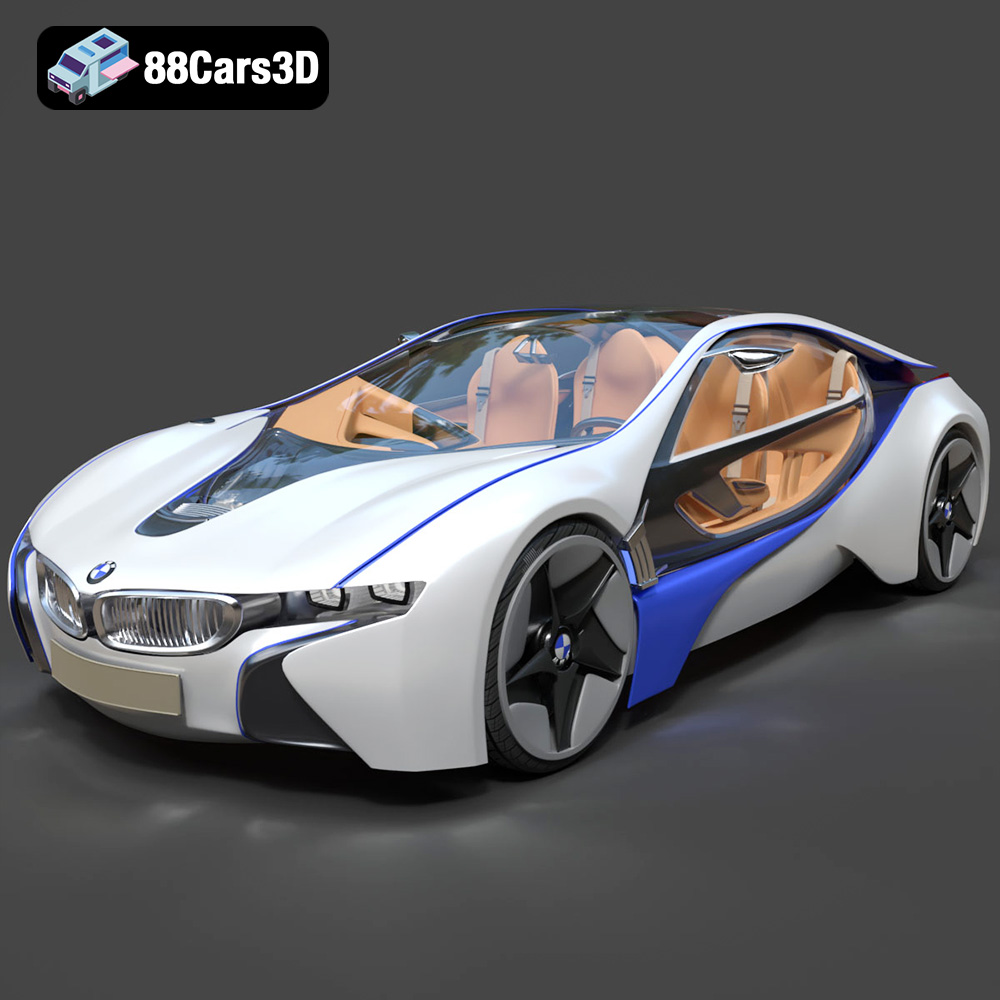
From the intricate curves of concept vehicles to the robust efficiency required for interactive gaming experiences, high-quality 3D car models are the digital backbone of innovation across numerous industries. The journey of these assets, from meticulous modeling and detailed texturing to specialized optimization for diverse applications, underscores the blend of artistic skill and technical mastery required in modern 3D production.
Understanding file formats, mastering software workflows like 3ds Max and Unreal Engine, and appreciating the delicate balance between visual fidelity and performance are all critical components for professionals. As technology continues to evolve, the demand for sophisticated, production-ready automotive rendering and game assets will only grow. Sourcing these assets from trusted platforms ensures that artists and developers can focus on their creative vision, confident in the quality and technical integrity of their foundational models. For those seeking a curated collection of expertly crafted vehicles, 88cars3d.com stands as a reliable resource, providing the high-caliber assets needed to power the next generation of digital experiences.
Featured 3D Car Models