

Unleashing Cinematic Brilliance: Mastering Unreal Engine Post-Process Effects for Automotive Visualization
In the dynamic world of automotive visualization and real-time rendering, raw 3D models, no matter how meticulously crafted, often fall short of delivering that coveted “cinematic look” straight out of the virtual camera. This is where Unreal Engine’s powerful Post-Process Effects come into play. They are the essential final polish, the secret sauce that transforms a technically accurate render into an emotionally resonant, visually stunning masterpiece. For artists and developers leveraging high-fidelity 3D car models from platforms like 88cars3d.com, understanding and skillfully applying these effects is paramount to achieving the photorealistic or stylized aesthetic demanded by modern projects, be it for marketing, game development, or interactive experiences.
This comprehensive guide will delve deep into the art and science of Unreal Engine’s Post-Process Effects, specifically tailored for automotive visualization. We’ll explore how to harness features like Depth of Field, Motion Blur, Color Grading, and advanced global illumination refinements to create breathtaking renders. From project setup to performance optimization, we’ll equip you with the knowledge to elevate your 3D car models, ensuring they not only look fantastic but perform efficiently within the demanding real-time environment of Unreal Engine. Prepare to unlock the full cinematic potential of your automotive projects.
The Transformative Power of Post-Processing in Unreal Engine for Automotive Aesthetics
Post-processing refers to any image manipulation that occurs after the 3D scene has been rendered by the graphics card, but before it’s displayed on screen. Think of it as the digital darkroom for your virtual photography. In Unreal Engine, these effects are managed primarily through the Post Process Volume, a versatile tool that allows artists to apply a wide array of visual adjustments, dramatically altering the mood, realism, and cinematic quality of their scenes. For automotive visualization, where every reflection, paint finish, and studio light matters, post-processing is not just an enhancement; it’s a critical component of the look development pipeline. It bridges the gap between raw data and perception, helping to convey the luxury, power, or elegance inherent in a vehicle design.
While the base render provides the geometric and material fidelity, post-process effects infuse it with the characteristics we associate with high-end photography and film. They simulate the optical imperfections and artistic choices of real-world cameras, adding depth, atmosphere, and visual interest. Without them, even the most detailed 3D car models might appear flat or digitally sterile. The goal is often photorealism for advertising or design reviews, but post-processing also offers immense control for stylized game cinematics or AR/VR experiences, allowing for unique visual branding.
Foundations: The Post Process Volume
At the heart of Unreal Engine’s post-processing system is the Post Process Volume. This adjustable bounding box dictates where and how post-process effects are applied. You can add one to your scene by navigating to the “Place Actors” panel, searching for “Post Process Volume,” and dragging it into your viewport. Once placed, its settings can be configured in the Details panel. A crucial setting is “Infinite Extent (Unbound),” which, when enabled, applies the effects globally across the entire scene, regardless of the volume’s physical size. This is often preferred for overall scene grading, but localized volumes can be incredibly powerful for specific areas or transitions, like walking into a car showroom with a distinct atmosphere. Each volume also has a “Blend Weight” and “Priority” parameter, allowing for seamless transitions and layered effects when multiple volumes overlap. Mastering the Post Process Volume is the first step towards granular control over your automotive scene’s final look.
Achieving Photorealism vs. Stylization
The beauty of post-processing lies in its versatility. For automotive visualization, the primary objective is often to achieve hyper-realistic renders that are indistinguishable from real-world photography. This involves meticulously tuning exposure, white balance, contrast, and reflections to mimic how light interacts with premium car finishes in a controlled studio or natural environment. Subtle use of film grain or chromatic aberration can add to this realism, simulating the imperfections of high-end camera lenses.
However, post-processing is equally powerful for stylized projects. Imagine a futuristic racing game where cars glow with vibrant, custom-color post-process outlines, or a VR experience where a vehicle’s appearance shifts with different emotional states, controlled by unique color grading LUTs. The Post Process Volume offers parameters for global saturation, tint, and individual color channel adjustments, giving artists the freedom to push beyond reality and craft a distinctive visual signature for their automotive assets. The decision between photorealism and stylization dictates which effects you enable, and more importantly, how aggressively you tune their parameters.
Essential Post-Process Effects for Automotive Aesthetics
To elevate your 3D car models beyond mere representation, a strategic application of core post-process effects is vital. These effects emulate the sophisticated optics and artistic enhancements found in professional photography and cinematography, helping to tell a visual story about the vehicle. The goal is not just to display the car, but to *present* it with impact and elegance.
Exposure, White Balance, and Color Grading
These three elements form the bedrock of any cinematic look. **Exposure** controls the overall brightness of your scene, mimicking a camera’s aperture and shutter speed. For automotive scenes, correctly balancing exposure is crucial. Overexposed areas can wash out delicate paint reflections and chrome details, while underexposure can hide the sculpted lines and material textures. Unreal Engine offers automatic exposure (Eye Adaptation) or manual control. Manual exposure, often set in EV (Exposure Value), gives you precise command, especially useful for matching a specific lighting setup or studio environment.
**White Balance** corrects the color cast of the scene, ensuring that white objects appear truly white, preventing unwanted warm or cool tints. This is critical for accurate representation of car paint colors and interior materials. An incorrectly balanced scene can make a pristine white car appear yellowish or bluish, misrepresenting the original design intent.
**Color Grading** is where the artistic magic happens. It’s the process of altering the colors and tones of an image to evoke a specific mood or style. Within the Post Process Volume, you have extensive controls for:
- Global Color Adjustments: Hue, Saturation, Contrast, Gamma.
- Shadows, Midtones, and Highlights: Independently tweaking these ranges for precise control over the image’s dynamic range.
- Color Wheels: Offering intuitive control, similar to professional color grading software, for adding tints to specific tonal ranges.
- Look-Up Tables (LUTs): Importing custom LUTs created in tools like Photoshop or DaVinci Resolve allows you to apply complex, predefined color transformations, instantly achieving filmic looks or matching specific brand aesthetics.
Experimenting with these settings, especially with a high-quality 3D car model from a source like 88cars3d.com, can transform a bland render into a vibrant, cinematic showcase.
Vignette, Film Grain, and Chromatic Aberration for Cinematic Flair
While often used subtly, these effects can significantly enhance the perceived realism and cinematic quality of your automotive renders by simulating characteristics of real camera lenses and film.
**Vignette** darkens the edges of the image, drawing the viewer’s eye towards the center – the car. A gentle vignette can add a professional, stylized touch, especially for studio shots. However, overuse can make the image feel artificial or dated. Its intensity and color can be adjusted to blend seamlessly with the scene.
**Film Grain** adds a textural noise pattern to the image, mimicking the imperfections of traditional film stock. This subtle addition can break up perfectly smooth digital gradients, lending an organic, filmic quality that often enhances photorealism. Unreal Engine allows control over grain intensity, size, and even color tint, enabling you to simulate different film stocks. It’s particularly effective when paired with other filmic effects.
**Chromatic Aberration** is an optical phenomenon where a lens fails to focus all colors to the same convergence point, resulting in color fringes along high-contrast edges. While often undesirable in real photography, a very subtle application in post-processing can add to the illusion of a physically captured image. It’s often most noticeable at the extreme edges of the frame and should be used with extreme restraint for automotive visualization, as too much can quickly detract from the sharpness and detail of your high-fidelity car models. These effects, when used judiciously, serve to enhance the visual storytelling, giving your digital renders the tactile feel of traditional media.
Enhancing Depth and Realism: Focus, Blur, and Distortion Effects
Beyond color and tone, optical effects play a crucial role in mimicking real-world camera behavior, adding a layer of depth and visual interest that makes virtual automotive scenes truly compelling. These effects guide the viewer’s eye and convey a sense of motion or scale, much like a professional photographer uses lens techniques.
Depth of Field (DOF) for Emphasizing Detail
Depth of Field (DOF) is one of the most powerful cinematic tools available in Unreal Engine. It simulates the natural phenomenon where only objects at a specific distance from the camera appear in sharp focus, while objects closer or further away become progressively blurred. This optical effect is incredibly effective for automotive visualization because it allows you to precisely control what the viewer focuses on. You can guide their gaze to a specific detail on the car – a headlight, a unique rim design, or the texture of the paint – while gracefully blurring out distracting foreground or background elements.
Unreal Engine’s DOF settings offer extensive control:
- Focal Distance: This is the most critical parameter, determining the exact distance from the camera where objects will be perfectly sharp. You can manually set this or use the “Focus Method” to pick an actor in the scene (e.g., your car model) for automatic focusing.
- Focal Region: Defines the area around the focal distance that remains in focus before blurring begins.
- Near/Far Transition Region: Controls how smoothly the blur fades in from the focal region.
- Bokeh Shape/Amount: Bokeh refers to the aesthetic quality of the blur in out-of-focus areas. You can choose different bokeh shapes (e.g., hexagonal, circular) and adjust its intensity to achieve soft, creamy backgrounds or more pronounced artistic blurs.
- F-stop: Mimics a real camera lens aperture. Lower f-stop values result in a shallower depth of field (more blur), while higher values produce a deeper depth of field (less blur).
When integrating high-polygon 3D car models, like those available on 88cars3d.com, a carefully tuned DOF can significantly enhance the perception of detail on the in-focus areas, making the car pop off the screen. For performance-critical applications like AR/VR or games, using the “Circle DOF” method is generally less expensive than the more visually complex “Bokeh DOF” method.
Motion Blur and Lens Flares for Dynamic Shots
To convey speed and dynamism in your automotive renders, **Motion Blur** is indispensable. This effect simulates the streaking of objects that occur when they move rapidly during a camera’s exposure time. In Unreal Engine, motion blur can be applied per-object (for vehicles in motion) or as a screen-space effect (for camera movement). For cinematic sequences created with Sequencer, applying motion blur to a car as it drives past creates a powerful sense of velocity. You can adjust the “Amount” of motion blur to control its intensity and the “Max” setting to cap its visual impact, preventing excessive streaking that might obscure the vehicle. Correctly configured motion blur is vital for making renders of moving cars feel grounded in physical reality rather than appearing as a series of static images.
**Lens Flares** add another layer of optical realism, simulating the scattering of light within a camera lens when a bright light source (like headlights, studio lights, or the sun) hits it directly. These can manifest as streaks, circles, or polygonal shapes across the image. Unreal Engine provides robust lens flare controls within the Post Process Volume, allowing you to:
- Intensity and Scale: Control how prominent the flares are.
- Ghosts and Halo: Customize the appearance of secondary flare elements.
- Tints: Adjust the color of the flares to match your scene’s lighting.
For automotive visualizations, subtly integrating lens flares emanating from a car’s headlamps in a night scene or from a strong sun highlight on the car’s body can significantly enhance realism and atmosphere. However, as with many post-process effects, moderation is key; over-the-top lens flares can quickly become distracting and detract from the sleek design of the car. These effects, when meticulously tuned, transform a static scene into a dynamic, visually rich experience.
Integrating Advanced Global Illumination and Reflections with Post-Processing
The interaction between your scene’s lighting, material properties, and post-processing effects is fundamental to achieving high-fidelity automotive visualization. Modern Unreal Engine features like Lumen and powerful reflection systems dramatically improve realism, and post-processing provides the final layer of refinement to these complex calculations.
Lumen and Global Illumination Enhancement
Lumen is Unreal Engine’s revolutionary real-time Global Illumination (GI) and reflections system, providing incredibly realistic indirect lighting and bounce light. For automotive scenes, Lumen ensures that your car models are naturally illuminated by their environment, whether it’s the subtle bounce of light from a studio floor onto the underside of the vehicle or the diffused light of a cloudy sky illuminating the entire scene. The quality of Lumen’s GI directly impacts how realistic your car paint, chrome, and interior materials appear.
Within the Post Process Volume, you can refine Lumen’s output through several parameters under the “Global Illumination” section:
- GI Intensity: Globally scales the brightness of indirect lighting, allowing you to make your scene feel brighter or moodier.
- GI Saturation: Adjusts the color vibrancy of bounced light. Sometimes, indirect light can appear too desaturated; this setting helps restore richness.
- Contrast & Bias: Fine-tune the luminance range of indirect light to prevent crushing shadows or blowing out highlights.
- Ray Tracing GI: If your project utilizes hardware-accelerated Ray Tracing, you can switch to a higher quality, but more performance-intensive, GI solution here.
By carefully adjusting these settings, you can enhance the naturalistic fall-off of light, deepen shadows, and ensure the subtle interplay of light and color on your car models is perfectly represented. This is especially important for showcasing the PBR (Physically Based Rendering) materials that are standard on high-quality 3D car models, allowing their metallic flakes, clear coats, and leather textures to react authentically to the lighting environment.
Screen Space Reflections (SSR) and Ray Tracing Reflections
Reflections are arguably the most critical visual component for automotive visualization, as they define the lustrous quality of car paint, the sheen of chrome, and the glassy finish of windows. Unreal Engine offers multiple reflection solutions, each with its own advantages, and post-processing plays a role in refining their final appearance.
**Screen Space Reflections (SSR)** are a relatively inexpensive real-time reflection method that renders reflections based on what’s visible on the screen. While efficient, SSR has limitations – objects not visible to the camera cannot be reflected. Within the Post Process Volume’s “Reflections” section, you can control:
- SSR Intensity: Adjusts the overall brightness of SSR.
- SSR Quality: Determines the resolution and fidelity of the reflections. Higher quality means more accurate reflections but comes with a performance cost.
- SSR Max Roughness: Controls which materials will receive SSR. Materials with roughness values higher than this setting will not reflect, helping to optimize performance by excluding rough surfaces like tires or interiors.
For the ultimate in reflection quality, **Ray Tracing Reflections** (if enabled and supported by your hardware) offer pixel-perfect, physically accurate reflections that account for objects outside the screen space. This is a game-changer for car visualization, creating stunningly realistic reflections on pristine car paint and polished metals. The Post Process Volume also provides controls for Ray Tracing Reflections, allowing you to specify:
- Max Roughness: Similar to SSR, this dictates which materials receive ray-traced reflections.
- Samples Per Pixel: Increases the number of rays traced for smoother, less noisy reflections, crucial for high-quality cinematics.
- Max Bounces: Controls how many times a ray reflects off surfaces, adding to the realism of complex reflective environments.
When sourcing automotive assets from marketplaces such as 88cars3d.com, you’re getting models optimized with clean UVs and PBR materials designed to shine with these advanced reflection systems. Fine-tuning reflection settings in the Post Process Volume ensures that your car models consistently exhibit the premium, showroom-quality appearance they deserve, making every curve and surface gleam authentically.
Performance Optimization and Workflow Integration for Cinematic Automotive Renders
While Post-Process Effects are indispensable for achieving cinematic quality, they can be computationally expensive, particularly in real-time applications. Balancing stunning visuals with acceptable frame rates is a constant challenge, especially for interactive experiences like automotive configurators or AR/VR applications. An optimized workflow ensures your artistic vision isn’t sacrificed for performance.
Managing Performance with Scalability Settings
Every post-process effect, from complex Depth of Field to subtle film grain, contributes to the overall rendering cost. For real-time applications, excessive post-processing can quickly tank frame rates, leading to a choppy and undesirable user experience. Understanding how to manage this is crucial.
Unreal Engine’s **Scalability Settings** provide a powerful mechanism to control the quality and performance of various rendering features, including post-processing. You can find these under “Settings > Engine Scalability Settings” or through console commands (e.g., `sg.PostProcessQuality 0` for low, `sg.PostProcessQuality 3` for cinematic).
- Post-Process Quality: This global setting adjusts the quality of most post-process effects simultaneously. Lower settings disable or reduce the fidelity of effects like anti-aliasing (especially temporal AA), ambient occlusion, bloom, and chromatic aberration.
- Specific Console Variables: For more granular control, you can use console commands like:
- `r.PostProcessAA` (Controls Anti-Aliasing method and quality)
- `r.BloomQuality` (Adjusts bloom resolution and samples)
- `r.DOF.Quality` (Scales Depth of Field quality)
- `r.MotionBlur.Enable` (Toggle motion blur)
- `r.SSR.Quality` (Controls Screen Space Reflections quality)
For high-end cinematic renders where final output quality is paramount and real-time frame rate is less critical, you can push these settings to their maximum. However, for interactive configurators, game development, or demanding AR/VR automotive applications, it’s vital to profile your scene (using tools like `stat unit`, `stat GPU` in Unreal Engine) and carefully choose which effects to enable and at what quality level. Often, a subtle application of key effects at a medium quality can yield excellent results without crippling performance. Prioritize effects that have the most visual impact on your car model (like reflections and DOF) and scale back less noticeable ones.
Iterative Look Development with Sequencer and Blueprints
Integrating post-process effects into your workflow with tools like Sequencer and Blueprints allows for highly dynamic and interactive automotive experiences.
**Sequencer**, Unreal Engine’s powerful cinematic editor, is perfect for animating camera paths around your 3D car models and orchestrating the entire visual narrative. You can add a Post Process Volume to your Sequencer timeline, allowing you to animate *individual post-process parameters* over time. Imagine:
- A car drives into a tunnel, and the exposure darkens, the color grading shifts to a cooler tone, and a subtle vignette appears to emphasize the transition.
- As the camera zooms in on a specific car detail, the Depth of Field focal distance animates to smoothly follow the focus point, blurring the background progressively.
- A “hyperspeed” effect is achieved by animating the intensity of motion blur as the car accelerates.
This level of temporal control over post-processing is crucial for creating professional automotive cinematics.
**Blueprints** unlock interactive control over post-processing. For an automotive configurator, you could use Blueprints to:
- Change the Post Process Volume’s color grading LUT when a user selects a different exterior paint finish, creating a cohesive visual theme.
- Adjust the exposure or white balance dynamically based on time of day in a virtual environment.
- Toggle specific effects (e.g., enable a stylized filter) when the user enters a “photo mode.”
By combining the quality and optimization of 3D car models from marketplaces like 88cars3d.com with smart post-processing in Sequencer and Blueprints, you can create immersive, high-performance, and visually stunning automotive experiences that captivate your audience.
Advanced Techniques: Custom Post-Processing Materials and Virtual Production
While Unreal Engine provides a rich suite of built-in post-process effects, there are scenarios where you need to push beyond the standard. This is where custom post-process materials and their application in cutting-edge fields like virtual production come into play, offering unparalleled creative freedom for automotive visualization.
Crafting Custom Post-Process Materials
Unreal Engine’s Material Editor is incredibly versatile, not just for creating surface materials but also for developing entirely custom post-process effects. This allows artists to design unique filters, achieve highly specialized optical looks, or implement non-standard image manipulations that aren’t available out-of-the-box.
To create a custom post-process material:
- Create a new Material in the Content Browser.
- In the Material’s Details panel, change the “Material Domain” to **Post Process**.
- Set the “Blendable Location” to dictate where in the post-processing stack your material will apply (e.g., Before Tonemapping, After Tonemapping).
- Open the Material Editor and begin constructing your shader graph.
The key node for custom post-processing is the `SceneTexture` node, which allows you to sample various buffers of the rendered scene (e.g., PostProcessInput0, SceneColor, Depth, CustomDepth, WorldNormal). By manipulating these inputs, you can achieve a vast array of effects:
- Stylized Renders: Create comic book shaders, cel-shaded looks, or intricate artistic filters.
- Edge Detection: Implement outlines around your car models, useful for design highlights or technical views.
- Custom Lens Effects: Simulate specific vintage lens distortions, anamorphic flares beyond the default options, or unique light scattering patterns.
- Data Visualization: Visualize technical data (like UV density or normal direction) as an overlay, invaluable for debugging and quality control on your 3D car models.
Once your custom material is created, you simply add it to the “Post Process Materials” array within your Post Process Volume. This approach provides an immense level of creative control, allowing you to imbue your automotive renders with a truly unique and branded visual identity. For deeper technical dives into custom post-process material creation, Epic Games provides excellent resources. Refer to the official Unreal Engine documentation at https://dev.epicgames.com/community/unreal-engine/learning for comprehensive guides on shader development.
Post-Processing in Virtual Production and LED Walls
Virtual Production, especially with LED volumes (or “LED walls”), represents the cutting edge of real-time filmmaking and visualization. In this workflow, the Unreal Engine environment is rendered on massive LED screens surrounding physical actors and props, allowing for in-camera visual effects. Post-processing plays a critical, albeit sometimes nuanced, role here.
When rendering to an LED wall, many traditional post-process effects are applied directly to the final image *before* it’s sent to the wall. This means that effects like color grading, bloom, and vignette are baked into the image that the on-set camera sees, enhancing the illusion of reality directly in-camera. However, specific considerations arise:
- Color Calibration: Ensuring that the post-processed colors displayed on the LED wall accurately match the director’s vision and the final color grade is paramount. This often involves careful color management pipelines and custom LUTs.
- Dealing with Moire: LED panels can sometimes produce moiré patterns when filmed. Custom post-process materials can sometimes be used to apply subtle blurs or de-moiré filters specifically designed to mitigate these artifacts in real-time.
- In-Camera vs. Post-Production: While many effects are applied on the wall, some nuanced post-processing (e.g., very specific lens distortion matching a real lens) might still be reserved for traditional post-production, blending the live LED feed with CGI layers.
For automotive virtual production, this allows for dynamic, real-time car commercials where the vehicle appears to drive through fantastical environments, all captured live. Post-processing ensures that the virtual backdrop seamlessly integrates with the physical car, matching lighting, atmospheric effects, and overall aesthetic. It’s a complex yet rewarding field where the mastery of Unreal Engine’s post-processing capabilities elevates the entire production pipeline.
Conclusion
Mastering Unreal Engine’s Post-Process Effects is not merely an optional step; it is an absolute necessity for anyone serious about creating truly cinematic and impactful automotive visualizations. From the foundational controls of exposure and white balance to the intricate artistry of custom shaders and the demands of virtual production, these effects provide the ultimate toolkit for shaping the final aesthetic of your projects. By skillfully applying Depth of Field, Motion Blur, advanced Global Illumination refinements, and color grading, you can transform high-quality 3D car models into compelling visual narratives that resonate with your audience.
We’ve explored how to strategically leverage the Post Process Volume, understand the balance between photorealism and stylization, and integrate advanced features like Lumen and Ray Tracing Reflections. Crucially, we’ve also touched upon the importance of performance optimization and how to blend post-processing seamlessly into workflows utilizing Sequencer and Blueprints for dynamic, interactive experiences. Remember that sourcing top-tier automotive assets, such as those found on 88cars3d.com, provides an invaluable starting point. These meticulously crafted models, combined with your expertise in Unreal Engine’s powerful post-processing capabilities, will enable you to create breathtaking renders that push the boundaries of real-time visualization. Dive in, experiment, and unleash the full cinematic potential of your automotive creations.
Featured 3D Car Models

Porsche Cayenne 3D Model
Meta Description:
Texture: Yes
Material: Yes
Download the Porsche Cayenne 3D Model featuring realistic exterior styling and detailed interior design. Includes .blend, .fbx, .obj, .glb, .stl, .ply, .unreal, and .max formats for rendering, simulation, AR VR, and game development.
Price: $19.9
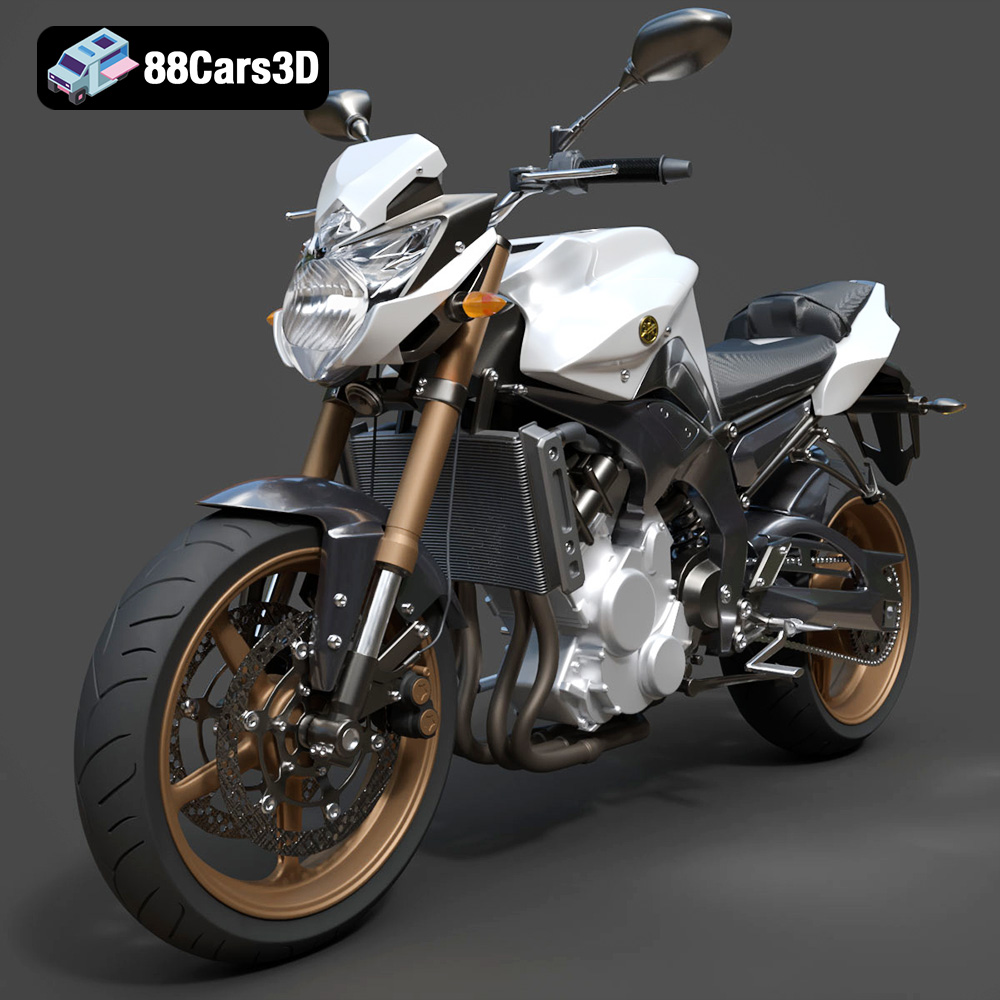
Yamaha FZ8 2011 3D Model
Texture: Yes
Material: Yes
Download the Yamaha FZ8 2011 3D Model featuring clean geometry, realistic detailing, and a fully modeled interior. Includes .blend, .fbx, .obj, .glb, .stl, .ply, .unreal, and .max formats for rendering, simulation, and game development.
Price: $19.99
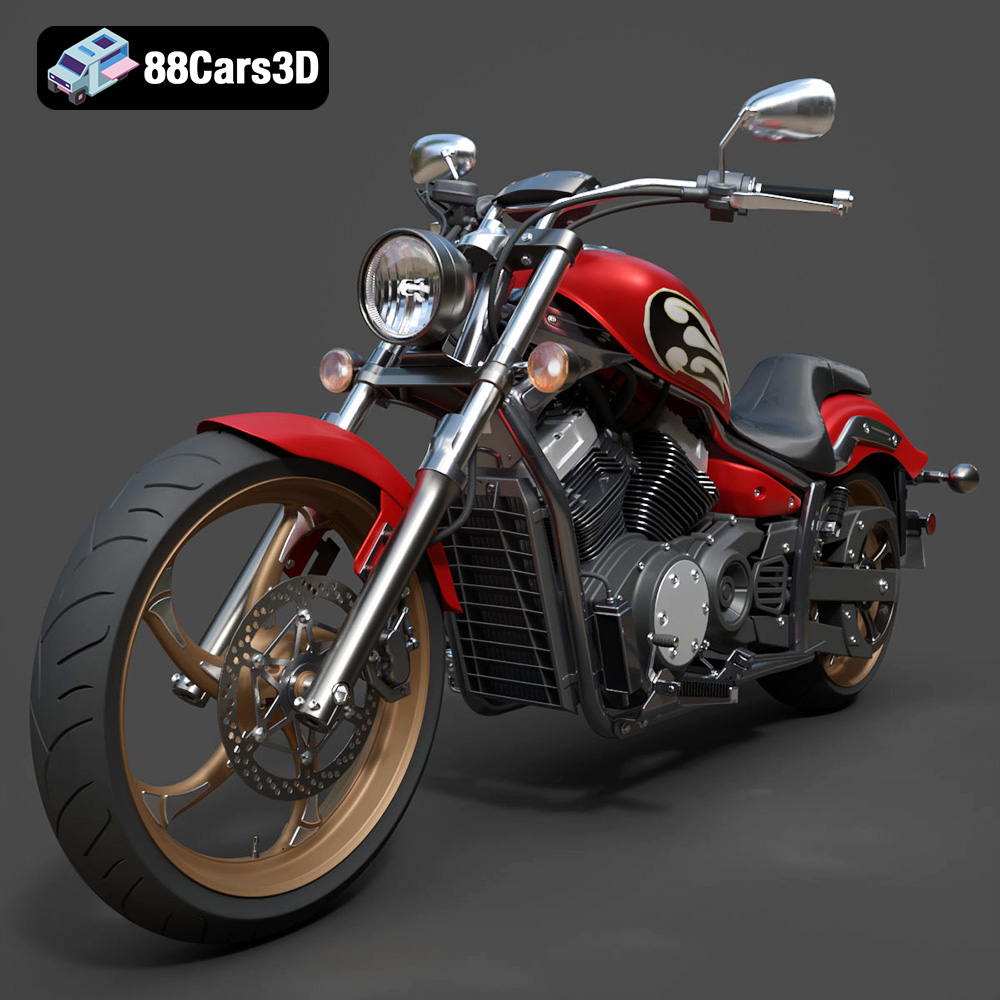
Yamaha Stryker 2012 3D Model
Texture: Yes
Material: Yes
Download the Yamaha Stryker 2012 3D Model featuring clean geometry, realistic detailing, and a fully modeled interior. Includes .blend, .fbx, .obj, .glb, .stl, .ply, .unreal, and .max formats for rendering, simulation, and game development.
Price: $19.99
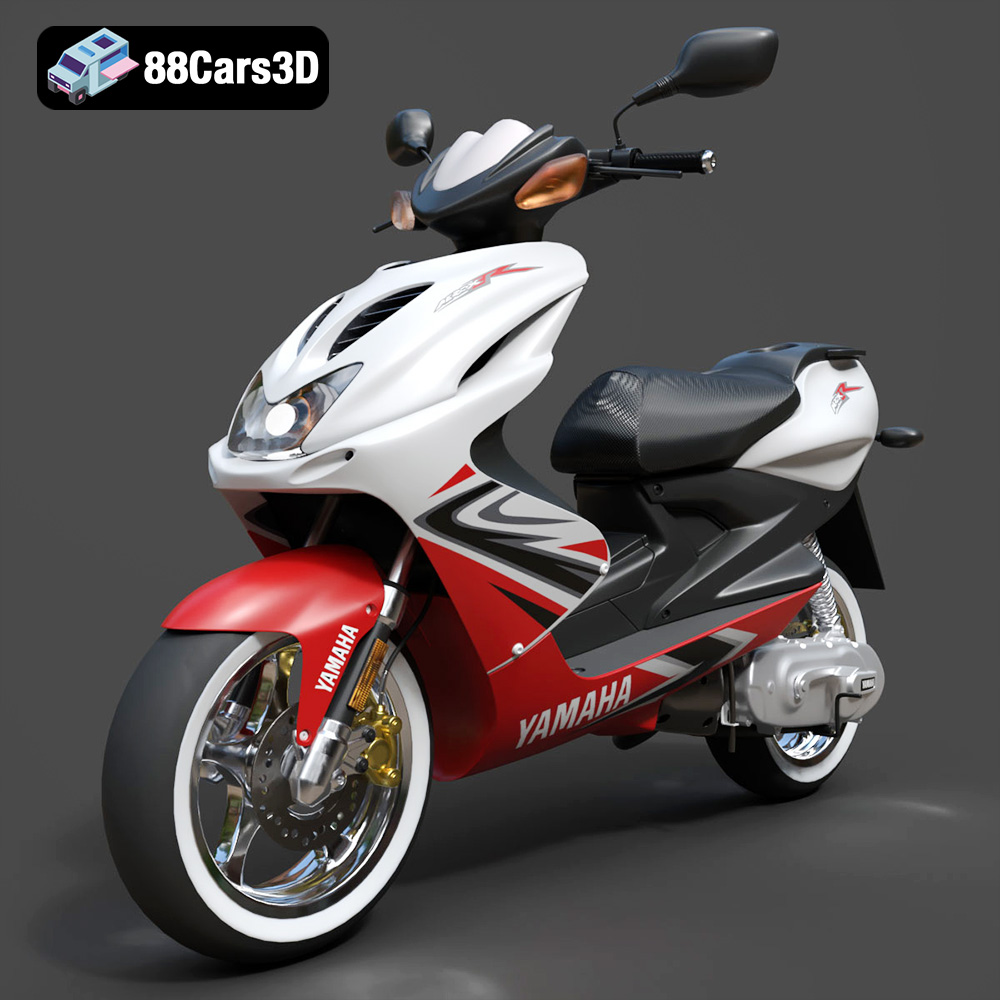
Yamaha Aerox R-002 2024 3D Model
Texture: Yes
Material: Yes
Download the Yamaha Aerox R-002 2024 3D Model featuring clean geometry, realistic detailing, and a fully modeled interior. Includes .blend, .fbx, .obj, .glb, .stl, .ply, .unreal, and .max formats for rendering, simulation, and game development.
Price: $19.99
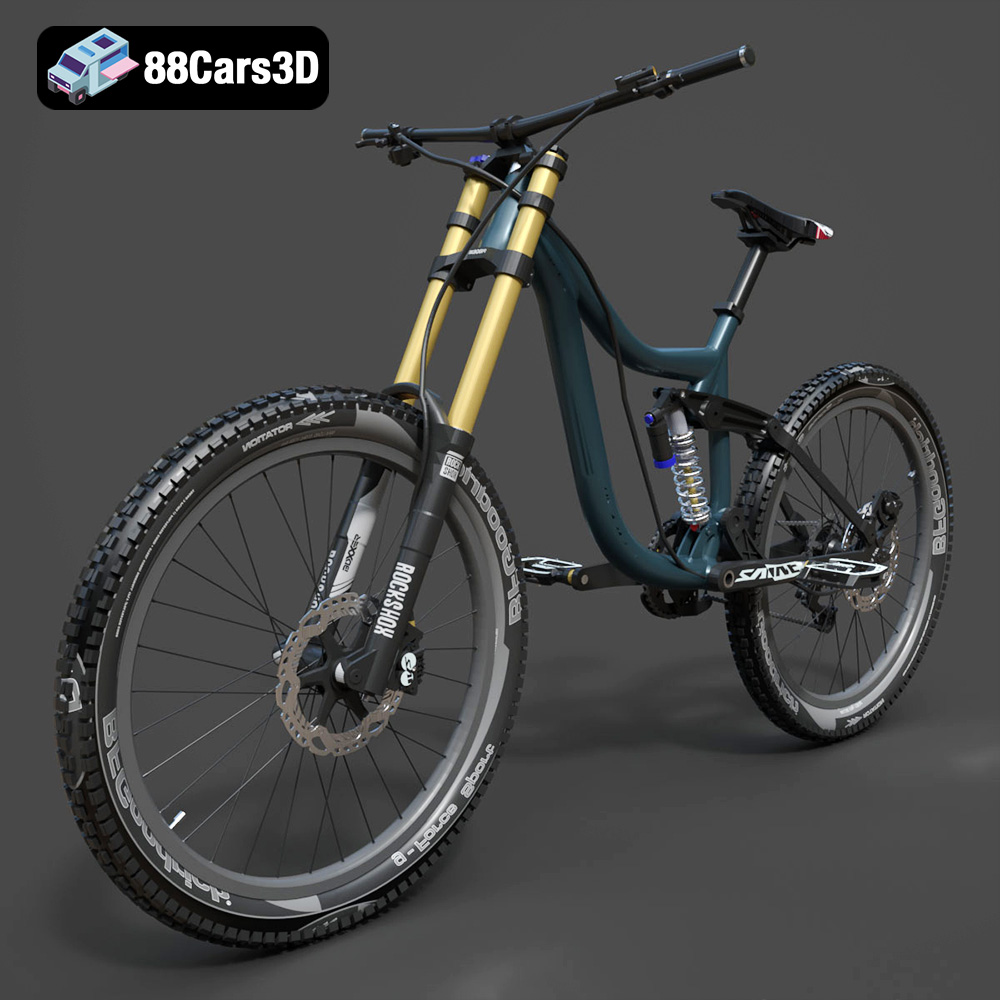
Mototsikly Downhill Bike-002 3D Model
Texture: Yes
Material: Yes
Download the Mototsikly Downhill Bike-002 3D Model featuring clean geometry, realistic detailing, and precise mechanical components. Includes .blend, .fbx, .obj, .glb, .stl, .ply, .unreal, and .max formats for rendering, simulation, and game development.
Price: $19.99
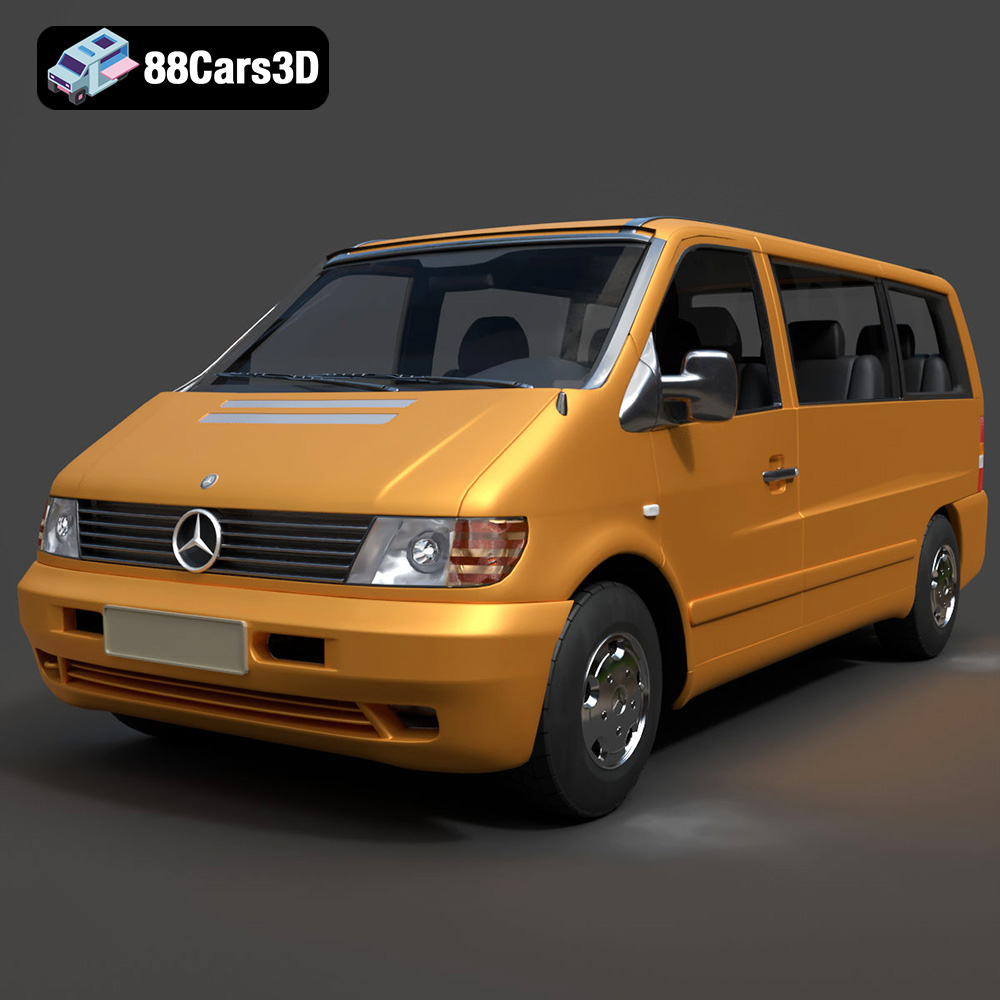
Mercedes-Benz Vito Passenger Van 3D Model
Texture: Yes
Material: Yes
Download the Mercedes-Benz Vito Passenger Van 3D Model featuring clean geometry, realistic detailing, and a fully modeled interior. Includes .blend, .fbx, .obj, .glb, .stl, .ply, .unreal, and .max formats for rendering, simulation, and game development.
Price: $19.99
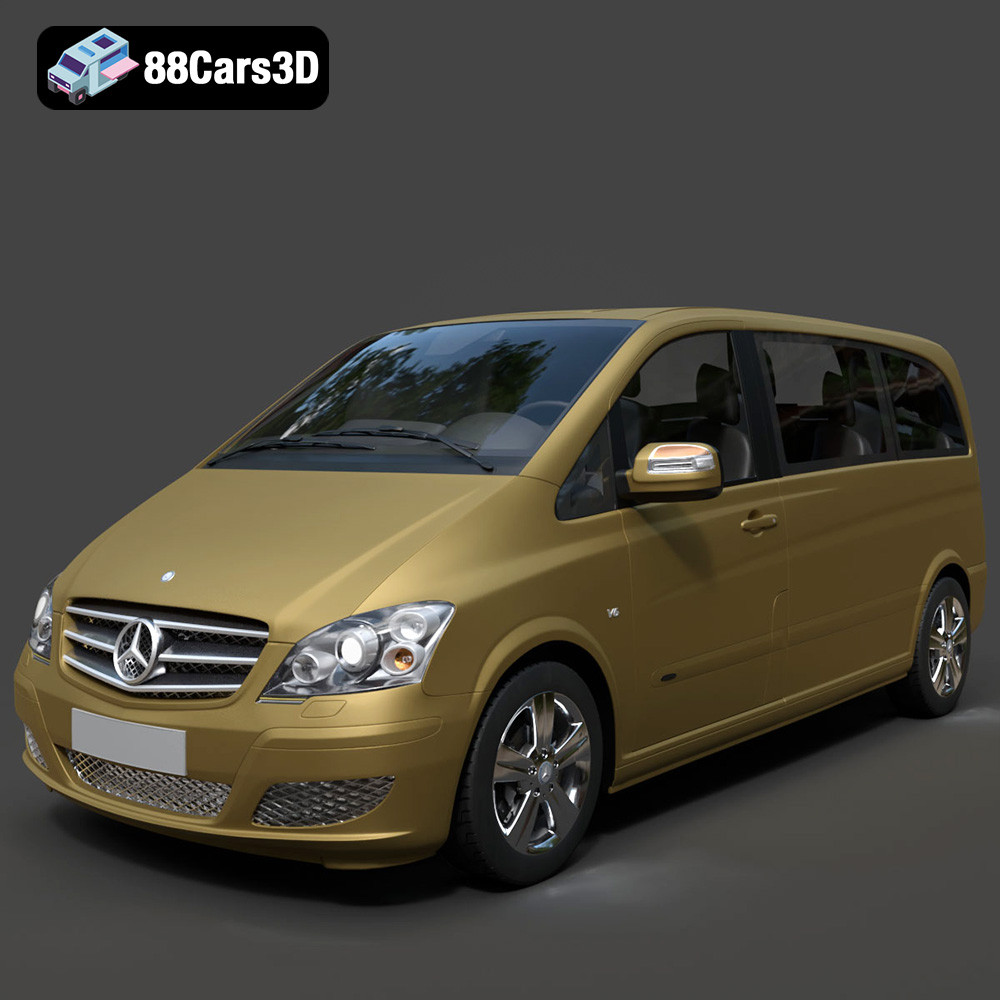
Mercedes-Benz Viano 2010 3D Model
Texture: Yes
Material: Yes
Download the Mercedes-Benz Viano 2010 3D Model featuring clean geometry, realistic detailing, and a fully modeled interior. Includes .blend, .fbx, .obj, .glb, .stl, .ply, .unreal, and .max formats for rendering, simulation, and game development.
Price: $19.99

Emt Avtobus 007 3D Model
Texture: Yes
Material: Yes
Download the Emt Avtobus 007 3D Model featuring clean geometry, realistic detailing, and a fully modeled interior. Includes .blend, .fbx, .obj, .glb, .stl, .ply, .unreal, and .max formats for rendering, simulation, and game development.
Price: $19.99
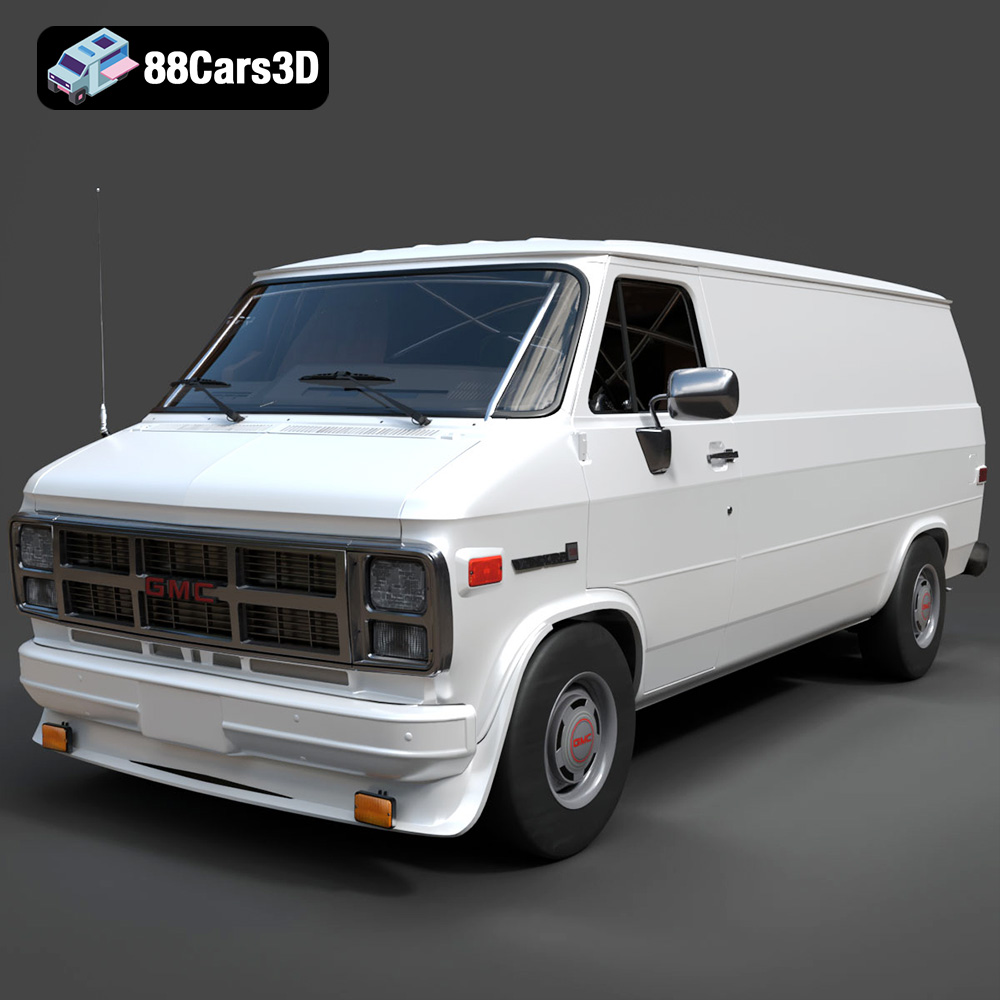
GMC Vandura G-1500 1983 3D Model
Texture: Yes
Material: Yes
Download the GMC Vandura G-1500 1983 3D Model featuring clean geometry, realistic detailing, and a fully modeled interior. Includes .blend, .fbx, .obj, .glb, .stl, .ply, .unreal, and .max formats for rendering, simulation, and game development.
Price: $19.99
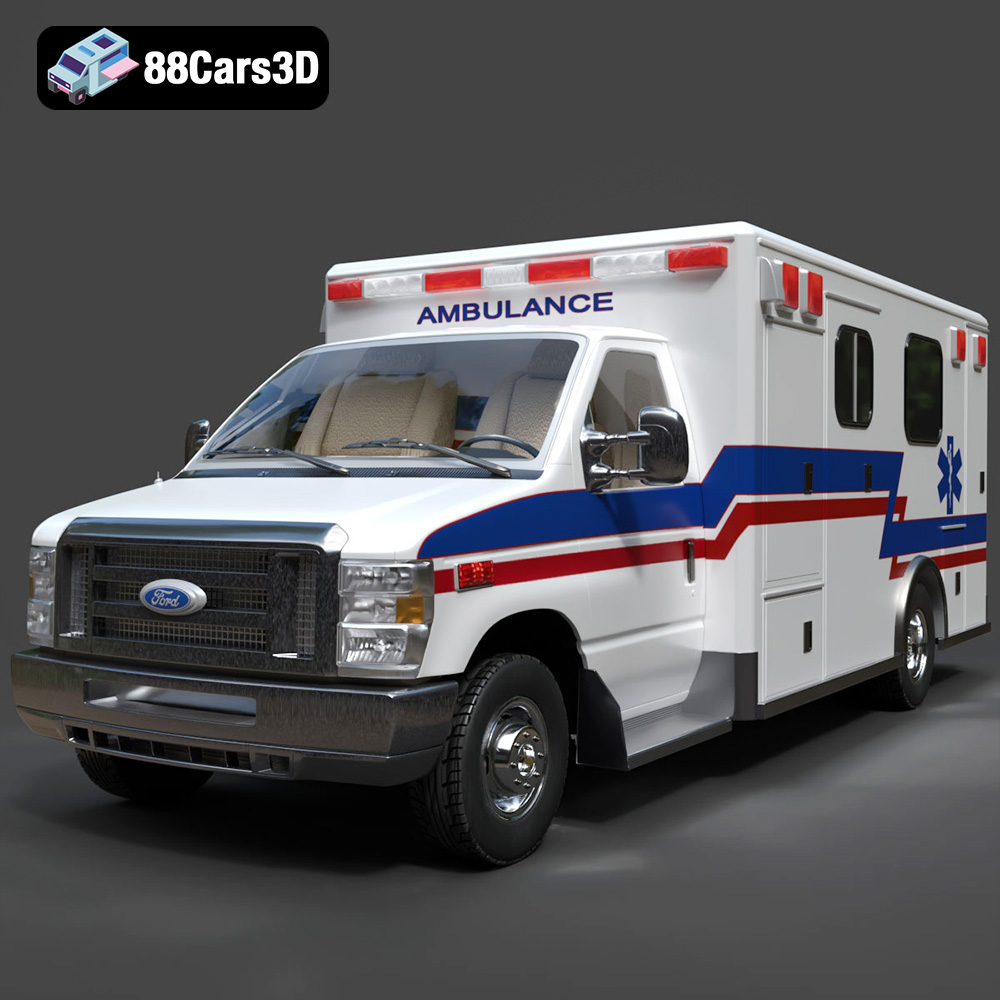
Ford E-450 Ambulance 3D Model
Texture: Yes
Material: Yes
Download the Ford E-450 Ambulance 3D Model featuring clean geometry, realistic detailing, and a fully modeled interior. Includes .blend, .fbx, .obj, .glb, .stl, .ply, .unreal, and .max formats for rendering, simulation, and game development.
Price: $19.99
