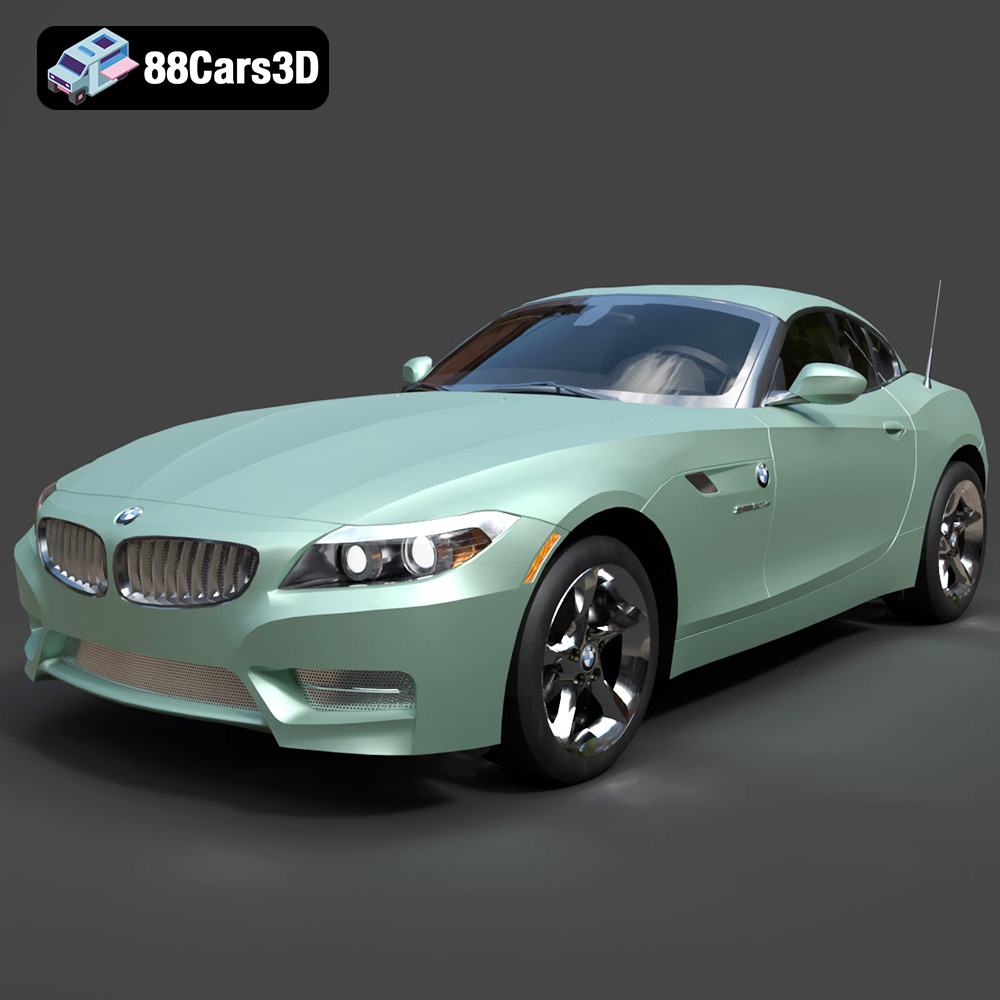
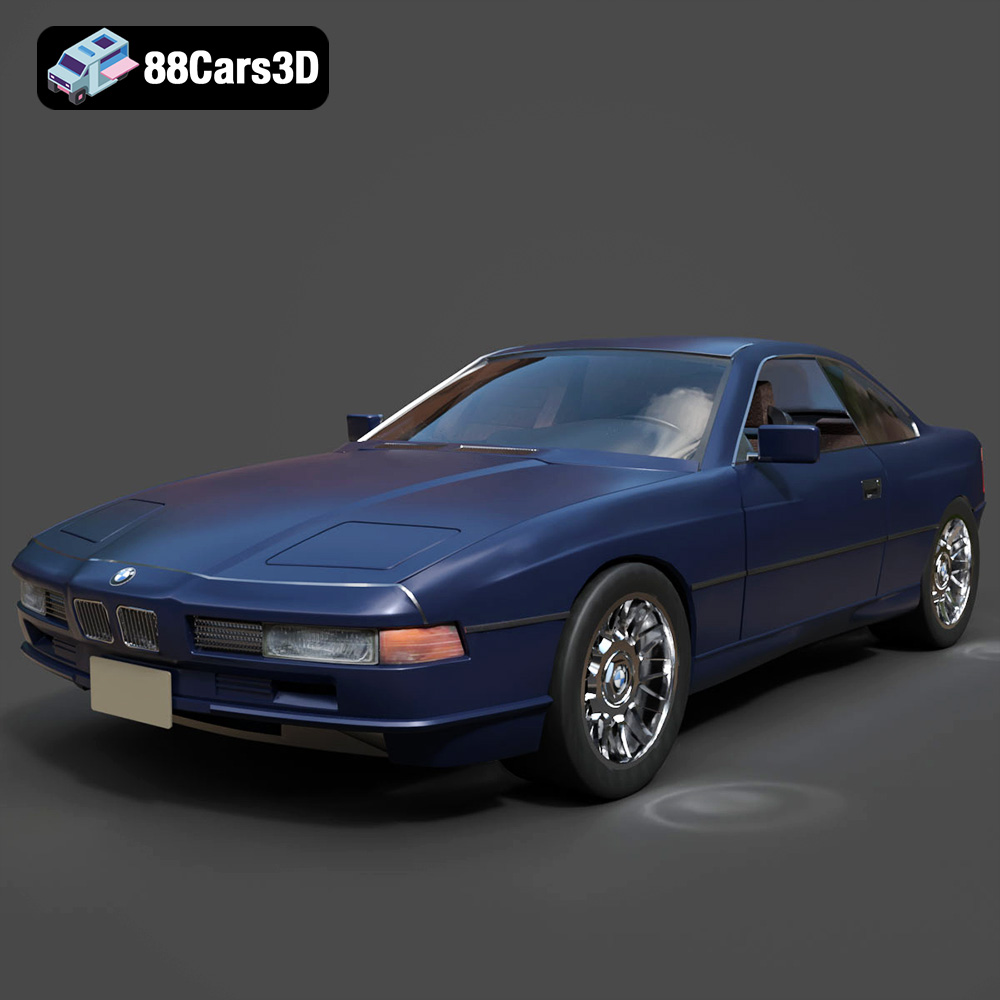
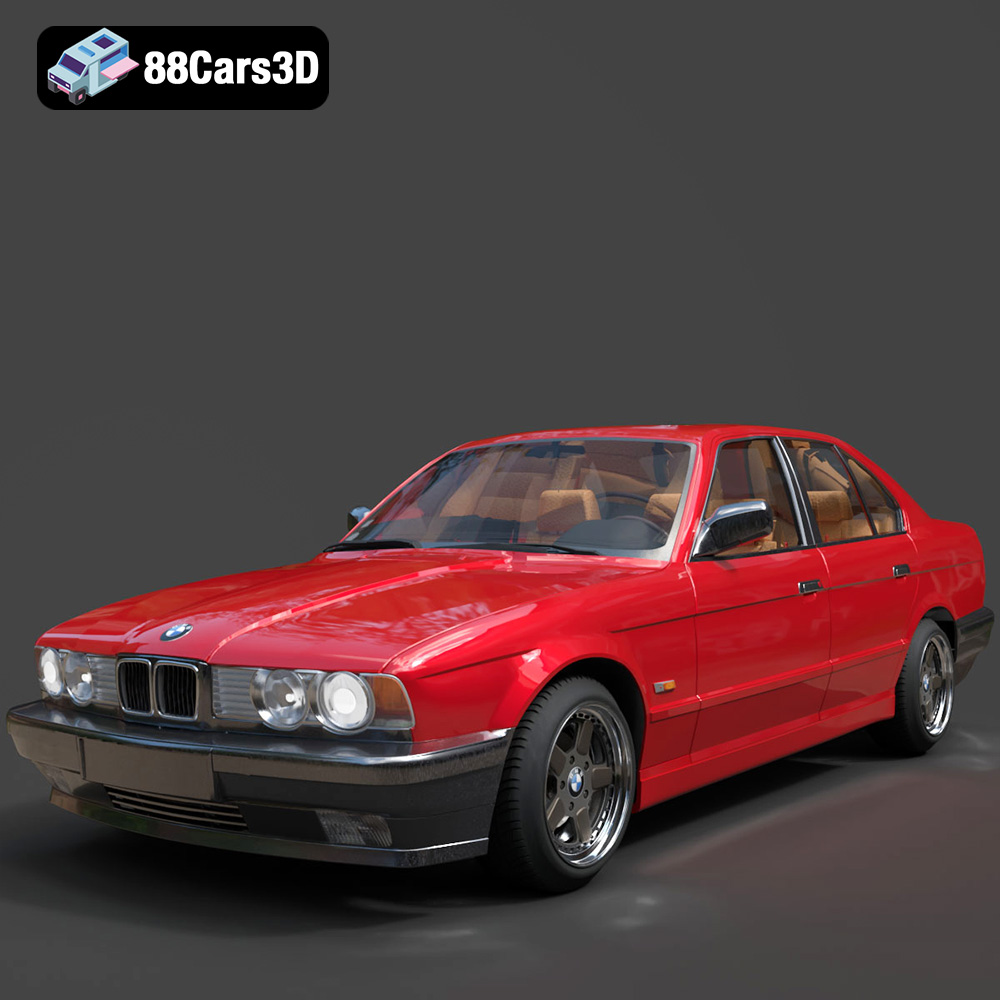
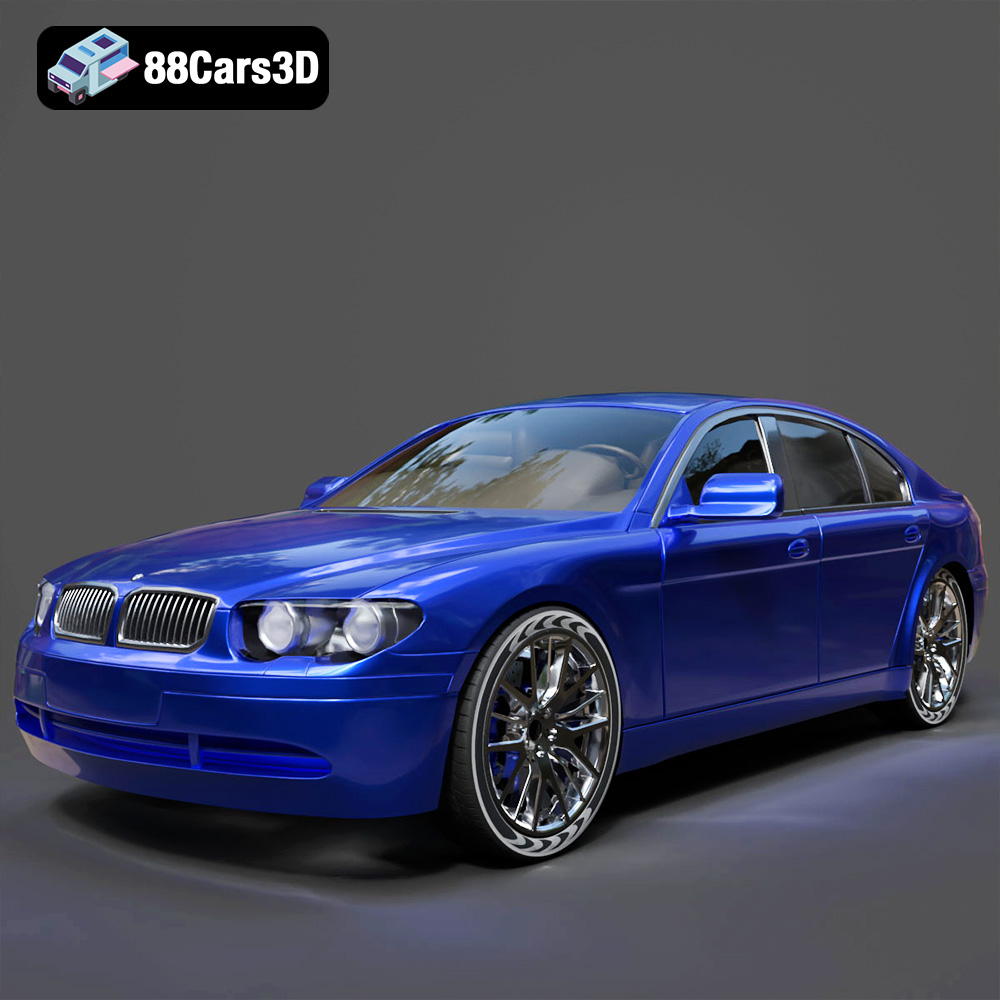
The Engine of Innovation: Why High-Quality 3D Car Models Drive Modern Visual Production
In today’s rapidly evolving digital landscape, high-quality 3D car models are more than just static objects; they are dynamic assets fueling innovation across a multitude of industries. From breathtaking cinematic sequences and ultra-realistic automotive rendering for marketing campaigns, to immersive virtual reality experiences and exhilarating video games, the demand for meticulously crafted vehicle assets has never been higher. These models are the foundational building blocks that enable designers, artists, and developers to bring their visions to life with unparalleled realism and efficiency.
The journey from concept to a fully realized digital vehicle involves a complex interplay of artistic skill, technical precision, and an deep understanding of various software and workflows. Whether you’re a seasoned professional looking to streamline your production pipeline or an aspiring artist eager to dive into the world of digital automotive creation, understanding the nuances of 3D car models is crucial. At 88cars3d.com, we specialize in providing the high-fidelity assets that meet these exacting demands, empowering creators to achieve their most ambitious projects.
This comprehensive guide delves into the technical intricacies, practical applications, and industry best practices surrounding 3D car models, exploring everything from file formats and rendering techniques to game integration and industrial visualization. Join us as we explore the essential role these digital masterpieces play in shaping our visual world.
The Foundation: Understanding 3D Model File Formats
Choosing the correct file format for your 3D car models is a critical decision that impacts workflow efficiency, software compatibility, and the final quality of your project. Each format is designed with specific use cases and technical considerations in mind, making it essential to understand their strengths and limitations. Leveraging the right format ensures smooth asset transfer and optimal performance, whether you’re aiming for photorealistic automotive rendering or optimized game assets.
.blend – The Blender Ecosystem
The .blend file format is native to Blender, the powerful open-source 3D creation suite. A .blend file is a complete scene package, containing not just the 3D model data (meshes, UVs, weights) but also all associated materials, textures, lighting setups, cameras, animations, and even scripts. This makes it incredibly convenient for users working entirely within Blender, as it preserves all aspects of the creative process in a single, editable file. For developers creating assets primarily for Blender-based pipelines or for artists who prefer the flexibility of an open-source environment, .blend offers unparalleled control and integrity over the asset.
.fbx – The Industry Workhorse for Interoperability
.fbx (Filmbox) is arguably the most widely adopted proprietary 3D exchange format, developed by Autodesk. It excels at transferring 3D model data, including meshes, materials (often as basic assignments, with PBR requiring careful setup), textures, animations, skinning, and camera information, between different 3D applications like 3ds Max, Maya, Cinema 4D, and Blender. It’s particularly ideal for game engines such as Unreal Engine and Unity due to its robust support for animation and skeletal data, making it a go-to choice for complex animated game assets.
.obj – Universal Simplicity and Versatility
The .obj (Wavefront OBJ) format is a venerable and universally supported geometry definition file. It’s an excellent choice for straightforward mesh data exchange, reliably storing vertices, normals, UV coordinates, and polygonal faces. While it can reference external material (.mtl) files for basic color and texture mapping, .obj does not inherently support advanced features like animation, rigging, or complex PBR materials directly within the file. Its strength lies in its simplicity and unparalleled compatibility across virtually all 3D software, making it a safe bet for core mesh transfers.
.glb – Web and AR/VR Optimization
.glb (GL Transmission Format Binary) is the binary version of the glTF format, designed specifically for efficient transmission and loading of 3D scenes and models on the web and in AR/VR applications. It’s a “self-contained” file, embedding all necessary assets—meshes, materials, textures, animations—into a single binary blob. This optimization makes .glb incredibly efficient for browser-based 3D viewers, augmented reality experiences, and any scenario where quick loading and minimal HTTP requests are paramount. It’s rapidly becoming the standard for displaying interactive 3D car models directly within web pages.
.stl – Precision for Physical Manufacturing
The .stl (Stereolithography) format is the de facto standard for 3D printing and computer-aided manufacturing (CAM). It describes only the surface geometry of a 3D object using a collection of interconnected triangles. .stl files contain no color, texture, or material information, focusing purely on the physical shape. When preparing 3D car models for physical production, such as scale models or prototypes, .stl is the format of choice due to its direct compatibility with slicing software and 3D printers.
.ply – Detailed Data for Engineering and Scanning
.ply (Polygon File Format or Stanford Triangle Format) is often used for storing 3D data from 3D scanners, CAD applications, and scientific simulations. Like .obj and .stl, it can store vertex coordinates and faces, but it also has robust support for storing additional attributes like color per vertex, normal vectors, and even transparency information. This makes it particularly useful for applications requiring high-fidelity geometric data or point cloud representations, offering more descriptive capabilities than .stl for complex surfaces.
.unreal – Native Real-Time Integration
While not a universal file extension in the same vein as .fbx or .obj, .unreal refers to an asset that has been fully imported and optimized within Unreal Engine’s native asset pipeline. Assets imported into Unreal, typically via .fbx, are converted into an internal .uasset format. When sources refer to “.unreal” models, they imply 3D car models that are already configured with Unreal Engine materials, textures, LODs, collision meshes, and potentially even blueprint functionality, making them engine-ready for immediate use in real-time environments and highly sought-after as high-performance game assets.
.max – 3ds Max Native Power
The .max file format is native to Autodesk 3ds Max, one of the most widely used 3D modeling, animation, and rendering software packages in the industry. Similar to .blend, a .max file stores an entire scene, including all geometric data, materials, textures, lighting, cameras, animation keyframes, modifiers, and plugin data. It offers the full power and flexibility of 3ds Max for complex modeling, sophisticated automotive rendering setups, and intricate animation sequences. For projects initiated or refined within 3ds Max, .max files ensure complete project integrity and editability.
Crafting Realism: The Art and Science of Automotive Rendering
Automotive rendering is where the technical precision of 3D car models truly shines, transforming digital wireframes into stunningly photorealistic images and animations. It’s a sophisticated process that combines artistic vision with a deep understanding of light physics, material properties, and software capabilities. The goal is always to create visuals so convincing that they are indistinguishable from real-world photography, critical for marketing, advertising, and design visualization.
The Importance of Materials and Textures
The illusion of realism begins with meticulously crafted materials and textures. Modern rendering relies heavily on Physically Based Rendering (PBR) workflows, which simulate how light interacts with surfaces in the real world. This involves defining various map types for each material:
- Albedo/Base Color: The inherent color of the surface, free from lighting information.
- Normal Map: Adds fine surface detail and bumps without increasing polygon count, faking intricate geometry.
- Roughness/Glossiness Map: Dictates how diffuse or sharp reflections appear on a surface.
- Metallic Map: Defines which parts of a surface are metallic and which are dielectric.
- Ambient Occlusion (AO) Map: Simulates soft shadows where surfaces are close together, adding depth.
For a car, this means accurately recreating the subtle imperfections of paint, the distinct reflectivity of chrome, the intricate weave of carbon fiber, and the nuanced translucency of glass. Every scratch, dust particle, or subtle orange peel effect in the paint contributes to the final realism. High-resolution texture maps, often 4K or 8K, are essential to capture these details without pixelation, even on close-up shots.
Lighting Setups for Photorealism
Lighting is the soul of any render. A well-lit scene can elevate a good model to an exceptional image, while poor lighting can make even the most detailed 3D car models look flat. Automotive rendering frequently employs techniques mirroring real-world photography studios:
- HDRI (High Dynamic Range Image) Lighting: A single HDRI environment map can provide realistic sky illumination, reflections, and ambient light, immersing the car in a believable outdoor or studio setting.
- Studio Lighting: Utilizing virtual studio lights (area lights, spot lights) with controlled intensities, colors, and falloffs to highlight specific curves, reflections, and design elements, much like a professional photoshoot.
- Physical Sun and Sky Systems: For outdoor scenes, physically accurate sun and sky models simulate natural daylight, complete with atmospheric scattering and time-of-day adjustments.
Achieving realistic reflections – a crucial element for cars – requires careful placement of light sources and environmental elements that provide interesting reflections on the vehicle’s glossy surfaces. Understanding the interplay of key lights, fill lights, and rim lights is paramount to defining shape and depth.
Post-Production Techniques for Polish
Even the most advanced rendering engines benefit from post-production. This final stage involves refining the rendered image in software like Adobe Photoshop or DaVinci Resolve to achieve a truly polished, photographic look. Common techniques include:
- Color Grading: Adjusting hues, saturation, and contrast to establish mood and visual consistency.
- Depth of Field (DoF): Simulating camera lens blur to focus attention on the car and add cinematic quality.
- Vignetting: A subtle darkening of image corners to draw the eye towards the center.
- Lens Flares and Glare: Adding optical effects that mimic real-world camera artifacts, enhancing realism.
- Sharpening and Noise Reduction: Refining image clarity and removing any digital artifacts from the rendering process.
These post-production steps are often the difference between a good render and a spectacular one, adding that final layer of professional polish that automotive clients expect.
Driving Immersion: 3D Car Models in Game Development
In the realm of video games, 3D car models are not just visual spectacles; they are interactive elements that directly impact gameplay, performance, and player immersion. Developing game assets for vehicles requires a different set of considerations compared to static rendering, prioritizing efficiency and responsiveness while maintaining visual fidelity within real-time constraints.
Optimization for Real-Time Performance (Poly Count, LODs)
Unlike offline rendering where polygon count is less of a bottleneck, game engines must render countless frames per second. This necessitates meticulous optimization:
- Polygon Count: High-quality game car models might range from 50,000 to 200,000 polygons for a hero vehicle, significantly less than models used for offline rendering (which can exceed millions). Every polygon must contribute meaningfully to the visual silhouette.
- Level of Detail (LODs): To manage performance, multiple versions of the same car model are created, each with a progressively lower polygon count. The game engine automatically switches between these LODs based on the car’s distance from the camera. A typical setup might include LOD0 (highest detail, for close-ups), LOD1, LOD2, and LOD3 (lowest detail, for distant views).
- Efficient UV Mapping: UVs must be laid out efficiently to maximize texture space and minimize draw calls. Often, a second UV channel is dedicated to lightmaps or ambient occlusion to bake lighting information directly onto the model.
These optimizations ensure that even in a bustling open-world racing game with dozens of vehicles on screen, the frame rate remains smooth and consistent.
Rigging and Animation for Dynamic Gameplay
Beyond static appearance, game cars need to move and react realistically. This is achieved through rigging and animation:
- Skeletal Rigging: While not a traditional human skeleton, a car rig typically involves a hierarchy of “bones” or helper objects representing the chassis, wheels, steering, suspension, and potentially doors or spoilers. These bones allow artists and programmers to control individual components independently.
- Wheel and Steering Animation: Wheels must rotate accurately based on speed and steer realistically. This often involves intricate scripting within the game engine to translate input into physical wheel movement and rotation.
- Suspension Dynamics: Simulating realistic suspension compression and rebound adds a significant layer of immersion, making the car feel grounded and responsive to terrain changes.
- Damage Systems: Advanced games incorporate dynamic damage, where parts of the car deform or detach in real-time. This requires a modular approach to modeling and often involves complex physics simulations.
The marriage of a well-optimized model with a robust rig and animation system creates a truly believable driving experience.
Integration into Game Engines (Unreal Engine, Unity)
Bringing 3D car models into game engines like Unreal Engine or Unity involves a systematic workflow:
- Exporting from DCC Tools: Models are typically exported from 3ds Max, Blender, or Maya as .fbx files, containing meshes, UVs, normals, and skeletal data.
- Importing and Asset Setup: In the game engine, the .fbx is imported. Materials are then created using PBR textures (Albedo, Normal, Roughness, Metalness, AO) and assigned to the model. Collision meshes (simplified geometry used for physics detection) are generated or imported separately.
- Blueprint/Scripting: In Unreal Engine, Blueprints are used to define the car’s behavior: engine parameters, suspension settings, tire friction, gear shifts, and input handling. Unity uses C# scripts for similar functionality.
- Lighting and Post-Processing: Engine-specific lighting solutions (e.g., Unreal’s Lumen, Unity’s High Definition Render Pipeline) are configured, and post-processing effects like bloom, depth of field, and color grading are applied to achieve the desired visual style.
Professional game-ready 3D car models often come with these setups pre-configured, drastically reducing development time and ensuring optimal performance and visual quality, which is a core offering at 88cars3d.com.
Beyond Visualization: Industrial Applications of 3D Car Models
While automotive rendering and game assets are prominent uses, 3D car models extend far beyond entertainment and marketing. They are indispensable tools in various industrial sectors, driving innovation, efficiency, and communication across complex design and manufacturing processes.
Automotive Design and Prototyping
The automotive industry itself is a primary beneficiary of advanced 3D modeling. From initial sketches to final production, 3D models are central to every stage:
- Concept Development: Designers use 3D software to rapidly iterate on different styling cues, body shapes, and interior layouts. This allows for quick visualization and evaluation of multiple design directions before committing to physical prototypes.
- Digital Prototyping: High-precision 3D models serve as digital twins of physical prototypes. Engineers can analyze aerodynamics, structural integrity, ergonomics, and component fitment in a virtual environment, identifying and resolving issues long before expensive physical prototypes are built. This significantly reduces development costs and time-to-market.
- Manufacturing Planning: 3D models are directly used in CAM (Computer-Aided Manufacturing) systems to plan assembly lines, robot movements, and tool paths. This ensures precision and efficiency in the manufacturing process.
The ability to visualize and manipulate designs in three dimensions empowers designers and engineers to achieve unprecedented levels of precision and innovation.
AR/VR Experiences and Training Simulations
Augmented Reality (AR) and Virtual Reality (VR) are transforming how we interact with products and environments, and 3D car models are at the forefront of this revolution:
- Virtual Showrooms and Configurators: AR/VR allows potential customers to explore cars in a virtual showroom, change colors, trims, and options in real-time, or even place a life-sized virtual car in their driveway using AR on a smartphone. This offers an engaging and personalized buying experience.
- Training and Maintenance: Technicians can undergo virtual training simulations for complex repairs or assembly procedures, practicing in a safe, risk-free environment. Detailed 3D models provide an accurate representation of internal components and assembly sequences.
- Design Review: Designers and stakeholders can collaborate in shared VR environments, reviewing a new vehicle design from every angle, sitting inside it, and identifying potential issues more intuitively than on a flat screen.
These immersive applications leverage the interactive capabilities of 3D models to create powerful, experiential tools.
Marketing and Product Configurators
Beyond traditional static renders, 3D models are revolutionizing automotive marketing:
- Interactive Web Configurators: Websites often feature interactive 3D configurators that allow users to customize a car’s color, wheels, interior, and accessories in real-time, with the changes reflected instantly on the 3D car model. This provides a dynamic and engaging user experience, akin to a video game.
- Animated Explainer Videos: Complex technical features or design philosophies can be effectively communicated through animated 3D sequences, showcasing internal mechanisms or dynamic aspects of the vehicle that are difficult to capture with live footage.
- Digital Twins for Social Media: High-quality 3D models can be used to create engaging content for social media, including short animations, interactive posts, or even AR filters that place virtual cars in users’ environments.
These applications underscore the versatility of 3D models as powerful marketing and communication tools, offering dynamic engagement that static images cannot match.
The Workflow: From Concept to Polished Asset
Creating a high-quality 3D car model, whether for intricate automotive rendering or optimized game assets, involves a structured and often iterative workflow. This process demands a blend of artistic skill, technical knowledge, and meticulous attention to detail.
Modeling and Topology Best Practices
The foundation of any great 3D model is its geometry. The modeling phase focuses on creating the vehicle’s shape with clean, efficient topology:
- Reference Gathering: Extensive photographic references, blueprints, and real-world measurements are crucial for accuracy.
- Blockout: Starting with simple geometric primitives to establish the overall proportions and silhouette of the car.
- High-Polygon Modeling: Using techniques like subdivision surface modeling (e.g., OpenSubdiv in 3ds Max, Blender’s Subdivision Surface modifier) to create smooth, organic curves and intricate details with clean quad topology. Attention is paid to edge flow, ensuring it supports smooth deformation and clean reflections.
- Hard Surface Modeling: For mechanical parts, precision modeling techniques are used to maintain sharp edges and intricate panel gaps.
- Optimization (for games): For game assets, the high-poly model is often “retopologized” to create a lower-polygon version that retains visual fidelity but is efficient for real-time rendering. This involves carefully reducing polygon count while preserving the car’s silhouette and key features.
Clean topology is not just for aesthetics; it facilitates easier UV unwrapping, texturing, and animation down the line.
UV Unwrapping and Texture Baking
Once the model’s geometry is finalized, it needs a set of UV coordinates to tell the software how to apply 2D textures onto its 3D surface. This is a crucial step for achieving realism:
- Seam Placement: Strategically cutting “seams” on the 3D model, much like tailoring a garment, to flatten the surface into 2D UV islands. The goal is to minimize visible seams and distortion.
- UV Layout: Arranging the UV islands efficiently within a 0-1 texture space. Maximizing island size and minimizing empty space ensures optimal texture resolution. Multiple UV sets can be used for different purposes (e.g., one for diffuse textures, another for lightmaps).
- Texture Baking: For game assets or optimized rendering, details from the high-polygon model (like normal maps, ambient occlusion, curvature, or color IDs) are “baked” down onto the lower-polygon model’s UV map. This transfers intricate detail without increasing vertex count.
Proper UV unwrapping is the bridge between a detailed model and lifelike textures, transforming raw geometry into a visually rich asset.
Asset Management and Version Control
In professional pipelines, managing complex 3D car models and their associated assets is paramount, especially when working in teams or across long projects:
- Consistent Naming Conventions: Adhering to strict naming conventions for models, meshes, materials, textures, and scene elements (e.g., ‘Car_Sedan_Body_LP’, ‘T_Car_Sedan_Body_Albedo’) ensures clarity and ease of organization.
- Modular Approach: Breaking down a complex car into manageable, interchangeable components (e.g., body, wheels, interior, doors) allows for easier modifications, optimizations, and reuse.
- Version Control Systems: Utilizing systems like Git, Perforce, or specialized asset management solutions (e.g., ShotGrid) helps track changes, prevent data loss, and facilitate collaborative work. This is particularly vital for large-scale game development or automotive design studios.
Effective asset management ensures project integrity, speeds up iterations, and prevents costly errors, making the production of high-quality assets like those found on 88cars3d.com a smooth and reliable process.
Selecting the Right Asset: Quality and Technical Considerations
When investing in 3D car models, whether for high-end automotive rendering or performance-critical game assets, discerning quality is crucial. Not all models are created equal, and understanding the technical nuances behind a professional-grade asset can save significant time and resources in your production pipeline.
Assessing Model Fidelity and Accuracy
A truly high-quality 3D car model is distinguished by several key factors:
- Geometric Accuracy: Does the model faithfully replicate the real-world vehicle’s proportions, curves, and intricate design details? Look for clean, flowing lines, precise panel gaps, and accurate representation of complex parts like headlights and grilles.
- Topology and Mesh Cleanliness: Examine the wireframe. A professional model will primarily use quads (four-sided polygons) with clean edge flow, avoiding Ngons (polygons with more than four sides) or excessive triangles unless strategically placed. This ensures smooth deformations and prevents rendering artifacts.
- UV Mapping Quality: Check if the UVs are unwrapped cleanly, with minimal stretching and overlapping. Well-organized UV islands maximize texture resolution and simplify texturing.
- Material and Texture Quality: High-resolution PBR textures (Albedo, Normal, Roughness, Metallic, AO) are essential for photorealism. Ensure textures are sharp, detailed, and accurately represent real-world materials. A model with baked ambient occlusion or lightmaps is a bonus for game development.
- Level of Detail (LODs): For game assets, the inclusion of properly optimized LODs is a strong indicator of a professionally prepared model, ensuring performance scalability across different distances.
A thorough inspection of these aspects ensures that the model will integrate seamlessly into your project and meet your visual fidelity requirements.
Understanding Licensing and Usage Rights
Acquiring 3D car models involves understanding the associated licensing terms, which dictate how you can use the asset. This is a critical legal and practical consideration:
- Royalty-Free vs. Rights-Managed: Most marketplace assets are royalty-free, meaning you pay a one-time fee and can use the asset multiple times in various projects without additional royalties. Rights-managed licenses are less common for generic 3D models and specify exact usage terms (e.g., for a specific project, region, or duration).
- Commercial vs. Personal Use: Always confirm if the license permits commercial use if you intend to use the model in products or services that generate revenue. Personal use licenses are often more restrictive.
- Restrictions: Pay attention to any specific restrictions, such as not being allowed to resell the model, use it in certain types of projects (e.g., defamatory content), or distribute it as part of a game engine template.
Failing to understand and adhere to licensing agreements can lead to legal complications, so always read the terms carefully.
Why Invest in Professional-Grade 3D Models
The upfront investment in professional-grade 3D car models, such as those offered on 88cars3d.com, provides significant long-term benefits:
- Time and Cost Savings: Creating a high-fidelity car model from scratch is incredibly time-consuming and expensive. Purchasing a pre-made asset allows you to immediately integrate it into your project, accelerating production timelines.
- Guaranteed Quality: Professional models are meticulously crafted by experienced artists, ensuring superior geometry, UVs, textures, and adherence to industry best practices. This eliminates the need for extensive cleanup or rework.
- Optimized for Performance: Assets designed for specific pipelines (e.g., game engines) often come pre-optimized with LODs, collision meshes, and clean topology, ensuring smooth performance without compromising visual quality.
- Consistency and Reliability: Sourcing from reputable marketplaces like 88cars3d.com ensures a consistent standard of quality and reliable asset delivery, allowing you to focus on your creative vision rather than debugging models.
- Variety and Choice: Access to a vast library of vehicles allows you to find the perfect model to fit your project’s specific needs, from vintage classics to futuristic concepts.
Ultimately, investing in quality assets is an investment in the efficiency and visual impact of your project, enabling you to produce stunning results faster and more reliably.
Conclusion
The world of 3D car models is a vibrant intersection of art and technology, driving innovation across diverse industries from high-fidelity automotive rendering to dynamic game assets. As we’ve explored, the journey from a raw concept to a polished digital vehicle involves a deep understanding of file formats, meticulous modeling, intricate texturing, and intelligent optimization. Each step is critical in ensuring that the final asset not only looks exceptional but also performs flawlessly within its intended application.
Whether you’re crafting a photorealistic advertisement, designing the next-generation racing simulator, or prototyping an automotive marvel, the quality of your 3D car models dictates the success of your visual production. By understanding the technical foundations, best practices, and the profound impact of well-crafted assets, creators can unlock new levels of realism, immersion, and efficiency.
For those seeking to elevate their projects with professional, high-quality 3D vehicle assets, resources like 88cars3d.com offer an invaluable collection of expertly crafted models, ready to be integrated into your next masterpiece. Embrace the power of precision and transform your digital visions into stunning realities.
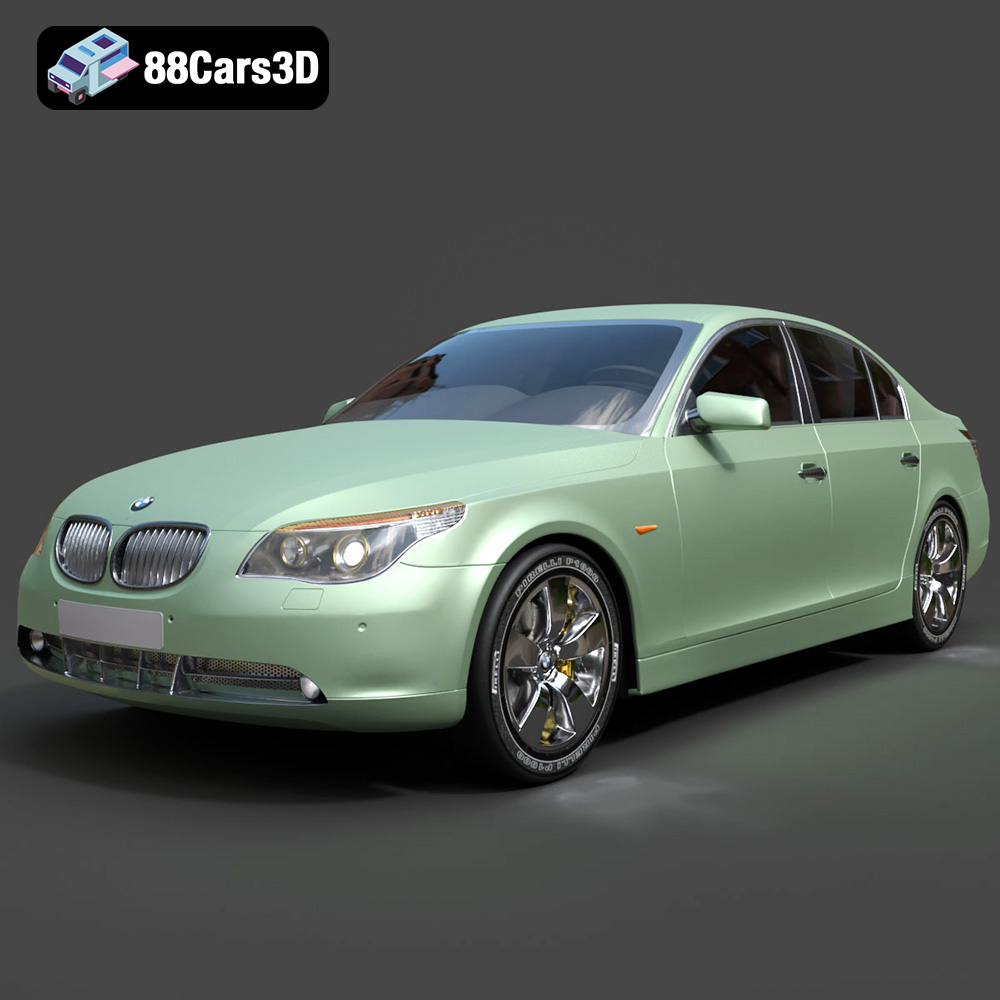
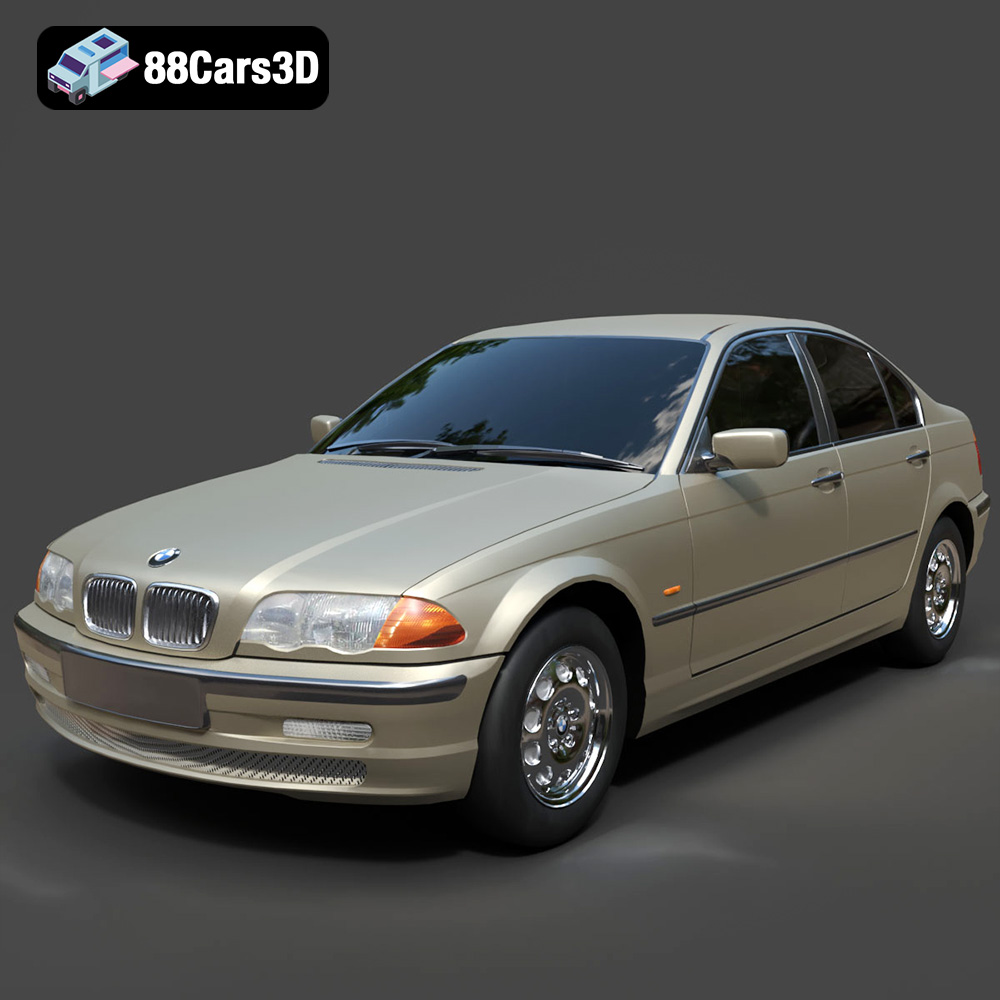
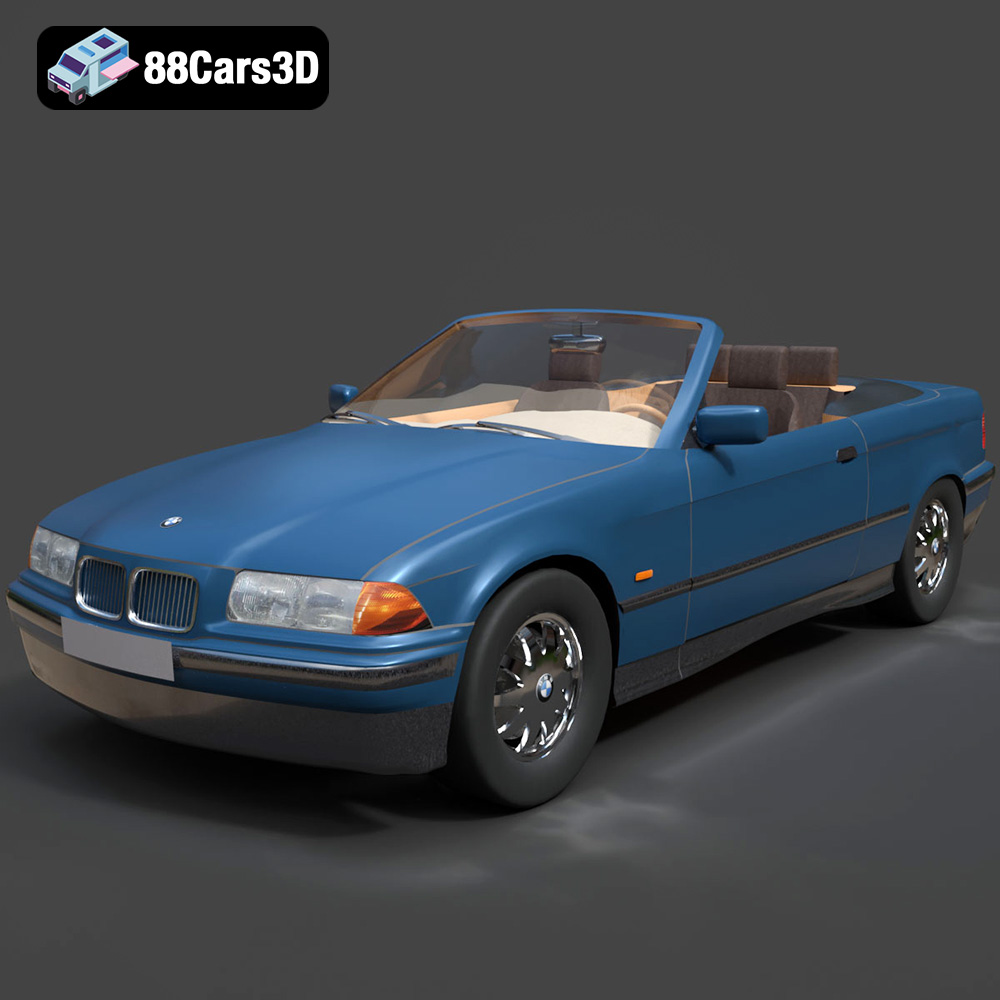
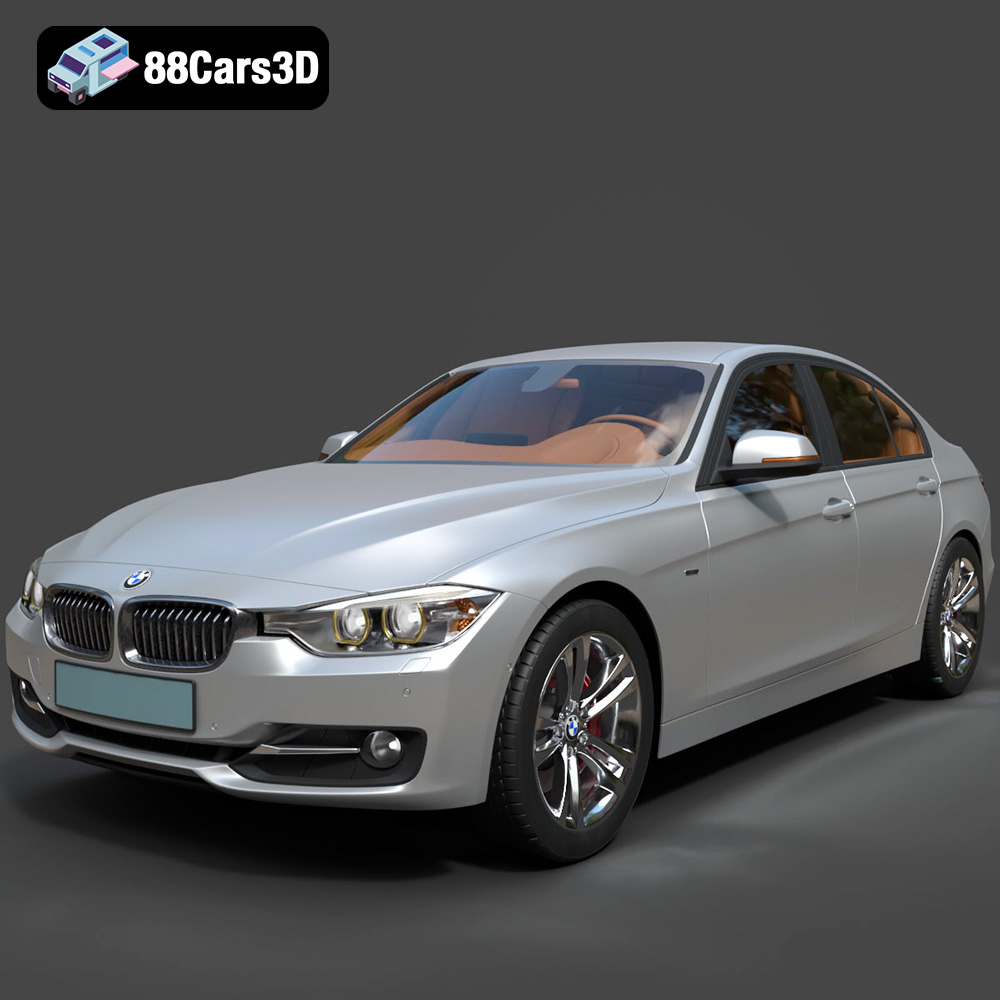
Featured 3D Car Models