

“`html
Welcome to the exciting world of 3D printing, where digital designs transform into tangible objects right before your eyes. At the heart of this revolution lies a fundamental file format: the STL (STereoLithography) file. Whether you’re dreaming of printing intricate automotive miniatures from your favorite models or exploring the vast possibilities of additive manufacturing, understanding STL files is your crucial first step. This comprehensive guide will demystify STL files, from their basic structure to essential preparation techniques, ensuring your 3D printing journey is smooth and successful. We’ll cover everything you need to know to bridge the gap between a digital model and a flawless physical print, especially when working with detailed objects like those found on 88cars3d.com.
Understanding the Anatomy of an STL File
At its core, an STL file represents a 3D object by approximating its surface with a mesh of interconnected triangles. Think of it as a digital mosaic, where each tiny triangle contributes to the overall shape of the object. This simplicity is precisely what makes STL the de facto standard for 3D printing. Unlike complex CAD files that store intricate geometric data, splines, and curves, STL focuses on tessellation – breaking down curved surfaces into flat planes. Each triangle in an STL file is defined by three vertices (corner points) and a normal vector. The normal vector is crucial as it indicates which side of the triangle is the “outside” of the object, helping the slicing software understand the object’s orientation and volume. This triangulation process, while an approximation, can be incredibly detailed depending on the resolution of the original 3D model. For highly detailed printable car models, the STL file might contain millions of tiny triangles to capture every curve and contour accurately.
The Structure of an STL File
STL files come in two primary formats: ASCII and Binary. The ASCII format is human-readable and text-based, making it easier for beginners to inspect. It starts with ‘solid [name]’ and ends with ‘endsolid [name]’, with each triangle defined by a ‘facet normal’ and three ‘vertex’ coordinates. For example:
facet normal nx ny nz
  outer loop
    vertex v1x v1y v1z
    vertex v2x v2y v2z
    vertex v3x v3y v3z
  endloop
endfacet
While readable, ASCII STL files are significantly larger and slower to process. The Binary format, on the other hand, is much more compact and efficient. It stores the same information but in a binary code, making it unintuitive for humans to read but ideal for software processing. The binary format typically starts with an 80-byte header, followed by a 32-bit unsigned integer indicating the number of facets (triangles), and then the data for each facet, including its normal vector and the three vertex coordinates. For complex models, especially those with fine details like those available on 88cars3d.com, the efficiency of the Binary STL format is paramount.
Mesh Topology and Data Integrity
The quality of your 3D print is directly influenced by the ‘mesh topology’ – how the triangles are connected. A well-formed mesh should be ‘manifold’, meaning it represents a solid, watertight object without holes, self-intersections, or non-manifold edges (edges shared by more than two facets). Imagine trying to fill a bucket with water – if the bucket has holes or leaks, the water will escape. Similarly, a non-manifold STL file can cause problems for slicing software, leading to print errors, gaps, or incomplete models. Common issues include disconnected vertices, faces with zero area, and edges shared by more than two triangles. Ensuring your STL files have clean, manifold geometry is a critical step before sending them to the slicer. Software like Meshmixer, Netfabb, or even Blender can be used to analyze and repair these mesh issues.
Preparing Your STL Files for Slicing
Once you have an STL file, the next step is to prepare it for your specific 3D printer. This involves using slicing software, which translates the 3D model into a series of thin, horizontal layers and generates the G-code instructions your printer understands. The settings you choose in your slicer have a profound impact on print quality, strength, and print time. For highly detailed printable car models, finding the right balance between fine details and printability is key. This is where understanding the various slicing parameters becomes essential. From layer height to support structures, each setting plays a role in the final outcome.
Choosing the Right Slicer Software
Several excellent slicing programs are available, each with its strengths. Cura (UltiMaker) and PrusaSlicer (Prusa Research) are two of the most popular free and open-source options. They offer a wide range of settings, user-friendly interfaces, and extensive community support. For more advanced mesh repair and preparation, software like Autodesk Meshmixer (free) or Netfabb (paid) are invaluable. Meshmixer is particularly useful for tasks like scaling models, hollowing objects to save material, adding custom supports, and checking for manifold errors. When downloading models from marketplaces such as 88cars3d.com, you might sometimes encounter files that require minor adjustments, and these tools are perfect for that. Some slicers also offer built-in mesh repair capabilities, but dedicated software often provides more robust solutions.
Key Slicing Parameters Explained
Layer Height: This setting determines the thickness of each individual layer printed. A smaller layer height (e.g., 0.1mm or 0.12mm) results in finer details, smoother curves, and a higher-quality finish, but significantly increases print time. For larger layer heights (e.g., 0.2mm or 0.3mm), prints are faster but may show more visible layer lines. For intricate automotive models, a layer height between 0.1mm and 0.15mm is often a good compromise for detail and print duration.
Infill Density and Pattern: Infill refers to the internal structure of the printed object. It’s usually expressed as a percentage, with 0% meaning hollow and 100% meaning solid. For display models, a low infill percentage (5-15%) is often sufficient to provide structural support without adding excessive print time or material. Common infill patterns include grid, triangles, cubic, and gyroid. The gyroid pattern is particularly popular for its strength and material efficiency.
Print Speed: This is the speed at which the print head moves while extruding filament. Printing too fast can lead to poor layer adhesion, stringing, and decreased accuracy. Printing too slow can increase print time unnecessarily. Typical speeds for PLA on FDM printers range from 40-60 mm/s for outer walls and 60-100 mm/s for inner walls and infill. It’s crucial to find a speed that balances quality and time for your specific printer and material.
Temperatures: Nozzle and bed temperatures are critical for proper filament adhesion and layer bonding. These vary depending on the filament type. For PLA, a nozzle temperature of 190-220°C and a bed temperature of 50-60°C are common. For PETG, expect higher temperatures (230-250°C nozzle, 70-85°C bed), and for ABS, even higher (240-260°C nozzle, 90-110°C bed). Always consult the filament manufacturer’s recommendations.
Mastering Support Structures for Complex Models
Many 3D models, especially those with overhangs, bridges, or floating parts like delicate spoilers or complex undercarriages on car models, cannot be printed without support structures. These temporary structures are printed alongside the model to hold up these unsupported sections, preventing them from collapsing during the printing process. Generating and removing supports effectively is a skill that significantly impacts the success and finish of your prints.
When and How to Use Supports
Most slicers have an option to automatically generate supports. You can typically choose between ‘touching buildplate’ (supports only print where the overhang touches the print bed) or ‘everywhere’ (supports print under any overhang, even if it’s connected to another part of the model). For car models, ‘everywhere’ is often necessary to support elements like wheel arches, spoilers, or intricate body kits. The overhang angle setting is also crucial – it defines the maximum angle of overhang that will require support. A common starting point is 45 degrees, but this can be adjusted based on your printer’s capabilities and the specific model.
Support Types and Settings
Slicers offer various support types. ‘Normal’ or ‘Grid’ supports are dense and can be difficult to remove cleanly. ‘Tree’ supports (available in Cura and PrusaSlicer) are more organic, branching out from a base and often using less material while providing excellent support. They are generally easier to remove and leave fewer marks. Key settings for supports include:
- Support Density: Controls how dense the support material is. Lower density uses less material and is easier to remove.
- Support Pattern: Similar to infill patterns, affecting the internal structure of the support.
- Z Distance (Support Interface Distance): The gap between the top of the support and the bottom of your model. A slightly larger Z distance (e.g., 0.15-0.2mm for a 0.4mm nozzle) makes supports easier to break away from the model surface.
- X/Y Distance: Controls the horizontal gap between the support and the model.
- Support Interface: Printing a denser, flat surface at the top and bottom of the support structure can improve the surface quality of the supported overhangs and bridges.
Experimentation is key. For a detailed model from 88cars3d.com, you might print a small section with supports first to test your settings before committing to the full print.
Support Removal Best Practices
Removing supports requires patience and care, especially on delicate models. Start by gently wiggling the support structures to loosen them. Use pliers (needle-nose pliers work well), hobby knives, or specialized support removal tools. For FDM prints, score the connection points with a sharp blade to weaken them before prying. For resin prints, supports are typically removed while the print is still wet with isopropyl alcohol (IPA) or after washing and curing, using flush cutters. Always work in a well-lit area and be mindful of potentially sharp tools. A small file or sandpaper can be used to clean up any remaining marks or blemishes left after support removal.
Print Orientation and Bed Adhesion Strategies
How you orient your model on the print bed and ensure it adheres properly are fundamental to a successful print. The orientation affects the strength of the part, the amount of support needed, and the surface finish. Bed adhesion is critical to prevent the print from detaching mid-print, a common cause of failure.
Optimizing Print Orientation
Consider the following when orienting your STL model:
- Minimize Overhangs: Position the model to reduce the need for extensive supports. For car models, placing them upright is often standard, but sometimes printing them on their side or even upside down might be beneficial for specific details or to reduce support scarring on visible surfaces.
- Layer Line Direction: Layer lines are weakest when layers are pulled apart perpendicular to them. Orient your model so that critical stress points are not aligned with layer lines. For functional parts, this is crucial. For display models, consider how layer lines will affect the visual appearance of key features.
- Bed Adhesion Surface Area: Ensure a sufficient portion of the model’s base is in contact with the print bed. Large, flat areas can sometimes warp if not properly adhered.
- Detail Preservation: Some orientations might preserve fine details better than others. For example, printing a detailed wheel rim upright might be better than printing it at an angle where supports could obscure some of the intricacy.
Tools like Meshmixer or the orientation features within slicers can help you find the optimal placement. Try visualizing how the slicer will add supports and where layer lines will be most prominent.
Achieving Strong Bed Adhesion
A print that detaches from the bed partway through is incredibly frustrating. Strong bed adhesion is achieved through a combination of factors:
- Clean Print Surface: Oils from your fingers or dust can prevent adhesion. Clean your build plate regularly with isopropyl alcohol (IPA) or soap and water.
- Level and Calibrated Bed: An uneven bed means the nozzle is too far from the surface in some areas and too close in others. Thorough bed leveling and Z-offset calibration are non-negotiable.
- Build Surface Material: Different build surfaces offer varying levels of adhesion. Common options include glass, PEI sheets (smooth or textured), BuildTak, or painter’s tape. PEI is highly recommended for its excellent adhesion with most materials.
- Adhesion Aids: For materials prone to warping or lifting (like ABS), using adhesion aids can be very helpful. Options include glue stick (PVA-based), hairspray (Aquanet is popular), or specialized adhesives like Magigoo.
- Brim and Raft: Slicers offer options to add a ‘brim’ (a single layer of lines extending outwards from the base of the model) or a ‘raft’ (a thicker, multi-layer base printed beneath the model). Both increase the surface area in contact with the bed, improving adhesion. A brim is generally preferred for most models as it’s easier to remove and uses less material than a raft.
- Print Bed Temperature: As mentioned earlier, maintaining the correct bed temperature for your chosen material is vital.
For valuable models downloaded from 88cars3d.com, ensuring perfect first-layer adhesion prevents costly print failures.
FDM vs. Resin Printing for Automotive Models
When printing detailed objects like cars, understanding the differences between Fused Deposition Modeling (FDM) and Stereolithography (SLA)/Digital Light Processing (DLP) resin printing is crucial for selecting the right technology and achieving the desired results.
Fused Deposition Modeling (FDM)
FDM printers work by extruding melted plastic filament layer by layer. They are generally more affordable, have larger build volumes, and can print with a wide variety of materials, including strong engineering plastics like ABS and PETG. FDM is excellent for larger models, prototypes, or parts where strength is a priority. However, FDM prints typically have visible layer lines and may struggle to reproduce the extremely fine details found on intricate car models without very slow printing speeds and small nozzle sizes (e.g., 0.2mm).
- Pros: Cost-effective, wide material selection, large build volumes, good for functional parts.
- Cons: Visible layer lines, less capable of capturing extremely fine details compared to resin, potential for stringing and blobs.
- Typical Settings for Detail: Layer Height: 0.08mm – 0.12mm; Nozzle Size: 0.2mm – 0.4mm; Print Speed: 20-40 mm/s (outer walls).
Stereolithography (SLA) / Digital Light Processing (DLP)
Resin printers use UV light to cure liquid photopolymer resin layer by layer. SLA printers use a laser to trace the layer, while DLP printers use a projector to cure an entire layer at once. Resin printing excels at producing incredibly smooth surfaces and capturing extremely fine details, making it ideal for high-fidelity models, miniatures, and jewelry. Printable car models with intricate grilles, badges, and panel lines are often best suited for resin printing.
- Pros: Exceptional detail and surface finish, smooth layer transitions, suitable for very small features.
- Cons: Smaller build volumes, messy post-processing (washing and curing), resins can be brittle and expensive, requires safety precautions (gloves, ventilation).
- Typical Settings for Detail: Layer Height: 0.025mm – 0.05mm; Exposure Time: Varies by resin and printer (e.g., 1.5-4 seconds per layer); Lift Speed: 40-60 mm/min.
Choosing between FDM and resin depends on your priorities: for display-quality, highly detailed car models, resin often offers superior results. For larger, more robust models or if budget is a primary concern, FDM is a capable alternative. Many enthusiasts use both technologies to leverage their respective strengths.
Advanced Techniques and Troubleshooting
Even with careful preparation, 3D printing can present challenges. Understanding common issues and advanced techniques can help you overcome them and achieve professional-quality results consistently.
File Repair and Mesh Integrity
As mentioned, non-manifold geometry is a common problem. Tools like Autodesk Netfabb or the Repair feature in Meshmixer can automatically detect and fix most issues. For complex problems or manual control, Blender offers powerful mesh editing tools. Look for features like ‘Make Manifold’, ‘Remove Doubles’, ‘Fill Holes’, and ‘Smooth’. When downloading print-ready STL files from sources like 88cars3d.com, the files are typically pre-checked and repaired, but it’s always good practice to give them a quick visual inspection in your slicer or a dedicated viewer.
Printer Calibration and Maintenance
A well-calibrated printer is the foundation of successful printing. Key calibration steps include:
- E-step Calibration: Ensures the extruder pushes the correct amount of filament.
- PID Tuning: Stabilizes nozzle and bed temperatures.
- Bed Leveling & Z-Offset: Crucial for first-layer adhesion.
- Flow Rate / Extrusion Multiplier: Fine-tunes the amount of filament extruded to avoid over- or under-extrusion.
Regular maintenance, such as cleaning the nozzle, lubricating rods and screws, and checking belt tension, also prevents many common printing failures.
Common Print Failures and Solutions
- Warping: Caused by uneven cooling and material shrinkage. Solutions: Use a brim/raft, enclosure, adjust bed temperature, use adhesion aids.
- Stringing/Oozing: Filament leaks between movements. Solutions: Increase retraction distance/speed, lower nozzle temperature, use filament dry box, check for nozzle wear.
- Layer Shifting: Layers are misaligned horizontally. Solutions: Check belt tension, reduce print speed, ensure stepper motor drivers are not overheating.
- Under-Extrusion: Gaps in layers or thin walls. Solutions: Check for nozzle clogs, calibrate E-steps, increase flow rate, ensure filament is feeding correctly.
- Over-Extrusion: Blobs and excess material. Solutions: Calibrate E-steps, decrease flow rate, ensure nozzle is clean.
- Poor Layer Adhesion: Layers peeling apart. Solutions: Increase nozzle temperature, slow down print speed, ensure proper cooling (or reduce it for materials like ABS).
Troubleshooting often involves methodical testing of one setting at a time to isolate the cause.
Conclusion
Mastering STL files and the 3D printing process is a rewarding journey that opens up a universe of creation. From understanding the fundamental tessellated structure of STL files to meticulously tuning your slicer settings, preparing your models, and choosing the right printing technology, each step contributes to the final quality of your prints. Whether you’re printing intricate collectible car models from platforms like 88cars3d.com or developing functional prototypes, a solid grasp of these principles will empower you to overcome challenges and achieve exceptional results. Remember that patience, continuous learning, and a willingness to experiment are your greatest allies in the ever-evolving landscape of 3D printing. Keep exploring, keep printing, and bring your digital visions to life!
“`
Featured 3D Car Models

Porsche Cayenne 3D Model
Meta Description:
Texture: Yes
Material: Yes
Download the Porsche Cayenne 3D Model featuring realistic exterior styling and detailed interior design. Includes .blend, .fbx, .obj, .glb, .stl, .ply, .unreal, and .max formats for rendering, simulation, AR VR, and game development.
Price: $19.9
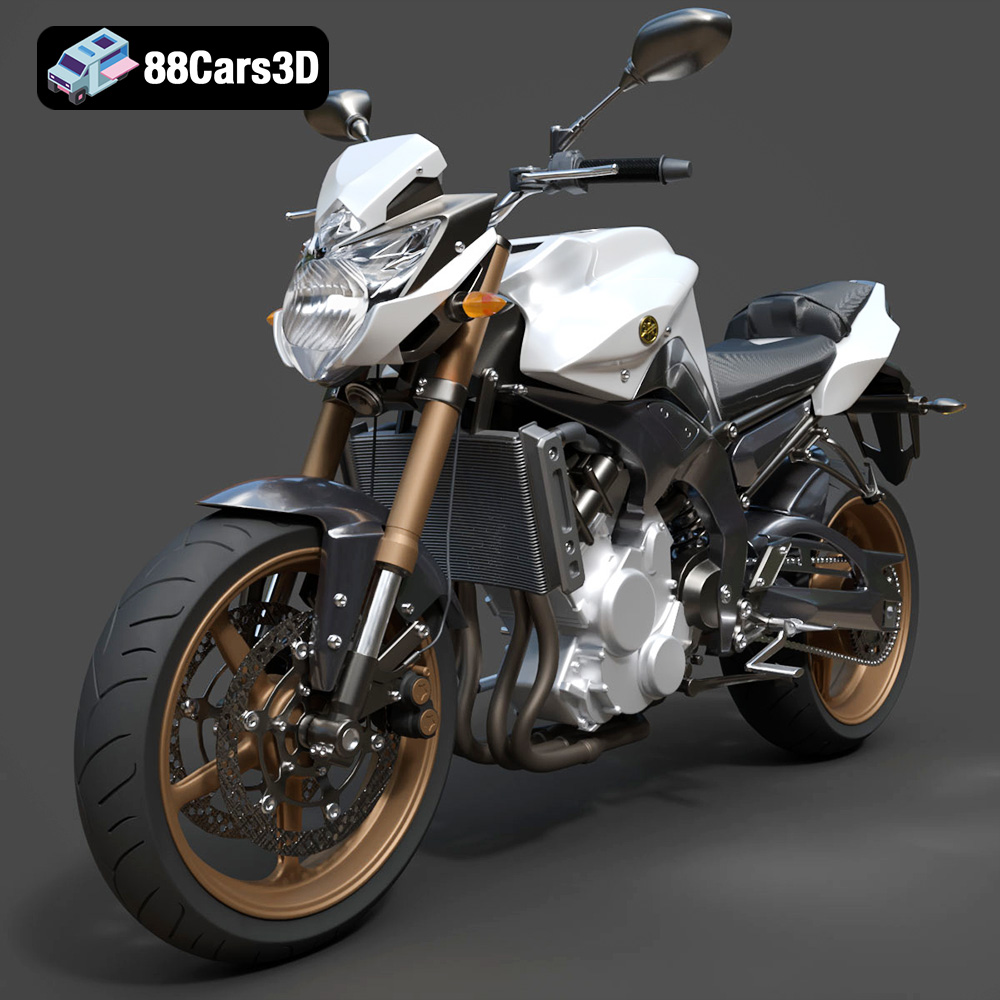
Yamaha FZ8 2011 3D Model
Texture: Yes
Material: Yes
Download the Yamaha FZ8 2011 3D Model featuring clean geometry, realistic detailing, and a fully modeled interior. Includes .blend, .fbx, .obj, .glb, .stl, .ply, .unreal, and .max formats for rendering, simulation, and game development.
Price: $19.99
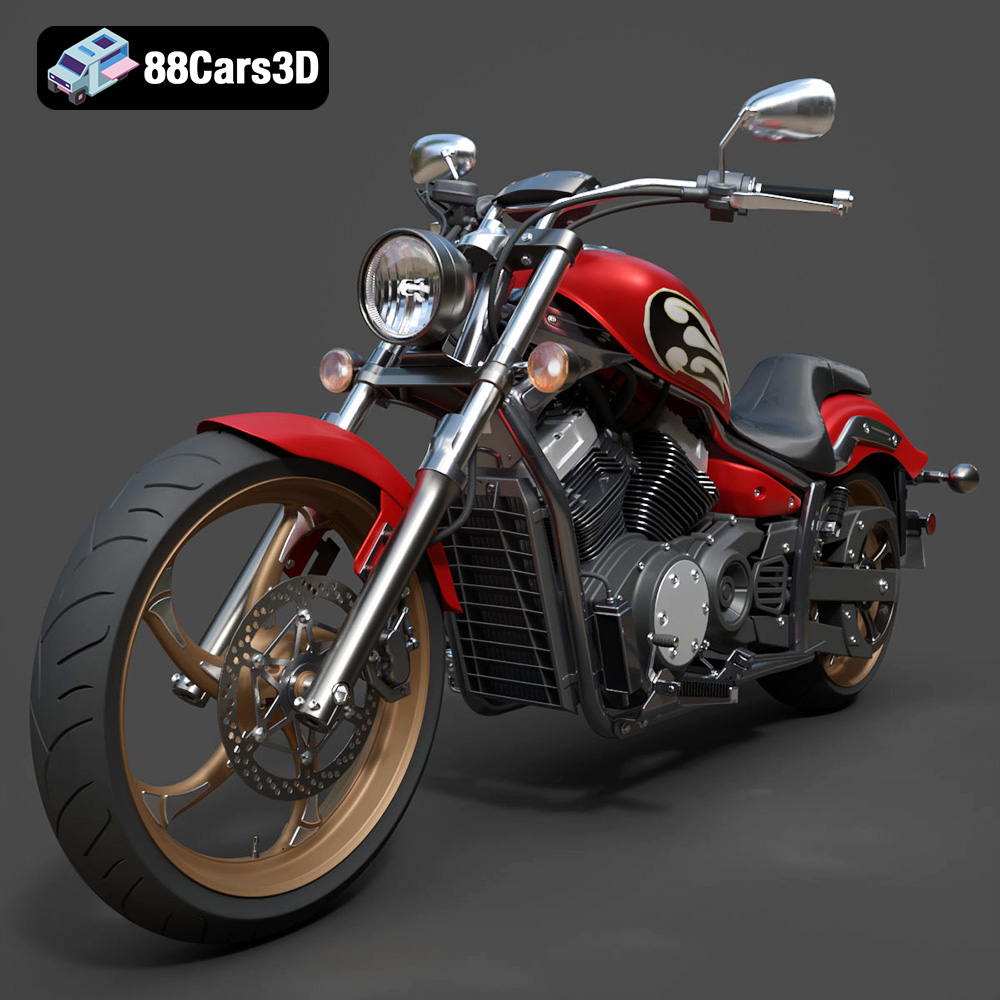
Yamaha Stryker 2012 3D Model
Texture: Yes
Material: Yes
Download the Yamaha Stryker 2012 3D Model featuring clean geometry, realistic detailing, and a fully modeled interior. Includes .blend, .fbx, .obj, .glb, .stl, .ply, .unreal, and .max formats for rendering, simulation, and game development.
Price: $19.99
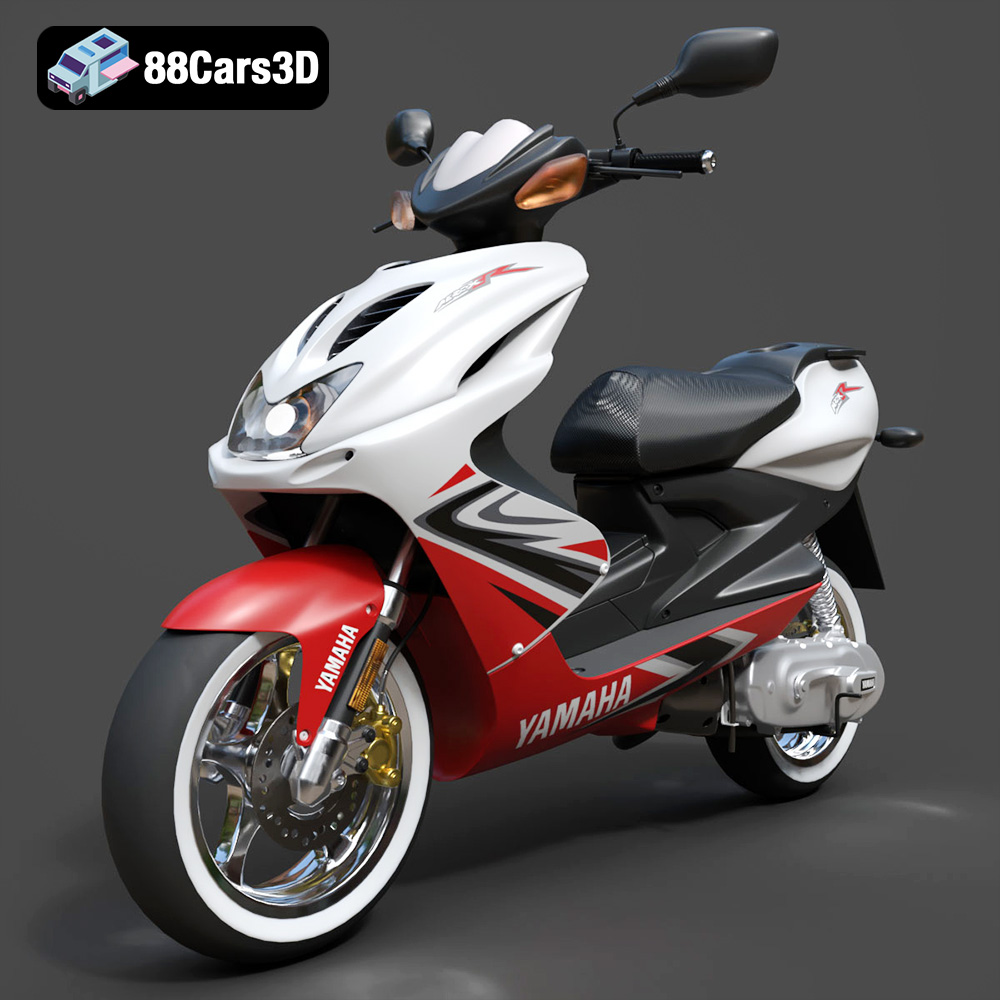
Yamaha Aerox R-002 2024 3D Model
Texture: Yes
Material: Yes
Download the Yamaha Aerox R-002 2024 3D Model featuring clean geometry, realistic detailing, and a fully modeled interior. Includes .blend, .fbx, .obj, .glb, .stl, .ply, .unreal, and .max formats for rendering, simulation, and game development.
Price: $19.99
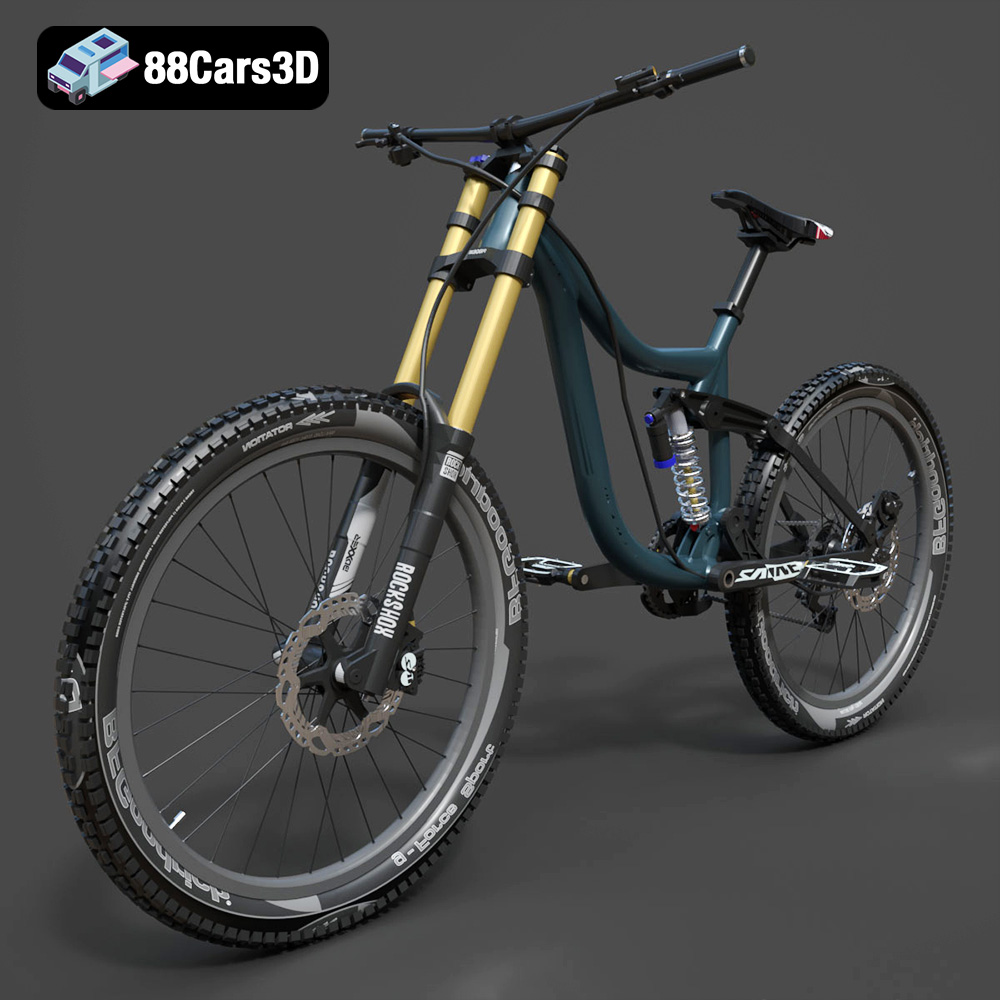
Mototsikly Downhill Bike-002 3D Model
Texture: Yes
Material: Yes
Download the Mototsikly Downhill Bike-002 3D Model featuring clean geometry, realistic detailing, and precise mechanical components. Includes .blend, .fbx, .obj, .glb, .stl, .ply, .unreal, and .max formats for rendering, simulation, and game development.
Price: $19.99
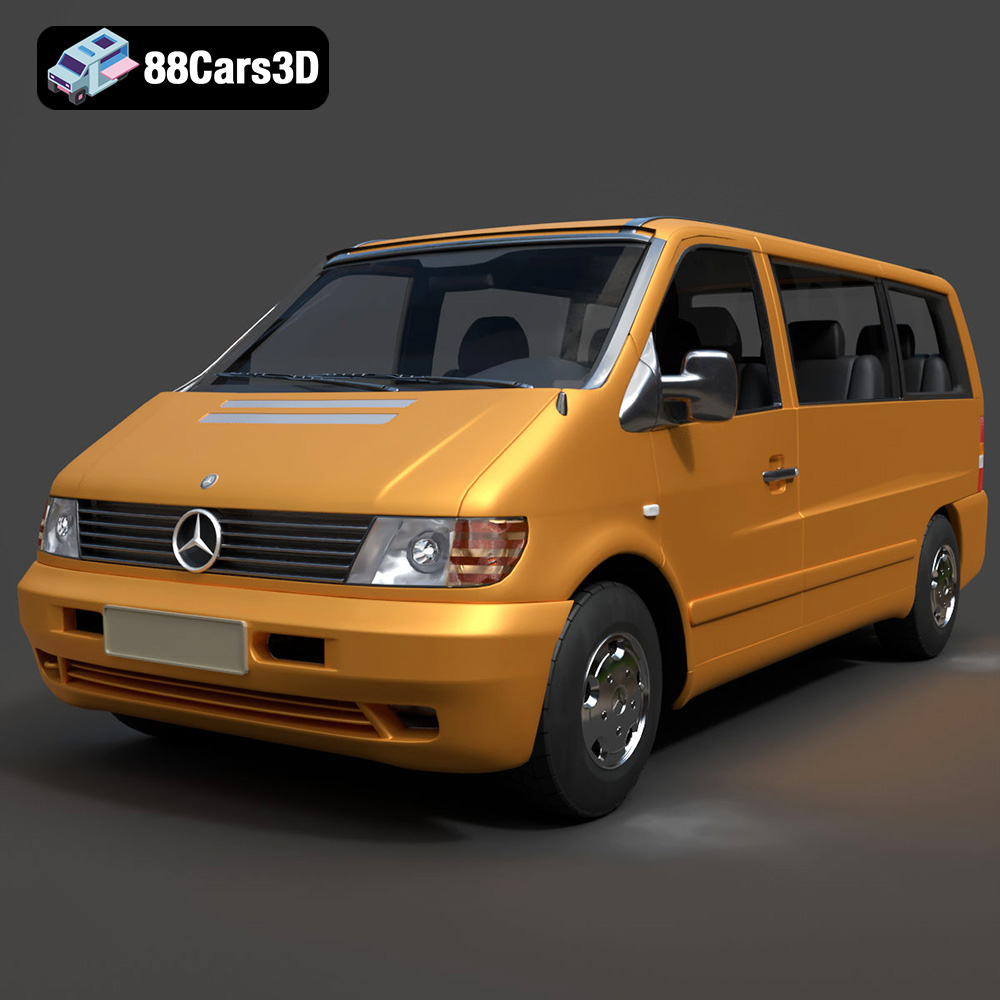
Mercedes-Benz Vito Passenger Van 3D Model
Texture: Yes
Material: Yes
Download the Mercedes-Benz Vito Passenger Van 3D Model featuring clean geometry, realistic detailing, and a fully modeled interior. Includes .blend, .fbx, .obj, .glb, .stl, .ply, .unreal, and .max formats for rendering, simulation, and game development.
Price: $19.99
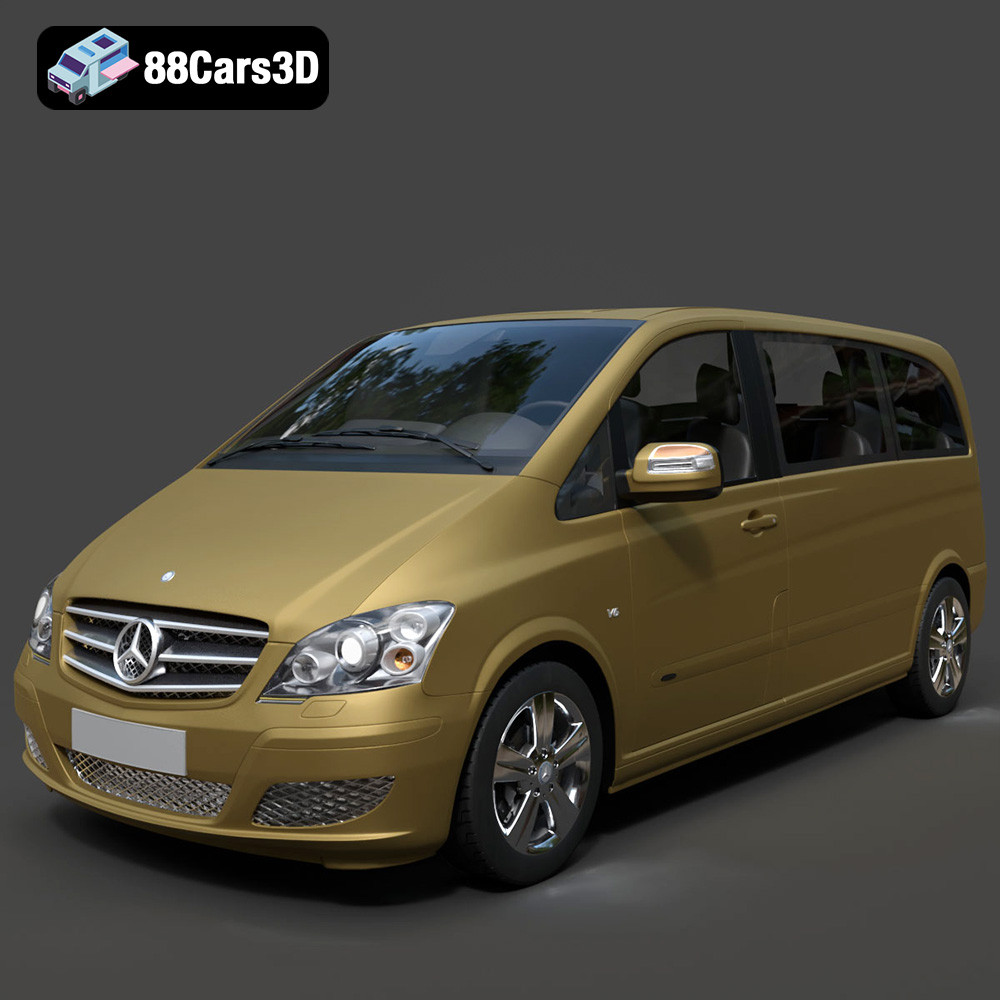
Mercedes-Benz Viano 2010 3D Model
Texture: Yes
Material: Yes
Download the Mercedes-Benz Viano 2010 3D Model featuring clean geometry, realistic detailing, and a fully modeled interior. Includes .blend, .fbx, .obj, .glb, .stl, .ply, .unreal, and .max formats for rendering, simulation, and game development.
Price: $19.99

Emt Avtobus 007 3D Model
Texture: Yes
Material: Yes
Download the Emt Avtobus 007 3D Model featuring clean geometry, realistic detailing, and a fully modeled interior. Includes .blend, .fbx, .obj, .glb, .stl, .ply, .unreal, and .max formats for rendering, simulation, and game development.
Price: $19.99
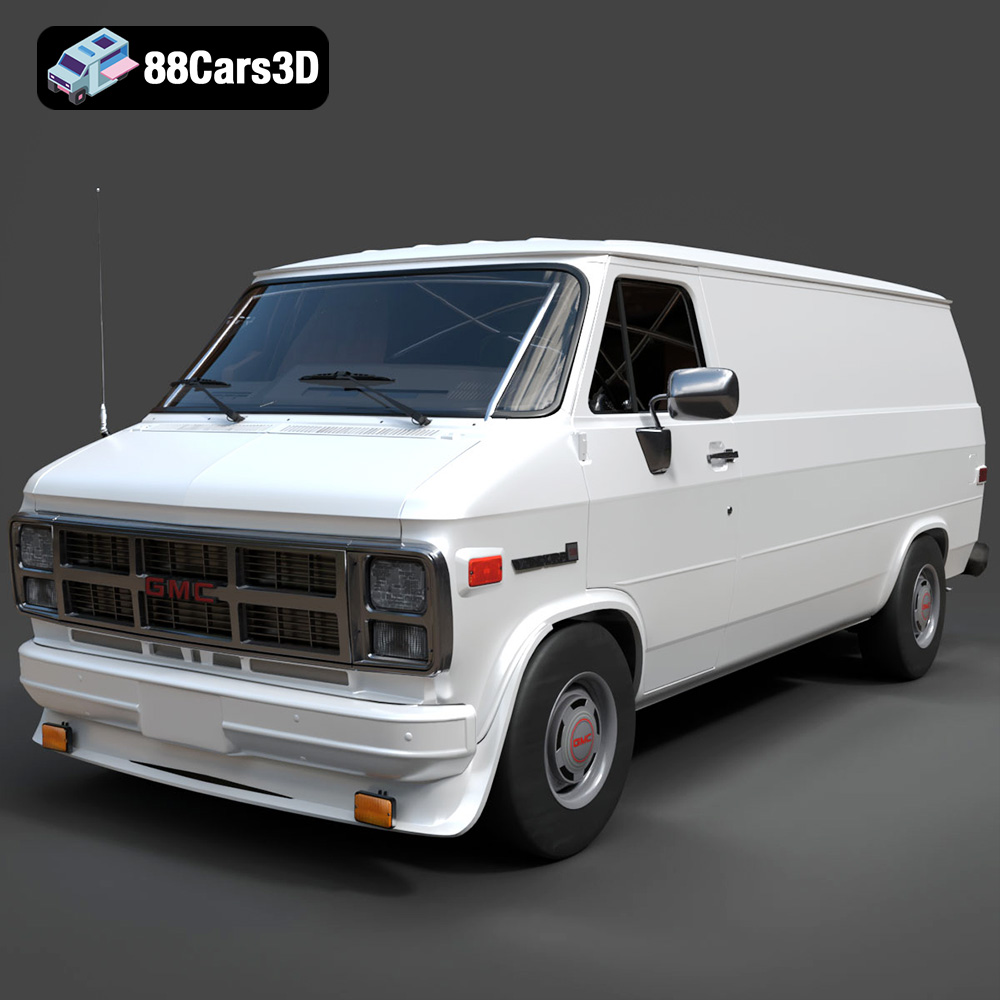
GMC Vandura G-1500 1983 3D Model
Texture: Yes
Material: Yes
Download the GMC Vandura G-1500 1983 3D Model featuring clean geometry, realistic detailing, and a fully modeled interior. Includes .blend, .fbx, .obj, .glb, .stl, .ply, .unreal, and .max formats for rendering, simulation, and game development.
Price: $19.99
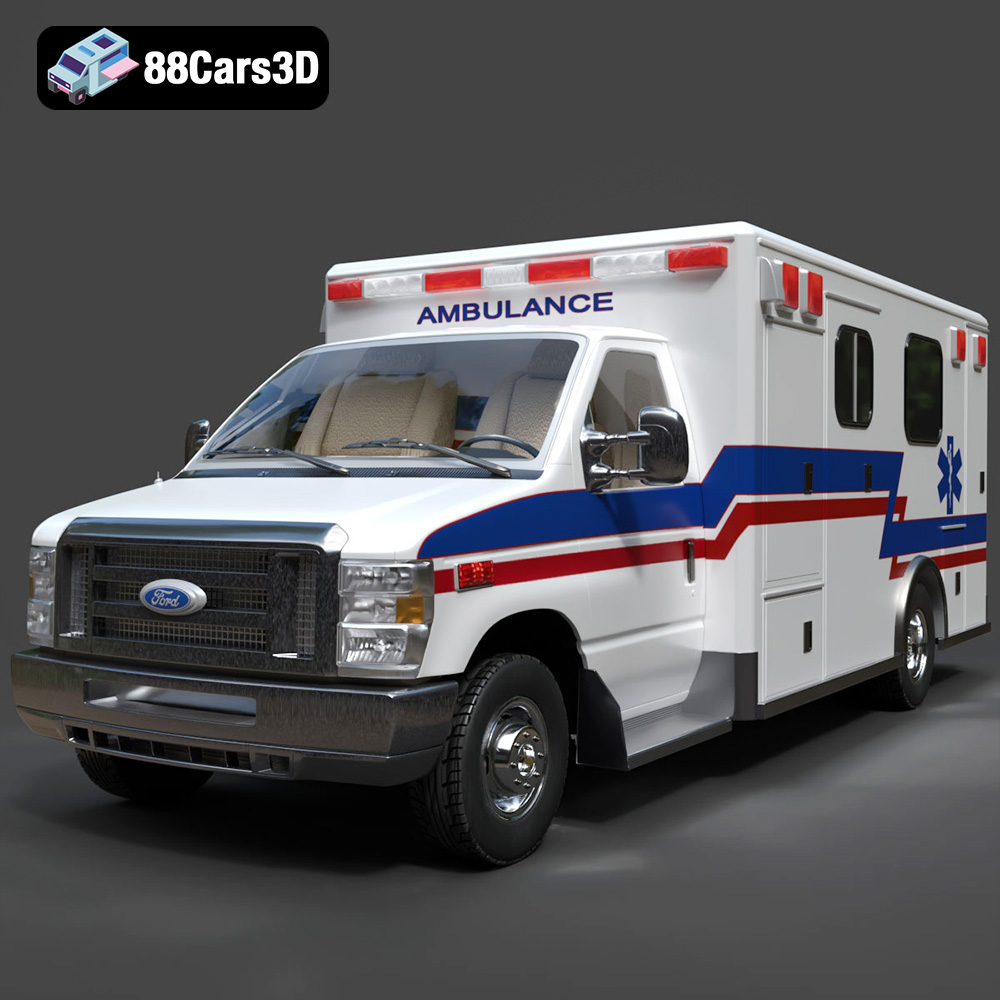
Ford E-450 Ambulance 3D Model
Texture: Yes
Material: Yes
Download the Ford E-450 Ambulance 3D Model featuring clean geometry, realistic detailing, and a fully modeled interior. Includes .blend, .fbx, .obj, .glb, .stl, .ply, .unreal, and .max formats for rendering, simulation, and game development.
Price: $19.99
