

The automotive industry is undergoing a profound transformation, driven by advancements in real-time visualization. Gone are the days when stunning car renders were confined to pre-rendered images and lengthy processing times. Today, Unreal Engine stands at the forefront of this revolution, empowering designers, marketers, and developers to create breathtakingly realistic and interactive automotive experiences in real-time. Whether you’re crafting a cutting-edge car configurator, developing a next-generation racing game, or building immersive virtual production sets, Unreal Engine provides an unparalleled toolkit.
This comprehensive guide dives deep into the technical workflows and best practices for leveraging Unreal Engine to bring 3D car models to life. We’ll explore everything from efficient project setup and robust asset import to advanced material creation, dynamic lighting, performance optimization with features like Nanite, and interactive experiences powered by Blueprint. By mastering these techniques, you’ll be able to unlock the full potential of your automotive assets, delivering visual fidelity and interactive engagement that captivate audiences and drive innovation. Let’s rev up our engines and accelerate into the world of real-time automotive visualization with Unreal Engine!
Laying the Foundation: Project Setup and Importing High-Quality Car Models
The journey to stunning automotive visualization in Unreal Engine begins with a solid foundation: proper project setup and the efficient import of your 3D car models. A well-configured project ensures optimal performance and a smooth development workflow, while correctly imported assets lay the groundwork for high visual fidelity. When sourcing your automotive assets, platforms like 88cars3d.com offer pre-optimized, high-quality 3D car models specifically designed for integration into Unreal Engine projects, saving significant time and effort in the initial stages.
Unreal Engine Project Configuration for Automotive
Starting with the right project template and settings is crucial. For automotive visualization, consider using the “Games” > “Blank” or “Architecture, Engineering, and Construction” > “Blank” templates. The “Archviz” template can also be a good starting point, as it comes with optimized light and post-processing settings. Key project settings to consider under Edit > Project Settings:
- Rendering: Enable “Lumen Global Illumination” and “Lumen Reflections” for advanced real-time lighting. Ensure “Virtual Shadow Maps” is enabled for high-fidelity shadows, especially for intricate car models. For maximum realism, enable “Ray Tracing” if your target hardware supports it, but be mindful of its performance cost.
- Engine – MassFX Physics: Ensure “Enable CCD” (Continuous Collision Detection) is enabled for smoother physics simulations, especially if you plan to implement realistic vehicle dynamics.
- Platforms: Configure scalability settings appropriate for your target platform (PC, VR, AR). Unreal Engine’s scalability system allows you to define different quality levels for various hardware configurations, crucial for reaching a broad audience.
It’s also beneficial to establish a clean folder structure from the outset (e.g., Cars, Materials, Textures, Blueprints, Maps) to keep your project organized and maintainable, especially when dealing with numerous assets associated with a complex car model.
Importing and Initial Asset Optimization
Importing 3D car models into Unreal Engine typically involves FBX or USD files. FBX is a widely supported format, while USD (Universal Scene Description) is gaining traction for its robust scene description capabilities and collaborative potential. When importing, ensure your model is correctly scaled (Unreal Engine typically works with centimeters as its base unit). Models from 88cars3d.com are often delivered with proper scaling and clean hierarchies, simplifying this step.
Upon import, address any issues with coordinate systems or rotation. Unreal Engine uses a Z-up coordinate system, so models from software using Y-up may require adjustment. During the import process, you’ll be presented with several options:
- Combine Meshes: Generally, keep car components separate (body, wheels, interior) for easier material assignment, animation, and potential damage systems.
- Generate Missing Collision: Useful for basic interaction, but for detailed physics, custom collision meshes are often superior.
- Normal Import Method: Set to “Import Normals and Tangents” to preserve custom normal information from your modeling software.
- Build Adjacency Buffer: Enable this for Nanite meshes to ensure proper clustering.
Initial optimization involves checking mesh polycounts and geometry. While Nanite (discussed later) handles high-poly meshes gracefully, having a reasonably optimized base model still contributes to overall project health and performance. Identify and remove any duplicate geometry or excessively dense meshes that don’t benefit from Nanite.
Crafting Realism: PBR Materials and Advanced Texturing
The visual fidelity of a 3D car model largely depends on the quality of its materials and textures. Unreal Engine’s physically based rendering (PBR) system is designed to simulate how light interacts with surfaces in the real world, producing incredibly realistic results. Mastering PBR material creation for automotive surfaces is paramount for achieving a convincing visual experience, from the metallic sheen of car paint to the subtle reflections on glass and the intricate details of an interior.
Understanding PBR Principles for Automotive Surfaces
PBR is based on the conservation of energy principle, meaning a surface cannot reflect more light than it receives. Materials are defined by several key properties, typically represented by texture maps:
- Base Color (Albedo): Represents the diffuse color of the surface, excluding any lighting information. For metallic surfaces, this map often contains the base color of the metal itself.
- Normal Map: Adds high-frequency surface detail without increasing polygon count, simulating bumps and grooves (e.g., panel lines, tire treads).
- Roughness Map: Determines how smooth or rough a surface is, directly influencing the sharpness of reflections. A low roughness value means sharp, mirror-like reflections (e.g., polished chrome), while high roughness leads to blurred, diffused reflections (e.g., matte plastic).
- Metallic Map: A binary map (0 or 1, or shades of gray for hybrid materials) that dictates whether a surface is metallic (1) or dielectric (0). Car paint is a complex case, often treated as a dielectric with a clear coat layer.
- Ambient Occlusion (AO) Map: Simulates soft shadows where light is occluded, enhancing depth and contact shadows without being tied to specific light sources.
For automotive materials, it’s critical to understand these maps and how they interact to define the unique properties of surfaces like clear coat, rubber, leather, and chrome. The accuracy of these maps directly translates to the realism of your final render.
Implementing Car Paint, Glass, and Interior Materials in Unreal
Creating compelling car materials in Unreal’s Material Editor involves layering and advanced shader techniques. The car body paint is arguably the most complex. A common approach involves:
- Base Paint Layer: A metallic material with a specific Base Color, Roughness, and Metallic value.
- Clear Coat Layer: Unreal Engine’s Clear Coat input in the Material Editor is essential. It simulates a transparent, reflective layer over the base paint, mimicking real-world automotive finishes. You can define its roughness and normal map for orange peel effects.
- Flake Effect: For metallic or pearl paints, you might use a subtle normal map or even a custom shader that simulates metallic flakes under the clear coat, adding depth and sparkle.
Glass materials require specific settings: a low opacity (with a physically correct Fresnel effect), a high metallic value (often 0), and a low roughness to produce sharp reflections and refractions. For interior elements like leather, plastics, and fabrics, focus on accurate roughness and normal maps to convey texture and tactile qualities. Leather might use a combination of a subtle normal map for grain and a roughness map that varies based on wear. Utilize Material Instances to easily create variations (e.g., different car colors or interior trims) from a single master material, optimizing workflow and performance. Ensure that all texture resolutions are appropriate for the asset’s importance and viewing distance, typically 2K-4K for primary car body textures and 1K-2K for interior details.
Illuminating Realism: Real-time Lighting with Lumen and Beyond
Lighting is the soul of any render, and in automotive visualization, it’s what truly brings a vehicle to life, highlighting its form, reflections, and intricate details. Unreal Engine offers powerful real-time global illumination and reflection solutions that allow for dynamic and visually stunning results. Understanding how to harness these tools, particularly Lumen, is critical for achieving photorealism in your automotive scenes.
Harnessing Lumen for Dynamic Global Illumination
Lumen is Unreal Engine’s cutting-edge global illumination and reflections system, providing real-time indirect lighting and complex reflections that react instantly to changes in direct lighting, geometry, and materials. For automotive visualization, Lumen is a game-changer because it eliminates the need for baking static lighting, allowing for:
- Dynamic Environments: Easily change time of day, weather conditions, or relocate your car model within a scene, with all lighting reacting realistically in real-time. This is invaluable for virtual showrooms and configurators.
- Interactive Experiences: Objects can dynamically interact with the lighting. For example, opening a car door will realistically illuminate the interior based on external light sources.
- Complex Material Interactions: Lumen accurately captures the bounce light and reflections from various car materials, from the highly reflective clear coat of the body paint to the absorption of light by the tires.
To enable Lumen, ensure it’s activated in your Project Settings under Rendering > Global Illumination and Reflections. Use a Post Process Volume in your scene to fine-tune Lumen’s settings, such as “Final Gather Quality” and “Reflections Quality,” balancing visual fidelity with performance targets. For detailed information and optimal configurations, refer to the official Unreal Engine documentation on Lumen Global Illumination.
Strategic Lighting for Automotive Showcase
While Lumen handles the indirect lighting, strategic placement of direct light sources is crucial for showcasing your car model effectively. Consider these techniques:
- HDRI Sky Domes: High Dynamic Range Image (HDRI) textures wrapped around a sky sphere are a standard for environmental lighting. They provide realistic sky colors, lighting directions, and detailed reflections, perfectly mimicking real-world outdoor or studio lighting setups. Use an HDRI that matches the desired mood or location for your car.
- Directional Light: Represents the sun. Use it to create strong, defined shadows that accentuate the car’s contours and give it presence. Adjust its angle to highlight specific design elements.
- Rect Lights/Spot Lights: Often used as fill lights or accent lights in studio setups. Rect lights (area lights) can simulate softbox lighting, producing beautiful, even reflections on car surfaces. Spot lights can highlight specific details like wheel rims or interior features.
- Reflections and Screen Space Reflections (SSR): Ensure your Post Process Volume settings optimize reflections. While Lumen handles global reflections, SSR can supplement closer reflections efficiently. For pristine, crisp reflections, especially on the car’s body, ensure your environment has enough reflective surfaces or use planar reflections sparingly for specific hero shots (though they are performance-intensive).
Experimentation is key. Use the real-time feedback from Unreal Engine to adjust light positions, intensities, and colors until your car model looks its absolute best. Pay attention to how highlights and shadows define the car’s unique design language and material properties.
Performance & Fidelity: Nanite, LODs, and Optimization Strategies
Achieving photorealistic visuals in real-time, especially with complex 3D car models, presents a significant performance challenge. Unreal Engine offers powerful tools like Nanite and robust Level of Detail (LOD) systems to manage polygon budgets and maintain smooth frame rates without sacrificing visual fidelity. Effective optimization is not just about making things run faster; it’s about making them run efficiently while looking spectacular.
Nanite Virtualized Geometry for Unprecedented Detail
Nanite is Unreal Engine 5’s groundbreaking virtualized geometry system, designed to handle immense polygon counts – think billions of triangles – with ease, something previously impossible in real-time. For 3D car models, this is transformative. You can import highly detailed CAD data or cinematic-quality sculpts without worrying about decimating meshes or creating multiple LODs manually for the highest detail level. Nanite automatically streams and processes only the necessary detail for each pixel on screen, dramatically improving performance and asset workflow. The main benefits for automotive assets include:
- Direct Import of High-Poly Models: Bring in your incredibly detailed car models, often with millions of polygons, directly. Nanite handles the streaming and culling.
- Elimination of LODs at Distance: For Nanite meshes, traditional manual LOD creation is largely unnecessary. Nanite dynamically scales detail based on screen size.
- Consistent Detail: Regardless of camera distance, the perceived detail remains incredibly high, ensuring your car models always look their best.
To enable Nanite for a Static Mesh, simply right-click the mesh in the Content Browser, select “Nanite,” and then “Enable Nanite.” You can also adjust settings within the Static Mesh Editor, such as the “Percent Triangles” to define a base reduction if needed, though often unnecessary for high-quality source models. While Nanite is revolutionary, it has considerations: it doesn’t currently support skeletal meshes (for deformable car parts), splines, or meshes with complex WPO (World Position Offset) materials. Furthermore, transparent materials (like glass) often need to remain non-Nanite or use a custom opaque depth pass, as rendering transparent Nanite meshes can be challenging. For in-depth guidance, consult the official Unreal Engine Nanite documentation.
Dynamic LODs and Culling for Scalable Performance
Even with Nanite, effective LOD management and culling remain crucial for certain scenarios and components, especially for non-Nanite meshes (like transparent parts, skeletal meshes, or small props) or when targeting lower-end hardware where Nanite might be too heavy. Level of Detail (LOD) involves creating simplified versions of your mesh that swap in as the camera moves further away from the object. This dramatically reduces the number of triangles the GPU has to render.
- Automatic LOD Generation: Unreal Engine can automatically generate LODs for Static Meshes. In the Static Mesh Editor, navigate to the “LOD Settings” and use the “Number of LODs” and “LOD Group” options. You can preview different LODs to ensure a smooth transition.
- Manual LODs: For critical components or specific optimization needs, manually created LODs (authored in your 3D modeling software) offer the most control. Import these alongside your base mesh.
- Culling Techniques:
- Distance Culling: Objects completely outside a certain distance from the camera are not rendered.
- Frustum Culling: Objects outside the camera’s view frustum are not rendered.
- Occlusion Culling: Objects hidden behind other objects are not rendered. Unreal Engine handles these largely automatically, but ensuring proper mesh collision and bounding boxes helps.
- Texture Optimization: Use appropriate texture resolutions. Implement texture streaming to load higher resolution textures only when needed. Use shared textures (e.g., a common roughness map for all plastic parts) to reduce memory footprint.
- Material Complexity: Keep your materials as efficient as possible. Complex shader instructions can be performance heavy. Use static switches and material functions to create modular and optimized material networks.
Regularly profile your scene using Unreal Engine’s built-in tools (e.g., `stat fps`, `stat unit`, `stat gpu`) to identify performance bottlenecks. Understanding where your frame rate drops will guide your optimization efforts, whether it’s geometry, materials, lighting, or post-processing.
Bringing Cars to Life: Interactivity, Cinematics, and VR/AR
Beyond static renders, Unreal Engine empowers creators to infuse life into their 3D car models, making them interactive, cinematic, and even deployable in immersive AR/VR experiences. This dynamic capability is what truly sets real-time automotive visualization apart, allowing for engaging configurators, stunning virtual productions, and groundbreaking experiential marketing.
Blueprint Scripting for Interactive Automotive Experiences
Blueprint Visual Scripting is Unreal Engine’s powerful node-based scripting system that enables artists and designers to create complex gameplay and interactive functionalities without writing a single line of code. For automotive visualization, Blueprint is indispensable for building interactive configurators and dynamic demos:
- Color Customization: Create a Blueprint that allows users to cycle through a palette of car paint colors. This typically involves setting a dynamic material instance on the car body mesh and changing its “Base Color” or a specific parameter in your master car paint material.
- Part Swapping: Implement logic to swap out different wheel designs, interior trims, or body kits. This involves hiding/showing Static Mesh Components or even spawning/destroying them based on user input.
- Door/Hood Animation: Use Blueprint to play simple animations for opening and closing doors, trunks, or hoods. You can drive these with Matinee (legacy but still present) or direct transform manipulation over time, often triggered by a mouse click or keyboard input.
- Camera Controls: Design custom camera movements, allowing users to orbit around the car, snap to predefined “hero” angles, or even enter the car’s interior.
A common workflow involves creating a “Car Master Blueprint” that contains the 3D car model as a Static Mesh Component and exposes various customizable parameters (e.g., a “Color” variable of type Linear Color, an “Wheel Mesh” variable of type Static Mesh). These parameters can then be easily modified in the Details panel or controlled via UI widgets created with Unreal’s UMG (Unreal Motion Graphics) system. For comprehensive Blueprint learning, explore the extensive resources on the Unreal Engine learning portal.
Cinematic Storytelling with Sequencer and Virtual Production
For high-quality promotional videos, advertisements, or virtual production scenarios, Unreal Engine’s Sequencer is your cinematic powerhouse. Sequencer is a multi-track editor that enables you to create and edit cinematic sequences with ease. You can:
- Animate Cameras: Keyframe camera movements along paths, create dynamic cuts, and control focal length and depth of field to achieve professional-grade cinematography.
- Animate Car Components: Animate doors opening, wheels turning, or even specific engine parts moving.
- Control Lighting and VFX: Keyframe light intensity, color, and position, and integrate Niagara particle systems for effects like smoke or exhaust.
- Virtual Production & LED Walls: Unreal Engine is at the heart of virtual production. By projecting real-time environments onto LED walls, physical car models or actors can be seamlessly integrated into digital worlds, enabling in-camera VFX and revolutionary filmmaking techniques. Your 3D car models can serve as digital doubles or background elements in these complex setups.
Sequencer allows for precise timing and layering of tracks, making it ideal for crafting polished automotive presentations that can rival traditional film production quality, all rendered in real-time.
Optimizing for AR/VR and Real-time Configurators
Deploying automotive experiences in Augmented Reality (AR) or Virtual Reality (VR) environments introduces unique optimization challenges. These platforms demand extremely high frame rates (typically 72-90fps per eye) and low latency to prevent motion sickness. Real-time configurators, even on desktop, also benefit greatly from rigorous optimization to ensure smooth user interaction.
- Polycount and Draw Calls: While Nanite helps significantly for desktop and high-end VR, AR and mobile VR still require judicious polycount management. Aggressively optimize meshes, especially those not Nanite-enabled. Reduce draw calls by combining meshes where possible and using instanced static meshes for repetitive elements. Aim for polygon counts appropriate for your target platform (e.g., 50k-200k triangles for a detailed car in mobile VR, potentially millions for high-end PC VR with Nanite).
- Texture Resolution & PBR Map Packing: Optimize texture sizes. For AR/VR, 1K-2K textures are often sufficient for secondary details, while primary surfaces might use 4K. Pack multiple grayscale PBR maps (e.g., Roughness, Metallic, Ambient Occlusion) into different channels (RGB) of a single texture to reduce texture samples and memory usage.
- Lighting Complexity: For AR/VR, especially mobile, rely more on baked lighting (Lightmass) or simpler, direct lighting solutions instead of purely dynamic Lumen, which can be computationally intensive. Optimize shadows; consider using simpler shadow maps or even baked shadows for static elements.
- Post-Processing: Limit expensive post-processing effects. Tone mapping, bloom, and basic anti-aliasing are usually fine, but avoid heavy screen-space ambient occlusion, complex depth of field, or elaborate film grains for performance-critical applications.
- Vehicle Physics: For realistic vehicle dynamics, Unreal Engine’s Chaos physics engine provides robust tools. You can set up custom collision meshes, tune wheel suspension, and define engine/transmission parameters to simulate a compelling driving experience, essential for driving simulators or game development.
Thorough testing on target hardware is indispensable for AR/VR and configurator projects. Constantly monitor performance metrics and iterate on optimizations to ensure a fluid and immersive user experience.
Conclusion
The convergence of high-quality 3D car models and Unreal Engine’s advanced real-time rendering capabilities has opened up unprecedented opportunities for the automotive industry. From concept design and virtual prototyping to marketing and interactive training, the ability to visualize, interact with, and experience vehicles in a dynamic, photorealistic environment is a game-changer. By embracing workflows that prioritize efficient asset management, sophisticated PBR materials, intelligent lighting with Lumen, and smart optimization strategies like Nanite, creators can achieve truly remarkable results.
We’ve navigated the essential steps: setting up your project, meticulously importing and optimizing your 3D car models, crafting believable PBR materials, illuminating your scenes with dynamic real-time lighting, and pushing performance boundaries with Nanite and strategic LODs. Furthermore, we explored how Blueprint enables rich interactivity, Sequencer facilitates cinematic storytelling, and targeted optimizations make AR/VR applications a reality. The power to design, showcase, and experience cars like never before is now at your fingertips, limited only by your imagination.
To kickstart your next automotive visualization project, remember that the foundation of any great real-time experience lies in high-quality assets. Explore marketplaces like 88cars3d.com for expertly crafted and optimized 3D car models, ready to be integrated into your Unreal Engine scenes. Dive in, experiment, and transform your vision into an immersive reality!
Featured 3D Car Models

Porsche Cayenne 3D Model
Meta Description:
Texture: Yes
Material: Yes
Download the Porsche Cayenne 3D Model featuring realistic exterior styling and detailed interior design. Includes .blend, .fbx, .obj, .glb, .stl, .ply, .unreal, and .max formats for rendering, simulation, AR VR, and game development.
Price: $19.9
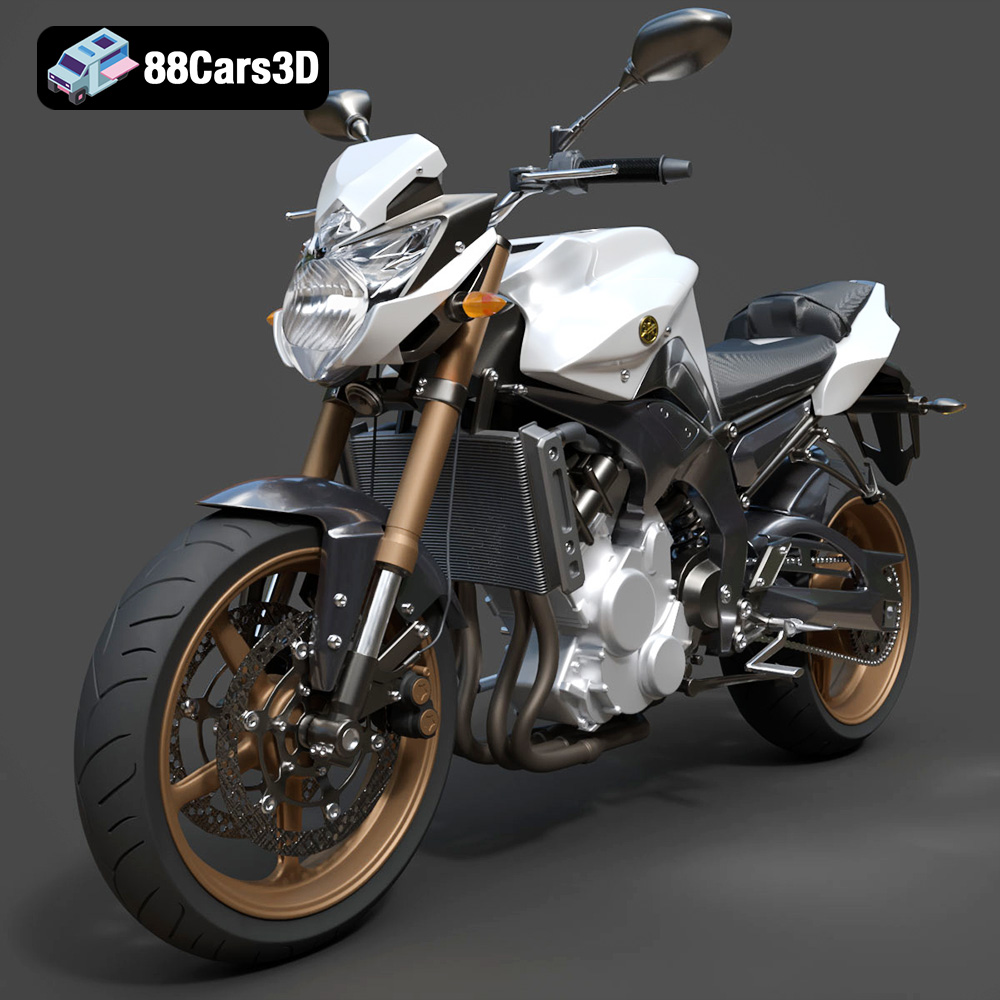
Yamaha FZ8 2011 3D Model
Texture: Yes
Material: Yes
Download the Yamaha FZ8 2011 3D Model featuring clean geometry, realistic detailing, and a fully modeled interior. Includes .blend, .fbx, .obj, .glb, .stl, .ply, .unreal, and .max formats for rendering, simulation, and game development.
Price: $19.99
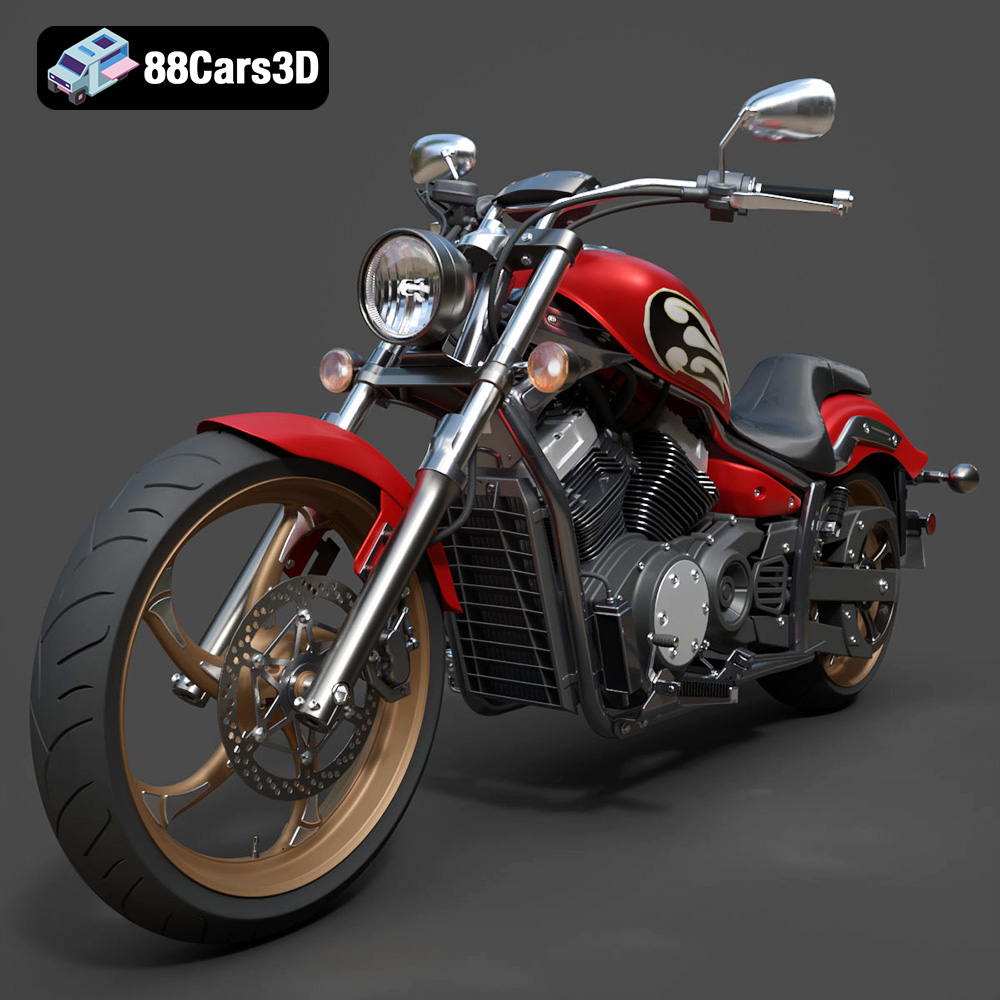
Yamaha Stryker 2012 3D Model
Texture: Yes
Material: Yes
Download the Yamaha Stryker 2012 3D Model featuring clean geometry, realistic detailing, and a fully modeled interior. Includes .blend, .fbx, .obj, .glb, .stl, .ply, .unreal, and .max formats for rendering, simulation, and game development.
Price: $19.99
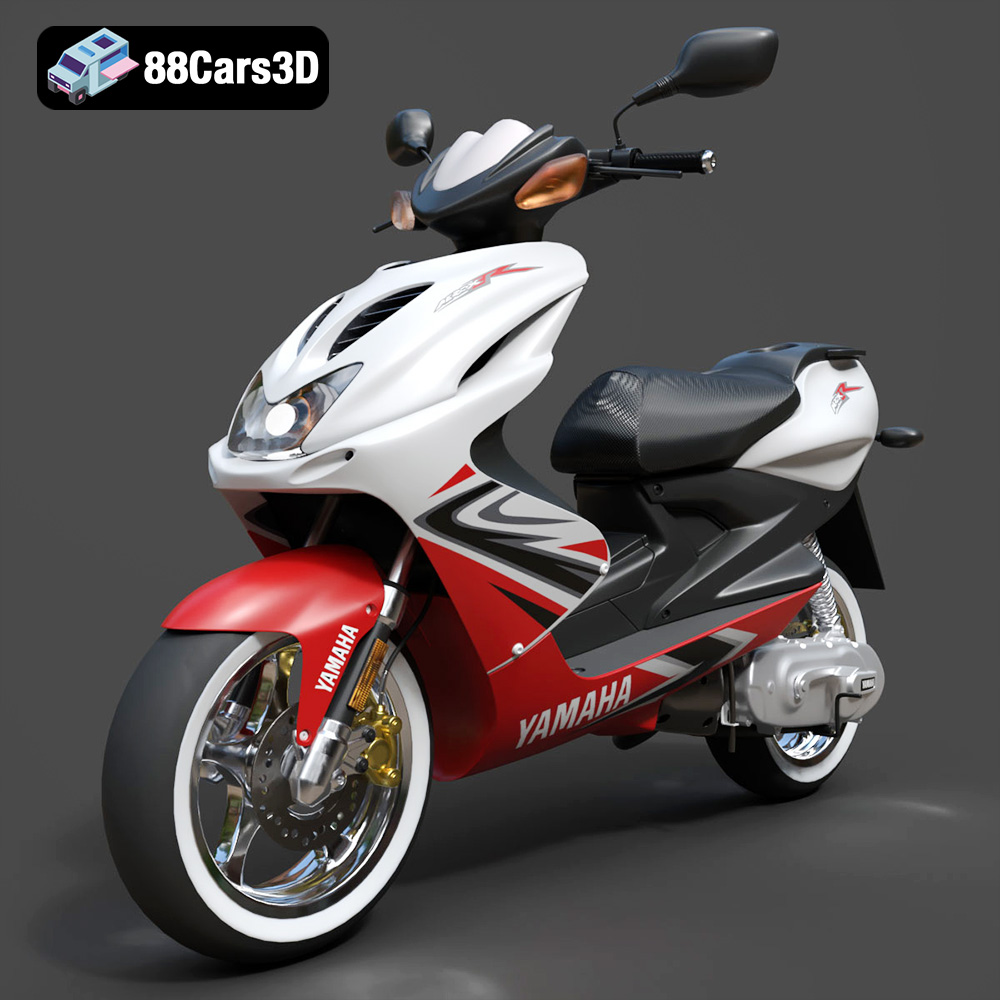
Yamaha Aerox R-002 2024 3D Model
Texture: Yes
Material: Yes
Download the Yamaha Aerox R-002 2024 3D Model featuring clean geometry, realistic detailing, and a fully modeled interior. Includes .blend, .fbx, .obj, .glb, .stl, .ply, .unreal, and .max formats for rendering, simulation, and game development.
Price: $19.99
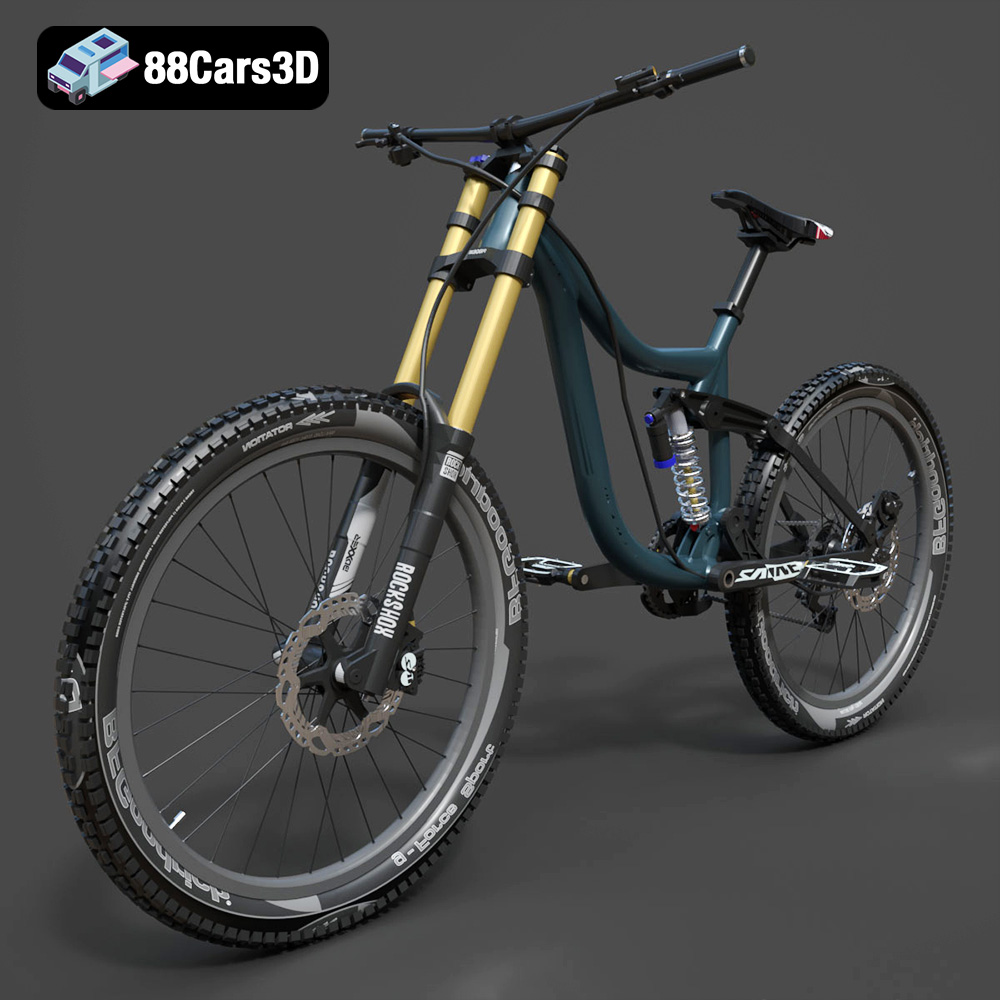
Mototsikly Downhill Bike-002 3D Model
Texture: Yes
Material: Yes
Download the Mototsikly Downhill Bike-002 3D Model featuring clean geometry, realistic detailing, and precise mechanical components. Includes .blend, .fbx, .obj, .glb, .stl, .ply, .unreal, and .max formats for rendering, simulation, and game development.
Price: $19.99
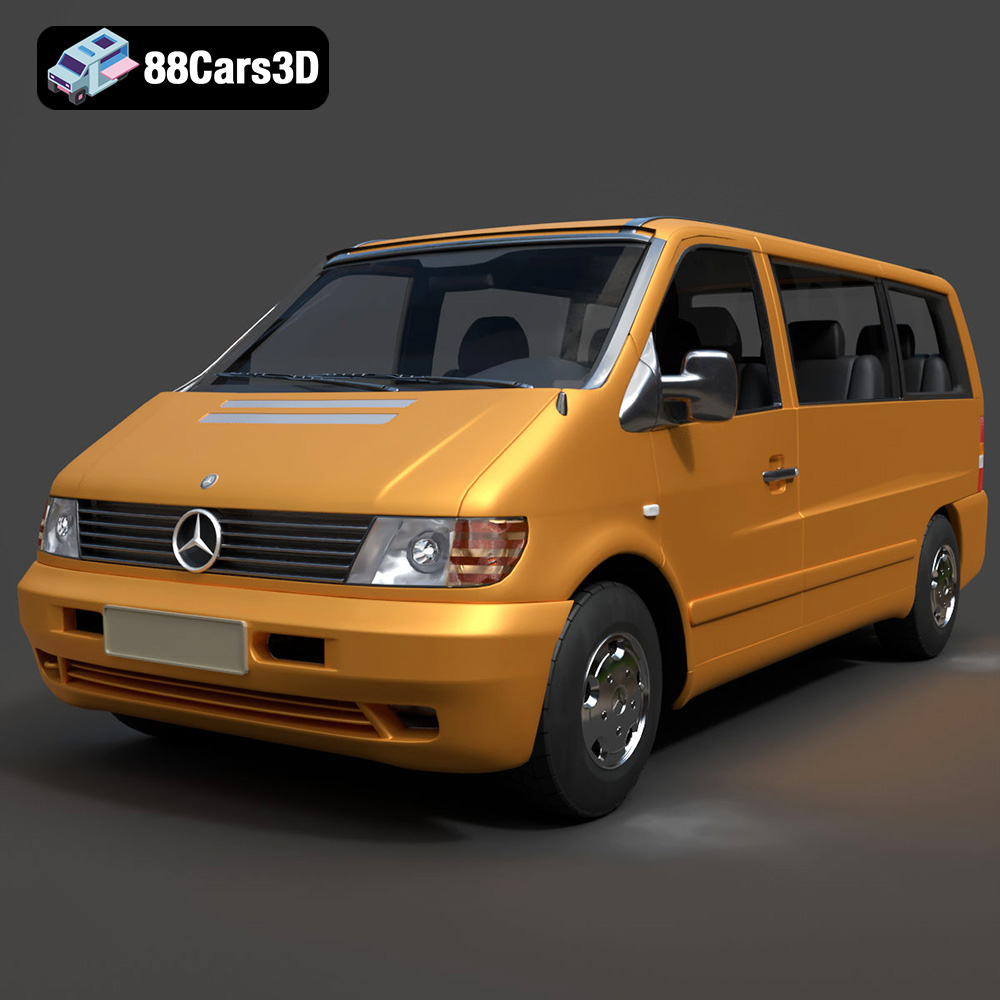
Mercedes-Benz Vito Passenger Van 3D Model
Texture: Yes
Material: Yes
Download the Mercedes-Benz Vito Passenger Van 3D Model featuring clean geometry, realistic detailing, and a fully modeled interior. Includes .blend, .fbx, .obj, .glb, .stl, .ply, .unreal, and .max formats for rendering, simulation, and game development.
Price: $19.99
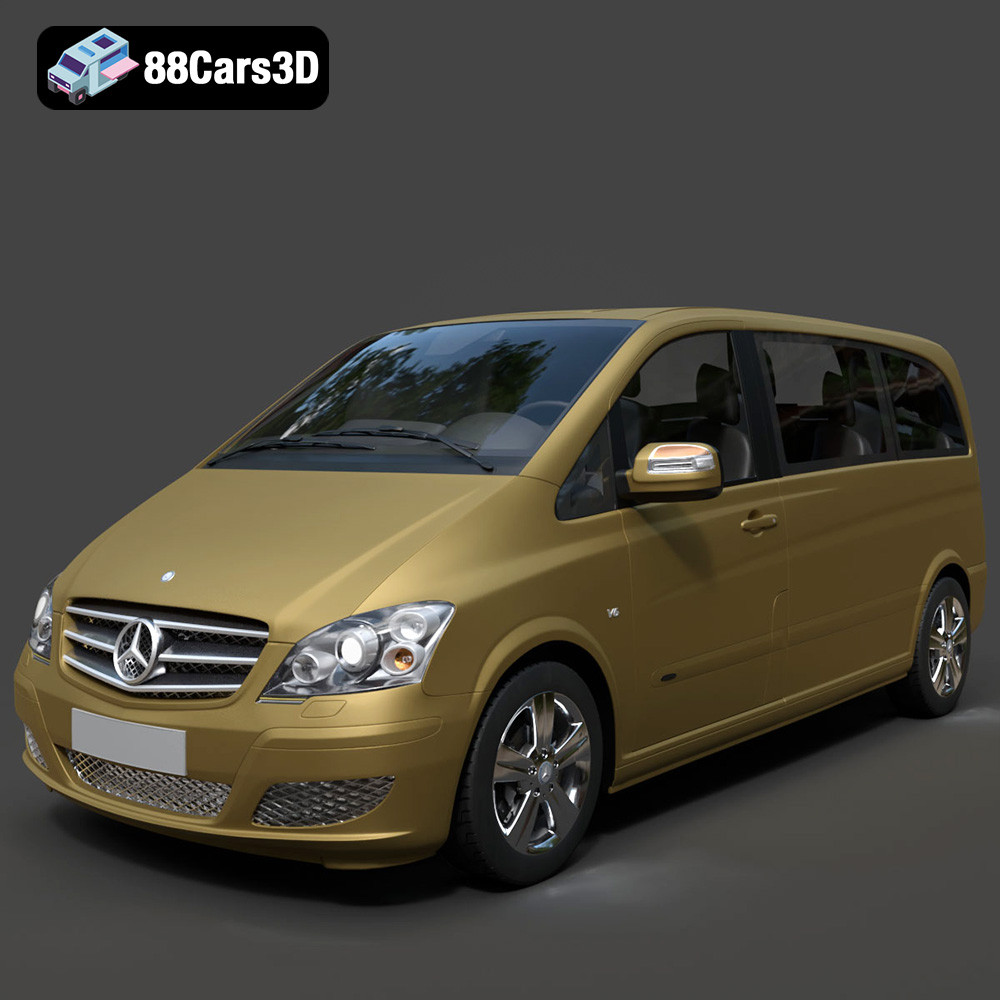
Mercedes-Benz Viano 2010 3D Model
Texture: Yes
Material: Yes
Download the Mercedes-Benz Viano 2010 3D Model featuring clean geometry, realistic detailing, and a fully modeled interior. Includes .blend, .fbx, .obj, .glb, .stl, .ply, .unreal, and .max formats for rendering, simulation, and game development.
Price: $19.99

Emt Avtobus 007 3D Model
Texture: Yes
Material: Yes
Download the Emt Avtobus 007 3D Model featuring clean geometry, realistic detailing, and a fully modeled interior. Includes .blend, .fbx, .obj, .glb, .stl, .ply, .unreal, and .max formats for rendering, simulation, and game development.
Price: $19.99
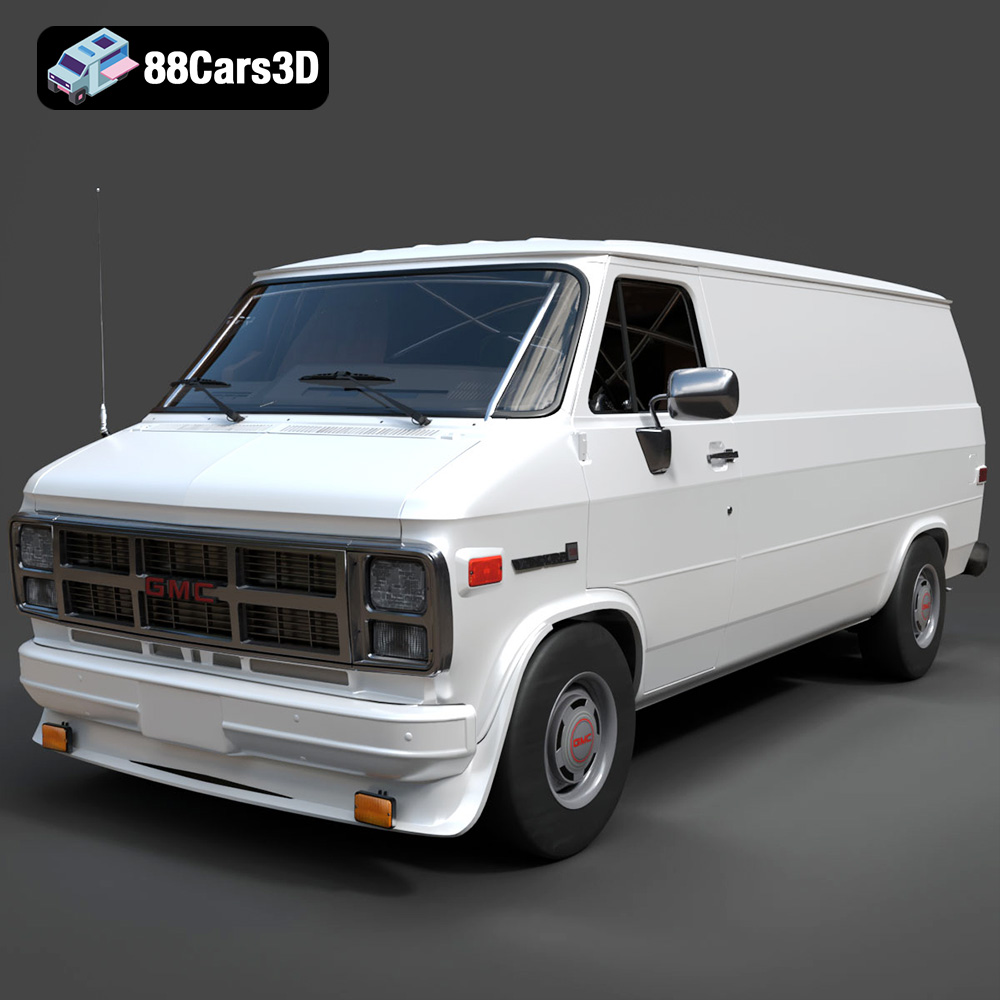
GMC Vandura G-1500 1983 3D Model
Texture: Yes
Material: Yes
Download the GMC Vandura G-1500 1983 3D Model featuring clean geometry, realistic detailing, and a fully modeled interior. Includes .blend, .fbx, .obj, .glb, .stl, .ply, .unreal, and .max formats for rendering, simulation, and game development.
Price: $19.99
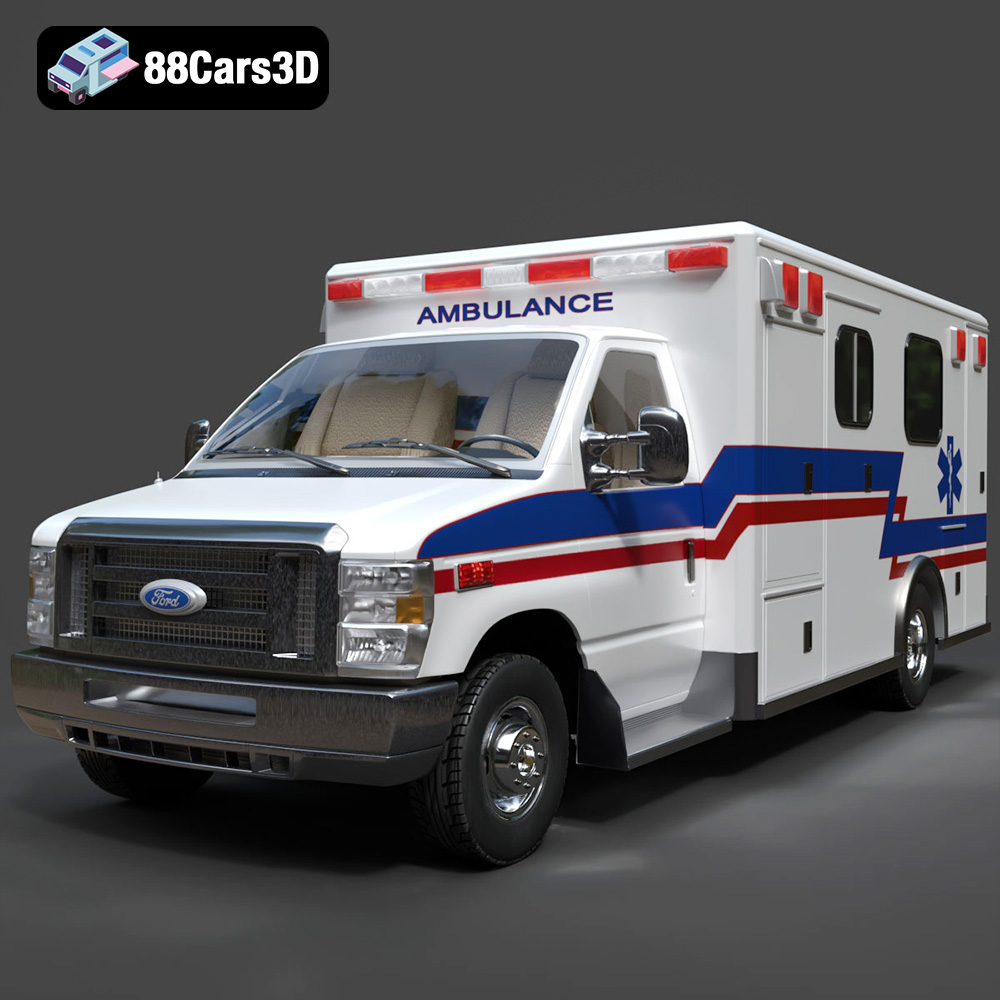
Ford E-450 Ambulance 3D Model
Texture: Yes
Material: Yes
Download the Ford E-450 Ambulance 3D Model featuring clean geometry, realistic detailing, and a fully modeled interior. Includes .blend, .fbx, .obj, .glb, .stl, .ply, .unreal, and .max formats for rendering, simulation, and game development.
Price: $19.99
