

The automotive industry has always been at the forefront of innovation, not just in vehicle design and engineering, but also in how cars are presented to the world. From high-octane commercials to breathtaking product reveals, the quest for stunning visuals is relentless. Enter Virtual Production (VP) with Unreal Engine, a paradigm shift that is revolutionizing how automotive content is created, offering unparalleled realism, flexibility, and creative control.
At the heart of this revolution lies the LED wall workflow, transforming traditional green screen studios into dynamic, immersive environments. This technology allows filmmakers, advertisers, and designers to capture stunning in-camera visual effects with physical objects interacting seamlessly with photorealistic digital backgrounds. For automotive visualization, this means showcasing a vehicle in any conceivable location – from a bustling cityscape to an alien planet – all within the controlled confines of a studio.
This comprehensive guide delves into the intricacies of leveraging Unreal Engine and LED walls for cutting-edge automotive virtual production. We’ll explore everything from setting up your Unreal Engine project to integrating high-fidelity 3D car models, mastering real-time lighting with Lumen, crafting interactive experiences with Blueprint, and optimizing performance for flawless real-time rendering. Whether you’re a seasoned Unreal Engine developer, a 3D artist, or an automotive designer, prepare to unlock the full potential of virtual production and elevate your automotive visualization projects to an unprecedented level of realism and efficiency.
The Revolution of LED Wall Virtual Production for Automotive Content
Virtual Production is fundamentally changing how film, television, and advertising content is produced, offering an iterative and highly collaborative workflow that bridges the gap between pre-production and final photography. For the automotive sector, this means a dramatic reduction in the logistical complexities and costs associated with traditional location shoots, while simultaneously expanding creative possibilities. Instead of flying a crew and a vehicle to a remote desert or a bustling metropolis, you can bring the desert or city to your studio via an LED volume.
An LED volume is essentially a large, curved or flat wall (and often a ceiling) constructed from high-resolution LED panels. These panels display photorealistic 3D environments rendered in real-time by Unreal Engine. When a physical car is placed in front of this dynamic background, the camera sees both the real car and the virtual environment as if they were in the same space. This creates accurate in-camera reflections, perfect lighting spill, and realistic parallax, making the integration between physical and digital elements seamless and highly convincing.
The benefits for automotive visualization are immense. Imagine testing multiple design iterations of a vehicle against diverse backdrops without ever leaving the studio. Or showcasing an unreleased prototype in a stunning, custom-built environment long before physical production. The ability to make real-time adjustments to lighting, environment, and even vehicle configurations on set empowers directors, cinematographers, and designers with unprecedented flexibility, streamlining the entire creative process and significantly reducing post-production workload.
What is Virtual Production and Why LED Walls?
Virtual production encompasses a suite of techniques that combine physical and virtual elements in real-time. Historically, green screen stages were the go-to for compositing. However, green screen inherently suffers from issues like spill (green light reflecting onto the subject), lack of realistic reflections, and the inability to provide accurate interactive lighting on set. LED walls directly address these challenges. By displaying the virtual environment directly behind and around the physical subject, the LED panels emit light that realistically illuminates the car, casting accurate reflections onto its surfaces and providing a sense of genuine immersion that is impossible with green screen.
Furthermore, LED walls provide a ‘what you see is what you get’ experience on set. Directors can immediately see the final composite through the camera’s viewfinder, allowing for immediate creative decisions and adjustments. This iterative feedback loop is invaluable for crafting the perfect shot, whether for a commercial, a product launch, or an internal design review. The immediacy and realism boost creativity and efficiency across the board.
Key Components of an LED Volume and Unreal Engine Integration
A typical LED volume setup involves several critical components working in concert with Unreal Engine. The primary element is the LED wall itself, chosen for its pixel pitch (the distance between LED pixels, affecting resolution and viewing distance) and color accuracy. Behind the scenes, a powerful cluster of computers, often referred to as a media server or render farm, runs Unreal Engine. These machines are responsible for rendering the virtual environment in real-time for each section of the LED wall.
Crucially, a camera tracking system (e.g., Mo-Sys, Stype, Ncam) is used to track the physical camera’s position and orientation in real space. This tracking data is fed into Unreal Engine, which then renders the virtual background from the perspective of the physical camera. This creates the illusion of parallax and depth, making the virtual environment appear to extend beyond the flat screen. Finally, a robust network infrastructure ensures seamless communication and synchronization between all components, facilitating a smooth and reliable virtual production workflow. Understanding how these elements interconnect is fundamental for successful LED wall projects.
Setting Up Your Unreal Engine Project for LED Wall Workflows
Preparing an Unreal Engine project for an LED wall virtual production is a specialized process that goes beyond standard game development setup. The core difference lies in distributing the rendering workload across multiple GPUs and syncing their output to create a seamless, expansive virtual environment across many physical displays. This is achieved primarily through Unreal Engine’s nDisplay framework, a powerful tool designed specifically for multi-display setups like LED volumes, planetariums, and high-resolution immersive experiences. Mastering nDisplay is critical for any successful LED wall project.
A robust hardware configuration is paramount. You’ll need multiple powerful graphics cards (often NVIDIA RTX series) to render the different view frustums for each section of your LED wall. These GPUs are typically housed in several dedicated render nodes, all connected via a high-bandwidth network (e.g., 10 Gigabit Ethernet or faster) to ensure minimal latency and frame synchronization. Proper network configuration and timecode synchronization are essential to prevent visual tearing or stuttering across the LED panels, ensuring a perfectly fluid and believable virtual world.
The project configuration also involves careful planning of your 3D environment to minimize rendering overhead. While Nanite allows for incredibly detailed models, an entire LED wall scene still demands significant GPU resources, especially at high resolutions and frame rates. Balancing visual fidelity with performance is a constant challenge that requires a deep understanding of Unreal Engine’s optimization tools and a meticulous approach to asset creation and scene composition.
nDisplay Configuration for Multi-Display Output
nDisplay is the backbone of Unreal Engine’s LED wall integration. It allows you to define a cluster of display nodes, each rendering a specific frustum (view) of your virtual scene. To set it up, you’ll create an nDisplay configuration asset within Unreal Engine. This asset defines the physical layout of your LED wall, including the dimensions and positions of each LED panel, and maps them to virtual cameras within your scene. Each virtual camera then corresponds to a specific render node in your cluster. For detailed setup instructions and best practices, referring to the official Unreal Engine documentation on nDisplay is highly recommended: https://dev.epicgames.com/community/unreal-engine/learning.
The nDisplay config file specifies the IP addresses of your render nodes, the resolution of each viewport, and the network synchronization settings. Crucially, it also defines the inner frustum – the part of the virtual world visible to the tracked camera – and the outer frustums that project onto the rest of the LED wall. Getting these settings correct ensures that the perspective shifts naturally as the physical camera moves, creating a convincing sense of depth and realism for the viewer and the camera alike.
Calibrating for Pixel Perfect Projection and Performance
Achieving a pixel-perfect image on an LED wall requires meticulous calibration. This involves both geometric correction and color calibration. Geometric correction ensures that the virtual frustums perfectly align with the physical LED panels, compensating for any slight misalignments or curvature of the wall. Tools like Brompton Technology’s Tessera processors, often used with LED walls, provide advanced geometric correction features that integrate with Unreal Engine’s output.
Color calibration is equally vital. The colors rendered by Unreal Engine must accurately translate to the LED panels, matching the color profile of the physical car and other practical elements on set. This often involves using colorimeters and specialized software to generate 3D LUTs (Look-Up Tables) that correct for color shifts and ensure consistent color reproduction across the entire LED volume. Performance calibration involves stress-testing the scene to ensure a stable frame rate (typically 24, 30, 48, or 60 fps, depending on the production requirements) across all render nodes, prioritizing visual quality for the tracked camera’s frustum while optimizing backgrounds. Monitoring GPU usage, frame times, and network latency is essential during this phase.
Integrating High-Quality 3D Car Models from 88cars3d.com
The success of any automotive visualization, especially within a virtual production environment, hinges on the quality of the 3D car models. Shoddy models with poor topology, unrealistic materials, or incorrect scale will immediately break the illusion, no matter how sophisticated the LED wall setup. This is where sourcing professional-grade assets becomes critical. Platforms like 88cars3d.com specialize in providing high-quality, pre-optimized 3D car models specifically designed for real-time applications like Unreal Engine, ensuring your automotive content looks its absolute best on the LED volume.
These models are typically built with clean quad topology, allowing for smooth subdivision and deformation, and come with meticulous UV mapping for accurate texture application. Furthermore, they are often provided with multiple Levels of Detail (LODs) and PBR (Physically Based Rendering) ready material setups, significantly streamlining the import and optimization process within Unreal Engine. This saves artists countless hours of cleanup and preparation, allowing them to focus directly on creative lighting and scene composition, which is paramount in fast-paced virtual production workflows.
When selecting models for LED wall virtual production, consider the level of detail required for foreground shots versus background elements. While Nanite can handle incredibly high polygon counts, optimizing your assets from the start provides a robust foundation for a performant scene. Utilizing models with well-structured hierarchies and easily modifiable materials allows for rapid on-set customization, a key advantage of virtual production.
Importing and Initial Optimization of Automotive Assets
Importing 3D car models into Unreal Engine is typically done via FBX or USD (Universal Scene Description) files. When downloading models from marketplaces such as 88cars3d.com, you’ll usually find them in these widely supported formats. Upon import, ensure the model’s scale is correct (Unreal Engine uses centimeters by default) and that the pivot point is accurately placed, ideally at the base of the vehicle or its center of gravity. For models that are not already optimized, initial steps include checking for redundant geometry, merging materials where possible, and ensuring proper mesh normals. Ideally, you want models that are ‘game-ready’ or ‘real-time optimized’ to minimize this cleanup.
After import, it’s crucial to check the model’s collisions if any form of interaction or physics is intended, though often for cinematic VP, simple or no collision is sufficient. Organize the imported assets within logical folders in the Content Browser, including meshes, materials, and textures. This ensures a clean project structure, which is invaluable when working on complex virtual production scenes with numerous assets and collaborators. Always verify texture paths and material assignments immediately after import to catch any issues early.
Harnessing Nanite for Automotive Detail on LED Walls
Nanite, Unreal Engine 5’s virtualized geometry system, is a game-changer for high-fidelity automotive visualization on LED walls. Traditionally, detailed car models with millions of polygons would crush real-time performance. Nanite overcomes this by intelligently streaming and processing only the necessary geometry at a per-pixel level, allowing artists to import film-quality assets directly into the engine without needing to manually create LODs for every asset. This means the highly detailed vehicle models you get from 88cars3d.com can be leveraged to their fullest potential.
For LED wall virtual production, Nanite means foreground car models can maintain an extraordinary level of detail – sharp edges, intricate interior components, and subtle body panel curvatures – without sacrificing frame rate on the multi-GPU nDisplay cluster. This is particularly important for close-up shots where every detail of the vehicle is under scrutiny. Enabling Nanite for your static meshes is a simple checkbox in the Static Mesh Editor, but understanding its limitations (e.g., currently not supporting skinned meshes or custom UVs for certain features) is still important for specific advanced workflows. It fundamentally shifts the artist’s focus from polygon budgeting to creative expression.
Crafting Realistic PBR Materials for Automotive Surfaces
Photorealistic materials are crucial for convincing automotive visualization, especially when illuminated by real-time lights and reflecting a dynamic LED background. Unreal Engine’s Physically Based Rendering (PBR) system allows you to create materials that accurately simulate how light interacts with surfaces in the real world. For automotive surfaces, this involves carefully crafting materials for paint, glass, chrome, rubber, and various interior elements.
Automotive paint shaders, for instance, are complex and often require a layered approach, combining a base metallic layer with clear coat properties (specular, roughness), and potentially flake or pearlescent effects. Utilizing texture maps like Albedo (base color), Normal (surface detail), Roughness (micro-surface imperfections), Metallic (conductive vs. dielectric), and Ambient Occlusion (contact shadows) is fundamental. These maps, often provided with 88cars3d.com models, are plugged directly into the Unreal Engine Material Editor. Experiment with varying values and learn to leverage Material Functions for reusable shader components to create truly believable automotive finishes that react dynamically to the LED wall’s environmental lighting.
Dynamic Lighting and Realistic Environments with Lumen
Lighting is arguably the most critical element in achieving realism in any visual medium, and in virtual production with LED walls, it takes on an even more profound role. The LED panels themselves emit light, which realistically interacts with the physical objects on set. To make this interaction truly convincing, the virtual environment rendered by Unreal Engine must be lit with the utmost fidelity. Unreal Engine 5’s Lumen Global Illumination and Reflections system is a monumental leap forward in achieving this realism in real-time.
Lumen provides fully dynamic global illumination and reflections, meaning light bounces, diffuses, and reflects off surfaces in a physically accurate manner, all in real-time. This is indispensable for LED wall workflows, as it ensures that the virtual environment’s lighting perfectly matches and influences the physical lighting of the car and set pieces. As you adjust the time of day, change environmental conditions, or move light sources within Unreal Engine, Lumen instantly updates the global illumination, providing immediate, accurate feedback on the LED wall and allowing for unprecedented flexibility during a shoot.
Beyond Lumen, thoughtful environment design is essential. The virtual backdrop must be compelling and believable, enhancing the car’s aesthetic rather than distracting from it. This involves creating detailed 3D environments, leveraging high-resolution sky domes or HDRIs (High Dynamic Range Images) for ambient light, and integrating dynamic weather systems or time-of-day changes via Blueprint to add narrative depth and visual interest. The interplay between Lumen’s dynamic lighting and a richly designed environment elevates the entire virtual production experience for automotive content.
Lumen and Real-Time Global Illumination for Virtual Environments
Lumen is Unreal Engine 5’s default global illumination and reflections system, providing highly realistic indirect lighting. For LED wall virtual production, Lumen’s capability to deliver real-time GI is transformative. When the virtual environment is displayed on the LED wall, Lumen ensures that light from virtual suns, streetlights, or emissive materials within the scene bounces off virtual surfaces and then accurately spills onto the physical car and surrounding set. This creates a cohesive lighting scenario where the real and virtual worlds merge seamlessly. For instance, if your virtual environment features a sunset, Lumen ensures that warm, orange hues are reflected onto the car’s bodywork and cast onto the studio floor, mimicking a real outdoor shoot.
Lumen operates by tracing rays through the scene to calculate indirect lighting, working effectively with both Nanite geometry and traditional meshes. Optimizing Lumen involves managing its settings, such as `Global Illumination Quality` and `Reflection Quality`, to balance visual fidelity with the performance demands of multi-GPU nDisplay rendering. Ensuring proper scene scale and material properties (especially emissive values) are crucial for Lumen to calculate accurate light bounces and reflections, enhancing the realism of your automotive presentations on the LED wall.
Environment Design for Immersive Virtual Backdrops
The virtual environment displayed on the LED wall is just as important as the physical car itself. Creating an immersive backdrop involves meticulous 3D modeling, texturing, and lighting. Start by blocking out your environment using simple shapes, focusing on composition and scale relative to the car. Then, progressively add detail with high-quality assets, ensuring they are optimized for real-time rendering. Utilize tools like Quixel Megascans for photorealistic props and textures to quickly populate your scene with believable elements. For large-scale environments like cityscapes or vast landscapes, procedural generation tools or World Partition in Unreal Engine can be invaluable.
Sky domes and HDRIs play a significant role in defining the ambient light and mood of your scene. A high-resolution HDRI map wrapped around your environment can provide realistic sky reflections and ambient lighting that Lumen then processes. Incorporating dynamic elements like moving clouds, changing time of day, or even subtle particle effects (e.g., dust, rain with Niagara) can add life and realism to your backdrop. Think about the story you want to tell with the car and design the environment to complement and enhance that narrative.
Performance Strategies for Lumen in Virtual Production
While Lumen offers unparalleled realism, achieving a stable frame rate on an nDisplay LED wall setup requires careful optimization. The primary challenge is that each render node needs to compute Lumen’s global illumination and reflections for its unique frustum, leading to a significant computational load. One key strategy is to manage the complexity of your scene. Reduce unnecessary geometry, optimize textures, and ensure that only essential lights contribute to Lumen’s calculations.
Adjusting Lumen’s console variables can yield significant performance gains. For instance, `r.Lumen.DiffuseTracing.MaxBounces` and `r.Lumen.Reflections.MaxBounces` can be lowered for less demanding scenes, trading off a slight reduction in indirect light accuracy for better frame rates. Furthermore, consider using Lumen’s ‘Hardware Ray Tracing’ mode for higher quality where possible, but be mindful of its performance impact compared to the ‘Software Ray Tracing’ fallback. For the outermost sections of the LED wall, which are less likely to be in the tracked camera’s direct frustum, you might be able to employ slightly lower quality settings for Lumen or reduce the complexity of the scene in those regions. Regular profiling with Unreal Engine’s built-in tools (like the GPU Visualizer and Stat commands) is essential to identify and address bottlenecks.
Interactive Experiences and Cinematic Storytelling with Unreal Engine
The true power of virtual production lies not just in rendering photorealistic environments, but in the ability to interact with them in real-time. Unreal Engine provides a robust toolkit for crafting dynamic, interactive experiences and cinematic narratives, all within the live LED wall setup. This level of interactivity is particularly beneficial for automotive applications, allowing for instant design changes, vehicle configurators, and spontaneous creative exploration during a shoot.
Blueprint Visual Scripting, Unreal Engine’s powerful node-based scripting system, empowers artists and designers (even those without traditional coding backgrounds) to create complex interactive functionalities. Imagine instantly changing a car’s color, swapping out wheel designs, or even opening doors and adjusting interior ambient lighting, all from a simple tablet interface on set. This rapid iteration capacity saves immense time and resources, allowing creative teams to experiment freely and make informed decisions immediately.
For crafting cinematic narratives, Sequencer is Unreal Engine’s non-linear cinematic editor, enabling precise control over camera movements, character animations (if applicable), object transformations, and even lighting changes over time. Within an LED wall workflow, Sequencer can be used to drive the background animation, creating dynamic environments that react to the camera and the car. Combined with virtual camera tracking, these tools enable filmmakers to pre-visualize and execute complex shots with unparalleled precision and creative freedom, truly blurring the lines between game development and traditional filmmaking.
Blueprint for On-Set Interactivity and Automotive Configurators
Blueprint visual scripting allows you to create highly interactive elements for your virtual production setup. For automotive applications, this translates directly into on-set configurators. You can use Blueprint to design a user interface (UI) that allows a director or client to change the car’s paint color, material finishes, rim designs, or even trigger animations like opening doors or turning on headlights, all in real-time. This UI can be displayed on a separate monitor or tablet, sending commands to the Unreal Engine project running on the nDisplay cluster.
For example, you could set up a Blueprint that, when a button is pressed, cycles through an array of material instances for the car paint, instantly updating the car’s appearance on the LED wall and the reflections on the physical vehicle. This level of immediate feedback is invaluable for clients to visualize different options and make quick creative decisions without needing to wait for post-production renders. Furthermore, Blueprint can be used to control dynamic environment elements, like changing the time of day, triggering weather effects, or swapping between entirely different virtual locations with a single click.
Sequencer for Cinematic Content and Dynamic Backgrounds
Unreal Engine’s Sequencer is an incredibly powerful tool for creating and orchestrating cinematic sequences, making it indispensable for virtual production. In an LED wall workflow, Sequencer can be used to pre-animate camera paths for complex shots, allowing the camera operator to practice and refine movements before the actual shoot. More commonly, Sequencer is used to drive the virtual background’s motion. Imagine a car driving along a highway; Sequencer can animate the trees, buildings, and other environmental elements passing by, creating a dynamic parallax effect on the LED wall that perfectly matches the camera’s movement.
You can use Sequencer to keyframe not just camera movements, but also lighting changes, particle effects (like rain or fog from Niagara), and even the movement of other virtual vehicles in the scene. This allows for highly polished and synchronized cinematic content where every element of the virtual background is precisely timed. For instance, a car commercial might feature a choreographed dance of light and shadow over the vehicle as it drives through a virtual environment, all managed and executed in real-time using Sequencer.
Virtual Camera Tracking and Control Integration
Integrating a virtual camera tracking system is fundamental to an effective LED wall workflow. These systems (e.g., Mo-Sys, Stype, Ncam) attach to a physical camera and accurately report its 6-degrees-of-freedom (6DoF) position and rotation in real-time to Unreal Engine. Unreal Engine then uses this data to update the virtual camera’s perspective, ensuring that the rendered background on the LED wall always aligns perfectly with what the physical camera is seeing. This creates the illusion of a single, continuous world, with correct parallax and perspective as the camera moves through the studio space.
Advanced tracking systems can also send lens data (zoom, focus) to Unreal Engine, allowing the virtual environment to perfectly match the depth of field and focal length of the physical lens. This level of synchronization is crucial for maintaining realism, especially in close-up shots of the car where the interplay between foreground and background is highly scrutinized. The accuracy of your camera tracking directly impacts the believability of your virtual production, making meticulous setup and calibration essential.
Advanced Optimization and Workflow Best Practices for LED Walls
While Unreal Engine, Nanite, and Lumen offer unprecedented power, optimizing your project for a real-time LED wall workflow is paramount. The sheer resolution and multi-GPU demands of an LED volume mean that every frame counts. A single dropped frame or stutter can immediately break the immersion and compromise the quality of your automotive content. Therefore, a robust understanding of optimization techniques and adherence to industry best practices are not merely suggestions, but critical requirements for success.
This includes not just technical tweaks within Unreal Engine, but also strategic considerations about your asset pipeline, data management, and troubleshooting methodologies. Efficient asset management, leveraging advanced data formats like USD, and proactively addressing performance bottlenecks are key to a smooth and reliable virtual production pipeline. The goal is to maximize visual fidelity while maintaining a consistent and stable frame rate across all render nodes, ensuring that the creative vision translates flawlessly onto the LED wall.
Professional virtual production houses constantly monitor performance, analyze bottlenecks, and implement iterative optimizations throughout their projects. This proactive approach prevents costly delays on set and ensures that the technical infrastructure supports the creative demands without compromise. Ultimately, a well-optimized Unreal Engine project leads to a more flexible, efficient, and creatively empowering LED wall virtual production experience for automotive visualization.
LODs and Culling Strategies for Large Environments
Even with Nanite handling foreground high-poly assets, Level of Detail (LODs) and efficient culling strategies remain vital for optimizing large-scale environments, especially for background elements displayed on the LED wall. For objects in the distance that don’t benefit from Nanite’s per-pixel streaming, traditional LODs still provide significant performance gains by swapping out high-resolution meshes for simpler versions as the camera moves away. This reduces the polygon count and draw calls for distant objects, freeing up GPU resources.
Occlusion Culling (which prevents objects hidden behind others from being rendered) and Frustum Culling (which stops objects outside the camera’s view frustum from rendering) are automatically handled by Unreal Engine but need to be robustly supported by your scene’s organization. Strategic placement of occluder meshes or careful design of your virtual environment can further enhance culling efficiency. For the sections of the LED wall that are not directly in the main camera’s frustum, you might even consider simpler scene compositions or lower-resolution background assets to save performance where it’s less critical for the final shot, though this needs careful consideration to maintain seamless continuity.
Data Management and Collaboration with USD
Universal Scene Description (USD) is rapidly becoming an industry standard for data interchange and collaboration in virtual production pipelines, and its integration into Unreal Engine is a significant advantage. USD allows you to compose, interchange, and collaborate on complex 3D scenes across various software applications. For automotive virtual production, this means you can have your car modelers working in Maya, environment artists in Houdini, and texture artists in Substance Painter, all contributing to a single, consistent USD scene that is then brought into Unreal Engine.
USD’s layering system is particularly powerful, enabling non-destructive workflows. Different departments can work on separate layers (e.g., one for animation, one for lighting, one for materials) without overwriting each other’s work. This streamlines version control and enables highly efficient, collaborative production pipelines. When dealing with numerous high-fidelity assets for an automotive LED wall project, using USD for scene assembly and asset referencing can dramatically improve data management, reduce import/export issues, and facilitate iterative development across a team.
Troubleshooting Common LED Wall VP Issues
Virtual production, while powerful, comes with its own set of technical challenges. Common issues include:
- Framerate Drops: Often caused by an unoptimized scene, too many high-poly assets without Nanite, inefficient Lumen settings, or an overloaded GPU cluster. Use Unreal Engine’s profilers (Stat GPU, Stat Unit, GPU Visualizer) to identify bottlenecks.
- Sync Issues / Tearing: Typically a network problem. Ensure high-bandwidth network connections, correctly configured nDisplay synchronization settings, and potentially Genlock for hardware-level frame syncing across render nodes and the LED wall processors.
- Color Shifts / Inaccurate Colors: Requires careful color calibration of the LED wall panels themselves, creating custom LUTs, and ensuring consistent color management throughout your Unreal Engine project (e.g., ACES workflow).
- Tracking Jitter / Lag: Verify your camera tracking system’s calibration, ensure a clear line of sight for markers, and check for network latency between the tracker and Unreal Engine.
- Unrealistic Reflections: Can be due to incorrect PBR material properties, suboptimal Lumen settings, or inaccurate virtual environment lighting that doesn’t match the physical setup.
Addressing these issues often requires a methodical approach, checking hardware, network, and software configurations in sequence. Maintaining a detailed project log and regular system diagnostics can save significant time on set.
Conclusion: The Future of Automotive Visualization is Here
The convergence of high-quality 3D car models, the immersive power of LED walls, and the real-time capabilities of Unreal Engine has truly redefined the landscape of automotive visualization and content creation. Virtual Production workflows offer unparalleled advantages, from reducing logistical complexities and costs associated with traditional location shoots to empowering creative teams with real-time feedback and iterative design possibilities. The ability to showcase an automotive design in any imaginable environment, with perfect lighting and reflections, all within the controlled environment of a studio, marks a significant leap forward.
By leveraging features like Nanite for handling highly detailed 3D car models, Lumen for dynamic global illumination and reflections, and Blueprint for on-set interactivity, Unreal Engine provides the robust toolkit necessary to bring even the most ambitious automotive visions to life. Platforms like 88cars3d.com serve as invaluable resources, providing the foundational, high-quality 3D car models that are essential for kickstarting these advanced workflows, ensuring that artists and developers begin with assets that are optimized for real-time performance and visual fidelity.
Embracing LED wall virtual production is not just about adopting new technology; it’s about embracing a new philosophy of content creation that prioritizes efficiency, flexibility, and creative freedom. As the technology continues to evolve, the possibilities for producing breathtaking automotive commercials, captivating product reveals, and innovative design explorations will only continue to expand. Dive in, experiment, and prepare to revolutionize how cars are seen and experienced in the digital age.
Featured 3D Car Models

Porsche Cayenne 3D Model
Meta Description:
Texture: Yes
Material: Yes
Download the Porsche Cayenne 3D Model featuring realistic exterior styling and detailed interior design. Includes .blend, .fbx, .obj, .glb, .stl, .ply, .unreal, and .max formats for rendering, simulation, AR VR, and game development.
Price: $19.9
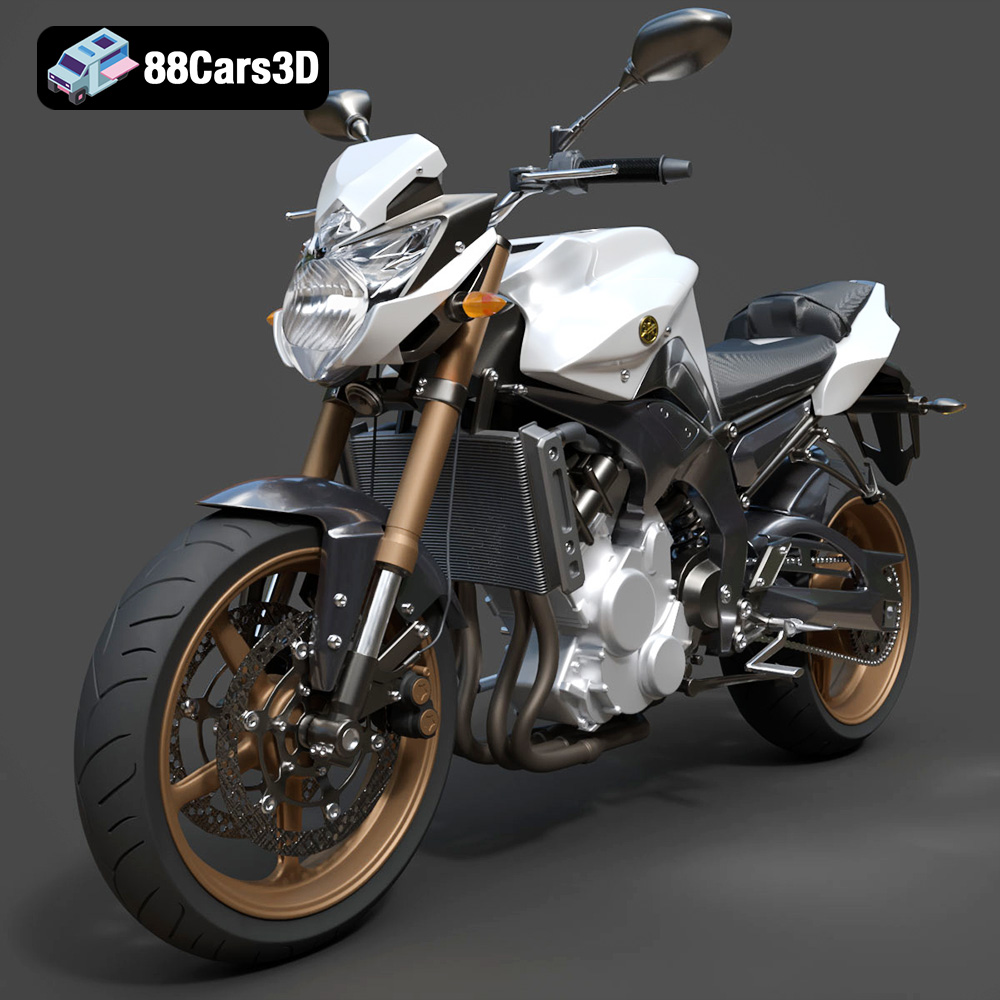
Yamaha FZ8 2011 3D Model
Texture: Yes
Material: Yes
Download the Yamaha FZ8 2011 3D Model featuring clean geometry, realistic detailing, and a fully modeled interior. Includes .blend, .fbx, .obj, .glb, .stl, .ply, .unreal, and .max formats for rendering, simulation, and game development.
Price: $19.99
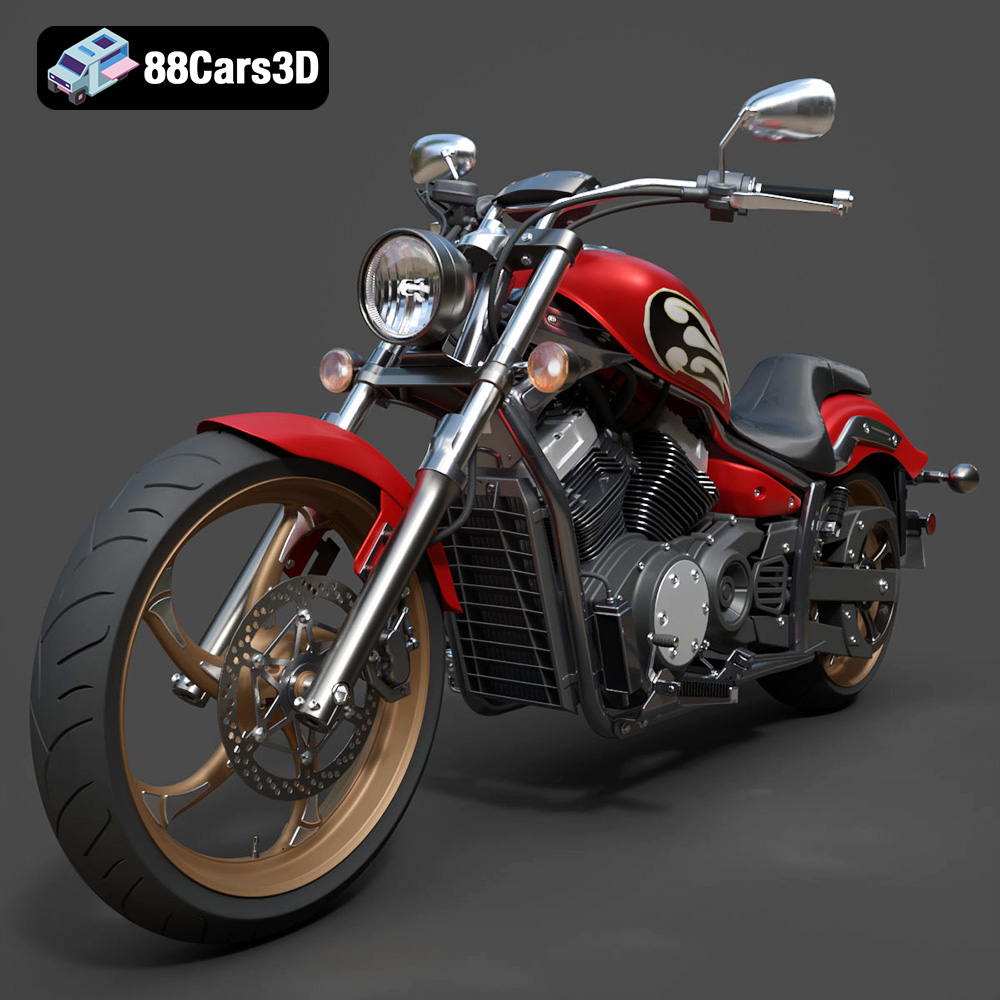
Yamaha Stryker 2012 3D Model
Texture: Yes
Material: Yes
Download the Yamaha Stryker 2012 3D Model featuring clean geometry, realistic detailing, and a fully modeled interior. Includes .blend, .fbx, .obj, .glb, .stl, .ply, .unreal, and .max formats for rendering, simulation, and game development.
Price: $19.99
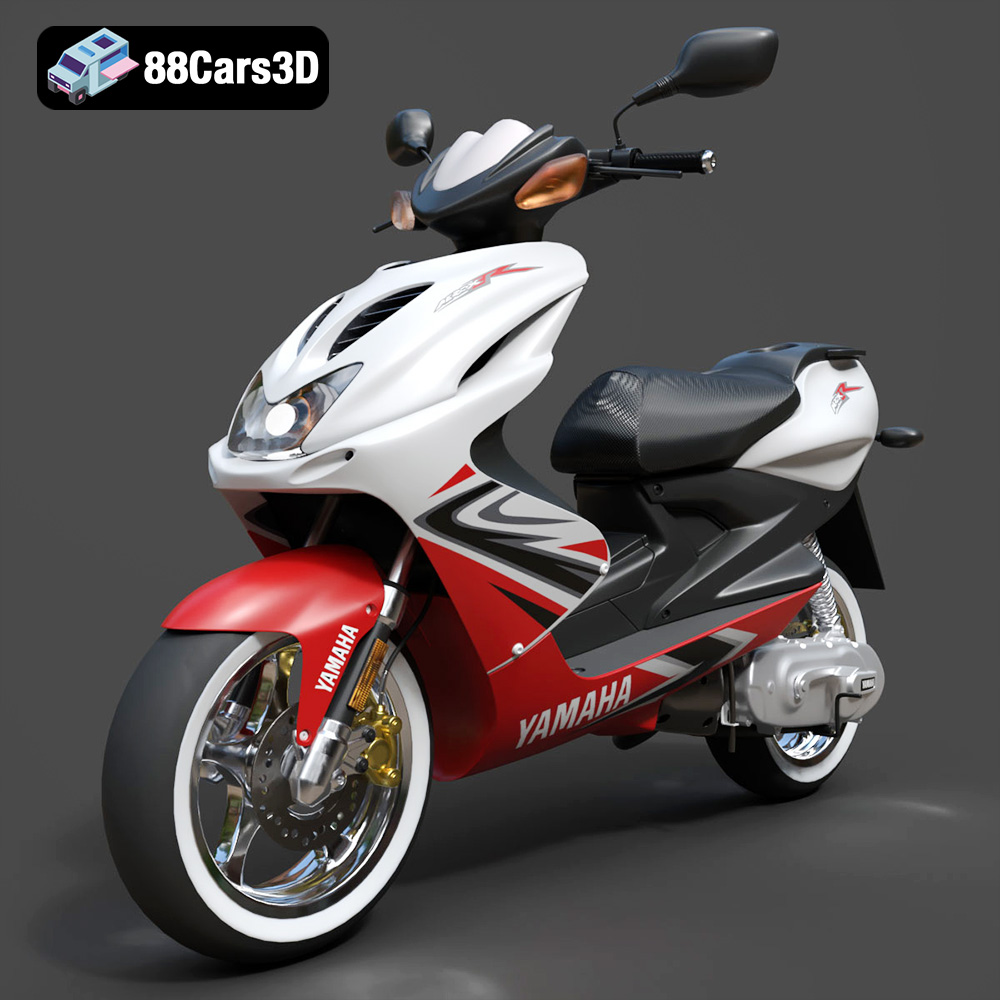
Yamaha Aerox R-002 2024 3D Model
Texture: Yes
Material: Yes
Download the Yamaha Aerox R-002 2024 3D Model featuring clean geometry, realistic detailing, and a fully modeled interior. Includes .blend, .fbx, .obj, .glb, .stl, .ply, .unreal, and .max formats for rendering, simulation, and game development.
Price: $19.99
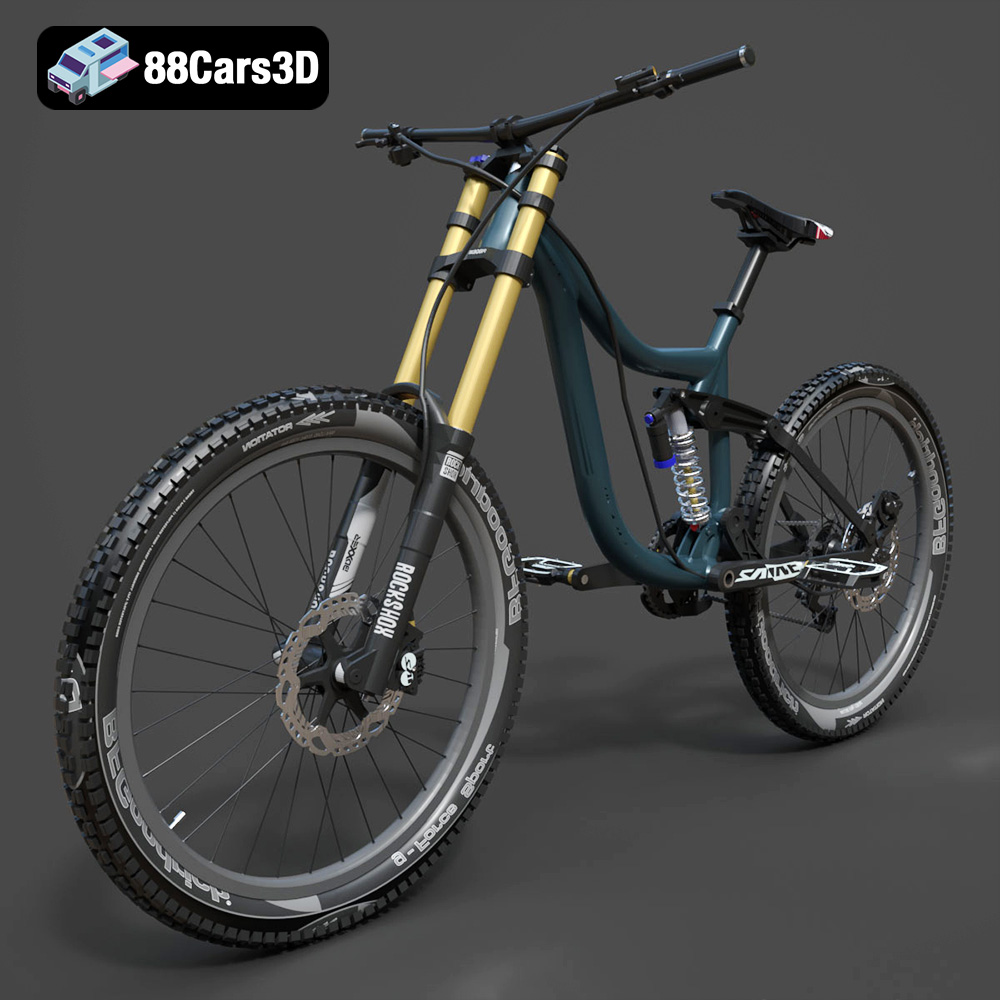
Mototsikly Downhill Bike-002 3D Model
Texture: Yes
Material: Yes
Download the Mototsikly Downhill Bike-002 3D Model featuring clean geometry, realistic detailing, and precise mechanical components. Includes .blend, .fbx, .obj, .glb, .stl, .ply, .unreal, and .max formats for rendering, simulation, and game development.
Price: $19.99
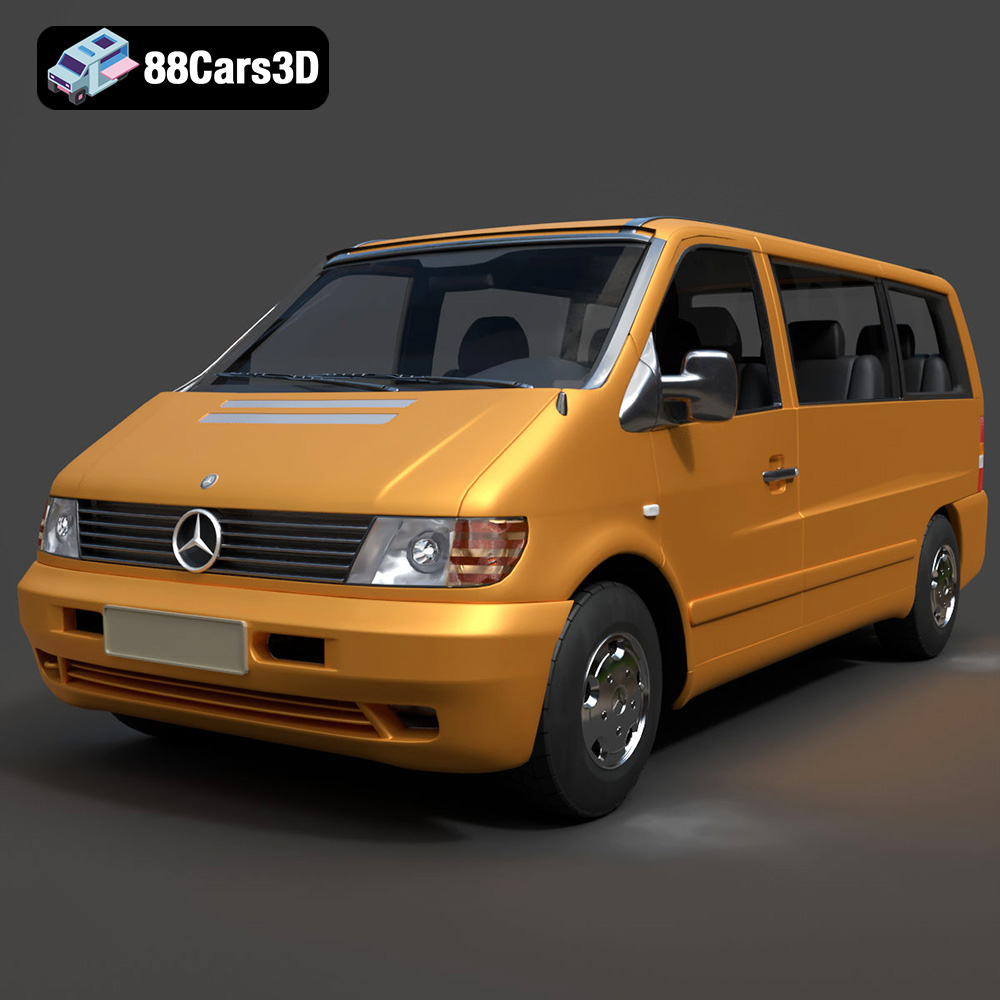
Mercedes-Benz Vito Passenger Van 3D Model
Texture: Yes
Material: Yes
Download the Mercedes-Benz Vito Passenger Van 3D Model featuring clean geometry, realistic detailing, and a fully modeled interior. Includes .blend, .fbx, .obj, .glb, .stl, .ply, .unreal, and .max formats for rendering, simulation, and game development.
Price: $19.99
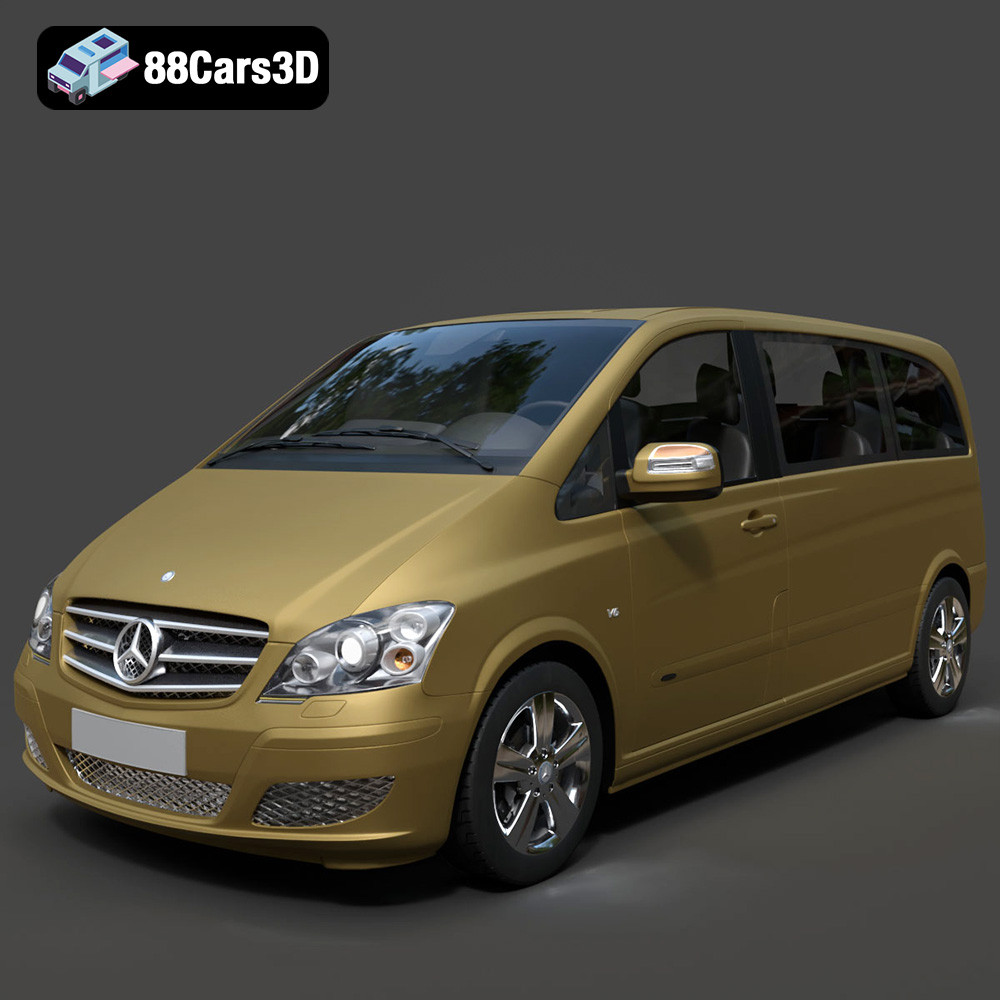
Mercedes-Benz Viano 2010 3D Model
Texture: Yes
Material: Yes
Download the Mercedes-Benz Viano 2010 3D Model featuring clean geometry, realistic detailing, and a fully modeled interior. Includes .blend, .fbx, .obj, .glb, .stl, .ply, .unreal, and .max formats for rendering, simulation, and game development.
Price: $19.99

Emt Avtobus 007 3D Model
Texture: Yes
Material: Yes
Download the Emt Avtobus 007 3D Model featuring clean geometry, realistic detailing, and a fully modeled interior. Includes .blend, .fbx, .obj, .glb, .stl, .ply, .unreal, and .max formats for rendering, simulation, and game development.
Price: $19.99
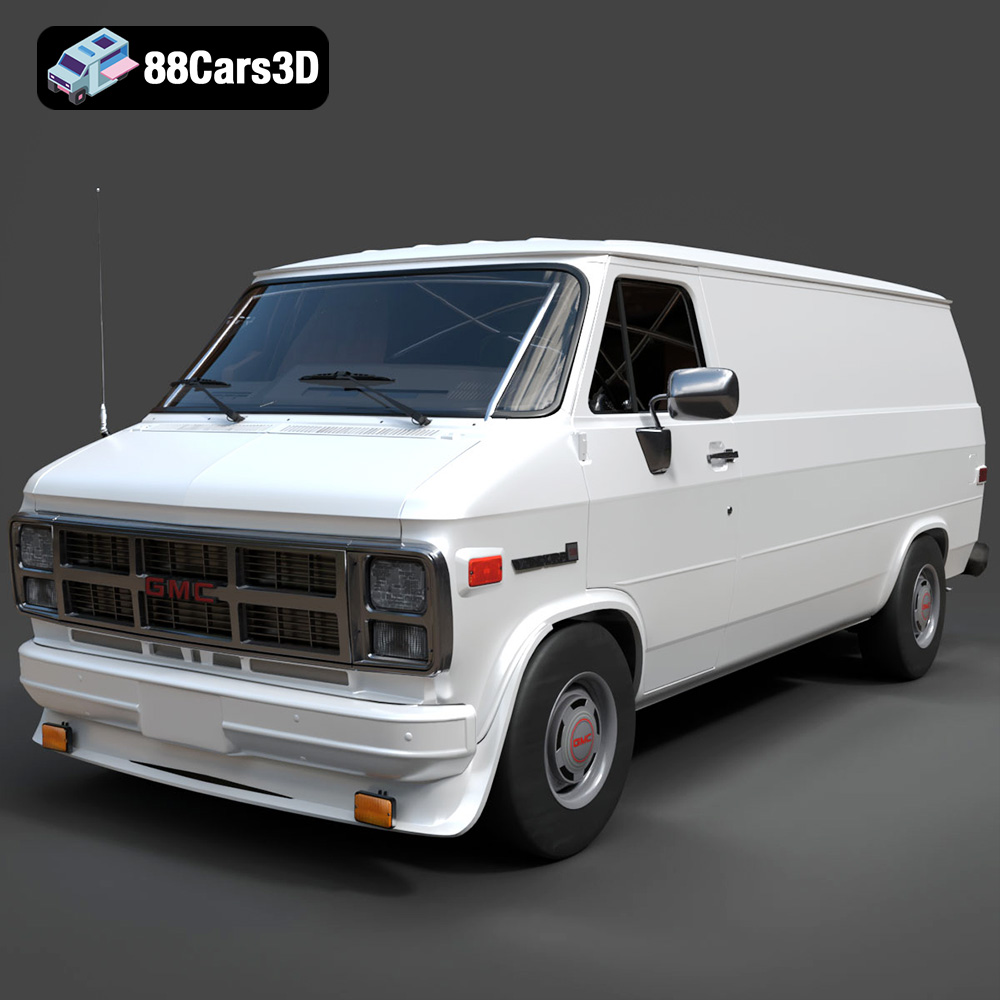
GMC Vandura G-1500 1983 3D Model
Texture: Yes
Material: Yes
Download the GMC Vandura G-1500 1983 3D Model featuring clean geometry, realistic detailing, and a fully modeled interior. Includes .blend, .fbx, .obj, .glb, .stl, .ply, .unreal, and .max formats for rendering, simulation, and game development.
Price: $19.99
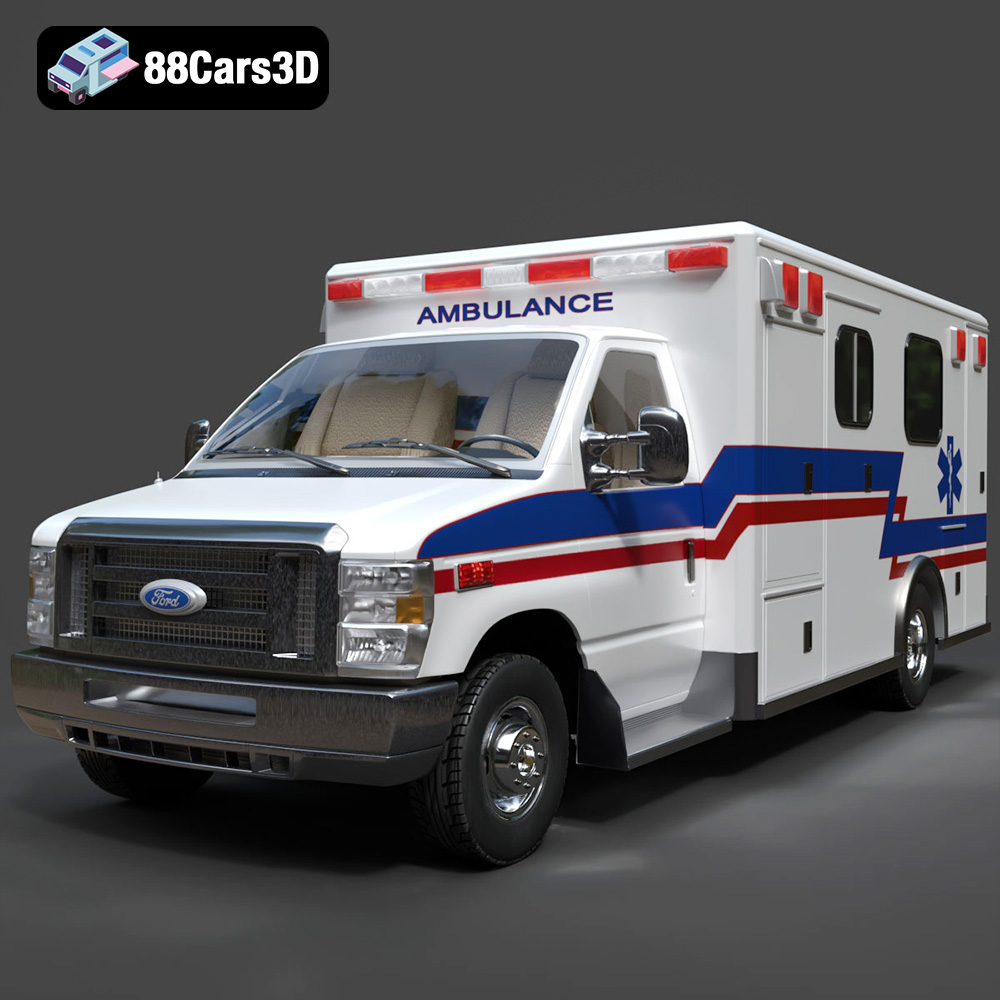
Ford E-450 Ambulance 3D Model
Texture: Yes
Material: Yes
Download the Ford E-450 Ambulance 3D Model featuring clean geometry, realistic detailing, and a fully modeled interior. Includes .blend, .fbx, .obj, .glb, .stl, .ply, .unreal, and .max formats for rendering, simulation, and game development.
Price: $19.99
