

“`html
STL vs OBJ vs FBX: Choosing the Right File Format for Your 3D Printed Car Models
The world of 3D printing is an exciting frontier, allowing enthusiasts and professionals alike to bring digital creations into the physical realm. For automotive aficionados and model makers, the ability to 3D print intricate car models offers unparalleled customization and creative freedom. However, before you can hit the print button, a crucial first step involves selecting and preparing your 3D model files. Understanding the nuances of common 3D file formats like STL, OBJ, and FBX is paramount to achieving successful, high-quality prints. This guide will dive deep into the technical aspects of these formats, helping you navigate their strengths and weaknesses, and ultimately empowering you to choose the best format for your next 3D printing project, especially when working with detailed car models found on platforms like 88cars3d.com. We’ll explore their structure, how they handle geometry and color data, and their compatibility with slicing software and 3D printers, ensuring you can transform those digital blueprints into tangible masterpieces.
Understanding the Foundation: STL Files and Their Role in 3D Printing
The STL (STereoLithography) file format reigns supreme in the 3D printing industry, and for good reason. Developed by 3D Systems in the early 1980s, it was designed specifically for rapid prototyping and stereolithography apparatus. Its simplicity is its greatest strength. An STL file describes the surface geometry of a 3D object using a series of connected triangles. Each triangle is defined by the coordinates of its three vertices and a normal vector, which indicates the outward-facing direction of the surface. This fundamentally geometric representation makes it incredibly straightforward for slicing software to process and convert into the layer-by-layer instructions needed by 3D printers.
The Tessellation Principle: How STL Represents Surfaces
At its core, an STL file is a tessellation – a tiling of the object’s surface with polygons, almost exclusively triangles. Imagine approximating a smooth, curved car body with thousands of tiny, flat triangles. The more triangles used, the more detailed and accurate the representation of the original shape. However, this also leads to larger file sizes. For 3D printing, this tessellated mesh is what matters. Slicing software reads these triangles and calculates how to slice them into thin horizontal layers. The flatness of the triangles is inherently suited for this process, as each layer is essentially a 2D outline derived from the intersection of the sliced plane with the triangular facets. 88cars3d.com prioritizes providing STL files with clean, manifold meshes, ensuring that these triangles form a watertight surface without holes or self-intersections, which are critical for successful printing.
Binary vs. ASCII STL: File Size and Data Integrity
STL files can exist in two primary forms: ASCII and Binary. ASCII STL files are human-readable text files. They contain the same information as binary files but are significantly larger in size due to the text-based representation of vertex coordinates and normal vectors. For example, a simple cube might be represented by 12 triangles, each defined by 3 vertices (9 coordinate sets) and a normal vector. In ASCII format, these numbers are written out as text strings, which takes up more space. Binary STL files, on the other hand, store this information in a compact binary format, resulting in much smaller file sizes – typically 5-10 times smaller than their ASCII counterparts. For complex models like detailed car designs, the file size difference is substantial, impacting download times and storage requirements. Most modern slicing software supports both formats, but binary is generally preferred for its efficiency.
Limitations of the STL Format for Color and Texture
The major drawback of the STL format is its lack of support for color, texture, or material information. It exclusively defines the geometry. This means that any color or texture applied to a model in a 3D modeling program will be lost when exported as an STL. While this isn’t an issue for most FDM (Fused Deposition Modeling) printing, where models are typically printed in a single filament color and potentially painted later, it can be a limitation for multi-color printing technologies or for workflows that rely on precise color representation within the slicer. For single-color prints, however, the simplicity and widespread compatibility of STL make it the go-to format.
Exploring OBJ: A More Versatile Format for 3D Models
The OBJ (Object) file format, developed by Autodesk, offers a more versatile alternative to STL, especially when dealing with models that have color, texture, or more complex material properties. Unlike STL, which is purely geometric, OBJ can store additional information about the model’s appearance. This makes it a popular choice for computer graphics, animation, and game development, and increasingly relevant for advanced 3D printing workflows. When you encounter a 3D car model with intricate paint schemes or material textures, OBJ might be the format that preserves that visual fidelity.
Geometry and Material Representation in OBJ
An OBJ file primarily defines the geometry of an object using vertices, texture coordinates, normal vectors, and face definitions. Critically, it can also reference material definitions stored in a companion file, typically an .MTL (Material Template Library) file. The OBJ file contains references like `usemtl material_name` which links specific parts of the model to definitions in the MTL file. These definitions can include diffuse color (the base color), specular color, shininess, transparency, and crucially, texture map references. A texture map is essentially a 2D image applied to the 3D surface to simulate detail and color. This means an OBJ file, paired with its MTL and texture image files (like JPG or PNG), can describe a car model with its exact livery, decals, and material appearances.
OBJ’s Handling of Polygonal Meshes and Textures
Similar to STL, OBJ files use polygons to define surfaces, but they are not restricted to triangles. OBJ can store quads (four-sided polygons) and even n-gons (polygons with more than four sides). While many 3D printing slicers will triangulate these polygons internally during the slicing process, the ability to store quads can sometimes lead to cleaner geometry in the source file. The inclusion of texture coordinates (UV mapping) is a significant advantage. UV mapping is the process of assigning 2D coordinates to the 3D vertices of a model, essentially creating a flattened “unwrapped” version of the surface to which a 2D texture image can be applied. This is how detailed paint jobs and carbon fiber textures can be represented on a 3D model.
Compatibility and Slicing Considerations for OBJ
While OBJ files are widely supported by 3D modeling software, their direct compatibility with slicing software for 3D printing can be more nuanced than STL. Many modern slicers, like Cura, PrusaSlicer, and Simplify3D, can import OBJ files. However, they primarily focus on the geometric data and often ignore the material and texture information. For single-color printing, the OBJ file essentially functions like an STL, with the slicer extracting the mesh geometry. If you intend to do multi-color printing or use specific advanced features that might leverage material properties, you’ll need to ensure your slicer and printer support these capabilities. For most standard FDM or resin printing of car models, you’ll likely import the OBJ, and the slicer will use its geometric data, effectively treating it similarly to an STL. Any color information would be handled by post-processing, such as painting.
Diving into FBX: The Powerhouse for Complex Assets
The FBX (Filmbox) file format, also owned by Autodesk, is a proprietary interchange format primarily used in the video game development and animation industries. It’s significantly more complex than both STL and OBJ, designed to store a wide array of data, including geometry, materials, textures, lighting, cameras, skeletal animation, and more. For 3D printing, FBX is generally considered overkill and often presents compatibility challenges, but understanding its capabilities provides context for why it’s prevalent elsewhere.
FBX’s Comprehensive Data Storage
FBX is an all-encompassing format. It can store not just the polygonal mesh (vertices, normals, UVs) and material properties like OBJ, but also scene hierarchy, animation data, rigging information (bones and skinning), and even proprietary metadata. This makes it incredibly powerful for transferring complex assets between different software packages within a professional production pipeline. For a 3D car model, an FBX file could theoretically contain not only the body, wheels, and interior but also pre-defined animation rigs for the doors or steering wheel, and even embedded textures.
Geometry and Meshing in FBX
Like OBJ, FBX supports various polygon types (triangles, quads, n-gons) and can store associated data like UV coordinates and vertex normals. Its internal structure is more complex, often involving scene graphs and object hierarchies. When exporting an FBX for potential 3D printing, the key is to ensure that the geometry is properly represented and that any unnecessary animation or scene data is excluded or baked down into static mesh data. The primary challenge arises because FBX is not designed as a simple geometric description for manufacturing.
FBX and 3D Printing Slicers: A Compatibility Hurdle
Directly importing FBX files into most mainstream 3D printing slicers is often not supported or is handled imperfectly. Slicers are optimized to work with the straightforward geometric data provided by STL and, to a lesser extent, OBJ. The complex structure of FBX, including its scene information and animation data, can confuse slicing software. If you have a car model in FBX format, the most reliable workflow involves importing it into a dedicated 3D modeling or mesh editing software (like Blender, Meshmixer, or even professional CAD packages) and then exporting it *from there* as an STL or OBJ file. This process allows you to clean up the mesh, potentially separate parts, ensure manifold geometry, and discard irrelevant FBX-specific data before sending it to the slicer. While platforms like 88cars3d.com focus on providing print-ready STL files, you might encounter FBX files from other sources and need this intermediate step.
Comparing the Formats: Which One Reigns Supreme for 3D Printing?
When the dust settles, the choice of file format for 3D printing hinges on the specific requirements of your project and the capabilities of your workflow. For the vast majority of 3D printing applications, especially for hobbyists and makers working with printable car models, STL remains the undisputed champion due to its simplicity, ubiquity, and direct compatibility with slicing software. Its focus solely on surface geometry streamlines the process from digital file to printable layers.
STL: The Industry Standard for Print-Ready Models
The advantages of STL for 3D printing are clear:
- Universal Compatibility: Virtually all 3D printers and slicing software support STL files.
- Simplicity: Its triangle-based structure is easy for slicers to interpret.
- Widespread Availability: Most 3D models designed for printing are distributed as STL files. Marketplaces like 88cars3d.com ensure their models are optimized and provided in this reliable format.
The main disadvantage is the lack of color and material data, but this is often addressed through post-processing techniques like painting. For print-quality related to geometry, the key is the quality of the mesh *within* the STL file – ensuring it’s watertight, has appropriate wall thickness, and is free from errors.
OBJ: A Step Up for Visual Detail (When Supported)
OBJ offers a compelling alternative when color and texture are important considerations, even if the slicer doesn’t directly process them:
- Color/Texture Support: Can store material and texture information via accompanying MTL files.
- More Flexible Geometry: Can store quads and n-gons, potentially leading to cleaner source meshes.
However, the caveat is that most slicers will ignore the color/texture data. You might import an OBJ with a beautiful livery, only to see it as a plain grey model in your slicer. The real value of OBJ for printing might be in workflows where the mesh geometry itself is cleaner or if you are using specialized multi-material printers that can interpret color data (though this is less common for consumer-grade machines). For standard single-color prints, exporting from OBJ to STL is often a necessary step.
FBX: Generally Not Recommended for Direct Printing
FBX, while powerful, is the least suitable format for direct use in most 3D printing workflows:
- Overly Complex: Designed for animation and game dev, not manufacturing.
- Poor Slicer Compatibility: Often leads to import errors or incomplete models in slicers.
- Unnecessary Data: Contains animation and scene data irrelevant for printing.
If you obtain a model in FBX format, your best bet is to use it as a source file within 3D modeling software to export a clean, optimized STL or OBJ file specifically prepared for 3D printing. Think of FBX as a source document that needs to be converted into a print-ready format.
Best Practices for File Preparation and Slicing
Regardless of the chosen format (though ideally starting with a well-prepared STL or OBJ), the journey from a digital file to a successful 3D print involves meticulous preparation and careful slicing. This stage is where you translate the digital design into physical reality, optimizing parameters to achieve the desired quality, strength, and print time. For intricate models like those found on 88cars3d.com, paying close attention to these details is crucial.
Mesh Repair and Watertightness: The Foundation of a Good Print
The most critical aspect of any 3D printable file is that it represents a watertight (manifold) solid. This means the surface mesh has no holes, no inverted faces, and no self-intersecting geometry. Slicing software interprets the model as a boundary between “inside” and “outside.” If there are holes, the slicer cannot determine this boundary, leading to errors during slicing, missing sections in the print, or failed prints. Software like Meshmixer, Blender’s 3D-Print Toolbox add-on, or Autodesk’s Netfabb are invaluable for checking and repairing meshes. They can automatically detect and fix common issues like non-manifold edges, holes, and inverted normals. For example, using Meshmixer’s “Make Solid” or “Fixup” tools can often resolve these problems. Always perform a mesh check before slicing.
Slicer Settings: Tailoring for Detail and Strength
Once you have a clean mesh, the next step is configuring your slicer (e.g., Cura, PrusaSlicer, Simplify3D). Key settings include:
- Layer Height: A smaller layer height (e.g., 0.1mm or 0.12mm for FDM) results in finer detail and smoother curves, ideal for the smooth surfaces of a car model, but significantly increases print time. A larger layer height (e.g., 0.2mm or 0.28mm) prints faster but with more visible layer lines.
- Print Speed: For detailed models, reducing print speed (e.g., 40-60 mm/s for outer walls) allows the printer to execute finer details more accurately and improves layer adhesion.
- Wall Thickness/Perimeters: For structural integrity, especially for parts like spoilers or suspension components, increasing the number of perimeters (e.g., 3-4) or wall thickness (e.g., 1.2mm – 1.6mm) is recommended.
- Infill Density and Pattern: For display models, low infill (5-15%) is often sufficient. Patterns like ‘gyroid’ or ‘cubic’ offer good strength in multiple directions. For functional parts, higher infill percentages (20-50% or more) and stronger patterns might be needed.
- Retraction Settings: Crucial for minimizing stringing, especially on complex models with many small features. Fine-tuning retraction distance and speed based on your filament and printer is key.
Experimentation is vital. Start with recommended profiles for your material and printer, then make incremental adjustments.
Supports and Orientation: Ensuring Print Success
Proper support generation and model orientation are critical for preventing print failures, especially with complex geometries like car models that often feature overhangs, bridges, and delicate details.
- Print Orientation: Rotating the model on the build plate can significantly impact the need for supports, print quality, and part strength. For car bodies, orienting them so the largest, flattest surface (e.g., the underside) is on the build plate often minimizes supports needed on visible surfaces. However, consider how overhangs will be affected.
- Support Structures: Most slicers offer various support types (normal, tree/organic). Tree supports often provide better accessibility for removal and can be more material-efficient. Adjusting support density, Z-distance (gap between support and model), and interface layers can make removal easier and leave cleaner surfaces. For car models, carefully consider where supports touch the model to avoid damaging fine details like grilles or trim. Sometimes, manually painting supports on/off in specific areas is the best approach.
- Bed Adhesion: Ensuring the first layer sticks well is paramount. Features like brims or rafts can help, especially for models with small footprints or parts prone to warping (like ABS). For PLA, a clean build surface and appropriate bed temperature (e.g., 50-60°C) are usually sufficient.
Careful placement and generation of supports, coupled with optimal orientation, can make the difference between a flawless print and a frustrating failure.
Post-Processing: Bringing Your 3D Printed Car Model to Life
The 3D printing process doesn’t end when the print is complete. Post-processing is where you refine the raw print, enhance its appearance, and bring out the full potential of your 3D car model. This stage involves a range of techniques, from basic cleaning to intricate finishing, transforming a layer-by-layer object into a display-worthy piece.
Support Removal and Initial Cleaning
The first step after printing is carefully removing the support structures. The method depends on the support type and material used. For FDM prints, pliers, hobby knives, flush cutters, and sometimes even a small pry tool are common. For resin prints (SLA/DLP), supports are typically removed after washing and curing, often with flush cutters or a sharp blade. Patience is key; rushing this process can easily damage delicate parts of the model. After support removal, clean the model thoroughly. For FDM, this might involve removing any residual stringing or blobs. For resin, ensure all uncured resin is washed away using isopropyl alcohol (IPA) or specialized cleaners. Inspect the model for any imperfections like layer lines, minor blemishes, or gaps.
Sanding and Surface Smoothing Techniques
Layer lines are an inherent characteristic of FDM printing, and reducing their visibility is often desirable for a smooth car finish.
- Sanding: Start with coarser grit sandpaper (e.g., 150-220 grit) to remove major imperfections and support marks. Gradually move to finer grits (e.g., 400, 800, 1200, and even higher grits like 2000-4000) to achieve a smooth surface. Wet sanding (using water or soapy water) can help reduce dust and prevent clogging of the sandpaper, especially with finer grits.
- Fillers and Primers: For significant imperfections or to achieve a perfectly smooth surface, fillers like automotive putty or Bondo can be applied, sanded down, and then coated with a primer. Primer also helps reveal any remaining blemishes that need further sanding.
- Vapor Smoothing: For certain plastics like ABS, vapor smoothing (using acetone vapor) can melt the outer layer of the print, resulting in an incredibly smooth, glossy finish. This technique requires extreme caution due to the flammability and health risks associated with acetone vapor.
- Resin Smoothing: Resin prints generally have much finer layer lines, often requiring minimal sanding. However, minor sanding or polishing can further enhance smoothness. Some specialized UV-curable clear coats can also fill and smooth very fine layer imperfections.
The level of sanding and smoothing depends on the desired final finish – a display model might require extensive work, while a prototype might only need basic cleanup.
Painting and Finishing Touches
Painting is where your 3D printed car model truly comes alive. The choice of paints and techniques depends on the material and desired look.
- Priming: Always start with a primer compatible with your plastic (e.g., a spray primer designed for plastics). This ensures paint adhesion and provides a uniform base color.
- Painting Methods:
- Spray Painting: Ideal for applying thin, even coats, especially for the main body color. Multiple light coats are better than one heavy coat.
- Airbrushing: Offers excellent control for fine details, gradients, and smooth finishes.
- Hand Brushing: Suitable for smaller details, touch-ups, or when airbrushing equipment is unavailable. Use high-quality acrylic or enamel model paints.
- Decals and Details: Apply waterslide decals for realistic emblems, racing stripes, or other livery details. Use fine brushes to paint headlights, taillights, grilles, and window trim.
- Clear Coats: Apply a final clear coat (gloss, satin, or matte) to protect the paint job, enhance the finish, and unify the surface appearance. Gloss coats are typical for car bodies, while matte or satin might be used for tires or interior elements.
- Assembly: Many complex car models are designed to be printed in multiple parts (body, chassis, wheels, interior). After printing, sanding, and painting individual components, they can be assembled using adhesives like super glue (cyanoacrylate) or specialized plastic cement.
Combining these post-processing techniques allows you to achieve professional-level results, transforming a basic 3D print into a stunning replica.
In conclusion, while the STL format remains the bedrock of 3D printing due to its simplicity and universal compatibility, understanding the capabilities of OBJ and the limitations of FBX provides valuable context for digital asset management. For most users downloading printable car models from resources like 88cars3d.com, an STL file is the most direct path to a successful print. However, knowing when an OBJ might offer advantages or why an FBX needs conversion empowers you to tackle a wider range of projects. The key takeaway is that a successful 3D print relies not only on the file format but also on meticulous mesh preparation, careful slicing parameter selection, thoughtful orientation and support strategies, and patient post-processing. By mastering these elements, you can confidently bring high-quality, detailed 3D printed car models from your digital workspace to your display shelf.
“`
Featured 3D Car Models

Porsche Cayenne 3D Model
Meta Description:
Texture: Yes
Material: Yes
Download the Porsche Cayenne 3D Model featuring realistic exterior styling and detailed interior design. Includes .blend, .fbx, .obj, .glb, .stl, .ply, .unreal, and .max formats for rendering, simulation, AR VR, and game development.
Price: $19.9
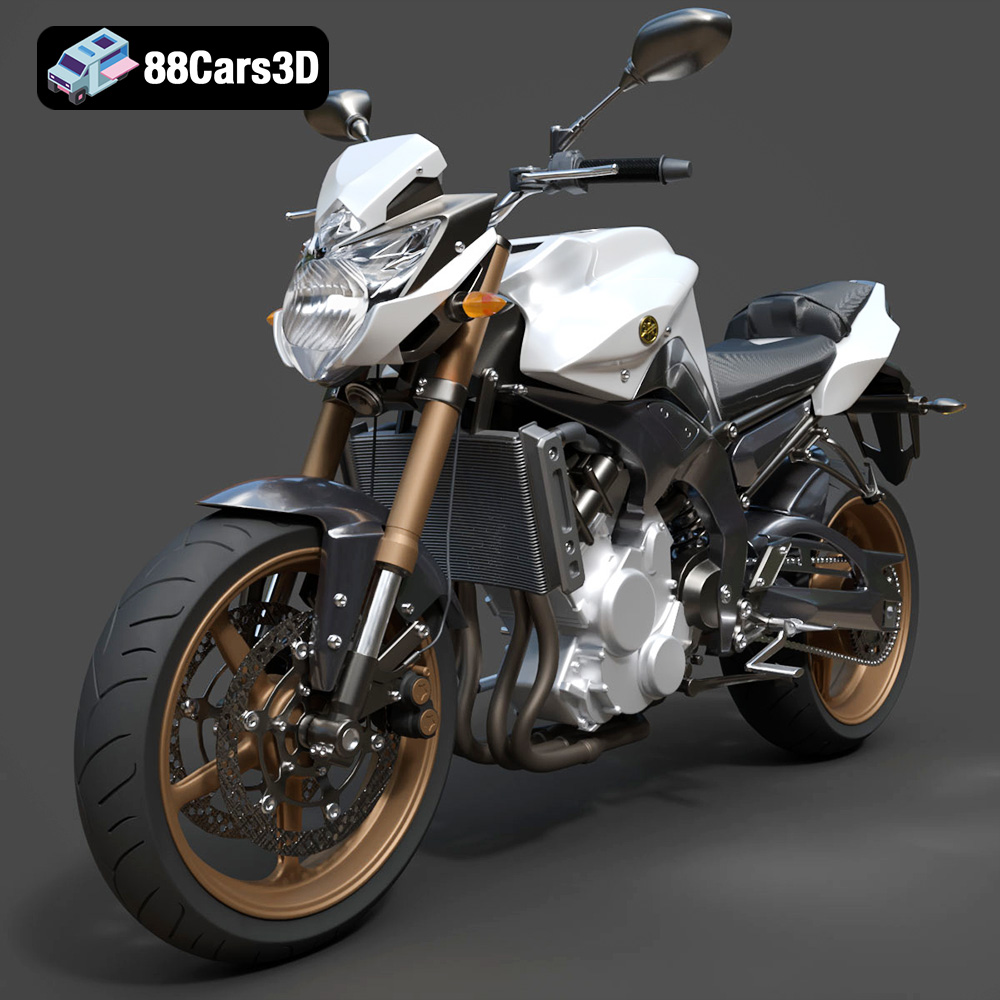
Yamaha FZ8 2011 3D Model
Texture: Yes
Material: Yes
Download the Yamaha FZ8 2011 3D Model featuring clean geometry, realistic detailing, and a fully modeled interior. Includes .blend, .fbx, .obj, .glb, .stl, .ply, .unreal, and .max formats for rendering, simulation, and game development.
Price: $19.99
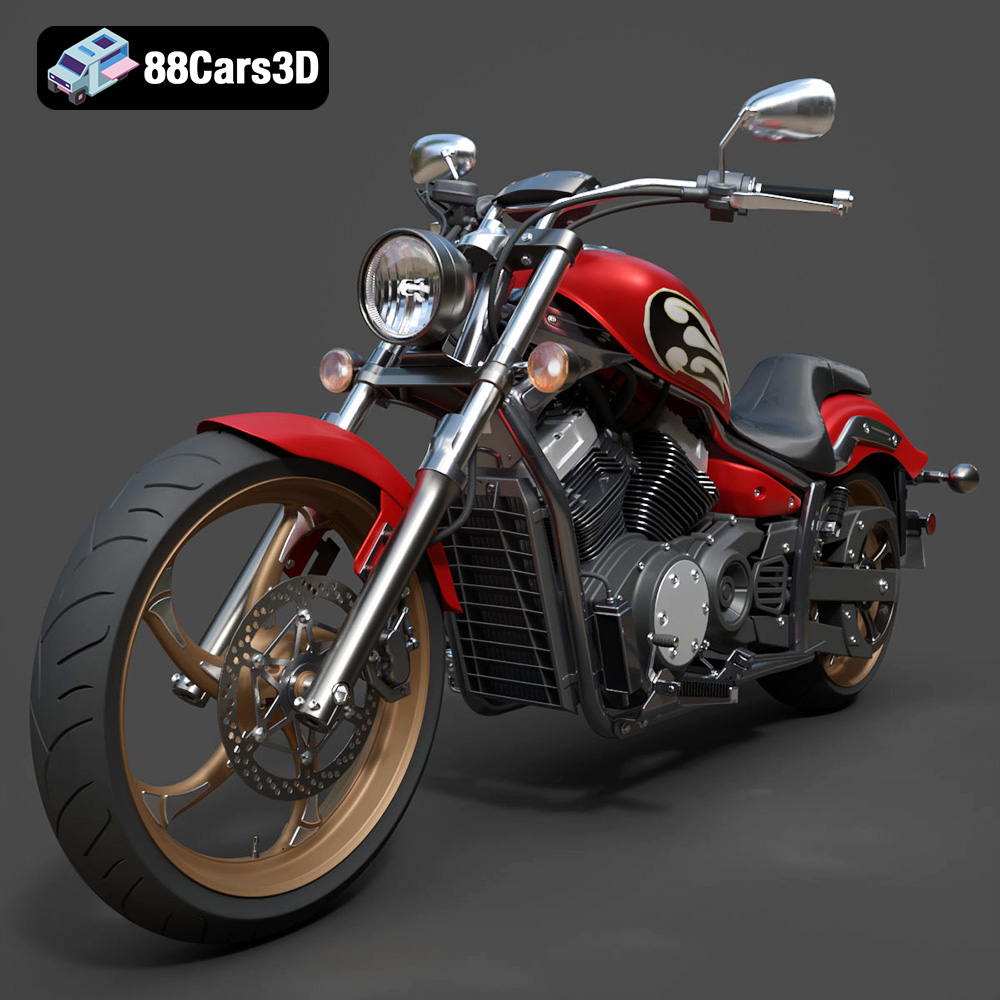
Yamaha Stryker 2012 3D Model
Texture: Yes
Material: Yes
Download the Yamaha Stryker 2012 3D Model featuring clean geometry, realistic detailing, and a fully modeled interior. Includes .blend, .fbx, .obj, .glb, .stl, .ply, .unreal, and .max formats for rendering, simulation, and game development.
Price: $19.99
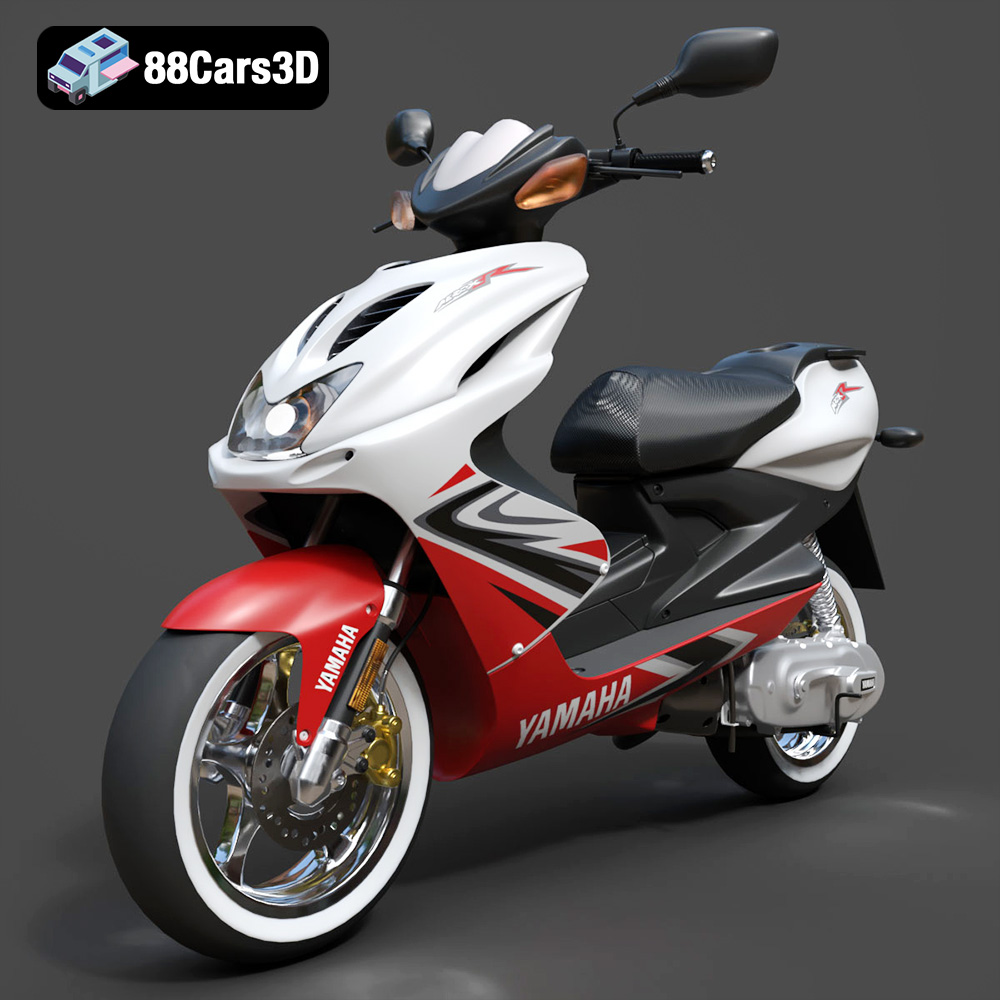
Yamaha Aerox R-002 2024 3D Model
Texture: Yes
Material: Yes
Download the Yamaha Aerox R-002 2024 3D Model featuring clean geometry, realistic detailing, and a fully modeled interior. Includes .blend, .fbx, .obj, .glb, .stl, .ply, .unreal, and .max formats for rendering, simulation, and game development.
Price: $19.99
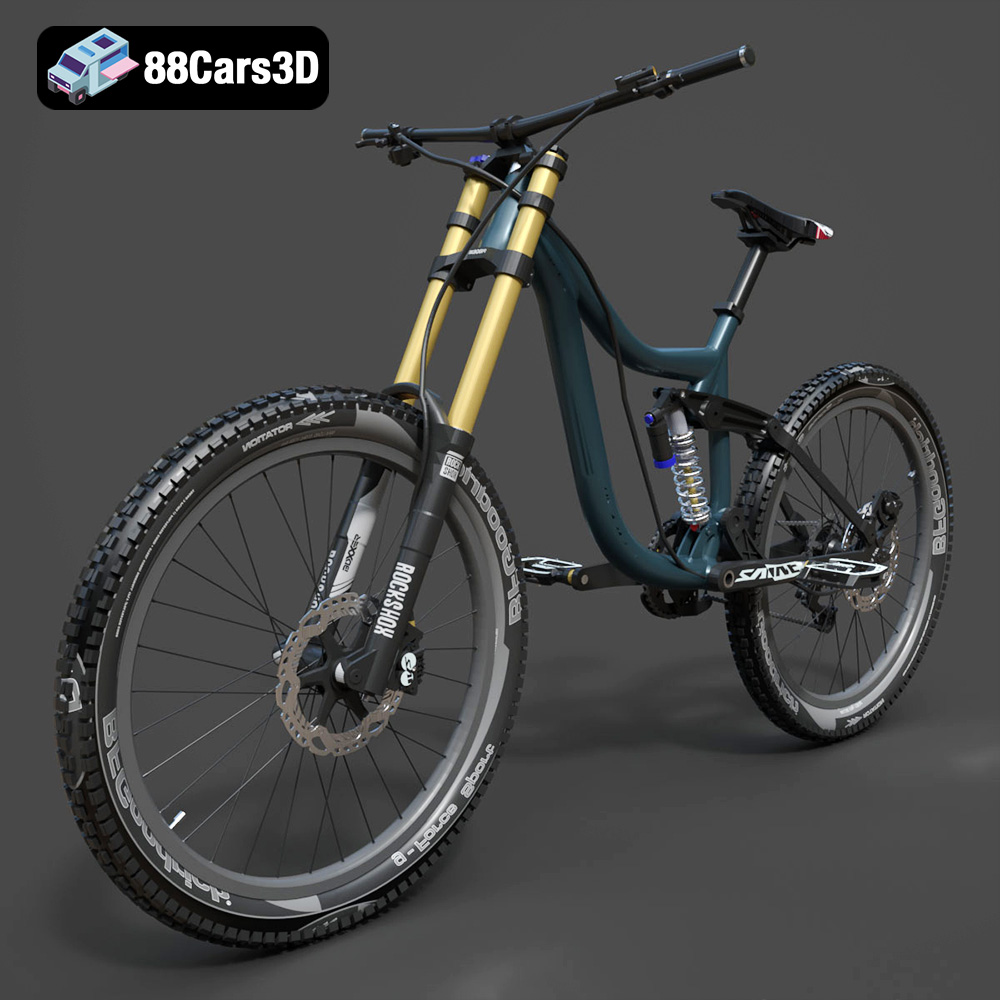
Mototsikly Downhill Bike-002 3D Model
Texture: Yes
Material: Yes
Download the Mototsikly Downhill Bike-002 3D Model featuring clean geometry, realistic detailing, and precise mechanical components. Includes .blend, .fbx, .obj, .glb, .stl, .ply, .unreal, and .max formats for rendering, simulation, and game development.
Price: $19.99
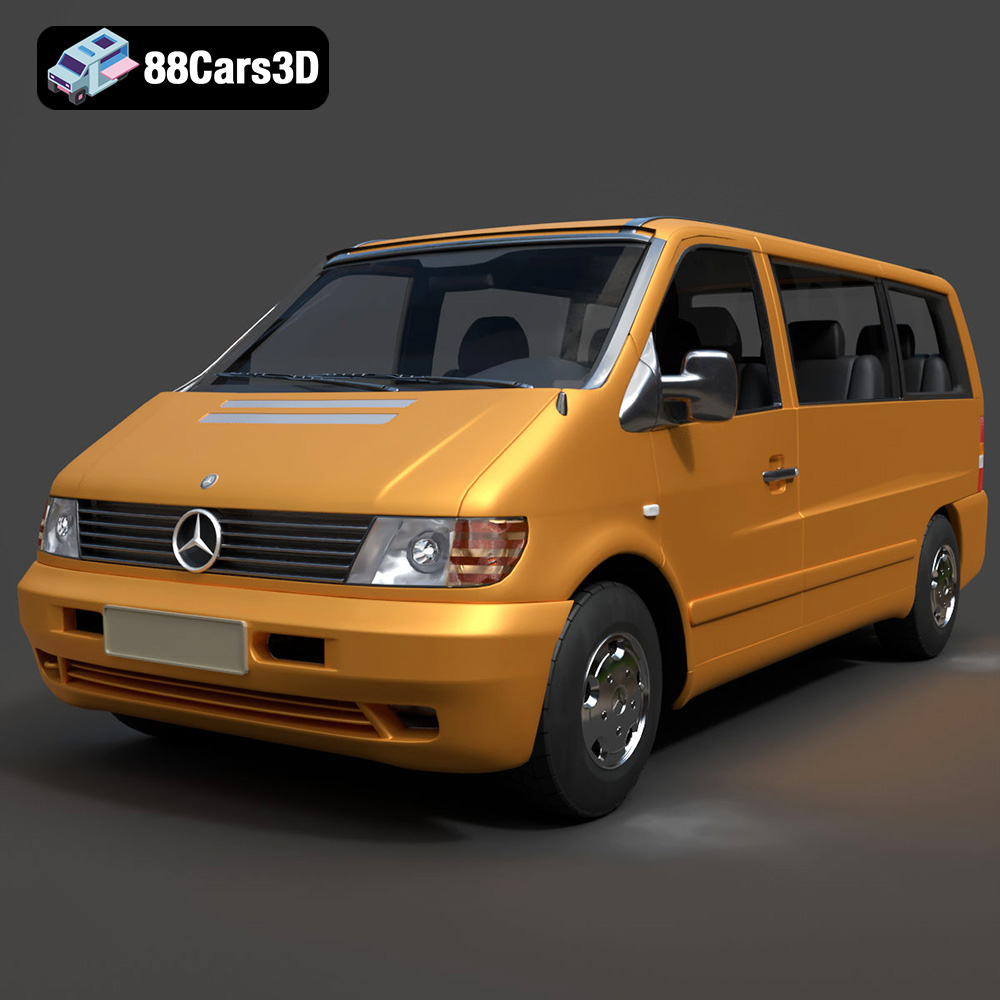
Mercedes-Benz Vito Passenger Van 3D Model
Texture: Yes
Material: Yes
Download the Mercedes-Benz Vito Passenger Van 3D Model featuring clean geometry, realistic detailing, and a fully modeled interior. Includes .blend, .fbx, .obj, .glb, .stl, .ply, .unreal, and .max formats for rendering, simulation, and game development.
Price: $19.99
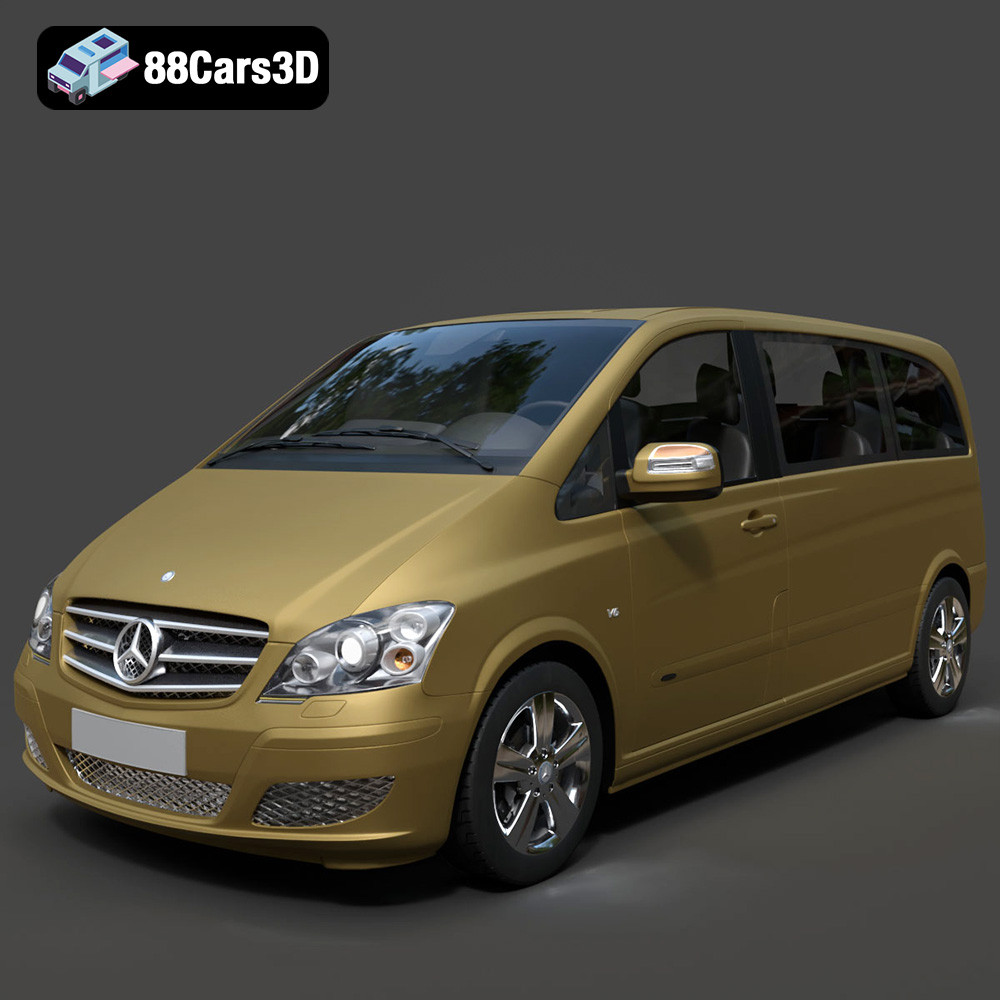
Mercedes-Benz Viano 2010 3D Model
Texture: Yes
Material: Yes
Download the Mercedes-Benz Viano 2010 3D Model featuring clean geometry, realistic detailing, and a fully modeled interior. Includes .blend, .fbx, .obj, .glb, .stl, .ply, .unreal, and .max formats for rendering, simulation, and game development.
Price: $19.99

Emt Avtobus 007 3D Model
Texture: Yes
Material: Yes
Download the Emt Avtobus 007 3D Model featuring clean geometry, realistic detailing, and a fully modeled interior. Includes .blend, .fbx, .obj, .glb, .stl, .ply, .unreal, and .max formats for rendering, simulation, and game development.
Price: $19.99
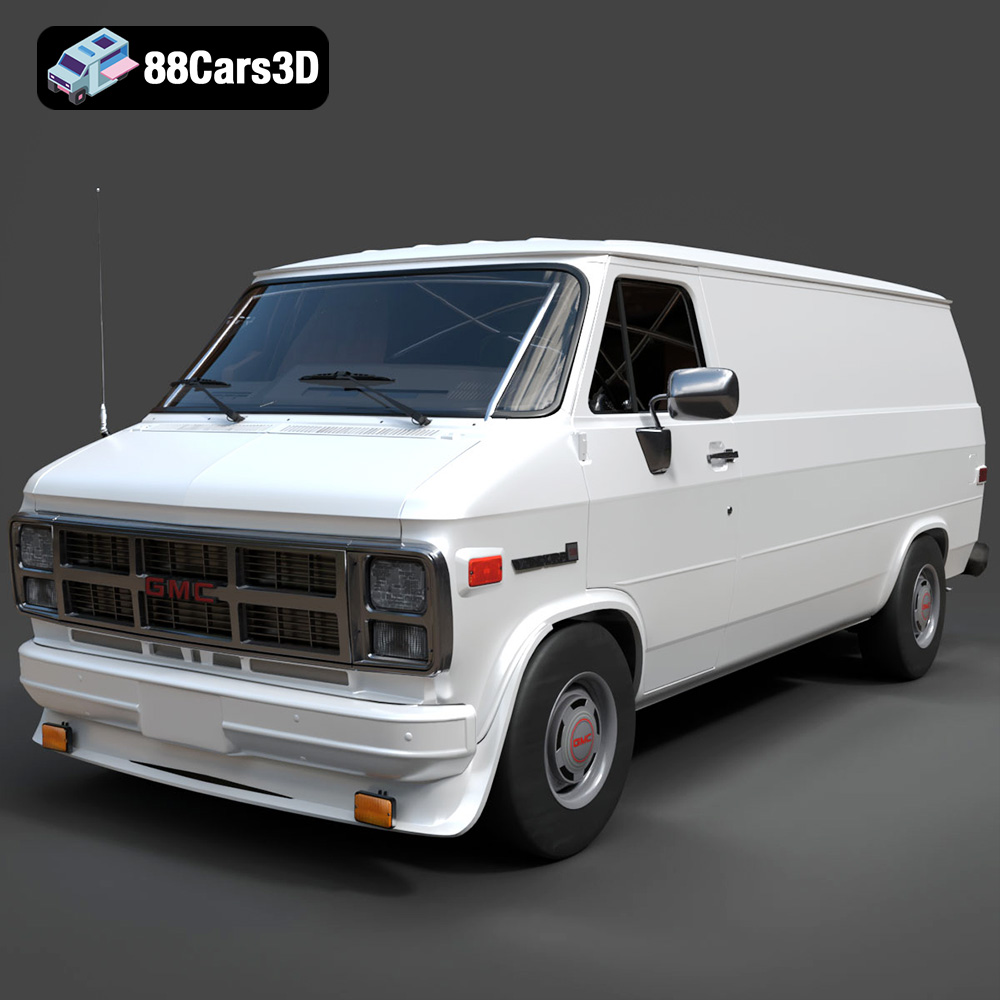
GMC Vandura G-1500 1983 3D Model
Texture: Yes
Material: Yes
Download the GMC Vandura G-1500 1983 3D Model featuring clean geometry, realistic detailing, and a fully modeled interior. Includes .blend, .fbx, .obj, .glb, .stl, .ply, .unreal, and .max formats for rendering, simulation, and game development.
Price: $19.99
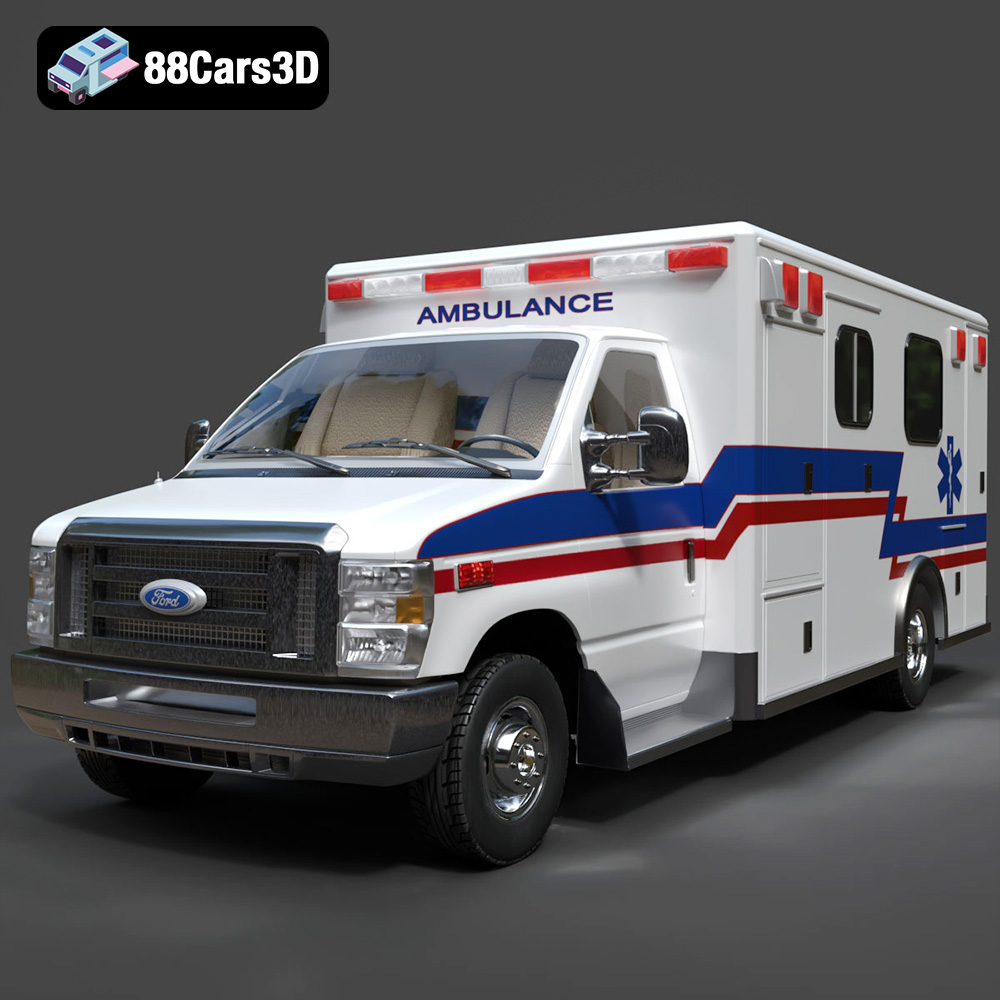
Ford E-450 Ambulance 3D Model
Texture: Yes
Material: Yes
Download the Ford E-450 Ambulance 3D Model featuring clean geometry, realistic detailing, and a fully modeled interior. Includes .blend, .fbx, .obj, .glb, .stl, .ply, .unreal, and .max formats for rendering, simulation, and game development.
Price: $19.99
