

Mastering Realistic Carbon Fiber in 3D: A Comprehensive Guide for Automotive Artists
The allure of carbon fiber lies in its distinctive weave pattern, unparalleled strength-to-weight ratio, and the sophisticated visual depth it adds to any high-performance vehicle. For 3D artists specializing in automotive visualization, game development, or realistic rendering, accurately replicating this material is paramount. It’s not merely about applying a texture; it’s a meticulous process involving understanding its physical properties, precise UV mapping, sophisticated PBR material creation, and nuanced lighting. A flawlessly rendered carbon fiber component can elevate a 3D car model from good to exceptional, immersing viewers in a world of high-fidelity realism.
This comprehensive guide will delve deep into the technical intricacies of crafting photorealistic carbon fiber in 3D. We’ll cover everything from the fundamental anatomy of the material to advanced PBR shader networks, rendering workflows, and optimization techniques for real-time applications. Whether you’re a seasoned professional looking to refine your skills or an aspiring artist aiming to conquer one of 3D’s most challenging materials, prepare to unlock the secrets to achieving stunning carbon fiber results that will make your automotive renders truly shine.
Understanding Carbon Fiber Anatomy & Visual Properties
Before we even touch a 3D software, a profound understanding of carbon fiber’s real-world characteristics is essential. This material is not a homogenous solid; it’s a composite of woven carbon filaments encased in a resin matrix, usually with a clear coat applied for protection and aesthetic enhancement. Its unique visual appeal stems from how light interacts with this complex structure, producing a mesmerizing interplay of reflections and subtle patterns. Without this foundational knowledge, any 3D rendition will inevitably fall short of true realism.
The Weave Pattern and its Significance
The most recognizable feature of carbon fiber is its weave. While the classic 2×2 twill weave is ubiquitous, variations like plain weave, 1×1 twill, and forged carbon offer distinct visual signatures. The 2×2 twill, characterized by its diagonal rib pattern, creates a dynamic reflection that shifts with the viewing angle. Plain weave, a simpler checkerboard pattern, presents a more uniform look. Forged carbon, a newer development, involves chopped fibers molded together, resulting in a marbled, non-directional appearance. Each weave dictates how light will bounce off the surface, how the normal map should be constructed, and ultimately, the texture scale. For automotive models, the choice of weave often depends on the specific vehicle and its intended design language. Replicating these patterns accurately requires high-resolution texture maps and careful attention to the scaling and alignment of these textures across the model’s surfaces.
Light Interaction: Specularity, Anisotropy, and Sheen
The magic of carbon fiber truly comes alive in its interaction with light. Beyond basic specularity, anisotropy is a critical characteristic. This phenomenon causes highlights to stretch along the direction of the carbon fibers, rather than appearing as perfectly circular or elliptical reflections. The clear coat layer, typically polyurethane, adds another layer of gloss and depth, often contributing its own distinct specular highlight. Beneath this coat, the carbon fibers themselves can exhibit a subtle sheen or subtle subsurface scattering, particularly with thinner resin layers, which contributes to the perceived depth. Simulating anisotropy accurately in a shader network is crucial for convincing carbon fiber. It’s often controlled by an anisotropic direction map or by manipulating the tangent space of the surface. Without proper anisotropy, carbon fiber will look flat and lifeless, lacking the characteristic ‘shimmer’ that defines its premium aesthetic.
Clear Coat and Depth Perception
The clear coat is not just a protective layer; it’s a vital component of carbon fiber’s visual identity. This transparent, glossy layer sits above the woven fibers, creating a subtle parallax effect and contributing significantly to the material’s depth. Reflections on the clear coat are sharper and more direct, while reflections from the carbon fibers beneath are slightly diffused and anisotropic. This layered reflection model is critical for realism. In 3D, this is often achieved by blending two distinct shader layers: a base carbon fiber layer with its unique texture maps (normal, roughness, anisotropy) and a separate, highly reflective clear coat layer on top, acting like a thin film or a secondary specular lobe. Controlling the refractive index (IOR) of the clear coat and the underlying carbon base can further enhance the realism, ensuring that light bends and reflects authentically as it passes through the various layers.
Foundation: Topology and UV Mapping for Carbon Fiber
The most intricate PBR material will fall flat if the underlying 3D model lacks proper topology and meticulous UV mapping. For a material as pattern-dependent as carbon fiber, these foundational steps are absolutely non-negotiable. Distorted topology or sloppy UVs will result in stretched, warped, or misaligned weave patterns, instantly breaking the illusion of realism. A professional-grade 3D car model, such as those found on platforms like 88cars3d.com, always begins with a robust mesh and impeccable UVs.
Clean Topology for Distort-Free Weaves
Optimal topology for carbon fiber surfaces means an even distribution of quadrilaterals (quads) with minimal triangles, especially on curved surfaces. Good edge flow ensures that the surface deforms predictably and, more importantly, provides a stable canvas for the carbon fiber weave texture. Avoid poles with more than 5 edges converging, as these can create pinches and undesirable texture stretching. When modeling complex automotive parts, such as spoilers, diffusers, or interior trims that will feature carbon fiber, prioritize smooth, flowing surfaces. If the mesh itself is bumpy or irregular, no amount of texture work will hide those underlying imperfections. Subdivisional modeling techniques are often employed to achieve this level of surface smoothness, ensuring that the final high-poly mesh provides an ideal base for texture application without needing excessive texture resolution to compensate for mesh issues.
Strategic UV Unwrapping for Seamless Patterns
UV mapping is where the carbon fiber pattern is laid out onto the 2D texture space. For seamless, non-repeating carbon fiber, it’s crucial to employ strategic unwrapping techniques. Planar mapping is often suitable for flat surfaces, but for complex curves characteristic of automotive design, cylindrical, spherical, or manual pelting techniques are necessary. The goal is to minimize distortion and stretching in the UV layout. Seams should be placed in areas that are less visible or along natural hard edges of the model to reduce the appearance of texture breaks. Using a checker pattern as a temporary UV map helps visualize and correct distortions before applying the final carbon fiber texture. Many artists prefer to unwrap individual carbon fiber panels separately and then ensure their UV shells are aligned and scaled consistently to maintain a uniform weave across the entire vehicle part. This meticulous approach prevents jarring shifts in the pattern, a common pitfall for inexperienced artists.
UV Density and Texel Uniformity
Maintaining consistent UV density, or texel density, across all carbon fiber elements is paramount. Texel density refers to the number of pixels per unit of 3D space. If one part has a high texel density and another a low one, the carbon fiber weave will appear stretched on the lower-density areas and overly compressed on the higher-density areas, leading to an inconsistent look. Most 3D applications provide tools to visualize and unify texel density across multiple UV shells. A common practice is to calculate the desired texel density based on the final render resolution or game engine requirements and then scale all UV shells accordingly. For a typical automotive asset targeting 4K renders, a texel density that allows the carbon fiber weave to be clearly visible without pixelation, even on close-ups, is ideal. This might mean having a texture resolution of 2048×2048 or 4096×4096 for a single carbon fiber material, depending on the model’s complexity and the size of the carbon fiber components.
PBR Material Creation: Crafting the Carbon Fiber Shader
The heart of realistic carbon fiber lies in its Physically Based Rendering (PBR) material. PBR shaders simulate how light interacts with surfaces in a physically accurate manner, resulting in highly believable visuals regardless of the lighting environment. For carbon fiber, this involves a complex interplay of various texture maps and shader parameters, meticulously tuned to replicate its unique optical properties.
The Core PBR Maps: Albedo/Base Color, Normal/Bump, Roughness, Metallic
At the foundation of any PBR material are the essential texture maps. The **Albedo (or Base Color)** map for carbon fiber is typically a very dark gray or black, with subtle variations to represent the individual fibers. It’s crucial that this map is desaturated and does not contain any lighting information, only inherent color. The **Normal Map** is perhaps the most critical for carbon fiber, defining the intricate woven pattern. A high-quality normal map will accurately depict the raised and lowered sections of the weave, creating the illusion of microscopic surface detail. This can be generated from high-polygon models or specialized texture generators. The **Roughness Map** dictates how diffuse or sharp reflections are. For clear-coated carbon fiber, the overall roughness is very low (shiny), but subtle variations within the fibers themselves can add depth. The **Metallic Map** for carbon fiber is generally set to black (0) as it is a dielectric material, though some synthetic fibers might have a very slight metallic response.
Advanced Maps: Anisotropy, Clear Coat, Sheen
To truly elevate carbon fiber beyond basic PBR, advanced maps and shader nodes are required. An **Anisotropy Map** (or tangent map) is essential for controlling the directionality of reflections, making highlights stretch along the fiber weave. This map tells the shader which way the fibers are oriented, enabling the characteristic anisotropic sheen. The **Clear Coat** layer, as discussed earlier, often requires its own set of parameters: Clearcoat Roughness, Clearcoat Normal, and Clearcoat IOR, which are distinct from the base carbon fiber material. Some advanced shaders also include a dedicated **Sheen Map** or parameter, which simulates the soft, velvety reflection that can occur on woven fabrics, further enhancing the material’s depth and realism. Implementing these advanced maps requires a deeper understanding of your chosen render engine’s shader capabilities. For example, in Blender, you would use nodes like the Anisotropic BSDF or combine multiple Principled BSDFs with layer weights to achieve complex layered materials. More information on Blender’s shader nodes and PBR principles can be found in the official Blender 4.4 documentation: https://docs.blender.org/manual/en/4.4/.
Procedural vs. Image-Based Textures (Tiling and Seam Management)
Artists often debate between procedural textures and image-based textures for carbon fiber. **Image-based textures** offer high fidelity and direct control over the specific weave pattern, but they can suffer from tiling artifacts and visible seams if not handled correctly. Seamless PBR carbon fiber texture sets are readily available on marketplaces, or can be created through careful photographic capture and processing. For **procedural textures**, generated within the shader network itself, they offer infinite resolution and easy customization of weave scale and appearance, eliminating tiling issues. However, creating a truly convincing procedural carbon fiber shader can be complex and computationally more expensive. A hybrid approach is often ideal: using a high-quality image-based normal map for the intricate weave details, combined with procedural roughness and anisotropy controls to fine-tune the look and prevent repetitive patterns over large surfaces. Micro-normal maps can also be used to add subtle surface imperfections and break up perfectly uniform reflections, enhancing realism.
Rendering Carbon Fiber: Bringing it to Life
Once the 3D model is prepared with impeccable UVs and the PBR material is meticulously crafted, the next crucial step is rendering. The way you light your scene and the settings you choose in your render engine will profoundly impact how realistic your carbon fiber appears. Poor lighting can make even the best material look dull, while well-placed light sources can make the carbon fiber truly pop.
Lighting Setups for Maximum Realism
Effective lighting is paramount for showcasing carbon fiber’s unique properties. **HDRI (High Dynamic Range Image) environments** are an excellent starting point, providing realistic global illumination and reflections. A high-quality studio HDRI with varied light sources (softboxes, light strips) will naturally reveal the anisotropy and clear coat reflections. Supplementing the HDRI with **specific light sources (key, fill, rim lights)** allows for fine-tuned control over highlights. A strong, directional key light will emphasize the weave’s texture and anisotropy. Rim lights, placed behind the object, can help define the contours of the carbon fiber component and create compelling glints. Experiment with different light shapes (rectangular, circular) and sizes to achieve varied reflections. For example, a long, thin light source will create stretched reflections that beautifully accentuate the anisotropic effect on a curved carbon fiber panel. Always consider the real-world environment the car would be in; outdoor lighting will differ significantly from a studio setup.
Render Engine Specifics (V-Ray, Corona, Cycles, Arnold)
Each render engine has its nuances in handling PBR materials and anisotropic shaders. In **V-Ray** and **Corona Renderer** (often used with 3ds Max and Cinema 4D), materials are typically built using their proprietary physical material shaders. These engines offer robust support for clear coat layers, anisotropy controls (often via a tangent map or rotational parameter), and advanced ray tracing features that accurately simulate light bounces. For **Blender’s Cycles** and **Eevee** (real-time engine), the Principled BSDF shader is the go-to for PBR materials, with dedicated inputs for clear coat and anisotropy. While Cycles provides highly accurate path tracing, Eevee offers impressive real-time results, though achieving the same level of anisotropy might require more creative shader setups. **Arnold** (popular in Maya and Houdini) also features a highly capable standard surface shader with comprehensive controls for clear coat, metallic properties, and anisotropy. Regardless of the engine, the key is to understand its specific implementation of these PBR properties and to leverage its strengths for optimal carbon fiber rendering. High sample rates and sufficient light bounces are generally required to achieve smooth, artifact-free reflections and accurate global illumination.
Post-Processing for Enhanced Visuals
Rendering is just the first step; post-processing can add that final layer of polish. Tools like Adobe Photoshop or dedicated compositing software can significantly enhance the visual impact of your carbon fiber renders. **Color grading** can subtly adjust the tone and mood of the image, making the carbon fiber appear richer or more menacing. **Glare and bloom effects** can be added to bright highlights, emphasizing the shininess of the clear coat. Be subtle with these – overdoing it can quickly lead to an artificial look. **Chromatic aberration**, if used sparingly, can mimic lens imperfections and add a touch of photographic realism. Minor **vignetting** can draw the viewer’s eye towards the subject. Adjusting levels and curves to enhance contrast and deepen blacks will bring out the definition of the carbon fiber weave. Remember, post-processing should complement, not compensate for, a poorly rendered image. It’s about refinement, not rescue.
Game Engine Optimization & Real-time Carbon Fiber
While offline rendering can afford extensive computational resources, real-time applications like game engines (Unity, Unreal Engine) or AR/VR experiences demand extreme efficiency. Creating realistic carbon fiber for these environments requires smart optimization strategies to maintain visual fidelity without sacrificing performance. When sourcing game assets or 3D car models from marketplaces like 88cars3d.com, game developers often look for models specifically optimized for real-time performance.
LODs for Performance
**Level of Detail (LODs)** are crucial for managing polygon count in real-time. For a carbon fiber component, multiple versions of the mesh are created, each with progressively lower polygon counts. As the camera moves further away from the object, the engine swaps to a lower LOD version, reducing the computational load. It’s important to ensure that the UV mapping remains consistent across all LODs to prevent texture “swimming” or popping. The carbon fiber texture should be legible even on mid-range LODs, potentially relying more on the normal map for weave detail as the base mesh simplifies. For the lowest LODs, the carbon fiber effect might even be simplified to a flat, dark material with a subtle anisotropic effect driven by the shader rather than intricate normal map detail.
Texture Optimization (Atlasing, Compression)
Texture memory is a significant concern in game development. **Texture atlasing** combines multiple smaller textures (e.g., different carbon fiber parts, bolts, emblems) into a single, larger texture map. This reduces draw calls, which are expensive for the GPU, leading to better performance. For carbon fiber, this means consolidating all its PBR maps (albedo, normal, roughness, anisotropy) for various parts into one atlas. **Texture compression** (e.g., DXT1, DXT5, BC7) further reduces memory footprint and load times, though care must be taken to choose compression settings that don’t introduce noticeable artifacts, especially for high-frequency details like the carbon fiber weave. Using appropriate texture streaming techniques ensures that only the necessary textures are loaded into memory at any given time.
Shader Complexity and Custom Shaders
Game engine shaders need to be lean and efficient. While engines like Unity and Unreal offer robust PBR material systems, creating highly complex, multi-layered carbon fiber shaders can be taxing. Developers often opt for **custom shaders** written in HLSL (Unreal Engine) or ShaderLab (Unity) to optimize performance. These shaders can be tailored to specifically calculate anisotropic reflections or clear coat effects in a performance-friendly manner, avoiding unnecessary calculations. Techniques like pre-calculated tangent spaces for anisotropy or simplified clear coat approximations can yield convincing results with minimal overhead. It’s a balance between visual fidelity and frame rate. Analyzing shader complexity in engine profilers helps identify and optimize bottlenecks.
AR/VR Considerations for Real-time Applications
AR/VR experiences impose even stricter performance budgets. Maintaining a stable 90+ FPS is critical to prevent motion sickness. This means even more aggressive LODs, highly optimized textures, and streamlined shaders. For carbon fiber in AR/VR, maintaining the sense of depth and accurate light interaction is crucial for immersion. This often involves baking more complex lighting information into lightmaps or using more advanced real-time global illumination solutions with carefully configured probes. The small details of the carbon fiber weave need to be discernible without demanding excessive pixel density, making high-quality normal maps and efficient anisotropic calculations paramount. Reducing overdraw (pixels being rendered multiple times) is also key, so ensuring clean geometry and efficient culling strategies are implemented.
Conclusion
Creating truly realistic carbon fiber in 3D is a testament to an artist’s skill and attention to detail. It’s a journey that transcends simply applying a texture; it demands a deep understanding of the material’s physical properties, meticulous preparation of the 3D model through clean topology and precise UV mapping, sophisticated PBR material authoring with advanced maps like anisotropy and clear coat, and an expert hand in lighting and rendering. Whether you’re aiming for breathtaking automotive renders or optimized game assets, each step in this workflow contributes significantly to the final visual impact.
By mastering these techniques, you’ll be able to capture the elusive shimmer, depth, and structural beauty of carbon fiber, elevating your 3D car models to a professional standard. Remember, the devil is in the details – from the subtle variations in the weave pattern to the nuanced interplay of light on the clear coat. Continue to refine your skills, study real-world references, and don’t be afraid to experiment with different software and techniques. Platforms like 88cars3d.com provide an excellent resource for high-quality base models, allowing artists to focus on perfecting these advanced material and rendering techniques. Embrace the challenge, and watch your 3D automotive creations come to life with unparalleled realism.
Featured 3D Car Models

Porsche Cayenne 3D Model
Meta Description:
Texture: Yes
Material: Yes
Download the Porsche Cayenne 3D Model featuring realistic exterior styling and detailed interior design. Includes .blend, .fbx, .obj, .glb, .stl, .ply, .unreal, and .max formats for rendering, simulation, AR VR, and game development.
Price: $19.9
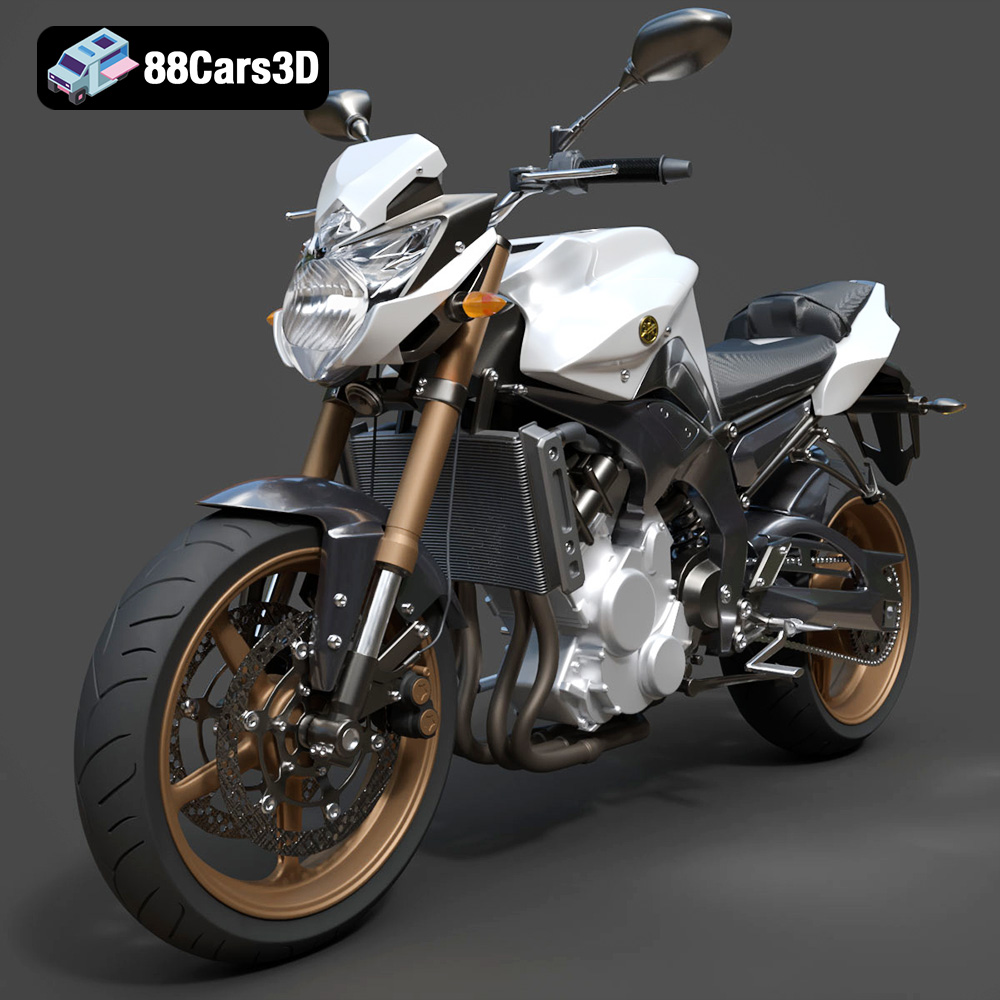
Yamaha FZ8 2011 3D Model
Texture: Yes
Material: Yes
Download the Yamaha FZ8 2011 3D Model featuring clean geometry, realistic detailing, and a fully modeled interior. Includes .blend, .fbx, .obj, .glb, .stl, .ply, .unreal, and .max formats for rendering, simulation, and game development.
Price: $19.99
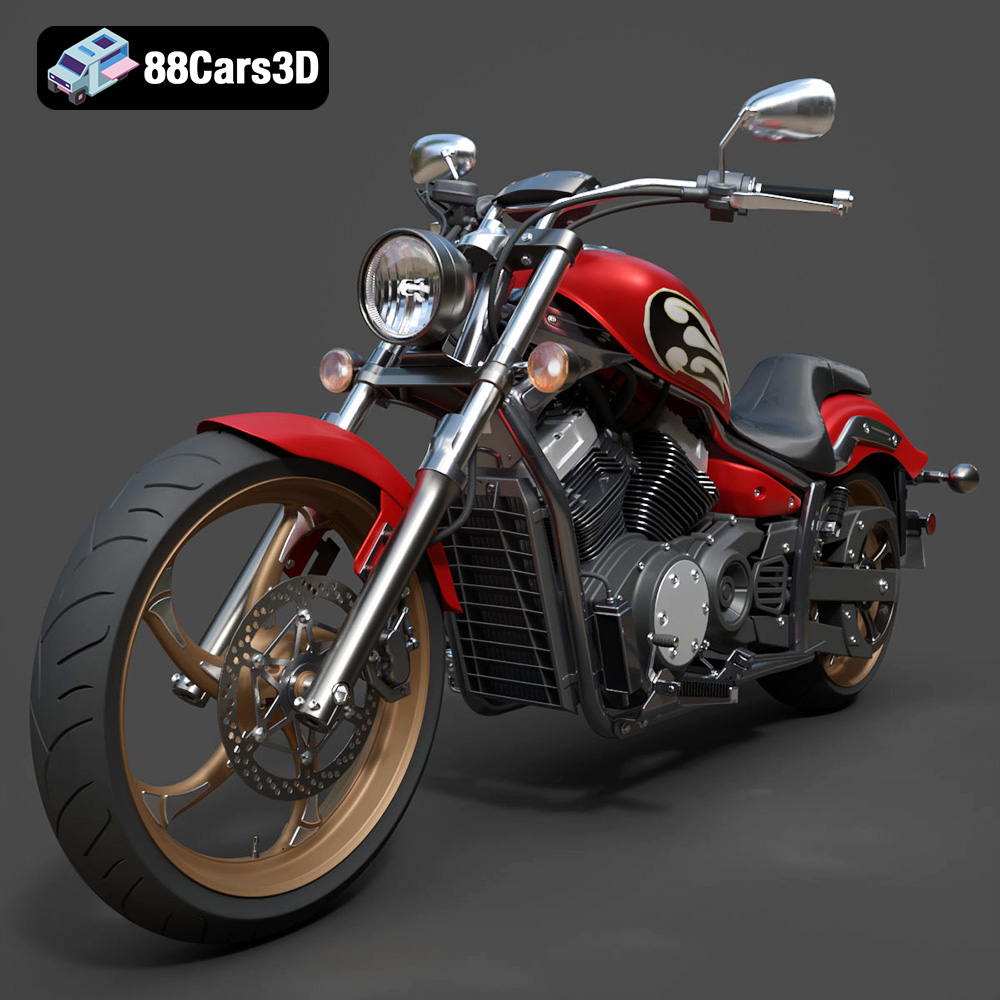
Yamaha Stryker 2012 3D Model
Texture: Yes
Material: Yes
Download the Yamaha Stryker 2012 3D Model featuring clean geometry, realistic detailing, and a fully modeled interior. Includes .blend, .fbx, .obj, .glb, .stl, .ply, .unreal, and .max formats for rendering, simulation, and game development.
Price: $19.99
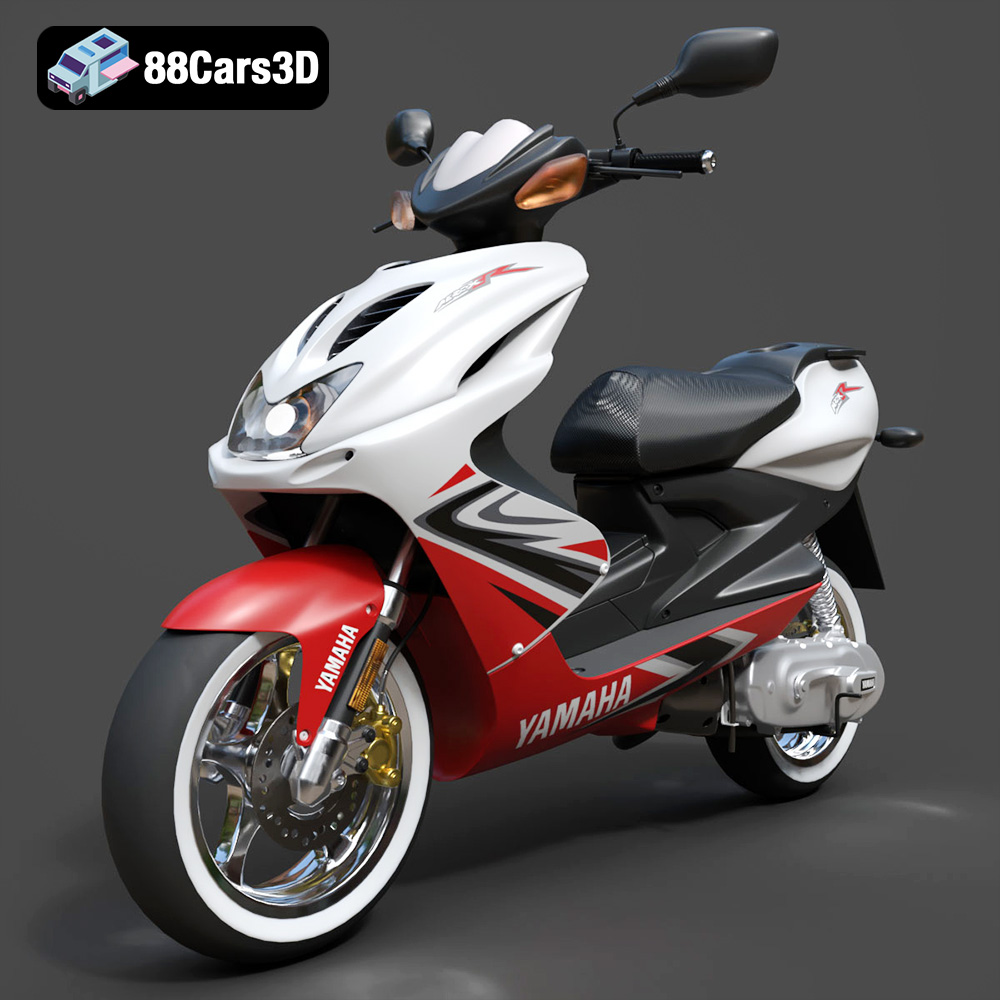
Yamaha Aerox R-002 2024 3D Model
Texture: Yes
Material: Yes
Download the Yamaha Aerox R-002 2024 3D Model featuring clean geometry, realistic detailing, and a fully modeled interior. Includes .blend, .fbx, .obj, .glb, .stl, .ply, .unreal, and .max formats for rendering, simulation, and game development.
Price: $19.99
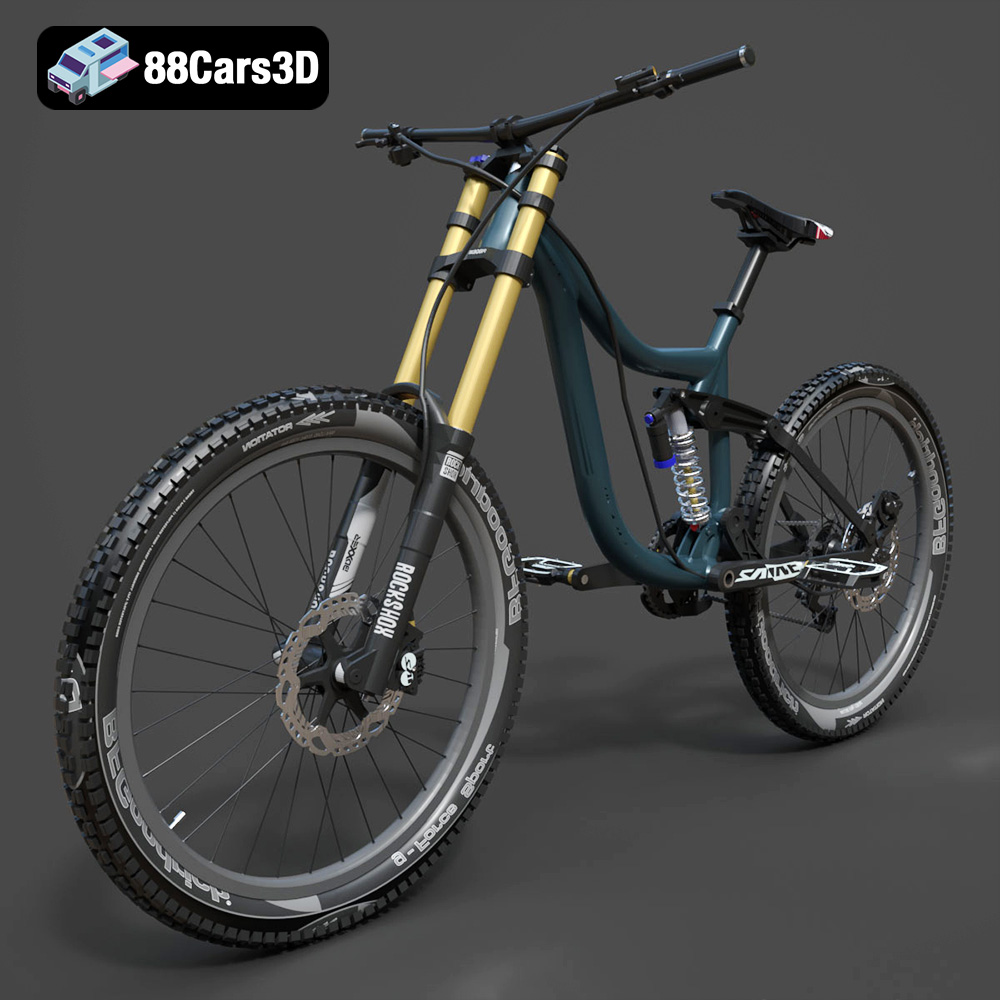
Mototsikly Downhill Bike-002 3D Model
Texture: Yes
Material: Yes
Download the Mototsikly Downhill Bike-002 3D Model featuring clean geometry, realistic detailing, and precise mechanical components. Includes .blend, .fbx, .obj, .glb, .stl, .ply, .unreal, and .max formats for rendering, simulation, and game development.
Price: $19.99
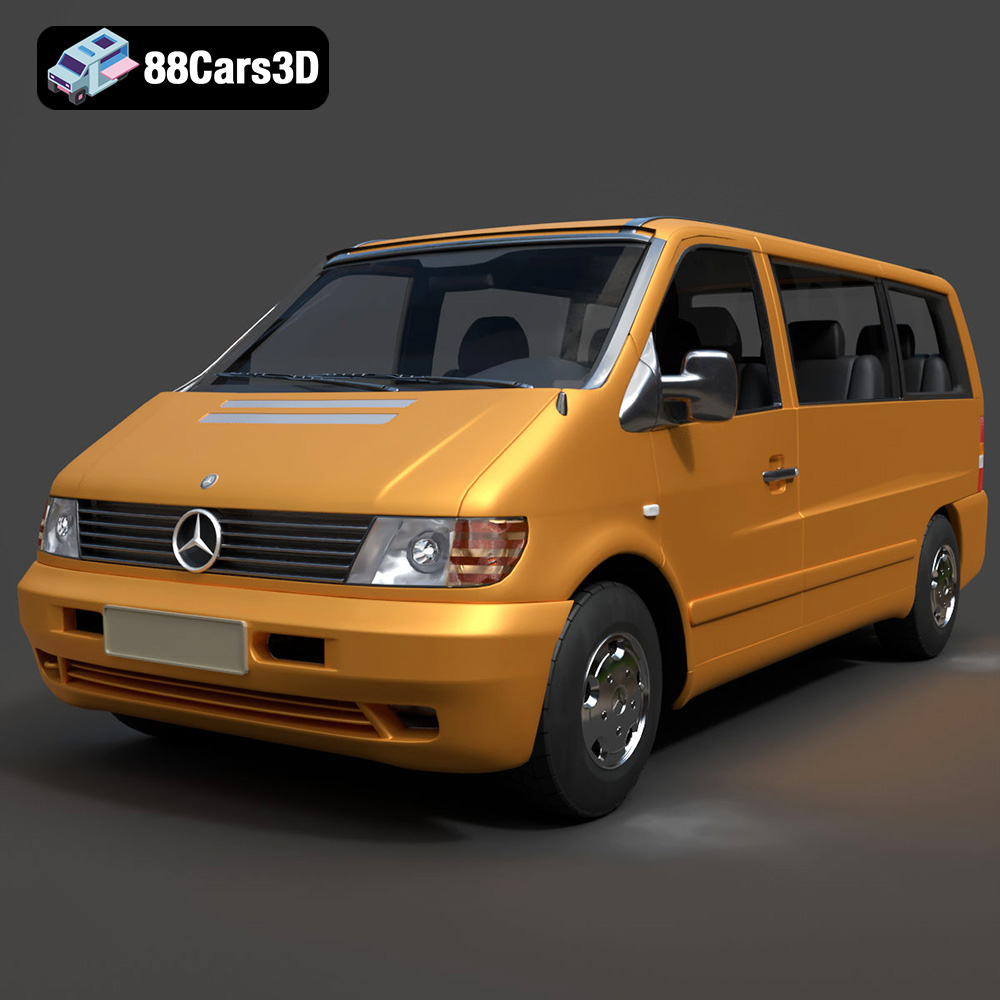
Mercedes-Benz Vito Passenger Van 3D Model
Texture: Yes
Material: Yes
Download the Mercedes-Benz Vito Passenger Van 3D Model featuring clean geometry, realistic detailing, and a fully modeled interior. Includes .blend, .fbx, .obj, .glb, .stl, .ply, .unreal, and .max formats for rendering, simulation, and game development.
Price: $19.99
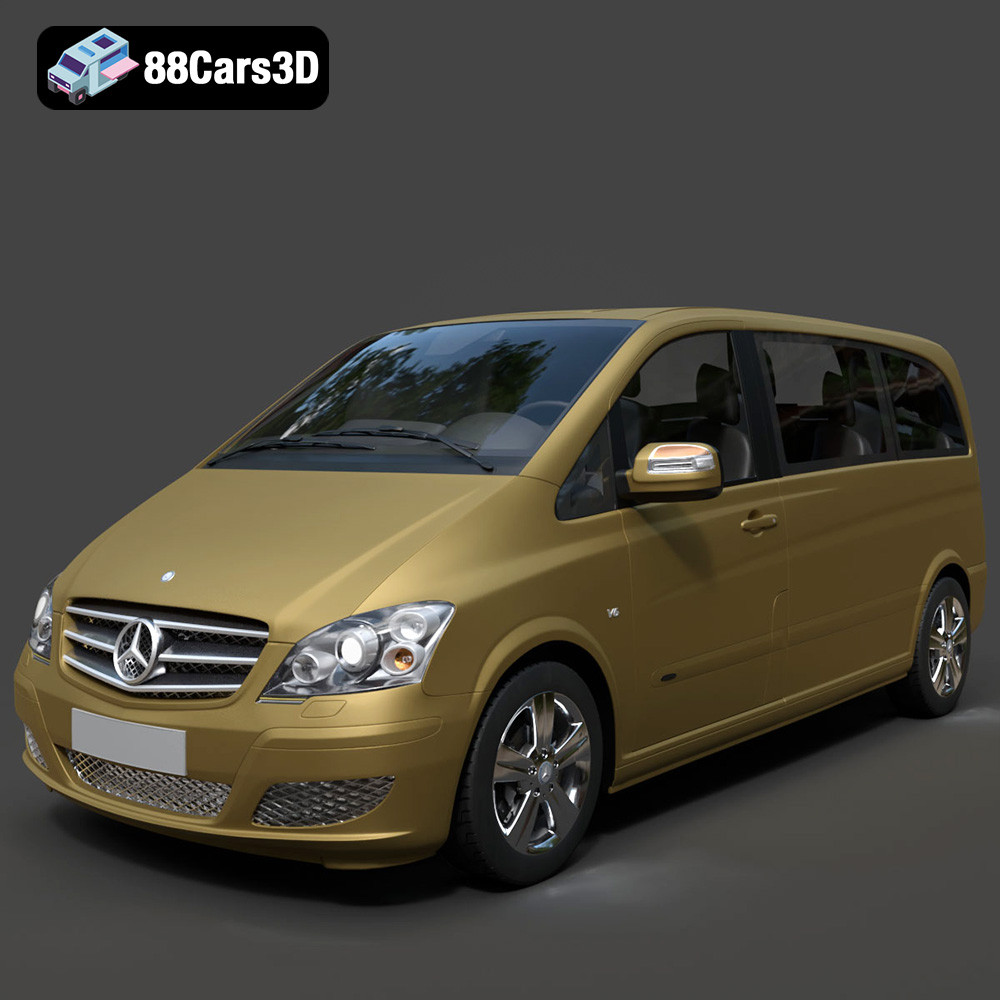
Mercedes-Benz Viano 2010 3D Model
Texture: Yes
Material: Yes
Download the Mercedes-Benz Viano 2010 3D Model featuring clean geometry, realistic detailing, and a fully modeled interior. Includes .blend, .fbx, .obj, .glb, .stl, .ply, .unreal, and .max formats for rendering, simulation, and game development.
Price: $19.99

Emt Avtobus 007 3D Model
Texture: Yes
Material: Yes
Download the Emt Avtobus 007 3D Model featuring clean geometry, realistic detailing, and a fully modeled interior. Includes .blend, .fbx, .obj, .glb, .stl, .ply, .unreal, and .max formats for rendering, simulation, and game development.
Price: $19.99
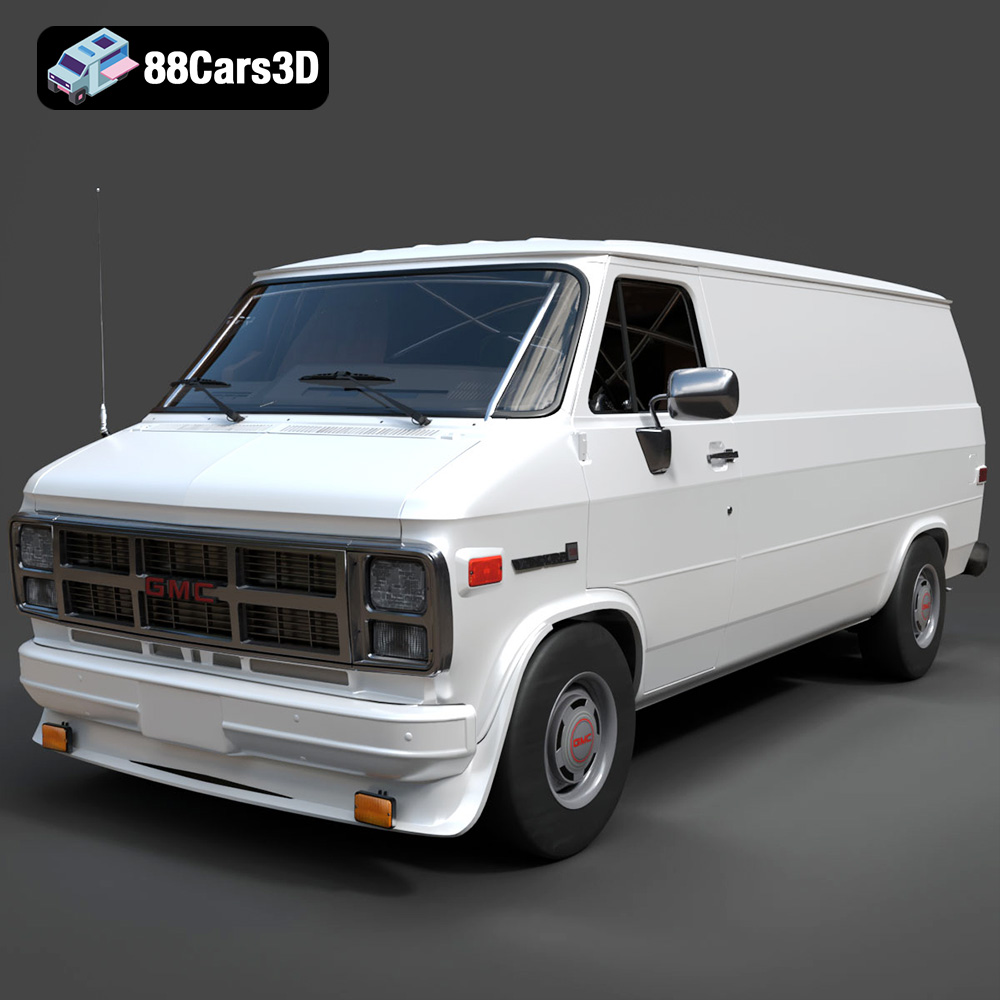
GMC Vandura G-1500 1983 3D Model
Texture: Yes
Material: Yes
Download the GMC Vandura G-1500 1983 3D Model featuring clean geometry, realistic detailing, and a fully modeled interior. Includes .blend, .fbx, .obj, .glb, .stl, .ply, .unreal, and .max formats for rendering, simulation, and game development.
Price: $19.99
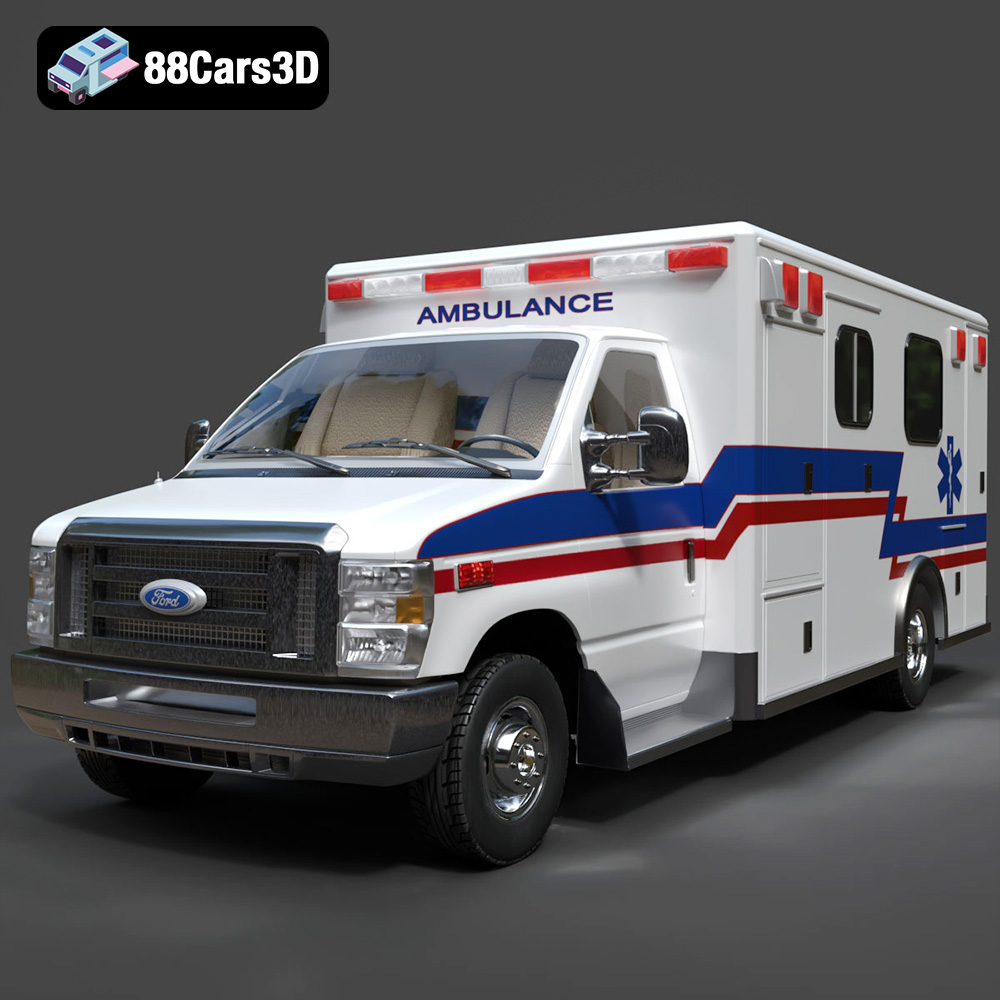
Ford E-450 Ambulance 3D Model
Texture: Yes
Material: Yes
Download the Ford E-450 Ambulance 3D Model featuring clean geometry, realistic detailing, and a fully modeled interior. Includes .blend, .fbx, .obj, .glb, .stl, .ply, .unreal, and .max formats for rendering, simulation, and game development.
Price: $19.99
