

In the dynamic world of real-time 3D experiences, going solo often limits the potential for truly immersive and collaborative interaction. Whether you’re building a groundbreaking multiplayer racing game, a collaborative automotive design review platform, or an interactive virtual showroom featuring high-fidelity 3D car models, understanding Unreal Engine’s robust networking capabilities is paramount. Multiplayer functionality transforms a static scene into a living, shared experience, allowing users from around the globe to interact within the same virtual space. This is where the magic of networked interactivity truly shines, enabling developers to push the boundaries of shared virtual environments.
For professionals leveraging platforms like 88cars3d.com to acquire top-tier 3D car models, integrating these assets into a seamless multiplayer experience means diving deep into Unreal Engine’s fundamental networking principles. This guide is designed to demystify the complexities of Unreal Engine’s networking stack, providing a comprehensive overview from core concepts to advanced optimization techniques. We’ll explore how to ensure your meticulously crafted vehicles and environments replicate flawlessly across multiple clients, maintain performance, and deliver a fluid user experience. By the end of this journey, you’ll have a solid understanding of how to architect compelling multiplayer applications, transforming static visualizations into interactive, collaborative realities.
Unreal Engine’s Networking Foundation: Authority and Replication
At the heart of Unreal Engine’s multiplayer architecture lies a fundamental concept: the client-server model and the principle of authority. Unlike peer-to-peer setups, Unreal Engine predominantly relies on a dedicated or listen server to maintain the authoritative state of the game world. This server is the “truth-teller,” validating actions, resolving conflicts, and ensuring all connected clients experience a consistent reality. Without a central authority, inconsistencies, cheating, and synchronization nightmares would quickly derail any multiplayer experience. Understanding this authoritative model is the first step towards building robust and reliable networked applications, especially when dealing with complex interactions like vehicle physics or shared design modifications.
Replication is the process by which changes on the server are propagated to clients, and vice-versa for client-initiated actions that need server validation. Unreal Engine provides a powerful and flexible system for replicating properties (variables) and remote procedure calls (RPCs – functions). This system intelligently manages what data needs to be sent, to whom, and when, aiming to minimize bandwidth usage while maintaining a consistent game state. For an automotive visualization, this means ensuring that every participant sees the same car model, the same custom paint job applied via PBR materials, and the same interactive elements, all synchronized in real-time. Mastering these core concepts allows developers to precisely control how game states are shared and ensure a smooth, synchronized experience for all players.
Client-Server Architecture and Network Roles
Unreal Engine’s networking framework is built around the client-server paradigm. In this model, one instance of the game acts as the server, holding the authoritative simulation of the world. All other instances are clients, which send their inputs to the server and receive updates about the world state from the server. This setup is crucial for maintaining fairness and preventing hacks, as the server always has the final say. There are two primary types of servers: a Listen Server, where one of the players also hosts the game (common for smaller, peer-to-peer style games, though technically still client-server), and a Dedicated Server, which runs purely as a server without a player attached, offering greater stability and scalability for larger projects.
Every Actor and ActorComponent in Unreal Engine has a specific network role, which determines its behavior and responsibilities in a multiplayer environment. These roles include: ROLE_None (not replicated), ROLE_SimulatedProxy (a client-side representation of an Actor owned by another client or the server), ROLE_AutonomousProxy (a client-side representation of an Actor owned by that client, allowing local prediction), and ROLE_Authority (the server-side instance of an Actor, holding the true state). Understanding and properly assigning these roles to your 3D car models, interactive elements, and custom Blueprint logic is fundamental. For example, a player’s vehicle, when controlled by that player, will be an AutonomousProxy on their machine, allowing for responsive local input, while on other clients, it will be a SimulatedProxy receiving updates from the server. On the server, it will be the Authority, validating all movements and actions.
Replication Overview: What, When, and How
Replication in Unreal Engine is the mechanism that keeps all networked clients synchronized with the server’s authoritative state. It involves sending data about Actors, Actor components, and their properties across the network. Not everything needs to be replicated; intelligent design focuses on replicating only what is necessary to maintain a consistent user experience. Unreal Engine handles much of this complexity under the hood, but developers have significant control. Key aspects of replication include:
- Actor and Component Replication: Actors and their components can be configured to replicate their existence and state. When an Actor is spawned on the server and marked for replication, Unreal Engine automatically creates a “proxy” version of it on all connected clients. Similarly, when a replicated Actor is destroyed on the server, its client-side proxies are also destroyed. This is vital for dynamically spawning and despawning 3D car models in a multiplayer environment.
- Property Replication: Individual variables (properties) within a replicated Actor or Component can be marked for replication. When a replicated property changes on the server, Unreal Engine automatically sends that updated value to all relevant clients. This is how a car’s speed, position, rotation, or even its current paint material (referencing a PBR material ID) can be synchronized.
- Remote Procedure Calls (RPCs): These are functions that can be called on one machine (client or server) and executed on another. RPCs are essential for actions that aren’t easily expressed through property changes, such as triggering an animation, playing a sound, or initiating a complex interaction like opening a car door. RPCs come in three flavors:
Server(client calls server),Client(server calls client), andNetMulticast(server calls all clients).
For more in-depth technical details on Unreal Engine’s networking framework, including advanced topics like network relevancy and dormancy, developers are encouraged to consult the official documentation at https://dev.epicgames.com/community/unreal-engine/learning.
Data Synchronization: Properties, RPCs, and RepNotifies
Effective multiplayer experiences hinge on robust data synchronization, ensuring that every participant sees and interacts with a consistent virtual world. Unreal Engine offers powerful tools for this, primarily through replicated properties, Remote Procedure Calls (RPCs), and RepNotify functions. These mechanisms allow developers to precisely control how information flows between the server and clients, enabling anything from shared vehicle states to collaborative design modifications on high-fidelity 3D car models. Understanding their appropriate use is critical for minimizing bandwidth, avoiding desynchronization, and creating fluid, responsive multiplayer applications.
Replicated properties provide an automatic way to keep variable states synchronized. When a property marked for replication changes on the server, the new value is automatically pushed to all relevant clients. For more complex, instantaneous actions that aren’t just about state, RPCs step in, allowing functions to be executed remotely. RepNotify functions, a powerful adjunct to property replication, provide a callback mechanism to react to replicated property changes, both on the server and on clients. This combination forms the backbone of Unreal Engine’s data synchronization, enabling intricate interactions like a player customizing a car’s PBR materials in a virtual showroom, and having that change instantly visible to all other users.
Replicated Properties and Conditional Replication
Marking a variable as Replicated in C++ or checking the “Replicated” checkbox in Blueprint (under the variable details panel) tells Unreal Engine to synchronize that variable’s value from the server to clients. When the server changes a replicated variable, its new value is sent to all clients that have a replicated proxy of that Actor. This is ideal for continuous data like a vehicle’s current speed, its remaining fuel, or which customization option is currently active. For instance, if you have an enum representing different paint finishes for your 3D car models, replicating this enum ensures all clients see the same chosen finish.
To further optimize bandwidth and control, Unreal Engine offers Conditional Replication. Instead of replicating a property to *all* clients, you can specify conditions under which it should replicate using DOREPLIFETIME_CONDITION in C++ or via Blueprint settings. Common conditions include COND_OwnerOnly (replicate only to the Actor’s owner), COND_SkipOwner (replicate to everyone except the owner), or custom conditions based on proximity or relevance. This is extremely useful in automotive visualization or game development; for example, a player’s personal UI elements might only replicate to that player, or detailed internal car metrics might only replicate to a specific “diagnostics” client, reducing unnecessary data transfer for everyone else.
Remote Procedure Calls (RPCs) Explained
RPCs are functions that execute remotely across the network. They are essential for triggering actions that are not simply state changes. There are three main types of RPCs:
- Server RPCs (
ReliableorUnreliable): Called by a client, executed on the server. Used for client input or actions that need server validation and execution. Example: A client presses the “accelerate” button; a Server RPC informs the server, which then applies acceleration to the authoritative car physics. - Client RPCs (
ReliableorUnreliable): Called by the server, executed on a specific client (the Actor’s owner). Used for the server to instruct a particular client to perform an action. Example: The server tells a client, “You have taken damage,” prompting a UI update or visual effect specific to that client. - NetMulticast RPCs (
ReliableorUnreliable): Called by the server, executed on the server and all connected clients. Used for actions that need to be seen or performed by everyone. Example: A car explodes (triggered on the server); a NetMulticast RPC ensures all clients play the explosion sound and particle effects, making the visual synchronized across the network.
RPCs can be marked as Reliable or Unreliable. Reliable RPCs are guaranteed to arrive and execute in order, but incur more overhead. Unreliable RPCs are best for high-frequency, non-critical events where missing a few updates is acceptable (e.g., continuous animation updates), saving bandwidth. When implementing interactive elements for 3D car models, like opening doors or toggling lights, careful consideration of RPC reliability and target (Server, Client, Multicast) is crucial for a smooth and responsive experience.
RepNotify Functions for Reactive Updates
While replicated properties automatically synchronize values, you often need to perform additional logic when a replicated property changes. This is where RepNotify functions come in. When a variable is marked as RepNotify (in C++ using UPROPERTY(ReplicatedUsing=OnRep_MyProperty) or in Blueprint by selecting “Replicated with Notify”), Unreal Engine automatically generates a corresponding function (e.g., OnRep_MyProperty). This function is called both on the server (immediately after the property changes) and on all clients (when they receive the updated value). This allows you to react to the change and update visual states, play sounds, or trigger effects.
For example, imagine a 3D car model with customizable PBR materials. When a client changes the car’s paint color, a Server RPC could send the new color ID to the server. The server then updates a replicated “CurrentPaintColorID” property. Because this property is RepNotify, the OnRep_CurrentPaintColorID function will be called on all clients (and the server itself). Inside this function, you would then apply the new PBR material to the car’s mesh, ensuring every participant instantly sees the updated paint job. This pattern is incredibly powerful for keeping visuals and logic synchronized with replicated data, vital for any collaborative automotive visualization or game featuring dynamic vehicle customization.
Network Optimization and Performance for Real-time Applications
In any real-time networked application, especially those featuring high-fidelity 3D car models and dynamic environments, network optimization is not merely an afterthought—it’s a critical design consideration from the outset. Unoptimized networking can lead to lag, desynchronization, and a poor user experience, regardless of how visually stunning your real-time rendering is. Unreal Engine provides a suite of tools and concepts to help developers manage network bandwidth, reduce latency, and ensure that even complex scenarios, such as multiple vehicles interacting simultaneously, run smoothly. The goal is to transmit only the essential data, to the necessary recipients, and at the optimal frequency, thus preserving precious bandwidth and CPU cycles.
Effective network optimization involves a multi-faceted approach, encompassing smart data replication, leveraging network relevancy and dormancy, and careful profiling to identify bottlenecks. This is particularly important for applications like collaborative automotive design reviews or multiplayer racing games, where consistent performance is paramount. By understanding and applying these strategies, developers can build responsive and enjoyable networked experiences, ensuring that the beautiful assets sourced from marketplaces like 88cars3d.com perform flawlessly across all connected clients.
Bandwidth Management: Relevancy, Dormancy, and Frequency
Controlling network traffic is essential. Unreal Engine helps manage this through concepts like Network Relevancy and Dormancy.
- Network Relevancy: An Actor is “relevant” to a client if that client needs to receive updates about it. By default, Actors are relevant to all clients. However, you can override the
IsNetRelevantForfunction in C++ or utilize Blueprint’s “Net Cull Distance Squared” property to define custom relevancy rules. For example, a distant 3D car model might not need its precise velocity replicated to a client, only its general position, or it might become completely irrelevant beyond a certain range. Reducing relevancy significantly cuts down on the data sent, especially in large open-world scenarios or multi-user architectural visualizations where clients only need to see nearby objects. - Dormancy: An Actor can enter a “dormant” state when it’s not actively moving or changing. While dormant, the Actor stops replicating updates until it becomes active again. This is a massive saver for static or infrequently interacting objects. For instance, parked cars or environmental props sourced from 88cars3d.com can enter dormancy, only waking up and replicating if a player interacts with them or moves close enough to trigger relevancy. This drastically reduces the server’s workload and bandwidth usage for non-critical assets.
- Replication Frequency: Not all data needs to be replicated every tick. Unreal Engine allows you to control the replication frequency of Actors and properties. For high-frequency, non-critical data (like animation blend weights), you might use unreliable RPCs or lower the replication rate. For critical data (like health or position of a fast-moving vehicle), a higher rate and reliable replication are necessary. Balancing these frequencies is a constant optimization task.
Network Profiling and Debugging
Identifying networking bottlenecks requires robust profiling tools. Unreal Engine offers a powerful Network Profiler (accessed via stat net in console or the dedicated profiler tool) that visualizes bandwidth usage, RPC calls, replicated property changes, and packet loss for each Actor and connection. This allows developers to pinpoint which Actors or properties are consuming the most bandwidth, helping to prioritize optimization efforts. For example, if your 3D car models are causing excessive network traffic, the profiler can reveal whether it’s due to too many replicated custom components, overly frequent position updates, or large texture data being inadvertently replicated.
- Debugging Tools: The console command
NetShowDebugcan be invaluable for real-time visualization of network data. You can inspect individual Actor replication status, view RPC calls, and check network relevancy directly within the viewport. Furthermore, setting breakpoints within replicated functions and RepNotify functions is crucial for understanding the flow of data and execution order. - Log Categories: Unreal Engine’s logging system provides specific categories for networking (e.g.,
LogNet,LogNetTraffic,LogNetDormancy). Increasing their verbosity can offer detailed insights into what Unreal Engine is doing behind the scenes, helping to diagnose complex replication issues.
Latency Compensation and Prediction
Even with optimal network design, latency (the delay in data transmission) is an unavoidable reality. To provide a smooth user experience, especially in fast-paced scenarios like multiplayer racing, Unreal Engine incorporates techniques for latency compensation and client-side prediction.
- Client-Side Prediction: For player-controlled Actors (
AutonomousProxyrole), clients can predict the outcome of their actions locally without waiting for server confirmation. For instance, when a player accelerates their 3D car model, the client immediately moves the car locally. The client then sends this input to the server. If the server’s authoritative simulation differs (due to other players’ actions or lag), the client “rolls back” its state to the server’s confirmed state and then re-applies subsequent inputs. This “rollback and re-simulation” ensures a responsive feel for the player, even with some network delay. - Lag Compensation: When one player shoots another, the server needs to determine if the shot hit, even though the target player’s actual position on the server might be slightly behind what the shooter saw on their screen. Lag compensation techniques involve the server “rewinding” the target’s position to where they were at the time the shot was fired on the shooter’s client, allowing for fair hit detection.
Implementing effective client-side prediction and understanding lag compensation is critical for competitive multiplayer games. While often complex, these techniques are essential for overcoming the inherent challenges of network latency and delivering a truly engaging, low-lag experience for users interacting with your real-time rendered automotive environments.
Setting Up a Multiplayer Project and Testing in Unreal Engine
Embarking on a multiplayer project in Unreal Engine requires more than just understanding replication concepts; it demands specific project configuration, thoughtful map design, and rigorous testing methodologies. From setting up game modes that correctly handle player spawns and connections to configuring listen servers or dedicated server builds, each step is crucial for ensuring a stable and scalable networked experience. This section will guide you through the practical aspects of getting a multiplayer project off the ground, focusing on the initial setup and iterative testing necessary to build a robust foundation for your interactive applications, whether they’re multiplayer racing simulations or collaborative visualization platforms for 3D car models.
Properly setting up your project not only streamlines development but also preempts many common networking issues. Configuring default game modes, understanding the nuances of server travel, and implementing reliable connection handling are all part of this foundational work. Furthermore, effective testing, often involving multiple instances of the game, is indispensable for identifying and resolving synchronization problems and performance bottlenecks early in the development cycle. Mastering these setup and testing workflows ensures that your vision for a shared, real-time environment translates smoothly into a functional and enjoyable multiplayer application.
Project Configuration for Multiplayer
The first step in setting up any multiplayer Unreal Engine project is to configure your Game Mode and Player Controller. These are central to how your game handles players, spawning, and rules.
- Game Mode (
AGameModeBaseorAGameMode): This class exists only on the server and defines the rules of your game, including player joining/leaving, spawning rules, and game state. For a multiplayer game, you will typically create a custom Game Mode that overrides functions likePostLogin(called when a player successfully logs in) andLogout(when a player leaves). You might configure it to spawn a specificPawn(e.g., a custom 3D car model from 88cars3d.com) for each connecting player. Set your default Game Mode in Project Settings > Maps & Modes. - Player Controller (
APlayerController): This class exists on both the server and the owning client. It manages input, communicates with the server, and owns aPawn. For multiplayer, ensure your Player Controller handles client-side input and sends relevant Server RPCs for actions like movement, interaction, or menu navigation. - Default Pawn Class: In your Game Mode, specify the default Pawn class that gets spawned for new players. For an automotive application, this would be your drivable 3D car model Blueprint.
- Network Settings: In Project Settings > Engine > Networking, you can configure various network-related properties, such as the maximum number of network connections, the network update frequency, and whether the game should use
NetLoadOnClientfor seamless travel.
Properly configuring these classes and settings ensures that Unreal Engine correctly initializes and manages player connections and game state across the network, forming the bedrock of your multiplayer experience.
Listen Servers vs. Dedicated Servers
When launching your multiplayer game, you have two primary options for hosting:
- Listen Server: This is the simplest way to get started. One player’s game instance acts as both a client and the server. Other players connect to this host. To launch as a listen server, you can pass
-listenas a command-line argument or simply open a map via a console command likeopen MyMap?listen. This is great for small-scale projects or testing but can suffer from host migration issues if the host leaves, and the host’s machine might experience performance overhead from running both client and server simulations. - Dedicated Server: This is the professional standard for most multiplayer games. A separate, non-graphical instance of your game runs purely as a server. It doesn’t render anything, focusing entirely on the game logic and networking. Dedicated servers offer better performance, stability, and security, and are essential for larger player counts and competitive games. Building a dedicated server requires compiling your project for the server target (e.g.,
UnrealEditor.exe ProjectName -run=Compile -Target=ProjectNameServer) and then packaging it. Running a dedicated server involves launching the server executable directly, typically without any graphical output.
For collaborative automotive visualization or robust multiplayer racing, a dedicated server offers the stability and scalability needed to provide a consistent experience for all users.
Testing Multiplayer: PIE and Standalone Builds
Thorough testing is critical for identifying and resolving networking issues. Unreal Engine provides excellent tools for this:
- Play In Editor (PIE) with Multiple Clients: In the Play button dropdown in the Unreal Editor, you can select “Number of Players” and “Net Mode” (e.g., Play As Listen Server, Play As Client). This will launch multiple instances of your game directly within the editor, allowing you to quickly test replication and interaction locally. This is invaluable for rapid iteration, as you can see server and client behavior side-by-side.
- Standalone Game: For more accurate testing, especially regarding performance and network conditions closer to a real deployment, launch your game as a “Standalone Game.” You can launch one instance as a listen server and multiple others as clients, or launch a dedicated server and then connect multiple standalone clients to it. This provides a clean environment, free from editor overhead, for more realistic performance assessment.
- Simulated Latency and Packet Loss: Under Project Settings > Engine > Networking, you can simulate network latency (ping) and packet loss. This is an indispensable tool for testing how robust your networking code is under adverse network conditions, ensuring your 3D car models still drive smoothly even with high pings. Use these settings to stress-test your prediction and rollback systems.
By leveraging these testing methods and iteratively refining your networking code, you can ensure that your multiplayer application is robust, performs well, and delivers a seamless experience for all players, showcasing the full potential of your high-quality game assets from resources like 88cars3d.com.
Advanced Networking for Automotive Visualization and Games
Beyond the fundamentals, Unreal Engine offers advanced networking features that unlock even greater potential for automotive visualization, interactive product configurators, and sophisticated multiplayer games. Leveraging these capabilities allows developers to craft highly specialized, performant, and engaging shared experiences. From enabling collaborative design reviews of meticulously detailed 3D car models to creating dynamic and responsive virtual production workflows, these advanced techniques elevate the interactivity and immersion of real-time applications. Understanding how to integrate features like multi-user editing, Spectator modes, and VR/AR optimization within a networked context is crucial for pushing the boundaries of what’s possible in a shared virtual space.
This section delves into how Unreal Engine can be extended to support complex multi-user scenarios. We’ll look at tools like the Multi-User Editing plugin for synchronized workflows, how to implement immersive Spectator viewpoints, and the specific considerations for maintaining performance in networked VR/AR environments. These specialized applications demand a deeper understanding of Unreal Engine’s networking stack and clever architectural choices to deliver a seamless, high-quality experience for all participants.
Multi-User Editing for Collaborative Design Review
For automotive studios and design teams, collaborative visualization is a game-changer. Unreal Engine’s Multi-User Editing plugin (https://dev.epicgames.com/community/unreal-engine/learning) enables multiple users to work simultaneously within the same Unreal Editor session, seeing each other’s changes in real-time. This is not just a game feature; it’s a powerful professional tool for interactive design reviews, allowing designers, engineers, and stakeholders to collaboratively inspect, modify, and discuss 3D car models and environments. Imagine multiple team members, perhaps in different geographical locations, simultaneously adjusting the PBR materials of a vehicle, repositioning components, or evaluating lighting scenarios, all within a synchronized Unreal Editor environment.
The Multi-User Editing plugin effectively extends Unreal Engine’s replication system to the editor itself. Changes made by one user (e.g., moving an asset, tweaking a material parameter, modifying a Blueprint) are replicated to all other connected editor instances. This drastically reduces iteration time and fosters more dynamic collaboration compared to traditional “send-and-review” workflows. It’s particularly impactful for visualizing large-scale automotive designs, where every participant needs to see the current, shared truth of the project in real-time, making it an invaluable tool for any studio working with high-quality assets from sources like 88cars3d.com.
Spectator Modes and Virtual Production Integration
In many multiplayer automotive experiences, not every participant needs to be an active player. Spectator modes are essential for allowing users to observe the action, whether it’s a race in progress or a guided tour of a virtual showroom. Unreal Engine allows you to create custom Spectator Pawns (e.g., a free-roaming camera, a fixed cinematic view, or even a different type of vehicle) that replicate their position and rotation, allowing other clients to see where the spectator is looking. This is fundamental for virtual production workflows where directors and technical artists need to observe and direct cinematic sequences involving 3D car models without directly interfering with the scene’s logic. By setting the Player Controller’s Spectator class, you can easily enable this feature.
Furthermore, Unreal Engine’s integration with virtual production and LED walls opens up incredible possibilities for networked automotive visualization. Imagine a live event where a presenter interacts with a virtual 3D car model on a massive LED volume, while remote viewers connect via a multiplayer client, seeing the same virtual environment and the car’s real-time rendering. Networking plays a key role in synchronizing the virtual camera’s movements, the car’s state, and any interactive elements between the editor (or dedicated server driving the LED wall) and all remote client viewers, ensuring a consistent and immersive experience across all platforms.
AR/VR Optimization for Automotive Applications
Augmented Reality (AR) and Virtual Reality (VR) experiences for automotive applications, such as virtual showrooms or interactive design reviews, gain immense value from multiplayer capabilities. However, networking in AR/VR introduces unique optimization challenges due to their strict performance requirements (high frame rates to prevent motion sickness) and potentially higher data loads (e.g., replicating hand tracking data, avatar movements). Optimizing these networked AR/VR experiences involves:
- Prioritized Replication: Replicate only absolutely critical data for AR/VR, and use conditional replication and dormancy aggressively. For instance, detailed hand gesture data might only be sent for nearby avatars.
- Reduced Latency: Low latency is paramount in VR. Server RPCs for user input should be as lean and fast as possible. Client-side prediction for avatar movement becomes even more important.
- Avatar & Prop Replication: Replicating custom avatars and dynamically loaded 3D car models (e.g., from an inventory system) requires efficient network object spawning and serialization. Ensure your car models and associated PBR materials are optimized for low draw calls and efficient real-time rendering on mobile AR/VR devices.
- Multi-User Presence: Replicating the physical position and orientation of VR headsets and AR devices allows users to see each other’s presence within the shared virtual space, fostering a strong sense of co-presence.
By carefully managing replication, optimizing assets (like the high-quality 3D car models available on 88cars3d.com, which are often provided with multiple LODs), and leveraging Unreal Engine’s performance tools, developers can create compelling and high-performing multiplayer AR/VR automotive applications that transcend traditional single-user experiences.
Troubleshooting, Debugging, and Best Practices
Developing multiplayer applications in Unreal Engine, especially those involving complex systems like vehicle physics or detailed automotive visualizations, inevitably leads to debugging sessions. Networked environments introduce a unique set of challenges that can be tricky to diagnose, from desynchronization issues and dropped connections to performance bottlenecks and unexpected replication behavior. A systematic approach to troubleshooting, coupled with adherence to established best practices, is crucial for building stable, reliable, and performant multiplayer experiences. This section provides actionable advice on identifying common pitfalls, leveraging Unreal Engine’s debugging tools, and adopting strategies that lead to robust network code.
Effective debugging is not just about fixing errors; it’s about understanding the flow of data and execution across multiple machines. By consistently applying best practices, such as validating client input on the server, minimizing replicated data, and thoroughly testing under various network conditions, developers can proactively prevent many common issues. This foresight saves significant development time and ensures that the final product, whether it’s a multiplayer racing game or a collaborative visualization of high-quality 3D car models, delivers a seamless and enjoyable experience for all users.
Common Networking Challenges and Solutions
- Desynchronization (Desync): This is when clients see different states for the same Actor.
- Cause: Non-replicated variables driving visual logic, client-side-only physics, or unvalidated client input.
- Solution: Ensure all relevant variables are replicated. Perform all critical game logic (especially physics and state changes) on the server. Use RepNotifies to update client visuals based on replicated data. Validate client input on the server before acting on it.
- Bandwidth Overload: Too much data being sent, leading to lag and dropped packets.
- Cause: Replicating unnecessary data, too frequent replication, or large RPC payloads.
- Solution: Aggressively use network relevancy and dormancy. Implement conditional replication (
COND_OwnerOnly,COND_SkipOwner). Lower replication frequencies for non-critical data. Use Unreliable RPCs where appropriate. Compress or optimize replicated data structures. Profile network traffic to identify culprits.
- Latency Issues (Lag): Perceived delay between actions and their results.
- Cause: High ping, insufficient client-side prediction, or heavy server load.
- Solution: Implement robust client-side prediction for player-controlled Actors. Optimize server-side logic to reduce tick time. Use lag compensation for hit detection. Test with simulated latency (Project Settings > Networking).
- Ownership and Authority Problems: Client trying to perform actions without authority.
- Cause: Misunderstanding of network roles (
ROLE_Authorityvs.AutonomousProxy). - Solution: Remember that only the server has authority. Clients must send Server RPCs for actions that affect the game state. Ensure Actors have correct owners assigned (e.g., PlayerController owns PlayerPawn).
- Cause: Misunderstanding of network roles (
Debugging Techniques and Tools
- Network Profiler: As mentioned, use the
stat netconsole command and the dedicated Network Profiler tool to analyze bandwidth, RPCs, and replicated properties. This is your primary diagnostic tool. LogNetCategory: Increase verbosity of theLogNetcategory (e.g.,LogNet Verbosein console) to get detailed output on replication, RPC calls, and network events.NetShowDebug: This console command overlay provides real-time debug information in the viewport about network relevancy, dormancy, and replication status for Actors.- Breakpoints: Set breakpoints in your replicated functions (
OnRep_functions, RPCs) to trace execution flow across server and client instances. When testing with multiple PIE clients, you can attach a debugger to each instance. - Print Strings / Debug Draw: Use server-only or client-only print strings (via
IsRunningDedicatedServer()orGetLocalRole()checks) to display relevant information in the console or draw debug shapes in the world (e.g., showing a replicated variable’s value next to an Actor). - Dedicated Server Builds: Always test your networking on a dedicated server build early and often, as listen servers can mask certain issues.
Networking Best Practices for Robust Applications
- Server Authority: Always trust the server. All critical game logic, especially actions that affect other players or the authoritative game state, should be handled on the server. Clients should only send input, never directly modify game state for others.
- Minimize Replication: Only replicate data that is absolutely necessary for the client to function or see. Every byte matters. If a client can derive a value locally, don’t replicate it.
- Use RepNotifies for Visuals: When a replicated property changes, use RepNotify functions to update visual states (e.g., changing PBR materials on a 3D car model, triggering animations, playing sound effects). This ensures visual consistency.
- Input Validation: Always validate client input on the server. Don’t trust the client to tell you it’s allowed to perform an action (e.g., ‘jumped’, ‘fired’). Validate against server-side game rules.
- Smart RPC Usage: Choose the correct RPC type (Server, Client, NetMulticast) and reliability (Reliable, Unreliable) based on the action’s criticality and recipient. Avoid excessive RPCs.
- Object Pooling for Dynamic Spawns: For frequently spawned and destroyed Actors (e.g., projectiles, effects), consider using object pooling to reduce the overhead of network spawning and destruction.
- Iterative Testing: Test multiplayer features incrementally. Build a small feature, network it, and test it thoroughly before moving to the next. Use PIE and standalone clients extensively.
- Leverage Engine Features: Make full use of Unreal Engine’s built-in networking features like relevancy, dormancy, and conditional replication. Don’t reinvent the wheel.
By diligently applying these debugging strategies and adhering to best practices, you can navigate the complexities of Unreal Engine networking with confidence, delivering high-quality, stable, and immersive multiplayer experiences powered by assets from platforms like 88cars3d.com.
Conclusion: Empowering Collaborative Real-Time Experiences with Unreal Engine
Mastering Unreal Engine’s networking fundamentals is a transformative step for any developer aiming to create truly interactive and shared real-time experiences. We’ve journeyed through the core principles of client-server architecture, delved into the intricacies of data synchronization via replicated properties and RPCs, explored crucial optimization techniques, and outlined the practical steps for setting up and debugging a multiplayer project. From leveraging advanced features like multi-user editing for collaborative automotive design to optimizing for networked AR/VR, the power of Unreal Engine’s networking stack provides an unparalleled foundation for ambitious projects.
The ability to connect users in a shared virtual space unlocks immense potential, whether for cutting-edge multiplayer racing games, collaborative visualization platforms for meticulously detailed 3D car models, or innovative virtual production workflows. By embracing server authority, diligently managing bandwidth, and employing robust debugging practices, you can ensure that your applications deliver a seamless, low-latency experience for all participants. The high-quality game assets available on marketplaces like 88cars3d.com serve as the perfect foundation, and with a solid understanding of Unreal Engine networking, you’re now equipped to bring those assets to life in shared, dynamic, and unforgettable virtual worlds. Start experimenting, build iteratively, and watch your collaborative visions become a real-time reality.
Featured 3D Car Models

Porsche Cayenne 3D Model
Meta Description:
Texture: Yes
Material: Yes
Download the Porsche Cayenne 3D Model featuring realistic exterior styling and detailed interior design. Includes .blend, .fbx, .obj, .glb, .stl, .ply, .unreal, and .max formats for rendering, simulation, AR VR, and game development.
Price: $19.9

Yamaha FZ8 2011 3D Model
Texture: Yes
Material: Yes
Download the Yamaha FZ8 2011 3D Model featuring clean geometry, realistic detailing, and a fully modeled interior. Includes .blend, .fbx, .obj, .glb, .stl, .ply, .unreal, and .max formats for rendering, simulation, and game development.
Price: $19.99

Yamaha Stryker 2012 3D Model
Texture: Yes
Material: Yes
Download the Yamaha Stryker 2012 3D Model featuring clean geometry, realistic detailing, and a fully modeled interior. Includes .blend, .fbx, .obj, .glb, .stl, .ply, .unreal, and .max formats for rendering, simulation, and game development.
Price: $19.99

Yamaha Aerox R-002 2024 3D Model
Texture: Yes
Material: Yes
Download the Yamaha Aerox R-002 2024 3D Model featuring clean geometry, realistic detailing, and a fully modeled interior. Includes .blend, .fbx, .obj, .glb, .stl, .ply, .unreal, and .max formats for rendering, simulation, and game development.
Price: $19.99

Mototsikly Downhill Bike-002 3D Model
Texture: Yes
Material: Yes
Download the Mototsikly Downhill Bike-002 3D Model featuring clean geometry, realistic detailing, and precise mechanical components. Includes .blend, .fbx, .obj, .glb, .stl, .ply, .unreal, and .max formats for rendering, simulation, and game development.
Price: $19.99
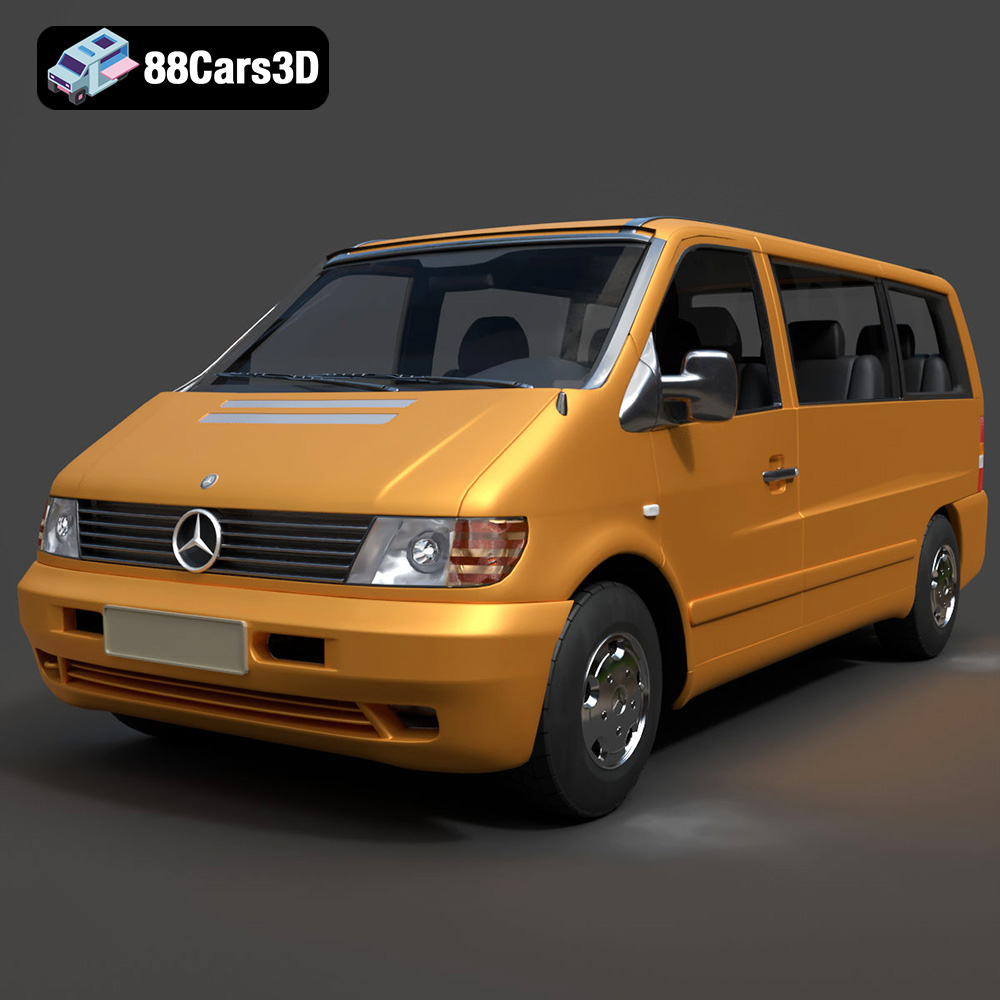
Mercedes-Benz Vito Passenger Van 3D Model
Texture: Yes
Material: Yes
Download the Mercedes-Benz Vito Passenger Van 3D Model featuring clean geometry, realistic detailing, and a fully modeled interior. Includes .blend, .fbx, .obj, .glb, .stl, .ply, .unreal, and .max formats for rendering, simulation, and game development.
Price: $19.99

Mercedes-Benz Viano 2010 3D Model
Texture: Yes
Material: Yes
Download the Mercedes-Benz Viano 2010 3D Model featuring clean geometry, realistic detailing, and a fully modeled interior. Includes .blend, .fbx, .obj, .glb, .stl, .ply, .unreal, and .max formats for rendering, simulation, and game development.
Price: $19.99

Emt Avtobus 007 3D Model
Texture: Yes
Material: Yes
Download the Emt Avtobus 007 3D Model featuring clean geometry, realistic detailing, and a fully modeled interior. Includes .blend, .fbx, .obj, .glb, .stl, .ply, .unreal, and .max formats for rendering, simulation, and game development.
Price: $19.99
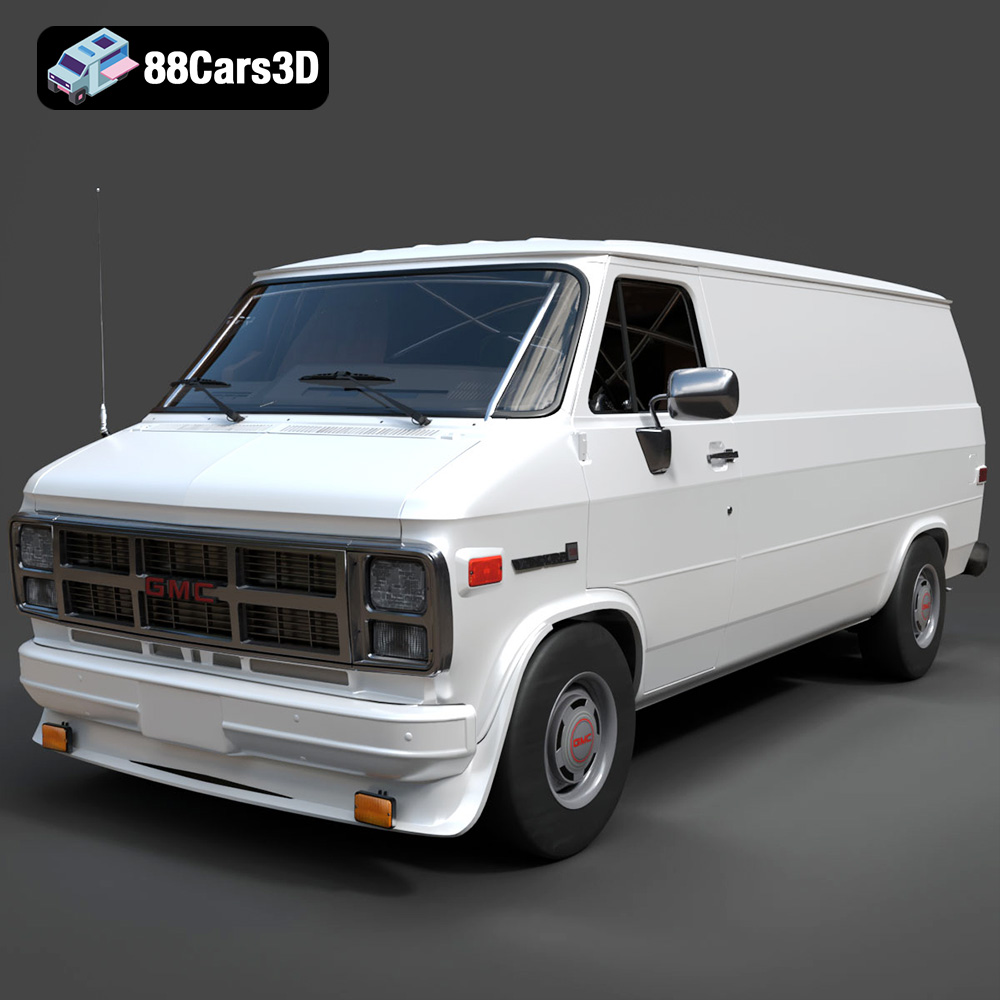
GMC Vandura G-1500 1983 3D Model
Texture: Yes
Material: Yes
Download the GMC Vandura G-1500 1983 3D Model featuring clean geometry, realistic detailing, and a fully modeled interior. Includes .blend, .fbx, .obj, .glb, .stl, .ply, .unreal, and .max formats for rendering, simulation, and game development.
Price: $19.99

Ford E-450 Ambulance 3D Model
Texture: Yes
Material: Yes
Download the Ford E-450 Ambulance 3D Model featuring clean geometry, realistic detailing, and a fully modeled interior. Includes .blend, .fbx, .obj, .glb, .stl, .ply, .unreal, and .max formats for rendering, simulation, and game development.
Price: $19.99
