

Unreal Engine has revolutionized real-time rendering, empowering artists and developers to create breathtaking visuals across industries, from game development to high-fidelity automotive visualization. While Unreal Engine’s Material Editor is incredibly powerful and intuitive, offering a vast array of nodes for crafting complex surfaces, there comes a point where even its extensive capabilities might not be enough to achieve truly unique or highly optimized visual effects. This is where HLSL (High-Level Shading Language) steps in, providing the granular control needed to push the boundaries of visual fidelity and performance.
For automotive artists and visualization specialists, the ability to craft custom shaders using HLSL within Unreal Engine is a game-changer. Imagine recreating the exact iridescent flake of a bespoke car paint, simulating complex brushed metal anisotropies, or implementing highly optimized real-time dirt and wear systems that adapt to driving conditions. These are scenarios where tapping into the raw power of HLSL allows for unparalleled realism and creative freedom. In this comprehensive guide, we’ll dive deep into the world of HLSL shader development within Unreal Engine, exploring how to leverage custom nodes, optimize your code, and create stunning, performant materials that elevate your automotive projects.
Whether you’re developing a cutting-edge car configurator, a photorealistic cinematic, or an immersive AR/VR experience, understanding HLSL will empower you to unlock the full potential of your 3D car models, especially those sourced from high-quality marketplaces like 88cars3d.com, which provide the pristine topology and UVs essential for advanced material work. Prepare to embark on a technical journey that will transform your approach to real-time rendering.
The Power of HLSL in Unreal Engine Materials
Unreal Engine’s Material Editor is a node-based visual programming environment that abstracts away much of the underlying shader code. For most tasks, it’s incredibly efficient and flexible. However, for specialized rendering techniques, advanced optimizations, or entirely unique visual effects, directly writing shader code in HLSL offers a level of control that visual scripting simply cannot match. This becomes particularly evident when dealing with the intricate surface properties of modern automotive designs, where subtle nuances in light interaction define realism.
You should consider HLSL when your requirements move beyond standard PBR workflows, such as implementing custom microfacet distributions for exotic materials, advanced subsurface scattering for car lights, or highly specific blending algorithms that are not natively supported by the Material Editor. Performance-critical operations that involve complex mathematical computations or require direct manipulation of GPU resources are also prime candidates for HLSL, as hand-optimizing code can often yield significant gains. The ‘Custom’ node within the Material Editor serves as your gateway to integrating HLSL directly into your material graphs, bridging the gap between visual nodes and raw shader code.
Setting Up Your First Custom Node
Integrating HLSL into your Unreal Engine materials begins with the ‘Custom’ node. To add one, simply right-click in your Material Editor graph and search for “Custom.” Once added, you’ll see properties for ‘Inputs,’ ‘Outputs,’ and the ‘Code’ field. The ‘Inputs’ array defines the variables you’ll pass from your Material Editor graph into your HLSL code, while ‘Outputs’ determines what data type your HLSL code will return to the rest of the graph. The ‘Code’ field is where you write your HLSL logic.
Let’s create a simple example: a custom sine wave displacement. In the ‘Custom’ node, add an input named ‘Time’ (Float) and an input named ‘Magnitude’ (Float). Set the ‘Output Type’ to ‘CMOT_Float1’ (or ‘Float’) if you’re only outputting a single float value. In the ‘Code’ field, you might write:
return sin(Time * 5.0) * Magnitude;
Connect a ‘Time’ node to your ‘Time’ input and a ‘ScalarParameter’ to your ‘Magnitude’ input. Now, this custom node will output a float value that oscillates over time, which you could then connect to a ‘World Position Offset’ input to create a pulsating effect on a mesh. Debugging custom nodes often involves using intermediary ‘Append’ or ‘VectorParameter’ nodes to view intermediate results, or even outputting debug values directly to the Emissive Color for visual inspection. It’s a pragmatic approach to quickly identify issues.
HLSL Fundamentals for Unreal Engine
At its core, HLSL is a C-like language designed for graphics processing units. Understanding its fundamental syntax, data types, and intrinsic functions is crucial. Common data types include float, float2, float3, and float4 for vectors of single-precision floating-point numbers, used for colors, positions, and UVs. For performance-sensitive operations where full precision isn’t critical, half (half-precision float) and fixed (fixed-point float) can be used, potentially halving memory bandwidth and instruction count. Unreal Engine often compiles half to float on desktop platforms, but it’s vital for mobile or VR targets.
HLSL also provides a rich library of intrinsic functions like sin(), cos(), pow(), lerp() (linear interpolation), saturate() (clamps value between 0 and 1), and vector operations (e.g., dot(), cross(), normalize()). These are heavily optimized for GPU execution. When writing HLSL in Unreal Engine’s Material Editor, your code typically executes as part of a pixel (fragment) shader or a vertex shader, depending on where the custom node is connected. For example, connecting to ‘World Position Offset’ implies a vertex shader context, while ‘Base Color’ implies a pixel shader context. Understanding this execution environment is key to writing correct and efficient code.
Crafting Advanced PBR Shaders with HLSL for Automotive
The standard Physically Based Rendering (PBR) model in Unreal Engine is robust, but the unique aesthetics of automotive materials often demand more. Car paints, with their multi-layered complexity, specialized metal finishes, and advanced glass types, frequently push the limits of what a generalized PBR model can achieve out-of-the-box. HLSL provides the means to extend these capabilities, allowing you to implement custom shading models or refine existing ones to perfectly match real-world material properties. This level of fidelity is paramount in automotive visualization, where even the slightest deviation from reality can break immersion.
By leveraging HLSL, you can go beyond the standard Base Color, Roughness, Metallic, and Normal inputs. You can introduce custom parameters for multi-layered clear coats, anisotropic reflection controls for brushed metals, or even complex spectral properties for advanced glass materials. These custom solutions often result in materials that not only look more accurate but can also be more performant due to tailored optimizations. Integrating these into the Material Editor workflow is seamless, as your custom node becomes just another building block in your graph, allowing artists to intuitively control complex shader logic through parameters and textures.
Custom Clear Coat and Multi-Layered Materials
Modern car paint is a prime example of a multi-layered material, typically consisting of a metallic base coat, followed by a clear protective coat. Unreal Engine provides a ‘Clear Coat’ input, but its flexibility can sometimes be limited for highly specific requirements. With HLSL, you can implement a truly custom clear coat model. This involves calculating the lighting for both the base layer and the clear coat layer separately, then blending them. A common approach is to apply a Fresnel effect to the clear coat, determining how much light reflects off its surface versus how much passes through to the base layer. The clear coat’s normal map can also be distinct from the base coat’s, allowing for subtle imperfections on the surface without affecting the underlying paint texture.
For instance, an HLSL custom node could take BaseColor, BaseNormal, ClearCoatRoughness, ClearCoatNormal, and ClearCoatColor as inputs. Inside the code, you’d calculate the BRDF (Bidirectional Reflectance Distribution Function) for the clear coat based on its roughness and normal, using a Fresnel term to blend it with the underlying base layer’s BRDF. This allows for effects like micro-scratches on the clear coat without affecting the underlying metallic flakes. This level of control is essential for replicating the nuanced reflections and refractions seen on high-end vehicles, ensuring your 3D car models from 88cars3d.com look their absolute best.
Anisotropic Reflection for Brushed Metals
Anisotropic reflection is a critical detail for materials like brushed aluminum, polished chrome strips, or textured carbon fiber. Unlike isotropic materials, which reflect light uniformly in all directions from a given point, anisotropic materials reflect light differently depending on the direction of the surface’s micro-grooves or fibers. The standard Unreal Engine PBR model primarily supports isotropic roughness. To achieve true anisotropy, HLSL is indispensable.
Implementing anisotropic reflection typically involves a specialized BRDF model that takes into account the tangent direction of the surface. You would pass the tangent vector (often derived from vertex data or a texture) and a ‘Anisotropy’ parameter (controlling the direction and strength of the effect) into your HLSL custom node. The shader then uses this information to distort the reflection lobe, stretching it along the direction of the anisotropy. For example, on a brushed metal panel, highlights would appear elongated perpendicular to the brush strokes. This effect adds immense realism to automotive components, making those meticulously modeled chrome details truly shine. The math involved can be complex, often drawing from various research papers on microfacet theory, but the ability to implement it directly in HLSL allows for precise artistic control and physical accuracy.
Optimizing HLSL Shaders for Real-Time Performance
While HLSL grants unparalleled control over visual fidelity, it also places a greater responsibility on the developer for performance. Unoptimized custom shaders can quickly become significant bottlenecks, especially in real-time applications like games, AR/VR experiences, or high-frame-rate automotive configurators. Understanding and monitoring shader complexity is crucial for maintaining smooth frame rates. Unreal Engine provides tools like the ‘Shader Complexity’ view mode, which visually represents the instruction count of your shaders, helping you pinpoint areas that need optimization. The beauty of HLSL is that it allows for granular, line-by-line optimization, something not always possible with node-based materials.
Every instruction, every texture sample, and every conditional branch contributes to the shader’s cost. For automotive visualization, where scenes often contain numerous detailed models and complex lighting, keeping shader costs low across all materials is paramount. HLSL gives you the power to implement performance-critical logic directly, often outperforming equivalent node-based setups by avoiding intermediate calculations or redundant operations that the Material Editor might generate. Strategic optimization at the shader level can be the difference between a fluid interactive experience and a stuttering presentation.
Code Optimization Techniques
When writing HLSL, several techniques can significantly reduce instruction count and memory bandwidth. Firstly, minimizing expensive mathematical operations: avoid trigonometric functions (sin, cos, tan) where simpler alternatives like dot products or approximations suffice. Utilize the `half` data type for variables that don’t require full float precision (e.g., color components, normalized vectors), especially important for mobile or VR targets. While Unreal Engine’s shader compiler often promotes `half` to `float` on desktop, it’s good practice for cross-platform consistency and to convey intent. Secondly, optimize texture sampling. Group related texture samples to minimize cache misses, and always ensure appropriate mip maps are generated and used. Texture arrays can also be highly efficient for managing multiple similar textures.
Conditional compilation and branching are areas requiring careful consideration. While `if` statements seem straightforward, on GPUs, they can lead to divergent execution paths, where different parts of a thread group execute different branches, effectively running both paths and discarding the results of the unused one (known as “branching overhead”). For simple conditions, using `lerp` (linear interpolation) can sometimes be more performant than an `if` statement, as it executes both calculation paths but blends the results, ensuring coherent execution across the GPU. For more complex, truly branching logic, ensure conditions are based on uniform data or data that changes infrequently across pixels within a draw call to minimize divergence. Packing multiple related data points into a single texture channel or a single vector can also reduce texture fetches and memory usage. For more in-depth knowledge on shader optimization within Unreal Engine, Epic Games’ official documentation at https://dev.epicgames.com/community/unreal-engine/learning is an excellent resource.
Advanced Shader Features and Performance
Unreal Engine’s modern rendering features like Nanite and Lumen are designed to handle incredible geometric and lighting complexity. When using custom HLSL shaders, it’s vital to ensure they interact correctly and efficiently with these systems. For Nanite, Unreal Engine’s virtualized geometry system, custom shaders are fully supported, but there are nuances. World Position Offset (WPO) calculated in HLSL will dynamically displace Nanite meshes. For effects that alter vertex positions, consider how these interact with Nanite’s clustering and culling. Custom data stored in vertex attributes can also be processed by HLSL, allowing for procedural variations on high-poly Nanite meshes without needing explicit per-vertex data in the source model. However, be mindful that excessive WPO can potentially break Nanite’s implicit LODs, so always test thoroughly.
Lumen, Unreal Engine’s real-time global illumination and reflection system, relies on accurate material properties. When writing custom HLSL, ensure your material outputs (BaseColor, Metallic, Roughness, Emissive, etc.) are physically plausible and contribute correctly to Lumen’s scene representation. If you’re creating highly specialized shading models, you might need to adjust their contribution to Lumen’s probes or reflections to ensure they integrate seamlessly. For example, if you have a custom emissive effect, ensure it’s correctly represented in the Emissive input of your material to influence Lumen’s light propagation. Always test custom HLSL shaders within scenes utilizing Nanite and Lumen to verify their visual and performance integrity in a fully integrated environment.
Beyond Surface Shading: Procedural Effects and Special Materials
HLSL’s utility extends far beyond just defining how light interacts with a surface. It’s a powerful tool for generating procedural content, creating dynamic effects, and implementing special materials that would be difficult or impossible to achieve with standard texture mapping or Material Editor nodes alone. This is particularly valuable in automotive visualization, where dynamic changes, simulated wear, or interactive displays can significantly enhance the user experience and realism.
Imagine a car configurator where the vehicle’s paint dynamically shows dust accumulation based on simulated environmental factors, or an interactive dashboard display with custom animations driven purely by shader code. These types of effects not only add visual richness but also provide a level of interactivity and dynamic realism that static textures cannot. HLSL empowers developers to create these intricate behaviors, making assets more engaging and versatile across different applications.
Procedural Wear and Tear / Dirt Systems
Creating convincing wear and tear or dirt accumulation on a vehicle using traditional textures can be labor-intensive and static. HLSL allows for highly dynamic and procedural systems. You could implement a system where dirt accumulates in crevices or on horizontal surfaces based on world-space normals and procedural noise functions like Worley noise or Perlin noise. For example, a custom HLSL node could take the world normal and object position, sample a noise texture or generate noise mathematically, and then use a dot product with the up vector to determine how much dirt to apply based on surface orientation. This dirt layer could then be blended with the base material using various blend modes.
Scratches or paint chips could also be procedurally generated, perhaps using a combination of edge detection (based on vertex normals and tangents) and noise to simulate chipping along sharp edges. These procedural systems offer immense flexibility: parameters can be exposed to Blueprint, allowing artists to dynamically control the “age” or “dirtiness” of a car model in real-time, ideal for configurators or interactive demos. High-quality base models from platforms like 88cars3d.com with clean topology and proper UVs are crucial for these procedural systems to work effectively, as they provide a stable foundation for the shader’s calculations.
Interactive Displays and Holographic Materials
Modern vehicles feature increasingly complex digital dashboards and infotainment systems. Creating these interactive displays with custom animations and dynamic content often requires HLSL. You can write shaders that simulate scrolling text, glitch effects, or even simple data visualizations directly on the car’s interior screens. For example, a custom node could take a ‘Time’ input and UVs to procedurally generate scrolling lines, color gradients, or even simple shapes, mapping them onto the screen’s geometry. This avoids the need for complex flipbook textures or render targets for simpler effects, saving performance.
Beyond displays, HLSL is excellent for futuristic or conceptual holographic materials. Imagine a transparent car body that projects data or glows with energy effects. Such materials often involve complex refraction, interference patterns, or light emission based on custom mathematical models. An HLSL shader could combine multiple noise layers, Fresnel effects, and emissive properties to create a convincing holographic projection, reacting to camera angle or external parameters. These advanced materials are perfect for concept car presentations or sci-fi themed game environments, pushing the visual envelope of real-time automotive rendering.
Integrating Custom Shaders into Automotive Visualization Workflows
The true value of HLSL shader development shines when it’s seamlessly integrated into a professional automotive visualization pipeline. It’s not just about creating a single stunning material; it’s about building a robust library of custom shading solutions that can be applied consistently across multiple car models, configurations, and use cases. This integration transforms HLSL from a niche tool into a core component of achieving unparalleled realism and efficiency in Unreal Engine projects.
From developing a comprehensive suite of automotive-specific materials to ensuring these advanced shaders perform optimally in demanding virtual production environments or real-time configurators, a thoughtful approach to integration is key. HLSL provides the foundation for solving complex rendering challenges, empowering artists and developers to meet the exacting standards of the automotive industry while maintaining real-time performance.
Custom Shading Models for Diverse Automotive Materials
The range of materials in a car is vast: from the deep gloss of clear-coated paint and the intricate weave of carbon fiber, to the subtle texture of various plastics, the unique properties of tire rubber, and the complex absorption/dispersion of safety glass. While Unreal Engine provides good defaults, HLSL allows for the creation of highly specialized shading models for each of these. For instance, a custom carbon fiber shader could use a triplanar projection with multiple normal maps and anisotropic roughness to correctly simulate the woven pattern, accounting for light interaction from different angles. For glass, HLSL can be used to implement more physically accurate absorption based on thickness, spectral dispersion, or even frost effects.
Managing a library of these custom HLSL shader functions within Unreal Engine is essential for production. You can create ‘Material Functions’ that encapsulate your HLSL custom nodes and their associated parameters, allowing them to be reused across different parent materials. This not only streamlines workflow but also ensures consistency in material properties across all your vehicles. When sourcing automotive assets from marketplaces such as 88cars3d.com, you often receive models with clean UVs and well-defined material zones, which are perfect canvases for applying these advanced, custom-made shaders, ensuring every surface, from the interior stitching to the exterior panel gaps, benefits from tailored rendering.
Virtual Production and Real-Time Configurators
The automotive industry increasingly relies on virtual production and real-time configurators for design reviews, marketing, and sales. In these scenarios, visual fidelity and real-time performance are non-negotiable. Custom HLSL shaders play a crucial role here. For real-time configurators, the ability to dynamically change material parameters (e.g., paint color, wheel finish, interior trim) through Blueprint, with those changes directly influencing complex HLSL shader logic, provides an incredibly responsive and visually accurate experience. Imagine a configurator where changing the paint color instantly updates the nuanced metallic flake and clear coat properties defined in your custom HLSL shader.
In virtual production, especially when rendering to large LED walls, custom shaders must perform flawlessly and display correctly across various color spaces and calibrations. HLSL allows you to implement specific color space transformations or adjust material outputs to compensate for LED panel characteristics, ensuring that the rendered vehicle looks exactly as intended on set. Furthermore, performance optimization achieved through HLSL is critical for maintaining the high frame rates required for smooth virtual camera movements and real-time interaction in virtual production environments. The precise control offered by HLSL ensures that every pixel on the LED wall accurately represents the high-quality 3D car models within the Unreal Engine scene, delivering stunning results for filmmakers and automotive brands alike.
Conclusion
The journey into HLSL shader development within Unreal Engine is a challenging yet incredibly rewarding one. While Unreal Engine’s Material Editor provides an excellent foundation, mastering HLSL unlocks a new dimension of control, allowing you to craft materials and effects that are truly unique, highly optimized, and meticulously accurate. We’ve explored how to integrate HLSL using custom nodes, delved into creating advanced PBR shaders for complex automotive materials, uncovered critical optimization techniques for real-time performance, and discussed how HLSL empowers procedural effects and special display materials.
For Unreal Engine developers, 3D artists, and automotive visualization professionals, the ability to dive into raw shader code is a critical skill for pushing the boundaries of realism and interactivity. It’s about having the precision to recreate the exact nuances of real-world materials and the flexibility to invent entirely new visual experiences. By understanding HLSL, you are no longer limited by predefined nodes; you gain the power to implement your own vision, optimize for specific hardware, and stay ahead of the curve in a rapidly evolving real-time rendering landscape.
Embrace the challenge, experiment with custom nodes, and continue to explore the vast possibilities that HLSL offers. The high-quality 3D car models available on 88cars3d.com provide the perfect foundation to apply these advanced techniques, transforming your projects from visually appealing to truly breathtaking. The future of automotive visualization and real-time rendering is brighter with custom shaders, and you now have the knowledge to be at the forefront of this exciting evolution.
Featured 3D Car Models

Porsche Cayenne 3D Model
Meta Description:
Texture: Yes
Material: Yes
Download the Porsche Cayenne 3D Model featuring realistic exterior styling and detailed interior design. Includes .blend, .fbx, .obj, .glb, .stl, .ply, .unreal, and .max formats for rendering, simulation, AR VR, and game development.
Price: $19.9
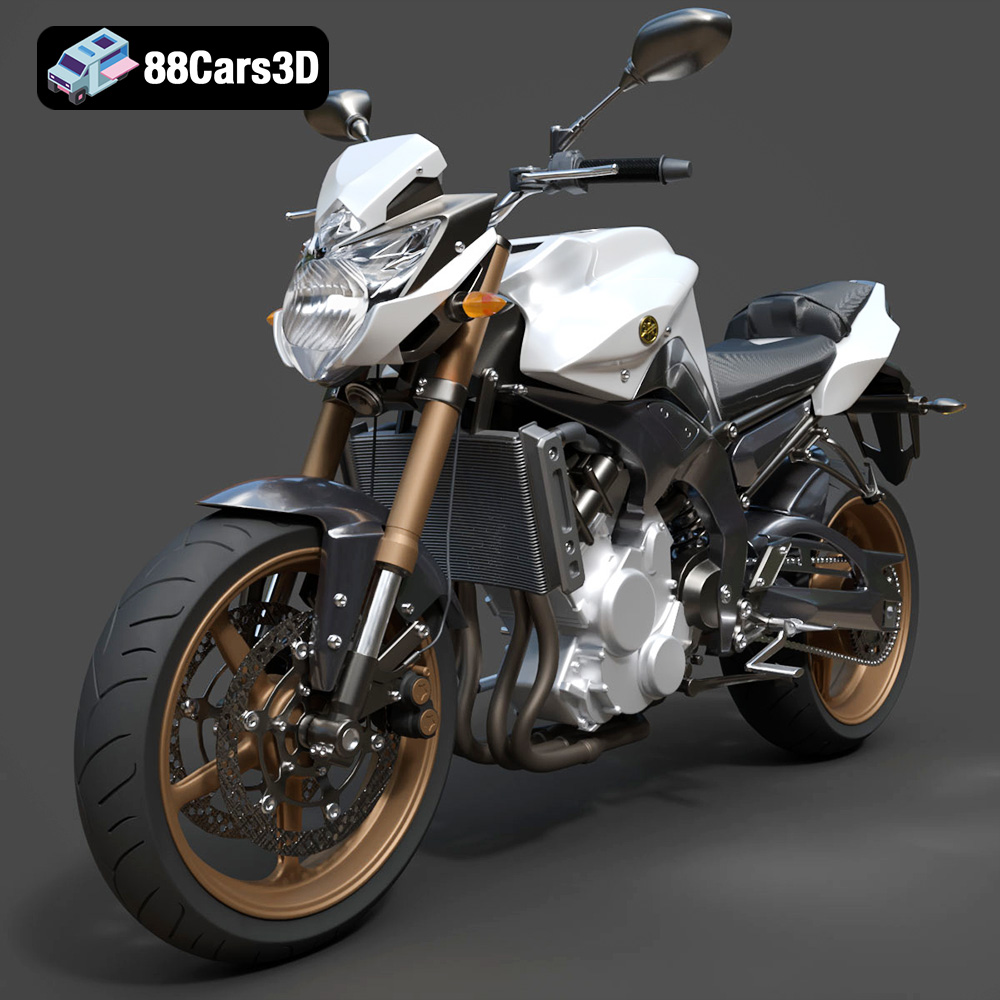
Yamaha FZ8 2011 3D Model
Texture: Yes
Material: Yes
Download the Yamaha FZ8 2011 3D Model featuring clean geometry, realistic detailing, and a fully modeled interior. Includes .blend, .fbx, .obj, .glb, .stl, .ply, .unreal, and .max formats for rendering, simulation, and game development.
Price: $19.99
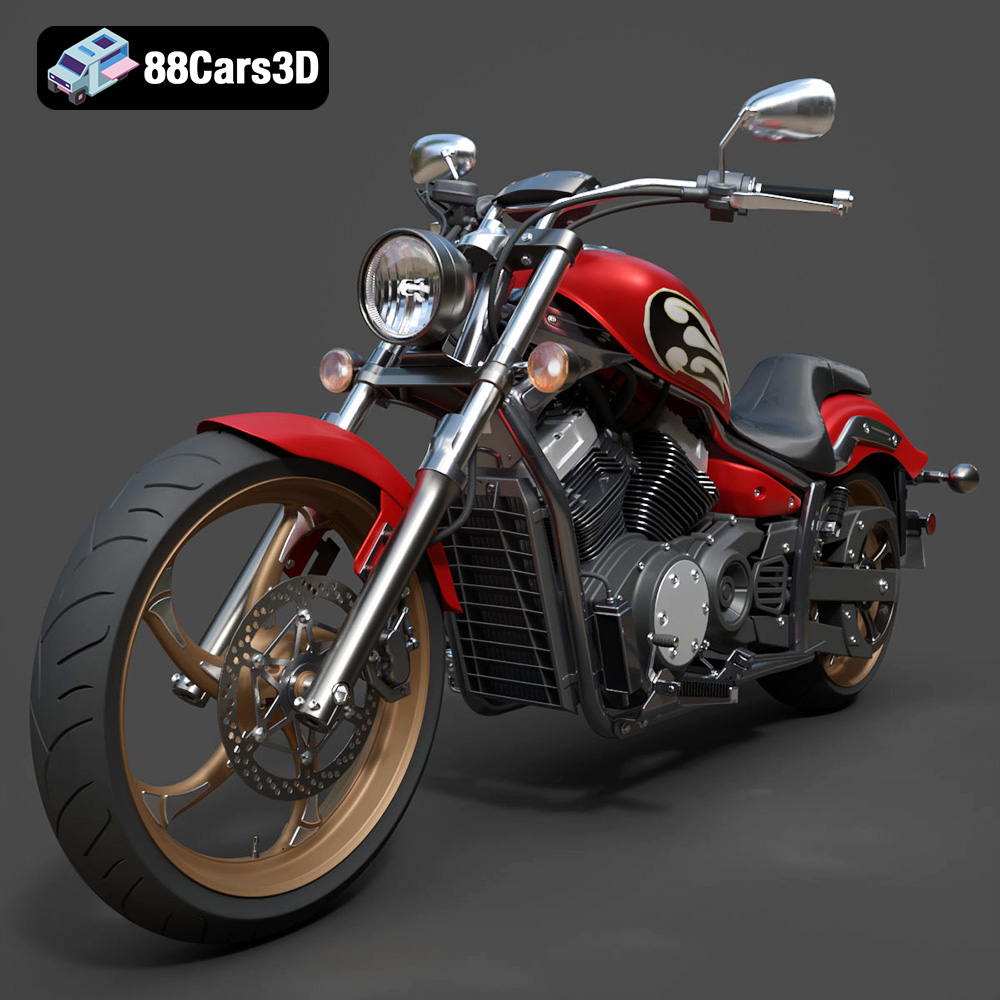
Yamaha Stryker 2012 3D Model
Texture: Yes
Material: Yes
Download the Yamaha Stryker 2012 3D Model featuring clean geometry, realistic detailing, and a fully modeled interior. Includes .blend, .fbx, .obj, .glb, .stl, .ply, .unreal, and .max formats for rendering, simulation, and game development.
Price: $19.99
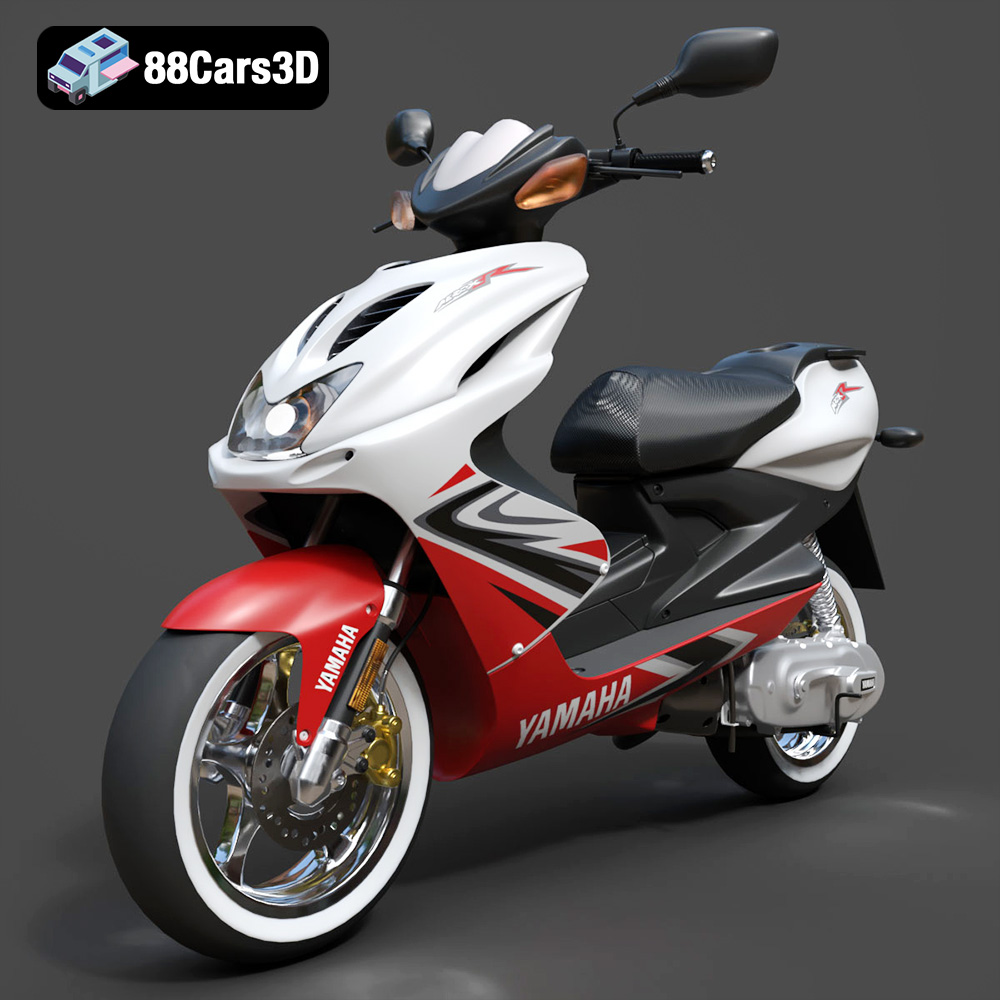
Yamaha Aerox R-002 2024 3D Model
Texture: Yes
Material: Yes
Download the Yamaha Aerox R-002 2024 3D Model featuring clean geometry, realistic detailing, and a fully modeled interior. Includes .blend, .fbx, .obj, .glb, .stl, .ply, .unreal, and .max formats for rendering, simulation, and game development.
Price: $19.99
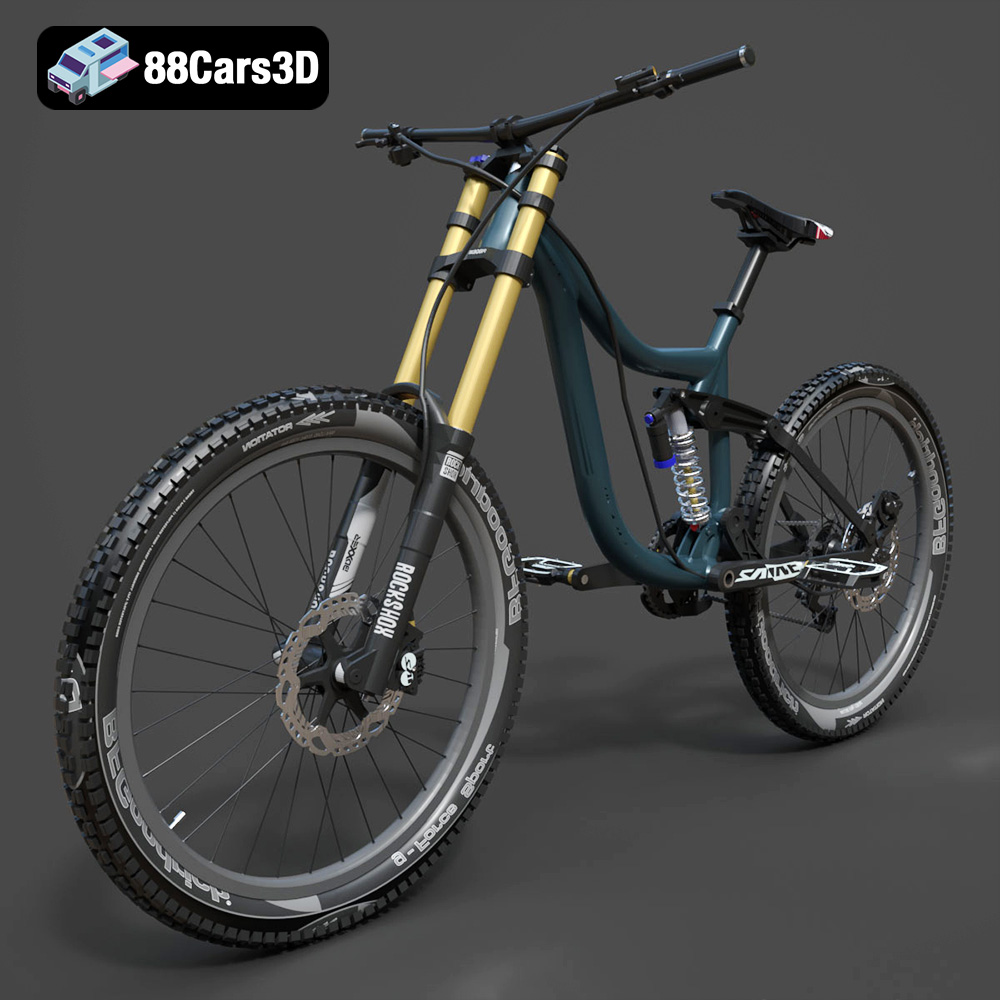
Mototsikly Downhill Bike-002 3D Model
Texture: Yes
Material: Yes
Download the Mototsikly Downhill Bike-002 3D Model featuring clean geometry, realistic detailing, and precise mechanical components. Includes .blend, .fbx, .obj, .glb, .stl, .ply, .unreal, and .max formats for rendering, simulation, and game development.
Price: $19.99
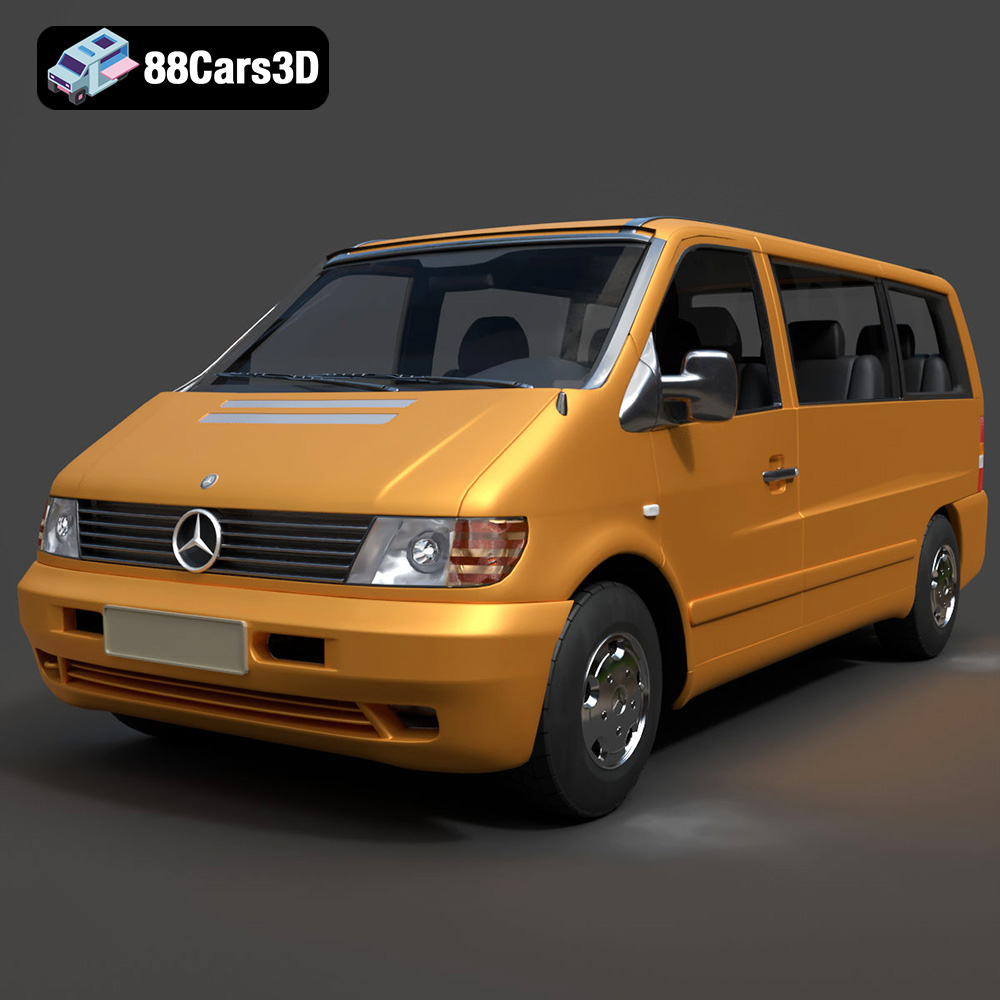
Mercedes-Benz Vito Passenger Van 3D Model
Texture: Yes
Material: Yes
Download the Mercedes-Benz Vito Passenger Van 3D Model featuring clean geometry, realistic detailing, and a fully modeled interior. Includes .blend, .fbx, .obj, .glb, .stl, .ply, .unreal, and .max formats for rendering, simulation, and game development.
Price: $19.99
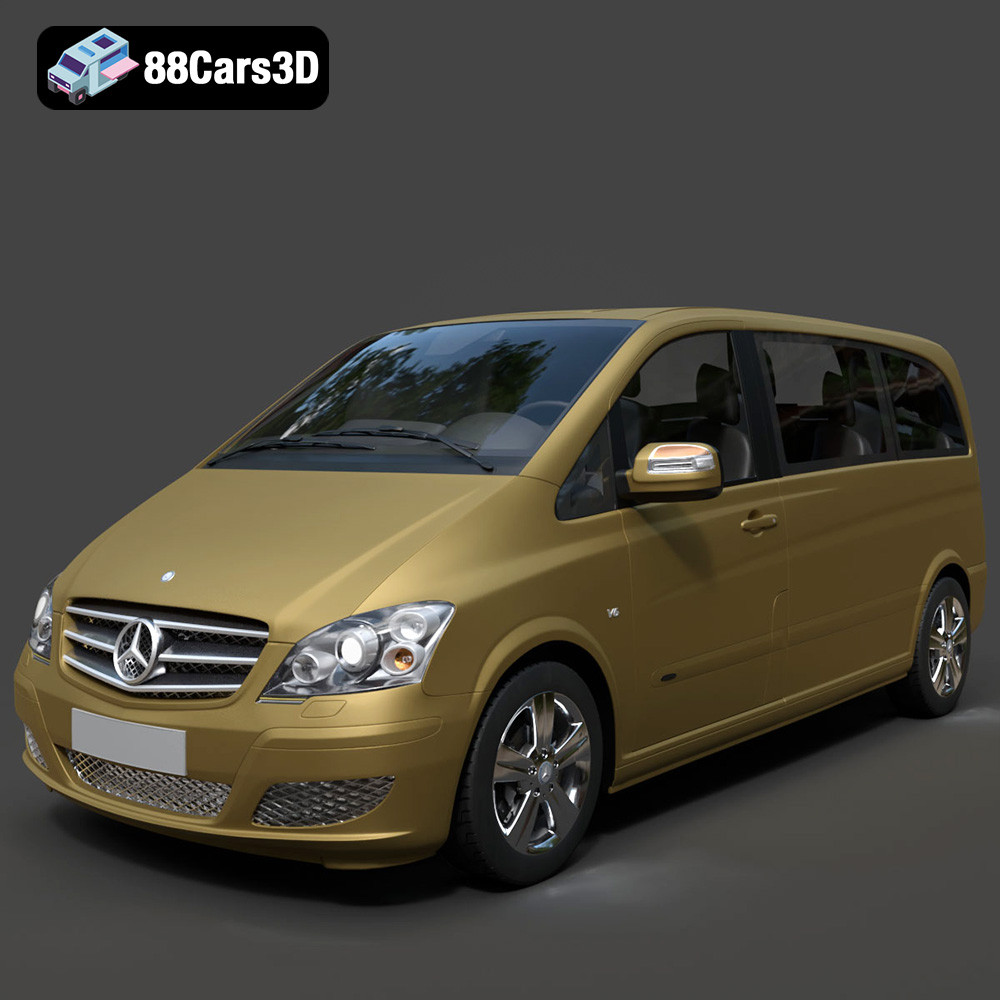
Mercedes-Benz Viano 2010 3D Model
Texture: Yes
Material: Yes
Download the Mercedes-Benz Viano 2010 3D Model featuring clean geometry, realistic detailing, and a fully modeled interior. Includes .blend, .fbx, .obj, .glb, .stl, .ply, .unreal, and .max formats for rendering, simulation, and game development.
Price: $19.99

Emt Avtobus 007 3D Model
Texture: Yes
Material: Yes
Download the Emt Avtobus 007 3D Model featuring clean geometry, realistic detailing, and a fully modeled interior. Includes .blend, .fbx, .obj, .glb, .stl, .ply, .unreal, and .max formats for rendering, simulation, and game development.
Price: $19.99
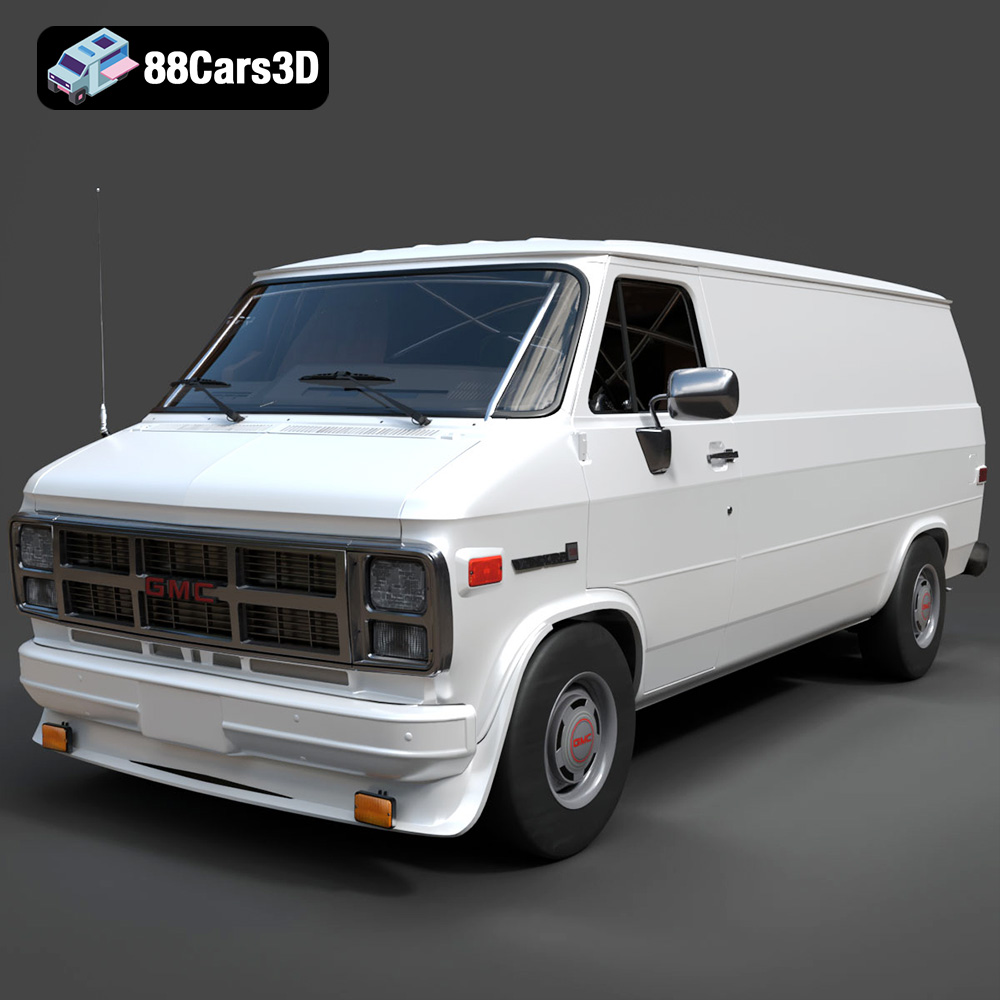
GMC Vandura G-1500 1983 3D Model
Texture: Yes
Material: Yes
Download the GMC Vandura G-1500 1983 3D Model featuring clean geometry, realistic detailing, and a fully modeled interior. Includes .blend, .fbx, .obj, .glb, .stl, .ply, .unreal, and .max formats for rendering, simulation, and game development.
Price: $19.99

Ford E-450 Ambulance 3D Model
Texture: Yes
Material: Yes
Download the Ford E-450 Ambulance 3D Model featuring clean geometry, realistic detailing, and a fully modeled interior. Includes .blend, .fbx, .obj, .glb, .stl, .ply, .unreal, and .max formats for rendering, simulation, and game development.
Price: $19.99
